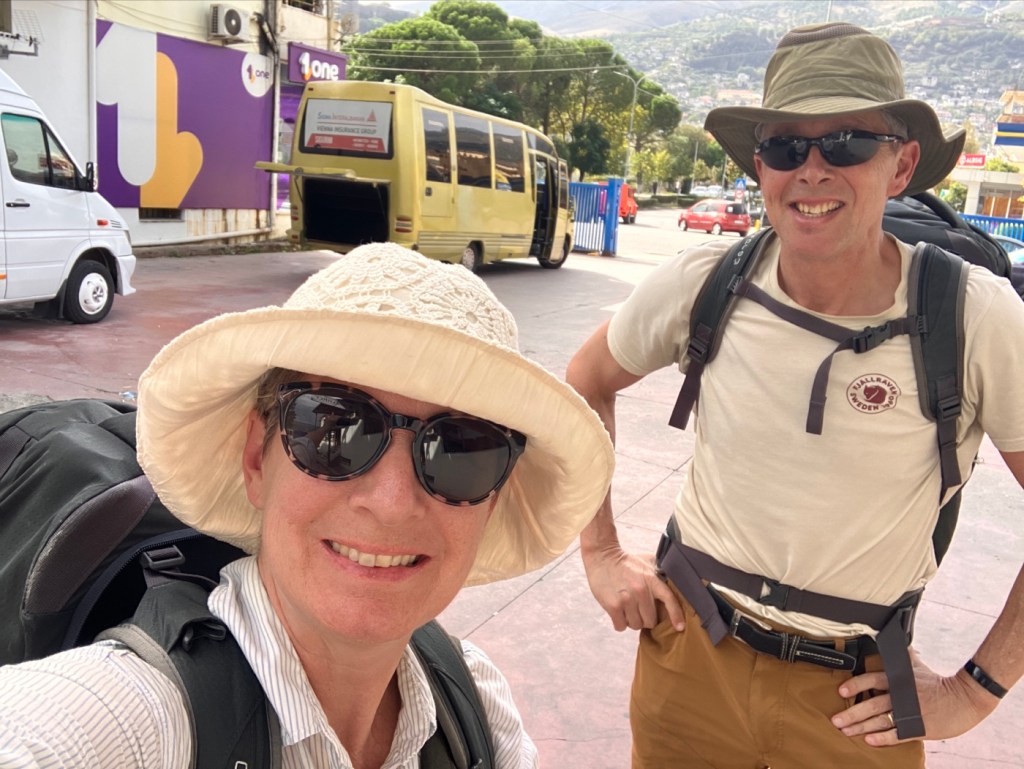
As Rich wrote about in the previous post, Albania is changing a lot. Part of that change is how many people are emigrating. When the Albanian borders opened in 1990, following the collapse of the Communist government, a multi decade long period of closed borders, people could finally leave. They could and did. Articles we have read state that up to 40% of the country’s population has left since 1991.

This hollowing out of towns isn’t apparent from the places we’ve visited so far, which are gaining more attention from tourists who bring money in. We see new hotels and guesthouses, restaurants that are seasonal for the tourist demand, and a younger generation who speak English well. Like our 13 year old waiter. When I asked how he learned English, he said he learned in school and had a tutor. Don’t think from my saying he was the best waiter we had so far that service in Albania is rude or non-existent, it’s neither. We find people working in restaurants and hotels to be straightforward and honest. Sure paying your bill can take a while, but that has to do with not rushing customers. You see that at any of the many cafes, it’s acceptable to sit for hours over a cup of coffee. No one will make you feel rushed.

What made this young waiter stand out was the way he interacted with customers, I think the restaurant was his aunt’s, during breaks he was playing with a young child he said was his cousin. When a better table opened up he asked a newly seated couple if they would like to move to the other table. He was snappy, took orders on his phone, recommended dishes and let us know when we were ordering too much food. He impressed us and the table near us, Canadian and British guys also on their first visit to Albania.

Apparently one route out of Albania and into a job in another country is the hospitality industry in Germany and other EU countries. And healthcare. The youth brain drain is serious, as is the amount of remittance money coming back to Albania from those employed abroad. https://theconversation.com/albanias-brain-drain-why-so-many-young-people-are-leaving-and-how-to-get-them-to-stay-207455


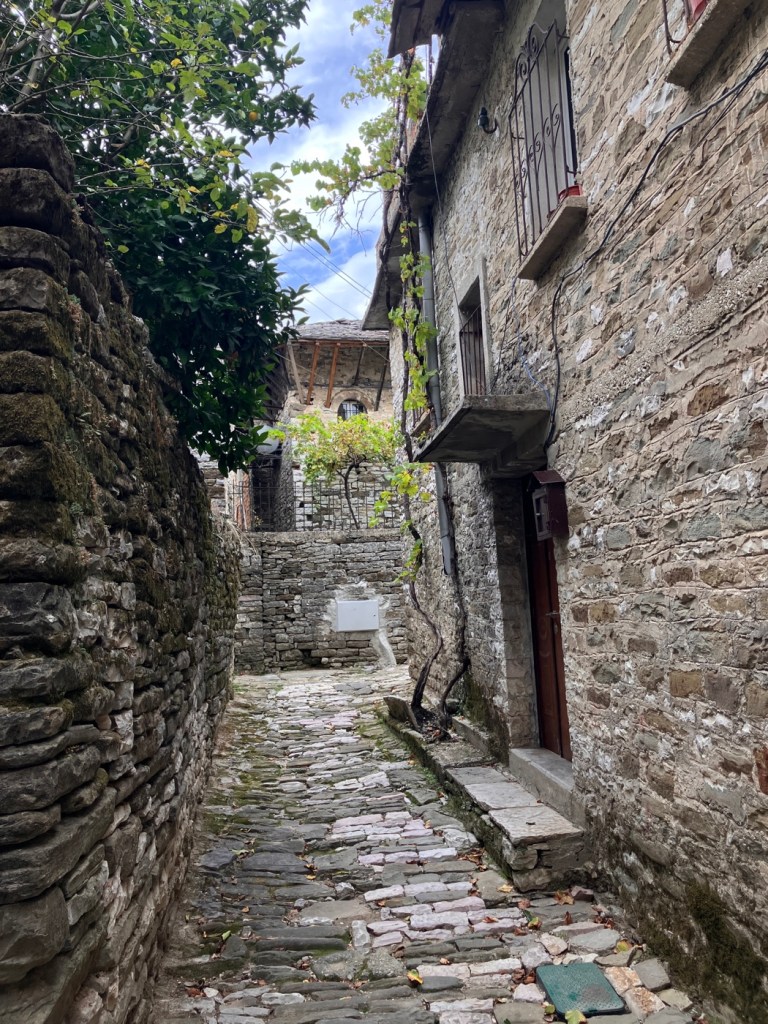
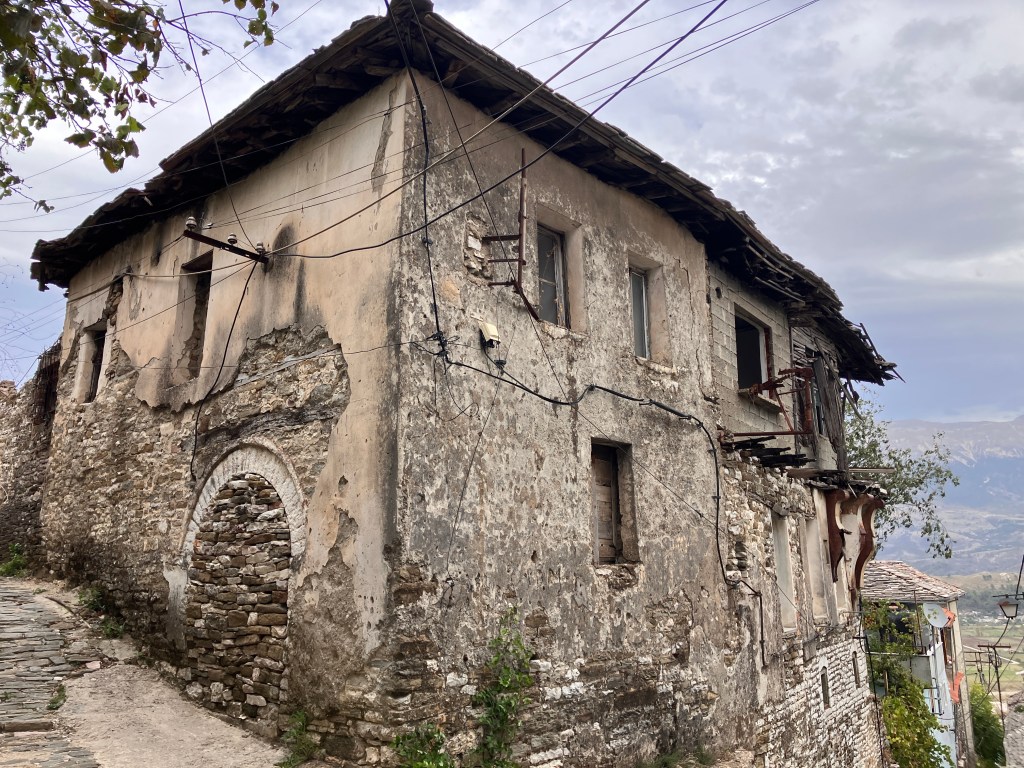
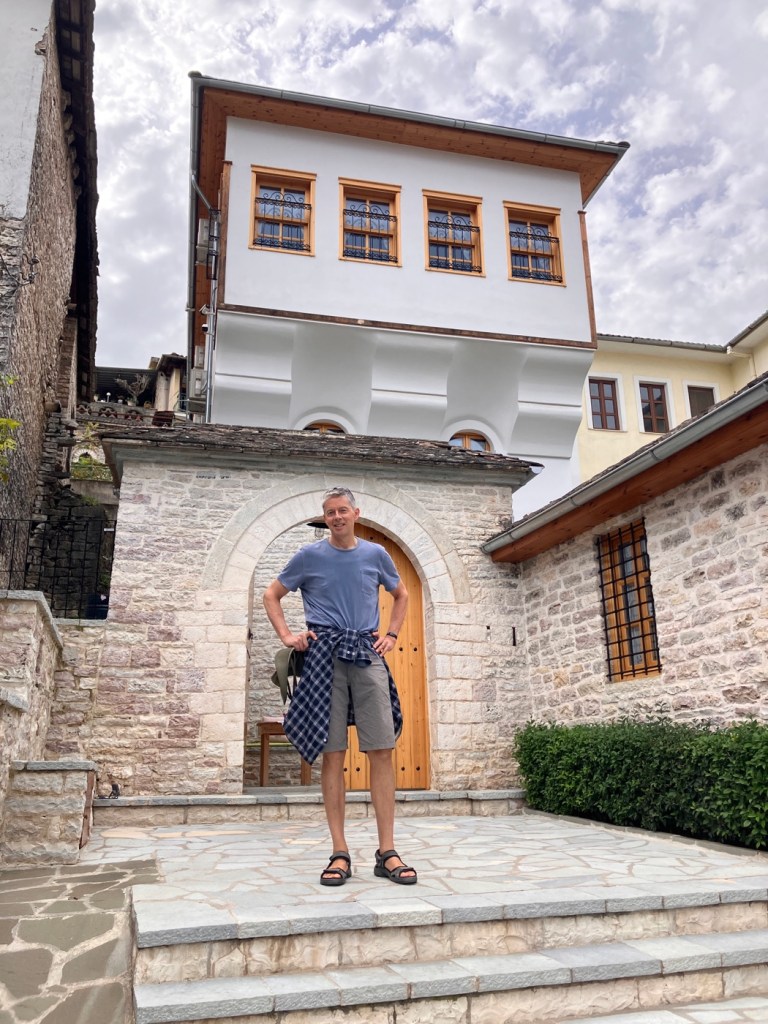
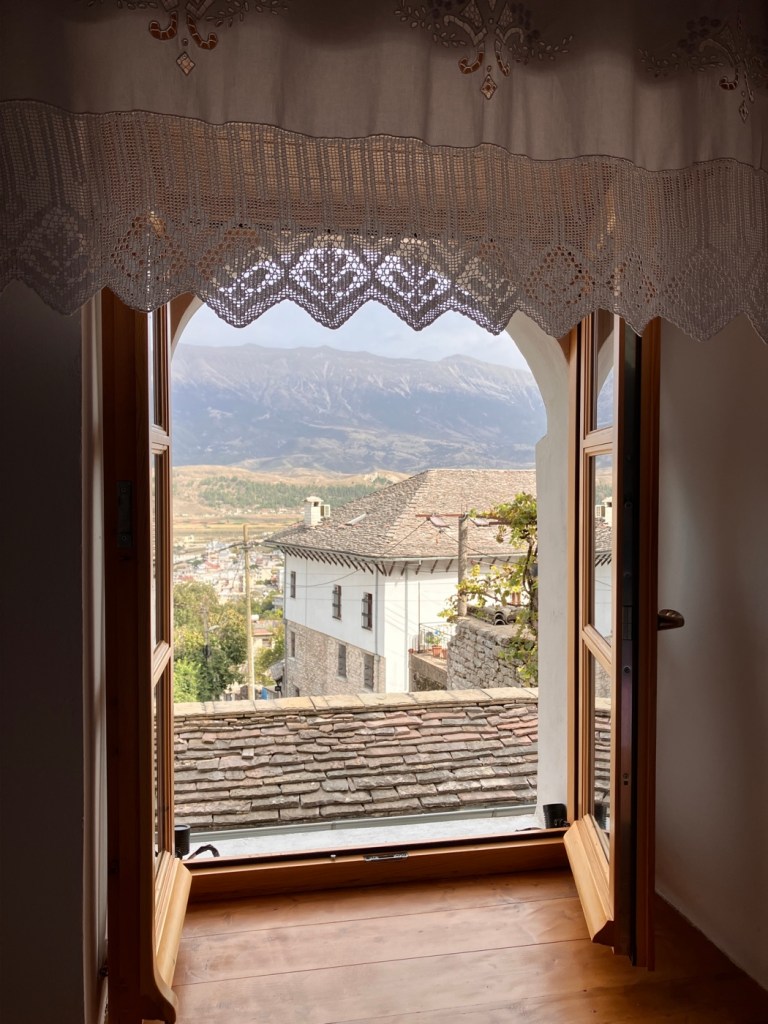
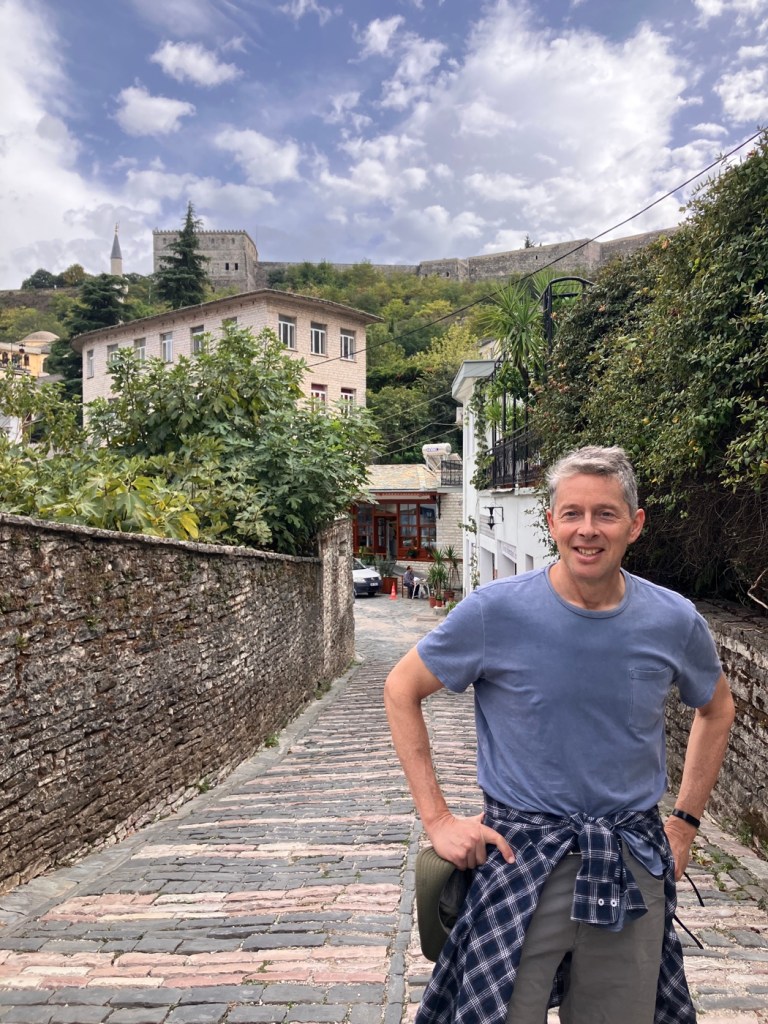
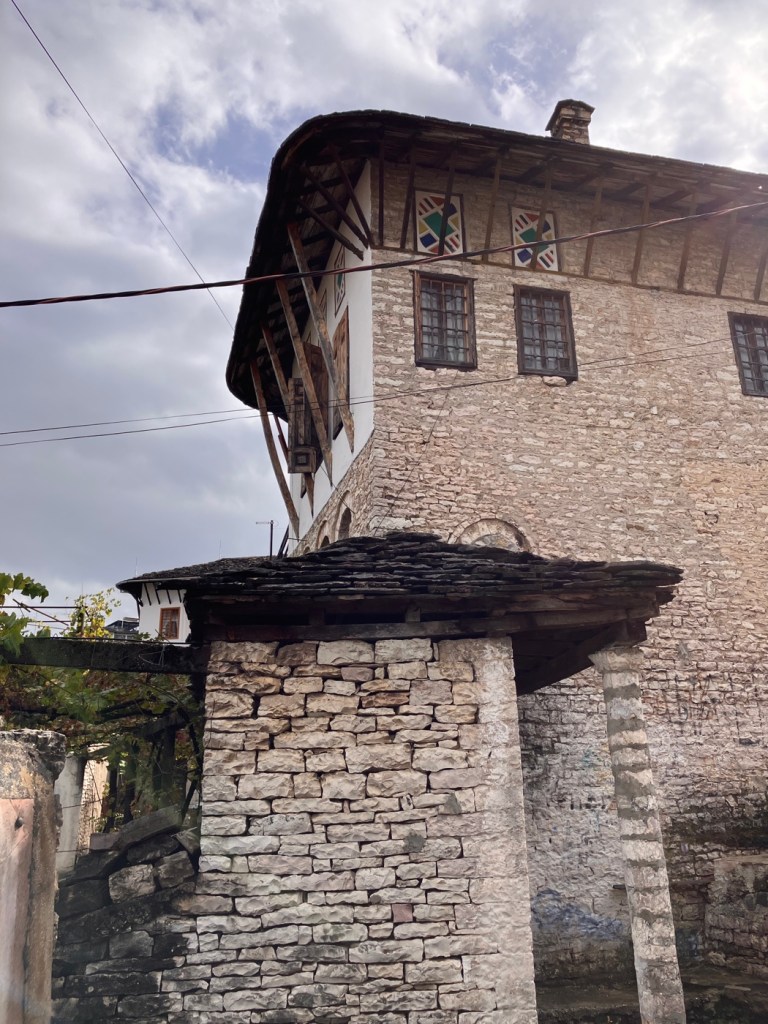
We only had two nights in Gjirokaster, but we certainly made the most of our day and a half in terms of miles walked. The castle has a good history museum. Well worth a visit.
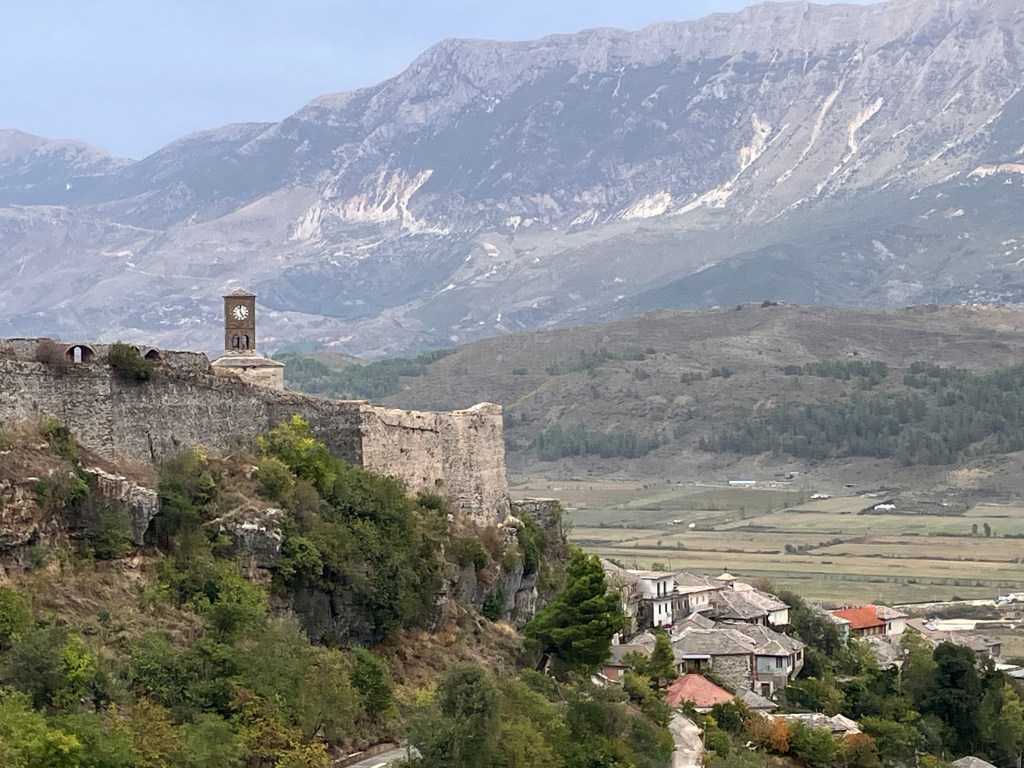
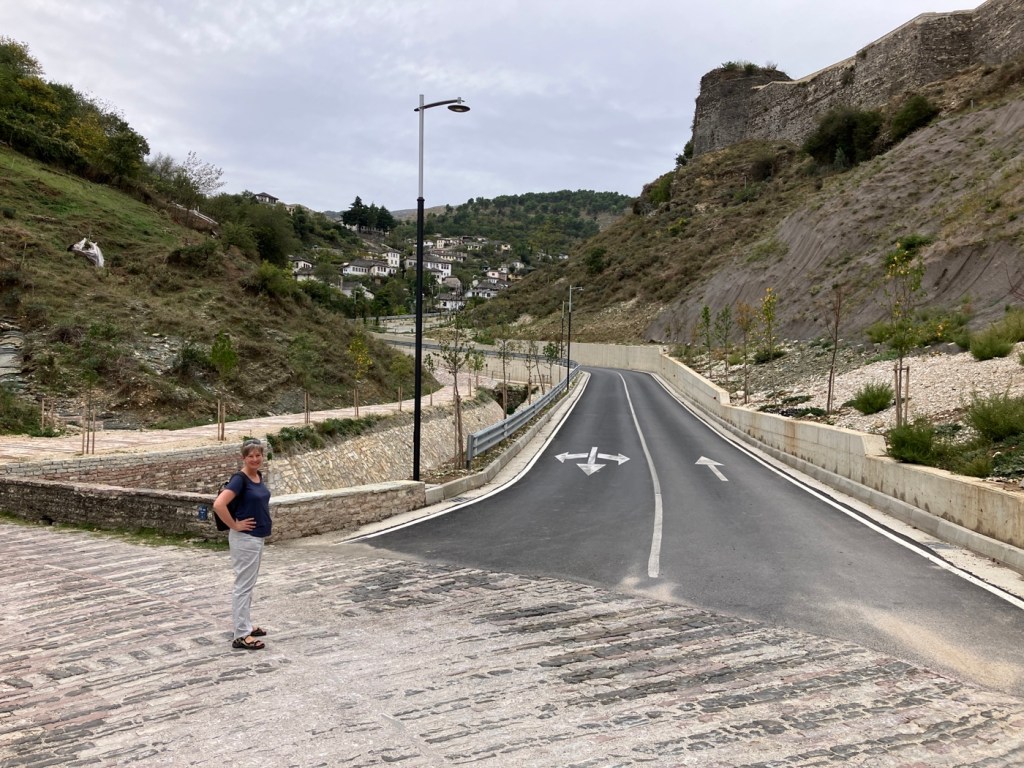

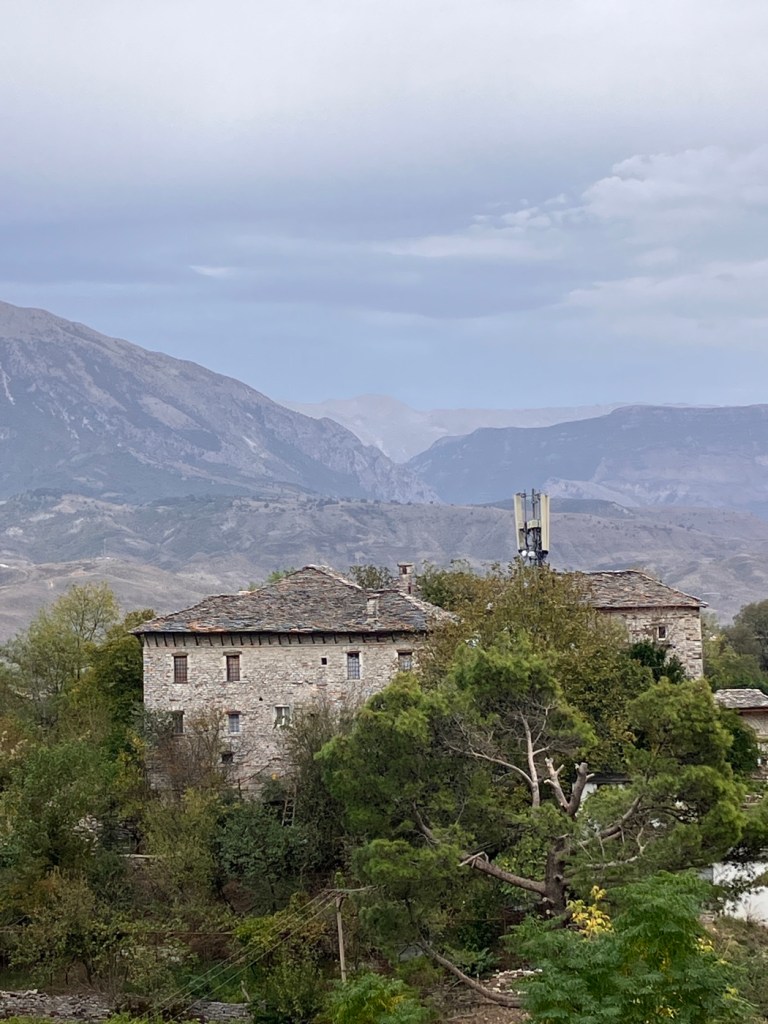
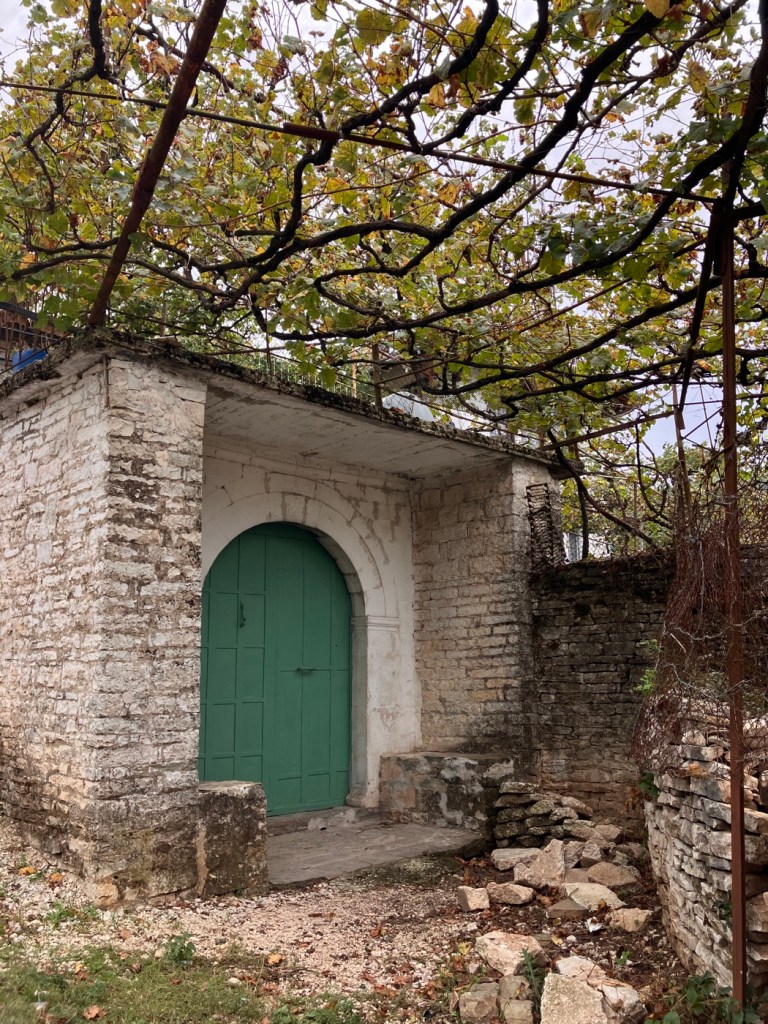

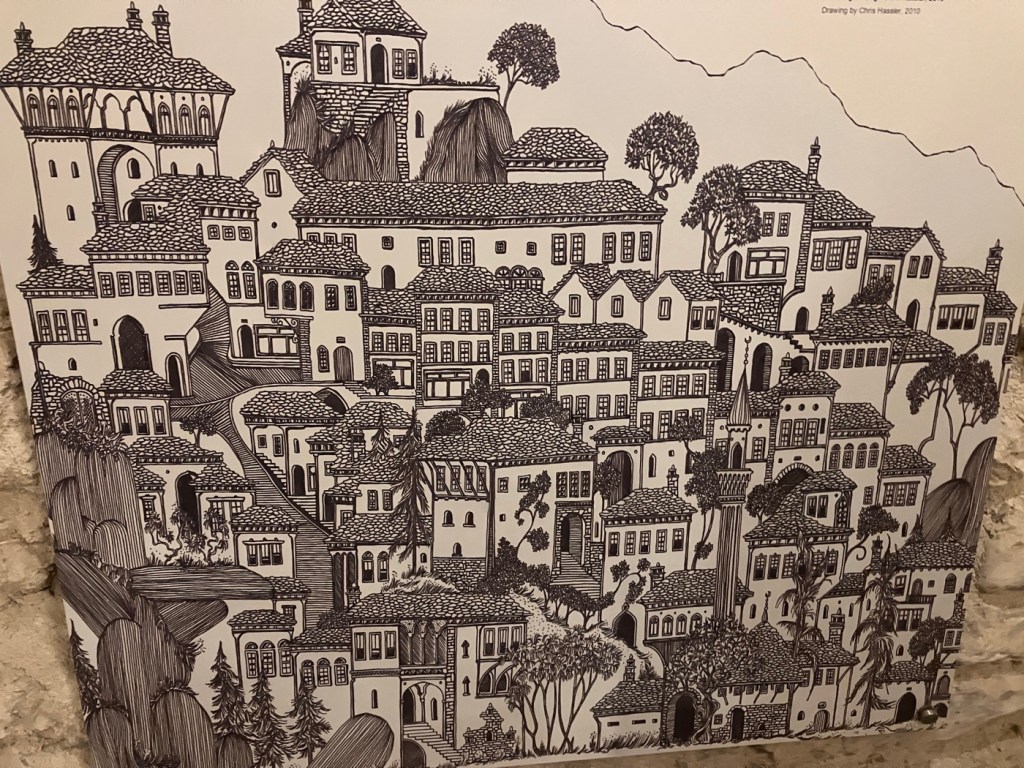

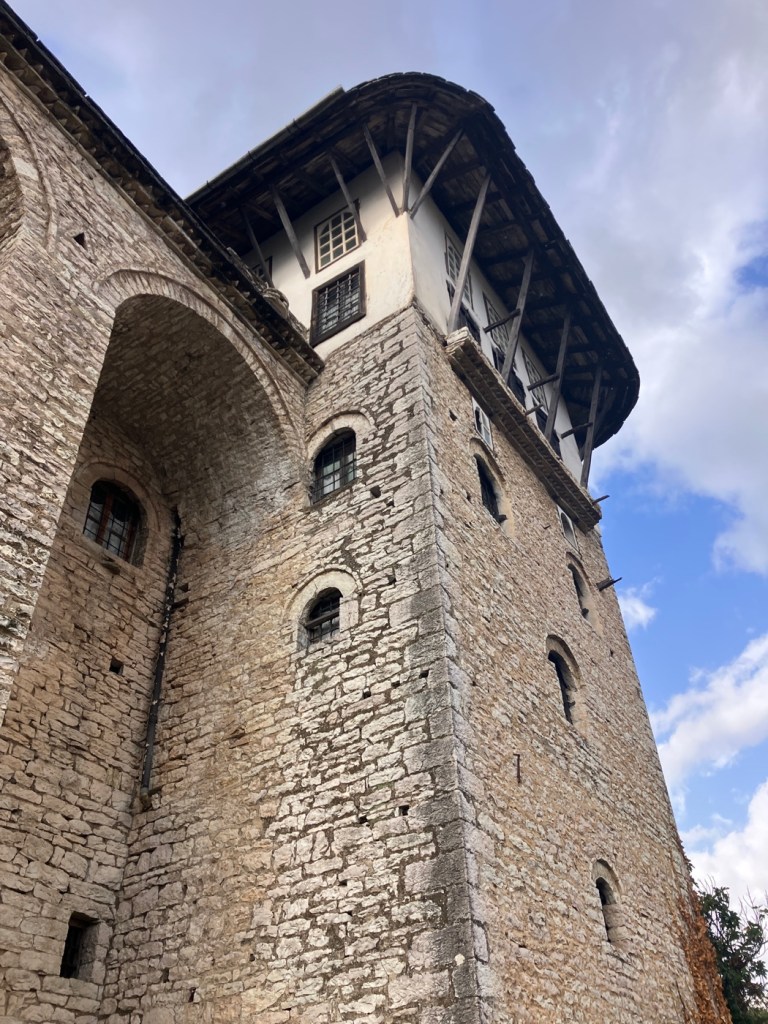
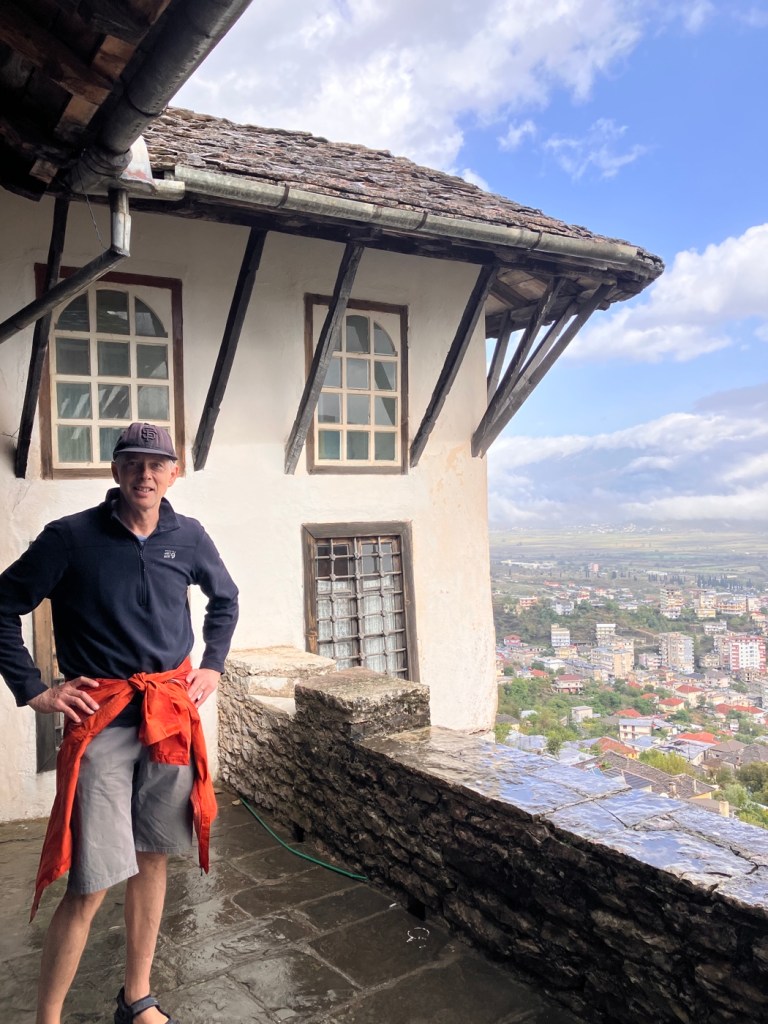
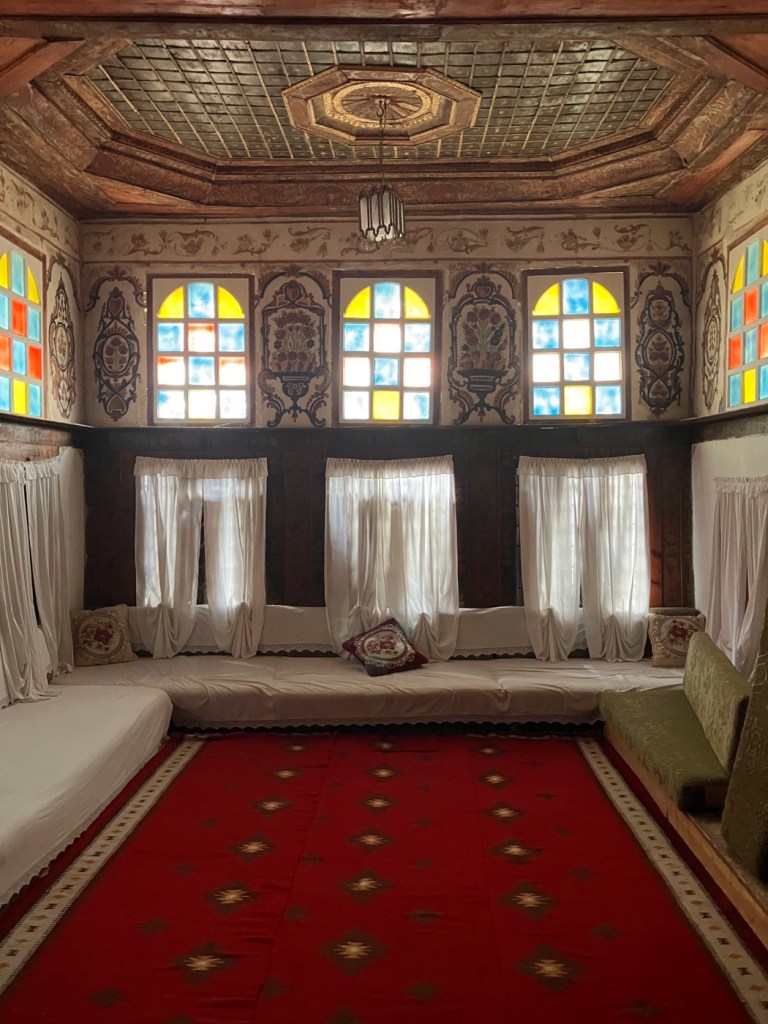
I love a museum loaded with tidbits of information. The castle museum did not disappoint. Not only did we get a good overview of Albanian history, which is fraught and loaded with emotion and perseverance, but also nuggets of local culture and realities.
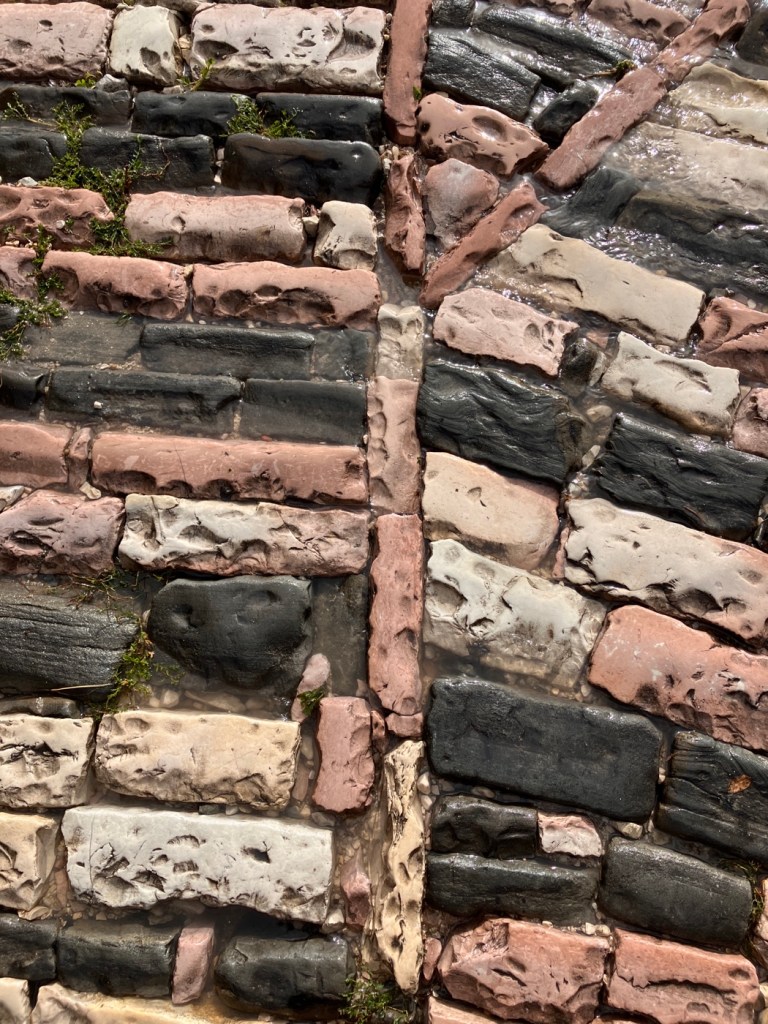
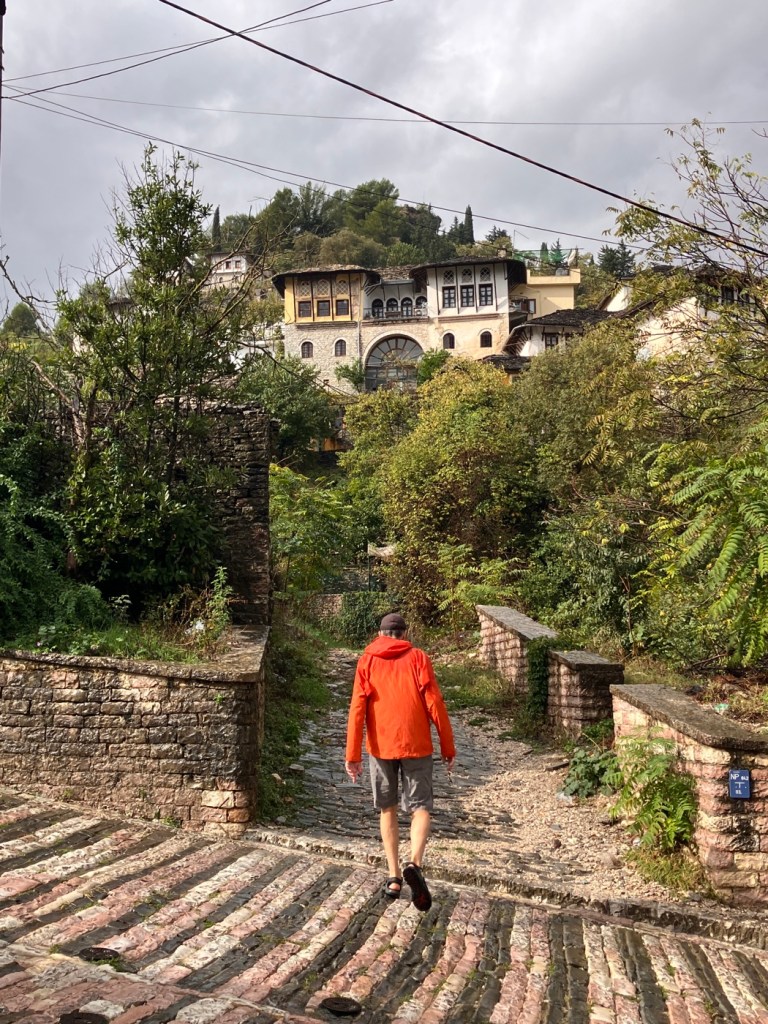


The closing of communist government supported factories, like the tin factory, is another reason for the stagnation of Albania’s economy. Who can blame folks for wanting more opportunity and a better chance for success in another country? But we meet a young man like our waiter in a beautiful city like Gjirokaster and see a future for him running his own hospitality business here in Albania. A future that doesn’t involve leaving his country. It’s a bigger problem than mere tourist spending can fix, but once we’ve visited a place we will always be pulling for the success of the people there. And always be reminded of how quickly things can change.

Getting from Gjirokaster to Korçë was a scenic trip on a bus that was threatening to break down the entire four hour journey. The driver popped the hood 15 minutes before departure time and he another man had a loud discussion. Our first stop was a service station for more oil to pour under the hood. The engine only stopped once on the trip, and our worries of being stranded on a mountain pass did not come to be. Cracking the bus nut in Albania is hard, and Rich has been struggling, frustrated, successful, and confused each time we need to transit. So many people depend on these small buses, car ownership is very low, but for visitors it’s challenging to make sense of timetables and locations. We long for the regional bus stations of Mexico.


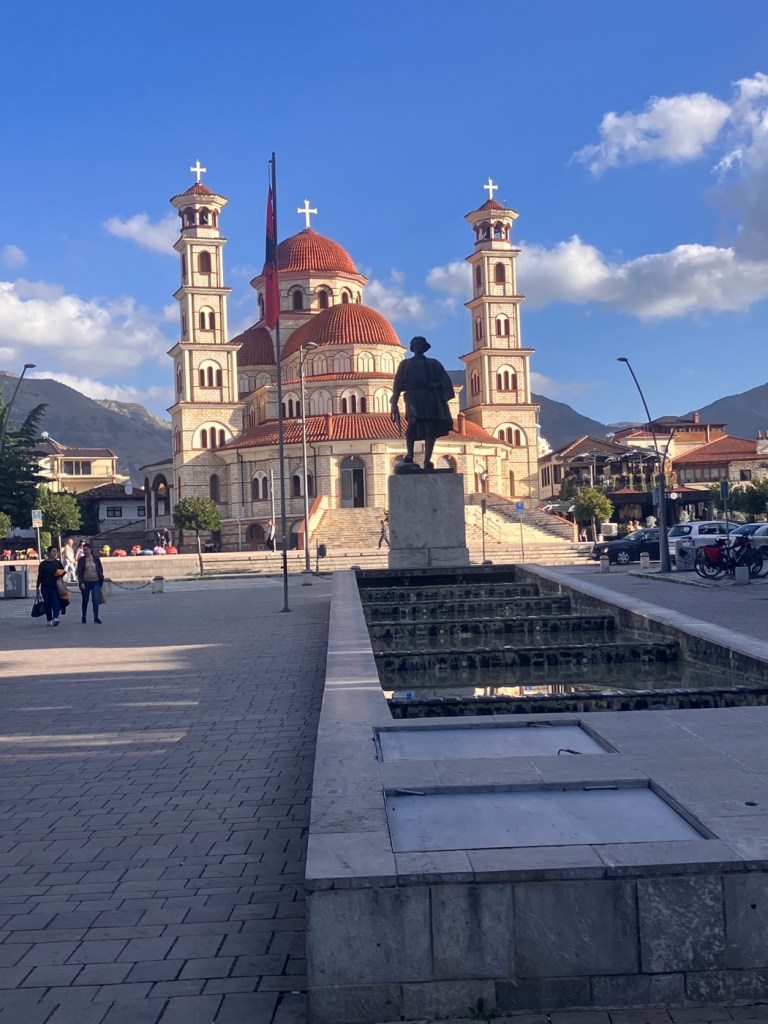
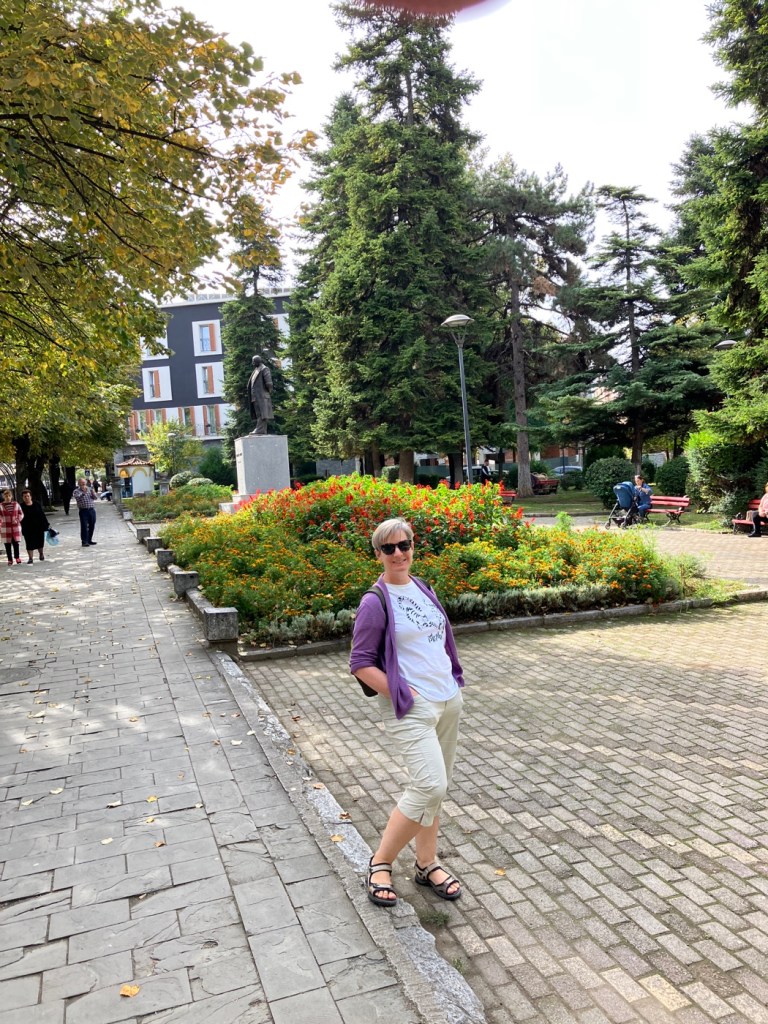
Korçe is not a big tourist destination but it’s a vibrant city with an extensive old town with recently re-cobbled streets. It’s at an altitude of 850 m (2,790 ft), and surrounded by the Morava Mountains.


We headed up out of town for a hike, although the weather was fine the air was hazy from agricultural burning in advance of predicted rain.

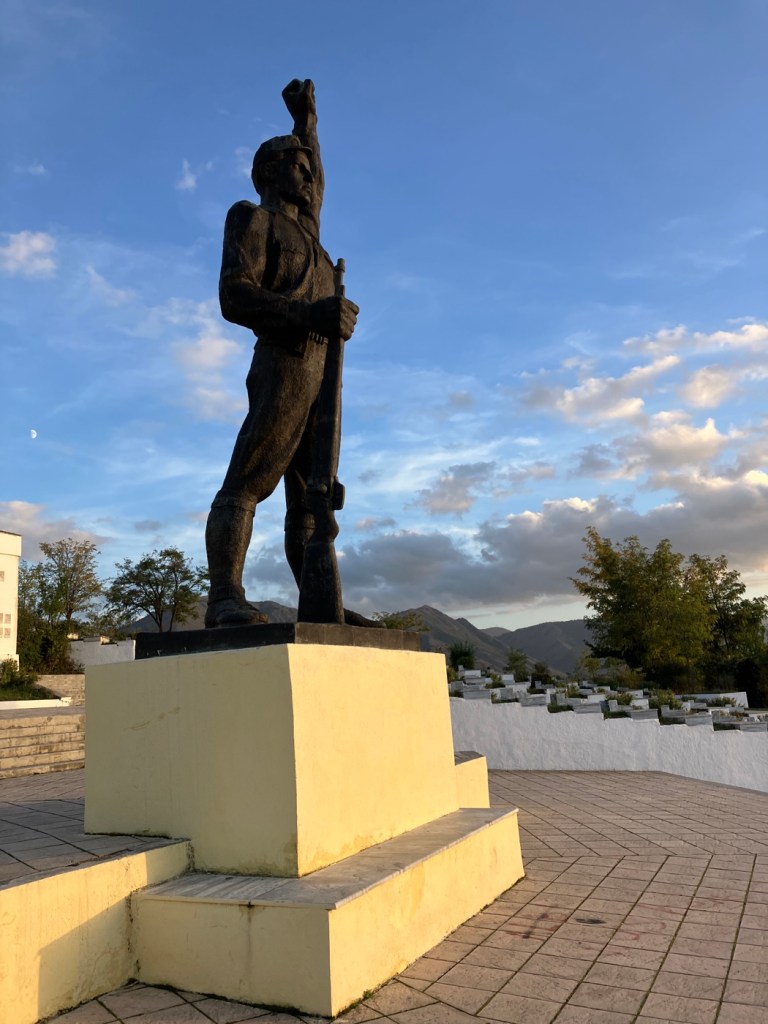

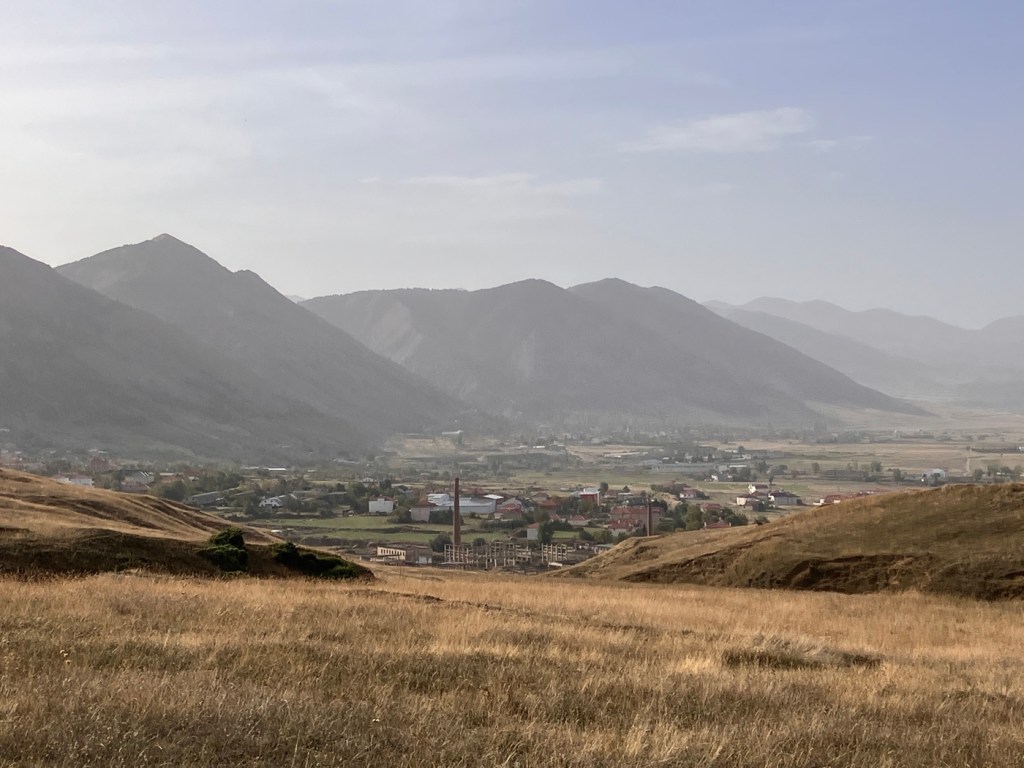
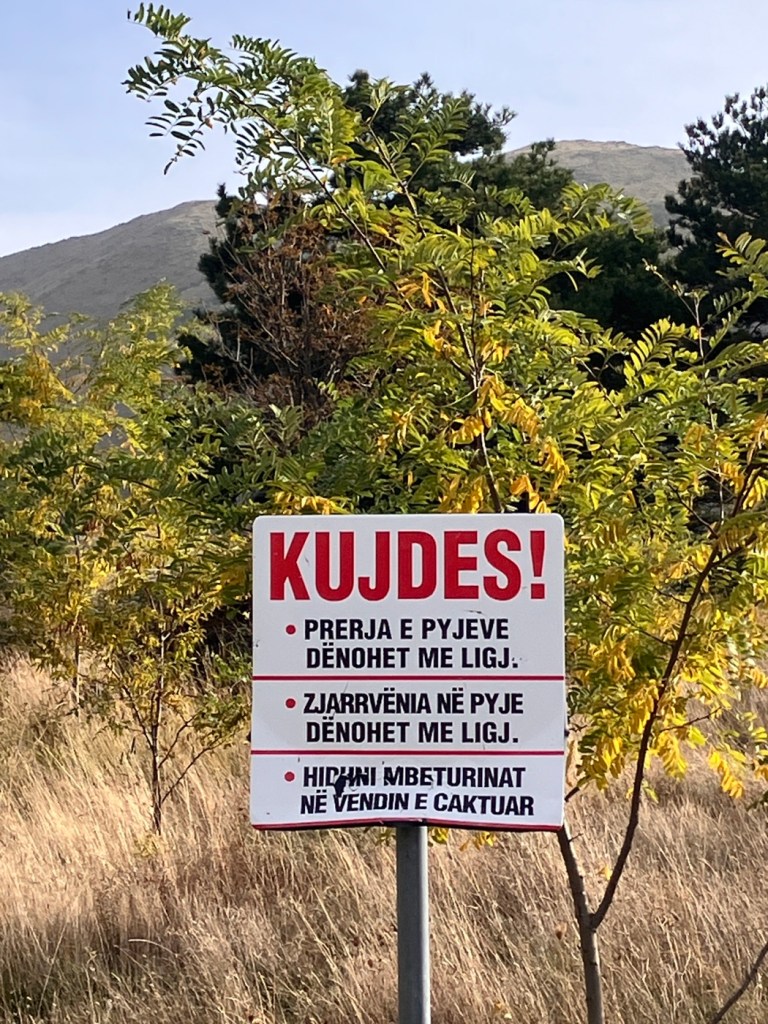
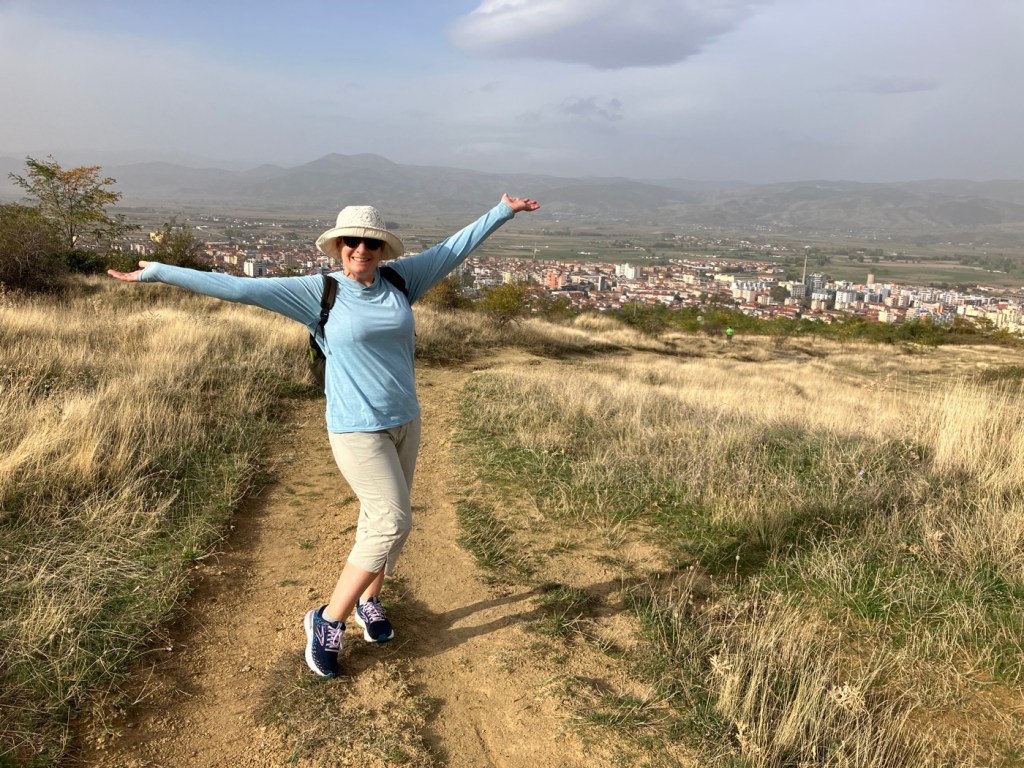
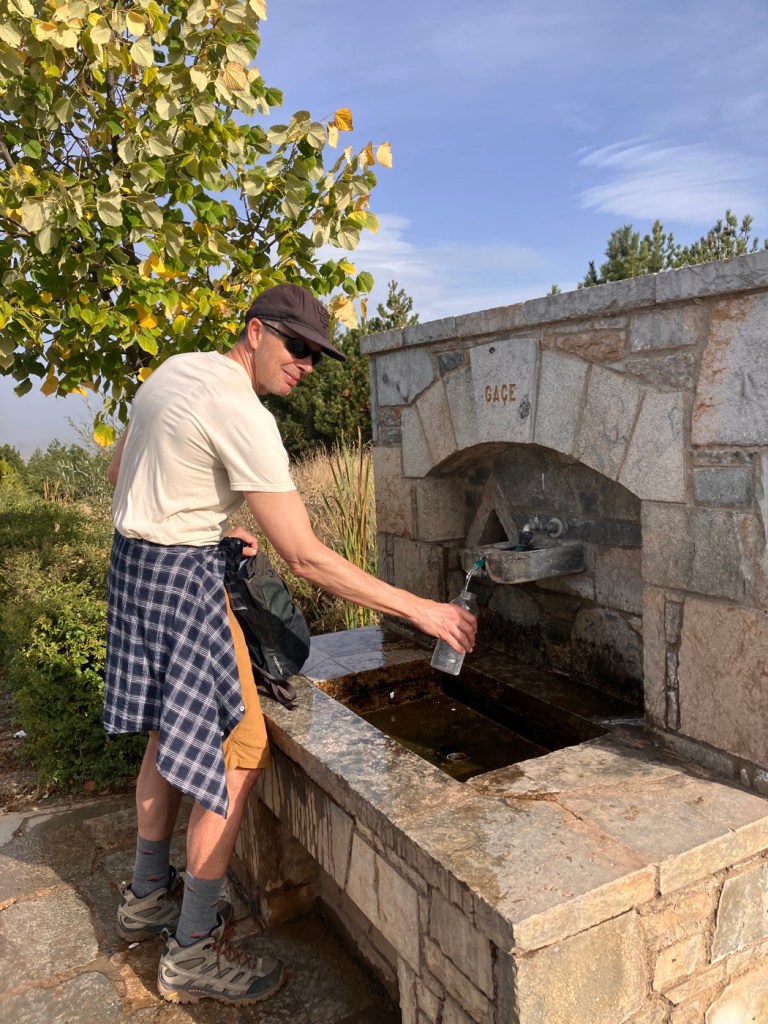
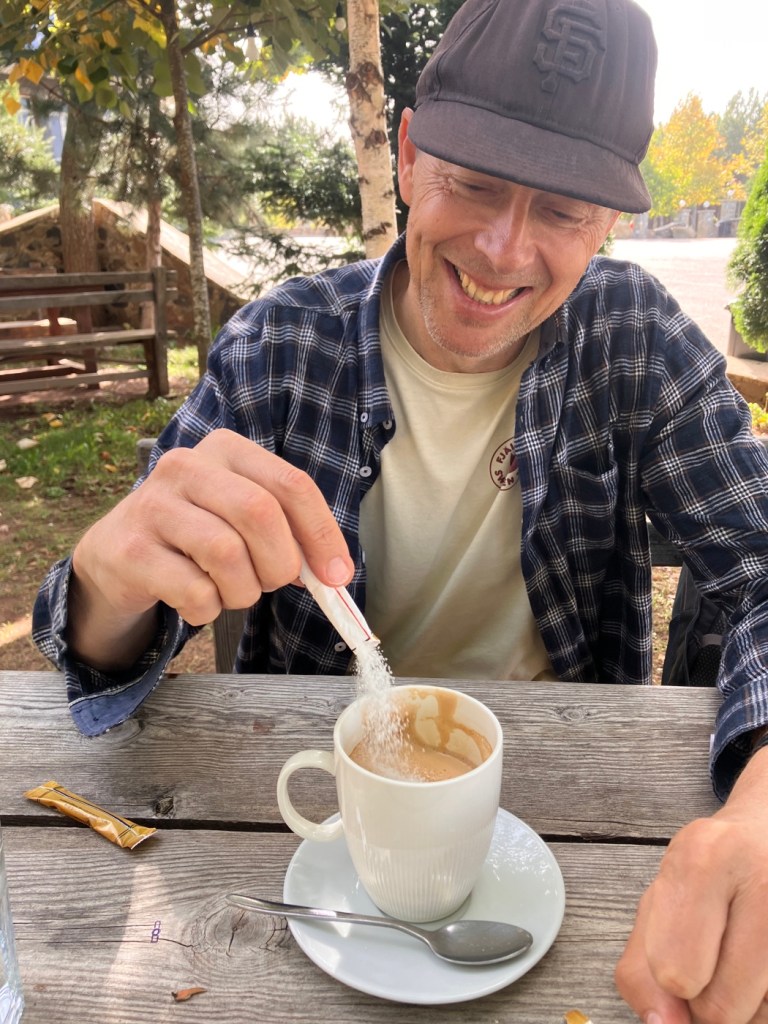
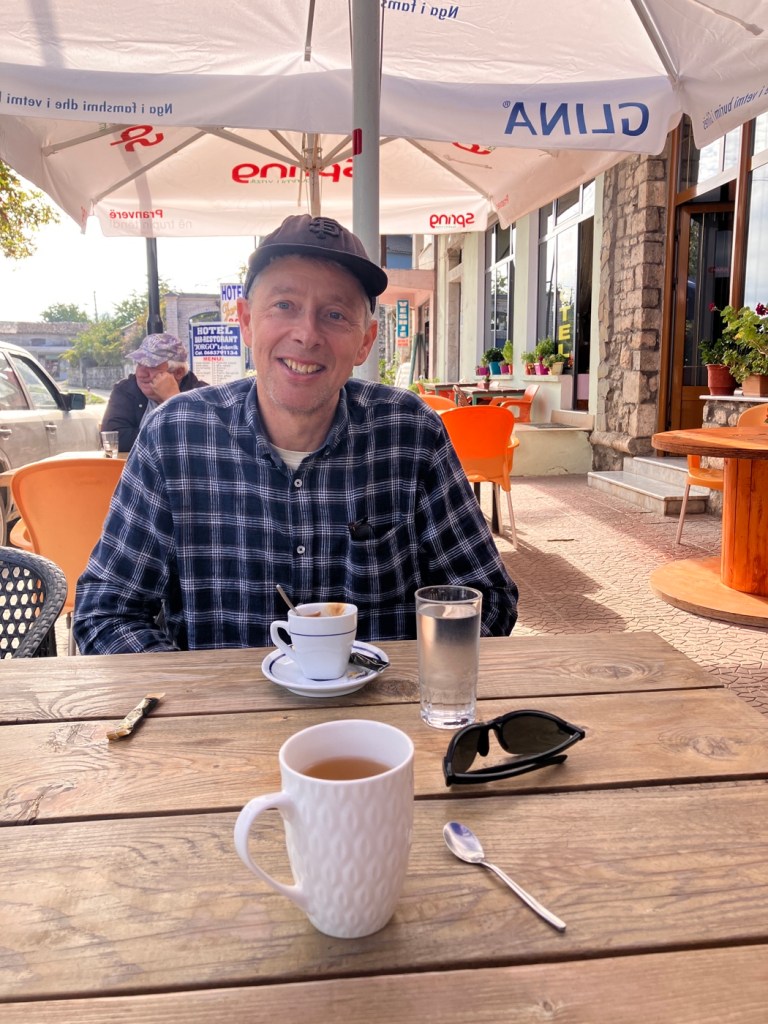
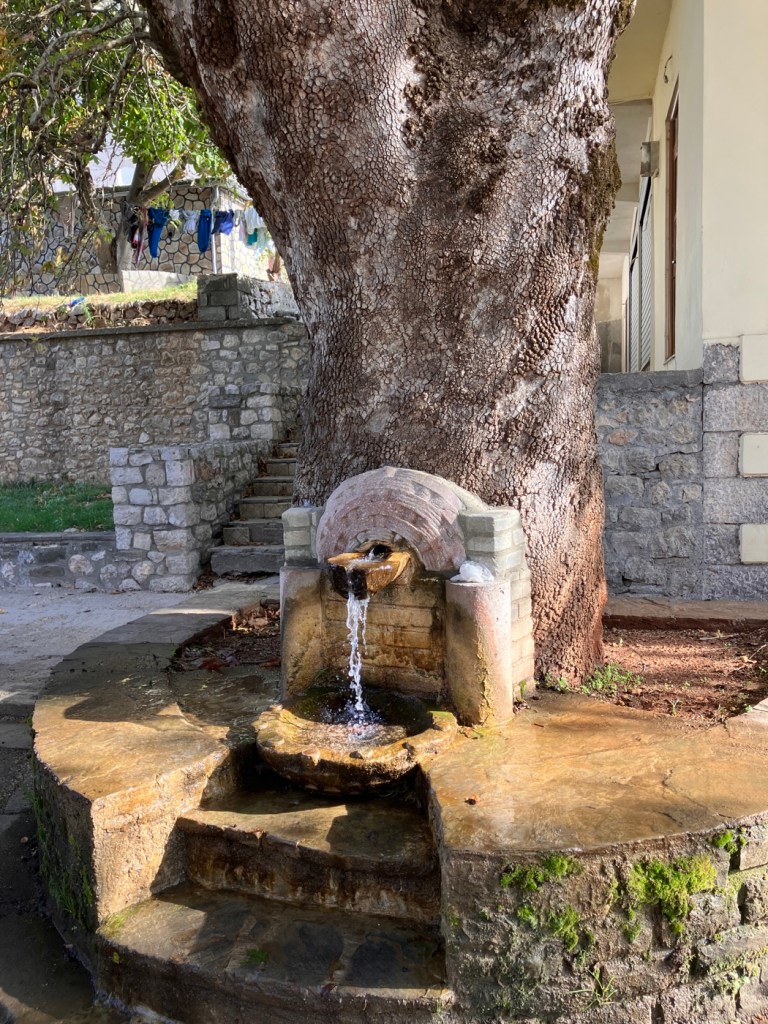
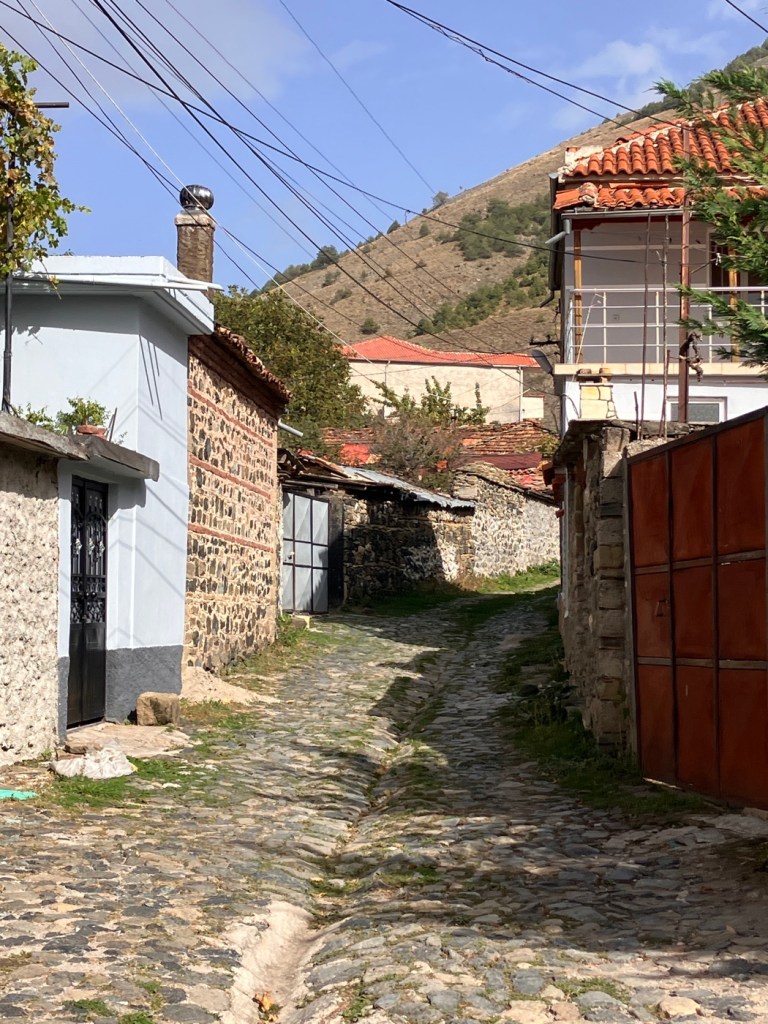
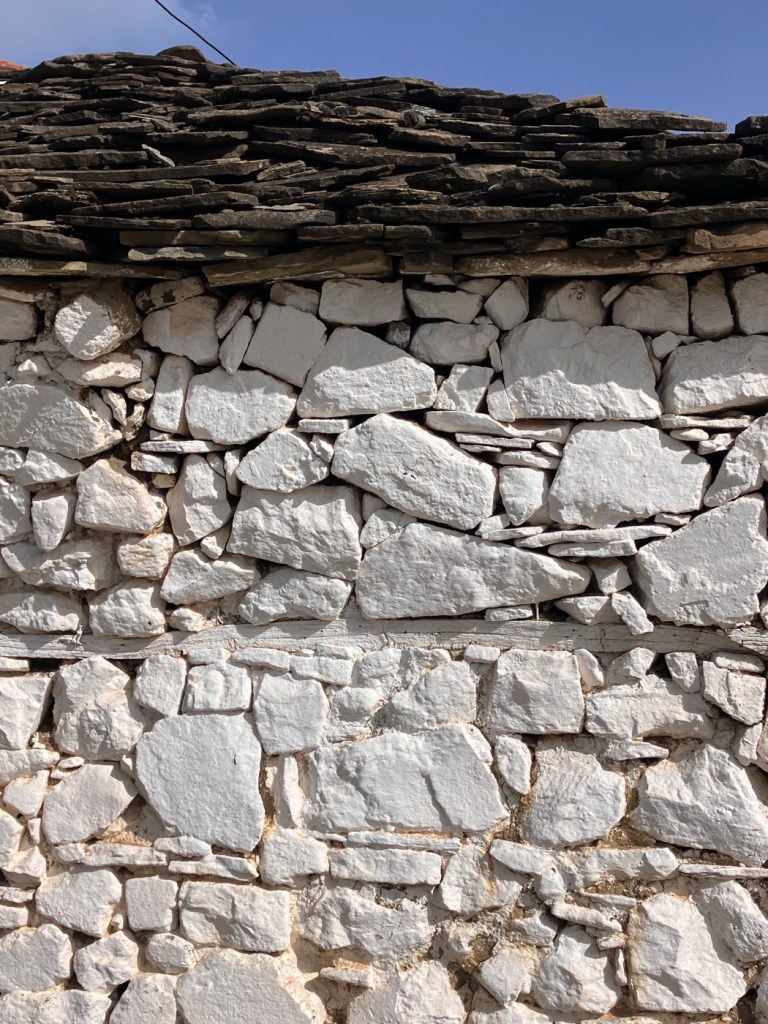
Although the hike up the mountain wasn’t my favorite (sunny, dry, on a road), on the hike back down to town we detoured through Drenovë, a town which looked as if it hadn’t changed in decades.
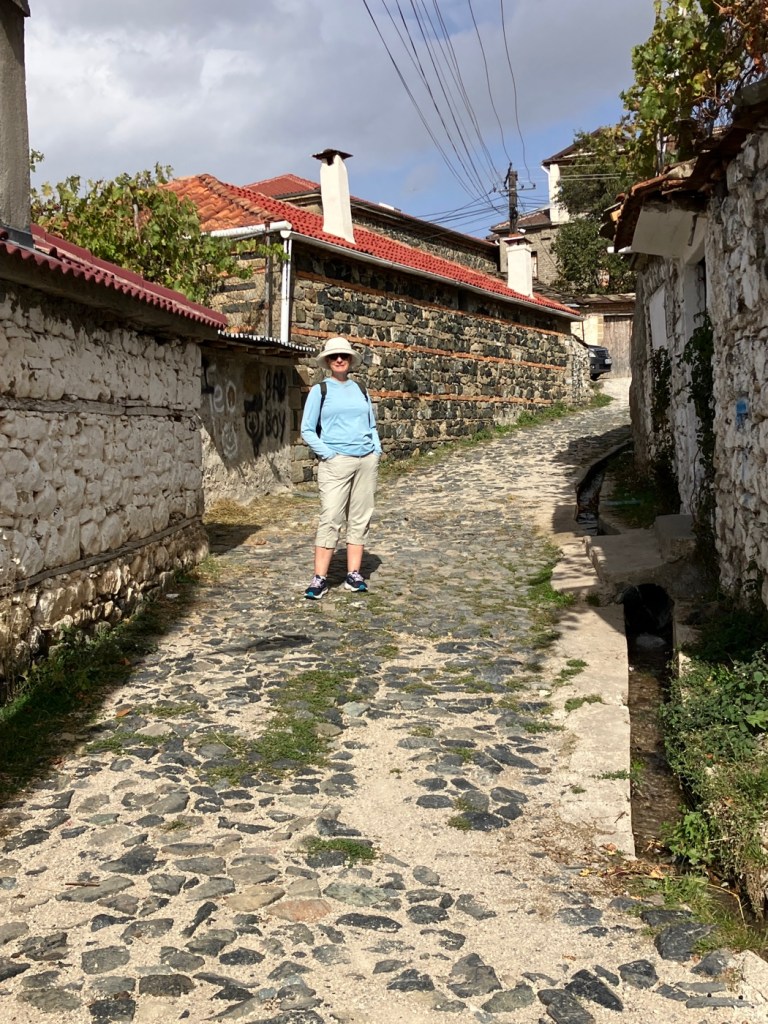

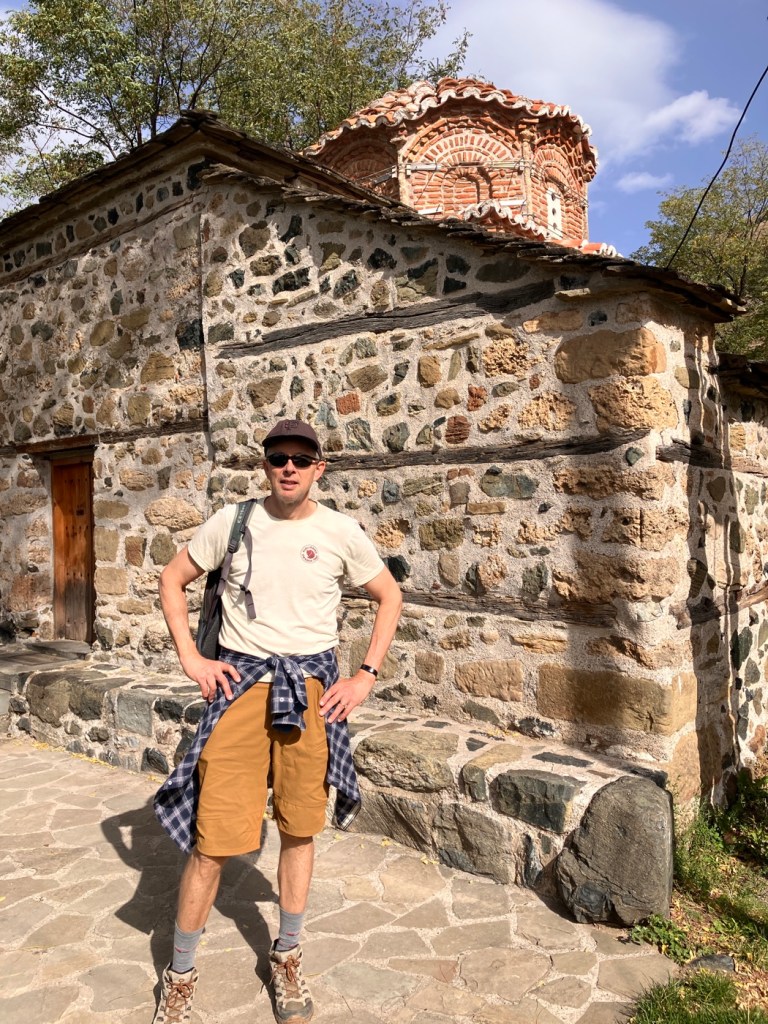
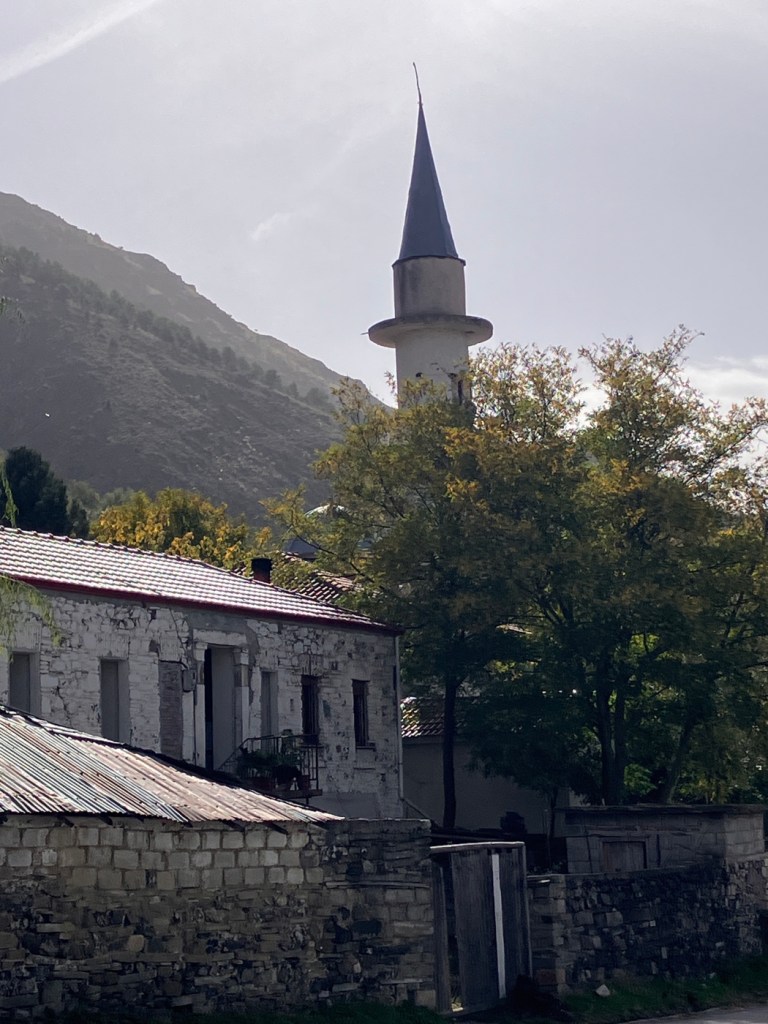
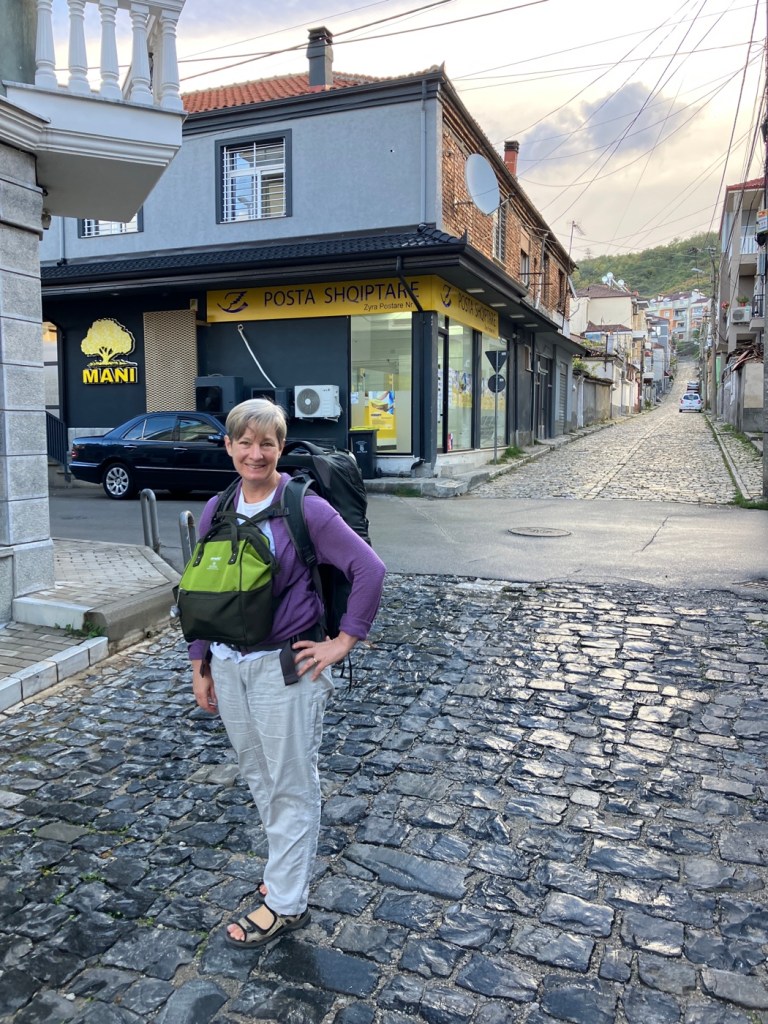
We’ll be back to Albania after our trip to North Macedonia. I can’t help but wonder if Albania could have a trajectory like Ireland. The hard decades when all the youth were leaving could transform to a thriving economy and people returning with skills, ideas, and money to invest. We shall see, but for now, off to another bus! And a taxi. And a hike. And a bus. More on that day in the next blogpost.

 Less Car, More Life