We missed summer in Europe in 2024. Like really missed it. It was great to be in the US for the summer, but it’s been a relativley cold spring and fall in Europe. So we were thrilled to get a last gasp of pleasant fall weather in one of favorite French cities, Lyon. Some places we seek out, such as our return to Taiwan and further exploration of Malaysia earlier this year. Other places in Europe we seem to end up in more often due to their location, and Lyon is one of these places since it’s usually our train gateway to and from the Vallée Verte.
Soft autumn light on the Rhône.
This was actually our fourth visit to Lyon, and the second time this year, as we passed through for two nights in March on our spring bike tour along the Via Rhôna. In March, we caught up with some freinds staying in Lyon, and explored a few new places, but didn’t have time to dive in deeper. So we decided to return and spend a week this time, and it was really a joy, from the lovely autumn warth and sunshine (finally!) to the amazing food and friendly people.
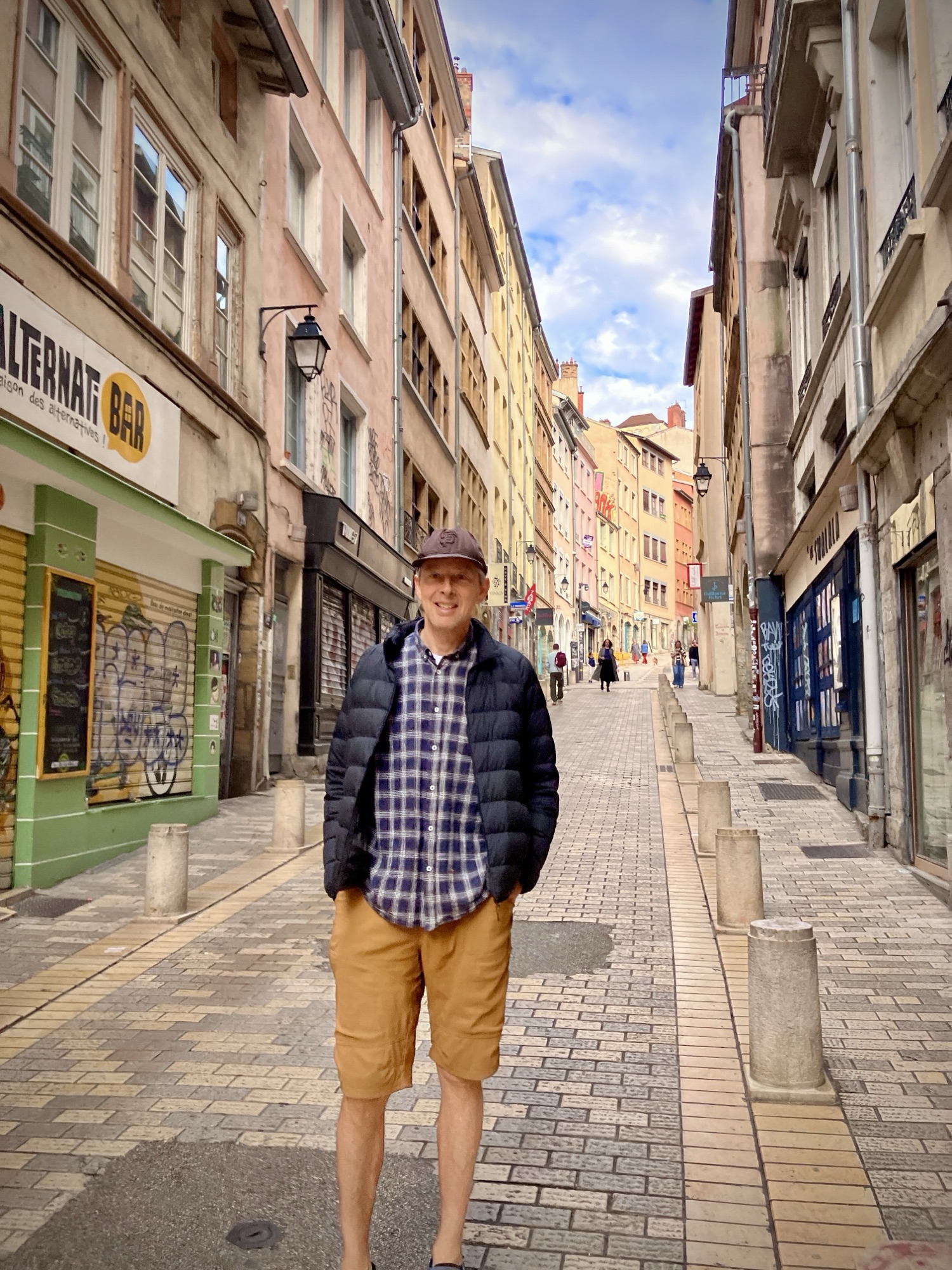
Shorts and sandals! On the pedestrianized Montée de la Grande-Côte, which takes you up to the Croix-Rousse neighborhood.A snipet of the vast Mur Du Canuts. A huge building mural depicting the rebellion of the local silk workers from 1831-1848, some of the first labor revolts of the industrialized world.
Lyon is France’s third largest city, but for many French, it’s the best. As we found out, many Lyonnais wouldn’t consider living in Paris or Marseille. It reminds me of the rivalry between New York City and Boston growing up; one clearly the biggest and dominant in cultural icononography, but the other more livable and approachable, espcially as a tourist.
Along the Saône River, which has a more industrial and gritty feel than the Rhône promendaes.
What I really enjoy about Lyon is the geography, as it has some dramatic hills at it’s edges, and the confluence of two major rivers at it’s core. You even get views of the Alps when it’s clear. It’s also very walkable and easy to get around by bike and public transit, although pales to Paris in its extent of metro and trams. I imagine the access to the Alps, Massif Central, and Mediterranean is a huge benefit with those with the means to get away regulary. Oh, and the weather is a bit nicer than Paris.
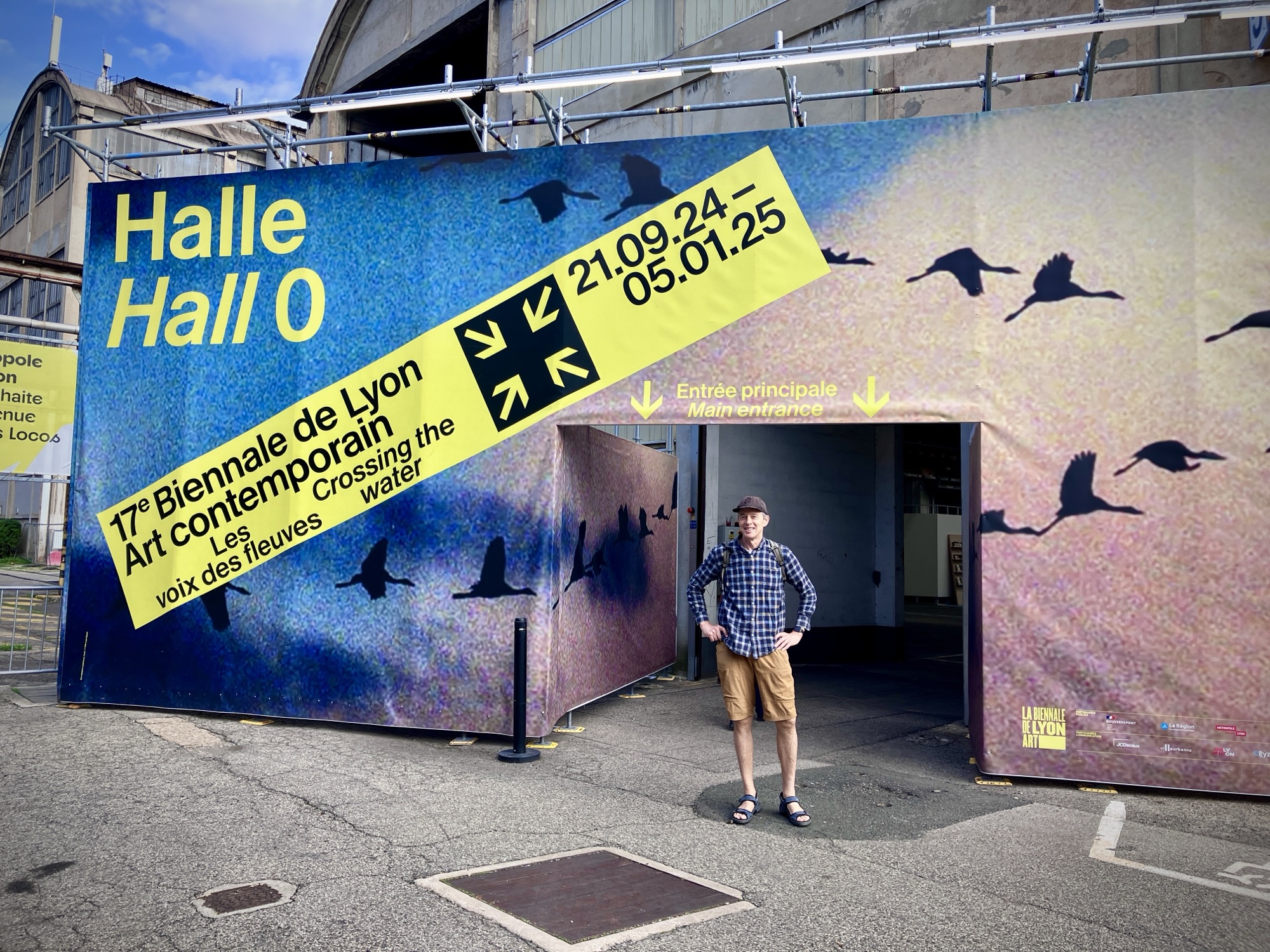
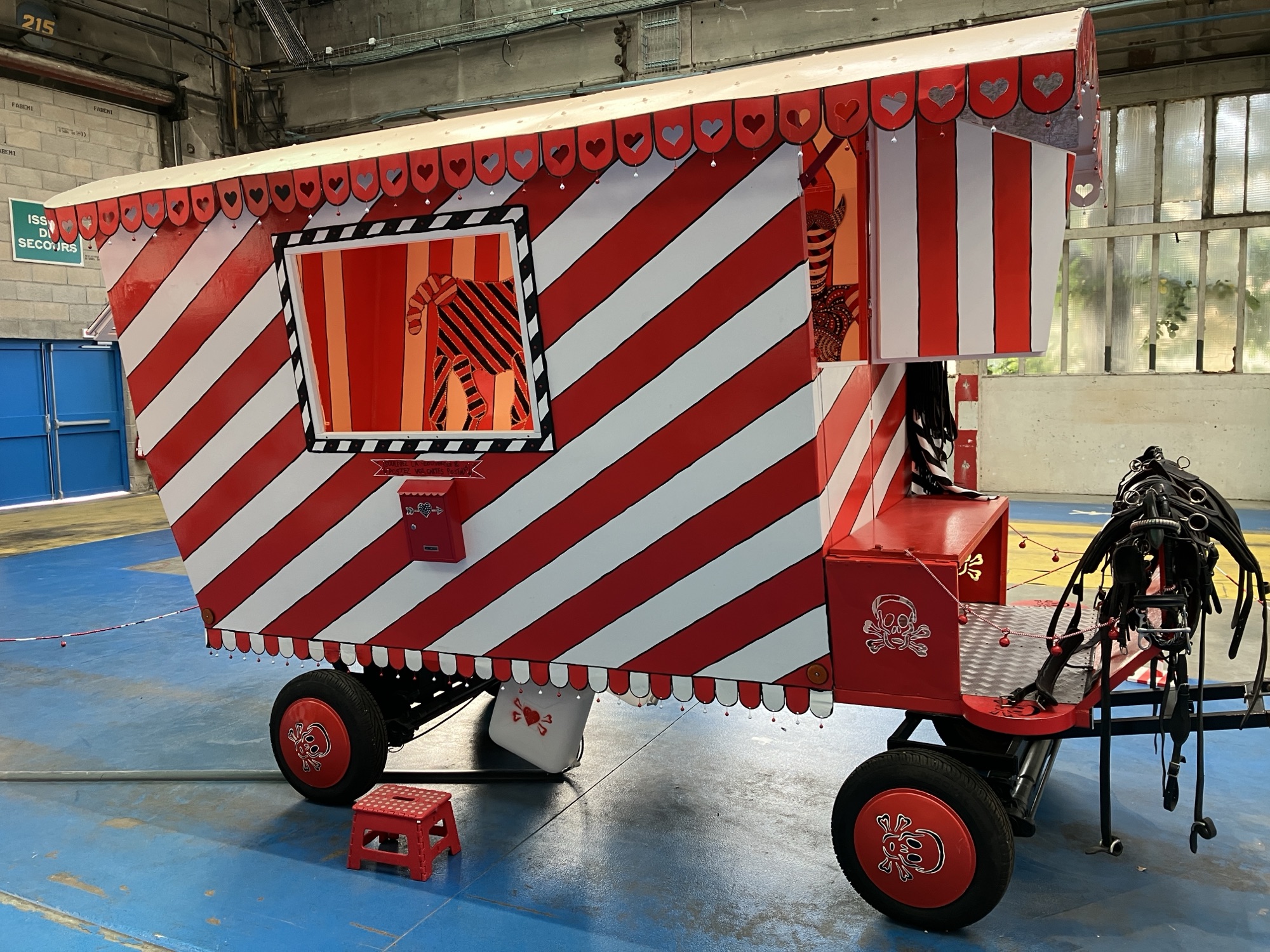
Ready to explore the Lyon Bienalle’s largest installations at the former SNCF workshops known now as “Les Grands Locos”.
We also were lucky to time our visit with the large Biennale Art Show, which showcases about 75 artists in venues around the city. The 2024 theme of “Crossing the Water” invitied a wide array of interpretations and seemed especially pertinant to the migrations of people across the globe due to wars and economic opportunity, as well as animal life impacted by climate change.
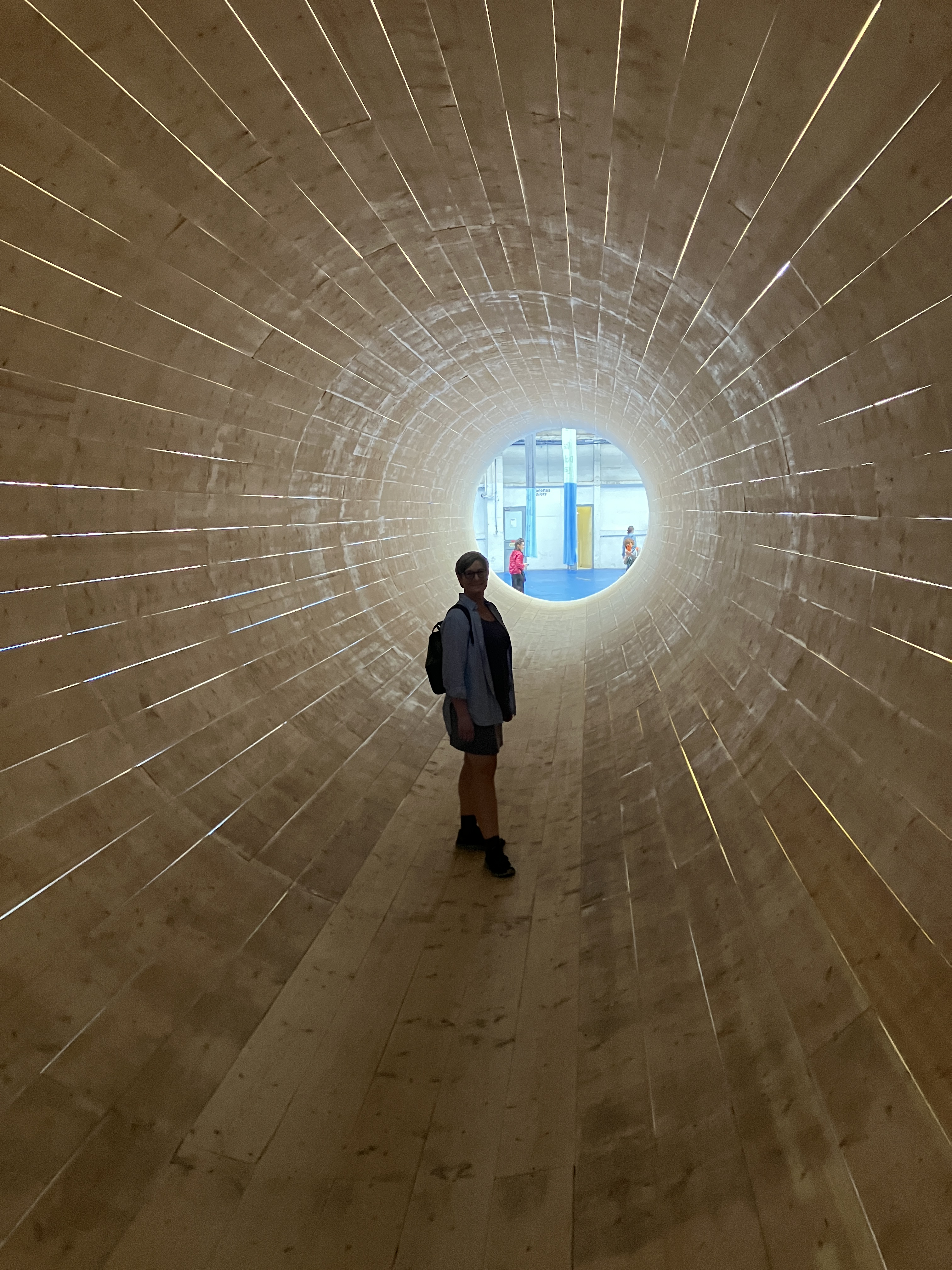
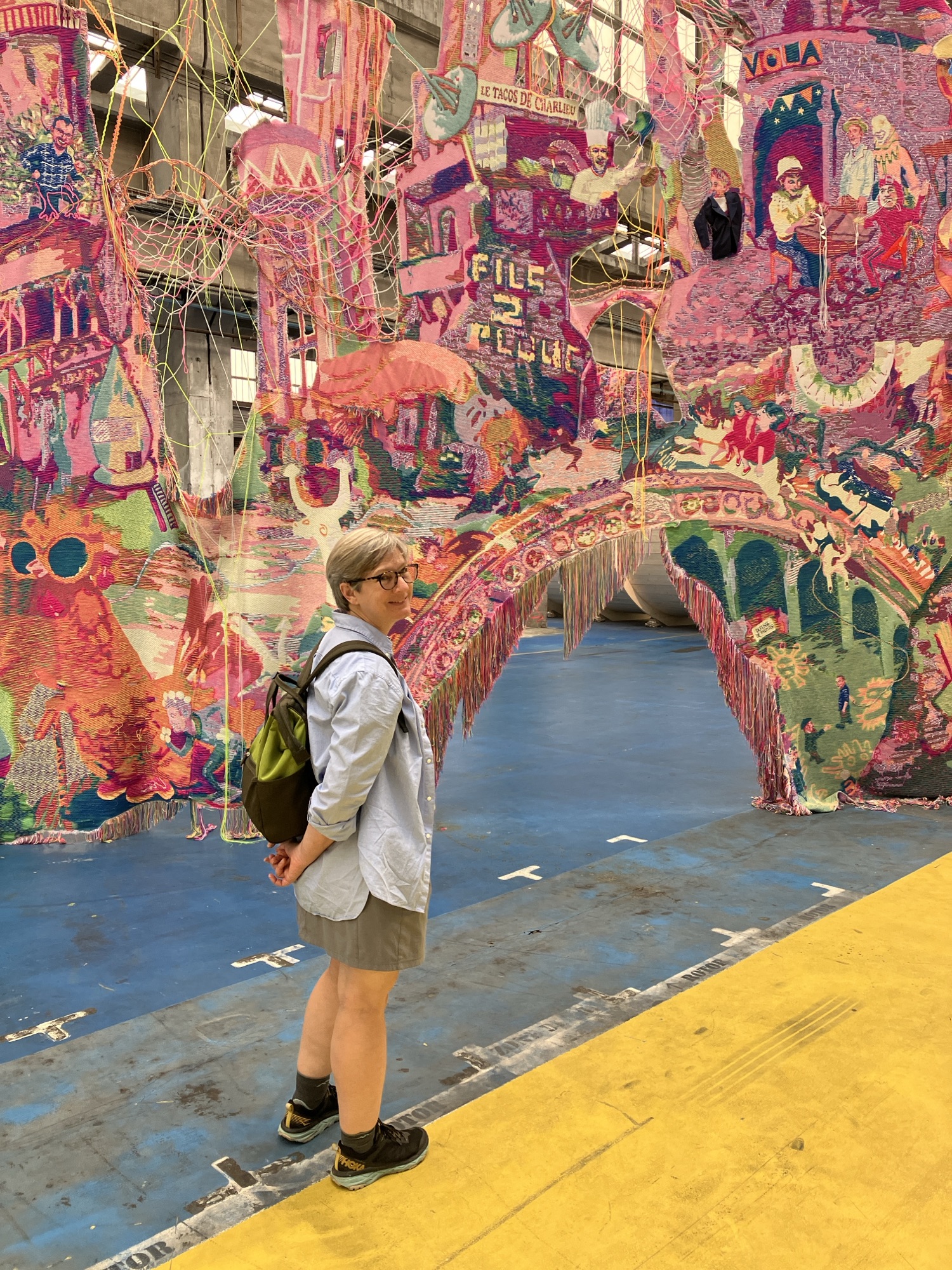
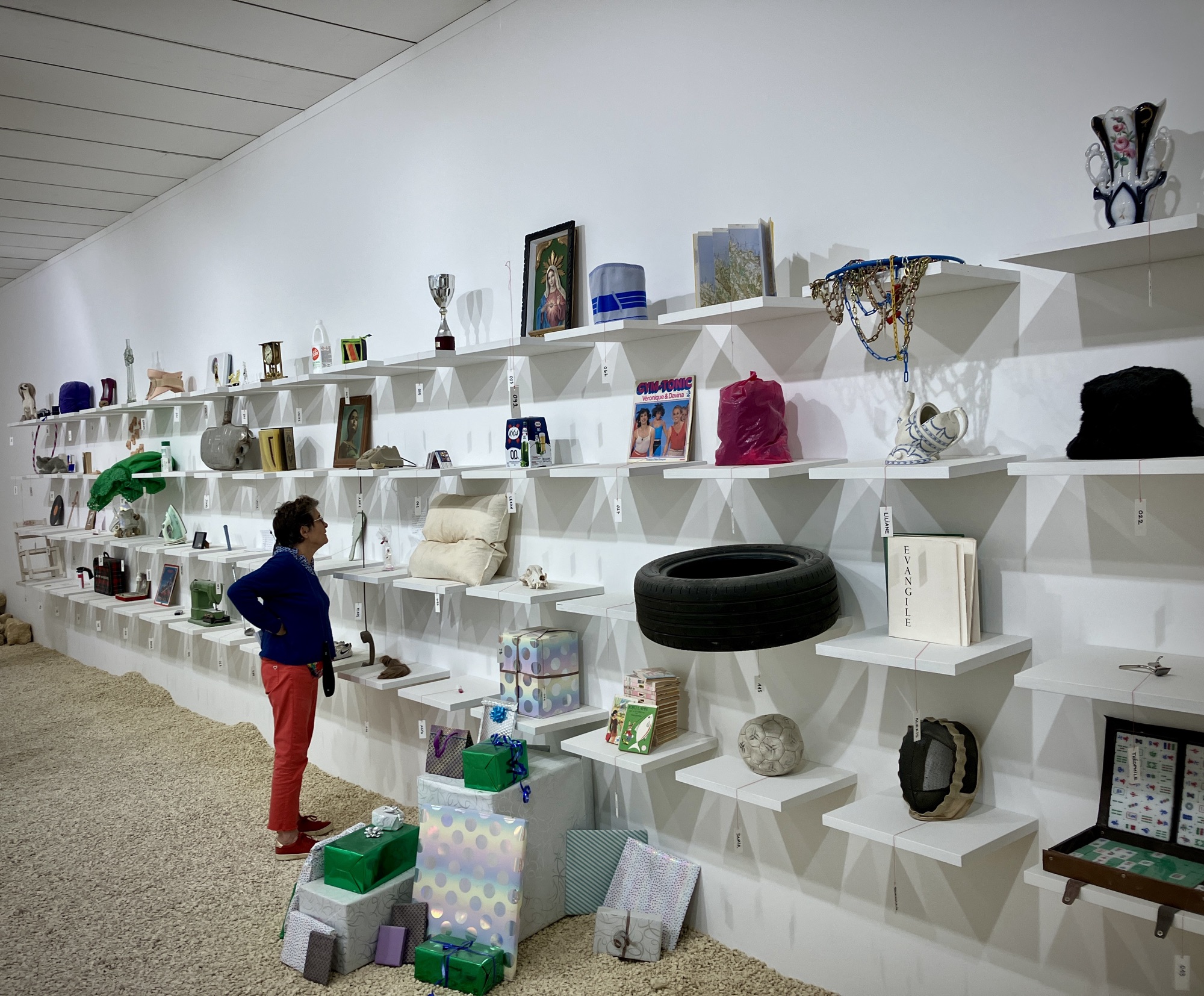
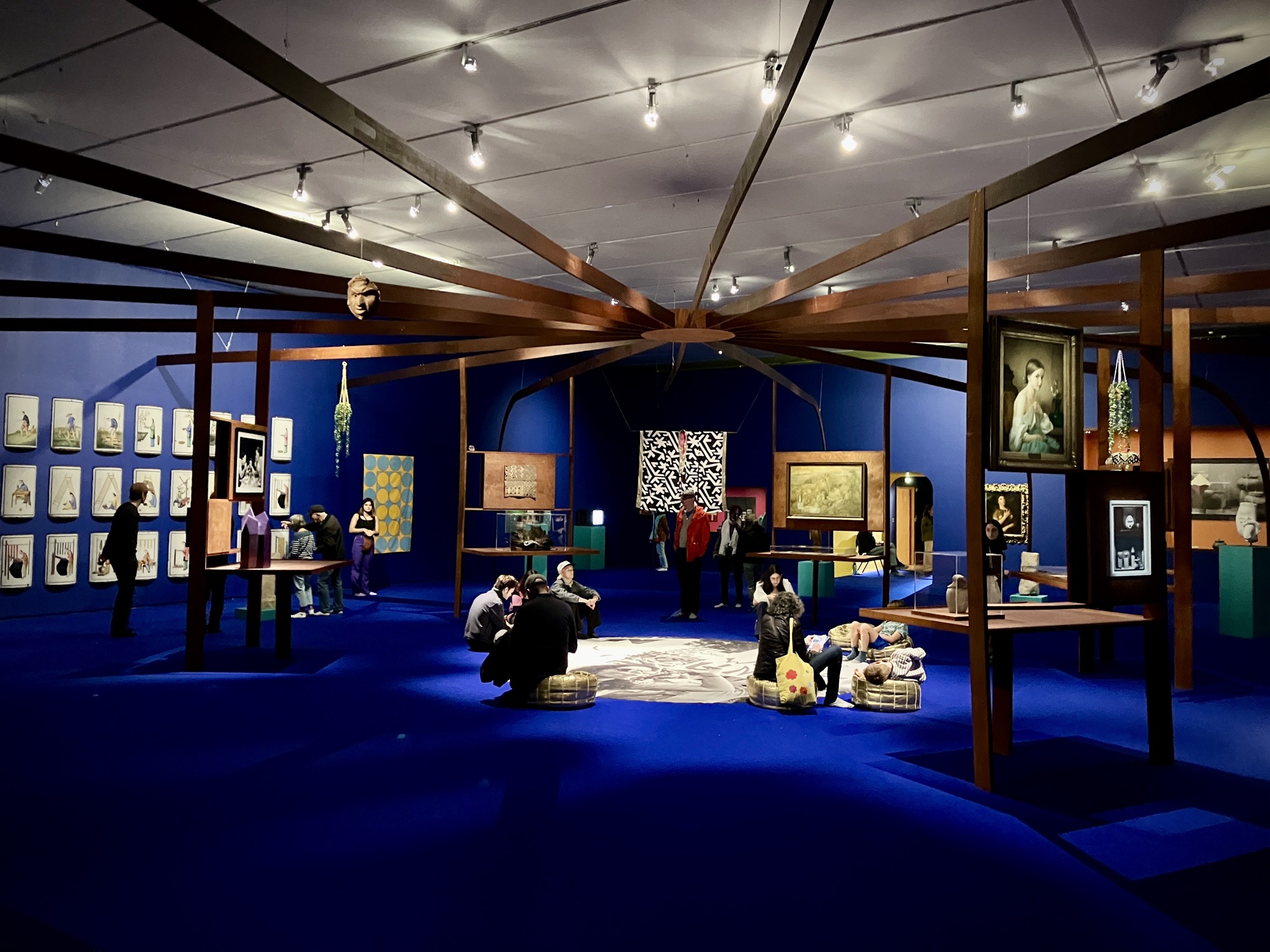
The installations at the SNCF Railyards site were often extrememly large scale and experiential like Hans Schabus – Monument for People on the MoveMona Cara – The CactusSlightly Creepy carnival installation by Clément Courgeon – The Cart of the CleverLorraine de Sagazan & Anouk Maugein – Monte di Pietà at the MAC. Labeled and recorded, the objects that compose it are linked to traumatic memories. I have also crossed the water many times, but luckily by choice.Grace Ndiritu – The Blue Room features around a hundred prehistoric, Roman, Egyptian, medieval, modern and contemporary pieces from various Lyon museums. It was part the Biennale at the Musée d’art contemporain de Lyon (MAC).
I really enjoyed the Biennale and it was well attended but did not have a crush of visitors, due to its long run and dispersed venues. The artists also seemed to represent a modern and diverse cross-section of Fench and foriegn artists, something often missing from all the classical art museums of Europe. The other musuem we really enjoyed was the recently renovated Musée Lumière. Dedicated to the cinematogorphy and the history of the Lumière family, the Musée Lumière looks back at the various technical creations of Louis and Auguste Lumière and their family. It’s well curated and has a great collection of early film equipment, as well as engaging and interactive elements, all set on the grounds of the historic building and workshops.
We reluctantly skipped the striking new Confluence Museum as the week we were in Lyon was one of the Autumn school holiday weeks and anything child and family friendly was very busy….saved for our next visit to Lyon.
The Place Des Jacobins dates back to the mid 16th Century is an important historic junction of 12 streets. The fountain was added later in 1885 after the start of the Third Republic and some disputes about content. Public art and monuments are taken seriously in France.Off the bikes and back on transit!
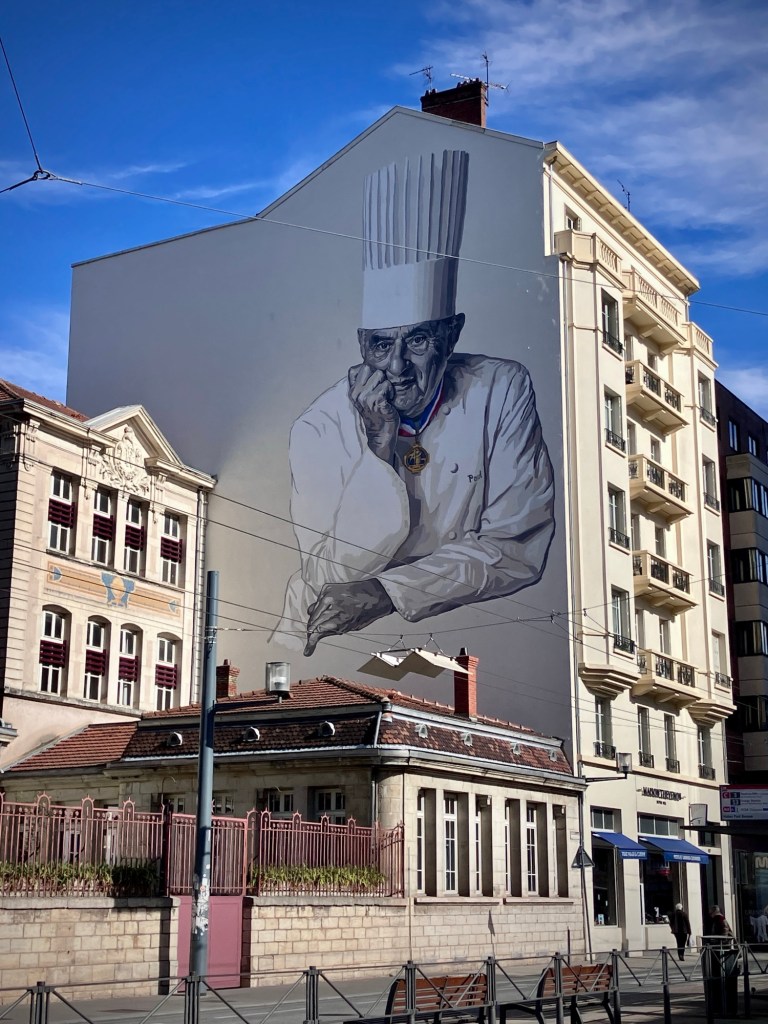
Paul Bocuse looks over the street nearby Les Halles. He is Lyon’s most famous chef and has a legacy 3 star Michelin restaurant and the new Les Halles is named in his honor.
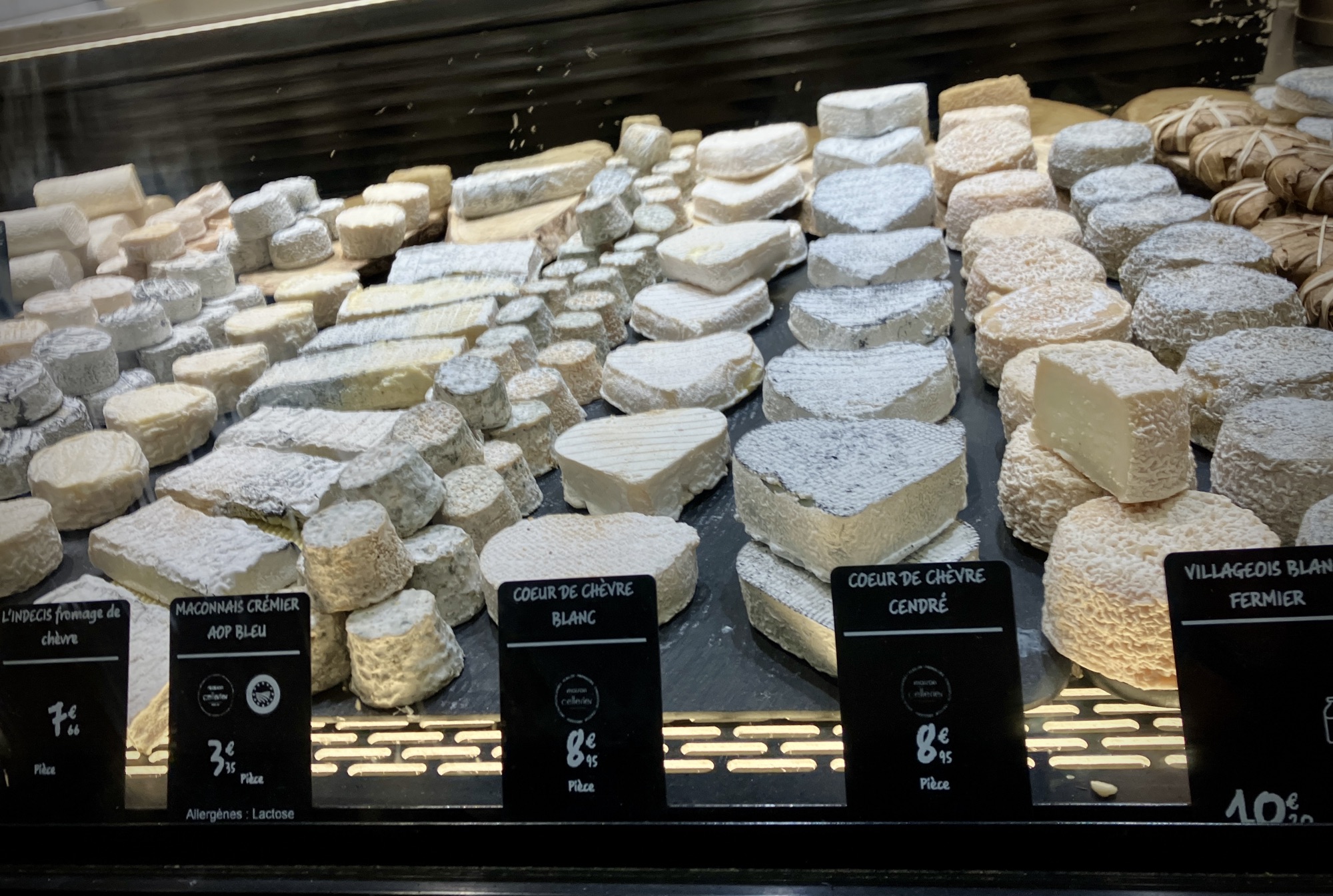
The way the locals eat and drink in Les Halles.
The food presentation at Les Halles is often like a museum installation.
We opted for a classic Moules marinière feast at Chez Lyon in Les Halles. Mussels are generally in season from August to January.
We probably could have shared a bucket, as they were huge! But sooo good.
I can do this…and I did, as well as about 1/3 of Cheryl’s bucket -;)
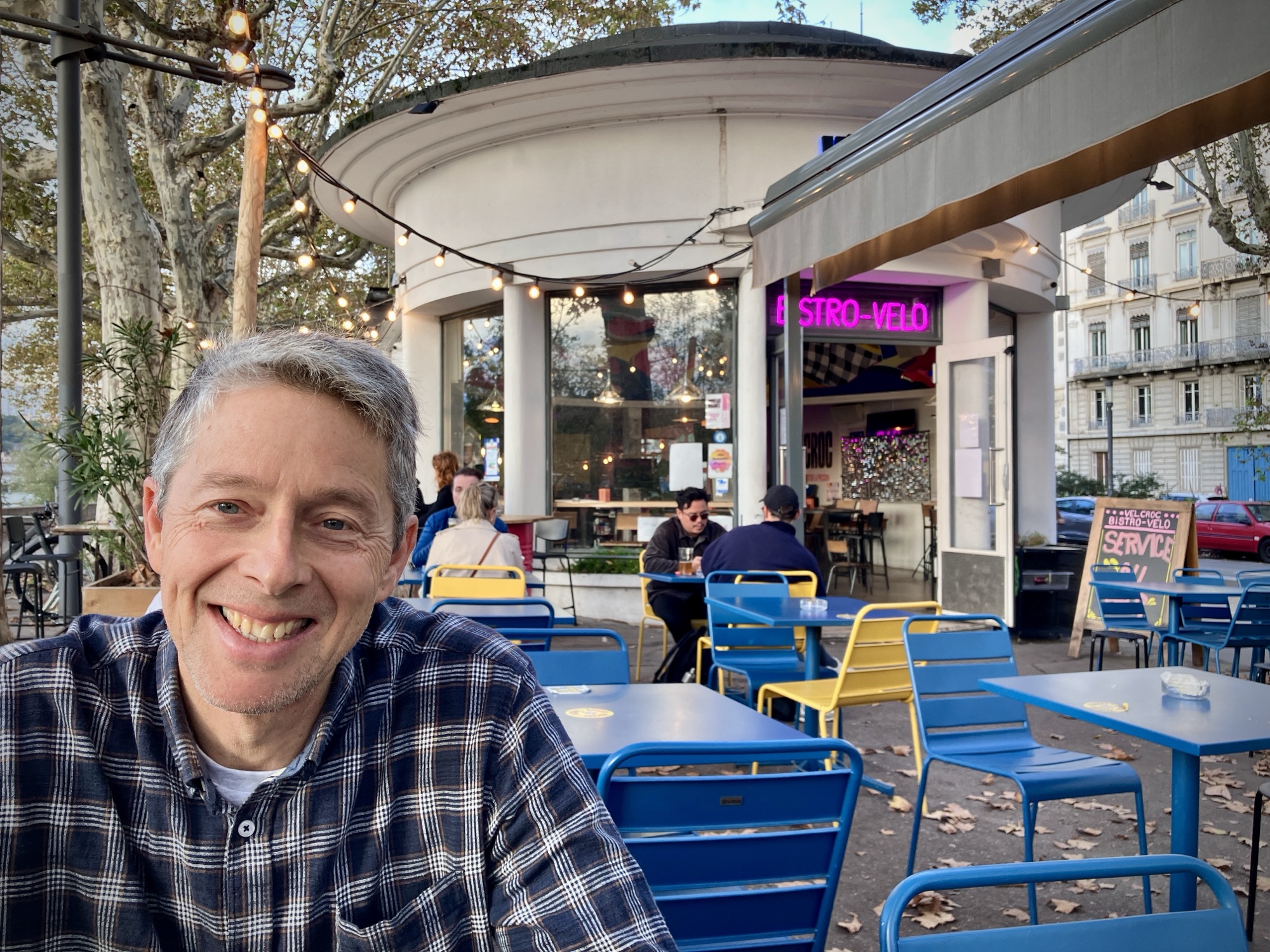
The typical chimneys of Lyon with Grafitti/Art?….how did the the street artists get up there?The famous Frédéric Bartholdi fountain featuring Amphitrite looking over the four tributaries of the Garonne River….in Bordeaux?! It was his intention to sell this to the City of Bordeaux in 1892, but Lyon scooped it up instead.We stayed in an apartment and a hotel for parts of our visit, but both were just a block from the Left Bank of the Rhone; a perfect location to access all the city and the river’s many cafes and 5km of paths, but out of the tourist zones.Lots of space for people, dogs, and bikes along the extensive Berges du Rhône.Selfie on one of my frequent runs along the Rhône, with the Mussée de la Confluence in the distance.Access in pedestrianized zones is generally controlled by retractable bollards activated by residents and delviery vehicles only. Why is this hard to transfer to US cities?
Besides the great variety of food in Lyon, we really were impressed by the lack of impactful car traffic in most nighborhoods. There are some busy main arterials, but in general, you can walk freely and cross small streets with ease. There are 7 tram and 4 underground metro lines that cover the ciy pretty well, and an extensive bike network. And as in much of France, they are investing more in public spaces for people with a huge project to expand car free space in the commercial core, not to mention a massive renovation of the always busy Lyon Part-Dieu train station. As always, the surface tram lines are a nice way to get around and sightsee as well.
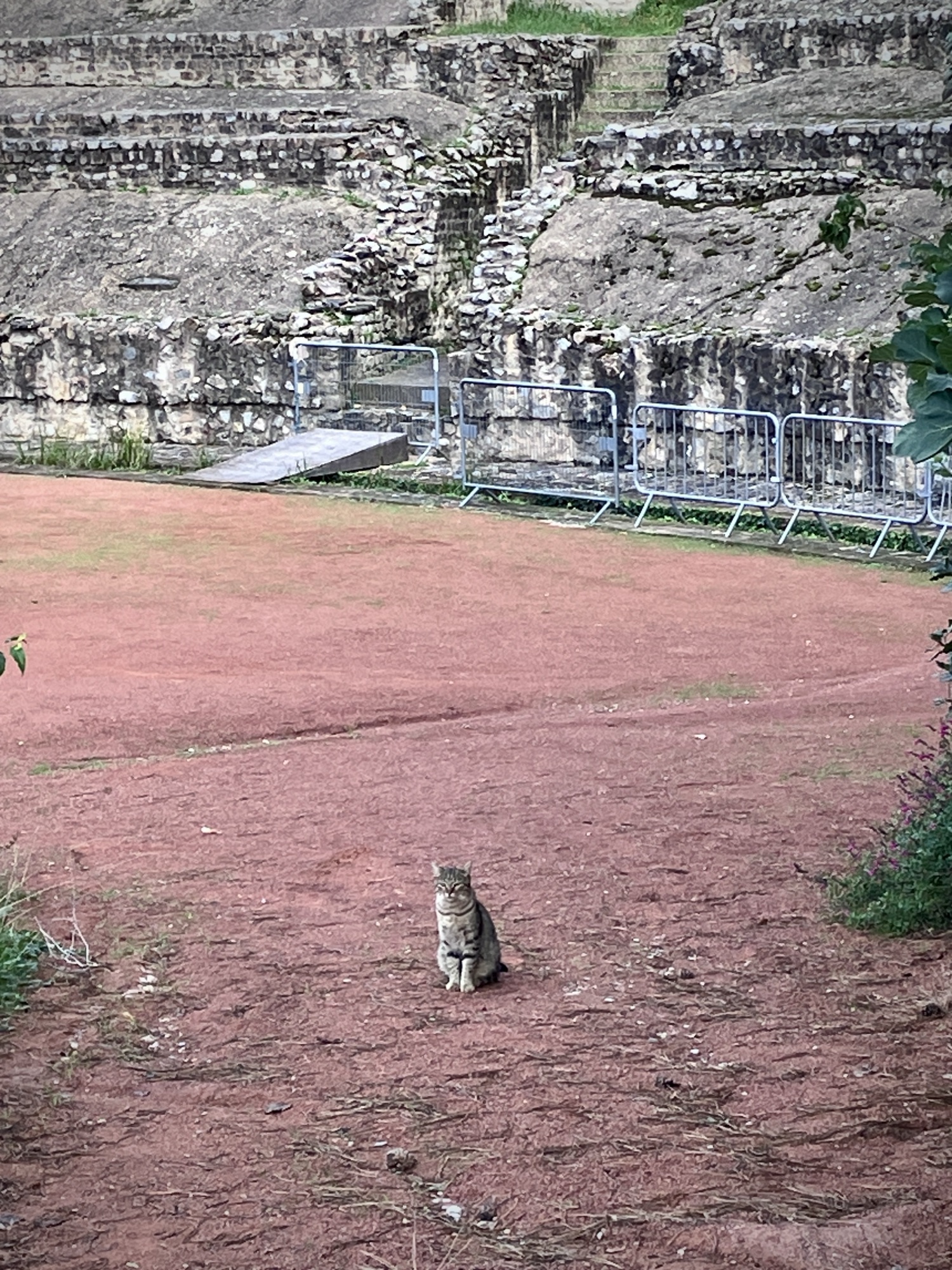
Roman ruins are tucked into Lyon in surprising locations, such as the 19AD Amphitheater of the Three Gauls in the 1st Arrondisement.Random Roman ruin fragmants yet to be pieced togther by a grad strudent, and cats…always!This cat seemed to be in some sort of guardina role. We kept our distance.Taking advantage of water collected in the ruins.
Cities with layers of history are always intriguing, and Lyon city along the Saône used to be the core of Lugdunum, a thriving Roman city dating back to 43 BC. It may have had up to 200,000 inhabitants at its peak, which is in incredible as Lyon today only has 500,000 inhabitants in the age of modern infrastructure. There is a large Gallo-Roman museum, two amphitheaters, and lots of other remnants to be seen if you want to dive deeper into this history.
Beyond the usual recycling and residential composting, we were surprised to see public compopsting bins in such a large city.Delicious dumplings at Enginomo. The culinary scene in Lyon includes a good variety of food choices, not just French Gastronomie.The “Pot Lyonnais” The usual French wine ‘pichet’ comes with a twist in Lyon as it has a thick glass bottom and only accomodates 46cl instead of the usual 50. Apparently the factory bosses used these bottles to take a little from each worker of their weekly wine rations.Notice the thick glass bottom, which also makes a “Pot Lyonnais”very stable!
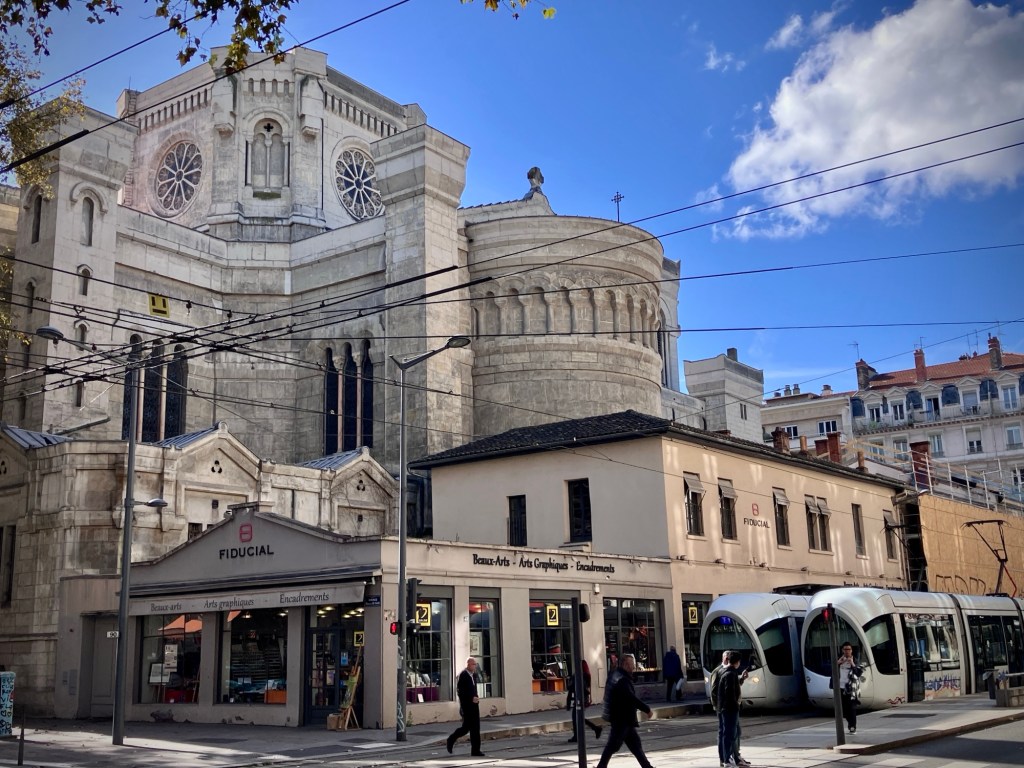
Beautiful architecture, trams, and sunshine.
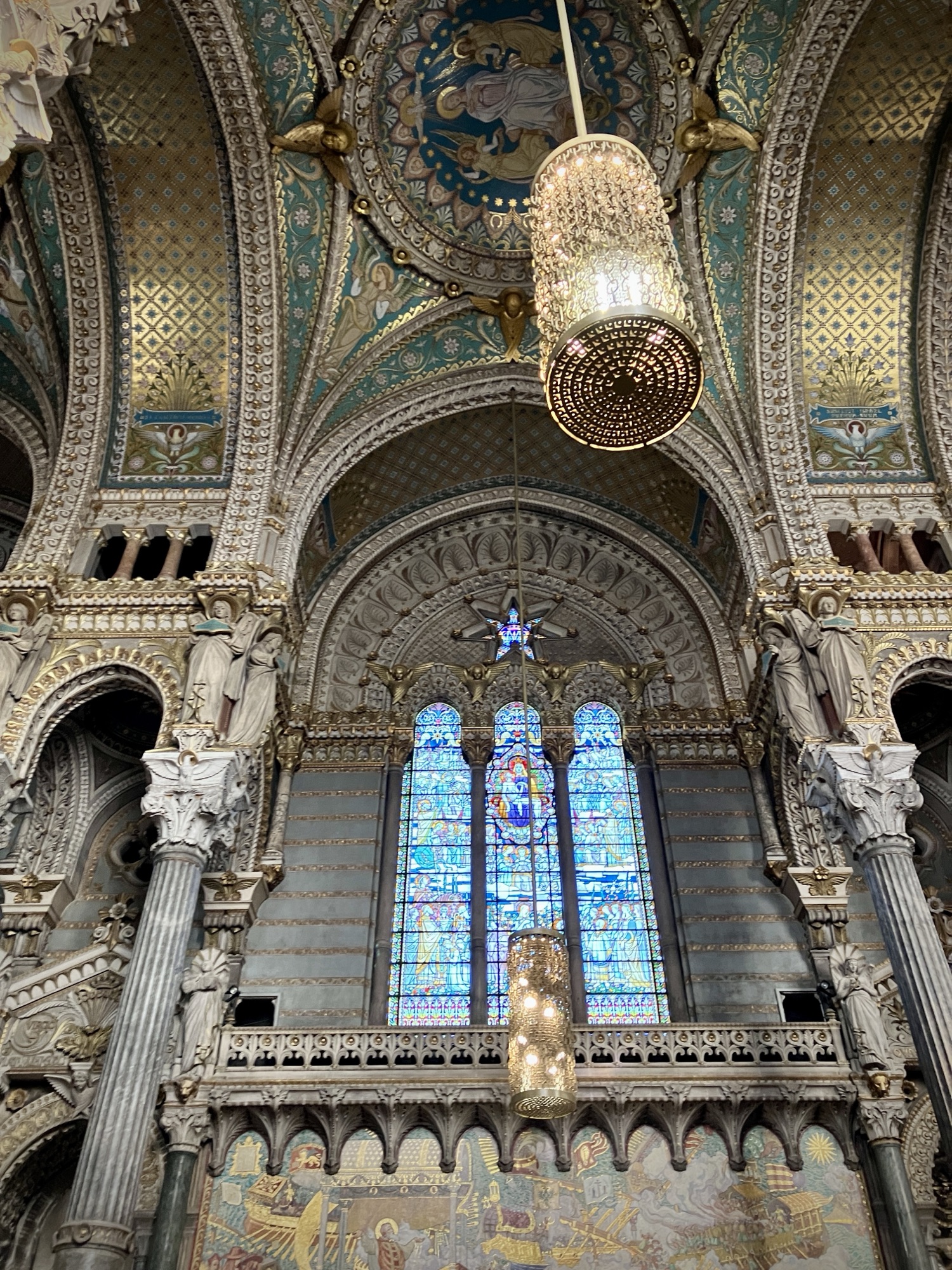
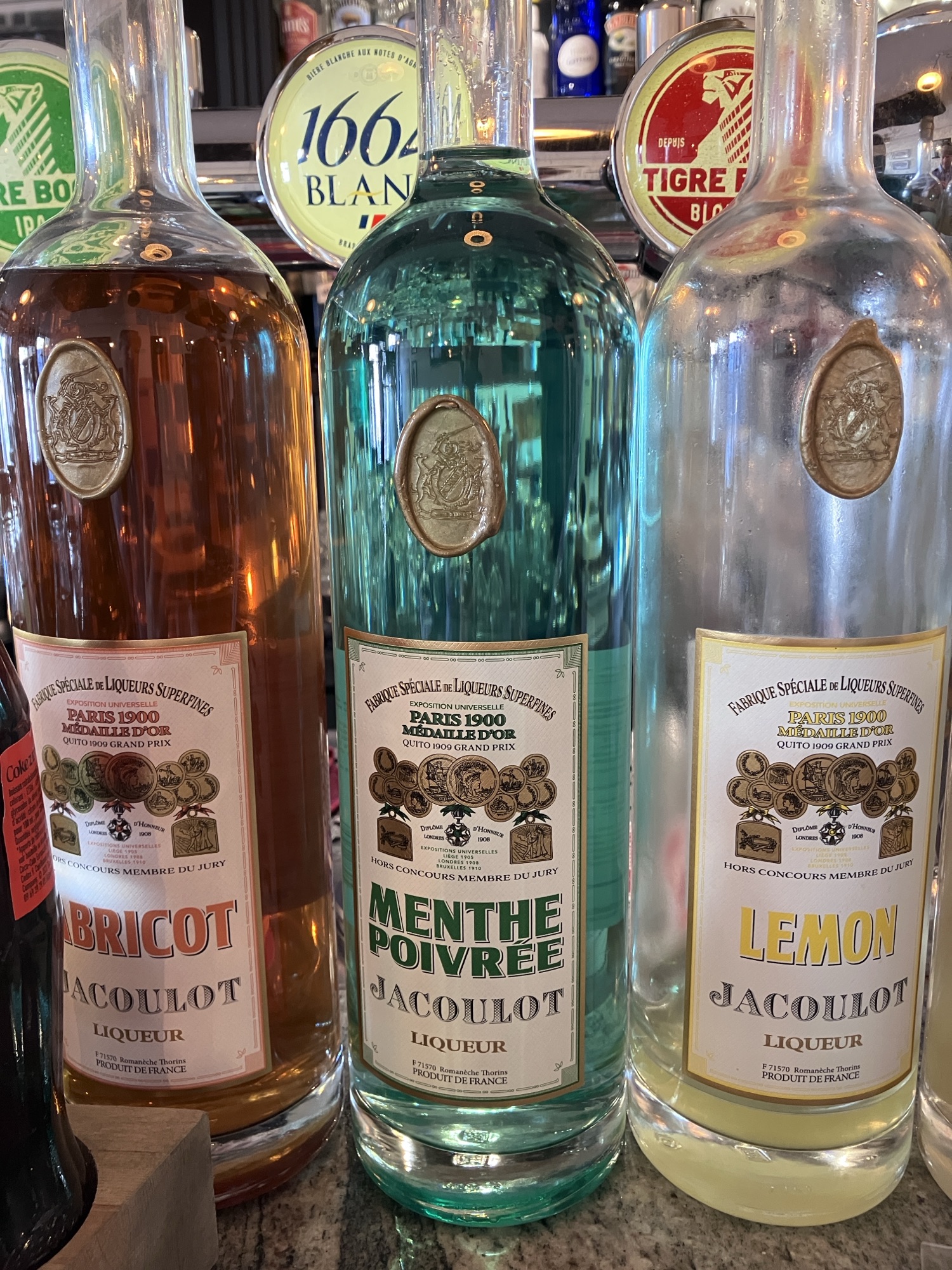
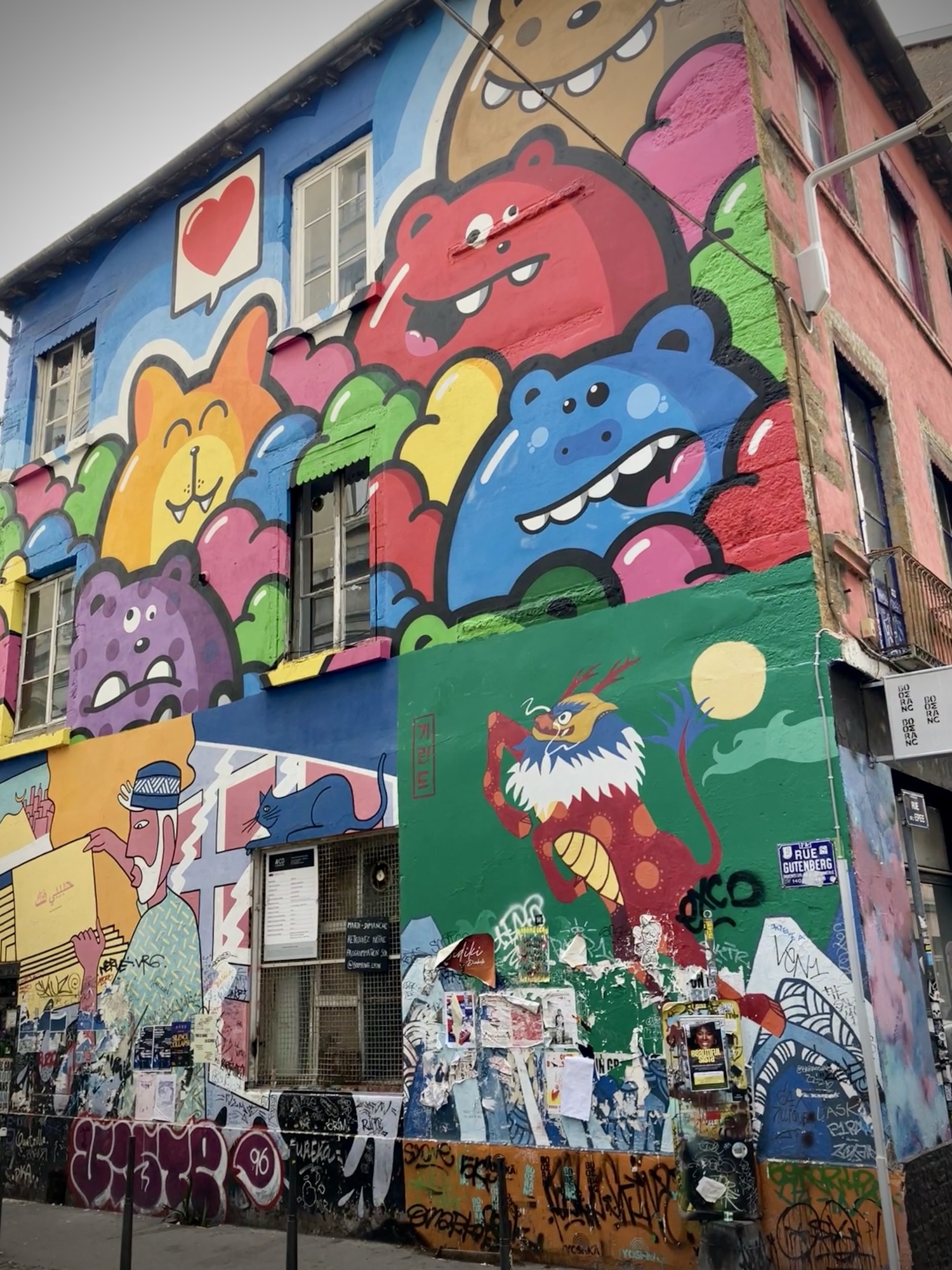
Former 19th century hospital is now the Grand Hôtel-Dieu, as well as shops and gathering spaces.Low morning autumn light on Les Célestins Theater.We used the last few minutes of our 24-hour transit pass to take the funicular up to the Basilica of Notre Dame of Fourvière. It’s impressive and one of Lyon’s top sights, with views of the city from the nearby terrace.Remains of the Gier Aqueduct which brought water to Lugdunum from over 50 miles away. Parts are still fully intact while other sections are now one with later development. Amazing.This streetscape reconstruction in Sainte-Foy-lès-Lyon was still in the archeolgical phase, as Lyon sits atop layers of history.Enjoying the nice weather on our exploration of the hills.Colorful liquor bottles caught Cheryl’s eye at a casual neighborhood bistro where we had lunch in Sainte-Foy-lès-Lyon.Sunshine on the Saône looking toward Croix-Rousse.Street Art and murals are a mainstay of Lyonnais life and there are websites dedicated to the various artists.We feel the same way.Nothing but smiles after a stimulating week in Lyon. But will this great weather last?
Lyon is not always a must see to most visitors to France, and I think it’s still a bit overlooked. Paris is amazing, but Lyon is a place you can really feel comfortable in quickly and will be rewarded by friendly people and a vibrant cultural scene. We were glad we came back for a longer look. Happy travels!




















 Less Car, More Life