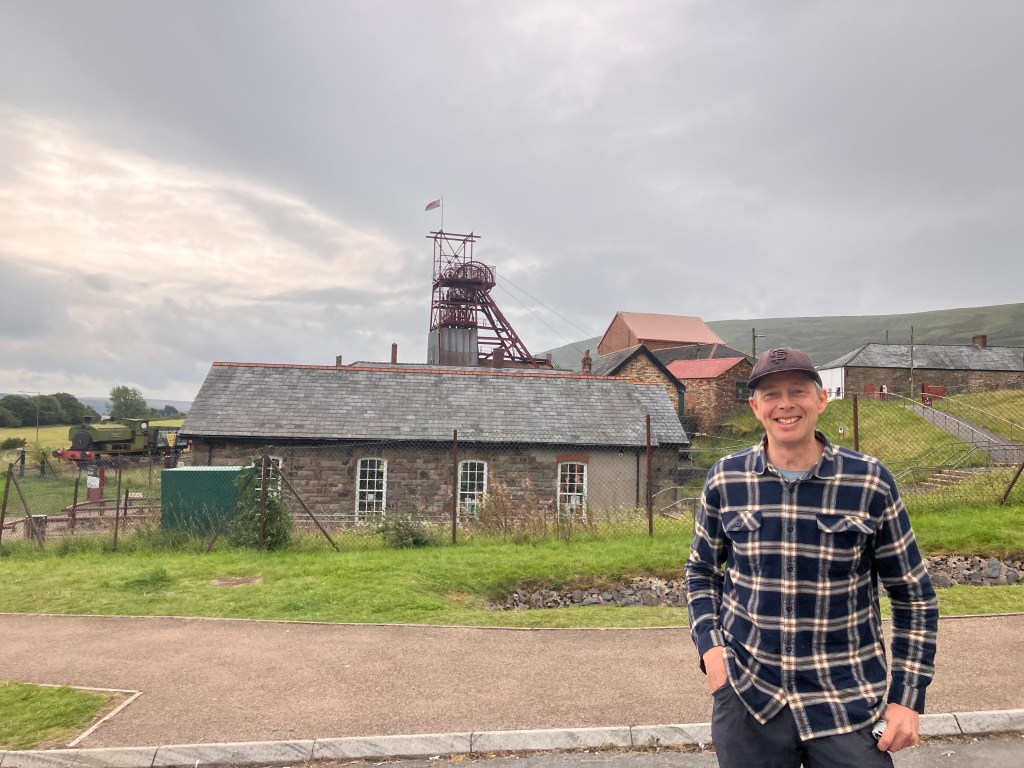
What makes us happy? Returning a rental car! Although we were so grateful to have the opportunity to explore the valleys of South Wales, driving is never our favorite form of transportation. Really I should clarify that Rich drives and I try to be helpful and supportive. As he noted today after we returned the car in Cardiff, we’re not the first couple to get into a fight in a rental car. But, for the moments of stress and breathless passing of other cars on narrow streets (knowing that a damaged wing mirror was £200 per the rental agency, and we saw plenty of cars with damaged mirrors.), there was so much excitement and happiness as we got to visit places that would have been impossible on public transit or as day trips by bike from our house sit.
Wales is beautiful. The coal valleys of south Wales have such a rich and heart wrenching history. The Big Pit Coal Museum is so packed with history and details and artifacts and machinery it’s overwhelming. But, the history of Wales is everywhere in this region. Our introduction to Welsh coal mining history started with our bike ride from Cardiff to Treorchy, where we had a lovely house sit for 12 days.
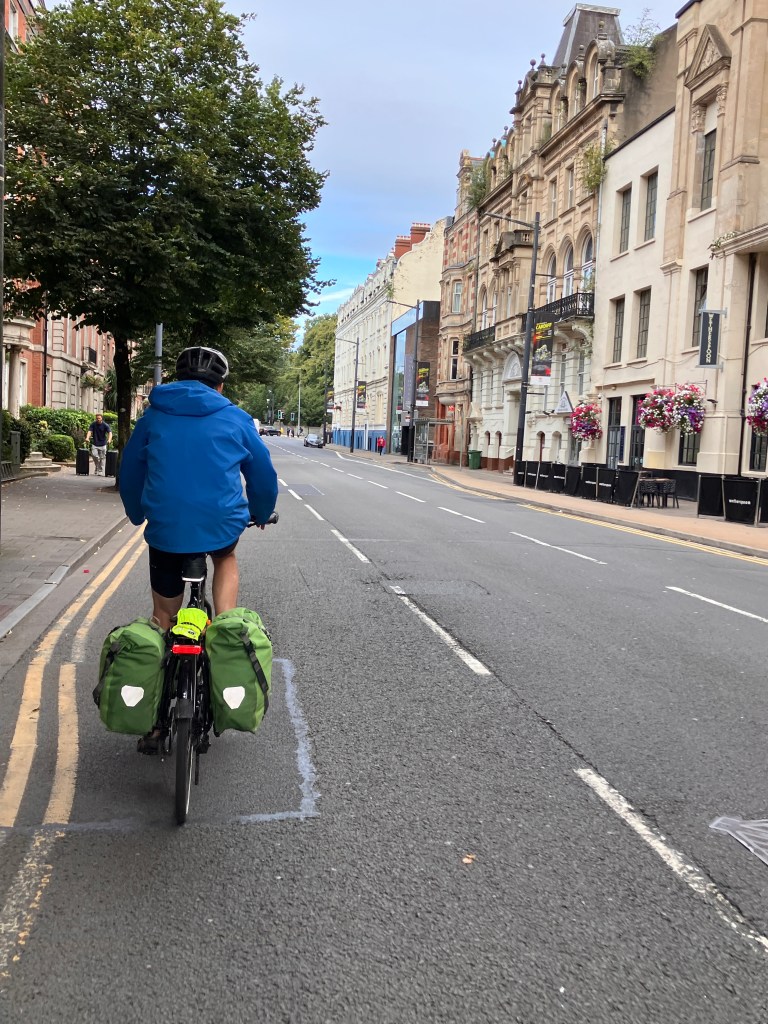
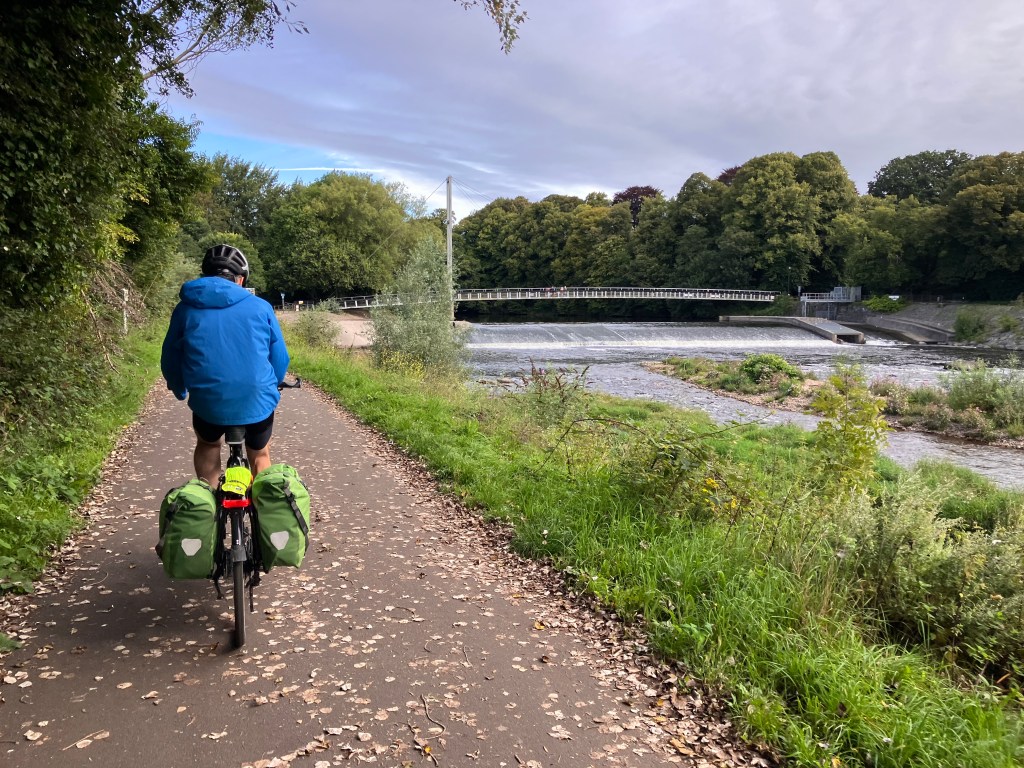
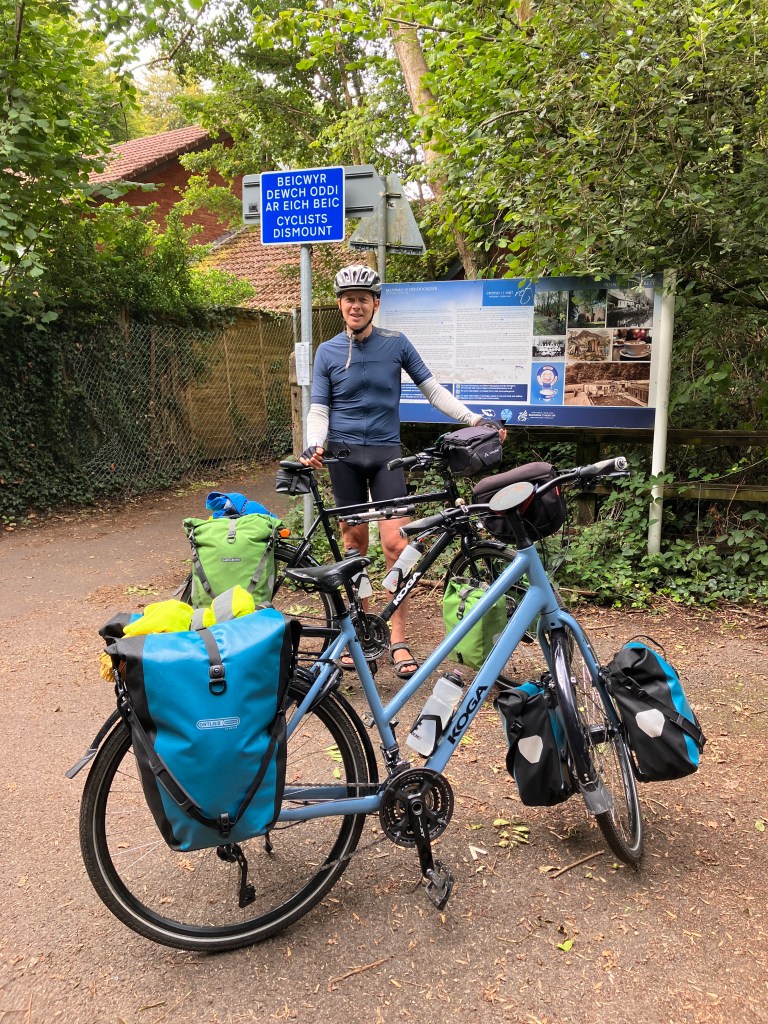


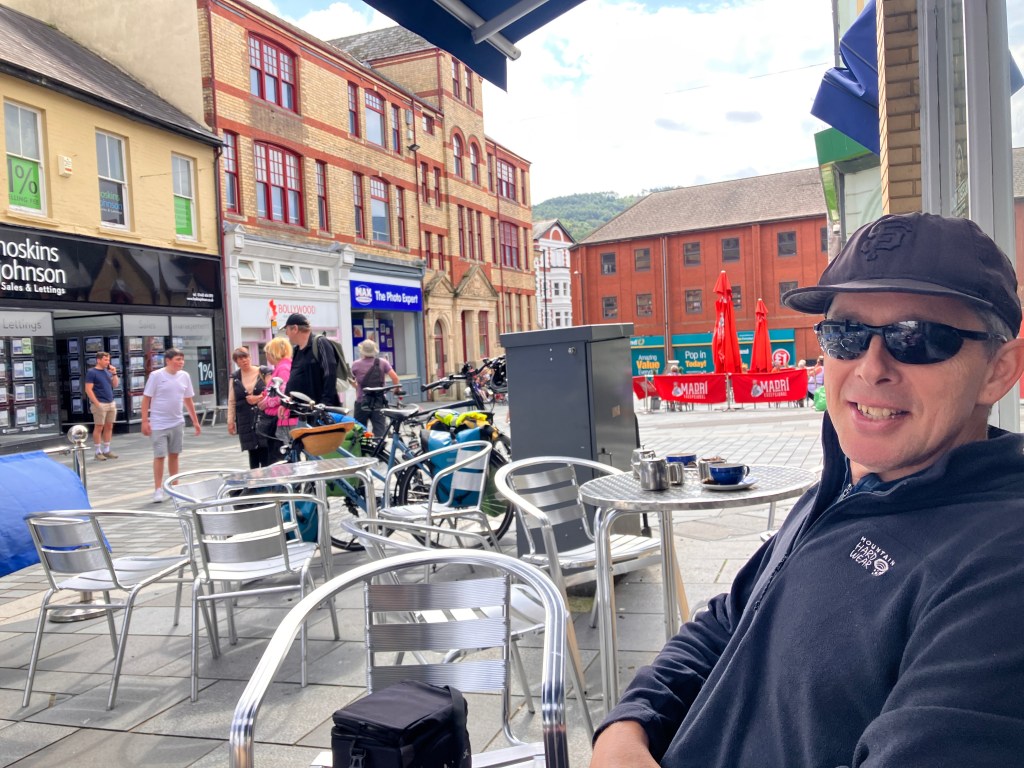
Riding into a town where you hope to have lunch and finding not a high street cowering in the face of car traffic, but instead a pedestrianized charming core really made us happy. We usually have to search for a spot where we can keep an eye on our bikes while we eat, maybe through a window or from an outside table hopefully with some shade and not to close to car traffic, but Pontypridd made our day with its car free and wonderfully lively shopping streets.


Pontypridd is the beginning of the Rhondda Fawr Valley, named for the Rhondda River. As we would learn, coal mining changed the valley from a sparsely populated rural area to a teeming coal based economy.

The transition to coal came with a very high price. As the above photo states “ In Britain between 1868 and 1914 a miner was killed on average every six hours and seriously injured every two.”


We settled in to our lovely house sit with the wonderful cat Tibbs, for whom we quickly came up with a variety of nicknames, as we charmed and fed our way into her heart, and she into ours.

We had arranged a get together with another nomad couple who were in their campervan not far from us. We met up for a walk and a pub lunch and hours of chatting. When you live a nomad lifestyle like ours it’s nice to chat with others with the same kind of life. We always learn so much from other nomads and come away with great recommendations for places to visit and how to overcome challenges.

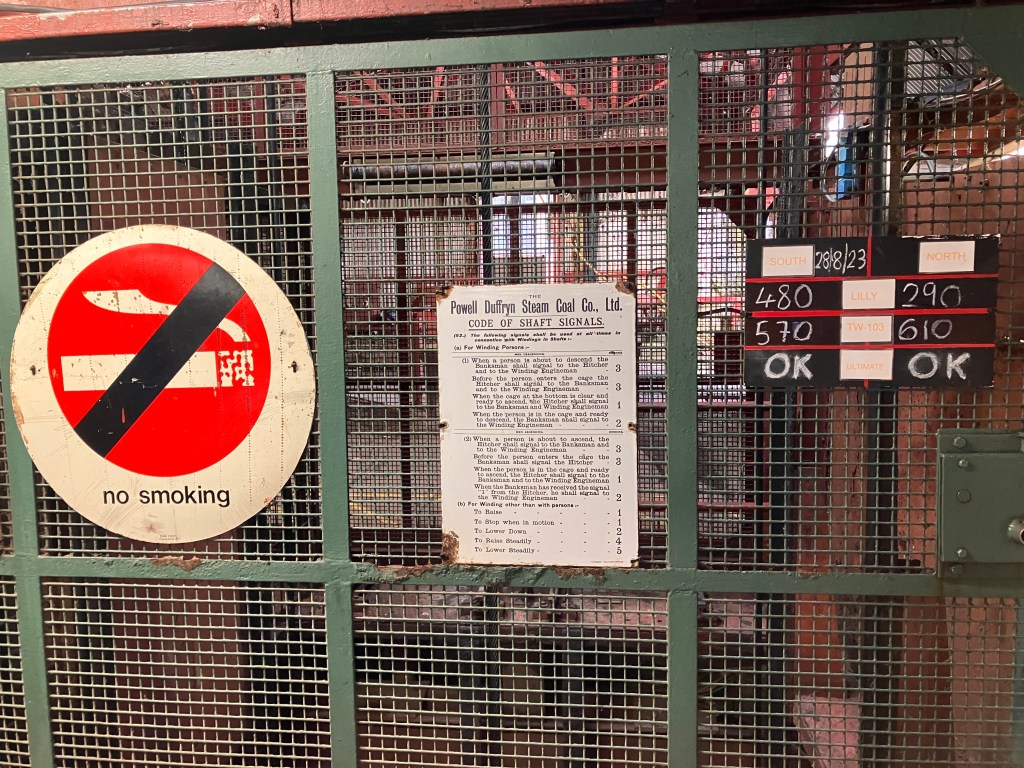
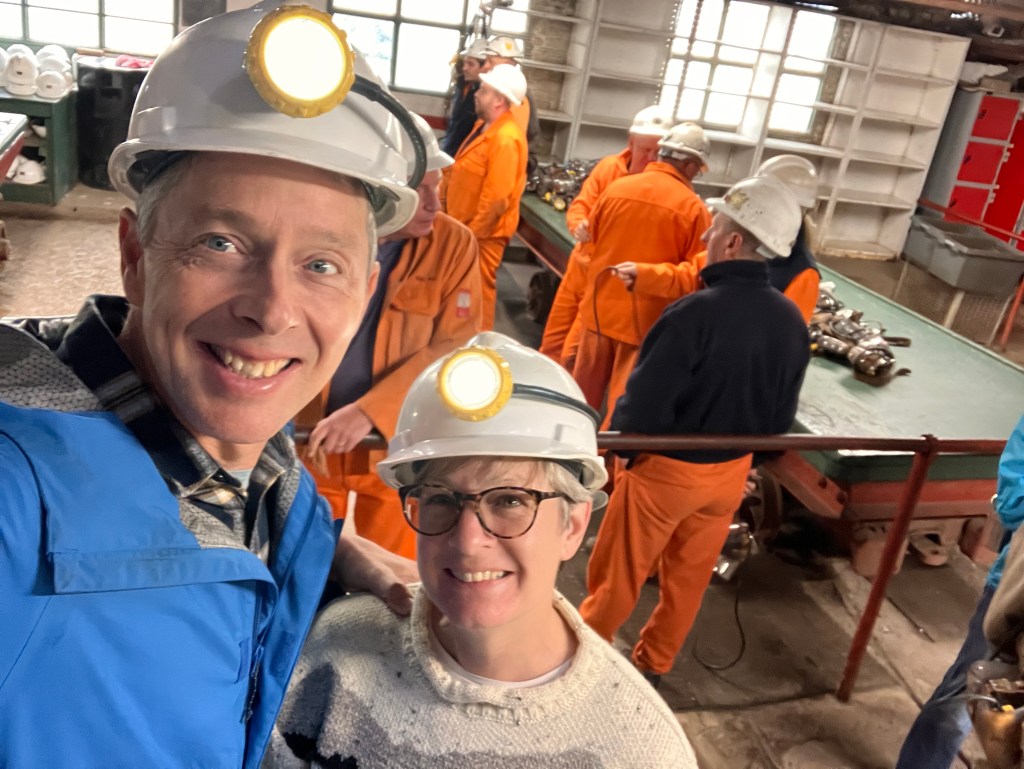
The first question you get about your visit to the Big Pit National Coal Museum is “Did you go down?” Down into the mine in the cage. At 300 feet below ground this isn’t one of the deepest mines in Wales, but the hour long tour, led by a miner, is so unique and educational. No phones or cameras are allowed down since although this isn’t a working mine, it is still considered an active site and anything that could possibly trigger a spark or has a battery is not allowed. It’s a good thing to be forced to leave your phone behind occasionally, you do focus more, and images are etched into your memory instead of saved in your camera. As we stood in the stall area where the pit ponies had been stabled, our guide, Peter, had us all switch off our headlamps to experience the complete darkness of the mine.

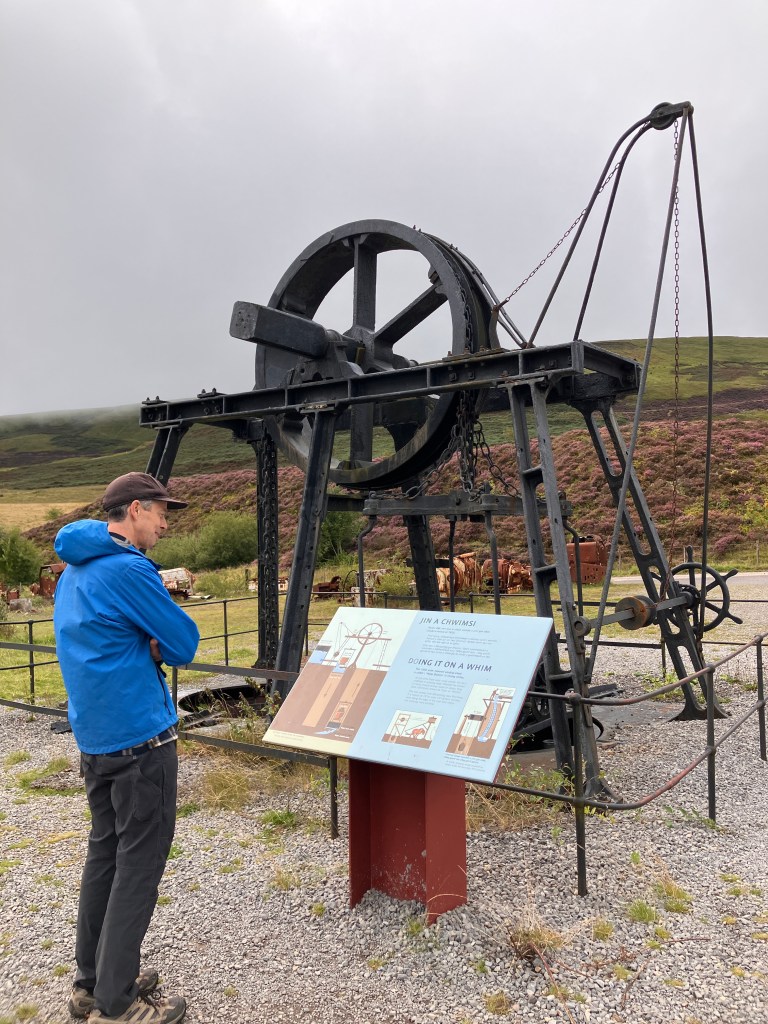


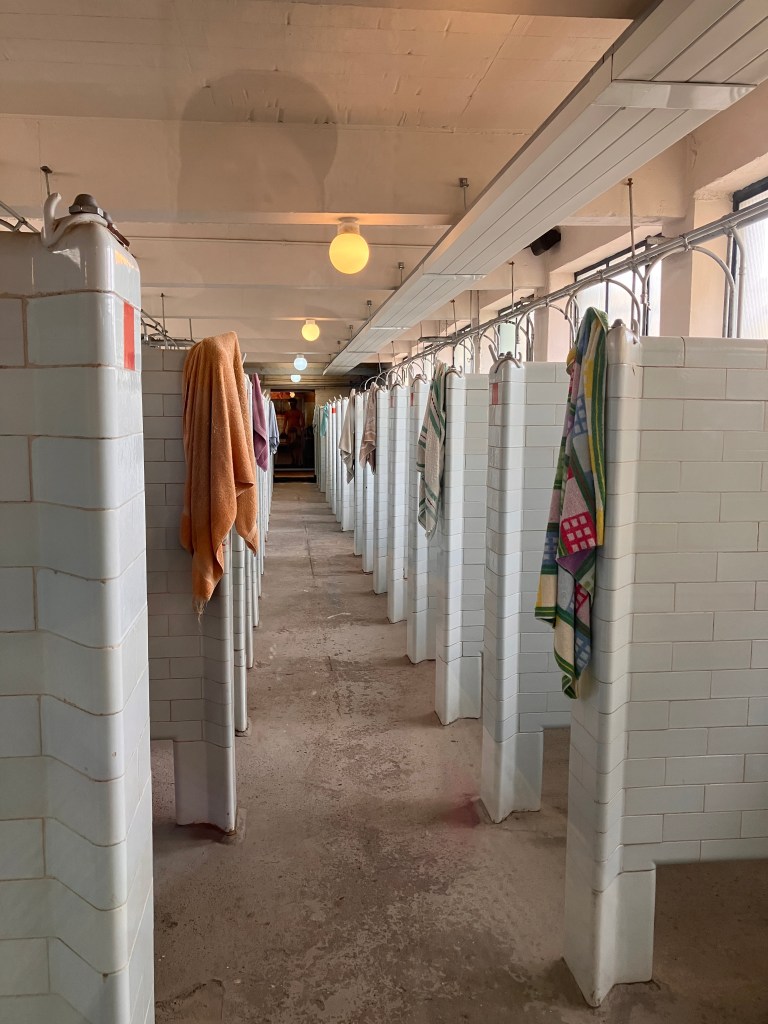
We learned so much about the life of the miners, and although the grit, strength,and pride of the miners is clear, it was a grueling job done under some inhumane conditions.


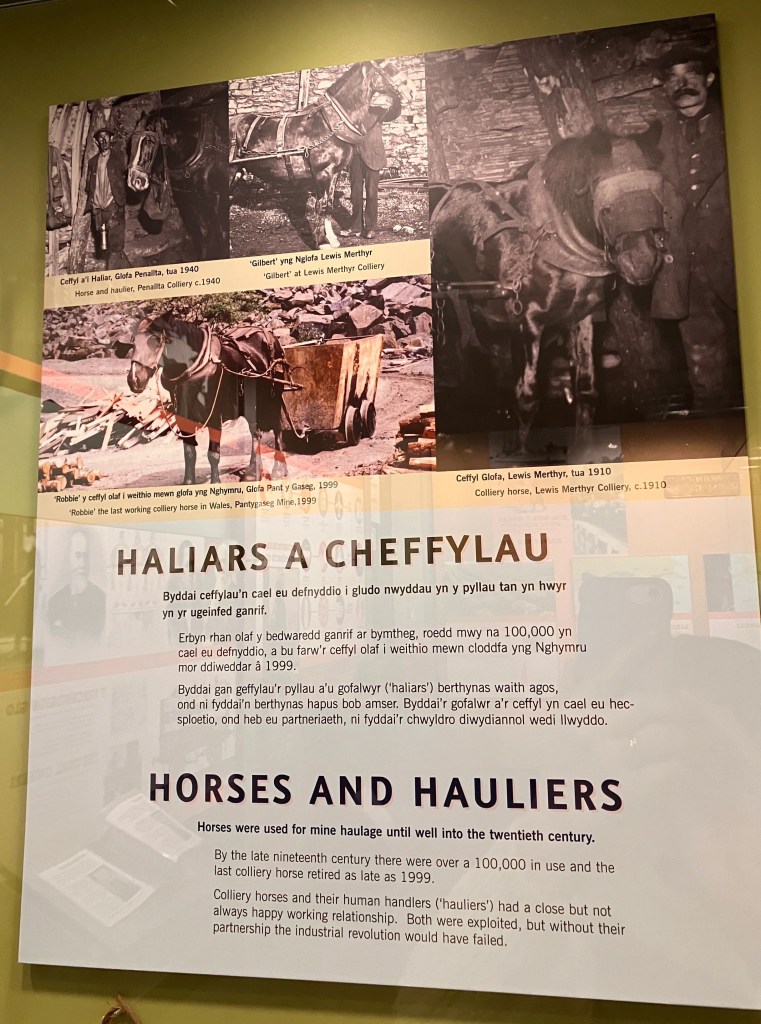
Our tour guide called them pit ponies, and the stalls where they lived when not working were 300 feet underground. Although that was awful, and hard to imagine, it was pointed out that the ponies were assets for which the company had spent money, and so they had a vested interest in keeping the ponies healthy. The same couldn’t be said for the miners.

We went away with a much fuller understanding of what coal meant to Wales, and why the coal mined in South Wales was so valuable. As with many extraction based economies, the profits went to the owners and investors, and when the mines were nationalized and ultimately shut down, entire areas were plunged into poverty. I felt the Big Pit did a good job of telling the story of coal, and its impacts on Wales, negative and positive. The museum hasn’t been updated to include the impacts of fossil fuels on our planet, that would be a good challenge for new curation. I can imagine a team of museum scientists adding a fascinating section on climate change and the impact of coal. Although the story of the mines is about the folks working and living in Wales, the reach is global.

Visiting museums can add up for families, taking the kids for a day out and paying per person can get expensive. I really like that the National Museums in Wales charge for parking, but entry is free. There are ample opportunities to donate either in cash or with tap cards, and we always do. This was my second visit to St. Fagans, I visited decades ago with my friend Hannah who grew up in Wales. We couldn’t remember exactly when it was that we visited, but we think about 30 years ago.

If you are imagining a large building full of glass cases with artifacts, stop right now! This is an open air museum, with buildings relocated from all across Wales, rebuilt on site and furnished according to the time period being featured. That noise you just heard was me squealing with delight- this is my favorite kind of museum. You get to walk around lovely grounds and go into buildings that look as if the inhabitants have just stepped out. Since it was a chilly rainy day most of the buildings had fires burning which upped the level of atmosphere.

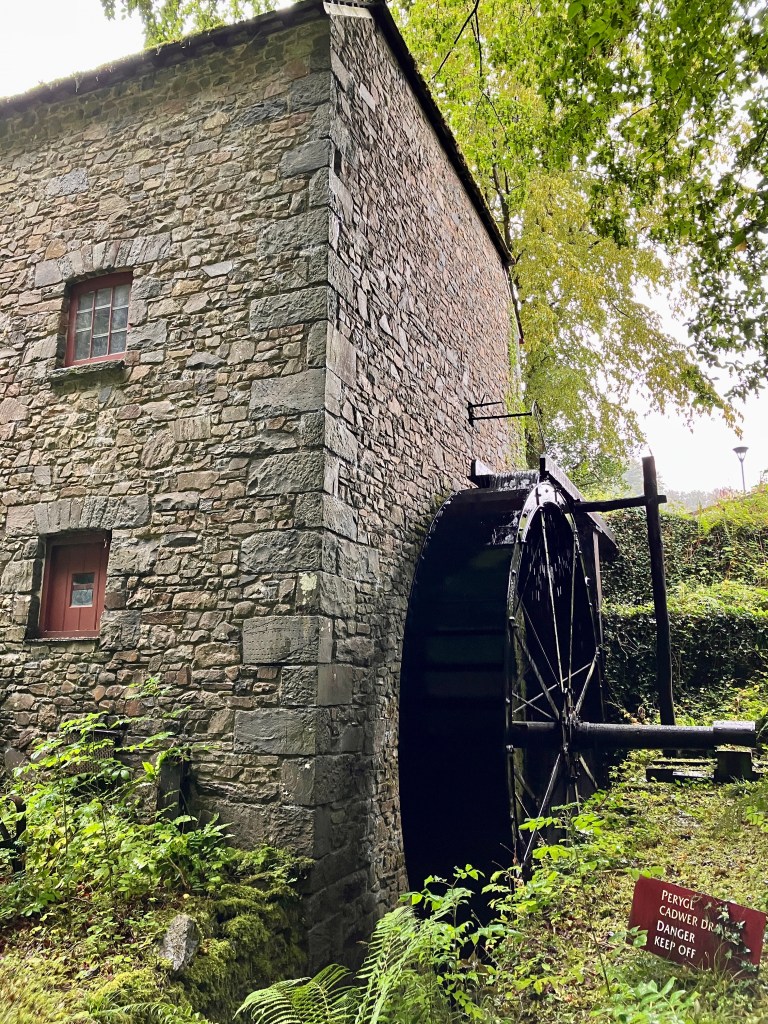
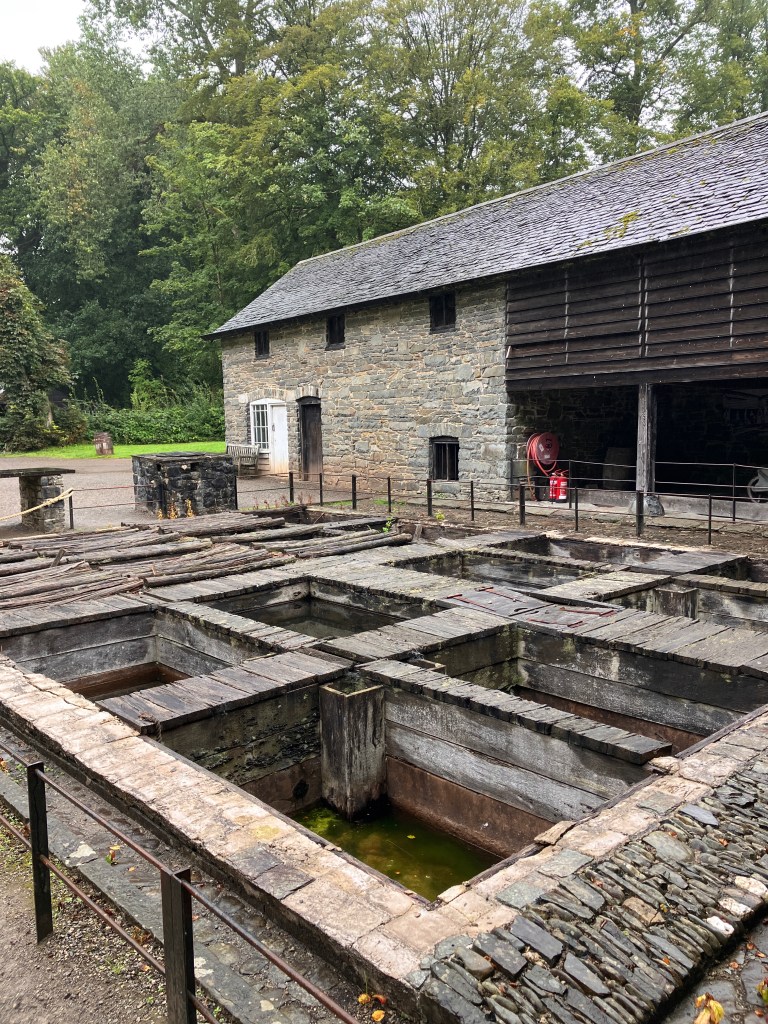


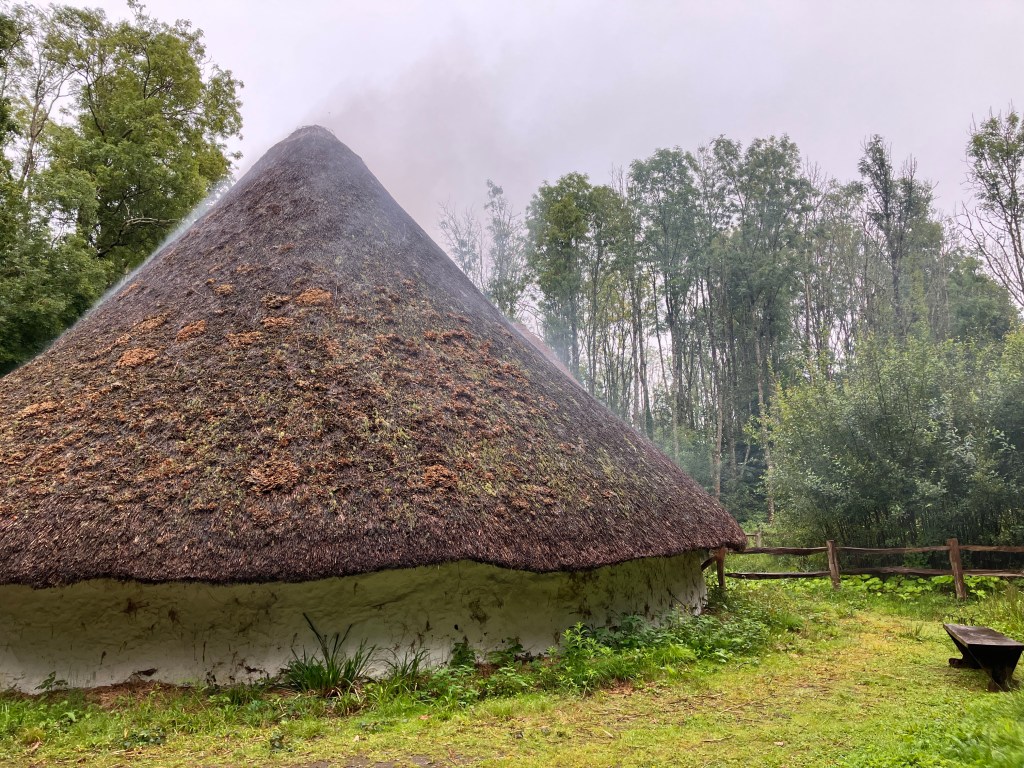

A museum guide told me that since I had last visited, approximately ten buildings had been added to the site. The decision to include a building depends on quite a few factors, including a compelling back story or history about the structure.

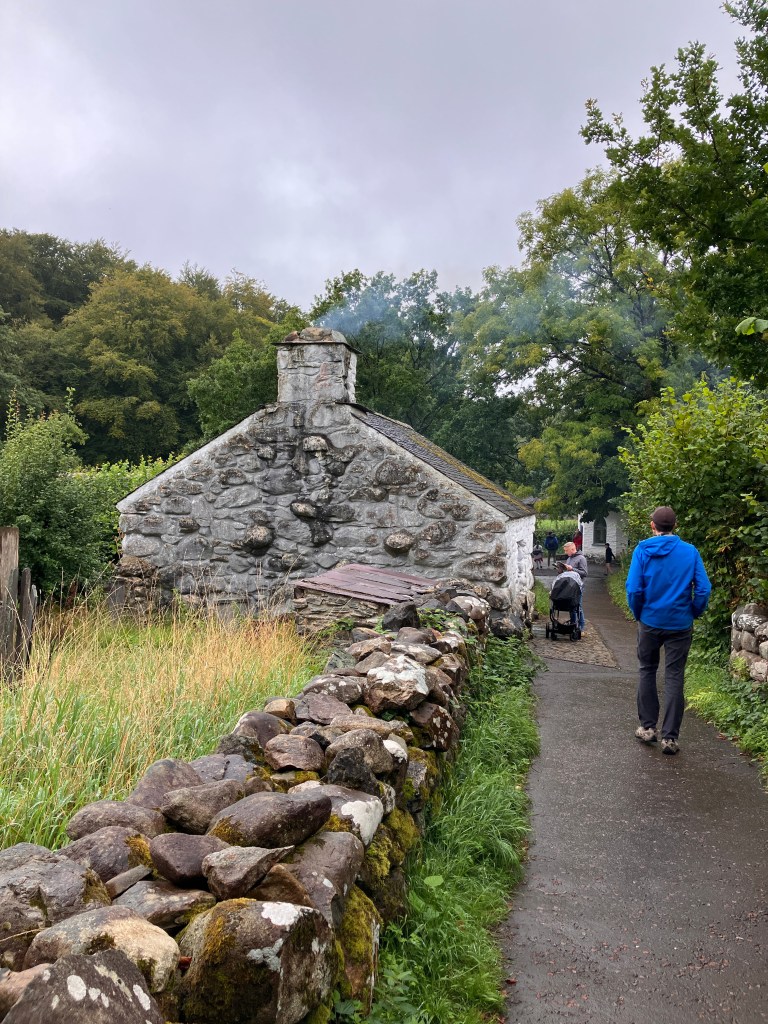
Possibly my favorite buildings at St. Fagans are the terrace row houses. The six are displayed as they would have been in 1805, 1855, 1895, 1925 1955 and 1985. Originally there would have been a community oven at the end of the row in which the women would bake bread. Terrace houses are all over Welsh coal country, so ubiquitous you can almost stop noticing them.


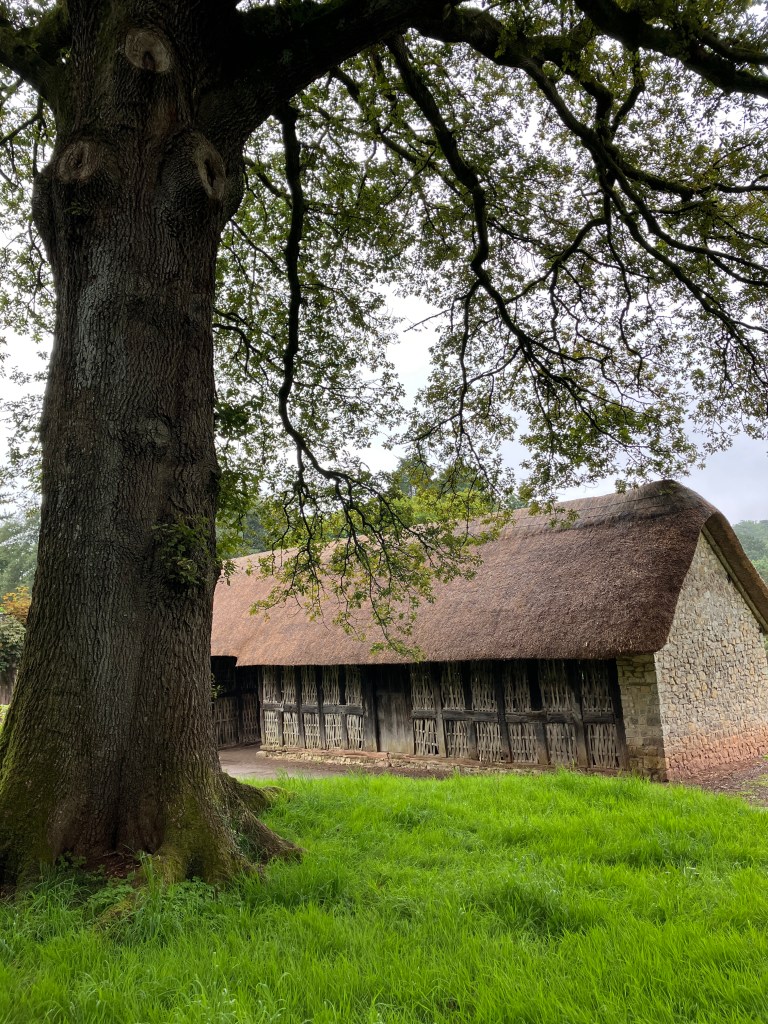
The grounds at St. Fagans are absolutely worth a visit even if you don’t care about old buildings and history. Which would be impossible, I think, once you start walking and reading the signs and imagining how life was for folks who lived in these houses. Happy to have gotten to visit both these National Museums, we returned the rental car and got ready to pedal out of Treorchy and on to visit good friends in Tenby over a few days of Welsh heat wave.


 Less Car, More Life