Although we are fiercely independent travelers, there are times and opportunities that can be missed without an organized tour. And we really wanted to learn a bit more about the indigenous cultures of Borneo and get deeper into the jungle.


Cheryl and I both have degrees in Anthropology (+my engineering and her creative writing) which fuels an endless desire to dissect and understand what we can about local cultures and customs in a rapidly changing world. So we picked the Batang Ai 3 Day Experience led by the award winning agency out of Kuching, Borneo Adventure. It was a great choice.

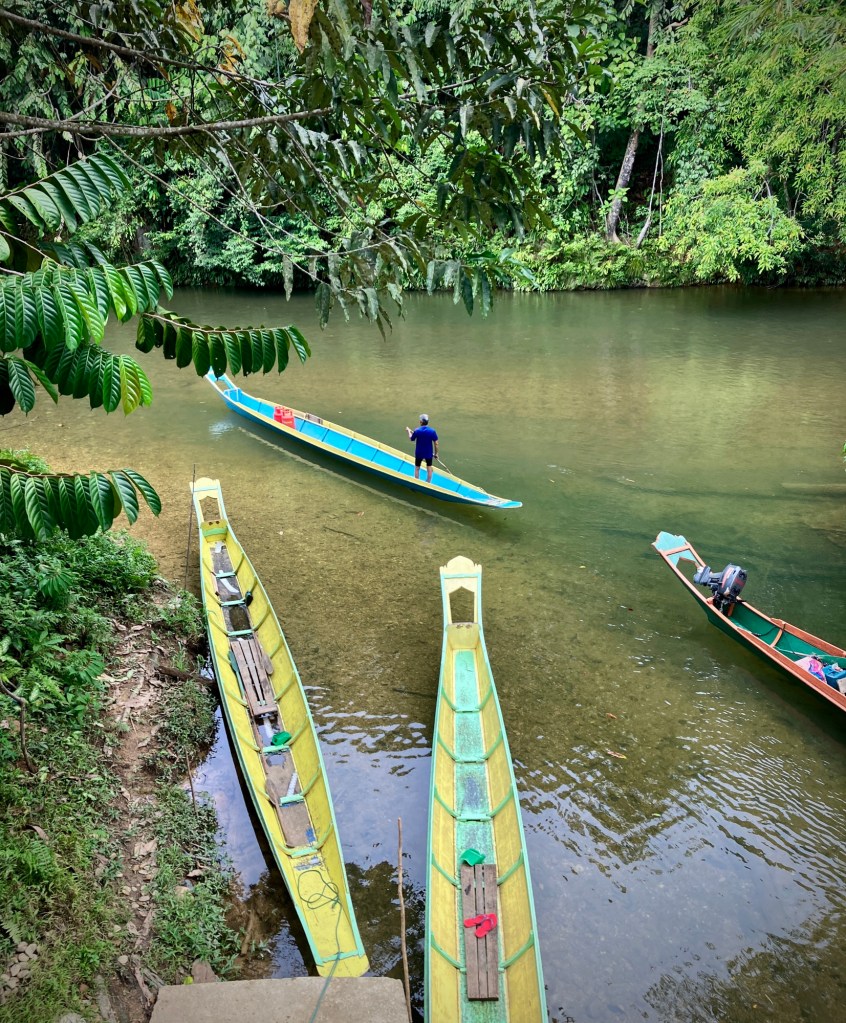
We awoke early on our departure day with a sense of excitement as we really didn’t know what to expect of this tour, and it required some thoughtful repacking, drybags, and consolidation of our gear, with the excess being left at our hotel in Kuching. It was also still the rainy season here, so rain was likely, and tons of rain a possibility. The drive was nicely broken up by a market stop and early lunches, but we were definitely ready to board the longboat for the nearly 2 hour trip to the community and lodge. Despite some steady rain as we drove, the boat trip was mostly dry.


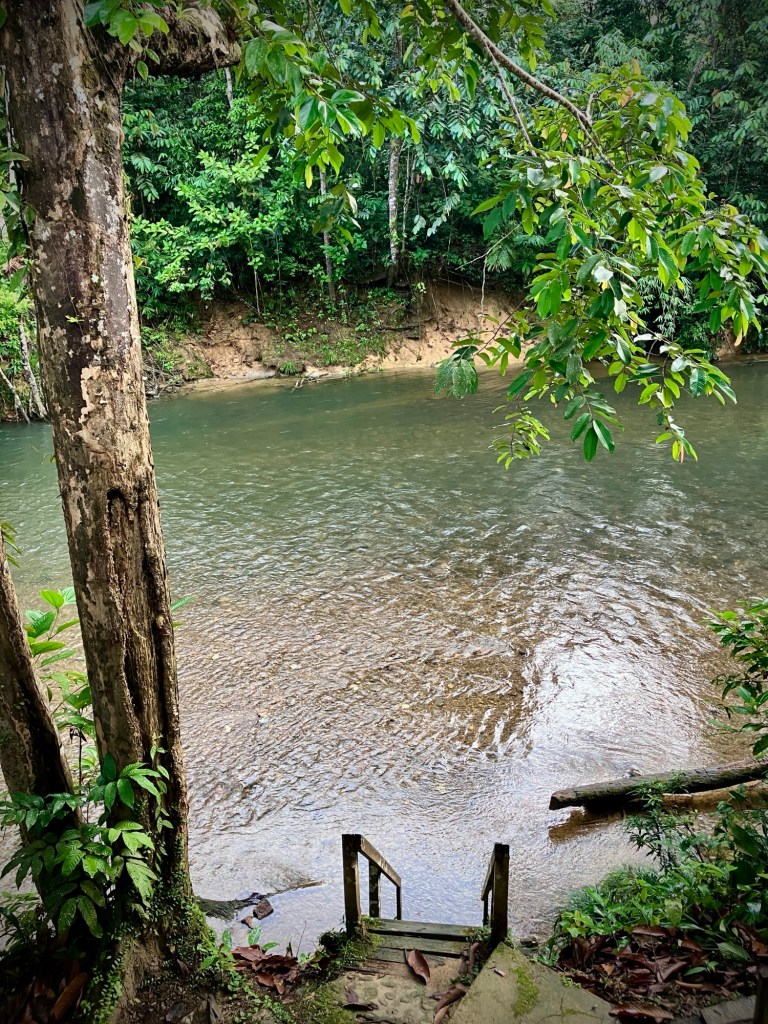
The arms of the massive Batang Ai lake seemed to stretch forever and it was a dramatic shift in terrain and ambiance as we transitioned to the original Delok River. Although the lake/reservoir was pleasant and scenic in its own right, I couldn’t escape the artificial feel and haunting thoughts of the wild rivers that used to flow below. Thousands of Iban people were displaced by the construction of the dams and inundation of the valleys in the 1980s. On the upside, the reservoir provides a good amount of local clean hydropower. But it is what it is and we were here to support and get a glimpse of modern Iban life that still exists in the rivers above the lake. And it’s still a fascinating and unique community.
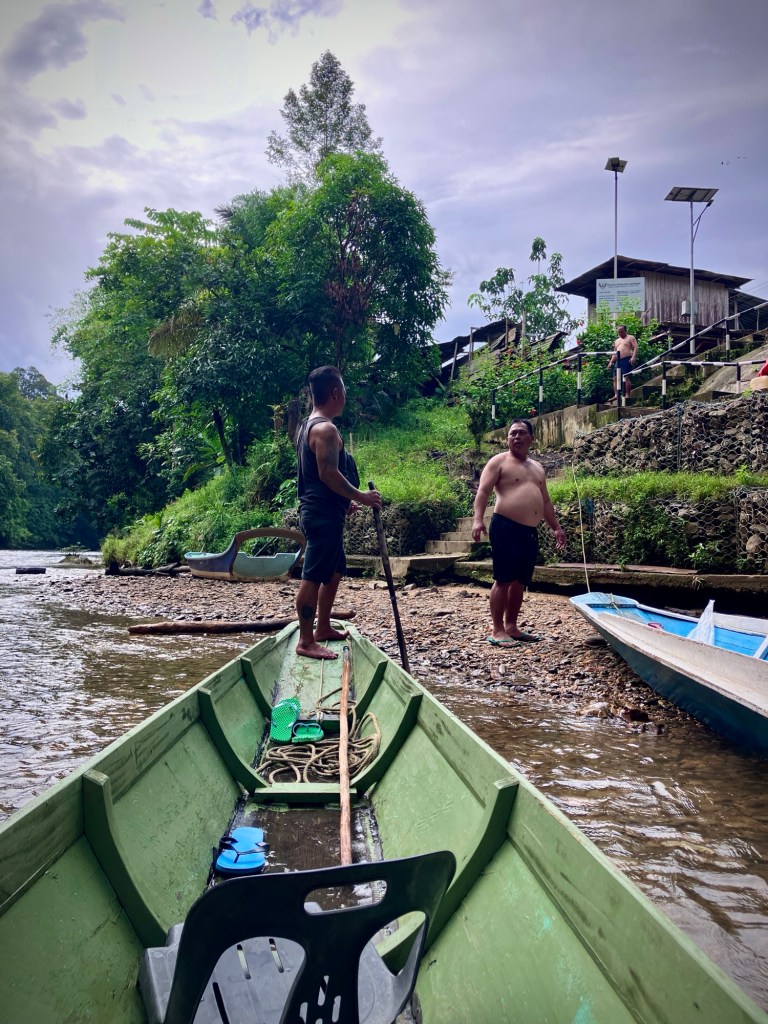


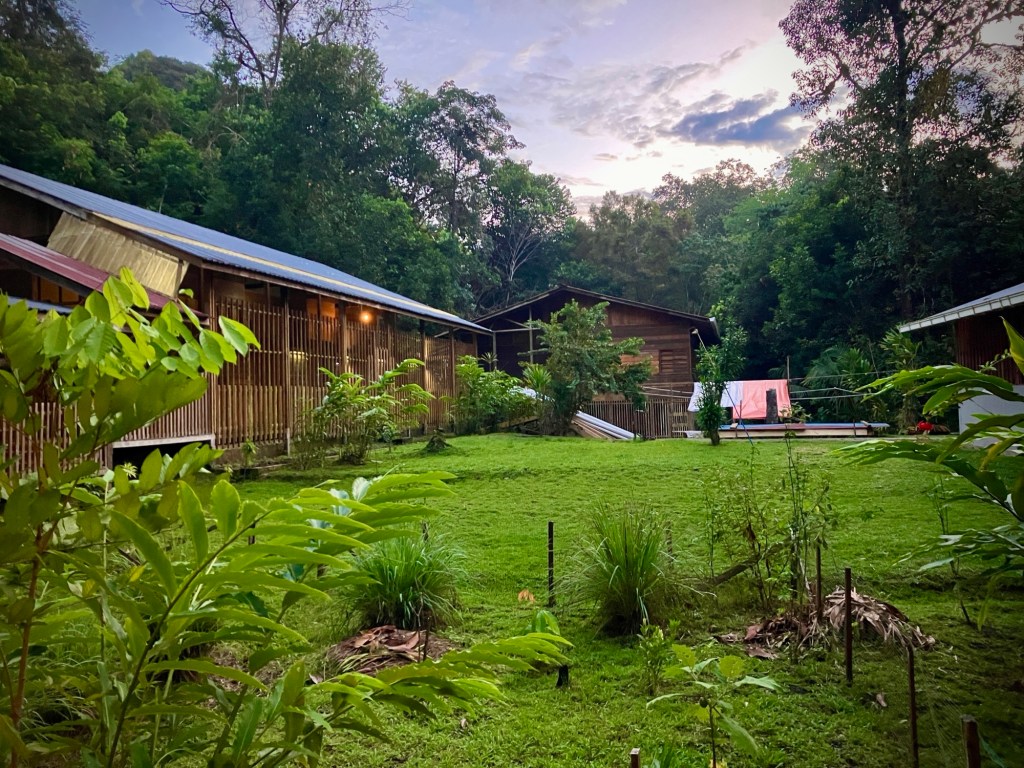
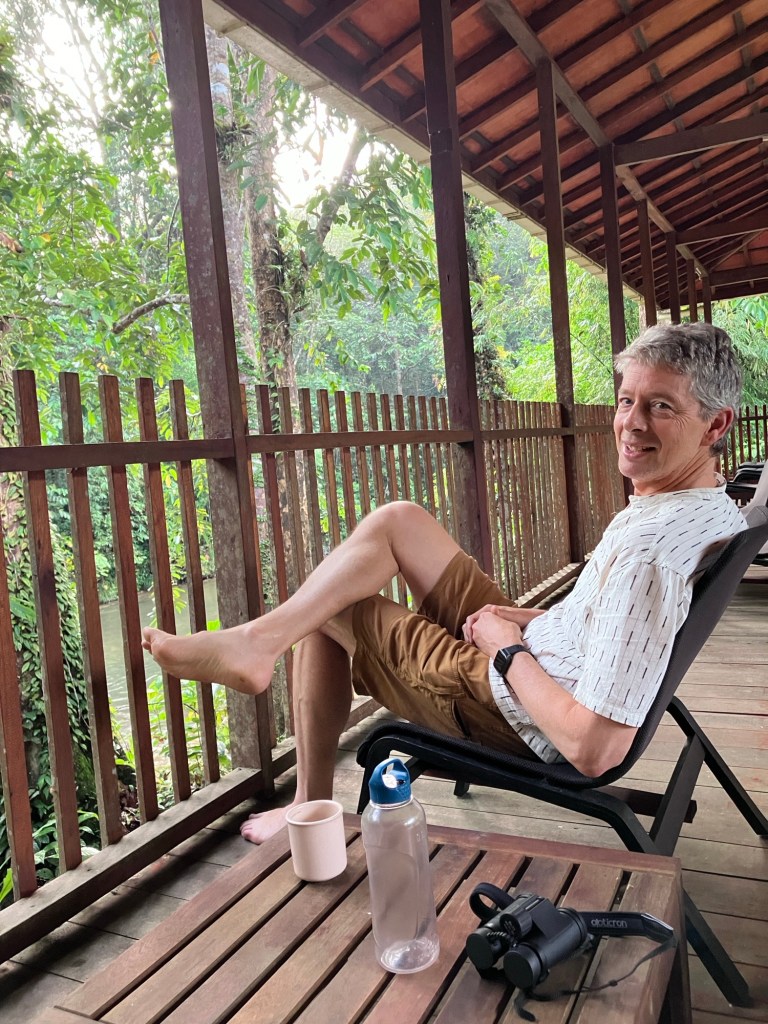
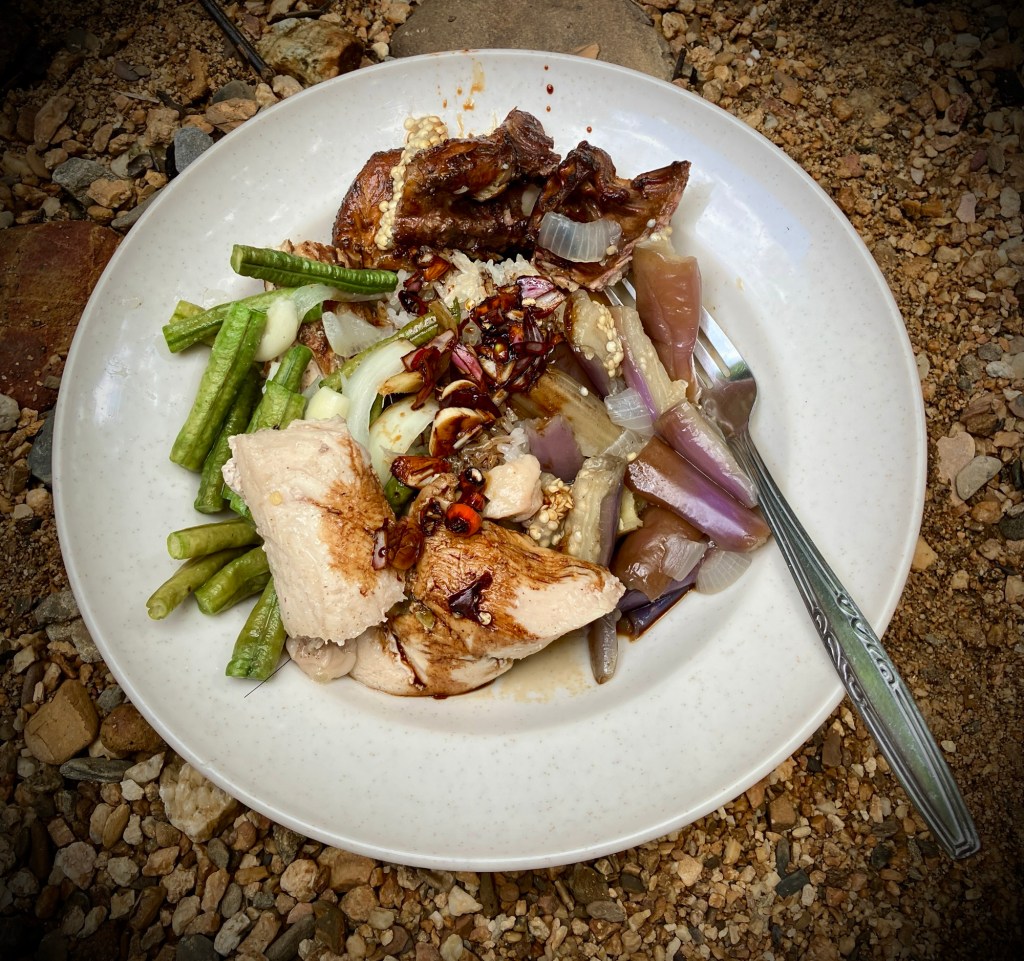
The lodge is located at a small confluence, of the larger Delok, with a calm side creek, the Sumpa, which can be used to safely store longboats in time of high water or floods. All the remaining dozen or so longhouse communities in the remote Ulu Ai are located similarly. The lodge itself is rustic with three forest rooms with bathrooms, and a few more rooms sharing a bath. It was nice to be barefoot in the lodge for three days, and felt natural. Meals are simple but tasty communal affairs, although Cheryl and I had the lodge to ourselves the second night, after four young Germans had departed.
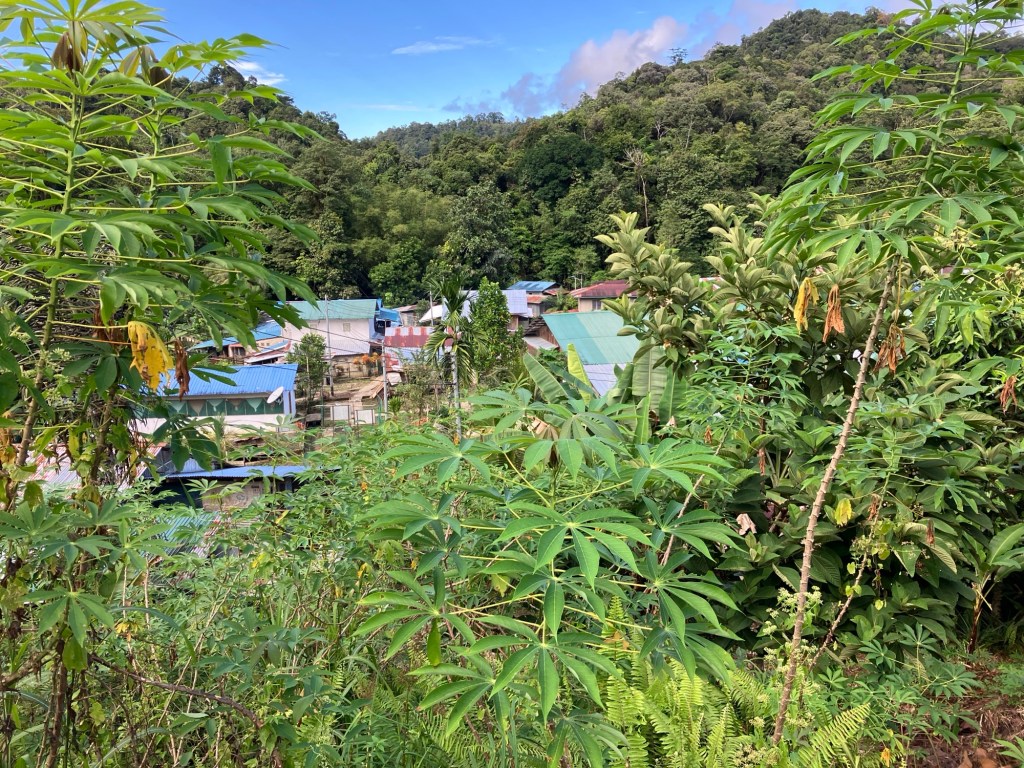


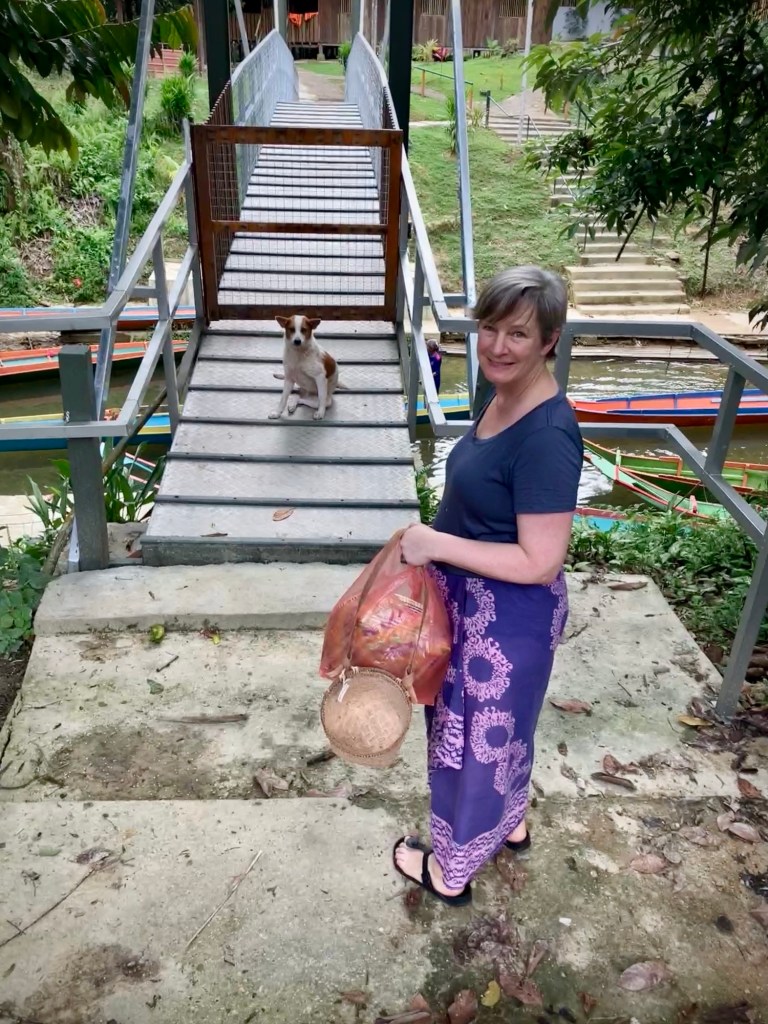
After a nice trek around the community and then dinner, we headed back over to the bridge to the longhouse and meet the chief and his wife. This was a genuinely enjoyable experience and the chief was very down to earth and friendly, understanding a bit of English and facilitated by our guides native Iban and local dialect.

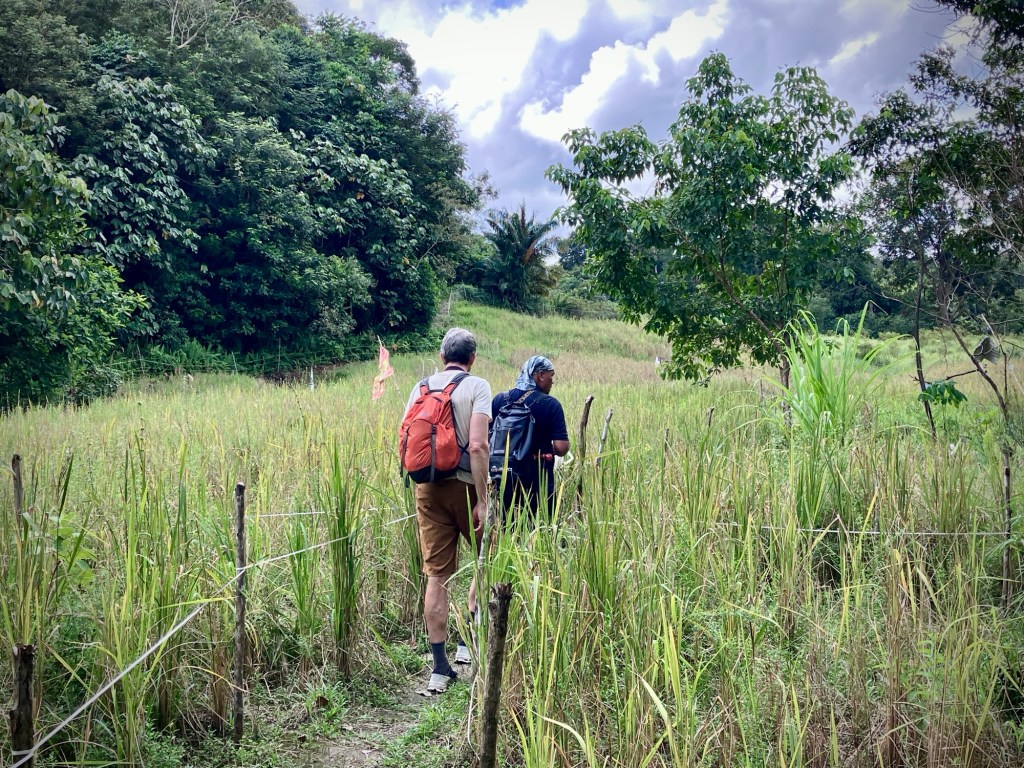
We are very conscious of the voyeuristic aspects of this type of tourism, but felt Borneo Adventure’s unique and 35+ year relationship at Nanga Sumpa is positive and synergistic for all involved. It’s also very small scale. Their jungle tours are not for the faint of heart, but perfectly blend adventure with enough comfort for most travelers looking for a unique experience. So we didn’t take any photos of our interactions or the community as we walked around. Google the Nanga Sumpa longhouse if you want to see more photos to get an idea. And read this excellent article (thank you Gisela!) on the reconstruction of the long house after the 2014 fire: article here.
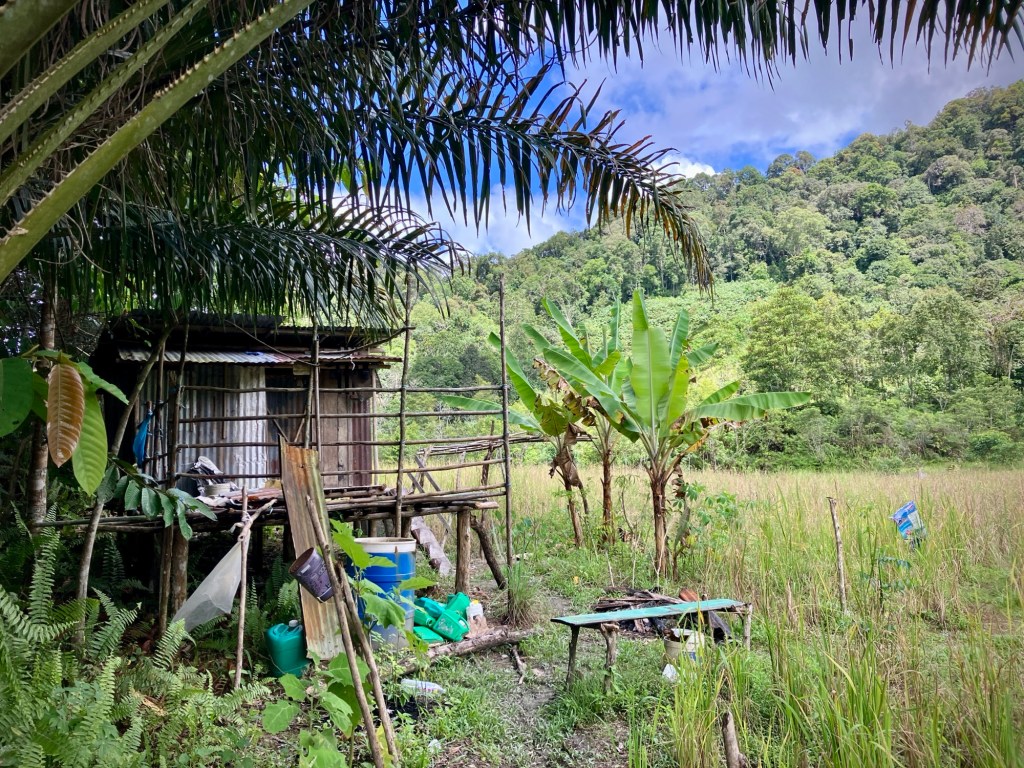
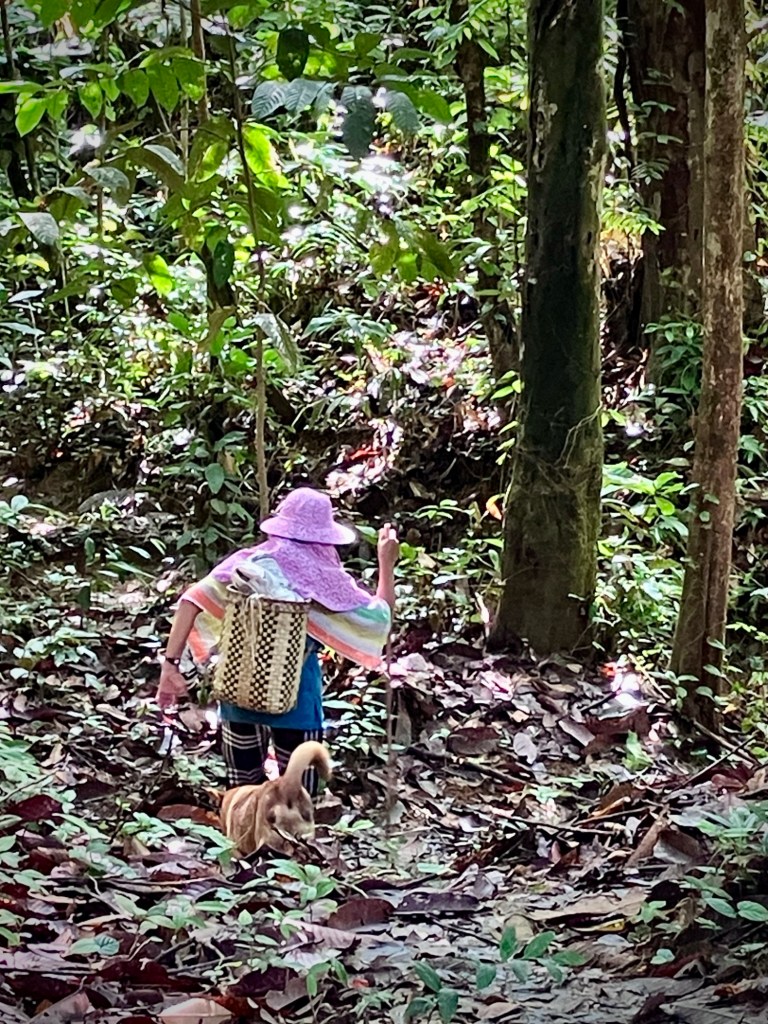


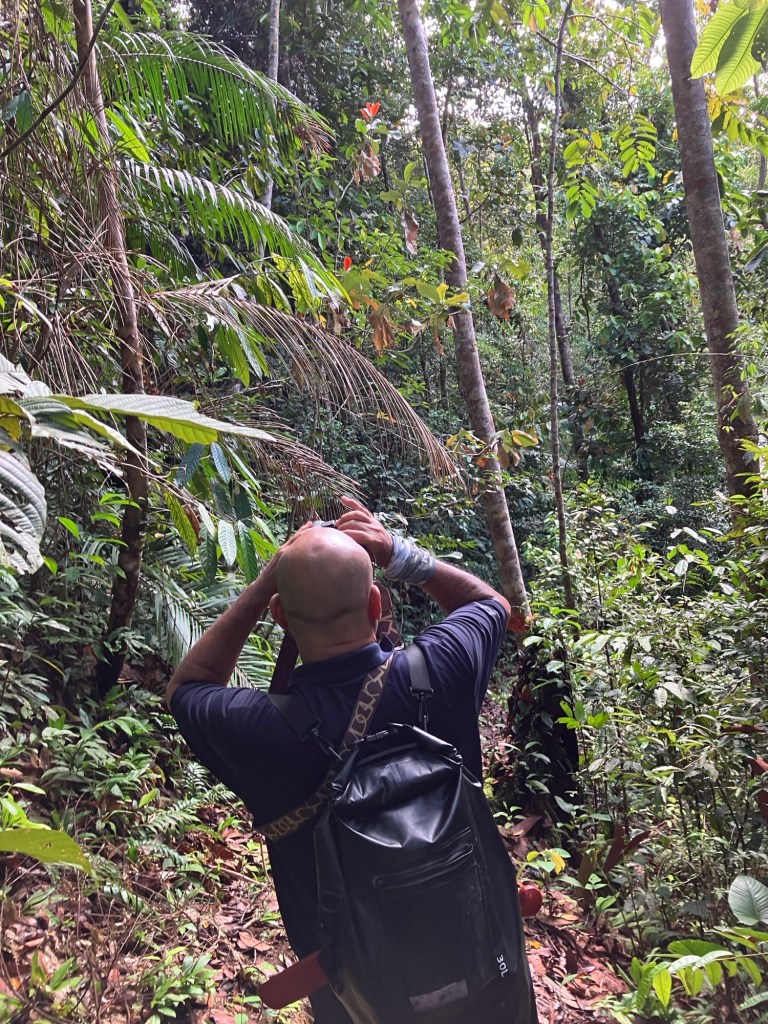
The second day began with a river crossing to trek for a few hours through the jungle and the hope to spot an Orangutan. There are over a thousand Orangutans in the Batang Ai National Park and adjacent preserves, but this buffer area of living Iban communities is outside the parks. However, a census/review done by WWF and other agencies in 2016 estimated about 250 Apes call this area home. This resulted in increased conservation efforts and even more desire to have the local communities coexist with this population. We were pleased to see some of our significant regular donations to WWF at work and having an impact on policy and life on the ground. It has seemed to push back the logging and palm plantation encroachment as well. At least for now.


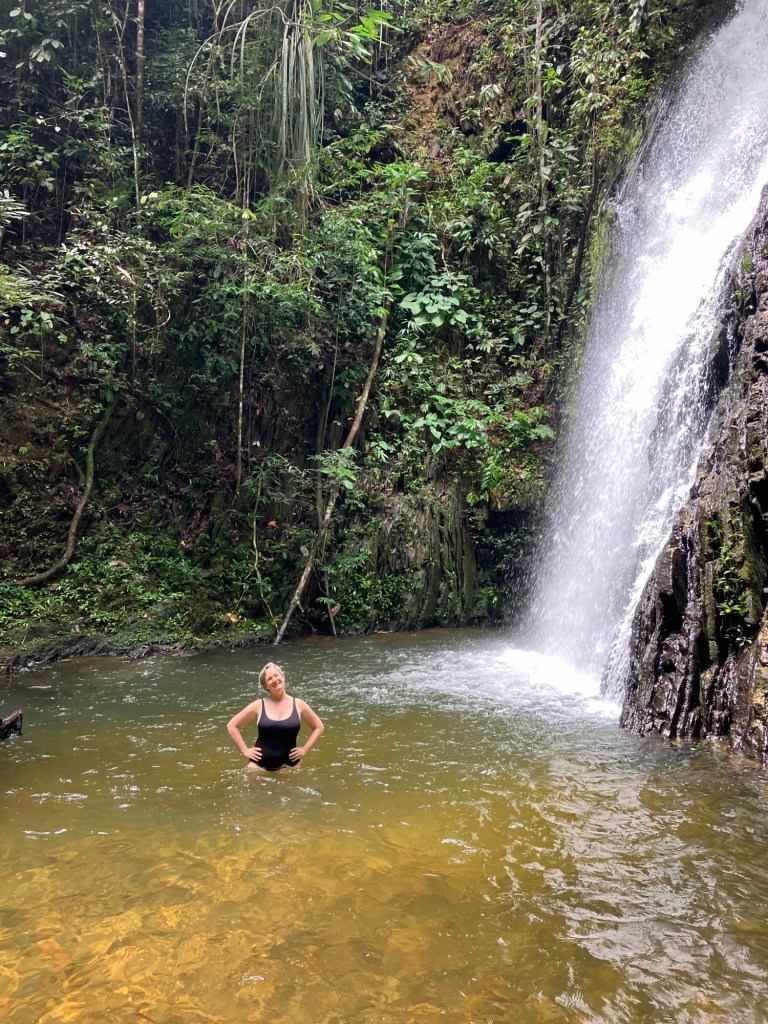



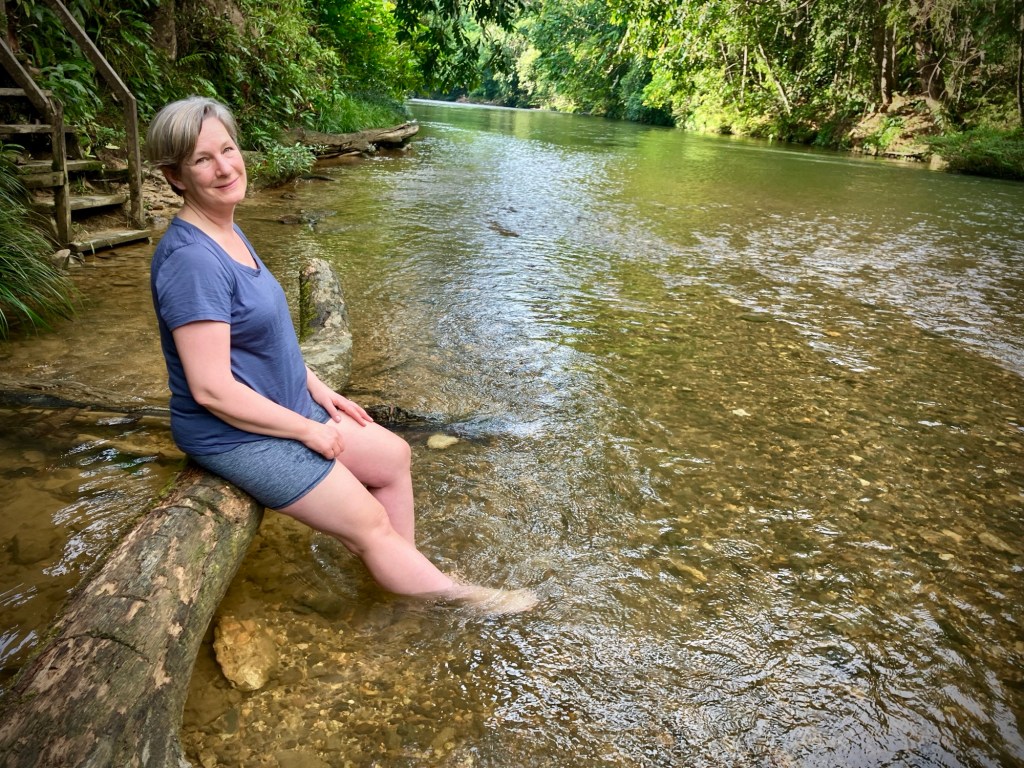
Many tourists want to see ancient cultures as they imagine them to be and seem to expect wildlife steaming out of the forest in all directions. Our brief experience brought to life the fact that life in the modern Borneo jungle is a delicate balance between preserving wild habitat, traditional cultures, and providing adequate economic and educational opportunities to thrive. It’s not an easy life. But the communal ways and semi-subsistence living was real, as were the dozen of kids joyously playing in their river paradise every afternoon (it was a school holiday week). But there is a constant mix between residents and the « outside world » After primary school, kids now go off to secondary school in cities and villages hours away (And board there). And others go off to work opportunities for years, some retuning later and some not.

If you want to have the opportunity to see more wildlife, including deeper into Orangutan habitat, Borneo Adventures offers 4 and 6 day trips. The four young Germans we met our first night had done the extended 4 day trip and did see an Orangutan and a Civet. Wildlife viewing is a crapshoot. But no worries, we did see Orangutans a few days later outside Kuching at the Semenggoh wildlife Reserve, a 1600 acre rainforest with about 28 orangutans. It was amazing to piece together the wild jungle experience with actual viewings.


Nanga Sumpa in 2024 was fascinating. But travel is a snapshot in time. It was undoubtably very different in 2014, before the old longhouse burned down and internet. And what about 2034? Will cell service reach here? Will the young come back and continue to support the community and longhouse way of life? Will wildlife be thriving or will there be more encroachment by logging companies?

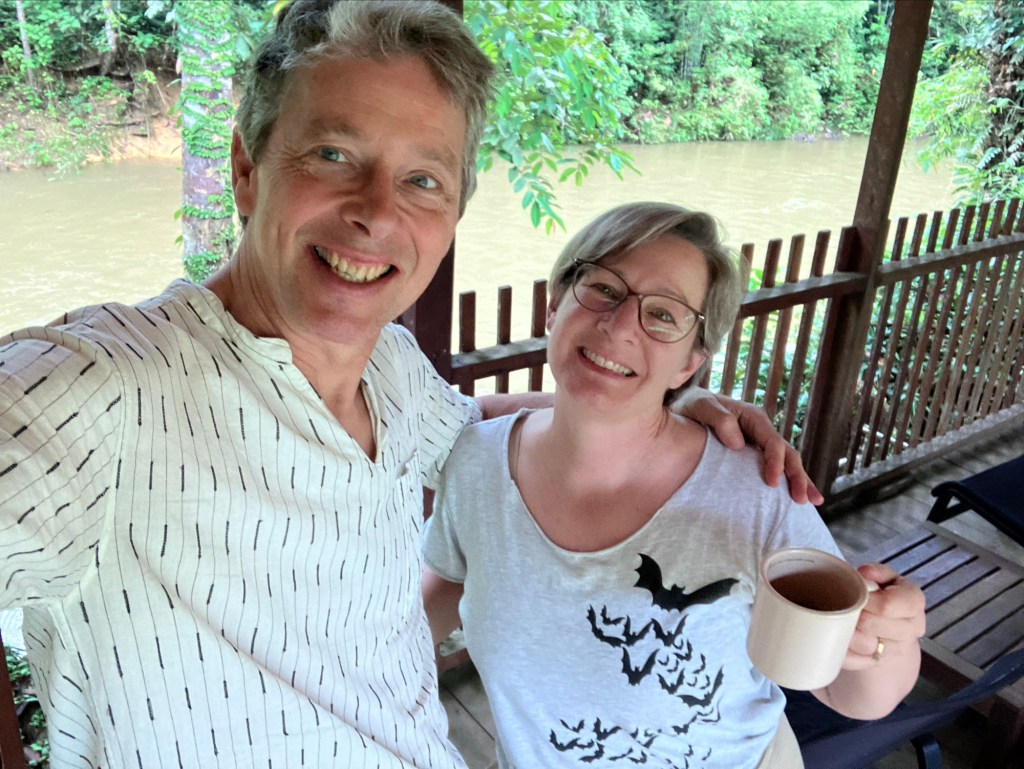
This was an amazing and memorable experience for us and we will cherish the glimpse we got into a completely foreign way of life. We only hope we left some positive vibrations in return. And although we didn’t see any orangutans in the wild, we saw lots of other unique flora and fauna, including some beautiful birds. And just knowing these amazing human-like cousins are still thriving in these jungles will bring a smile to my face for a long time to come.

 Less Car, More Life
Great insight—thx for sharing:
“life in the modern Borneo jungle is a delicate balance between preserving wild habitat, traditional cultures, and providing adequate economic and educational opportunities to thrive. It’s not an easy life. But the communal ways and semi-subsistence living was real, as were the dozen of kids joyously playing in their river paradise every afternoon (it was a school holiday week). But there is a constant mix between residents and the « outside world »“