After decades of living and working in wonderful San Francisco we gave it all up to travel the world. Not owning a car allowed us to save money and live hyper-locally. Now we’re living around the globe. Follow along to see where we are and what cats I manage to pet.
Our touring bike adventures have taught us a few things about trains and bikes. And we keep learning new helpful tidbits. One of the best tips is to try to book a train that starts at the beginning of your journey, and ends at your stop. There are few things as stressful as trying to get your bikes and panniers on or off a train at a mid point station. Although we’ve found French train staff, SNCF, and passengers to be pretty darn chill and helpful, it’s not very fun. One of our new discoveries on this trip is that, unlike the US, France doesn’t mind if bikes use the escalators. Using an escalator is so much easier and faster than the elevator or lugging bikes and bags separately up or down stairs. And, with our hydraulic disc brakes you feel confident that you have your bike under control and won’t cause an accident, even with loaded panniers. We came down the escalator at Gare de Bercy.
Oh, Paris. With your protected bike lanes and lovely trees.
Earlier on this trip we had dinner at a Chambre d’hote with a couple from Vichy, France, who warned us about going to Paris with our bike. So dangerous, they said, to cycle in Paris. Oh no, we replied, we’ve been through Paris on our loaded bikes and it’s fine. The Rue de Rivoli, for example, has almost no private auto traffic, just bikes and taxis. They were not convinced, and did not believe the crazy Americans. Ah well, their loss. I’m glad we’d been in Paris and knew how good it’s gotten for bikes, or they would have made us nervous. Taking advice from people who don’t bike is very different than hearing from cyclists.
Arriving in Paris is a treat. It was a Saturday afternoon and the city was calm and peaceful, to our eyes.
What made us think twice, or three times, about going through Paris, which we desperately wanted to do to catch up with friends, wasn’t the cycling conditions, but the trains in and finding a hotel with secure bike parking.
Bike friendly accommodation. This was the Aparthotel Adagio Paris Nation, in the 12th arrondissement.
The center of Paris can be tough, with smaller spaces and less secure bike parking, but one set of friends were in the 12th, and Rich found an Aparthotel with secure bike parking very close to where they were staying.
House call by a Doctor on a bike?How Parisian does this look? Our good friends Michelle and Alan came to meet us for dinner on their last night in France.Four happy travelers.La Vega, also in the 12th. Recommended by our friends Jason and Katie, who are living in Paris.Ah the dreaded (by me) menu board. All the food we had was fantastic but I have such a struggle reading the beautiful French writing.We bid farewell to Michelle and Alan after a long and delicious evening. On Sunday it was time to ride our bikes around Paris with Jason.
Rich and I are long time bike commuters and used our bikes for transportation and recreation in San Francisco. We have spent decades pushing for bicycle infrastructure improvements in our beloved SF. What a joy to ride around in Paris which is leaping ahead as a bike friendly city, and in a city where we don’t know the backstory and fight over every street. Jason, as a professor of urban geography who writes books about the politics of urban mobility, does know. He kept us regaled with the background about the changes in Paris.
Paris putting on its Olympic Games face. Hôtel de Ville.Paroisse (Parish Church) Saint-Paul Saint-Louis, 3rd arrondissement. Bicycles are absolutely the most efficient and scenic way to get around Paris.Don’t blink, now we’re in the 19th arrondissement. Those threatening clouds only spit on us a little.
On Monday we headed out on foot, following what I’m sure all American visitors refer to as Paris’ Highline, the Coulée Verte René-Dumont, which had an entrance right near our hotel. It’s a repurposed railway line and similar to the High Line in New York in that you get to walk above street level through gardens and art, and try to resist the temptation to peek into folks’ windows.
Above the streets enjoying the view.Parts of the greenway are lush with plantings.Street art on the side of a neighboring building.Olympic Smurf! I think this is by Invader, a French street artist who does pixilated tile mosaics, but could be an imitator.The greenway goes right through two buildings. What a way to walk in Paris.Crossed the Seine on Pont d’Austerlitz.And into Le Jardin des Plantes.The wide sidewalks of the 13th. That’s the metro line No. 6 running above.Gifted leftover metro tickets from Alan and Michelle. Thank you!Back over the Seine to our apartment for well deserved napping. Something we don’t get to do while actually biking.Beers (and wine) with Jason.
What a lovely familiar feeling it is to meet up with long time friends. We took advantage of being able to socialize as much as we could. Tuesday, our last full day before we cycled out of Paris, it was back on the metro to visit Musée de Montmartre. Recommended by our friend Eve who had just been in Paris.
The metro had a delay but I was busy taking photos of the Olympic ads in the stations, advising about how to get around during the games.TO MOVE EASILY DURING GAMES The important thing is to anticipate The Games will have an impact on your travels. To prepare, go to: anticipatejeux.gouv.fr
Paris is already a busy city. But, has experience coping with many many visitors. Friends who are visiting for the Games are hoping that things will go as smoothly as the London games did.
Everything in Paris looks picturesque to me. Even folks waiting for the metro.Off the metro and a walk uphill towards Montmartre.
We are quite crowd adverse, so why head to Montmartre, one of the most visited areas in Paris? Sure to be heaving with tourists? Would the Musée de Montmartre be worth it? Yes! As with any A list site the trick is to arrive early and pick a less visited part of Montmartre. Thank you Eve, great recommendation.
You enter through lovely gardens where Renoir once worked, and the 17th century house takes you through the history of The Butte, as Montmartre was called.Peonies in bloom.A painting For Au Lapin Agile, a cabaret.Artist Théophile Steinlen. Part of the frieze ‘Cats and Moons’ (c.1895)The studio where Suzanne Valadon painted. I appreciated the focus on a female artist.A rather impressionistic photo of me and the only vineyard in Paris, Vigne du Clos Montmartre, from the garden of the museum.Just to torture ourselves we walked by The Basilica of Sacré-Cœur de Montmartre to see all the crowds.We hoofed it back to the metro to get back to the lovely and calm 12th. Ah. Lunch at Le 217 Brasserie Restaurant. Rosé at lunchtime. Another biking day no-no. That’s a 50 cl pichet.France has absolutely spoiled us for wine opportunities and prices. Have we had a bad wine? Only once, at Chambre d’hote, we were too polite to mention it to our hostess.Dinner with Jason that night, his fiancé was working late. He made us fantastic creole food.
There is a lot of chat in the constant travel groups about avoiding crowded destinations, what we call A sites or cities. There are certain times of year when these popular places are just about guaranteed to be over run with visitors. In incredibly popular cities, like Paris, it seems the crowded times are more and more frequent. Go to B or C, or even D places. Or, as Rich and I managed in Paris, go to an A city but stick with less popular areas or attractions. It helps to have a travel planner like Rich who can spend hours on a single train puzzling to find the perfect solution. And then scour Paris for bike friendly accommodation in a good location. Actually, ‘helps’ is the wrong word. Depends is the correct description. Traveling by loaded touring bike into a big city could be a stressful recipe for relationship disaster, but with good planning, and a rule we’ve adopted from another traveling couple – no fault travel days (where no one can blame the other person for any problem encountered on a travel or transition day), we make it work. Paris was a wonderful break from cycling. Seeing friends was a great recharge. Next: we ride out of Paris with Jason.
À votre santé, Paris! (Thank you for the photo Michelle!)
After barely getting all our wet gear dry in a hotel room with no heated towel rack, and only barely warm radiators, we loaded up and took the train for a boost from Aurillac towards Issoire.
Even after a long date with the hair dryer my shoes are still a bit damp. Ready to roll off the train in Brassac-les-Mines.
Our train ride took us through a tunnel and got us past the Parc naturel régional des Volcans d’Auvergne, a mountainous area with ski slopes. Looking out the train windows as we emerged from the tunnel I was quite thankful to not be pedaling, although the area was gorgeous.
The Allier River was still raging from all the rain.Raging muddy rivers were starting to seem normal.Now we’re on the Via Allier. The French regional routes are super scenic.Riding through Orsonnette. We’ve entered the Puy-de-Dôme department.“The love is in the Fields.” We needed help with this translation, thank you Finn. The look of the buildings has changed. No more slate roofs and buttery yellow stone buildings, now it’s red roofs and more of a grey or brown tone.The cats are still cute in this new region.Climbing up a ridge towards Lamontgie. Grey skies, but still dry.Lunch stop at a bench with a lovely church view. And the rain started.Quick, stop in front of that beautiful gate at Château de Parentignat.
It will come as no surprise to Europeans and perhaps a medium to big surprise to Americans what an impactful holiday May 1st is in Europe. May Day, Labour Day, or Fête du Travail will see shops and museums closed, and many restaurants as well. We planned two nights in Issoire since the weather on May Day was scheduled to be rainy again. We cozied up in our hotel room after dinner on April 30th and planned to rest, read, travel plan and blog. We went out to find lunch and see what might be open for dinner. Lunch was a Chinese restaurant, and we saw a few other places open, brasseries and cafes mostly. However, when we ventured back out in the rain for dinner, we were having no luck. Those businesses which had been open for lunch were now closed. Uh oh. Panic setting in. Rich spotted a restaurant whose hours on line proclaimed a 7pm opening. The metal shutter was half open and people were inside! Success? Not exactly. The four guys inside were staff having a Fête du Travail celebration. When the Manager, Hugo, figured out we were Americans he hustled us inside for a drink.
Enjoying a Fête du Travail drink and camaraderie. They may have been a few drinks ahead of us but we had a fantastic 45 minutes talking and laughing.
What had been a slight stop of desperation in Issoire turned into a memorable experience. Towns with fewer tourists seem to lead to fun interactions. No one in Issoire is tired of American tourists clumping around town.
Abbatiale Saint-Austremoine which has uniquely painted walls and columns.Rainy streets on our way to an Indian restaurant for dinner. We ate there both nights, it was that good and open!
Farewell Issoire, thanks to the hospitality of a crew of celebrating workers we had a memorable time. But, May 2nd and we’re back out into the rain to ride to Clermont-Ferrand. We’re timing our train from there to arrive in Paris for a four night stay to catch up with friends, so we have a two night stay planned in Clermont-Ferrand. The amazing travel planner Rich figured out the puzzle of loaded touring bikes/trains/Paris.
Still raining.Allier River still flooded.Nothing like a climb to warm you up on a chilly morning. Col de la Croix des Gardes.From here we get a lovely decent to Clermont-Ferrand.Dramatic volcanic mountains with a dusting of snow.Equally dramatic Pain Suisse enjoyed in Vic-le-Comte. My favorite riding snack in France. Pain Suisse is brioche dough filled with crème pâtisserie and chocolate chips.A perfect square for a pasty break.Nice signage.Some lovely new pavement on the cycle track.An old water mill on a side street of Les Martres-de-Veyre.This signage was worth making Rich turn around and come back for a drama shot.
We didn’t expect much of Clermont-Ferrand. Rich had read that it wasn’t that charming a town. It’s funny how quickly and easily we can have our minds made up, or changed about a place. Coming in up a climb up a commercial street, grump grump grump. Construction zone, grump grump. Oh! A plaza. Oh, street cars. Hey, we’re really liking this town.
Drying out our fluorescent yellow shoe covers after another day of rainy riding.Fascinating rubber tired single rail streetcars.The town is bordered by the volcanic Chaîne des Puys mountains. Which makes for some fantastic views, like this one of the Puy-de-Dôme.And the stunning Notre-Dame of Assumption Cathedral? Not dirt or soot blackened as you might first assume. Carved from black lava stone! It really stands out from the red roofs when viewed from Parc Montjuzet.Very dramatic, the black spires against a grey sky.The black stone makes for some fantastic contrast.This building is like a giant pumice stone. Well, not exactly. It’s made from scoria which is denser than pumice.Black lava griffin fountain.Inside the cathedral. The black stone makes the lighting and windows really pop.
What else did we enjoy about Clermont-Ferrand?
Fountains which had drinkable water were clearly marked with this symbol.A water glass. Drink away.L’Adventure Michelin. A museum all things Michelin here at the headquarters of the company.The Michelin Man band.A gift shop with a wall of maps.And we learned why the streetcars are rubber tired. Yup, Michelin money.It’s a university town. With 140k students come some good restaurants. We had Mexican food. The best we’ve found in Europe so far.The graceful Pl. de Jaude, just outside our hotel, had a statue of Vercingétorix. He was a Gallic king and chieftain.The statue is by our old friend Frédéric Auguste Bartholdi, who also created Liberty Enlightening the World (the Statue of Liberty) and whose own statue we saw in Colmar, France.
And yes, the weather did dry out for our day of fun in Clermond-Ferrand. It got a bit windy but our next mode of transportation was a train to Paris so no worries about wind. Rich booked us on a train that started in Clermont-Ferrand and ended at Gare de Paris Bercy. With loaded touring bikes end to end trains are so much less stressful than trying to board and disembark mid line. One more story about how wonderful people are in cities that aren’t overwhelmed with tourists. We got to the train station super early, as we do, and as we stood staring up at the big board, waiting for a platform to be listed for our train, a station police offer came over and asked where we were going. When we said Paris, he leaned in and told us it would be platform H. The doors won’t be open yet, he added, but you can go to the platform now. The train is there. Super grateful to get a jump on the eventual platform rush we headed to the elevator to do the one by one transfer down and back up. The elevators barely hold one loaded touring bike, so we’re slow, taking turns in the elevator. Once out at the platform an SNCF train worker helped us find the bike car, and our seats. By the time the rush of passengers got to the platform we were settled in.
We were as chill as this little guy on the train.He developed a bit of a fascination for Rich.The happy travelers thinking ahead to Paris and friends to visit!
Pushing up from a lunch break spot on the Lot River.
After our rest day in Toulouse we hopped on a regional train, a TER, and got a jump on a strong headwind day to Tonneins, which is on the Garrone River, the same river as Toulouse. The Lot River and the Garrone come together at the confluence just southeast of Tonneins, so we rode east to meet up with the Lot and head upriver.
Our first sight of the mighty Lot River, in Clairac.The Lot ends where it meets the Garrone in the west.Look at that river course. So many bends and horseshoes.
One of the allures of riding a river is that you tend to stay on fairly flat ground. But, if you want to ride some hills you get that opportunity when you ride up to the towns along the rivers which are mostly tucked up high and dry above flood level. Or, you take a route up onto a ridge above the river. Most folks would think that flat riding along a river is ideal, but it does get a bit dull, and our legs and rear ends appreciate the hill climbs and coasting downhill.
Another view of Clairac from the bridge on our way to a grocery store.A quiet tree lined road. Our train ride did not deliver us beyond the wind, we had a gusty day.Feeling like bridge trolls at our lunch spot. But it was sheltered from the wind.Castelmoron-sur-Lot.The regional route Rich was following on his map was V86.
La Vallée du Lot à vélo, the V86, like many bike routes, takes you to scenic spots and through town on very picturesque and historic streets. What can at first seem like a gratuitous turn or two, ends up somewhere lovely.
Castelmoron-sur-Lot felt like taking a step back in time. We had much more of this feeling to come as we continued up the Lot.The reward for a day of battling the wind? Indian food for dinner and a bottle of local white wine in Villeneuve-sur-Lot.Porte de Pujols, the last bit of the ramparts that surrounded the city in the 14th century.Crossing the river on our way out Villeneuve-sur-Lot. The Lot is known for flooding, these buildings look ready for it.Use your imagination to erase the billboard and the bollards and you could be back in the 14th century. Oh and Rich, erase that bike tourist in your mind too. And the car.
Work continues on the Vélo routes, and the mapping app Rich uses, Koomoot, isn’t always completely up to date. Sometimes new signs will contradict Koomoot directions. We had one of those contradictions at a single track trail by a rail line. Koomoot wanted us to cross the rails on a road behind us and stay in the right bank of the river. We ultimately chose the single track.
The sign was brand new. I love the added on ‘camping’ sign. Across a rail bridge.It’s always such a mental boost to get to ride where automobiles cannot go. Bike touring is hard, but the rewards are fantastic.V86 for the win. The new routing took us to le Moulin de Lustrac. A perfect spot for a snack break.Built about 1296. Right around the time work was being done to make the Lot navigable by building dams, facilitating the movement of goods from Quercy to Bordeaux.A very impressive set of mill buildings.Who doesn’t love a door that opens to a drop into water?And a reminder of more recent history.Another cool old mill building at Monsempron-Libos. This one definitely has folks living in it. I wonder what it’s like to have water flowing under your house?Another stunning historic building on the Lot. No idea what it is.A bridge over the Lot with a sign showing the bends in the river.Puy-l’Évêque is on the narrow neck of a horseshoe bend of the river, and our next night’s stay. Our sense of riding back in time got stronger when we went for a walk before dinner.The narrow side streets are named for the trades that were practiced on them, street of tanners, tinters, etc.One of the small streets.Looking over the medieval buildings to the River.Kitty looking over the city. Nearly a fifth of the residences are holiday homes. The buildings are beautifully kept up.
A stretch of nice weather, no wind, and a beautiful river to ride. We were moving each night, riding happily along, but moving always means unpacking and packing. It gets tiring. Especially with bike panniers. What a mess.
We go from this in the morning.To this. All tidily packed up and at the grocery store to get lunch provisions.It was quite cold that morning as we pedaled past vineyards and waved to folks walking the Camino de Santiago. One of the routes through France goes right along the route we were riding.The route is well marked and takes advantage of parts of an old railroad line.Riding along the old railway route through Castelfranc.And back over the river to Albas. This agricultural area of the Lot is mostly vineyards, all in the Cahors AOC wine region. Another beautiful place up on a hill above the river.Which means riding up up up. But if you were cold this warms you up.Rich added for scale by the big fake wine bottle.The trail stayed above the river for a while. I’d forgotten how cold it was until I see I’m wearing my down jacket. And a wool sweater.Near Douelle, a chateaux above the river. All of these towns were also ports for the shipping of wine along the river, headed to Bordeaux.Lunchtime in Doulle, where a small park had a table and chairs for us to enjoy.Approaching Pradines, yes, another town in a bend on the river. A view across the vineyards.
Our next stop was Cahors, where we checked into our hotel and immediately decided to stay another extra night. Our hotel room overlooked the famous Pont Valentré, a medieval three tower six arch bridge. We got to town in plenty of time to unpack, shower, relax a bit and head out to a chocolate shop.
My supply of chocolate was getting low. I love the window display at L’éclat Du Noir. I look for the independent chocolate shops.And Rich looks for the independent beer bars.
Our rest day was lovely, we walked around town, visited the Musée Henri-Martin, whose paintings we also saw in Toulouse, and had a vegetarian lunch. And napped.
It was a good choice of rest day, since it rained quite a bit.Post museum, post lunch, on our way to a nap through the charming old streets of Cahor. A scallop shell showing the way of St. James and the bridge in the background.The bridge is a stunner. The chocolate is delicious. The view from our hotel room. The Best Western Plus Hôtel Divona Cahors. The happy travelers and that amazing bridge.
Stay tuned for more Lot River. The cold wet European spring is certainly not super great for bike touring, but we’ll take cold over rain. Unfortunately, some rain is in our future. The highs and lows of traveling by bikes.
Massat with snowy mountains on a lovely spring morning.
Our cycling trip could be called the nooks and crannies of France. As Rich mentioned we have a few anchors we plan around, and a house sit in Massat was one of these anchors. It’s a great feeling to be flexible enough to accept a house sit in rural France, tucked up a valley near the Pyrenees. We were up for the challenge of how to get there, and how to spend a week there without a car.
A leisurely ride up the Salat River.We did not become immune to the beauty of the Pyrenees.
One of the cycling tricks we’ve learned is to ride through the traditional French lunch break, especially when we’re on roads instead of trails or bikeways. There is a rush of traffic just before noon, as everyone dashes to the bakery to buy bread for lunch, dashes home, or pulls over at a restaurant to eat lunch, but then we have the roads to ourselves for about an hour. So we either stop for our picnic lunch early or late, and pedal through the quiet time.
Enjoying a local craft beer in the town square of Massat.
At the brewery in Saint Gaudens we were told by the bartender that Massat’s own local beer, BIM, was very good, and that Massat had a lot of baba cools. He and Rich were conversing in French and English so it took us a while to figure out that baba cool is French slang for hippie. Fantastic! We’re San Franciscans at heart so we love hippies and the culture that comes with them.
Heading up the 150m/500 ft climb from Massat village over 2.7k/2 miles to our house sit. A curious local watches.Our first days in Massat were sunny and warm.
Our wonderful hosts confirmed that the area did indeed have a lot of folks who lived off grid, and raised their own food, and helped create an easy going communal vibe. Like many small villages in France there was a lot of depopulation in the 1830s and 1840s. The thriving town of Massat went through crop failures and epidemics that saw the town shrink dramatically.
Always read the tourist information boards.Right outside the butcher shop.
It’s not surprising that a hippie/back to the land movement saw Massat as a fantastic place to settle. It’s an idyllic place, with so many small valleys and farmland and houses that have been fixed up and maintained by French, German, and British, all with the underpinnings of a traditional French village.
We were certainly living the traditional life, walking or biking to town to get our food and wine.And enjoying our lunch al fresco while the weather held.There were hikes starting from our doorstep.The trails wound past old stone buildings.And homes reached on tracks that would possibly maybe accommodate a car.Peaceful little valleys to see.Farm fresh eggs to buy, watched over by a dog who observed us in silence.
None of the map or trail apps we usually use are useful in this part of France, but our host pulled out her topographical maps and marked a few hikes for us in highlighter. We’re always happy to get off the bikes for a few days and work our hiking muscles.
These old troughs are always tempting for a drink, but most are marked non-potable water.We had a day of sunny hiking, stayed in for a rainy day, and headed out again on a changeable day.More curious locals.Between the topo maps and the local signage we got some good hiking in.We’ve been seeing these upside down town signs all over rural France. It’s a quiet protest or reminder from the farmers about conditions for agricultural families, and the difficulties around farming.
Spending time in rural France as a tourist it would be easy to simply soak up the charm and not think about how life is for locals, especially those who make their living off the land. But the time we’ve spent in the Haute Savoie at our friends’ place watching the long hours their neighbors who are farmers work, and now having this time in Massat, we have a huge appreciation for the hard work of farming. My sister in Colorado raises cattle so I have a good idea of how hard the work around food production is. Our hosts had a wood fired hot tub and after getting it heated up, which took about four hours, we’d sit in comfort and watch the sun go down. Across the valley we could hear the farmer getting his sheep moved to a new pasture with the help of his sheepdog. At times like that we are really reminded of our privilege. Just as when in the Haute Savoie the farmers will be haying at 9 in the evening to get ahead of predicted rain, while we relax on the terrace. Farmers and those of us who depend on farmers – everyone – are more closely linked than many of us acknowledge.
The wood fired hot tub, and Rich, who never met a hot tub challenge he wouldn’t accept.
Our French countryside week included two cats and two donkeys to care for. The donkeys were easy since they were grazing and only needed a daily check in and carrot. One cat we barely saw as she was super shy, but the other, a three legged charmer who couldn’t use the cat flap and never passed up a lap sitting opportunity, was a constant source of amusement.
A donkey accepting her daily carrot.Oh, a lap. This cat was in heaven with the two dogs off traveling with their humans and all the laps to himself.I must be near a human.Oh hi, are we having breakfast now? Or preferably, on a human. A warm cat and a wood fired stove got us through a few cold days.Some books and chocolate within reach, and the kitty and I were as happy as we could be.
Before we left our house sit we needed to replace the wine our hosts had graciously offered up. They told us that if we needed to replenish the seemingly limitless 5 liter boxes of local wine to go to the wine shop in town and the proprietor would sort us out. Although we didn’t empty the boxes we wanted to be good house sitters, and we were curious about the shop, so we did coast down to town on our bikes.
So many local wines, beer, and spirits. A treasure of a shop.Some huge bottles.And some caskets for bring your own bottle.The friendly owner knew exactly who we were, he is friends with our hosts, and sorted us out with two new 5 liter boxes of wine, one red, one white. After a stop at the grocery store it was back up the hill with ten liters of wine. Rich did the toting.We did one ride towards Col de Port, it was a grey day and misting. I turned around once it got cold but Rich pressed on until the rain and cold turned him around too. The area is loaded with road cyclists, so many beautiful views and small roads.The other donkey, less friendly but still adorable.
We loved our house sit near Massat. Spending a week in a renovated stone farm house, lighting fires to stay warm, and cooking all of our meals in is such a wonderful break when we’re bike touring. The house was cozy and comfortable, and the area is stunning. We both agree that for us living in such a rural area is not something we want to do. Although we used our feet and bicycles for our week there, for the long haul you would need a car. We saw locals on bikes and e-bikes, which is great, but the closest major town, Saint-Girons with the fantastic Saturday market, is 27 kilometers away. And, as we discovered when we left our house sit on Saturday, hundreds (if not thousands!) of locals drive to Saint-Girons for that market. It made for a not so fantastic ride down the valley. French car drivers are quite good around cyclists for the most part, but a few encounters with impatient drivers on that ride down were enough to put me off. One challenge of living off the grid in a rural area is having to get to things in your old car or van.
Goodbye lovely quiet valley.Goodbye Massat and your stunning views. Hello 60k ride to Boussens to catch a train.
Once we got to and through Saint-Girons and its market day crush of cars we got onto the rail trail to Boussens. Ah, rail trail. Separated from automobiles, catching glimpses of life as you pedal by and through towns: a garden party here, a Boules tournament there, hawks and buzzards soaring overhead. And it was slightly downhill all the way to our train. Yes it’s a bit stressful for the planner having to get us 60k in time for a train, but we made it.
Our train started at Boussens, and ended in Toulouse. That’s our favorite situation, no rushing on or off with all our panniers and bikes to wrangle.The Toulouse Pl. du Capitole. This building is a Toulouse treasure. It’s the city hall, the opera, and where a series of stunning paintings by Henri-Martin are displayed.The artist is known for his large scale works adorning public buildings- where else would this fit?His work is described as having a melancholy, dreaminess and mystery.
Leaving a house sit is always a bit of work, we always want to leave the house squeaky clean for the hosts to come home to, and make sure all the animals are where they should be with sufficient food and water. Add the travel day to that and we decided a rest day in Toulouse was a good idea. We had spent a day in Toulouse but there was definitely more to see. It was a treat to have a full day to walk around Toulouse. Another French city that is working hard to make itself a pedestrian, public transportation, and bike friendly place.
Like this construction site! It’s an expansion of the Metro system.And this street being brought into the modern word of bike and pedestrian friendliness.Great cities don’t happen by accident, they have to be created and modernized to tame car traffic and let folks live a happy life without needing cars for every trip.The small winding streets of Toulouse are great to walk.Sunset light on the Canal de Brienne. The happy Travelers and the Garonne River in Toulouse.A map! It’s fun to see the spots where we’ve stayed. Our house sit is the far right heart on the lower line of hearts. Flirting with the Pyrenees indeed.
In Montpellier. Rich feeling better, Cheryl coming down with the Spring French Cough.
The wind we battled down the end of the ViaRhôna bike route and the edges of the Carmargue and salt marshes of the sea did not let up as we approached Montpellier. As we turned inland the wind blowing across the bridge over the estuaries almost knocked me over.
Ha! Not this time wind. Still upright.
Being San Francisco cyclists, we know crosswinds. The Golden Gate Bridge crosswind has knocked over many an unsuspecting cyclist, so I was ready for this exposed bridge. It’s quite a feeling on a loaded touring bike to be hit with a crosswind so hard you feel as if you can just lean on it, tilt at a motorbike in a curve angle, and still stay upright.
L’Arbre Blanc (White Tree) housing tower on the Lez River in Montpellier.It seriously looks like a rendering, we stopped to marvel at the design. So unique.
Coming into Montpellier we felt the city buffer the wind and saw this completely unique building. Sou Fujimoto led the team on this stunning design, as our architect friend Gisela clued us in. She’s our go to with building questions. It also clued us in that we were close to arriving at our hotel for a two night stay.
Dusk in the city.Calm plazas and beautifully lit up buildings.Glowing light looks so cozy.
Why, I wondered, looking at my photos, were so many of Montpellier at night? Oh yes, we had holed up in our hotel room for almost an entire rainy day. We had breakfast at the hotel and ate the lunch food we’d bought and not eaten the day before. A kettle and mini-fridge kept us happy. We finally emerged in the evening to find dinner and admire the city. For years we’d been referring to Montpellier as “the city of tomorrow, today”, from a trip in 2018 when we marveled at the new tram system. Now we got to marvel at how bicycle and pedestrian friendly the city is as well.
A stylish tram under a full moon.Running errands on a tram. Unicorn on a monument. Haven’t seen that before.Headed out on one Montpellier’s fantastic bike lanes before the rain started.
Something that made it so nice to bike and walk around Montpellier were the concrete curbs protecting bikes lanes and also keeping cars from changing lanes approaching intersections. You knew if a car was turning right by which lane they were in, no possibility of swerving at the last moment. That’s a nice feeling for those of us not encased in tons of steel. We were off to the train station to spend the worst part of the storm on a train. If the train was running. The wind and waves along the coast where the tracks run were causing delays but our train did leave, only 30 mines late. Seeing so many other folks with bikes was worrying, since the train technically only takes six bikes. But as you can see from the photos with a collaborative attitude extra cyclists can squeeze into almost any space. Thank you SNCF for not be sticklers for rules.
It’s dumping with rain, but we’re cozy on a train busy with other cyclists.A big group of Irish cyclists riding a pilgrimage to Lourdes were also on the train. The wind was so strong it was unsafe to ride, especially on lightweight road bikes.
Rich spends a lot of time planning our routes, booking accommodation, and figuring out train rescue hops, like this one. We took this train to Béziers. Where? That was our question too. We didn’t have high expectations and knew nothing about Béziers but it turned out to be a lovely place to spend one night. France is loaded with small cities like this (population 80k), that are firmly off the foreign tourist track. There is an August bull fighting festival here that attracts one million visitors over five days, but we wondered where they all stay as hotels are not abundant.
Beautifully redone plaza area.Way too much mayonnaise in the sandwich! Rich in front of the Pont Ferroviaire de l’Orb. His third favorite aqueduct in France. Favorite, Pont du Gard, second favorite Pont-Canal du Briare across the Loire River. Cheryl on the Pont Ferroviaire de l’Orb which carries the Canal du Midi over the Orb River. Another picturesque bridge, Pont Vieux. The city has done a great job restoring the bridge and linking it to the Cathedral via new plazas, walkways, and elevators.View of Cathédrale Saint-Nazaire from the bridge. And the bridge from the cathedral.Dinner at Les Bons Amis. We might have both felt a bit under the weather, but not that bad as the local wine still tasted so nice!Ready to ride the canal du Midi. Off we go.Made it all of 2 kilometers before our first stop, at Les 9 Écluses de Fonseranes. Yes, a flight of 9 locks on the Canal du Midi.A view back to the cathedral. At another stop where we added to our bikes the little flags we bought in Montpellier.Hello, we are Americans with an affinity for France.
The little flags were Rich’s idea. What is the first thing you wonder about tourists? Where are they from? Sometimes you can tell, sometimes not. So, in order to answer that question for all the folks we cross paths with – little flags. Do we wish we’d gotten them earlier? Yes! Have we noticed folks noticing them? Absolutely. It might be confirmation bias on our part, but we do think they make folks friendlier and car drivers nicer. Rich has his on the front of his bike, and mine are on my back. We inform folks coming and going.
A glimpse of the Pyrenees, snow capped. Lunch near the Abbaye de Fontcaude, which was closed. Saved us from having to decide if it was worth stopping to go inside.Cazedarnes. Vineyards everywhere you look. This is the Languedoc region.And this is why it can take me so long to catch up with Rich. I’m constantly stopping to snap pics.
After a fairly short day riding, and a night in Cessenon-sur-Orb at a Chambre d’hote where Rich put his French skills to the test, and where we failed to convince the other couple at dinner, from the Vichy region, that Paris is actually quite bike friendly, we headed out to a gem of cycling – La Voie Verte Passa Païs (the Passa Païs greenway) which stretches a total of 237 kilometers and first follows the Orb River.
Yup, stopped again. Not tired of vineyards yet.Rich admiring the view and waiting for me.We saw a few other cyclists on their road bikes, this must be such a popular local road, it’s beautiful.Such smooth asphalt.Very few cars on a Thursday morning.My French road sign language learning program is going well. Another picturesque stone building and another stop to take a photo. Roquebrun, another gorgeous town we get to see. It’s so easy to pull over for a photo when traveling by bike.600 folks call this town in the Occitanie region home.In summer there are kayakers and canoeists, but wine production is the main economy.After Roquebrun the roads starts to climb. Rich amuses himself by taking photos of his newly flag adorned bike as he waits for me.Vieussan. The next adorable town. The geology along the Orb is eye catching.Little Black Greeter Kitty of Vieussan. We pulled over up the road and they came running up for cuddles.Happy cyclist and happy kitty.A serious embarrassment of views along this route.I like the simplicity of the signs telling you which river you are crossing.A yellow bridge over the river Orb and toothy mountains.
A frequent problem we have is the lack of benches along cycling routes. And benches in the shade are even rarer. We’ve learned to head into towns where you can usually find a bench by the church, or in a shady old town street.
Old town narrow streets in Olargues. Must be a bench here somewhere.And there was. Of course as soon as rode out of town there was a lovely park with picnic tables as well, but our old town perch had atmosphere.The park with tables looking back at Olargues. We’re now following Le Jaur River to the west.
This section of the Passa Païs is on an old railroad right of way. There is ongoing work to the route so not every bridge is bike ready yet, but enough are that you avoid most descents to and climbs out of river or creek valleys.
Railtrail smiles.A nice gentle climb leaving Olargues.Oh yeah. Look at that dip we got to avoid. Bridges go over.And the route goes under footpaths.
As I mentioned, the route is still being worked on. At some points you are routed off the rail trail. Obviously the planners are doing their best to keep us off busy roads, but occasionally that means very quiet, very steep roads. Lumpy, as Rich calls it.
This road was car free, which was good, since I was grumpy. A 10% grade will do that.Distract myself with the sweeping views.Rich found a bench with a view of one of the bridges our climb probably avoided.Wild lavender growing out of the hillside.Ah. Back to the rail trail.
The day from Cessenon-sur-Orb to Labastide-Rouairoux was beautiful and varied. We had lovely smooth roads, newly constructed rail trail, quiet small roads, and stunning views and villages. It was a tougher day than we anticipated since it was a long climb, gentle most of the way but still up for 20-30k. It’s more tiring to ride long flattish days since you are in the same position on the bike, using the same muscles, hour after hour. We were thrilled to crest the pass of the route and through a long tunnel – avoiding the very highest ridge – and coast into Labastide-Rouairoux, which is a former textile town. The rail route we were riding had brought wool to the town and taken fabric away.
The long tunnel which delivered us to the valley of the Thoré River.The tunnel meant a change of valleys, and a dramatic change of climate as it was now exposed to the moisture from the Atlantic. Suddenly it was green and lush.After a fantastic night at Chambres d’hôtes Residence Le Petit Paradis, with great dinner time conversation and a delicious breakfast, it was back on the trail.I was sad that we didn’t get to town in time to visit the textile museum. An old mill on the River Thoré. This mill valley started to remind us of the coal valleys of Wales.As Rich had been promising me the day before, our start was 100% downhill. Looking back towards Labastide-Rouairoux. Our friends who know Wales will understand our comparison.Ah, nothing like coasting downhill on a rail trail. Me in the rear screaming “I love bike touring!”.So green again. But spring had not come to this area.We went from vineyards to dairy cows. It felt like a different country.Artists had been hired to create works along the trail. Which meant more stopping for me! Rich didn’t even have to wonder where I was – squirrel!Artistic underpass – Droit dans le mur? Straight into the wall?Lunch in Caucalières. A table by the river.And a few Easter chocolates to keep us going.Next stop, Castres. We both love that Véloccitanie branding.Dramatic geology on Le Thoré River.The outskirts of Castres. I do love a French gate leading to a chateau. This huge chateau was in the midst of office parks, an interesting juxtaposition.Castres! Where we would spend two nights, still trying to get over our chesty coughing colds and hoping for the wind to calm down. That’s l’Agout River. So many rivers.We had a great rest day in Castres. A visit to the Goya Museum, a small but mighty and well curated place.French burgers. A tried and tested rest day cure. For whatever ails you.Best photo to capture the day of riding between Castres and Castelnaudry. It was a lovely ride, much along the canal du Midi but I just wanted a nap. Yay for the nap loungers.
We spent two nights in Castres and two nights in Castelnaudry. We have a house and cat sit in Carcassone so we had some time to bumble along and take it easy, which was great since neither of us were yet up to full speed.
After a good night’s sleep, out for a walk. Écluses de Saint-Roch, a four flight lock on the canal du Midi.The basin, carved out of the canal to make a port and regulate the water supply to the locks. It’s also a popular spot for folks to rent boats to cruise the canal.A French canal boat.Castelnaudry is the home of Cassoulet. Delicious. Super filling and very rich.Leaving our AirBnB which is in an old convent turned language school.Back on the canal and by more locks.Each old lock keeper’s house had these distance signs.Still impressed with the views of the Pyrenees. More good bike route signage and branding.A shady part of the canal.And a sign explaining all the work to re-shade stretches. So many new young trees were being planted, it was great to see.It’s good to know that future generations will have rows of trees like this.Bench! In the shade! On the canal du Midi. We’re getting close to Carcassone.
Phew! That was a lot of photos. Rich is way too busy travel planning to find time to write, he proofs and adds and corrects details. It’s not easy to move so much in an area that’s not ramped up for travel season yet. It can take him a long time to find a place for us to stay where we can also find dinner, and has a bed big enough to fit a big tall American. But we made it to Carcassone alive and well and ready for our house sit. And mostly but not fully recovered from the French Spring Cough.
Le Grau-du-Roi, our first real sight of the Mediterranean after two days of salt marshes around the Carmague.
The Via Rhôna. We started with snow, rain, and hail, and ended about 800k later in sunshine and wind.
Each heart is a place we stayed on our ride down through Southeastern France.
When we start a specific EuroVelo route, or any other point to point cycle tour, we always assure each other that we can absolutely take a train boost if needed. I’m happy to report we didn’t take a train, bus, or taxi for the ViaRhôna. We rode the entire way. The blue dot is us in Montpellier, our 15th night since leaving our friends’ house in the Alps. We spent two nights in Lyon seeing friends, and two nights Uzés to have a needed rest day.
Day two of riding. All rain gear was used. We were glad the rain was never sustained, but just occasional showers or hail.Still smiling in the face of dicey weather.South of Lyon the route is still undergoing some work and much is labelled “Itinéraire Provisoire”In some spots even Rich needed to push his bike. Or as the kids call it – hike a bike.
The one stretch we might recommend skipping is between Lyon and Vienne. You can take a local TER train for 30 minutes out of Lyon. The cycle route was mostly on street, with some narrow bike lanes, poor pavement, and quite a bit of diverting around industrial sites, mixed with off street trail riding. We’re not purists who insist on riding every kilometer, and more realistic about having a good (and safe) time, while not suffering TOO much. There will always be enough accidental or incidental suffering on a bike tour, so, if you can skip some known unpleasantness- go for it. That said, it was rideable and ok if you want to do every km of the route.
But, this historic bridge across the river at Givors was beautiful. We would have missed that via train.And missed this! As a long time and avid Tour de France watcher Rich appreciates riding through the historic stages of le Tour.Chris Fromme from the 2013 Tour.
Our first night after Lyon was in Les Roches-de-Condrieu, at a small hotel called Hotel-Restaurant Le Bellevue. A decent hotel above a fantastic restaurant, as are many in the Logis network of locally owned lodging.
Bare vineyards. We’ve never toured this early in the year.Another view of the Rhône River from our little balcony (good for drying laundry) at the Bellevue.Yup, being those folks who snap photos of their food. Fantastic pumpkin soup.Didn’t snap a photo of the main, but here’s dessert. My Black Forest inspired cake and Rich’s artistic layered confection avec use crème glace
Usually we seek out something casual and simple for dinner, after a hotel breakfast buffet and a picnic lunch. But, when in a small town with not many close by options we sometimes choose the hotel restaurant; especially in France. I am always impressed and grateful with the way the French approach food. Even in a restaurant like this, which I would consider fancy and upscale, the service is lovely and straightforward. No attitude, no showy or flashy flourishes, just good service and delicious food.
Well fed and riding along the river, day two past Lyon.Rest stop in Chevany. Still chilly.Andancette. We’re riding along the borders of the Drôme and the Ardèche regions. It’s warming up. Jackets off.If cool old bridges are your thing, the Rhône is a great river to ride. Many of the suspension bridges date back to the 1880sTournon-sur-Rhône where the Passerelle Marc-Seguin is a pedestrian and bike only bridge. Even when exhausted it’s great to go for a walk after dinner.Leaving our bike friendly Gite Le Pied Du Géant in Tournon sur Rhône. And a strong tailwind is finally blowing!Monday morning on the bikes on the Rhône. Such an amazing experience and much more fun than Monday morning staff meetings.Dramatic view from Valence of the Ardeche mountains. We went into town to get lunch supplies.The route crosses the river quite often. Which means you get to ride across these stunning bridges.Stopping on a bridge for a photo is not always an option, but we got one.
Montélimar was night 3 past Lyon, and as we headed there we had peek a boo views with Mont Ventoux all day. Mont Ventoux is the stuff of Tour legends, and its white top can be mistaken for snow when it’s only its bare limestone 1,910 m (6,266 ft) elevation.
Mount Ventoux.Bicycle themed decor along the route is always appreciated.Lavender fields not yet blooming and blue shutters. Still beautiful.Riding by Avignon. We crossed the river and went right by. We did stop to admire this ancient communal laundry. I’m always fascinated by these.The spring coming out of the hill.A constant source of water.Riding towards Théziers, we’re in the Occitanie region. It feels very Mediterranean. Riding by Montfrin. We ride by a lot of beautiful villages. If we stopped at all of them we’d never get anywhere.
At this point we veered off the Rhone and EuroVelo 17 to visit a famous Roman aqueduct, the Pont du Gard, and spend two nights in Uzés for a rest. Regional routes V66 and V60 take you to the Pont du Gard and Uzes mostly on a beautiful route and rail-trail.
Remoulins, and an Allée of Plane trees. Getting close to the Pont du Gard.No self respecting civil engineer could pass up the opportunity to visit this marvel built in the first century AD.In the summer folks canoe under the aqueduct in the Gardon River.We followed the rules and walked our bikes across.
Our two night stay in Uzés was very relaxing. We cooked in one night, walked the small and fancy old town by daylight and night, visited the cathedral, and walked by the Gardon River below town.
My street at night, this black cat seems to think.It’s a beautiful old town, very fixed up. At the cathedral, a campanile, the Tour Fenestrelle.A view from our walk out of town. Gotta keep the legs used to hiking.Pathways wind around outside the city walls.Loaded up in the courtyard of our apartment.Sometimes staying in old town with touring bikes is a pain. But this ground floor flat worked out perfectly and was beautifully restored.
We rode back down to the Rhône and rejoined EV17 through the Tunnel voie verte Beaucaire. It really felt like a change of climate and zones, as if once through that fairly short tunnel we were in a drier much more Mediterranean climate.
Tunnel voie verte Beaucaire.Dramatic lighting inside the tunnel.Sunshine? Time for my wide brimmed helmet hat!Cactus as landscaping.Another fun and car-free bridge.
Our next stopover was Arles. Famous for its association with Van Gogh and a stunning Roman amphitheater and coliseum, and visited by many tourists every year. Rich had booked us a hotel out of old town – much easier with loaded touring bikes – and since we assumed that once at our hotel we might not have the energy and enthusiasm to walk back into old town, we did a bike through visit. During a busier season I would not recommend visiting old towns with big loaded bikes but Arles was pretty quiet on this Friday afternoon in late March. So we biked around and admired town and the sights for a few hours before heading to our hotel.
What? This is a sight.Easter chocolate acquired. On to the famous sights.Arles Hotel del Ville.I love how the coliseum is right in the center of town. And, how folks had built homes inside the walls at one point. “The clearing and restoration of the Roman monuments started in August 1822. This major decision taken by the city council was to remain a main objective for 100 years. This meant the compulsory purchase of the houses built, both inside the building and onto the façade, then their demolition.”Our bikes take us everywhere.It’s easy to explore by bike. Dead end? No problem.
After Arles we had one more night before reaching the Mediterranean, in Aigues-Mortes. Unfortunately, Rich was developing a nasty cold, complete with a hacking cough and burning sinuses. And, to make the final part of the ViaRhôna even more painful – the headwind gods decided to pay us a sustained visit.
The most unusual bridge over the Rhône. It was bike and pedestrian only and obviously a favorite of local taggers.Homage to the black bulls of Carmague.
So, filing this under you never know what you don’t know: France still has bullfighting. The arena in Arles hosts bullfights in the summer. I shouldn’t be surprised that this activity traditionally exists in France as well as Spain, what’s a border, really. France has a law protecting bullfighting as a long standing cultural tradition. From what I can find online it seems that the bulls are no longer killed. So there’s that.
Black Carmague cows, or steer, or maybe young bulls? The white horses of the Carmague are semi feral and we did see some roaming ones. This one is behind fences.This stretch of the route is very poorly benched and exposed. Nowhere for tired bike tourists to sit and have lunch. So, a rather unsatisfying stand up snack.A stop for birdwatching.Muskrat being quite adorable. Flat. Marshy. Very windy. Water on both sides. Beautiful but not a super fun ride on this windy day.Heading into Aigues-Mortes for dinner. It’s a fascinating old city, but we were tired, Rich was sick, so we only did a quick walk around before and after dinner.Aigues-Mortes is an old walled city with fortifications dating to the 13th century.
Rich didn’t get much to time to rest up, as we could have stayed two nights at Aigues-Mortes but the hotel was a bit overpriced and we knew that after the headwind a rainstorm was coming so we wanted to press on to Montpellier and spend two nights there. So, out into the wind it was. Oh, and the train spur to Nimes from here was not running due to work.
Aigues-Mortes by day. It’s on the Canal du Rhône à Sête.La Baleine sea salt production. Those are salt piles behind Rich.Greater Flamingos. We didn’t think we’d see them on this trip as they mostly stay further east in the Carmague. Head down into the wind I’m pedaling along and glance right…hit the brakes! Flamingos!Bull fight poster at Grau-Du-Roi.The arena where the bull fight will be.And finally, the Mediterranean Sea. It’s hard to capture how windy it was this day. The sand was blowing and we had to be careful to not let our bikes get knocked over when we parked them.Hold on tight to that bike and smile! Ignore the head cold that is coming for you too.Across the sand dunes is La Grande-Motte, a seaside resort and port built in the 1960s and 70s with a unique pyramid architecture style.La Grande-Motte.Happy that we will soon turn inland towards Montpellier for a rest day.
With the Via Rhôna complete, and two more months of bicycle touring ahead of us – what do we think of the Via Rhôna? I enjoyed it, the river isn’t as wild or beautifully stunning as parts of the Loire, nor is the route as complete. Parts are definitely still under development. But, with a route passing through so many municipalities there must be so much negotiating and planning behind it. Certain areas were so well marked with fantastic new protected lanes and intersections, loads of benches and rest areas for weary cyclists, and other stretches had almost nothing beyond an occasional sign.
The happy travelers ready to pedal inland, get over our colds, and out of the wind.
I think the Carmague is a place I’d like to return to with a car. Apparently the mosquitos get thick during the summer and then you wish for wind, but the bird watching is fantastic. As we were pushing along into the wind I did slightly envy the visitors in cars, but I know, that as always, we have a more up close experience from the seats of our bikes.
That’s a little tiny Rich, headed into a rain and hail storm along the Via Rhôna.
Be careful what you wish for. How many times in Borneo and Kuala Lumpur did I wish for cooler weather? We swore to each other we wouldn’t complain about any cold weather when we reached France and were reunited with our touring bicycles.
What does the transition look like? It looks like this at first.And like this. The sorting and decision making.But we get to this. Loaded and ready to ride downhill in the cold. Wearing all our cold weather gear day one.Rain trousers not only keep you dry, but make sitting down anywhere super easy. Wet bench? Who cares. Follow the Via Rhôna signs for 815 kilometers.
I would love to report that we kept to that promise to not complain about the cold, but we did not. I would also love to say it was easy once we rolled out on two bikes with four panniers each. It was fantastic but not easy. It took some getting used to.
The bare trees and grey skies make dramatic landscapes. Tabac stop for chocolate milk. A good riding snack and the only place open Sunday afternoon!Sheltering from hail in a farmer’s yard.The Via Rhôna is well signed.The most adorable trail signage ever?After a morning ride through Switzerland, back to France. Borders still resonate with us, especially when crossed by bike.Yes, I’m on this ride too! Wet weather and thick gloves make pictures hard to take. Riding away from our first night stay in Valleiry.The route has lovely pavement in stretches. Pasty and tea break. We can usually count on churches to have benches.With bare trees you get a better view, like of this rail bridge over the shockingly blue Rhône River.Sometimes the chateaus hide behind corners and you don’t see them unless you look back. The Rhône River and a backdrop of snowy mountains.Another chilly morning in Chanaz. Day 3 back on the bikes. Those oven mitt looking things are my new bike sleeves, to keep my hands warm. Made in France.
It’s not easy to get back in the groove of bike touring. After months off the bikes it’s a bit painful to ride day after day. But, the best way to get into bike touring shape is to bike tour. So, on we go.
I like the signage. It makes you feel welcome.Getting to closer to Lyon where we were meeting up with friends. (Hi Justina and Joe!)Route side bike decor.I’m a bit far behind Rich at this point. So, just taking photos of the scenery.The cliffs are dramatic, and the stone buildings echo the colors of the mountains of the Rhône-Alpes region. A community oven in an old stone building.Across the street, a water tap which was much appreciated as most are still turned off for the season.Proof that spring is near. Daffodils. The bridges across the river are majestic. And the river itself is no slouch.More pastries, best raisin swirl we’ve had, and the weather is warming up.Blooms and blue sky.Well placed picnic table. View of the river and a chateau.Small bottles of delicious white wine. I love this country!Rolling out of Jons. I just noticed how my rain jacket complements Rich’s panniers. And his mine.Riding into Lyon. Looking forward to seeing friends, and happy the weather is warming up.One last break along the river before getting into Lyon proper.Lyon, more proof spring is coming.Someone in the Jean-Macé neighborhood is filling in cracked sidewalks with mosaic tile. Gorgeous.I got to sit and tour Lyon via streetcar. Very relaxing.Rich creating an accidental face at the EuroNews building near the Confluence in the 2nd Arrondissement in Lyon.Colorful view of the Vieux neighborhood from the Musée Cinéma et Miniature. Well worth a visit of several hours.Sunset over the Gare de part Dieu. From our Ibis hotel room if we opened the double paned windows we could hear the platform announcements.The happy travelers even happier with friends. Thank you J&J!
The biggest impact of starting a bike tour is how pleasantly tired we are at the end of the day. Oh the sleeping is fantastic. Such deep sleep. Hiking in Wales last summer we met a guy who was powering up a hill with a loaded backpack on. Are you training for something, I asked him? No, just tiring myself out so I’ll sleep, he said. That’s us this week. So tired I can’t find many words for this post. More later from the Via Rhôna south of Lyon.
The view from our hotel room of the Sarawak River.
Kuching, the city of cats, was the jumping off place for our Batang Ai rainforest adventure in the previous post. Friends who know Borneo well (hi Ruth and Gary!) had said it was a nice relaxing city, and so it was. Rich booked us a newly renovated river view room at the Hilton and we settled in for nine nights, with two nights off in the rain forest in the middle. Kuching means cat in Malay, and that was enough for me. Cats, here we come.
Let’s go find those cats! This cat themed trash can looked like a good place to start.Kitty? You in here? The pedestrian bridge across the river made for nice walking, although it didn’t really connect through to the promenade on the other side of the river.
The big trees along the river shade a lovely promenade leading to the dramatic pedestrian bridge, and it’s a popular destination day and night. Lunar New Year celebrations were still going on so there were loads of visitors, and the city had a fun and busy vibe.
Certainly the Cat Museum was a good place to find cats, right?Here we come!Is this where the cats are?A bemused Rich as we realized the cat museum looked like the house of a cat fanatic. Minus actual cats.Cats in literature. 3D cat posters. Cat art.
The Cat Museum had cat everything, but no actual cats. This is a museum that would be a waste of time for travelers with fewer days to spend in Kuching. But Rich and I had a good laugh at the silly and kitschy collection, wondered how the “museum” ended up in the City Council building, and how it kept going. Our ticket price of about 60 cents was well spent, we figured, and on we went to explore more of this City of Cats.
There were plenty of cats represented in art and decor around town. Wire sculpture of a cat.Even cat lights along the river. I appreciate a city that leans in to its shtick.Found a very pregnant cat to pet. Of course this one went right to Rich.The chefs at a restaurant on the promenade not only fed this cat, but also gave it shelter from the rain with a cat and dog themed umbrella.
Searching for cats was fun, but couldn’t occupy all of our time in Kuching. It was still the rainy season in Borneo so we had some cloudy and wet days which was fine with us, the rain keeps the heat down. We try to walk as many places as possible, heat be damned, and walk we did. The Spring shopping mall was only 3 kilometers from our hotel, so we got out early one morning and headed off. We knew we would be facing some not wonderful walking conditions, we’d seen that much from our trip in from the airport. Kuching lacks public transport, with one bus line that makes a big loop around the city with arrival times every two hours, and lacks good pedestrian infrastructure. Things like cross walks and pedestrian lights are far and few between.
Sidewalks mostly exist, complete with raised tactile paving for those with vision problems.Kuching is a very green city. The walking on this overcast morning was pleasant.You see interesting things when you go on foot.And then you get to an intersection with no ped crossing. It was Sunday morning so not a lot of car traffic, fairly easy to dash across.And the sidewalk vanishes just short of the mall.
We don’t set out to find flaws in cities, but when we try to live our usual lives, walking, biking and taking transit, we realize where the weak links are. That makes us think about what it’s like for people who live in Kuching. Without frequent public transportation from the outer areas to the riverfront and commercial areas, people need to own cars, or use Grab rides to get around. Owning a car is a big financial commitment no matter where you live, and much of the money spent on automobiles is money that is not spent at local businesses – a point transit activists make everywhere. As for walking for transportation, we saw barely any other folks on foot once we left the riverfront commercial area. Like no one.
Walking to the nearby Borneo Cultures Museum, the building at the left, was fine.
As tourists we can stay near attractions we can walk to. But we see the car dependency, such as the big parking lots near attractions like the Borneo Cultures Museum- which is a fantastic and well curated museum. We joke that if you don’t see the entrance you can assume it’s closest to the parking lot.
The Borneo Cultures Museum was newly built and opened in 2022 – great museum.A display about the traditional Iban weaving known as Pua Kumbu.
It was good to go to the museum before our trip to the rainforest stay at the Nanga Sumpa Lodge. The introduction we got to Iban traditions at the museum was a good first step, we had questions to ask our guide, and were introduced to the Chief whose photo appears in the museum.
My chai at the museum cafe, the gift shop was also well curated.Since we didn’t see orangutans at Nanga Sumpa Lodge, it was off to Semenggoh after we came back to Kuching
Semenggoh Wildlife Center is a 1,600 acre/653 hectares forest with a population of semi wild orangutans who are fed to supplement their wild diet. The acreage is not enough to support the animals with wild naturally occurring food. Founded as a sanctuary for rescued orangutans, the center has an established population with babies regularly joining the group. Visitors are let in morning and afternoon for the feedings of sweet potatoes, bananas, coconut, papayas, oranges, sugar canes, pineapples and hard boiled eggs. There is no guarantee that the orangutans will show up, they may just stay in the forest eating naturally growing fruit, especially during g fruiting season which it was. Thankfully the draw of food was enough to tempt out four the morning we went.
Food?A reserve worker headed out to the feeding platform with a basket of food.Staff on the platform watching for orangutans. The workers make whooping noises to let the apes know food is available.Humans waiting patiently for the orangutans. Here comes a momma and baby, and her toddler aged offspring.There are no blasé visitors when the apes swing into view in the forest.
Semenggoh is about 20 minutes south of Kuching by car, 30 minutes north will get you to the jetty at Kampung Bako to take a boat to Bako National Park, which is on a peninsula reachable only when the tide is high enough for the boats to get through. For both of our trips we hired a driver we met on our rain forest adventure and he dropped us off and picked us up from both visits.
Disembarking at Telok Assam beach.It’s a fun way to start the day – feels a bit survivor-ish.
We were super lucky to share a boat with Katherine and Chris (hello you two!) from Seattle, and we all hit it off so well we spent the day together hiking and marveling at the wildlife.
Our first look at the park.The rock formations are the result of erosion stripping away sedimentary rock to leave the thick, resistant sandstone behind.A dramatic chunk of sandstone.A forest on top, highlighting the blue sky.
The park is very well run, with check in at the registration desk, overnight accommodations with reservations required, and well marked trails and maps. And the animal viewing! Really amazing. As our driver Ali said, Bako is for animals. Proboscis monkeys, silver leaf monkeys, and macaques. We also saw a flying lemur sleeping the day away in a tree, and a pit viper. And adorable bearded pigs.
Mama and youngsters having breakfast.Oh yes, no swimming at Bako due to saltwater crocodiles. Photo by Katherine.Headed out for hike number one.We first saw a proboscis monkey spotted by Rich. Katherine’s photo- much better than mine.No shortage of trails. You would have plenty to do with a two night stay.The trails are well marked but tiring with the up and down and heat and humidity. Our first beach. There should have been a monkey warning sign. We were quickly joined by a macaque who was certain he could bully us into feeding him.The monkey took this for an invitation. Oh! Backpacks. Must mean food.I am patient. I am persistent. I am monkey.Katherine looking at shells. Monkey waiting.It was so nice to have people to share the hike with – so glad we met!
After lunch Rich, Katherine, and Chris headed out for a second hike and I stayed behind to read and mind the extra gear, and watch macaques marauding the cafe.
Stunted mangrove forest.The view from Bako to Santubong Peninsula.Gorgeous rock formations.A pit viper.Back on the boat after a successful and happy day.
Spending a week plus in one place means you get to do the little things that might not be on the top of your must do list. From our first day in Kuching we saw the little boats plying the river. Although the lovely pedestrian bridge crosses the river, you cannot go directly right from that bridge to the waterfront promenade. So, we took a little boat. A tambang (motorised water taxi).
A fishing boat.A tambang at night.Heading to a boat to cross the river.Settled in for the 1 minute ride.Our captain. Paying the captain.
The short boat ride took us across the river to Kampung Boyang, which was a fun glimpse of what most of Kuching probably looked like a few decades ago. A botanical garden and The Brooke Gallery at Fort Margherita, which told more of the history of the English dynasty of White Rajahs who governed Sarawak for 100 years. It’s a fascinating bit of history with colonization overtones, but one which is remembered with what seems to genuine respect for the Brooke family. Of course, both museums dedicated to the history of the Brookes are funded by the Brooke Foundation, so there’s that.
Kampung Boyan.Signage for the sights- I love the hornbill mascot.
We certainly found enough to do, and enough good places to eat, to make our time in Kuching very enjoyable. It was a bonus that our hotel had a newly renovated gym and a big swimming pool(about to be renovated). Mornings were spent exploring, Lunch out, afternoons were at the gym and pool. Then it was back out for a walk and dinner.
Delicious thosai lunch at Ceylonese Restaurant Sdn Bhd. We also had dinner here twice, once with Katherine and Chris which was great as we ordered a lot of different items.The Granary Kitchen + Bar, one lunch and one dinner. Lunch was a local menu and dinner was western.And every day started with the fantastic breakfast buffet at the Hilton.Rich buying our lunch, steamed buns, from Kuching’s youngest business man.I’m still stunned by the green landscape, even in the city. Any land gives rise to a dense green.One last cat themed photo.
We’re in Kuala Lumpur now, so glad we had such a good long stay in Borneo. Even with over three weeks there is still a lot more fun to be had. Did we adjust to the heat and humidity? Not really. It’s hotter here now in KL and it’s quite draining, even three weeks on. We’re just not hot weather folks. Mild San Francisco weather for 30 years will do that.
Borneo. Our places stayed: Koto Kinabalu, Mt. Kinabalu Park, Mulu National Park, Miri, Kuching, Batang Ai National Park, Kuching again.The happy travelers.
Almost everywhere we go in the world, we hike. Urban hikes. High desert hike. Hot and sweaty jungle hikes. Gorgeous countryside hikes. Dodgy alongside busy road hikes. Amazing coastal hikes. British pub hikes.
Wait, what?
Rich is very good at finding hikes for us to do. And he’s a fast and strong hiker. The more uphill there is, the happier he is. I’m not fast and frequently get grumpy going uphill.
Lambir Hills, outside of Miri, Borneo.
Hiking in the jungles and rain forests of Borneo is a challenge. Heat and humidity punish you, and the frequent heavy rains punish the trails, making them more like creek beds than trails.
These could be easy day hike distances in a different climate and with different trail conditions.Hiking with a fan. Every little bit of breeze helps.Our Lambir Hills hike started off nicely. Uphill on a decent trail. Huge trees.Unknown to us vegetation. This climbing vine is so perfectly symmetrical. Looks like a tree zipper.A nice shaded rest stop.
There seemed to be a period in Malaysian Borneo when trails were built and park buildings were constructed. Maybe 20 years ago, maybe 15? But maintenance is tough to keep ahead of. Or it’s not funded. It was sad to see the state of not just the trails, but some the other park infrastructure as well. After we crested the top of our climb the trail started to deteriorate. As it dipped up and down into drainage after drainage, ropes appeared to help you haul yourself up or steady yourself down the very rutted trail.
Up we go.And down we go.And up we go. Trail maintenance must be almost impossible on these trails.We saw one other group of hikers, they were better equipped, with trekking poles and matching hiking shirts. They were just getting to the tough part.My “we are not amused” look.
So what do I do when I’m not loving the hike I’m on? First, I remind myself why we hike. We hike because we like to see places only reachable on foot, and so we can keep on hiking. During a long bicycle tour two years ago we forgot to stop riding and take rest/hike days so we could work our hiking muscles. We found ourselves in fantastic biking shape and hurting on long walks and hikes.
That’s not Malaysia! With our dear friends Cecily and Christine in Seattle, December 2023.More dear friends in Wales, Hannah, Erik, and Thea. 2023.
Second on my list of hiking distractions is to remember hikes with people we love.
Christine, Annie, and Erika. Seattle December 2023.My brother Steve and sister-in-law Claire, Pismo Beach California, 2017.My brother Steve and my sister Kathy, Colorado 2020.Rich, Mike, and Milo. California, 2021.Mike and Kathy, California 2022.
We’ve had some of our best discussions, and come to some of our most life directing decisions while hiking. What have we decided while hiking? Whether or not to have children. Should we sell our place and travel. Do we need to actually own a car. Answers, no, yes, and no.
Above Tetouan, Morocco, 2021.UK, the Lake District, January 2022.On the Camino del Norte with Cecily and Christine, Spain, October 2022.Snowshoeing with Cecily and Christine, Snoqualmie WA, 2023. Oh, that cold weather. Hard to remember what cold is like when you’re in Borneo.
Every hike has its tough elements. The moments when you wonder why you hike. But then nature reveals itself and you remember again why you hike.
Huge tree reaching for the light.These trees did not let you forget you were in a rainforest.The canopy is far overhead. No surprise there is a lot of water.Including a waterfall at mile 5. From the waterfall it was only a kilometer back to the park office where our Grab car would pick us up.A very refreshing swim.
The rainforest is stunning, but I was happy the hike was over and our air conditioned hotel beckoned.
Oh you thought this jungle was done with you?Thankfully Rich did a quick step back and did not tread on this snake. Not a pit viper but we still gave him respectful space.From the park office to the waterfall is a popular trail, and in better shape than the rest of the park.A view of Miri from our hotel room.The hot, sweaty, pink, but happy travelers.
We’re in Kuching now, the city of cats, and heading out for a jungle lodge experience at Batang Ai, at the Nanga Sumpa Lodge, early tomorrow.
Sungai Melinau Paku River, with the mountains of Mulu peak in the background.
I suspect I’m not the only one who assumes that the jungle of Borneo will be so full of bugs waiting to feast on me that I’ll be slapping and scratching from the moment we arrive in Mulu.
Arrival at Mulu Airport.
Was that my biggest worry about our four nights in Mulu? Well, after our experience at Mt. Kinabalu I was also worried about leeches. And, for our first guided tour at Mulu both Rich and I wore sneakers, long sleeves and trousers to keep the bugs away. Our wonderful guide, Nim, was wearing shorts and hiking sandals. For every tour after that we wore shorts and sandals as well. So much more comfortable in the hot and humid weather. And so few biting bugs. We have the millions of bats and swifts to thank for that.
Sheltering from a downpour in the bat pavilion.Our first very rainy afternoon. All the rain meant no bat exodus the first night.A frequent site during the rain, yellow poncho clad visitors.Fog at the mouth of the Deer Cave, where millions of bats shelter during the day.Rainwater drips through the limestone to create amazing sights in the Deer and Lang Caves.From the boardwalk you get to see stately trees.Rich added for scale. This is a day or two after arrival when we had learned that shorts, t-shirts, and sandals were the way to go.
The two biggest attractions at Mulu are the caves and the bats. We jumped right in to cave tours, ultimately getting to walk in five caves, for a total of about 5 or 6 kilometers of cave walking. Wow, impressive right? Well, Gunang Mulu National Park has about 295 kilometers of explored caves. Every cave we visited was different, the giant chambers, amazing drip structures, or no drip structures due to wind blowing through a cave and inhibiting the fantastical structures.
Boats waiting to load visitors for a cave tour. The boat rides were a fun way to start a tour. A young helper, his Dad is handling the motor, he helps out at the dock and on debris watch, so the visitors don’t end up in the river.At the entrance of the Cave of the Winds. A boat ride and 200 stairs up.The mouth of the cave. A sky hole in the cave. With light comes life.After visiting Clearwater Cave you get to swim in the river that flows out of the cave. Incredibly refreshing.
Each cave is unique. And some have only been open to visitors for the last few decades or so, which means that they are pristine. Fastlane cave has had the lightest human touch, with no lights installed and a through route – in one mouth and out another – and the most dramatic formations.
On the way to Fastlane Cave.The entrance. Flashlights are really needed in this cave.Photography is a little challenging, you have to borrow torchlight.A “showerhead” formation. Water drips through the limestone deposits, which were perhaps created by tree roots up above.Over hundreds of years the shower head has created its own basin, or bathtub. The water is incredibly pure, but of course reaching in to it is strictly prohibited.The size of the group is limited to 8 on the Fastlane Tour and our guide, Jonah, was super knowledgeable. He also had us all turn off our lights for a few minutes to really experience the cave as its inhabitants do.Like these huge Huntsmen spiders who live in the cave and eat crickets. We also saw blind white cave crabs, blind cave crickets, swifts flying and navigating by clicking, and of course bats.The exit of the Fastlane cave.There are trails for self guided hikes, but to enter the caves you must be with a guide.Gate at the cave exit. I was very amused by the spider web motif.Inside the Cave of the Winds, in this photo you can see the boardwalk and lights.
The bats disappointed us our first evening, but on our second evening, we hustled out the 40 minute walk from the Park Office to the bat pavilion and settled down hoping for no rain and many bats.
We all did a pretty good job of being quiet.The bat pavilion was the place to be, a lively global crowd on the Lunar New YearAnd the bats came out. And out. And out. Millions of bats. In waves and waves. They flew overhead and circled back. You could hear their masses of wings beating.
We also did the canopy walk. 25 meters up, 425 meters long, and apparently the longest tree based canopy walk in the world. The guide warned us it was not for those with a fear of heights. Or a fear of swinging swaying narrow walkways. The guide also warned us not to drop our phones as the locals would retrieve them for us, but would also charge for retrieval. A river retrieval would of course cost more than a jungle floor retrieval.
Heading out, two by two, per instructions. A fellow tourist took this photo for us. We all took photos of each other and shared via Airdrop.Rich treading the boards.Cheryl hanging on for a photo.The Canopy Walk was a success.No cell phones were dropped.
Mulu Park is quite well run. We had no problem signing up via email for tours in advance (recommended!). There was plenty of staff on hand to check you in for tours. The tour guides all came from local communities, and knew traditional customs and ways of life since their families lived them. Facilities were well kept up, the park cafe was open 7:30 to at least 8:30 and the food was pretty good.
Lunch at the cafe in Mulu Park.And another lunch at Mulu cafe, overlooking the river.
Where were we when not walking through caves in Mulu? At the Mulu Marriott. The hotel was only about a six minute drive from the park, by frequent on-call shuttle van or open air truck. There are also options available inside the park, hostels or lodges, and home stays just outside the park and right across the river from the Marriott. Something for any budget, really.
Loading up the human cattle car. It was actually quite nice. A breeze. A view. Your fellow hotel guests.Bamboo shaded walkway at the Marriott. The entire hotel is built up from the jungle floor on boardwalks and stilts.Rich chilling waiting for the shuttle to the park.Enjoying a glass of wine in the River Bar. Not only was this a great place to bird watch, but it was also the only place to get connected to WiFi.The Travel Planner hard at work, binoculars at the ready for bird spotting.Breakfast outside at the Marriott, binoculars still ready for bird peeping.The resident cat family. Ever hopeful for food.Little girls are always a good bet for tidbits to the cats. And nice young men, apparently. The cats migrated from table to table.
We settled on Mulu National Park as a place to be over Lunar New Year, it seemed a good way to escape the crowds and noise of the cities and festivities. It was a great decision, peaceful, busy but not super crowded, and we had the pleasure of meeting a lot of other visitors. When you’re all staying at the same hotel, and doing the park tours, you get to know the other folks. Quite a few families who were living and working in Brunei had come to the park. It was nice to have opportunities to chat, exchange notes on the tours, and just socialize in general. That is something we can miss out on doing constant travel, the social part of life. All the ex-pat families were so friendly. I suppose it’s a necessity when you relocate for work, get out and make friends wherever you are. We appreciated it very much and loved chatting with folks.
Two sweet girls from Egypt, Dad is an anesthesiologist in Brunei. We got to know this family over a few tours and in the hotel.Dave and Eileen (hi you two!) from Aberdeen. We shared beers and bat watching.And a few tours.
Four nights was a nice length of time. We could have filled a few more days, there were more walks to do, and for those who crave more adventure there were adventure cave tours, which involved crawling and squeezing and sometimes swimming through caves. Squeezing not for us but two nice American guys we met had a fantastic time on a cave adventure. They were exhausted and filthy but had signed up for another one so obviously enjoyed it.
Cleaned up and ready for dinner.The happy travelers ready to leave Mulu.
Next up: Miri and Kuching. Kuching is known as the city of cats, so you know what to expect from me!
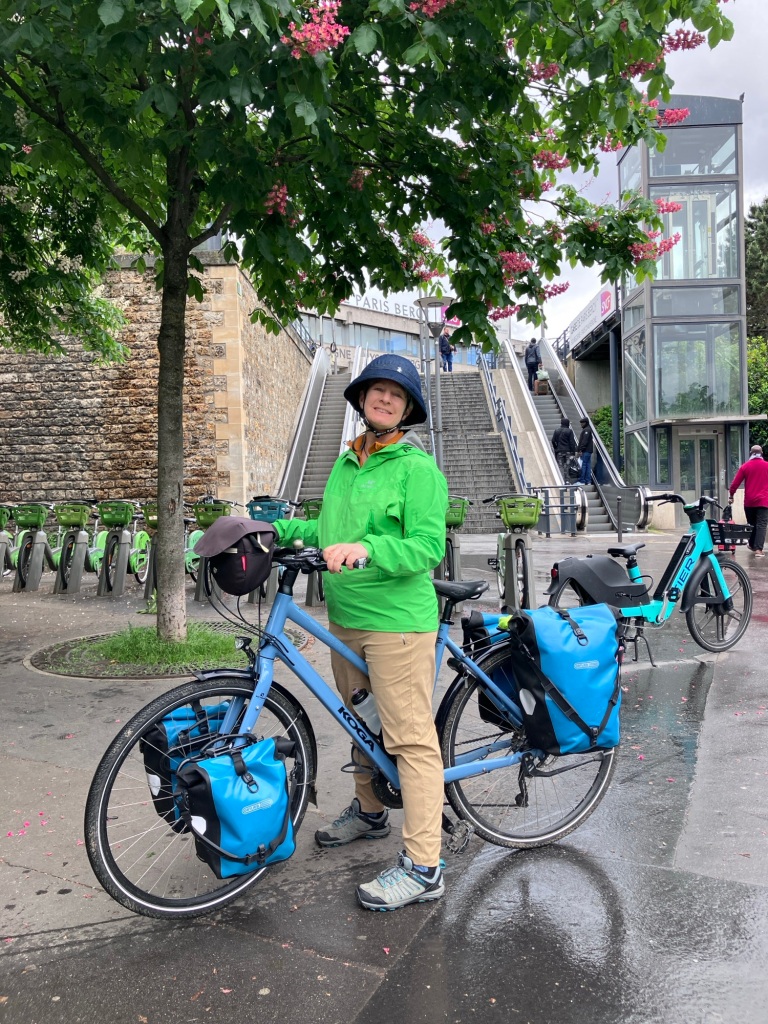
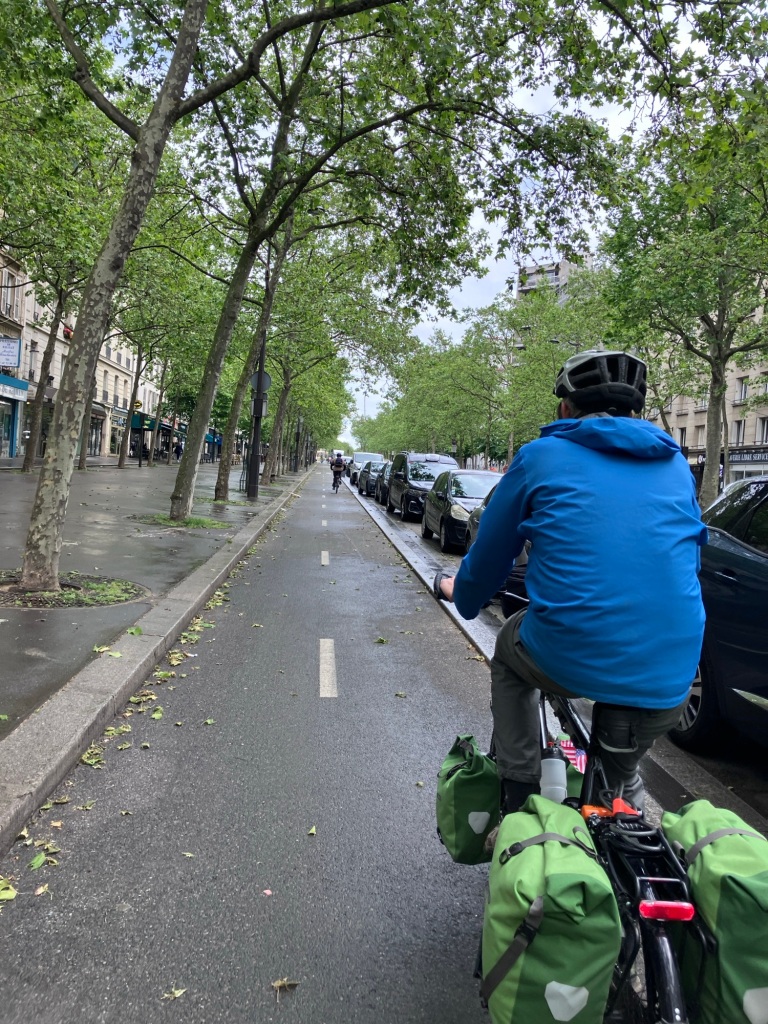
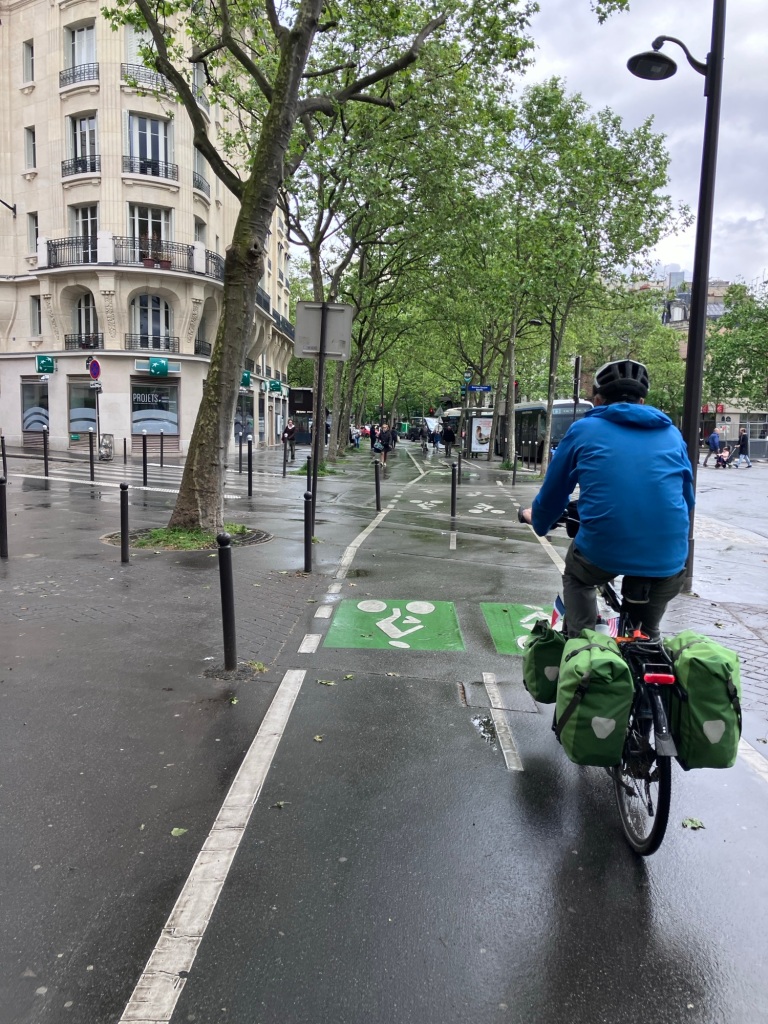
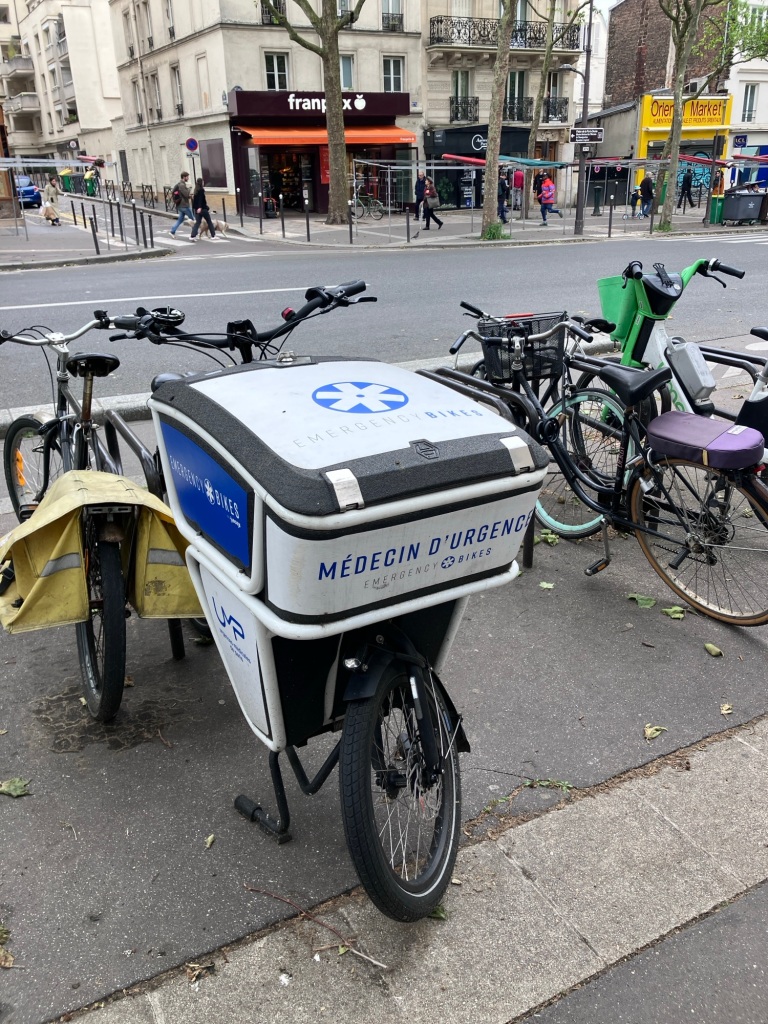
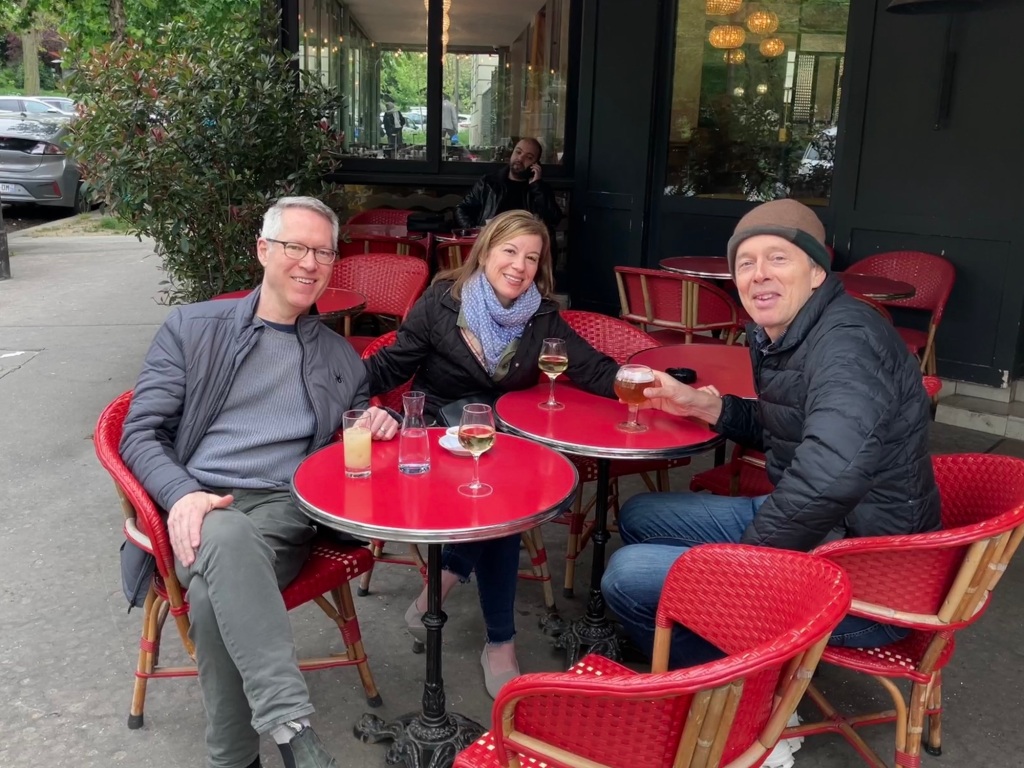
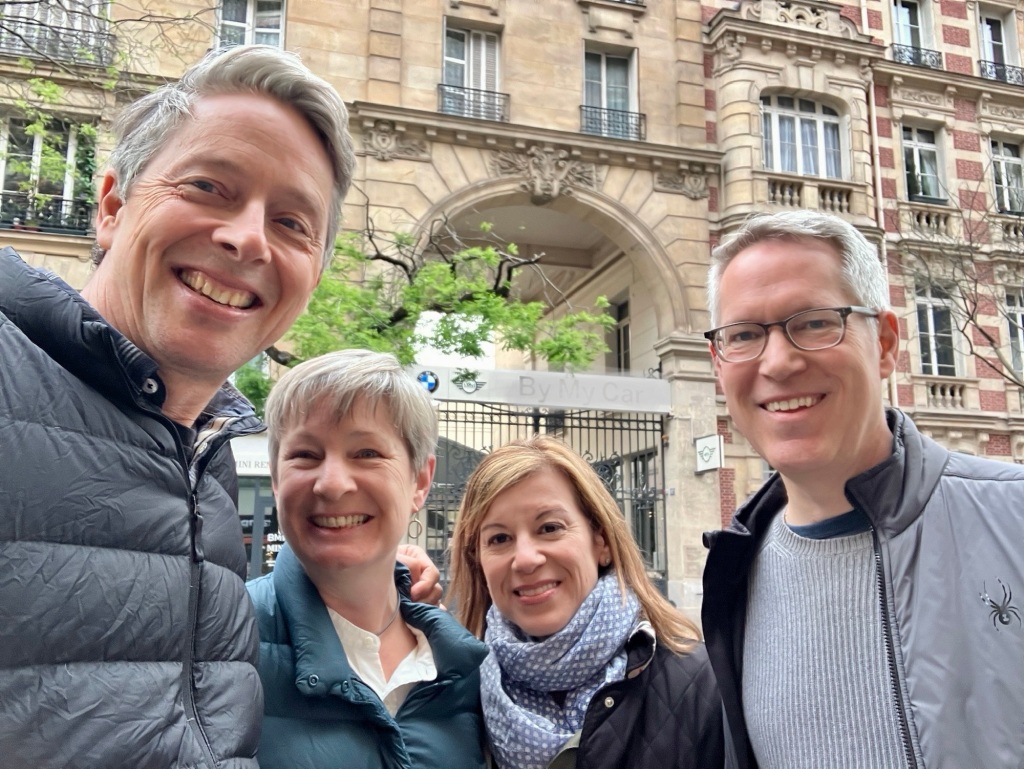
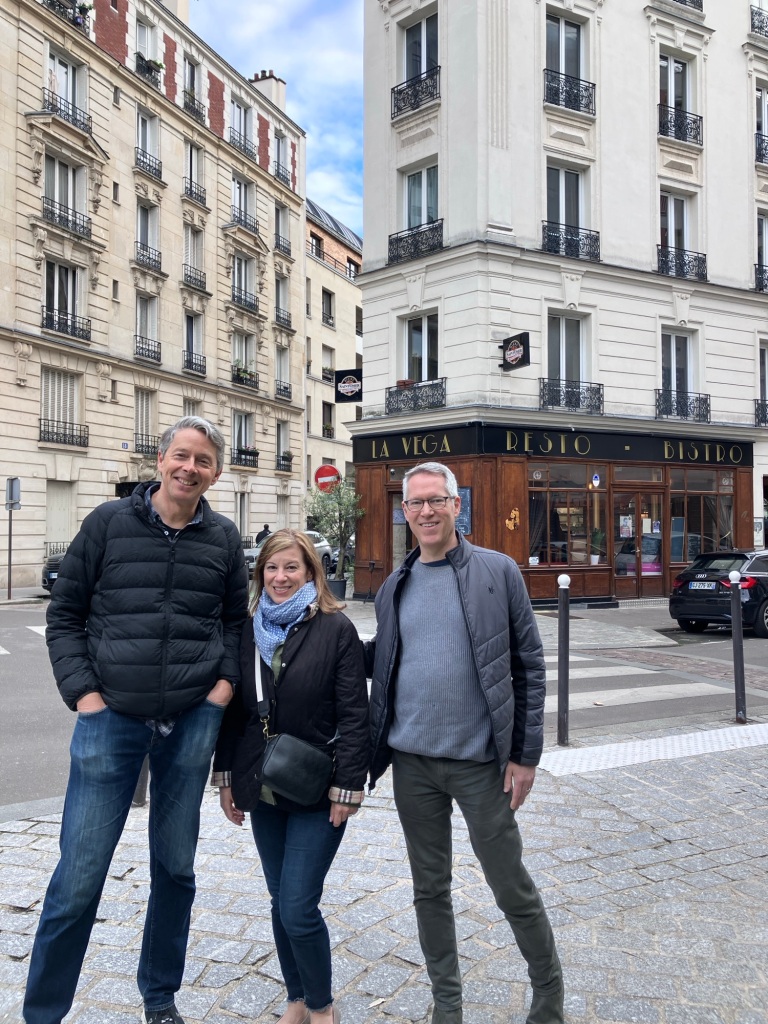
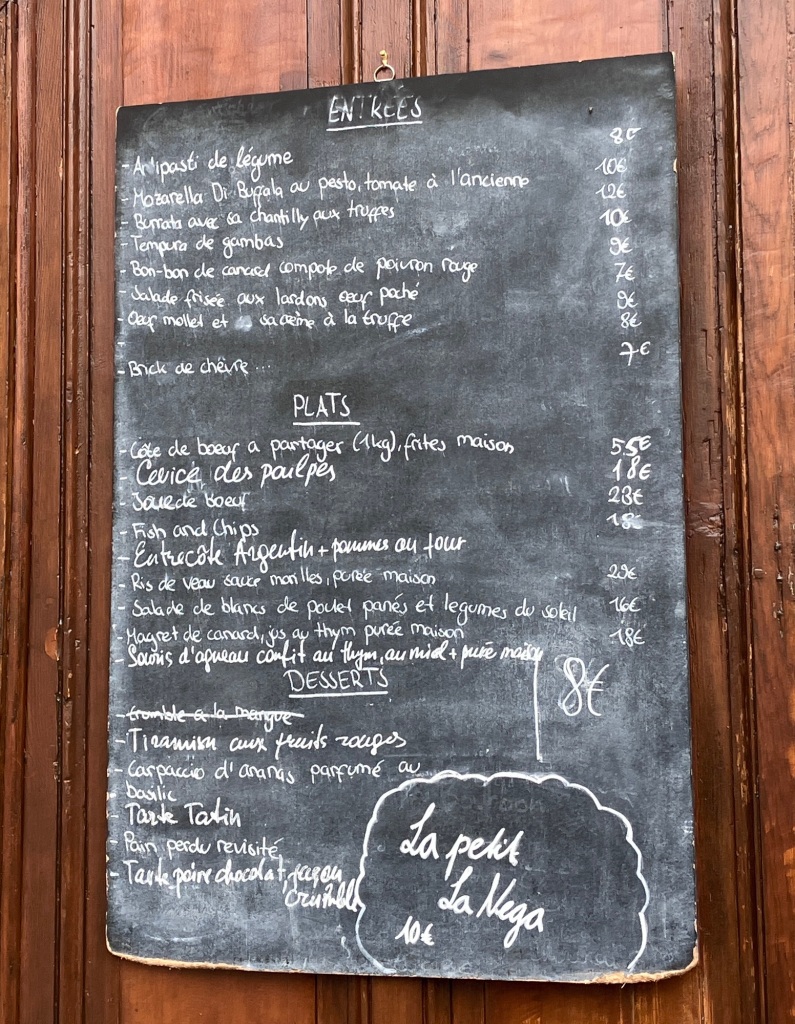
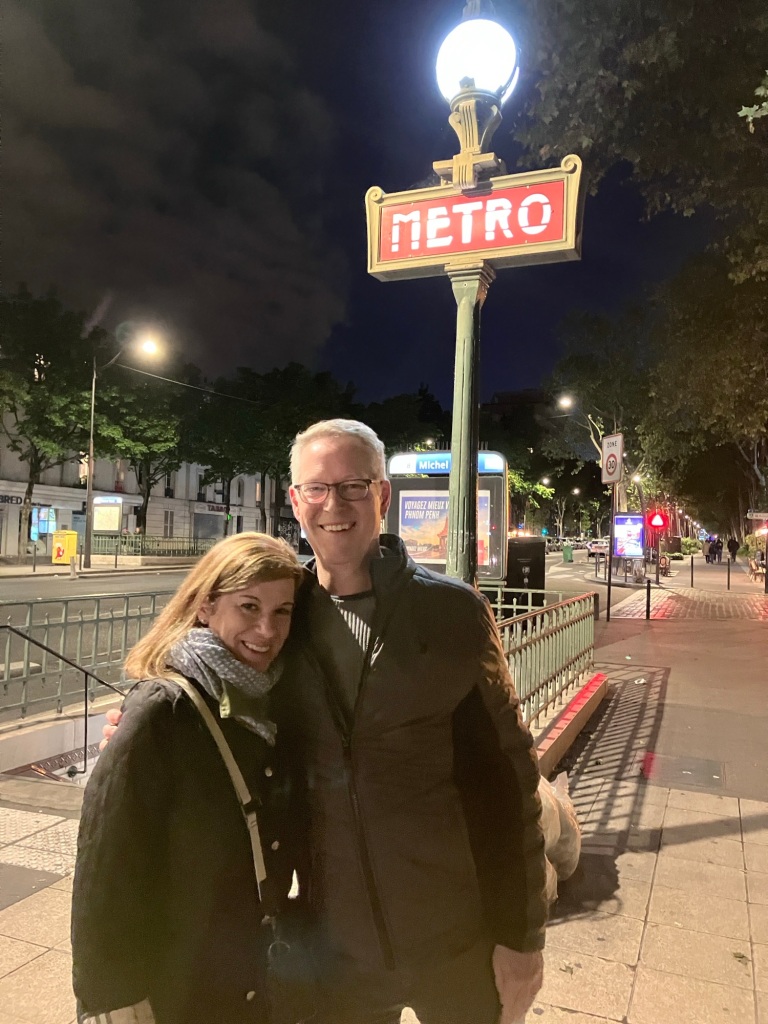
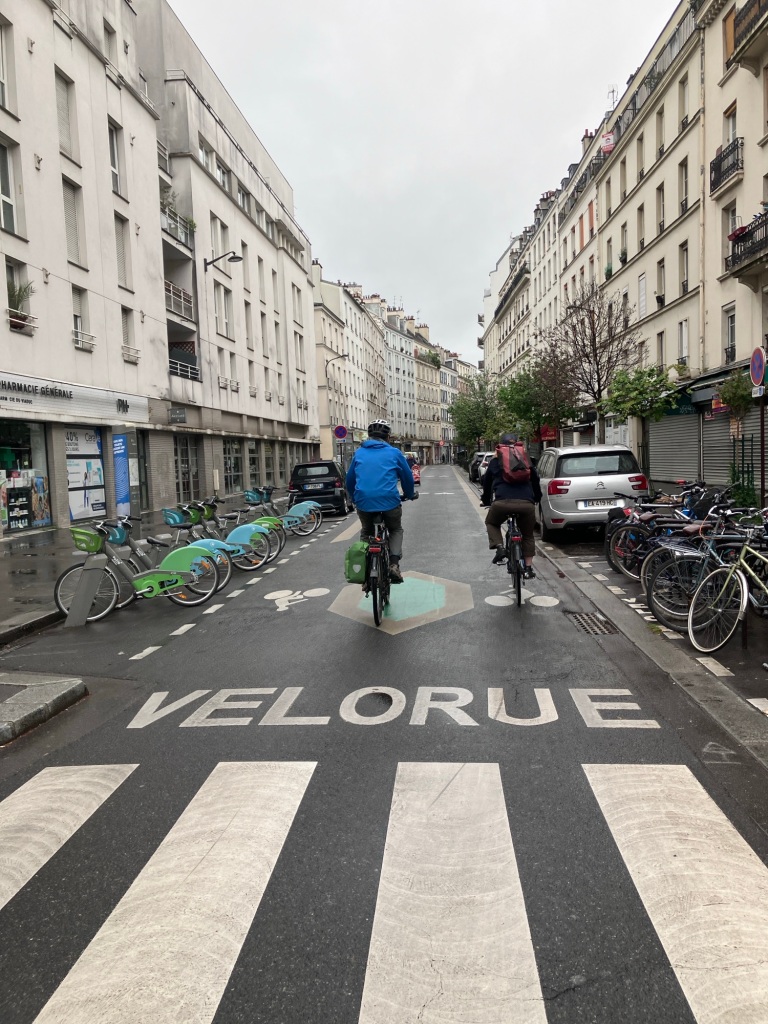
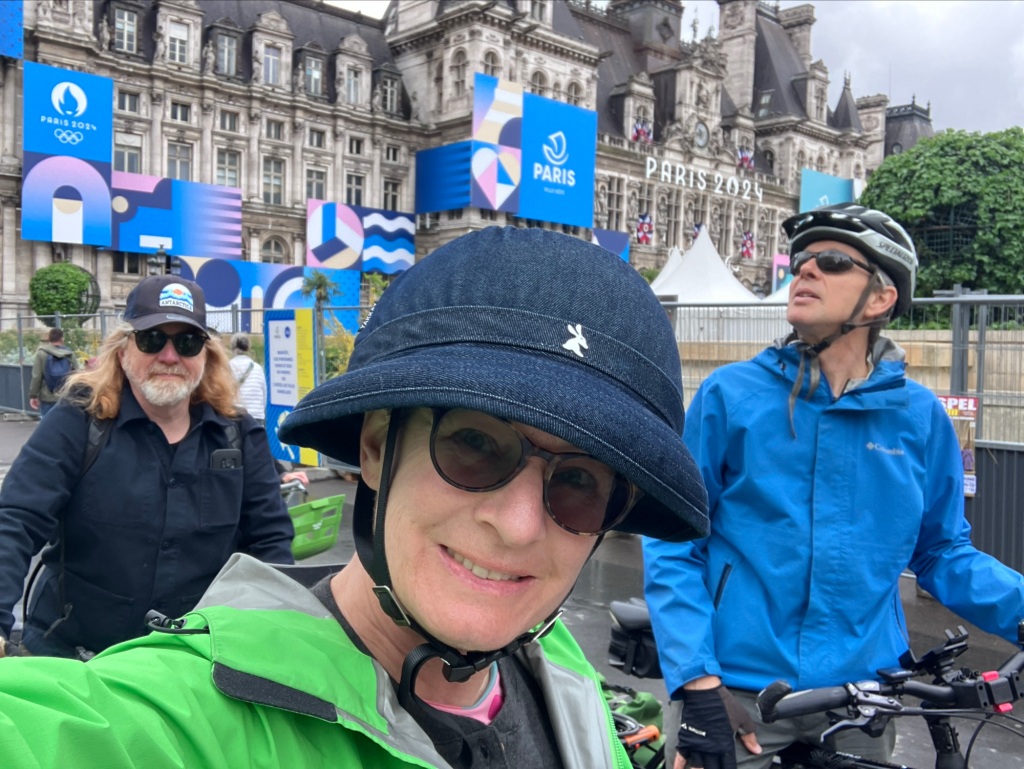
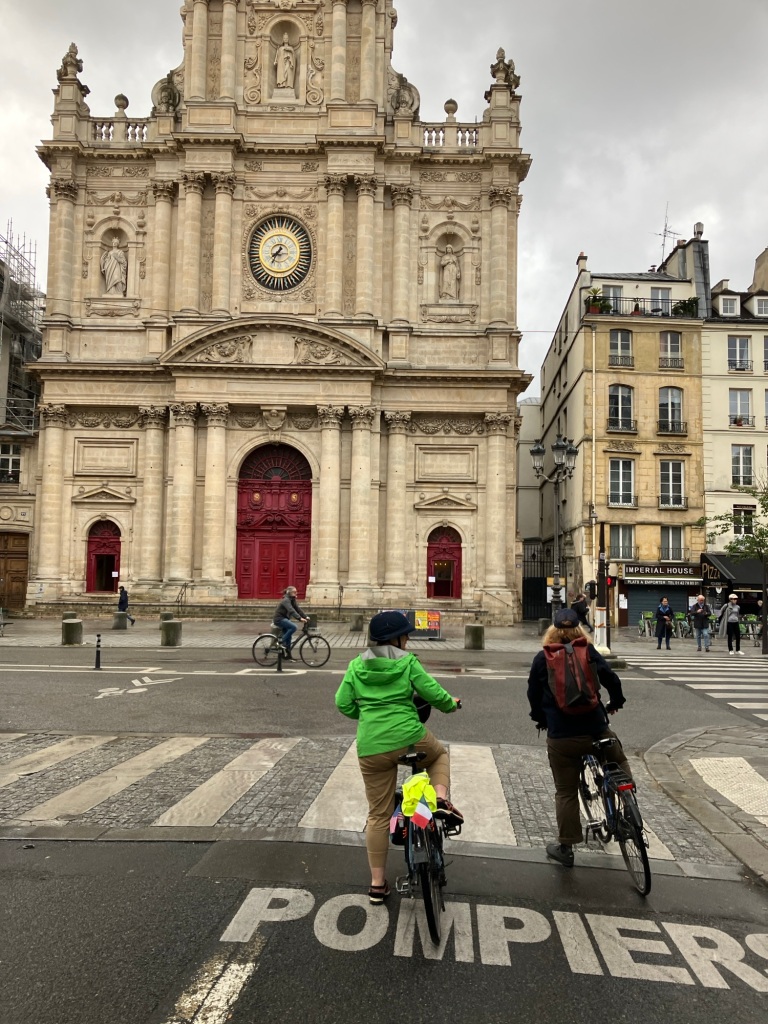
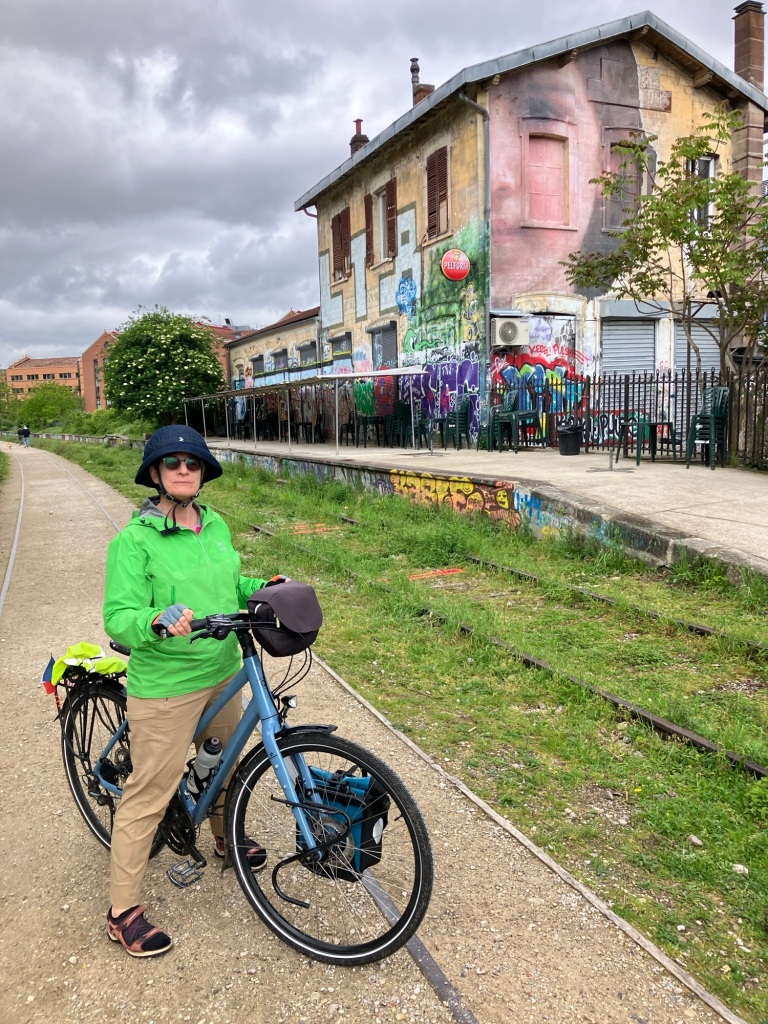
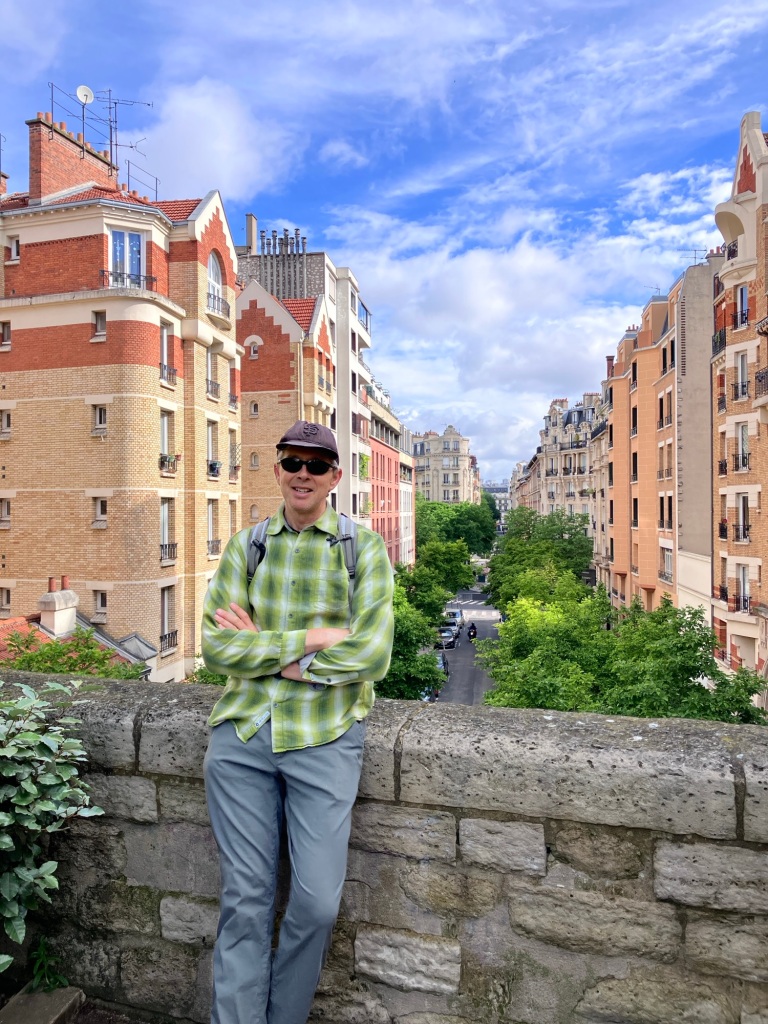
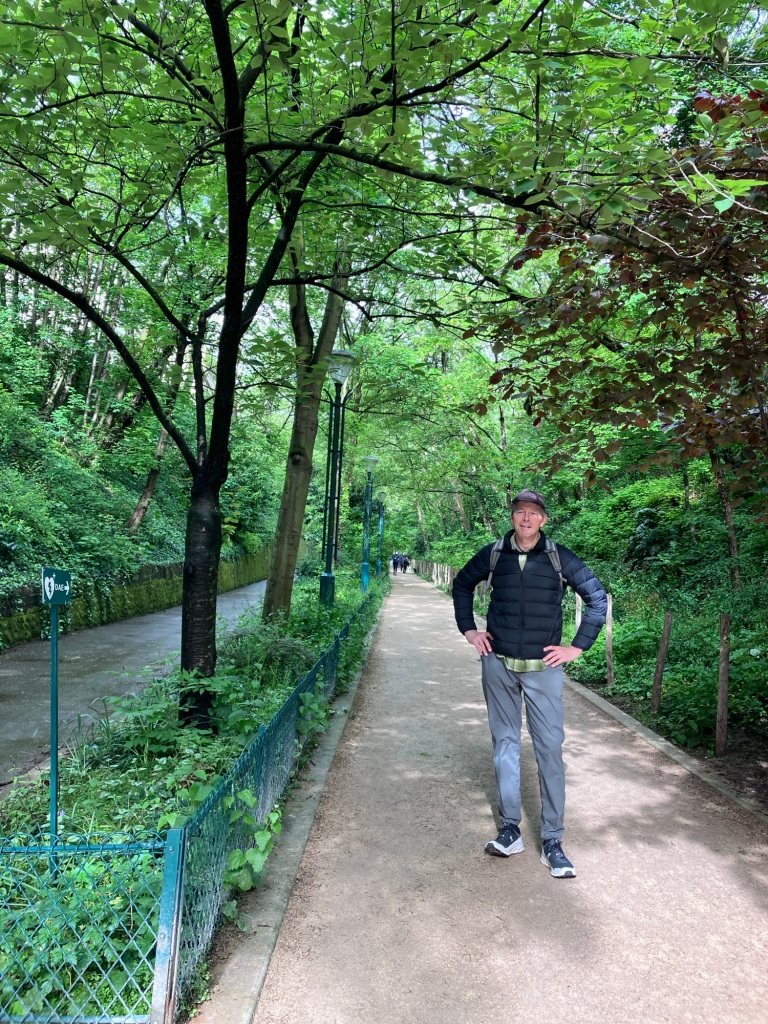
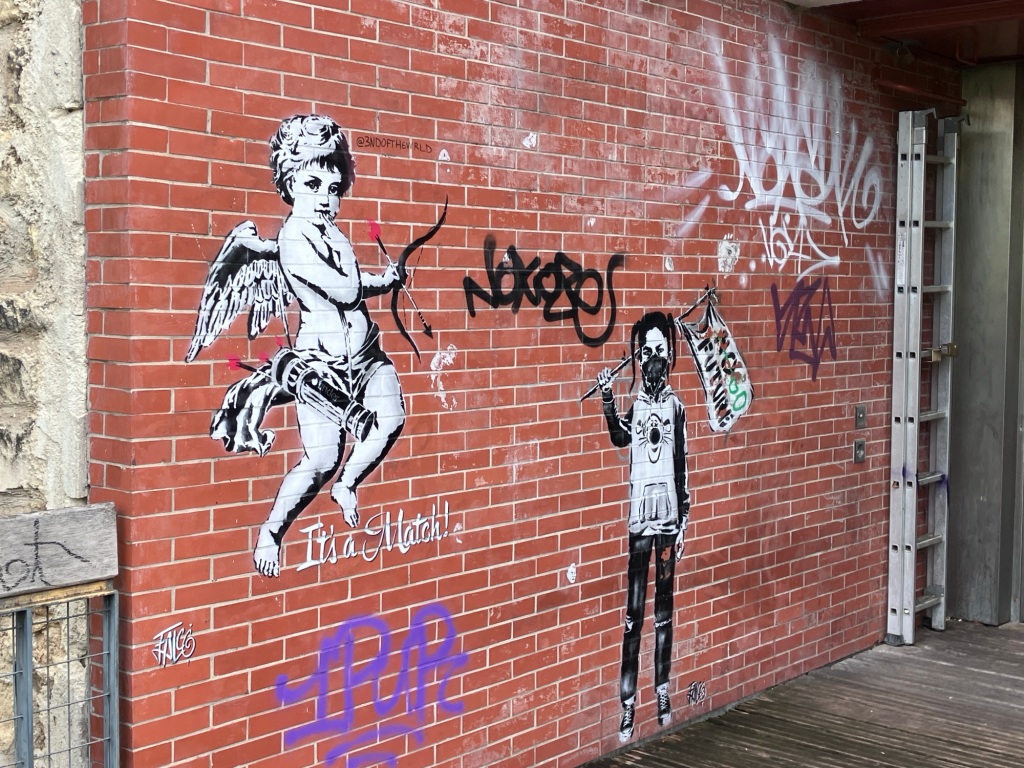
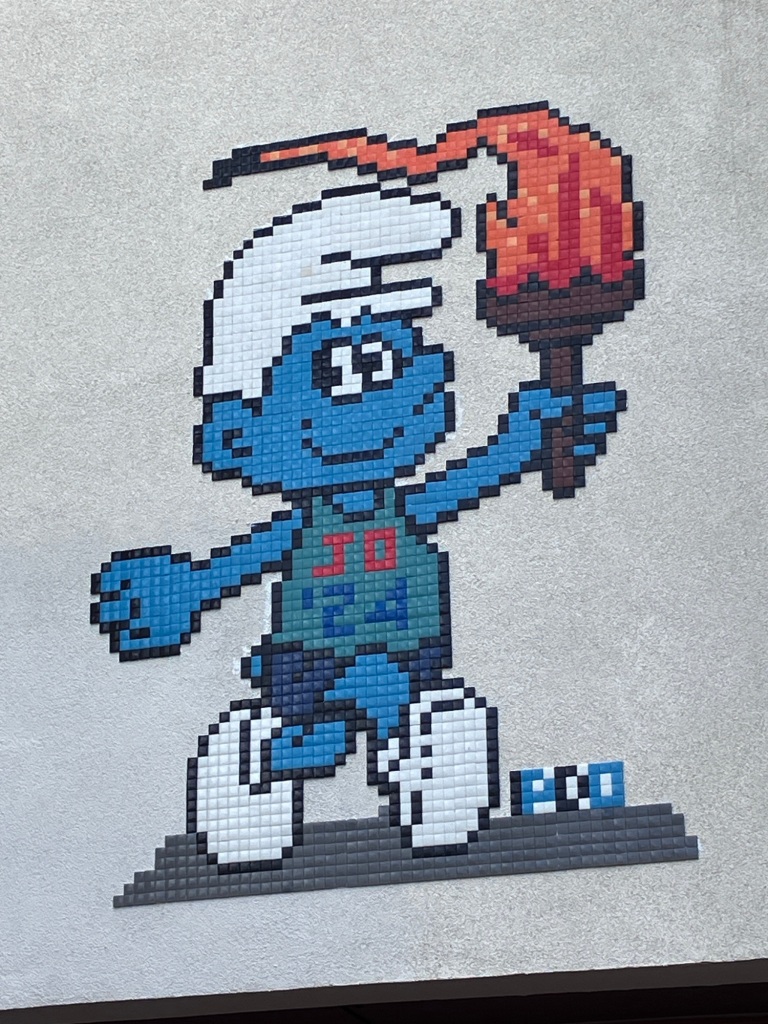
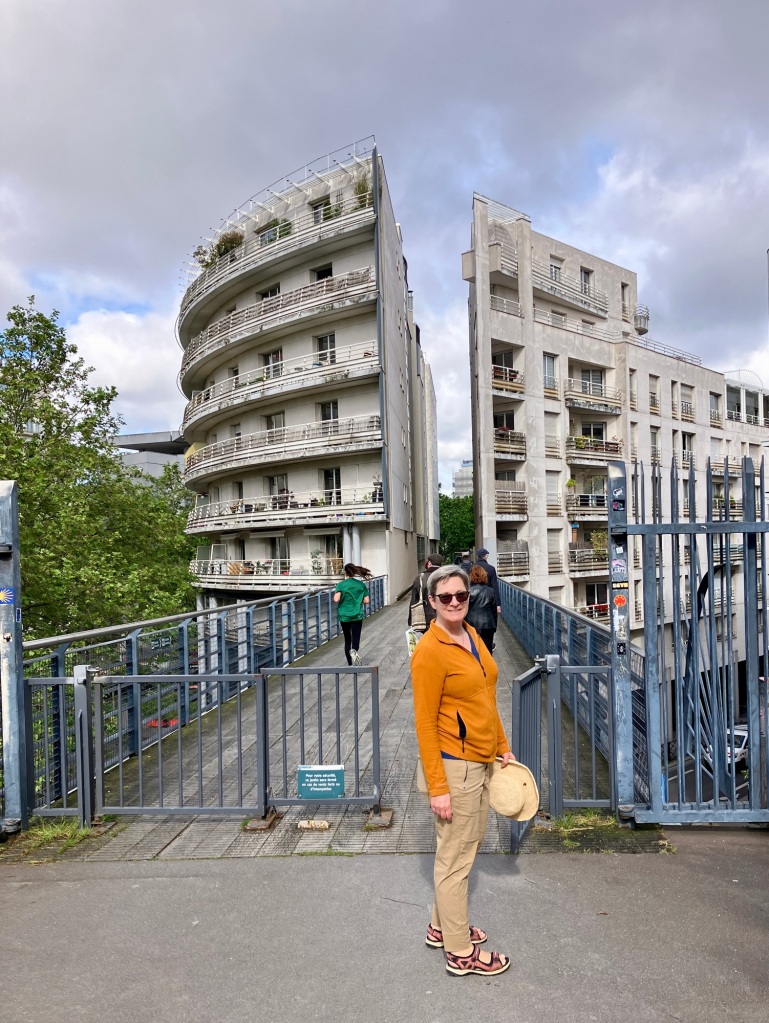
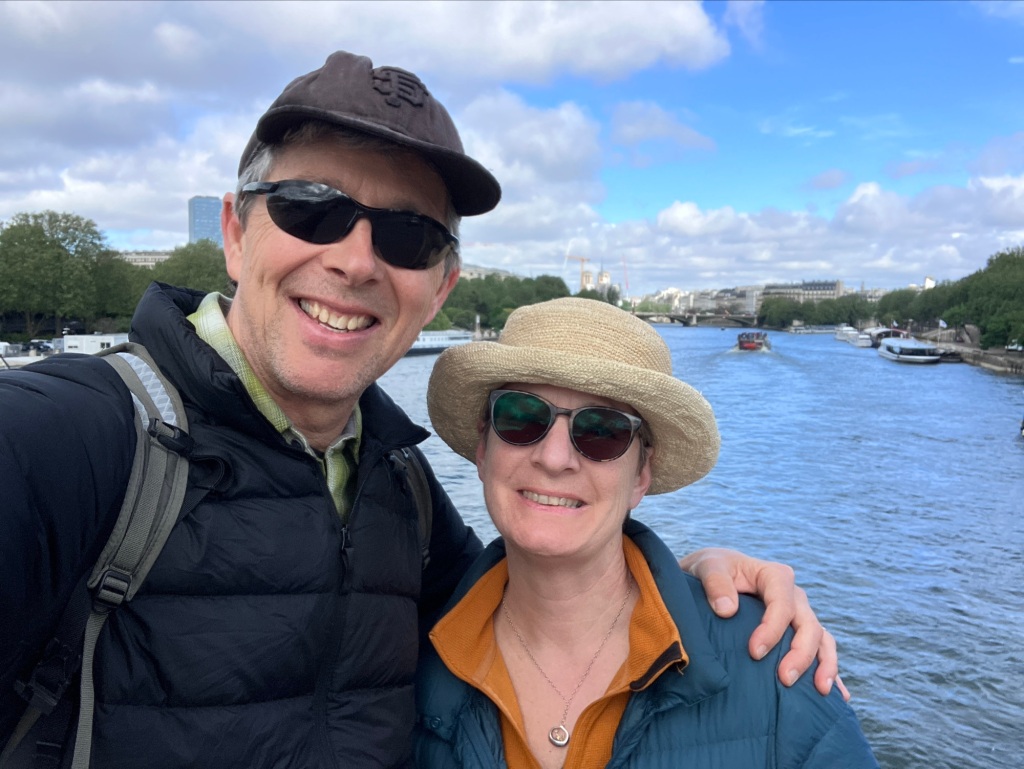
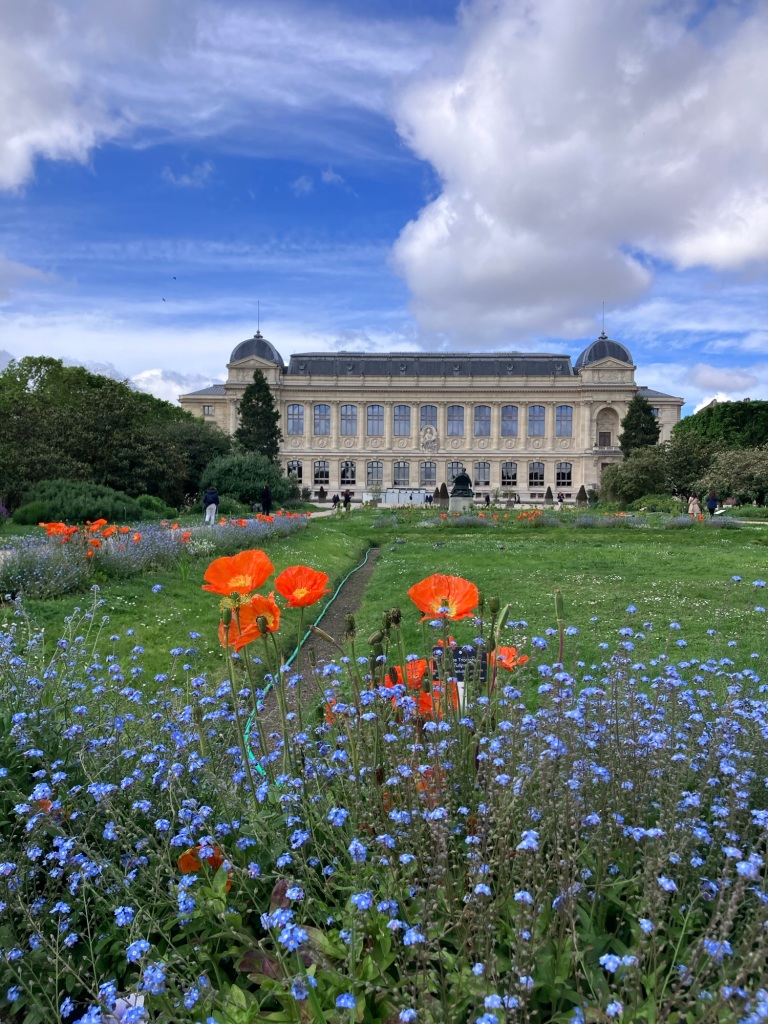
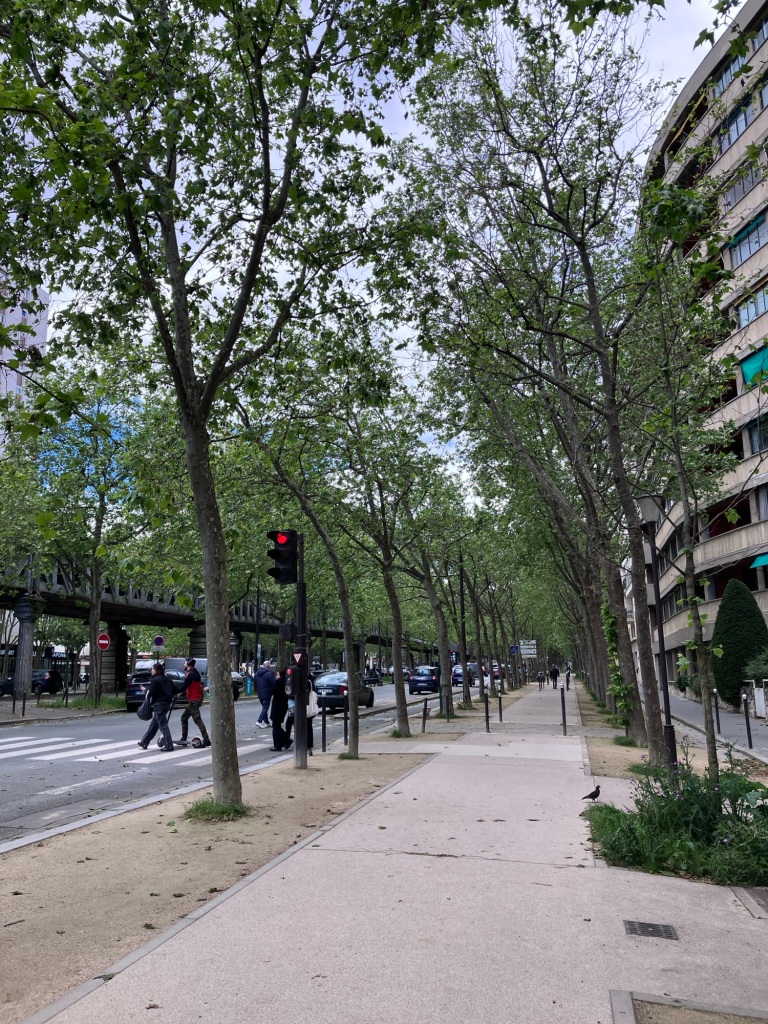
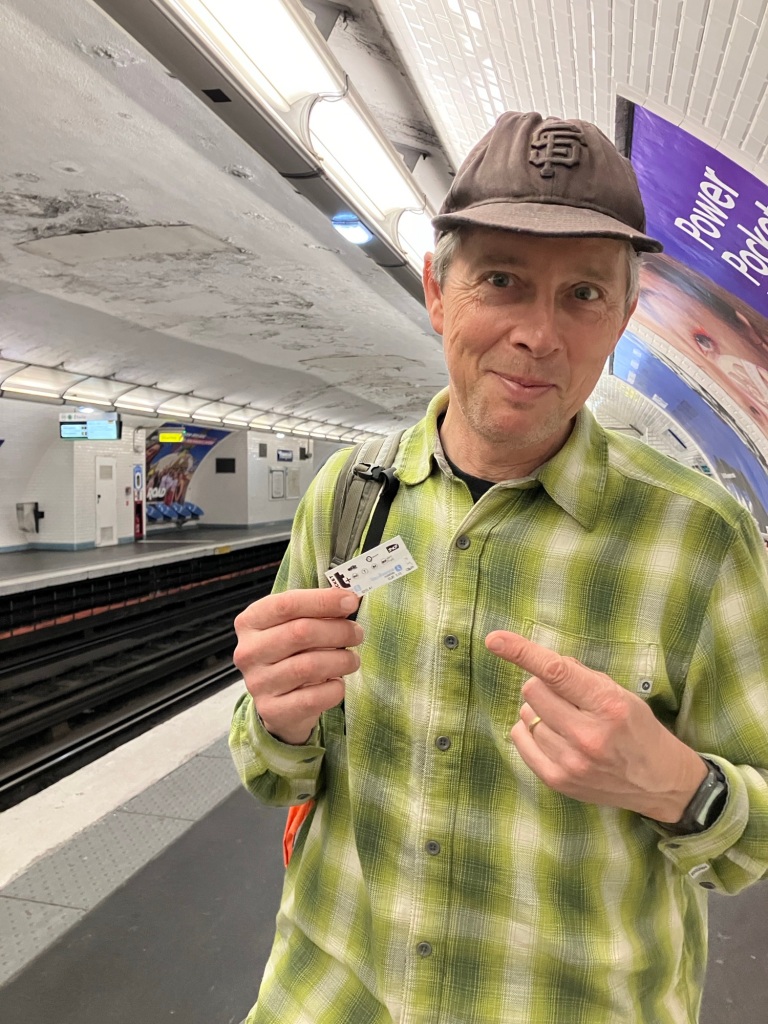
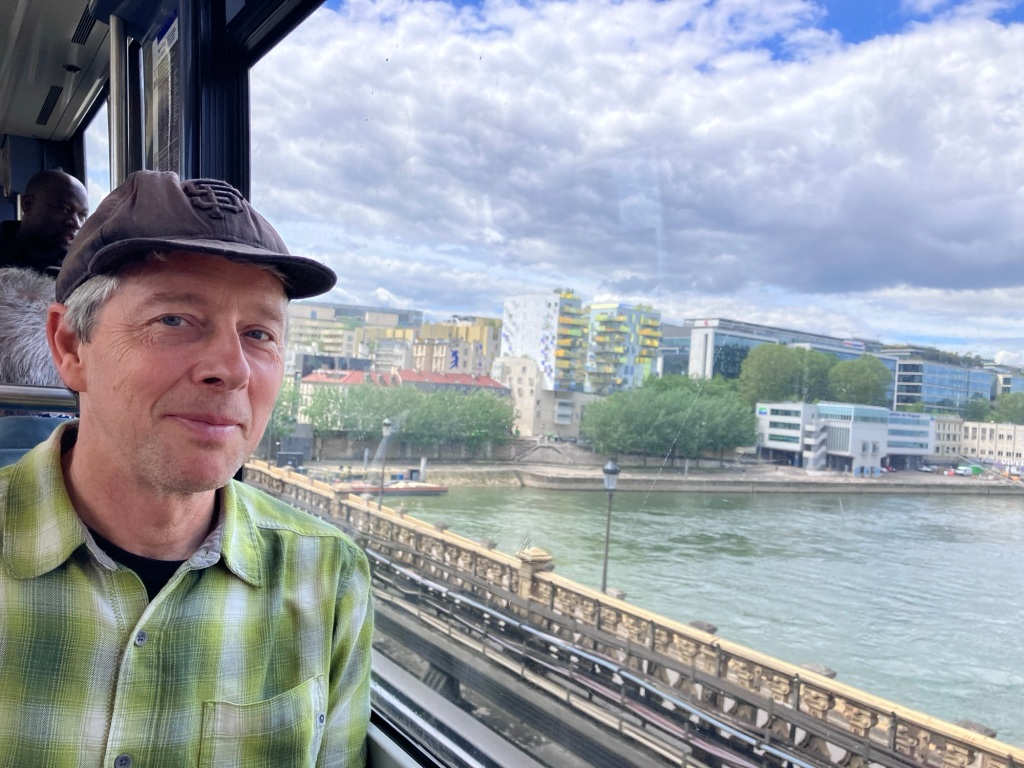
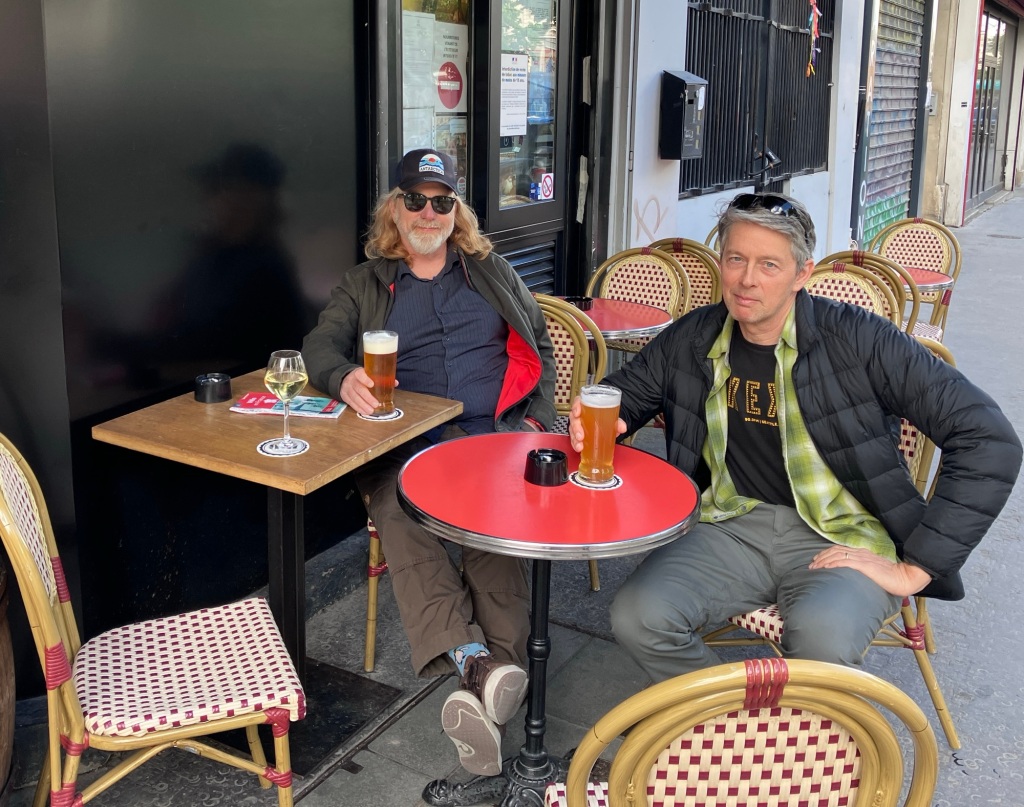
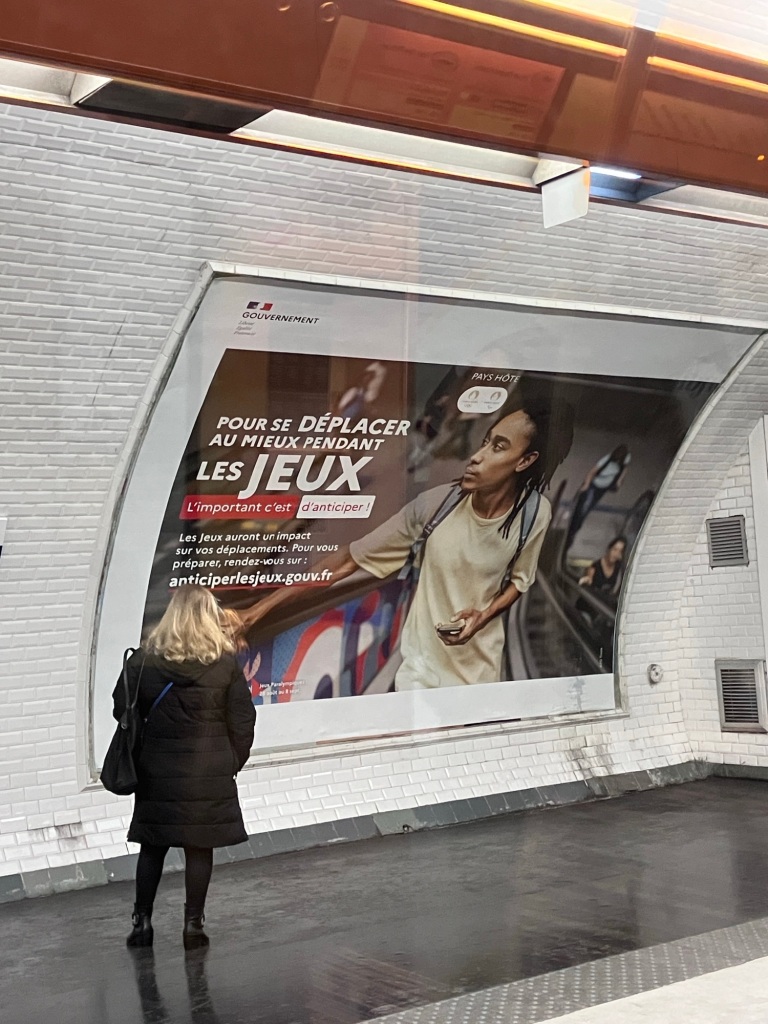
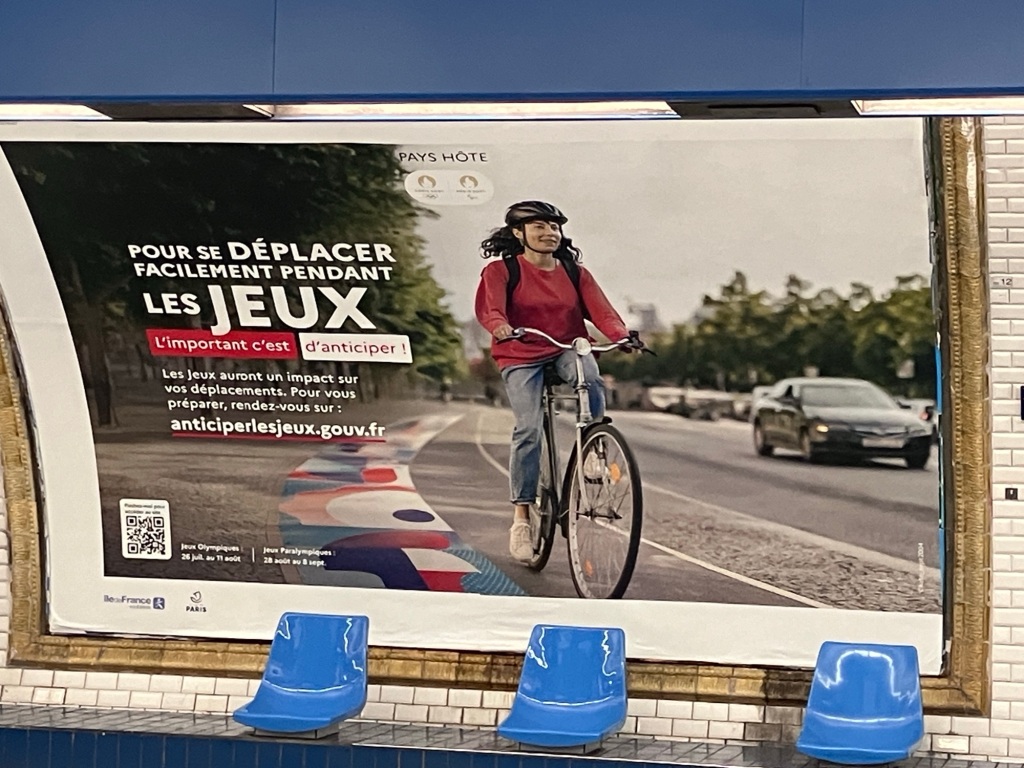
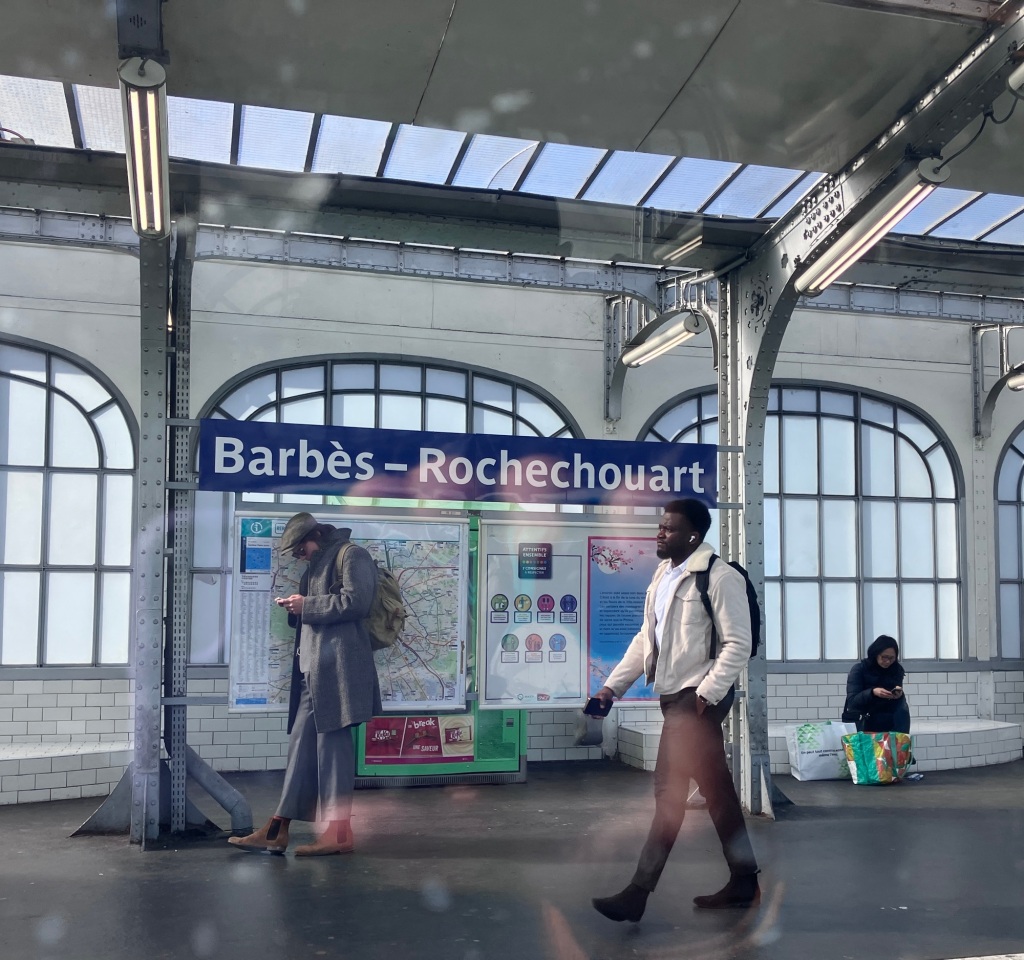
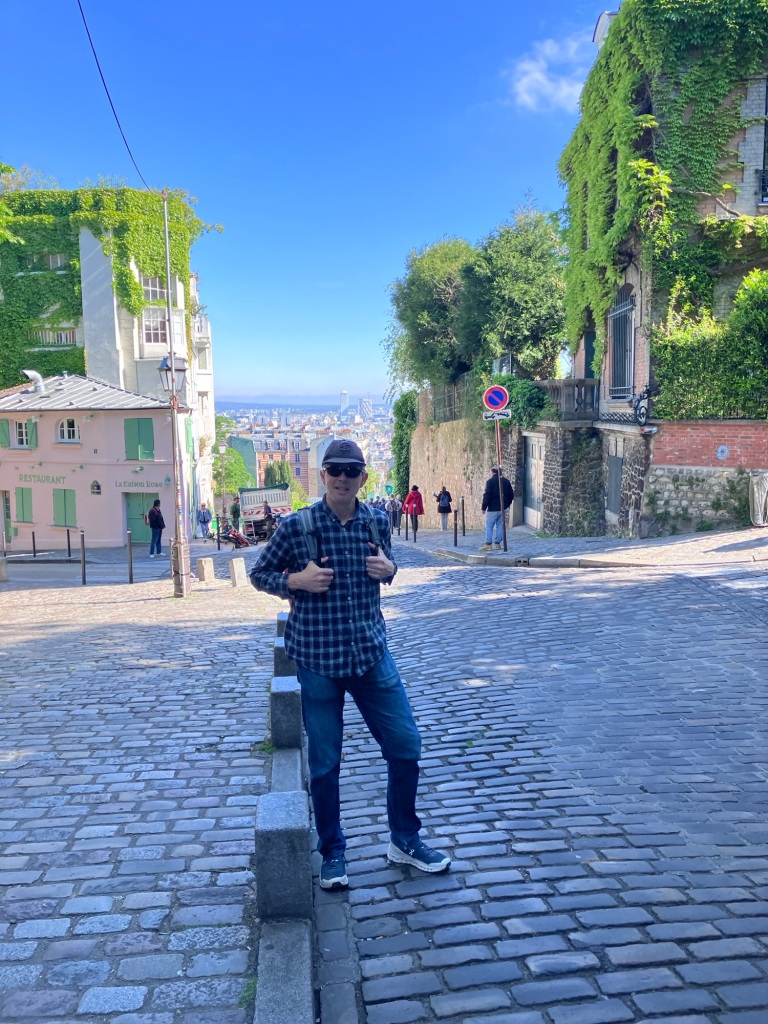
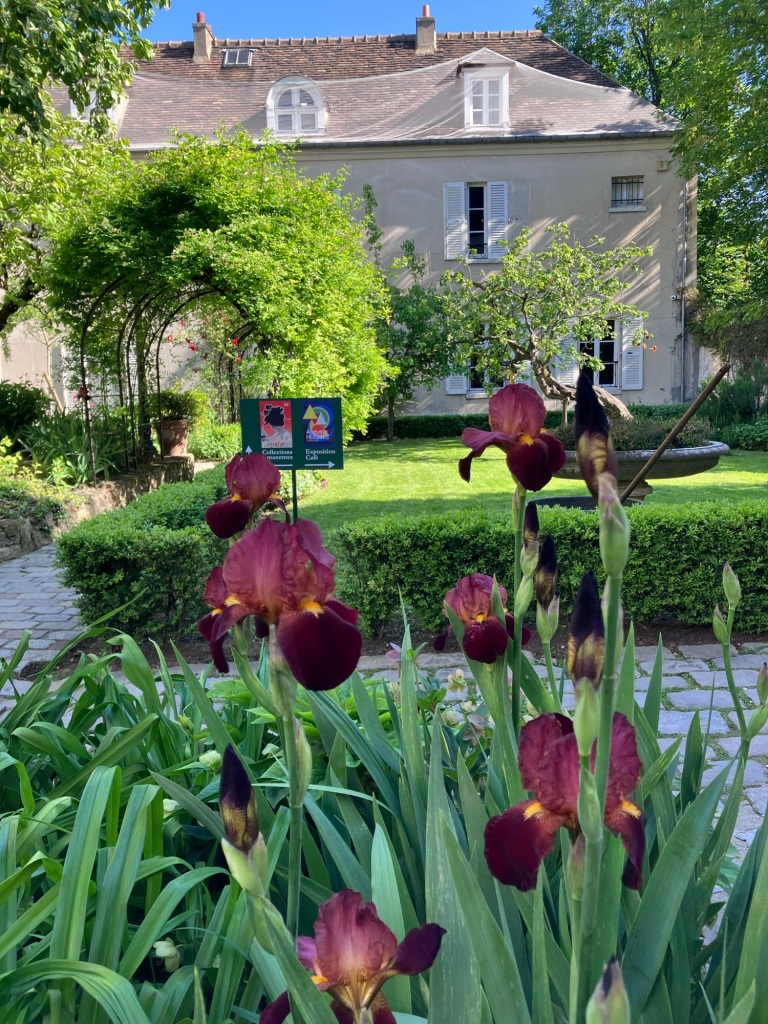
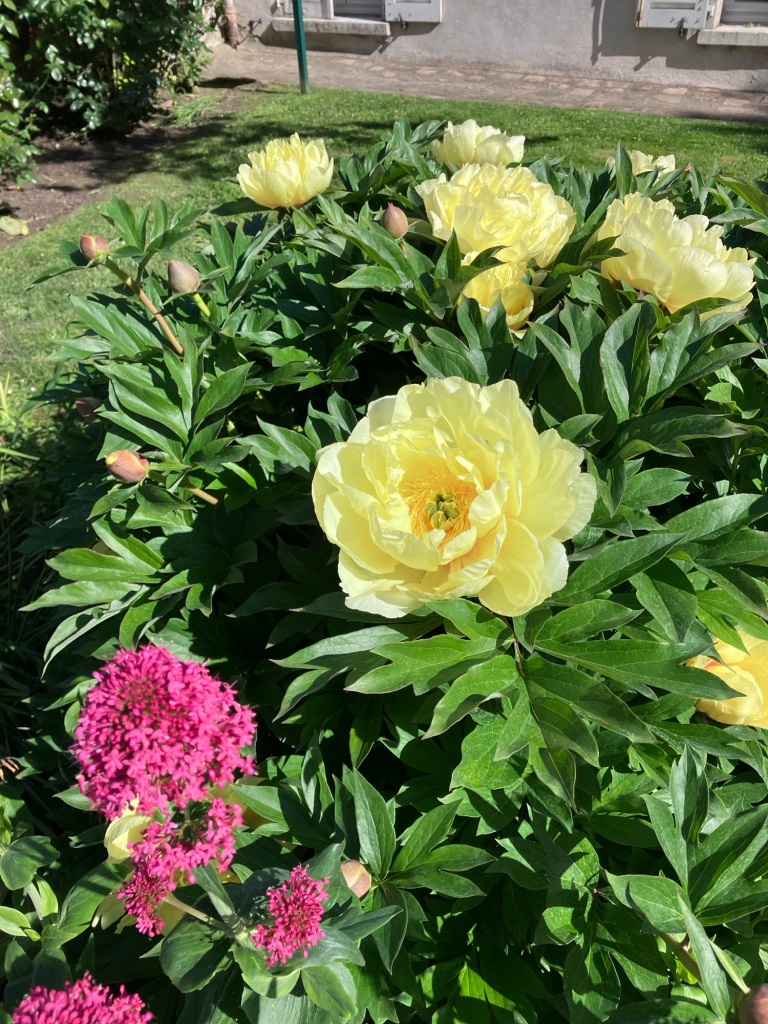
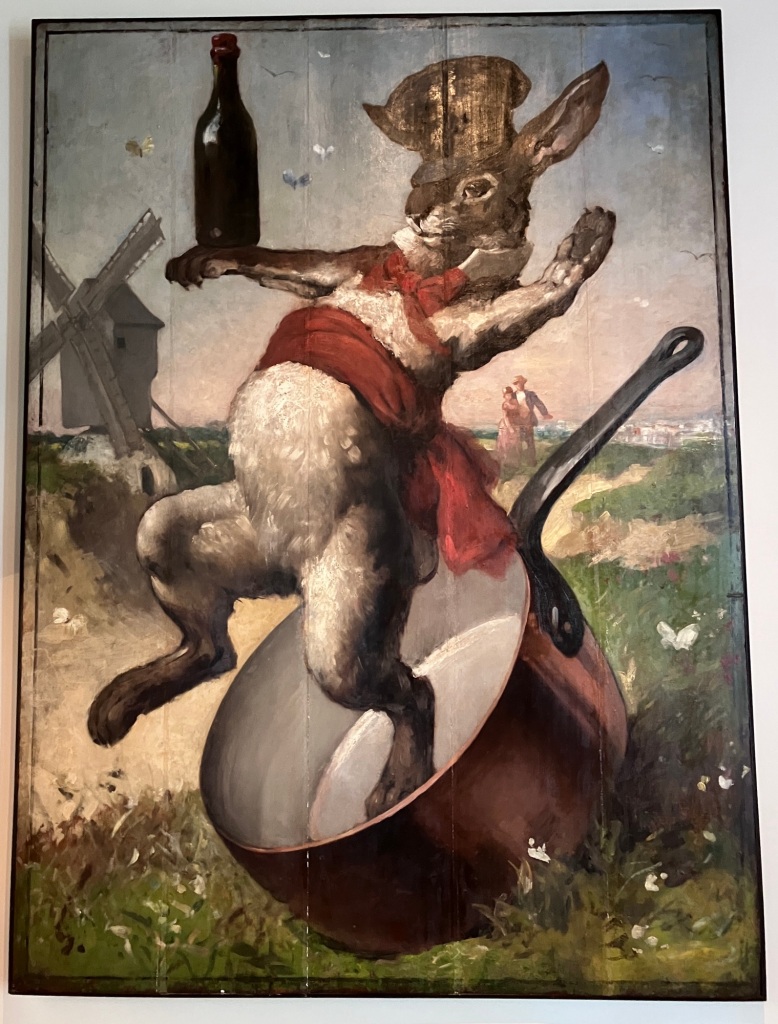
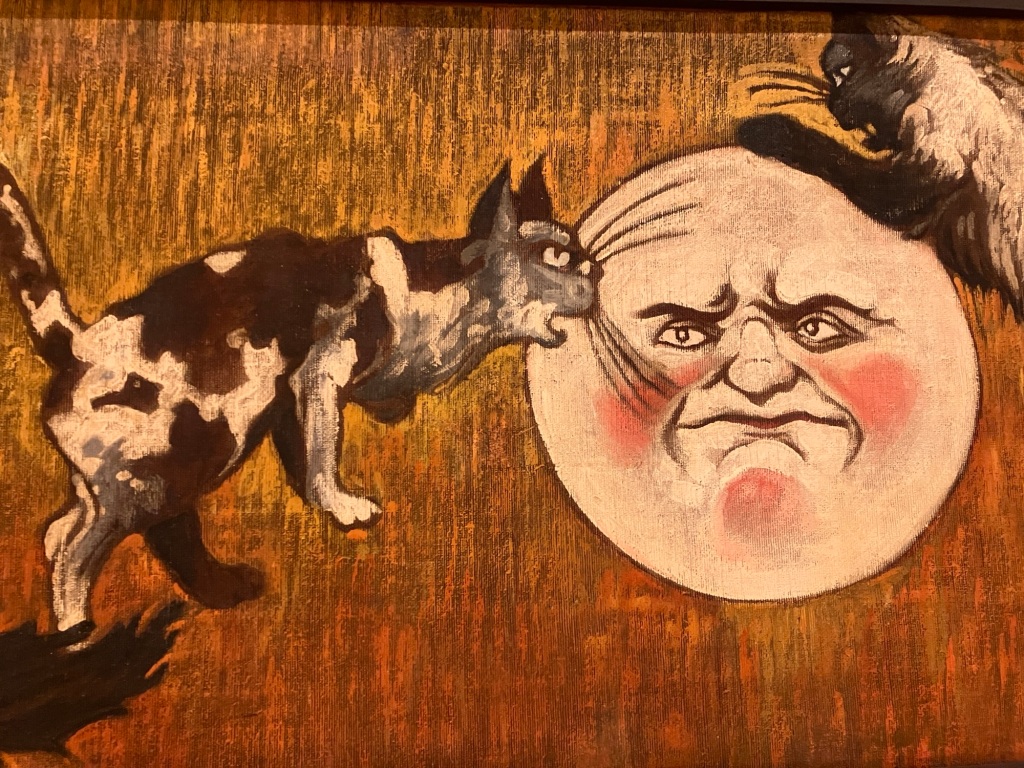
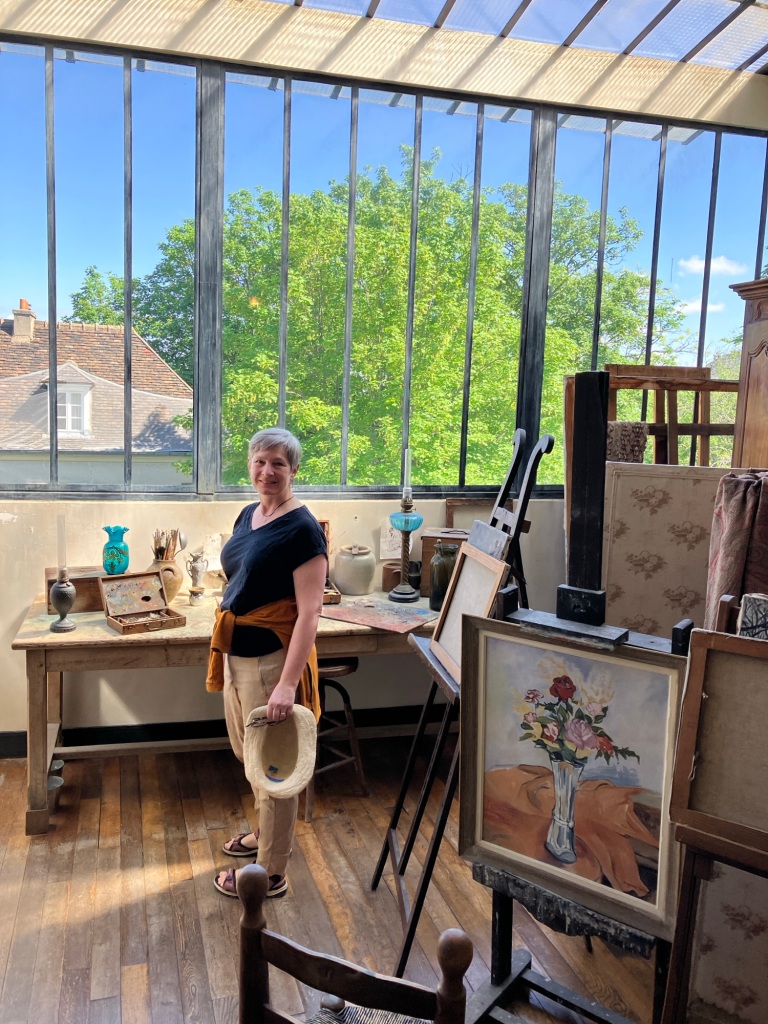
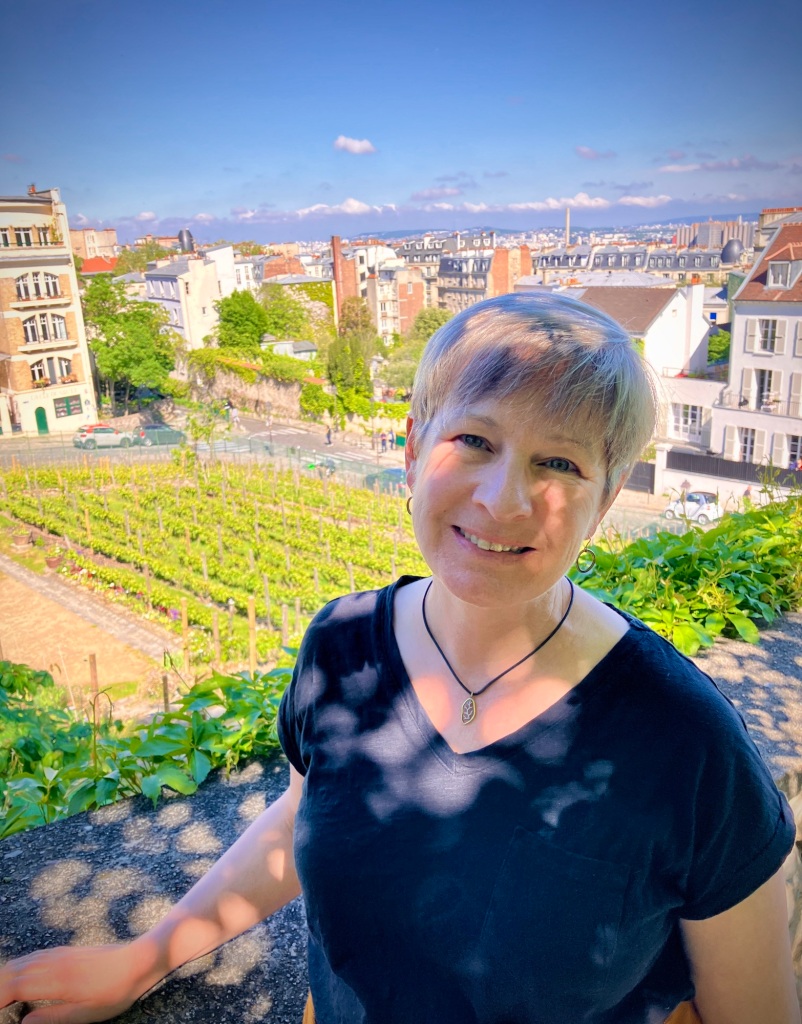
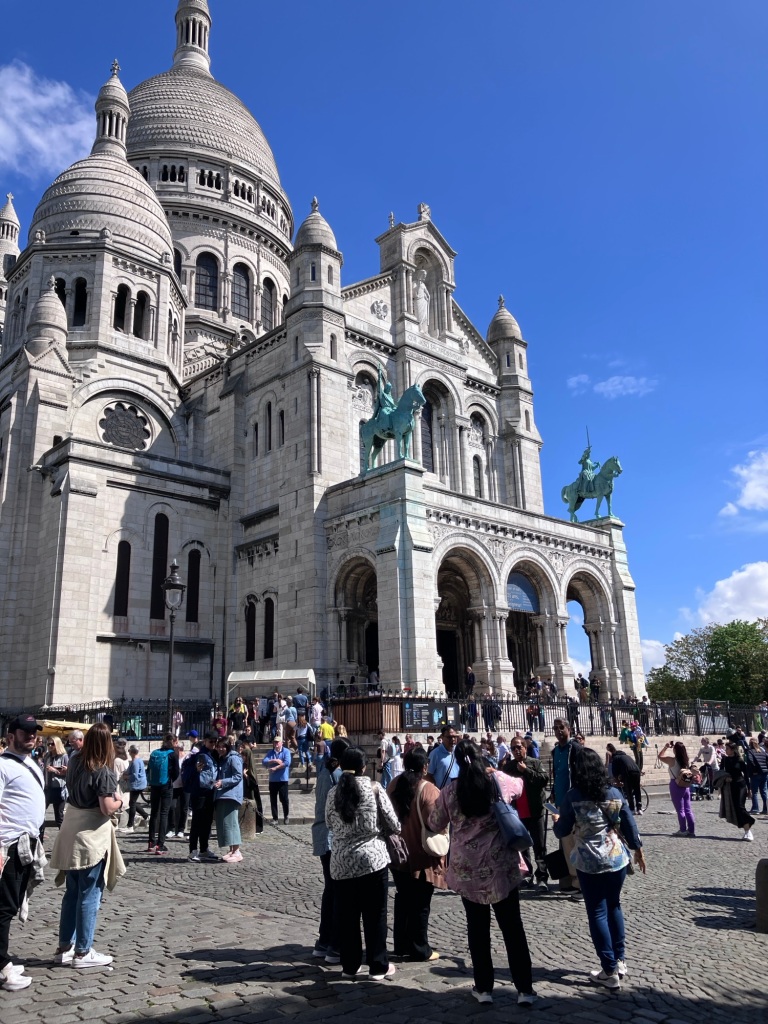
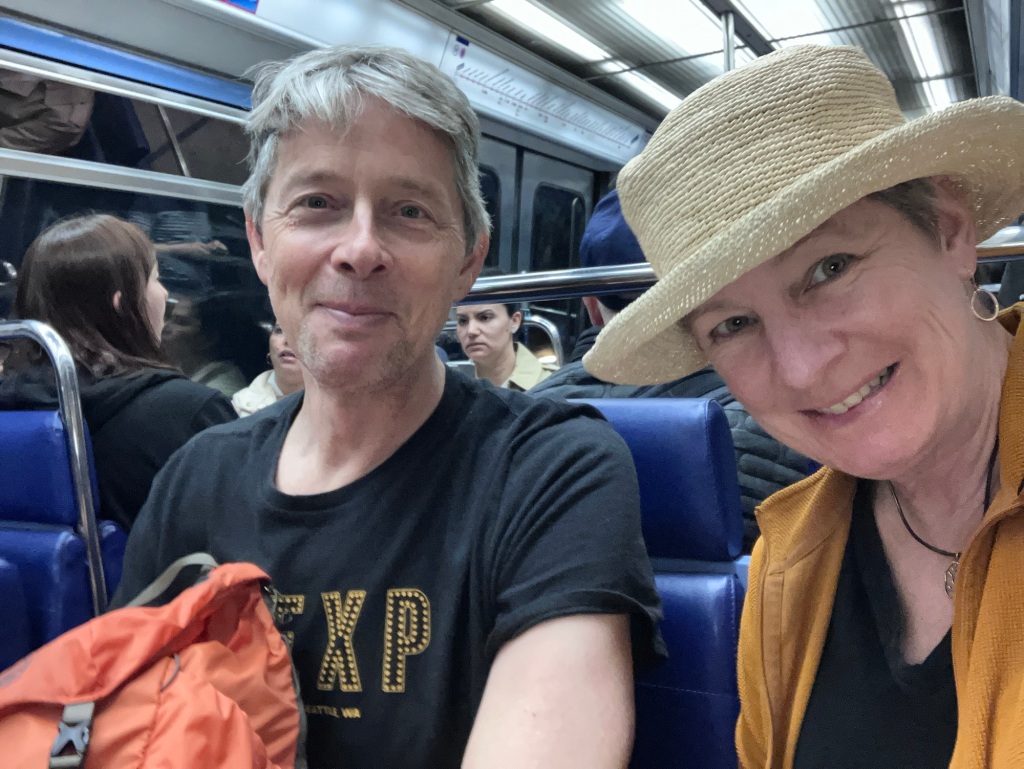
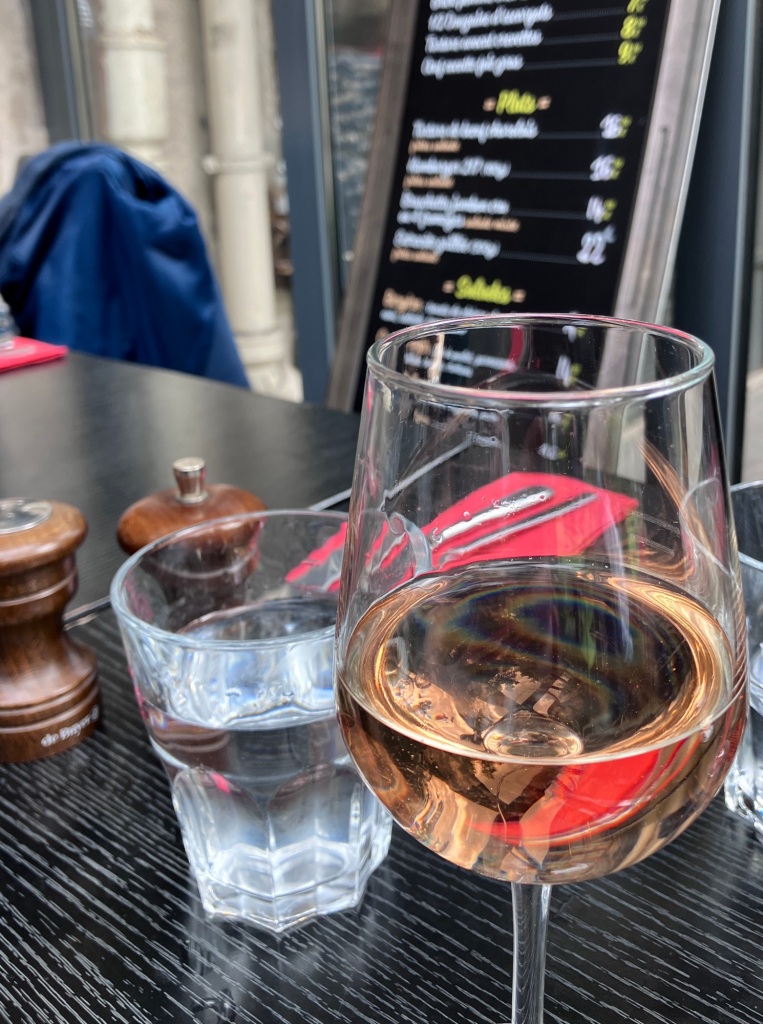
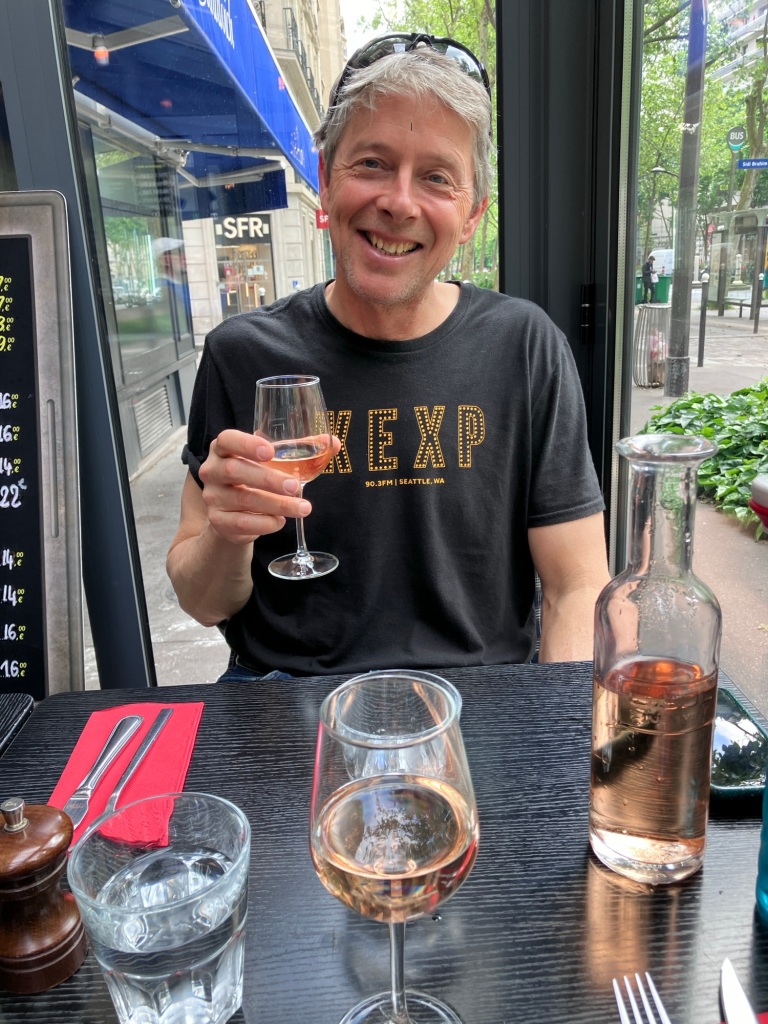
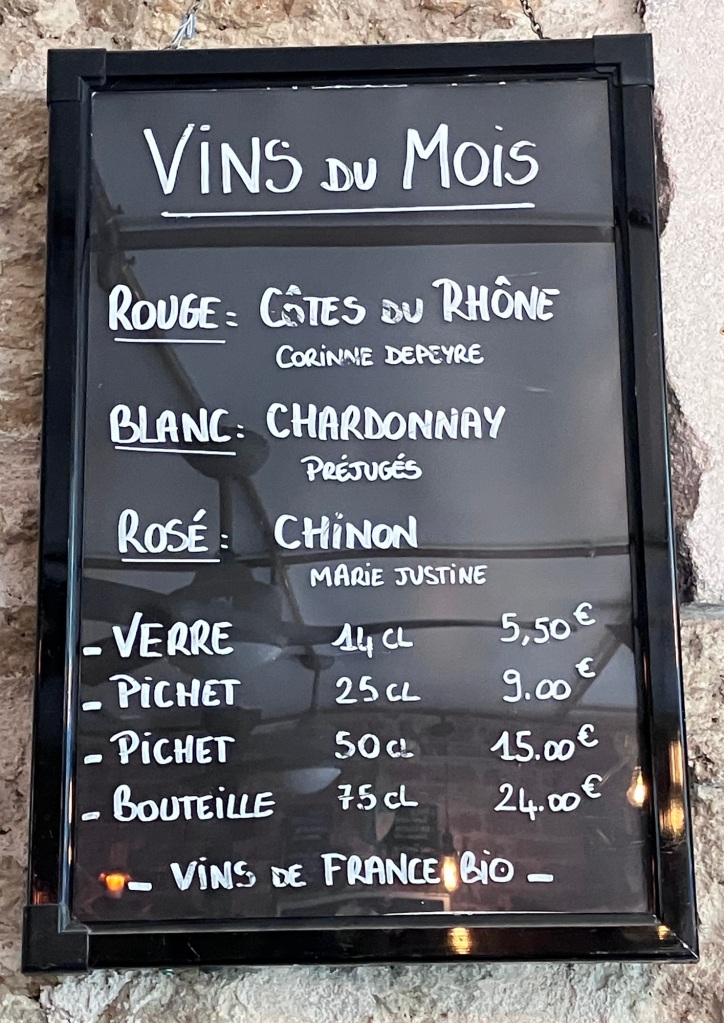
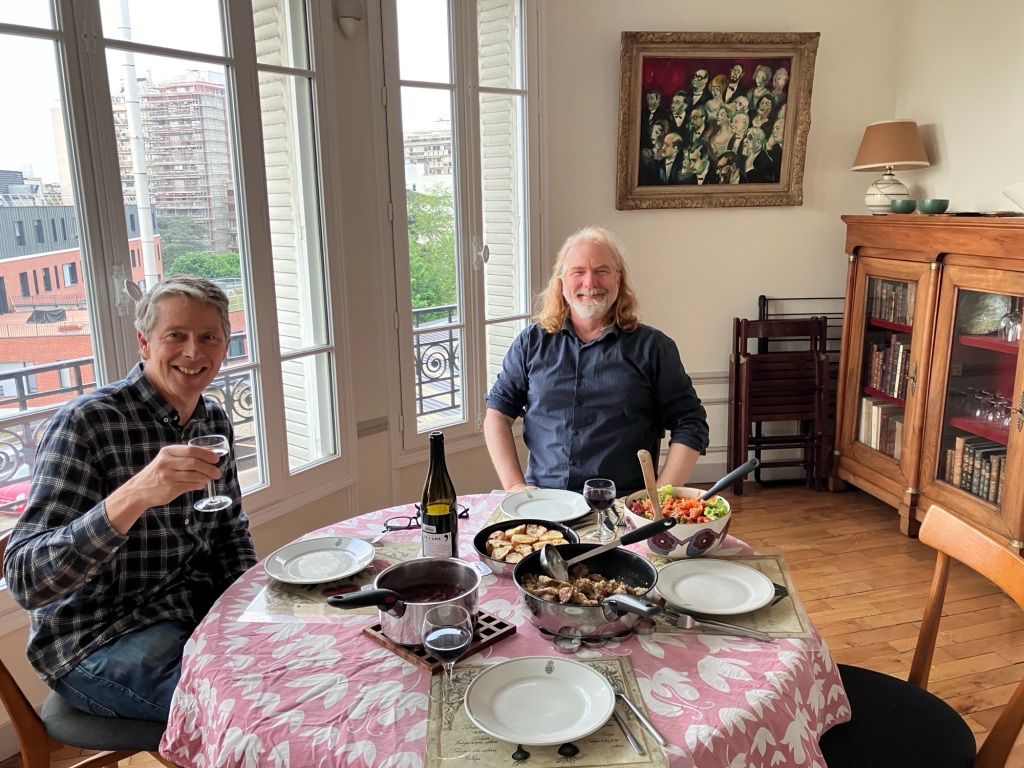
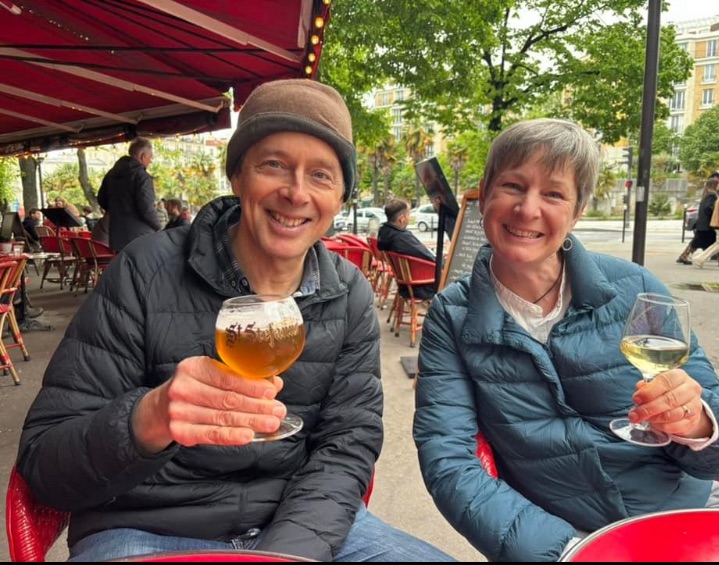
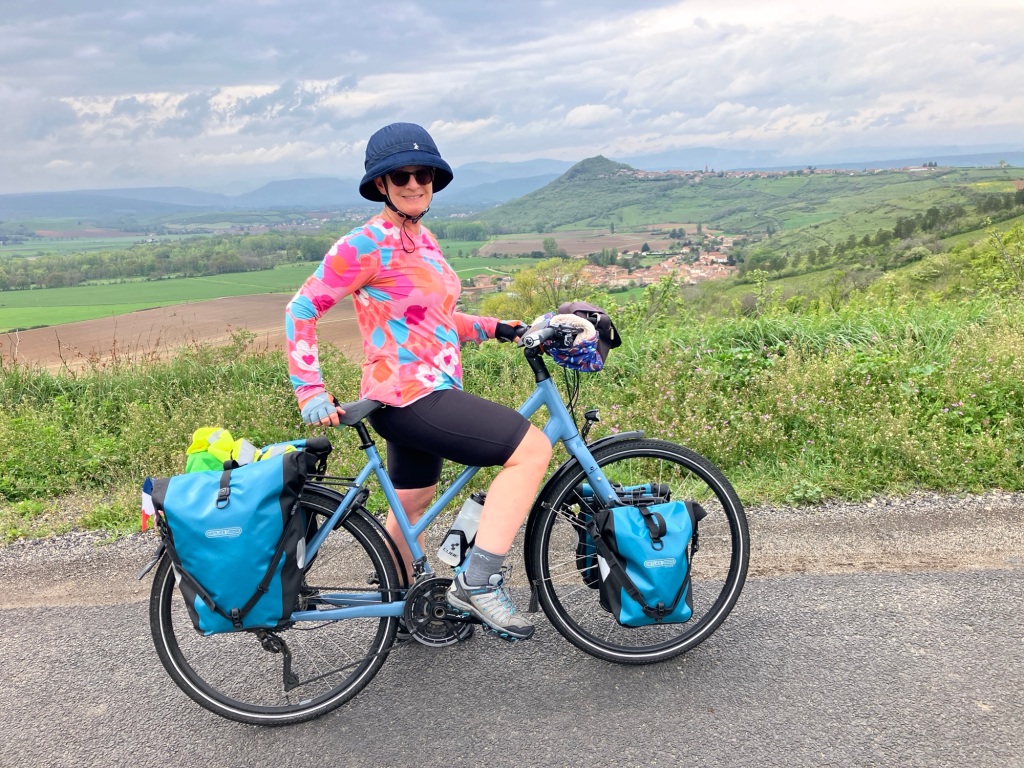
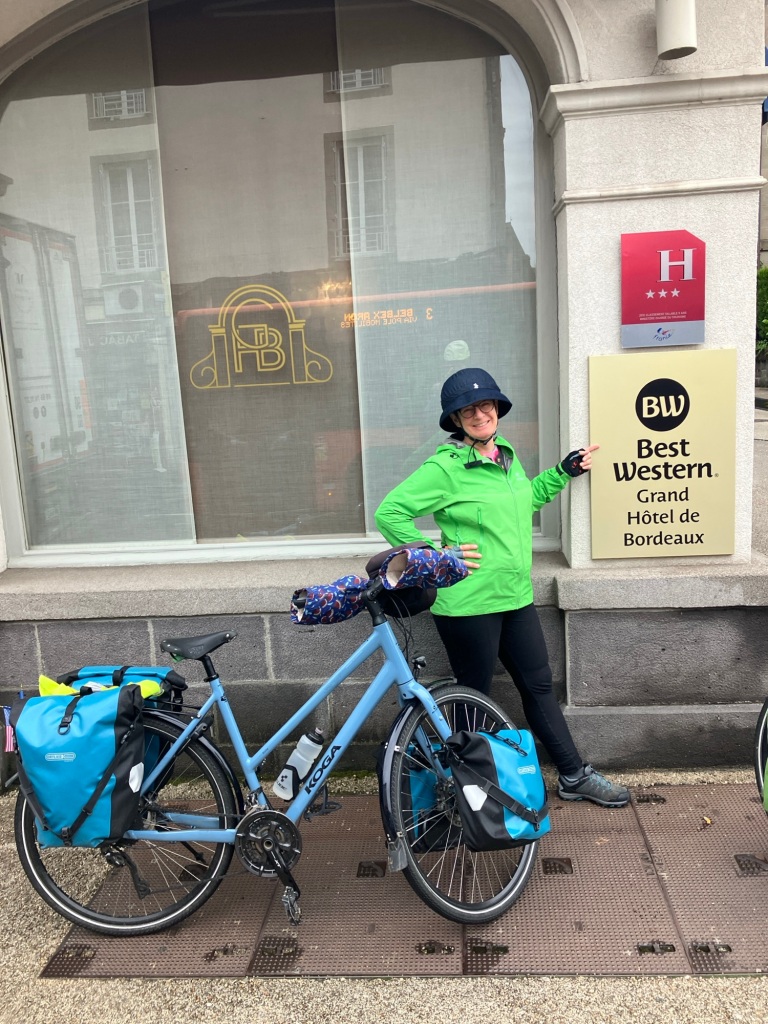
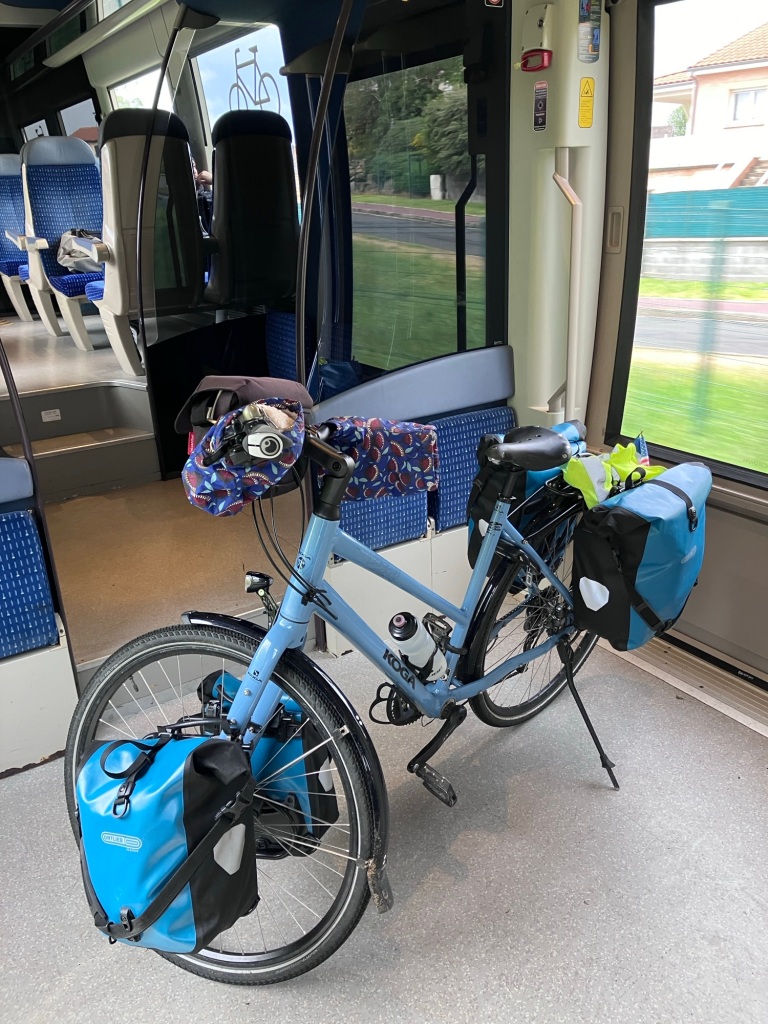
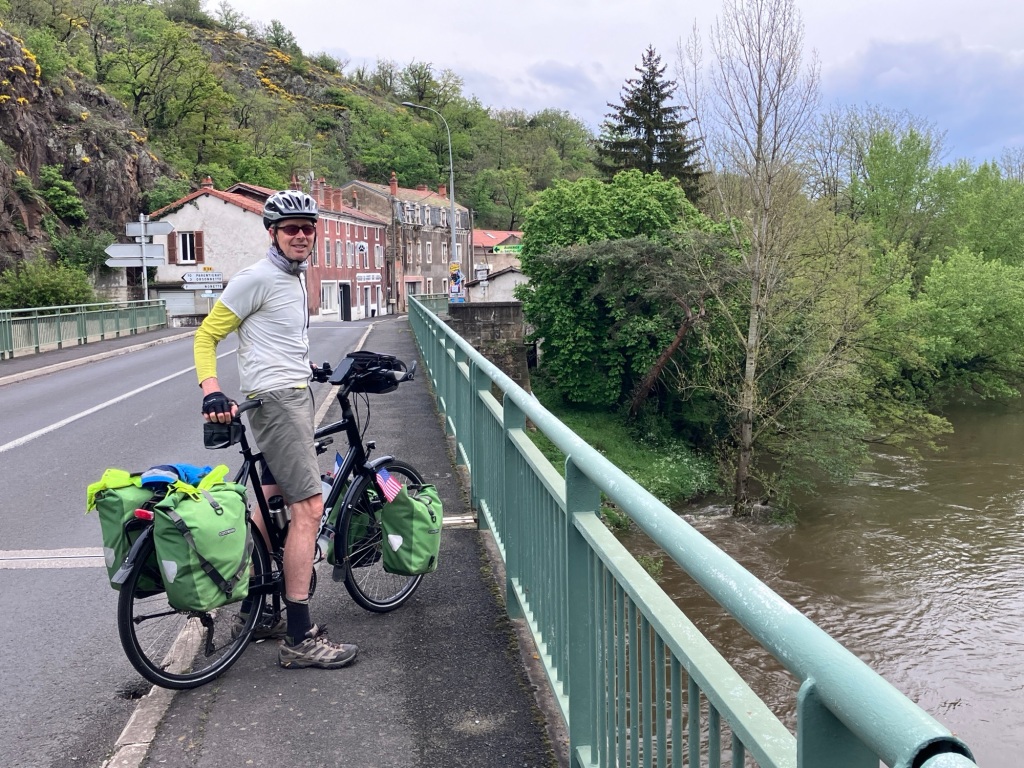
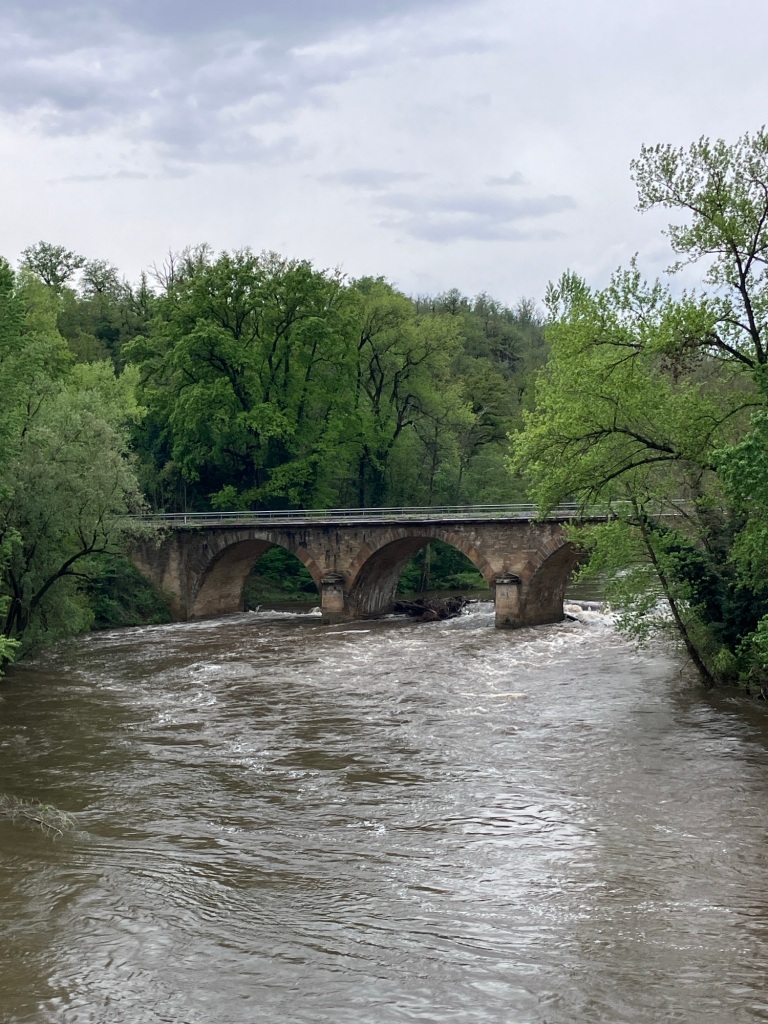
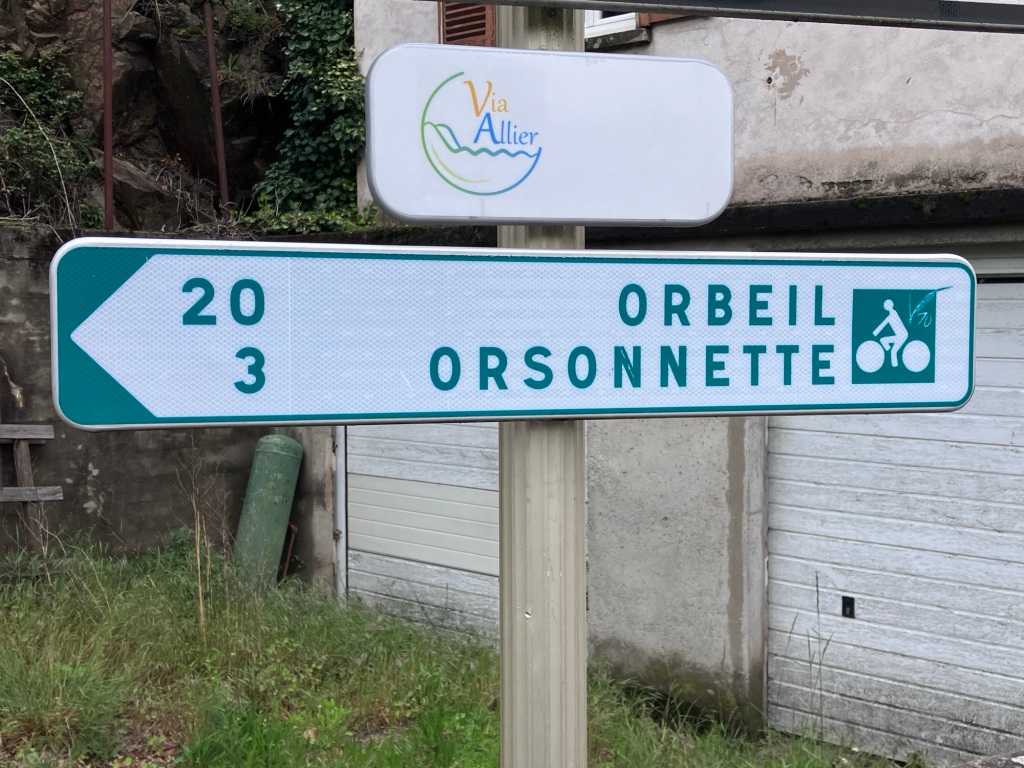
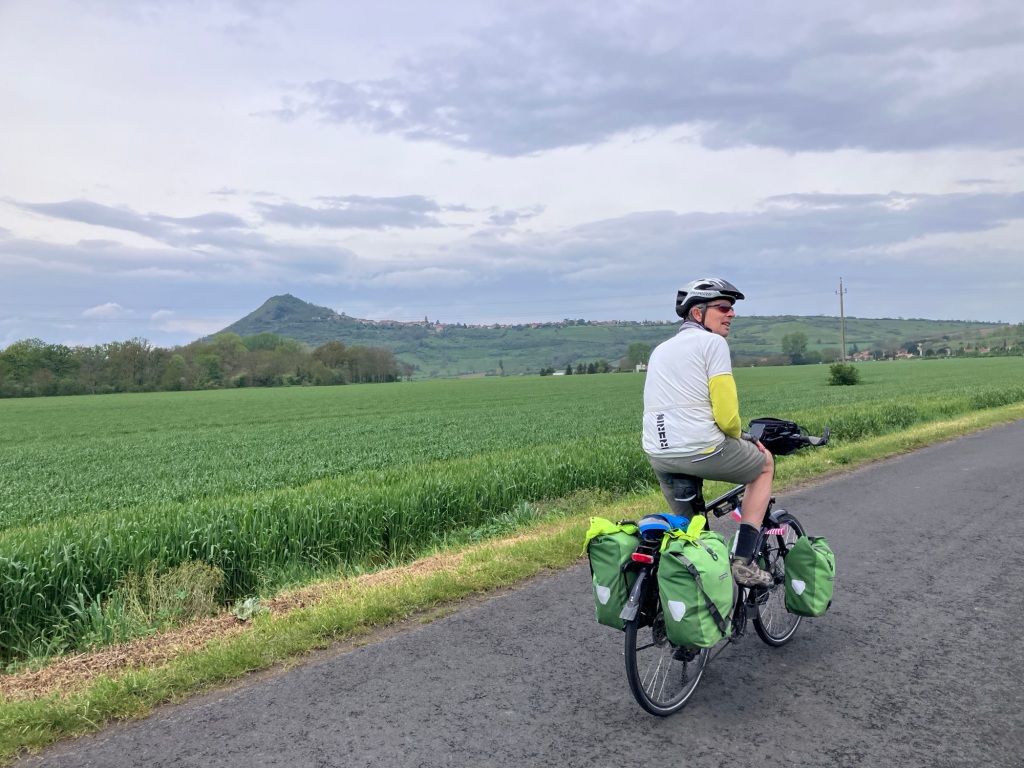
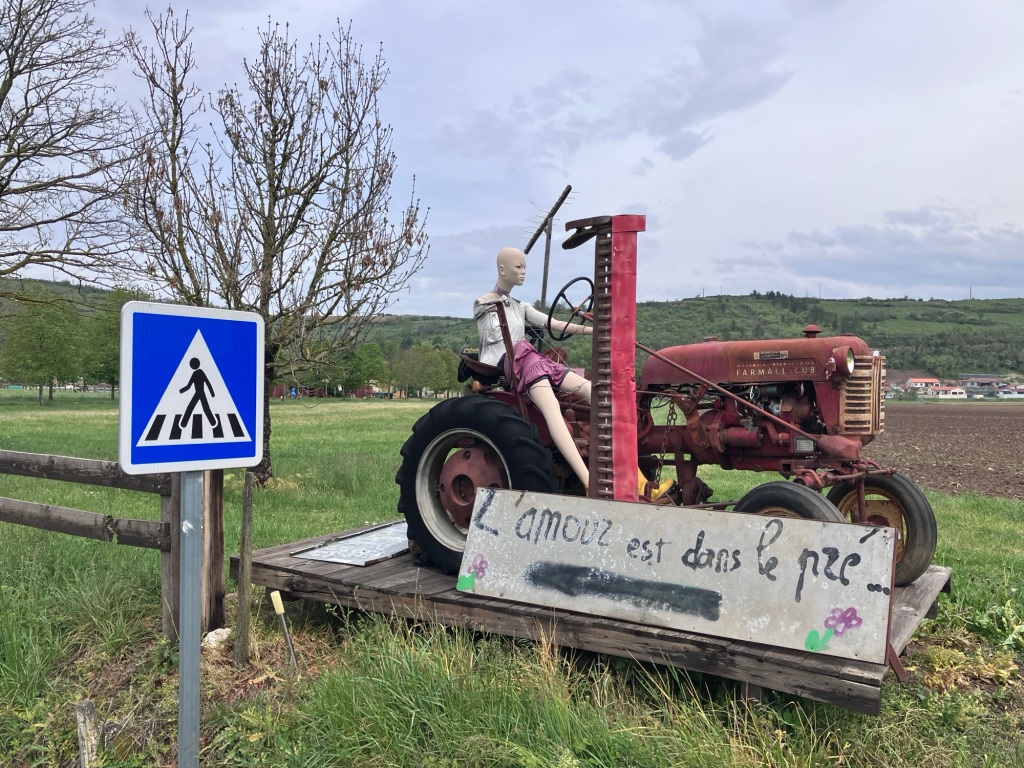
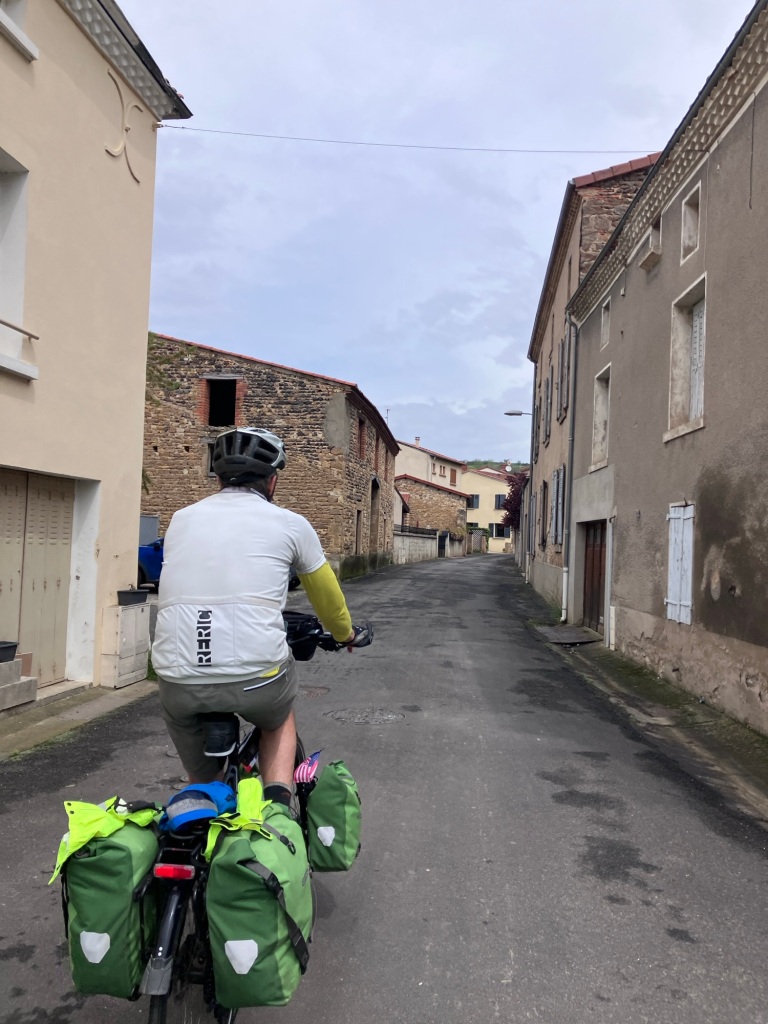
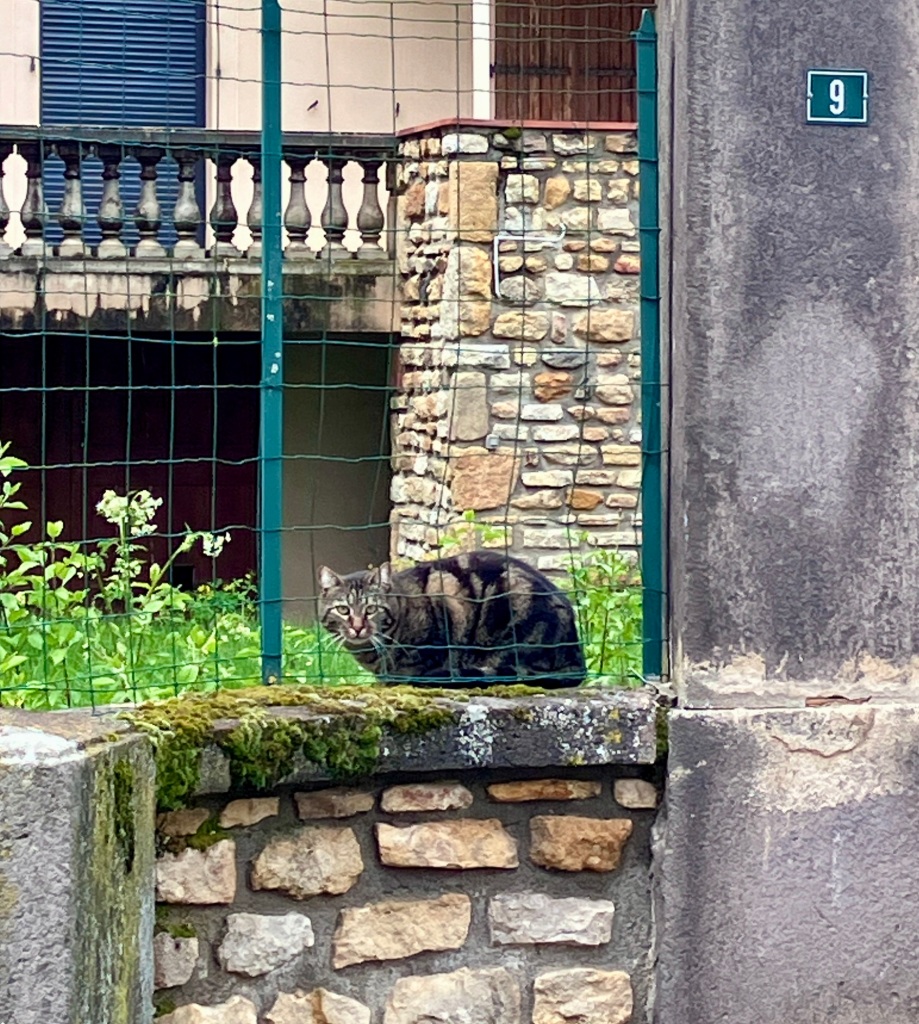
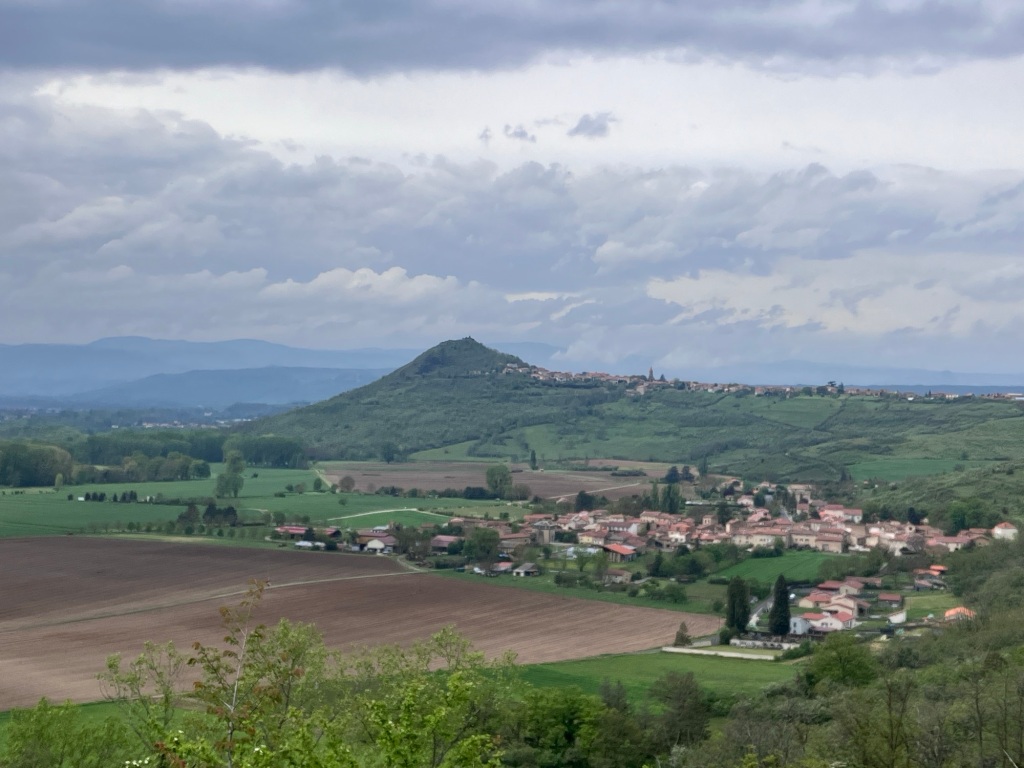
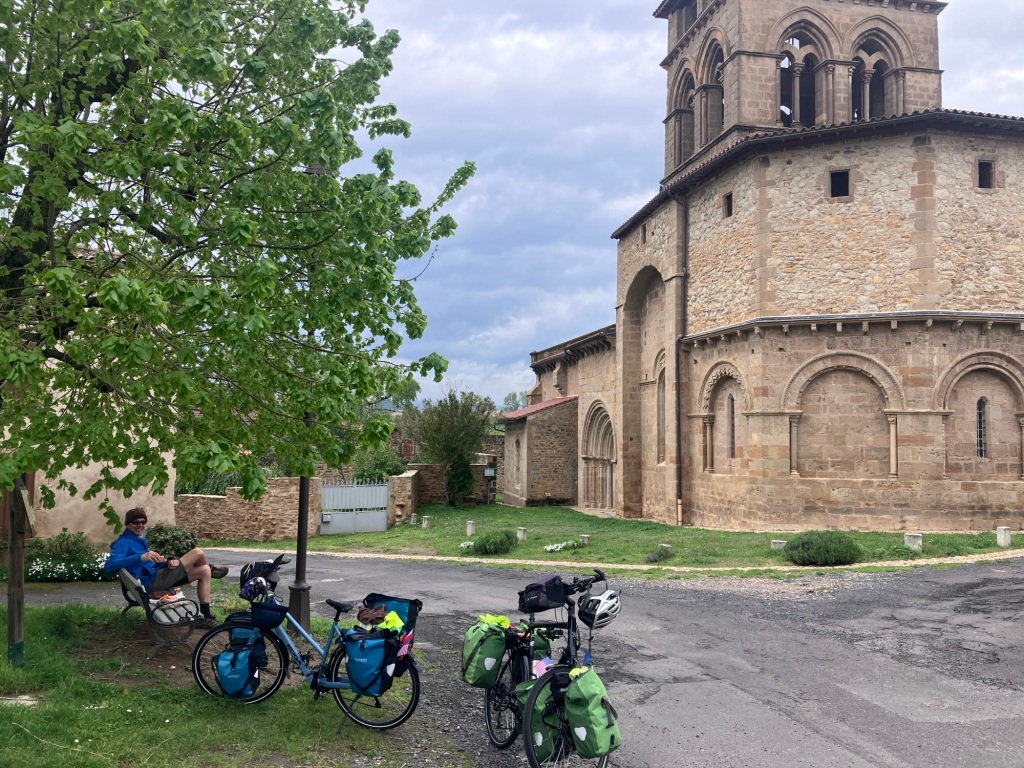
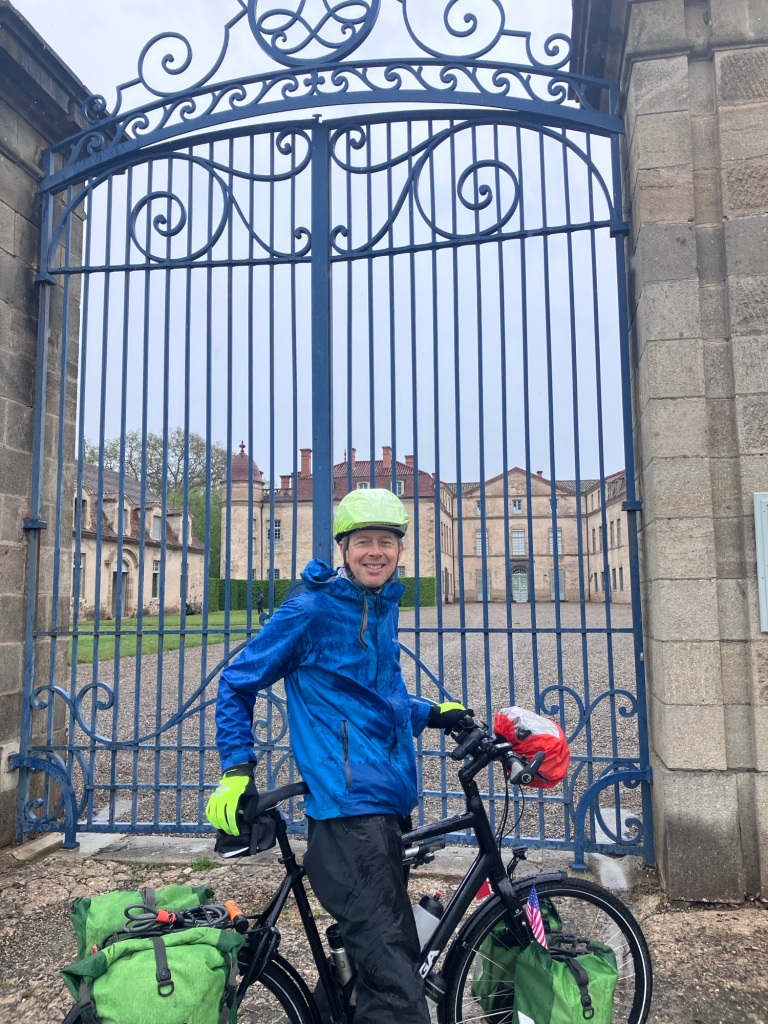
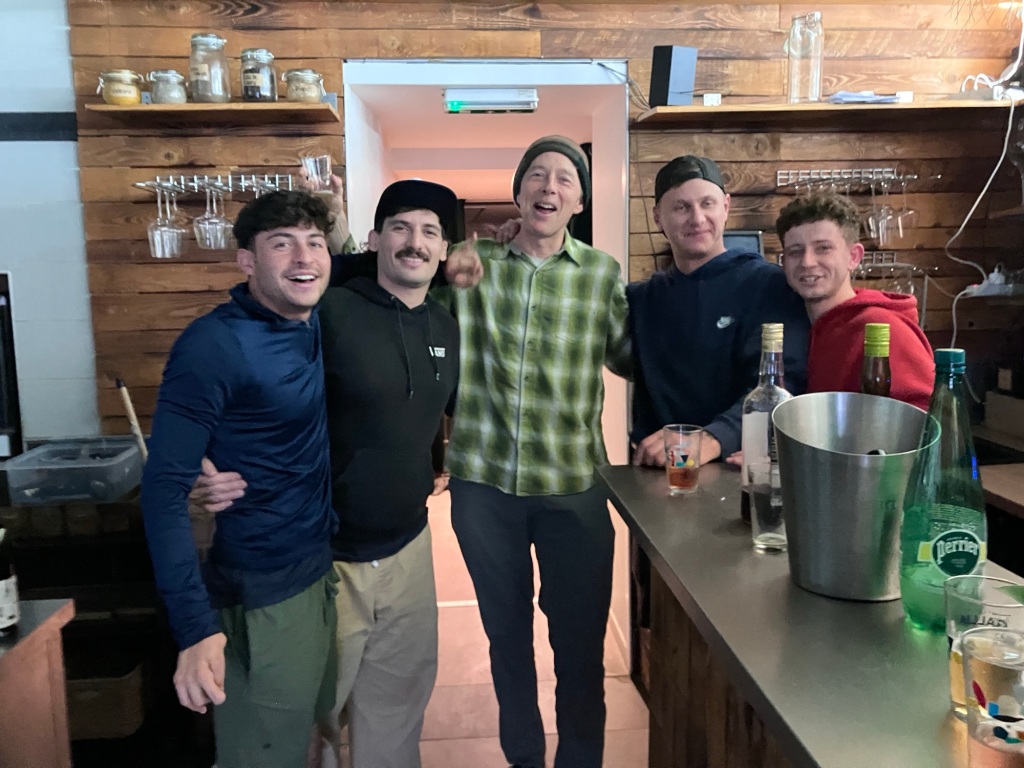
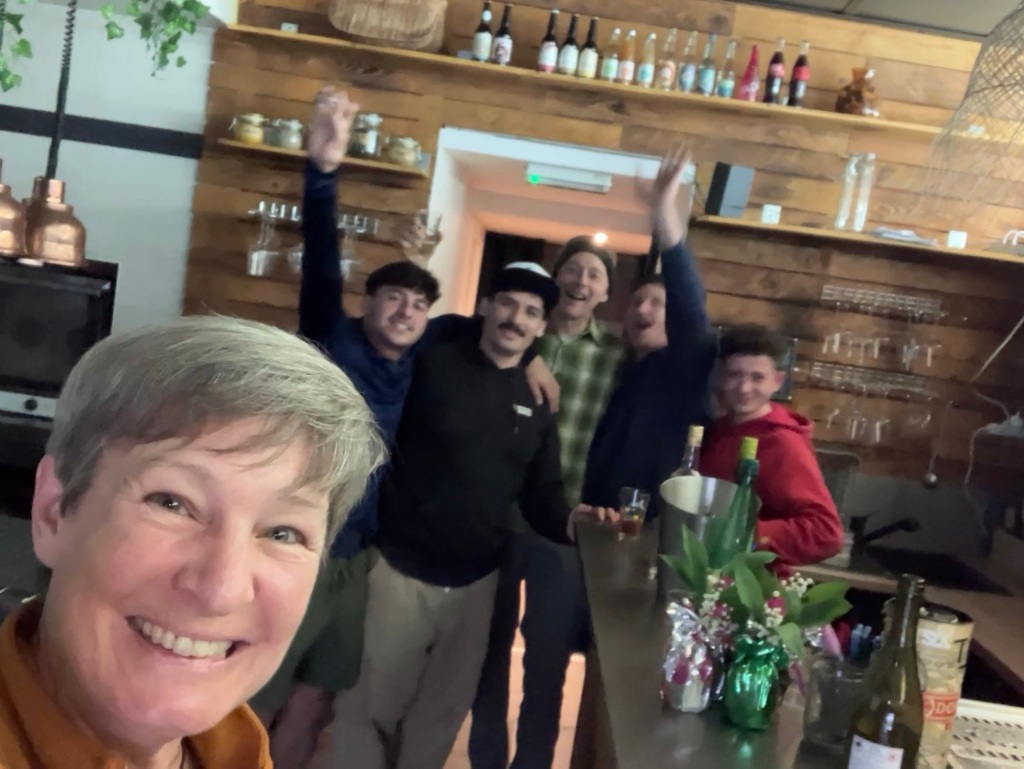
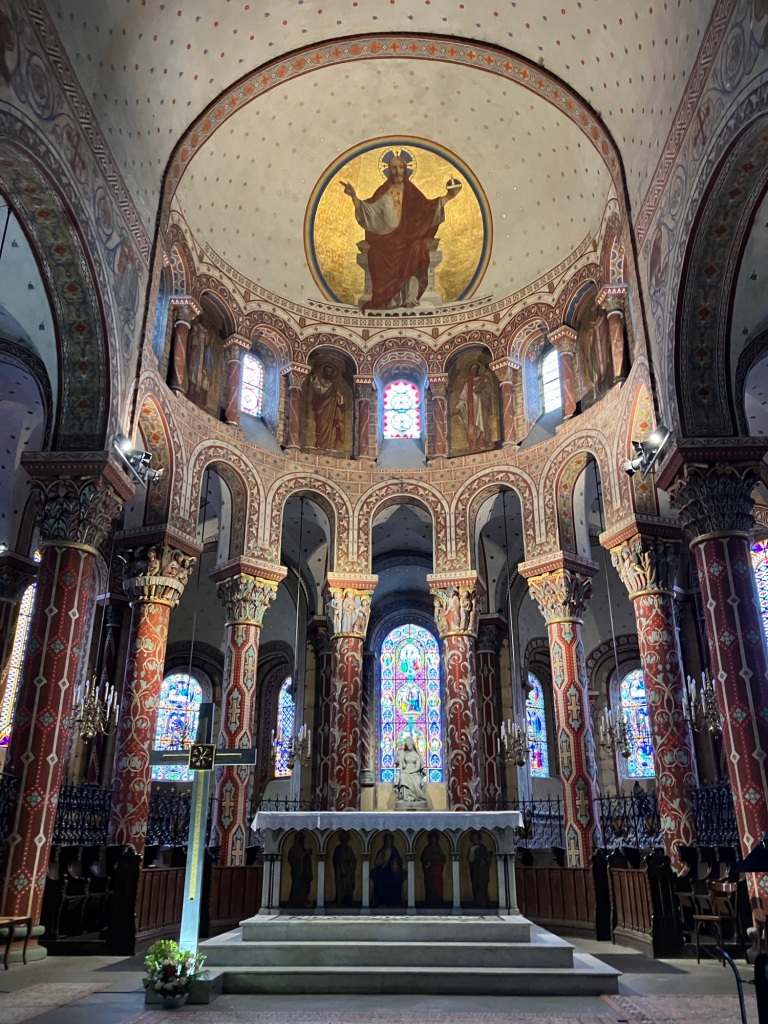
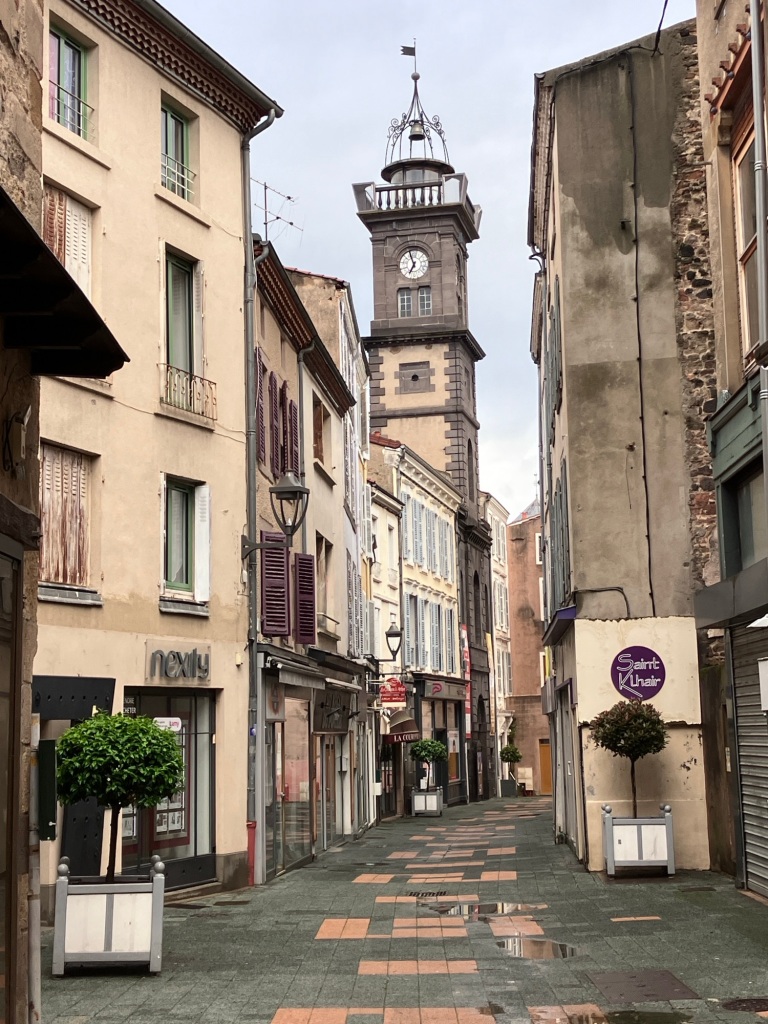
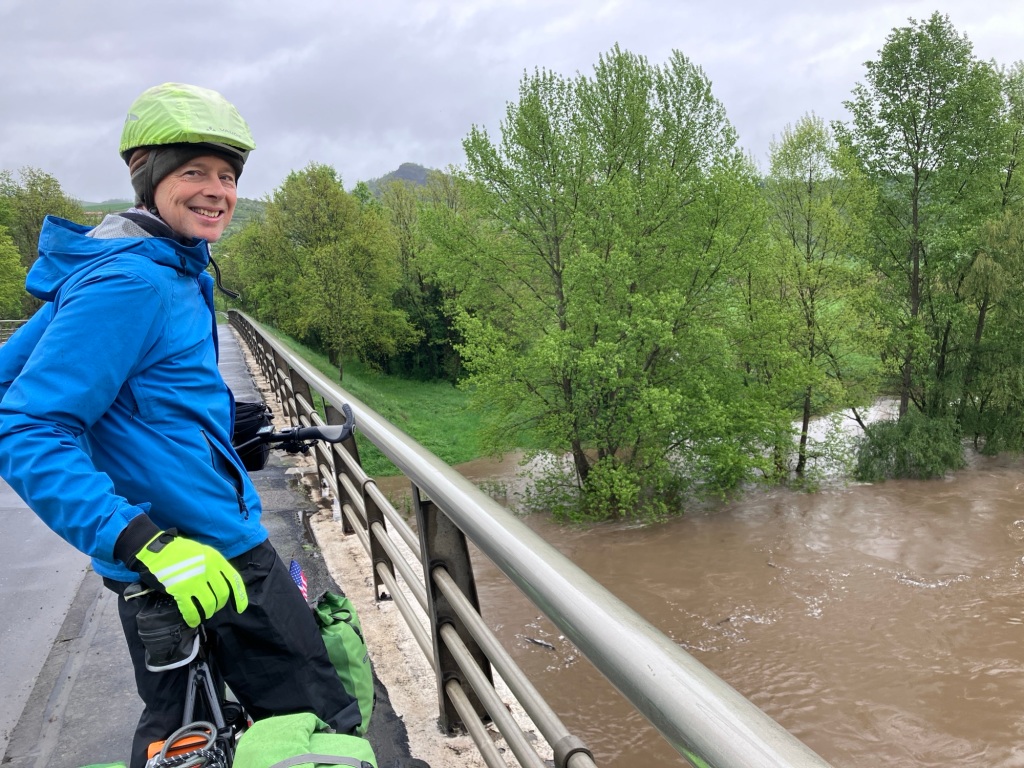
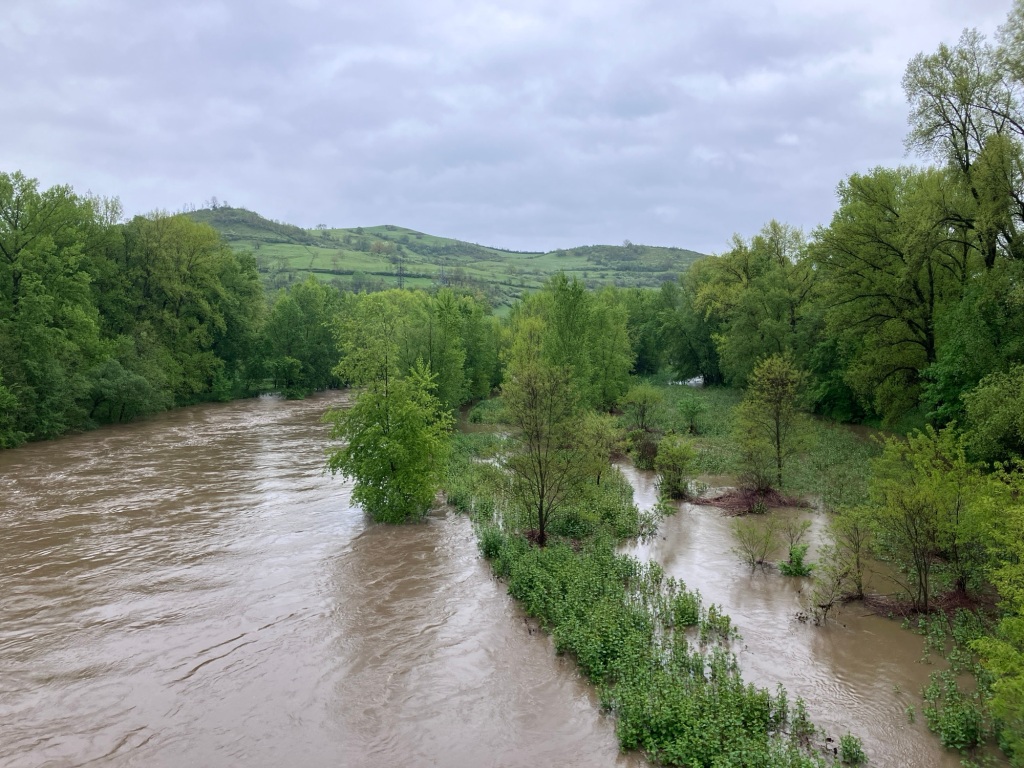
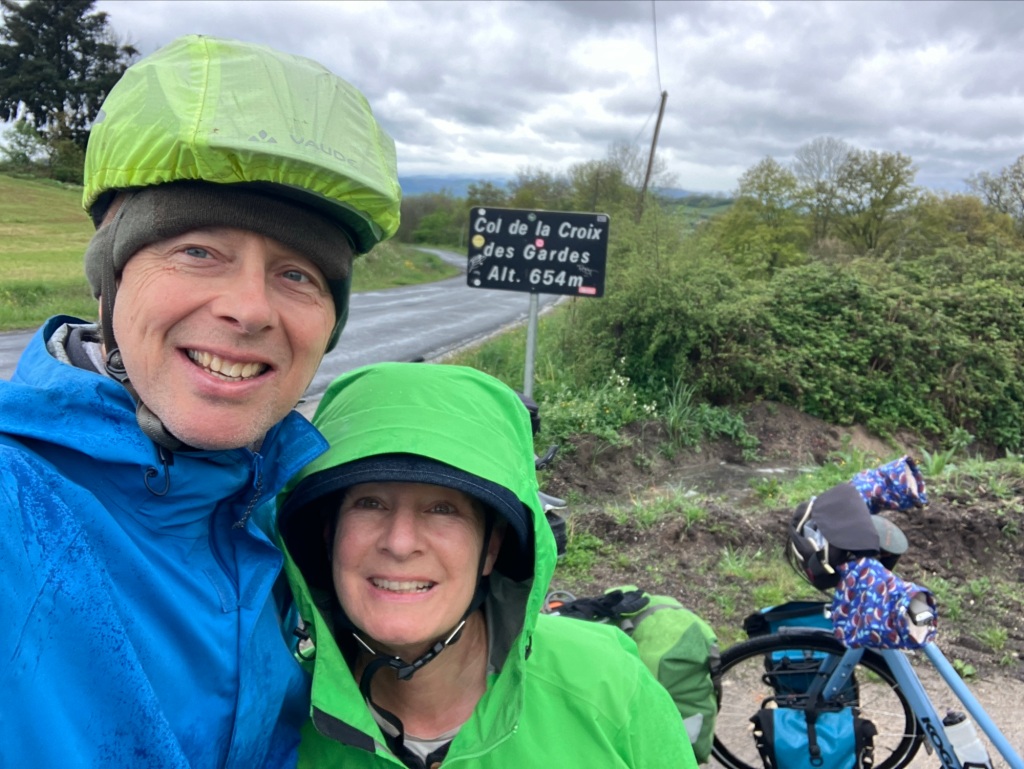
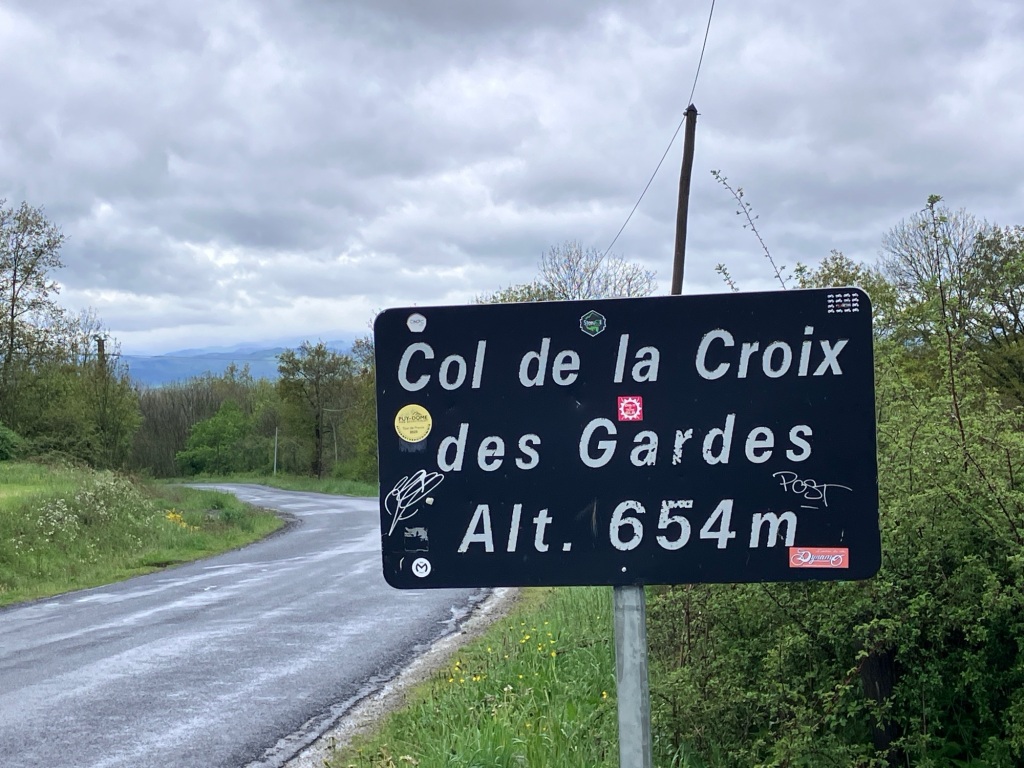
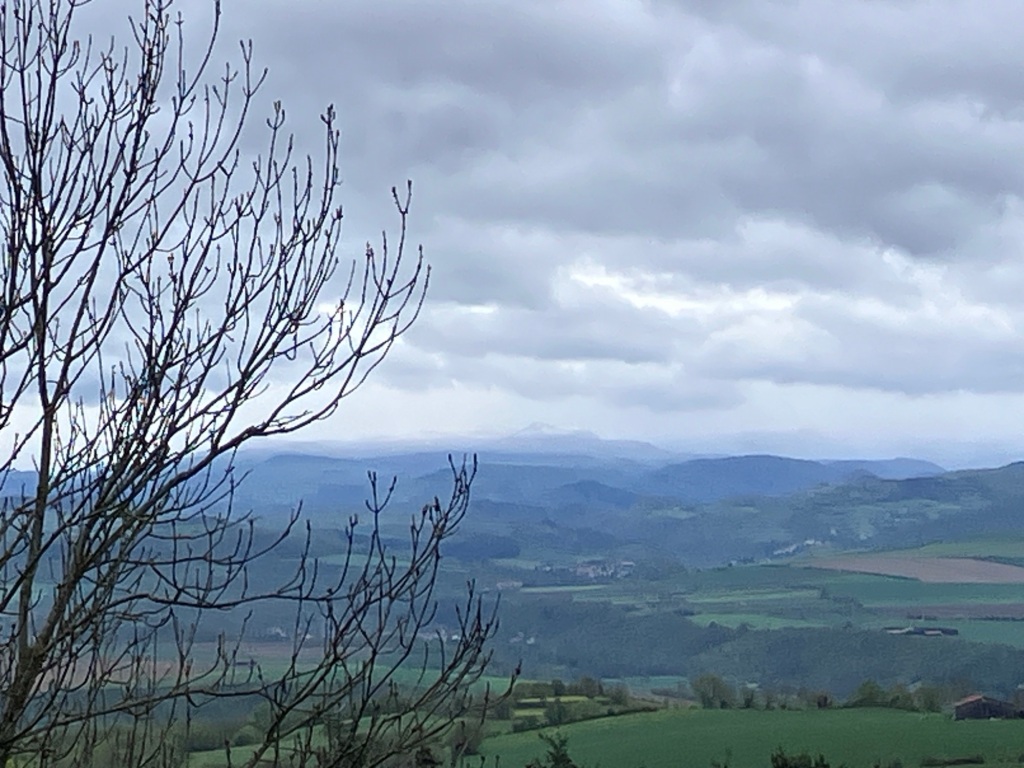
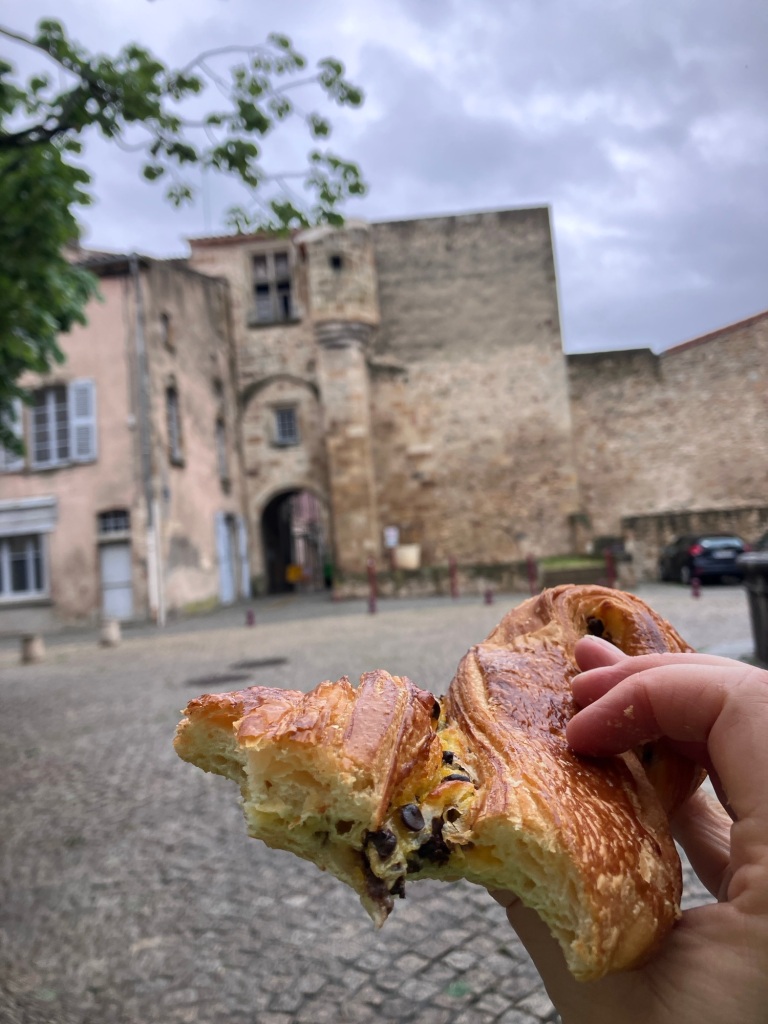
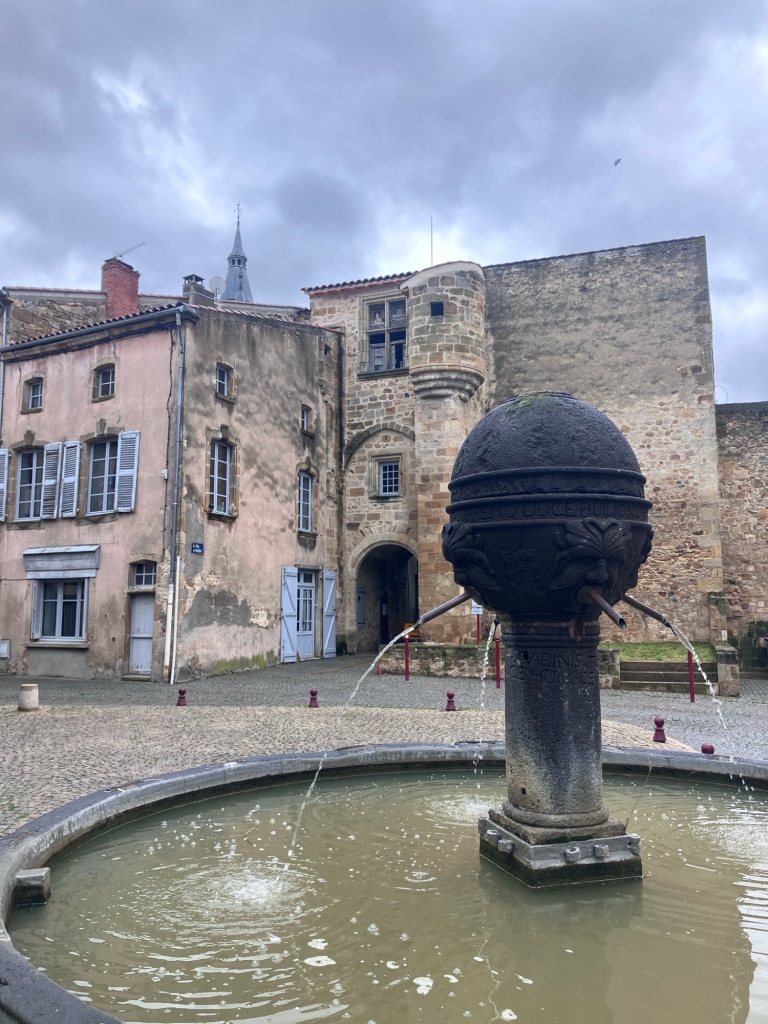
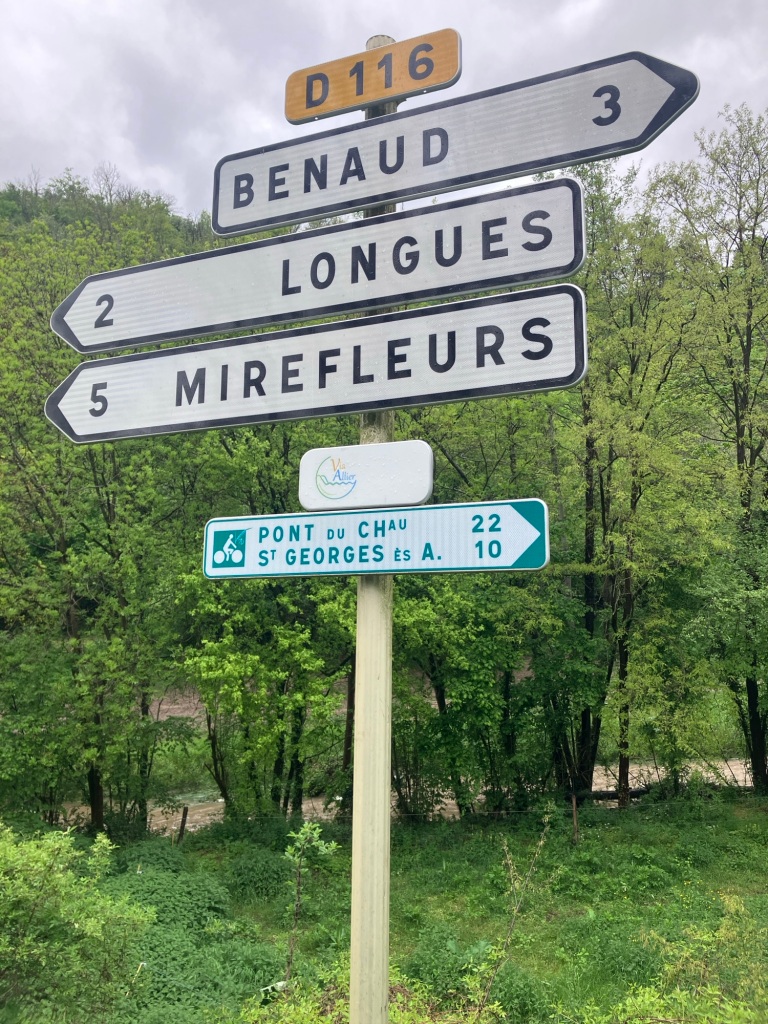
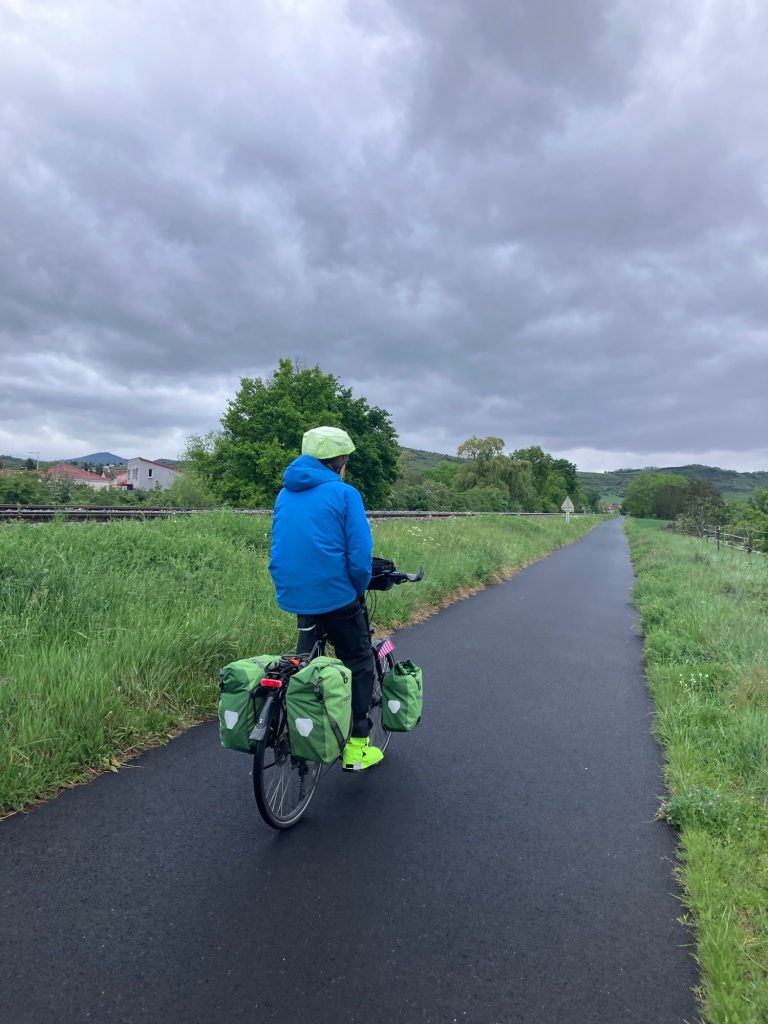
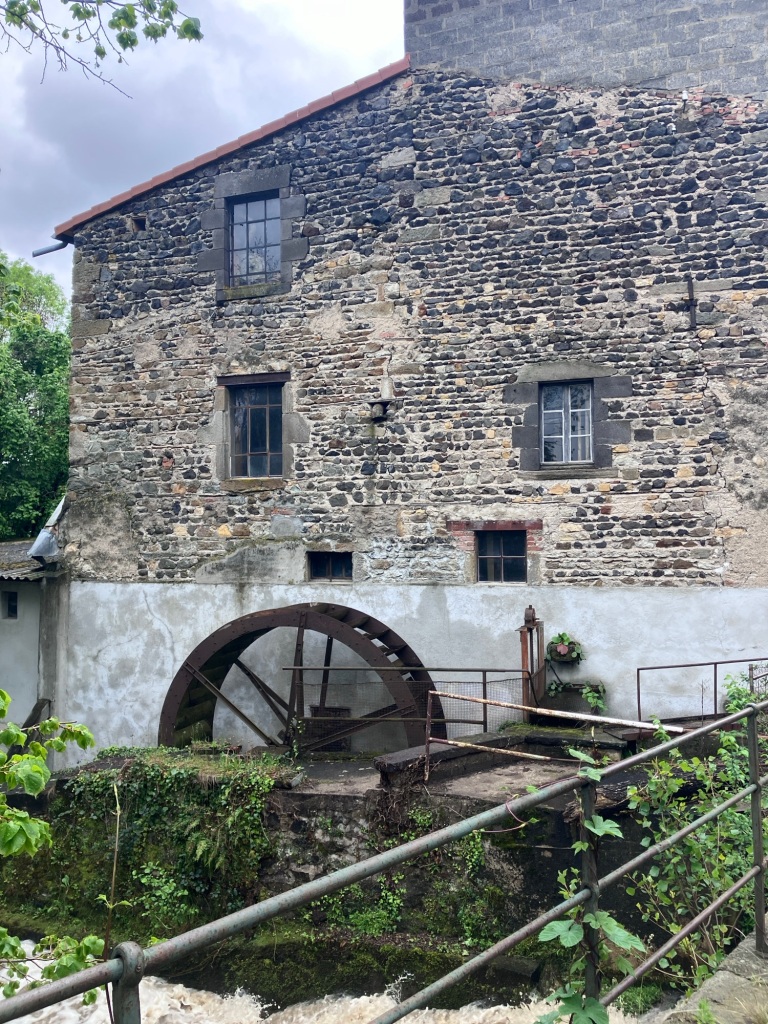
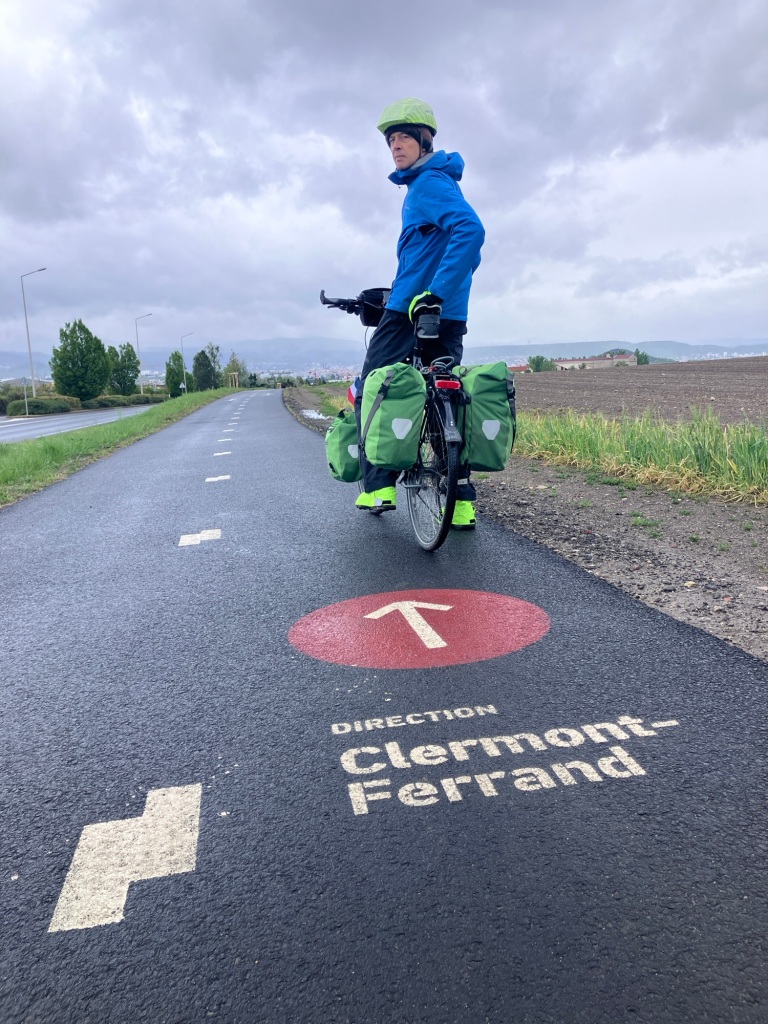
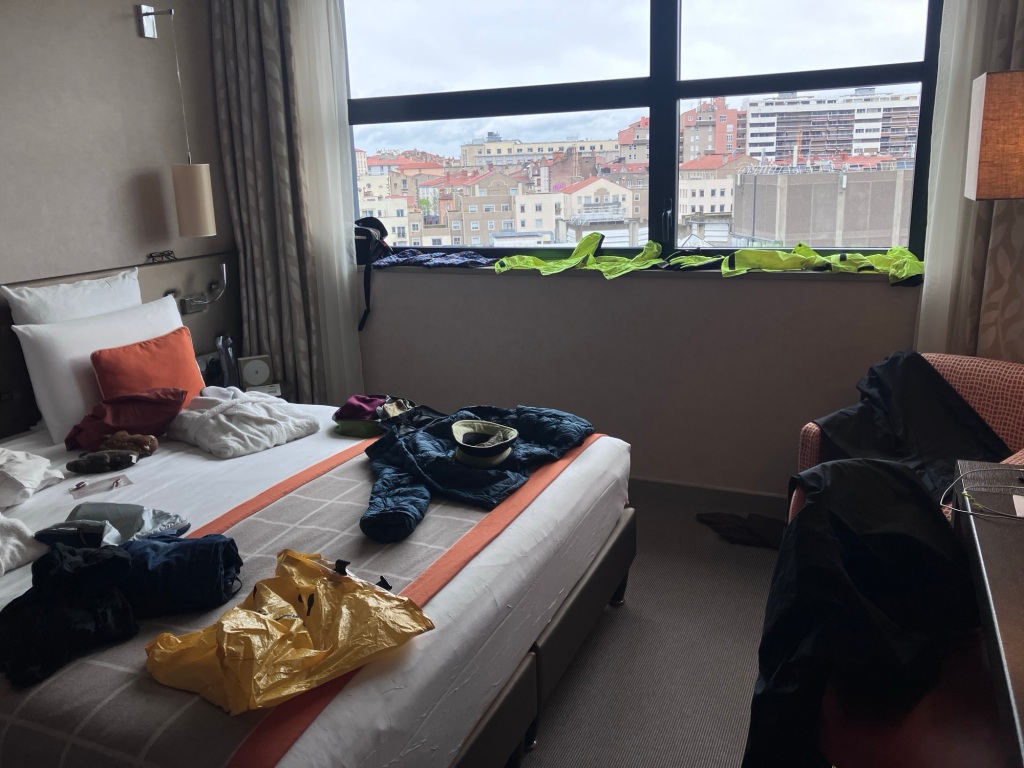
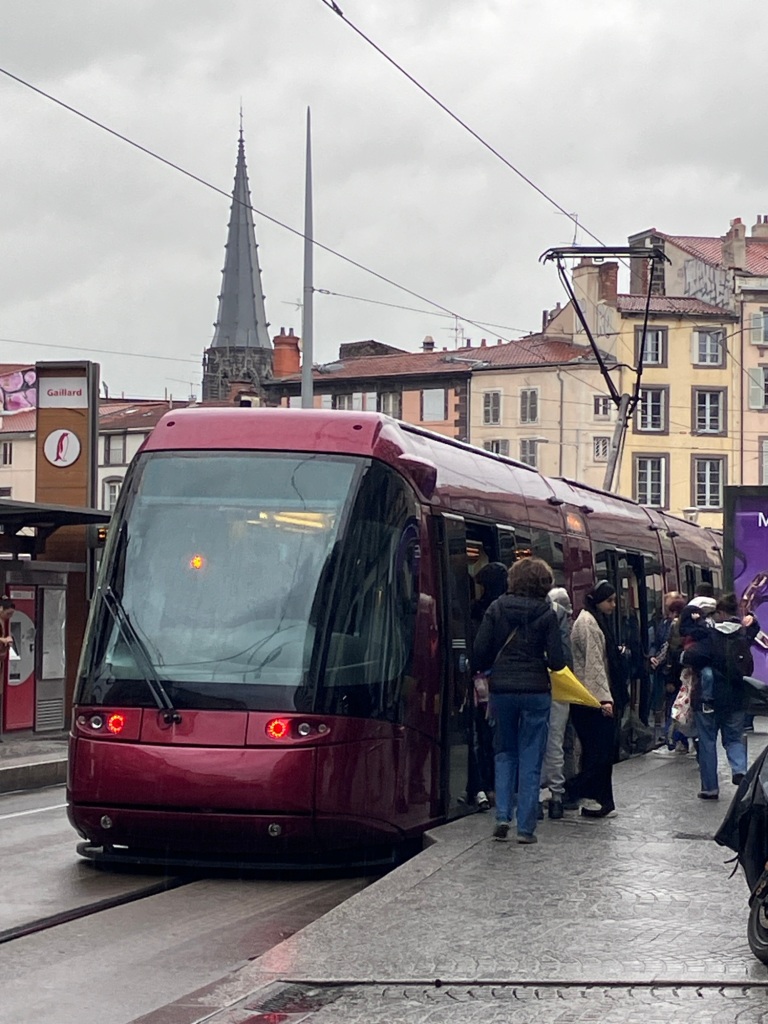
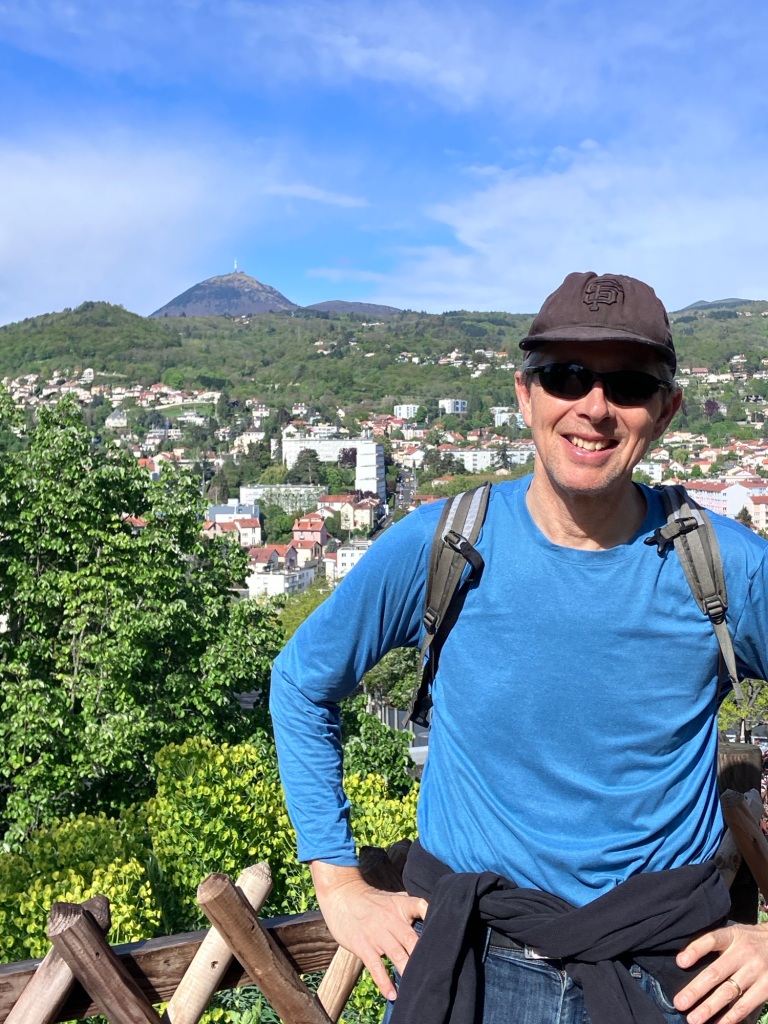
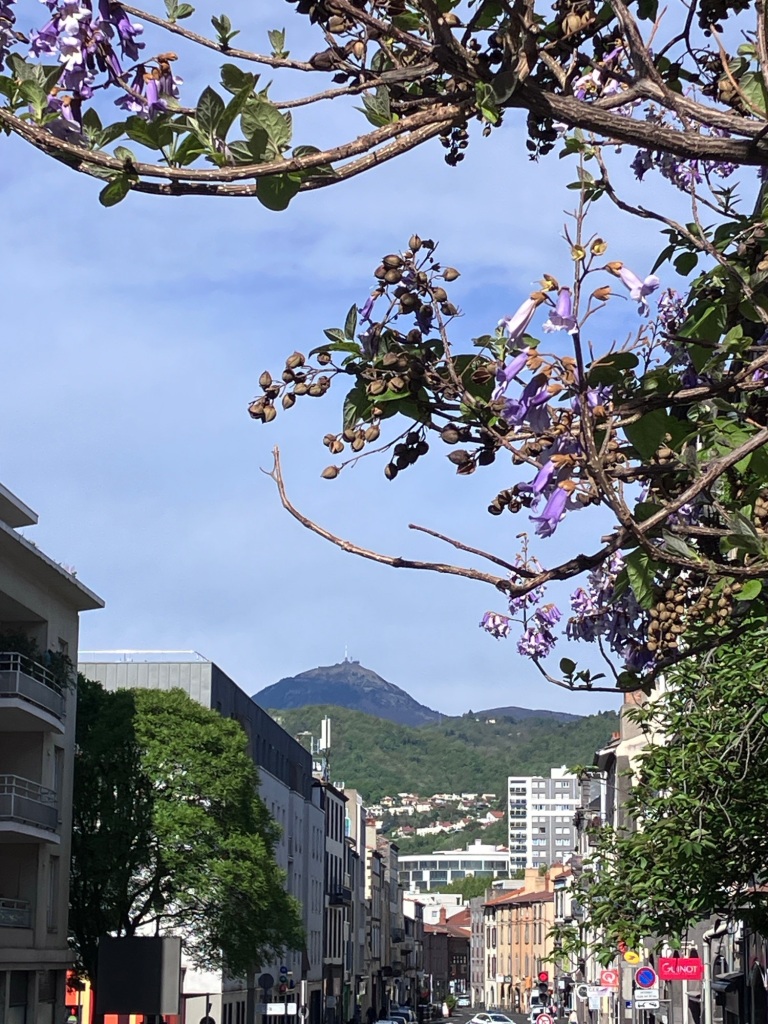
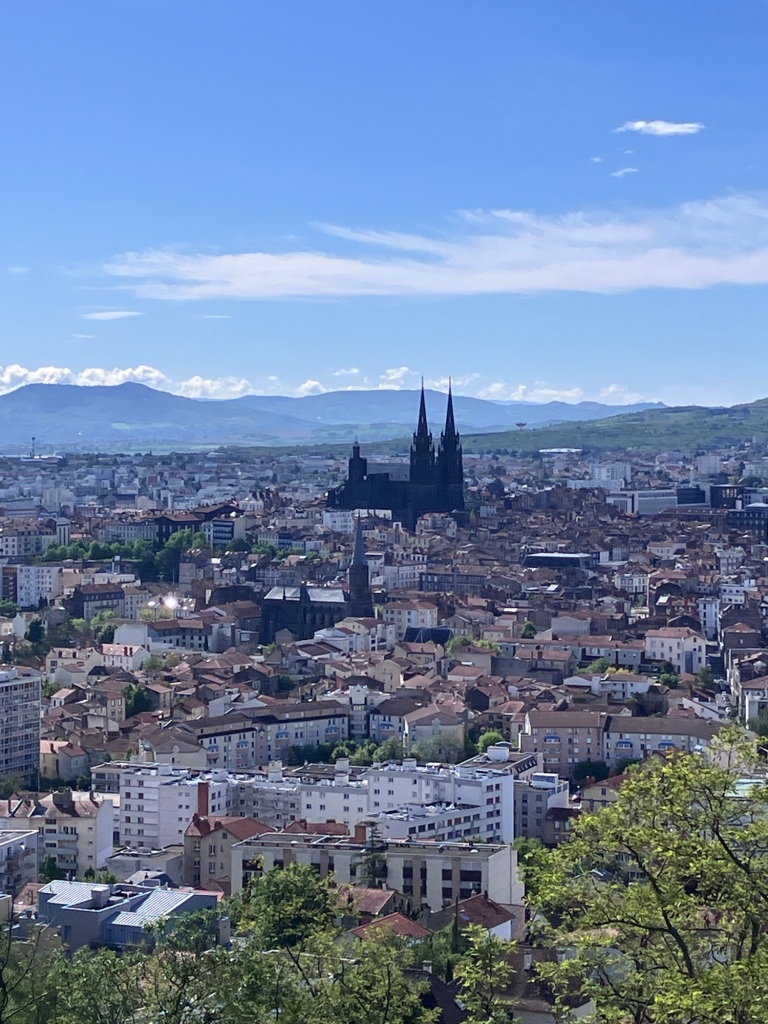
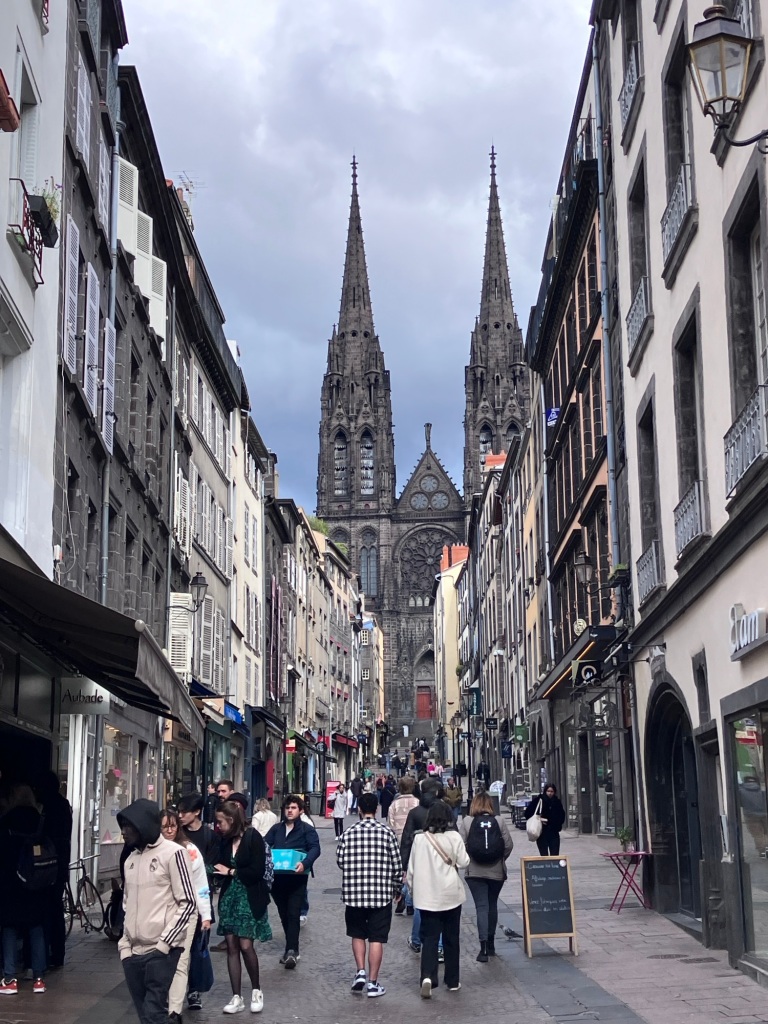
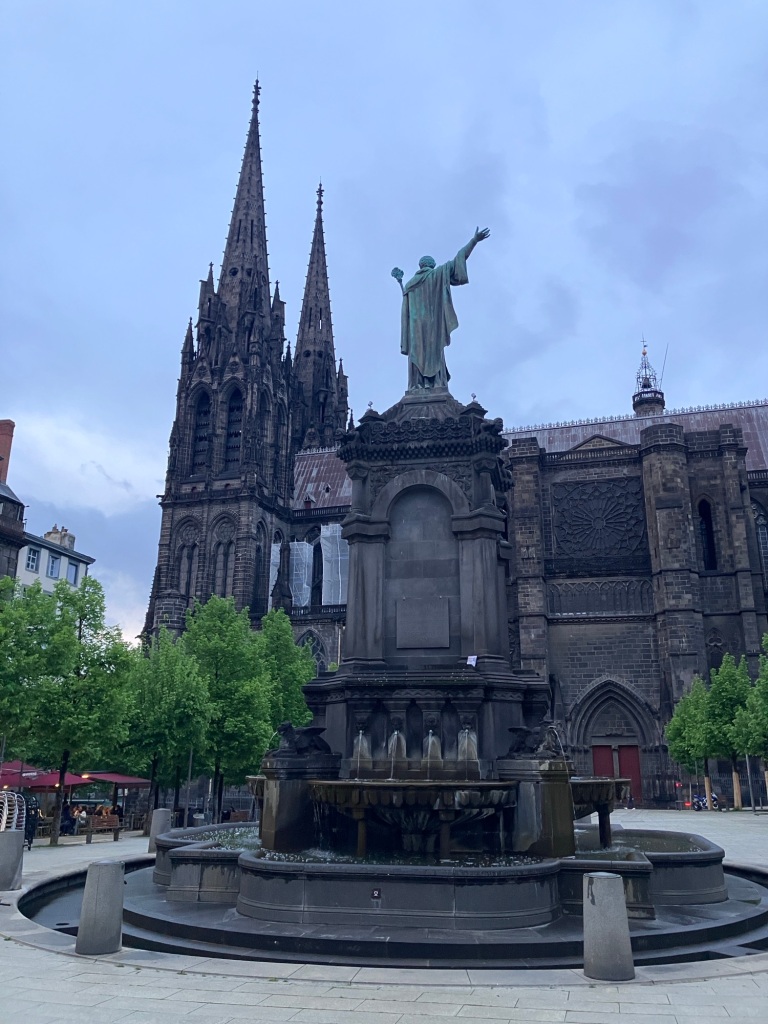

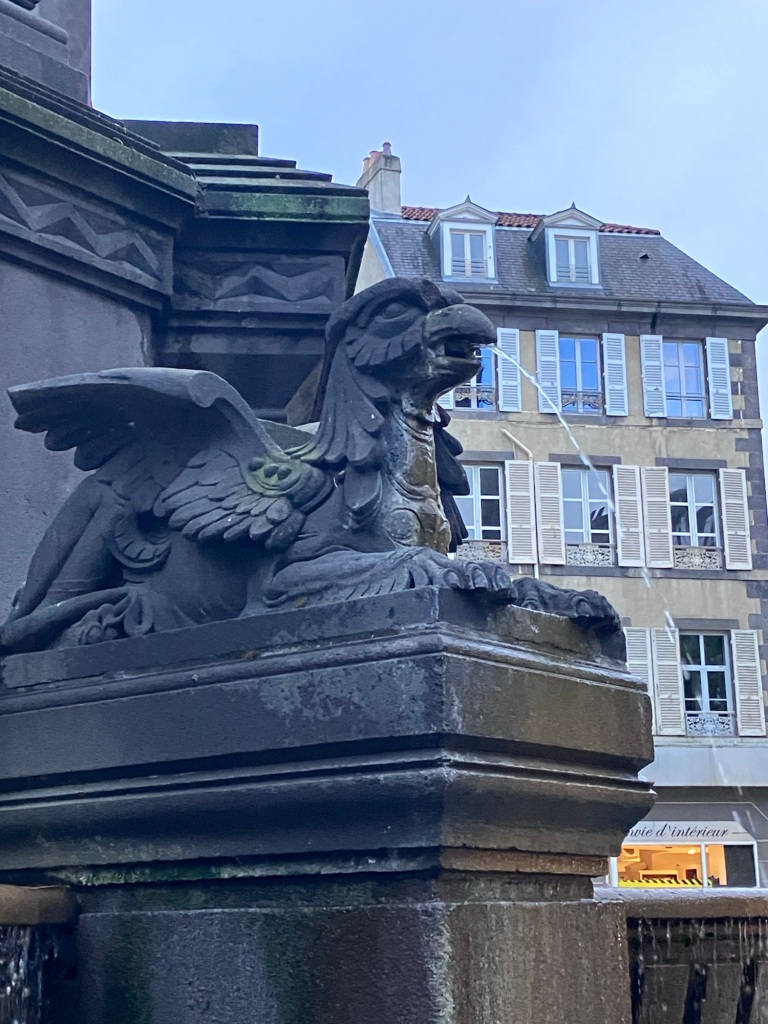
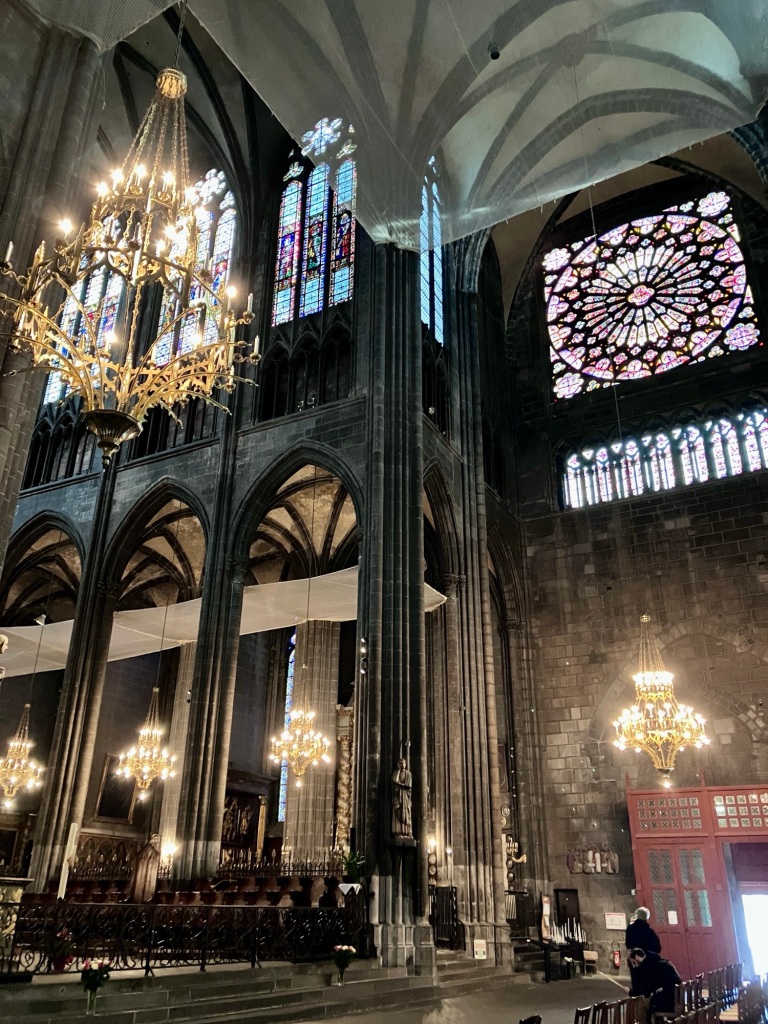
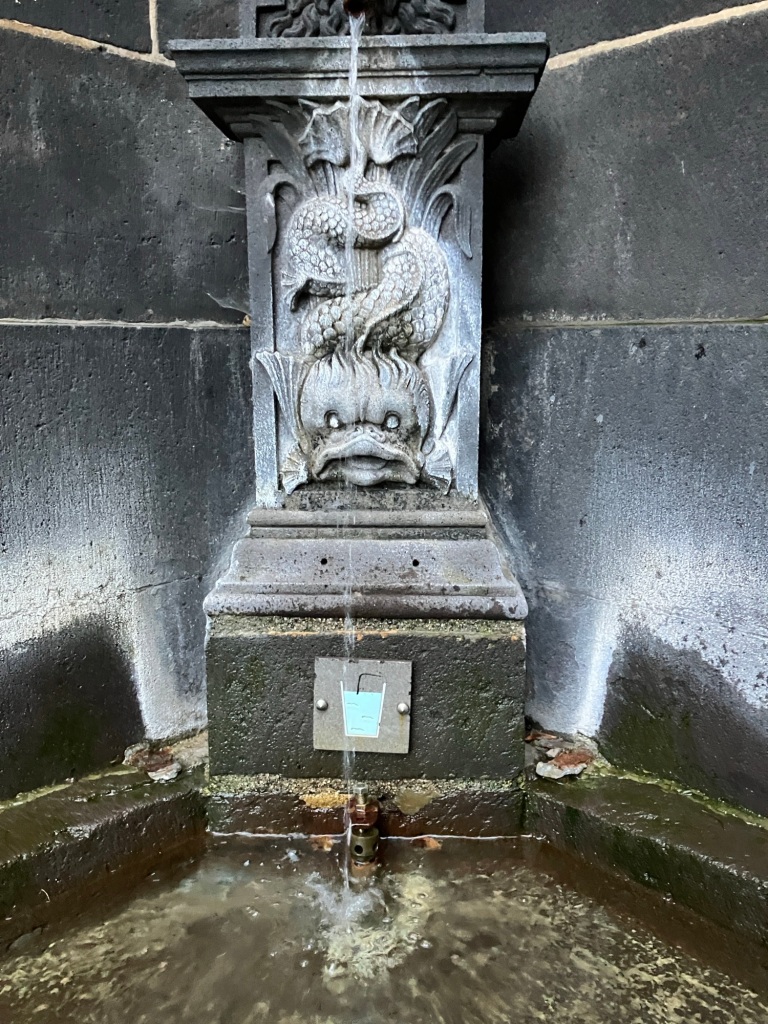
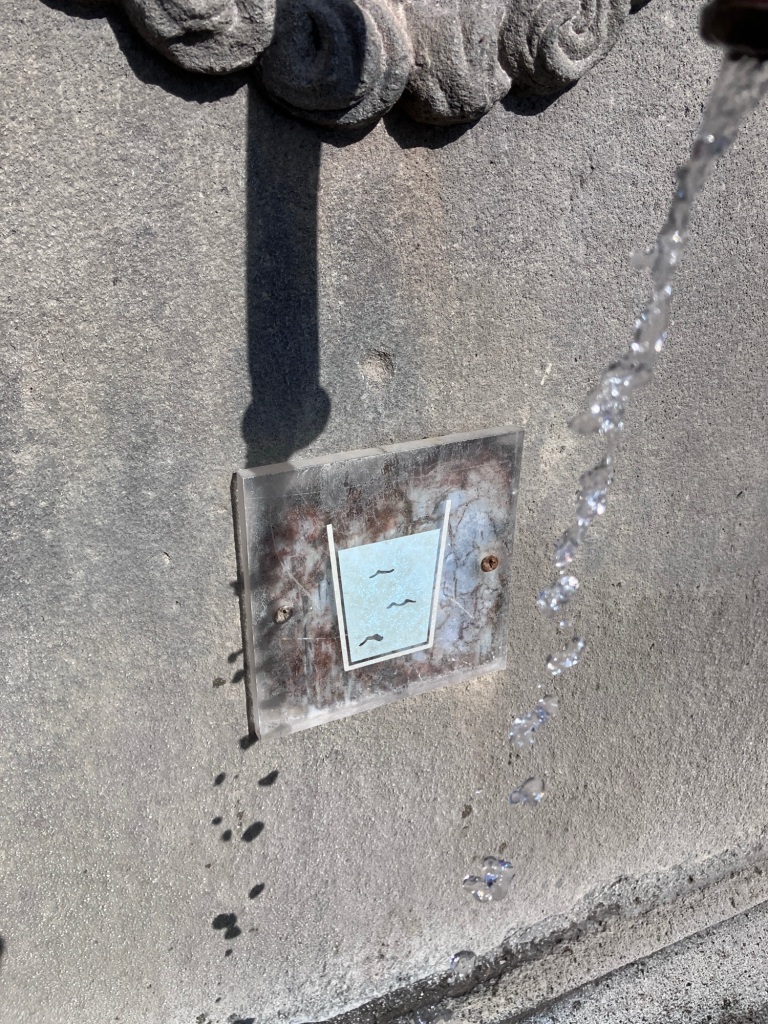
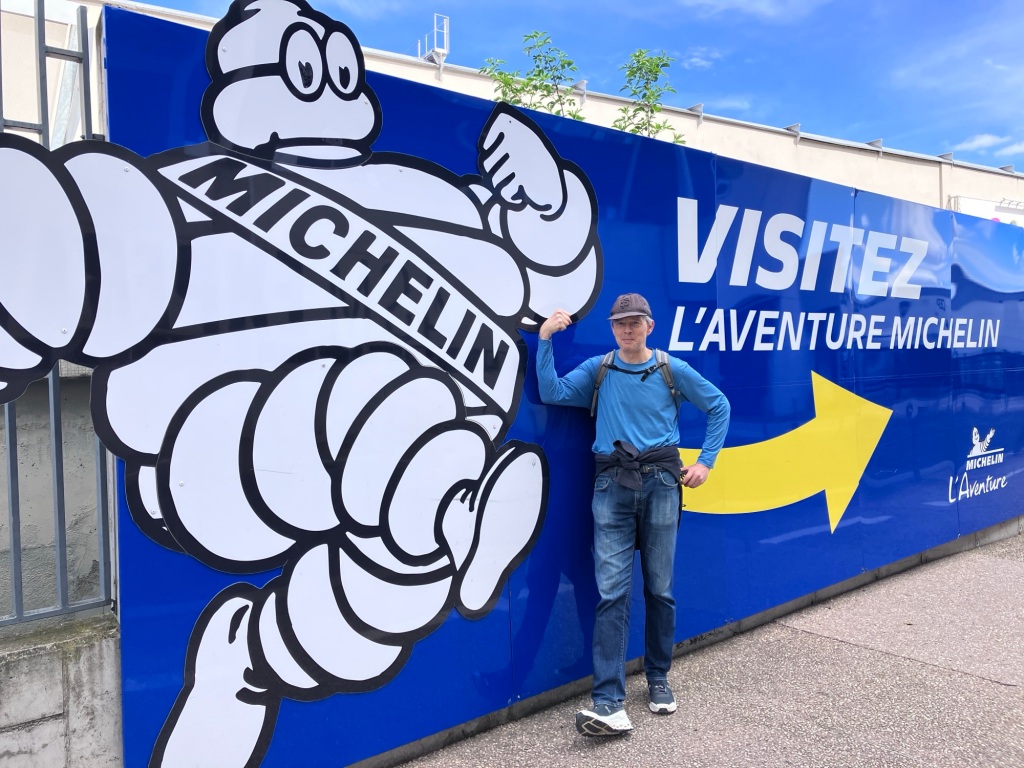
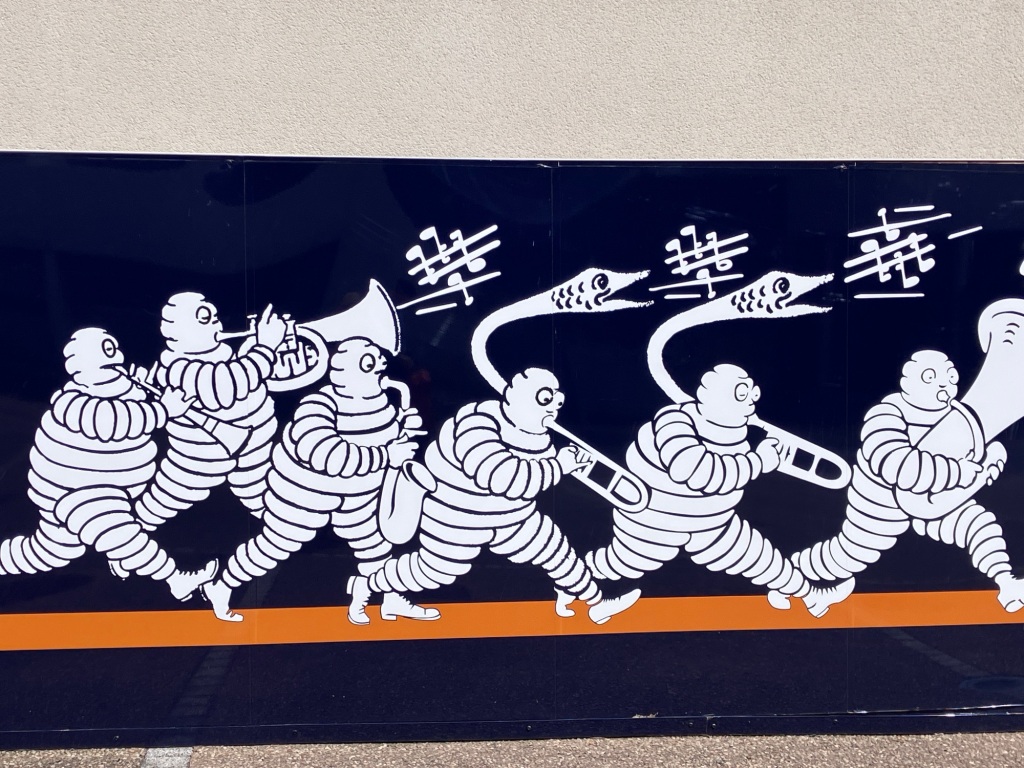
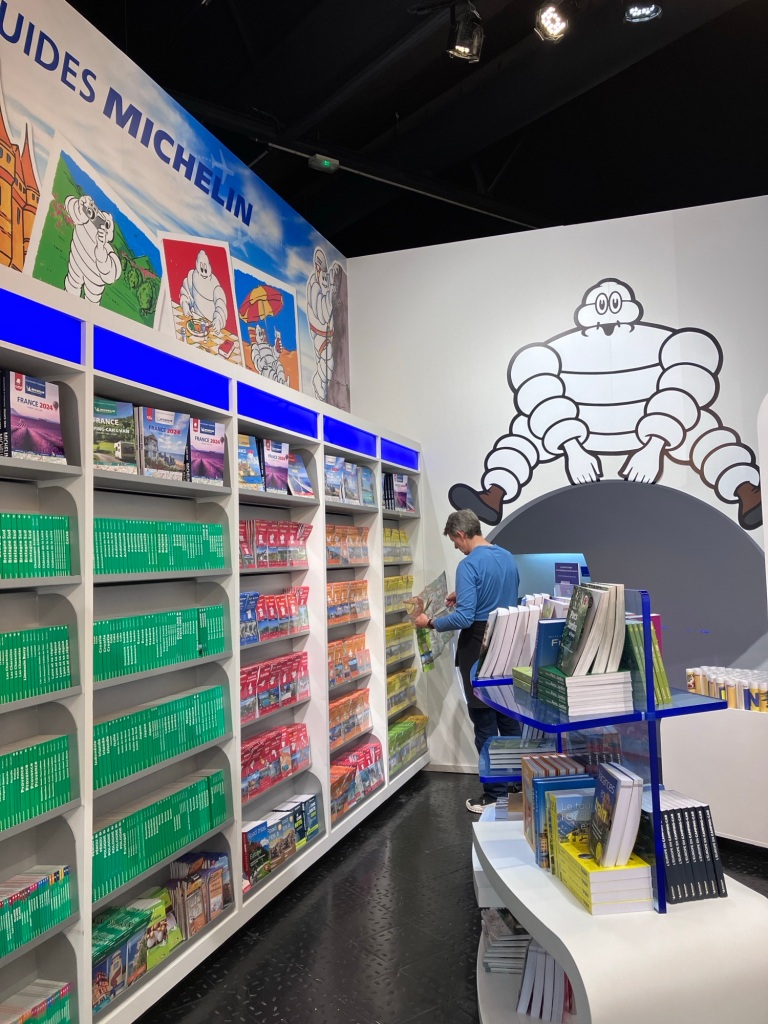
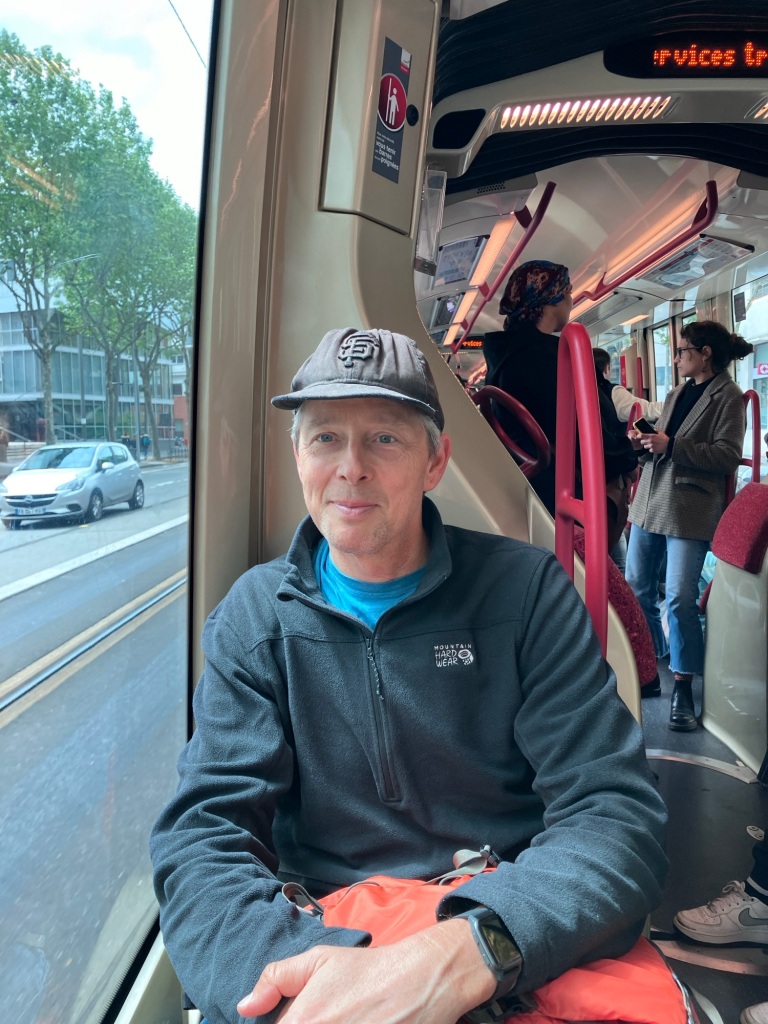
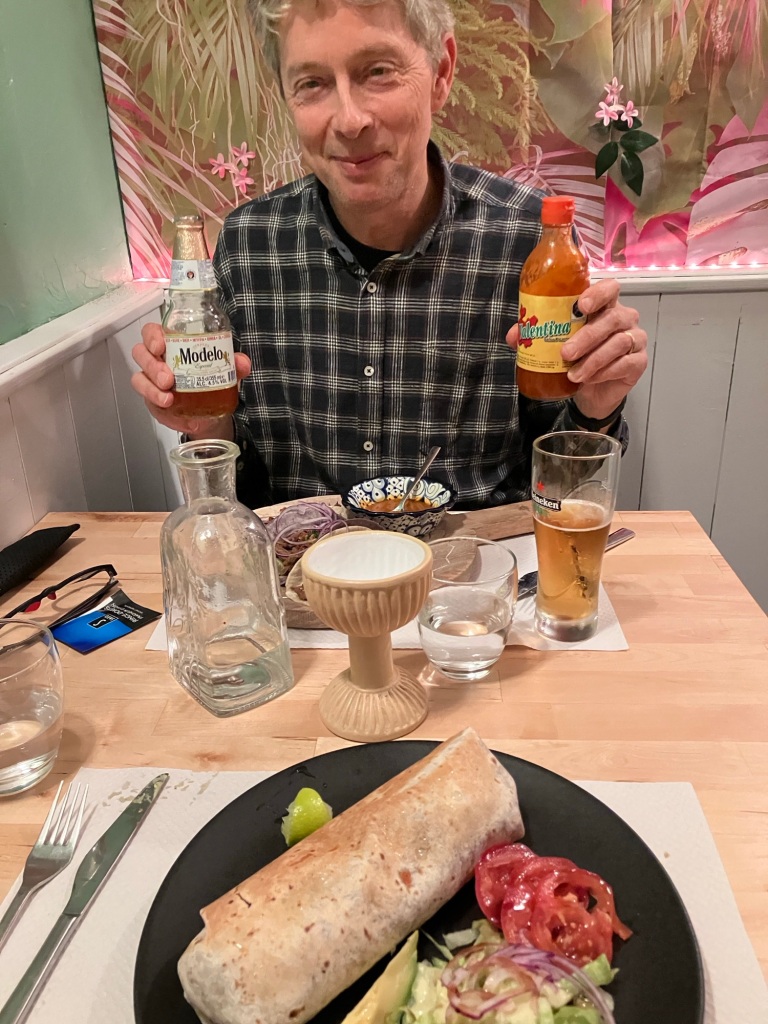
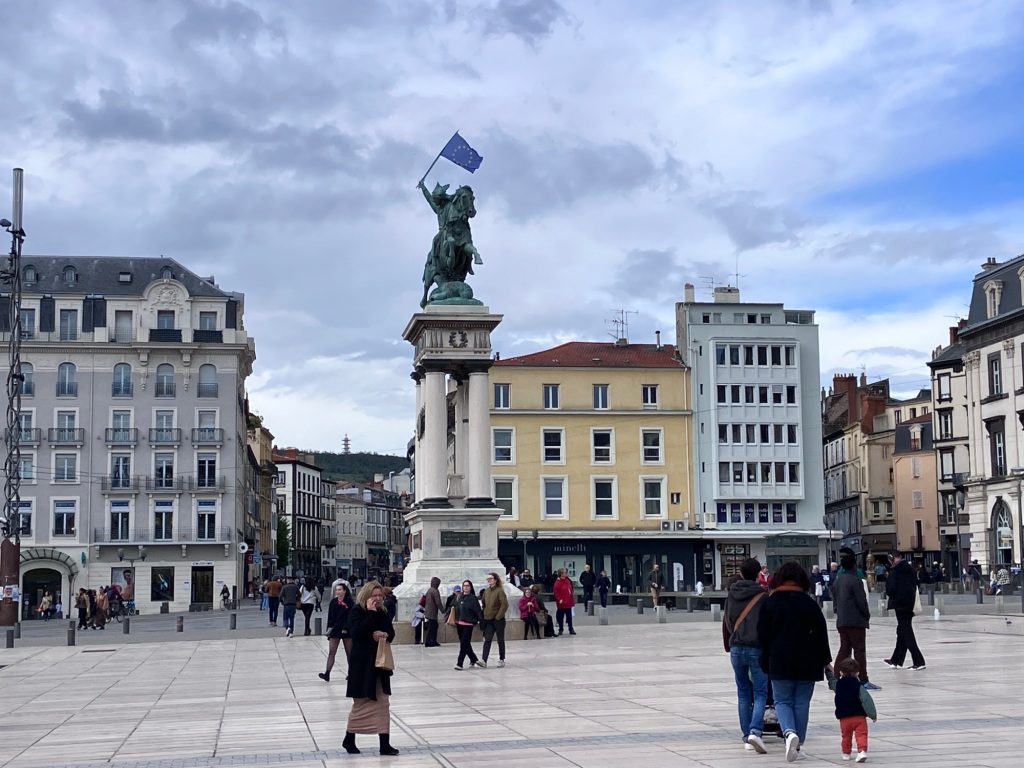
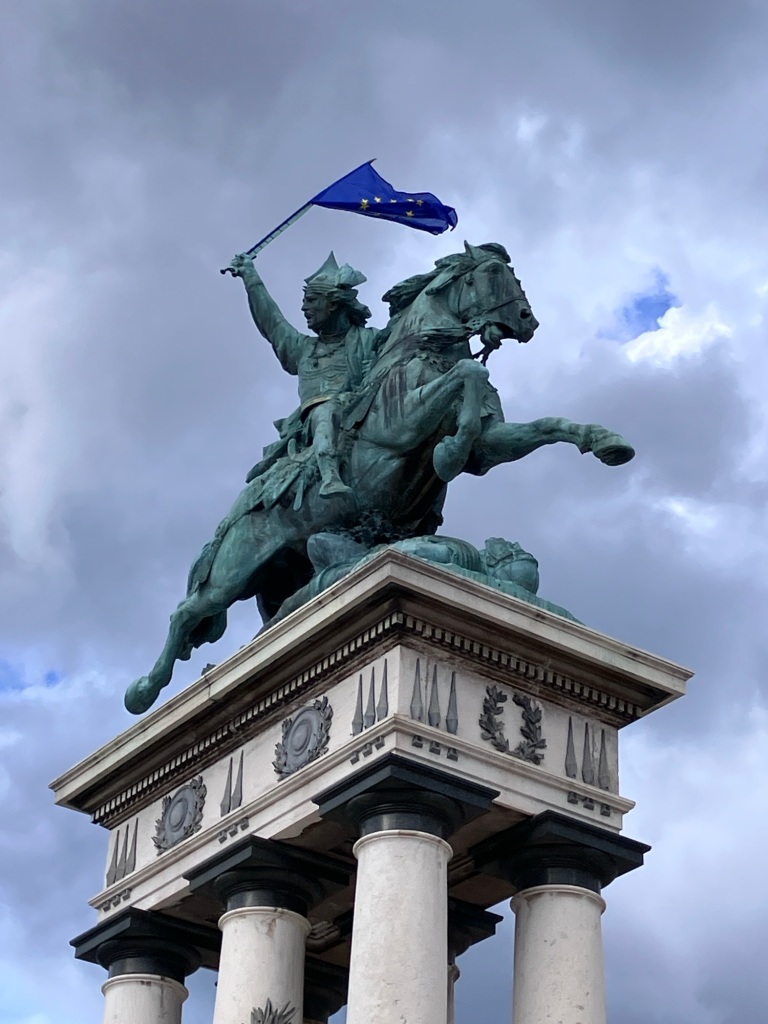
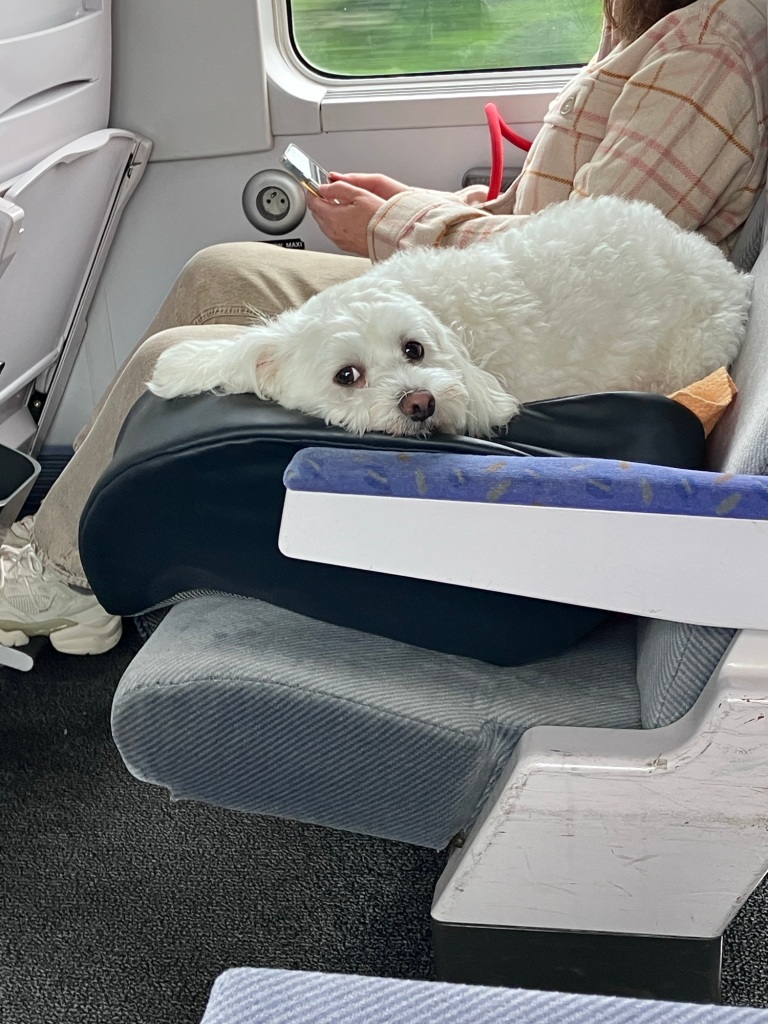
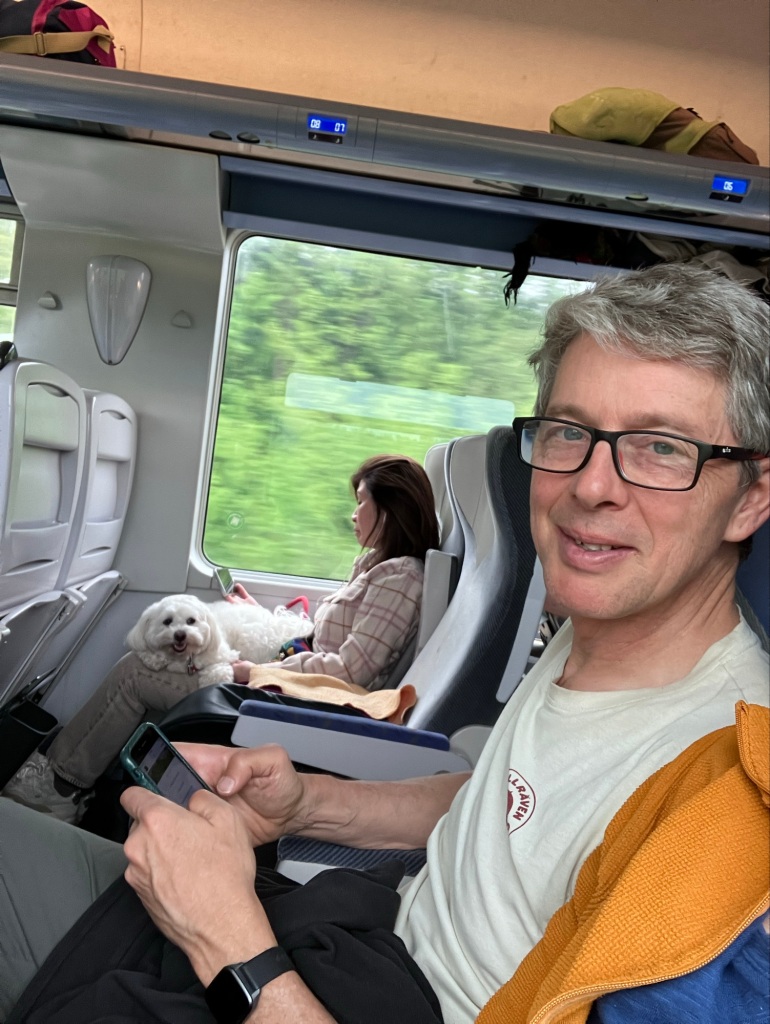
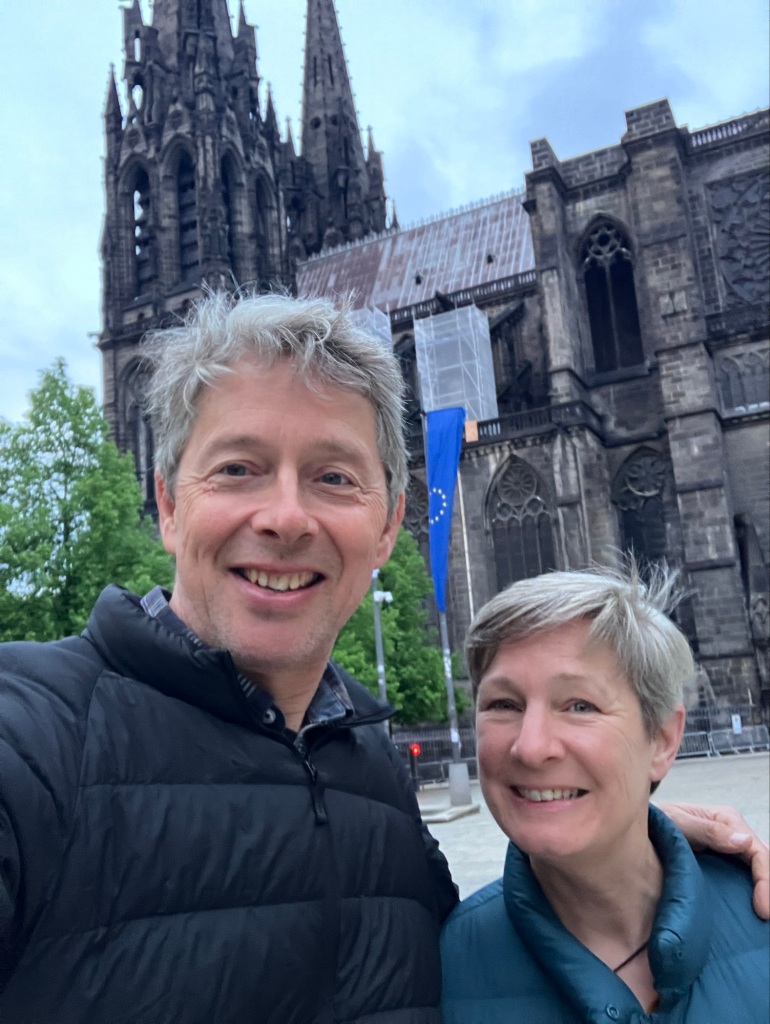

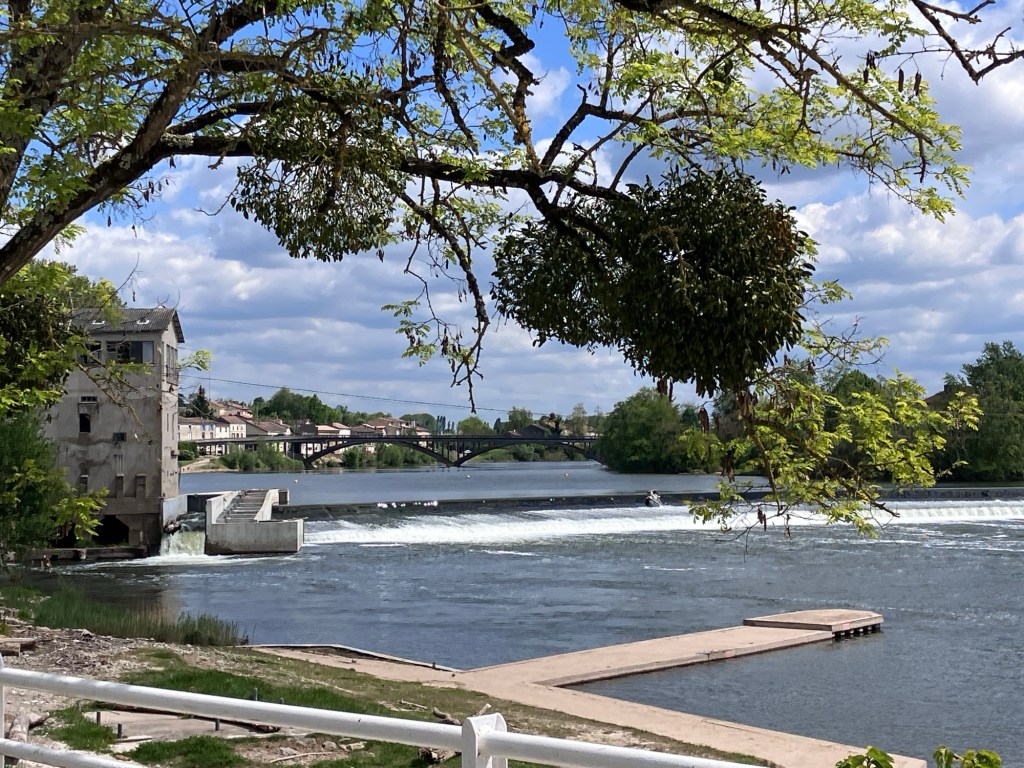
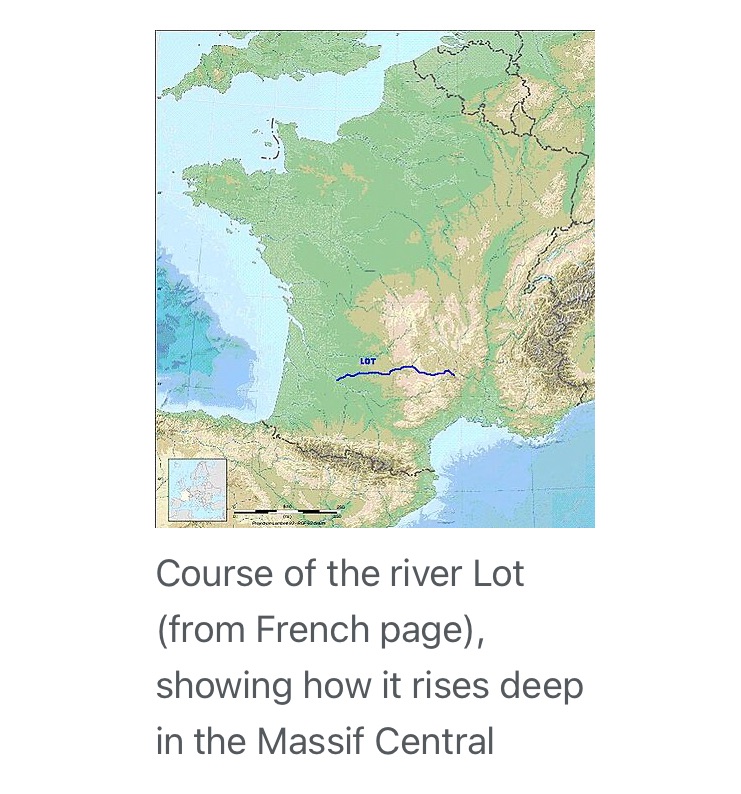

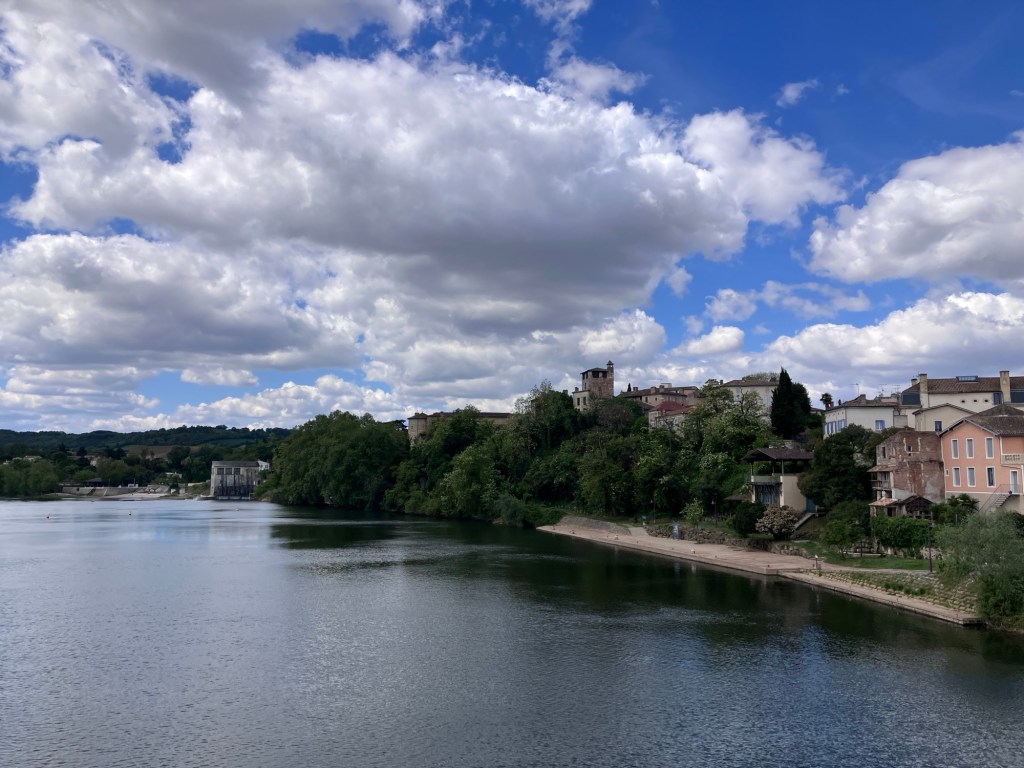


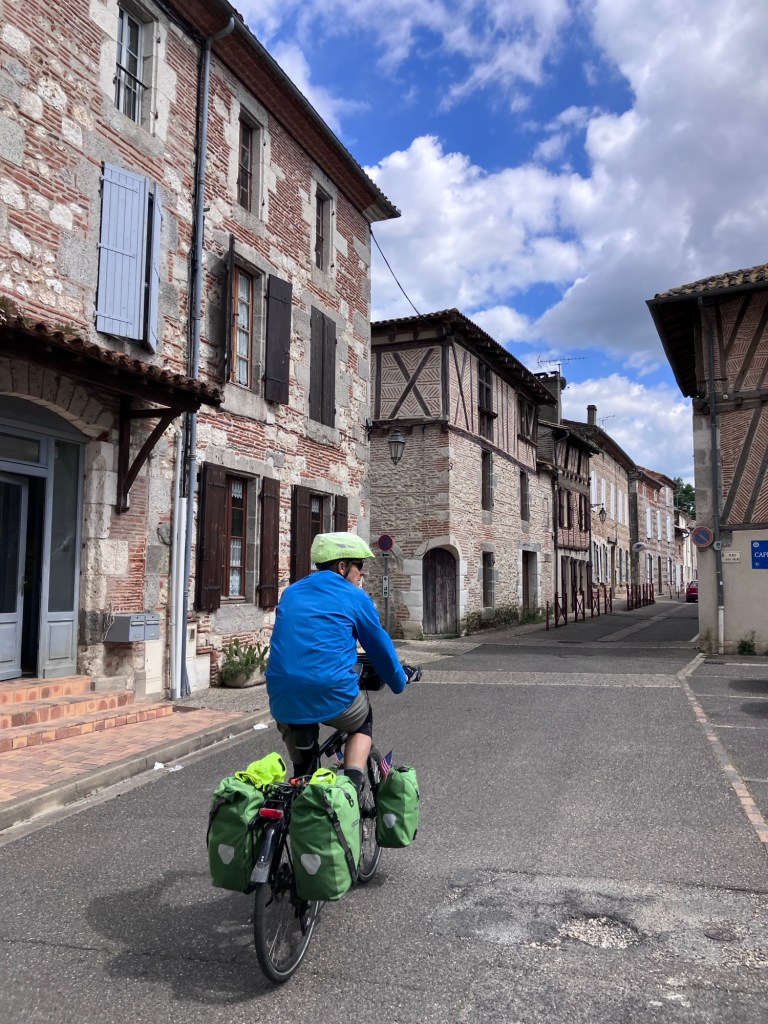
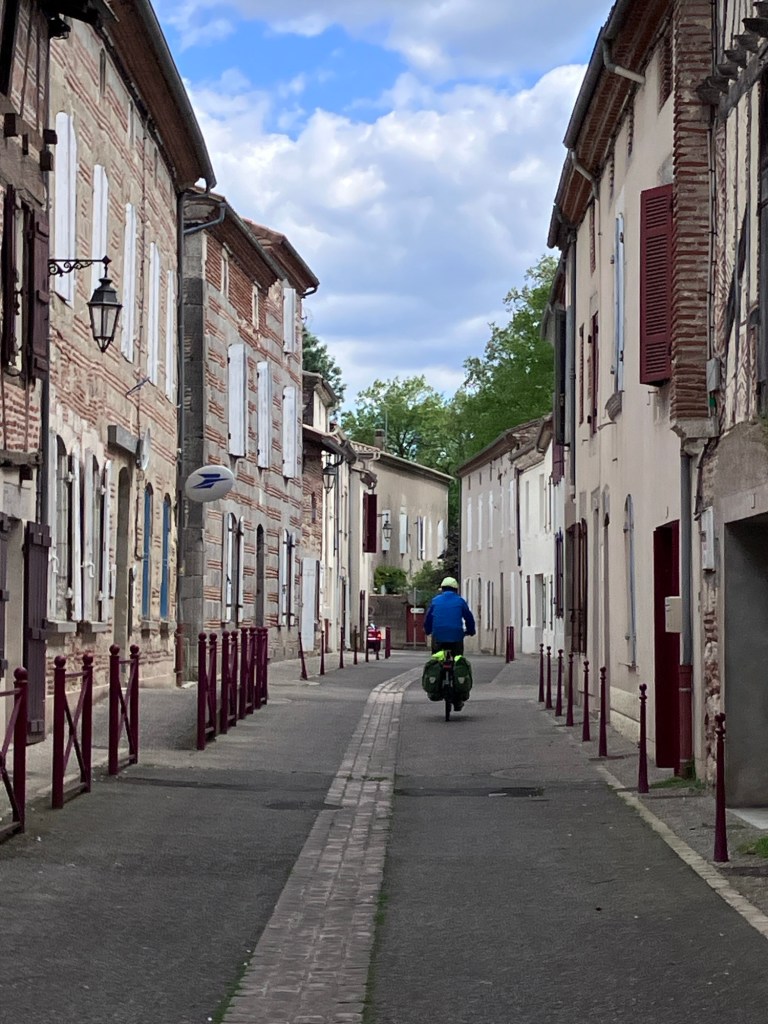


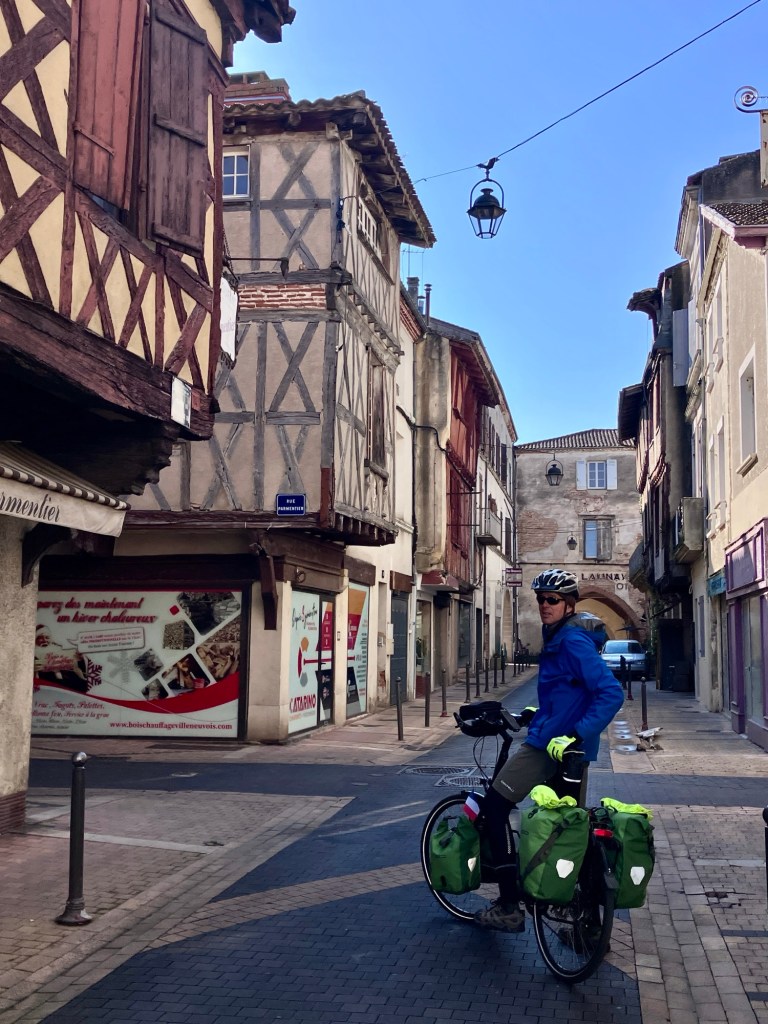
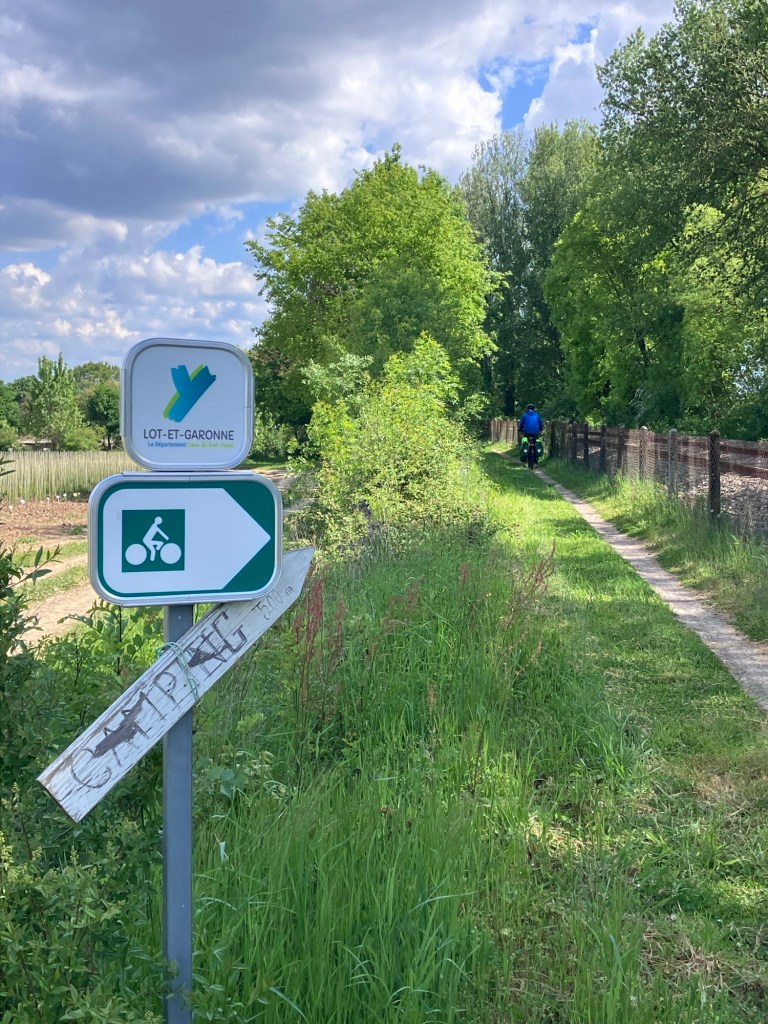


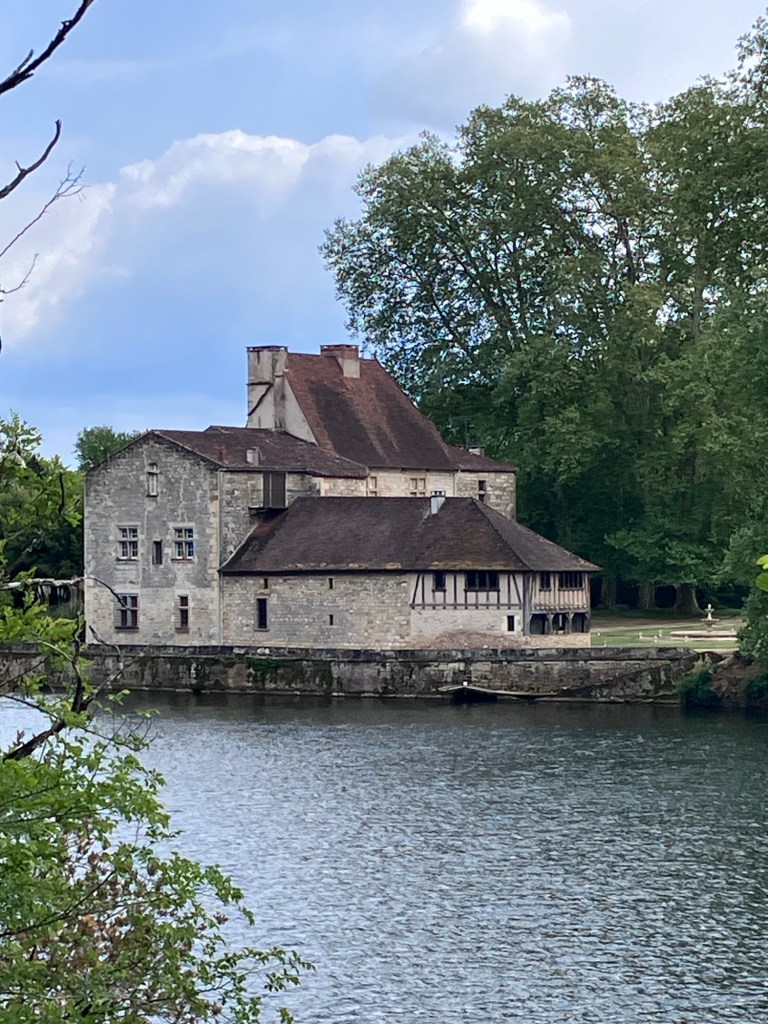


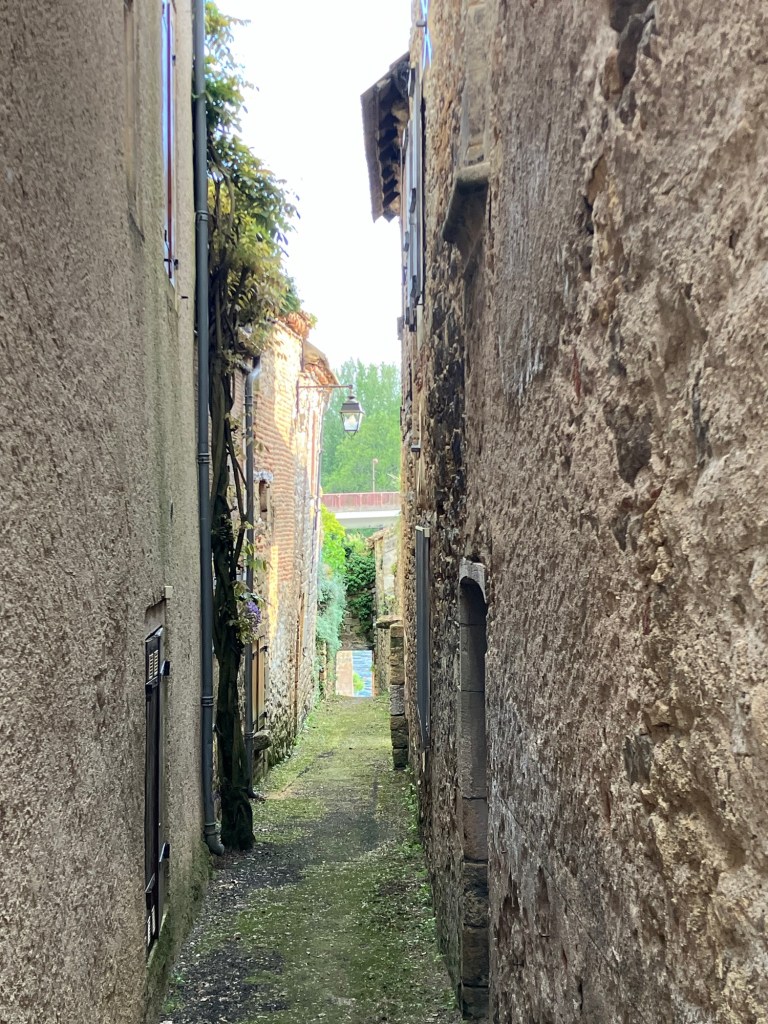

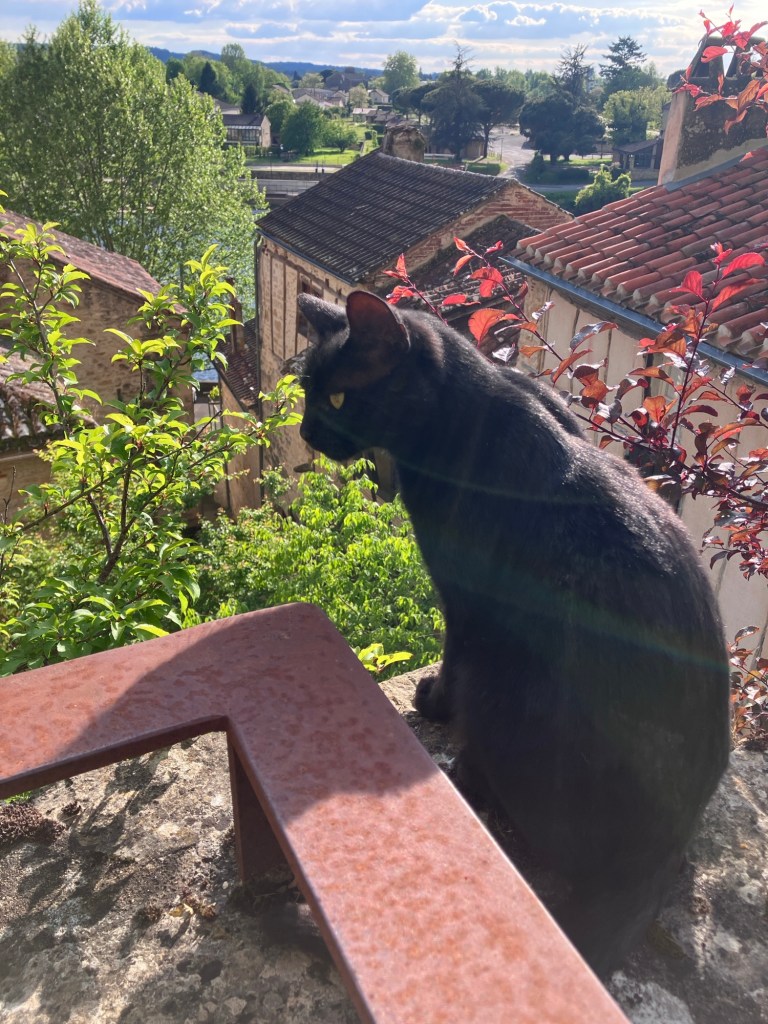

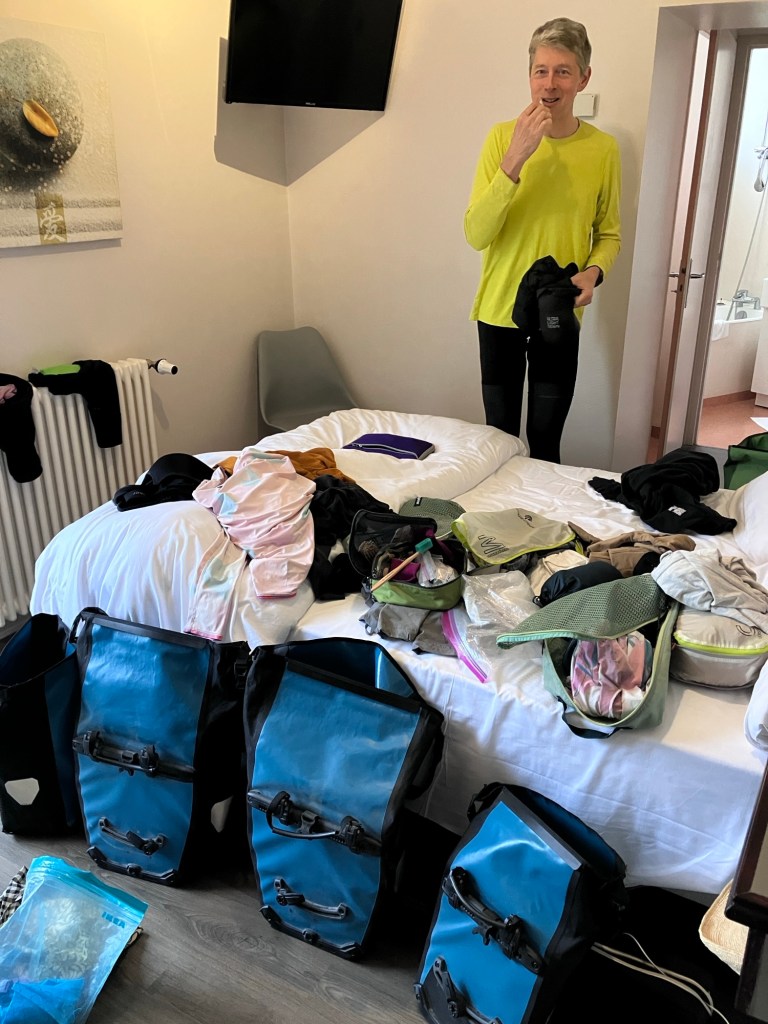
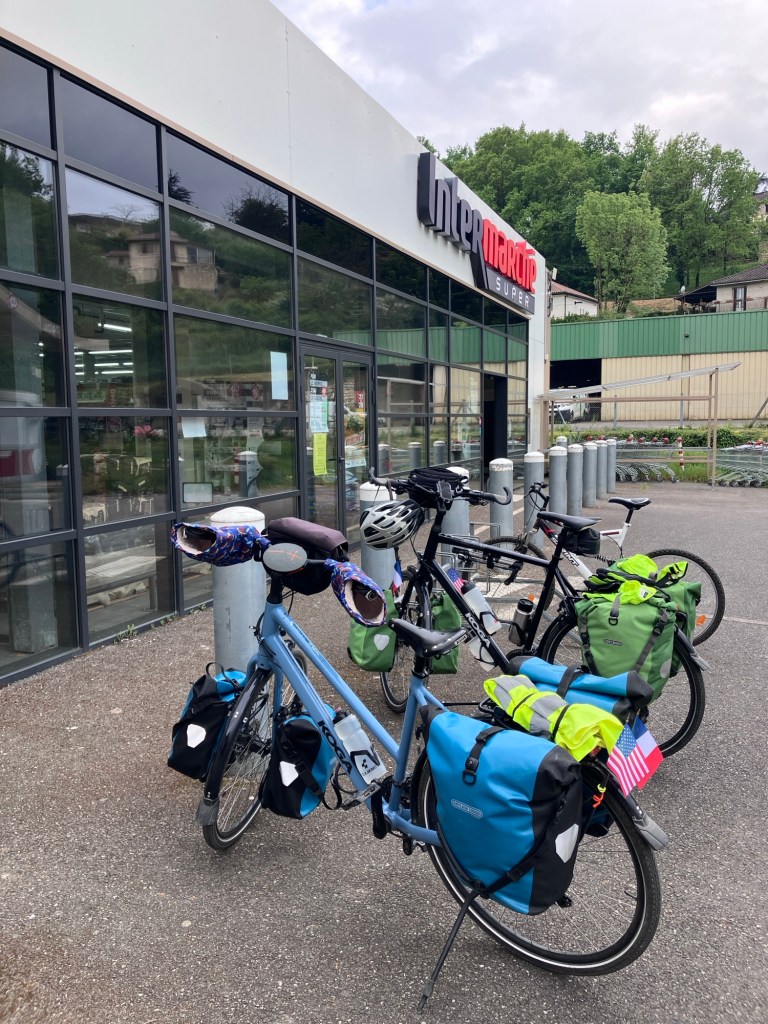


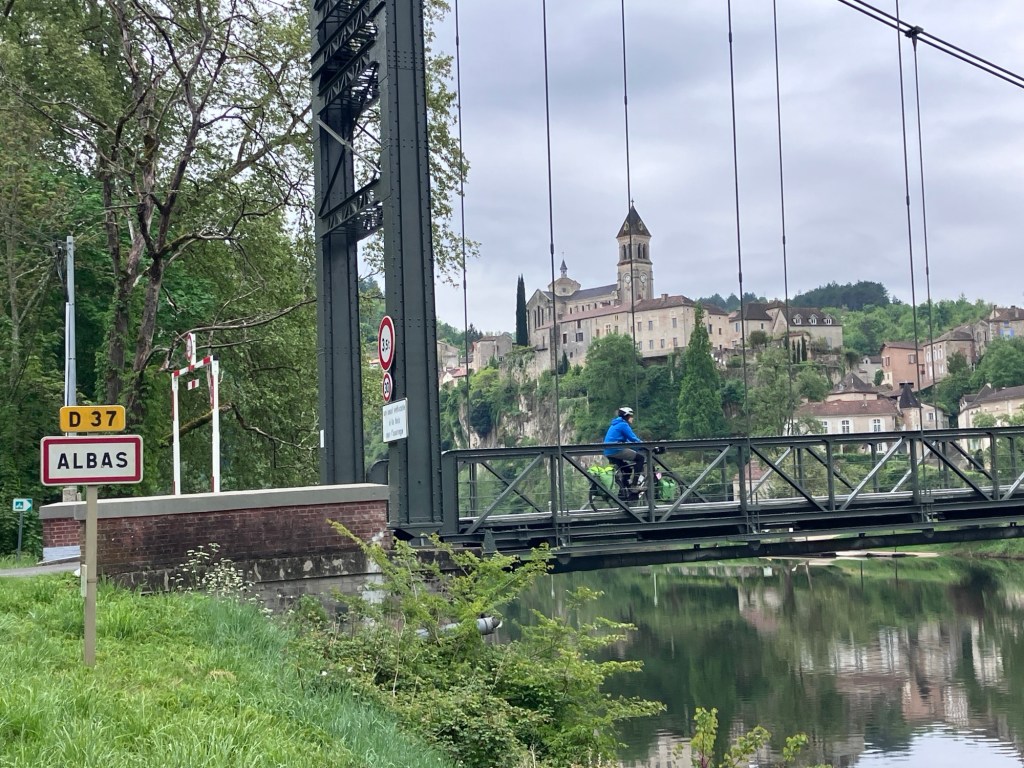
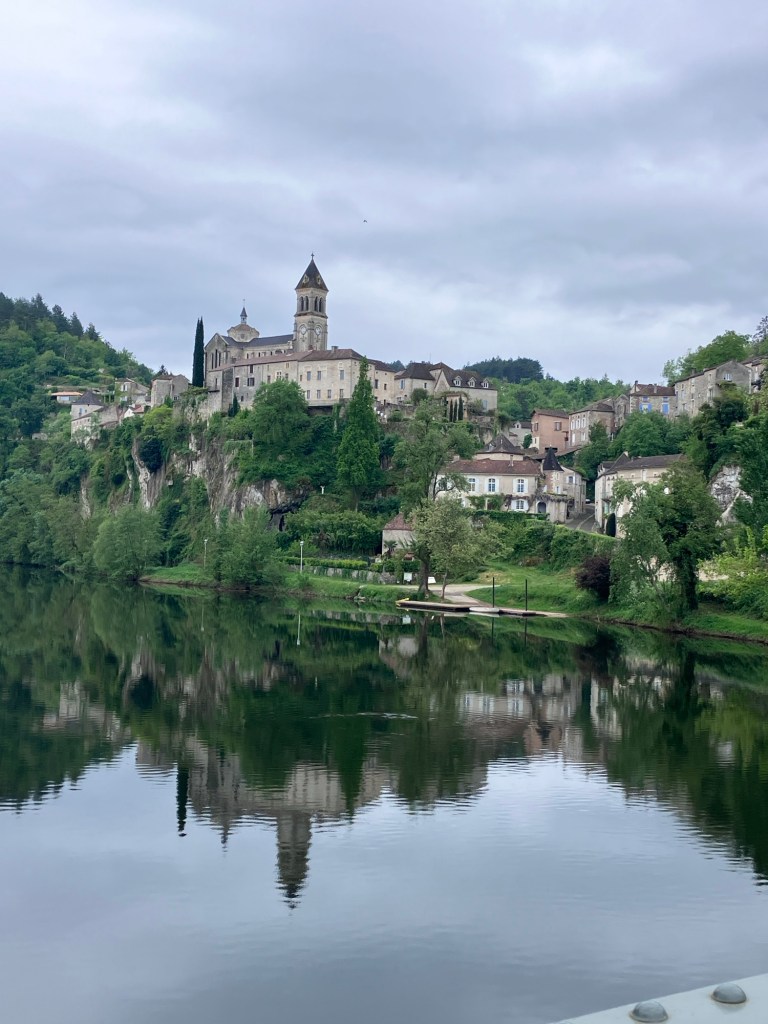


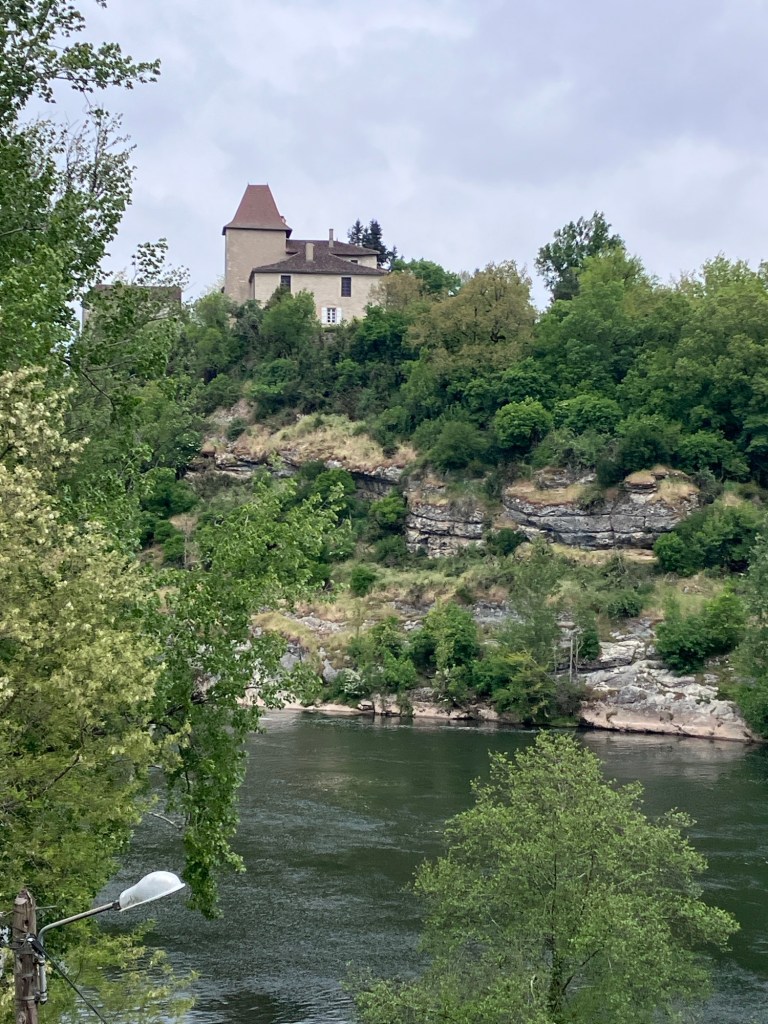


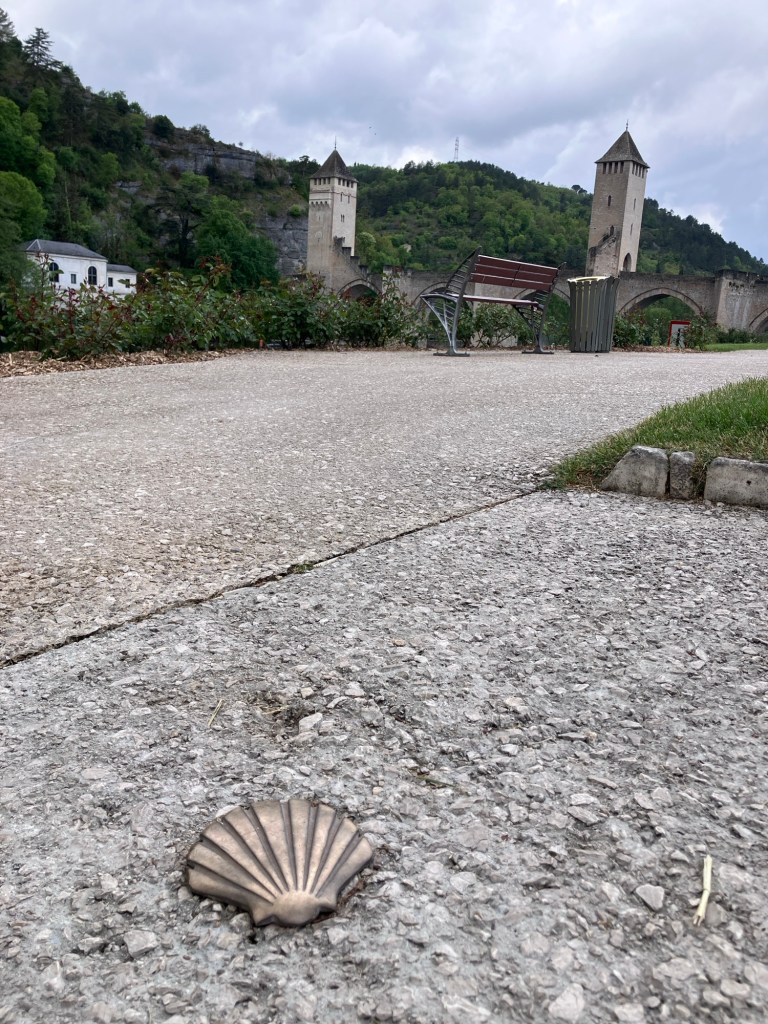
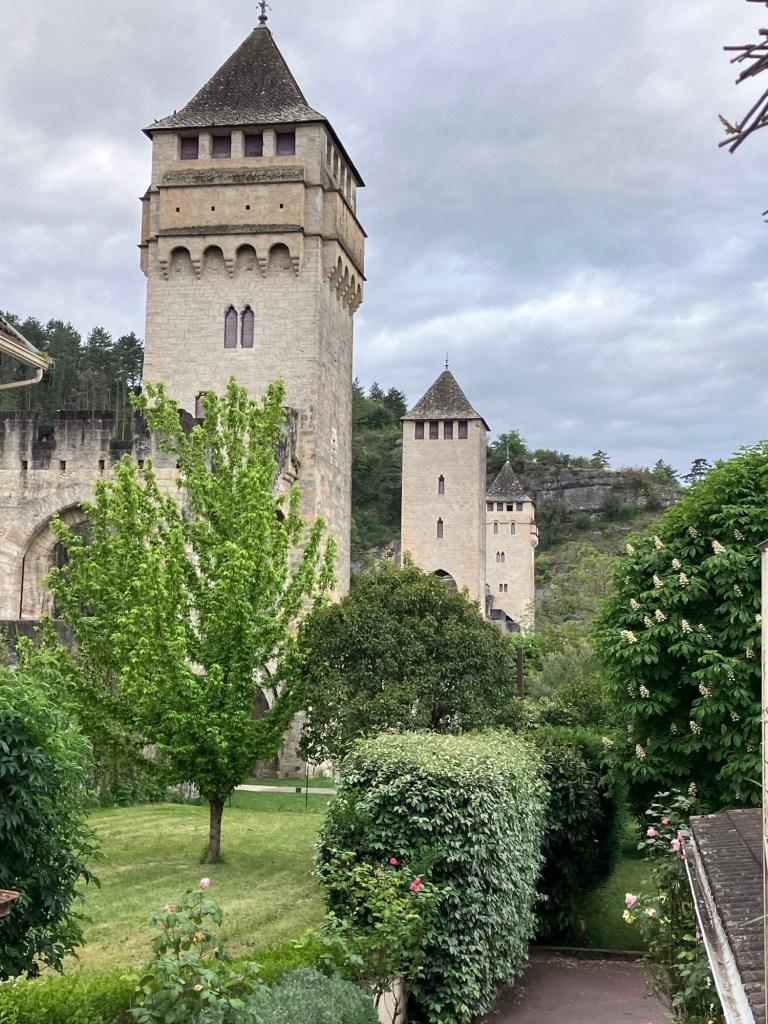


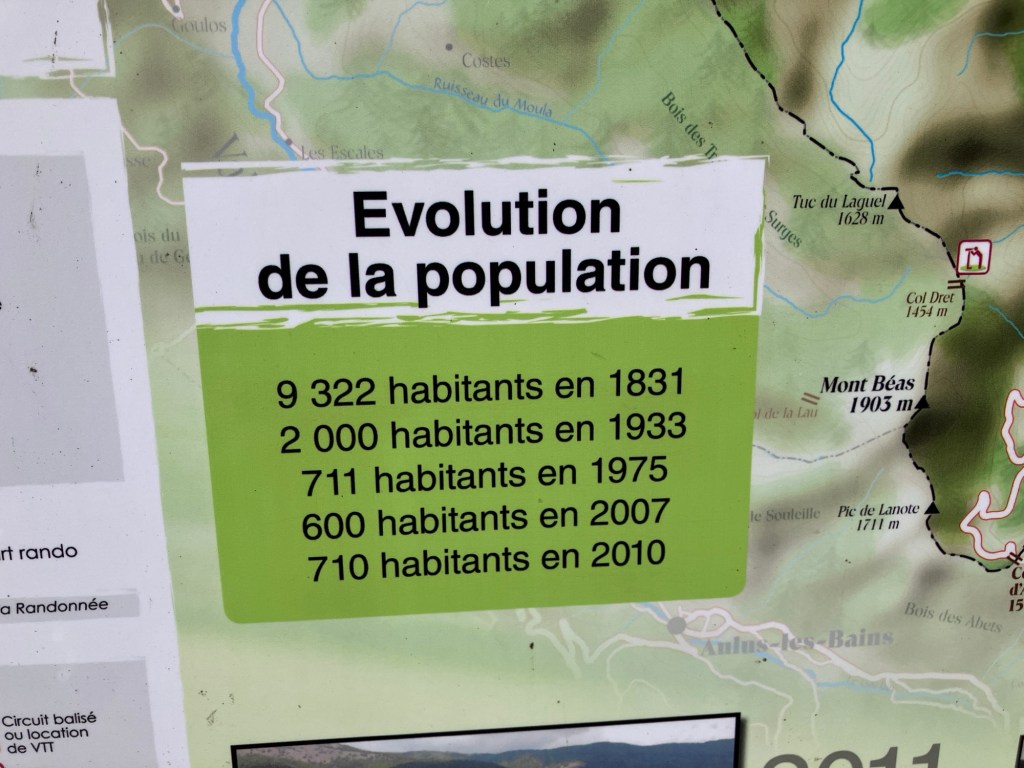
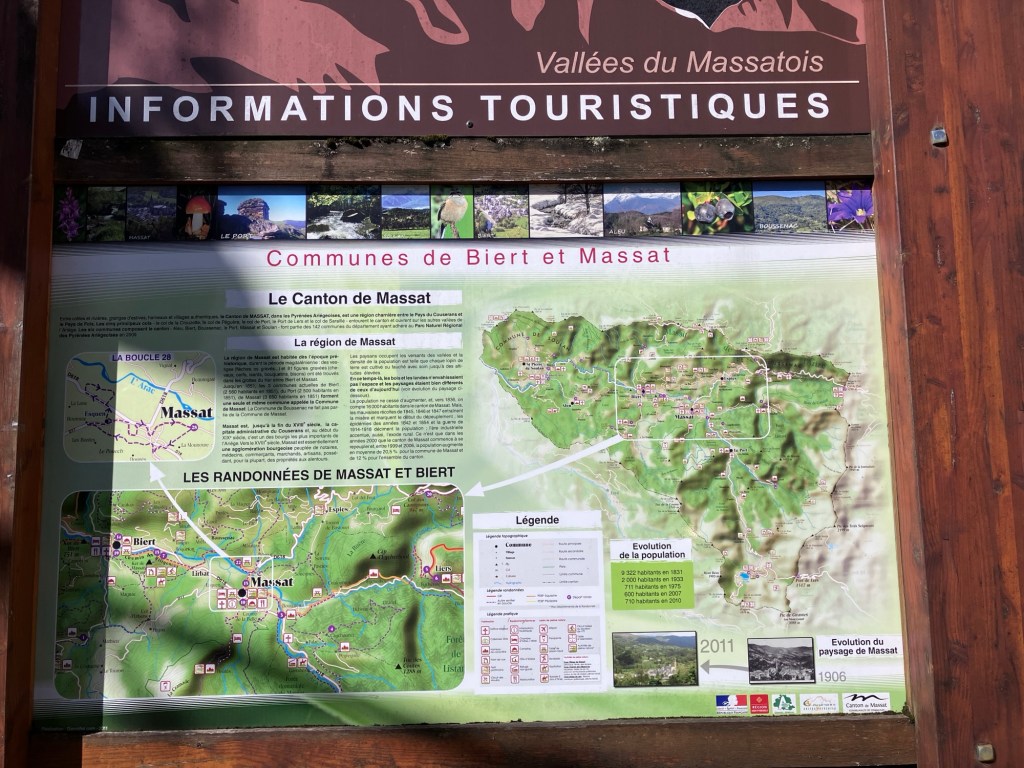


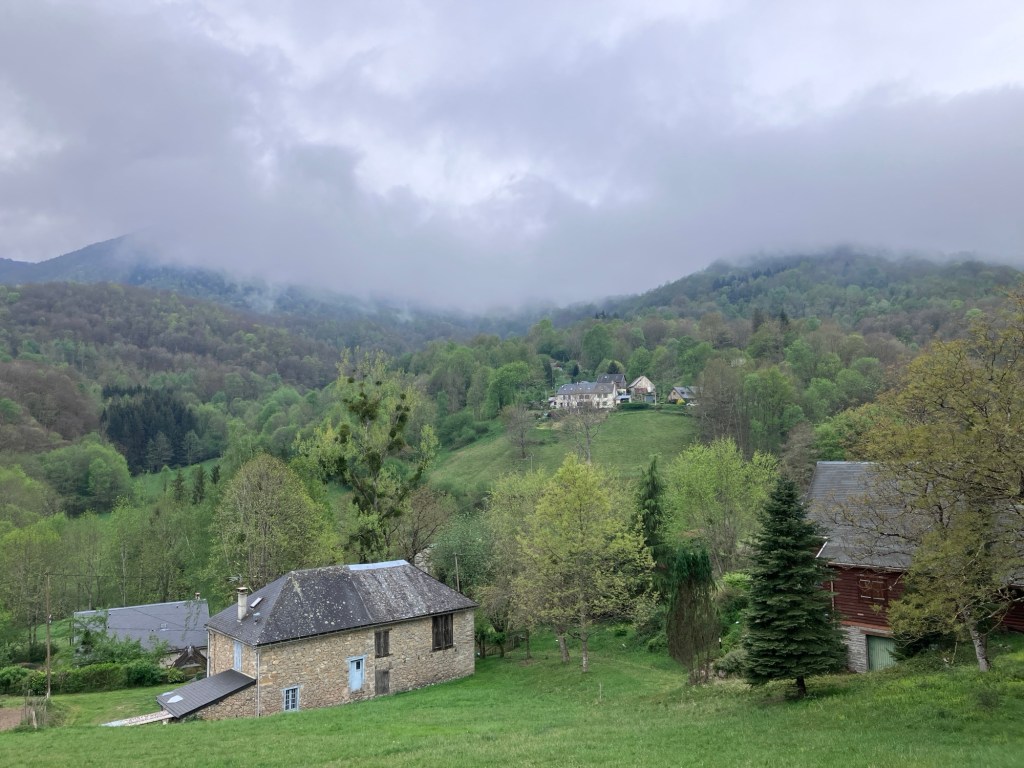
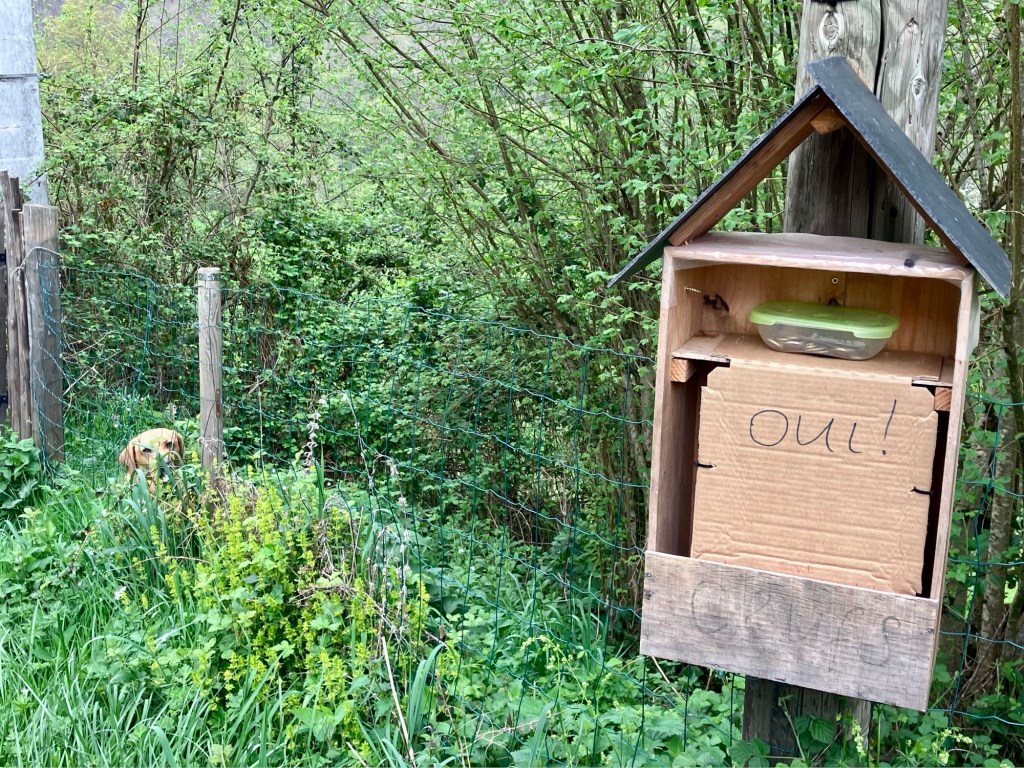


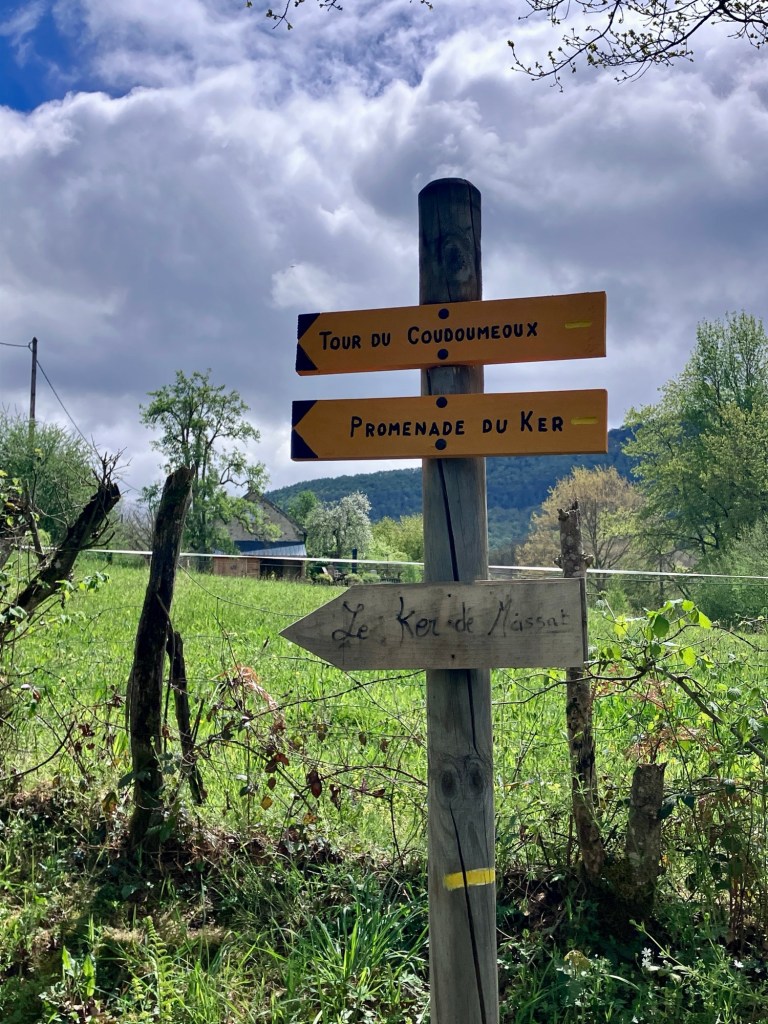


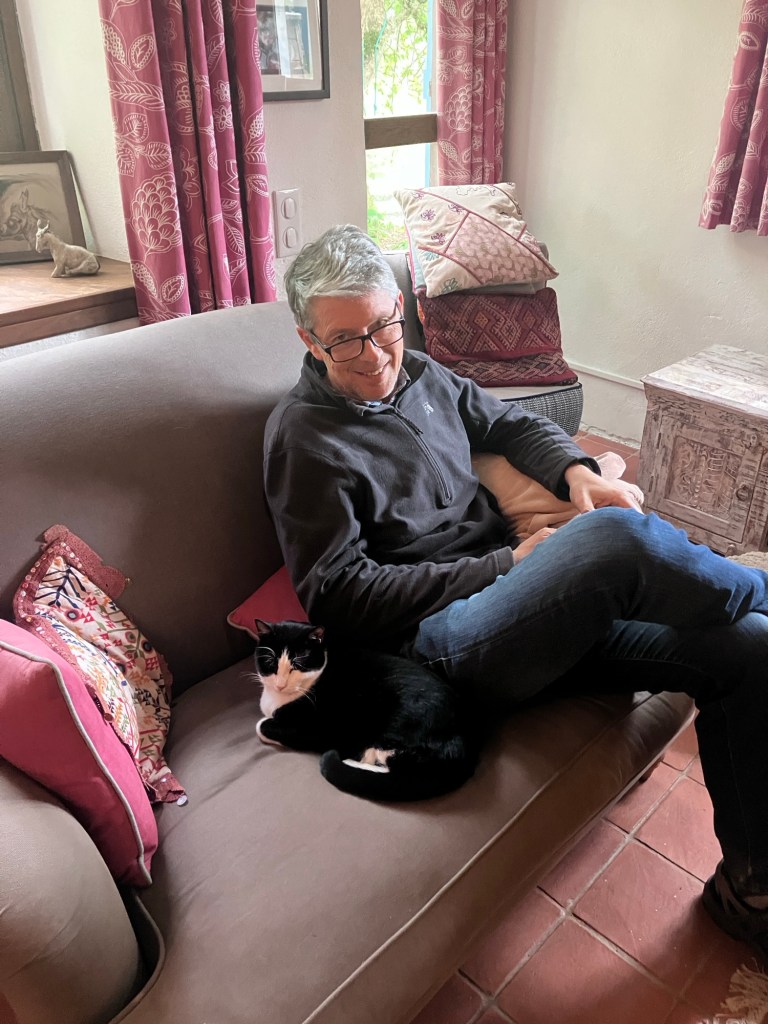


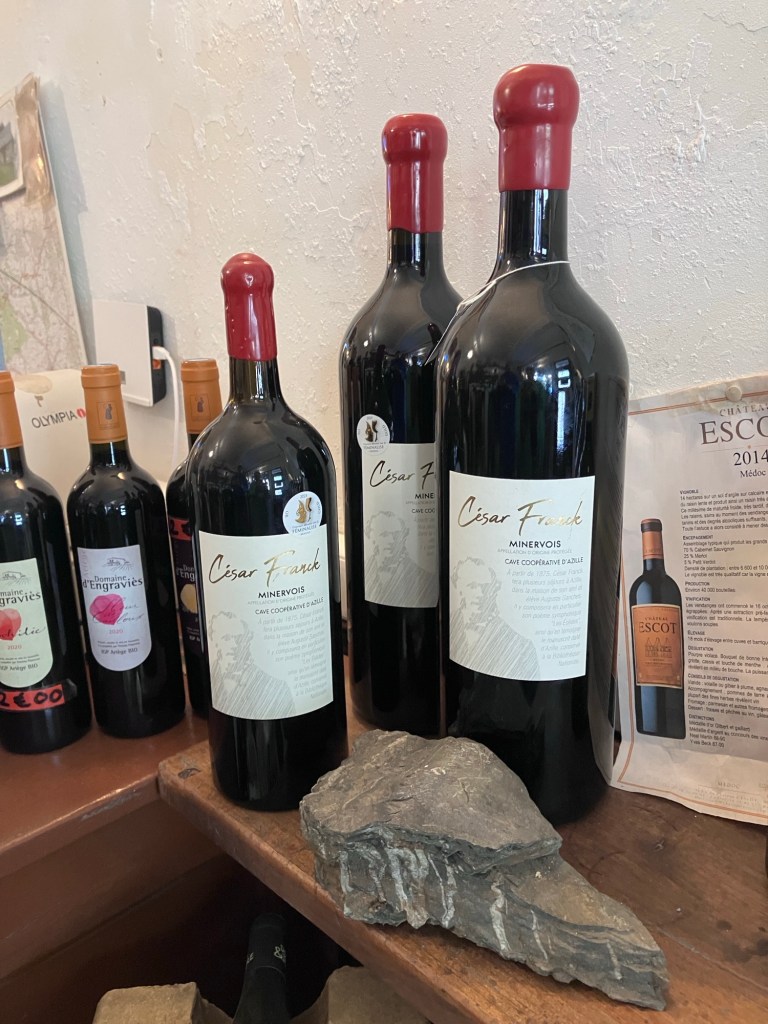
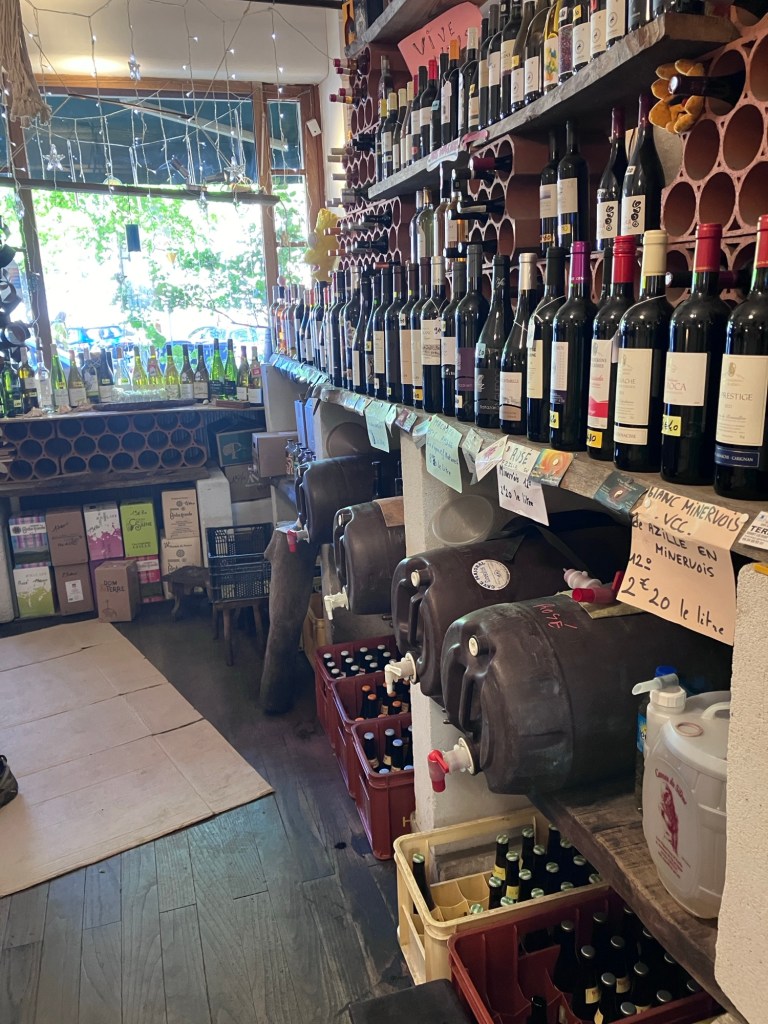


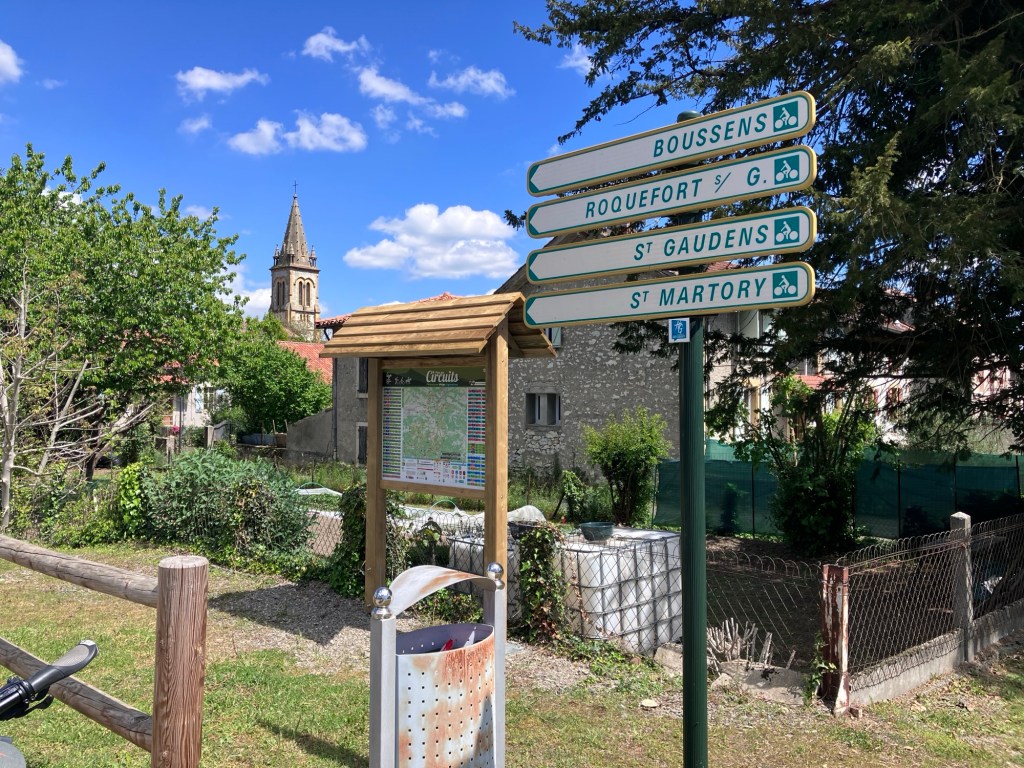


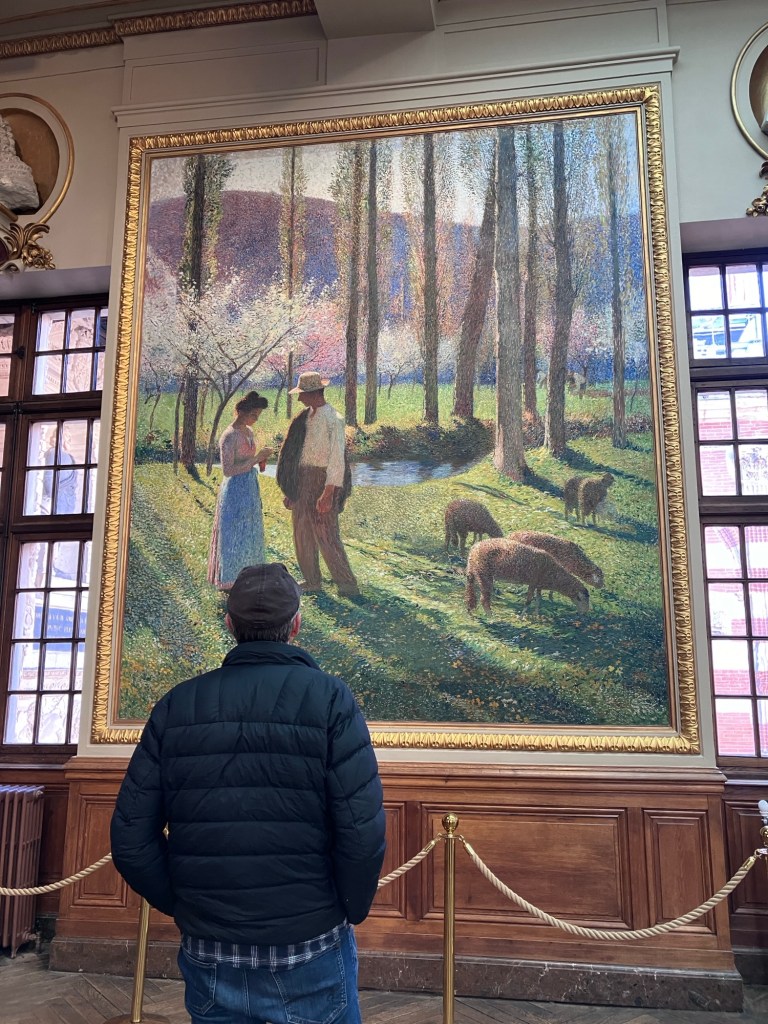


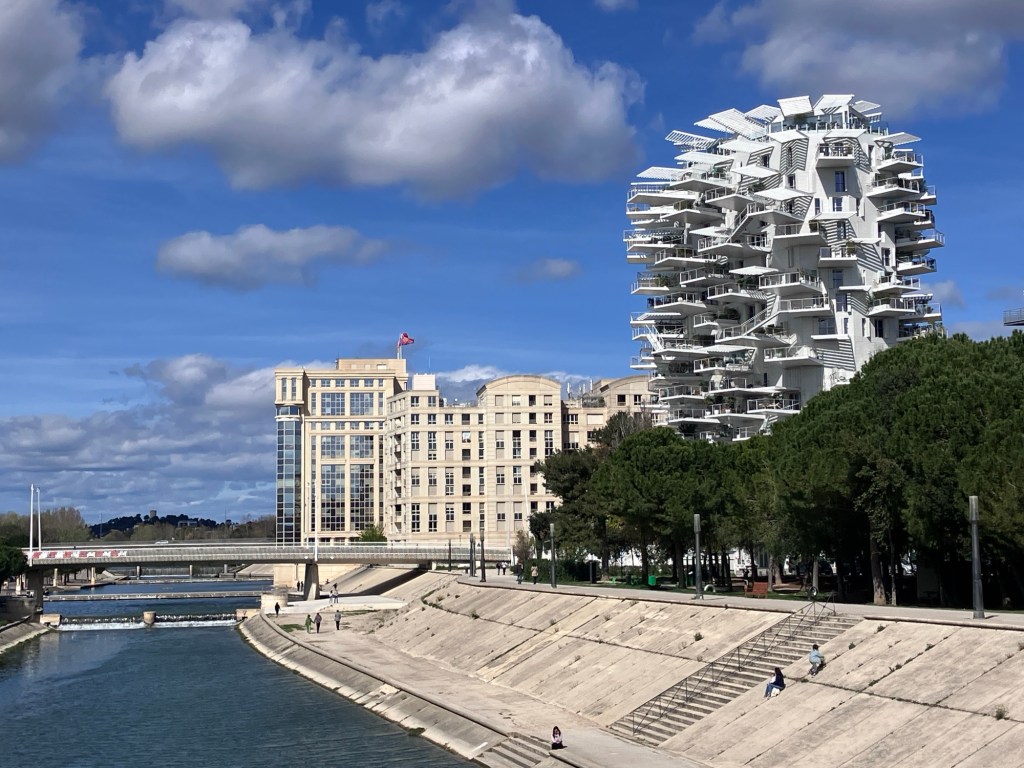

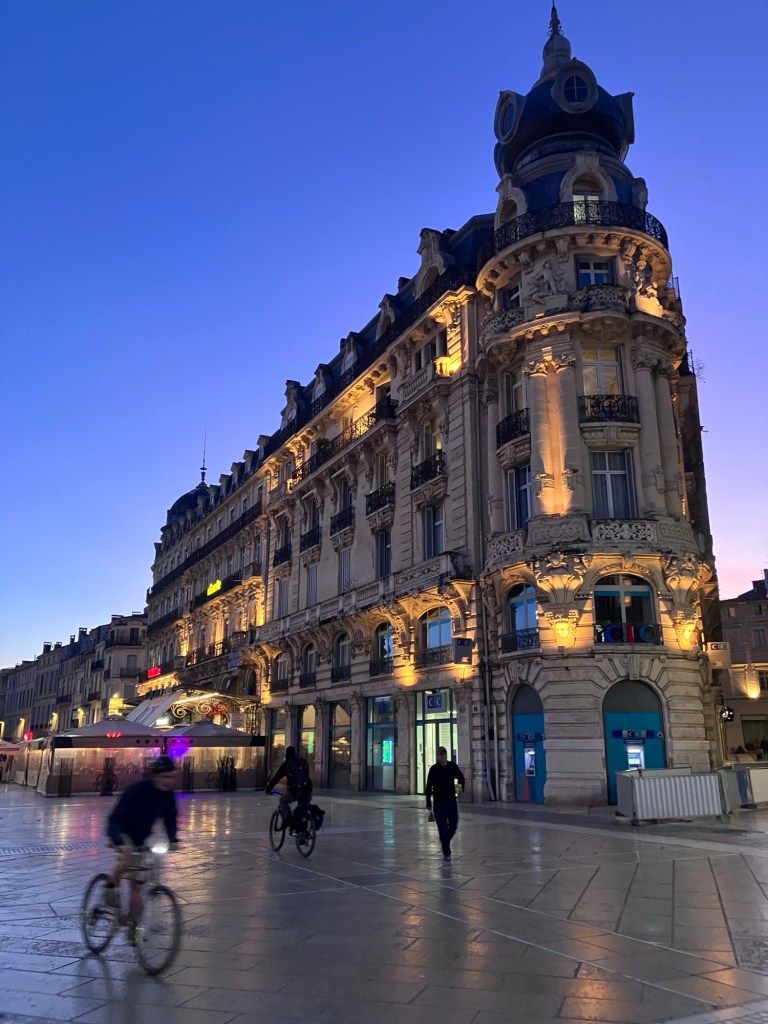
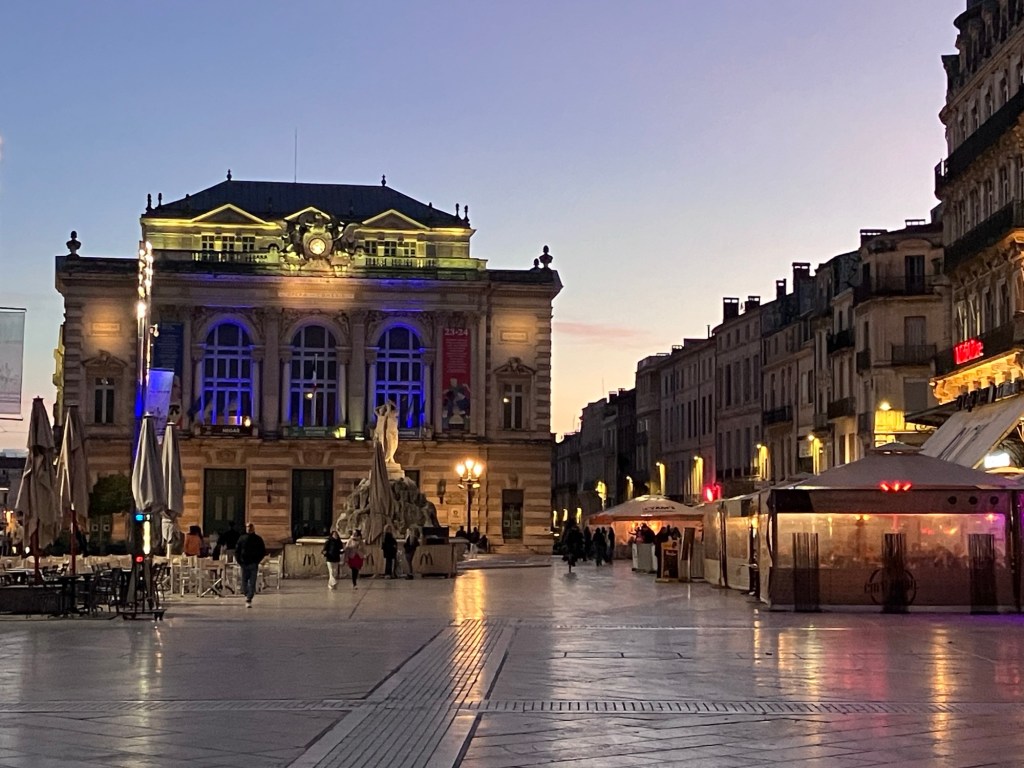
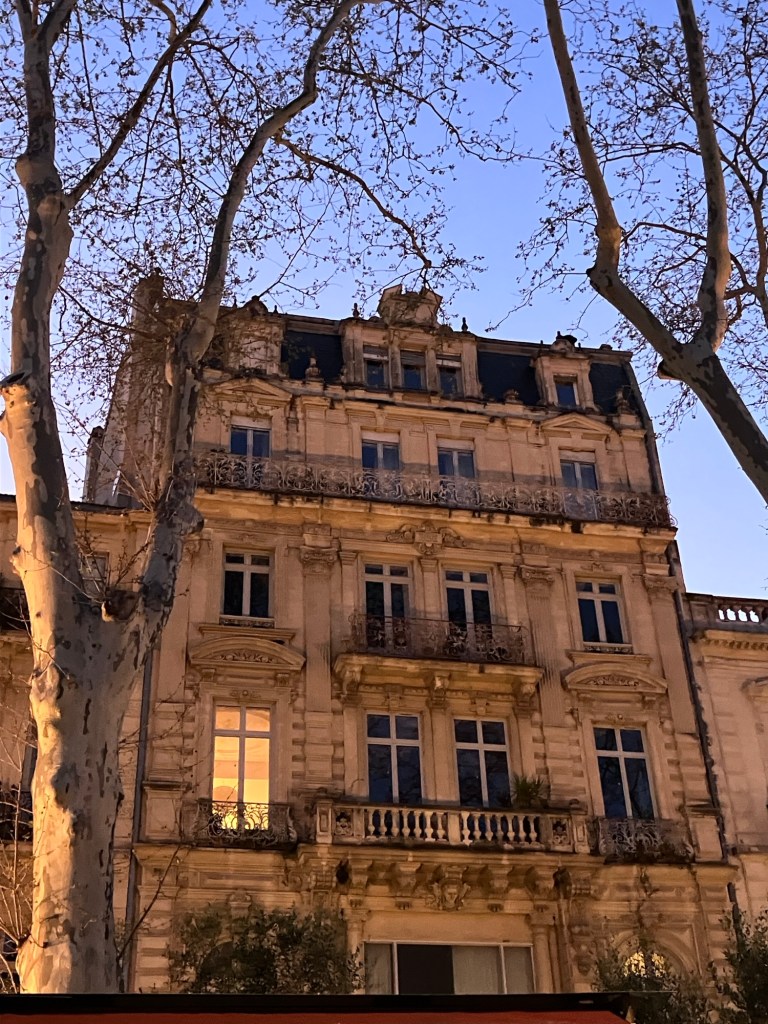
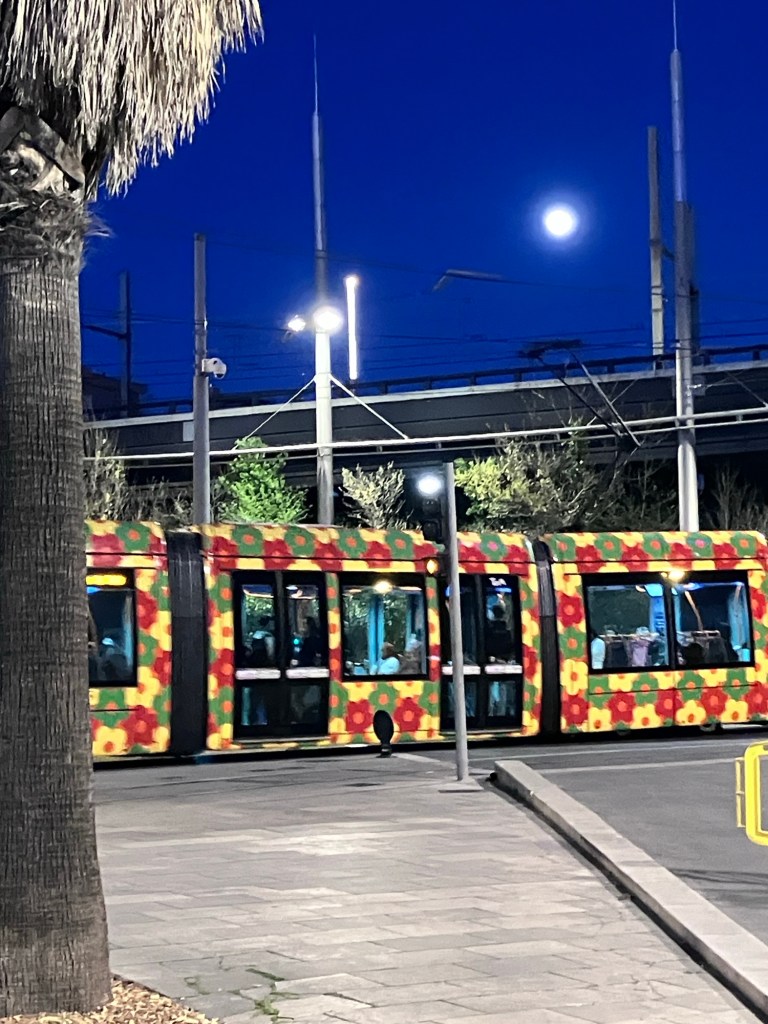

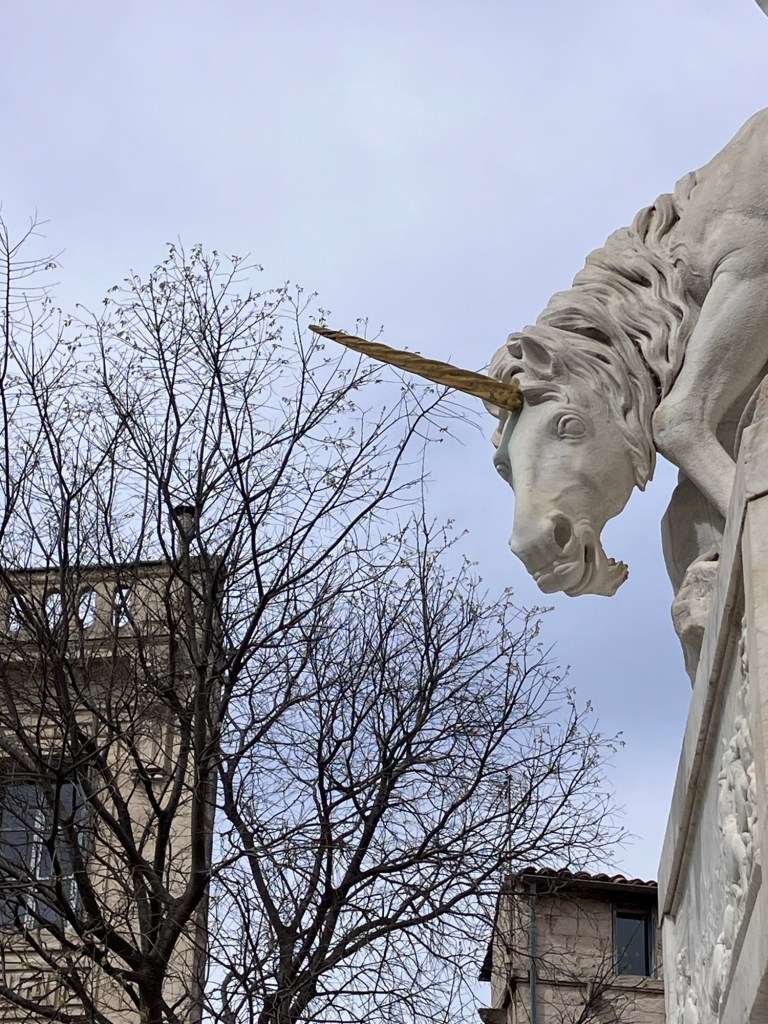


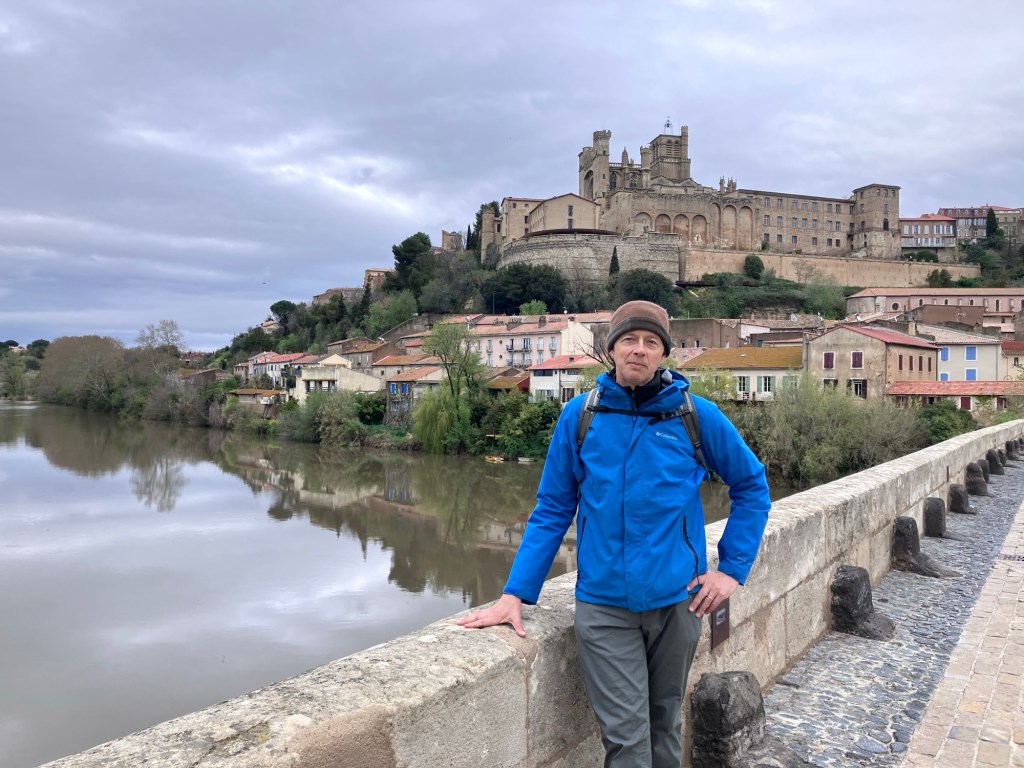
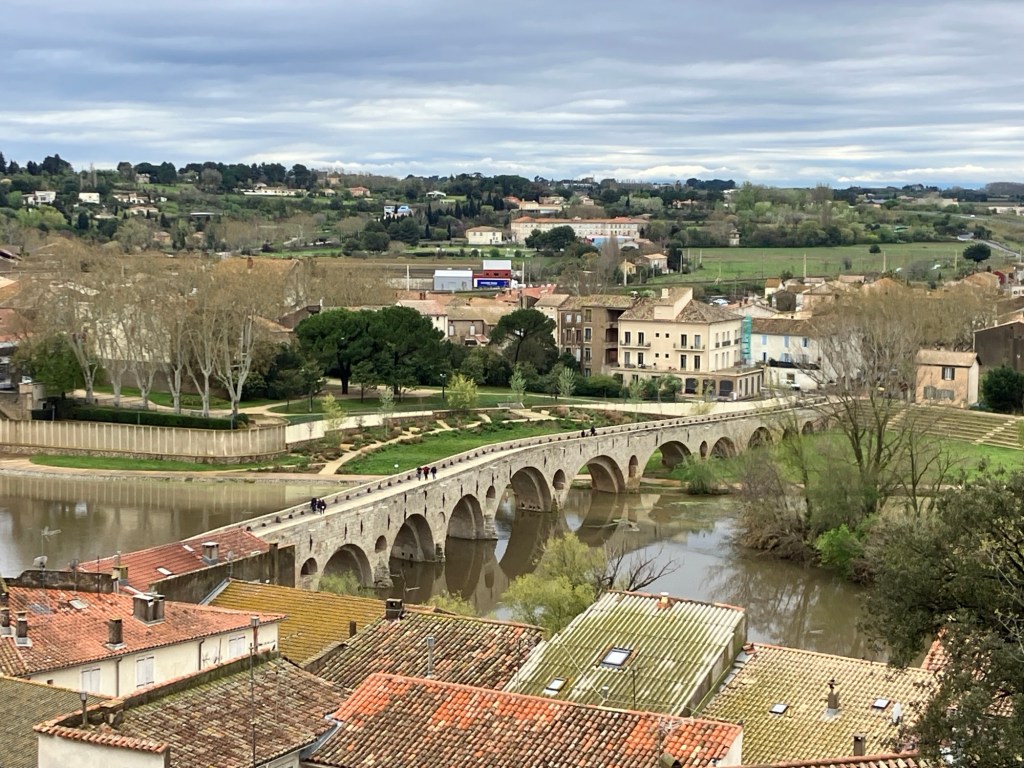


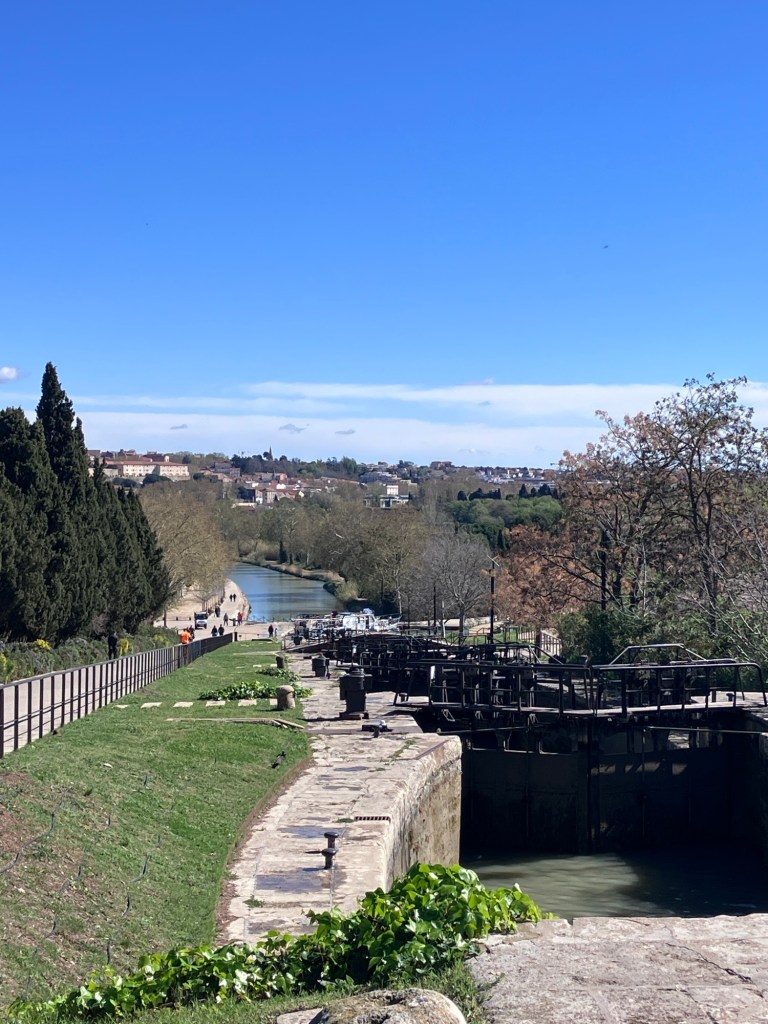


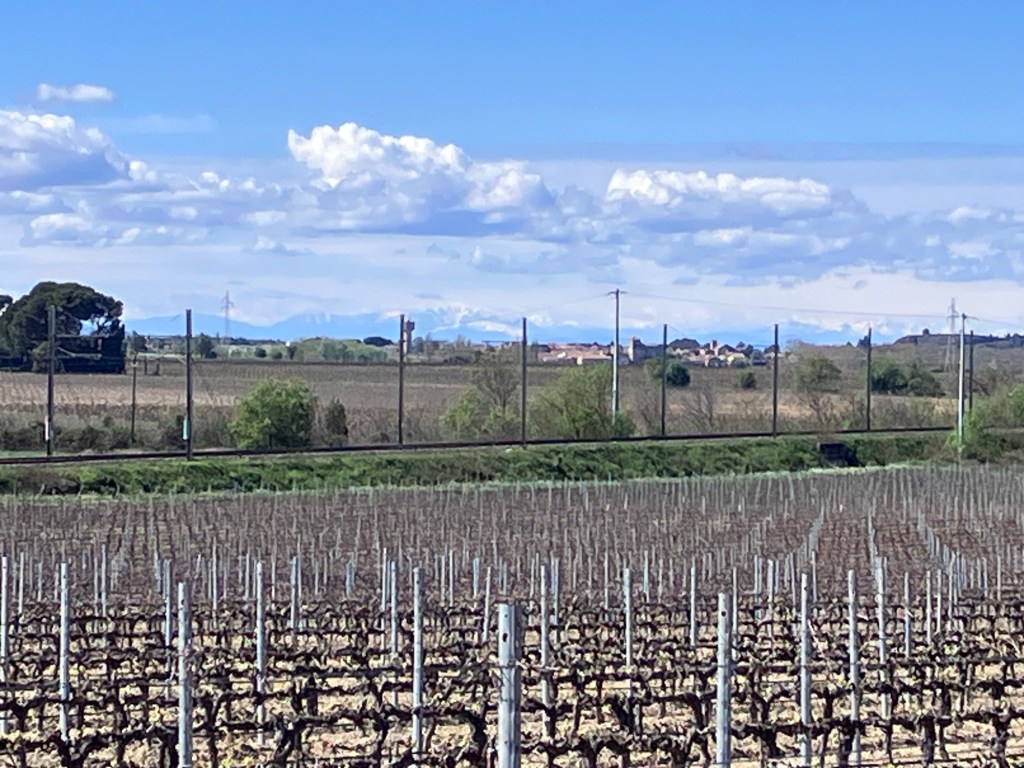


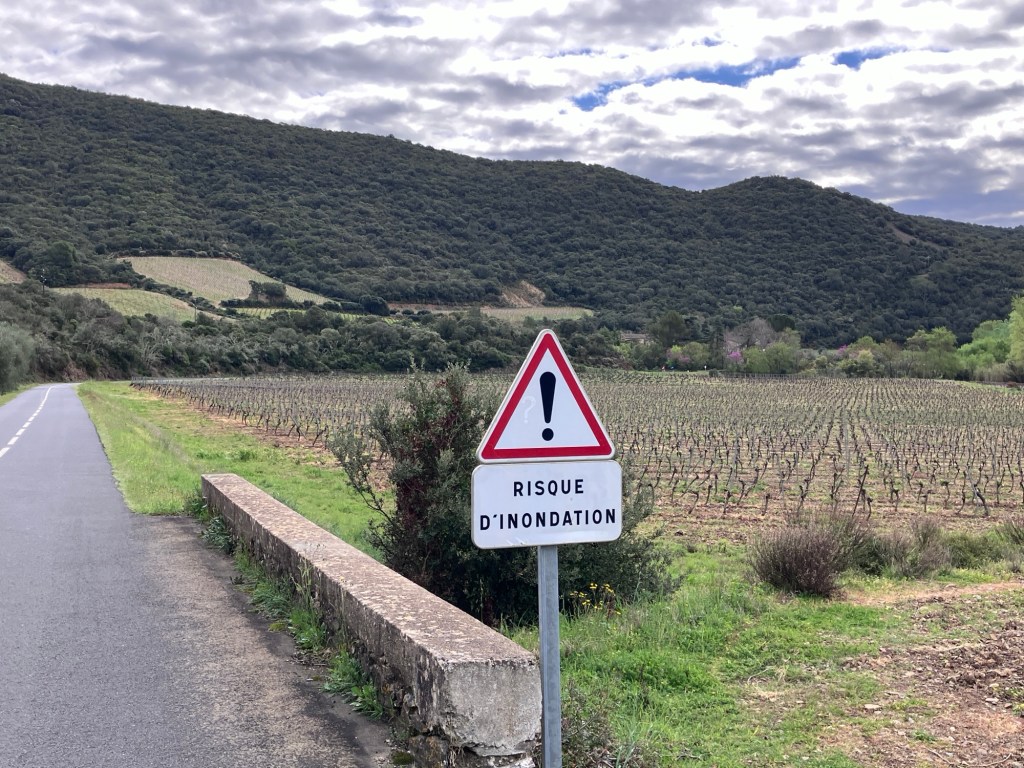
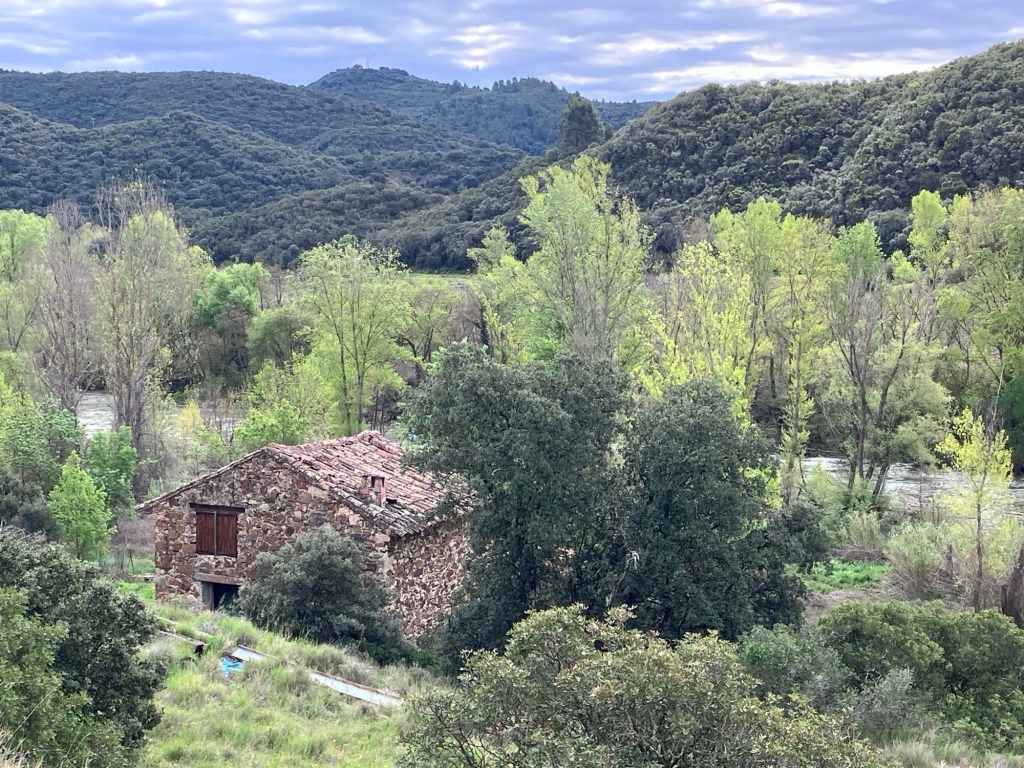
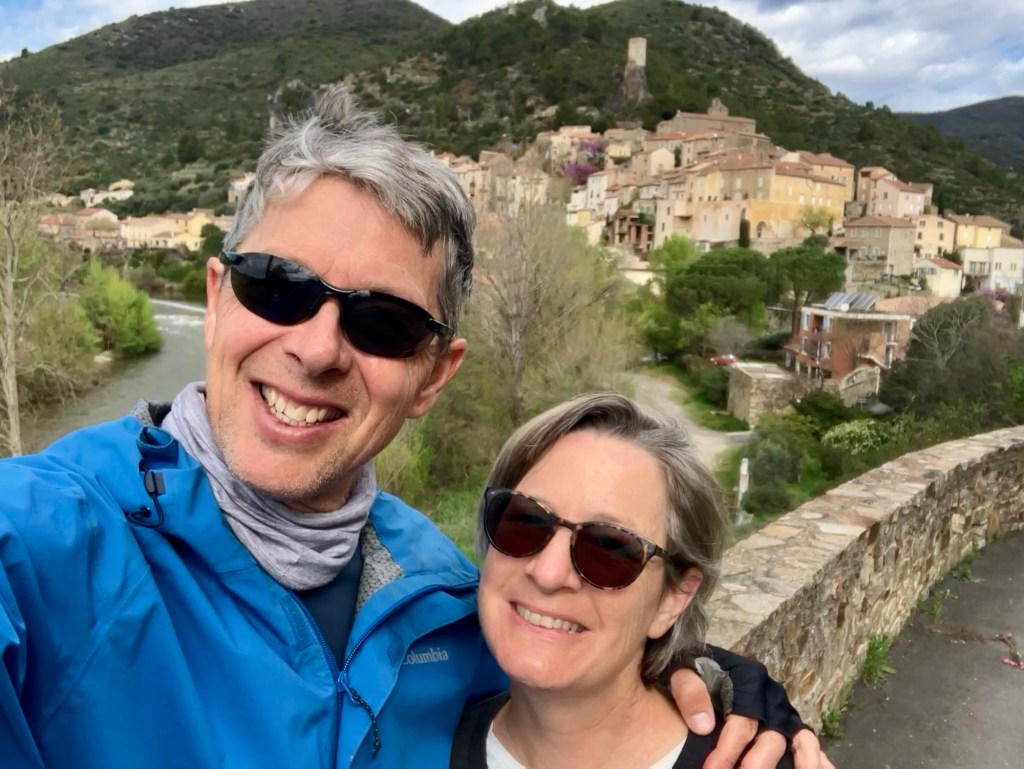


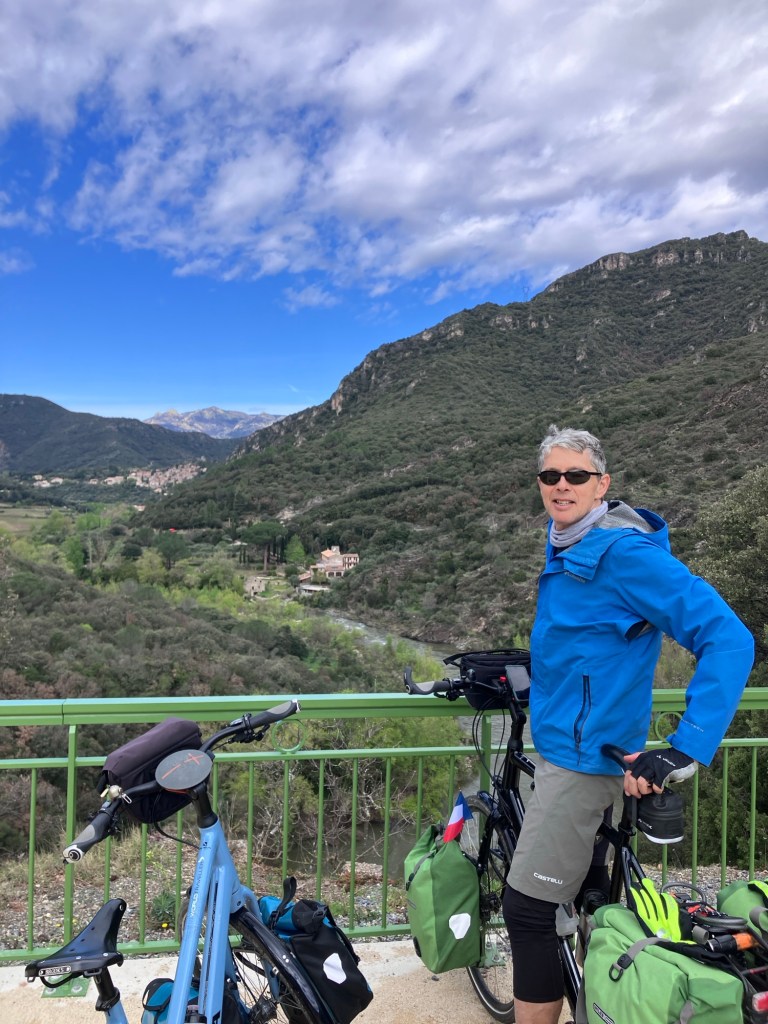


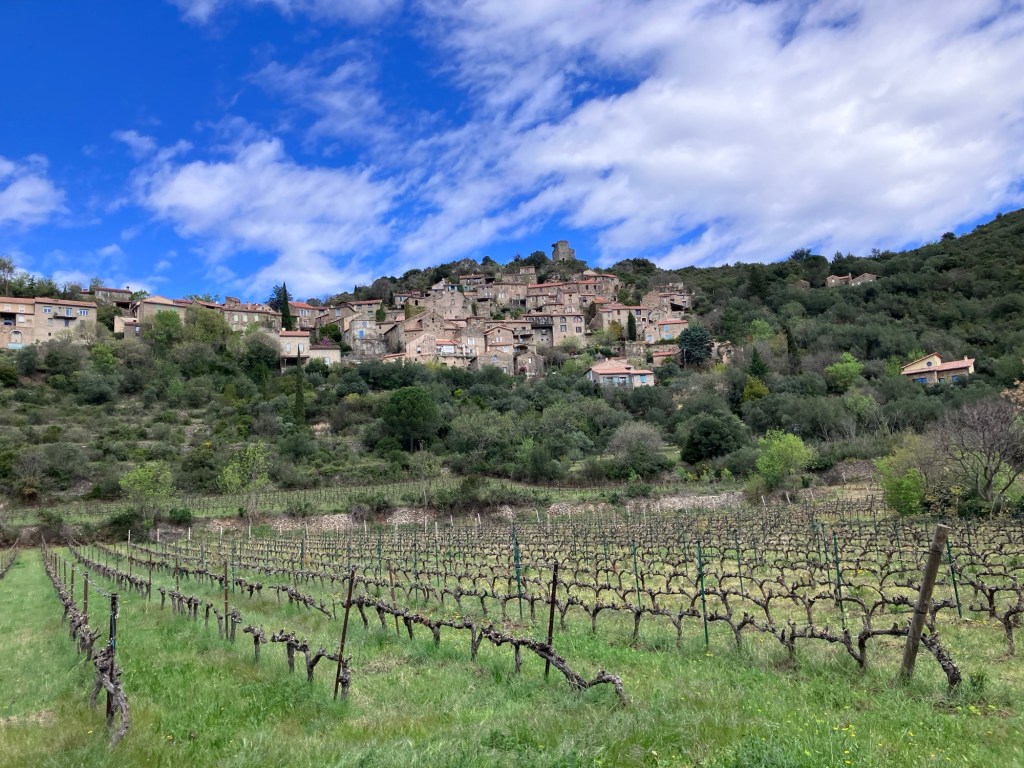


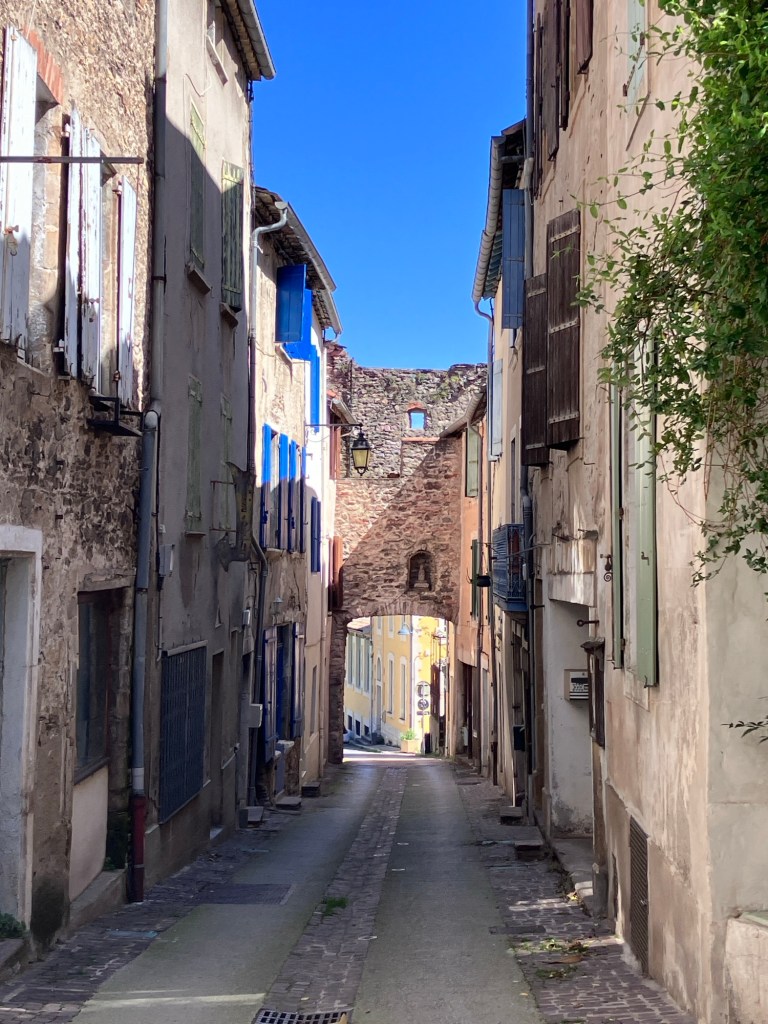

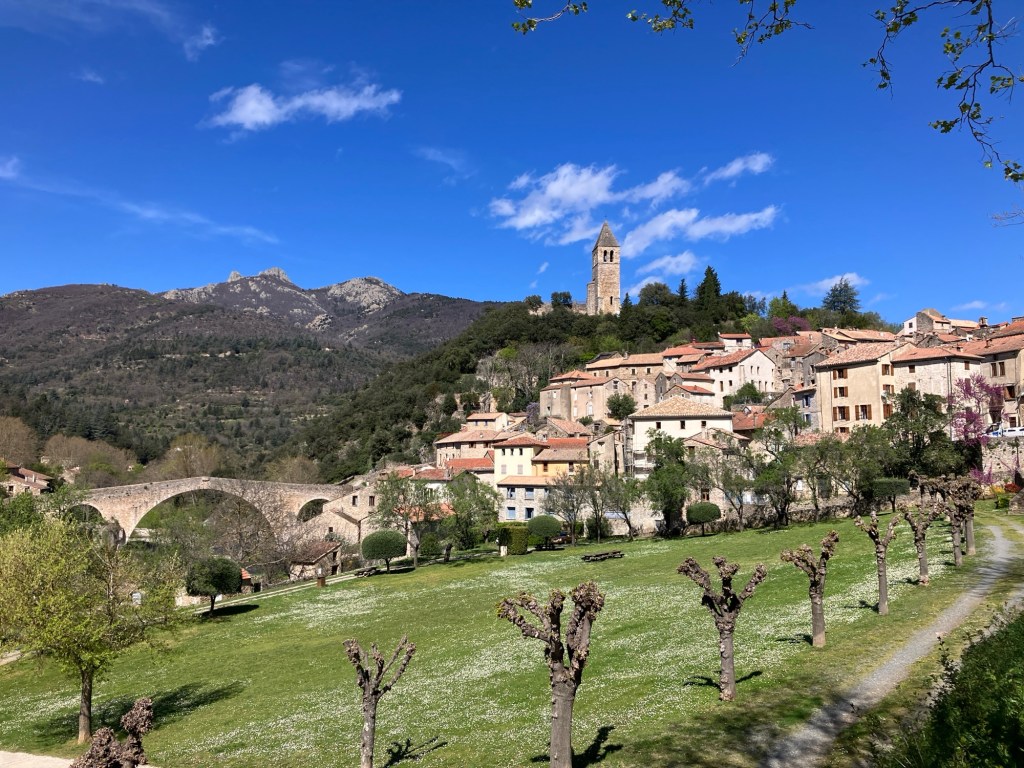


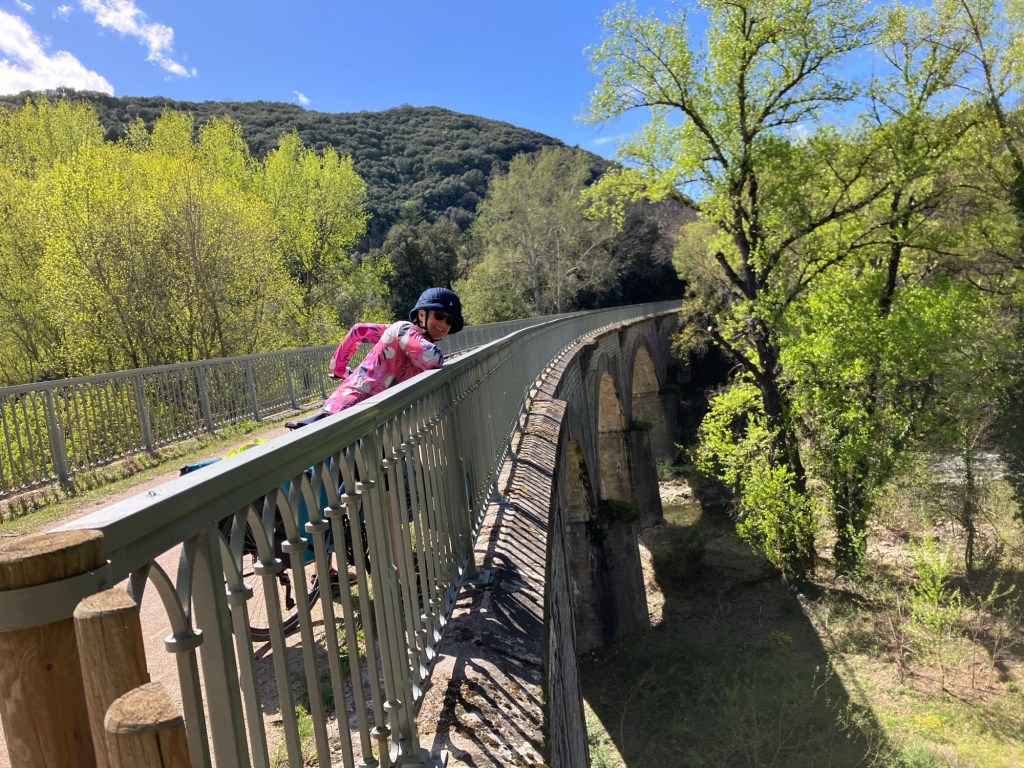


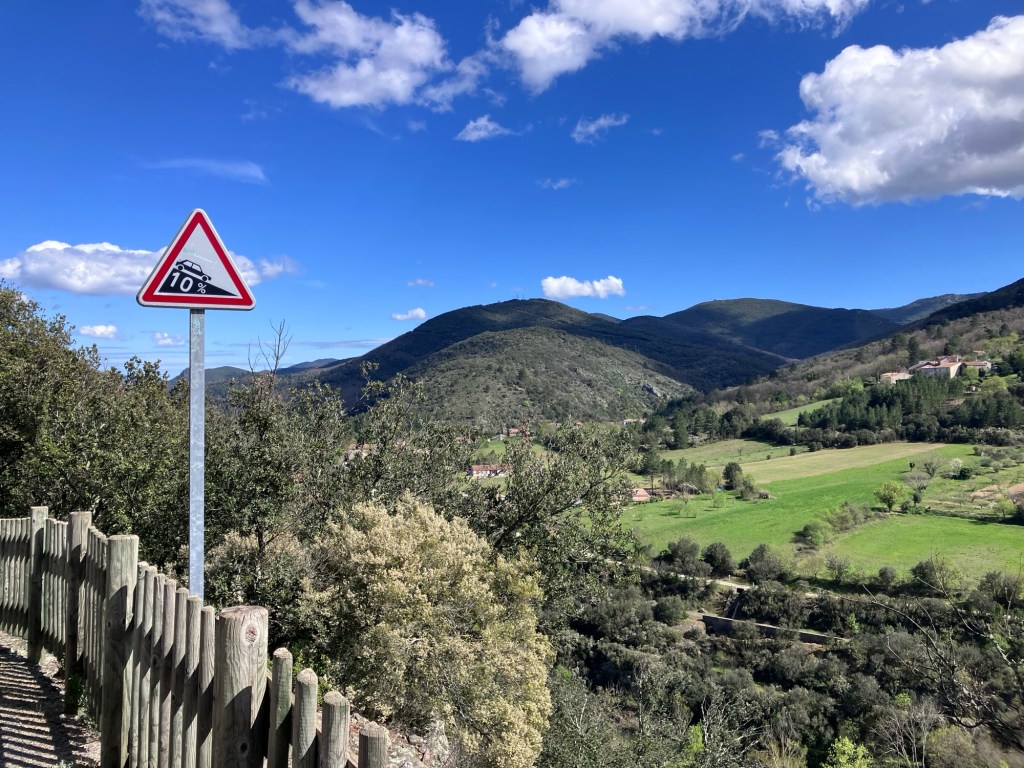
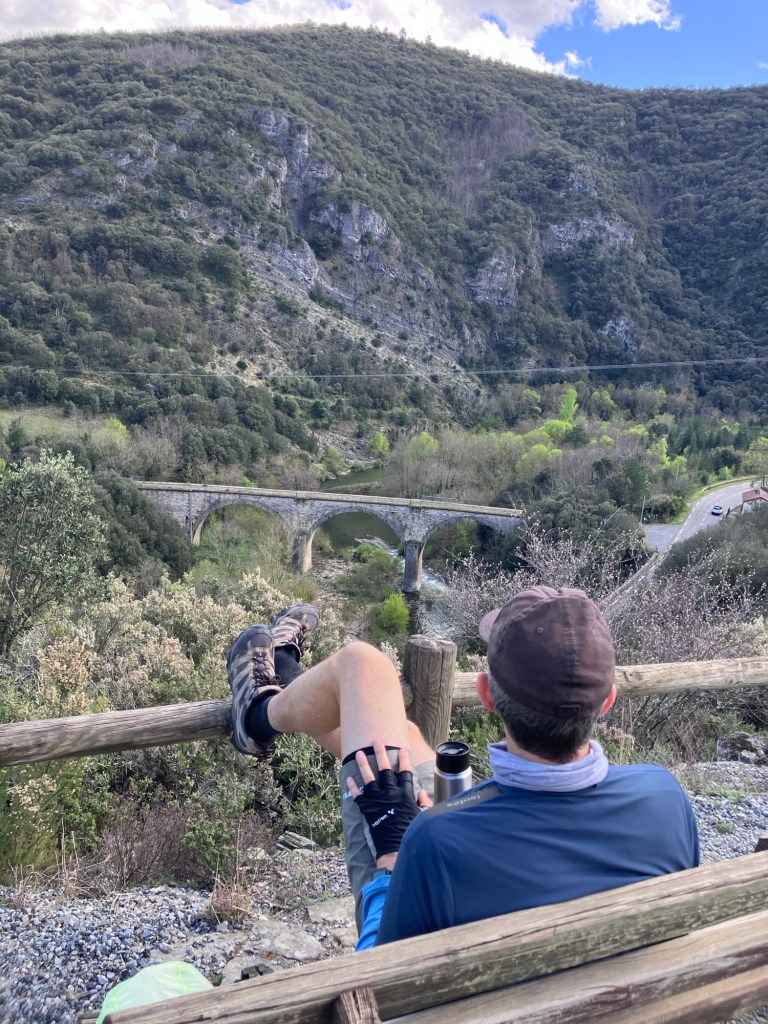
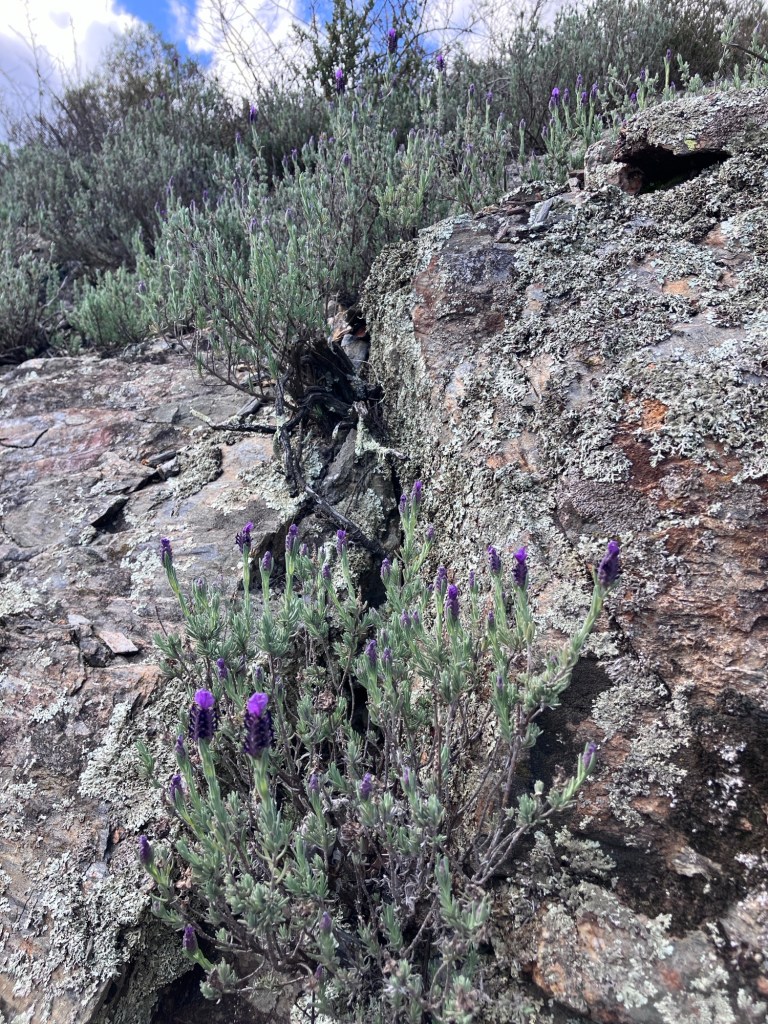
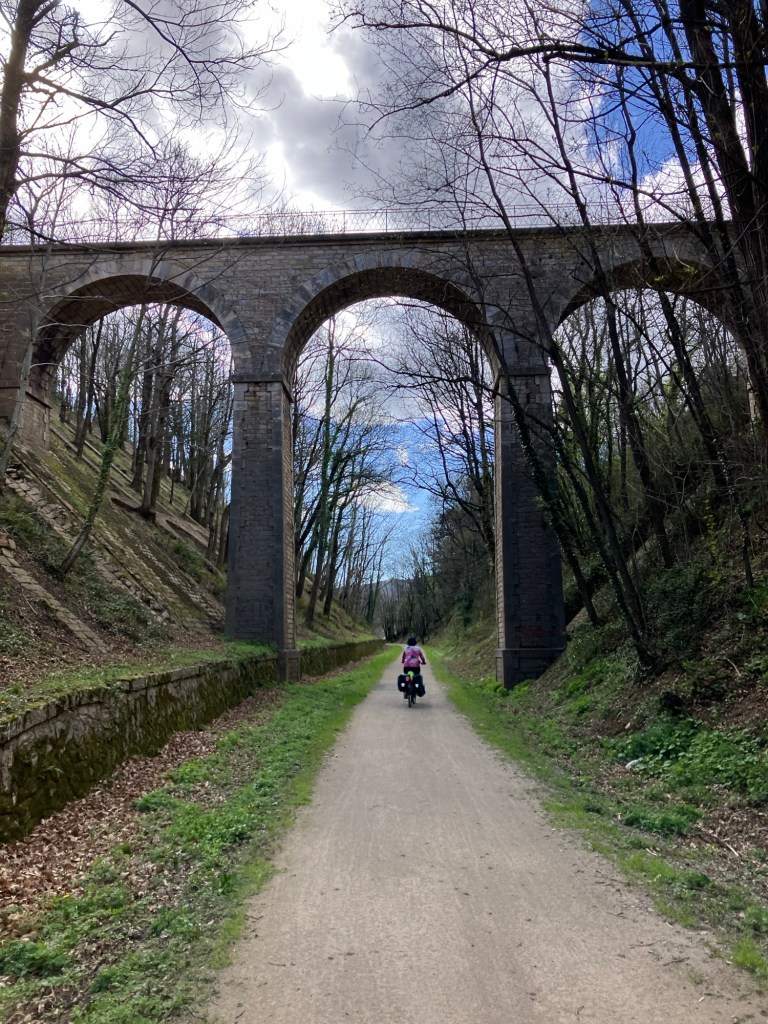


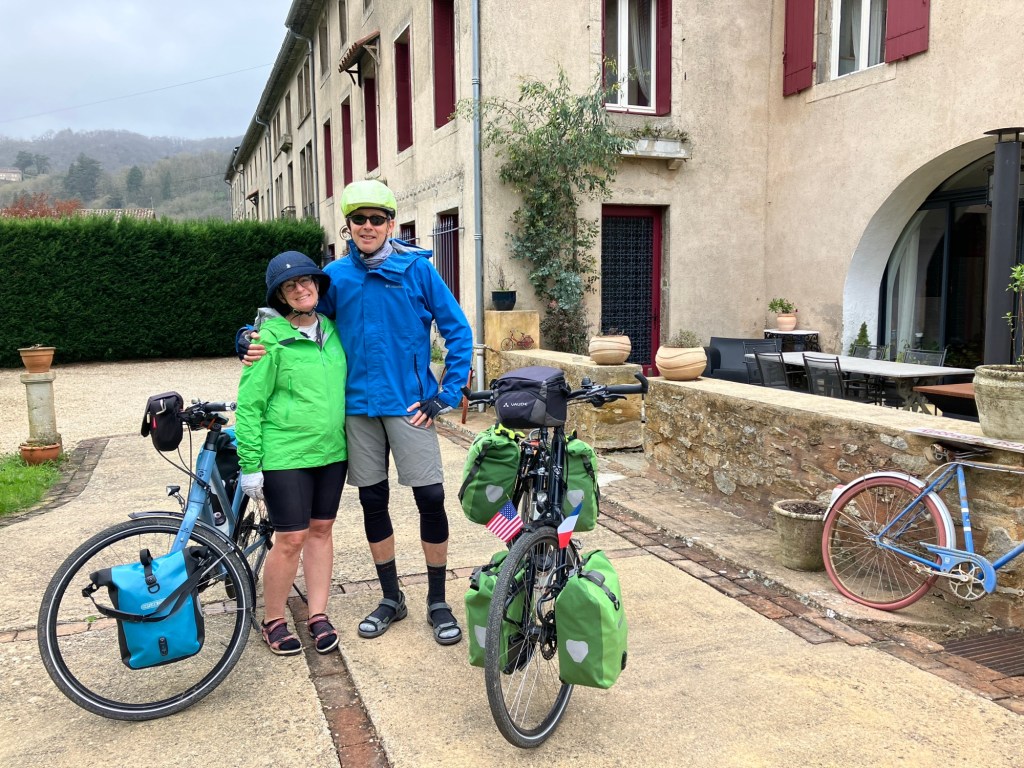


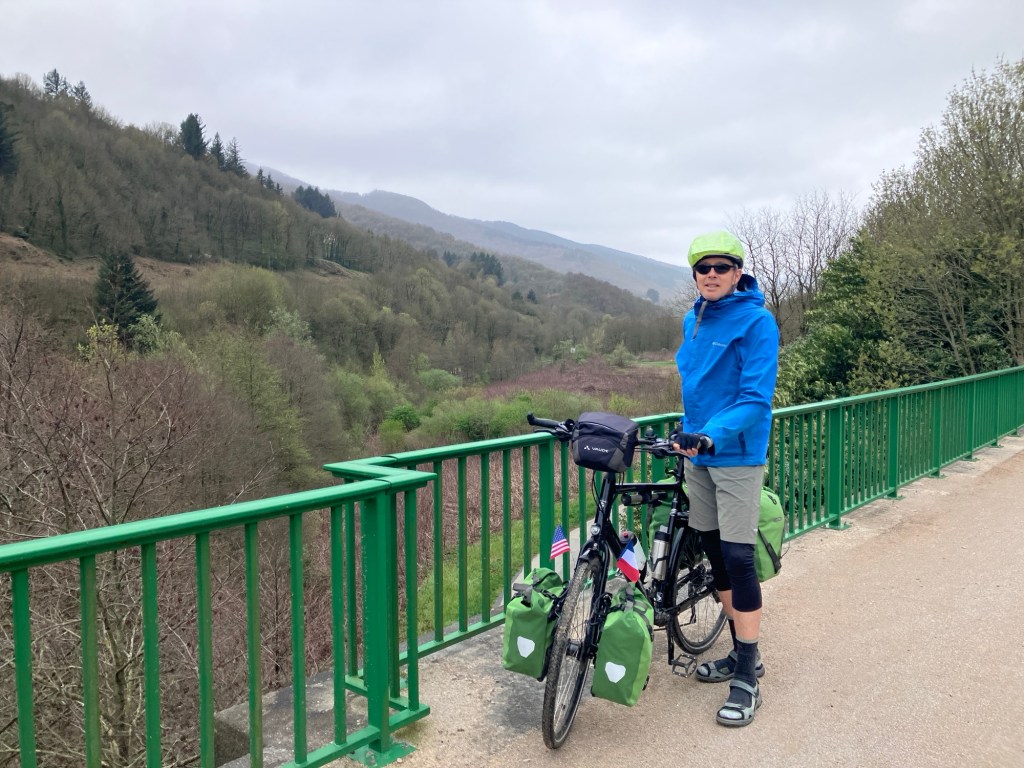


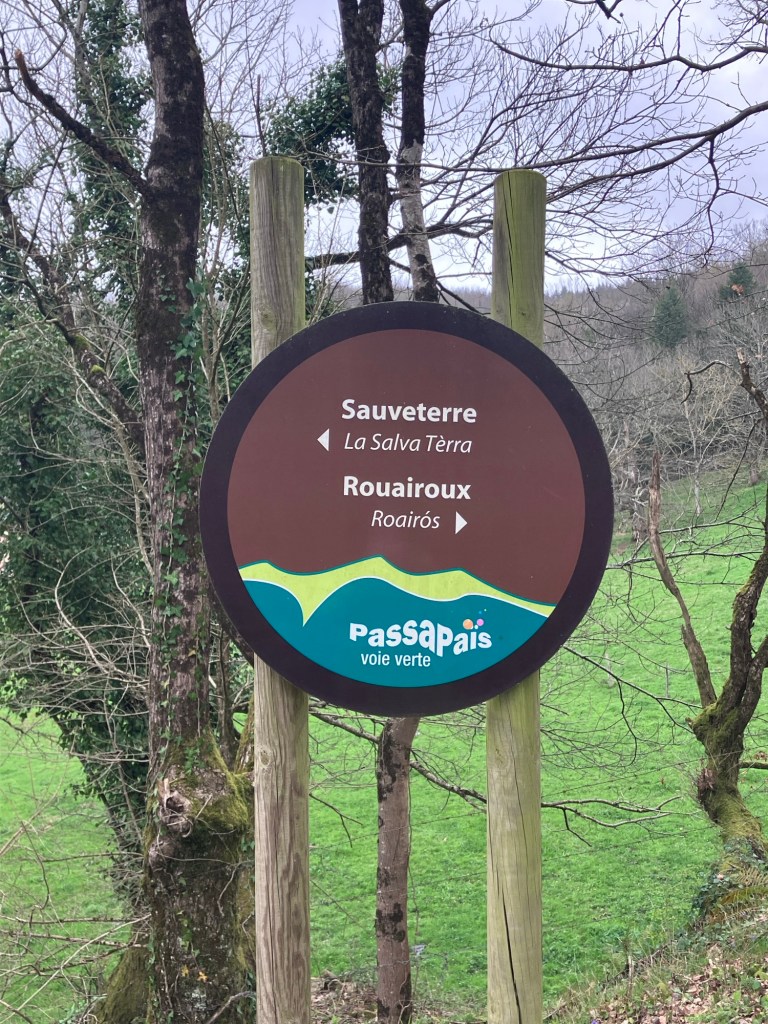

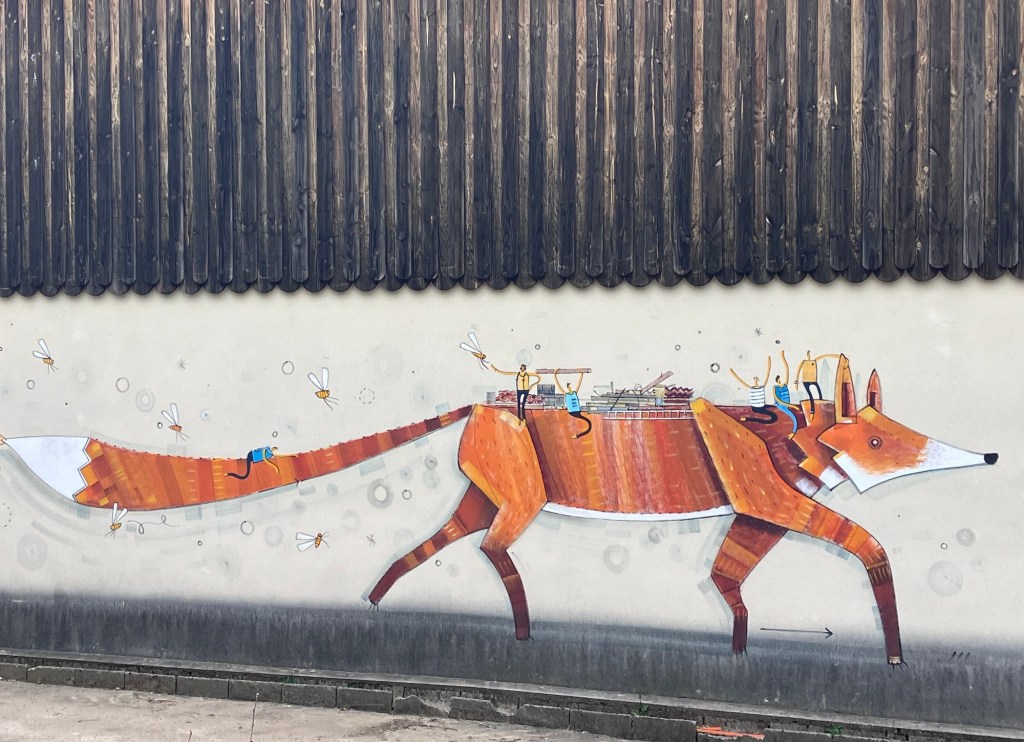

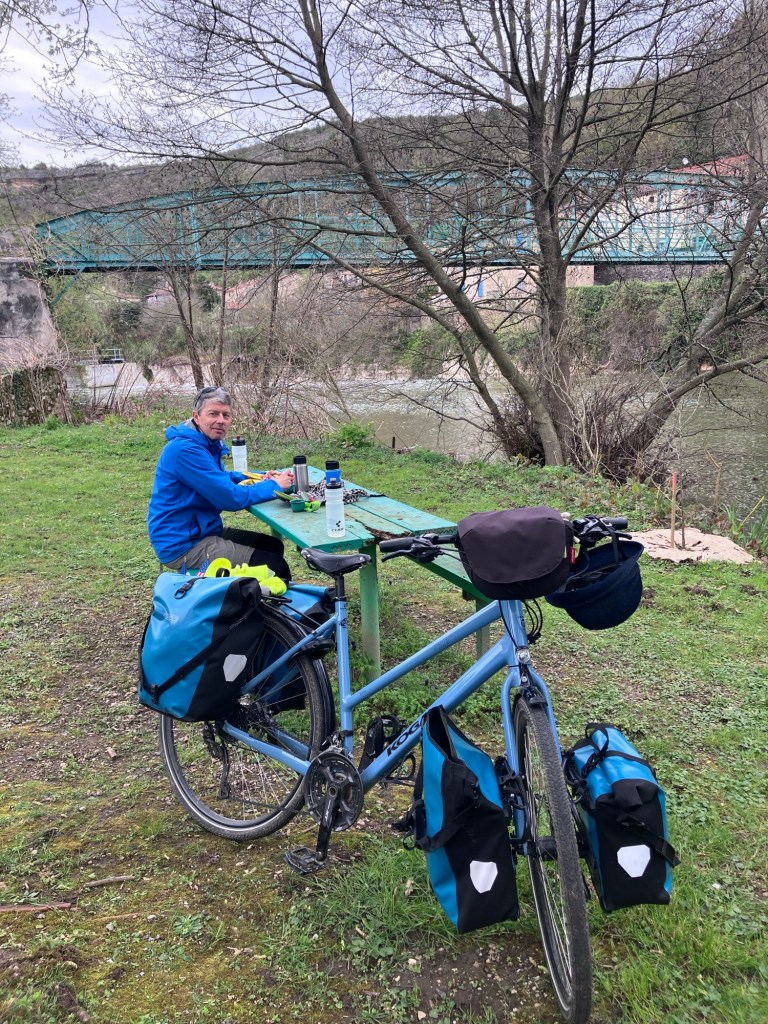

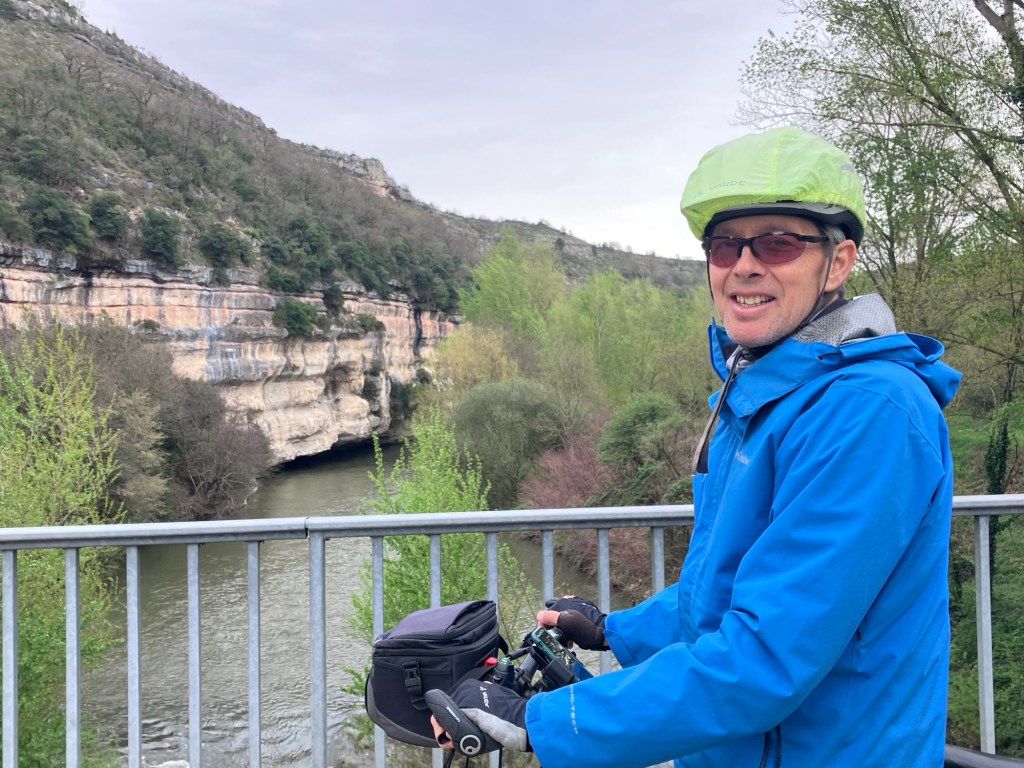

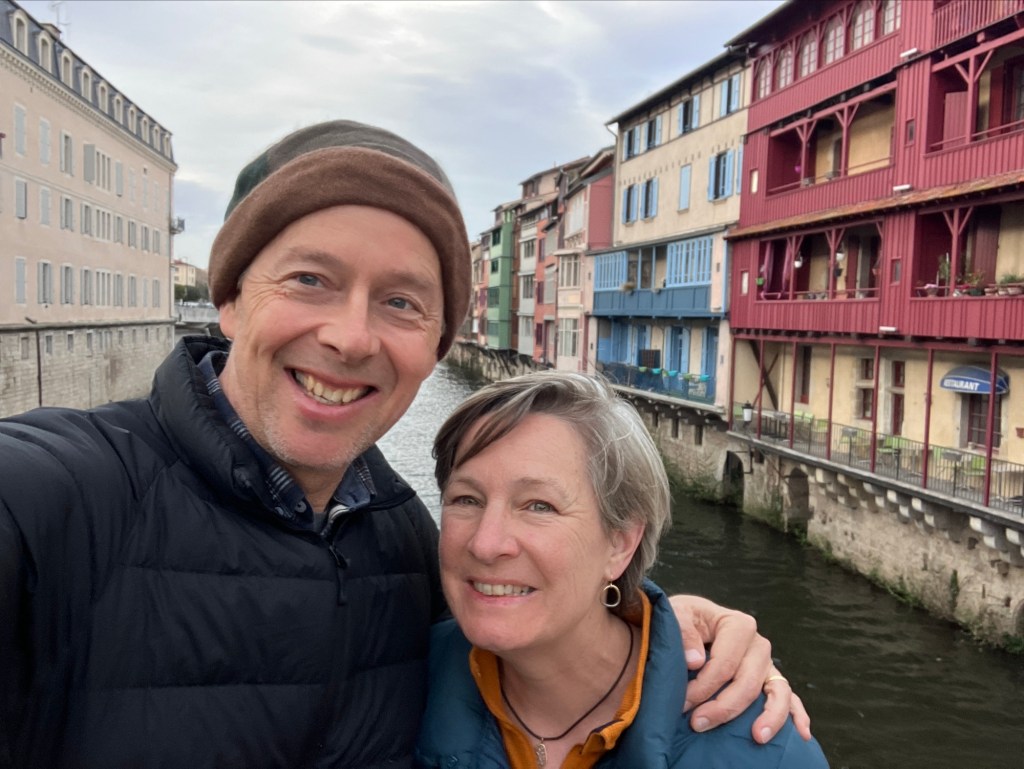
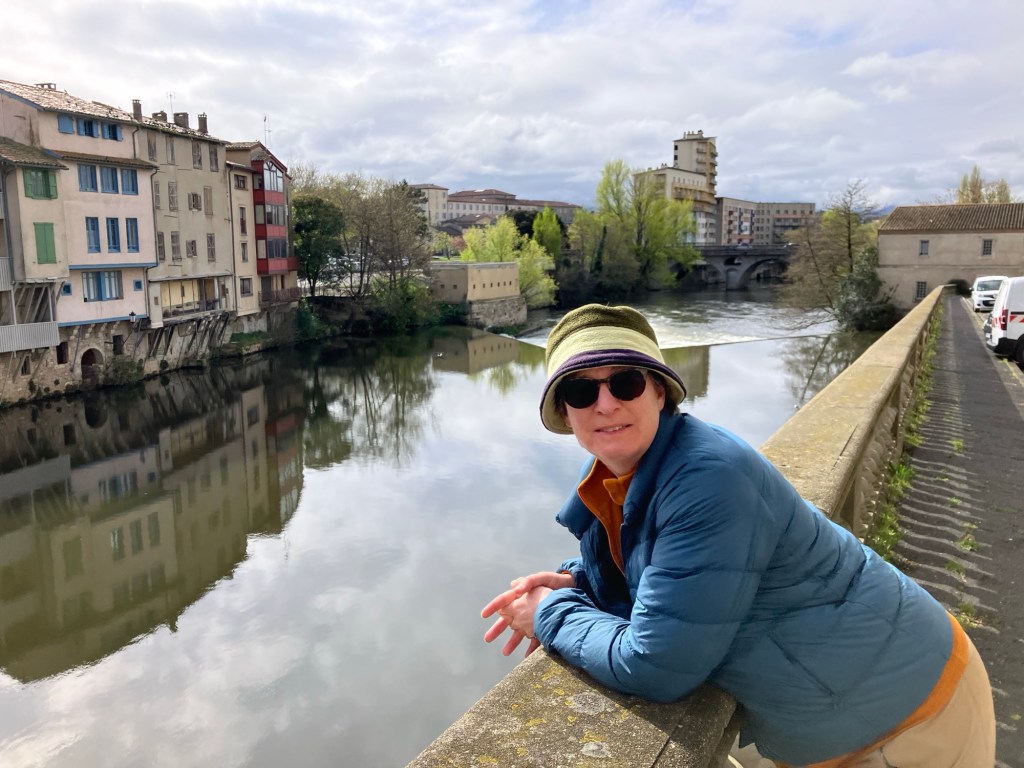
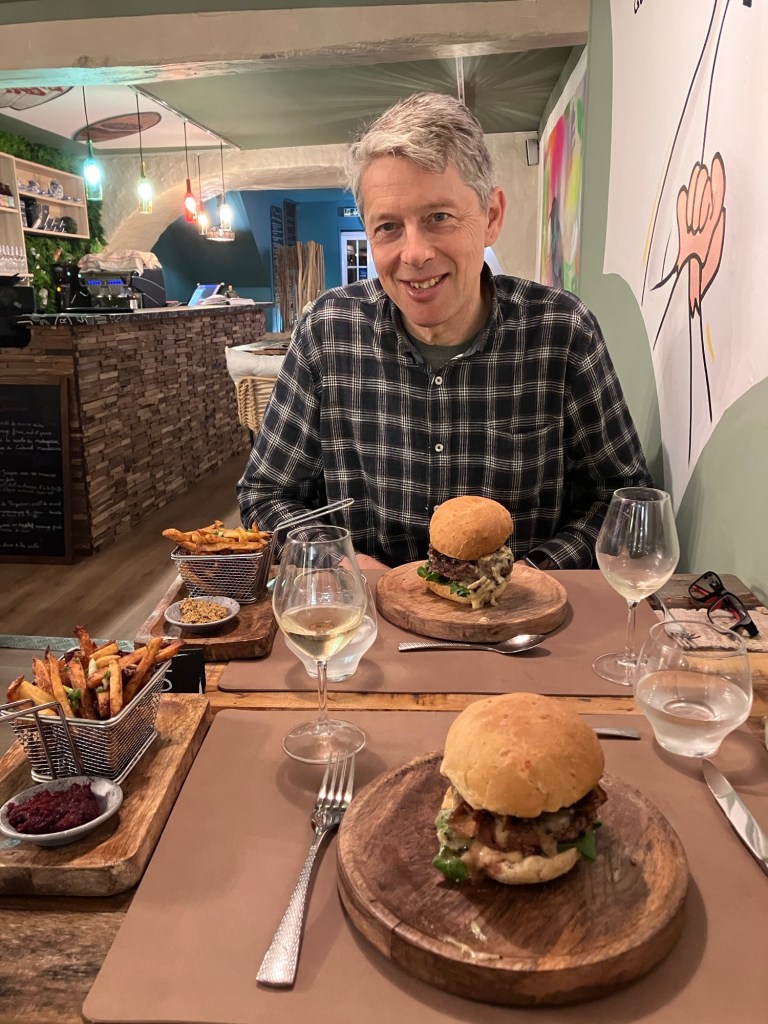

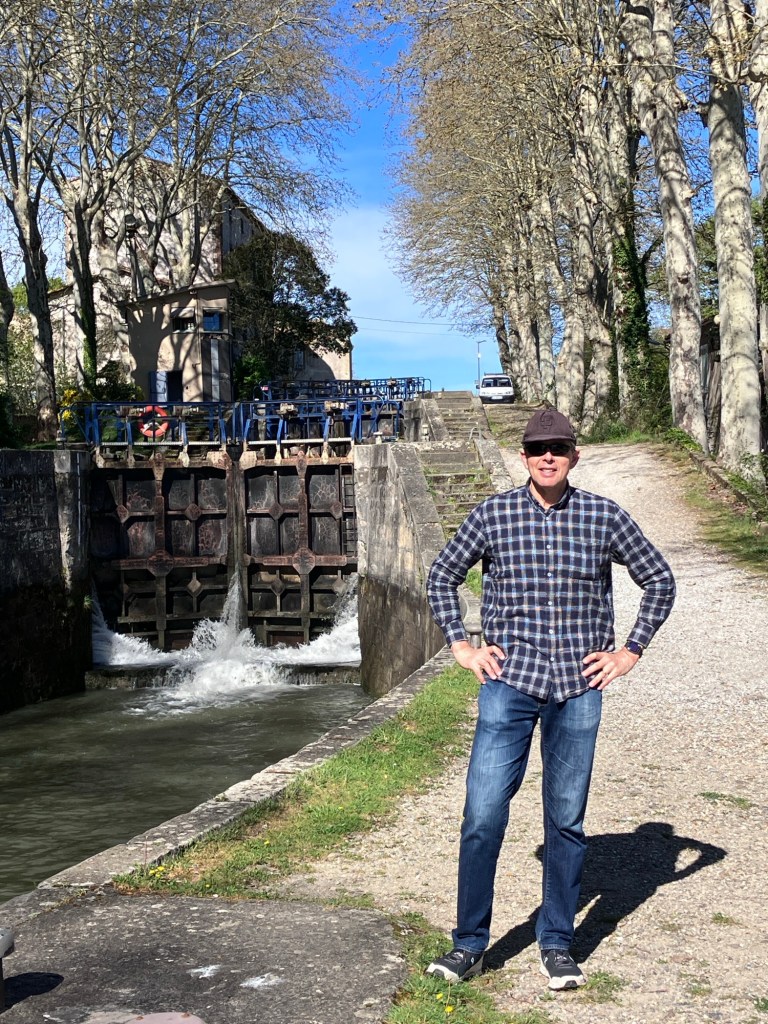


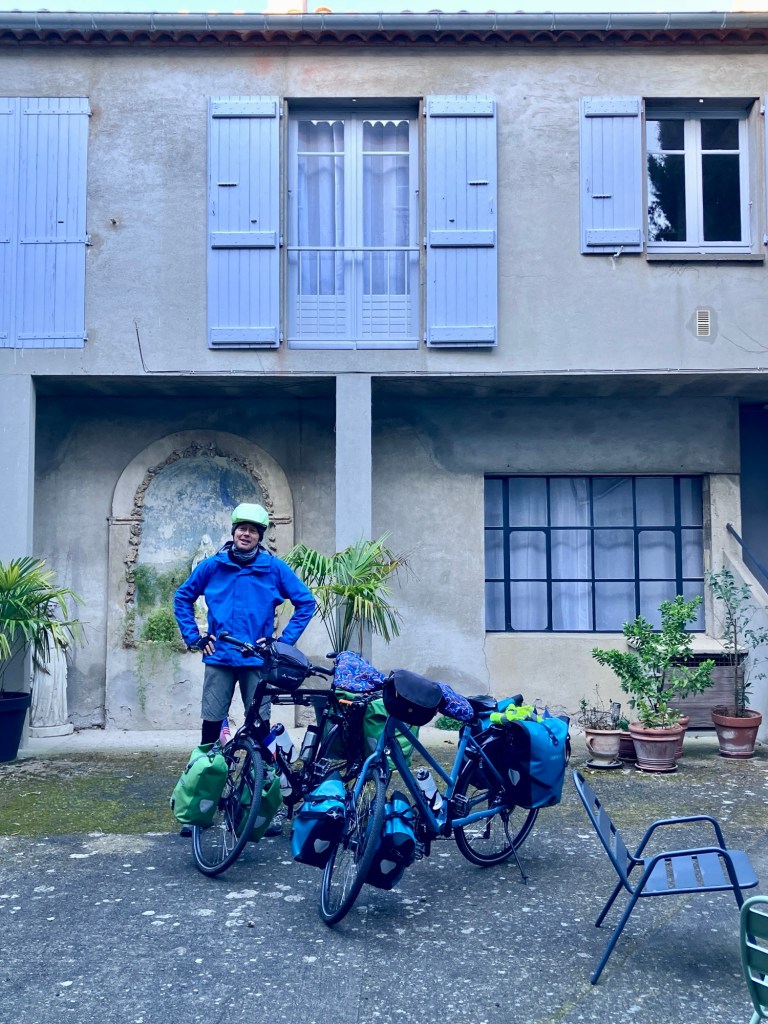
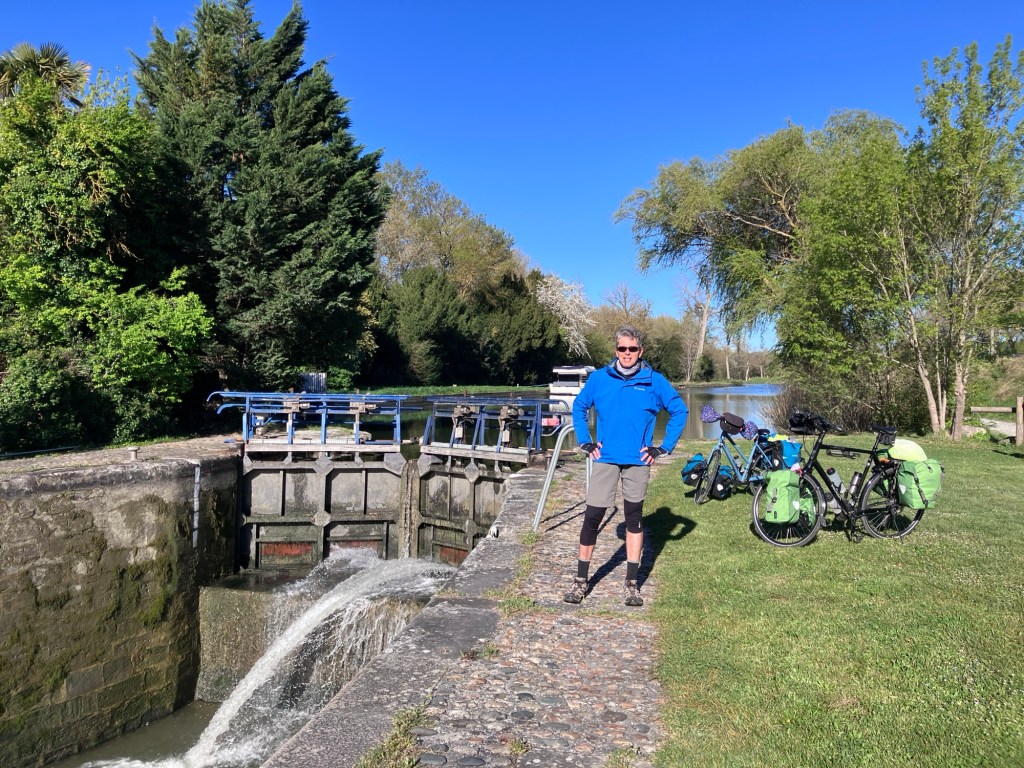

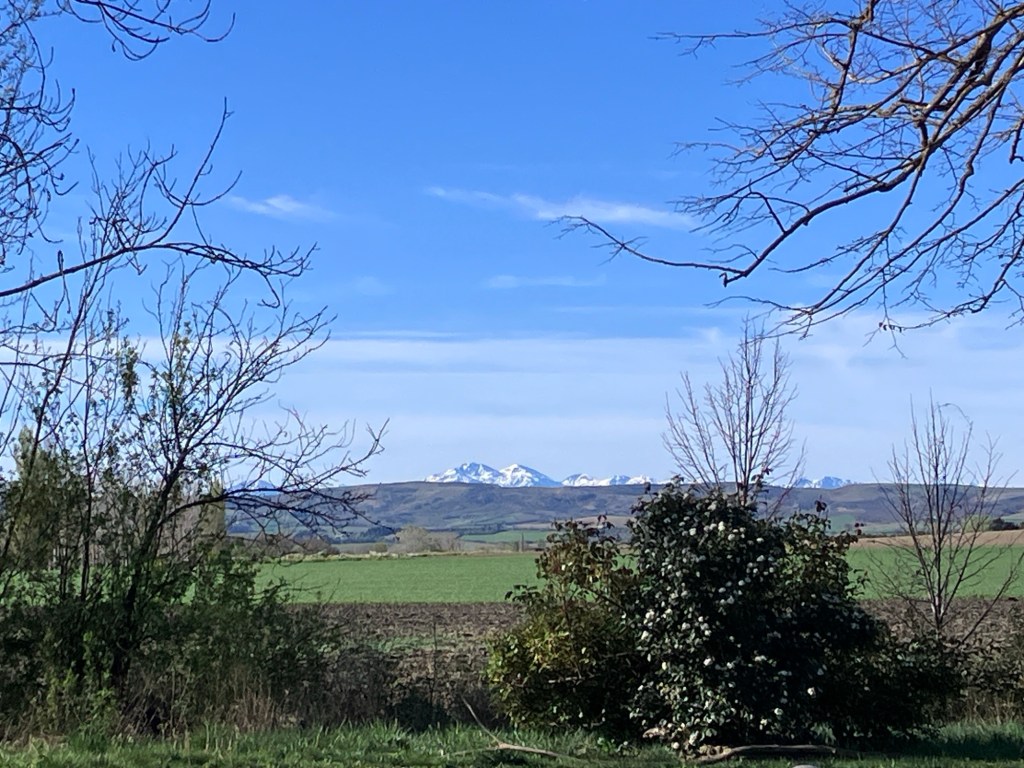

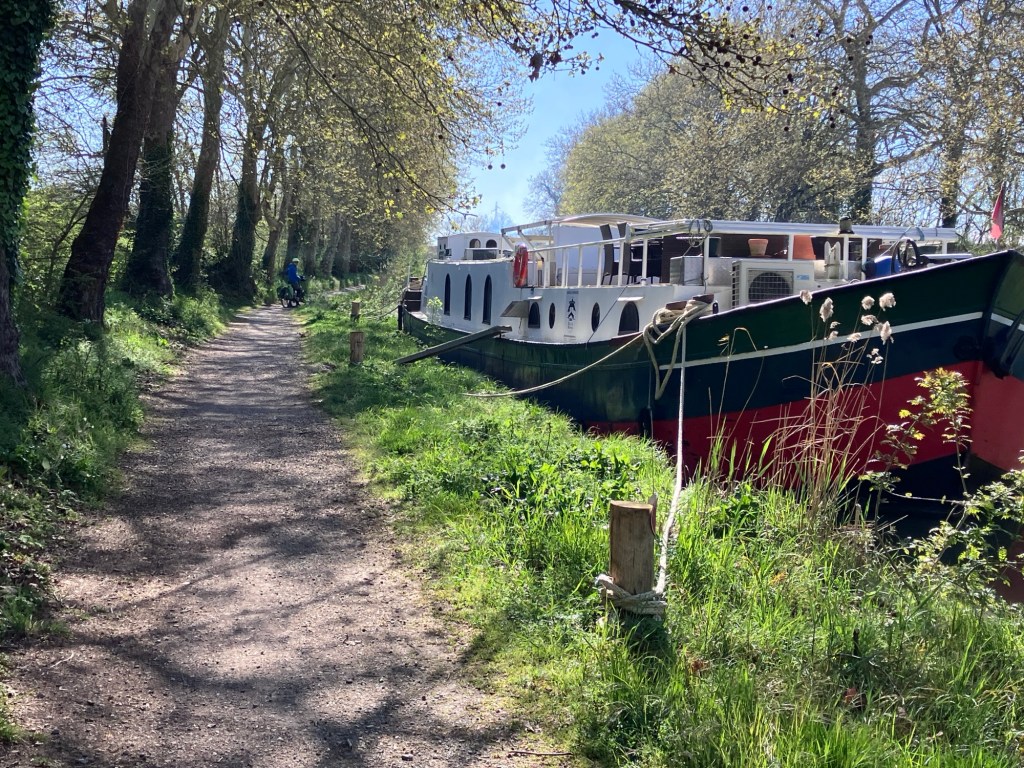
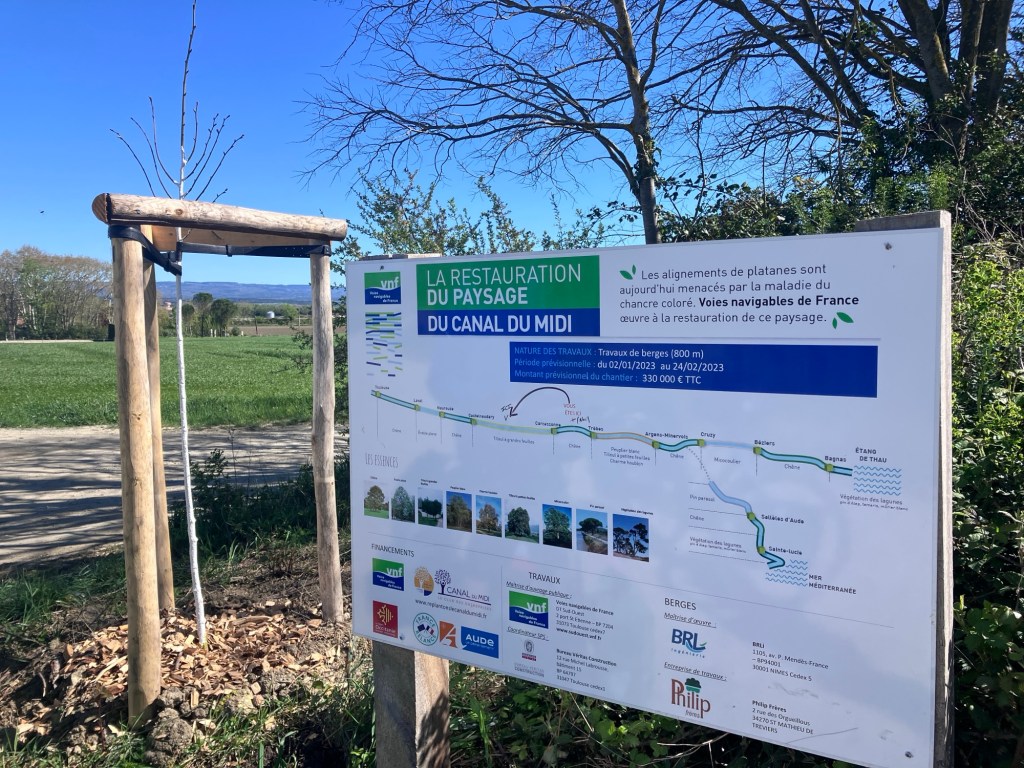


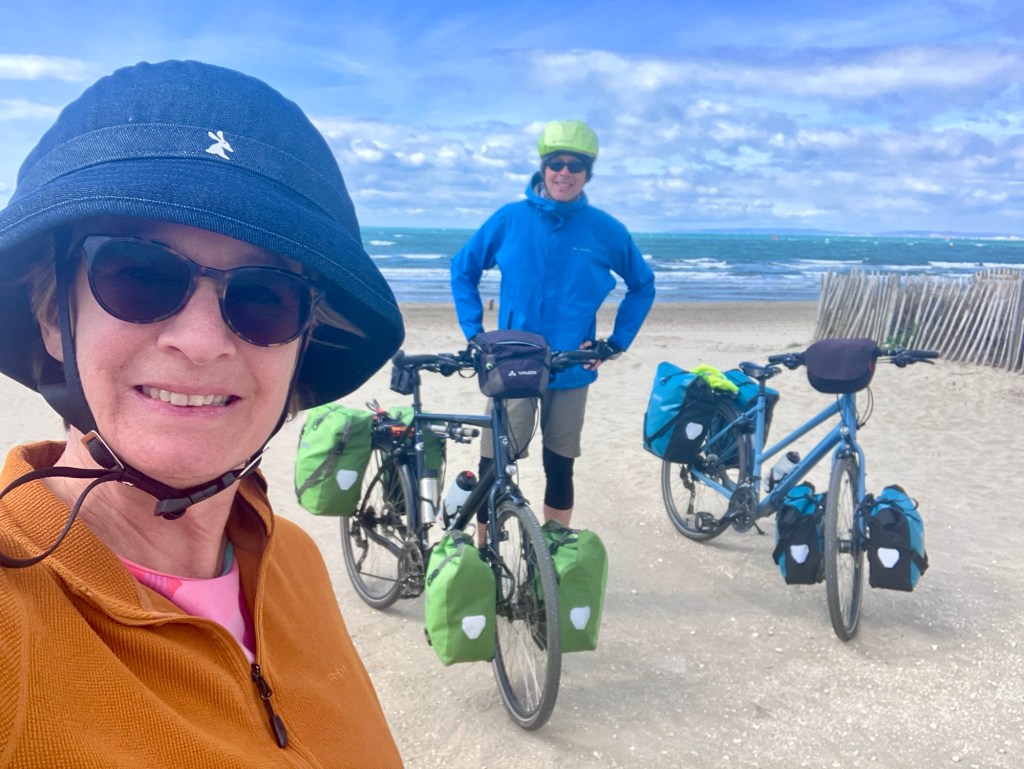

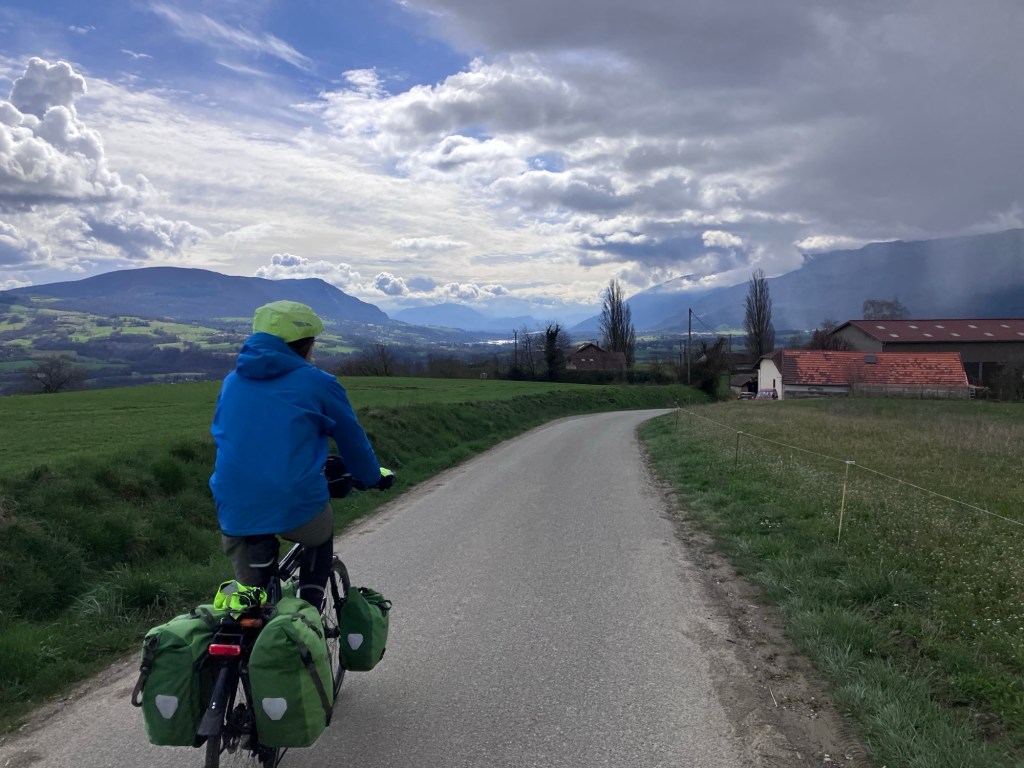
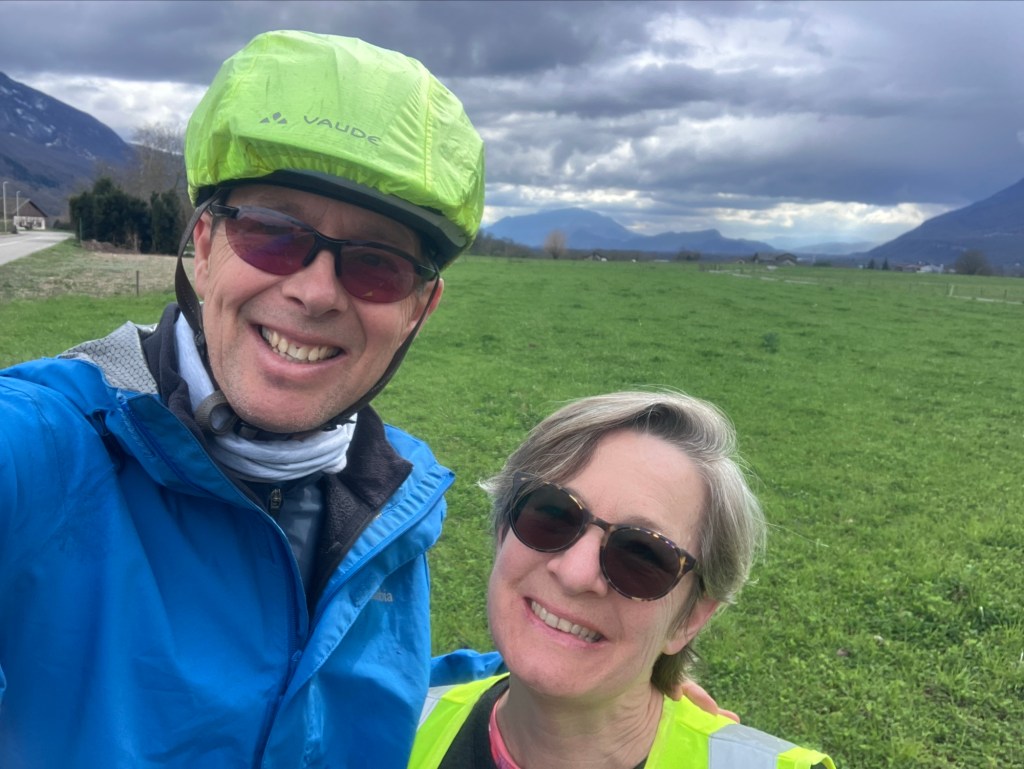
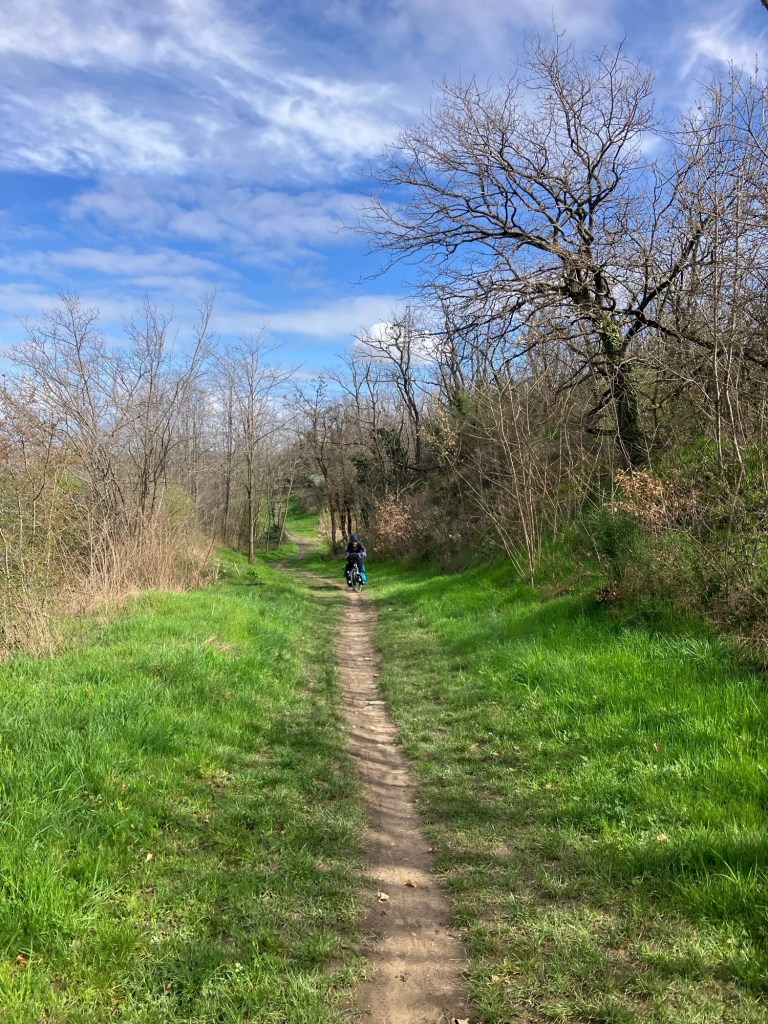


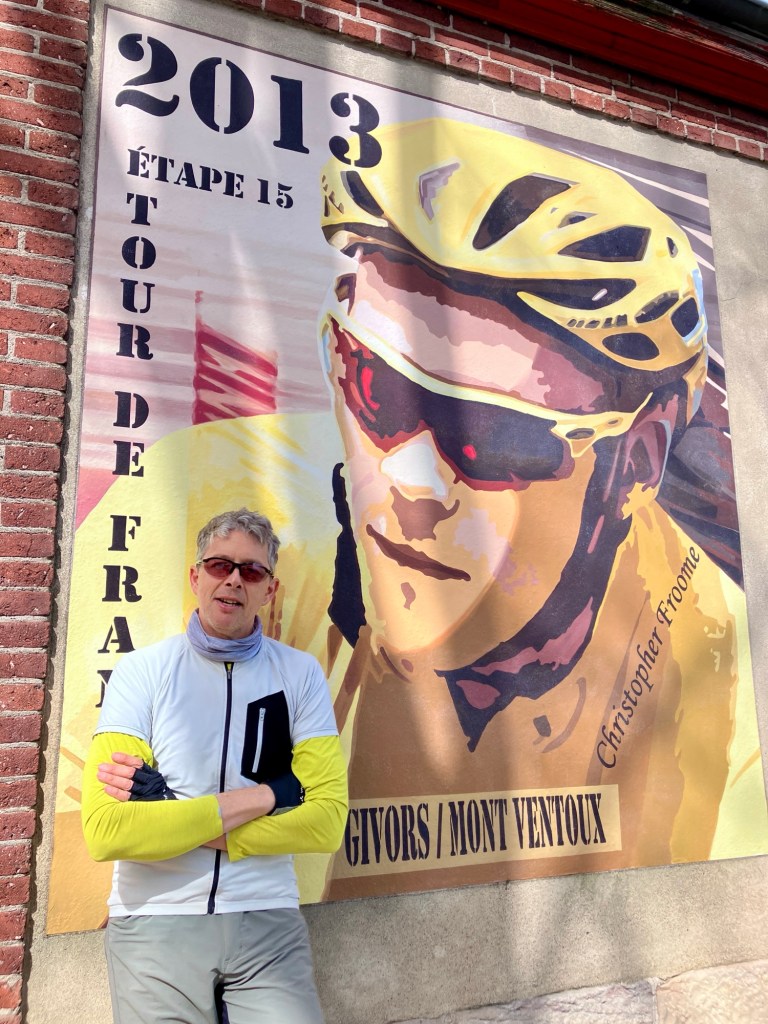


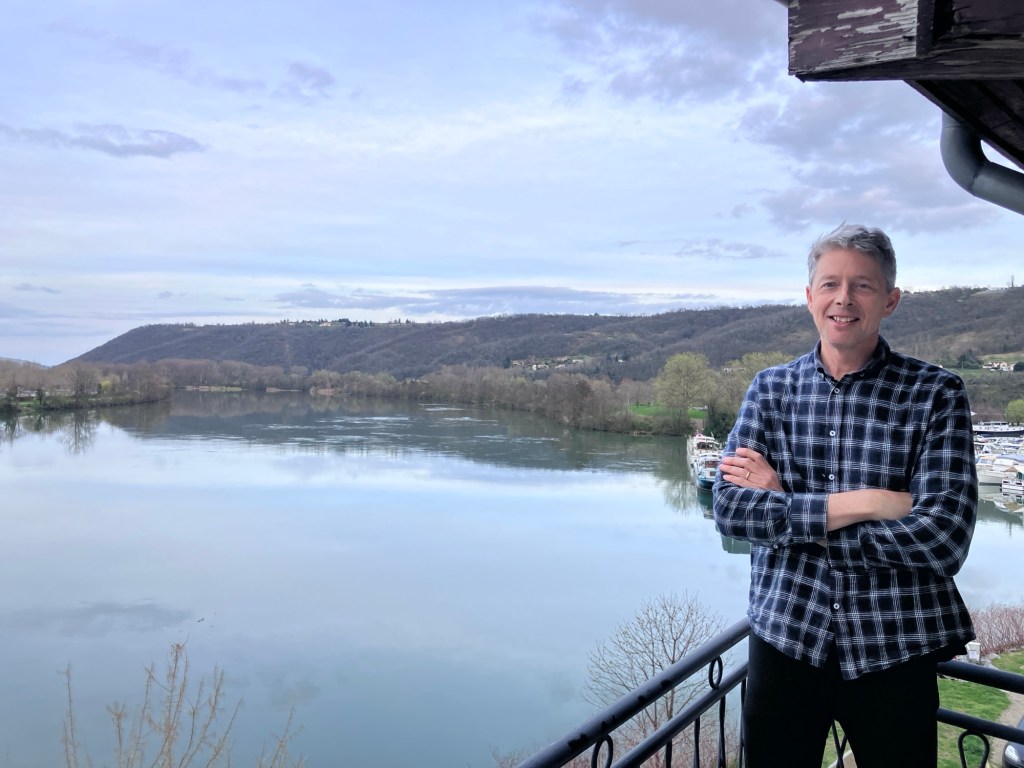
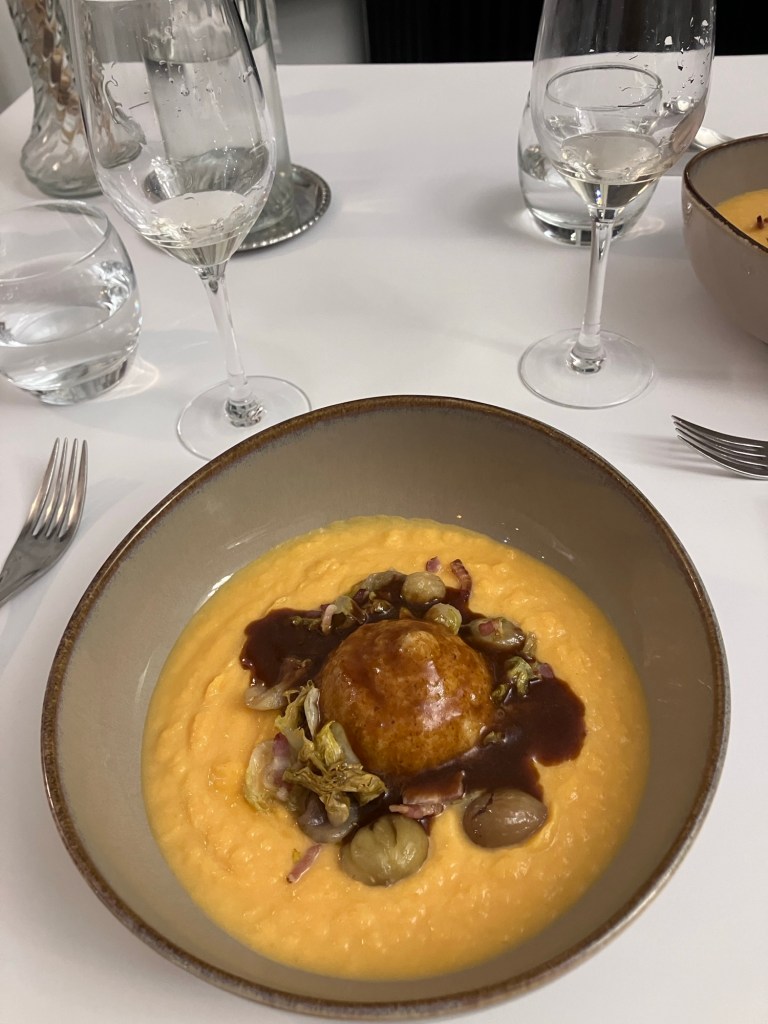


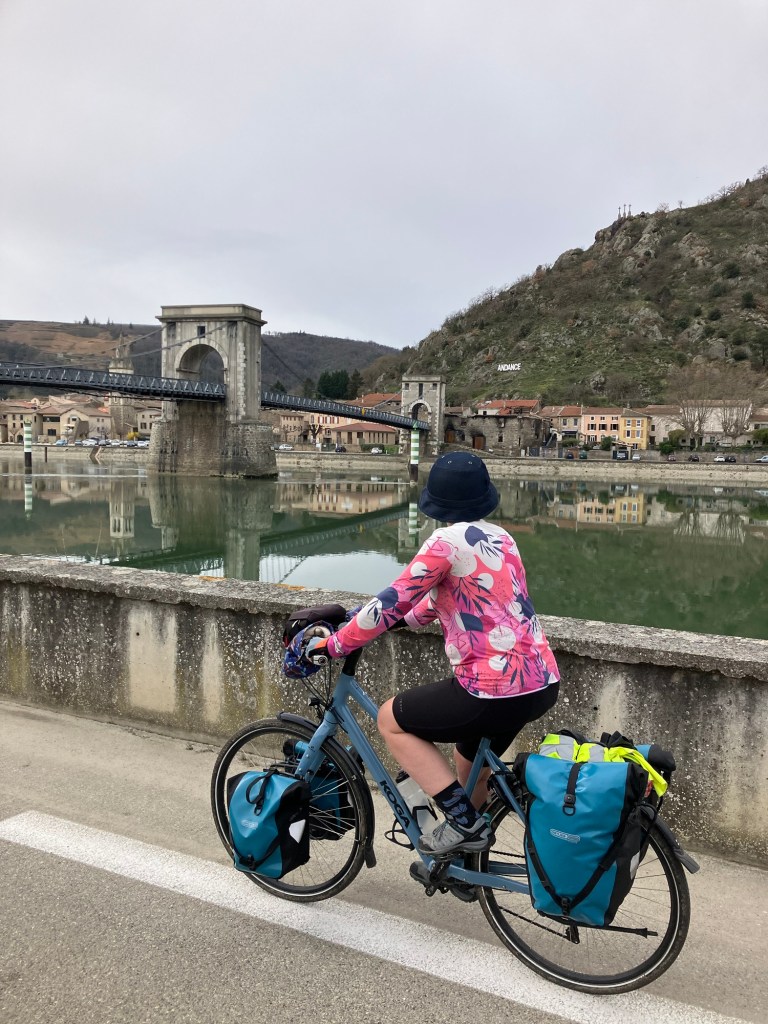


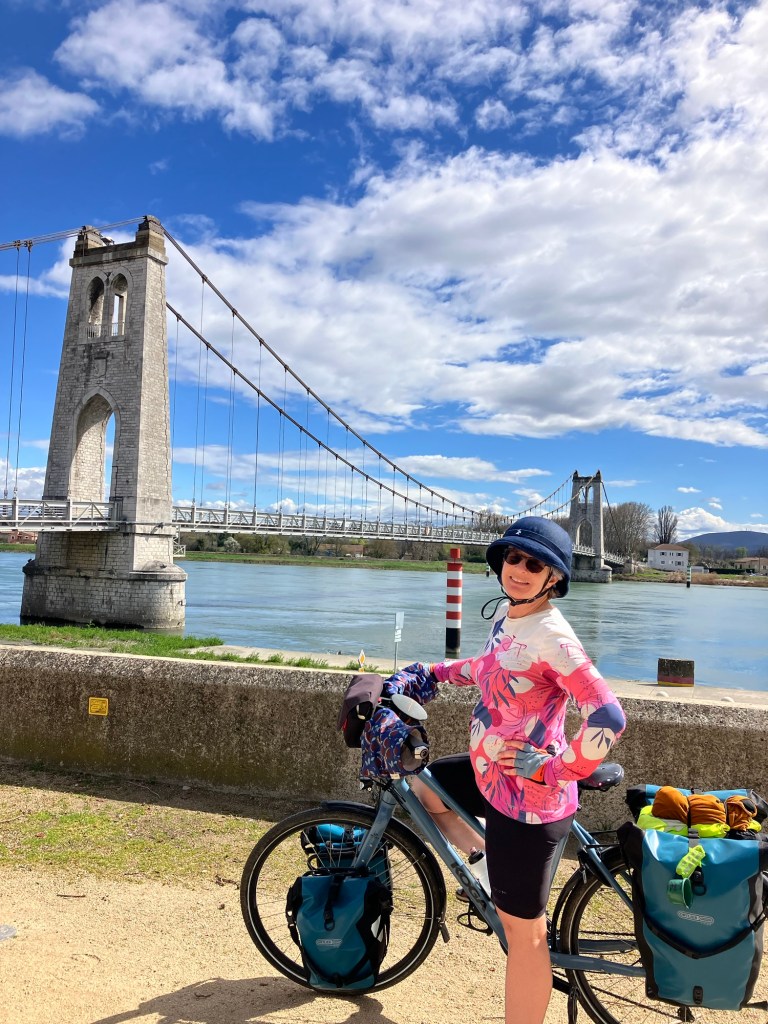
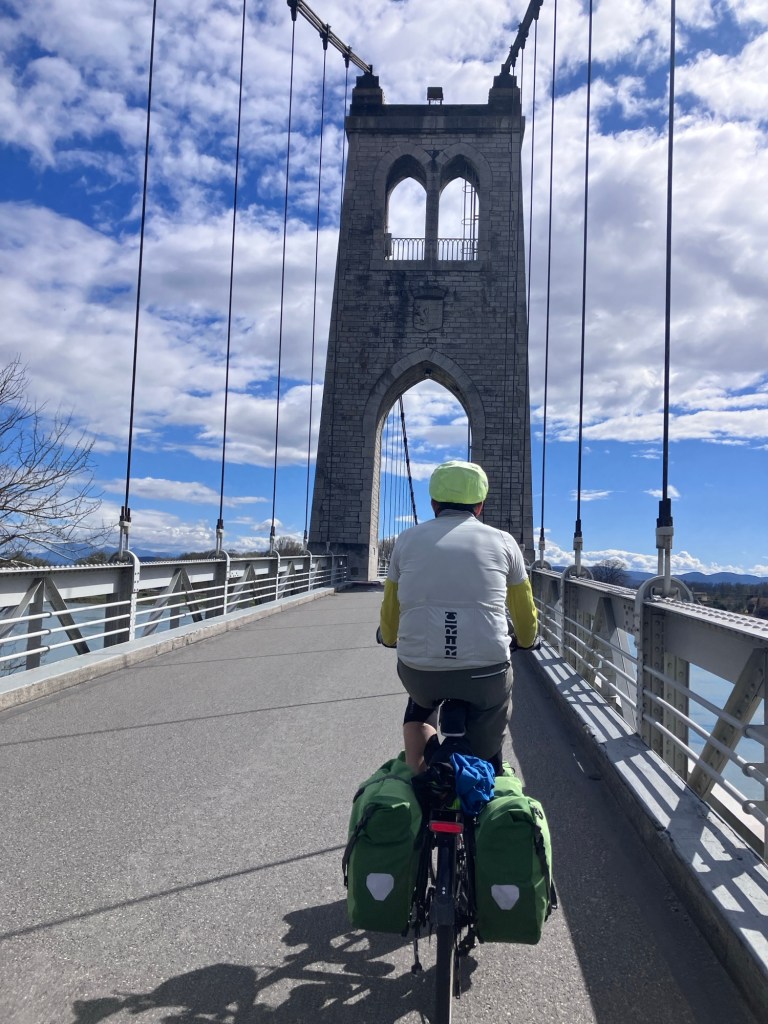




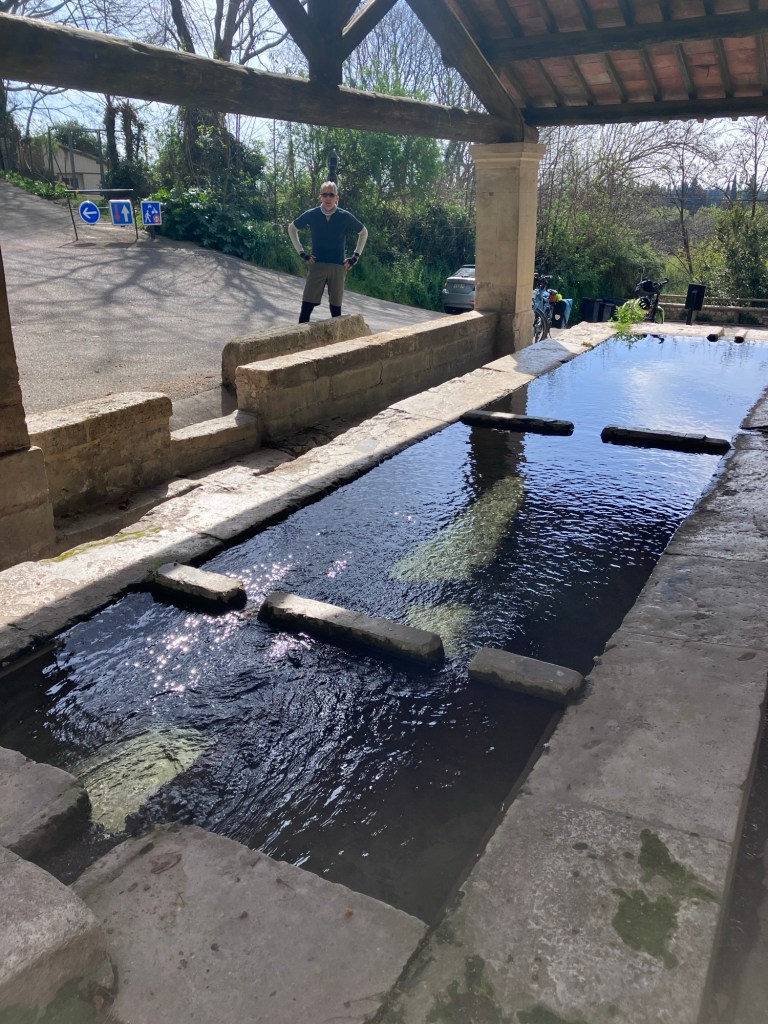

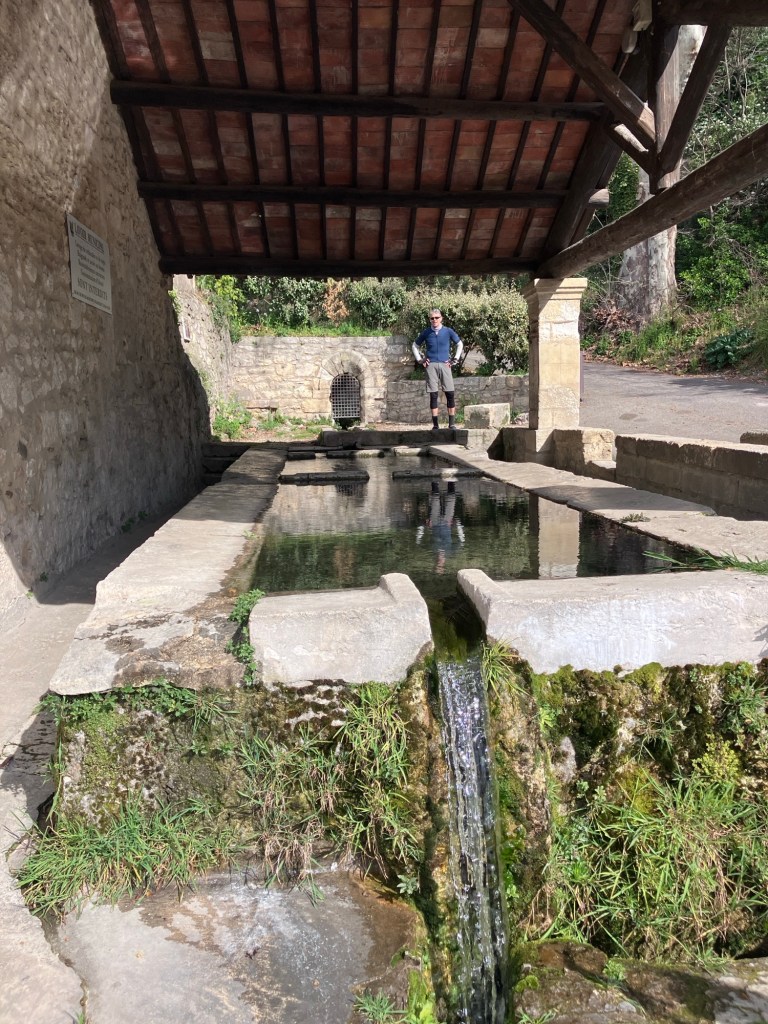


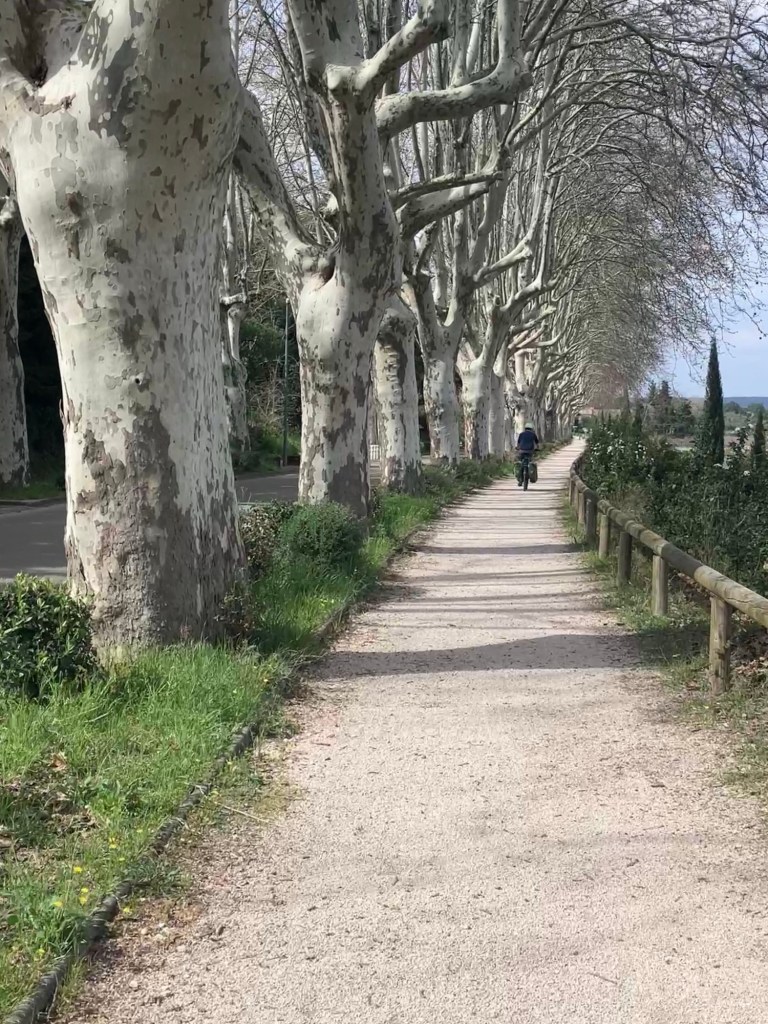
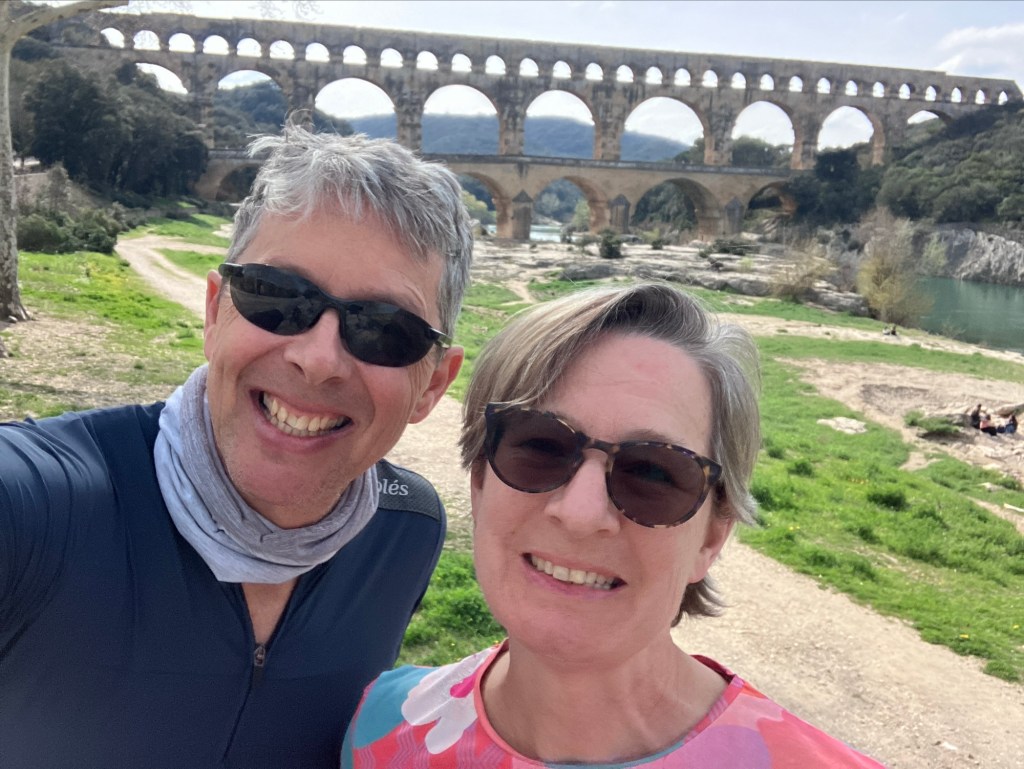
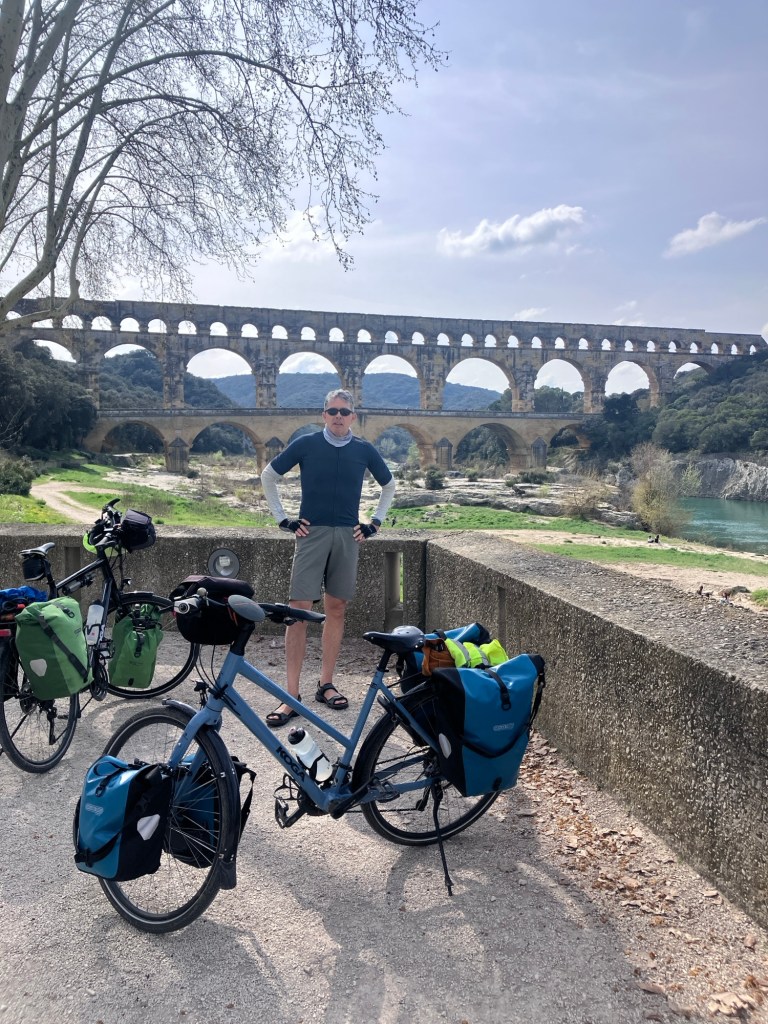
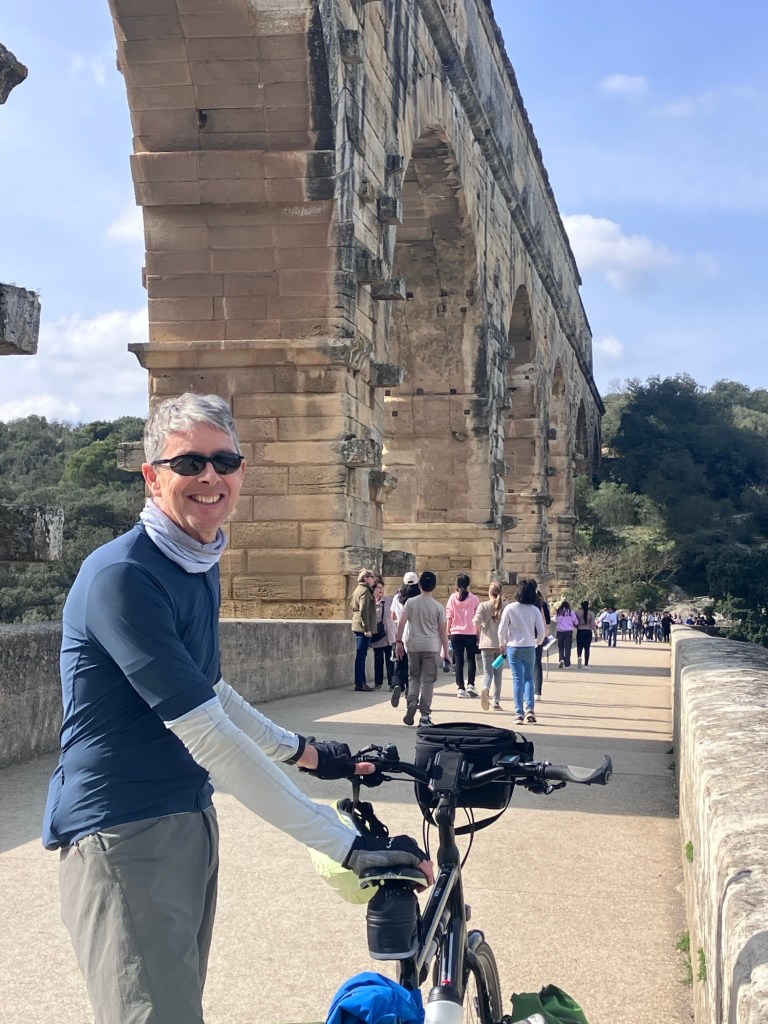


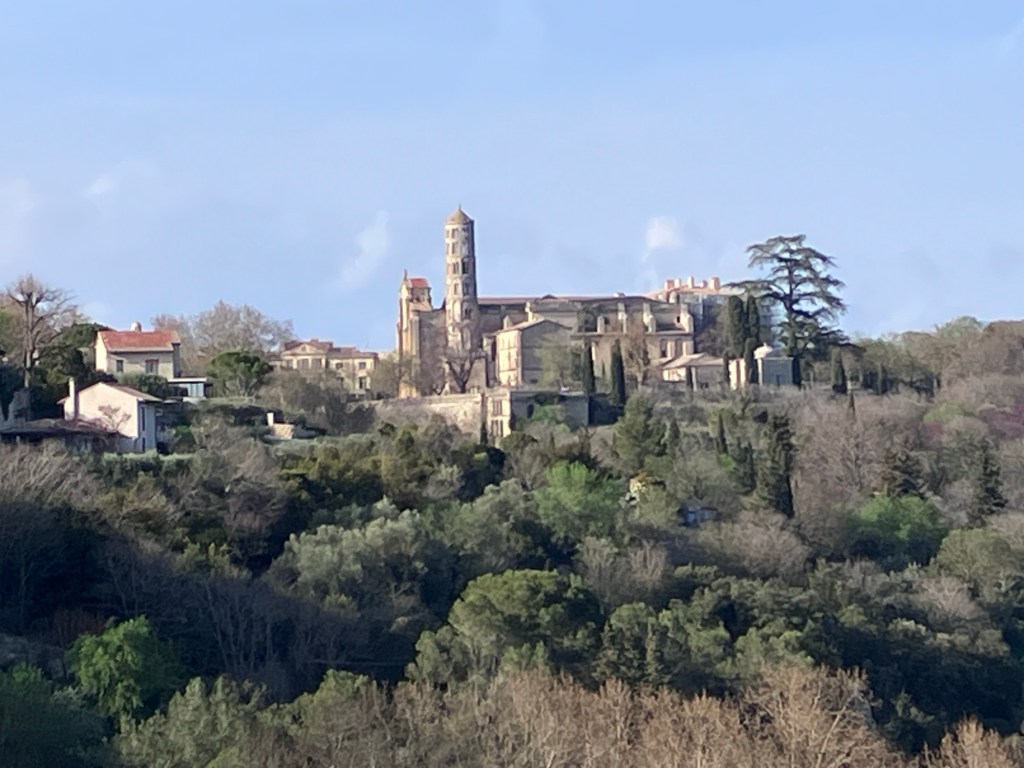
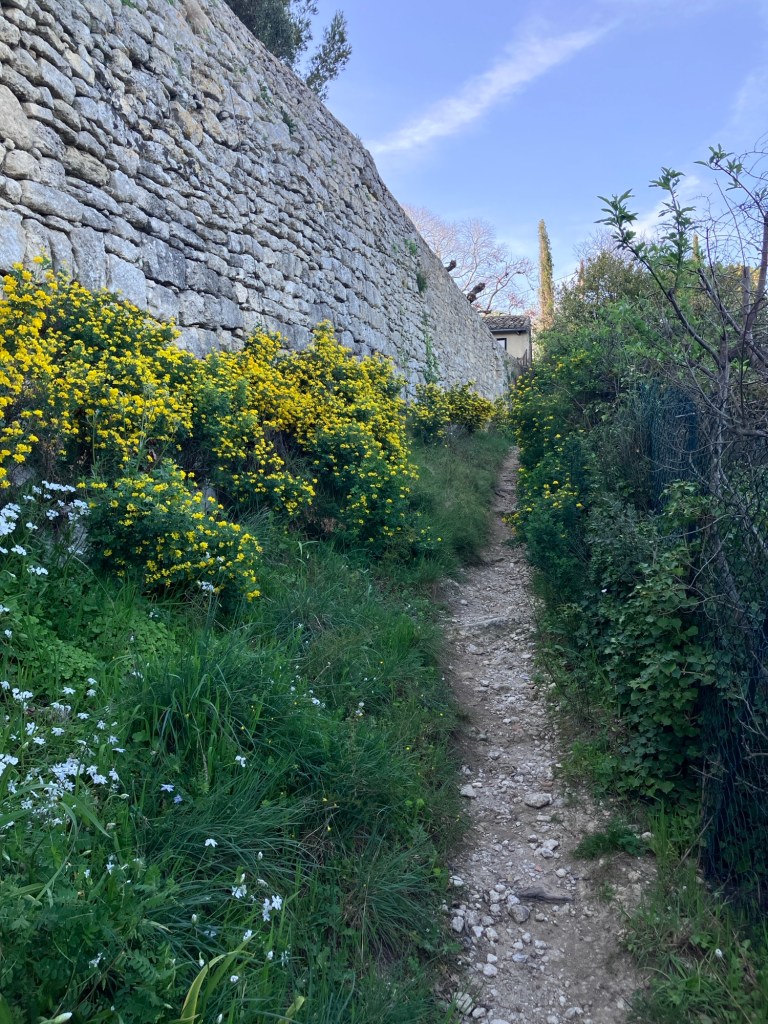


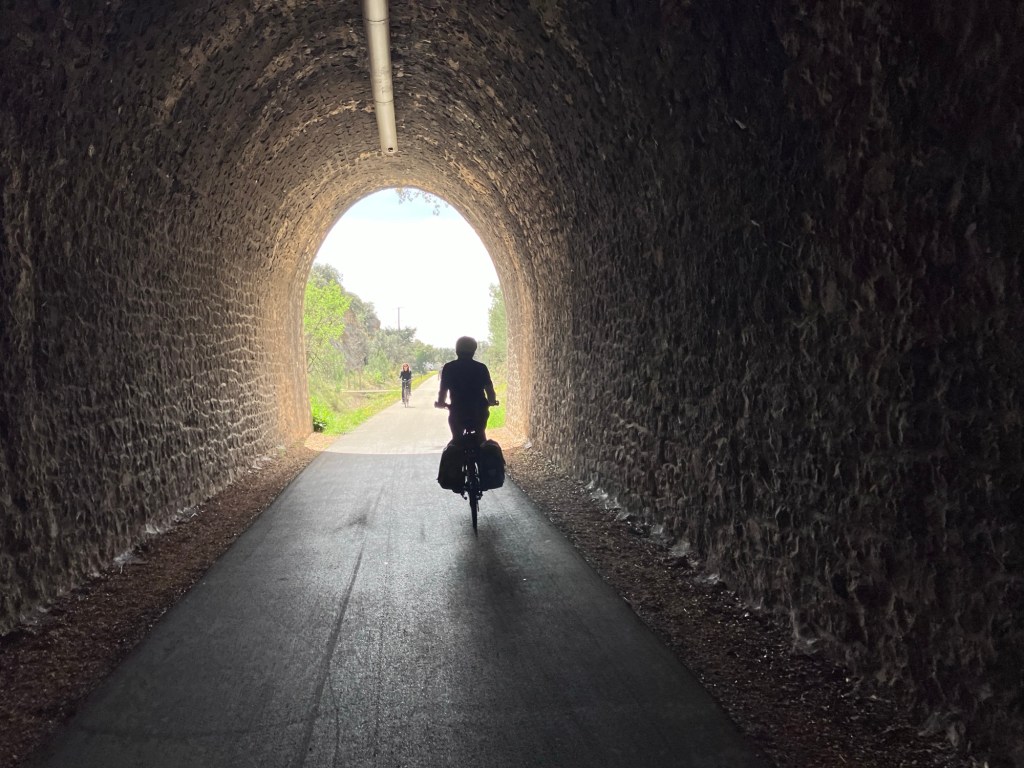
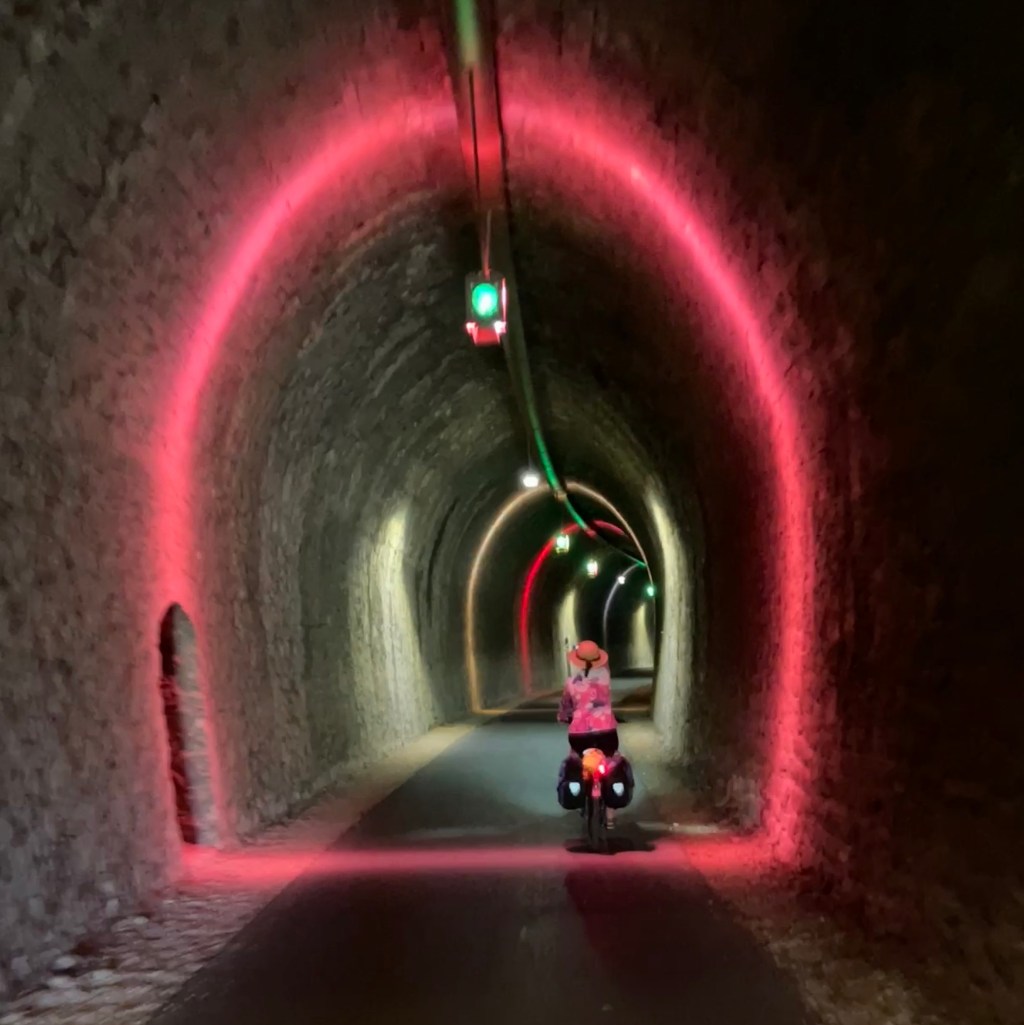


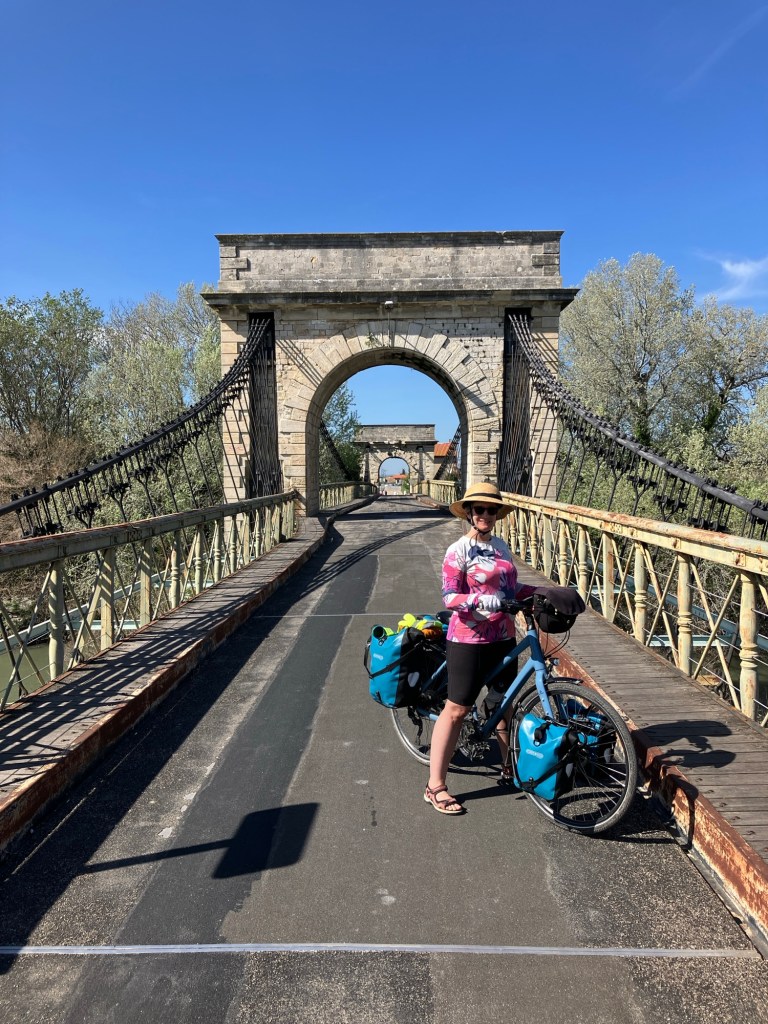

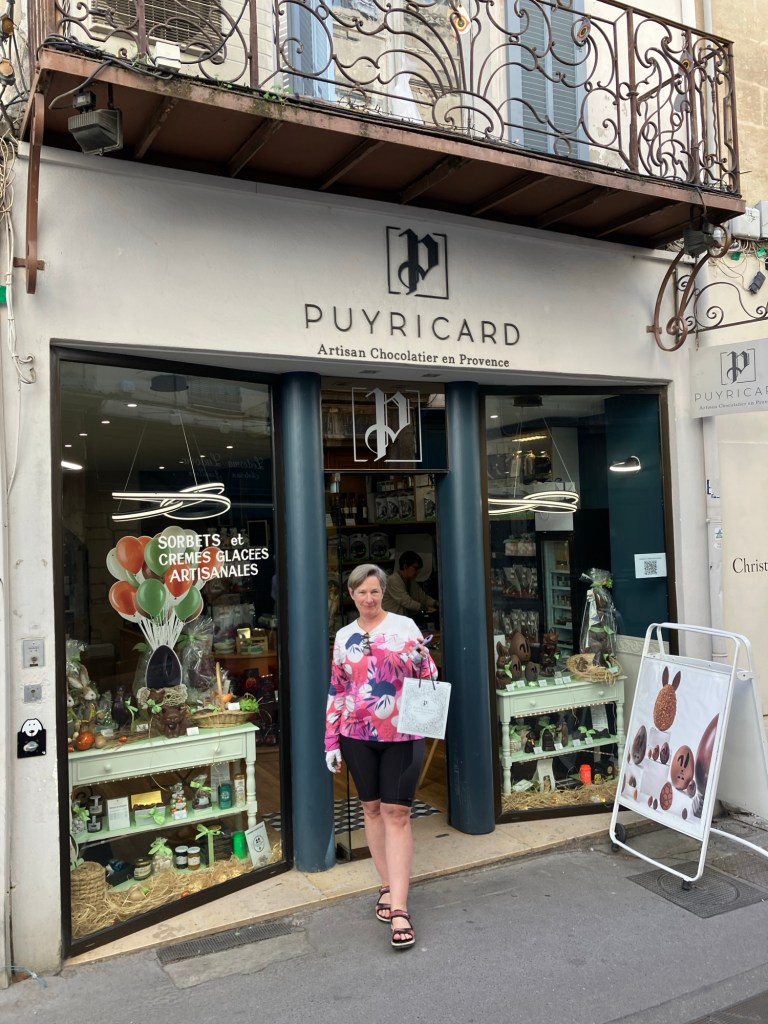
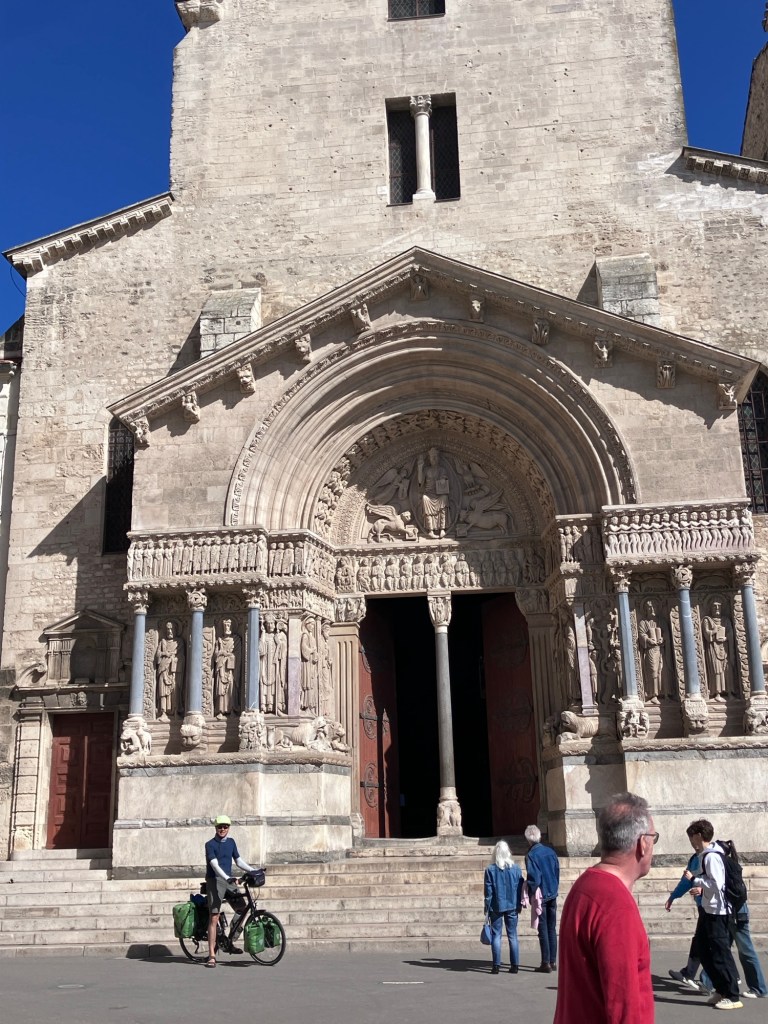
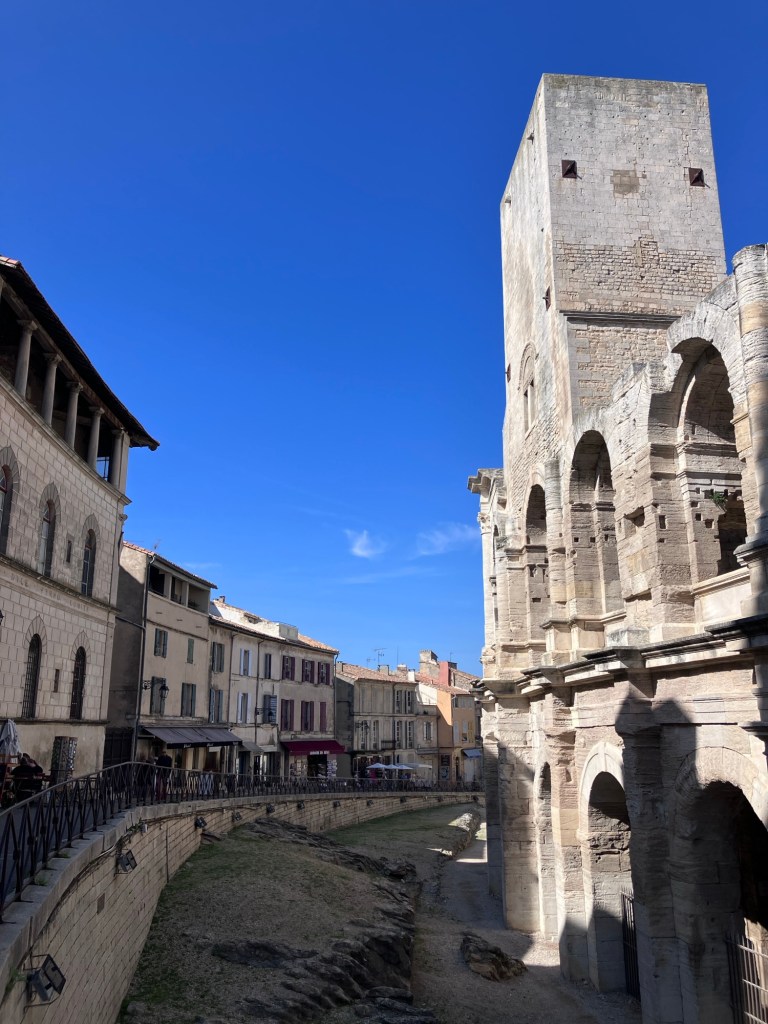

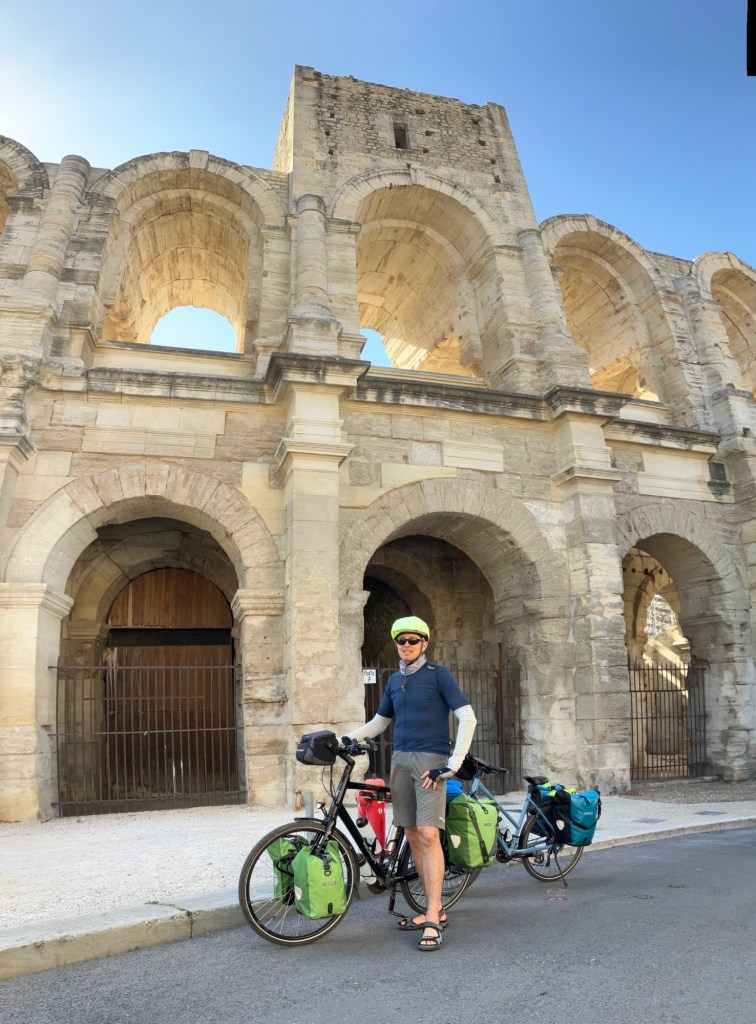

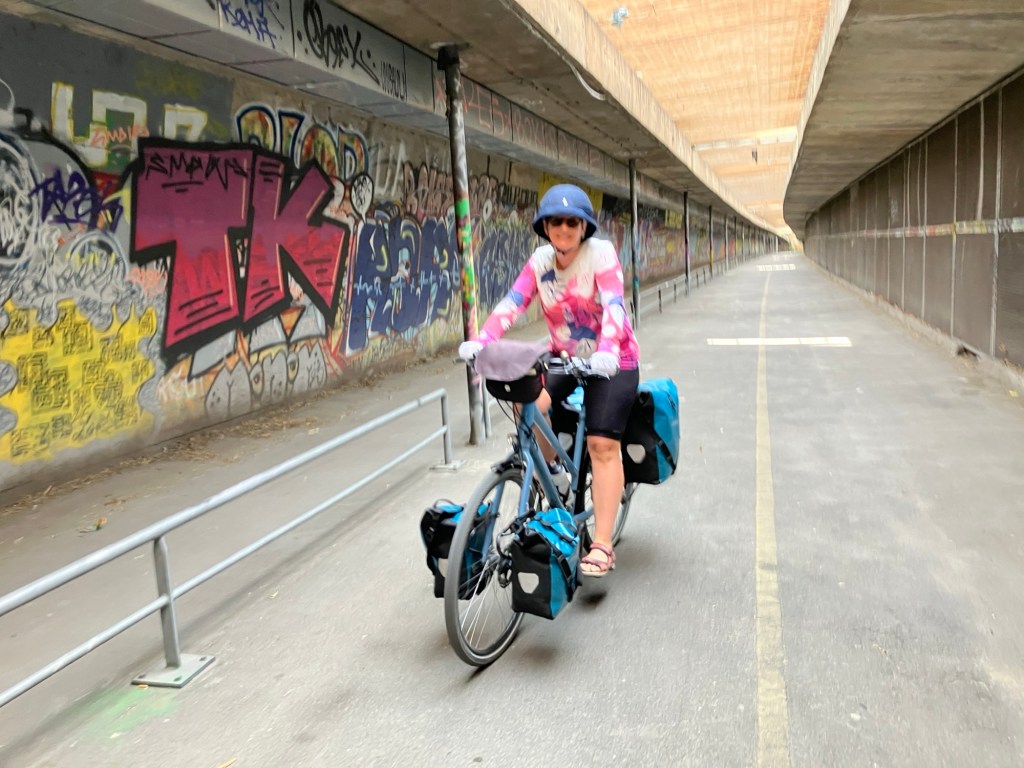

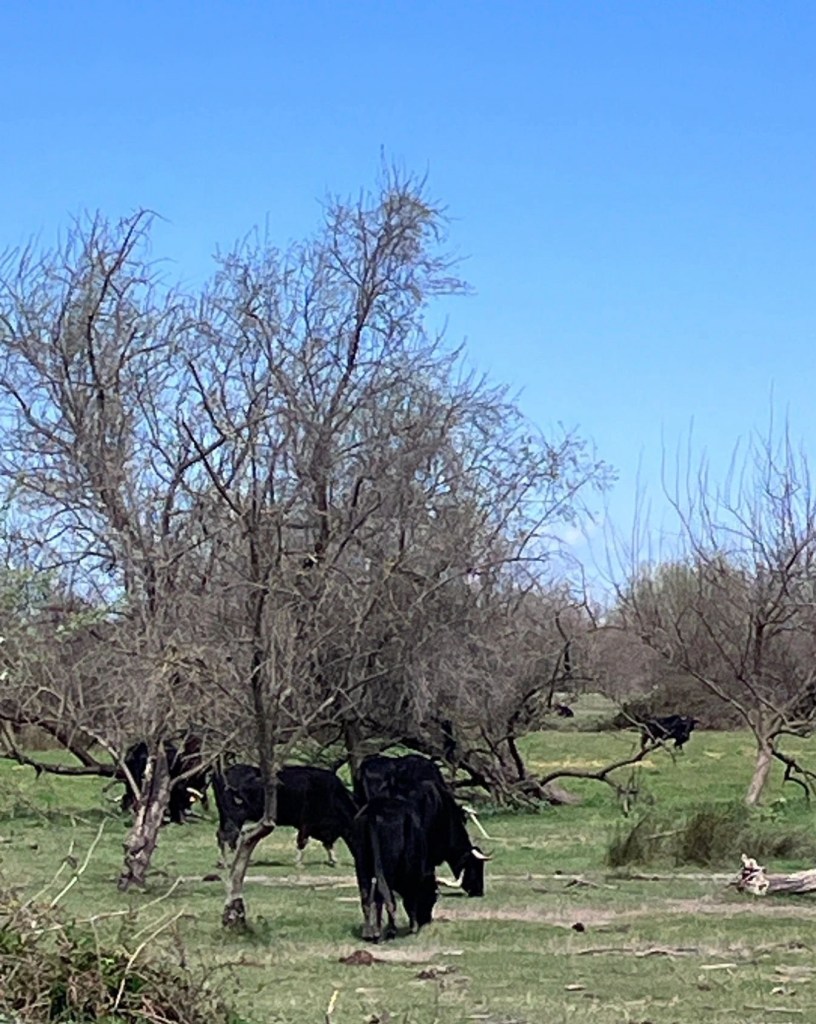

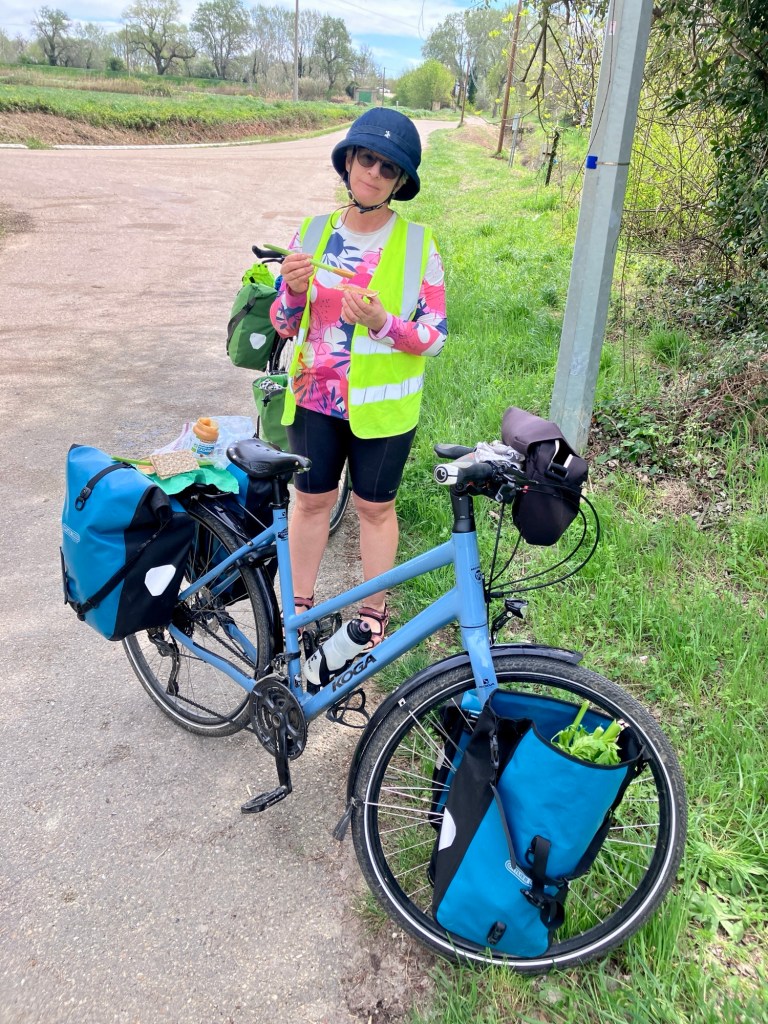
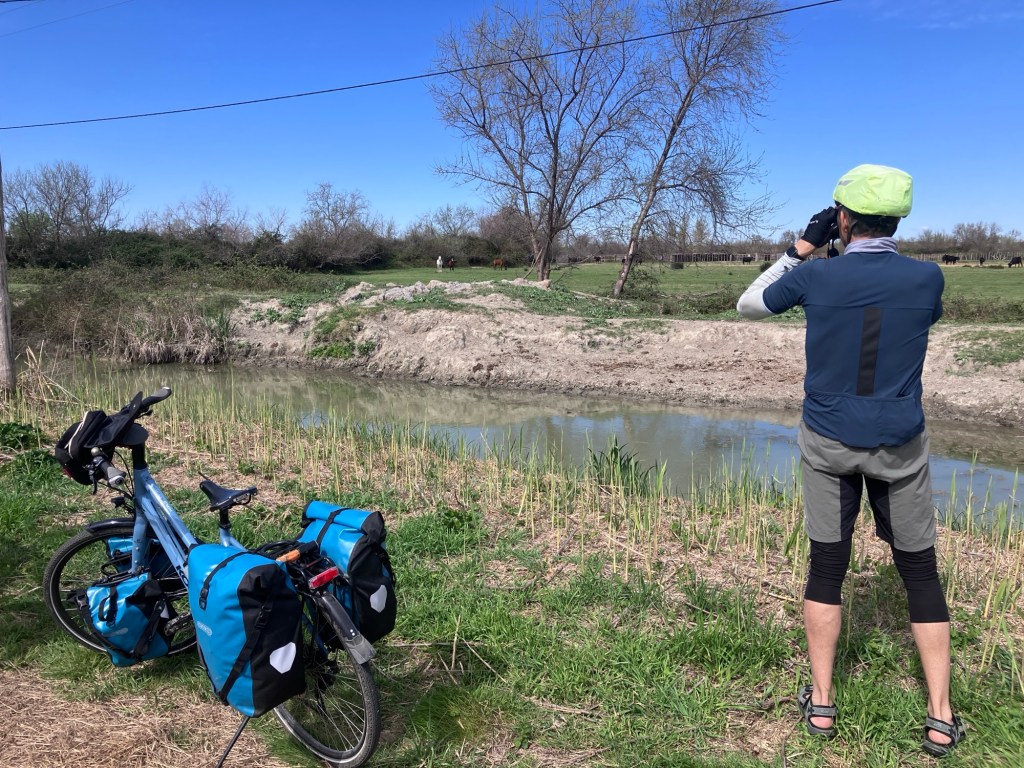
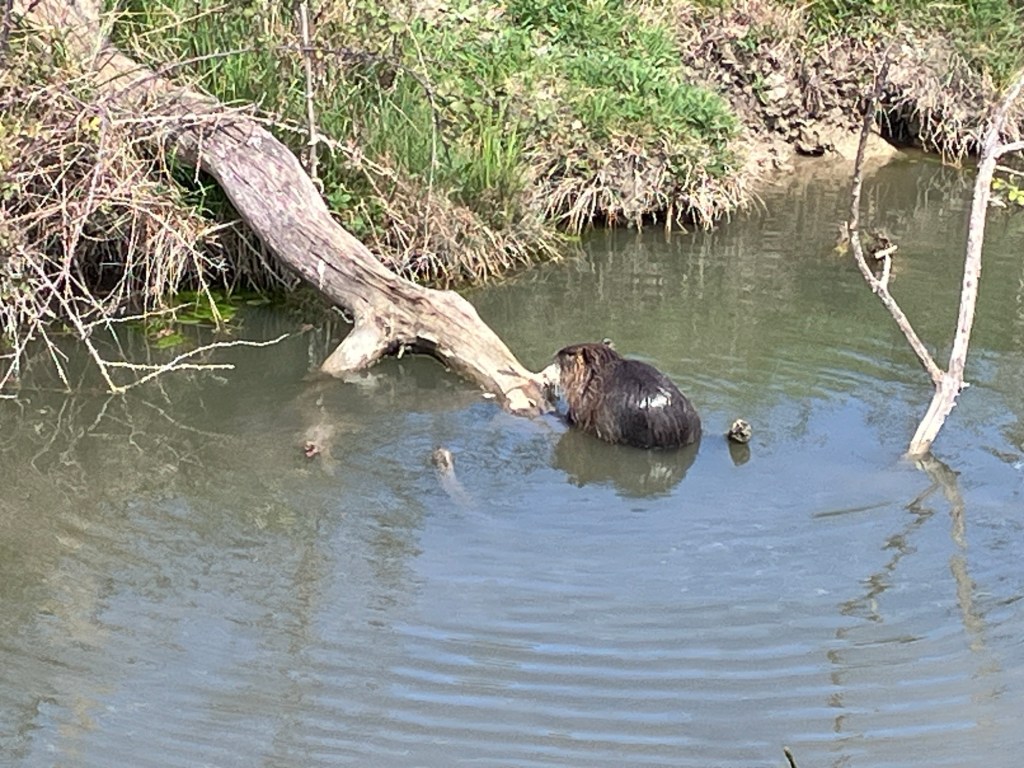


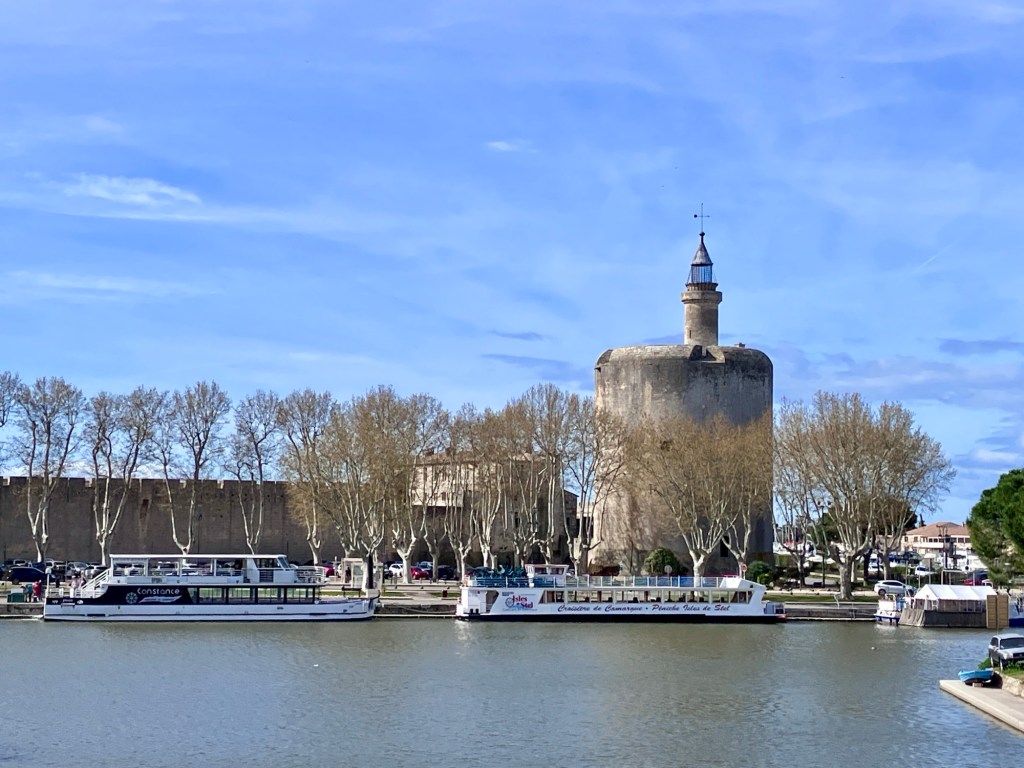


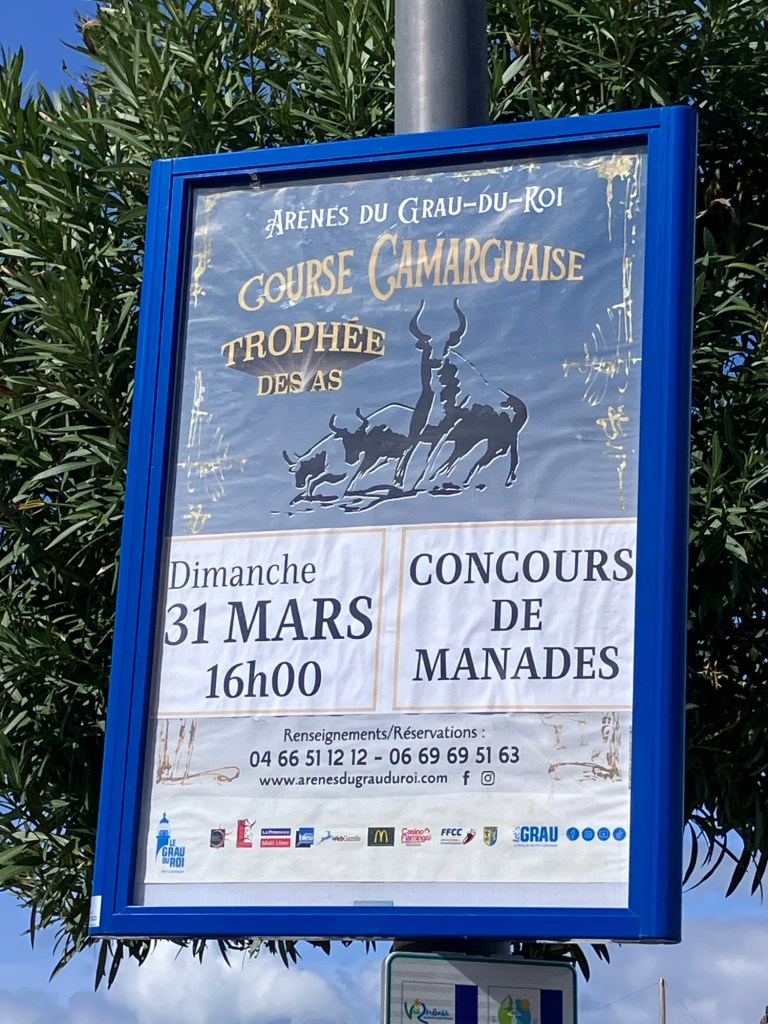


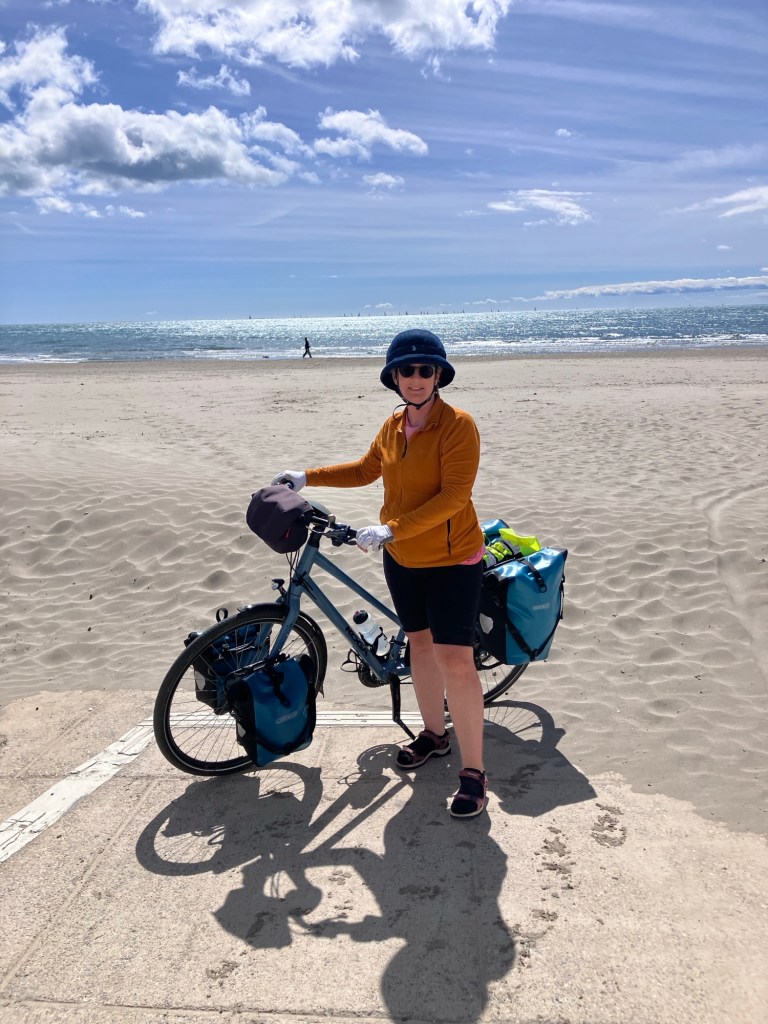

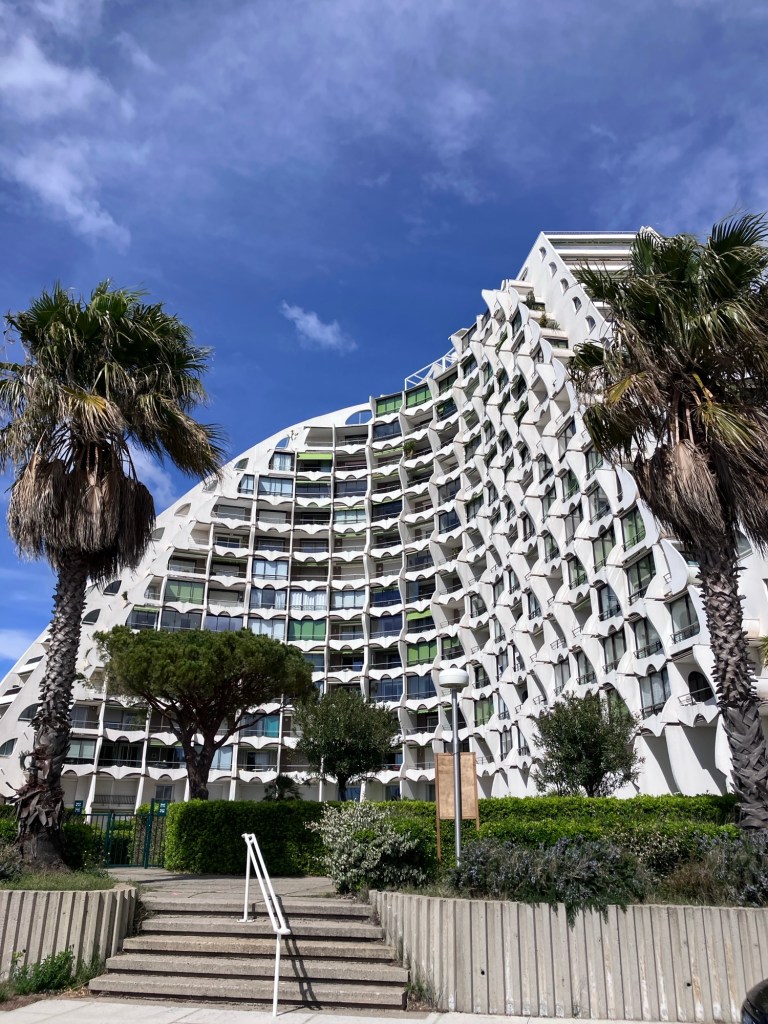

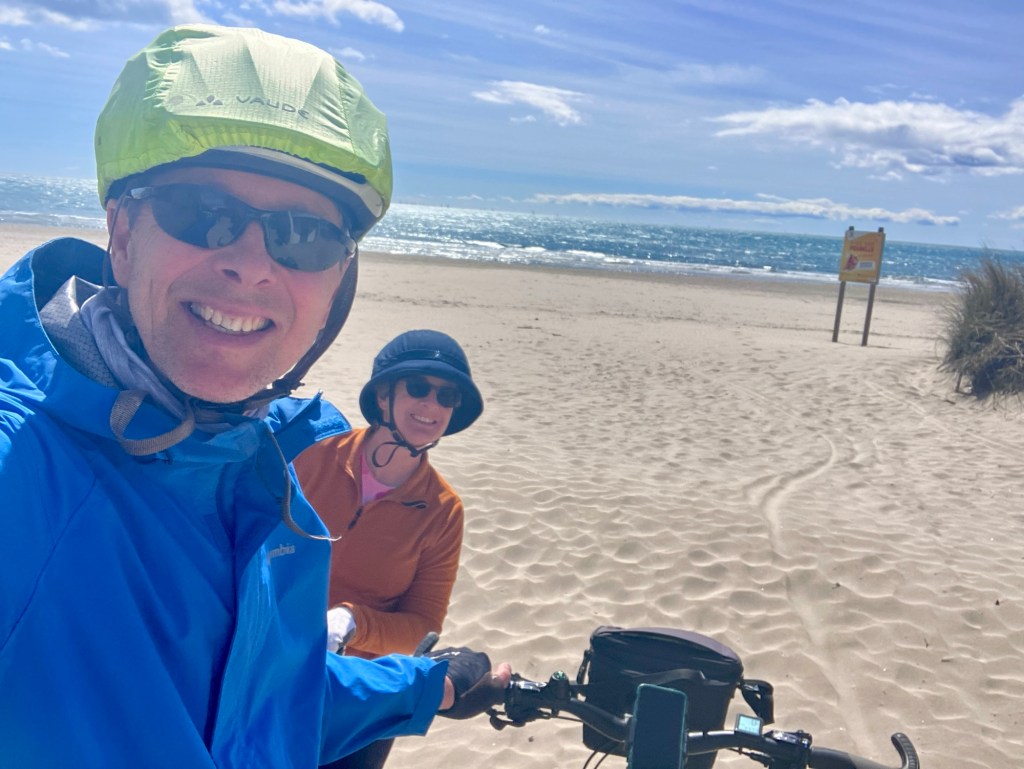
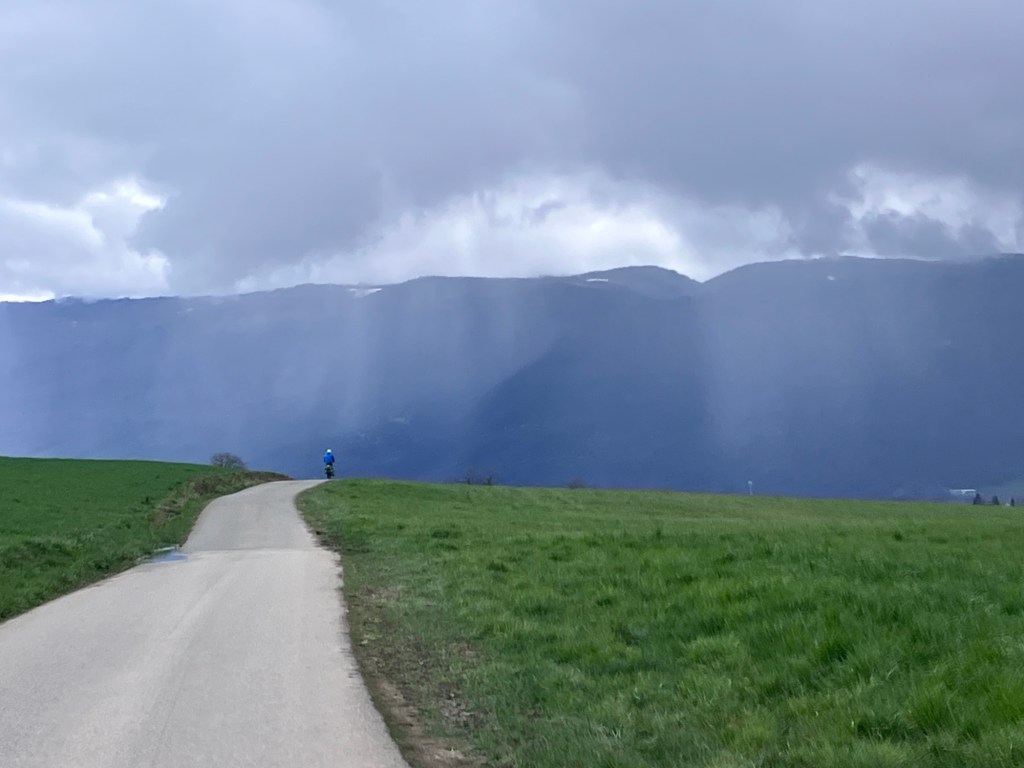


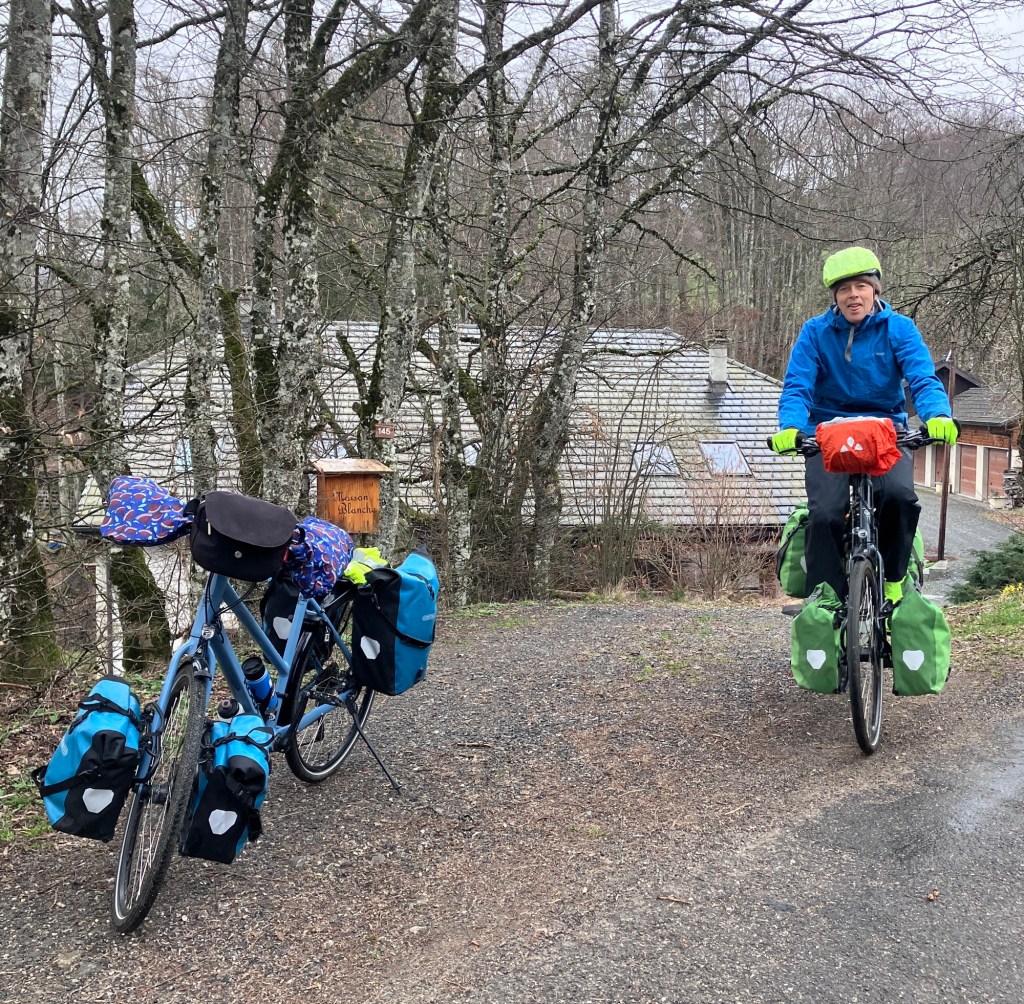
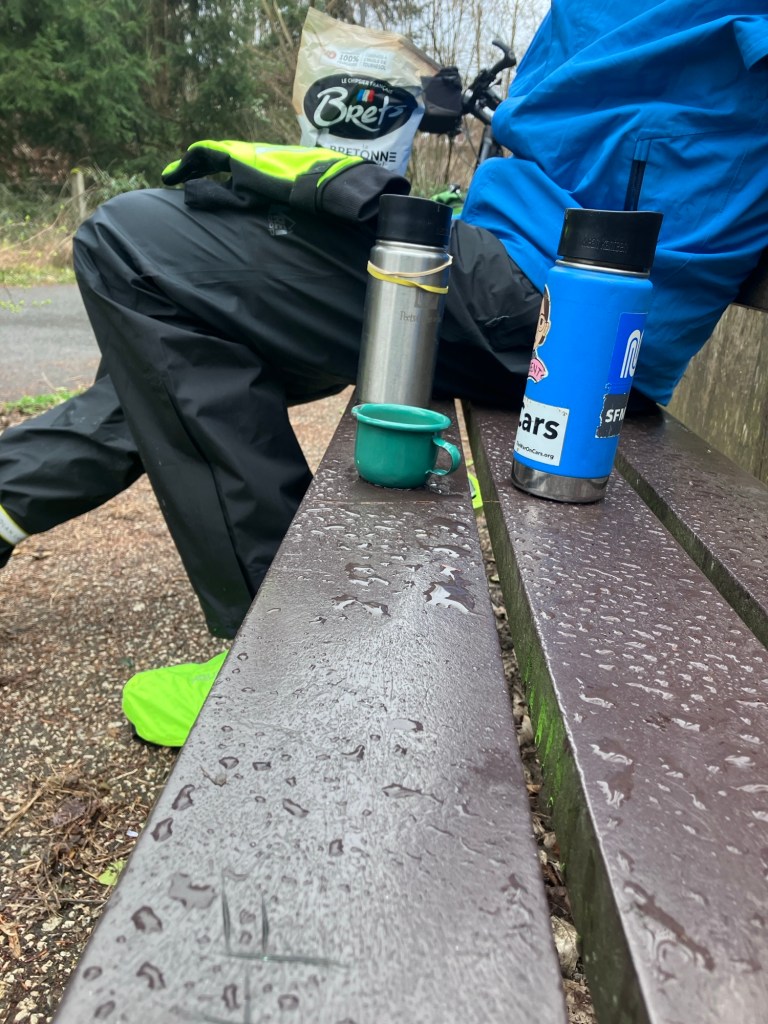

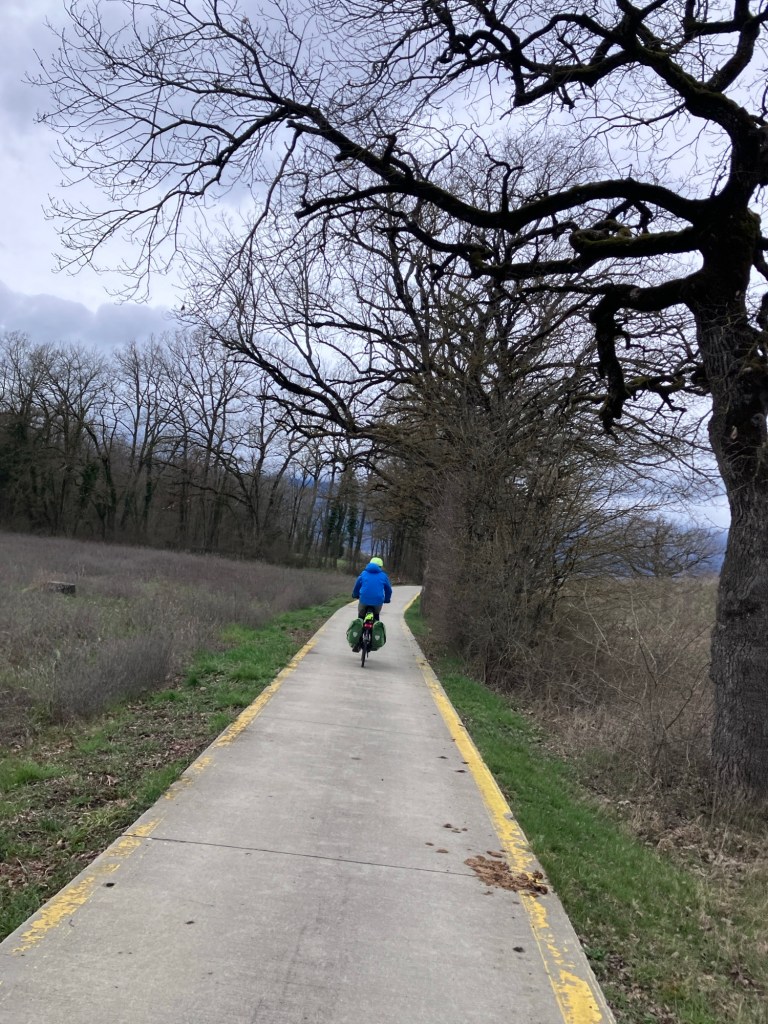


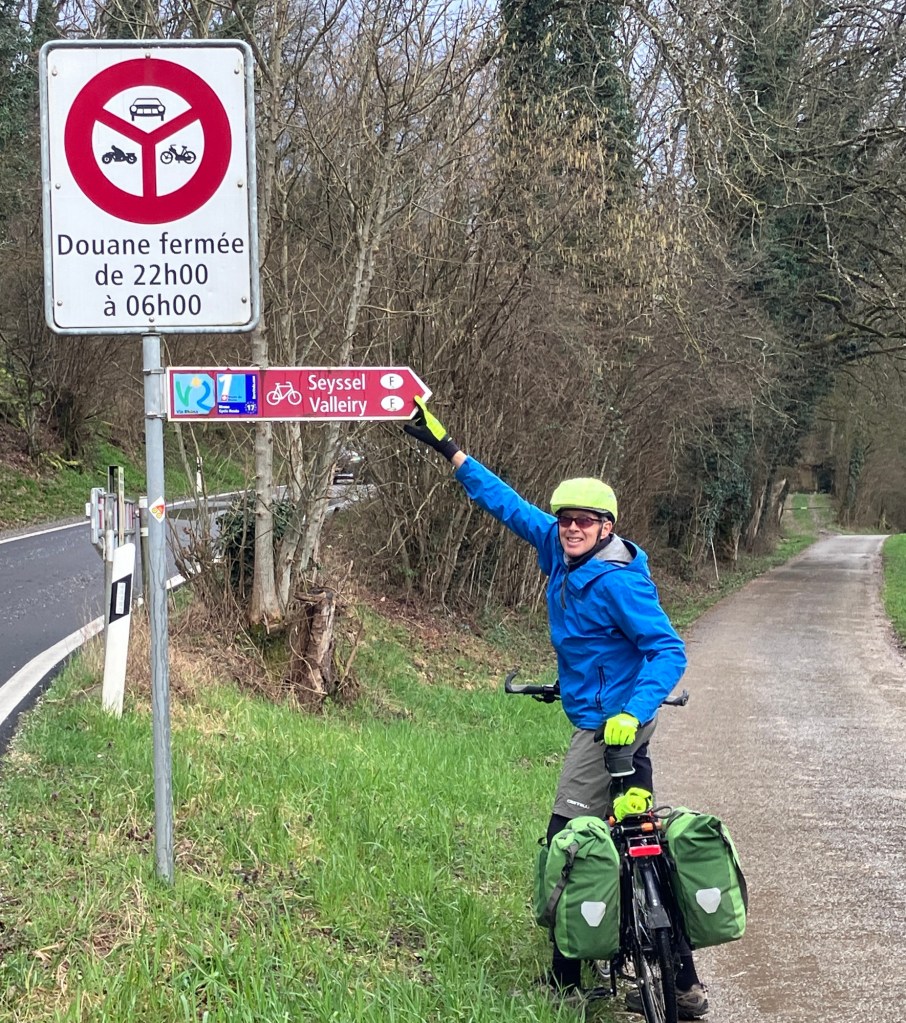


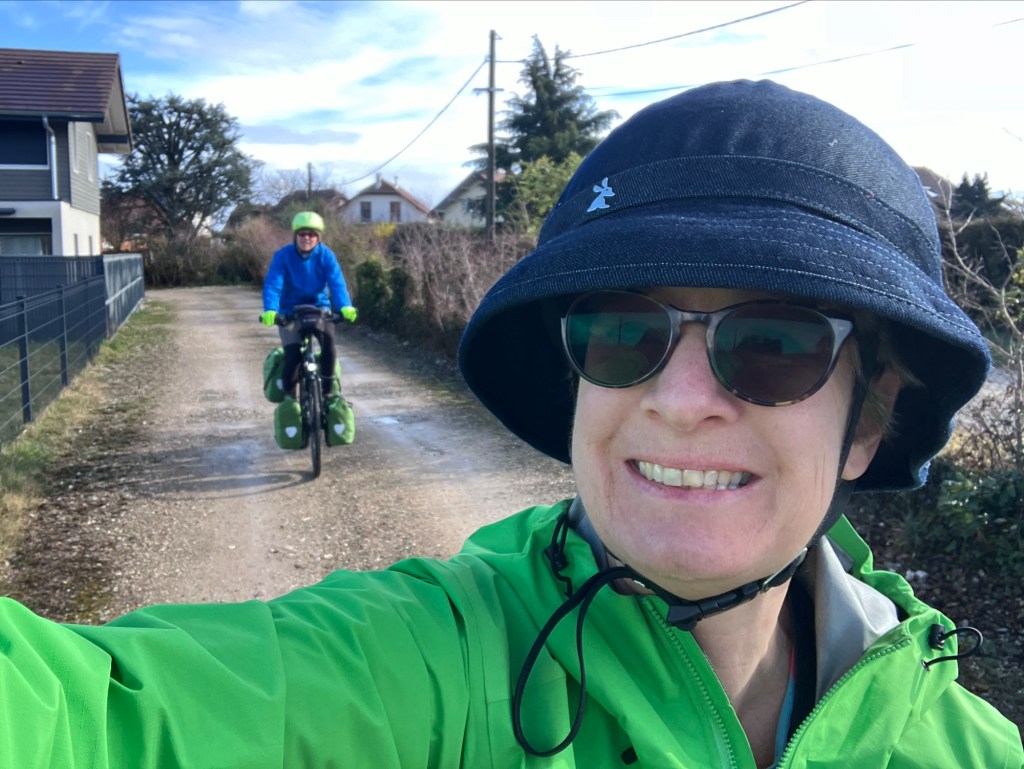

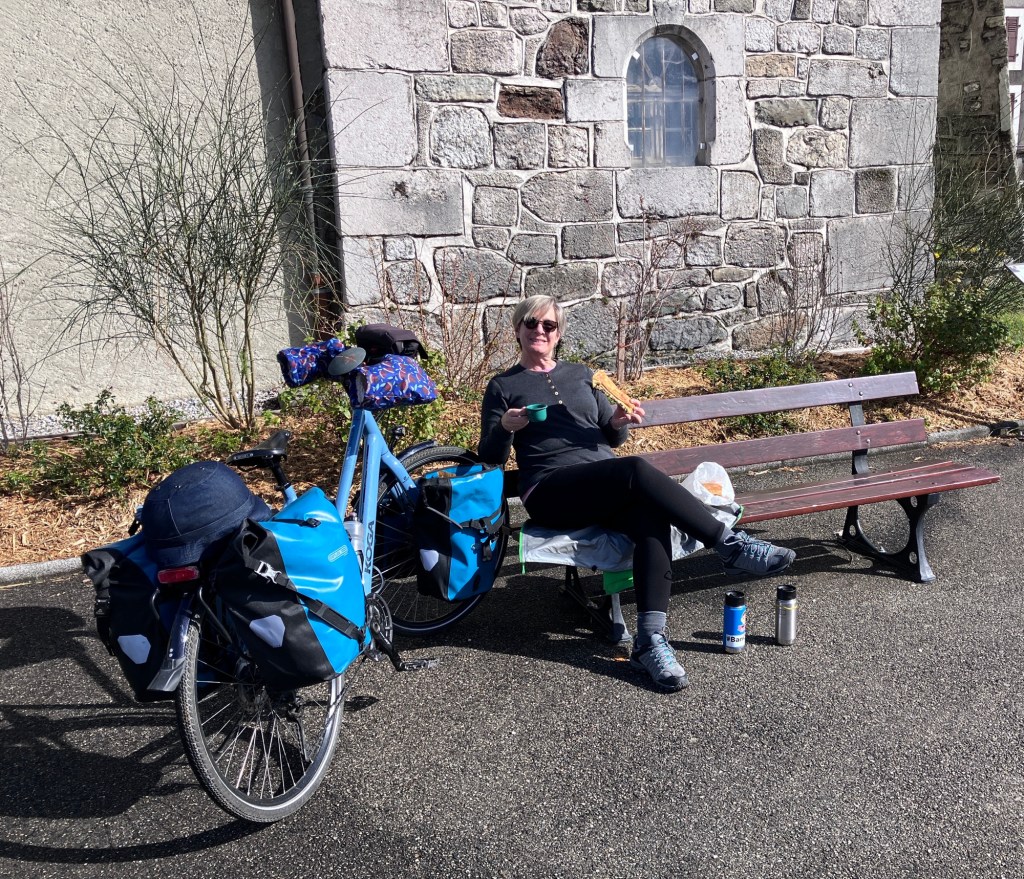
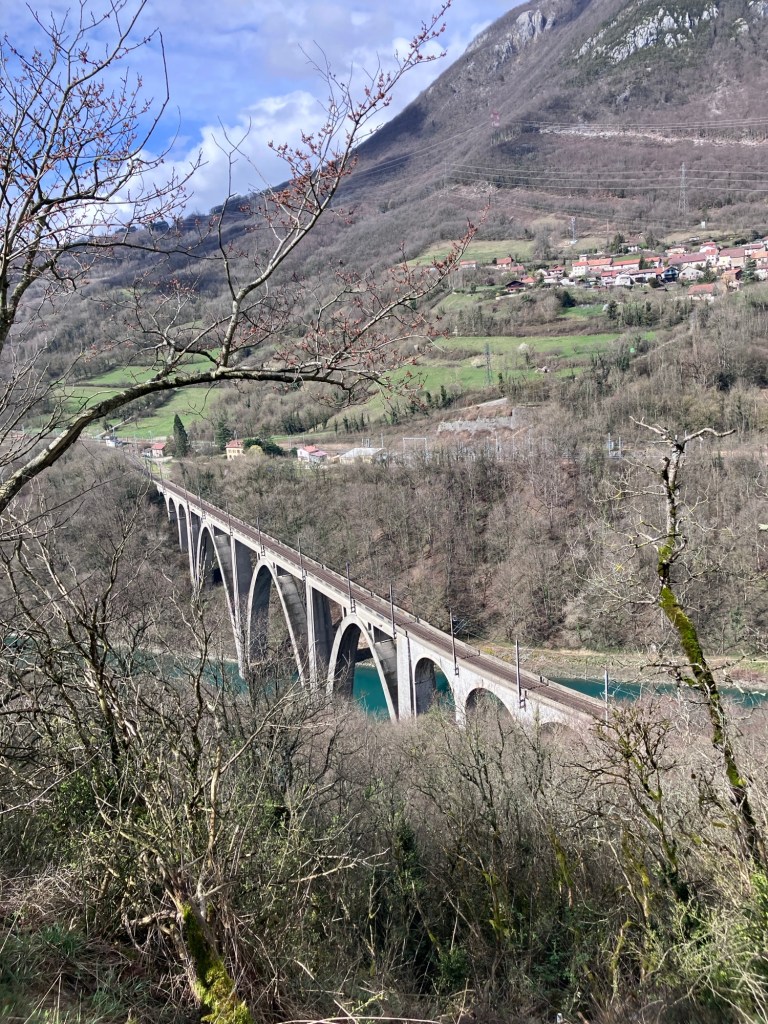

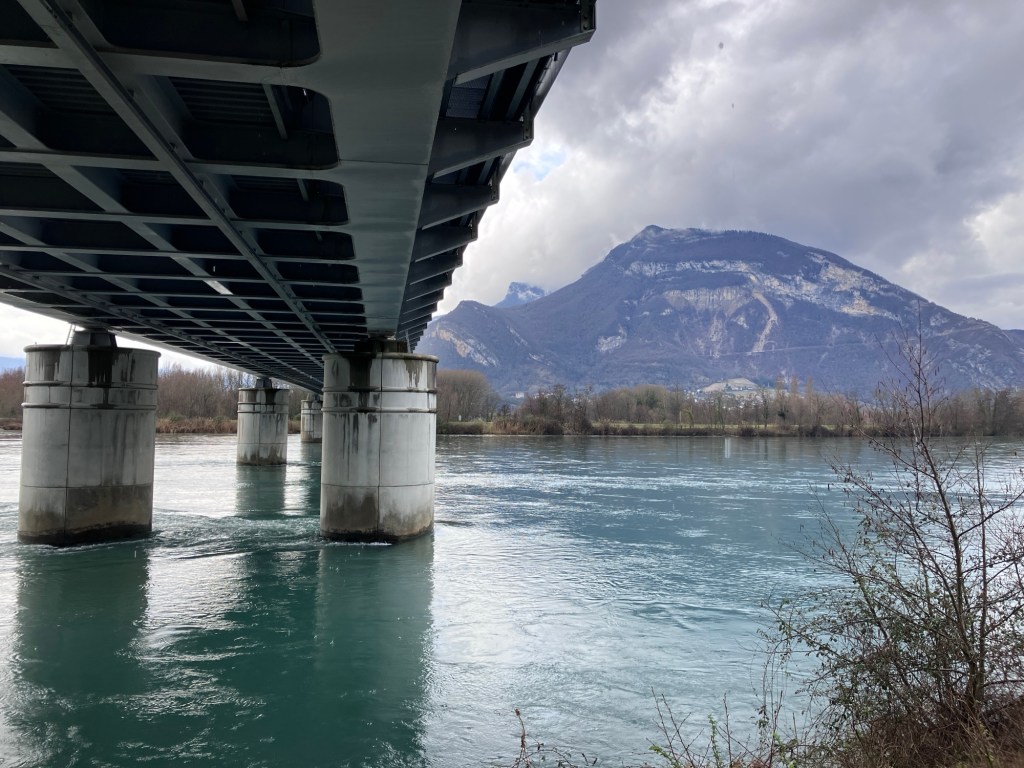


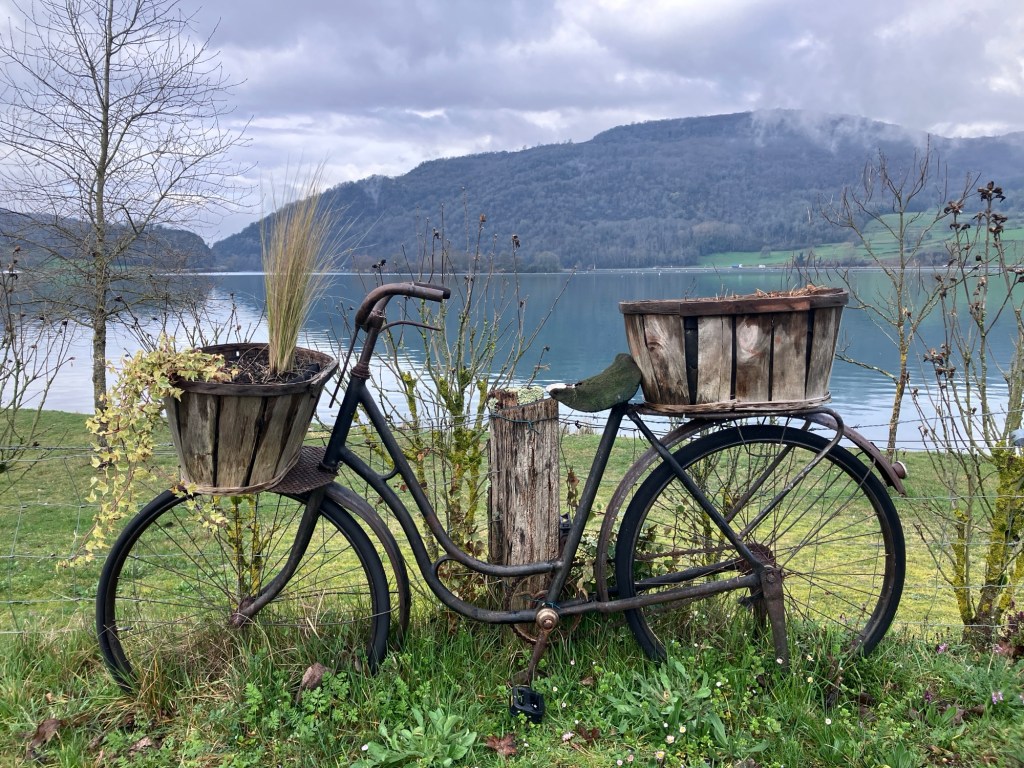


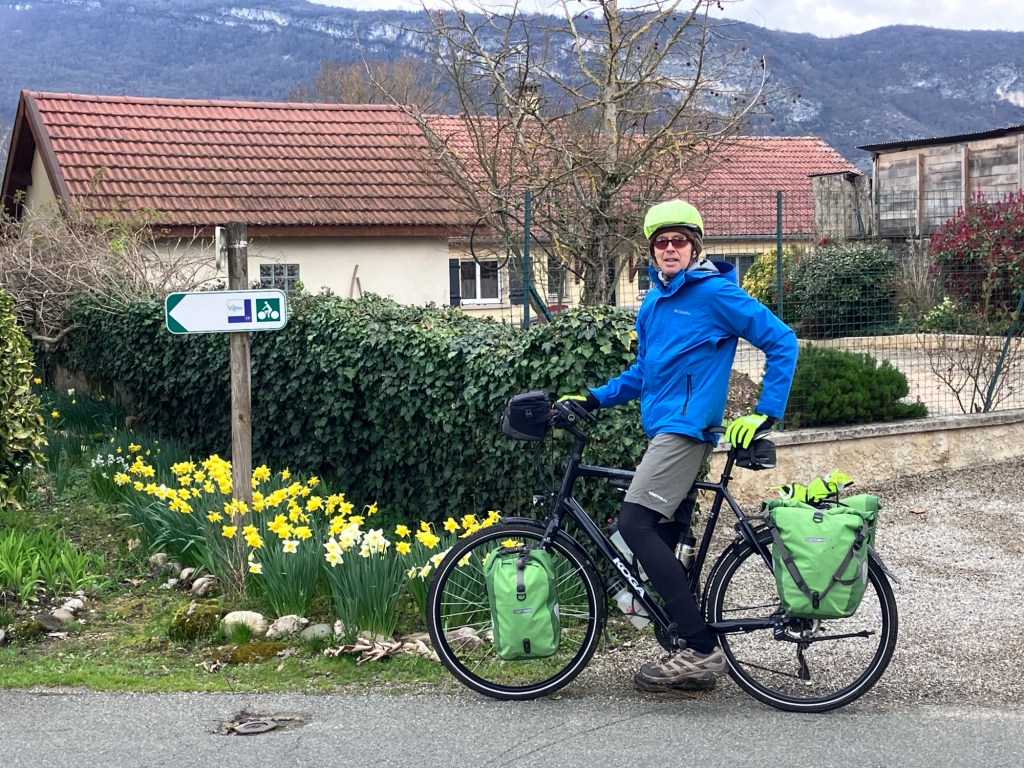


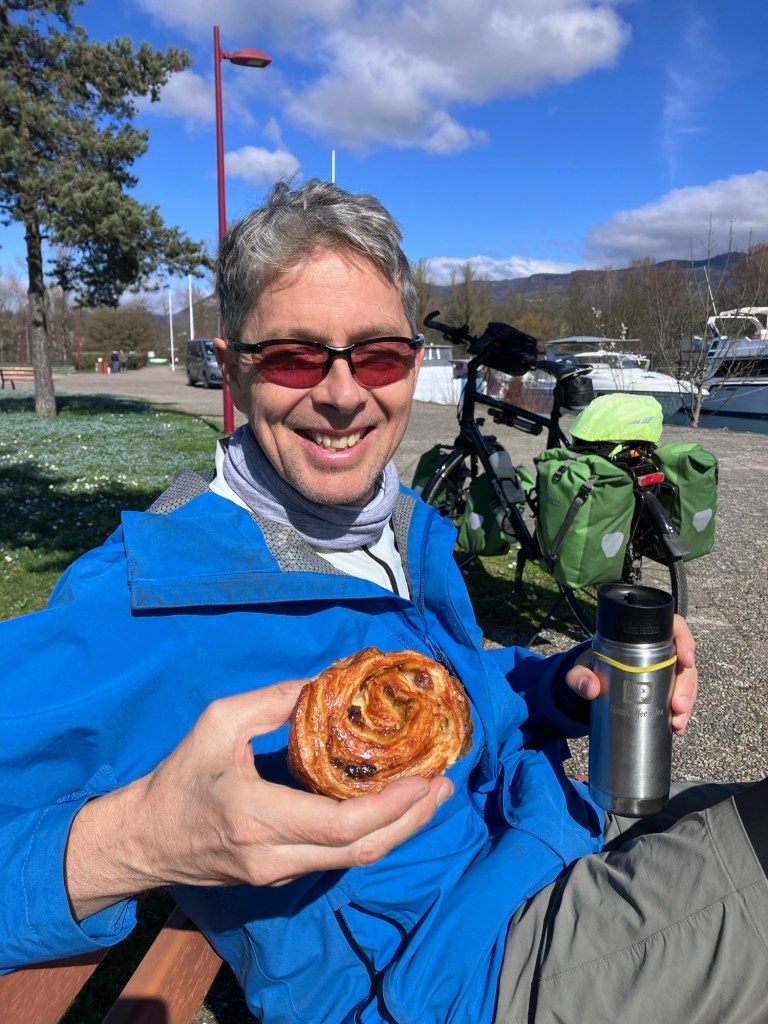


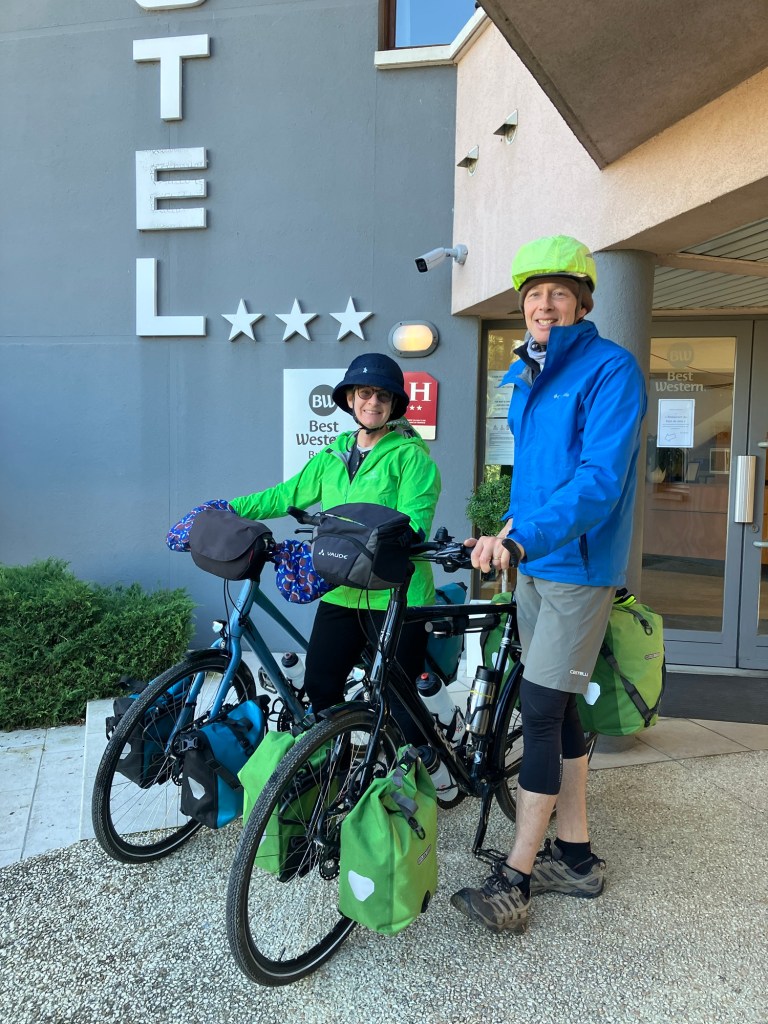
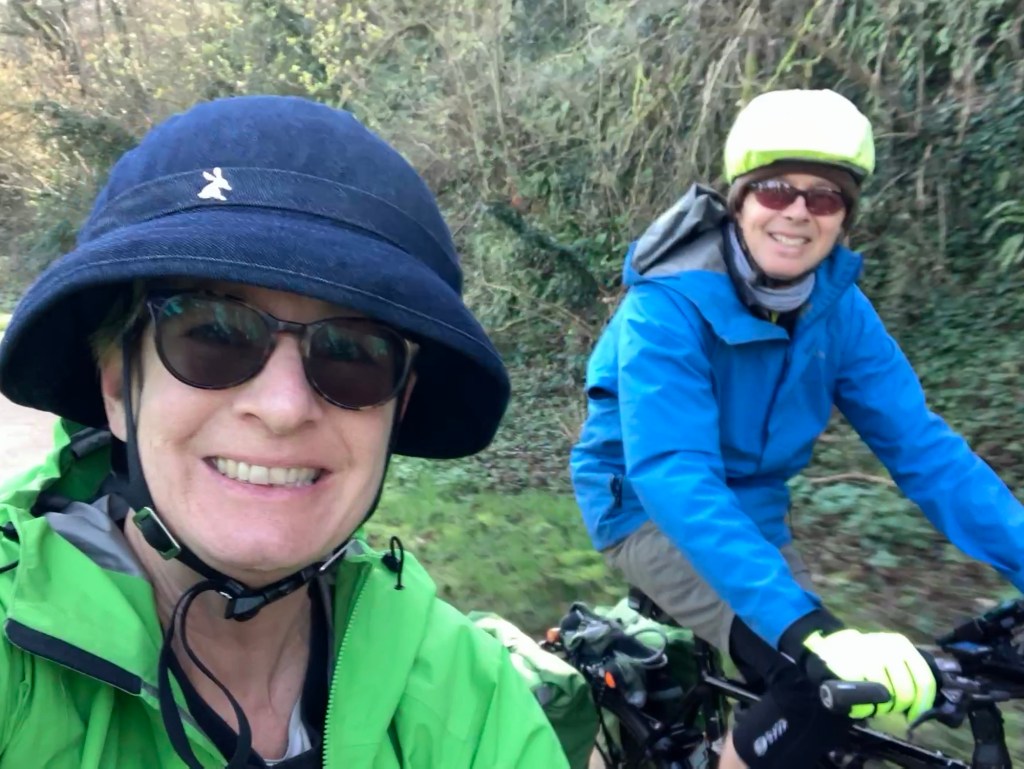


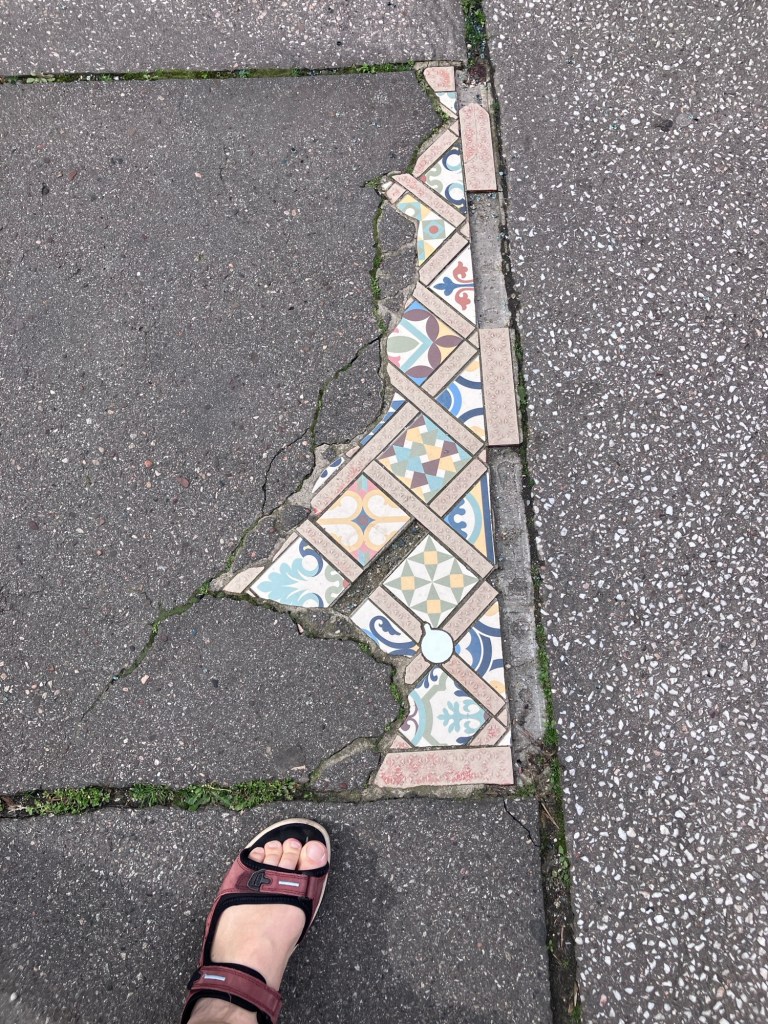
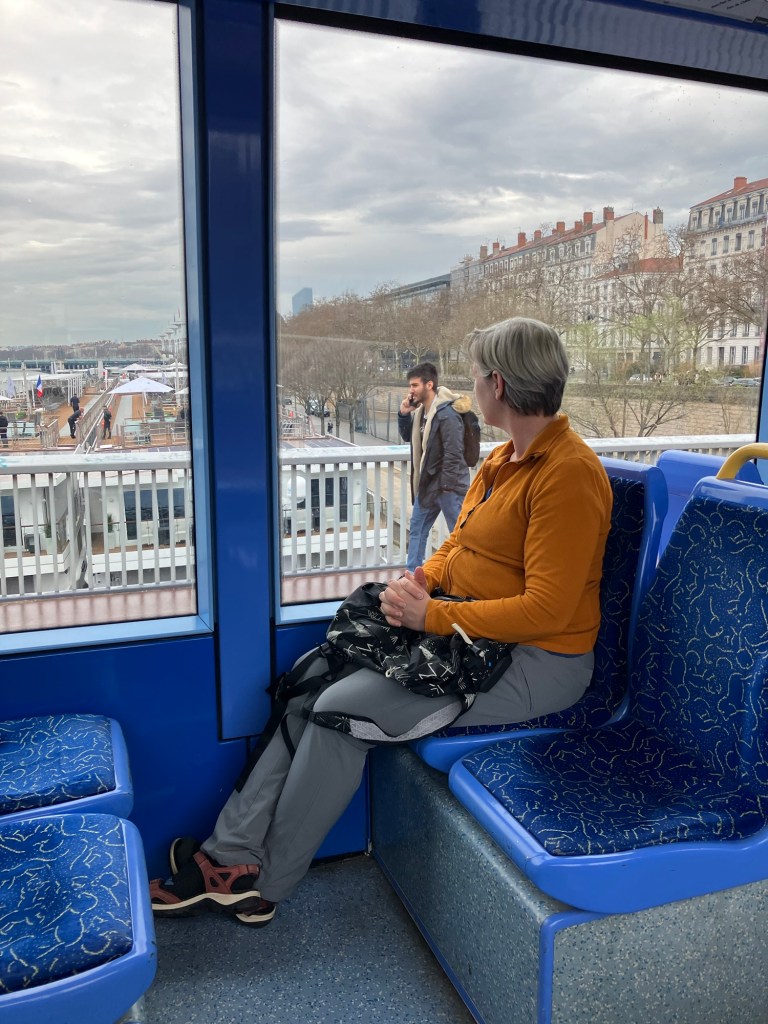
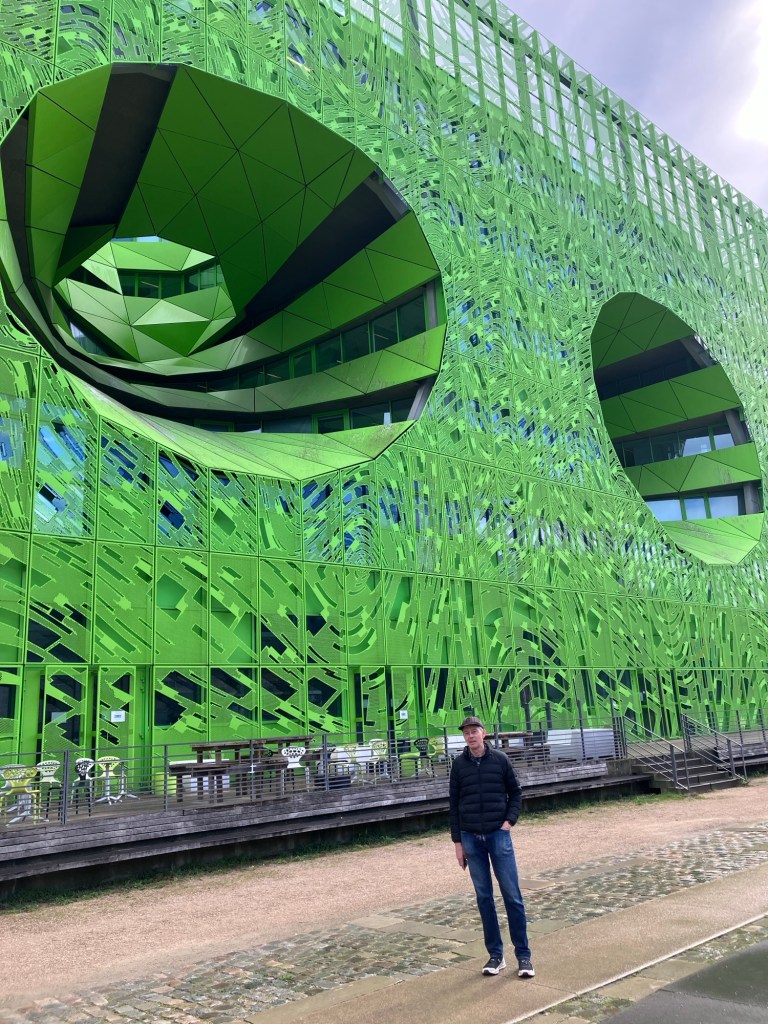
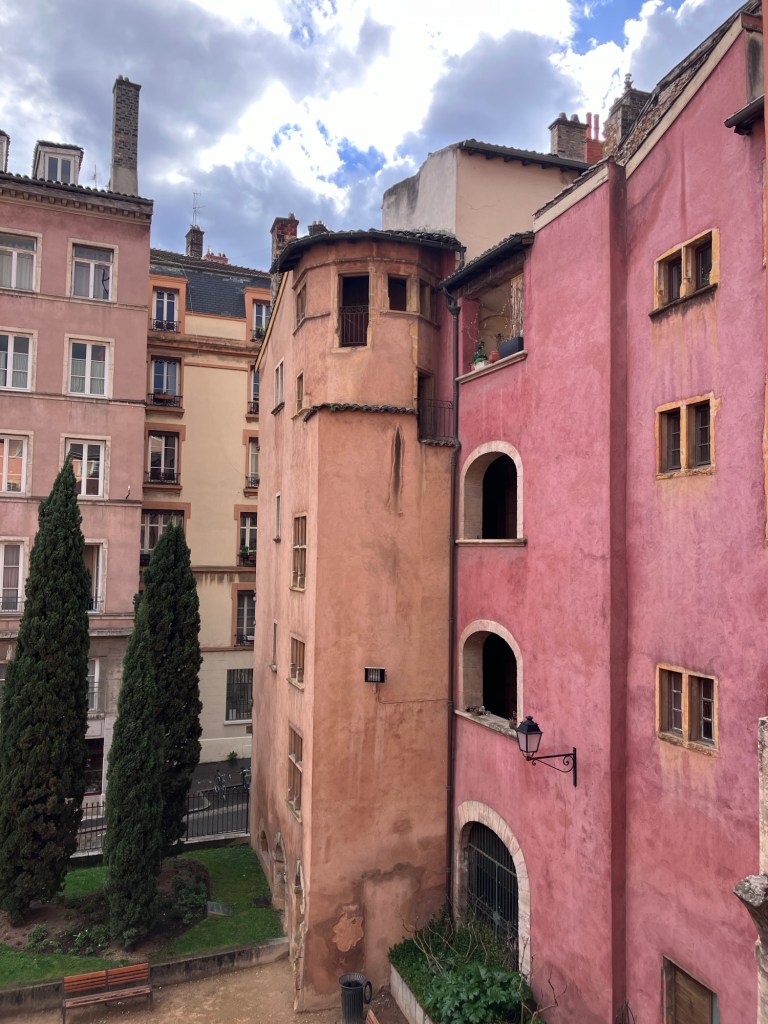
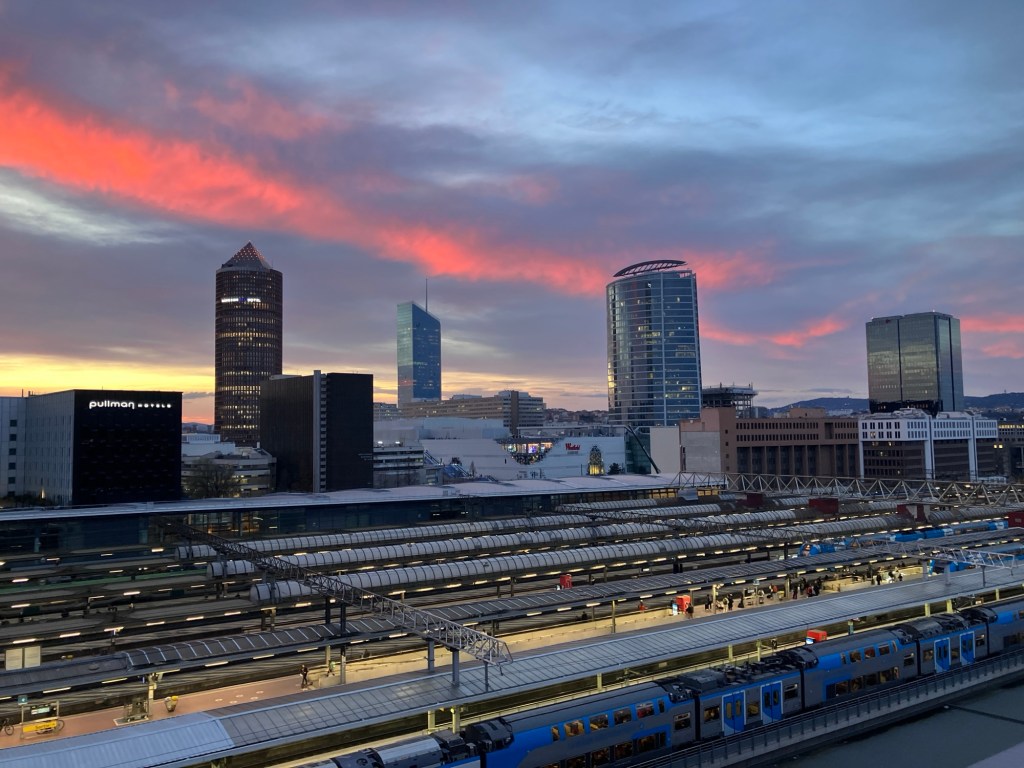

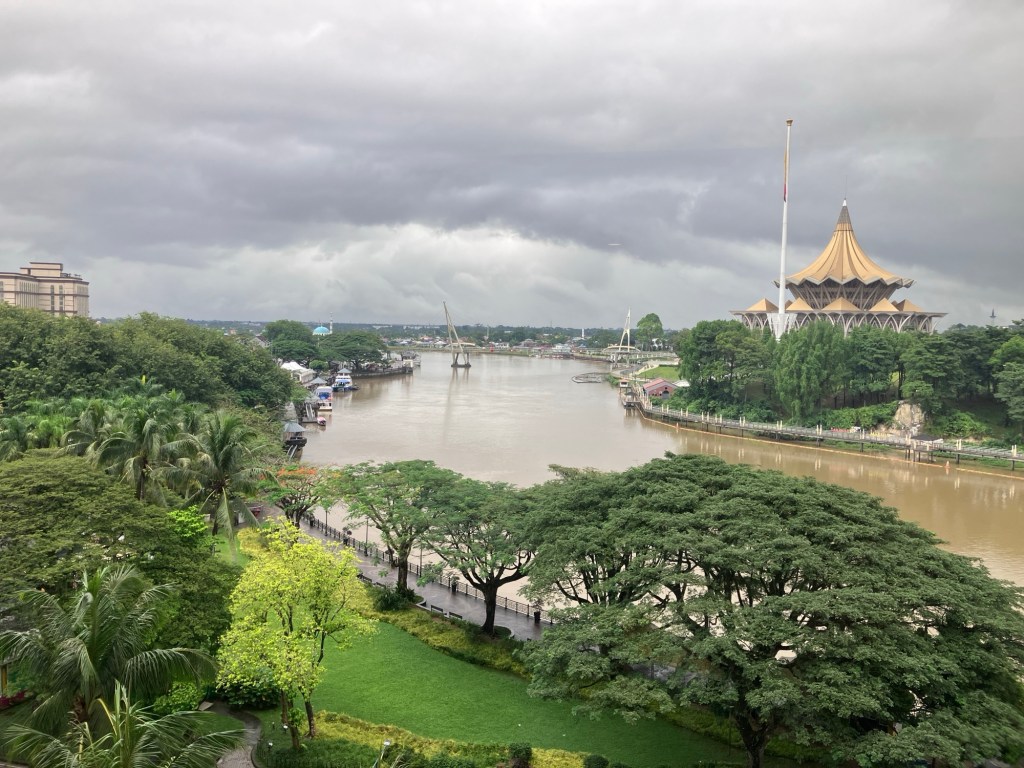


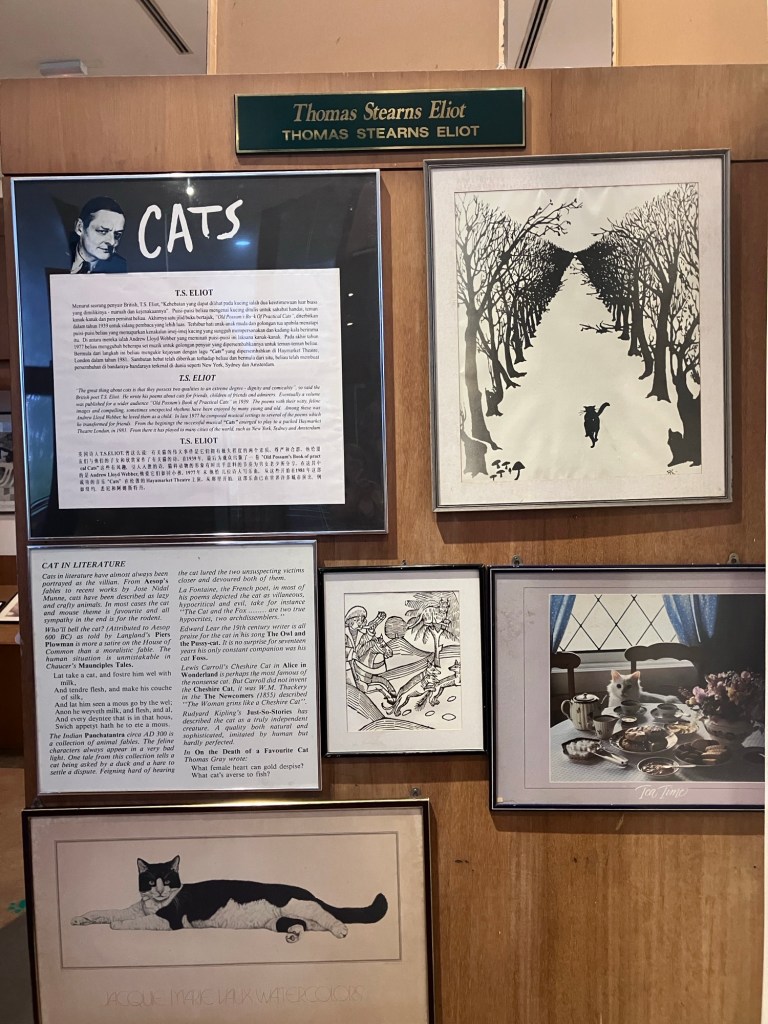
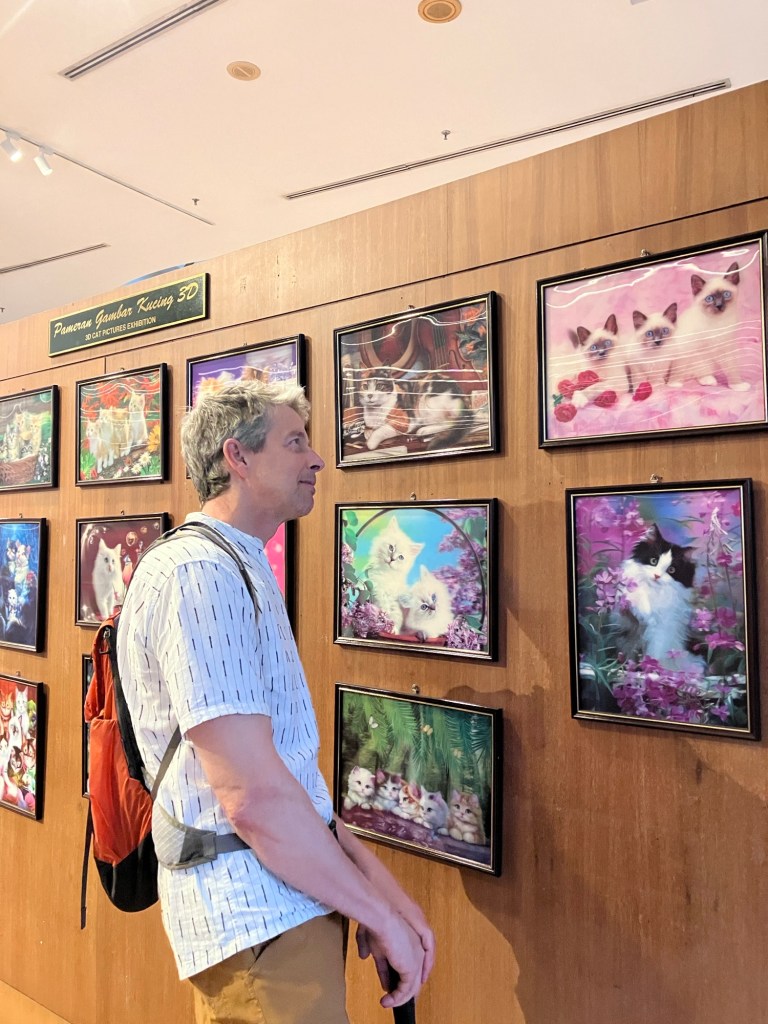

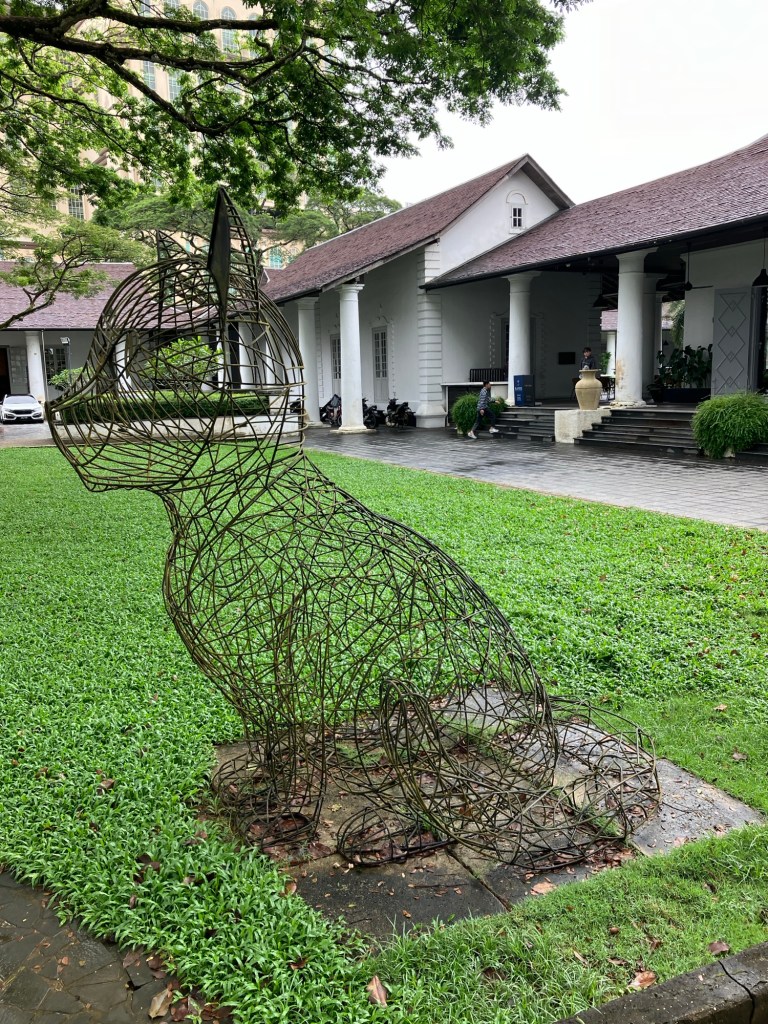
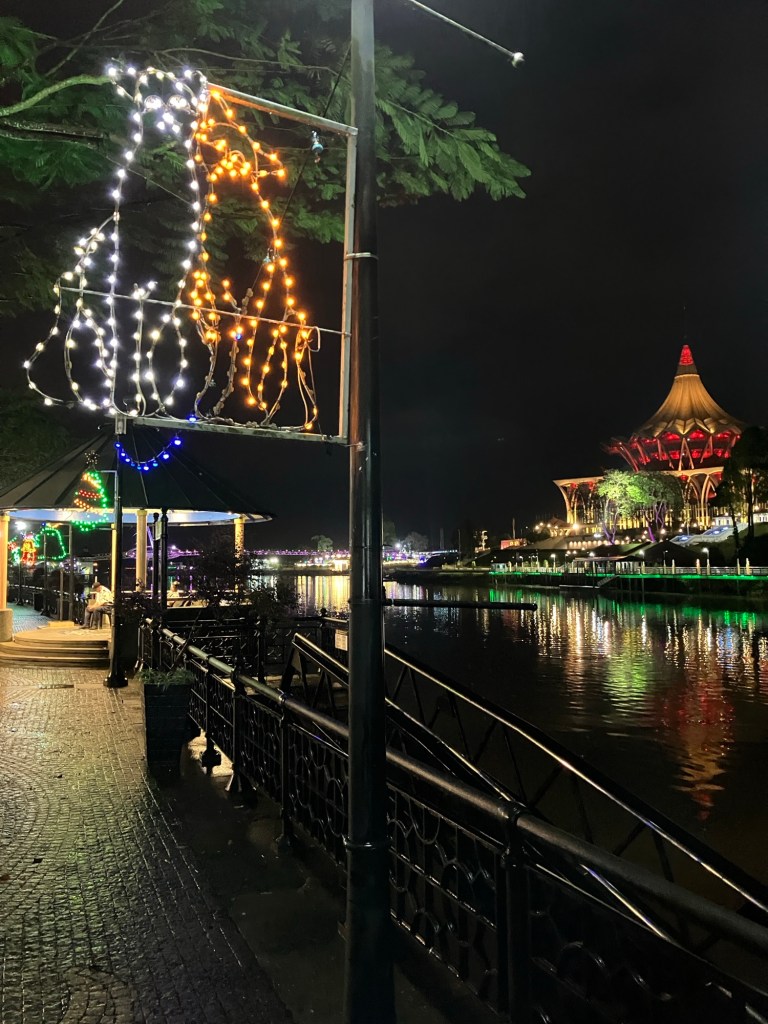


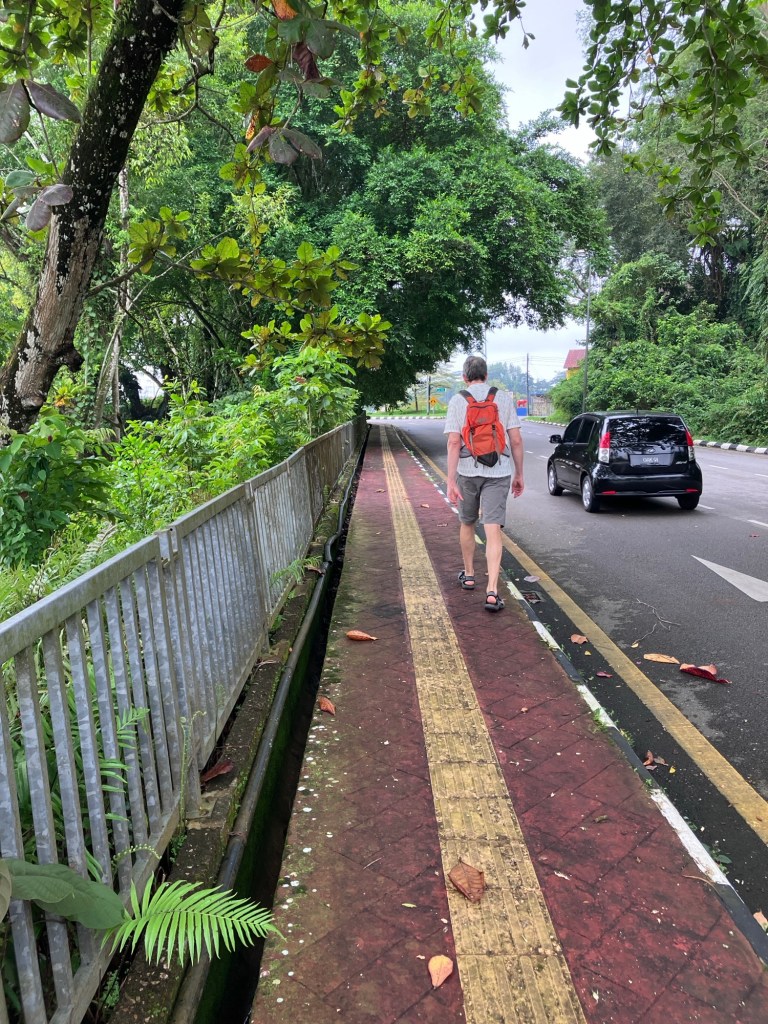



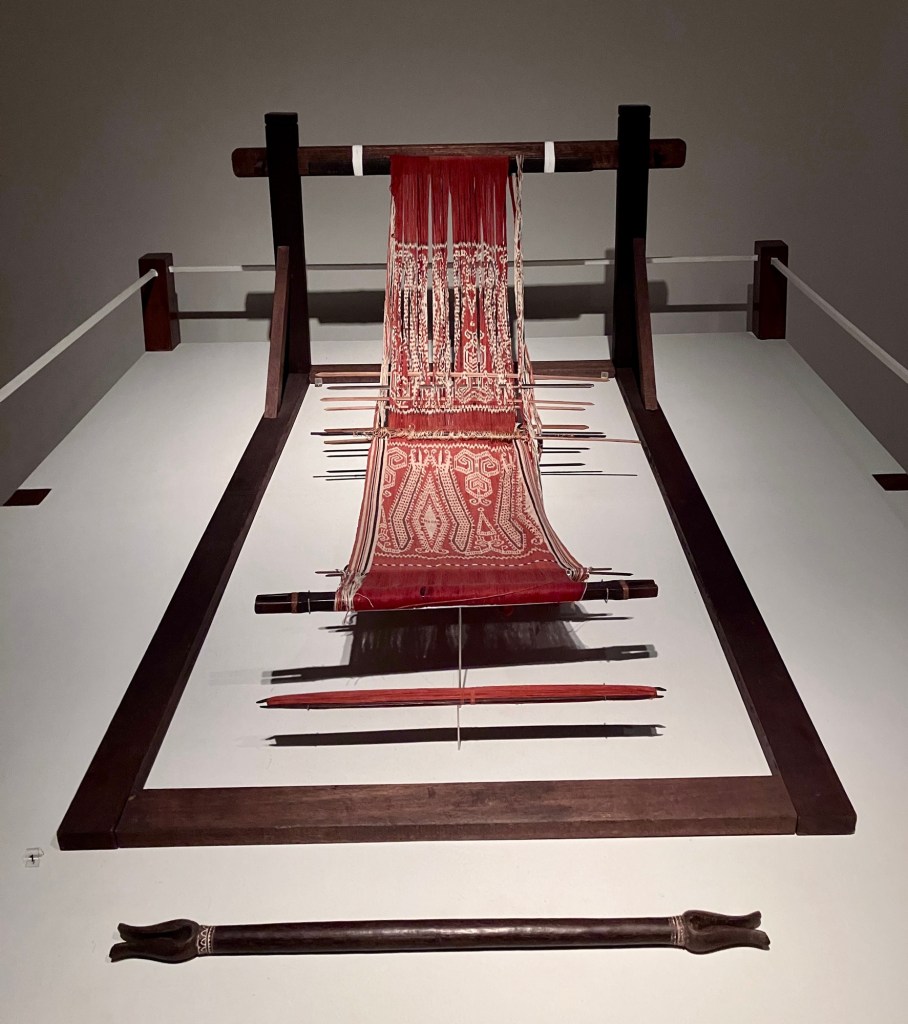
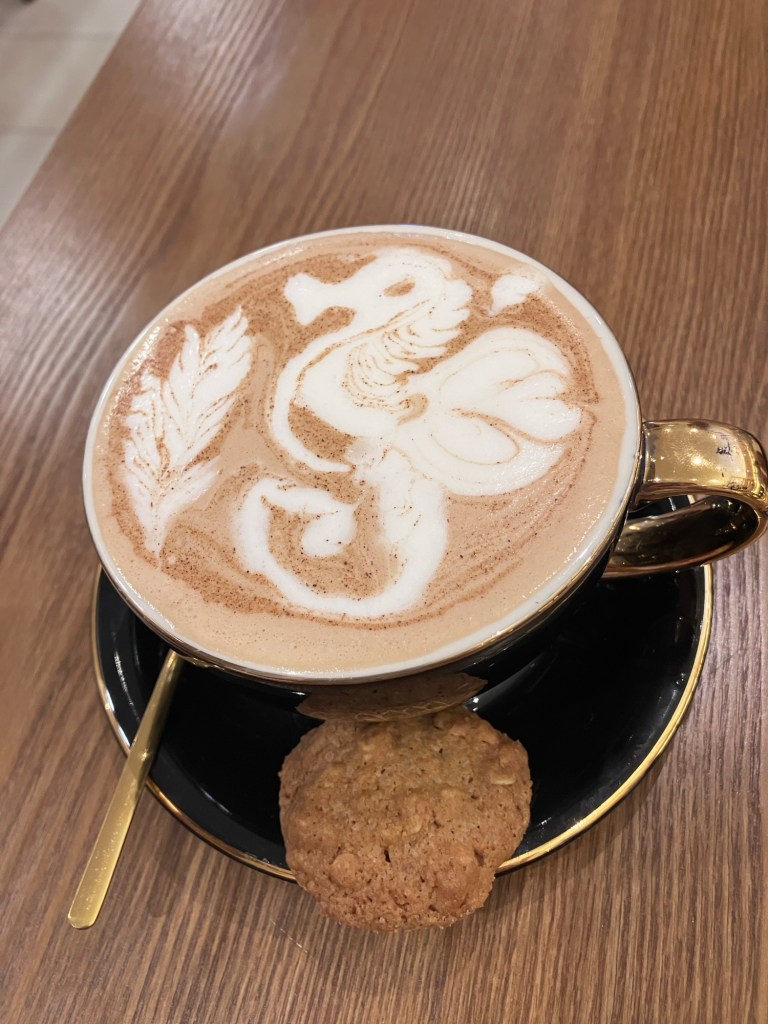


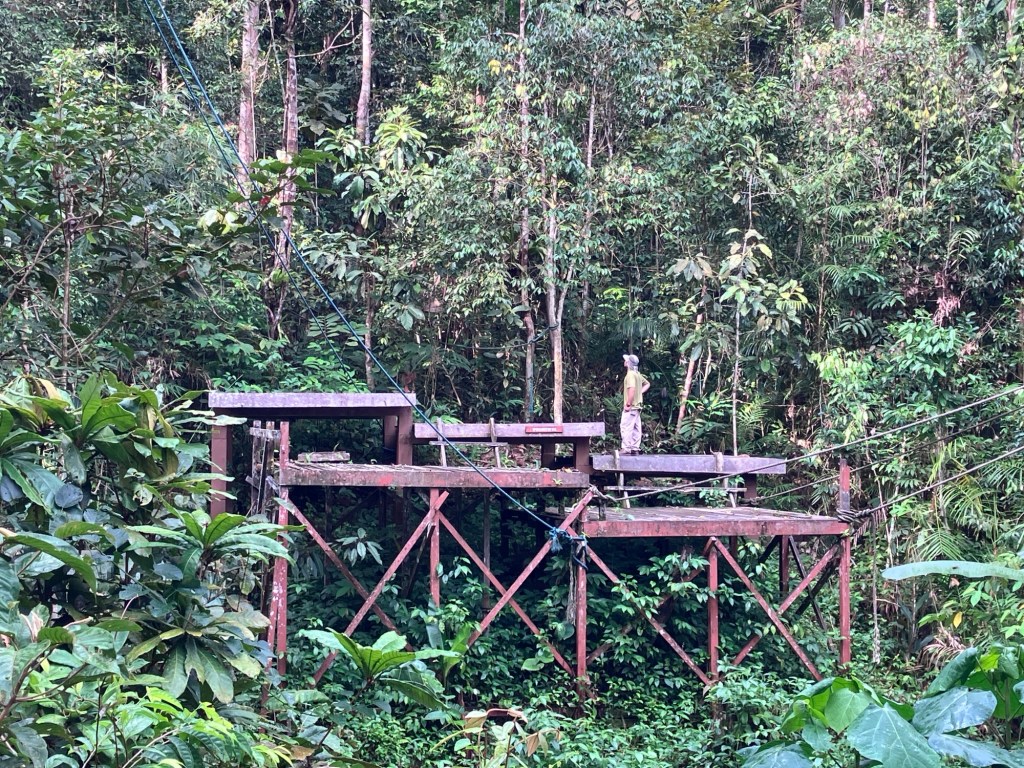

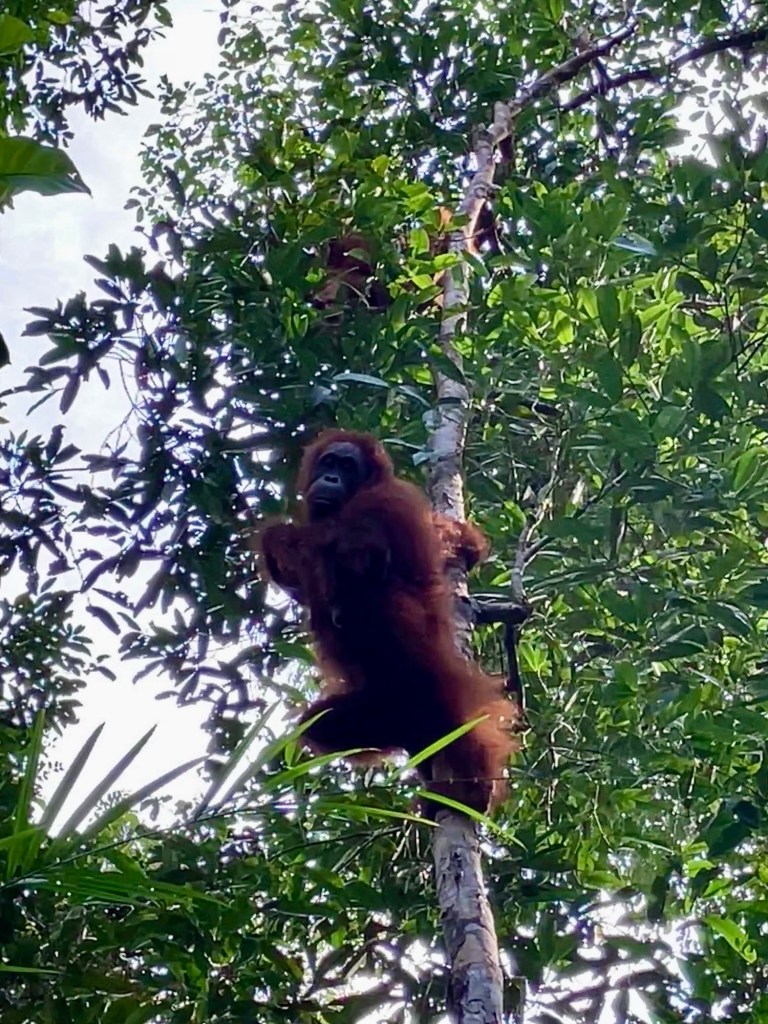

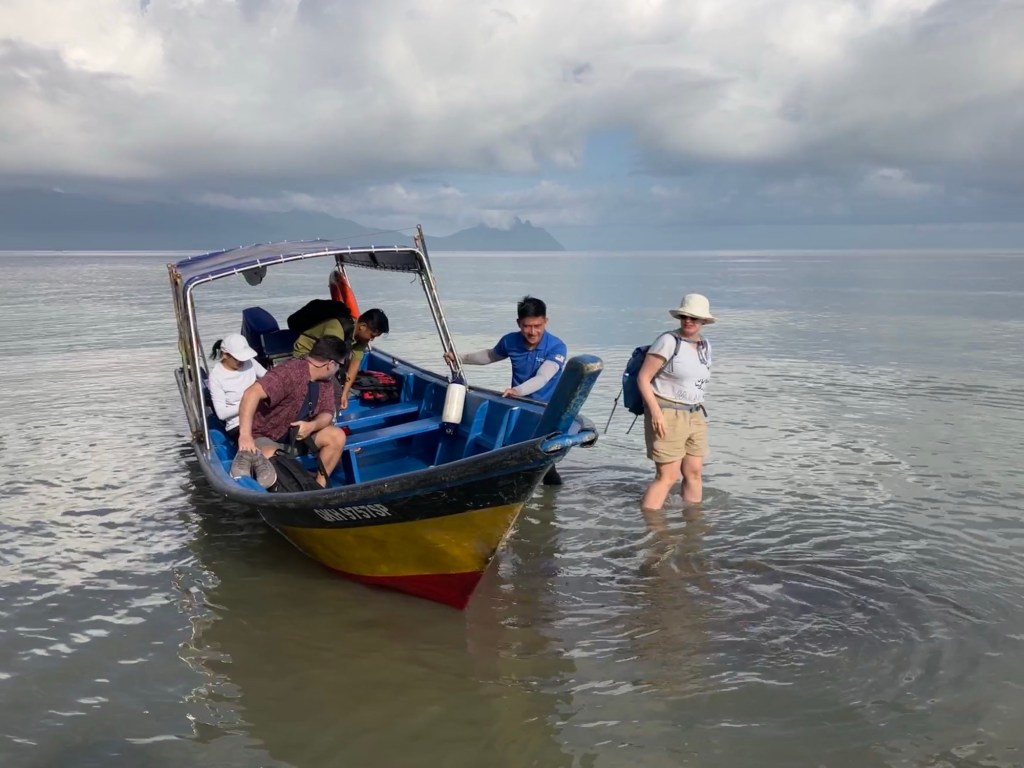
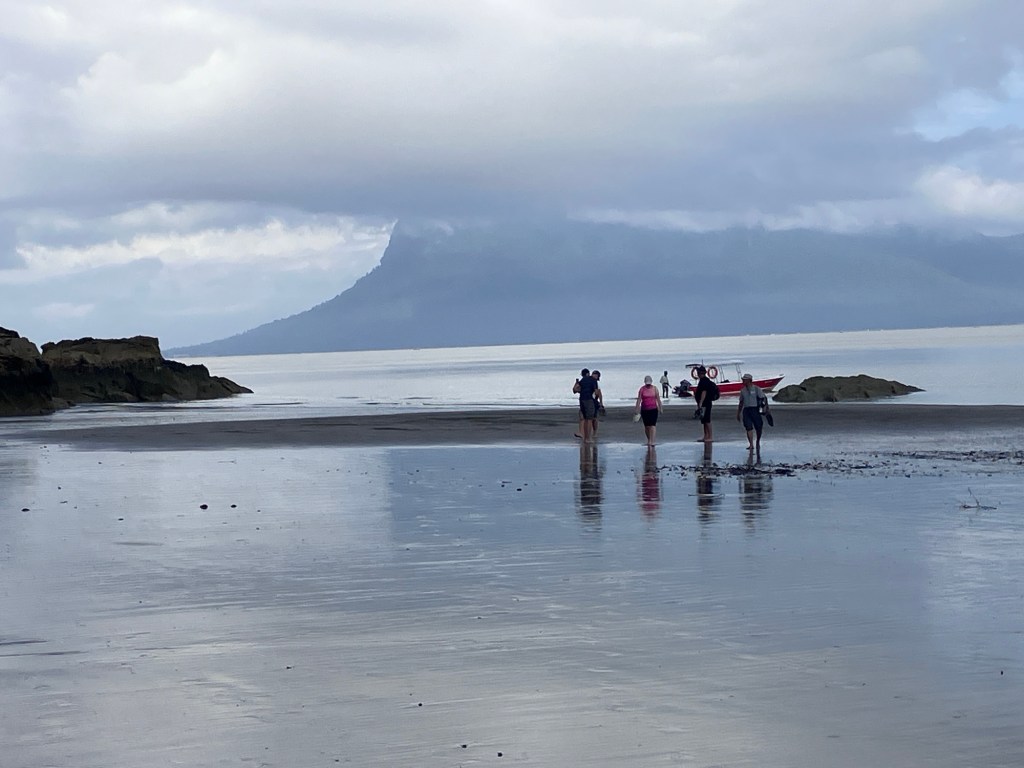

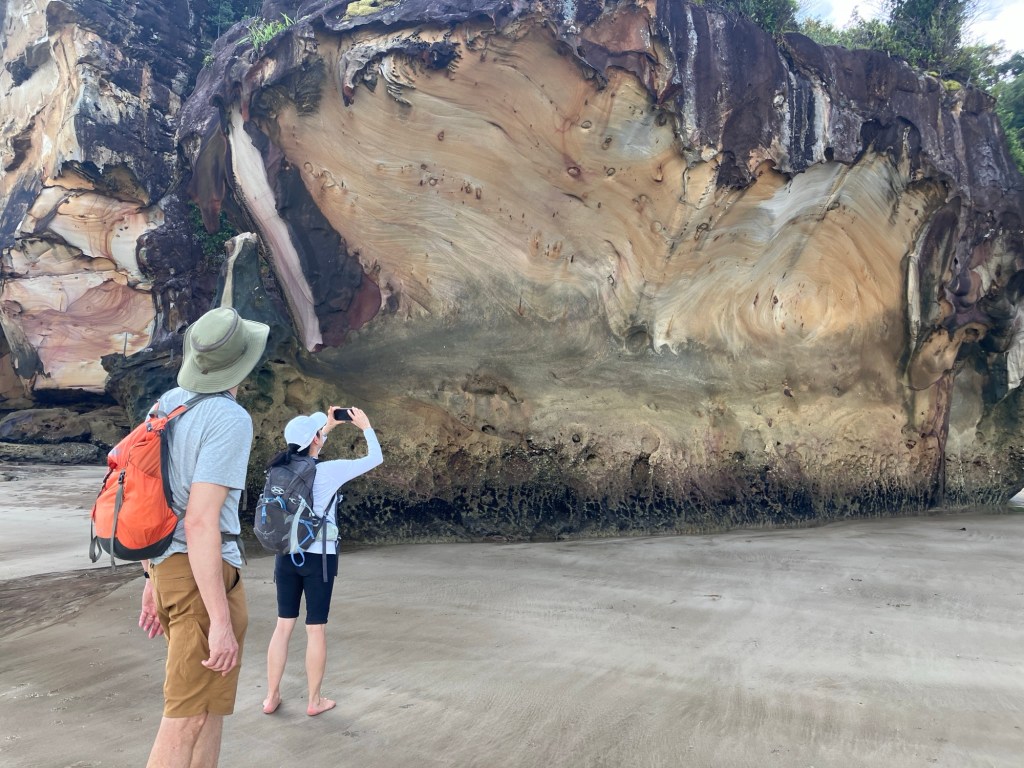


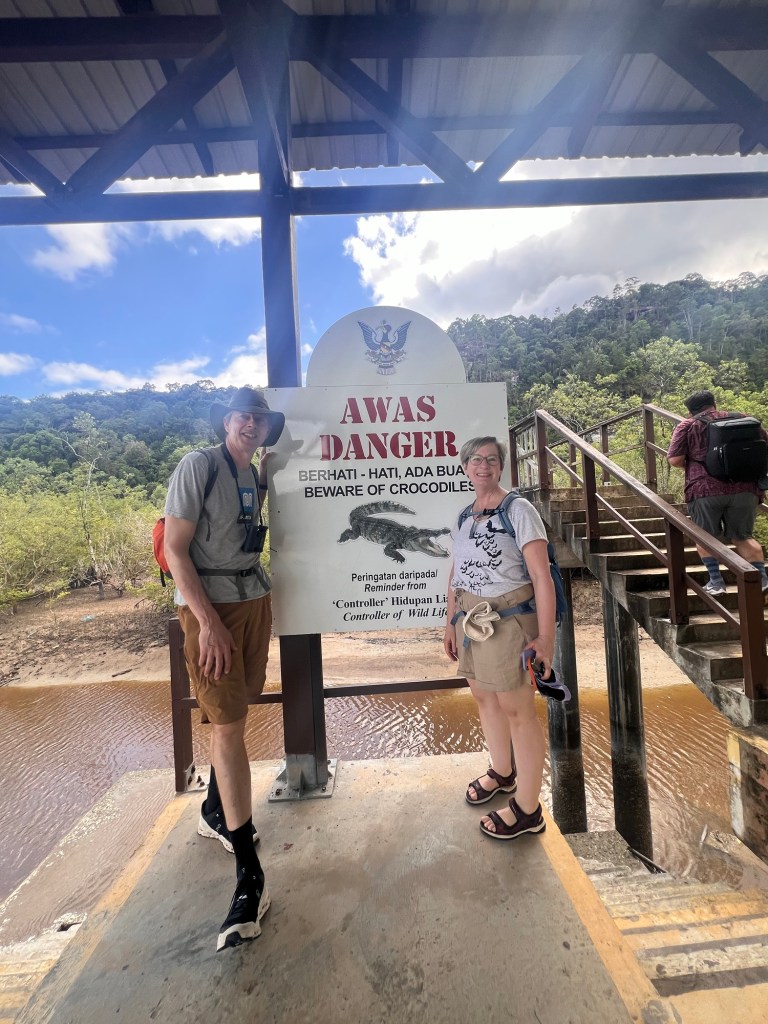
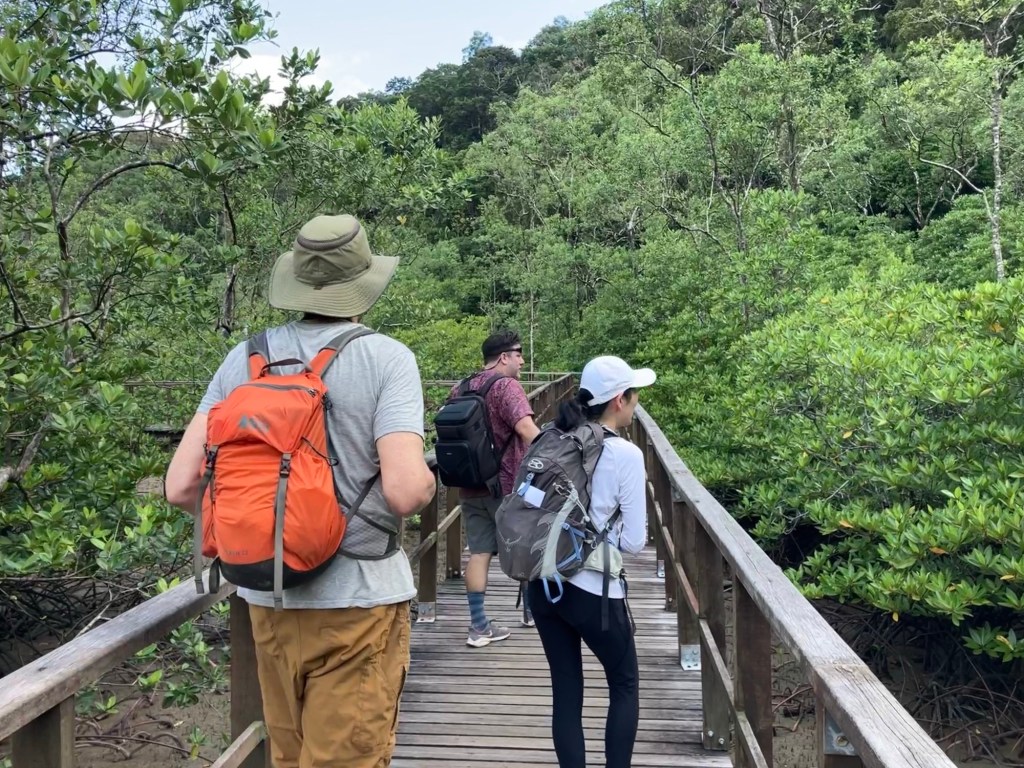
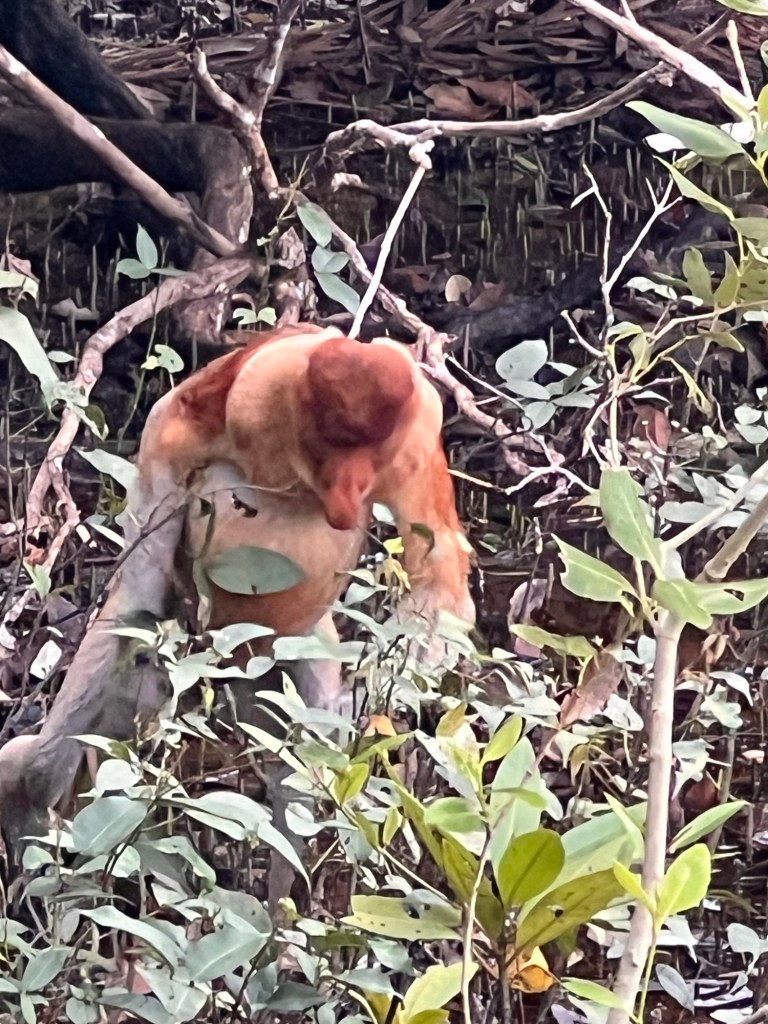

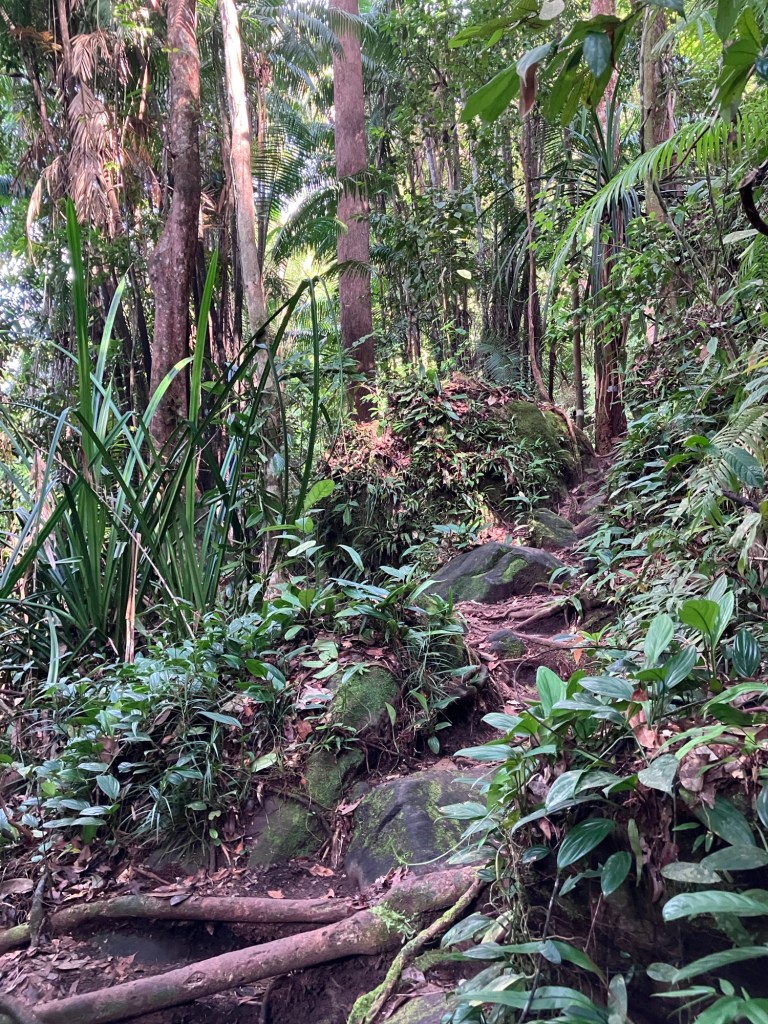
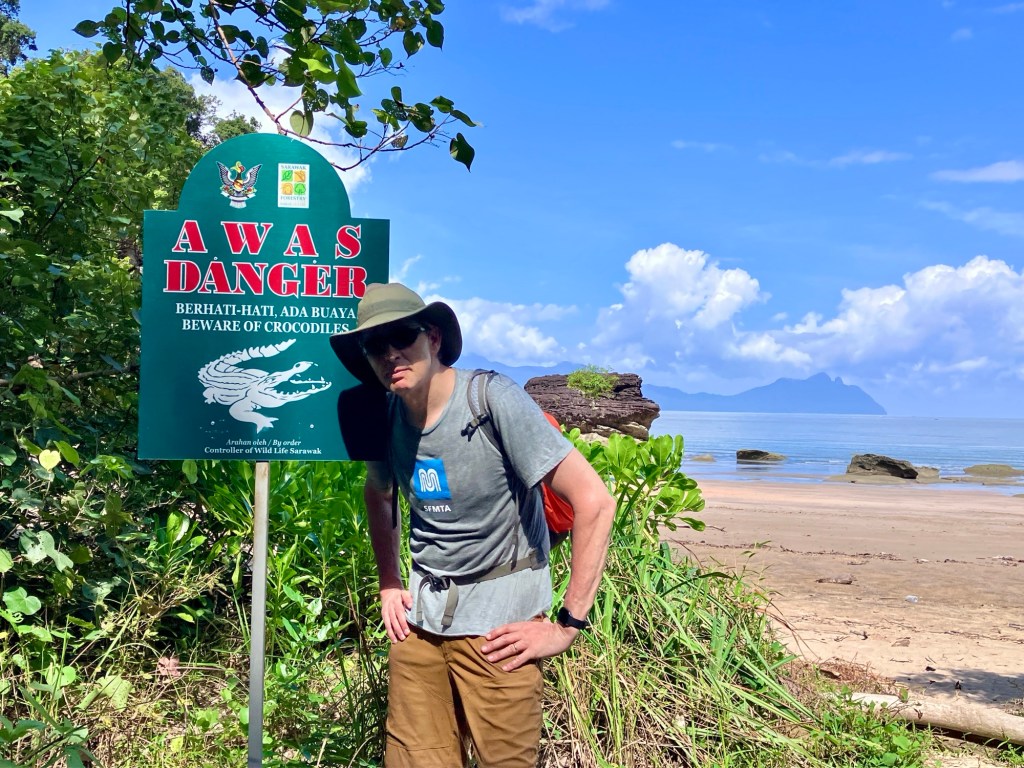


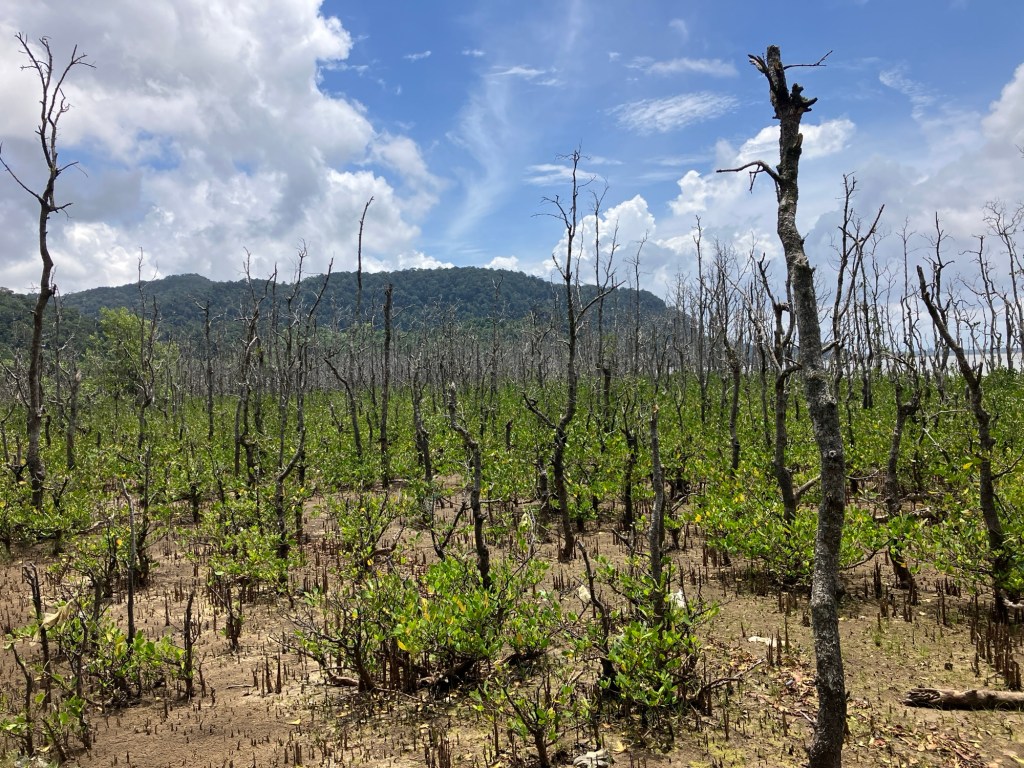






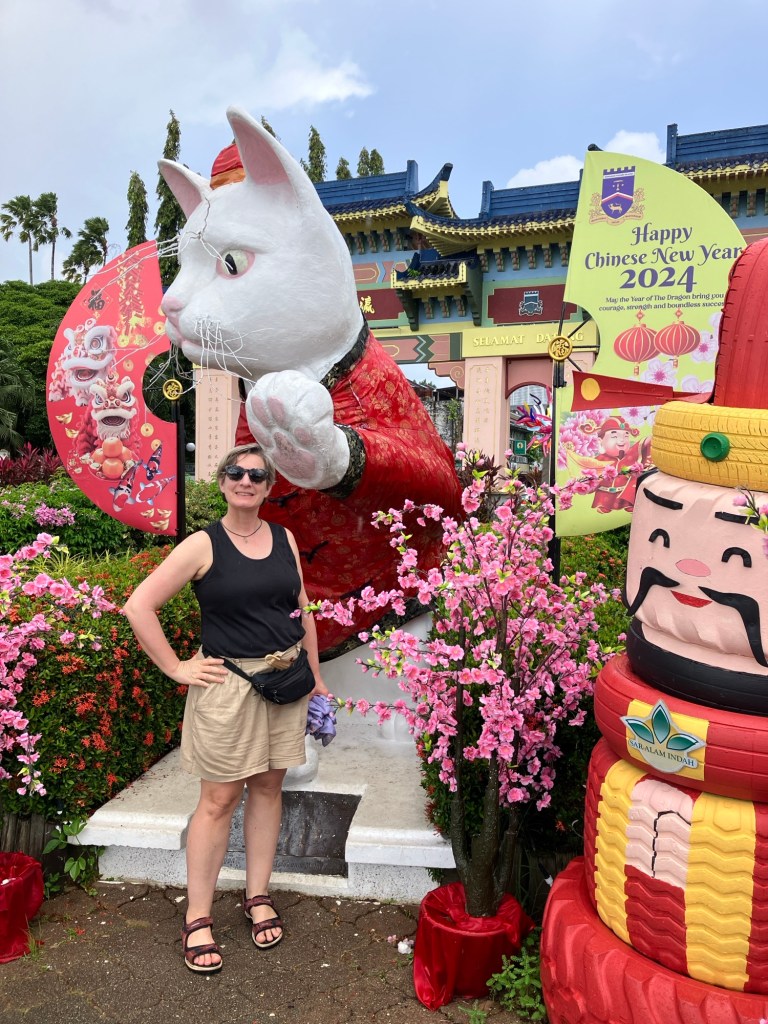


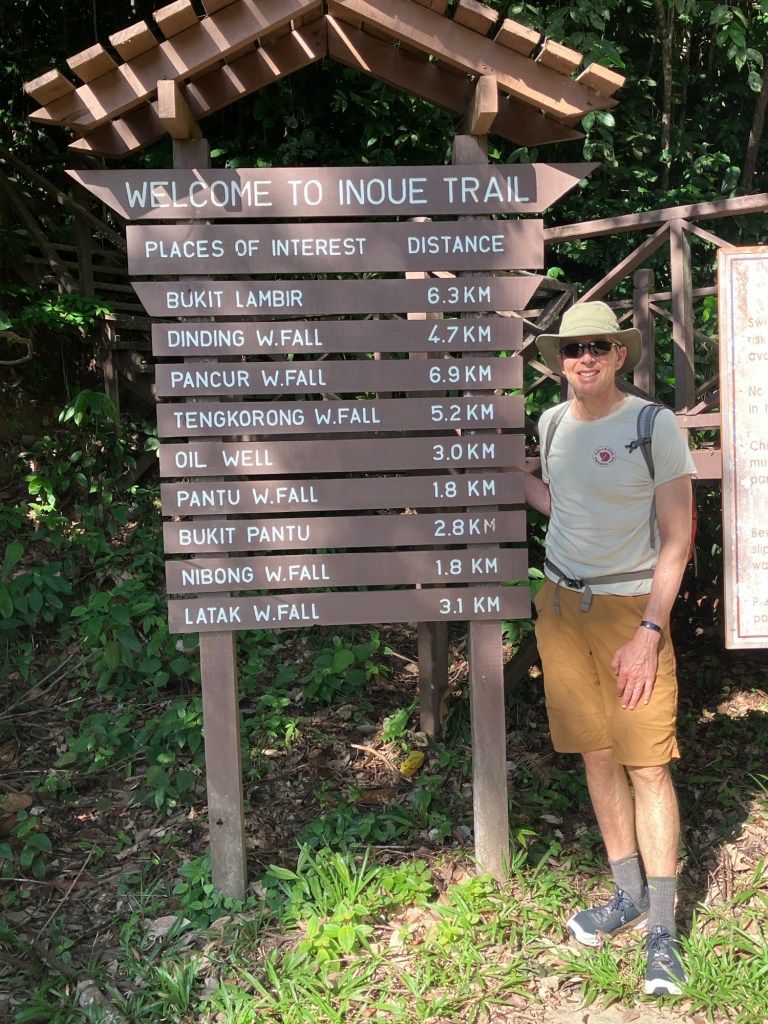


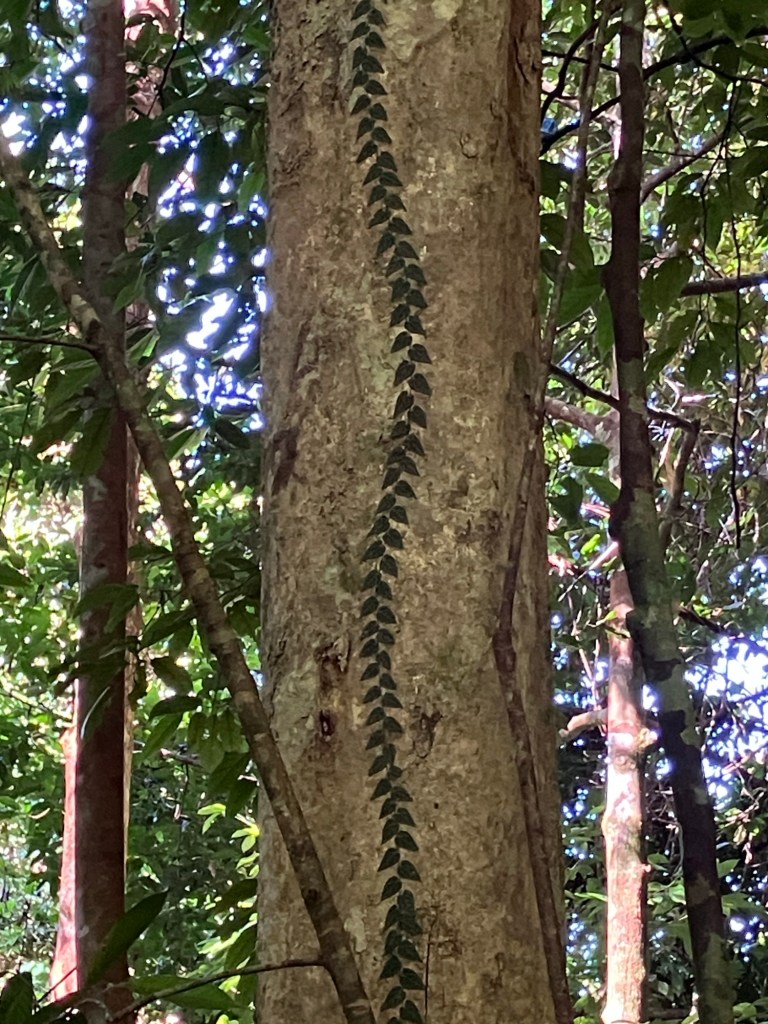
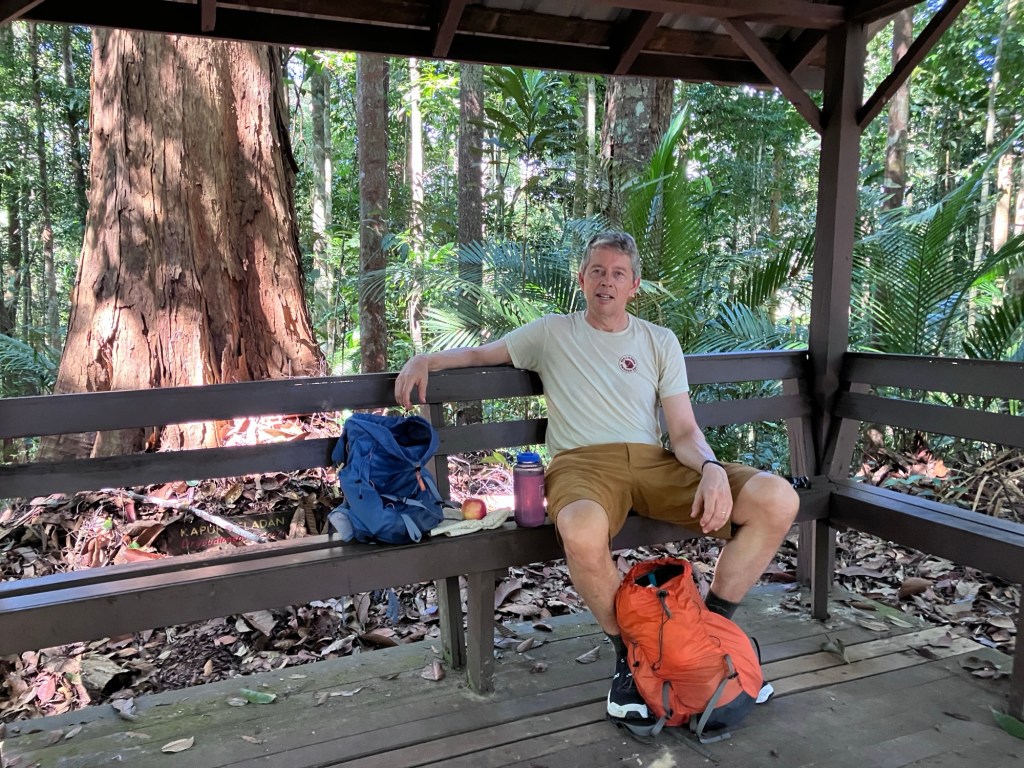

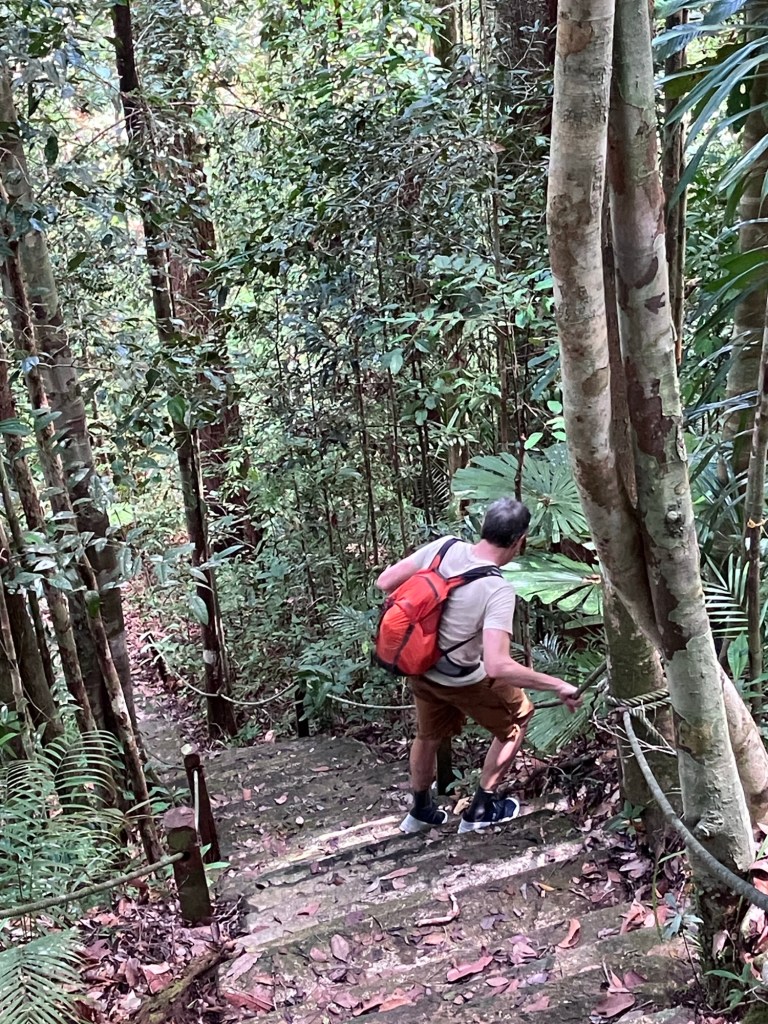


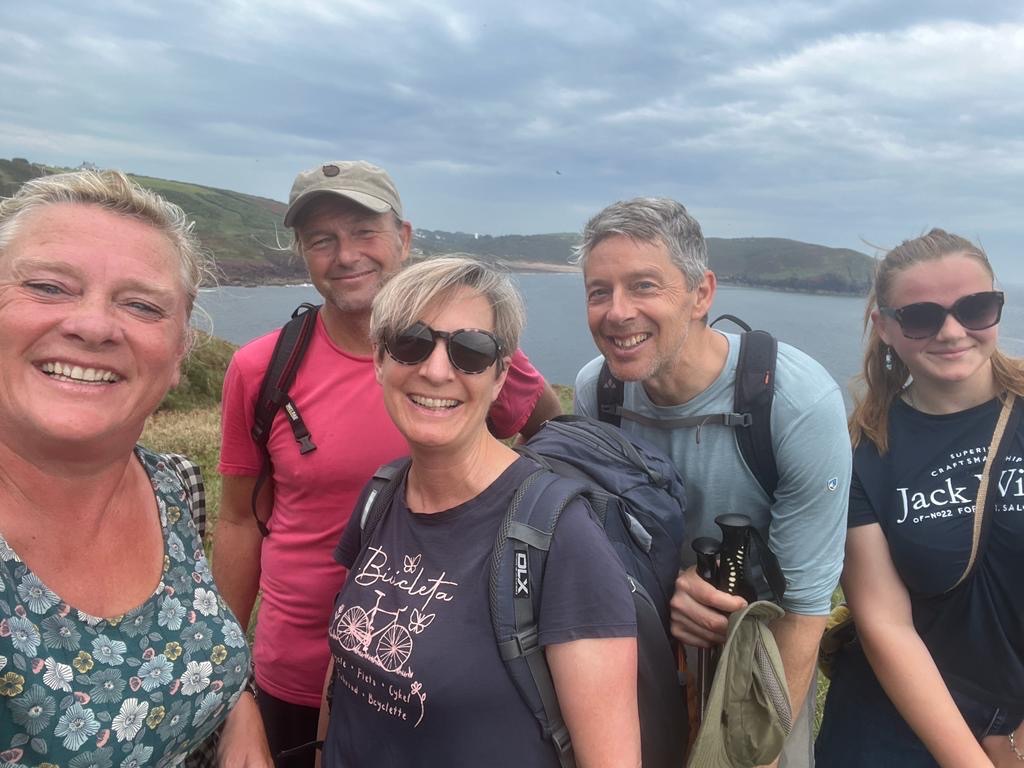
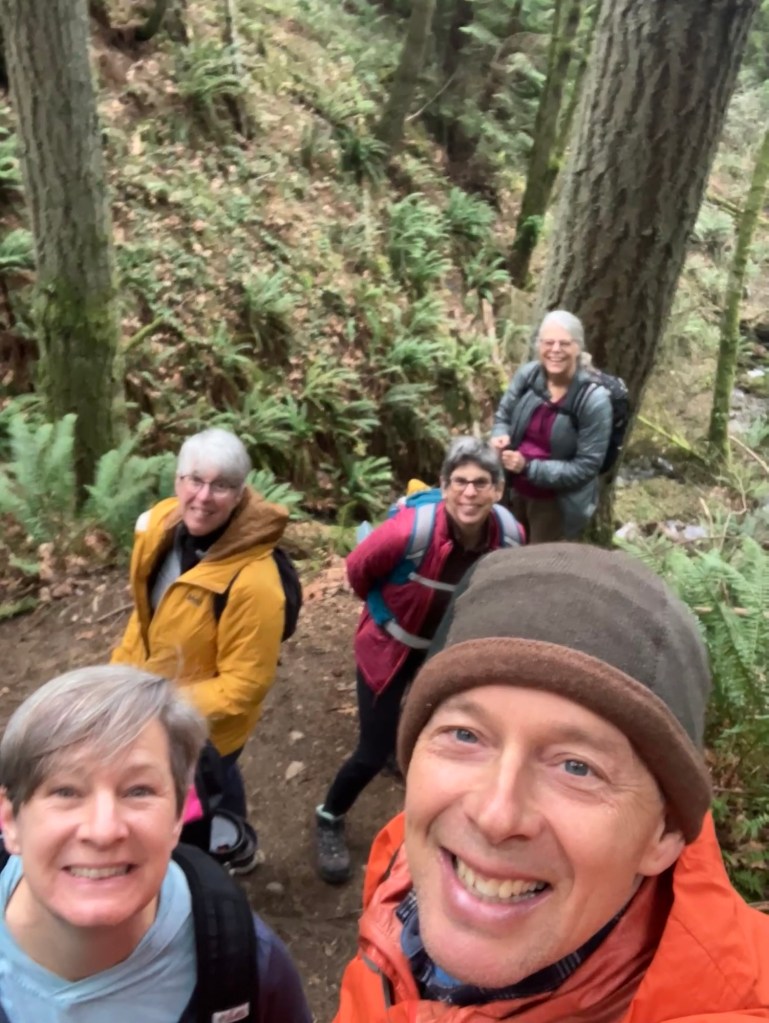

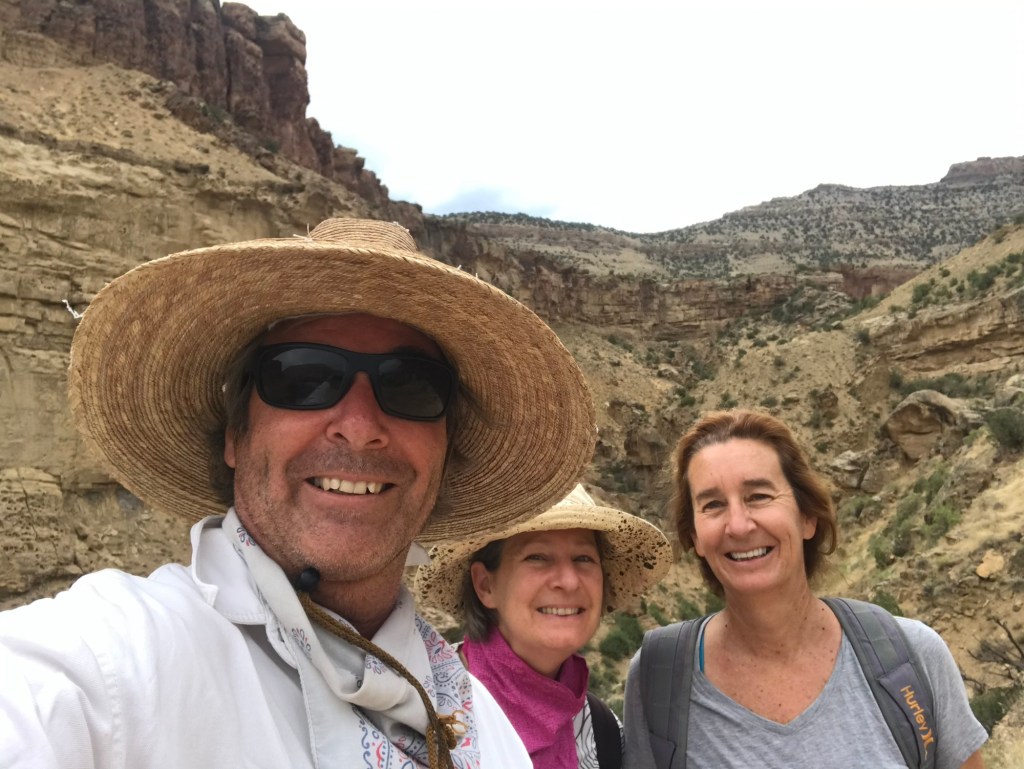

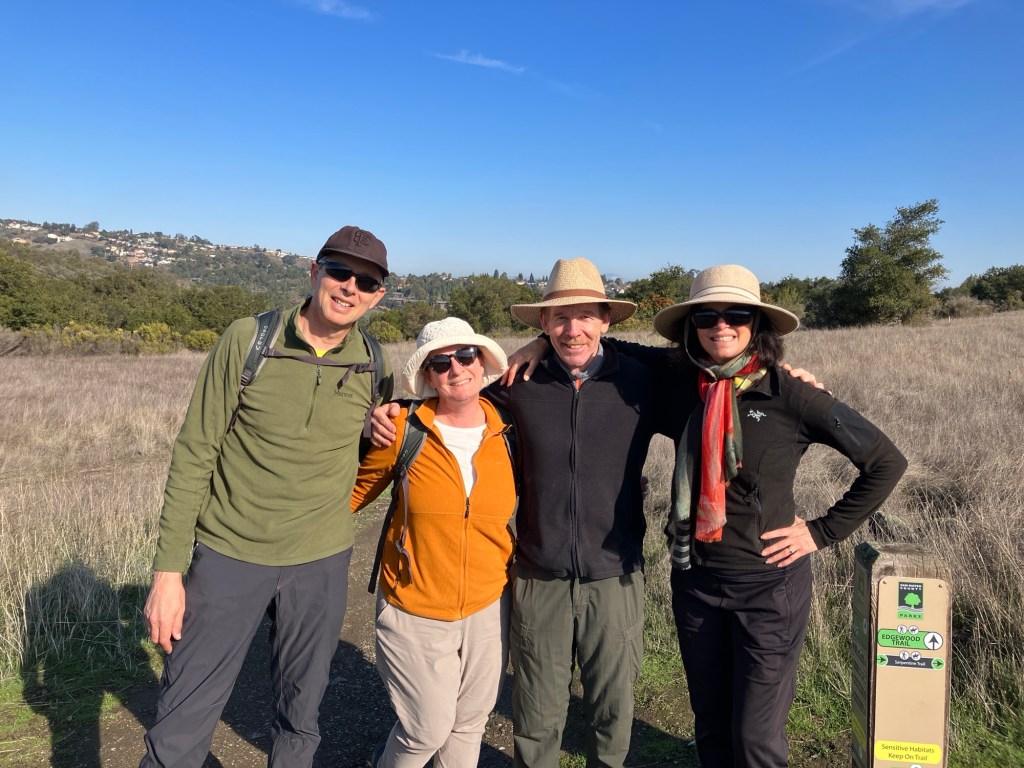


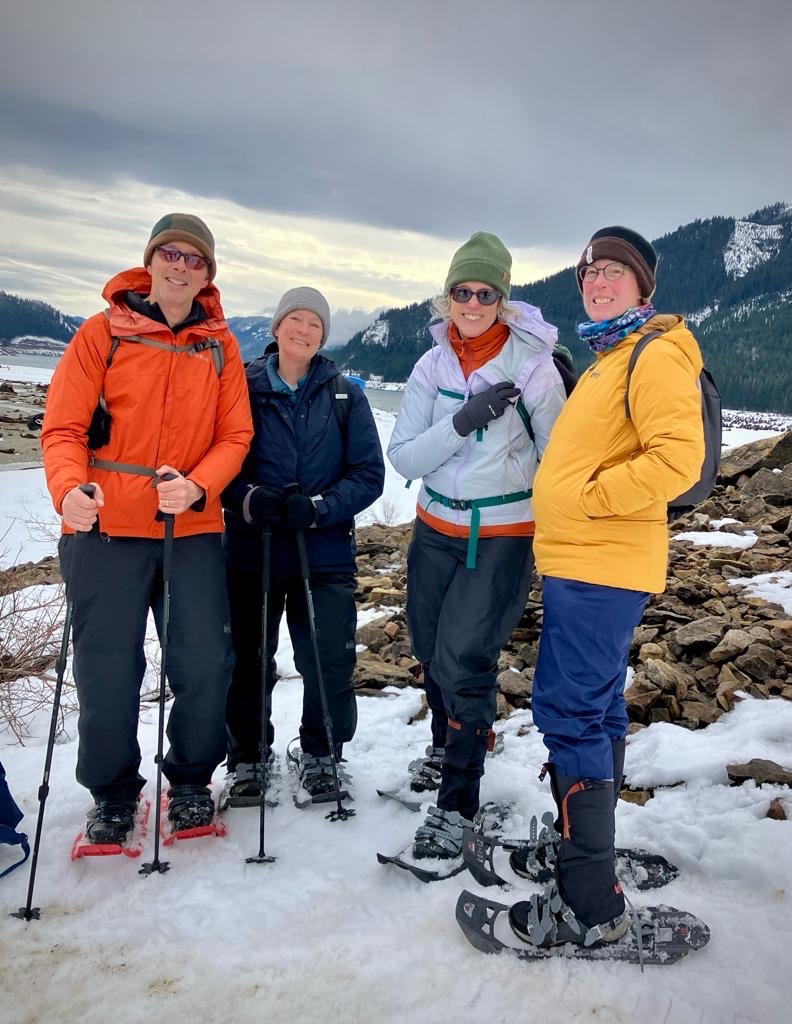

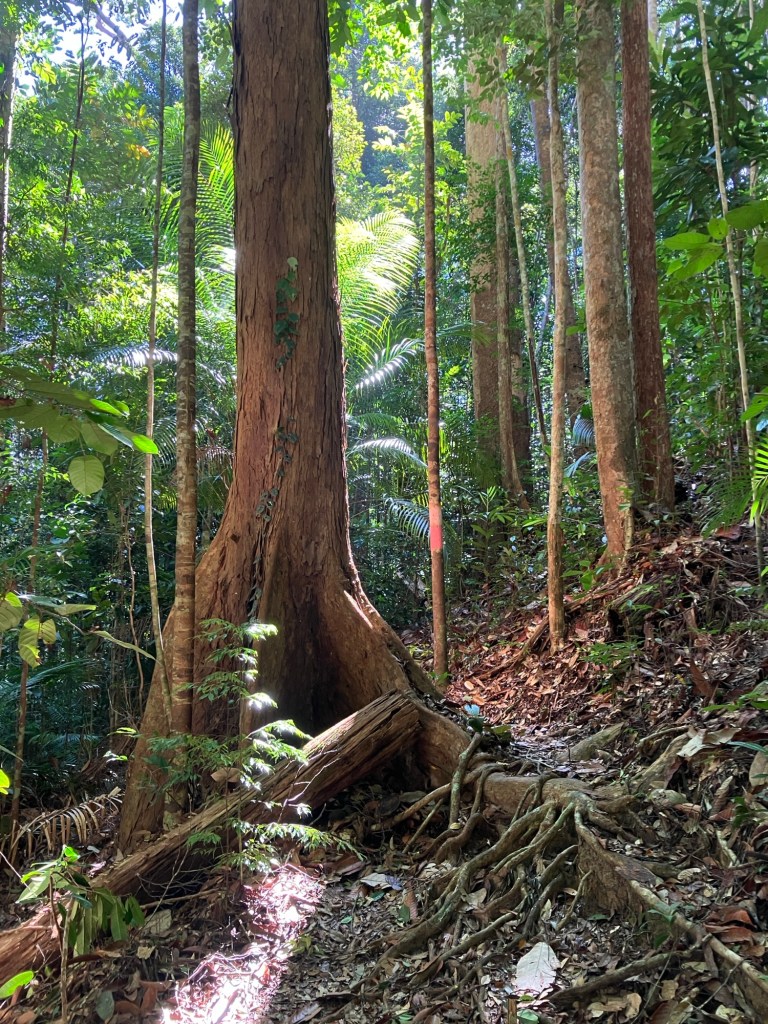


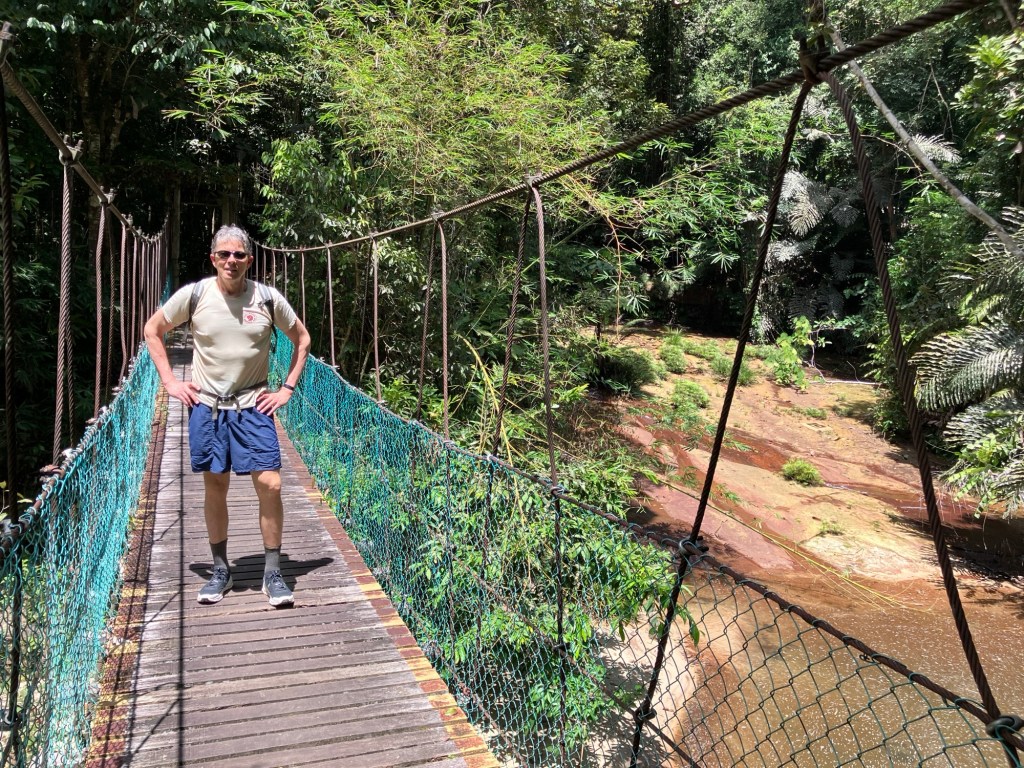

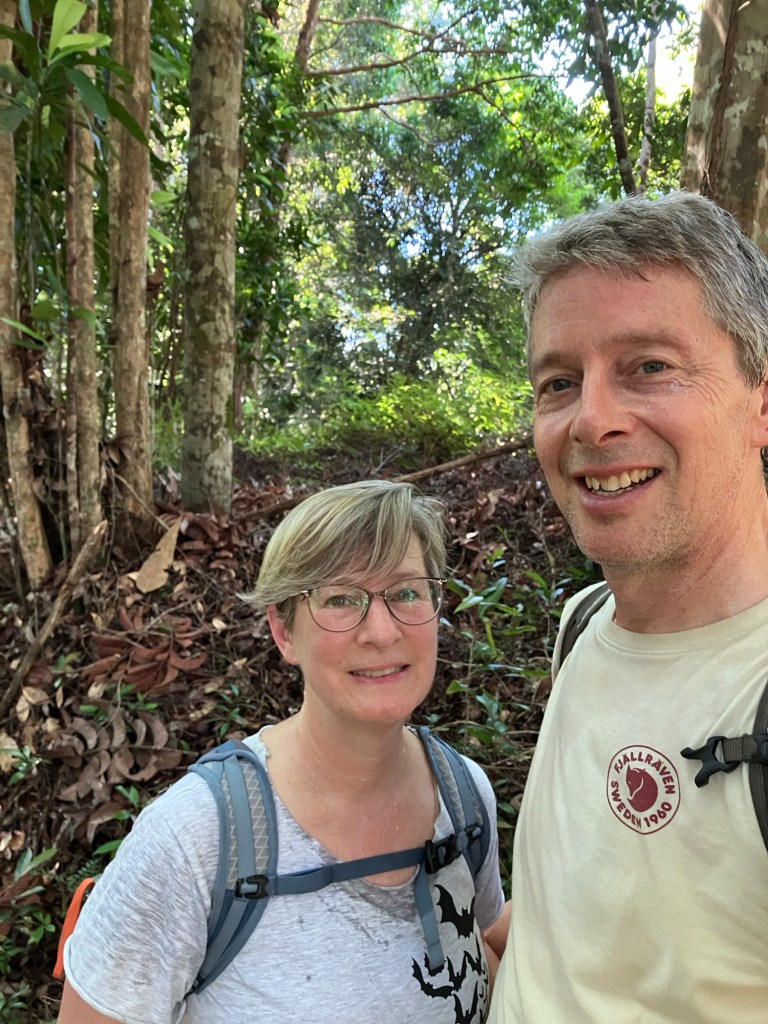




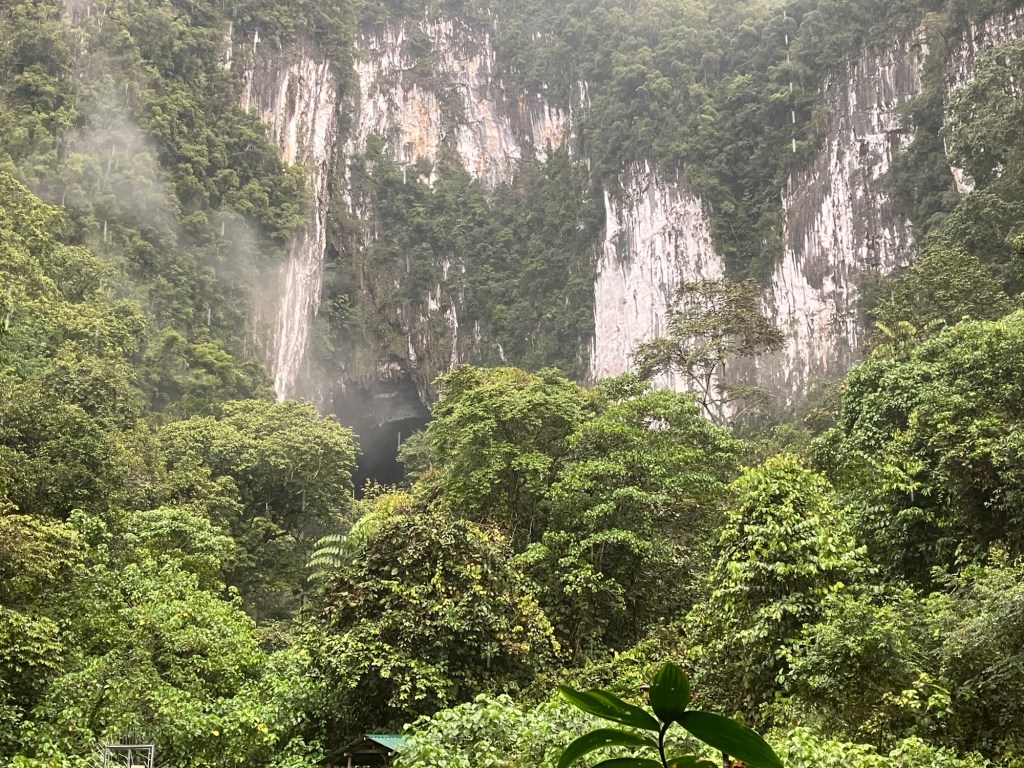
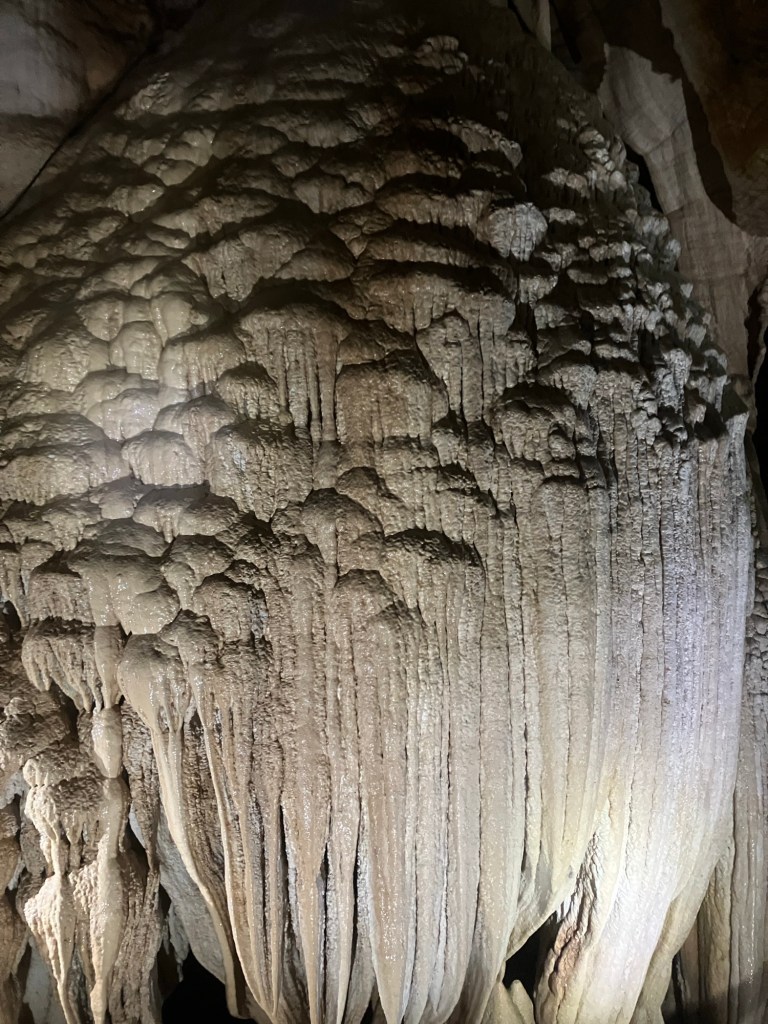
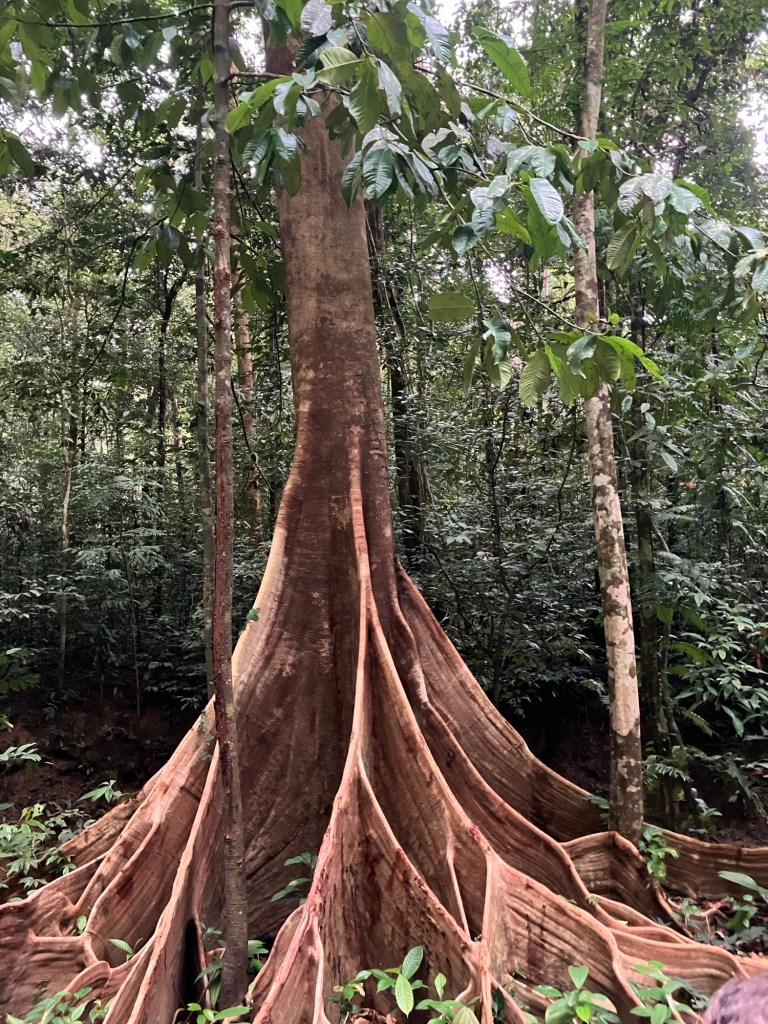

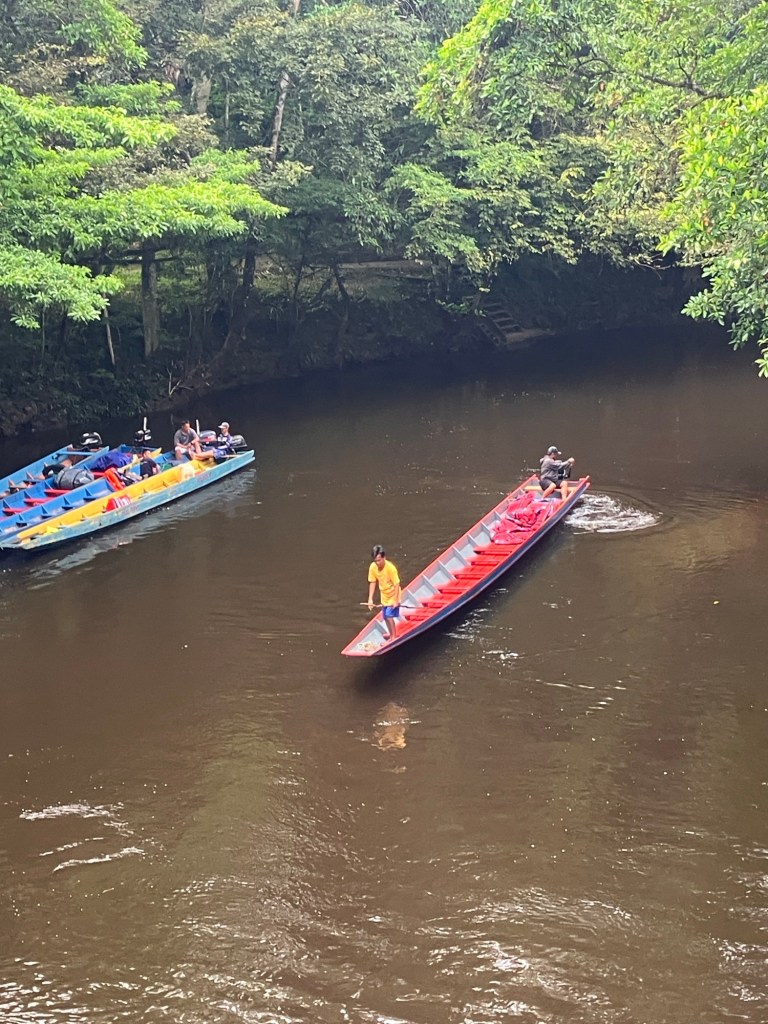
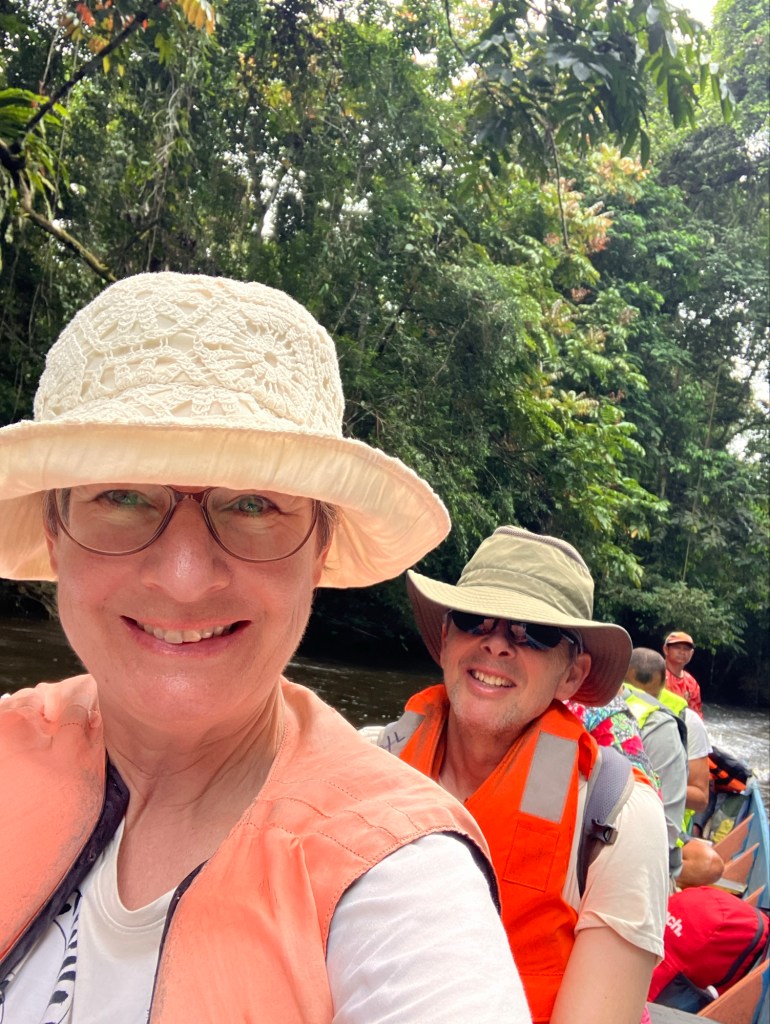

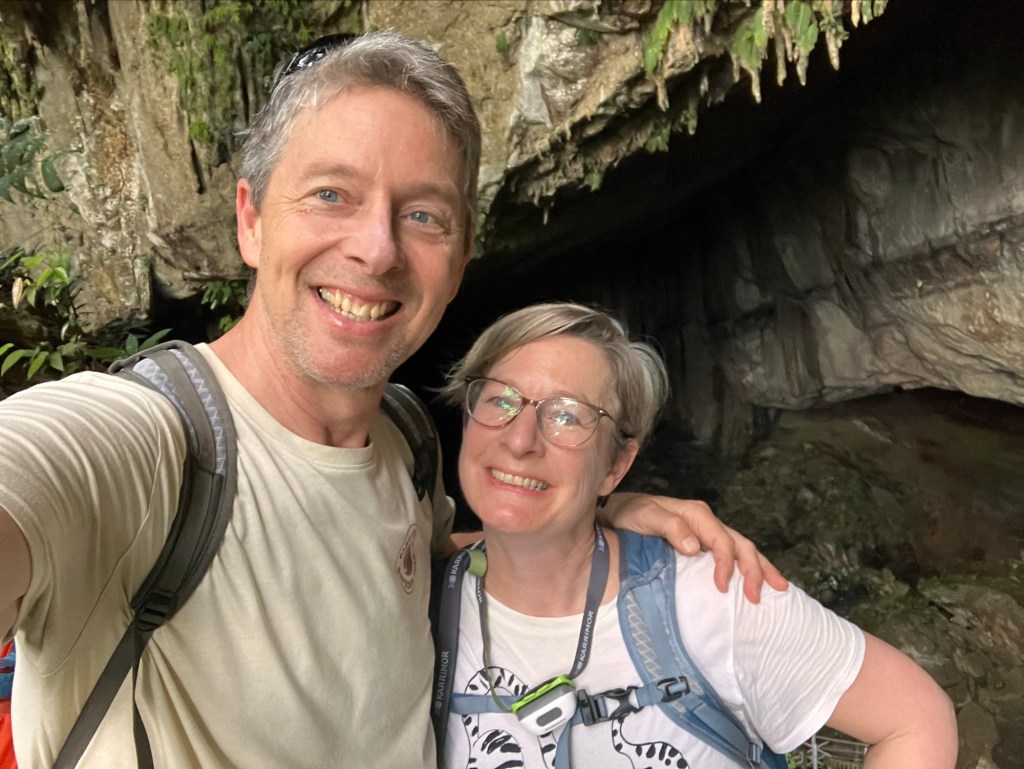

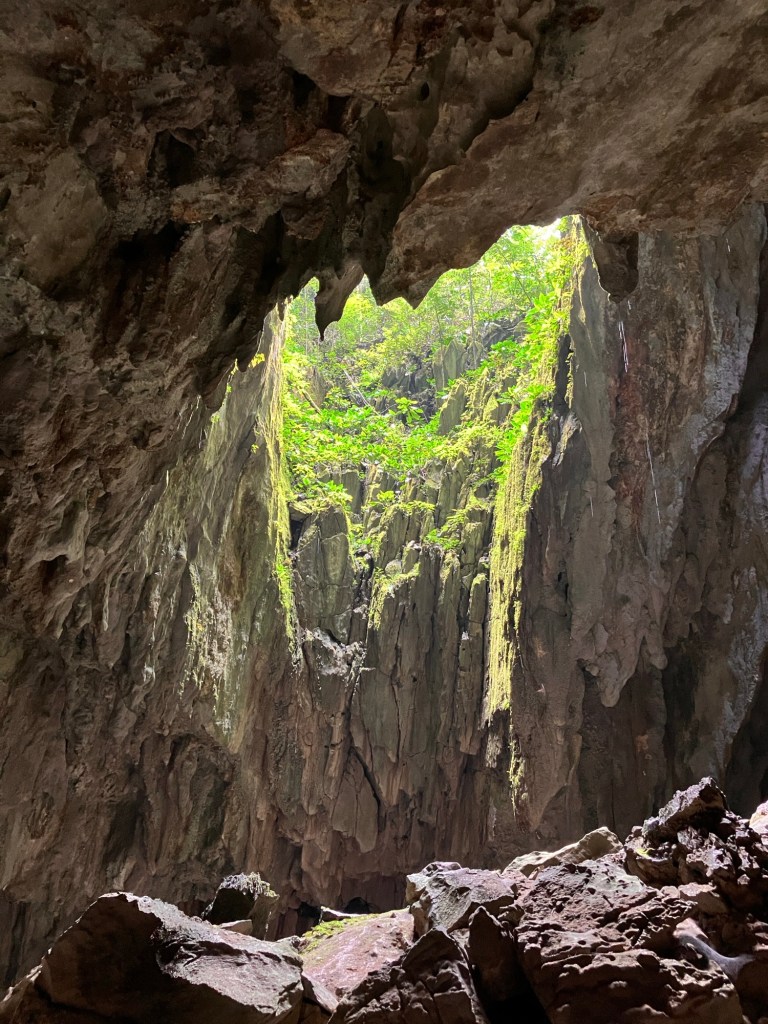

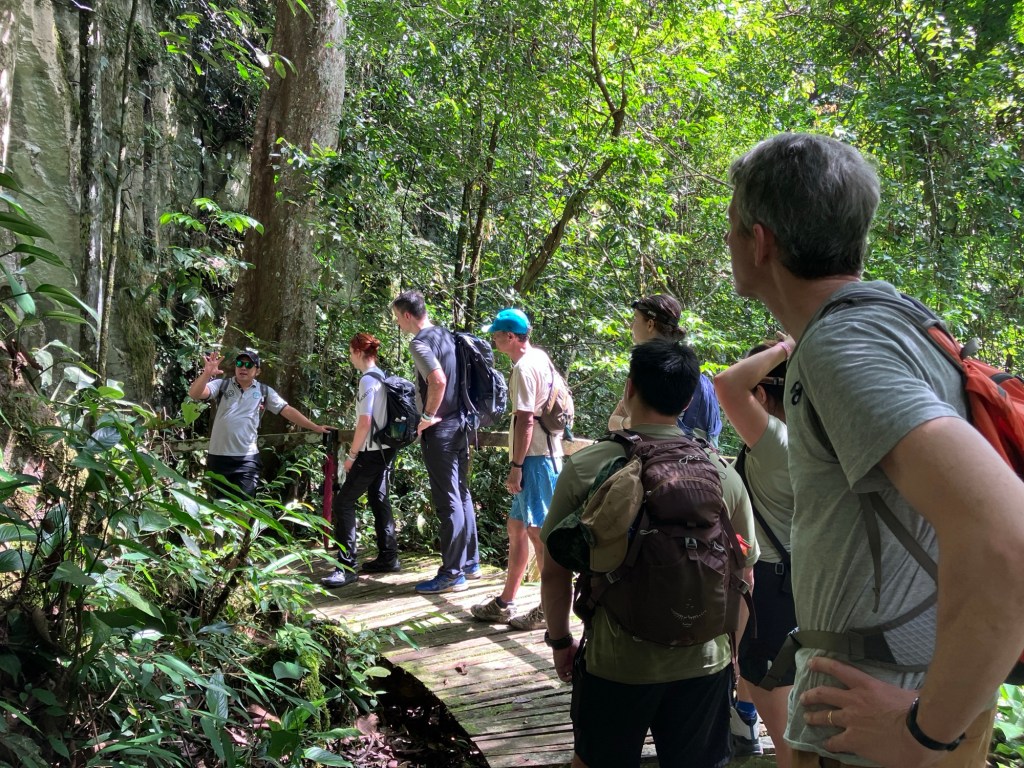

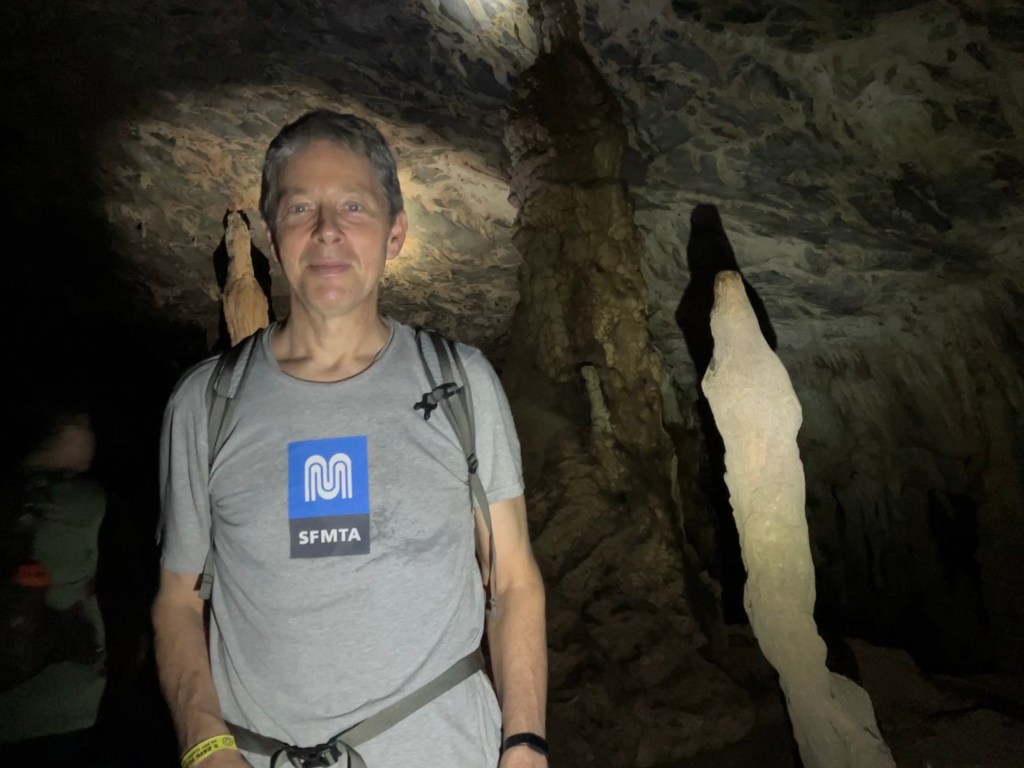
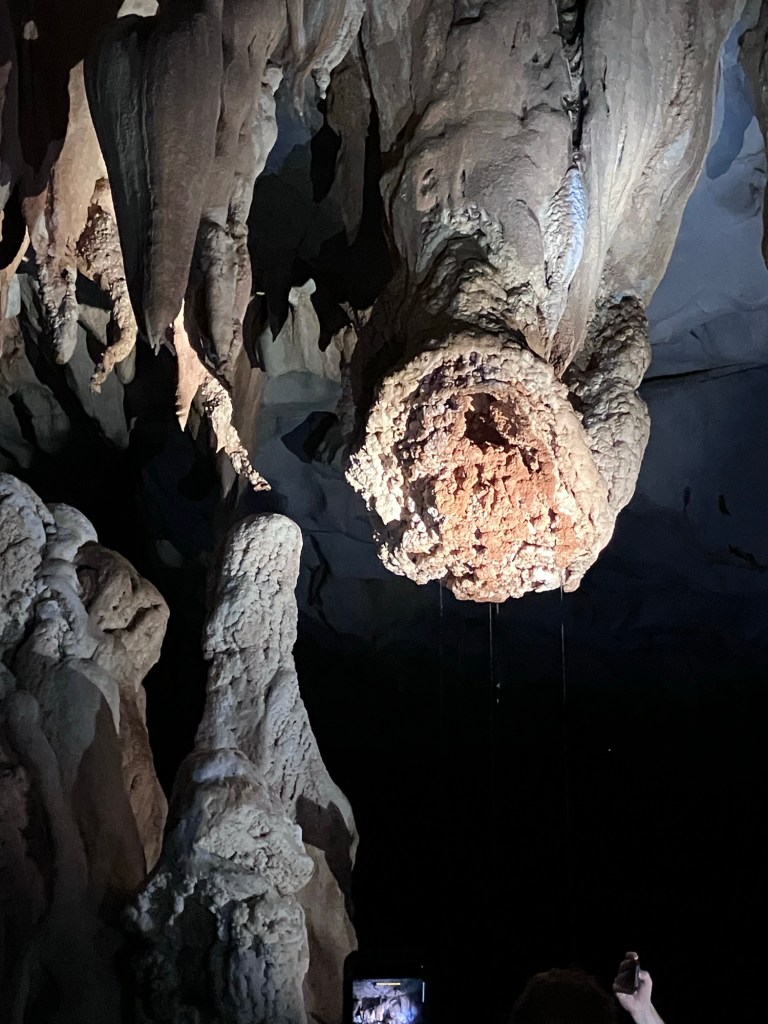
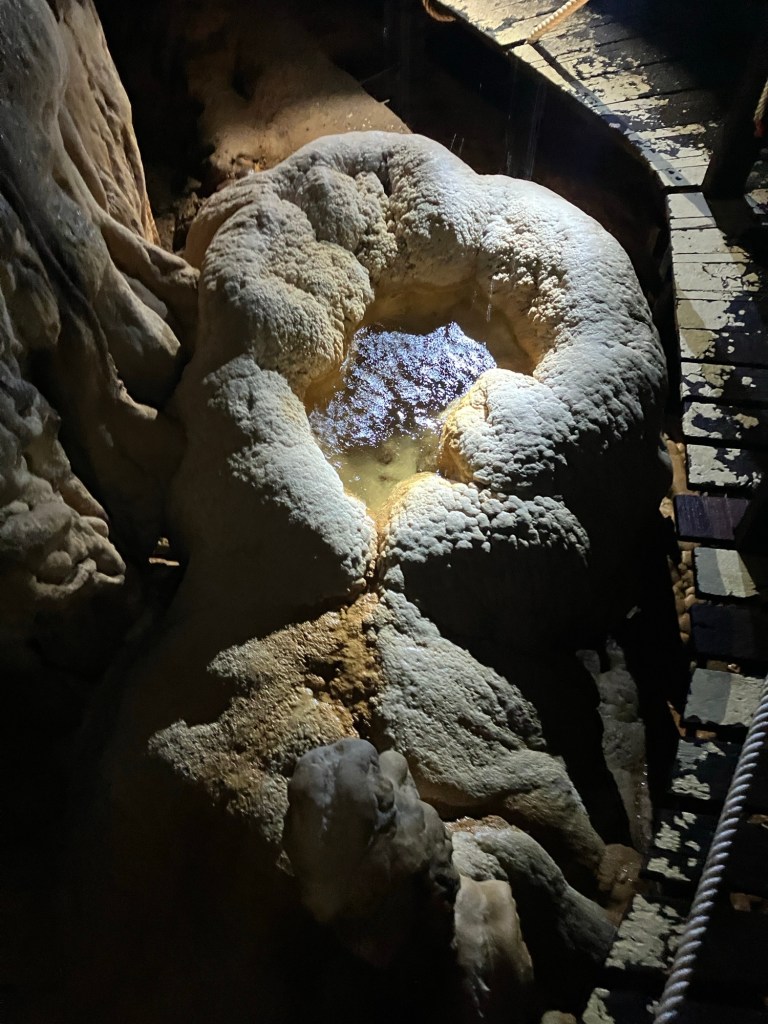
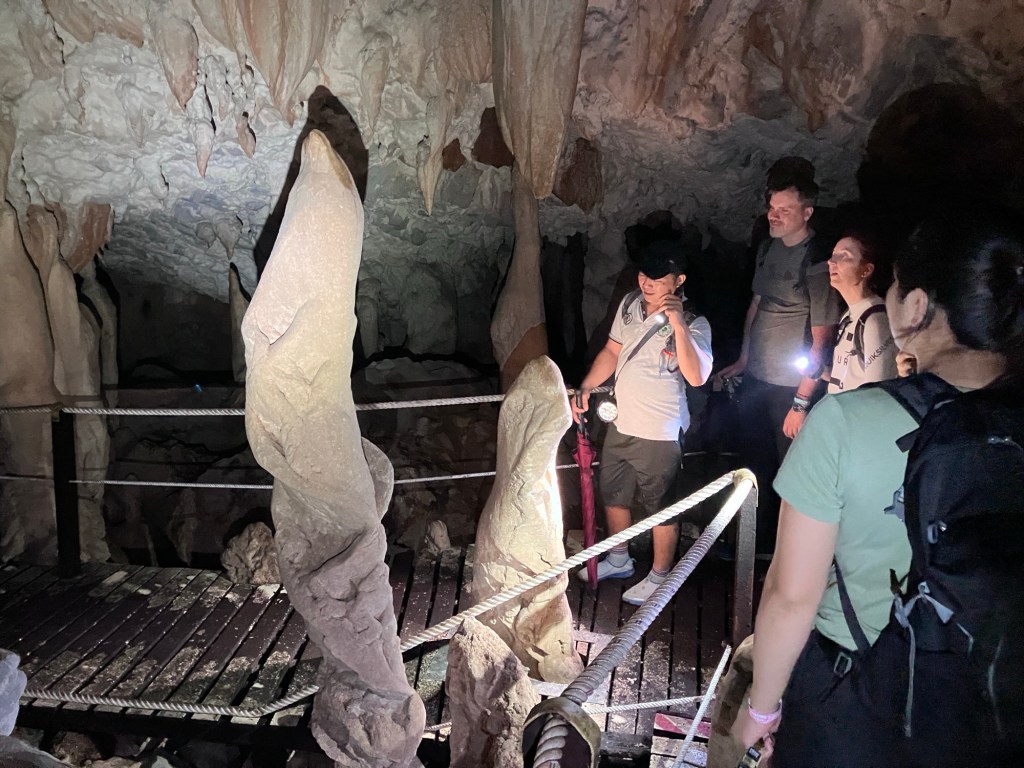
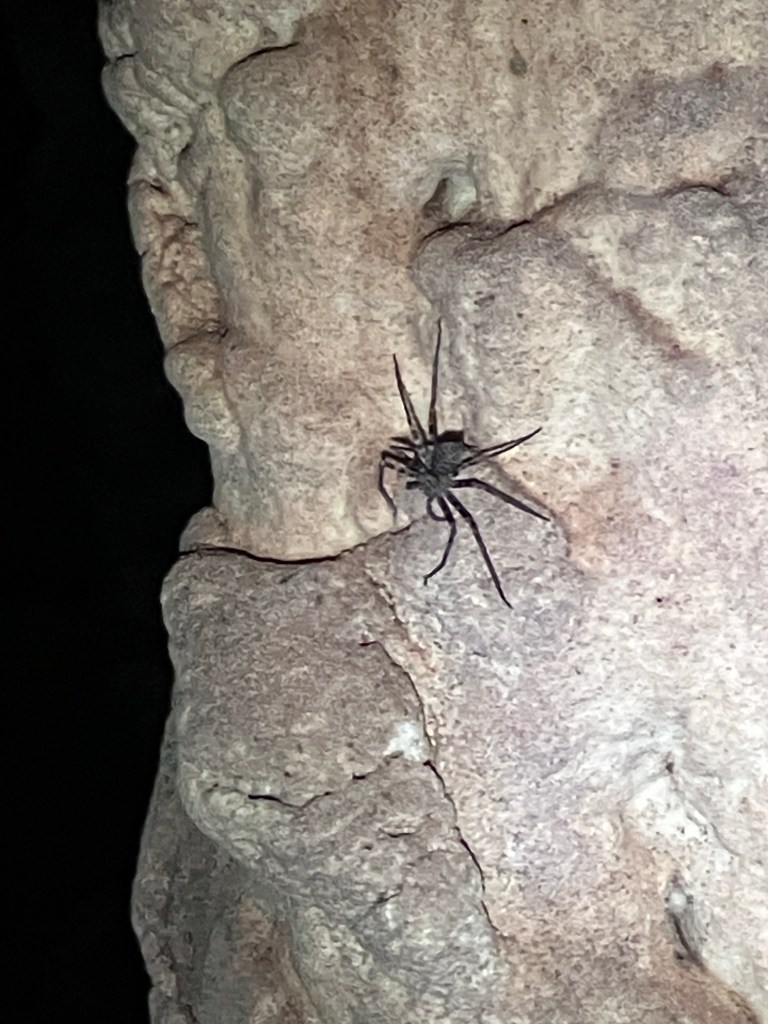
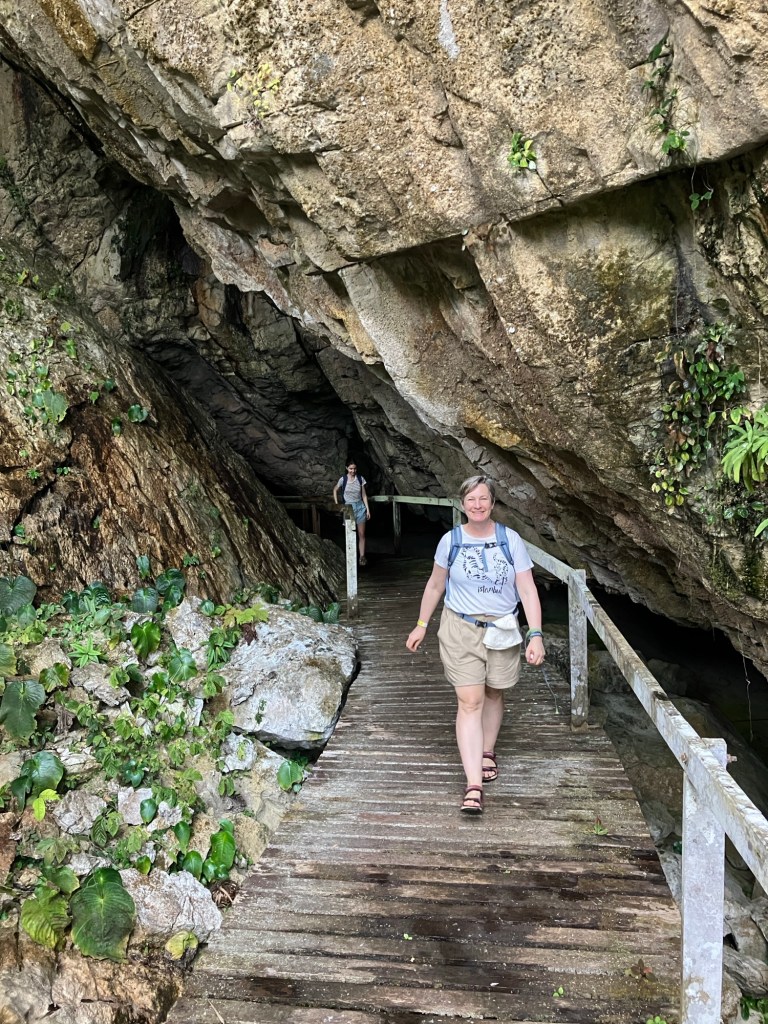

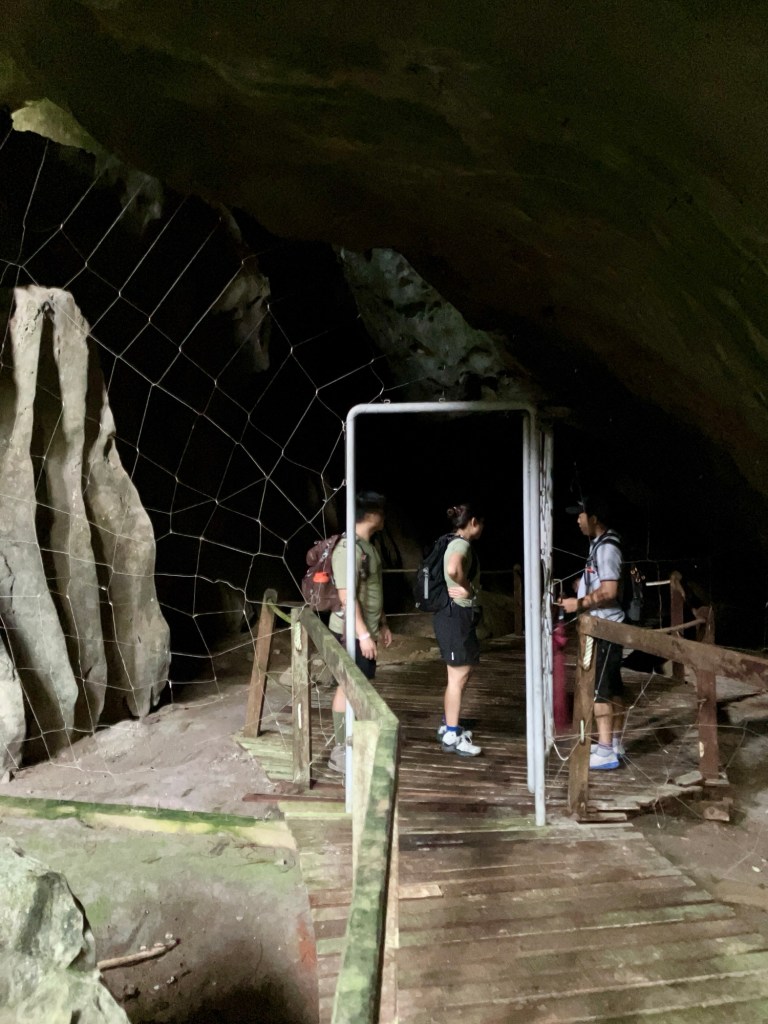
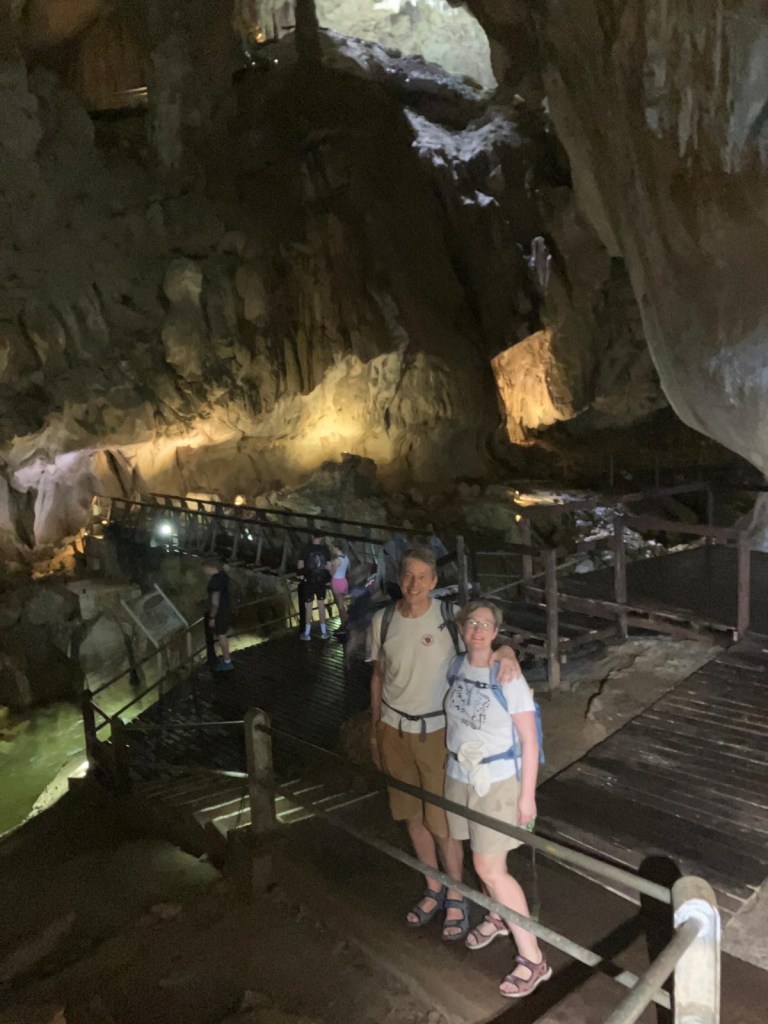
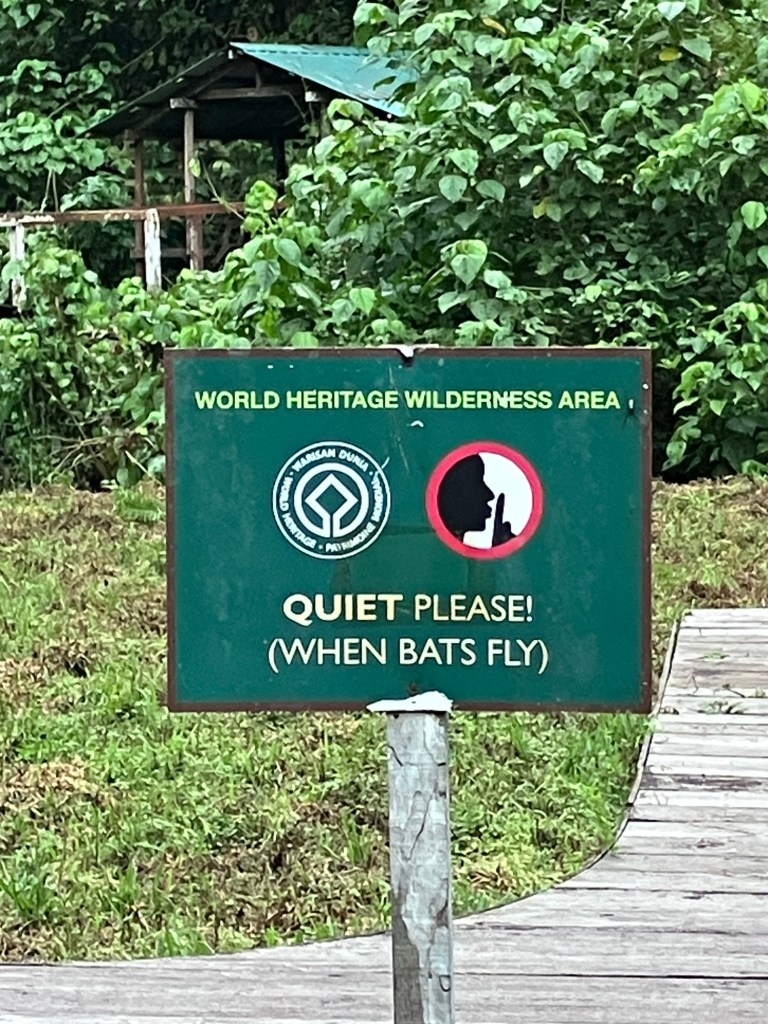
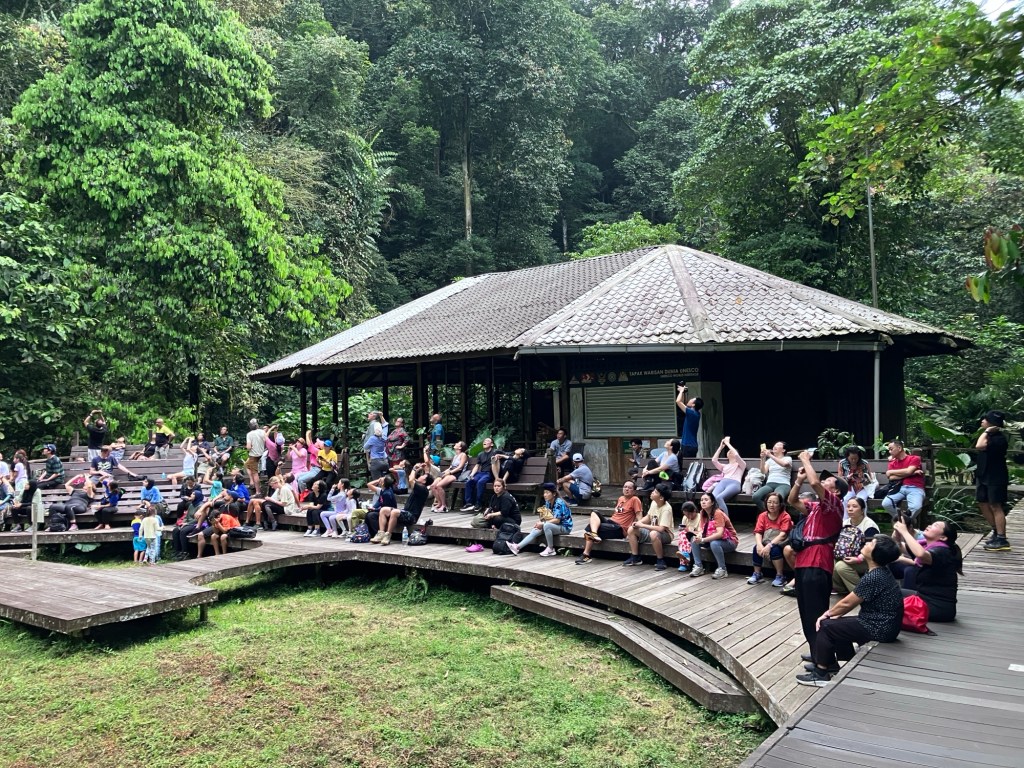
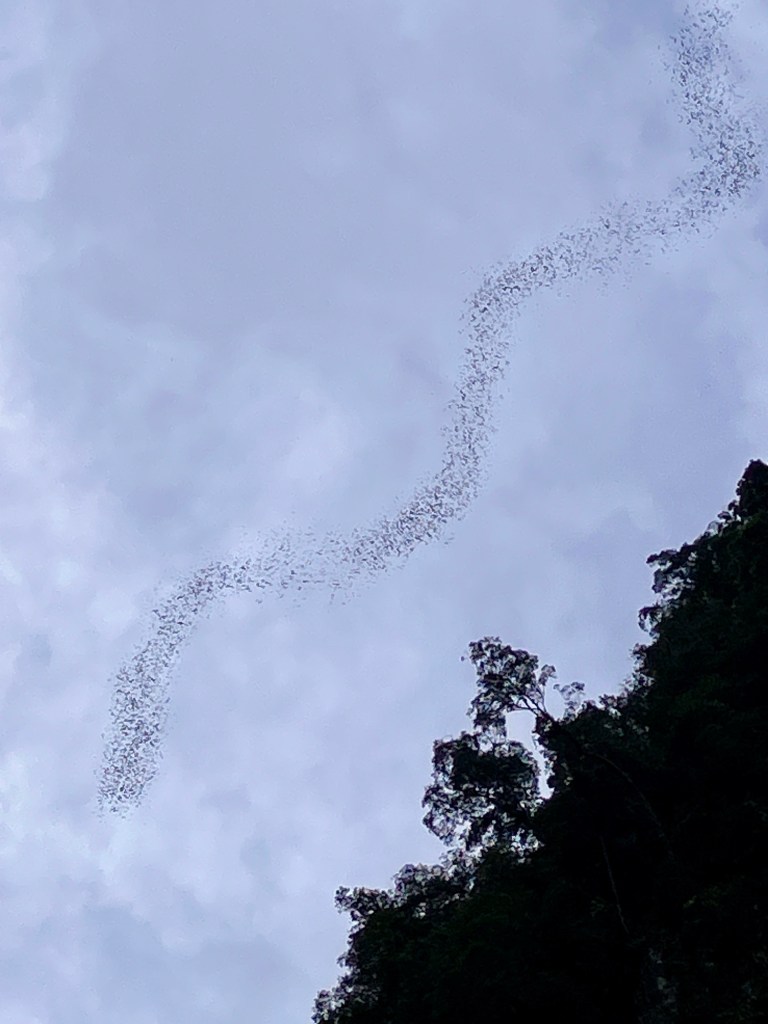
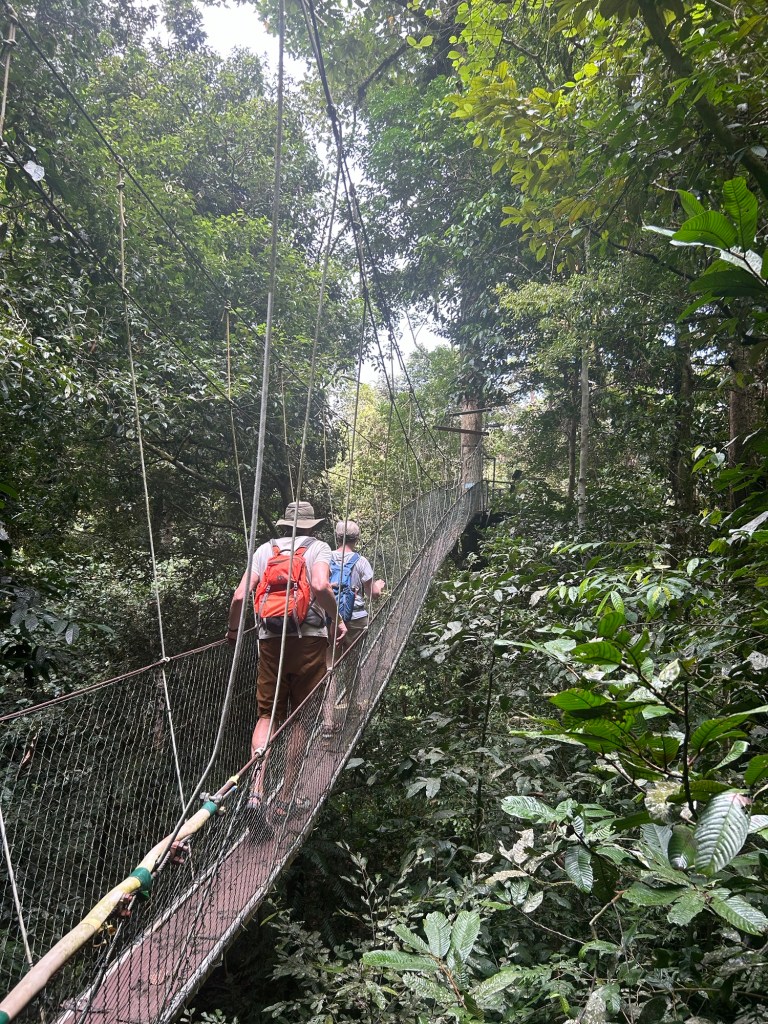
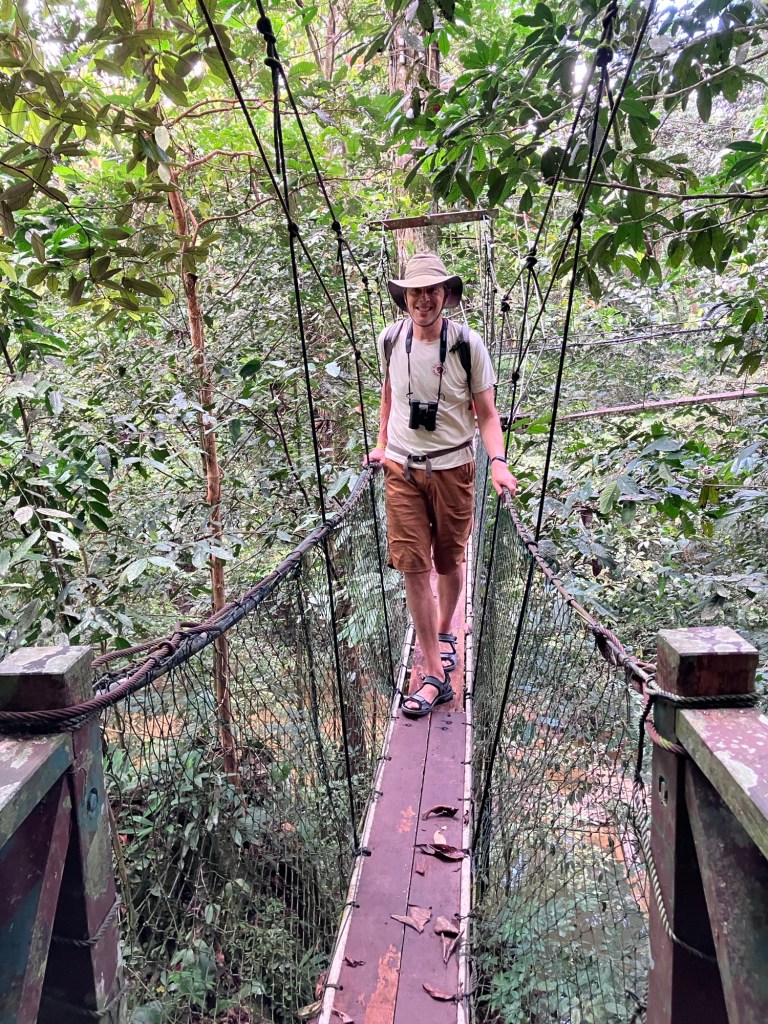

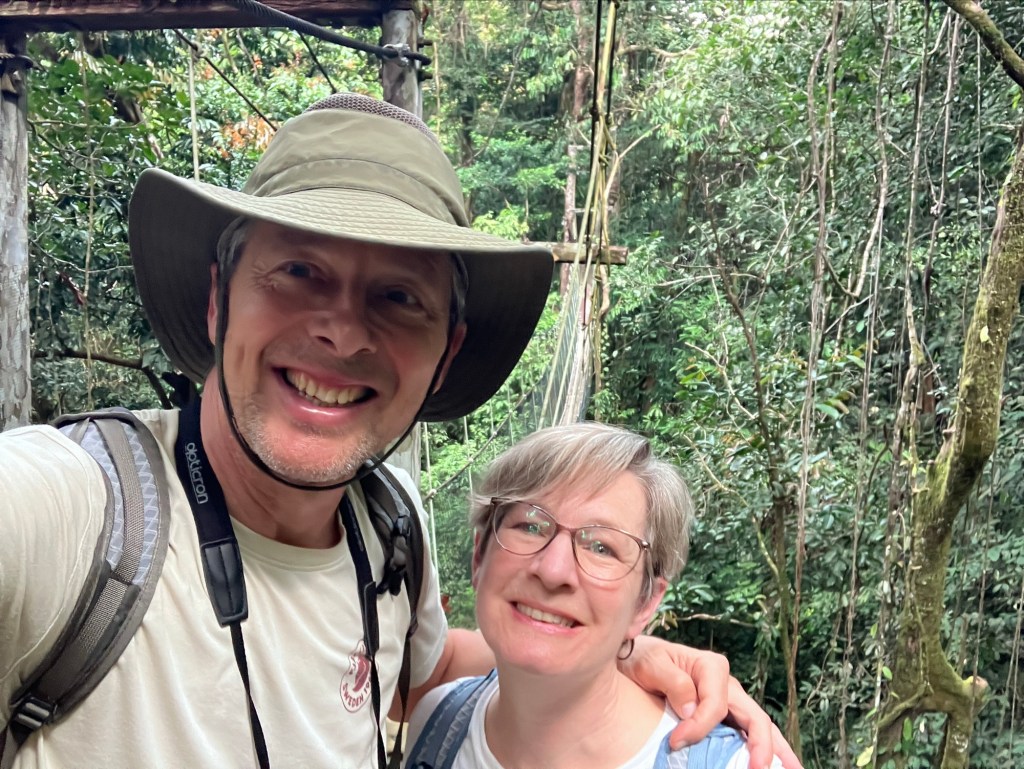


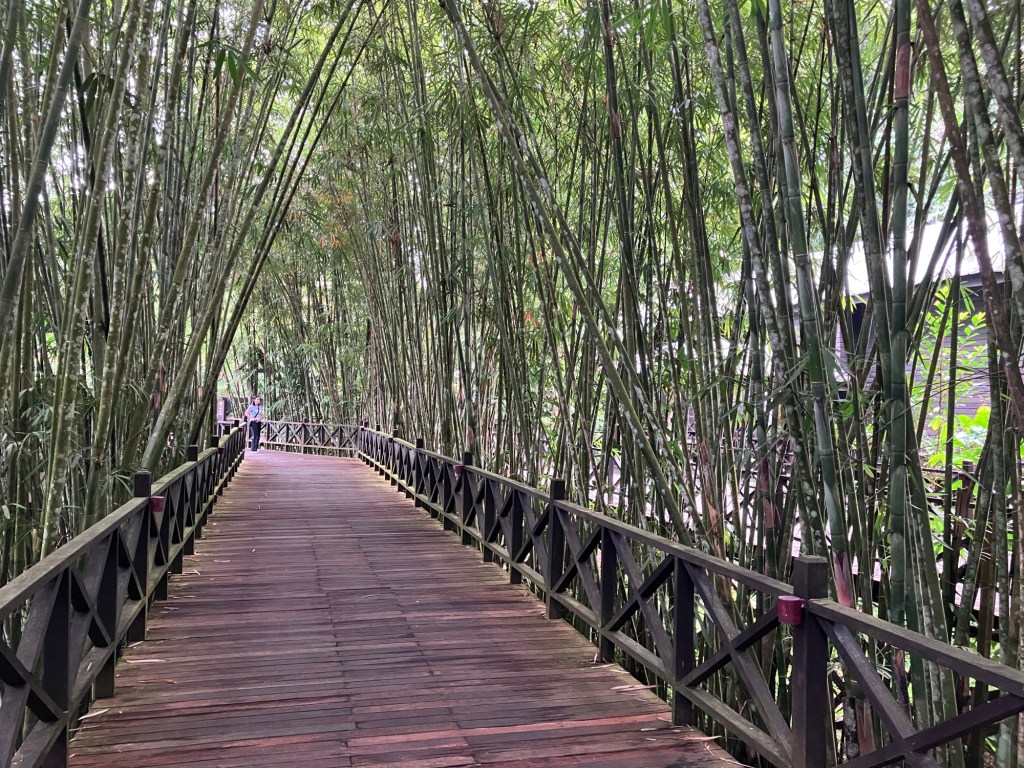
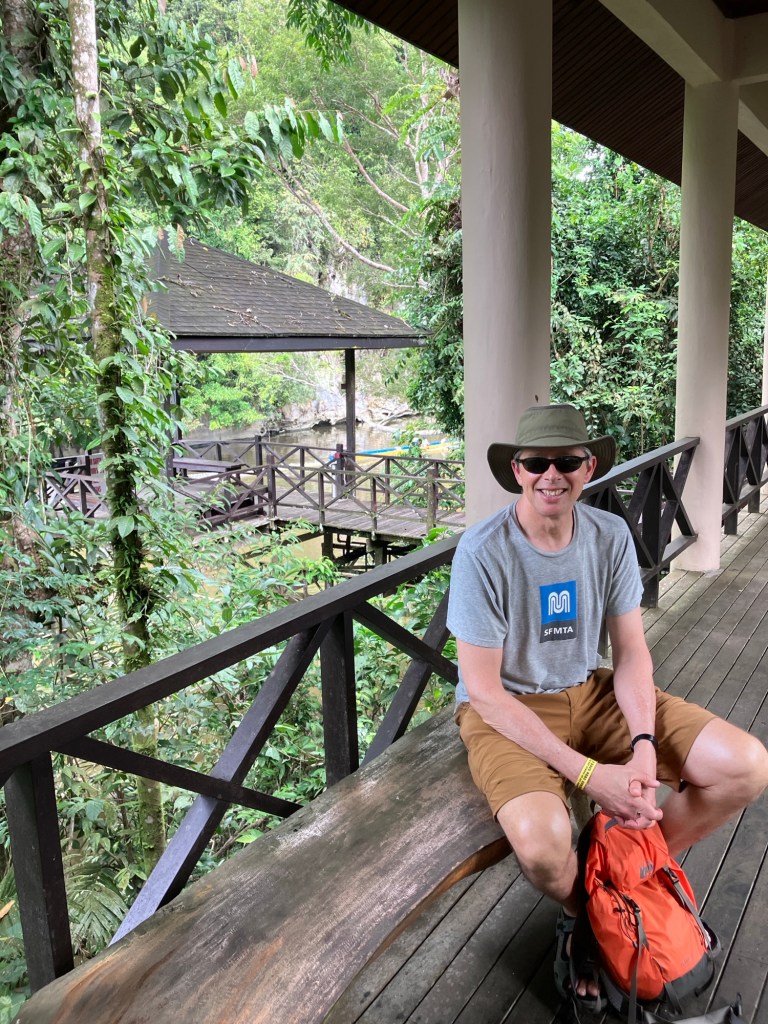


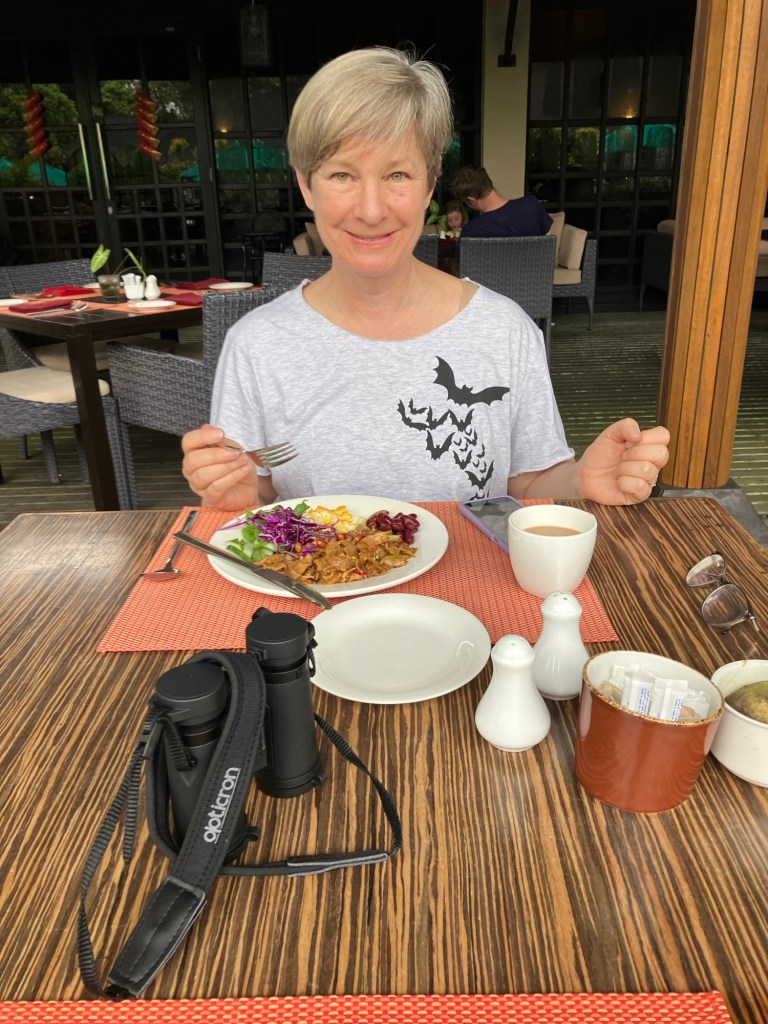
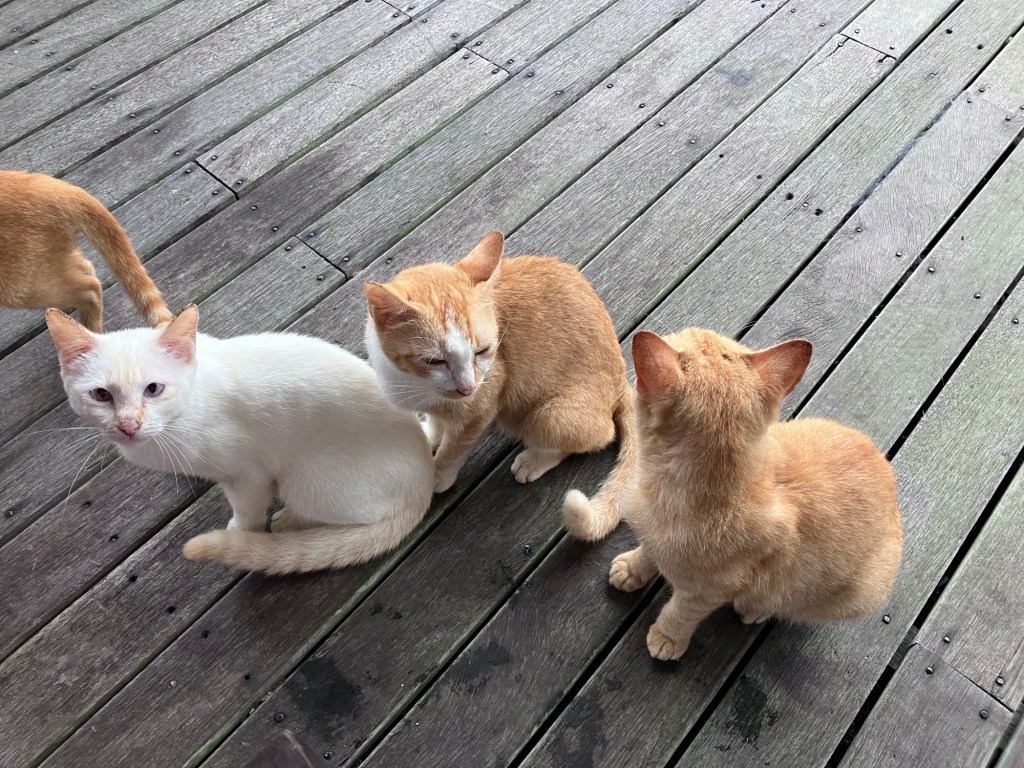
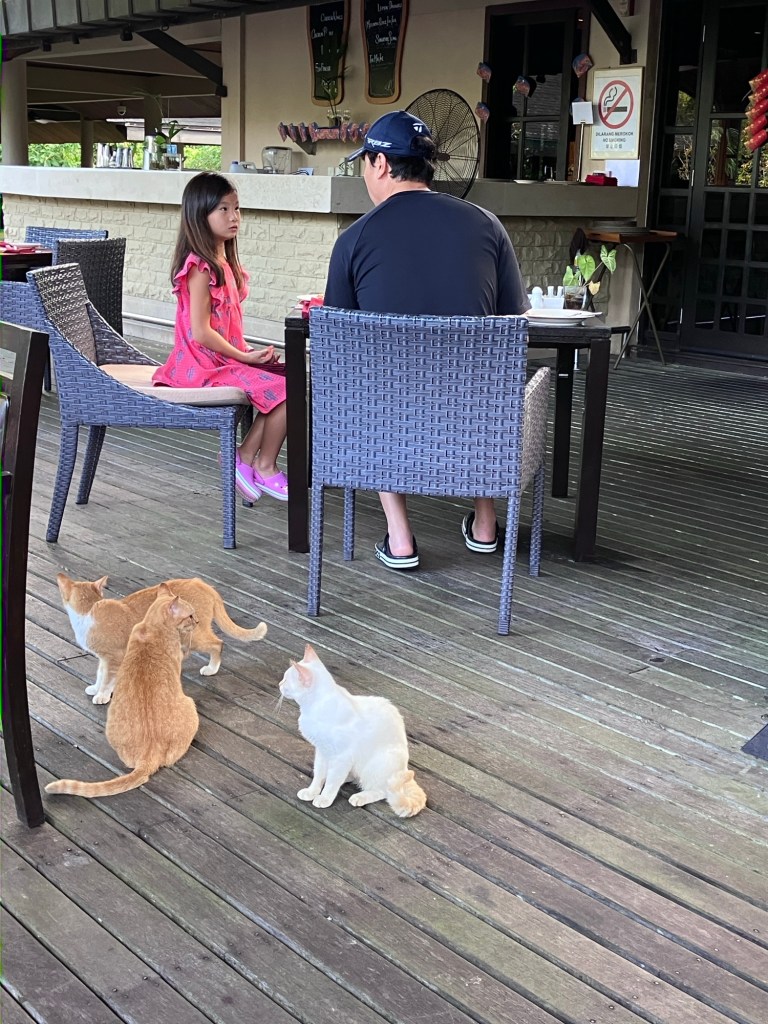
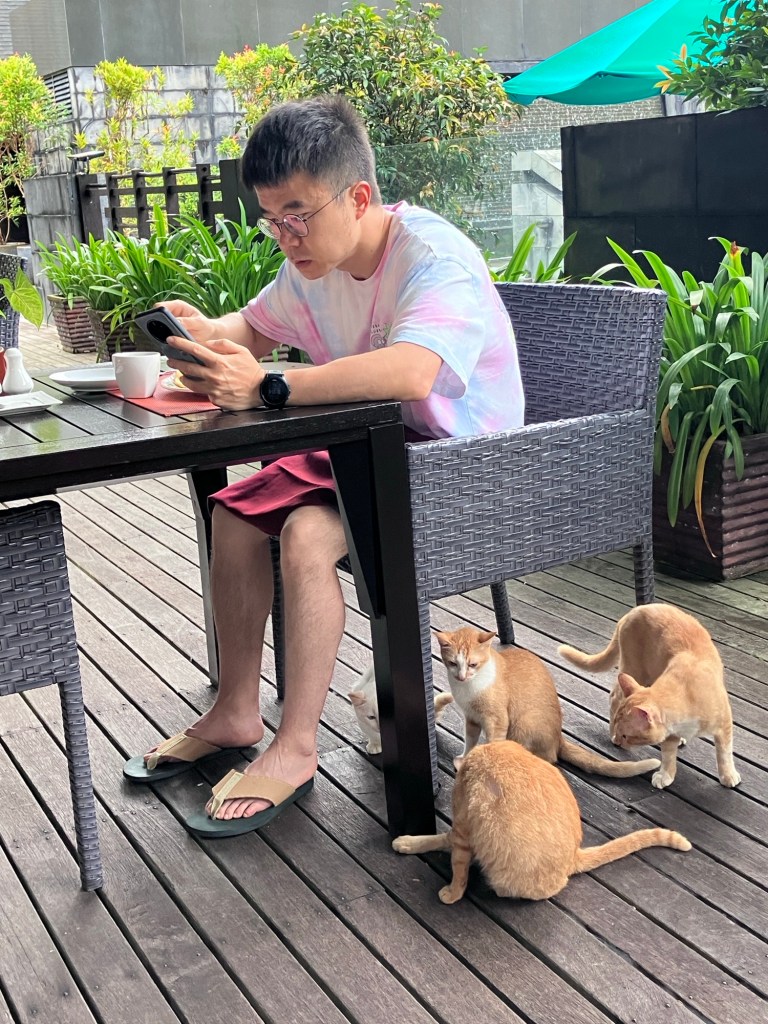


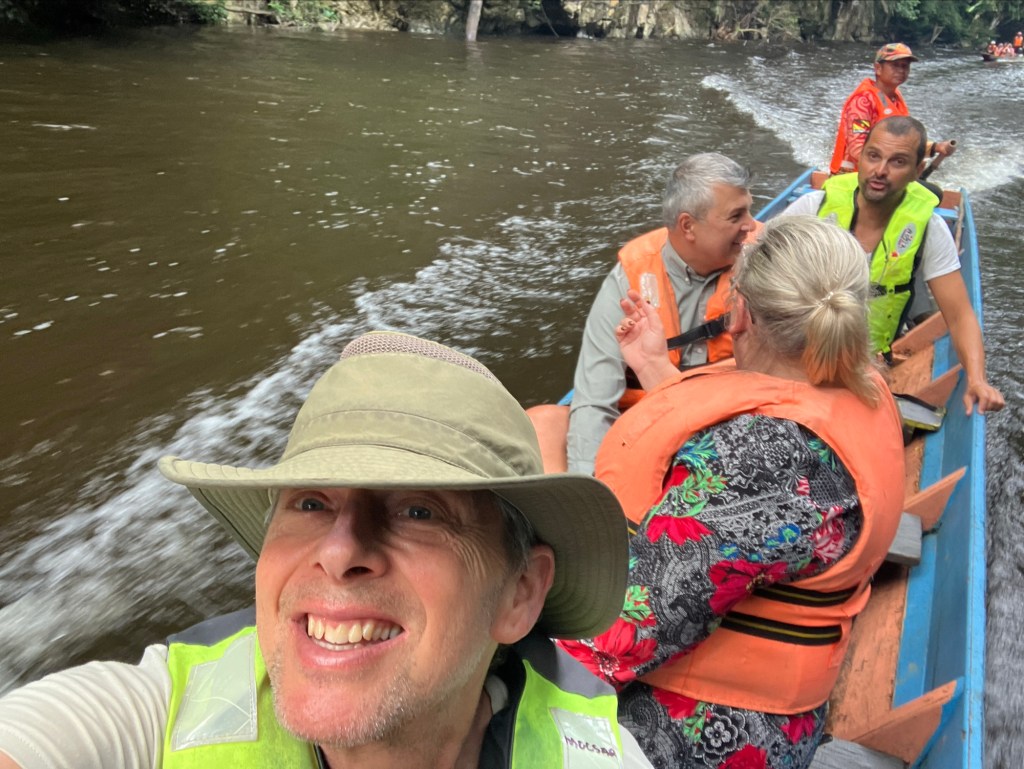

 Less Car, More Life