After three days of romping around Taipei and getting over our jet lag, we set off from the city on a big clockwise loop of Taiwan.

We were excited to head out of Taipei Central to Hualien City, at the north end of the East Rift Valley. Hualien is a city reinventing itself with culture and art, and is now more than a gateway to the immensely popular Taroko Gorge.
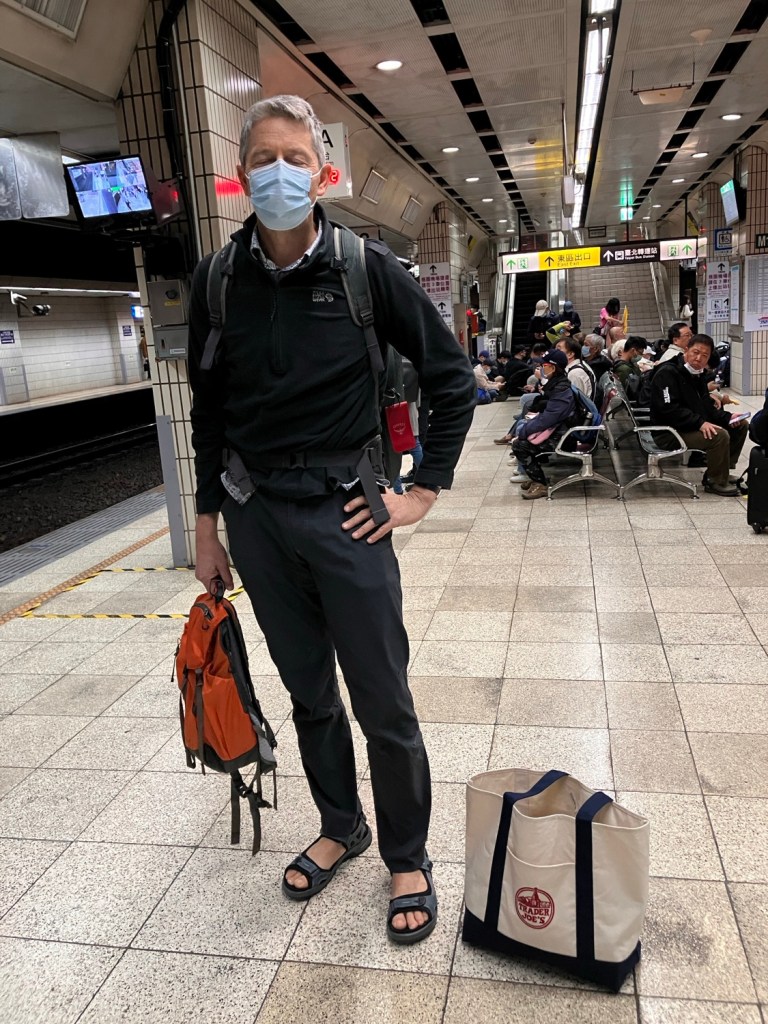

But first, a few train tips for the wonky planners out there. In addition to local and high speed rail on the west coast, the east is served by modern Tze Chiang limited express trains travelling up to 125mph. They are spotless, spacious, and punctual. And although we tried the business class on one segment, regular cars and seats are plenty roomy. If anything, we found the new trains a bit too clean and sterile, but certainly a pleasant and very low stress way to go.

Taipei Central’s local platforms are not wide or particularly pleasant and there are not really any services beyond the pay gates, so I’d recommend getting to the platform no more than 10 minutes prior to departure as it’s easy to find the platforms and coach number sign. Hang out or get food in the adjacent shopping mezzanine. At some stations; they don’t let you onto the platforms until 10 minutes prior.

You can buy tickets on the TRA App or at the stations, but I found the app pretty convenient for booking tickets once you get the hang of it. One person can buy tickets using their passport number for up to 5 people and pay by Credit card or Apple Pay. You then collect your ticket on your mobile and have the other passenger (s) download their ticket on their phone (in the App) as you provide the reservation # and a 3 digit collection code.


Note that as soon as you click on a specific train after searching time and destination, a reservation and seats will be made immediately. You have a reservation and specific deadline shown to pay via credit card or Apple Pay (very convenient) or at the station. You can delay paying for tickets for a day or two (it gives you the deadline). This gives you an easy option to change or cancel tickets, but a word of warning, I did this a few too many times as I was learning the system and it locked my passport number for a month! I’m guessing the limit was about 4-5 incomplete/unpaid reservations. I could have called customer service and perhaps begged for tourist mercy, but we got around this by reversing our process and buying the tickets on Cheryl’s TRA app (and her passport number) and then I downloaded second ticket to my phone. You only need one ID to buy tickets via the App.

It also is smart to wait to collect the tickets on the App (or at the station) until you are sure that you want to take that specific train, as this allows you to change a ticket on the App, not just at the station. Apparently locals don’t “collect” tickets until the last minute for this reason.

By the way, there are also local trains that you can see on the App timetables but you can’t buy reserved tickets. For those, you just show up and use your IC tap card to enter and exit the station and take any seat on those trains. They are also the easiest option with bikes.


Besides trains, I love to study the geography and geology of the very place we visit. It always shapes the history; culture, and economy. The geography of Taiwan is dominated by a central ridge of mountains, the remnants of the formation of the island from magma rising up between the junction of the Eurasian’s and Philippine tectonic plates. The central range reaches heights of over 3000m (10,000ft) and it does snow sometimes in the higher elevations in winter. So only 30% of the country is flat, and much of that is highly developed.
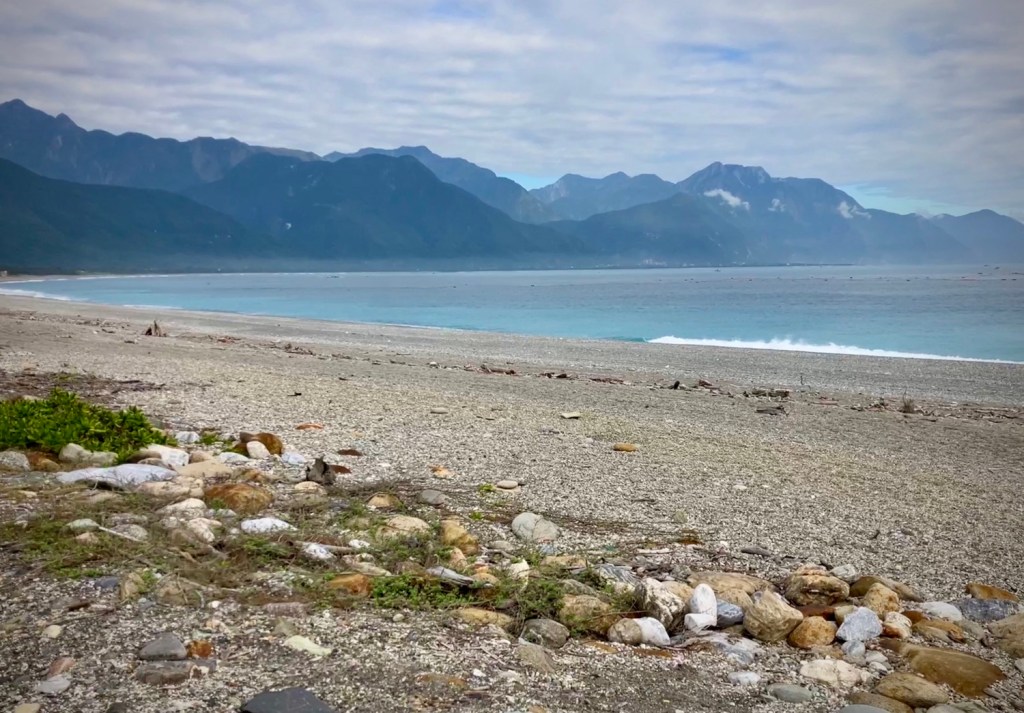
A second smaller coastal mountain range hugs the east coast. These ranges are both actually rising as the Philippine plate continues to push against and under the Eurasian plate. The valley where the plates meet, the East Rift, is one of the only flat areas on the east side of the country. It’s also fertile for growing things year round and attractive for cycling. Most of the industry and population of Taiwan is concentrated on the north (Taipei valley) and west sides, so the east has always been considered a more wild and remote place.

Ok, so onto our travels. We spent three days in Hualien and used it as a base to visit the famous Taroroko gorge and Taroko National Park for a full day by train, bus, and foot. The geography of the mountains is dramatic and consequently there are a lot of issues with rockfall, slides and road/trail closures. There are very limited bus services up and down the gorge now due to construction around a massive landslide that occurred in October 2023. There is single lane traffic controls and you can wait for up to an hour to get through each way, even if you hire a scooter or taxi for the day.
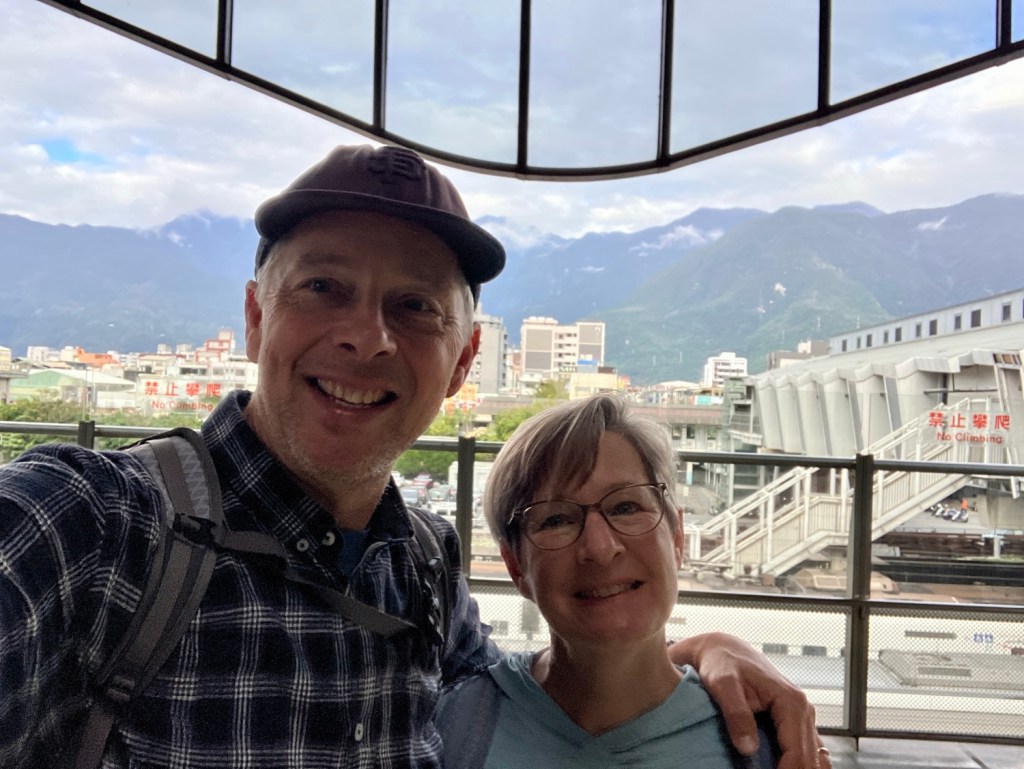
But we love buses and challenges, so decided that we would catch the earliest #302 bus from Xincheng Taroko station at 9am (the #310 bus is not currently running into the gorge) and ride it all the way to its end at Tianxiang. You can drive (or bike!) further than that and apparently it is much less visited beyond the reach of the buses.

Our short train hop from Hualien arrived Xianming about 8:30 and there were about 30 tourists waiting for the bus, including some other Americans from Utah. After we boarded, the driver made a long speech in Mandarin that didn’t sound encouraging but somewhat surprisingly, our young pale Utah friend spoke Mandarin and translated for us. It turns out he was half Taiwanese! The driver was just preparing everyone for what we already knew, that there would be significant delays at the construction. So the half of us who were still on the bus at the construction were all patient for the 40 minute delay.
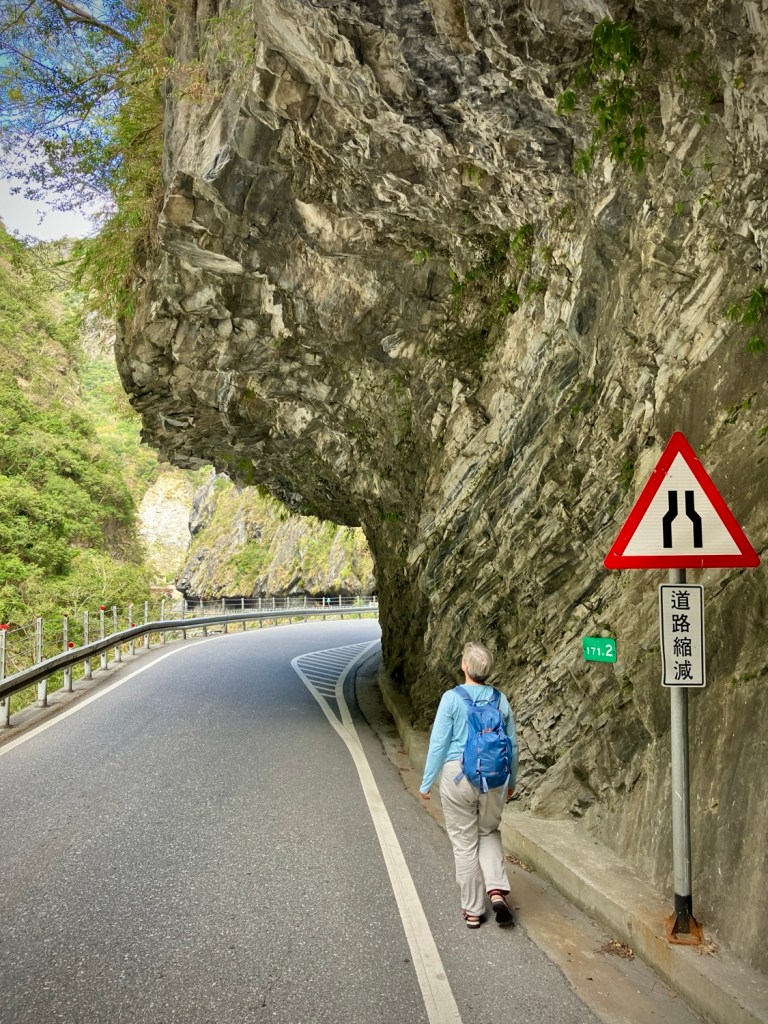
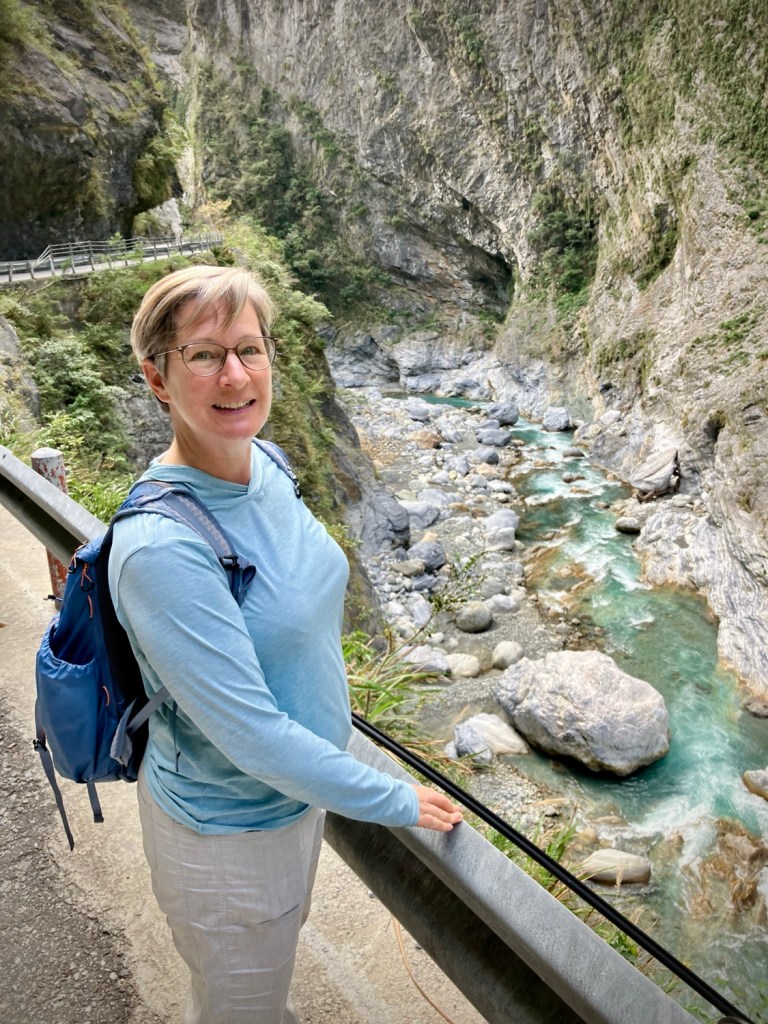
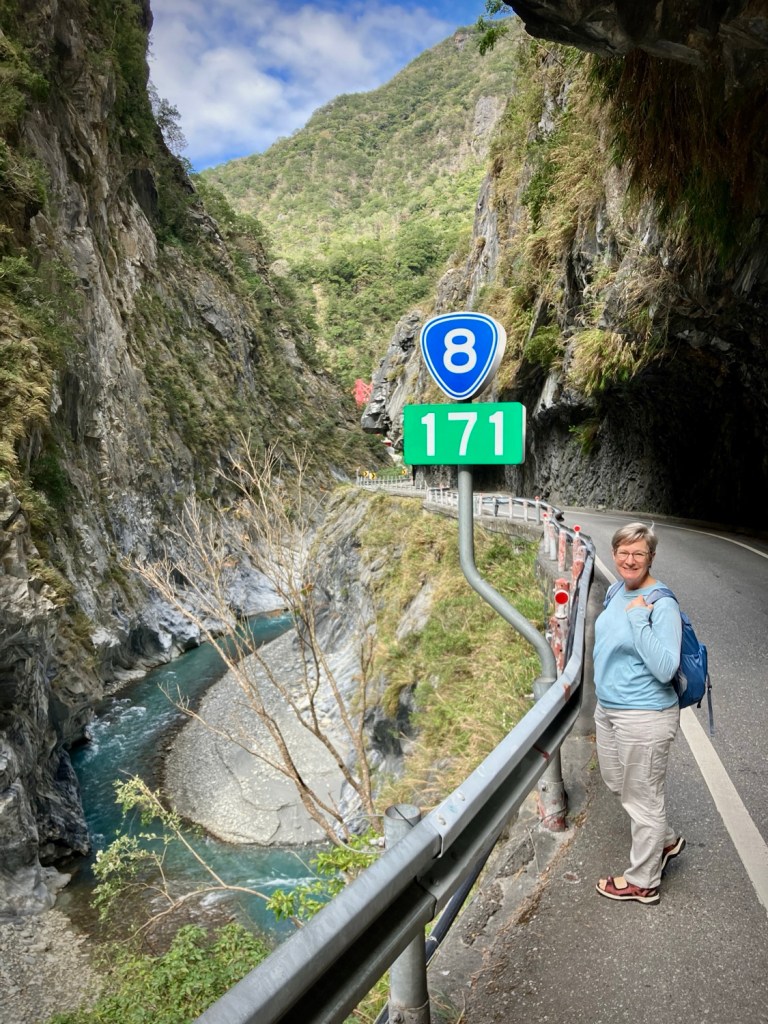
We were finally rolling again through the closure and spectacular gorge scenery, when suddenly the electric bus started to stall and sputter. The driver mumbled, stopped, and fixed (rebooted?) the batteries in the back, and we rolled on again slowly. But alas 500m onwards the bus finally died for good. So the remaining dozen or so of us got off and walked on the road. But we soon figured how nice it actually was walking the road, as the normal continuous two way traffic didn’t exist due to the long road closures all day. Roll with it and we’ll see what we see.
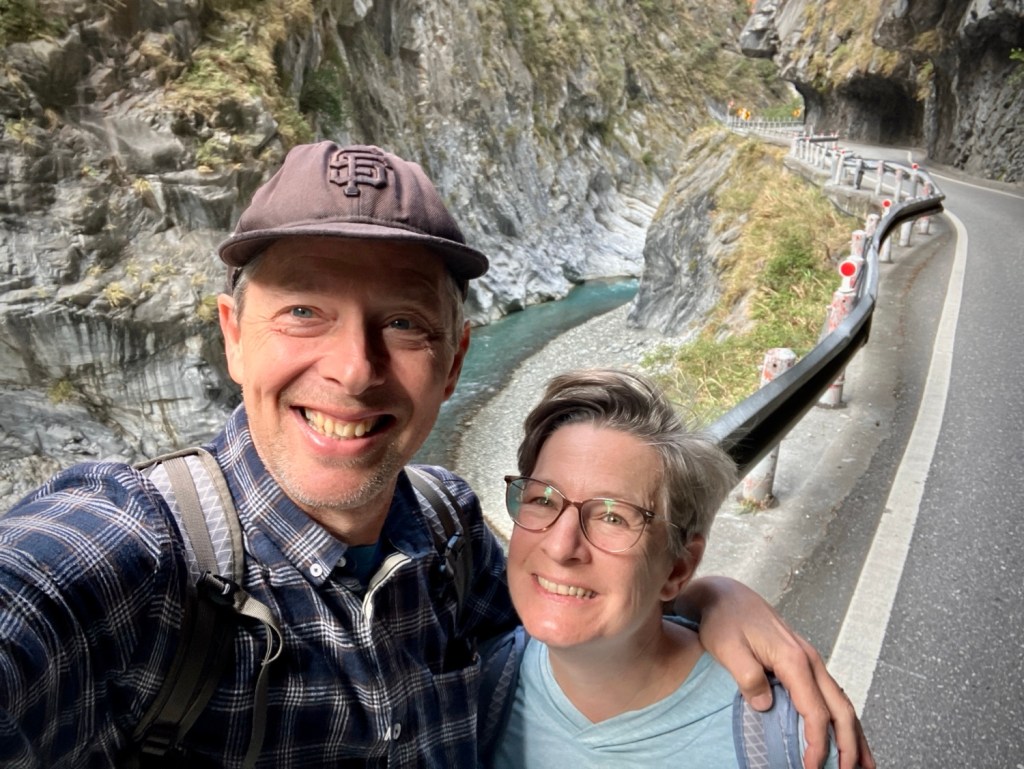


It was peaceful and beautiful, and we walked to a campground area with bathrooms a few kilometers up the road. We then decided that we’d hike some of the Lushui trail which branched off the road above and then try to catch the next bus as it rolled by in about an hour. Well, the geologic gods had also closed that trail in its middle, so after a pleasant 30 minute out and back, we returned to the campground bus stop and resigned ourselves to wait up to an hour for the next bus. It was too far to walk (15km) and there were dark tunnels with no shoulders. But after about 10 minutes, a nice young Dutch couple in a little white car came by and offered us a ride to the end! Very nice and put our day back on track -:). They also were going to the Bayiang Trail, so we avoided another km+ of road walking.
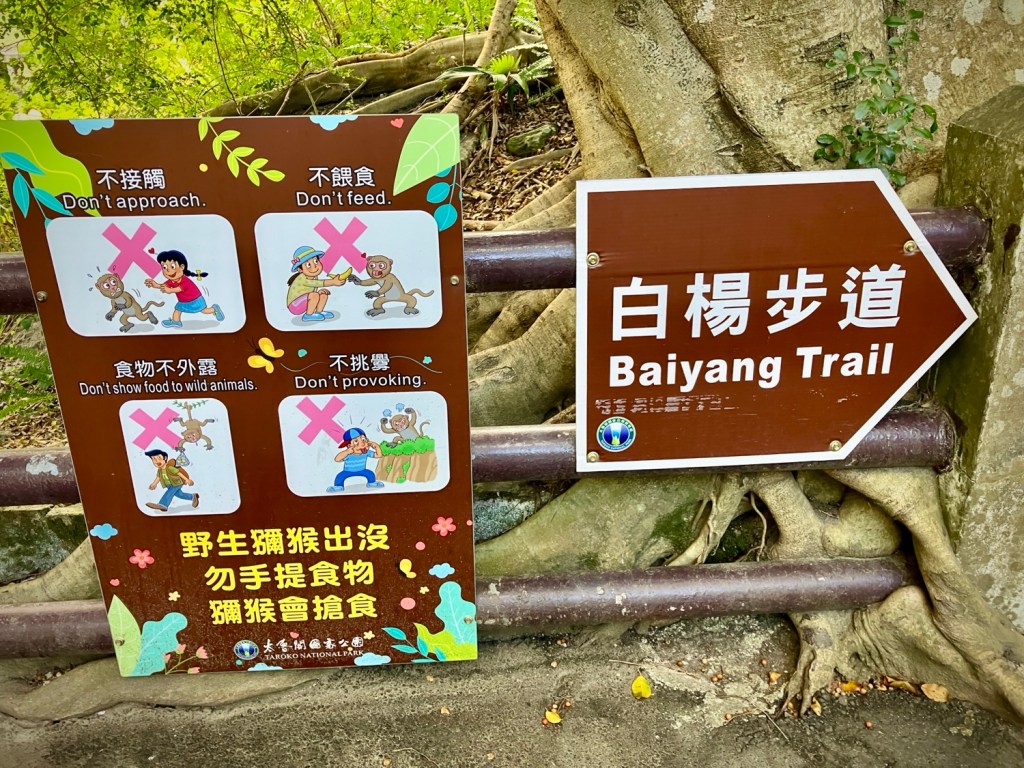

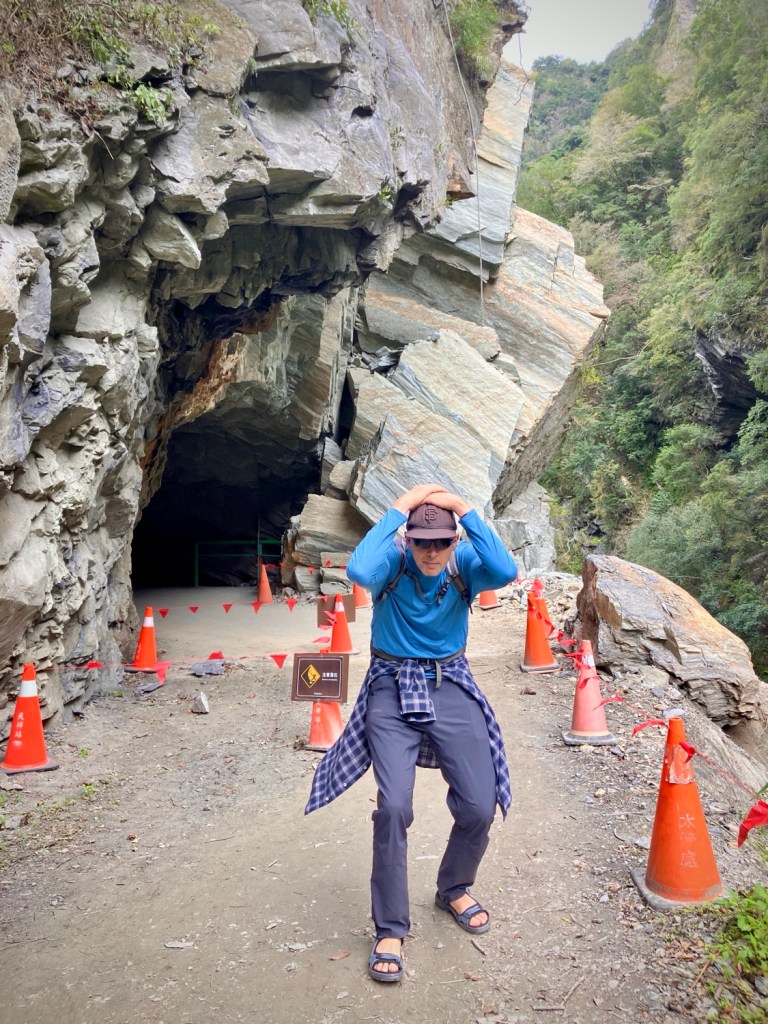
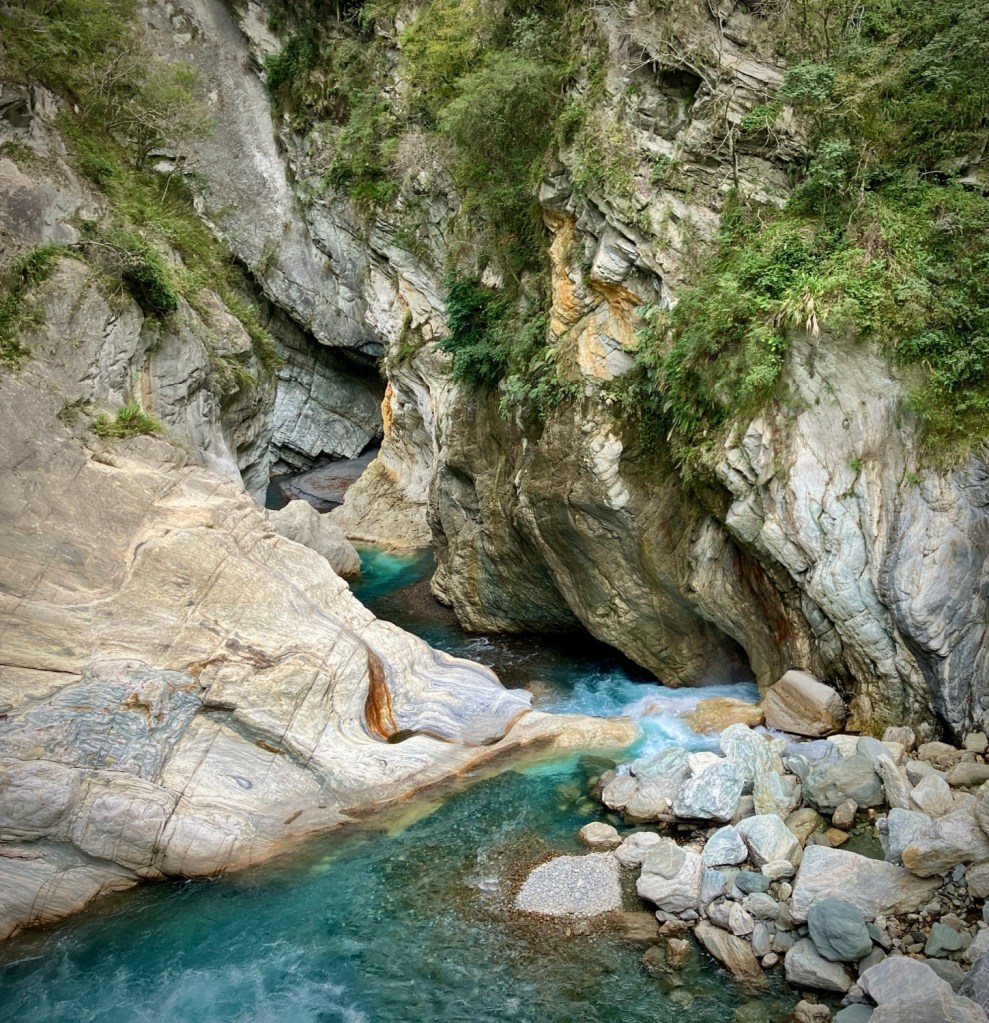

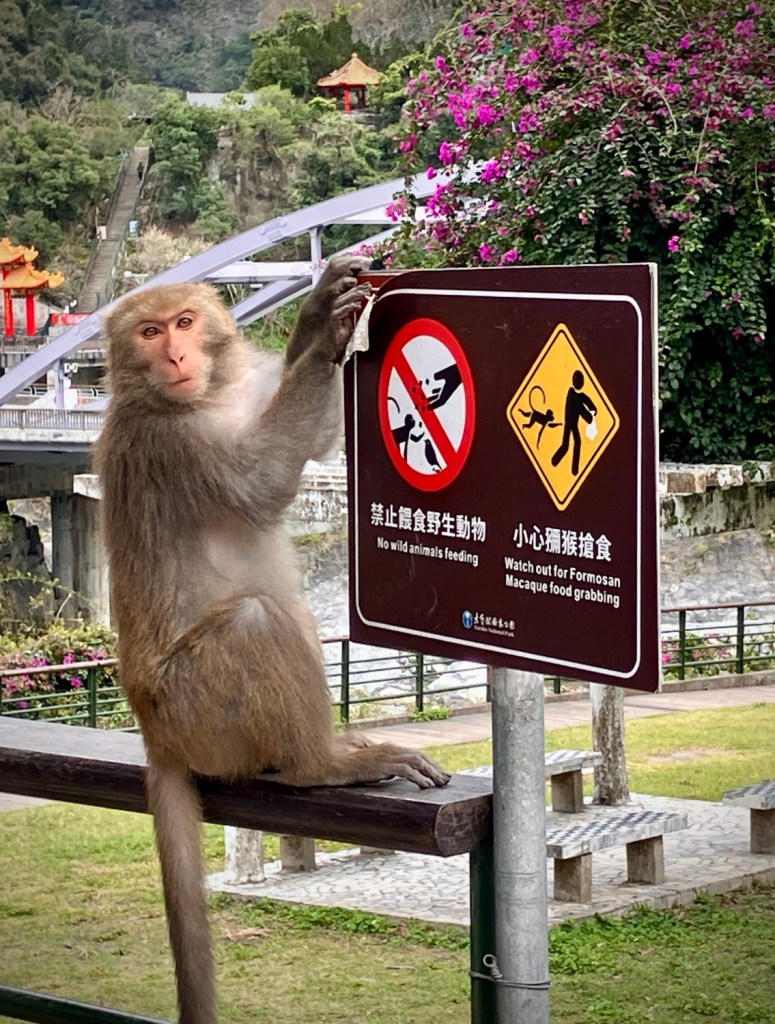
Taroko is a special place and we’re glad we made the effort, but can imagine with normal traffic and tour buses it may be a bit much. We also noticed that cycling is possible, as the lower climb is spread out over 30km or so. You would be rewarded with continuous views but do need to mind the many narrow tunnels.


Next up was a short train ride to Yuli, where we spent two nights in a small hotel. This allowed us a full day cycling up to and exploring YuShan National Park. Much less visited than Taroko and the jumping off point for the Walami trail.

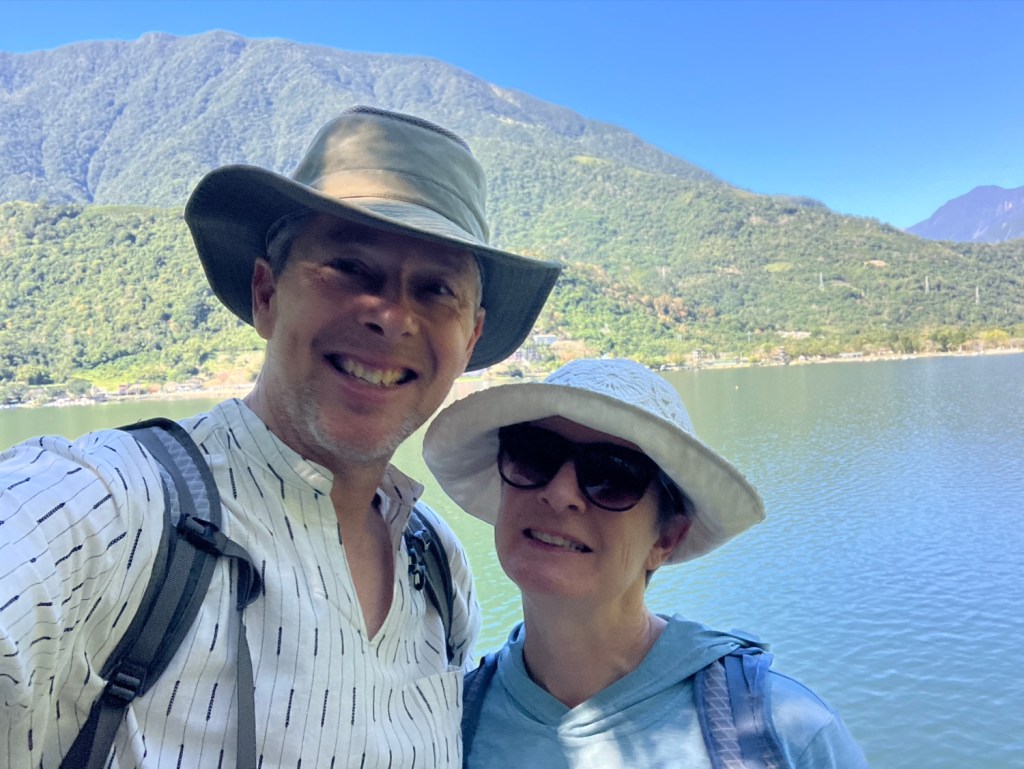


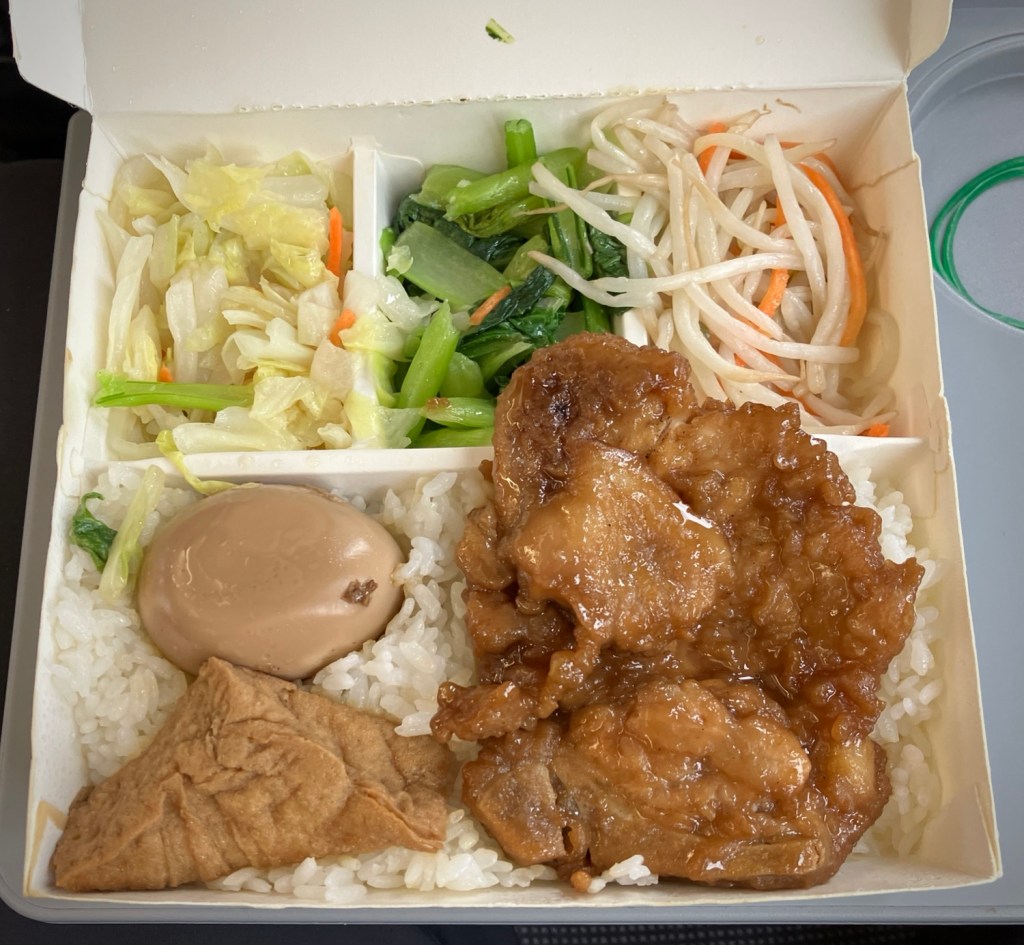
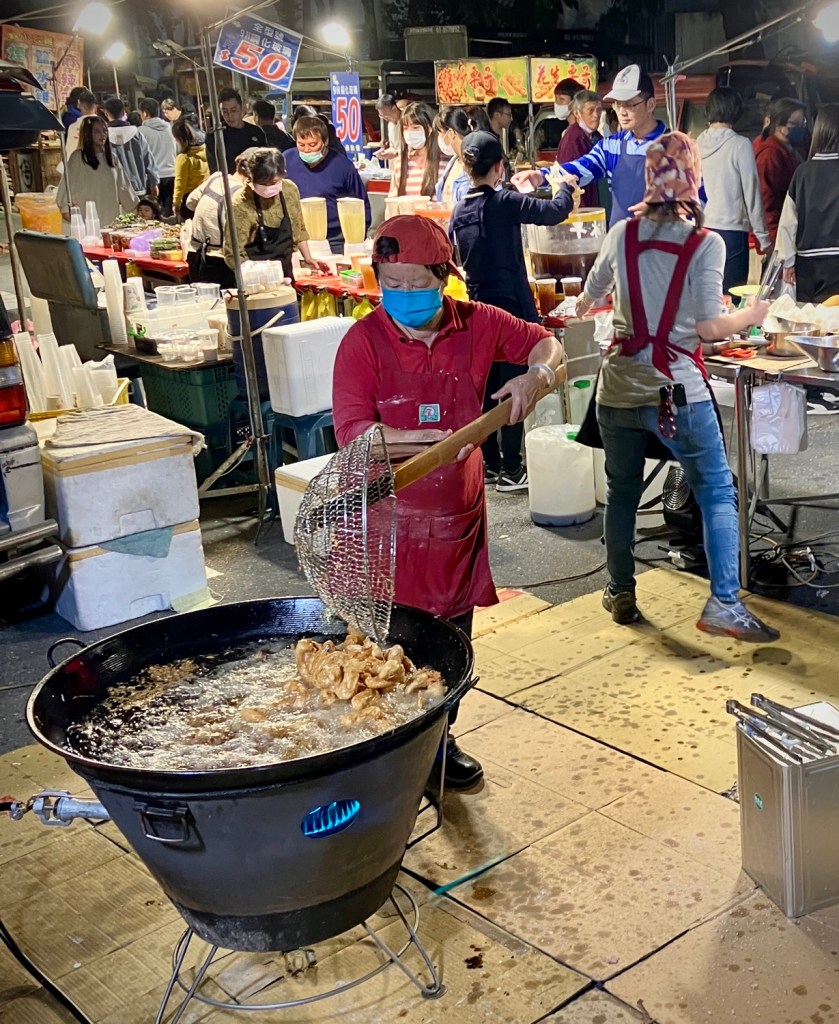
We’ve been eating well, but the food customs and timing can sometimes pose a problem. We have loaded up at some our breakfast buffets, which generally have many savory and healthy options. Lunch is a small restaurant/shophouse stand. Street and night markets are always an option but you need to be up for crowds and eating small things standing up at the edge of the road or against a building. We actually prefer food oriented streets to night markets. Oh, and good pizza is popular here, and a trusty traveler break from a lot of (excellent) Taiwanese food.


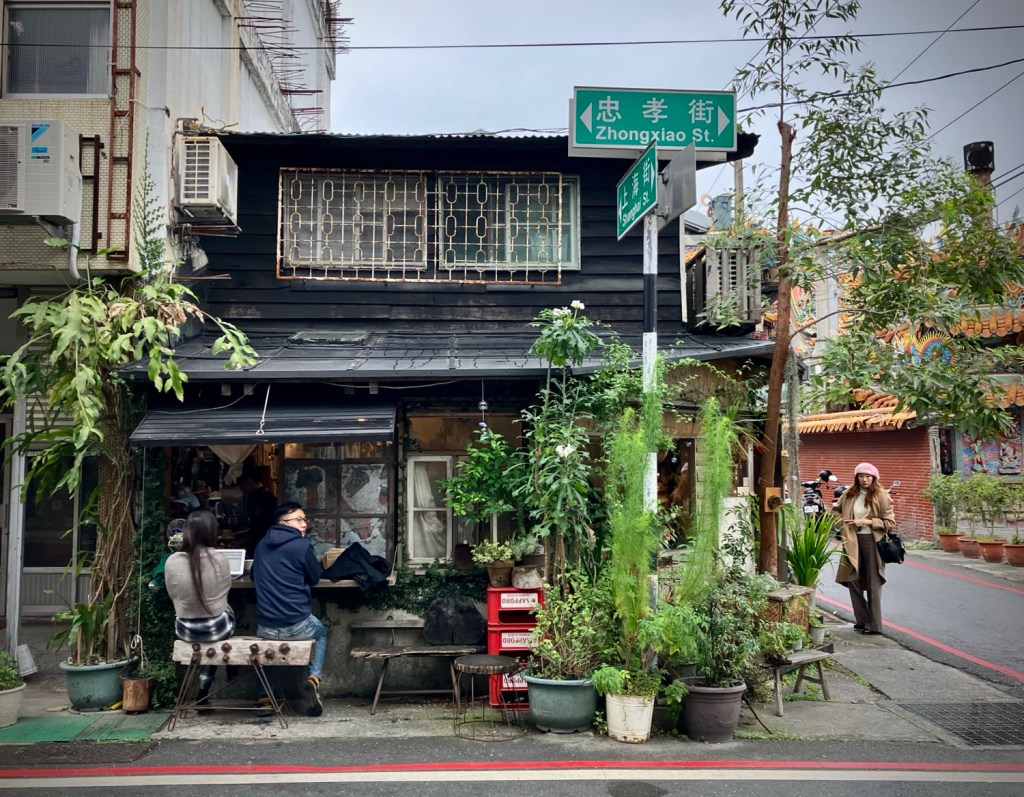
Yuli is a bit drab to be honest but the area around it is peaceful to cycle. Many of the Tawainese cities are spread out and walking not always the most pleasant as most locals use scooters to get from point A to B, they don’t consider long walking practical. We found it to be much better to bike from place to place and walk locally, especially when looking for restaurants. Small places on Google are often hard to locate, closed, or don’t seem to exist. But you’ll always find something and just need to stay flexible or pick a well established place with lots of reviews (including recent ones).
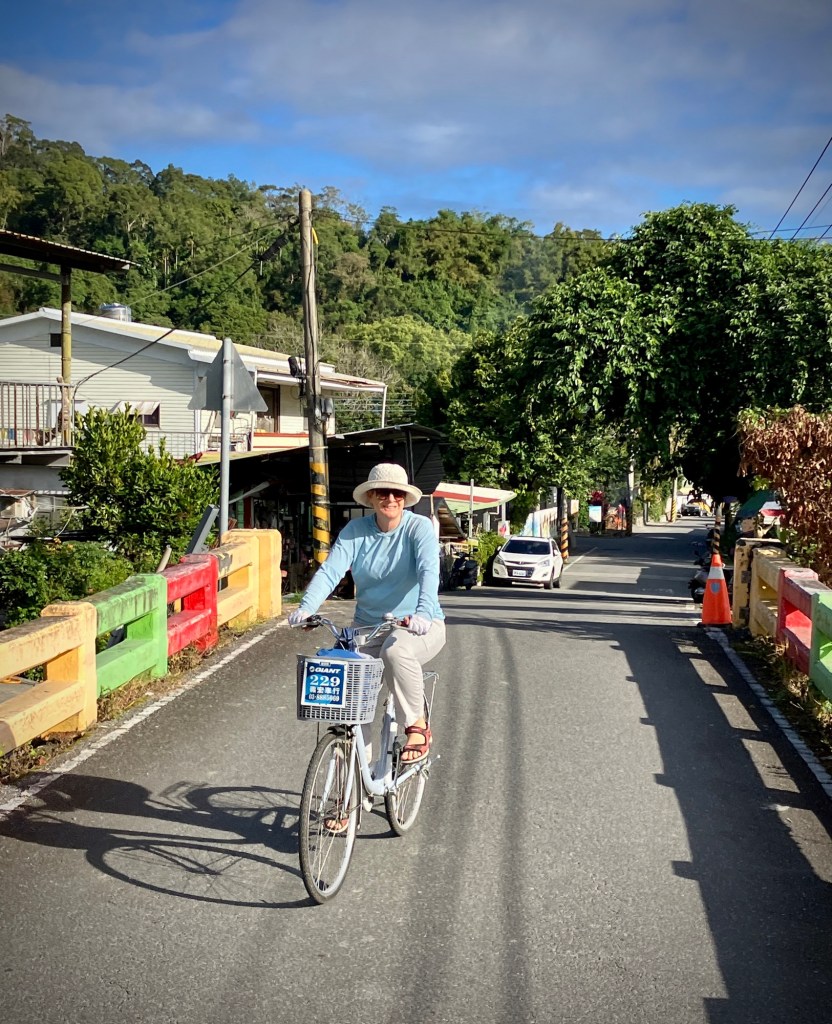


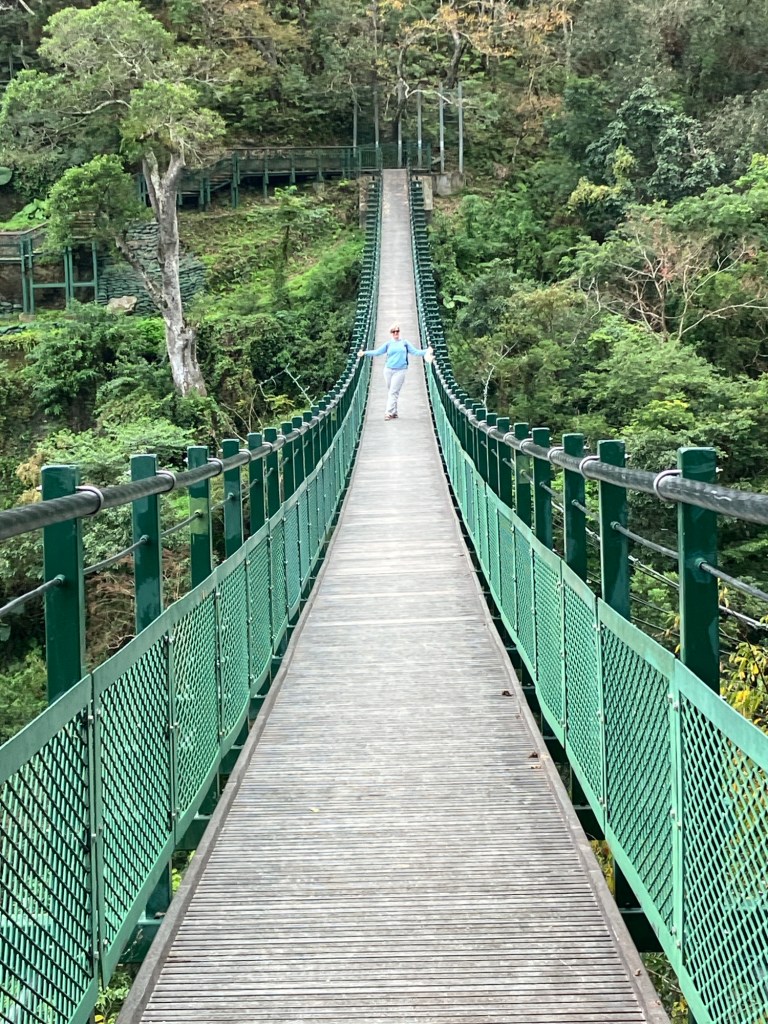
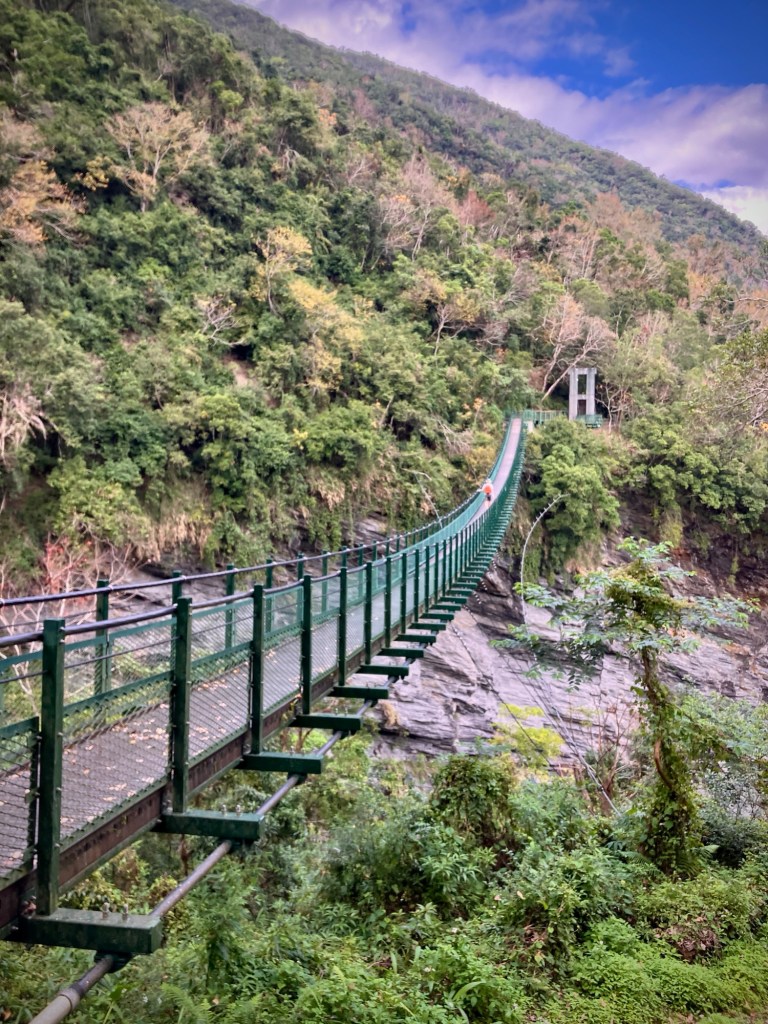


From Yuli, we had another short train ride to Taitung, where we spent another two nights. Taitung has a great museum of Prehistory on its outskirts that was worth a stop on its own. Although Taitung has a bit of an art scene by the old train station, if you are short of days, you might consider a stop at Taitung train station and storing your bags in the train station lockers to visit the museum (10-15 mins by taxi or bus, cafe or picnic on site) and then roll on to your next destination. Of course if you have your own wheels, then the areas north and south have lots of natural beauty and are certainly worth it exploring.
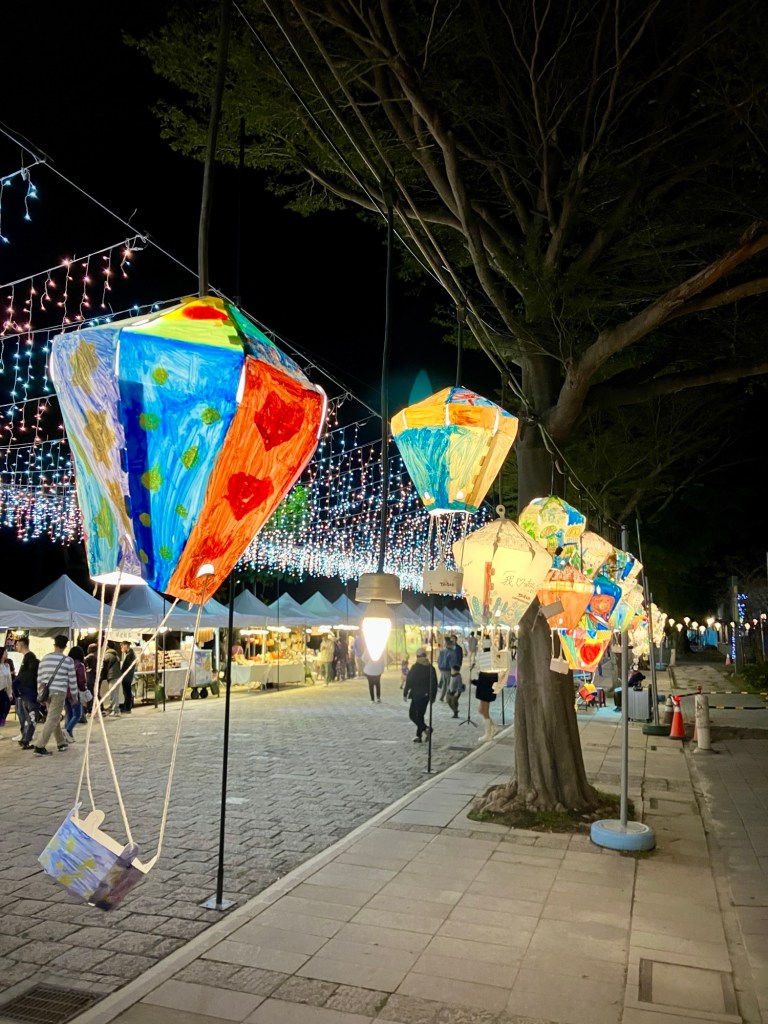
And alas that’s one of our limitations without a car or cycle touring here. We do miss a lot of the places in between, but we’ve balanced that by getting out of each region by bus or bike and seeing quite a bit. It really depends on what you like, and we do like cities. And we’re seeing enough, as experiences can be had anywhere.
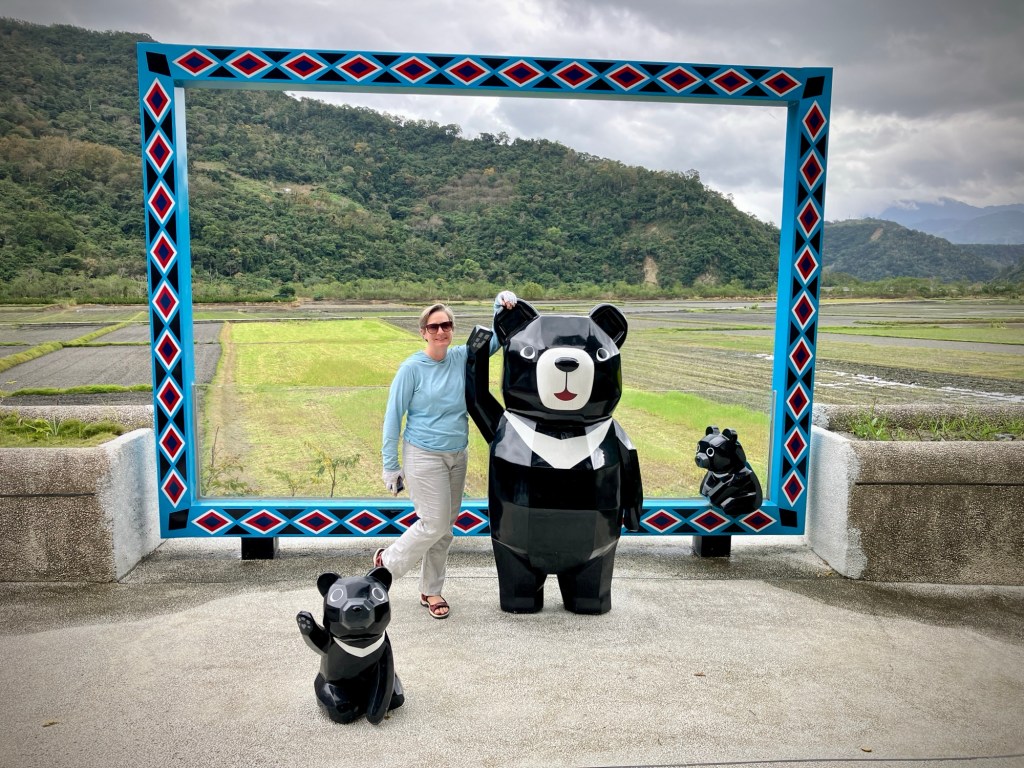
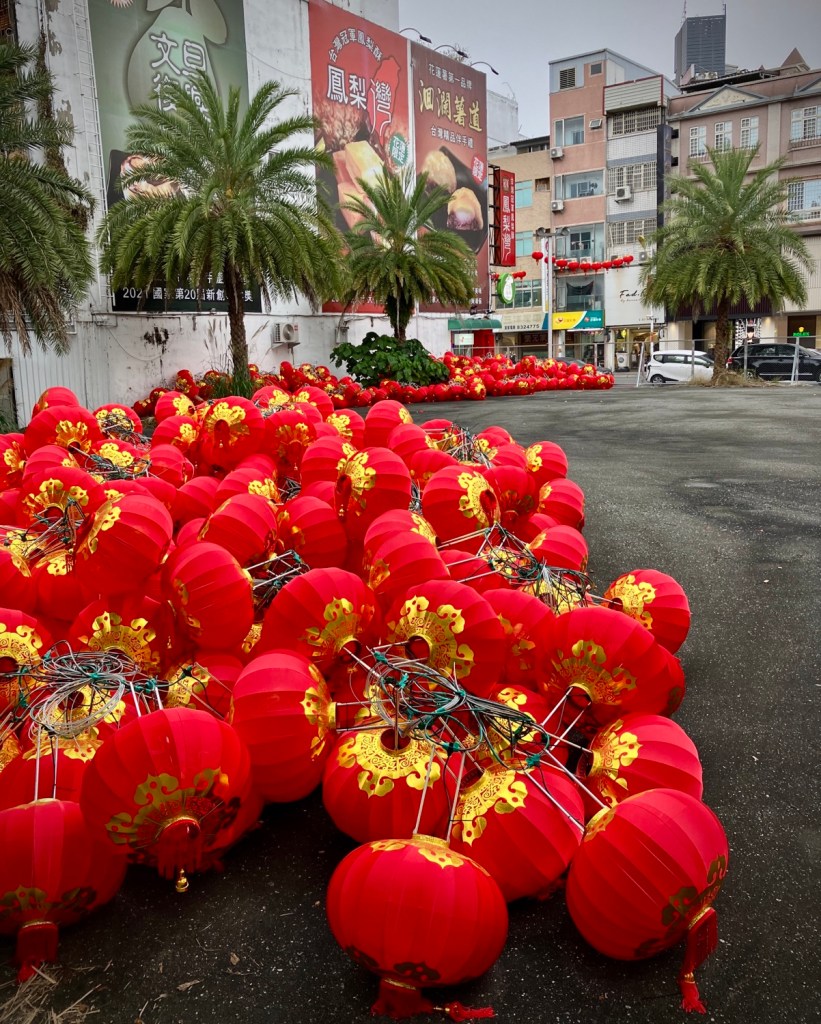
So we’re now on the west coast and heading back towards Taipei. The lunar new year buzz has started and we look forward to sharing more about our experiences soon. Happy travels!





 Less Car, More Life