Embarking on the next phase of my life after working as a full-time Civil and Transportation Engineer in the San Francisco for 30 years. My wife and I will be following our shared passions for world travel, culture, and sustainable transport.
Happy New Year everyone! I think 2022 is going to be great. Why? We woke this New Year’s morning to the rarest of sights- sunlight and shadows; the first real sunshine since we stepped out of a taxi at the Marrakech Airport….20 days ago. (Wait, why did we leave Morocco?)
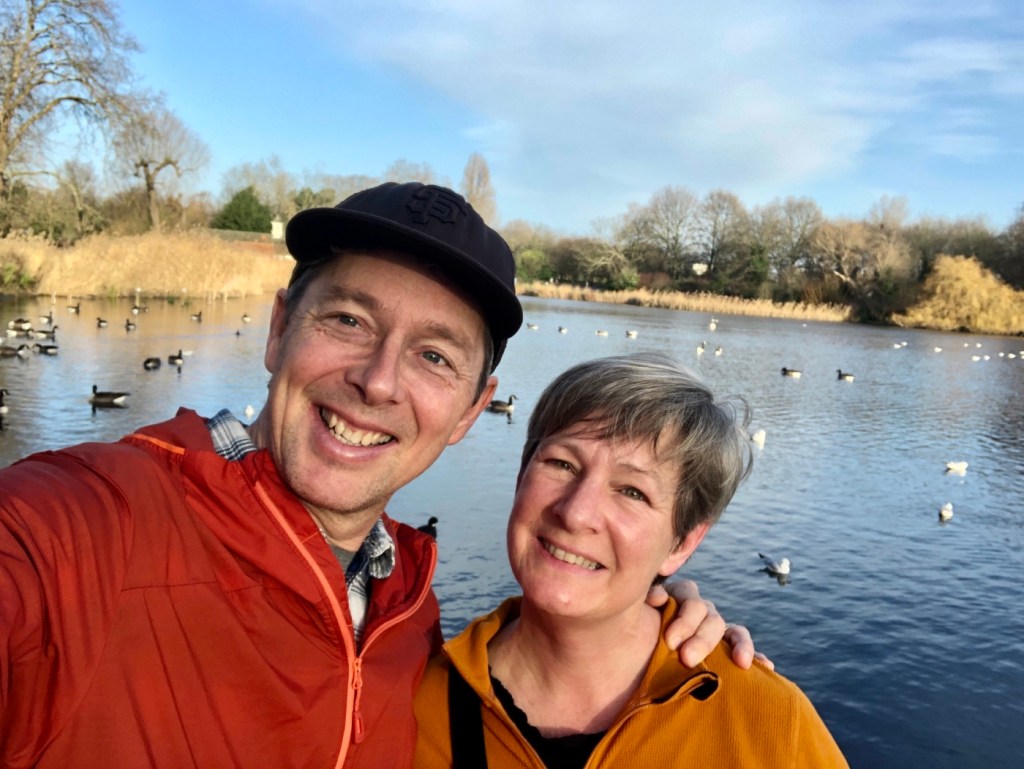
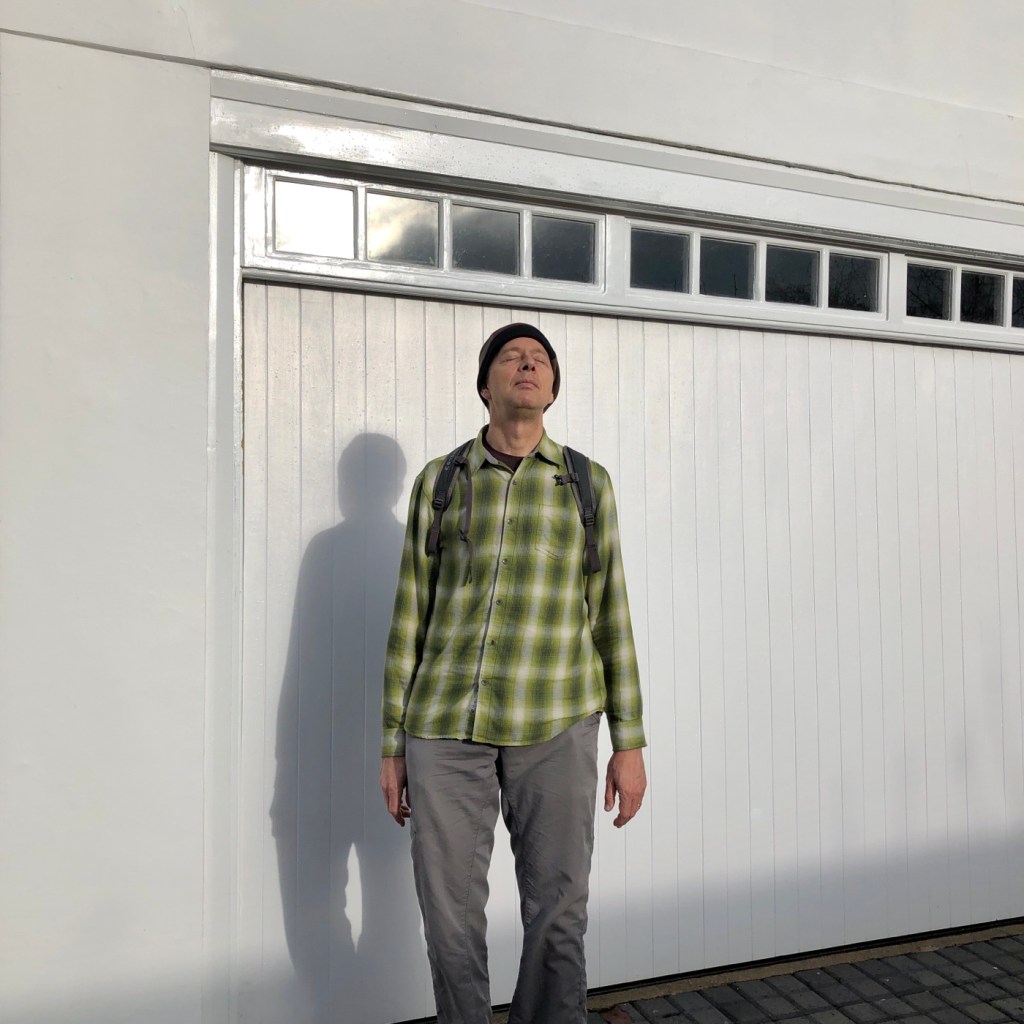
Some early morning sun in Regent’s Park
Apparently December set some sort of record for gloom in the UK; which is saying something. We’ve been leaning into the dark winter, but have a new appreciation for the Northern European lust for sunshine by January…we even started taking Vitamin D last week, and the tanning bed salons looked a little less repulsive to us. A little less.
Soaking up the five minutes of sun in late December!More New Year’s Day shadows in Regents Park
But New Year’s morning was indeed a glorious London Day and we took full advantage of it by immediately heading up Primrose Hill to take in the beautiful view and then exploring on foot Marylebone down to the heart of the royal parks of St. James, Green, and Hyde Park. And we were just enough ahead of the masses to experience a very peaceful central London.
Cheryl loving the newly improved sidewalks and pedestrian zones of central London. New Year’s Day Horse Guard preparations. Beautiful horses, but unfortunately no joustingEasy to get bike shares anywhere in London with a contactless credit card £2/day for unlimited 30 minute trips
We also had some fun conversations with some local youngsters who had been up all night and just about ready to sleep after taking in the sunrise on Primrose Hill. Oh yeah, we’re hip too kids, we just left out the part of going to bed at 10:30!
Warm winter weather means outdoor dining has still been in play.
So thanks to the kindness of some very generous friends, we have spent the past week living a bit like locals in the beautiful North London neighborhood of Primrose Hill.
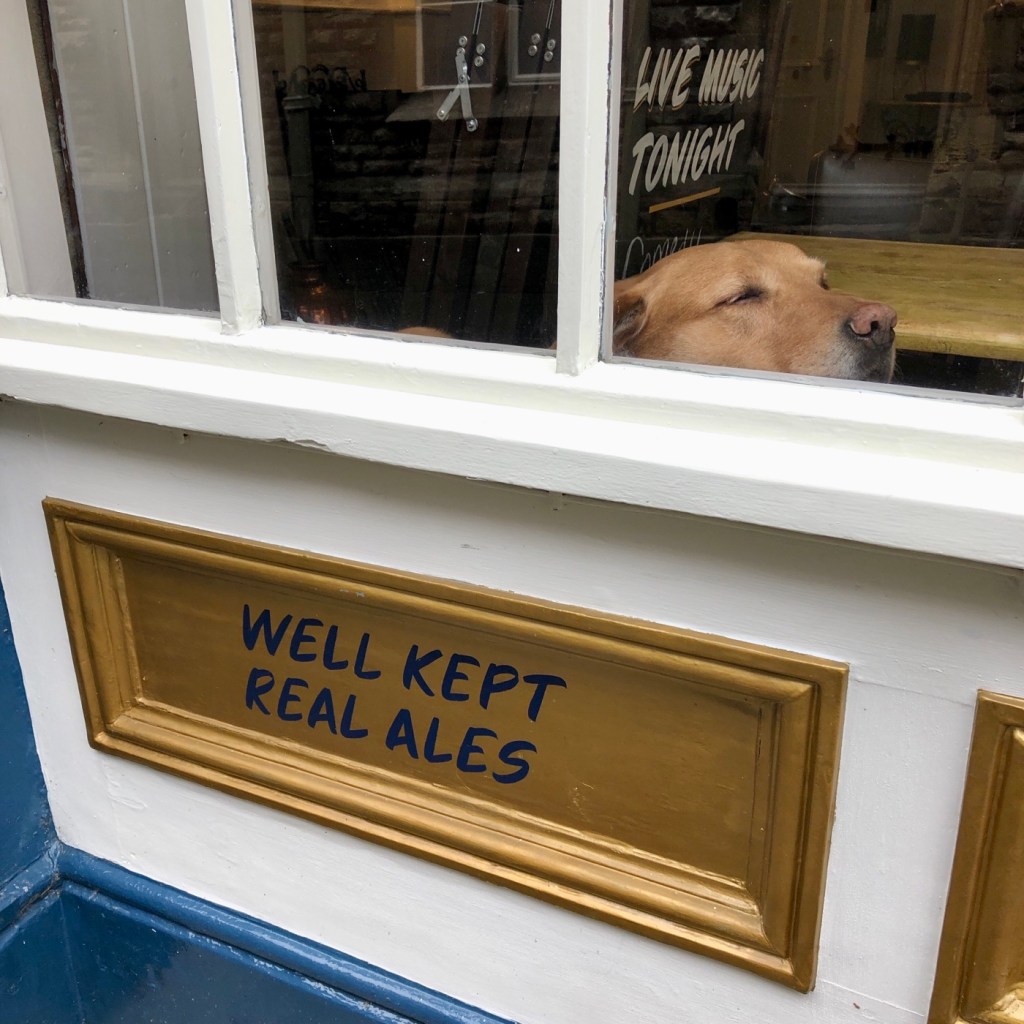
Great pubs everywhere…this one above Hamstead Heath
It’s been great to explore in all directions by foot, tube, and bike share, as we continue to discover more of the London magic, and the layers of overlapping neighborhoods, pathways, alleys, and mews
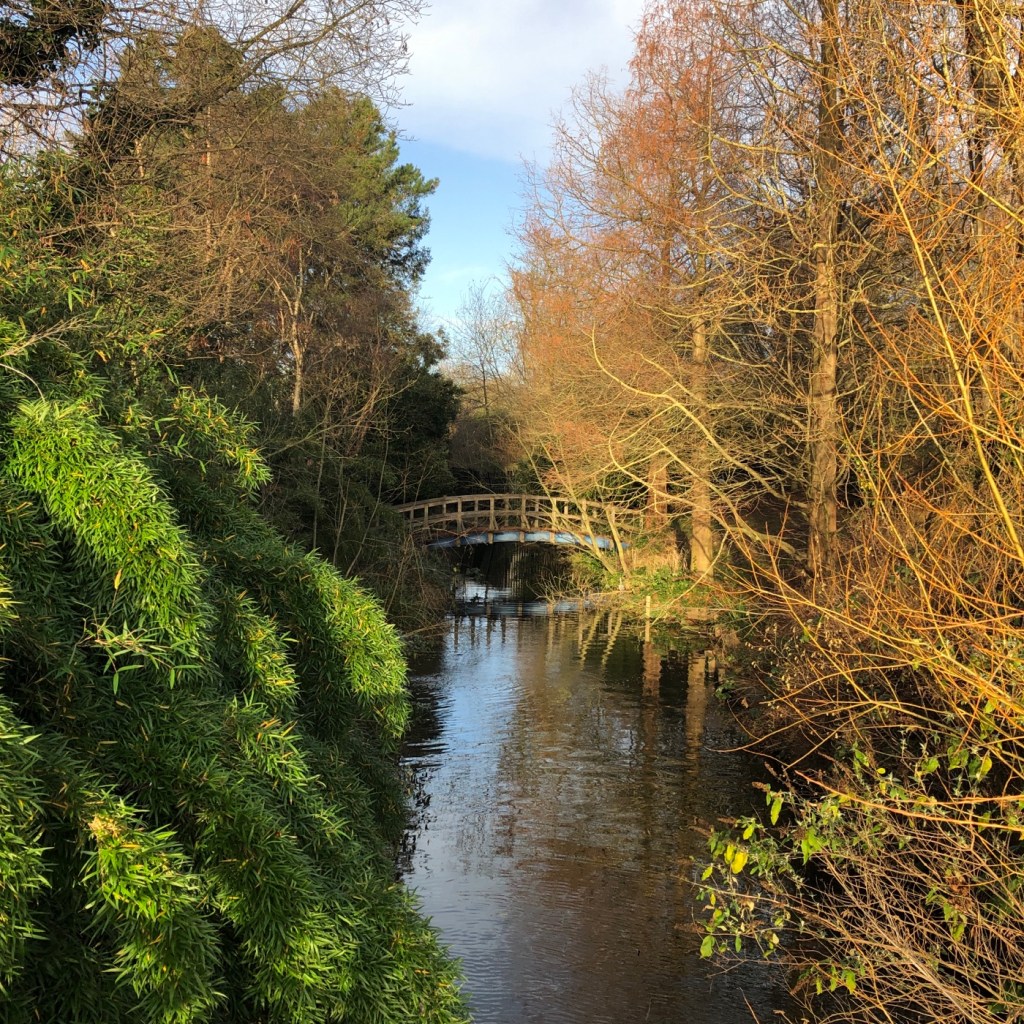
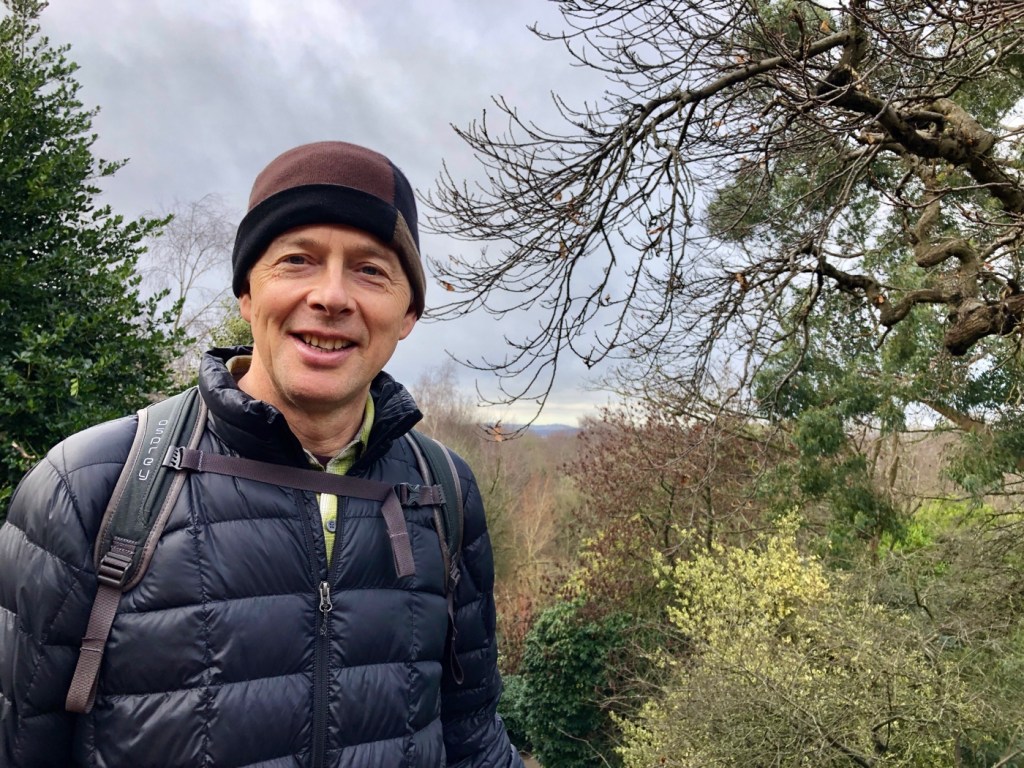
Near the highest point in London at Whitestone Pond…easy views through the mostly bare trees.The atmospheric Hill Garden and Pergola in Golder’s Hill Park
So we had originally planned (and actually had tickets) to go back to France on the train tomorrow, but that’s been postponed at least a few weeks due to non-essential travel border ban from UK imposed due to Omicron.
Modern Hall Park…the southern end of the Northern Line..more typical weather
It’s all quite political as both sides of the channel have massive case loads and spread, so (tested!) travelers are a blip on the trajectory of the pandemic.
These beautiful Egyptian geese were a little too friendly!
We have learned that it’s very important to look at how countries have responded to different phases of the pandemic to understand how new restrictions may be imposed again. (i.e. Morocco!).
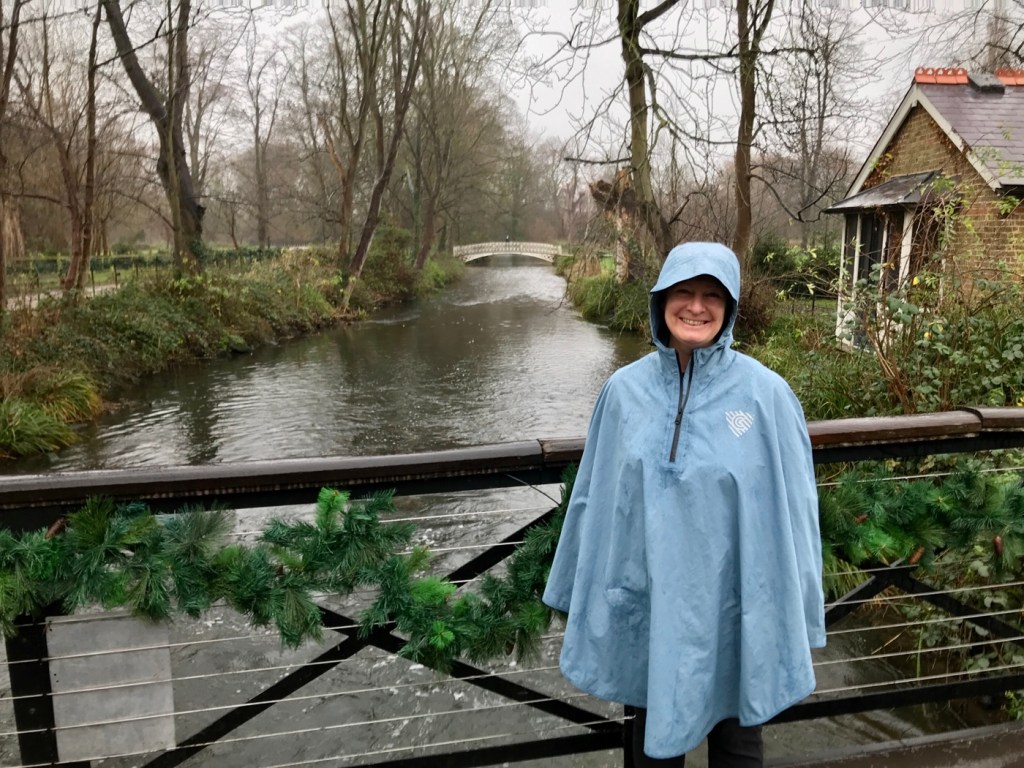
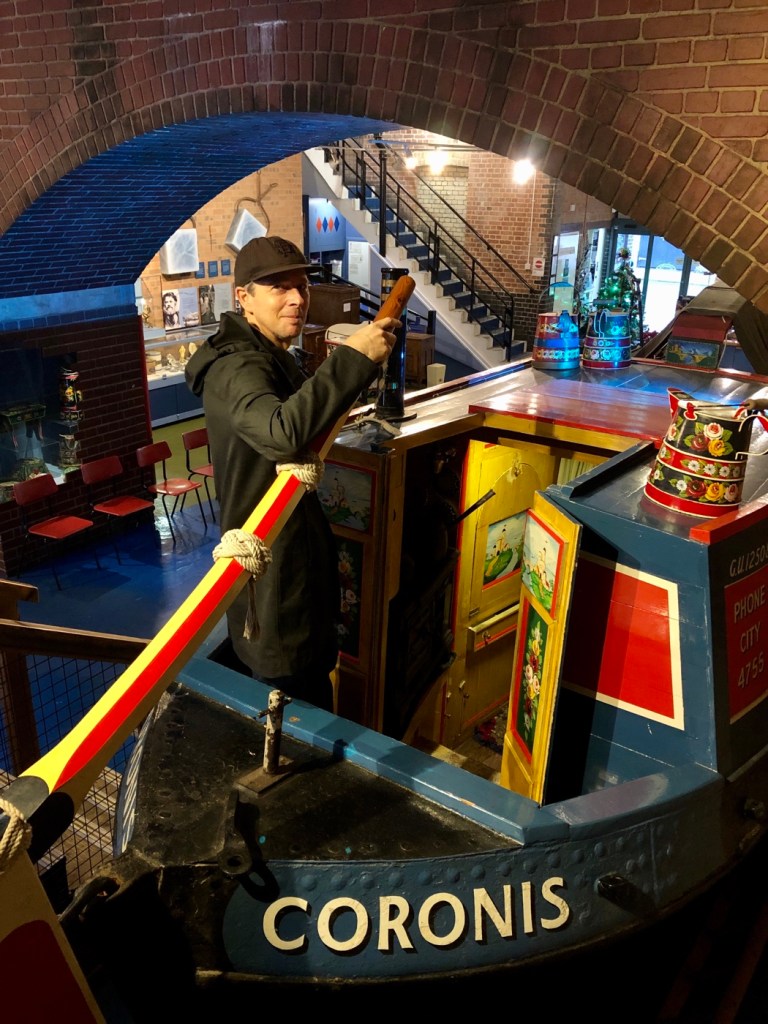
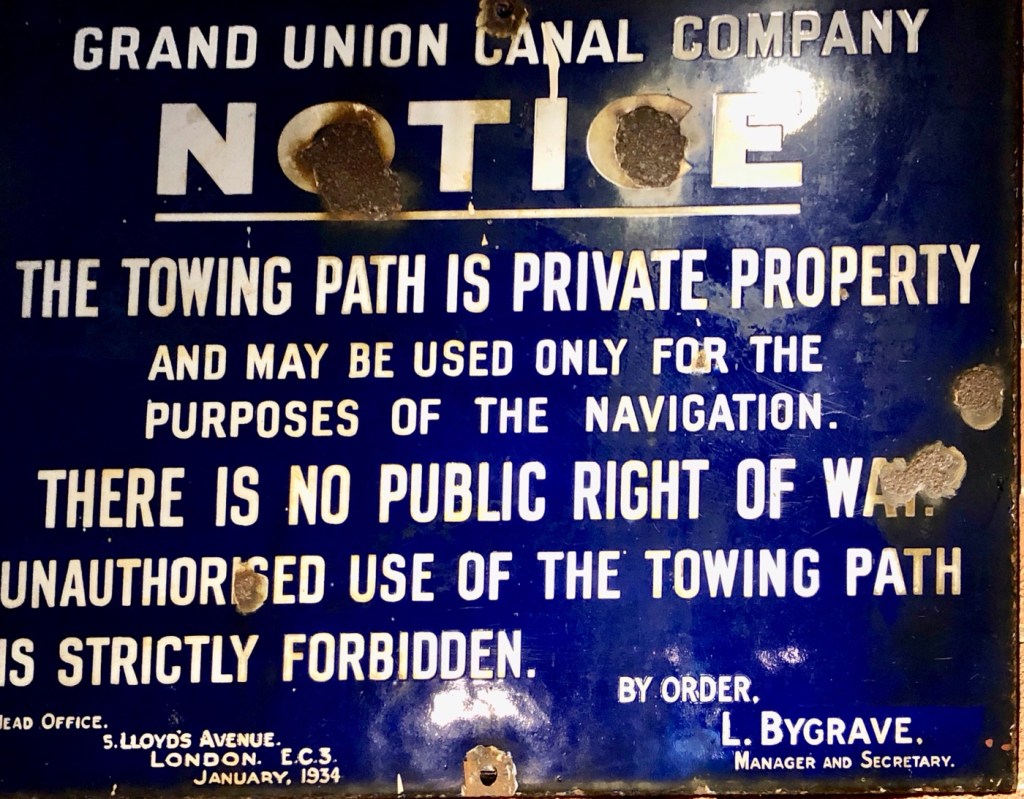
Our favorite pastime…canal walkingI will be Cap’n of a canal boat someday…dreaming at the London Canal MuseumMost of the glorious London Area canals used to be off limits until the 1970s…so hope for all the private canal right of ways in the USA.
So instead we have decided to head to the Lake District for a week to do some nice winter hiking, and exploring…but first with a stopover in Liverpool, which has been reborn and is loaded with great museums and sites, in addition to some famous band apparently being from there.
New Year’s Eve takeout noodles in an Islington Pub beer garden.Riding on in the New Year!
As we revel in the beautiful scenes that are Paris and London at Christmas, we can’t help be struck by the stark differences in culture, religion, and economic trajectory with Morocco. And as always, we have a renewed appreciation for the happy accident of where we were born and raised.
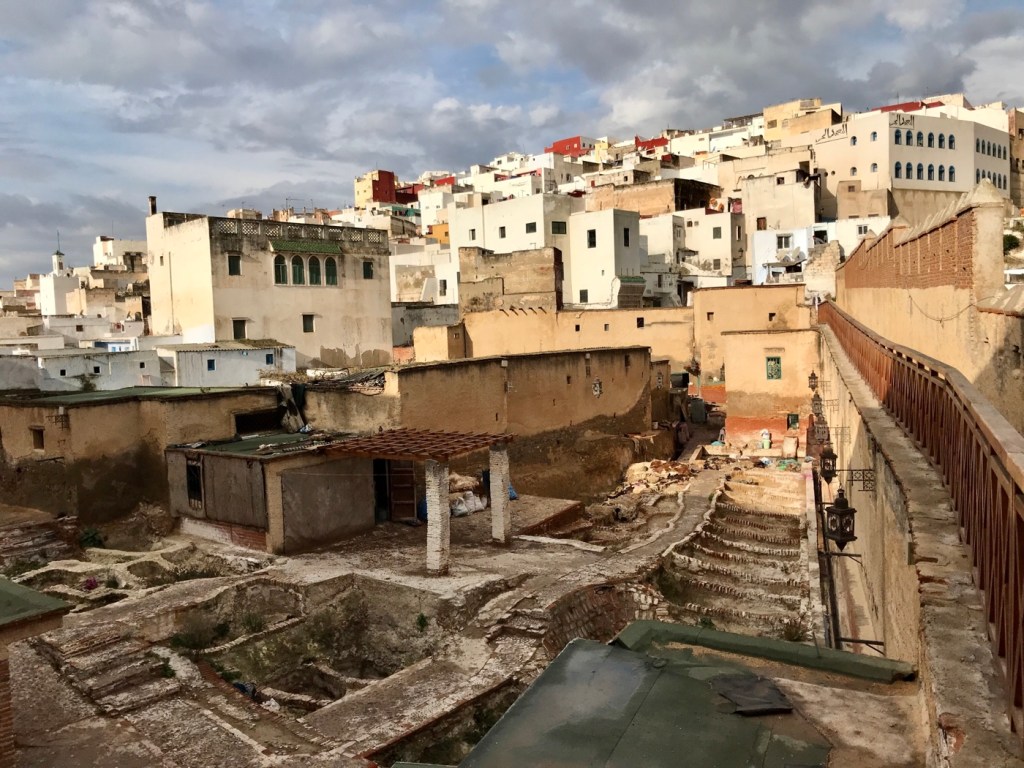
The very real Medina of Tétouan, vertical and varied life within a larger middle class city
Strangely, the contrast of travel trips synapses in your brain that heightens the experience on both sides of the divide. Our 25 days in Morocco were a sensory overload at times, but a bustling neighborhood in Paris in the run up to Christmas now feels equally disorienting. There is something to be said for fresh eyes to appreciate your culture.
We were always comfortably out of comfort zone in Morocco
The Moroccans we met were almost all kind, generous, and friendly, but the culture is very different. Returning to Paris at Chrismas time was a bit like a bucket of cold water being poured over our heads (challenge !?) Morocco is shaped at its core by the religious norms of Islam, leadership by a constitutional monarch, and a history as regional and nomadic traders. These are not things we have a great context for understanding.
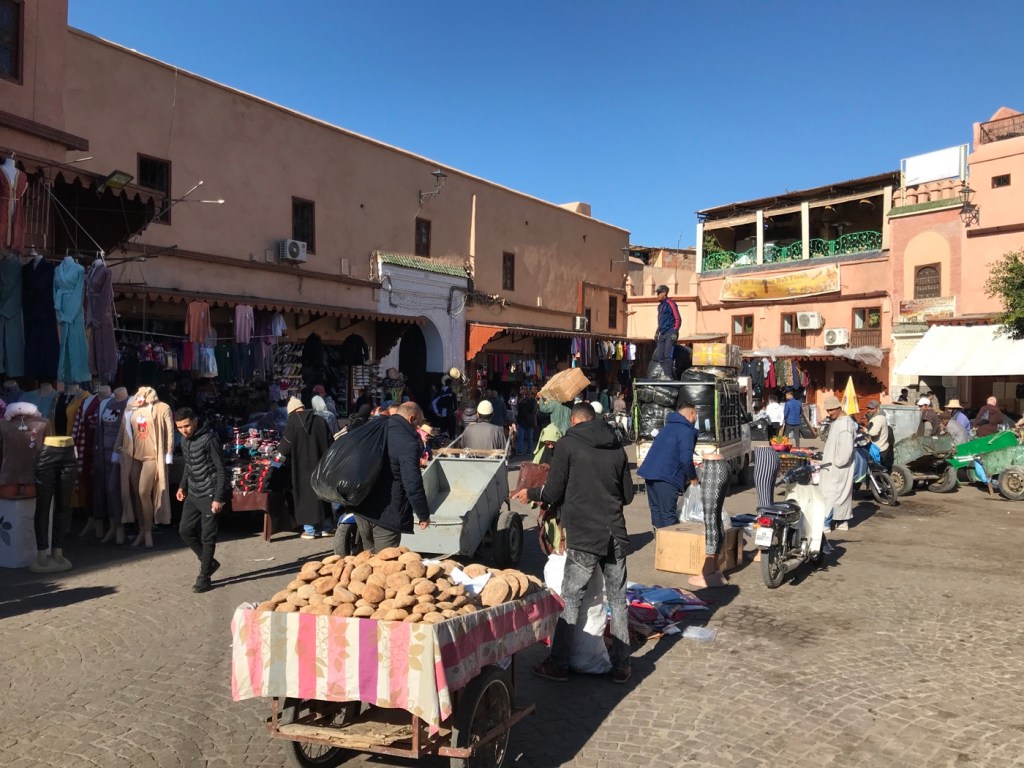
Small squares like this in Marrakech offer more space for informal vendors and a break from the maze of alleys
But as advocates for car-lite living, Morocco offers an amazing glimpse into urban and village life with little motorized support. The Medinas, Kasbah, and Souks of each place we visited had a distinct personality. Some were lightly touched by tourism (such as Tétouan and Meknès), while others, such as Chechaouen had been reimagined in new colors seemingly just to make perfect Instagram photos.
Beautiful Blue Chefchaouen
The larger Medinas, such as Fès and Marrakech are more a hybrid; with tourist influences concentrated to one district (like Jenaa El Fnaa or Bab Boujeloud)
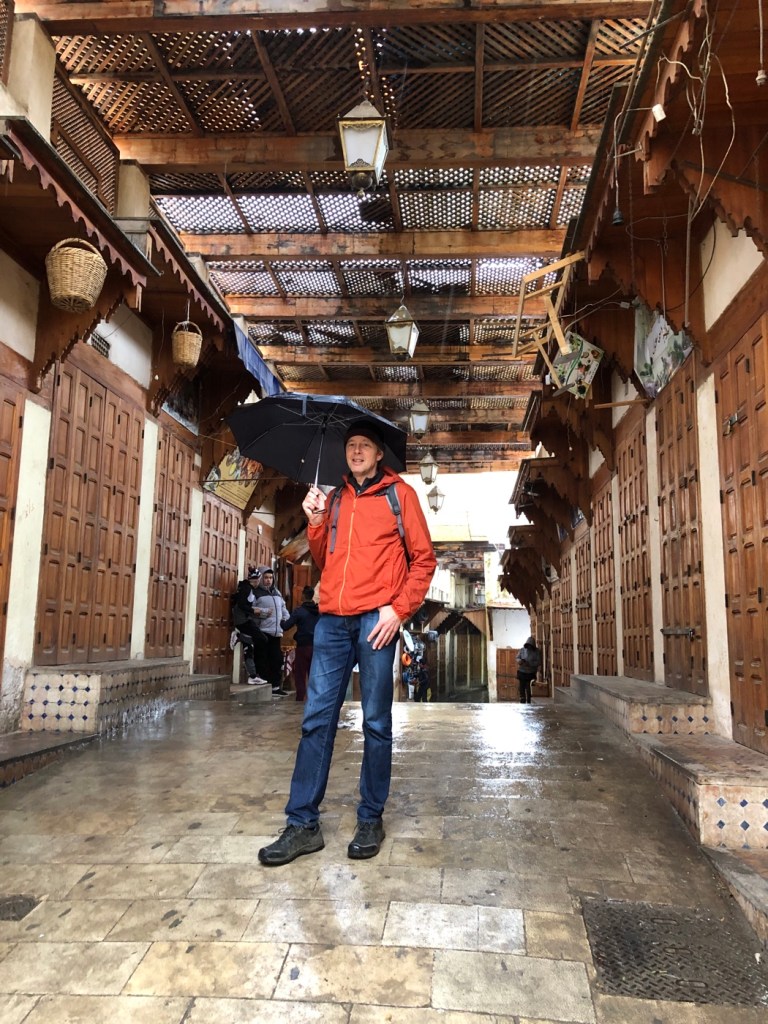
Fes on the jumah (prayer day)…a good time to walk about in relative calm
I think Fès, with its size, extremely narrow alleys, constant dead ends, and some significant slopes and stairs was probably my favorite to observe and explore the real heartbeat of modern medina life.
The magical and endless souks of FesGates and walls control access to the Medinas and huge Kasbah walls limit the chance of invasion…except by tourists
But regardless of the number of tourists in the various medinas, they are all living communities with thousands of residents and thousands more who come to shop, sell, eat, or stroll. The infrastructure often looks precarious and hand methods are frequently the primary construction tool, with small scooter-trucks, hand pushed cart, or donkeys with saddle bags. Nothing is easy, but in land where labor is pretty cheap, and higher end construction materials dear, this is the continued ways in most of the medinas of Morocco.
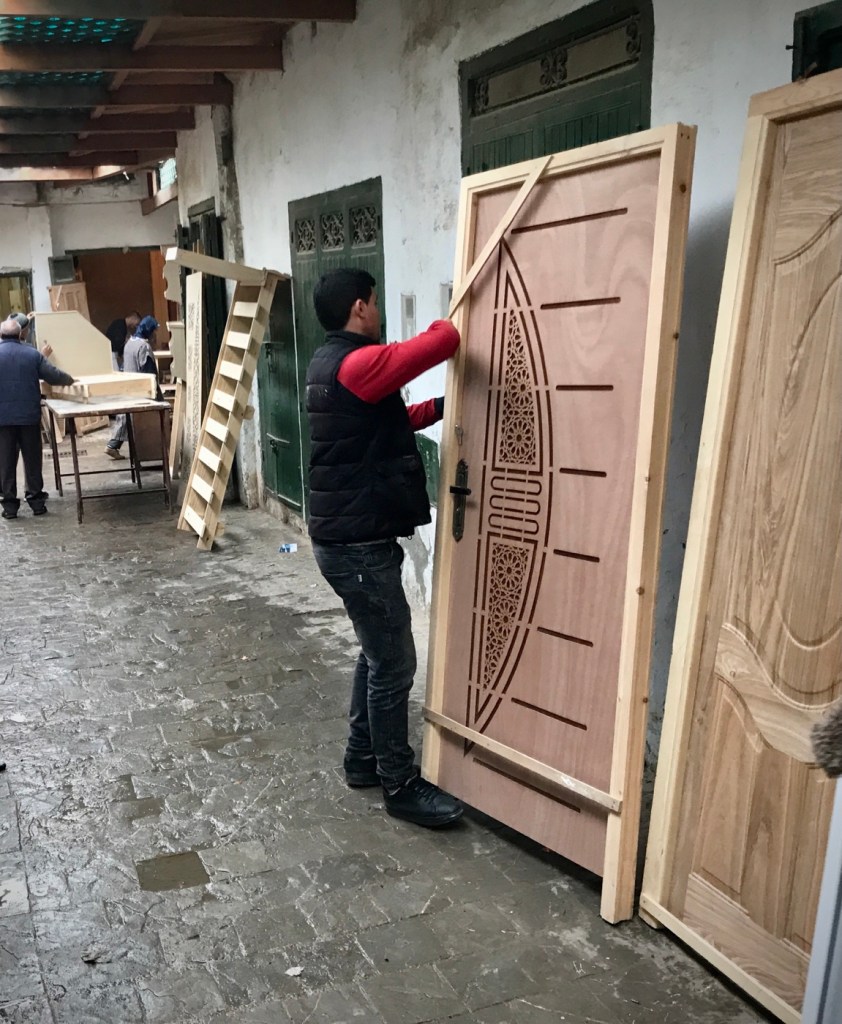
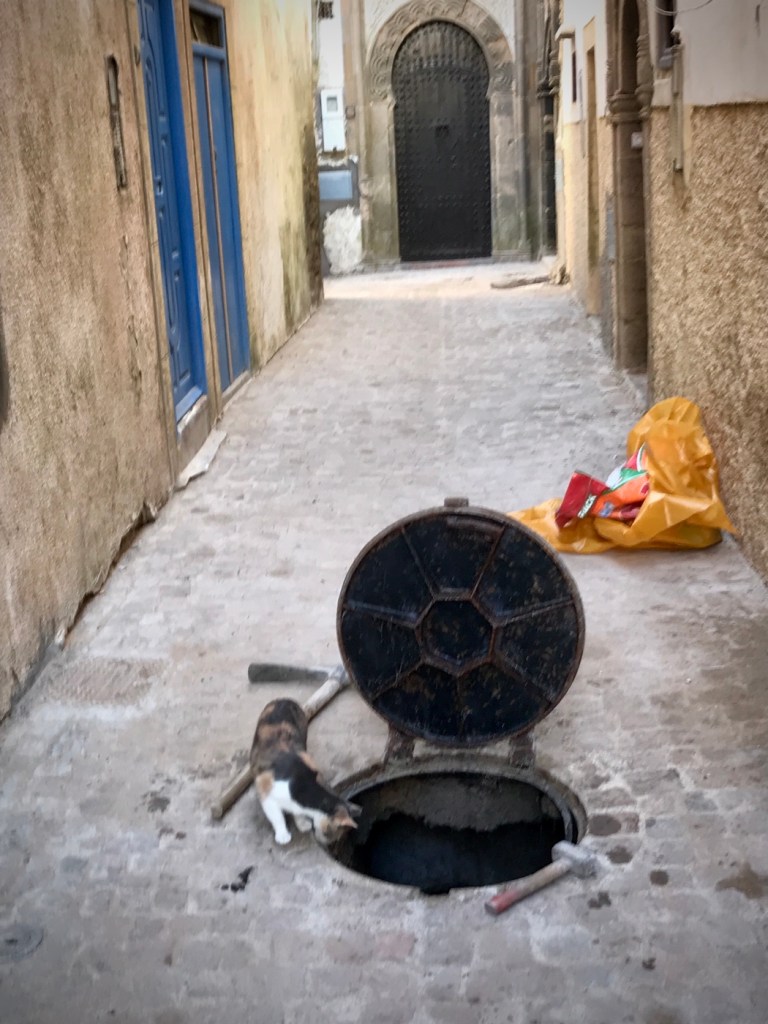
The Moulay Idriss medina is completely vertical: so most goods still moved by foot and donkey (and Cheryl!)Lots of hand crafted wood still throughout Morocco Chief Sewer Inspector
As someone noted in their review of the Riad where we stayed in Fes., “you walk out the door to the Middle Ages” ok, that might be a little of an exaggeration, as cell phones, some refrigeration, and slightly more modern water and sanitation co-exist: And some parts of some Medinas are downright charming and bougie, with boutique hotels, riads, restaurants, and galleries. The vast and complex medinas have their various neighborhood character, just like any city.
Light rays for cats can be precious in winter, but narrow alleys mean less heat and sun the rest of the yearThe medina fish market of Essaouira…cats out of view
What makes the medinas so unique now on the planet (and almost all are UNESCO world heritage sites) is that they survived the ravages of 20th century redevelopment. Just outside many Medina walls is the Ville Nouveu, and these vary in charm and layout.
Most of the medinas have some “main streets” that are wider and allow some motorized access for construction and deliveriesCheryl not smiling at the fairly typical drab streetscapes outside the medinasBut inside, nightime is particularly magical
The rest of Morrocon urban and suburban architecture is focused inward, and therefore does not provide a rich or pleasant streetscape to the more western eye. Even some middle class neighborhoods look downright barren from the outside, as the scale of three story buildings is not in context with often very wide streets. This inward focus is a challenge to a traveler in Morocco, as you generally are on the outside of family life and local culture.
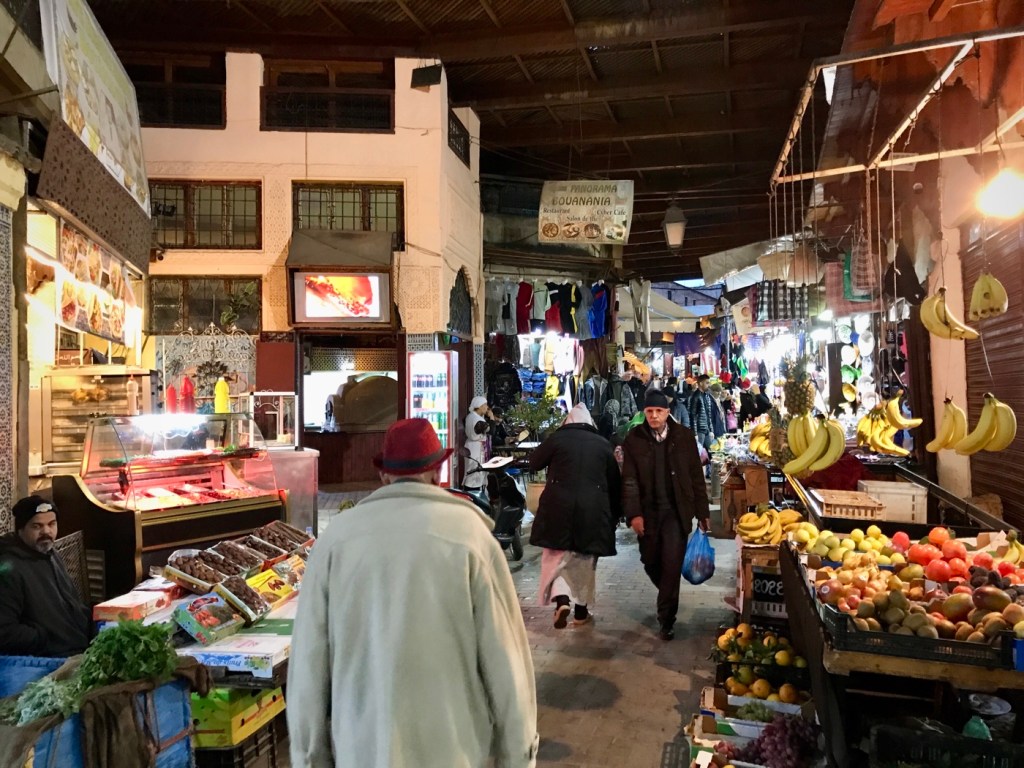
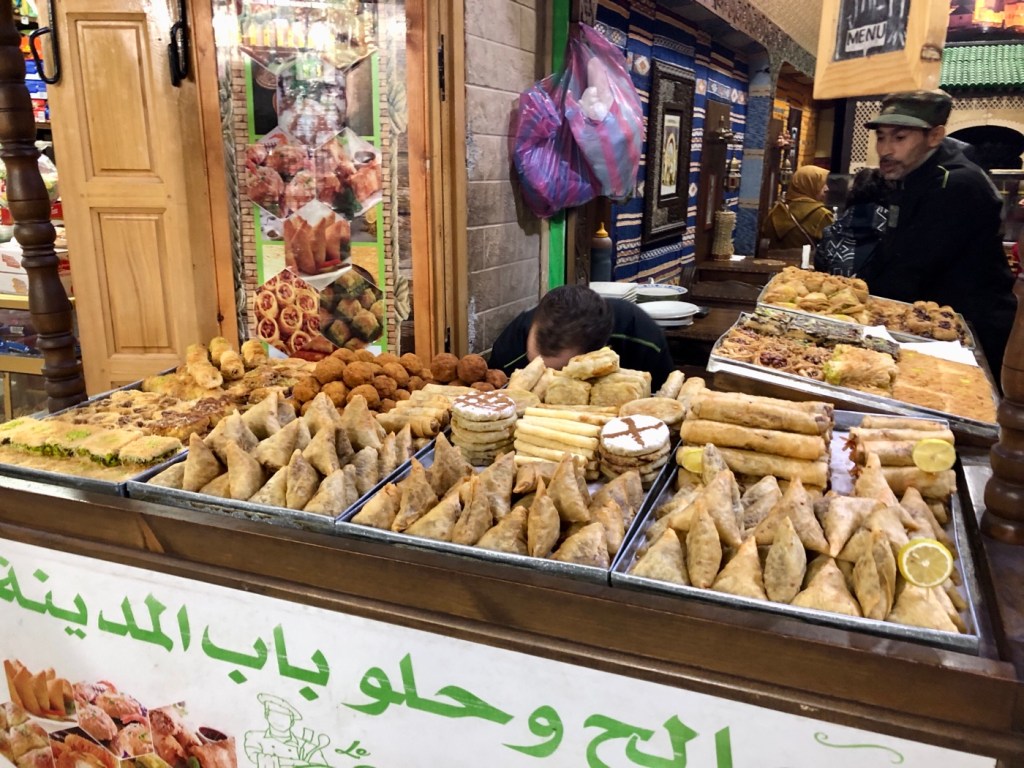
The food souks and services are still at the core of almost every MedinaAnd so much good food, so close!
But less so in the medinas, where you can experience the typical Riad and often gaze down from rooftops and terraces at the Medina life around you.
Sneaker and Track Suit Alley in Meknès…not much space as each vendor has extended their retail space into the path of travel!Same space, early morning, encroachments retracted!And the same Meknes Medina from above…you often wonder how it all works
One of our traveller friends stayed in a room with a family in Morocco for a few days, and that sounded like a great way to get even more insight into “true” Moroccon life. We had some great experiences and especially insightful conversations with Riad and restaurant hosts about the tourism challenges with Omicron our last week as the “only tourists in Morocco”.
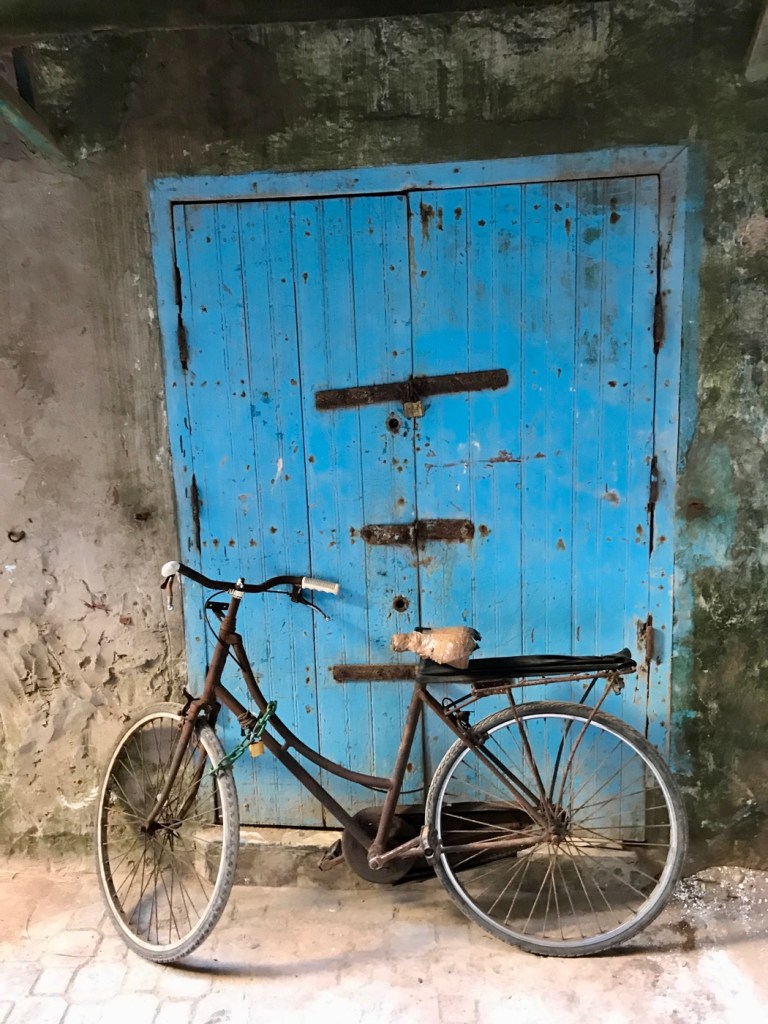
Bikes are very popular in Essaouiara, typical of most flat beach towns
We had an exciting journey in Morocco that ended a bit strangely, but we take away the kindness and some of the spirit of so many we met. As with any developing economy, you wish them luck and the good leadership to truly elevate peoples lives. And maybe a bit more help from their American friends.
We headed out of Chefchouen on Thursday morning, and despite the light drizzle, decided to walk the mile or so out of the Medina down to the bus station.
CTM buses connect everywhere
It was nice to stretch out the legs before the 4+ hour trip to Fes via the generally pleasant and reliable CTM bus line.
Cheryl in her Cleverhood, perfect for rainy travel and keeping your pack dry too!Bonus of a long bus journey is the midway food stop: amazing charcoal grilled spiced lamb…oh so good!
We could have also taken a ‘petit taxi’, which are everywhere and serve mostly locals, often in shared rides. They generally don’t use meters, especially for tourists, so always agree a quick price before getting in; not much hassle, but it helps to know the ballpark fare by asking your Riad contact or researching online.
These sidewalks were made for walking
One thing we love about Morocco are the prevalence of good sidewalks on most city streets, even in some rural areas. They are often a non slip surface (sandstone?) and patterned in a brick and tan color; and often accompanied by nice street lights.
Sidewalks even good enough for these cats
Chefchaouen had more tourists than Tanger and Tetouan (almost zero!), so it was interesting to see how a more tourist oriented mountain town was recovering from from pandemic travel impacts.
Heading up into the Rif Mountains
It has a lot going for it besides the picturesque blue and tidy Medina. There is lots of good hiking nearby, even right from town. The Rif Mountains dramatically rise thousands of feet above and were shrouded in a magical autumnal cloud mist.
Some young new friends who probably haven’t seen many tourists in past 20 months…lots of smiles and English practice.
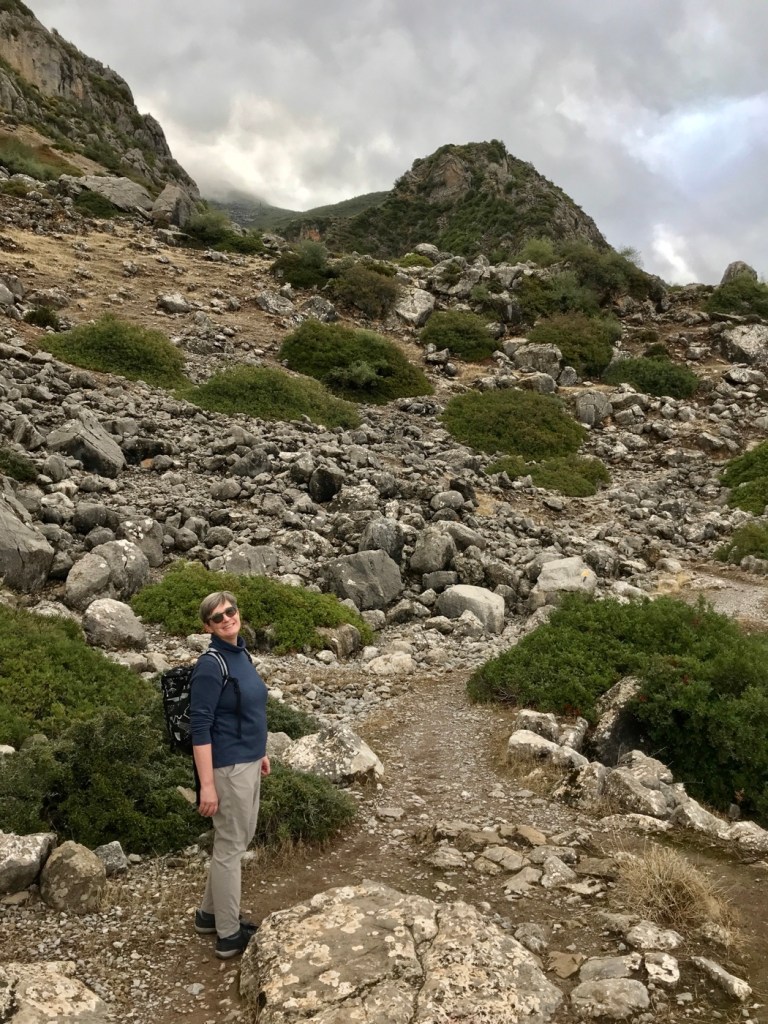
We have learned that hiking and outdoor activity is always a huge boost to our mental state when embarking on more culturally foreign travels. So we were pleased to get in a nice few hours of hiking up beyond the Spanish Mosque.
Waiting for tea at the aptly named Cafe Panorama, which is well disguised as a family homestead.
Admittedly, we headed to Fès with a bit of Medina burnout. But after setting out into the pre Jummah (Friday prayers) frenzy of the markets on a Thursday afternoon, we were soon both jolted back into sensory overload.
The Bronze Market in Fès
The scale; scents, sights, and sounds of the vegetable, meat, spice, and trade markets that spread out along the Medina edge near our Riad and the Place r’cif was surreal and a travel moment we won’t soon forget.
A calm section of the Fès Souk
But we woke up the next day to the news of the new variant, and both realized that the fragile recovery of much of the world may be pushed back again. It makes us immediately sad for those we have met in our travels that really depend on tourism, as well as parks, conservation, and resources.
Live snails by the scoop
All flights are cancelled out of 8 Southern African countries and restrictions popping up elsewhere quickly. But with Omicron cases showing up in other counties, it’s just too soon to make a drastic decision. The safest decision would have probably been to stay in San Francisco…but that ship has long sailed! So where to go and what to do?
Long bean soup in a bubbling clay pot by the Creek – the perfect post hike treat
Options to return to Europe or the US may prove to be less safe or the variant may prove not a game changer in risk with the vaccinated. Or it may be worse? So we’ve decided to press on for now, unless the state department really advises to leave. Morocco still has very low COVID rates and a relatively high vaccination success at ~65%.
Bab BouJeloud (“Blue Gate”) in Fes: the Medina gates used to close at 6pm and you had to get permission to enter into by the gatekeeper!
We also just heard that flights into Morocco have been suspended for two weeks! Everyone here dependent on travelers is visibly depressed. We feel so bad for them and everyone suffering through the past 20 months. And especially as the European holiday season was approaching.
We’re not sure how this might impact our ability to get out of the country, but we’ll be just down the street from the US Embassy in Rabat, so can just go knock on the door, right?! Stay tuned and stay safe!
Isambard Kingdom Brunel …a name hard to forget, especially in Bristol, England. As a professional Civil Engineer, it was so refreshing to see an engineer given their proper dues, as it’s usually the Architects that get (or take?!) all the credit for innovative projects. And boy did I K Brunel do it all: Paddington Station, the Great Western Railway, Thames Tunnel, SS Great Britain, and my personal favorite, the Clifton Suspension Bridge. His designs are credited with revolutionizing public transport and modern engineering.
Engineers are great, aren’t they….
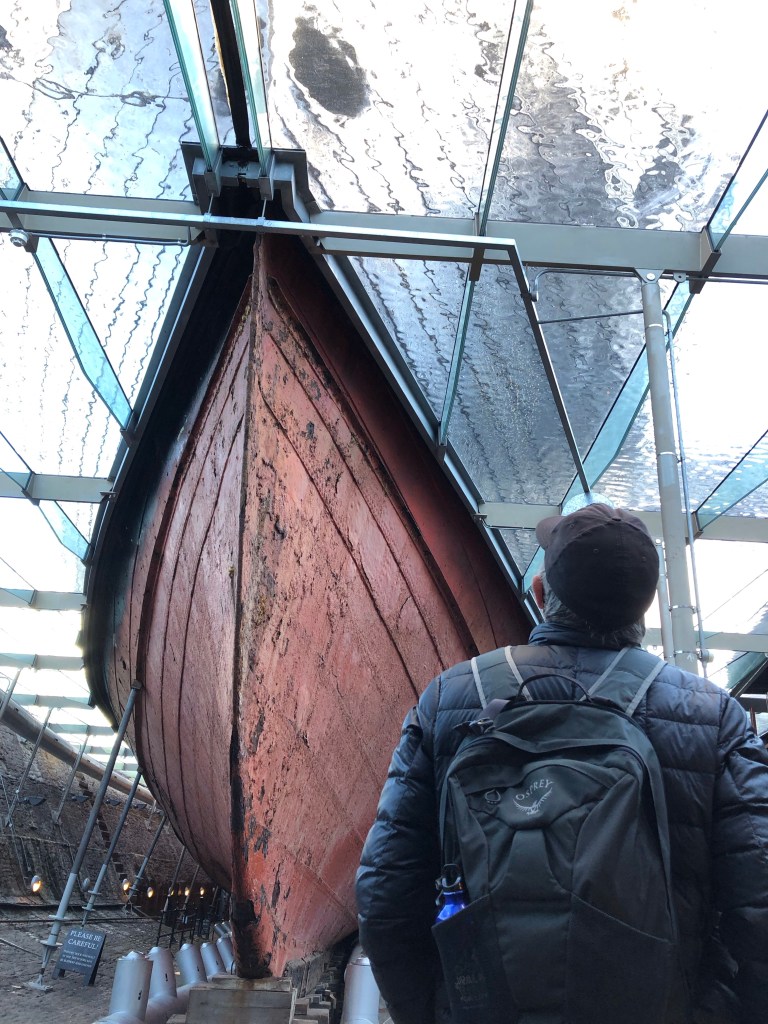
We started our Brunel tour at the fantastic SS Great Britain, which is a magnificently preserved and restored steamship that Brunel designed in the 1830s and was the largest steamship in the world when it launched in 1843.
In the Dry Dock – that’s water up there!
I think the best way to see the ship is to start below the water in the dry dock. It allows you to appreciate the scale of the ship, as well as understand how the unique hull was constructed and is being preserved. It takes a massive array of dehumidifiers running 24/7 to keep any further corrosion of the steel hull at bay. The array keeps at about 20% relative humidity, similar conditions to “the deserts of Arizona”, and paralleling the path of millions of other retirees being preserved in the Sunbelt.
Brunel chose to use a new and highly efficient propeller for the SS Great Britain, shaving weeks off a Transatlantic journey
You also can see how they moved the ship from its near demise in the Falkland Islands in 1970 and dragged it all the way back home to Bristol on a special barge. But the dedication to restoration didn’t stop at the exterior of the ship. The cabins have been fully restored with the sights, sounds, and yes, smells of the ship when it served as a passenger ship to the US and Australia.
The Kitchen…spooky realism abounds, as even rats can be seen moving about the cupboards.
The Steerage class quarters are strikingly small, but as a docent pointed out, still offered those crammed in 4 1/2 foot bunks a chance at better conditions and more opportunity in the New World. Life in the early industrial revolution days of Britain was hard. The crew barely had it better, as had to toil all hours shoveling coal into the furnace and keeping the ship going over grueling 3 week to 6 month journeys. Of course first class was quite grand and the Titanic-like dining hall is now available as a wedding venue, minus the swells and nausea of the open seas. (As it turns out, Brunel’s hull design was a little unstable…until a later wood extension was added to to the keel)
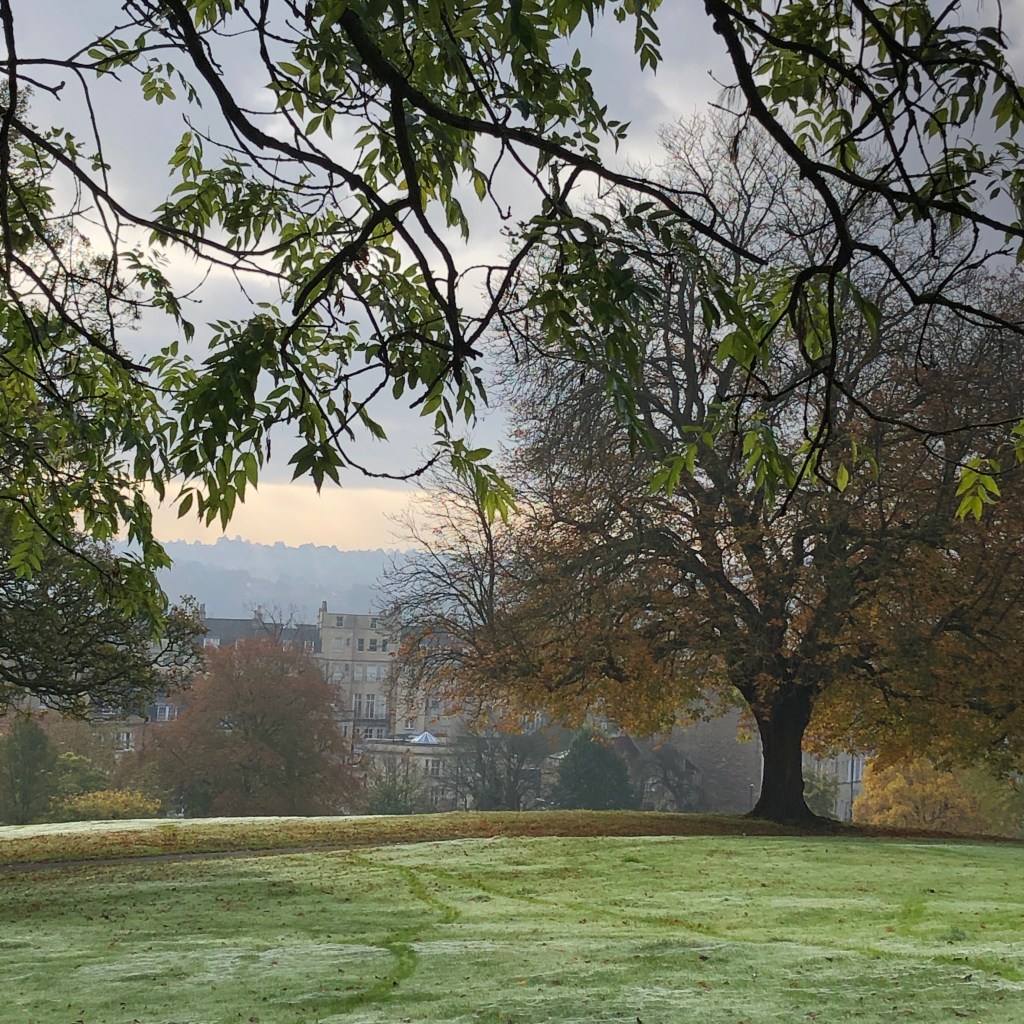
Morning dew on Brandon Hill, Bristol
Bristol and Bath were both a pleasant surprise. The crisp fall weather and foliage were perfect for exploring on foot and both cities offer fascinating sites, museums, culture, and vibrant food scenes.
Proper tea and a scone at the American Museum and Gardens in Bath
Bath is like a living Georgian museum, pleasantly frozen in the 1770’s, while Bristol offers a modern revitalized waterfront, lots of history, and more diversity, all supported by a large University population. The American Museum has beautiful views and a offers a unique British perspective on American history and culture. The Roman Baths are the big attraction and surprisingly engaging with brilliant holograms in each room and an audio tour featuring humor of Bill Bryson.
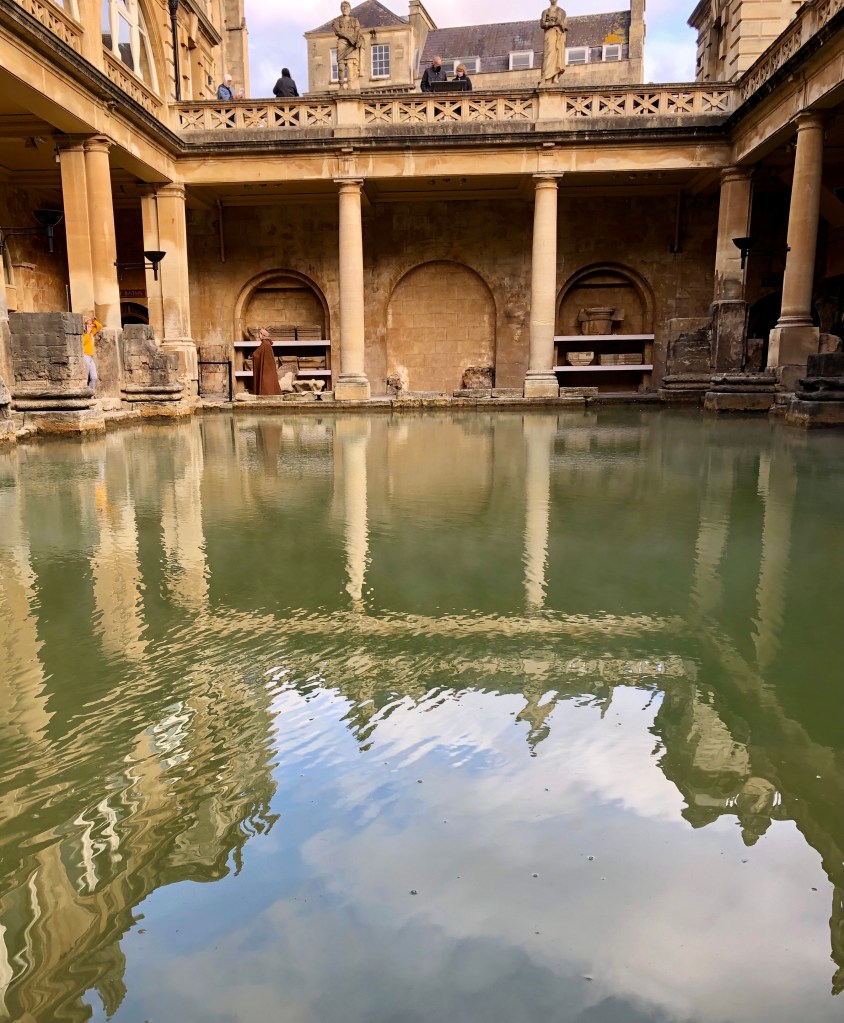
As much as you want to, you shouldn’t touch the water at the Roman Baths
After 3 nights up the hill in Bath near the Royal Crescent, we decided to stay just 7 minutes away from the Temple Meads station in Bristol. The Station itself is worth a look, and yes, I K Brunel provided the base design and inspiration for the main station as the terminus of his Great Western Railway from Paddington in London. How was he so many places? (4 hours of sleep helped apparently)
The Temple Gardens out the back door of our hotel
After a day on the waterfront and Brunel museum, we decided to explore more neighborhoods and walked out through the pleasant and upscale Clifton village. We walked back through the University and along Gloucester Road, which is full of an eclectic mix of shops, pubs, and restaurants. 8 miles overall and great walking up and down the undulating hills, with constant surprises and new views.
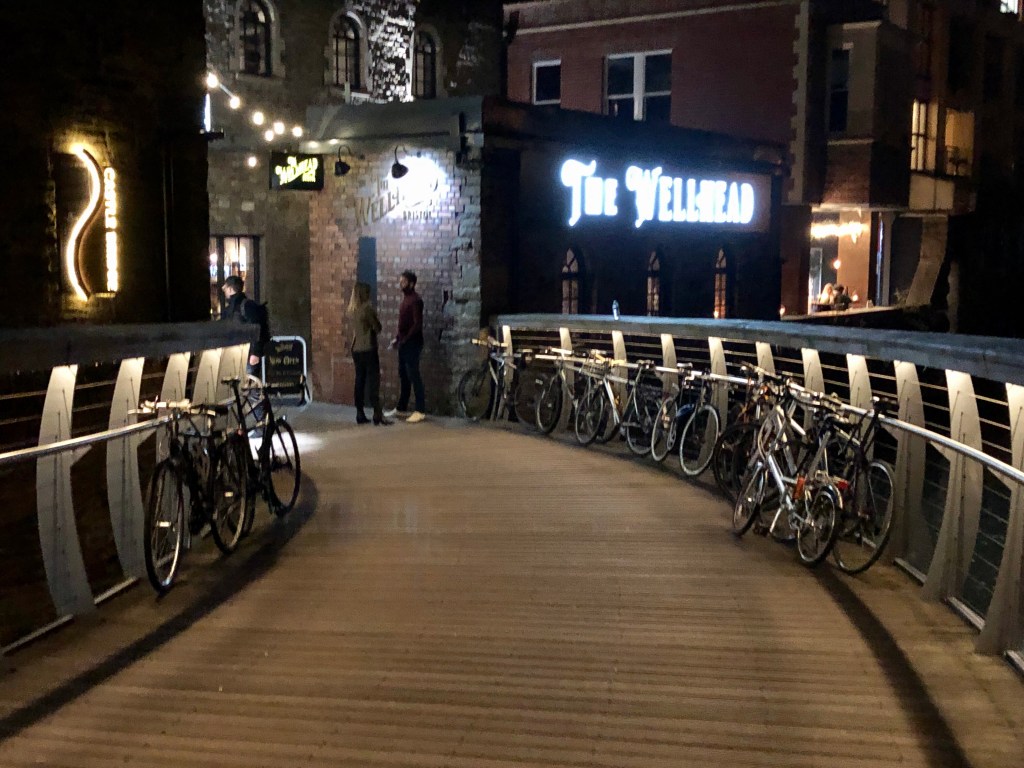
The Castle Bridge opened in 2017, offering an inspiring human powered crossing of the Bristol Harbour (but still not enough bike parking!)
But the hands-down thrill of the day was the Clifton Suspension Bridge. A structure that highlights the need for visionary technical leadership and perseverance. Brunel’s original design took over 35 years to be built. He succeeded in a design competition in 1830 with his proposed bold 700- foot steel chain suspension span. This span allowed a full span of the gorge, which was key to the intrinsic beauty of the structure in the unique context of the Avon River Gorge. But many, including his father, doubted that such a span could be built. Unfortunately, cost overruns and contractor financial trouble (sound familiar) put the half completed project on hold by 1843. Luckily, the bridge was finally completed in 1864 with the assistance of other designers, but sadly 5 years after Brunel died. And like many of his bold designs, the ultimate bridge required some design modifications to the deck to make it stiffer, as his original design would have likely failed in high winds. Engineering is a constant process of improvement and optimization.
The 1,300-foot long Clifton Suspension Bridge soars more than 300-feet above the Avon Gorge…so nice!
But his vision survives and his grand engineering projects are still serving millions of people today. So anytime someone doubts that a large infrastructure project can ever be finished or if a new design innovation can really work, just shout out the name of Isambard Kingdom Brunel. Or say it three times if you can!
We finally ditched our beloved bikes and rolled into Paris in style on the TGV from Annecy. Since we travelled on a weekend, my €49/year discount SNCF Carte Adulte offered first class for just a few Euro more than second, so first class it was with nice facing “Club Duo”. “Good train time per $!” as my friend Mike would say.
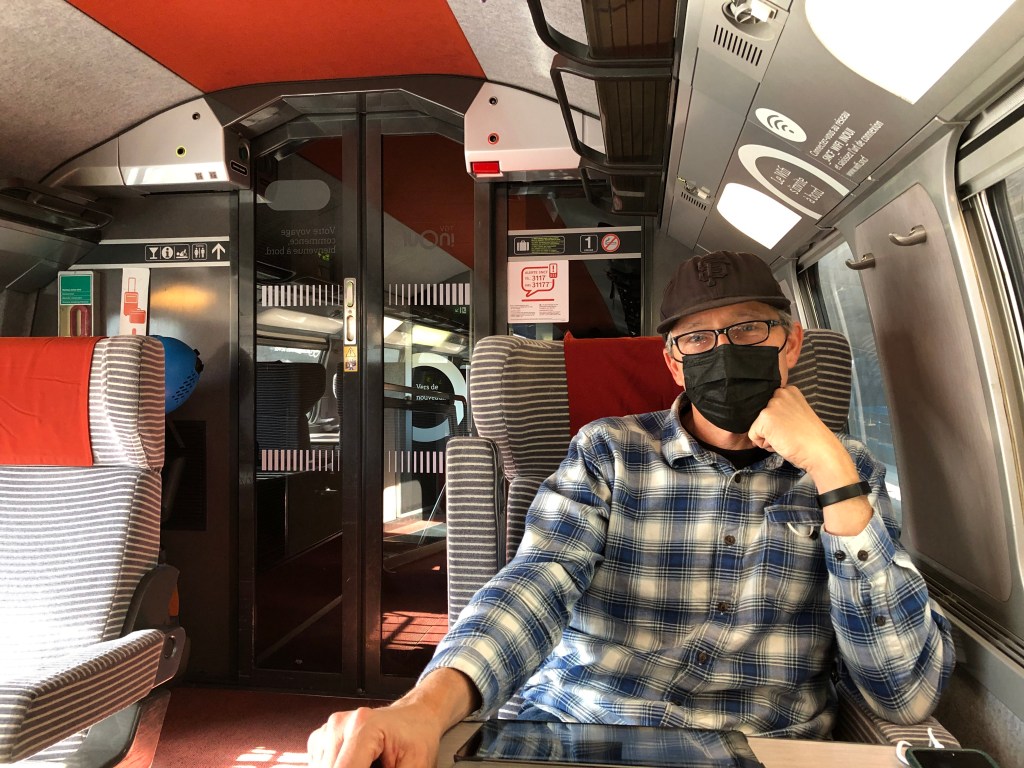
Upper deck of the TGV. Comfy (me) and stylish (the train)
Carrying our gear on our backs was quite a shock and we have both vowed again to rid our bags of even more things before we move onto to any travels further afield. Seriously!
French chocolates on the TGV
We chose to stay in the 10th Arrondissement, and were pleased with the choice as it spans a clear transitional world between the more traditional Parisienne neighborhoods such as the Marais to the more working class and immigrant neighborhoods. It is a fascinating mix of cultures, but clearly dealing with strong gentrification pressure. There is a palpable delineation between the older neighborhood residents and the new boho hipsters. The similar global urban story of businesses transitioning to serve the new residents, and the older residents being priced out. And maybe we are adding to the problem, or are we just supporting a variety of small businesses?
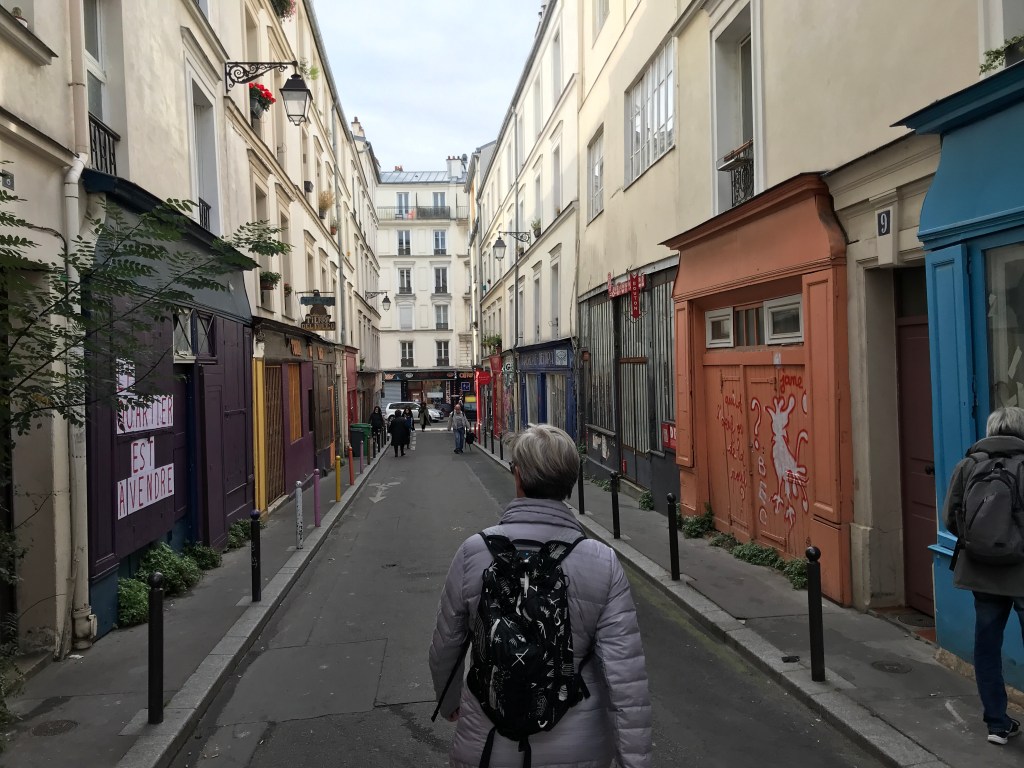
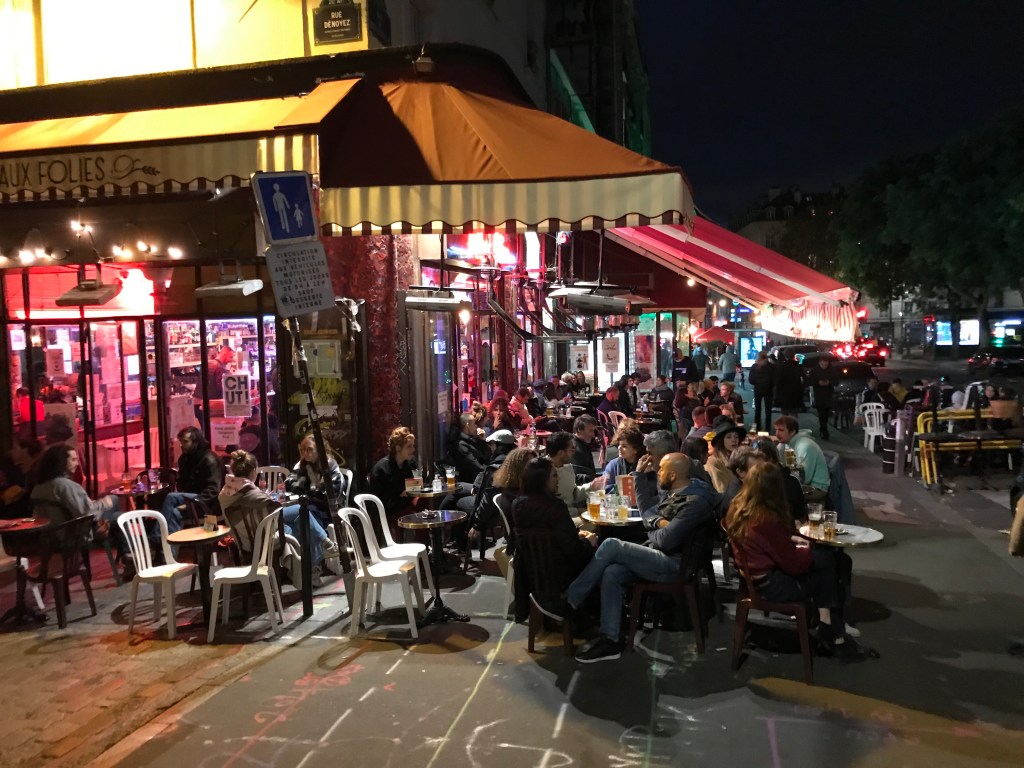
The backstreets of the 10th on a Sunday afternoonRue de Belleville on a warm fall evening
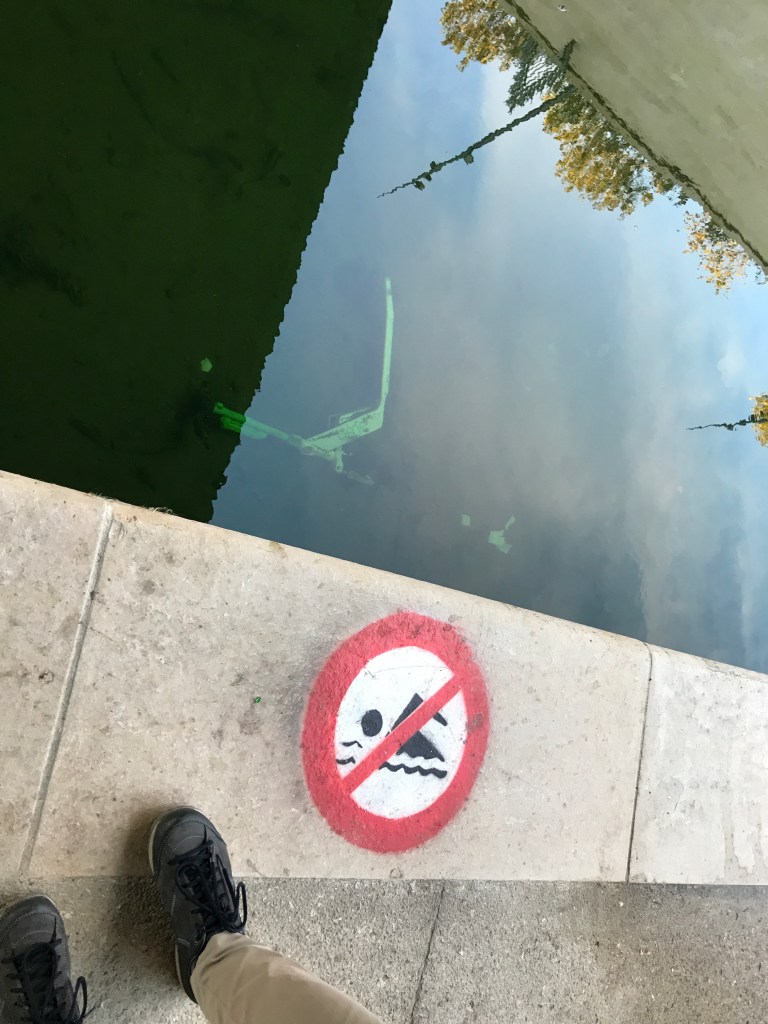
The neighborhood is also blessed with the lovely Canal Saint Martin, which is even more pleasant now that ped/bike priority streets have been added on both sides, and reminded us of the Panhandle in San Francisco. (With water and locks of course.
Canal Saint Martin
We explored Paris every day to a blissful exhaustion, but found rush hour walking tough, both on the busy boulevards and back streets, as sidewalks are single-file only with the usual urban bobbing and weaving. We also took a few trips on Lime e-bikes, and some of the new bike facilities are fantastic! But wayfinding and the intersections tough for first time Paris cyclists. Cyclists are everywhere and go in every direction, but are mostly looking and have tamed cars with their unpredictability and sheer quantity. We like that.
Lots of mobility options in Paris
By the way, as of November 2019, Velib does not accept US or Canadian credit cards, even with chips, chip and PIN, and card authorization through your cc company. Big bummer, as we tried numerous times ways and were thwarted. Apparently too much fraud?
Morning on the Pont des Arts
We did hit a few of the major tourist spots, such as the Louvre and Sacre-Couer, but found exploring the edges of Montmartre more satisfying then the throngs by the famous stairs.
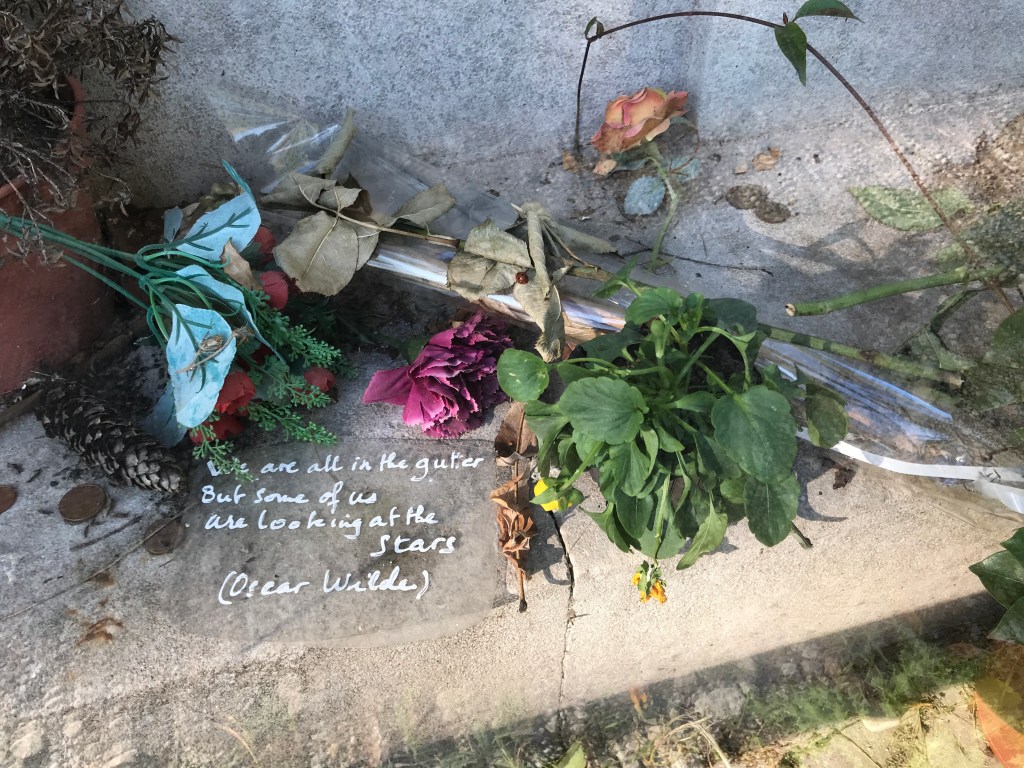
Tomb of Oscar Wilde, Père Lachaise Cemetery
I am still amazed how the A-list sites are absolutely inundated, yet one turn up a quiet side street can reveal hidden wonders and always find that in big cities, we prefer random neighborhood wandering, small museums and parks.
Our favorite bar in Montmartre which was delightfully out of central casting for 90s indie film!
France and the people we have met have been so kind to us, both on and off the bikes, and we are starting to feel a little more kinship and understanding with their perspective on living life, history, geography and the struggles to maintain liberté in the 2020s.
We continued to relax and recoup in the beautiful Vallée Verte by setting out and exploring by foot from our home base, soaking in the endless connected footpaths, trails, and rural roads of France. Our goal yesterday was Mont Forchant, a 1500m peak at the head of the valley known for steep approaches and rewarding views.
Headed up valley
We could have driven to a trailhead and and made an easy two hour peak bag, but what fun is that? So we walked about 10 miles up into the wooded paths with over 2,000 feet of climbing! By walking, we got to stroll through two small villages and lots of rural pleasantness.
Roads plenty quiet to walkThe final push to the summit
So we were hopeful of promised views on Mont Blanc in the distance, but alas, the clouds were still thick on this typical summer day. But it at least cleared enough to see down the valley, and the the clouds made for cooler hiking.
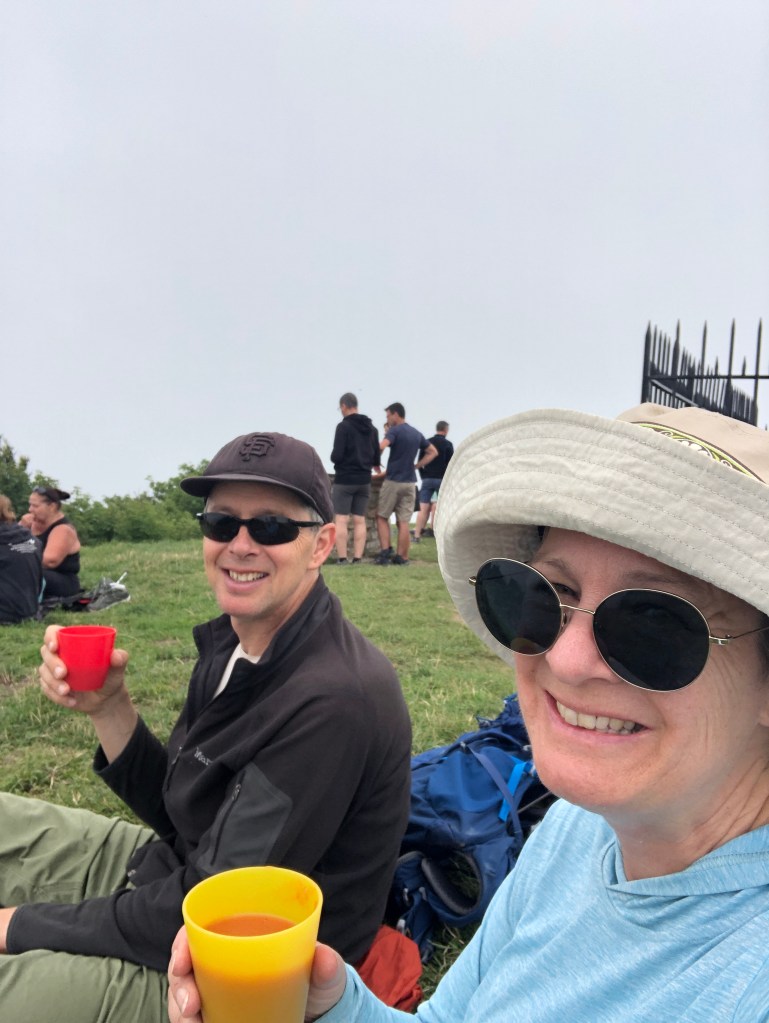
Gazpacho and sándwiches on Mont Forchant
And this being France in August, there was plenty of company at the summit, all enjoying their leisurely picnic lunches. We relished the background buzz of French around us, as it seems this was a locals only place today, along with two very happy Americans.
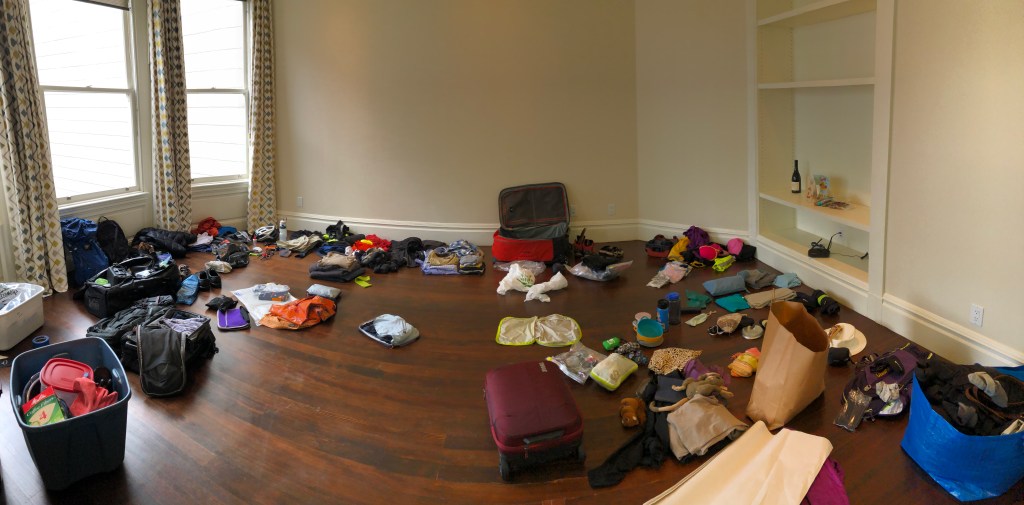
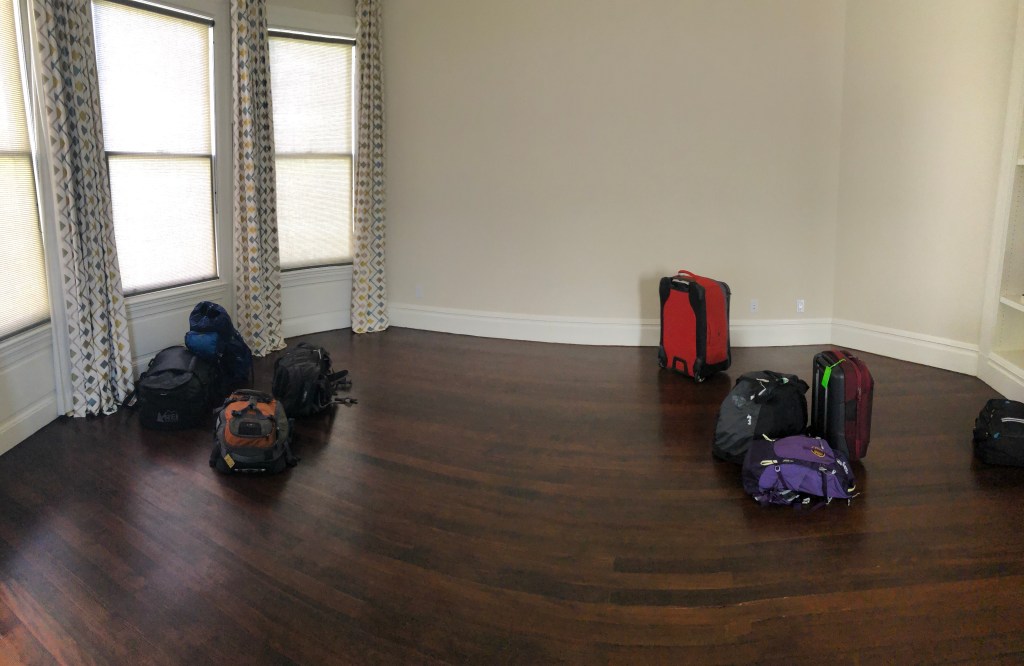
So the last week had been intense, with so many goodbyes and experiences in our great little neighborhood of Broderick Street in the heart of San Francisco. But the primary focus on has been getting our final items to storage, clearing out every last thing out of the flat…and oh yeah, packing for a (hopefully) long international adventure!
The staging room – ready to pack!Magic – it all fit!
The last day had one more trip to storage, a trip to drop our luggage at friends in Redwood City, and finally putting the last items out on the curb and closing our door to our beloved flat for the last time 🥲.
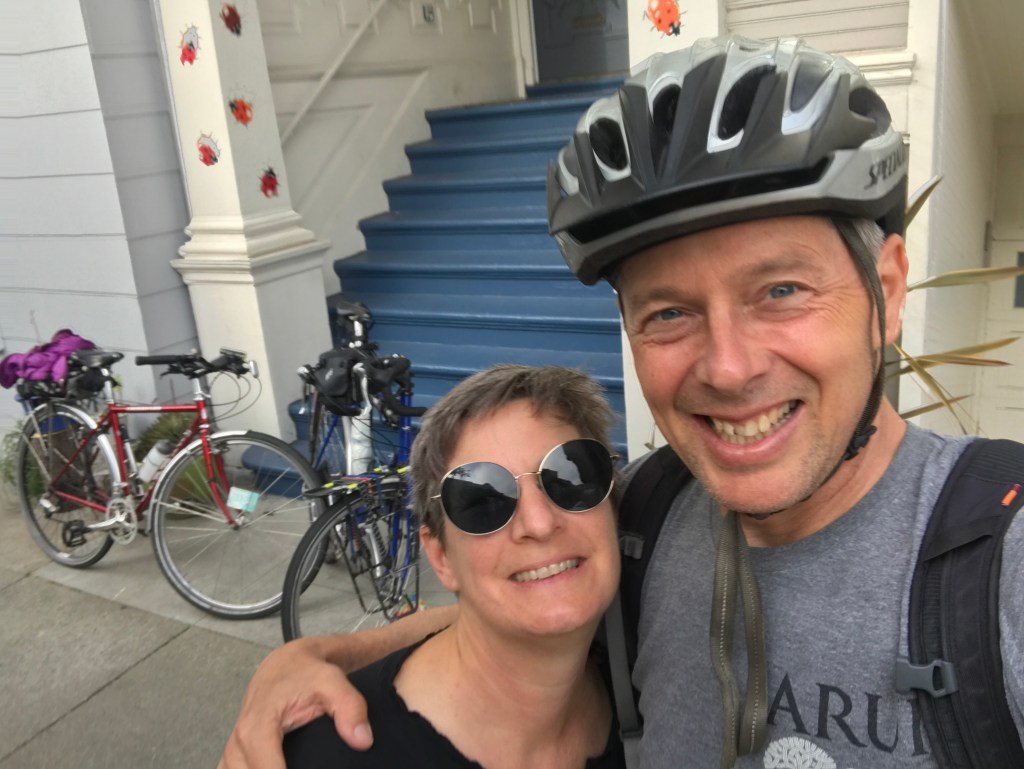
So emptyGoodbye Ladybugs
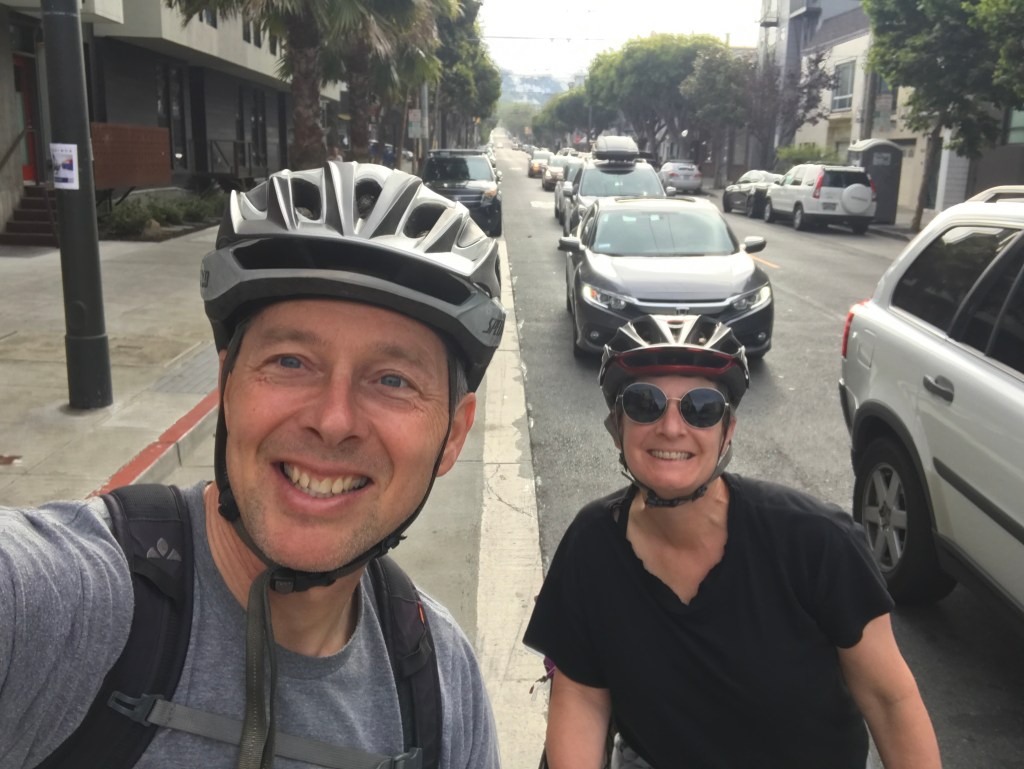
But then off to Redwood City by bike and train 😀 it felt so appropriate for our lives in SF
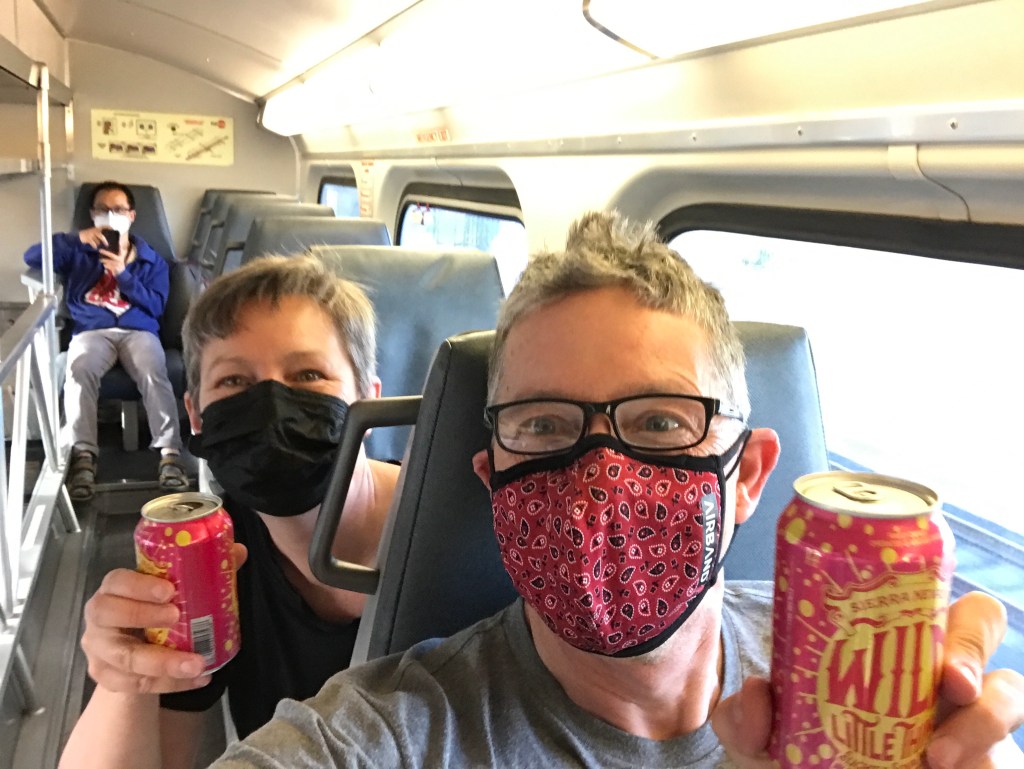
Feeling Free riding out of SF!Former Caltrain Board member ready to rollCelebratory Beers on Caltrain tasted SO good!!
So it’s all hard to believe that all the prep of the past 18 months finally starting to pay off and we are actually on our way to Europe! We’re at SFO now and ready to board our flights to Geneva via Lisbon! The haze of the pandemic still doesn’t make this feel real. Will Europe still be there? Can we enjoy the high points of travel during a pandemic? This has not been easy my friends, but we are doing it: and we’re glad that we can share it all with our great friends….some even in person.
Next Time – the logistics – getting by with a lot of help from our friends!
So one of the first questions everyone asks us about embarking on on vagabond life is “So what’s your plan?” Well, if the past 18 months have taught us anything, it’s that making “plans” is a fools errand in the ongoing pandemic world. So we don’t really have plans, but we’ve done a lot of research on places we’d like to go, but know that most of them are not possible right now, or may not be possible in two weeks….or tomorrow!
So we’ve taken a playbook from the Architects and have a “kit of parts” or travel widgets if you will. Individual ideas that can be implemented based on COVID, floods, fires, locusts, or whatever our unstable planet throws at us. And of course, one scenario is certainly coming back to USA as needed, anytime.
Scenario? The Basque Coast and Camino Del Norte
For example, one scenario is to walk the Camino Del Norte in Northern Spain. I had done some pretty detailed planning for this from pre-COVID “plans”, but now is not the time to go to Spain (hot weather + COVID)…so maybe in October or November…or maybe this waits until Spring 2022.
But we do want to get out there and start supporting the businesses that depend on travel and tourism now, so we are determined to move forward with a viable scenario. Currently, a strong scenario for the start of our travels is to cycle tour from our base in eastern France across Switzerland via one of the many national and local bike routes..maybe continuing to Germany, Czech republic, and Austria. (Currently low COVID) And yes, Switzerland has an amazing national and local bike network with interactive maps . (By the way, you may have already figured out that I LOVE MAPS, especially interactive maps 😊)
National Route 1 – A very pleasant starting scenario
Another driver of our scenarios are the fact that our Schengen “Visa” allows us to be in the 26 country Schengen zone only 90 days out of any 180 day period, so we need to get out of dodge for awhile as the late fall approaches….possible scenarios…..Morocco/Tunisia, UK/Ireland, Balkans, Romania/Bulgaria, Turkey, and hopefully in 2022, more places in Asia and Africa will be safe enough for responsible travel. For now, we have to watch people suffer through Delta prior to widespread vaccine availability in much of the world, and hope that great organizations that we support such as Medecins Sans Frontieres can help reduce the suffering.
Mumbai in 2006 – Northern India was unforgettable, but the South India scenario awaits
So go forth all into the world with your passion and travel scenarios ready! Just don’t make any plans.