After decades of living and working in wonderful San Francisco we gave it all up to travel the world. Not owning a car allowed us to save money and live hyper-locally. Now we’re living around the globe. Follow along to see where we are and what cats I manage to pet.
We love cities. Love visiting them, love exploring and speculating. Adore watching the citizens go about their days and testing out the public transit, biking, and walking. And the food choices! So many choices in the Taiwanese cities we visited. But sometimes you just burn out.
The bad air quality definitely contributed to our burn out.
We’d gone back and forth about visiting Sun Moon Lake, and while in Tainan we decided on yes. It would be nice, we thought, to have a break from cities before returning to Taipei, and hopefully the air quality would be better in the mountains. Yes, we’ve lived through much worse air quality for longer in San Francisco during California wildfires, maybe that’s why we’re a bit sensitive to it. It was interesting to hear locals blame bad air quality on pollution blowing over from China, but from what we read a lot is home grown, due to industry, diesel trucks, cars and motorcycles (which I assume includes scooters), and other usual suspects. So, off to the mountains it was. And, our first trip on Taiwan’s very impressive High Speed Rail.
That’s a happy face.
That photo of Rich in front of the HSR train reminds me to tell you the story of his shirt. Probably only we remember his first version of that shirt, it was purchased last January 2023. He bought it in Taipei at the clothing market, a warren of small streets and clothing stalls, wore it in Thailand, India, and Sri Lanka, and finally threw it out our last day in Sri Lanka. Sunblock and sweat had done it in. He missed it. One year later, he found the same stall in the clothing market (more amazing than you can imagine), and bought the exact same shirt!
Tainan to Taitung. In The Shirt. Train lunch! One chicken and one pork. Bought in the station for about $3.00 each.
Honestly, you just have time to eat your lunch on this trip. The train leaves Tainan at 11:48 and arrives Taichung at 12:30. our only complaint with Taiwan High Speed Rail is it’s too quick a ride! Oh what a problem to have, huh California? So, bus to train, the HSR station is a bit out of town, reachable by rail but the bus was easier for us, and train to Taichung, and then a hour and 15 minute bus ride to Sun Moon Lake.
With our rental bikes, ready for the next day’s sunrise bike ride.
Our hotel, The Laurel Villa, offered a sunrise bike ride, led by one of the family members who owned and operated the hotel. You go pick up a bike from one of the many rental places after 4:00 pm, park it in front of the hotel, and at 6:05 am the next day you ride with Wei, who was born and raised in town, left for university, and came back. He knows his lake.
The lake before the sun peeks over the mountains. Oh, a rare non selfie. Our lovely guide took the photo for us. As the sun comes up the moisture in the air makes it hazy.
For anyone who does go to Sun Moon Lake, the number one recommendation we have is to get up early and go for a bike ride. Later in the day there are many many many people out on bikes. Many of those many bikes are e-bikes, throttle bikes actually, which don’t require pedaling. Folks are calm and patient, and all the scooter riding gives them good bike skills, but we always prefer no crowds.
Across a picturesque bridge.
Sun Moon Lake’s present size was created with a hydroelectric project built by the Japanese in the 1930s, which joined two smaller lakes together, making the lakes resemble a sun, and a crescent moon. Or, two dragons fighting over a pearl – an island in the lake. The path around most of the lake (joins the road for a few stretches) is beautifully constructed, and the sun and moon motifs along the way show a dedication to the theme.
Had a lovely chat with a couple from Taipei who also got out early. The sun coming over the mountains.
Our choice to go up to the mountains was rewarded with clear air and nice weather. After our dawn bike ride we returned the bikes, had breakfast in the hotel, a rest, and headed out to hike up to the weather station for a view of the lake from above.
A picture of view on the way up.A picture of the picture taker.
I’m so impressed with the care put into pathways and seating areas around the lake. There are tea growing fields around the lake and the tea leaf motif is picked up in some of the seating areas. It’s a steep climb so the benches are very welcome.
A tea leaf motif and my GORP (good old raisins and peanuts – translation for those of you who didn’t backpack in the 70s). Assembled from 7-11 purchased products.A fun tea sign on the main street of Shuishe, where our hotel was located.Our last day was a bit cloudy, but our morning walk before catching the bus back to Taichung was still lovely.
High Speed Rail back to Taipei – only 50 minutes long, eat your lunch quickly – Rich booked a hotel close to the main station so our airport trip two days later would be easy, and we had a short little Taipei stay of two nights. We hit some of our favorites (it thrills me to have Taipei favorites!), black pepper buns at Rahoe Night Market, boba tea, a drink at The Tipsy Dragon Bar, and a new find from Rich – Beercat. Just what it sounds like.
Rich in front of the Main Station.BeerCat ! A bar with cats. Two cats. And the best logo.One of which of course loved Rich. Is there anything better than a cat on the bar?Delicious coffee and tea, mine was the tea, lemon and winter melon.At the Rahoe night market. I love these little rolling cubes. Put your stuff inside and your kids on top. And I love that the parents didn’t mind me taking a photo. One final beef noodle lunch.And the happy travelers are off to Borneo.
Taking the city bus in Taitung to get to the train station.
Yes, we keep track of our travel modes. As long term travelers we have the luxury of time and room for errors, or spending extra time that other travelers might prefer not to “waste” taking buses instead of taxis. We also like to try to experience life the way locals do, as much as we can. Of course Rich always has a back up plan – if this bus hadn’t shown up in ten more minutes we’d walk over to the taxi stand. But show up it did, and we were off to the train station to go to Kaohsiung, a city of 2.7 million.
Last minute mochi snack purchase at the train station.The business class seating.
Rich, in his quest to really understand Taiwan trains, got us business class seats which weren’t really necessary since standard class is comfortable, but you know, for research sake. He also managed to book us in the single seats on the coastal side of the train, so fantastic views out a window each. Interestingly enough, a mother daughter duo from the bus were also in the business class train car with us.
Tea at the Kaohsiung Museum of History.
Something that is necessary is a plan for what to do when you arrive at your destination before your hotel lets you check in. Check in times in Taiwan are quite strict, usually 3 or 4 pm, so if your train arrives before that, you need to have an idea of where to go after you drop your bags at your hotel. We were glad our hotel in Kaohsiung, Hotel dua, let us check in when we arrived at about 1:30. We think that was due to the fact that we were staying for four nights. But we were ready with our plan. YouBikes to the Museum of History.
Our trusty Easy Card works for any city bus, and all YouBikes everywhere in Taiwan. Awesome!The Easy Cards, purchased in Taipei when we landed, reloadable in any convenience store – and also works in vending machines and some shops.
For us, riding bikes in an urban environment isn’t daunting. And with so many scooters in Kaohsiung we felt in good company. The cycling is certainly not the best in the world, but with the long distances and flat terrain, riding bikes is such a good way to get around. We met up with a fellow traveler, Martin (Hi Martin!), from Sweden, for pizza at a place that seemed not too far away from both our hotels. Ha! We all exclaimed at how much further it was than it first appeared on the map, us bicycling and Martin walking. It’s always so great to meet other travelers and swap stories and travel tips and learn about each other’s lives. Always say hello to fellow travelers, even if it feels awkward at first. I’ve had to get over my uncomfortableness about asking people where they are from, I’ve learned to phrase it “Where are you visiting from?”. That helps avoid awkward moments when you might have assumed incorrectly about a person’s home country. Taiwan doesn’t have that many western tourists so seeing other travelers is not common, which makes it even more fun to find out where folks are from and what their deal is.
Our YouBikes outside a 7-11 on our way to hike Monkey Mountain, also known as Shoushan Mountain. We stopped for snacks.Starting up the many many stairs of Monkey Mountain.After seeing this sign we stopped eat all of our snacks before encountering any ravenous monkeys.The second sign warning not to feed the monkeys. Ok ok, we thought.Wait? We also have to worry about monkeys jumping on our backs? Keep calm. Don’t panic. Don’t try to push the monkey away? Walk away calmly?
We did spend some time pretending to screech and swat monkeys off our backs, and then when we did encounter some Formosan rock macaques we walked by gingerly, saying hey buddy, no food in our packs, it’s all in our bellies now.
I will sit innocently on this bench. Just a cute monkey. I will sit fifteen feet from that monkey watching it like a hawk.
Just as we were thinking the monkey problem was maybe overblown, someone took an empty crisp bag out of their backpack and chaos erupted when one monkey grabbed it and took off and ten other monkeys gave chase! Round and round the seating and view area the monkeys went until they gave up and the ringleader discovered his prize was an empty bag.
Count the disappointed monkeys in this photo. Three. Adorable tiny baby learning to be a menace at mama’s knees.
Monkeys aside, the trail up and around the mountain is very nice, well worth hiking. We were there on a weekday and were surprised at how many folks were hiking. I suspect it would be very crowded on a weekend.
When the trail is not going up or down loads of stairs it winds through old coral reefs pushed up out of the sea eons ago.The views of both the city and the Taiwan Strait/Pacific Ocean, on a clear day would be amazing. However, the air quality was not brilliant the day we hiked.Coming down from the hike you can again spot the dominant mode of transport: scooters. Spot the monkey. Locals put sticks across their scooter seats to prevent Mr. Monkey from making himself comfortable.A nighttime ride to dinner.
All this hiking and biking makes for hungry travelers. We joke that we are rarely so happy as when at a good hotel breakfast buffet, and Hotel dua fit that requirement well. Breakfasts in Taiwan are veggie heavy which is wonderful. We’re not strict vegetarians but certainly prefer to eat healthy, and the vegetables and tofu options available at a Taiwanese hotel buffet are fantastic.
That is a good start to the day.Energy to ride along the Love River in Kaohsiung.And to admire the Kaohsiung Music Center.And just enough energy to wait for and board the ferry to Cijin Island, a quick five minute ride.And refuel with a boba tea before checking out another YouBike to explore the small barrier island.We brought our swim suits along, but it was a bit too chilly and windy to swim. So we people and dog watched for a while.
Cijin was first settled as a fishing village and has morphed into to a shipping hub, and a tourist attraction. It’s a pleasant place to ride bikes along the beach, and in warm weather, to swim. The main street is a typical tourist drag of kinda tacky shops and restaurants. We returned to the main city to eat lunch but if you like crab, there are loads of places to chow down on crab.
Cijin Tunnel, complete with fun light display. Spits you out on the windy north end of the island.Strait of Taiwan. Next landmass, China.
Other than Taipei, walking in the larger cities we visited, Kaohsiung and Tainan for example, is not fantastic. There are main streets with nice wide sidewalks but loud traffic, and smaller back streets with loads of scooters, which keeps you looking over your shoulder and ducking into doorways to get out of the way. The traditional shop house streetscape (business shop downstairs and living quarters upstairs) used to mean that you had a connected and sheltered arcade to walk through. In the world of scooters and cars that space is frequently occupied by, yes, cars and scooters.
This arcade is passable, many are even more parked in.The smaller alleyways offer shade but you do need to listen for scooters and make way.Typical mid sized street. Not much space for pedestrians. The arcades are not contiguous at all.
There are many charming things to see as you walk though. And since the weather was mild, not hot and no rain, we did a lot of walking. You can’t let the first impression of cities focusing for cars and scooter access put you off, if you walk and look more closely you can see the life of these of cities playing out at street level.
A beautifully tiled and colored doorway, Tainan.Noodles hanging in the old market streets in Tainan.The noodles have fans blowing on them.Minding the tea shop and waiting for customers.Did I mention how clean everything is? A covered street, this must be welcome relief from the sun and rain. Kaohsiung.Not far from these small streets are wide main boulevards with huge wide sidewalks and long lights to wait at before you cross. Kaohsiung.
Everywhere we went in Taiwan, cities, farmland, trails, we saw almost zero trash. And you also see almost no trash cans. If you purchase food or drink you have three choices: give the empty packaging back to the vender, carry it with you until you see a convenience store and go inside to throw it away, or carry it with you for a long time until you see a public trash can. They do exist but not a lot of them. Taiwan mounted a successful campaign against waste, one which is a model for other countries. In a nutshell, you pay as you throw away, by buying the garbage bags you must use, and producers have more responsibility for the products they create and the waste that generates. Per this article “Taiwan’s household recycling rate in 2017 was over 50%, making it second in the world to Germany.” And yes, the garbage trucks play “Für Elise” or “Maiden’s Prayer” as they ply the streets. After three weeks here both Rich and I are humming along with the trash truck tunes when we hear them.
Ok, enough with city garbage logistics! Lunar New Year is coming. The year of the wooden dragon. Temples have piles of spirit money for people to purchase and burn to honor their ancestors.Outside a temple folks line up to burn the joss paper, or spirit money.The spirit money is to make sure your ancestors are well provided for in the afterlife.A street turned over for a banquet. Happening on a New Year Parade in Tainan.
I don’t want to leave the impression that Taiwan has forsaken pedestrians and bicyclists, the bike share program YouBike is very robust. And there are pedestrian scrambles (where the lights turn red in all directions and pedestrians can cross kitty corner) at busy intersections.
A big bike share pod.Scrambles are marked with hours they are in effect.In Kaohsiung a new light rail loops the city. Folks were sightseeing from it, including us.I’m always happy to see new public transit systems.
However, it’s not as easy to be a bicyclist as say, a scooterist. And outside of a big city like Taipei where you would use a bike as a last kilometer solution after taking the MRT, in Kaohsiung and Tainan a scooter is the clear choice. It gets hot much of the year, we’re here in January for a reason – cool enough for us to walk and bike. So we’re viewing this transportation scape through tourist eyes, and seeing what’s missing for us. Honestly, the scooter life seems to work very well for folks. You go right where you want and easily park. If Taiwan could accelerate the switch to electric scooters it would be amazing. The noise and pollution would be decreased and streets would be much more pleasant and livable.
Heading out to Anping in Tainan. A decent bike path along the Anping Canal.But as in many cities, it’s the intersections where things fall apart. This one took us some long awkward time to get through, if it had been hot it would have been intolerable.
I’m going to write a separate post about our escape from cities to countryside, but first, a few more photos of the fun we had.
There were cats we pet.Many dumplings to eat.Laundry to get done.Boba to drink while waiting for laundry to get done.Laundry success!And finally, a bus to catch to the high speed rail station.The Happy Travelers at Chikan Tower, Tainan.The map! Hearts are where we stayed, the blue dot is us in Taipei when I snapped this photo. Thanks google maps.
In January of 2023 we came to Taiwan on our way to Bangkok. We were only in Taipei, and just for a week, but we loved it. When we were discussing where to start our 2024 travels Taiwan was top of the list. It’s a long flight from San Francisco to Taipei, but non stop. This time we’re here for three weeks and will circling the island via train.
Back at our local MRT stop, Jiantan on the Red Line.
What is it we love about Taipei? It’s a very easy city to visit. Great transit, amazing food options, such helpful locals. It seems to be an overlooked Asian City. Taiwan has close ties to the US, we know folks in SF who have Taiwanese roots, so it’s one of the many places in the world where locals happily tell us about their connections in the US. Since we landed on Election Day there were even more returned Taiwanese since they must come back to Taiwan to vote. No mail in ballots here.
Joplin Fried Dumpling restaurant which Rich wanted to try. Yikes, looks a bit confusing, but fear not.A young man in line in front of us explained that you take a clipboard to fill out your order, and a number from the push button machine.Done and done. At this point a young woman behind us checked to make sure we had gotten a number. People want to make sure you’re all set, which is so appreciated. Google translate helped us through the menu in Chinese.After paying at the register, where the cashier advised us to change our order to one set of pan fried and one set of boiled dumplings, she gestured us towards a table and I went to get our dipping sauces. She left her cash register to come over to explain the different sauces to me. Cheryl demonstrating her chopstick skills with a boiled dumpling.The pan fried dumplings. Crispy bottoms. Delicious.
I could fill an entire blog post with photos of amazing food in Taipei and how incredibly nice and helpful people are, but food isn’t the only thing that brought us back here. We are both big fans of cities, and getting to see and understand what makes a city a good place to live, or a bad place to live, intrigues us. And how a government helps or hinders its citizens. What steps have been taken to make a city more livable? To allow young and old to live safely and happily? What is the temperament of the locals? Do they seem happy or cranky?
Raingo umbrella rental. When you get caught out by rain. Some MRT stations also have courtesy umbrella stands where you can borrow an umbrella for free.This group of children were rain ready in their bright ponchos. Plenty of water fountains and taps. In most playgrounds and parks, of which there are many.The QR code shows you the water quality tests. And to answer your next question, yes! Loads of public toilets too.In the Shilin District the space under the metro tracks is for folks on foot and bikes.In a metro station, you can always find a way to charge your cell phone. A simple outlet, or a battery pack for rent.
We keep saying we want to bike tour in Taiwan, but haven’t gotten it together to get our bikes here. There are places that rent touring bikes, similar to what we did in Korea, but I have a hard time getting a bike that fits correctly and comfortably. Being uncomfortable and eventually in pain on a bike is no fun.
Getting around by bike is popular in Taipei. So we got bike share bikes. UBike.
In order to sign up for a UBike account we used the app, our Taiwan phone numbers which came with our SIM cards, and a transit card – which you tap for not only transit, but the UBikes, and to my delight, vending machines. (Hello Gummy candies.) You link your transit card to the app and that is how you pay for the UBikes; super easy.
A proper city bike with fenders and a basket.Ok, a bit small for Rich, but fine for a few hours of riding.Plenty of bike stations from which to check out and return the bikes.Which makes it easier to get around the city and check out attractions such as the Taipei Expo Park. And the Lin An Tai Historical House and Museum Scooter/bike lanes are everywhere and even take you across major bridges.Riding to New Taipei City. We made it just before it started to dump rain.
So we ride the bike share, we walk a lot, and we use the Metro. That’s our Taipei experience. And yes, we go to night markets and stand in line to buy food, and sometimes eat food from one stall while we’re standing in line to buy food from another stall.
Cold spicy miso noodles at Shilin Night Market.That spicy sauce catches up to you.So it’s off to the Sheng Jian Bao stand.Two kinds of bao, pork and cabbage. Neither are vegetarian, they let you know as you order.Both are delicious. There are downsides to Taipei night markets – one of which is no place to sit and enjoy your food. We were standing in a closed up shop’s front steps. Another downside? Taipei night markets get crowded. They are not for folks who dislike crowds.There are plenty of restaurants to enjoy as well for when you want to sit to eat. This was a burger restaurant with good craft beer.
With our fondness for Taipei definitely confirmed we’re headed out to explore some more of Taiwan. Where? Anywhere we can get to by train. In a clockwise direction. First stop, Hualien City. Just about two hours by train. More from the rest of Taiwan soon.
Ah, trains. Enjoying the view of the coast. The happy travelers.
In San Francisco posing in front of someone else’s house. It must have been some party! Real snow and trees.
I’m writing on Christmas Eve day, looking back on six weeks of time in the US so far. Chicago, Colorado, California, and now Washington. Thanksgiving and Christmas this year are times to get together with friends and family, to try to renew the bonds which constant travel can fray, and catch up on small and large life events which feel like the very important glue holding relationships together.
Family Thanksgiving photo, Colorado.Gorgeous White Park cow waiting for their water trough to fill.They look like panda cows.
To dip in and out of folks’ lives like we do can be challenging. To us the traveling, the changing locations and adapting to a new place is just life, it’s what we’ve been doing for almost two and a half years. But what’s it like for our friends and family to have us plop down in their houses and let out a big sigh and say repeatedly how lovely it is to be somewhere familiar?
Uh. You coming out to throw my ball? Soon?The Getty Center in Los Angeles. The week after Thanksgiving can be a great time to visit attractions – not crowded at all.Rich and our niece pondering life and the view. Mercedes Dorame’s installation Woshaa’axre Yaang’aro (Tongva for “looking back”).
How tired are they of our travel tales? Are we getting insufferable? When, we hear from some friends, are we going to settle down? Get jobs again? Do some volunteer work? Something other than this constant travel and adventure and fun.
Wildwood Regional Park, Thousand Oaks California. The creek is an oasis for wildlife. And us.
Short answer- not right now. Two plus years in and we’re still very content with our lives. We visit our storage unit when we’re back in SF (it’s actually in Walnut Creek), roll up the door and say “So much stuff!”. It’s not really that much stuff, the unit is only 10×15 feet, and we carefully considered what was worth storing and liberated the rest. We swap out some clothing and shoes, exclaim over the things we can see, oh look at that chair, my favorite. And then we roll the door back down, lock it, and leave.
San Francisco City Hall in festive red and green. An SF Victorian decked out for the holidays.
We do miss nesting, especially around the holidays. Having a place set up to your own specifications, the things you want close to hand, comfortable furniture to enjoy. This is where house sitting, through Trusted Housesitters, becomes such a joy. With careful planning we can find sits in places we want to be for the holidays, Christmas in Seattle this year, near good friends with whom we will stay before and between two house sits. Right now, for Christmas, we have a lovely kitty to cuddle, and a comfortable house to enjoy and look after for the homeowners.
SF leans in to Christmas lights. And the buildings wear them well.
And what’s next? As we were boarding a flight from Denver to Burbank a few weeks ago Rich was trying to book flights for us from Singapore to Geneva in March. The website was not cooperating and he was frantically trying to get the payment through before we got to the gate agent. His boarding pass is on the phone. The tickets to Geneva are almost on his phone. I teased him, you know you have a travel problem when you’re booking tickets for a flight while boarding a flight. It’s not a problem, he corrected me. I did it.
Snowflake pine decorations! Super cute.
Rich is working on our onward travels. SF to Taiwan. Borneo, Malaysia. Somewhere somewhere, and Singapore to Geneva via Istanbul in March. To be reunited with our touring bicycles. We look forward to bike touring so much.
Our sweet elder kitty at sit number one. The heating vent is Maggie’s favorite spot.Sunny with a view. The Happy Travelers in Seattle.
Our end of year list of countries as traveled: USA, Taiwan, Thailand, India, Sri Lanka, Japan, South Korea, USA, Switzerland, France, Germany, Chezia, Germany, Belgium, Netherlands, UK, France, Albania, North Macedonia, USA. Happy Holidays wherever you may be.
Walking across the border from Albania to North Macedonia, on Lake Ohrid.
When we decided to do all our Albanian travel by bus and an occasional taxi, we knew it wasn’t going to be the easiest way to travel, but as we say to each other “We may see fewer places, but we will experience more”. The trip to Lake Ohrid was a great example of more experiences.
See more of less. Ooooh, travel motto t-shirt? Have I loved every bus trip? No. They have their ups and downs. Occasional motion sickness, drivers who smoke. But the pay off is that we both get to sightsee, we get to experience the same transportation the locals use, and you never know what your day will be like. Seamless? Almost seamless? Complete mess? Who knows? So off we go.
Pogradec Albania, the bus station where we arrived from Korçë. Step one.Loading our bags into a taxi. Or just a car. Not really sure. Step two.
We walked to the bus station in Korçë, and quickly caught our bus to Pogradec. A town at the foot of Lake Ohrid. When we got off the bus in Pogradec, Albania, and walked towards the street, the driver of another bus asked us “Tirana?” No, Ohrid, we replied. He hooked his thumb towards another guy, “Ask him, he’s the boss.” The Boss agreed to drive us to the border for 1,000 Lek, or $10.00. Albania is a fascinating contradiction of confusing yet surprisingly hassle free. Tourism is still pretty new here, so bus schedules are not set in stone or well documented, but there seems to be very little scamming or property crime directed at tourists. This was a good example, we didn’t even leave the bus parking lot and the first person we interacted with sorted us out. A bit gruff, but helpful.
Lake Ohrid, first glimpse.A welcome sign at the North Macedonia border.
The Boss dropped us right at the border and we put on our backpacks and lined up behind a car and three day tripping Italian tourists (no luggage), and had our passports stamped. Then it was about a kilometer long walk to the North Macedonia border control.
Approaching the North Macedonia border control on foot, step three.Taking a trail down off the road to Monastery Saint Naum, where we think we can catch a bus to Ohrid.Crossing the springs which feed into the lake and are a destination and popular sight.The minibus was easy to find. Second and final bus of the day! Step four.Step 4.5, try to get in to apartment. We didn’t have cell coverage in Ohrid so Rich had to buy a coffee and use a cafe WiFi to reach the apartment manager. And walk down and back up the hill again.And a cup of tea on our balcony overlooking the lake. Successful transition. We were excited to get out and walk the streets, first stop was the Church of Holy Mother, Kamensko. Devotional candles.No photos inside, but the outside was beautiful.With a sweeping view across the town to the mountains.The main street is a lovely pedestrian promenade. And the evening walk, xjiro in Albanian, is popular.Hanging out by the ferry dock as the sun sets.Still buying wine for the label.Dusk from our balcony.
We had originally planned on 3 nights in Ohrid but switched to 4 nights for two main reasons, we liked our little apartment, which had a kitchen shared with two other units, and we were meeting up with other travelers from a Facebook group I belong to, Go With Less. We’ve done meet ups a few times and it’s always been really fun. You automatically have so much in common with other constant travelers, you get to trade tips, and share stories without having to explain what it is you’re doing.
The traditional old buildings in Ohrid have increasing floor space on each level, leading to this fun streetscape where the top floors of buildings across the street from each other are almost touching.I like the streetlights which mimic the building silhouette. Some people thought they were a bit cheesy, but not me.
Ohrid is an UNESCO Cultural World Heritage site and has enough fascinating places to keep a visitor busy for several days, more if you enjoy walking the hills and coastal path, as we did. And if you like friendly cats, this is your town.
Oh, hello. Where to start?How about the ancient theater. Quite a view from the seats.Up to Samuel’s Fortress (Самоилова тврдина) for a view over the city.Rich surveys the town. N. Macedonia wins the big flag award. They fly impressively huge flags, very eye catching.Down a trail and we pass by the Church of Saints Clement and Panteleimon (Православна црква „Свети Климент и Пантелејмон“). And the Church of Saint John the Theologian (Црква „Свети Јован Богослов“). Are you starting to understand how many churches there are in Ohrid? Apparently at one time there were 365 churches, one for each day of the year. The stone paved coast path is a lovely walk.Back to the main street for a snack. Our old friend from Turkey – a Simit! Called a gjevrek here. Checking out the promenade south of town, also a great space.And a break for tea and coffee at the cafe where we used the wifi. And discovered how friendly some of the cats are.That night we had dinner with fellow travelers Doris, Ron, Peter, and Karen – all super nice Canadians. We met up again the next evening as well.
Get ready for a lot of cat photos. Our final day’s walk involved so many cats who were happy to be pet, to be picked up (unusual for free roaming cats), and would purr in my arms.
Heading out along the boardwalk. First victim! Hello beautiful.I didn’t make it very far before this one needed a cuddle too.Then we were handed off to the cat who hangs out at the Chuch of St. John the Theologian. I shall lounge here and look aloof. No you won’t! Come here kitty!Rich is now saying “Put the cat down. Let’s keep walking.”Kitty says “Me too?” They stopped at the edge of their territory. Lunch break in town. The pot of beans is called Tavche Gravche. A traditional Macedonian dish made with beans, onions, peppers, and tomatoes. Delicious. After a post lunch nap and shower it was back out to find more cats to pet. And visit Church of Holy Mary Peryvleptos Црква „Богородица Перивлепта“ which had amazing frescoes but didn’t allow photos inside.The view from the church plaza, more of the traditional houses.One last kitty to wish us farewell, and we were off back to Albania. The Happy Travelers at Samuel’s Fort.
We’re just headed back to Tirana now, but the next post will cover Elbasan, a decidedly non- touristy city, and Berat, the City of Windows.
Rich did a great job plotting our stops around Albania and North Macedonia. Tirana the northernmost heart, on the coast heading south – Vlorë, Himarë, Sarandë, then inland to Gjirokastër, Korçë, Ohrid, Elbasan, Rebat and back to Triana. Phew!
Always happy to be off the bus and in a new place.
As Rich wrote about in the previous post, Albania is changing a lot. Part of that change is how many people are emigrating. When the Albanian borders opened in 1990, following the collapse of the Communist government, a multi decade long period of closed borders, people could finally leave. They could and did. Articles we have read state that up to 40% of the country’s population has left since 1991.
A view from the bus at Finiq, on the way from Sarande to Gjirokaster.
This hollowing out of towns isn’t apparent from the places we’ve visited so far, which are gaining more attention from tourists who bring money in. We see new hotels and guesthouses, restaurants that are seasonal for the tourist demand, and a younger generation who speak English well. Like our 13 year old waiter. When I asked how he learned English, he said he learned in school and had a tutor. Don’t think from my saying he was the best waiter we had so far that service in Albania is rude or non-existent, it’s neither. We find people working in restaurants and hotels to be straightforward and honest. Sure paying your bill can take a while, but that has to do with not rushing customers. You see that at any of the many cafes, it’s acceptable to sit for hours over a cup of coffee. No one will make you feel rushed.
We walked up from the bus, and I do mean up. Rich in front of Hotel Argyropolis, a newly renovated and delightful place we enjoyed very much.From our room we overlooked the sweep of town down to the Drino River Valley and the mountains.
What made this young waiter stand out was the way he interacted with customers, I think the restaurant was his aunt’s, during breaks he was playing with a young child he said was his cousin. When a better table opened up he asked a newly seated couple if they would like to move to the other table. He was snappy, took orders on his phone, recommended dishes and let us know when we were ordering too much food. He impressed us and the table near us, Canadian and British guys also on their first visit to Albania.
Gjirokaster is tourist gold. So picturesque.Steep narrow lanes with cobblestones all done in the 1960s.
There are a lot of buildings still in need of repair. Some might see derelict buildings, we saw opportunities. This is a wonderfully unique city.We were happy to walk up and down the hills and admire the buildings.What a vista. Traditional buildings and a minaret. I joke that walking with Rich is like a PacMan game. You walk until you hit a dead end or roadblock, then turn and walk some more.How many photos of buildings in need of updating are too many? Look at that view!
We only had two nights in Gjirokaster, but we certainly made the most of our day and a half in terms of miles walked. The castle has a good history museum. Well worth a visit.
A view of the castle, and the view from the castle shows how strategic the location is. A new road project connecting the upper part of town to the valley. We continue to be impressed with the attention paid to wide sidewalks here in Albania. You can see the walkway to the left of the road.Changes are happening, but you can still park your camper van below the castle and enjoy the town.Walkers are well rewarded with views like this.And finding a lovely entryway with grape vine arbors overhead is another reward for climbing the hills.The weathered green paint, the well kept stone roof, the view of the castle – a photographer’s dream. Sorry, just me with my little iPhone. I love this drawing of Gjirokaster by the artist Chris Hassler. You can find him on instagram @kristogjiro . I want this on a t-shirt, a tea towel, as a print for a wall, or as wallpaper. I’m seriously fascinated with this artwork. And the real slopes and buildings. The tower house buildings are very unique. The windowless bottom floor was to keep warring clans at bay, and the roof drains to cisterns in the bottom floor.Zekate House (Shtëpia e Zekatëve), a tower house building which is a museum. The view from the top floor clarifies the commanding position of this tower house.A grand reception room on the top floor.
I love a museum loaded with tidbits of information. The castle museum did not disappoint. Not only did we get a good overview of Albanian history, which is fraught and loaded with emotion and perseverance, but also nuggets of local culture and realities.
A rainy morning, but we were armed with knowledge that locals recommend stepping on the black stones when it’s raining. They are not slippery like the pink and white stones.Rich keeping to the black stones to check out a tower building closer up.Cafe kitty also keeping to the black stones.Yes, still taking pictures of the stone buildings. Everywhere you turn they catch your eye.Eye level with garden chickens. The museum alerted us to this use of tin sheets left over from cutlery production at the tin factory. An extra layer of garden fence. The tin factory closed at some point after the fall of communism.
The closing of communist government supported factories, like the tin factory, is another reason for the stagnation of Albania’s economy. Who can blame folks for wanting more opportunity and a better chance for success in another country? But we meet a young man like our waiter in a beautiful city like Gjirokaster and see a future for him running his own hospitality business here in Albania. A future that doesn’t involve leaving his country. It’s a bigger problem than mere tourist spending can fix, but once we’ve visited a place we will always be pulling for the success of the people there. And always be reminded of how quickly things can change.
Mid bus journey rest break in Leskovik, on our way from Gjirokaster to Korçë.Lovely tree fountain in Leskovik.The bus, hood up once again, but still we rolled along.
Getting from Gjirokaster to Korçë was a scenic trip on a bus that was threatening to break down the entire four hour journey. The driver popped the hood 15 minutes before departure time and he another man had a loud discussion. Our first stop was a service station for more oil to pour under the hood. The engine only stopped once on the trip, and our worries of being stranded on a mountain pass did not come to be. Cracking the bus nut in Albania is hard, and Rich has been struggling, frustrated, successful, and confused each time we need to transit. So many people depend on these small buses, car ownership is very low, but for visitors it’s challenging to make sense of timetables and locations. We long for the regional bus stations of Mexico.
Hey look!A regional bus station! Go Korçë.
Korçe is not a big tourist destination but it’s a vibrant city with an extensive old town with recently re-cobbled streets. It’s at an altitude of 850 m (2,790 ft), and surrounded by the Morava Mountains.
Katedralja Ortodokse “Ringjallja e Krishtit”, the main Albanian Orthodox Church in Korçë. A lovely pedestrian street leads up to the Church.The cobblestone streets were charming, if a bit tough to walk on.Also home to the famous beer brewery, Birra Korca. As you can see, the spelling of place names varies. Celebrating Rich’s birthday at the Birra Korçë beer garden. The draft pale.And the dark, only available in cans this season.
We headed up out of town for a hike, although the weather was fine the air was hazy from agricultural burning in advance of predicted rain.
Good luck, says Korçë cat. A graveyard above town with a freedom fighter statue.The terrain reminded us both of Southern California. Golden hills and dry looking mountains. A warning to keep nature clean.Am I happy on this hike or faking joy? (It was steep and warm.)Thankfully there was an opportunity to fill up our bottles.And a café at the Mountain Lodge where Rich went local by dumping sugar into his coffee.
Although the hike up the mountain wasn’t my favorite (sunny, dry, on a road), on the hike back down to town we detoured through Drenovë, a town which looked as if it hadn’t changed in decades.
The reluctant hiker happy again.Drenovë had an old church which had escaped destruction during the communist era. Our fearless tour guide, Rich.And just down the street, a Mosque. Such a variety of stone work. A stone wall topped by a stone roof. The traditional stone roofs are not anchored down, the stones hold each other in place. If you have a leak, you climb up and rearrange the stones. An autumnal themed cat hoping you share your meal. A last walk around town during the evening Xhiro, when folks take to the streets to walk and greet each other. And off to the bus station for a journey across the border to North Macedonia.
We’ll be back to Albania after our trip to North Macedonia. I can’t help but wonder if Albania could have a trajectory like Ireland. The hard decades when all the youth were leaving could transform to a thriving economy and people returning with skills, ideas, and money to invest. We shall see, but for now, off to another bus! And a taxi. And a hike. And a bus. More on that day in the next blogpost.
Picnic spots of the world. Relaxing along the Loire River.
We got a bit spoiled with the bike infrastructure riding out of La Boule – Escoublac, Brittany. As we continue to happily notice, France is really stepping up their bicycle and pedestrian game. It’s so nice to feel welcomed and cared for while bike touring. And it sure looks as if it’s having an impact on local trips made by bicycle in towns we went through.
The newly redone section of La Boule – Escoublac promenade. Even more bike and ped space.A new section of off street cycle path in Pornichet. Saint-Nazaire continues the bicycle love. The port in the distance.
We were headed to Saint-Nazaire to cross the bridge over the mouth of the Loire River and hang a left up the river path. We’ve ridden other sections of the Loire in years past, and had been impressed with how wild and wide sections of the river are. Our last ride on the Loire was downriver towards the Bay of Biscay and the North Atlantic Sea, but we ran out of time before we could reach the end. This time we would start at the mouth, or delta, and head up river. But first, we had to get to and cross the Pont de Saint-Nazaire. A big bridge accessible through the working port.
Into the port area, bike lanes still apparent.Oh. New signage. Watch out for workers walking.Love this.
Let’s talk about how difficult it can be to get info on cycling conditions. We’ve faced challenging bridges before, and even been shuttled over bridges. We knew this one would be tough, but Rich couldn’t find many photos or info online about the actual lanes or shoulders, other than to see it was not great, and we hadn’t seen any other bike tourists for a while so no asking for first hand experiences. As we got to the approach of the bridge there was a bus stop with information on the shuttle bus with bike trailer that ran from May through September 24, all week, and then on weekends only. It was Friday, September 29. Yup. We’d have to ride. I have no photos of our ride across the bridge. As I was concentrating on staying as far right in the 2 foot shoulder as I could, without bashing my panniers into the guardrail, I briefly considered snapping a photo but decided I would rather live. It was pretty nasty. French drivers are good, but the lane configuration was one lane in our direction, two lanes in the other, and a closed lane on the far side.
That face says “F***k. We made it.”Yikes! That was not fun.
If we had been riding the other direction we would have had an empty lane next to us, but in our direction we were next to a lane of car and truck traffic. I could see that the drivers were passing Rich as carefully as they could, and pulling into the oncoming lane when they could, but Rich, ahead of me, couldn’t see how I was getting along.
Once we got across and looked back I had two thoughts: damn, that sucked, and oh, that’s why the red stripes on the cute worker emblems on the path. It’s the paint job of the bridge.
We met two French cycle tourists heading towards the bridge later that day who said they had booked a shuttle, with a taxi company, we finally figured out. So that would be my recommendation to anyone interested in crossing the Saint-Nazaire Bridge by bike when the shuttle bus is off season, especially if is windy (which thankfully it was not on our crossing).
That bridge is on our list: Do not ride. Ah…La Loire à Vélo. Recovering with a pastry and juice break.Historic and still active fishing shacks, with crane nets, in the delta of the river. Modern port activities across the river, historic shacks on our side.
With the bridge behind us we headed up the Loire, enjoying the wide open grassy marshlands and plenty of bird life. Our destination for that night was Nantes.
Good signage. Nantes here we come.
Hunting season starts in France in September, which is when we are usually bike touring. We had seen boar hunts in the past and got out of the area as quickly as we could. This trip we saw even more hunting going on since we were right at the beginning of the season opening.
Look out for cyclists, tractors, and hunters.High visibility vest does double duty.
It was a bit nerve wracking to ride a stretch between Mt. St. Michel and St. Malo and have hunters shooting in the fields on either side of us. That’s when we got out our fluorescent accessories, which are always a good thing to have with you when cycling.
Along the Loire it was boar hunting. Complete with baying hound dogs and signs along the road.Some recent hunting tragedies mean the rules have tightened up a bit, this boar hunt looked to be very organized.Free ferry across the river at Le Pellerin to get to Nantes.Drat. Too short a ferry ride to even get my book out.Not every stretch of road is picturesque. Coming in to Nantes along the train tracks, still a nice bike lane though.
If you are ever looking for a lovely city in France that is less crowded, and a bit more off the tourist radar, we highly recommend Nantes. We spent two nights there and were very impressed with work that’s been done in the past few decades to make the city greener and give it a really pleasant ambiance. I think it’s another of those places to visit that the French are well aware of but maybe no one tells the tourists? Well, we’re telling you – it’s lovely. So many beautiful streets in the old town and lovely plazas where people gather, bike lanes, trams, and even with a World Cup Rugby match on it was super enjoyable.
One of the streets of Feydeau, previously an island in the river until the arms of the river around it were filled in between 1926 and 1946.Another street in Feydeau, looking north towards Centre-Ville.A rest day means we get to visit sights, like Les Machines de l’Île , on an actual river in the Loire. A steampunks dream. Here, a spider to give you nightmares.An old industrial site houses loads of mechanized wood and metal animals, which the workers load up with visitors and operate. Ever wanted to ride a giant ant?This heron raised up on a gantry crane and “flew” with passengers on the back and in the two baskets.Beautiful old buildings.Tree shaded plazas with streetcars.Château des ducs de Bretagne. I do love a moat.Off to the train station. We need a boost to get us back to our home base near Geneva. Enough lallygagging. Bikes loaded on the hooks (our least favorite train set up – notice how far Rich’s handlebars stick out into the aisle.).On the train and still travel planning. 90 kms later and off at Angers. Three cheers for a ramp off the platform. So much easier then elevators.The high water mark from an 1856 flood. We stopped for the water tap but I appreciate a good flood information board.“It was after the big flood of the Loire in 1150 that Henri II Plantagenêt, Count of Anjou and King of England, ordered the construction of a dyke all along the Northern part of the riverside.” Riding on the levee was fascinating.We were headed to Saumur for the night.
Once a delicate San Franciscan always a delicate San Franciscan. The weather was lovely, if a bit warm for us. 82f/26c as we rode along, and a bit hotter in the afternoon. Thankfully as we rode up river we entered the Tuffeau stone region: https://en.wikipedia.org/wiki/Tuffeau_stone Where there is tuffeau there are caves created by the mining of tuffeau stones. Where there are caves there are streams of cold air coming out of the caves to cool hot cyclists.
Ahhh. Natural air conditioning. People have been living in the caves since quarrying or mining of the stone began in the 11th century.
Riding along and getting a blast of cold air, sometimes from a cave you couldn’t even see through the undergrowth, or from one set up as storage for nearby cave house dwellers, called les troglodytes, was very refreshing. We didn’t swim in the Loire, but we did stop and wade into the refreshing water and tried to convince the small fish to nibble our toes – no luck.
The school of fish were curious but cautious.It’s nice to arrive at your hotel in time to shower and relax. Rich is in the swimming pool. Château De Saumur in the background.
The lovely light color of the tuffeau stone is luminous in the evening light. After a nice galette dinner we walked up to the Château to admire the view and watch bats swirl around the walls.
Another advantage of a post dinner visit is having the Château to ourselves.Rich admiring the view of the Loiré.You’d think we’d be tired, but no, plenty of energy to take flattering evening light photos.I’m distracted by the bats.Loaded up and ready to go.
We were starting our last full day of cycle touring, from Saumur to Villandry, about 55 kms. It was going to be another pretty hot day so we wanted to get going and try to beat the afternoon heat. From Villandry it would be a short ride to Tours to catch a train to Lyon, one night in Lyon, and catch a train to Geneva.
Back to our river path.Making some good time through the shady trees.Wait! What’s this? Troglodyte Route? No way! The bike route goes into the cave. Well there goes any idea of a fast day.It was an old road for commerce winding into the mountain. Where rock had been mined people set up houses and food storage.Rich ducking under an impressive fig tree. Notice the door and house number to the right.Out to the sunshine again.The little driveways leading to cave houses are so intriguing.The cave houses stay the same temperature year round. Nice on a hot day like this one.
The former quarries or mines have been turned into houses, restaurants, wine cellars, and mushroom growing caves.
Really good info plaques. Of course I don’t speak French so I have to stop and Google translate each one. We’ve made it less than 7km so far.So unique. So shaded. So cool.A good pictorial of the history of the caves. Of course I still had to translate it. Not getting far this morning. They had little stone buildings in the vineyards connected to a shaft down which they tossed the grapes to the press. We emerged from the cave streets of Souzay and were in the vineyards. It was harvest and crush season and trucks were trundling to and fro.Grapes ready to harvest.
We both noticed that our tires were making funny noises and both thought we’d gotten flats. That slightly velcro noise a bike tire makes as it’s losing air. Worrying. But we realized that the trucks carrying grapes, and carrying stems post crush, had left a sticky residue on the streets which was now stuck to our tires making them sticky. We’ll take sticky grape juice over a flat tire any day.
Nice pavement. A bit sticky though.Stems dumped on the edge of a field. You could smell the crush everywhere. That wonderful ‘making wine’ smell.Art galleries and restaurants. All in caves. We will definitely come back to this area again. Back to the river. A shady bench to take a break. A well timed picnic table for our lunch stop. We are now riding along the sunny levee road and the temperature is climbing.The river to the left, I’m on the levee road, and the houses to the right of the levee. You ride along at the level of their upper floor windows. And sunny. Rich avoiding the pavé by riding in the narrow dirt shoulder. We know this trick from many years of watching Paris-Roubaix.Ah, a tree shaded lane to Villandry, where our hotel is …at the top of the hill! Good mood soon recovered.
The only upside to a hotel at the top of the hill is the ride back down in the morning. And the view. We headed out to catch a long local train to Lyon. Most train routing would involve a trip up to Paris and back down to Lyon by TGV, but the slower local train is worth the extra time since we wouldn’t have to change trains with our bikes. I appreciate the opportunity to read on a nice long train ride.
Now we’re on the Cher River, and it’s cooler.Autumn colors coming along.Grand Moulin
“Built on the river Cher by Jacques de Beaune, François I’s Superintendent of Finances in the first quarter of the 16th century, The Great Mill is noteworthy for its sliding mechanism suspended above the water. This ingenious mechanism, which is usually used between the arches of bridges, enabled the mill to work all year round, regardless of the water level.” This mill remained active until 1973, when a new mill was built just inland.
Fields of brown sunflowers say it’s time to head in for the season. And we’re almost out of Schengen days.Tours train station. That’s our train arriving behind Rich, one platform away.Bikes secured. Ready for the six hour trip to Lyon.
We had a nice night in Lyon, another very bike friendly city. After a little discussion with the bike friendly hotel which initially wanted to charge us to park the bikes in their garage, the manager saw our point about being bike friendly and relented. We had a nice Thai meal, went to a craft beer bar, and to bed. Big city advantages.
Enjoying the river path in the morning before we ride to the train station.A direct ride to the train station on a protected path.
The train from Lyon to Geneva is about 2 hours, then we were going to ride all the way to our home away from home, our good friends’ house in the Vallée Verte. It was our first time riding all the way up the valley, a very scenic 33kms/22 miles, but with almost 914m/ 3,000 feet of climbing. But scenic! Well stocked with snacks and having eaten lunch we headed off. It wasn’t easy, but it wasn’t as difficult as I thought it would be. I had visions of sending Rich ahead to get a car to rescue me, or flagging down a passerby to take my bags and lighten the load – as if my French were up to the challenge! – but I made it.
Up we go.Hello alps.Still going up. There was some significant downhill since we choose a quiet route that went over a higher pass instead of direct. Made it! A nice sense of accomplishment to have arrived under our own power.
Even though we both had tired legs the next day it was wonderful to ride all the way up to our familiar and much loved French home. Four+ months of bike touring was a new record for us. The new bikes really made it fantastic. If you’ve backpacked it’s the same feeling of self sufficiency and being ready to go anywhere. Now, we are in Albania. We took our first flight in almost five months from Geneva to Tirana, Albania. More from Albania soon.
The Happy Travelers with our new haircuts in Triana, Albania.
The fearless leader of our tour of Brittany. In Normandy.
Rich and I joke that he is a tour leader with one client: me. He plans routes and navigates, books hotels, fixes mechanical issues on the bikes, and here in France, is also our translator. I provide restaurant and museum research, maintain a positive attitude in the group, and look for cats.
Off the ferry and on the bikes. Parc du Château des Ravalet. Hello France.The long stone farm buildings are so captivating.
Our tour started later than we normally get riding, the ferry docked at 2pm at Cherbourg, Normandy, and we had a hotel reservation in Port-Bail-sur-Mer, about 42km/26m south. That was our only reservation and destination. The first day riding in a new area means getting used to the traffic and temperament of the drivers, shifting to riding on the right hand side of the road, being charmed by the buildings and gardens, and bonjour-ing everyone I see.
The restaurant across the street from our hotel.Our first look at the tidal flats of Normandy. Sunset casts a golden light on the Church of Our Lady.
I get a bit stressed by eating out in France at first. My French is minimal at best, and I can find the handwritten chalk board menus difficult to read.
Oh yes, I’m reminded that I have entered the land of chalk board menus and delicious food. Moules marinières with frites. An easy choice in the land of seafood. The tide rushes in so quickly, and the water is so clear.
Switching to bike touring mode again after a lovely summer of long stays at house sits and with friends is a little tough. We tend to stay only one night in places until we need a rest day, but after a long day riding, the checking in, lugging bags, unpacking, doing shower or sink laundry, have dinner, sleep, breakfast and repeat, seems overwhelming the first few days. “Did we get bad at this?” I asked Rich. He was wondering the same thing, but, it only took a few days for what felt like too much, to become normal again.
Ready to roll from Port-Bail-sur-Mer. Panniers are perfect on the bike, but awkward off the bike.On to a multi use trail. Very relaxing riding.You know you’re in France when……you have baked goods strapped to your rack.The almost daily bakery stop, today in Lessay. Which is followed by the daily search for a bench in the shade upon which to enjoy the pastries at about the 20k mark. This one was in a cemetery. And an hour or two later, the search for a lunch spot. A picnic table is a welcome sight.
It’s not all about food, although food is important and delicious here, we also have a lot of stops to read history markers. Our first few days followed the path of General Patton’s Third Army as they broke through Normandy. We had a lot of history to ride though. Towns have streets named 28 of July, and further on 29 of July, to mark the day General Patton and the troops marched through, and bridges have plaques commemorating the march. It’s always spine tingling to read of what the French went through, and how much destruction was caused.
Pont de la Roque, bombed by the Allies to try to prevent the German troops from escaping. Welcome bike and pedestrian improvements in towns and villages. This road into Granville looked very new.
Over the last few years we’ve noticed France becoming more and more bicycle friendly. Towns have more car free space, speed limits have been lowered nationwide in town limits and signs put up showing that people on foot and bike have priority. Wider sidewalks with bollards, separated bike lanes, and rules for car drivers to give 1.5 meter passing space to bicyclists (1 m in town) have all made quite a difference. We love pedaling into a town and seeing the completed work, or the work underway, as France has pledged a billion euro more to make streets safer for bikes and pedestrians.
We had previously only seen this street treatment in Denmark. Bike lanes and a car lane shared by both directions of car traffic.In Denmark the bike lanes are red, here in France just marked by a dashed white line.Outdoor dining in Granville. That’s a bottle of cider. An extension of summer. Outdoor space still up and running.Sunrise, Port de Hérel. The view is from our room at the Ibis hotel.Heading out of Granville, another nice wide bike lane.How many times will I call a town charming? Bacilly was charming.
Our third night would be spent near Mont Saint-Michel, and it would be our final night in Normandy. We would cross into Brittany just west of Mont Saint-Michel.
Riding the coast of Normandy means skirting a lot of river estuaries, at Le Val-Saint-Père.Do not let your dog chase the Agneau de pré-salé (salt marsh lamb). A specialty of the area. This way to Le Mont.Now this way. The coast route is squiggly. There it is. We’d been catching glimpses of it all day as we rode, but this view – it’s otherworldly.
Rich booked the hotel near Le Mont just the day before. Off season means much more availability, even on a Saturday night. We debated riding right out to Le Mont before checking in at our hotel but we decided to check in, shower, leave the bags and ride back out the 5 kilometers so we could lock our bikes and walk around. The causeway leading out to Le Mont is only open to shuttle buses, bikes, and pedestrians.
Hotel Rose. Such character. But even better, we had a cabin with resident friendly cat whom we promptly named Deuce, for our cabin, number 12.Here we come, Mt. St. Michel! Denied! The causeway was closed to bikes for a light show extravaganza that evening.We retreated to the dam which was built to settle the sand from the incoming tide and avoid the river silting up. We got a nice photo with Le Mont.Did a little pouting.Watched some adorable tourists all get their Instagram shots.And back to our hotel for a bottle of wine and an Afgani dinner from the food truck run by the hotel owner’s sister and her husband.
Do not think we gave up. Even though the mosquitoes were feasting on us as we watched the wave from the incoming tide travel up the river to the dam, no staying for the extravaganza for us, we decided to get up with the sunrise and ride back out to Le Mont.
The next morning, rain was headed our way but we were not deterred. This is pre caffeine. Success. At the island with a dramatic sky.We were ready for the rain.Yikes! Let’s get this island viewing under way! Early Sunday morning and rain rolling in means very few other tourists. The Abby has a 1,300 year history. One other small group was walking around when we first arrived but we only saw them once.The rain and the tide rolling in. The medieval streets below the abbey.Although the shops cater to the tourists, the bones of the town remain visible. It was well worth getting up early and braving the threat of rain to see the Mont with so few other tourists. And back to our hotel for breakfast and much needed coffee and tea.
With the history of WW2 still so close, and much documented by historical markers and plaques, I had to look up what happened to Le Mont during that time. As you can guess it was held and occupied for four years and two months and – to our delight – we read it was liberated by one American, Private Freeman Brougher. You read that correctly, one Private in a jeep with two British reporters. Read the entire story here for a jolt of emotion and a few fantastic photos: https://warfarehistorynetwork.com/article/freeing-mont-saint-michel/
Photo from the article. More photos in the link to the website.
Although the rain held off for our visit to the island we were eventually caught after checking out of the hotel and heading out. We had to shelter to let the hardest rain pass by.
Barely on the road and already stopping to put our rain gear.The weather cleared as we continued along the coast, past windmills.And past these funny amphibious boats. They are used to harvest mussels. They can drive along the road, across the beach, and into the sea where the mussels are growing on pilings.Picnic spots of the world. We had managed to get to a small shop just before it closed for Sunday afternoon
There is a lovely feeling of familiarity, going from Wales to Brittany. Both are Celtic lands and we find similarities that catch us by surprise. The style of the old buildings, the way the doors and windows are framed by brick, certain words, and, arriving in Saint Malo, reading that Saint Malo arrived in Brittany from Wales. He was one of the seven founding saints of Brittany.
We had to look up this city emblem, it’s a dog.
Saint Malo is the setting for the book All the Light We Cannot See, which we both read, and we were reminded of that fact by our friend Bob (Hi Bob! Thanks!).
Another super bike friendly French city.With loads of beaches. Walking along the old ramparts. The city has a history of pirates! We stayed out in a neighborhood called Saint-Servan-sur-Mer. We rode our bikes down to a lovely harbor for high tide swims both mornings.You can see how the tide and ramp makes for a great swimming spot.Lovely sunsets.Rich added for scale. The happy travelers, just before a swim.
So far, some pretty fierce headwinds aside, we’re really enjoying Britanny. The history, the food (the butter and the salted caramel made from the butter!), and friendly people. Especially once we’ve pedaled away from the tourist areas – then we really enjoy the opportunities to chat with locals who don’t often get Americans pedaling through town. On we go!
The star is where we landed, the hearts are where we slept. The blue dot was me when I snapped this pic from google maps. (For you Ruth!)
One of the only riddles I can always remember is “How do you get two whales in a Mini?” Answer: Over the Severn Bridge. Doesn’t work written down (to Wales in a Mini), and rarely works for an American audience- the Severn Bridge? Wales? What?
Our riddle was how to get us and two bikes quickly and efficiently from Wales to France. Big touring bikes that do not fit easily in the bike closets provided on many UK trains. We could have ridden all the way to Portsmouth or another southern England port, but to be honest bike touring in a lot of the UK is not fantastic. And we wanted to get back to France to tour while the weather was still good, not spend more time crossing Britain. The answer to our riddle? Stena Lines Ferry.
There’s our ferry.
For the first leg of our trip our friends in Tenby generously drove us and our bikes to Fishguard, Wales, for our 24 hour fun journey to France.
Rich waiting with our ferry behind him. This ferry will take us to Ireland.Let’s get this show on the road! Lunch and snacks in the bag.Being escorted onto the ferry by staff.
I love traveling by ferry. It’s a fantastic way to get between the continent and the UK or Ireland without flying. Flying not only has a bigger carbon footprint than the ferry, but it’s also a pain with bicycles. Ferries and bikes are quite easy. At Fishguard the bikes wait with foot passengers, who are driven onto the ferry by a bus, but we bikes get to wheel on with our own escort.
Rich in the bike nook, cars loading on behind him.The bikes are secured with a rope, provided by the helpful staff person you see securing a motorcycle behind Rich. The motos are strapped down to recessed hooks in the floor.Secure and ready to go. For this 3 hour journey we leave the bags on the bikes.I always snap a photo of our deck number and stairwell color. Just in case we both forget.Then it’s a cup of tea, a coconut macaroon from Loafly Bakery in Tenby, and a sheltered spot on the sun deck.
We were the only two people with bikes on this ferry trip, but there were quite a few motorcycles. We all wait to unload together.
Ready to go as soon as we get the word.I’m still fascinated by the huge car and truck decks on these ferries. It’s a bit intimidating to be a little cyclist surrounded by trucks and cars as you exit.
I don’t take pictures while disembarking, I’m too busy trying to keep up with the flow and not skid on the steel plates of the ramp. It looks more dodgy than it is, but I prefer both hands on my handlebars for this part of the trip.
Off one ferry and in line for the next.
Our next ferry, from Rosslare Harbour, County Wexford, would take us to Cherbourg, France. This was a long ferry ride, 16 hours. You have to purchase a cabin, no sleeping in the chairs. While in line for this ferry we chatted with a nice Irish cyclist named David, headed to France for a Rugby World Cup game and to meet up with his brother. Also traveling by bike.
Motorcycles and bikes loading from lane 12.The bikes on this ferry were stashed next to a conveyor belt, and lashed to it by a staff person.
We were a bit mystified and annoyed by the fact that this ferry seemed to allow only four bikes on. When Rich was making reservations the website told him at first that there was only 1 bike space left. He was able to get both bikes on the next day, it seems that when his initial attempt to reserve and pay hung up in the payment phase, it locked down the 2 bike spots and they needed some time to reset and release. David agreed with us that it was ridiculous to allow only four bikes on a massive ferry loaded with cars and trucks, he said he would probably just show up and talk his way on, if he had been denied a bike reservation. We’re not that confident in our gift of gab, not being Irish, but we all agreed to send sternly worded emails to the Stena Line Ferry company. (We otherwise really like this ferry company.)
Behind this door, Premium Class Cabins. That was us! We went Premium Class. A very comfortable cabin. You can see one of the upper bunks above Rich, this cabin could sleep four.Bathroom with shower to the left.
The cabin had a kettle, tea and coffee, some snacks, outlets with continental plugs – two pin – and a very decent sized bathroom. More later on morning amenities. First, off to the bar!
White wine and Guinness. Rich couldn’t be in Ireland, however briefly, without having a Guinness. Dance floor available, pop music blaring from the sound system. The view from the Metropolitan Bar. We imagine that during busy summer holidays the dance floor gets some use.Night time falls and we’re out to sea.
We decided on this trip to just eat from the restaurant instead of bringing on our own dinner or breakfast. You could certainly save money by taking on your own picnic meals, but the food got pretty good reviews so we made our lives easier and went to the buffet restaurant for dinner and breakfast.
The buffet and a guy who gets his money’s worth from a buffet. My first plate, noodle salad, Greek salad, and veggies. All quite good.Dinner at the buffet was a success. There was a bar in the restaurant, drinks not included except water and tea/coffee, we opted for water.We went for an after dinner walk on deck and then it was off to bed in our comfortable cabin.
Another benefit of Premium Class was the morning coffee and milk from the coffee machine in the hallway, and croissants and raisin rolls, and oddly, magazines. Good Housekeeping and Men’s Health, and the duty free magazine.
Coffee, pastries, and water in the fridge.Yes, I was out in the hallway in my jammies, this was just outside our door.And then I was tucked up back in bed with tea made with the room kettle, with fresh milk from the machine, a croissant, and a magazine.
Since we had a ride planned from when the ferry docked at 2pm to our first night in Normandy at Port-Bail-sur-Mer, we went and enjoyed the breakfast buffet to make sure we were fueled for our 46 km hilly ride.
Breakfast buffet was served from 8 to 10 am. Another walk on the deck, watching for land.The flag has the silhouette of Cyprus, where this boat is registered. Lifeboats. Which you hope no one ever has to use. They hold 114 people each. Finally allowed back to our bikes, we found the trucks were parked right next to our bikes and the floor had puddles of sea water. David, Rich, and a nice nomadic French cyclist whose name I didn’t get. Chatting with other cyclists is a fun bonus of ferry travel.Ten years nomadic cycling. He said he’s off to the US next. Nice guy. And away we go.
Traveling with bikes on the Stena Line or Brittany Ferries is becoming our regular way of getting to and from the UK from the continent or Ireland. This was our 12th ferry trip, seventh with bikes, since going nomadic just over two years ago. Eight have been long crossings, and four were shorter hops, Germany to Sweden, Denmark, etc. On this trip our Stena lines reward number got a work out as we bought so many meals – not inexpensive – but now we have points for future discounts. As I mentioned above, you could certainly make this journey less expensive by getting a standard cabin, and either bringing your own picnic meals or opting for a non buffet dinner and breakfast. The premium cabins vary ship to ship, on one from Hook of Holland to Harwich we had a full sized bed in the cabin and no upper bunks. Both were very comfortable and we slept well.
The happy travelers headed from Wales to Ireland.
We’re now in France, cycle touring in Normandy and Brittany. And guess what? That heat wave in Wales may have been our last summer heat, the weather has taken a decidedly autumnal turn.
Rich at the Big Pit Coal Museum in Pontypool, Wales.
What makes us happy? Returning a rental car! Although we were so grateful to have the opportunity to explore the valleys of South Wales, driving is never our favorite form of transportation. Really I should clarify that Rich drives and I try to be helpful and supportive. As he noted today after we returned the car in Cardiff, we’re not the first couple to get into a fight in a rental car. But, for the moments of stress and breathless passing of other cars on narrow streets (knowing that a damaged wing mirror was £200 per the rental agency, and we saw plenty of cars with damaged mirrors.), there was so much excitement and happiness as we got to visit places that would have been impossible on public transit or as day trips by bike from our house sit.
Ready to descend into the pit by cage.
Wales is beautiful. The coal valleys of south Wales have such a rich and heart wrenching history. The Big Pit Coal Museum is so packed with history and details and artifacts and machinery it’s overwhelming. But, the history of Wales is everywhere in this region. Our introduction to Welsh coal mining history started with our bike ride from Cardiff to Treorchy, where we had a lovely house sit for 12 days.
Rolling out of central Cardiff to the Taff River trail. A very quick transition from city streets to the river trail.Helmets off to all the agencies who coordinated the trail and history information boards.Eurovello 1 bike route.I wonder how many rail-trails we’ve ridden? Lunch in Pontypridd. A lovely surprise of a town.
Riding into a town where you hope to have lunch and finding not a high street cowering in the face of car traffic, but instead a pedestrianized charming core really made us happy. We usually have to search for a spot where we can keep an eye on our bikes while we eat, maybe through a window or from an outside table hopefully with some shade and not to close to car traffic, but Pontypridd made our day with its car free and wonderfully lively shopping streets.
Not one little pedestrian section, but an actual network. Window shopping by bike while rolling slowly through town.Barry Sidings Countryside Park.
Pontypridd is the beginning of the Rhondda Fawr Valley, named for the Rhondda River. As we would learn, coal mining changed the valley from a sparsely populated rural area to a teeming coal based economy.
Always stop for the information boards. Those in the Rhondda Valley and along the Taff Trail are particularly compelling.
The transition to coal came with a very high price. As the above photo states “ In Britain between 1868 and 1914 a miner was killed on average every six hours and seriously injured every two.”
The Rhondda River. The geology makes for such a dramatic river course.A colliery looming over the river.Rich riding into Porth, and one of our first views of the terrace houses that were built to house the colliers and their families. At the high point of our climb from the Rhondda Fach valley before we dropped down into Rhondda Fawr.
We settled in to our lovely house sit with the wonderful cat Tibbs, for whom we quickly came up with a variety of nicknames, as we charmed and fed our way into her heart, and she into ours.
A snoozer and a champion lap sitter.
We had arranged a get together with another nomad couple who were in their campervan not far from us. We met up for a walk and a pub lunch and hours of chatting. When you live a nomad lifestyle like ours it’s nice to chat with others with the same kind of life. We always learn so much from other nomads and come away with great recommendations for places to visit and how to overcome challenges.
Hi Steve and Linda! Hope to meet up again somewhere in the world. The cage. Don’t call it a lift or an elevator!
The first question you get about your visit to the Big Pit National Coal Museum is “Did you go down?” Down into the mine in the cage. At 300 feet below ground this isn’t one of the deepest mines in Wales, but the hour long tour, led by a miner, is so unique and educational. No phones or cameras are allowed down since although this isn’t a working mine, it is still considered an active site and anything that could possibly trigger a spark or has a battery is not allowed. It’s a good thing to be forced to leave your phone behind occasionally, you do focus more, and images are etched into your memory instead of saved in your camera. As we stood in the stall area where the pit ponies had been stabled, our guide, Peter, had us all switch off our headlamps to experience the complete darkness of the mine.
Big Pit, big Rich, and the moors of Blaenafon.An 1850s water powered winding wheel.We were told by locals how they remember riding buses with men just off shift at mines, and how dirty and dusty they were. The baths helped change that.Lockers in the miners bath house. Utilitarian and much welcome shower facilities.
We learned so much about the life of the miners, and although the grit, strength,and pride of the miners is clear, it was a grueling job done under some inhumane conditions.
Biographical information on some of the lockers was intense. Yes, miners started as young as 12, even younger before the 1842 regulations passed.Happily examining all the mining items – so much information.The horses of the coal mines.
Our tour guide called them pit ponies, and the stalls where they lived when not working were 300 feet underground. Although that was awful, and hard to imagine, it was pointed out that the ponies were assets for which the company had spent money, and so they had a vested interest in keeping the ponies healthy. The same couldn’t be said for the miners.
Big Pit Coal Museum.
We went away with a much fuller understanding of what coal meant to Wales, and why the coal mined in South Wales was so valuable. As with many extraction based economies, the profits went to the owners and investors, and when the mines were nationalized and ultimately shut down, entire areas were plunged into poverty. I felt the Big Pit did a good job of telling the story of coal, and its impacts on Wales, negative and positive. The museum hasn’t been updated to include the impacts of fossil fuels on our planet, that would be a good challenge for new curation. I can imagine a team of museum scientists adding a fascinating section on climate change and the impact of coal. Although the story of the mines is about the folks working and living in Wales, the reach is global.
Our next visit was to St. Fagans National Museum of History.
Visiting museums can add up for families, taking the kids for a day out and paying per person can get expensive. I really like that the National Museums in Wales charge for parking, but entry is free. There are ample opportunities to donate either in cash or with tap cards, and we always do. This was my second visit to St. Fagans, I visited decades ago with my friend Hannah who grew up in Wales. We couldn’t remember exactly when it was that we visited, but we think about 30 years ago.
Do you see the smoke from the cottage beyond the sheep field?
If you are imagining a large building full of glass cases with artifacts, stop right now! This is an open air museum, with buildings relocated from all across Wales, rebuilt on site and furnished according to the time period being featured. That noise you just heard was me squealing with delight- this is my favorite kind of museum. You get to walk around lovely grounds and go into buildings that look as if the inhabitants have just stepped out. Since it was a chilly rainy day most of the buildings had fires burning which upped the level of atmosphere.
A pigsty. Why is it round? Because pigs dig, and the lack of corners helped prevent them from digging out.I love water wheels as much as I love open air museums. A tannery. We visited an active tannery in Morocco and it looked so similar. This one smells a bit better, and is now occupied by newts, which we sadly did not see. After a stop for tea and Bara Brith, a traditional Welsh tea bread, it was off to the Stone Age huts! Rich is trying to look cranky but he was as excited as me. Ok, maybe not quite. Why is the thatched roof steaming? It’s smoke. From the fire built on the floor. No chimney meant the smoke just seeped out.In case you are wondering, yes, it was very smoky inside. The very knowledgeable staff member inside was wisely seated on a log, staying low and mostly out of the smoke. Information signs in Welsh and English gave good background and showed where the building originated.
A museum guide told me that since I had last visited, approximately ten buildings had been added to the site. The decision to include a building depends on quite a few factors, including a compelling back story or history about the structure.
1544 farmhouse.Just walking around the 100 acre parkland was pleasant.
Possibly my favorite buildings at St. Fagans are the terrace row houses. The six are displayed as they would have been in 1805, 1855, 1895, 1925 1955 and 1985. Originally there would have been a community oven at the end of the row in which the women would bake bread. Terrace houses are all over Welsh coal country, so ubiquitous you can almost stop noticing them.
From the Big Pit Coal Mining Museum.A street in Treorchy. We were told by a local there were 16 mines near town. I was pleased to get a photo with not many cars blocking the view of the houses.Looking down on Cwm-parc terrace houses as we climbed the hill out of Treorchy. There once was a colliery in the valley to the left of the photo.Looking towards the terrace houses from the gardens. When you entered the houses you started to see the modernization through the decades.The outhouse. Rich warming up in front of the fire, while managing to not hit his head on the decor.A cock fighting pit inside a purpose built building. Stryd Lydan Barn. From the museum description: A cruck and timber-framed barn, the walls are wattled using flat chestnut laths woven vertically through horizontal staves. The building is thatched with wheat straw.
The grounds at St. Fagans are absolutely worth a visit even if you don’t care about old buildings and history. Which would be impossible, I think, once you start walking and reading the signs and imagining how life was for folks who lived in these houses. Happy to have gotten to visit both these National Museums, we returned the rental car and got ready to pedal out of Treorchy and on to visit good friends in Tenby over a few days of Welsh heat wave.
The happy travelers in Pontypridd (The name Pontypridd is from “Pont-y-tŷ-pridd” the Welsh for “bridge by the earthen house”) Thank you Wikipedia.
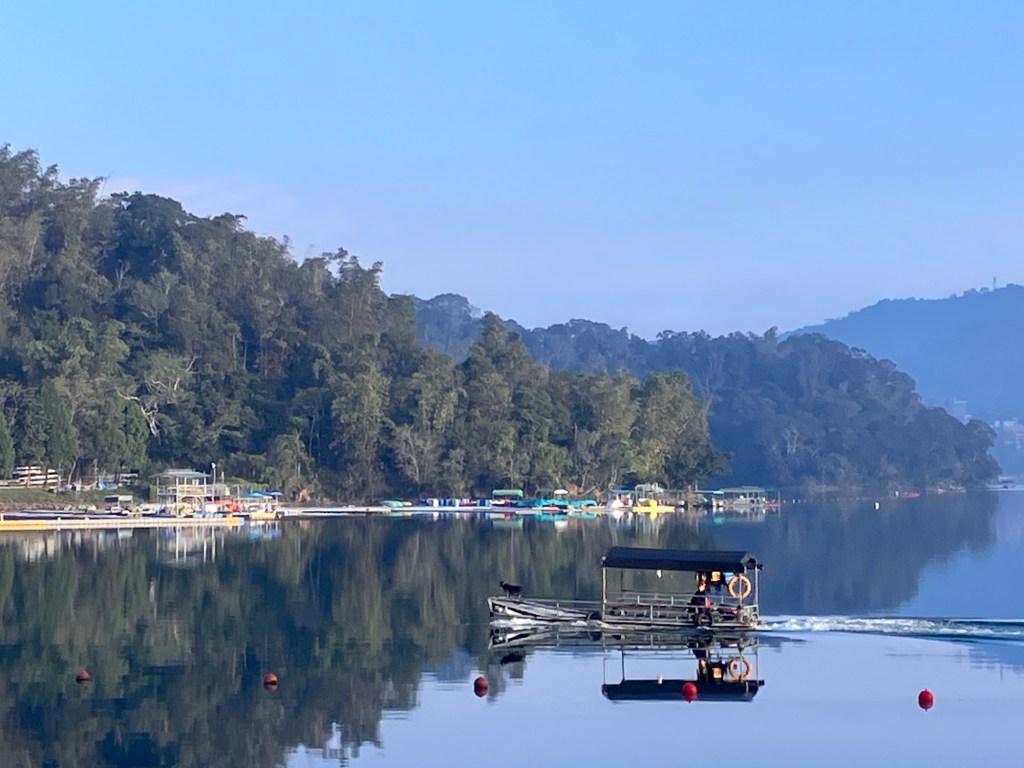

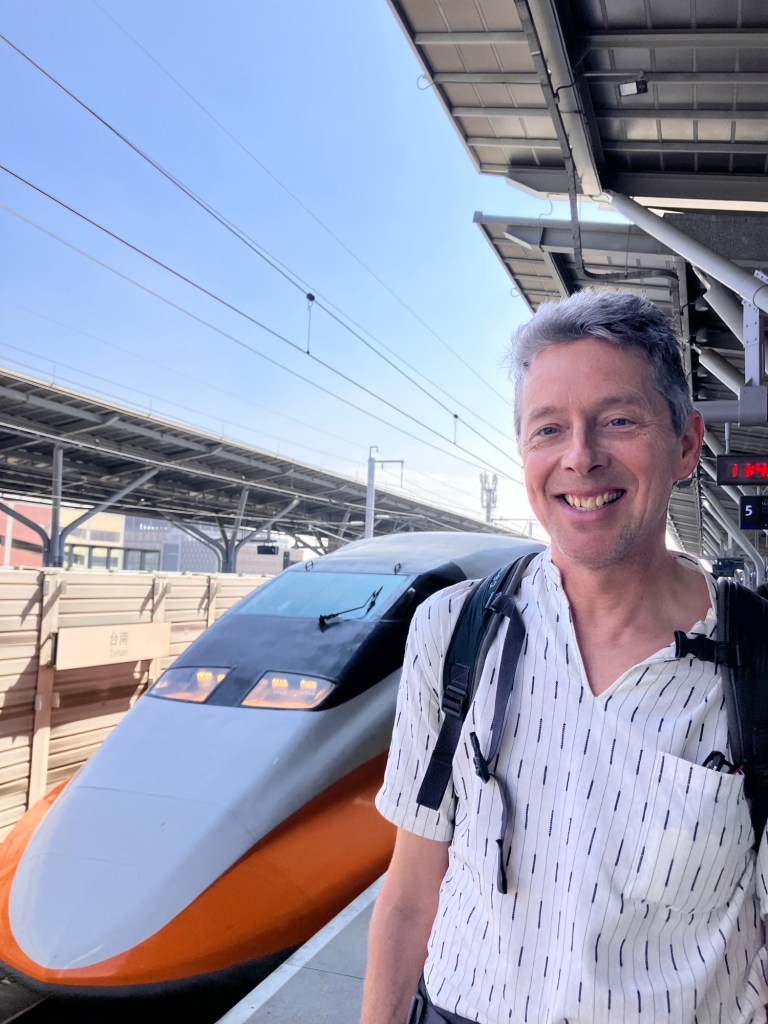


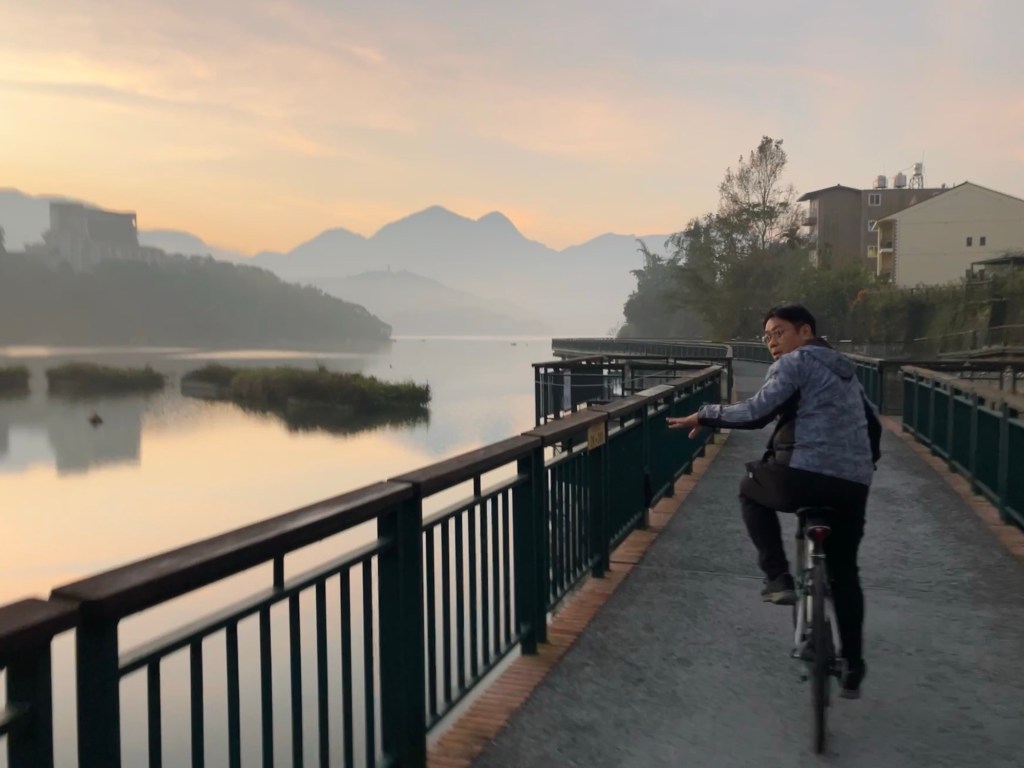
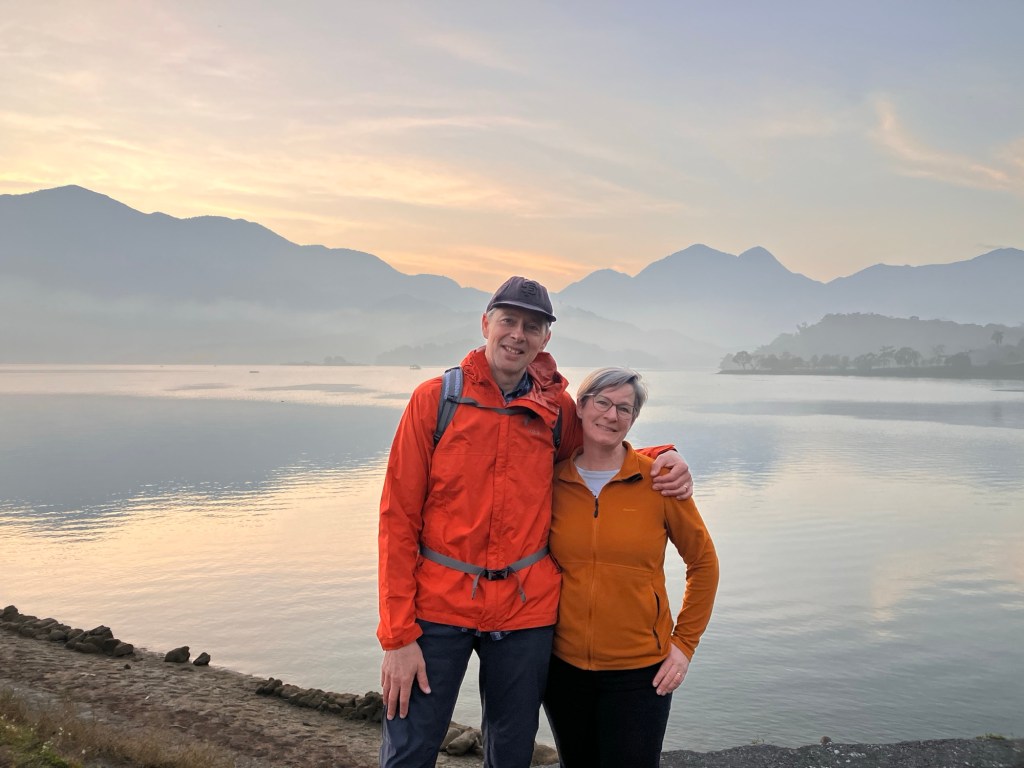
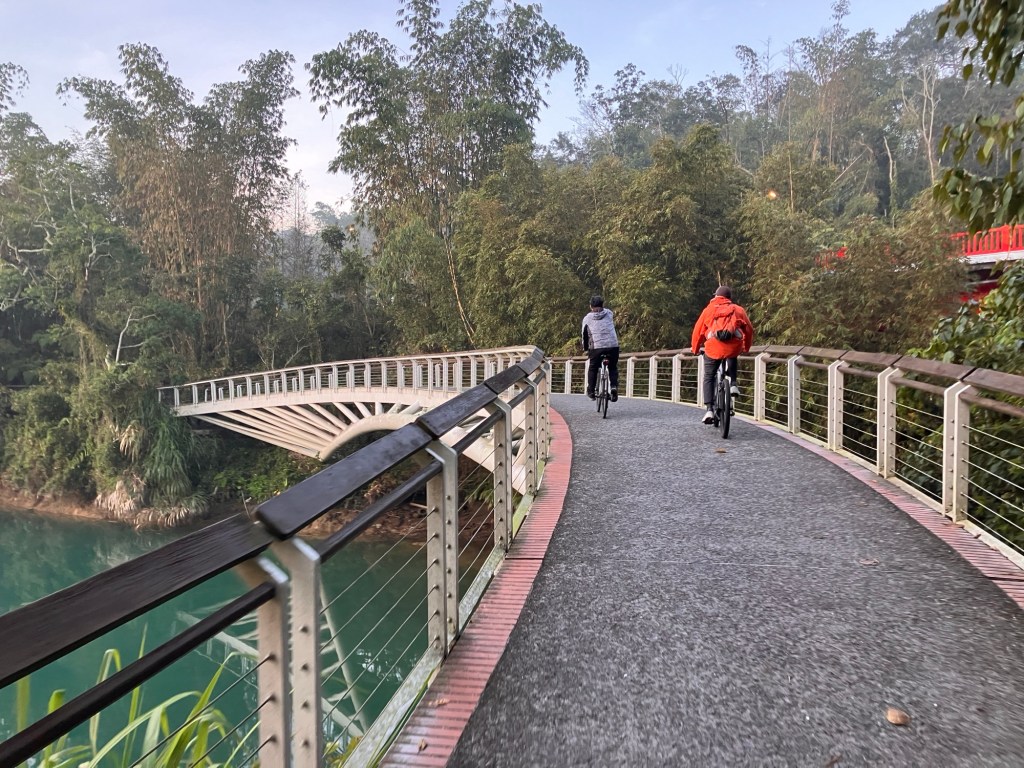
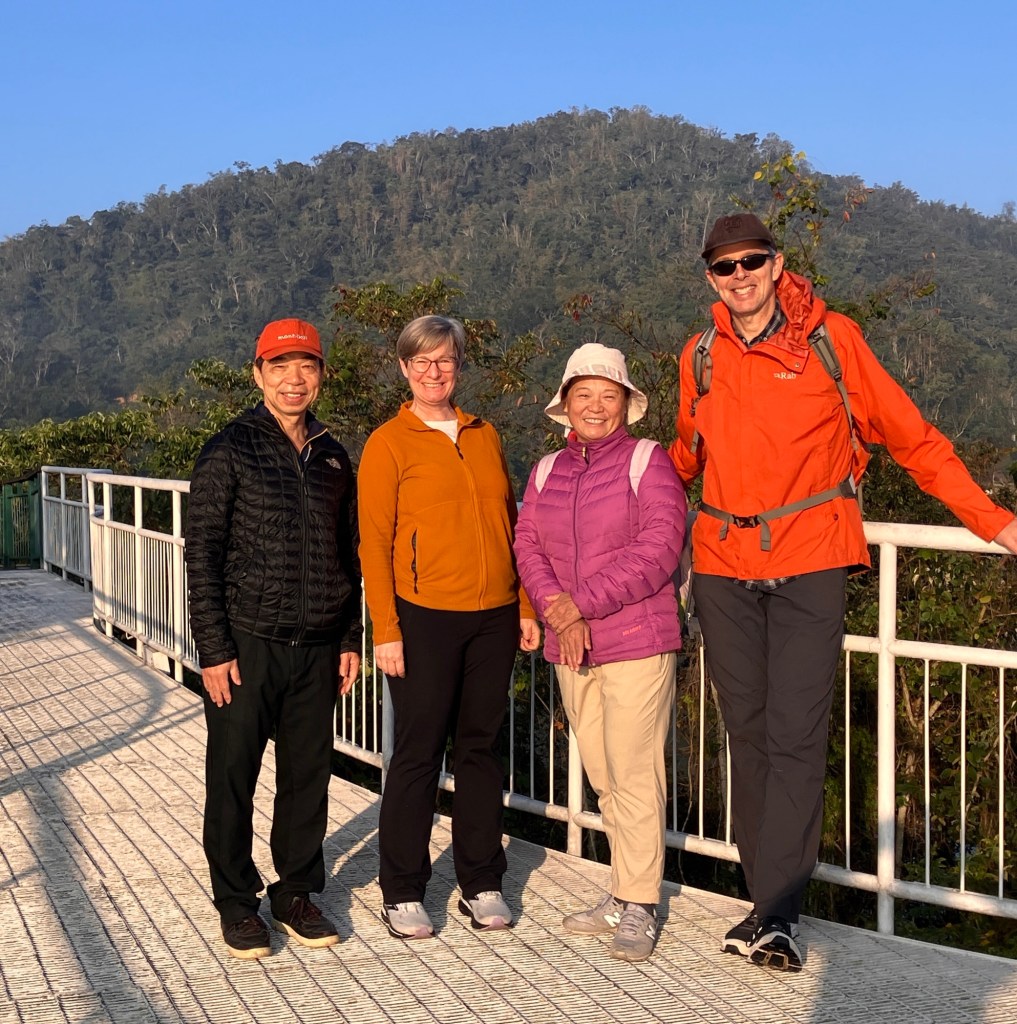
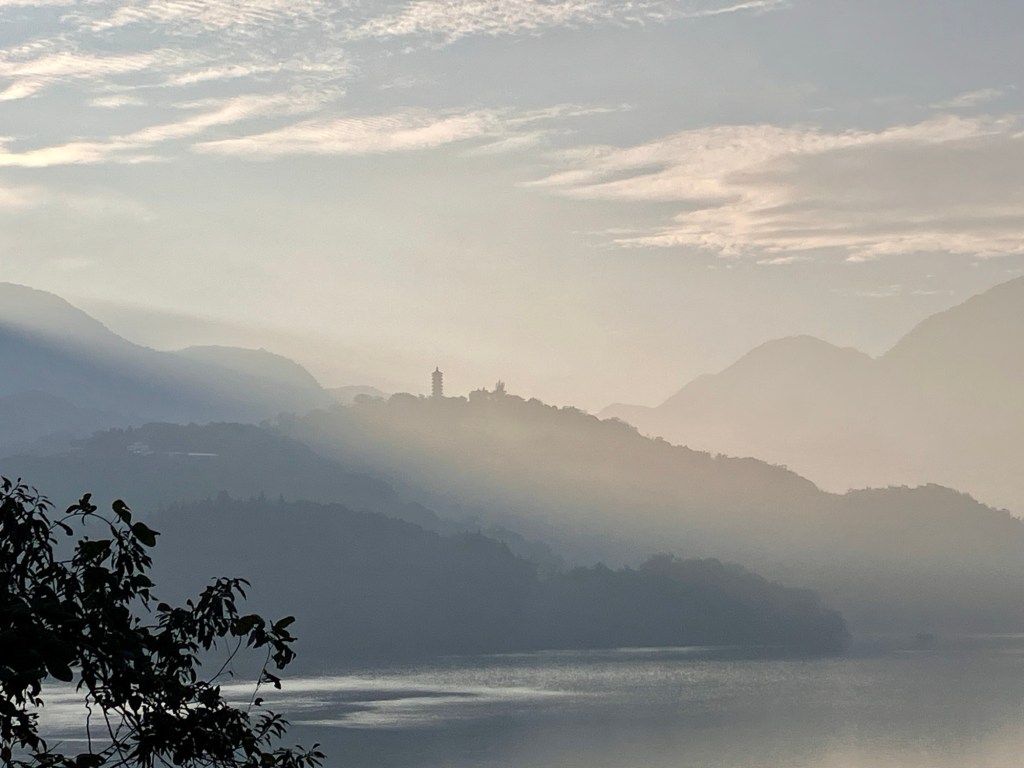


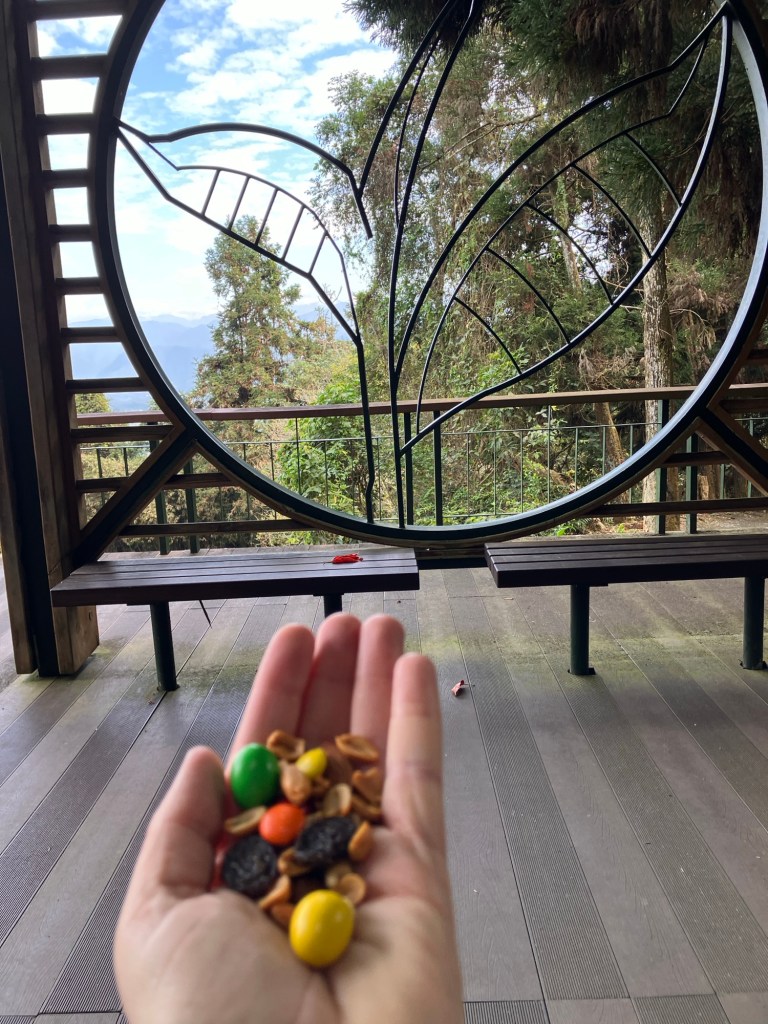
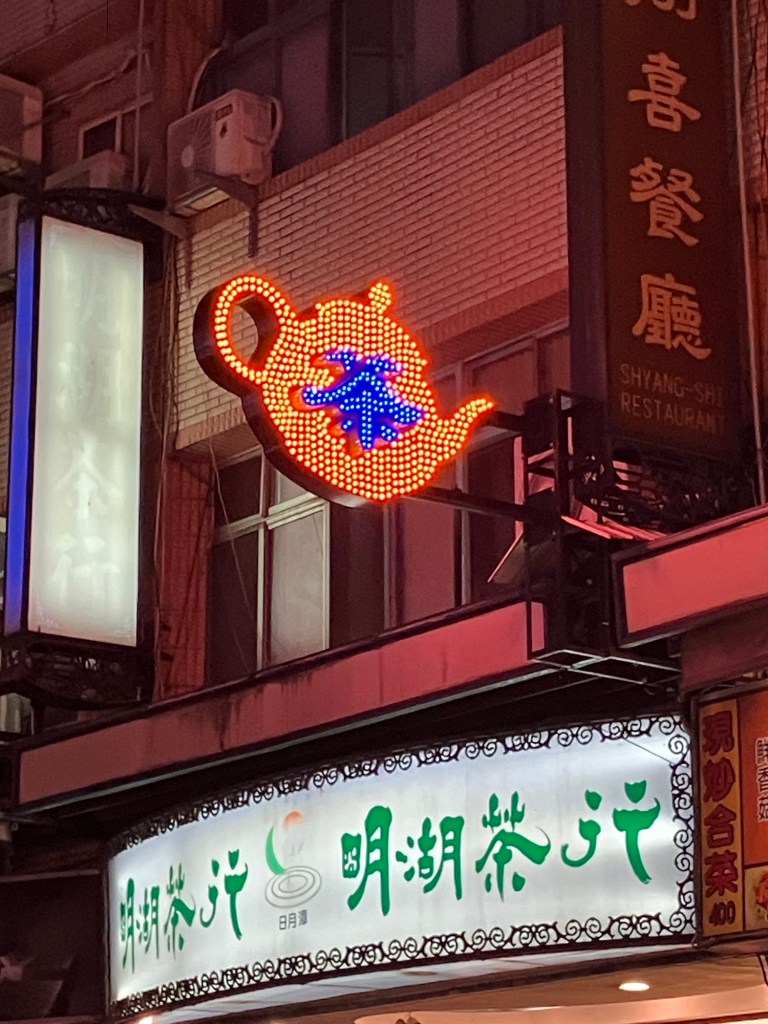
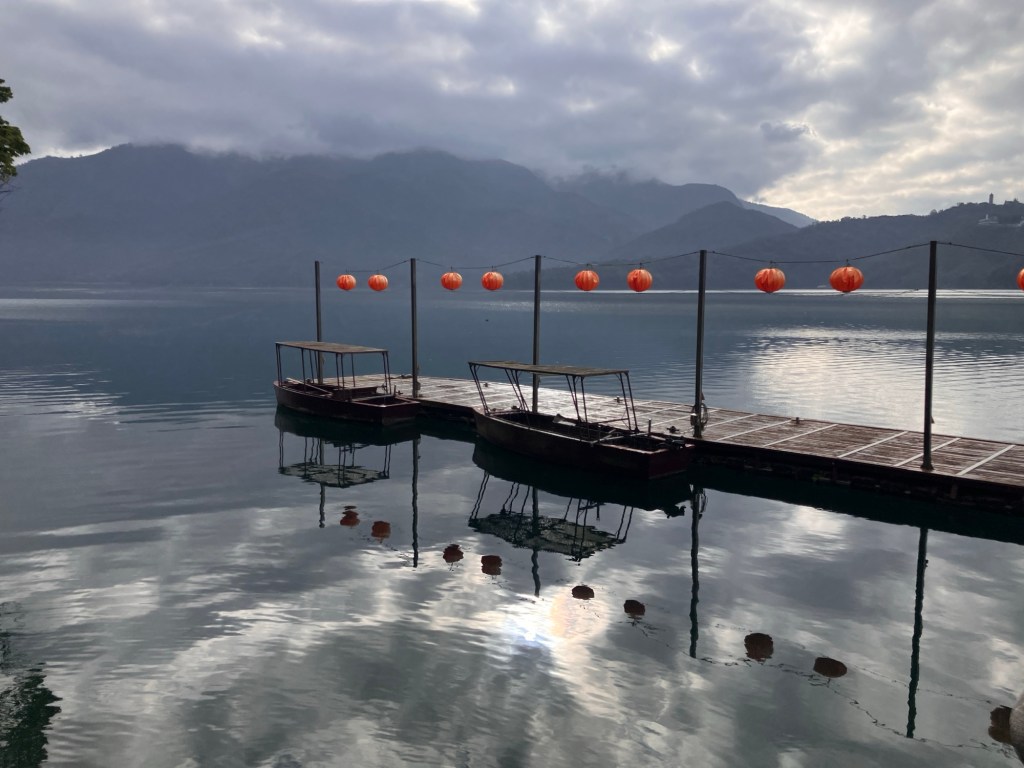
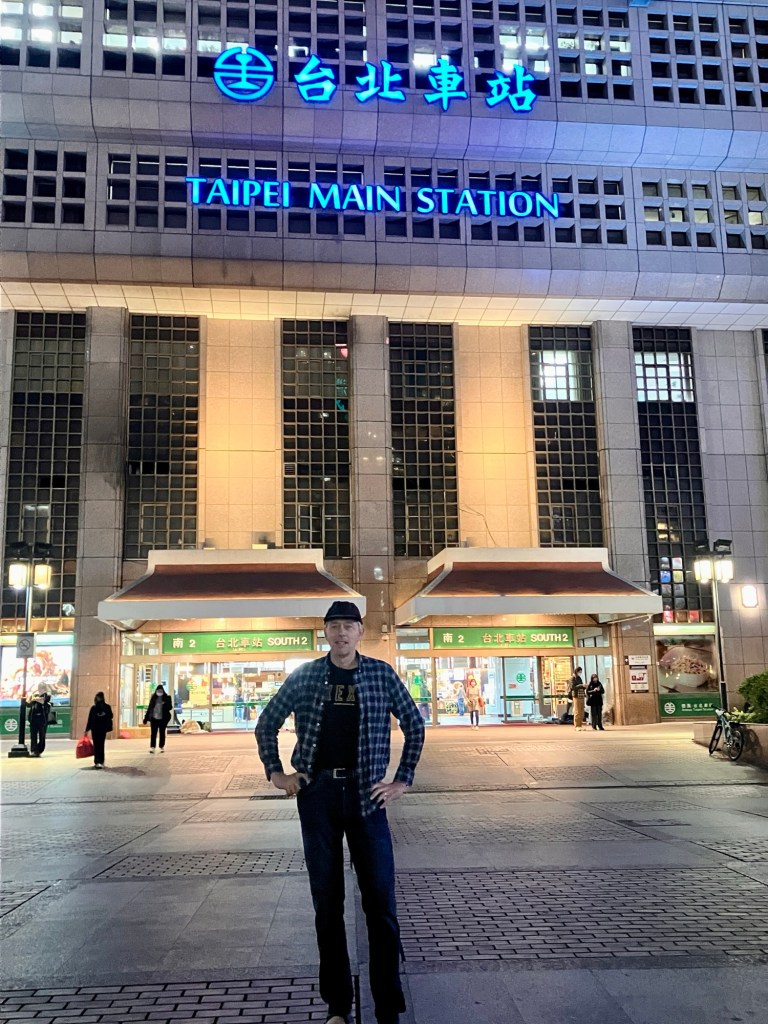


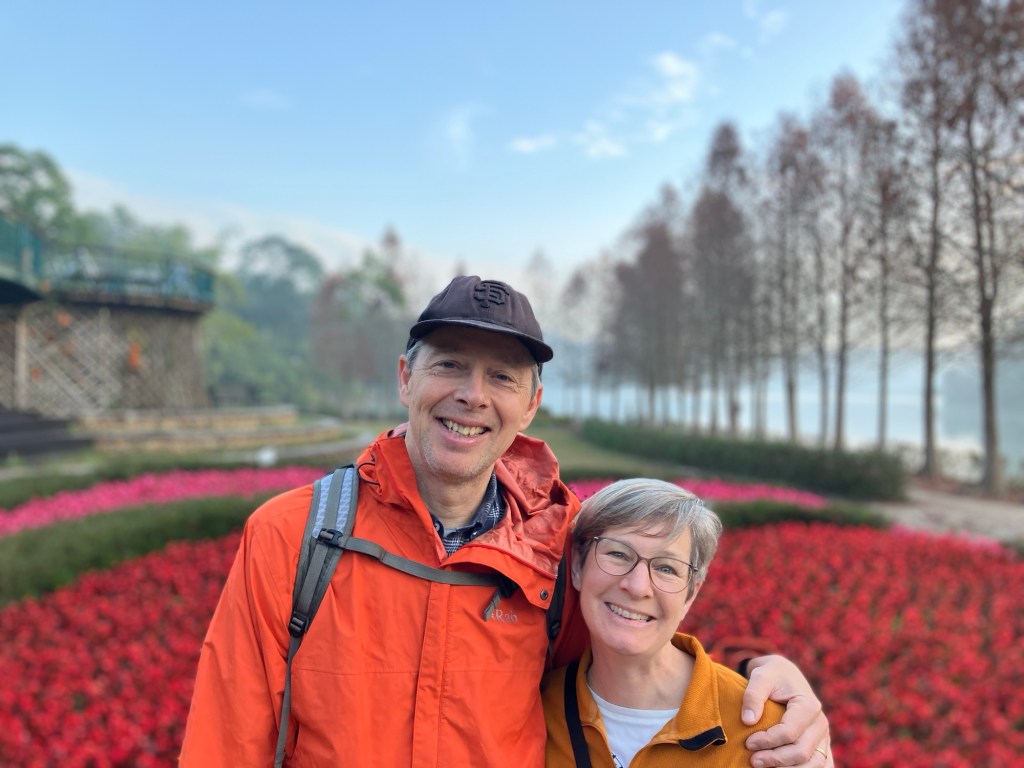
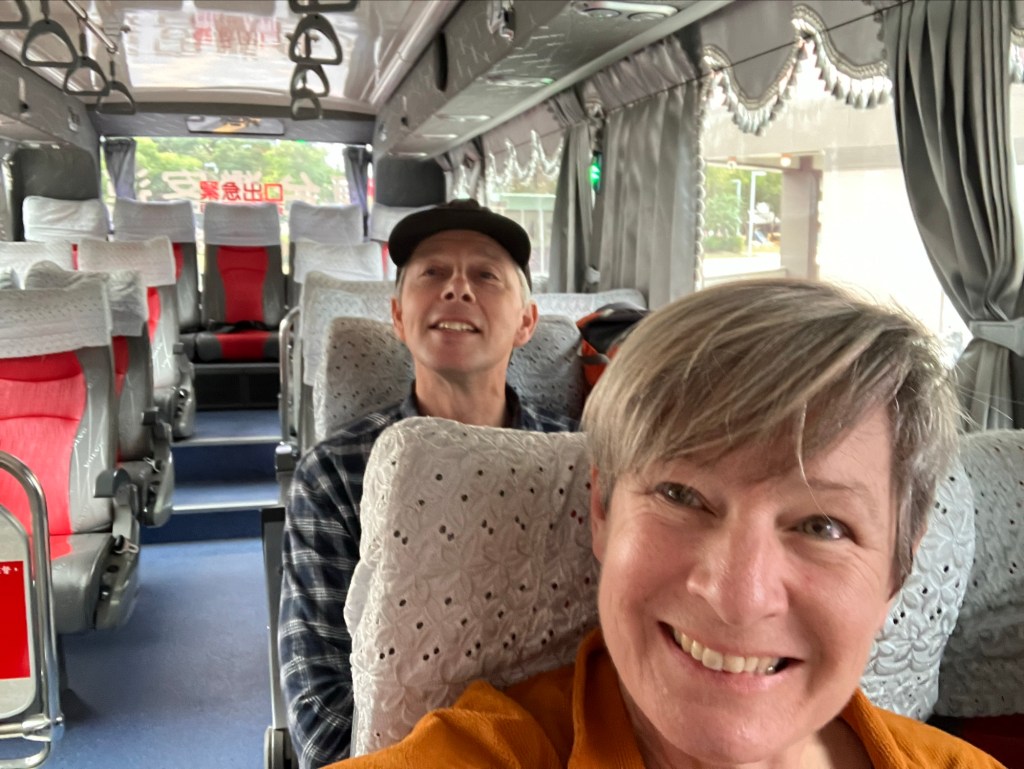


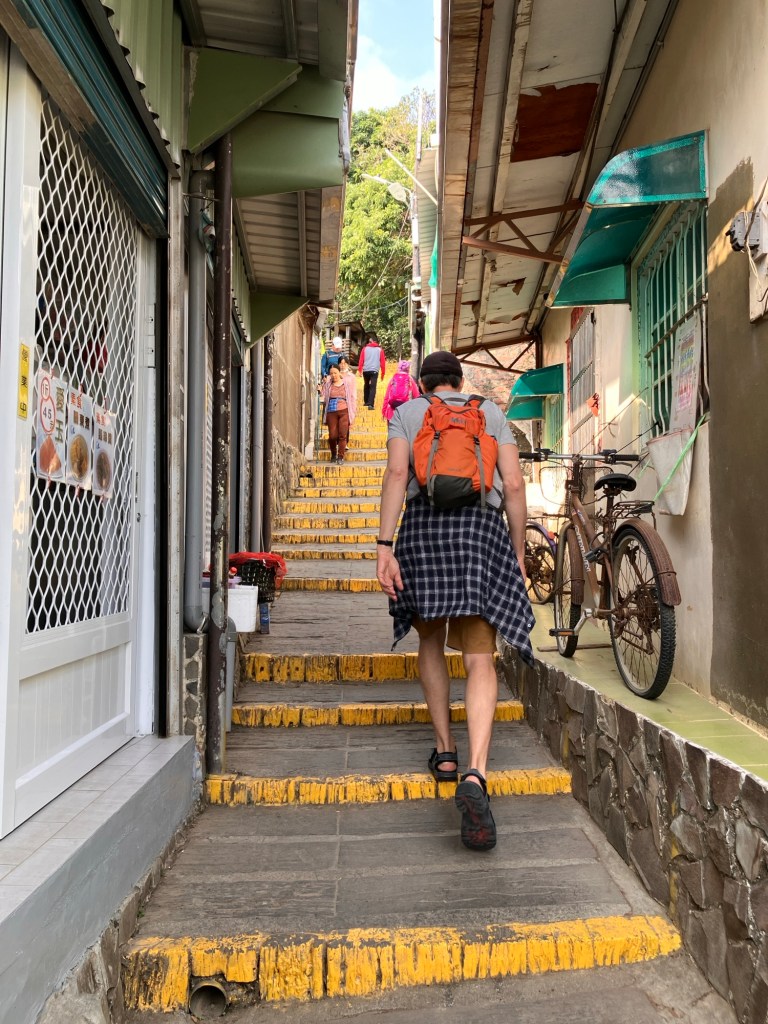

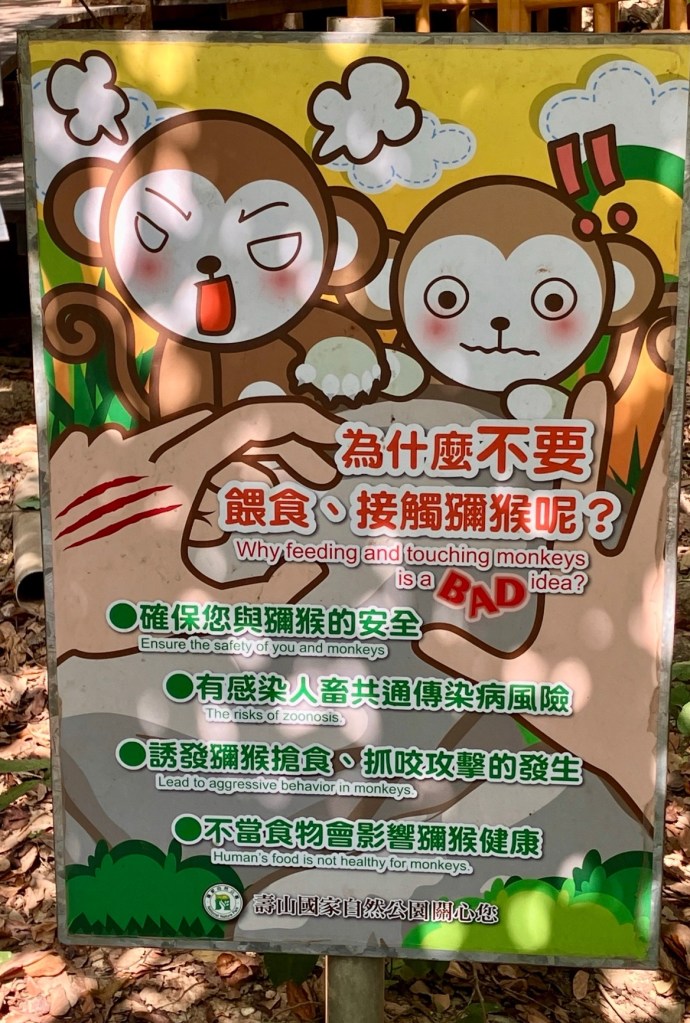
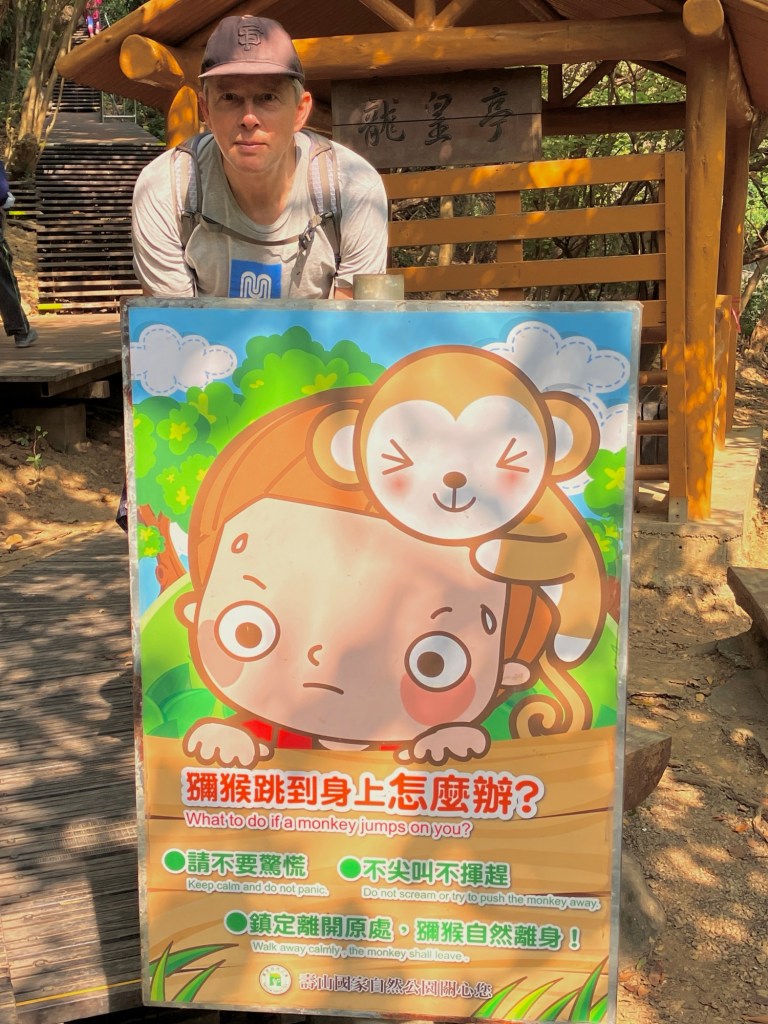
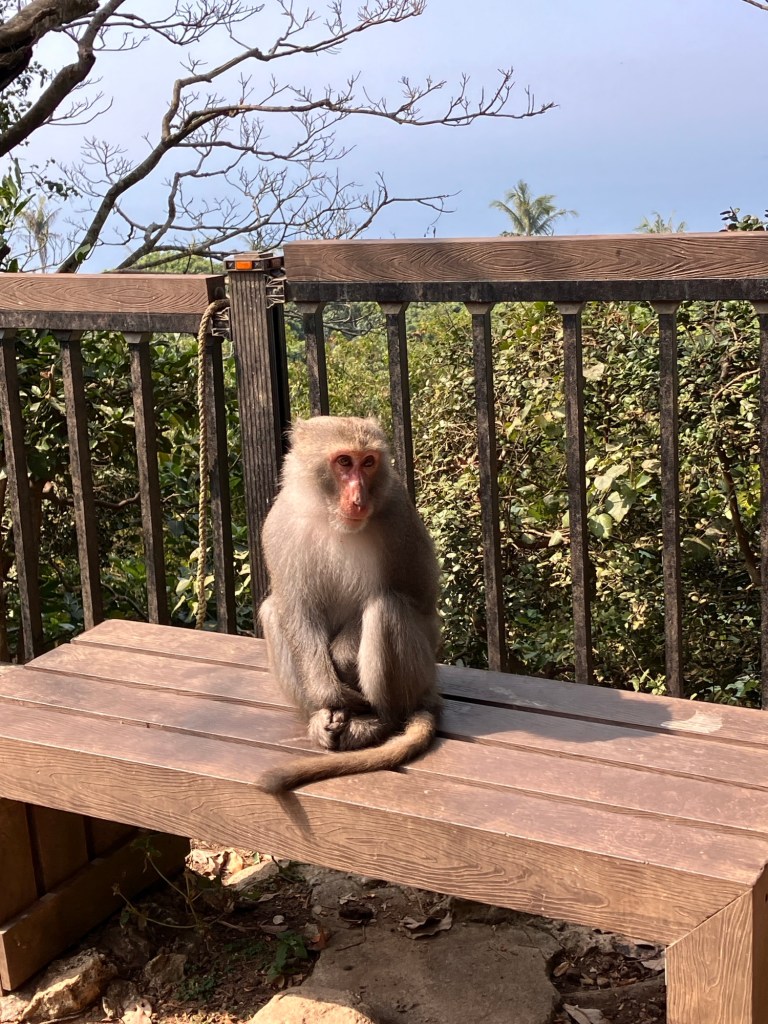
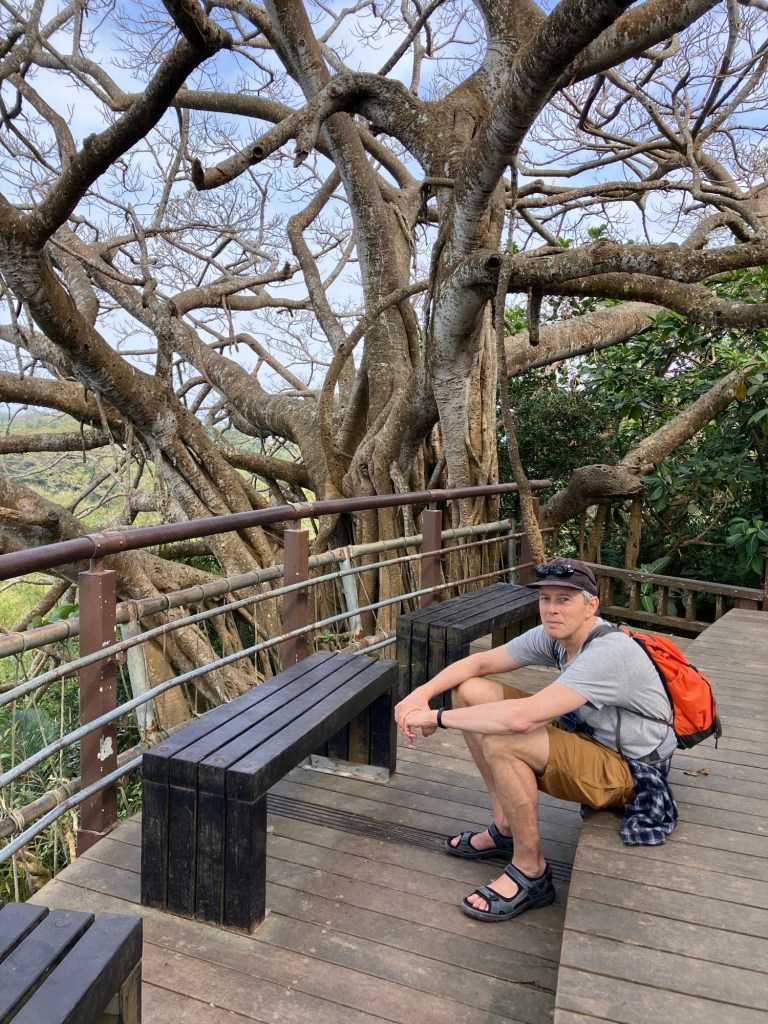
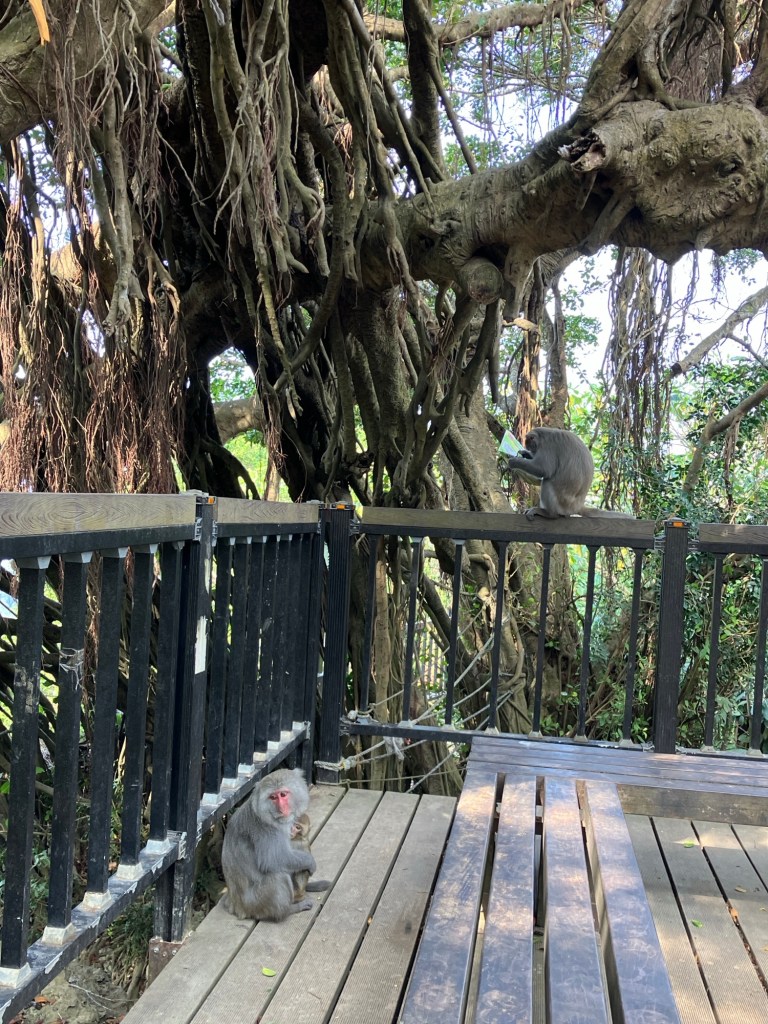


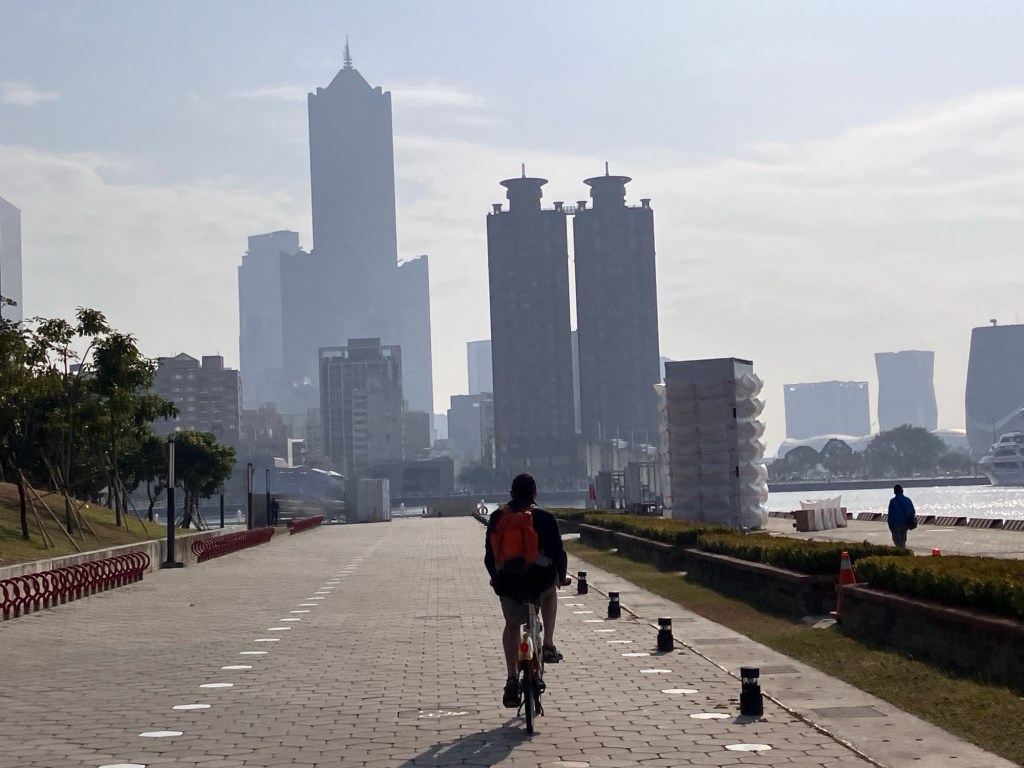
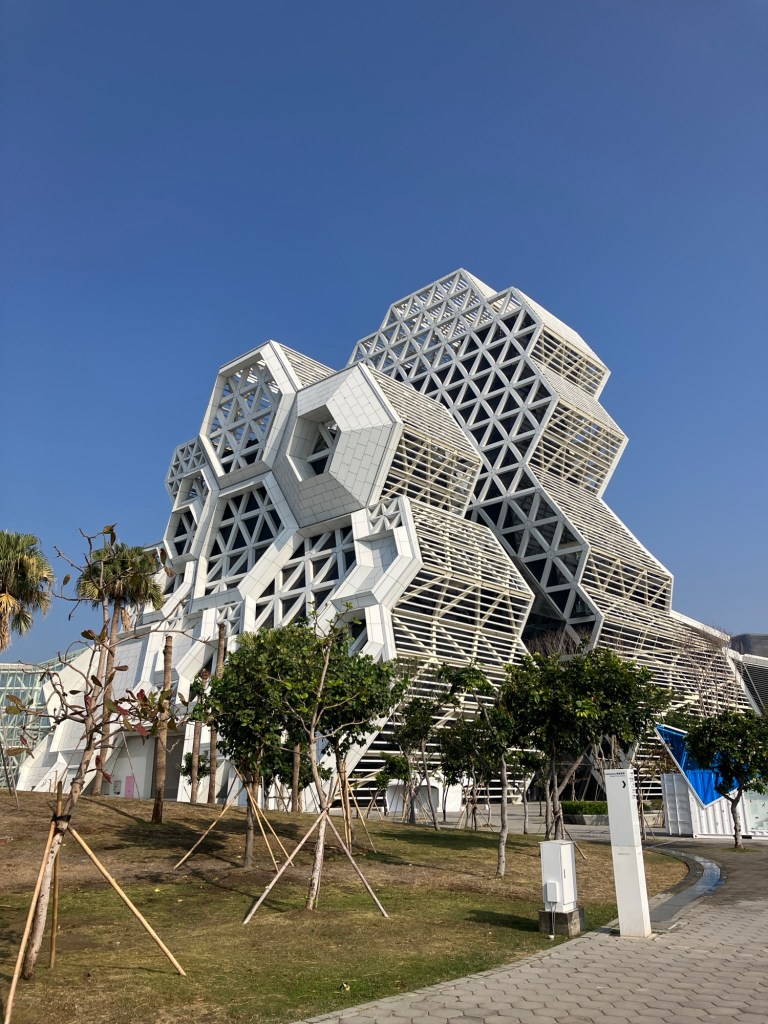


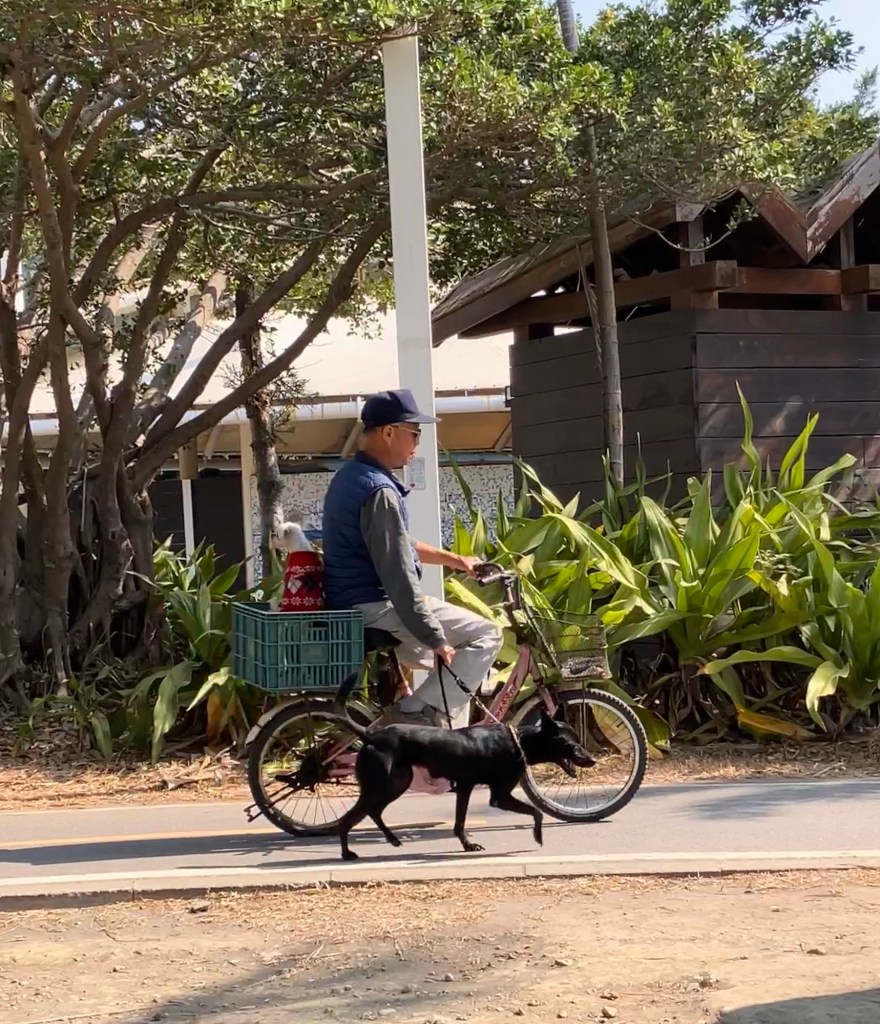
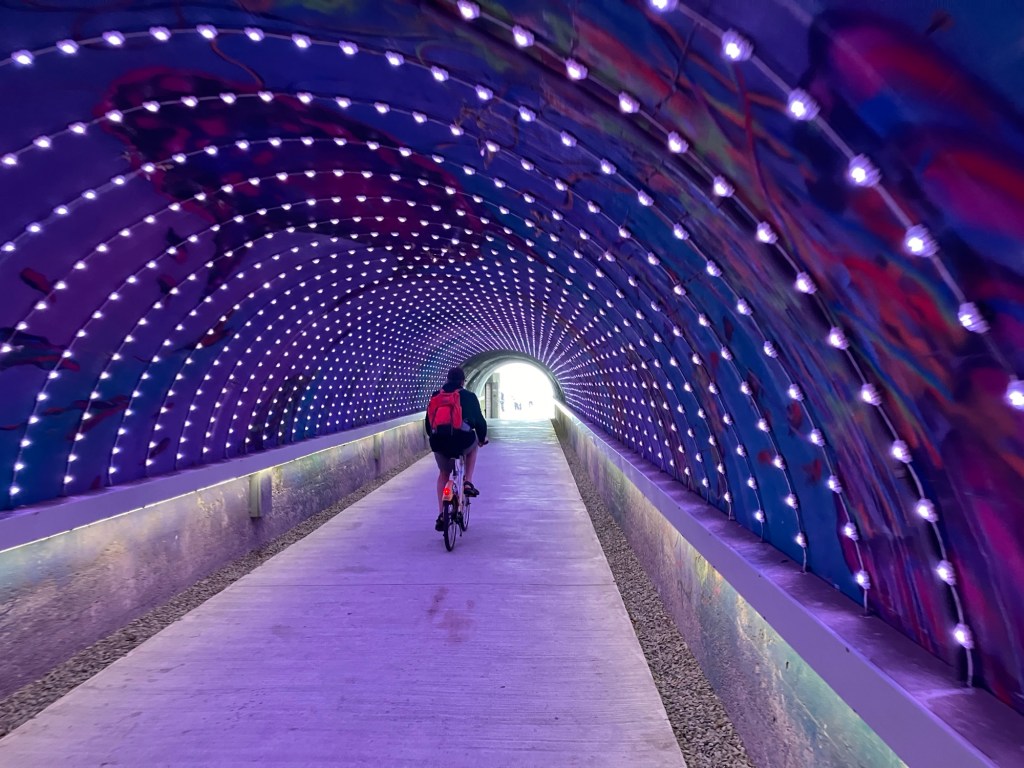

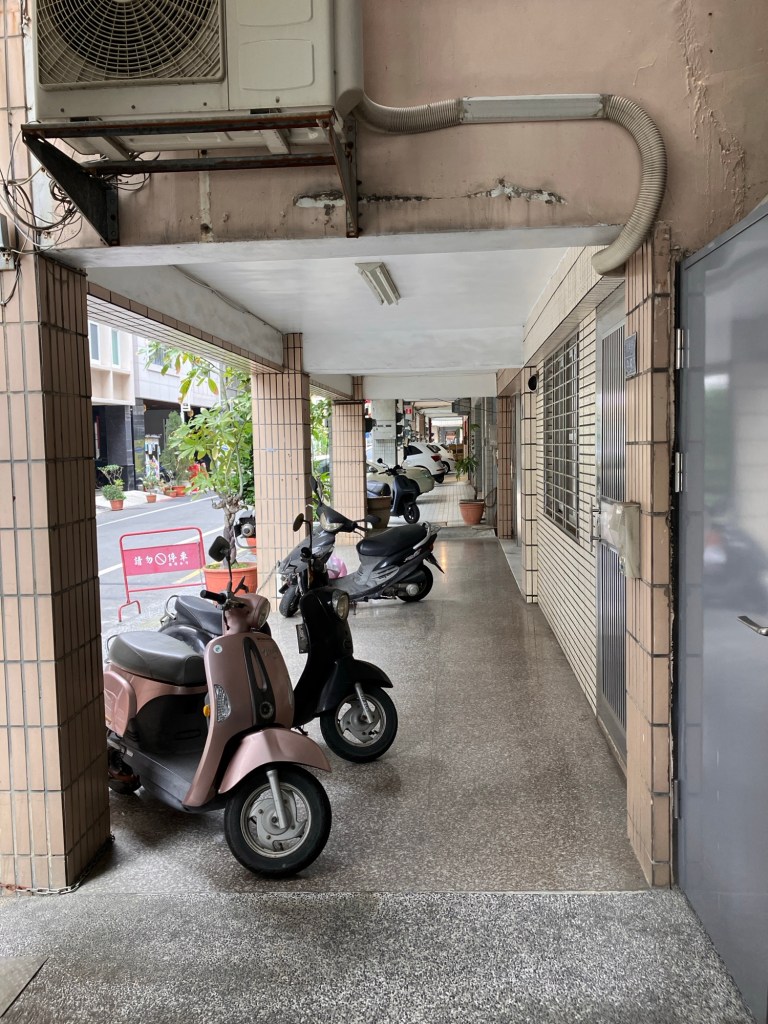
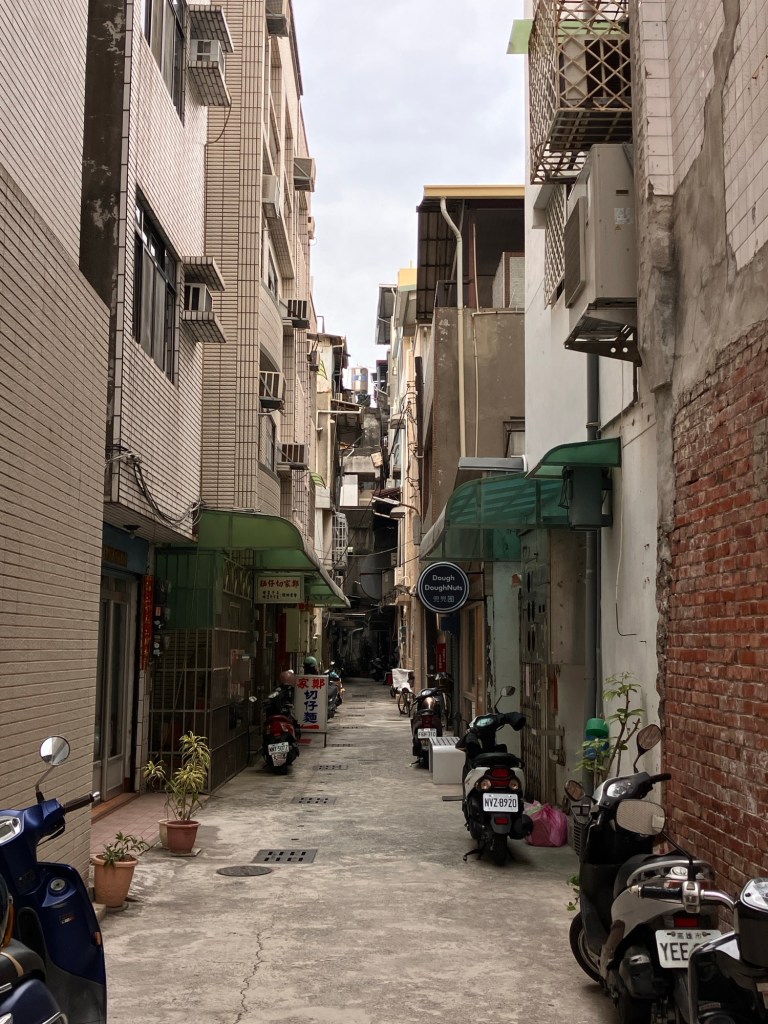
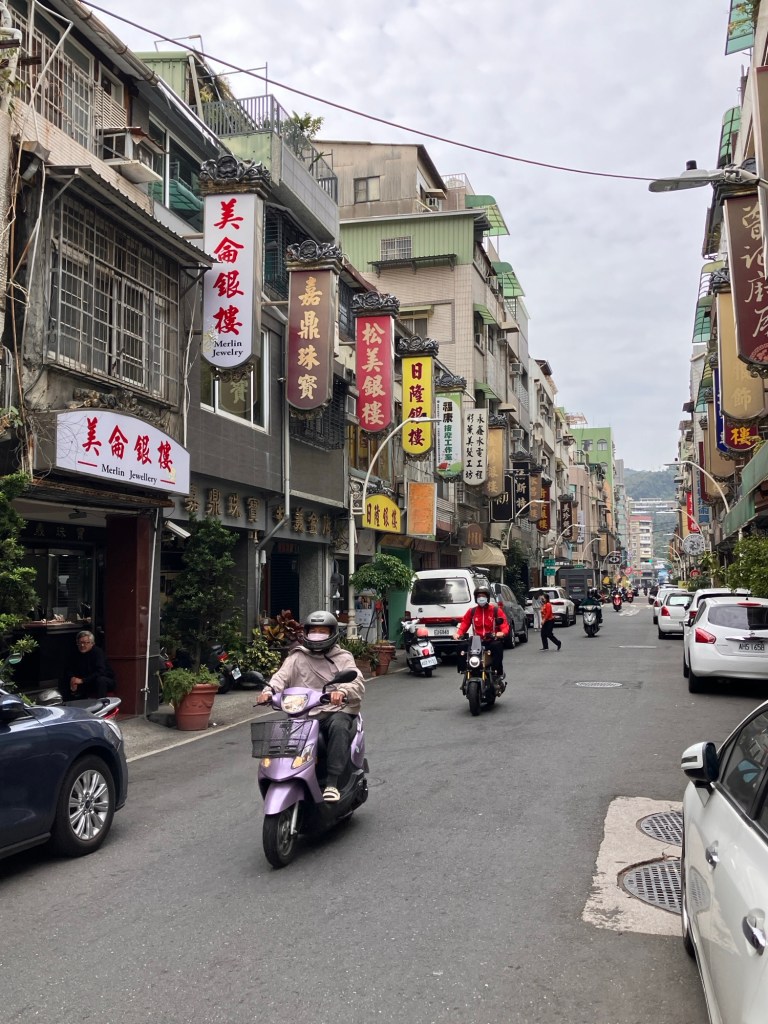
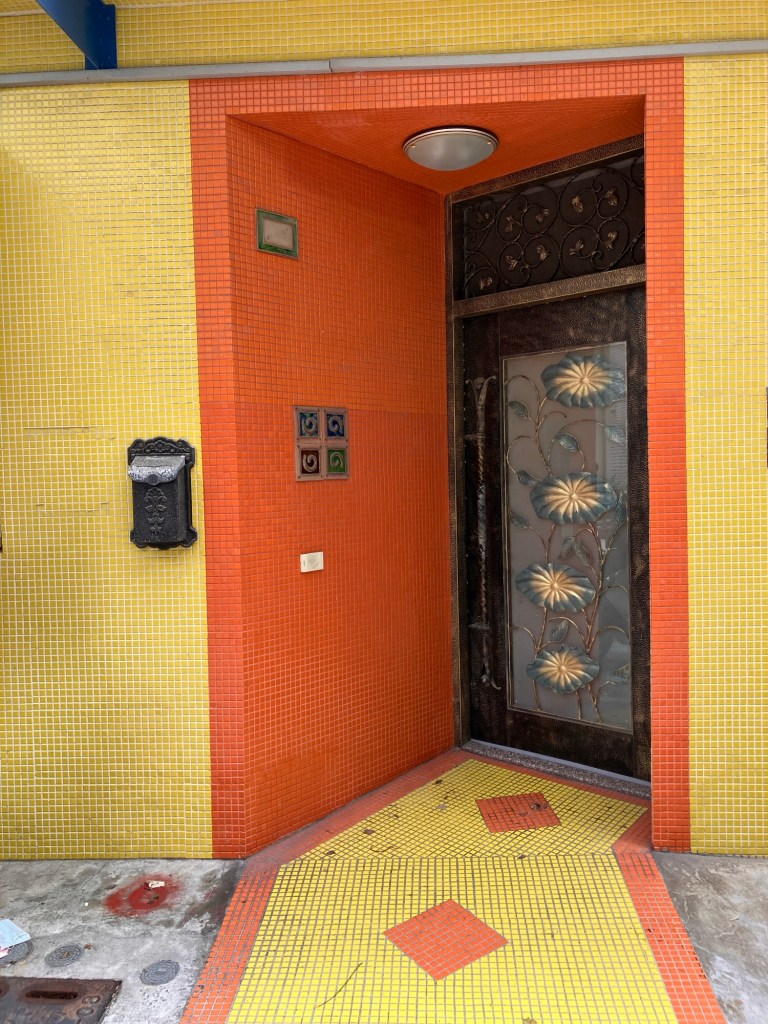
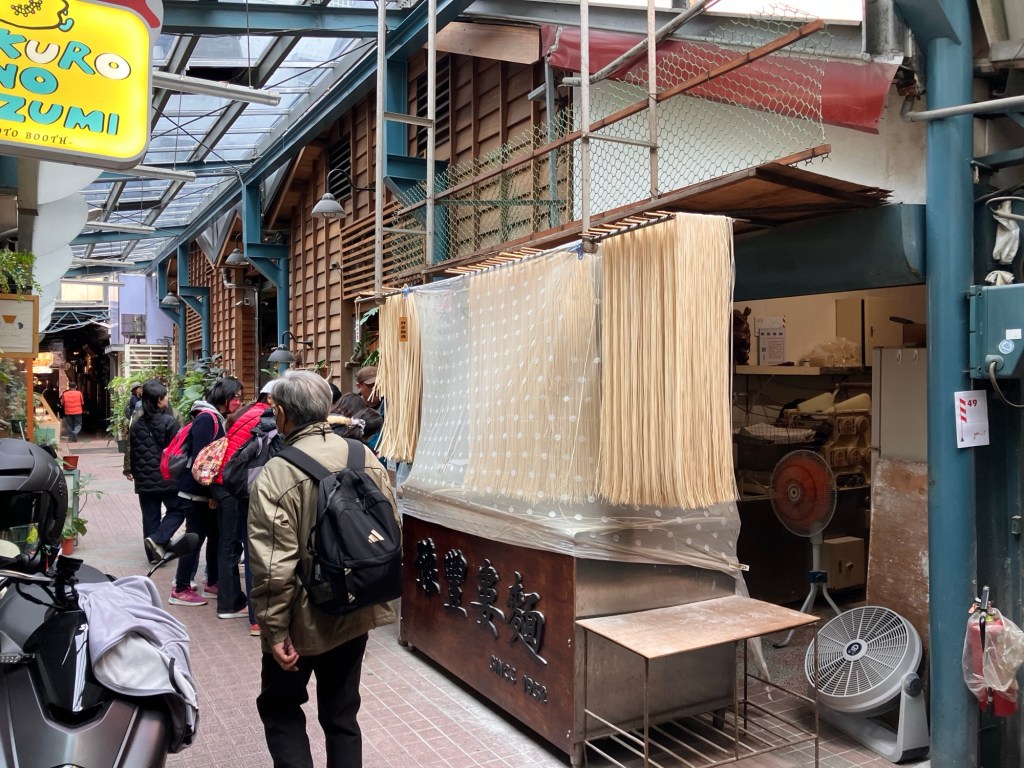


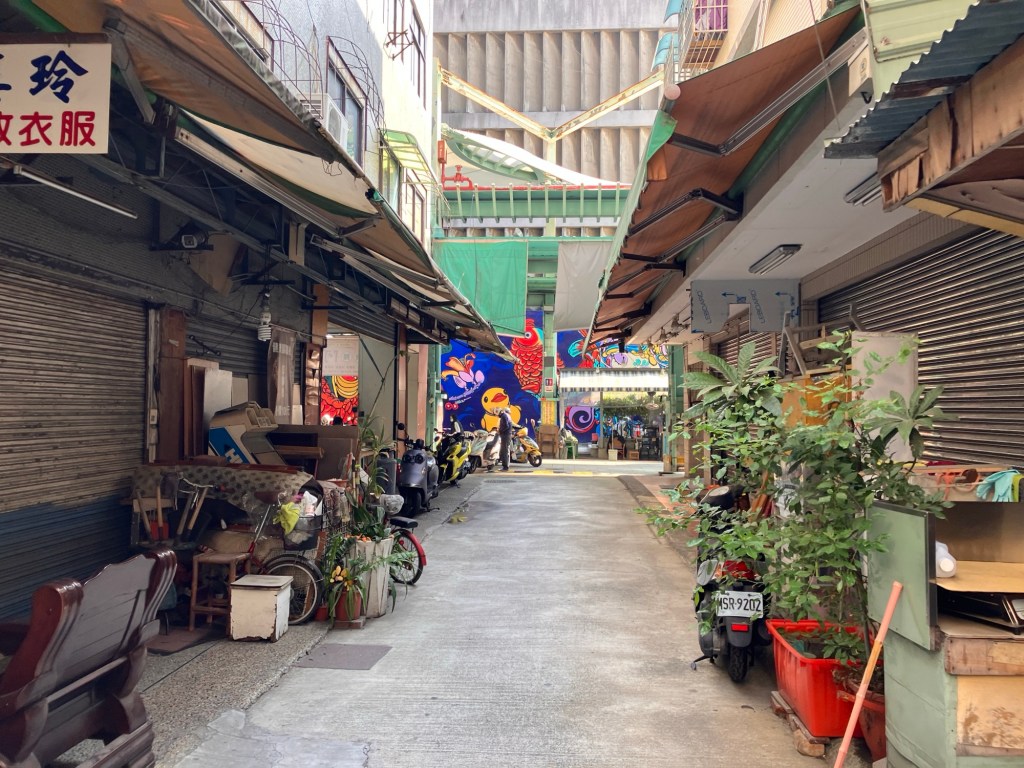


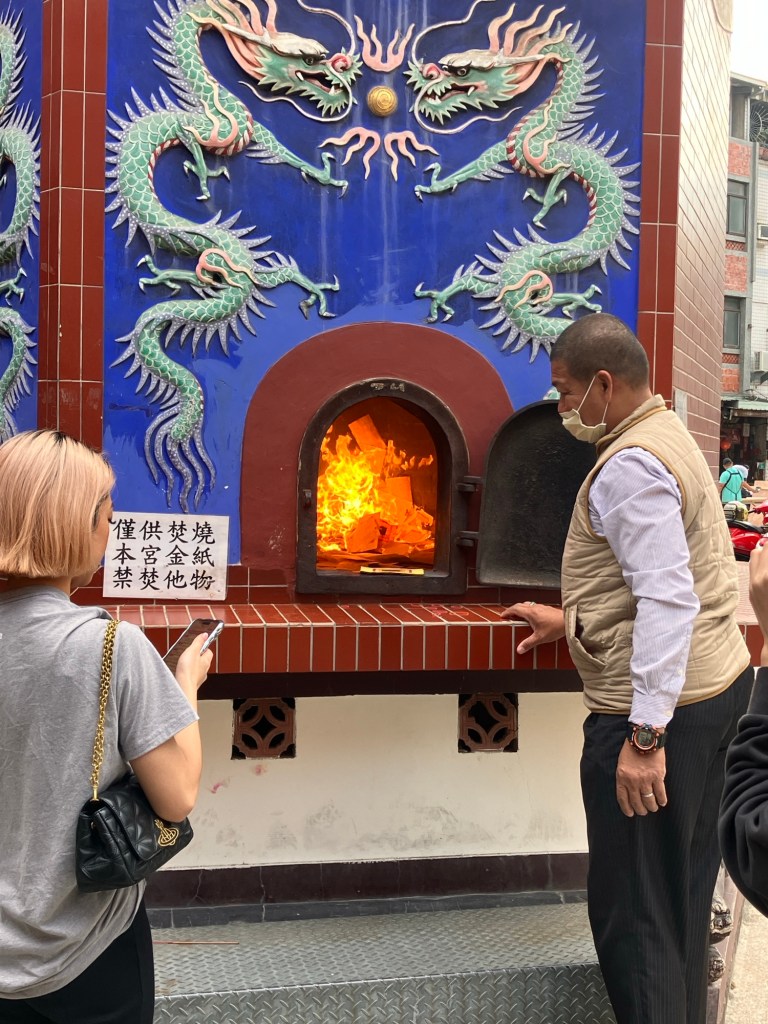


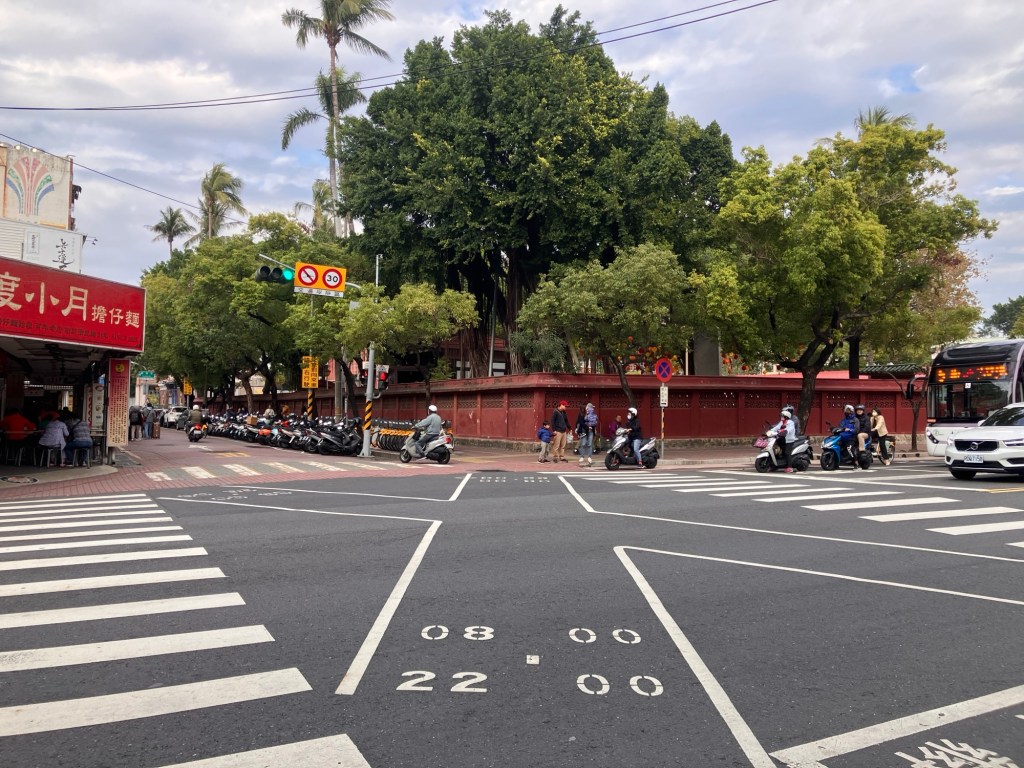

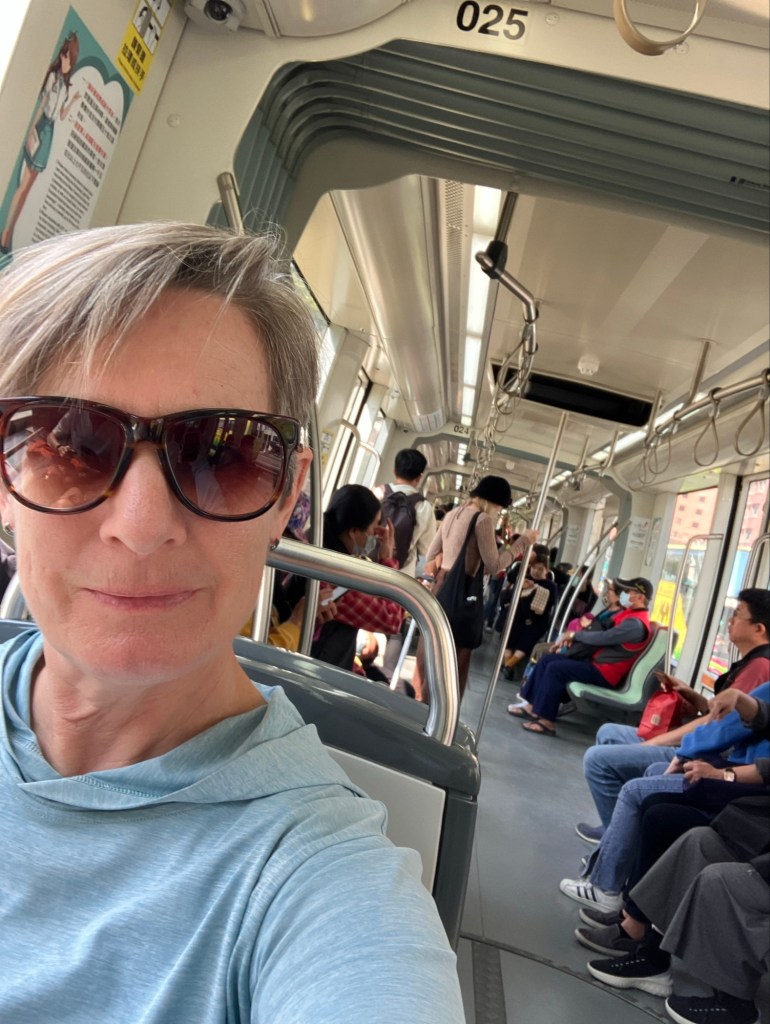


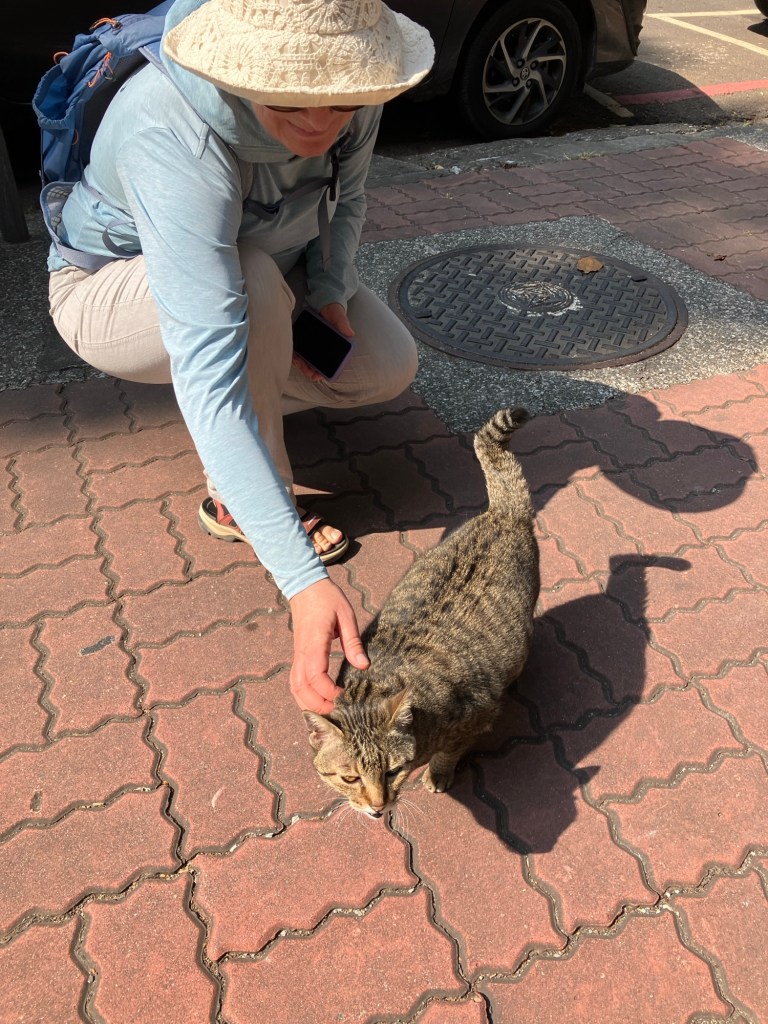

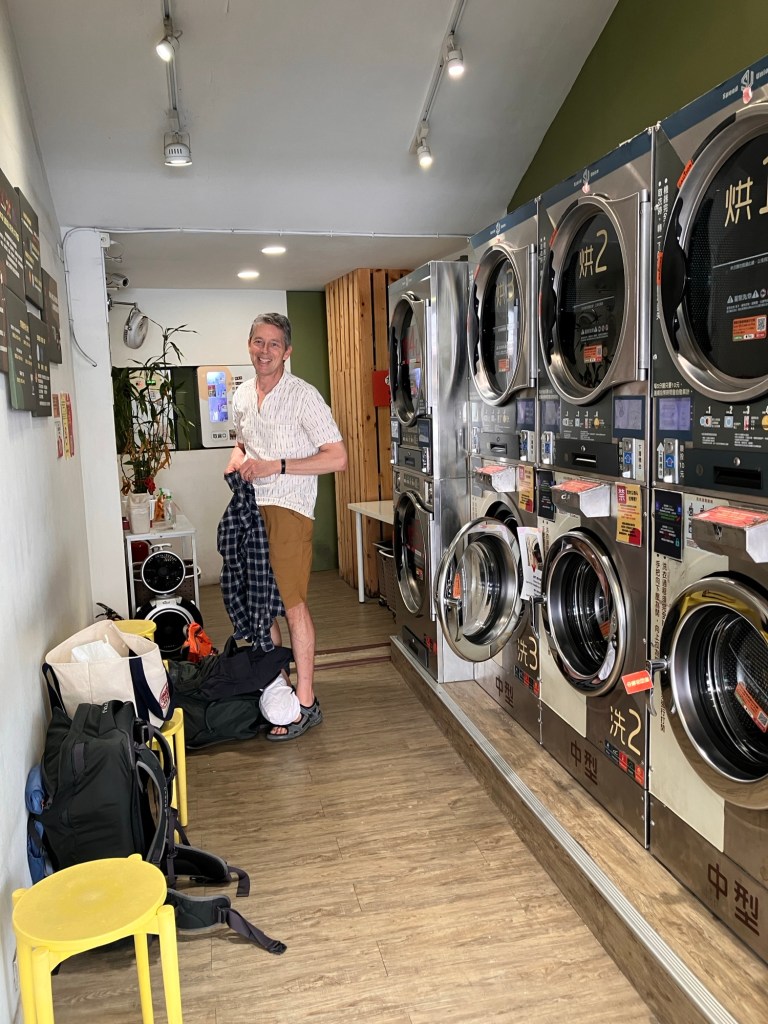

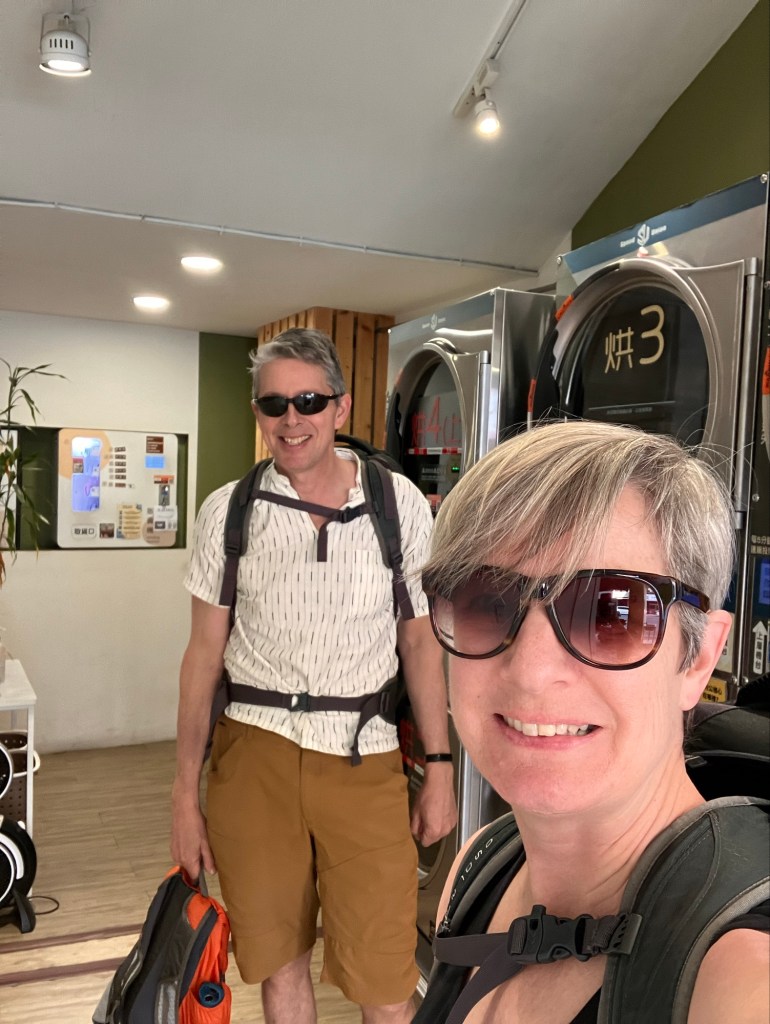
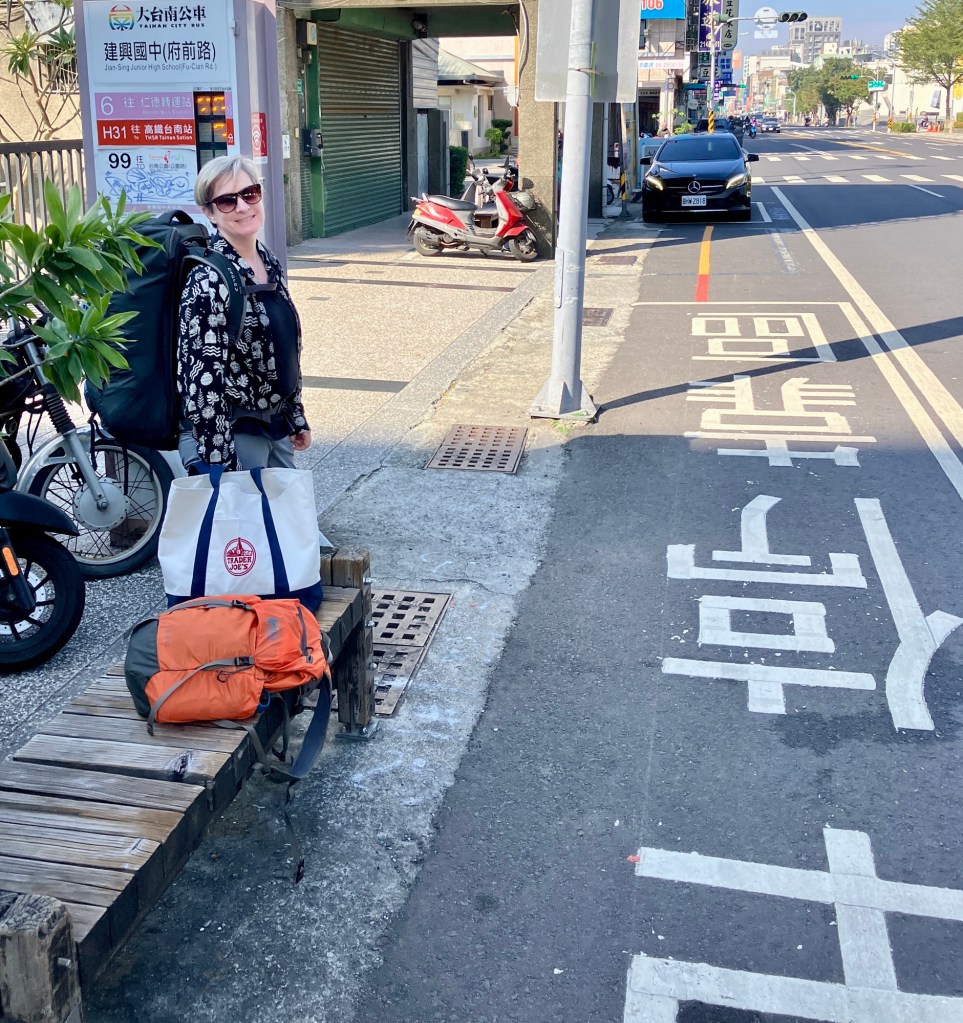


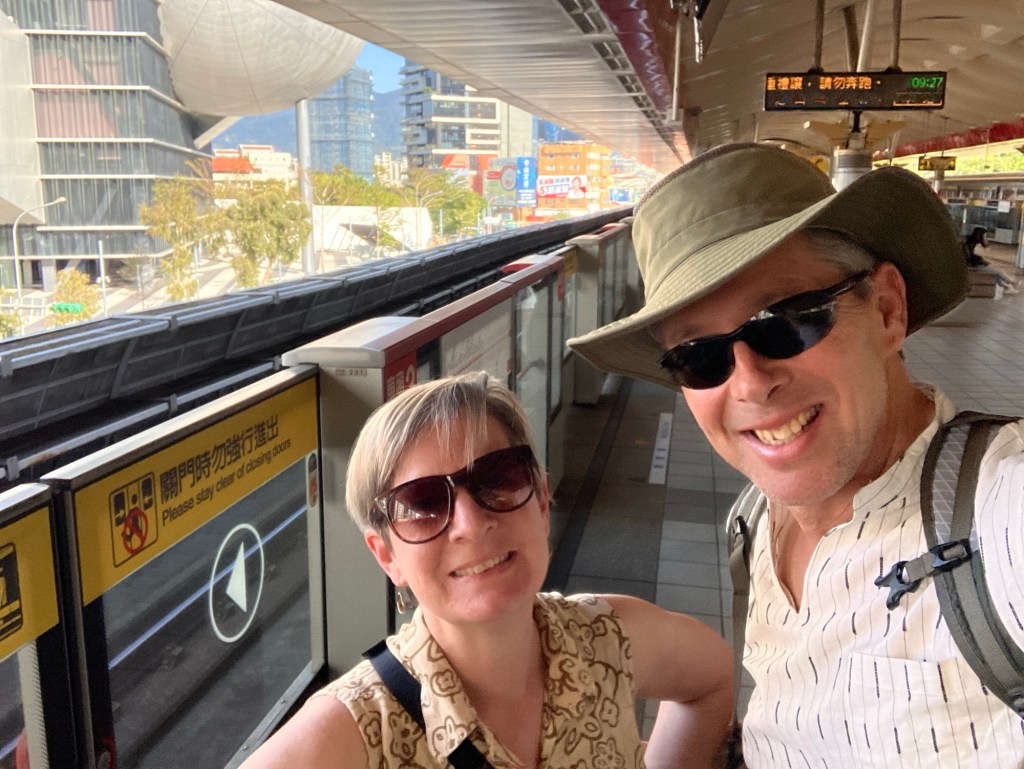


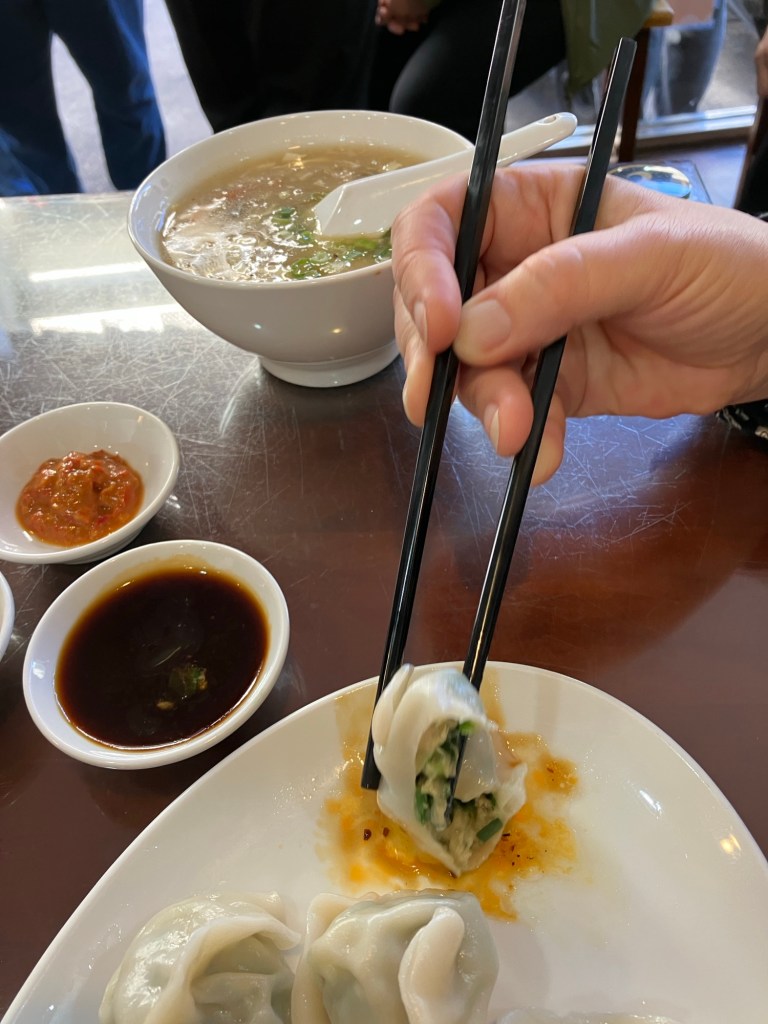

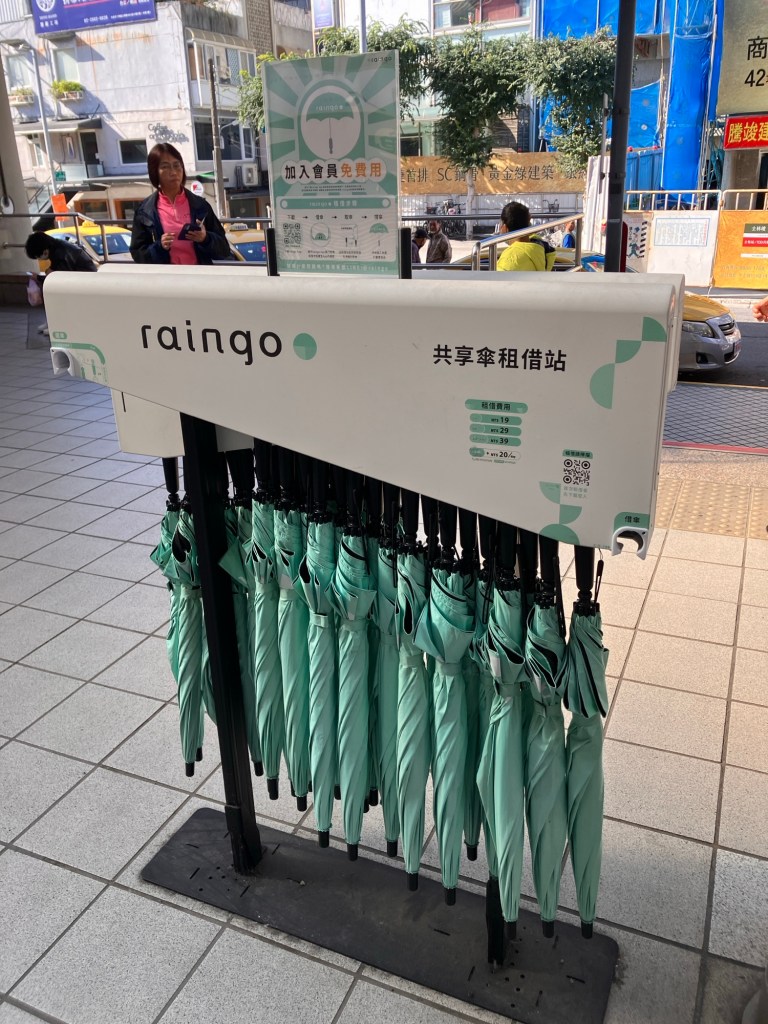

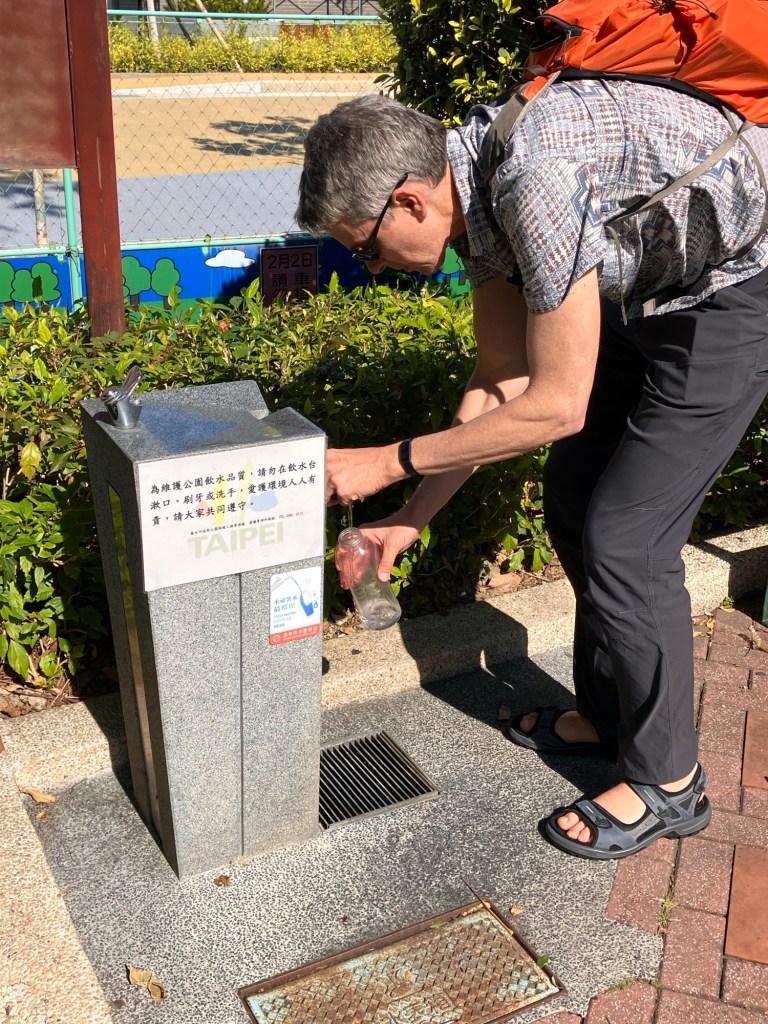

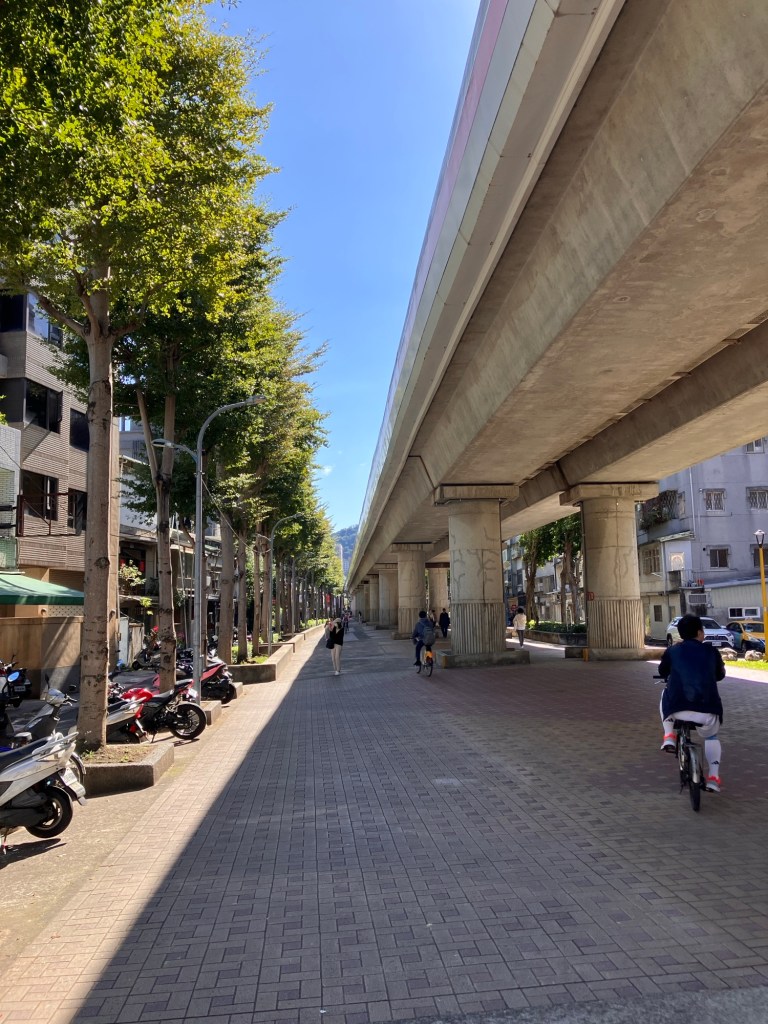
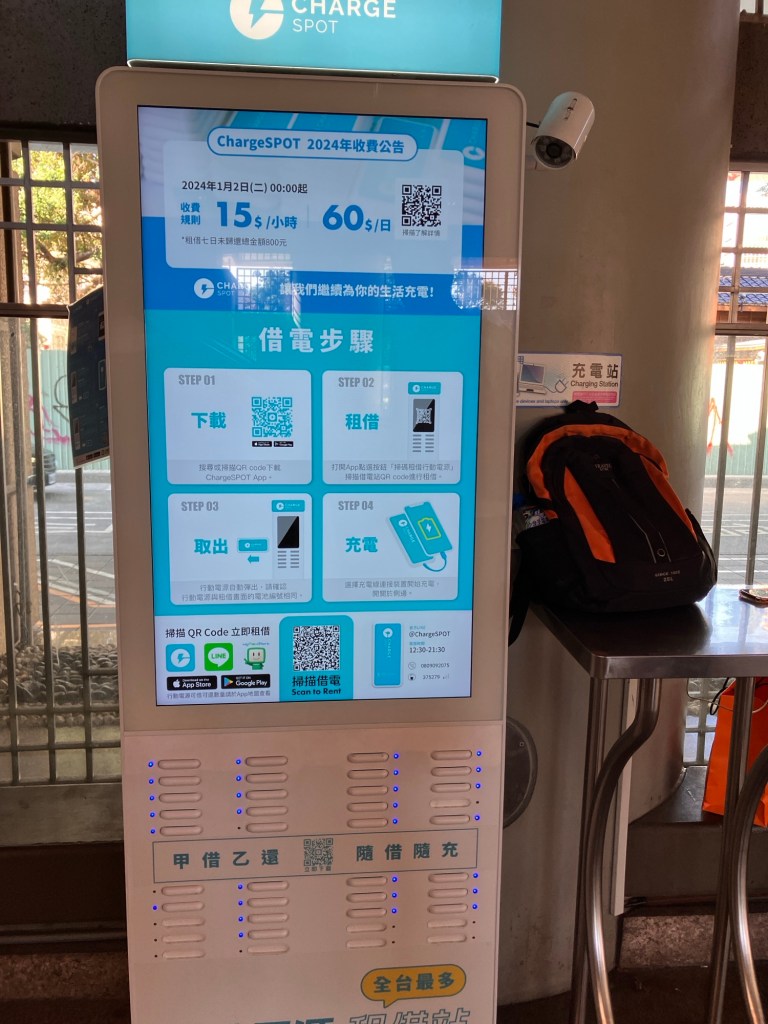


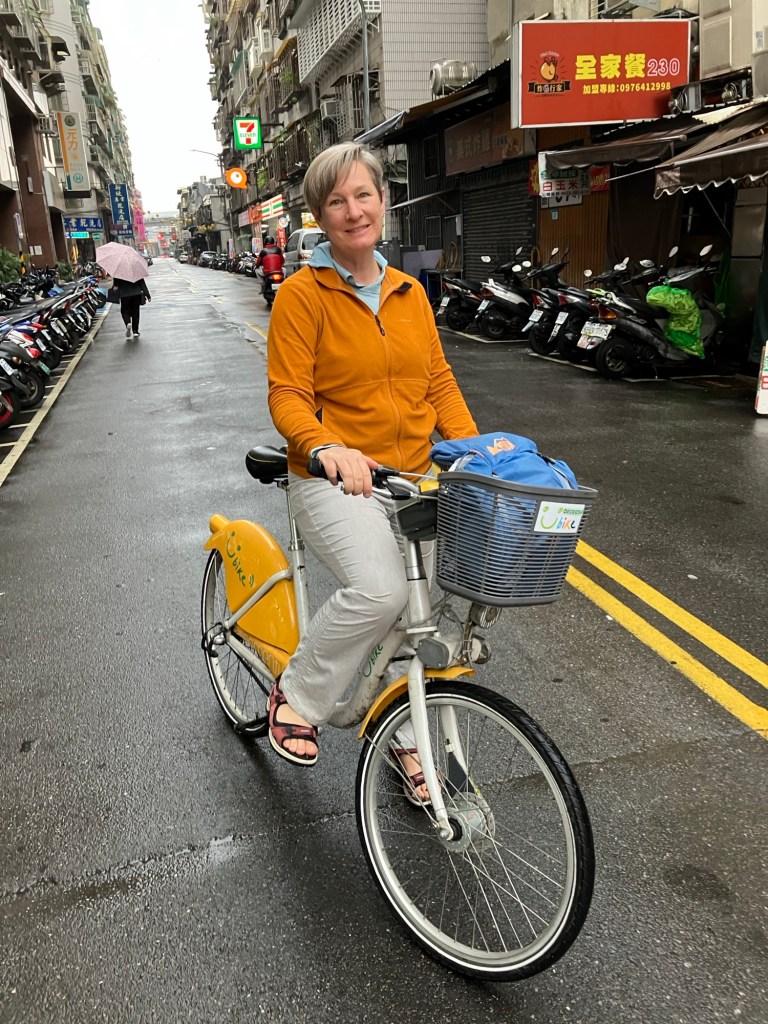

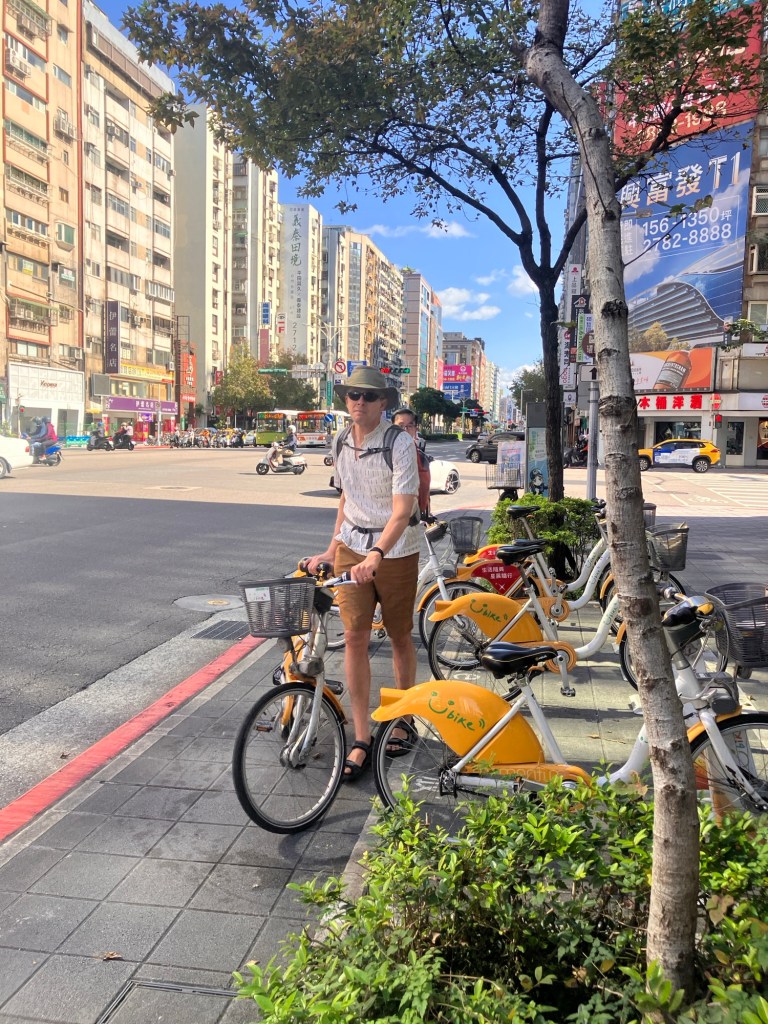

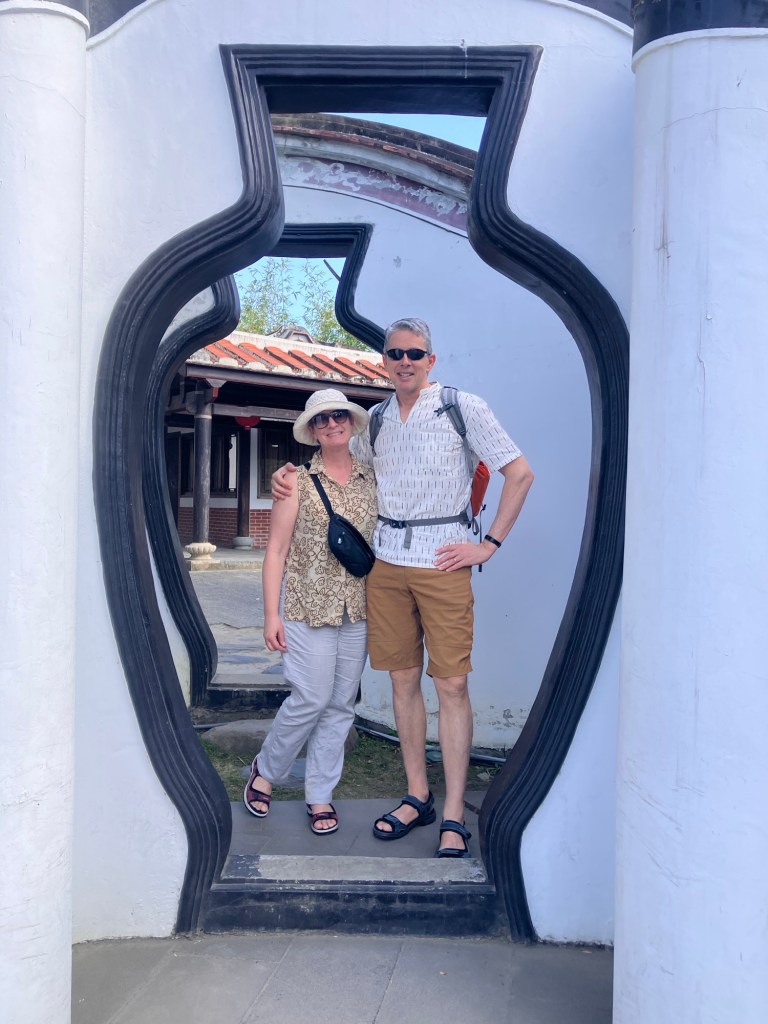
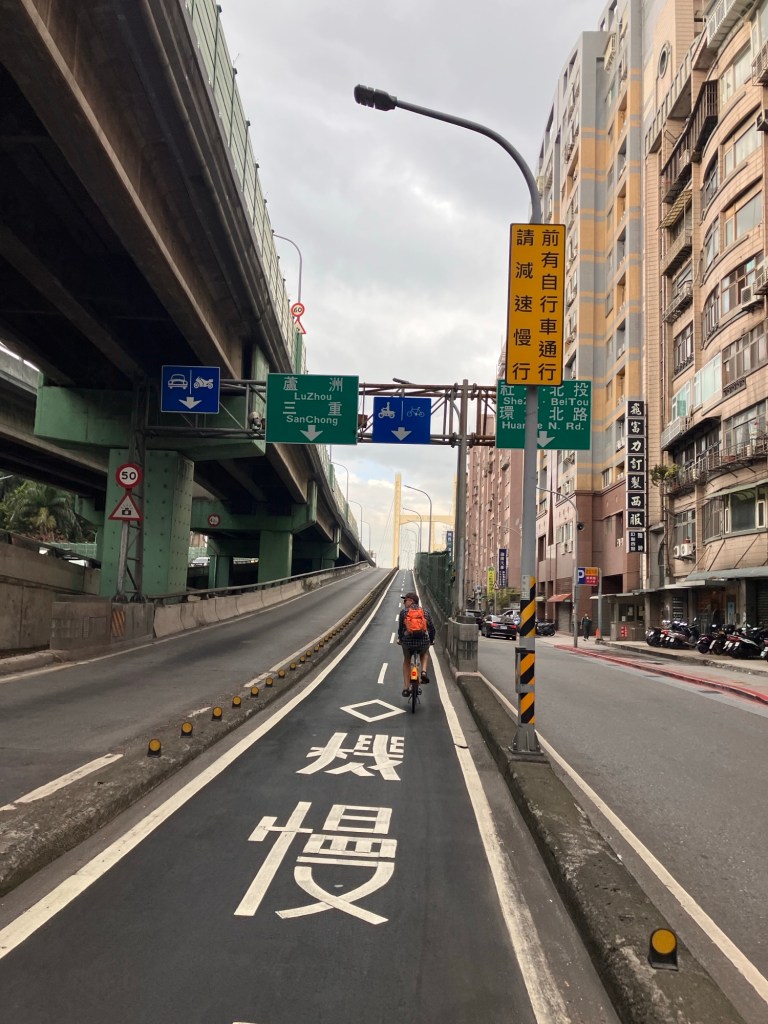


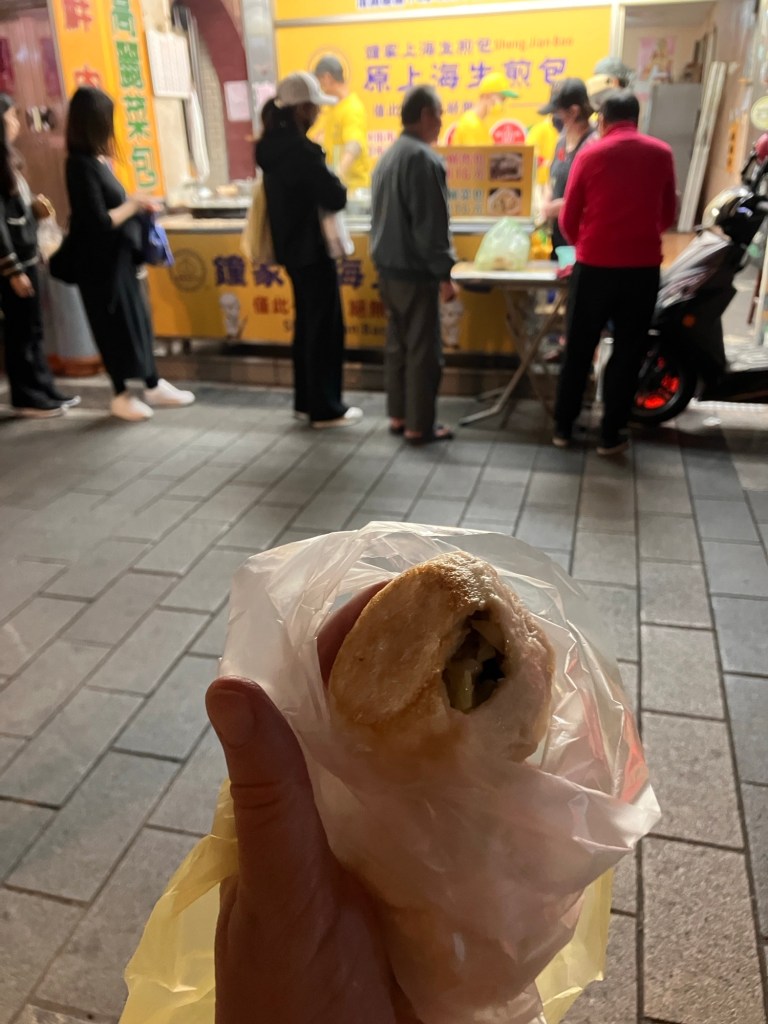

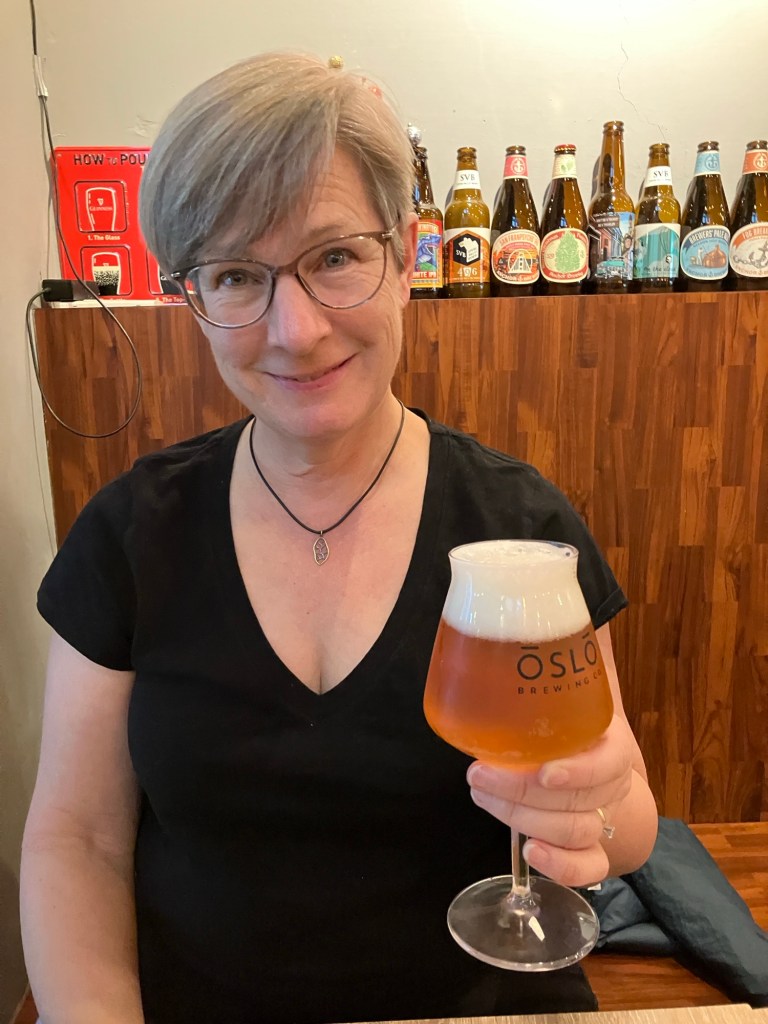
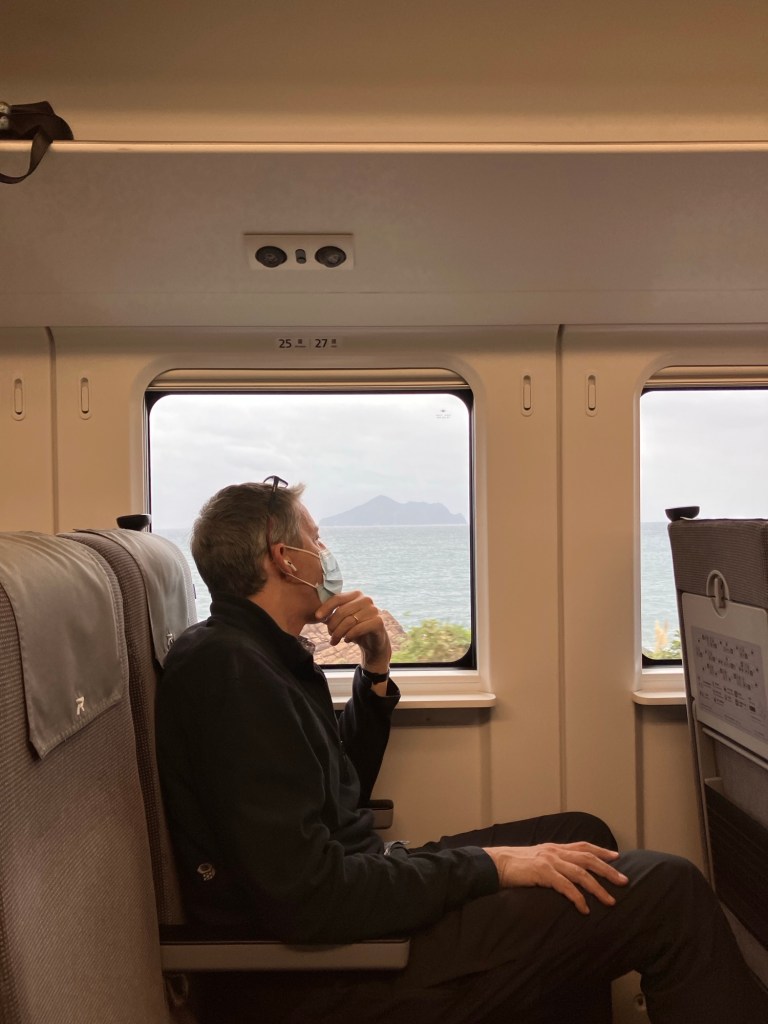

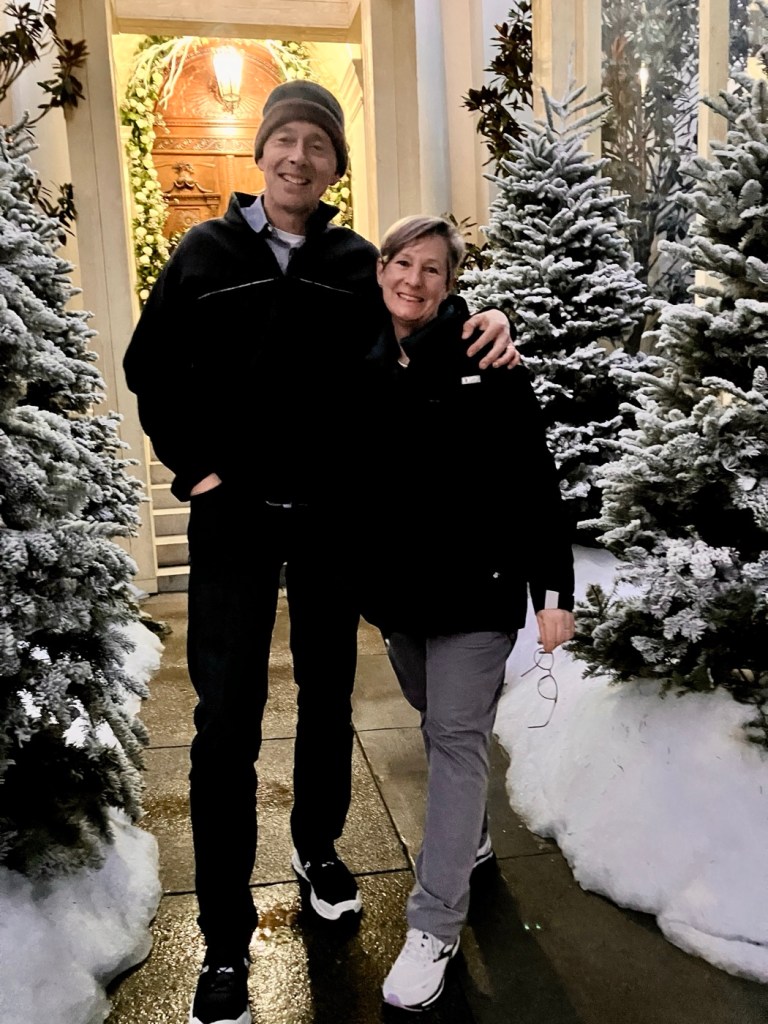


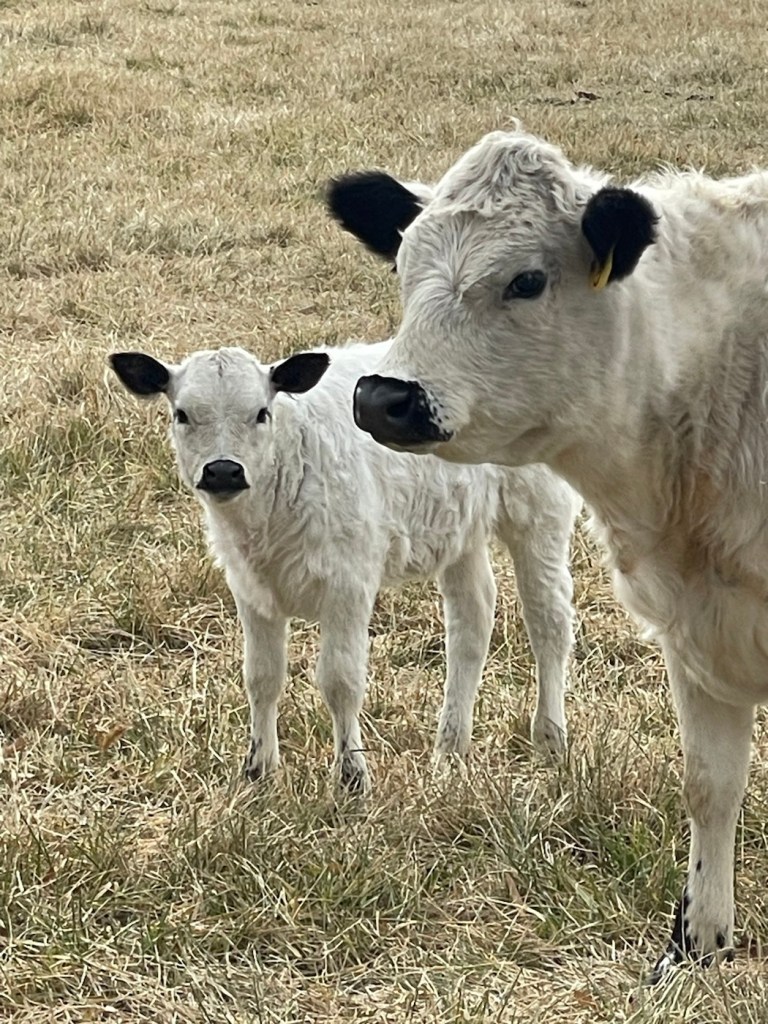
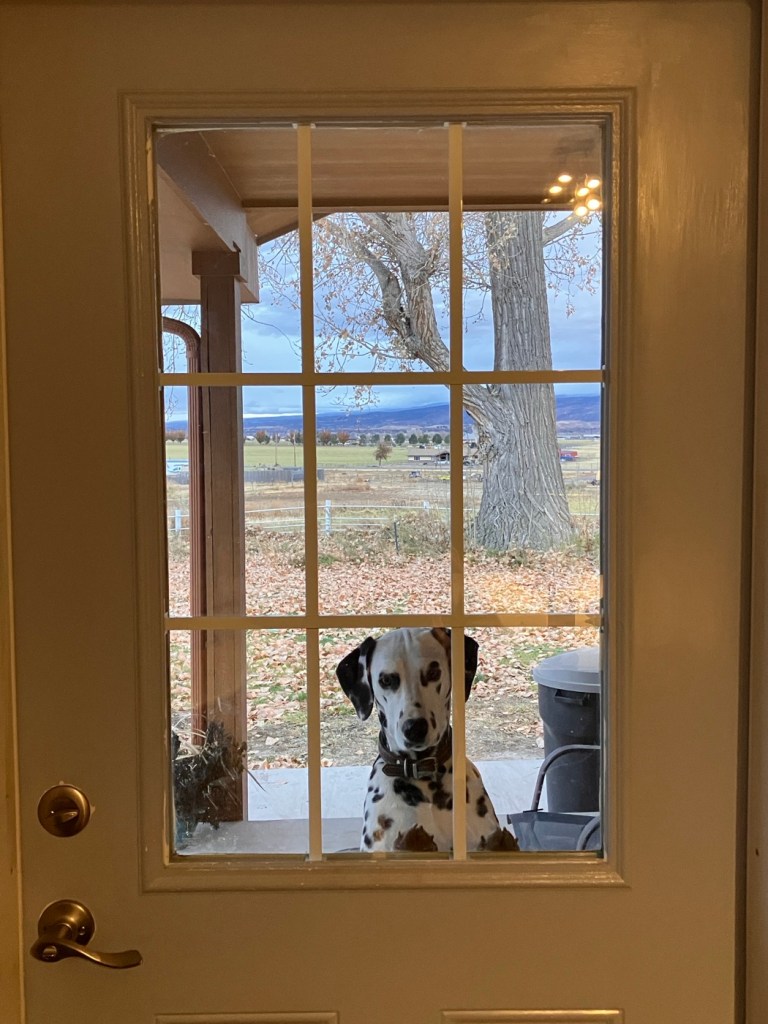


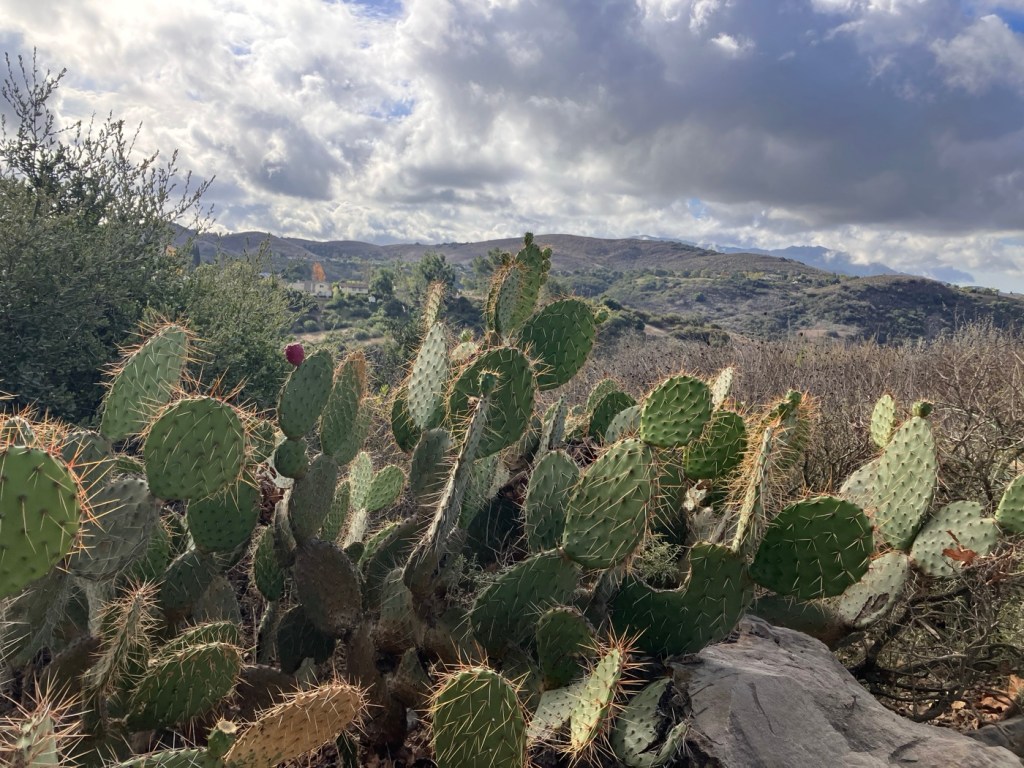


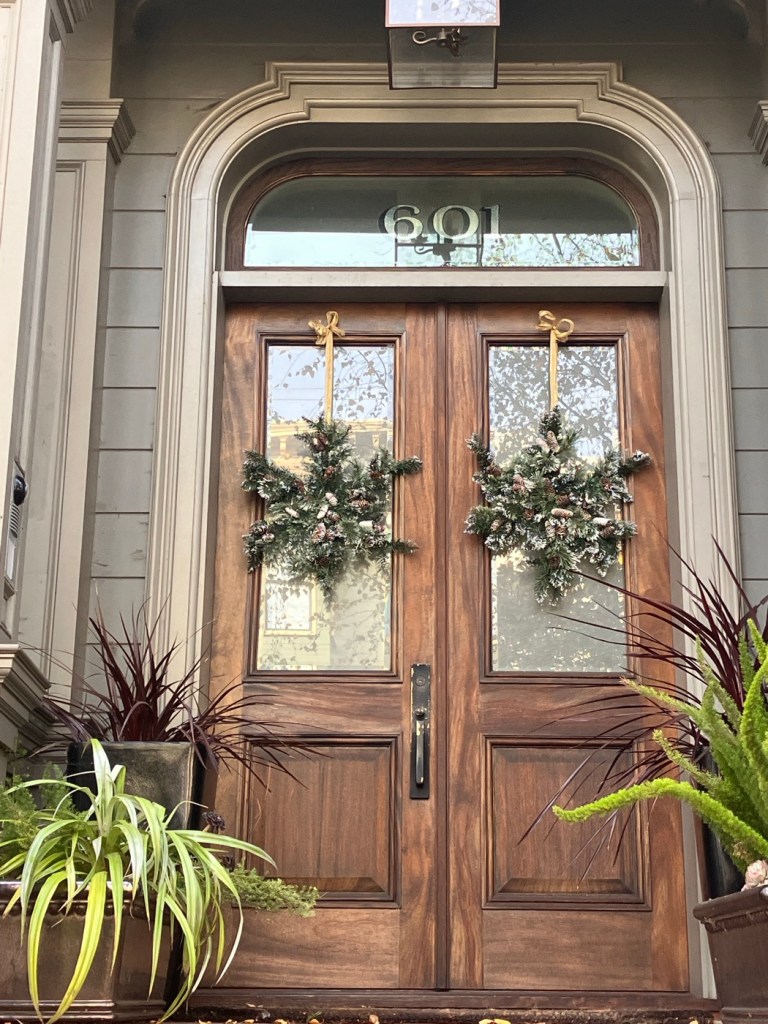
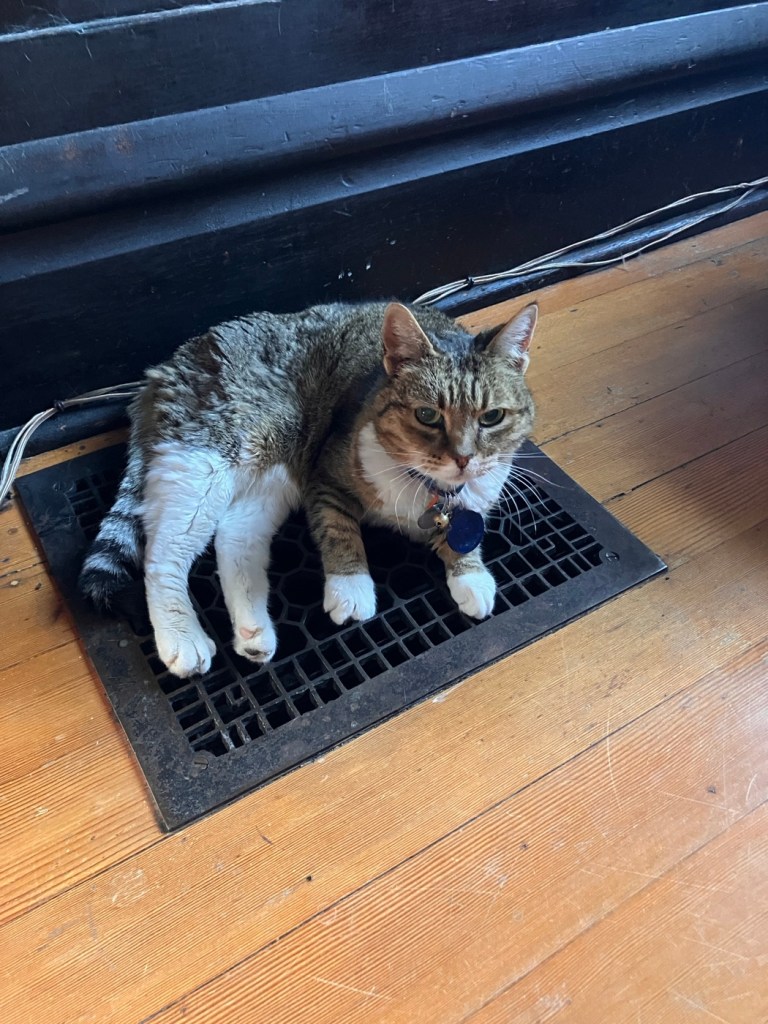

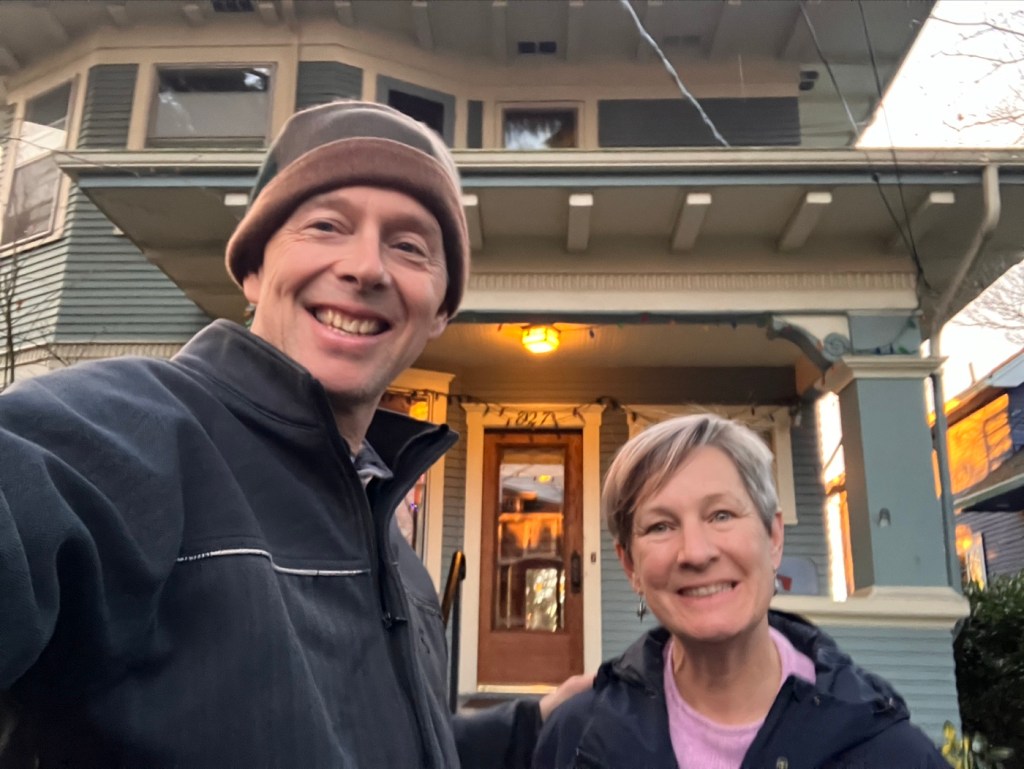


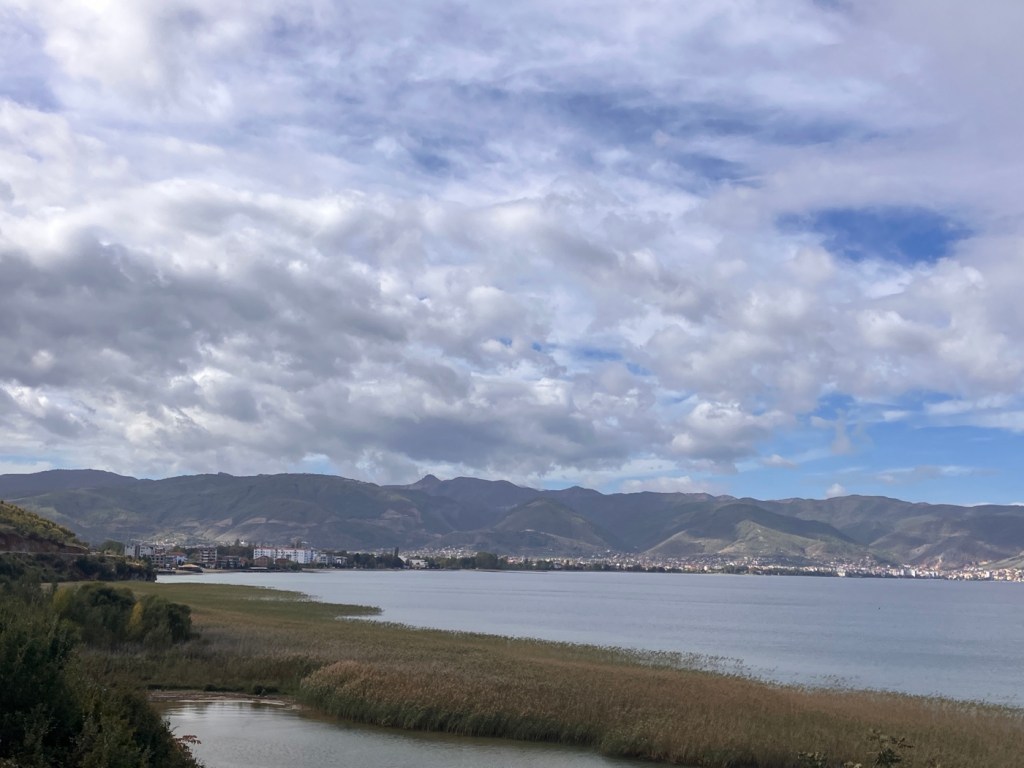
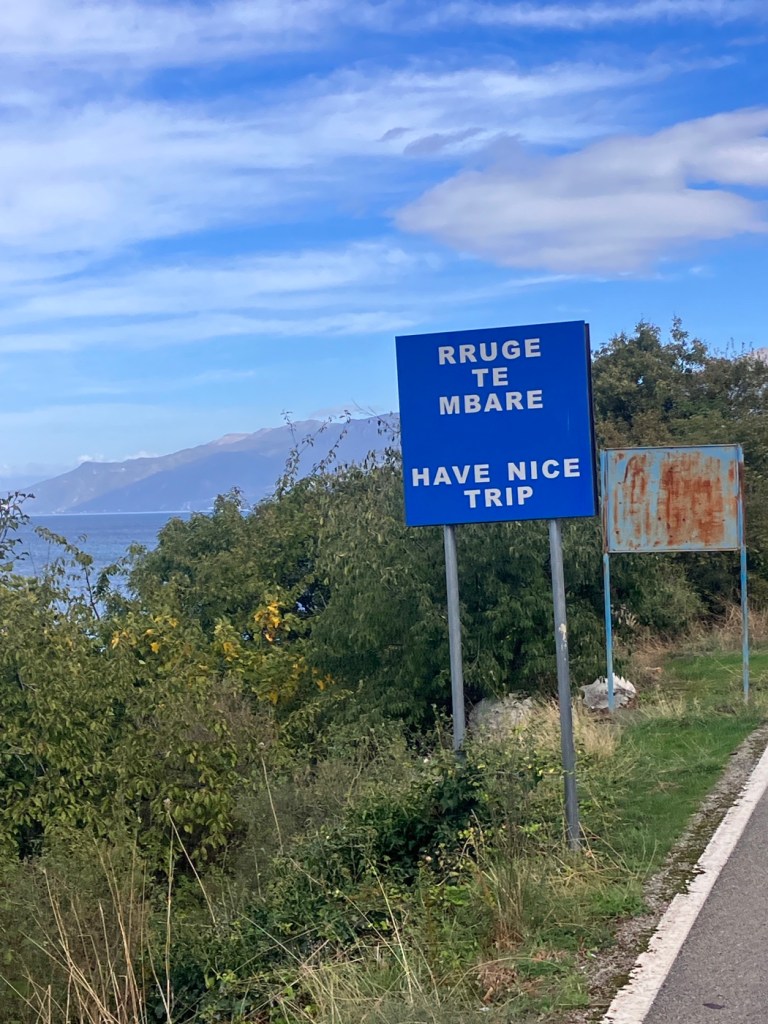
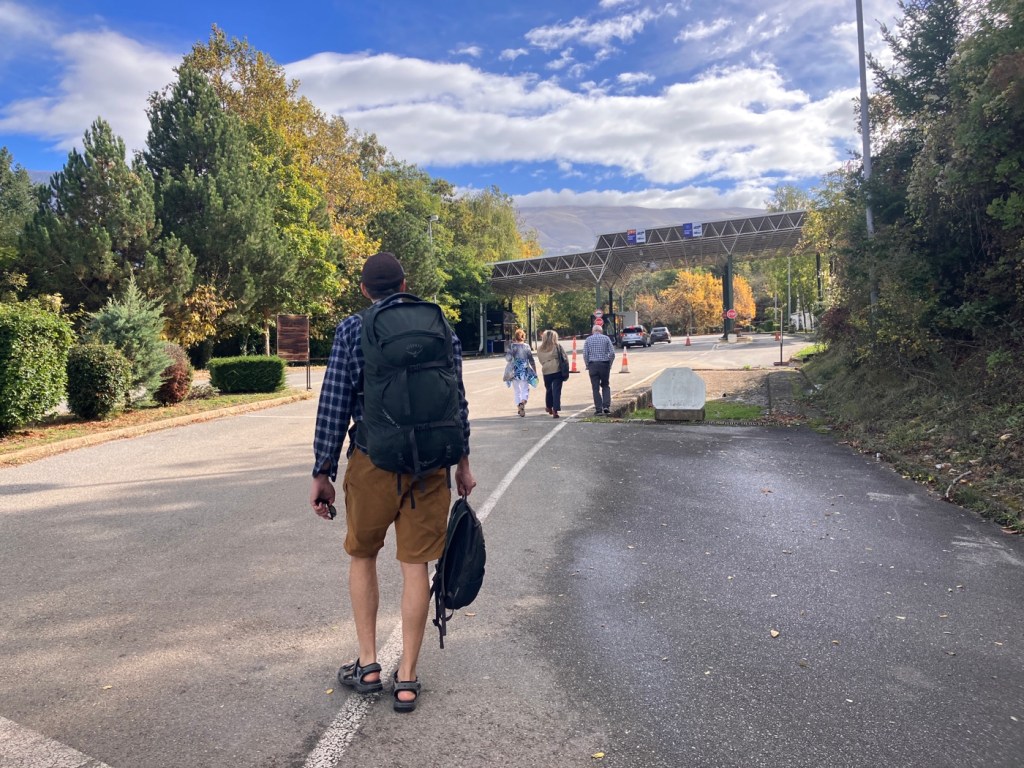

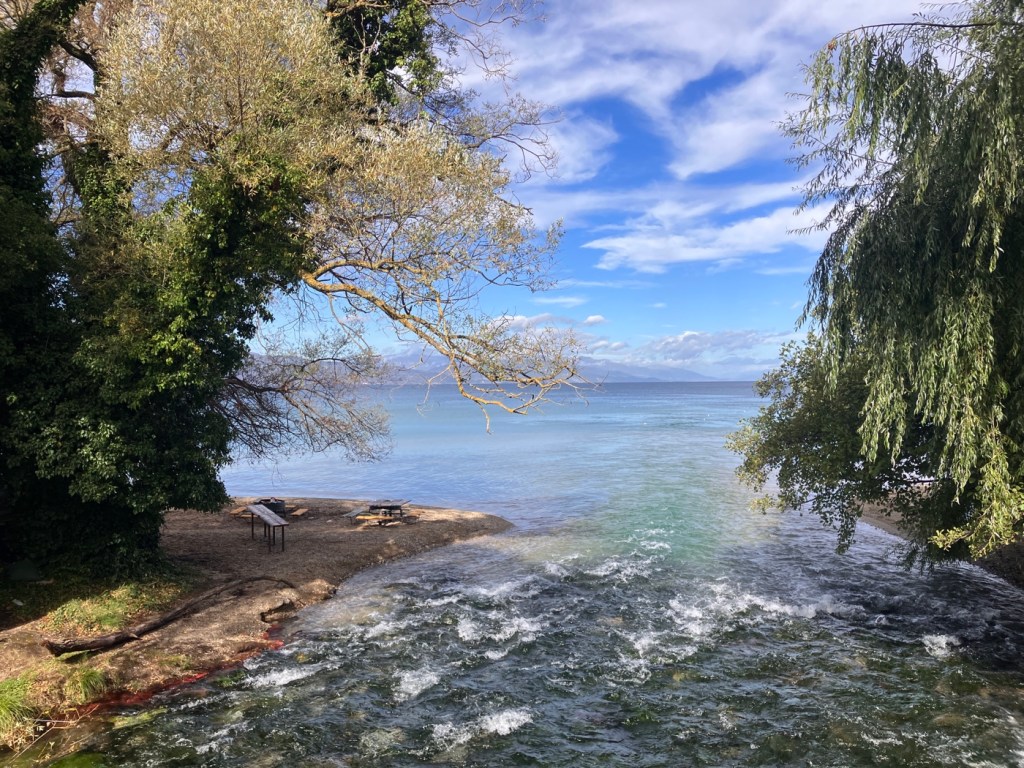
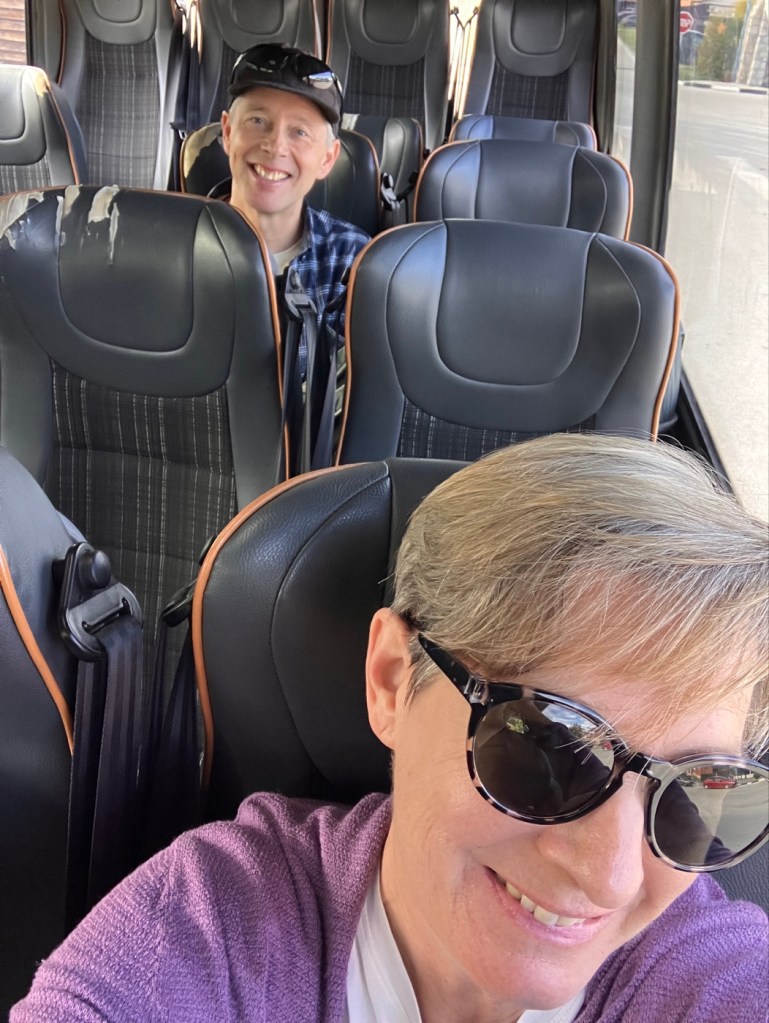
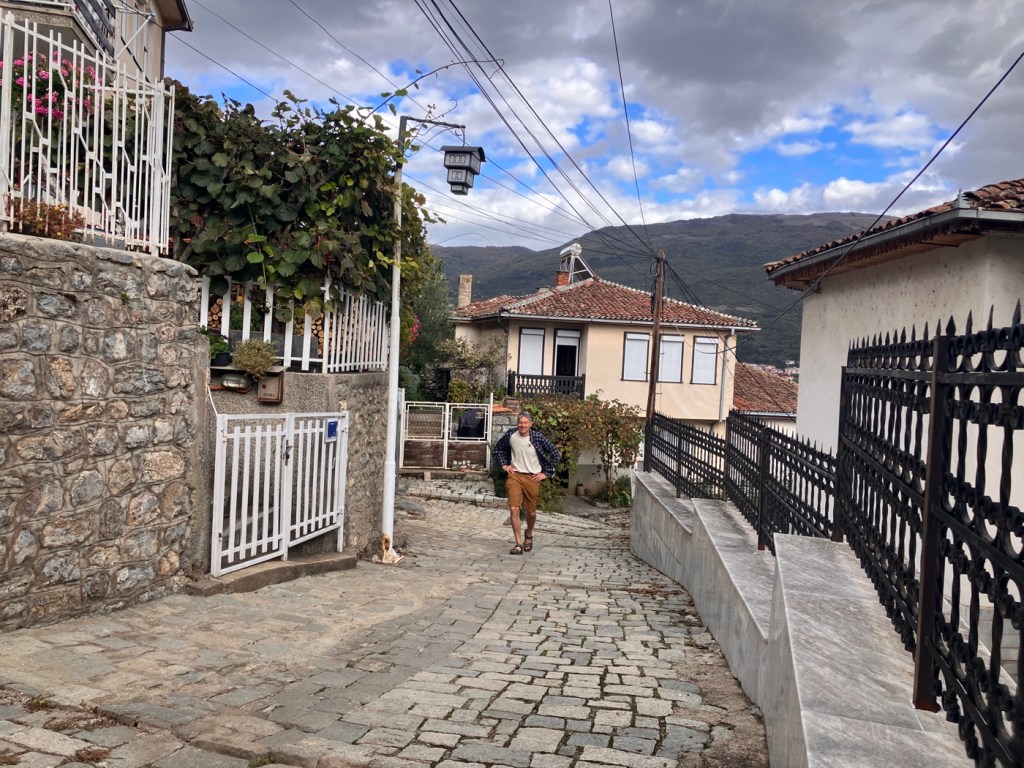


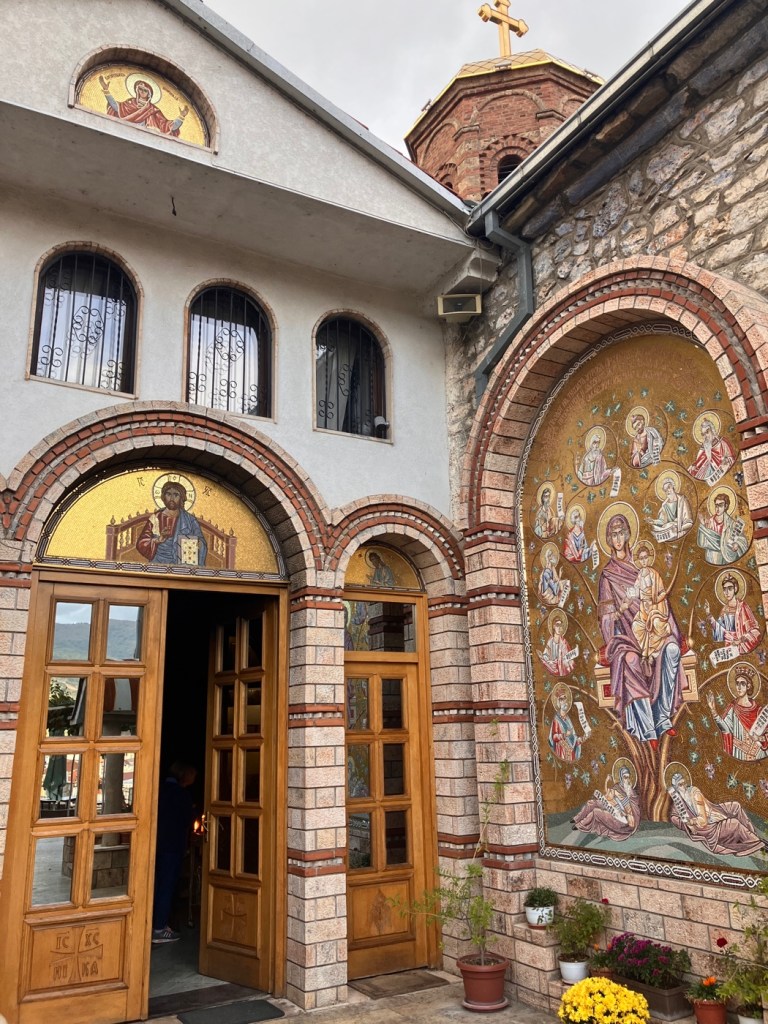


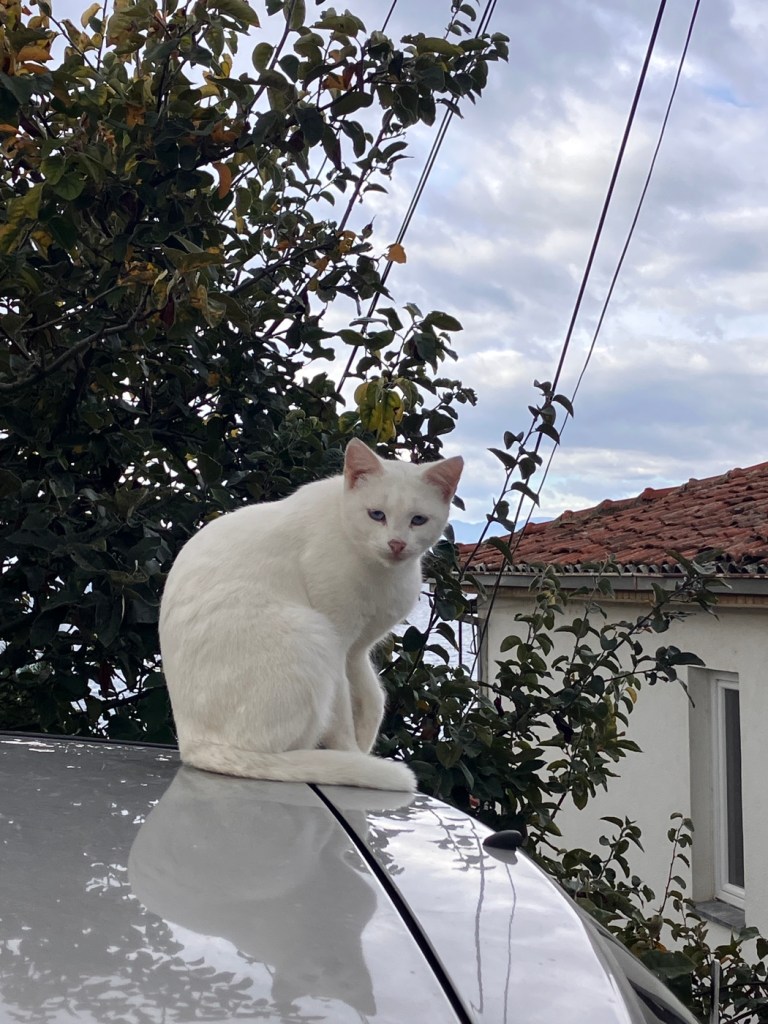
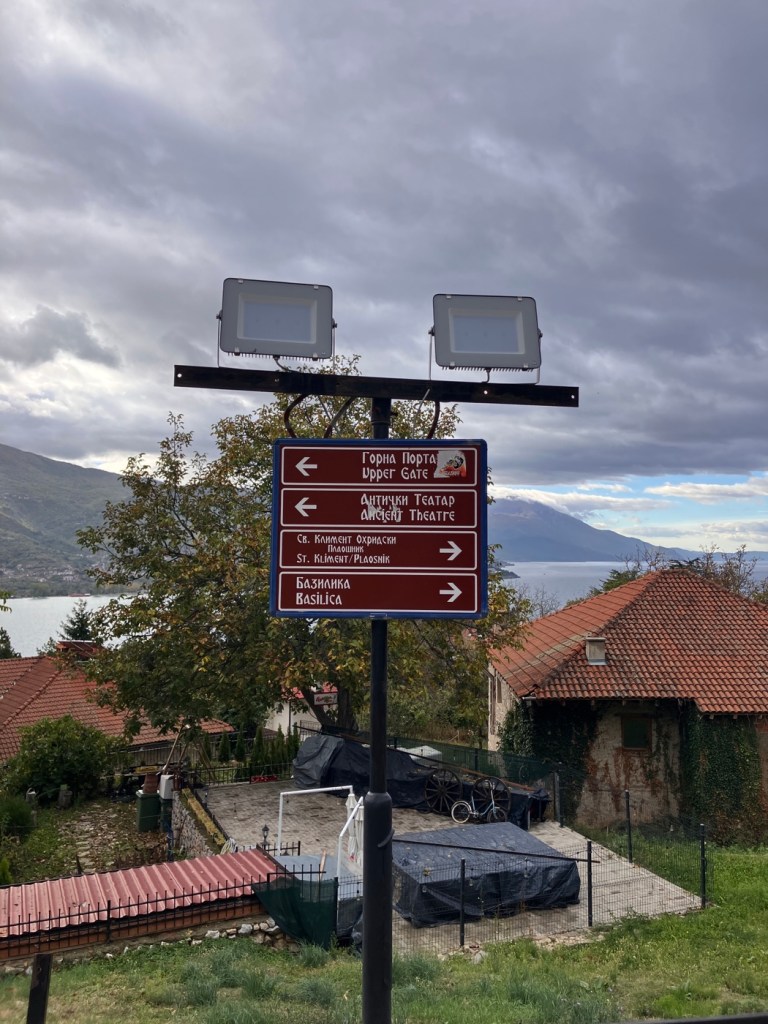


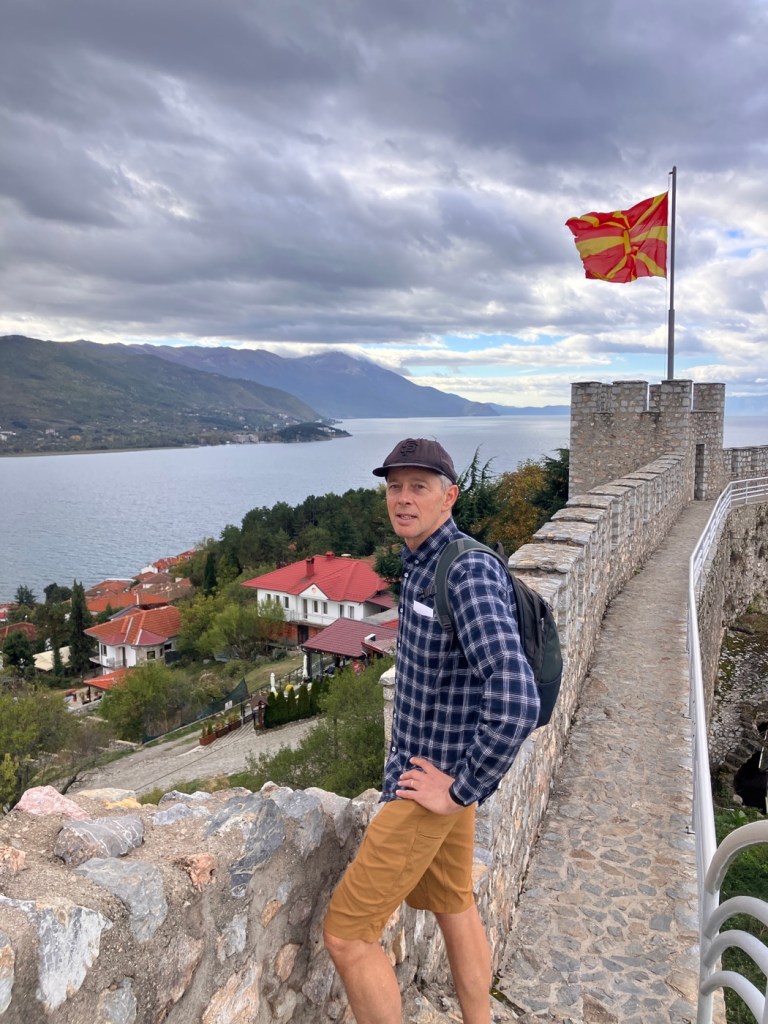


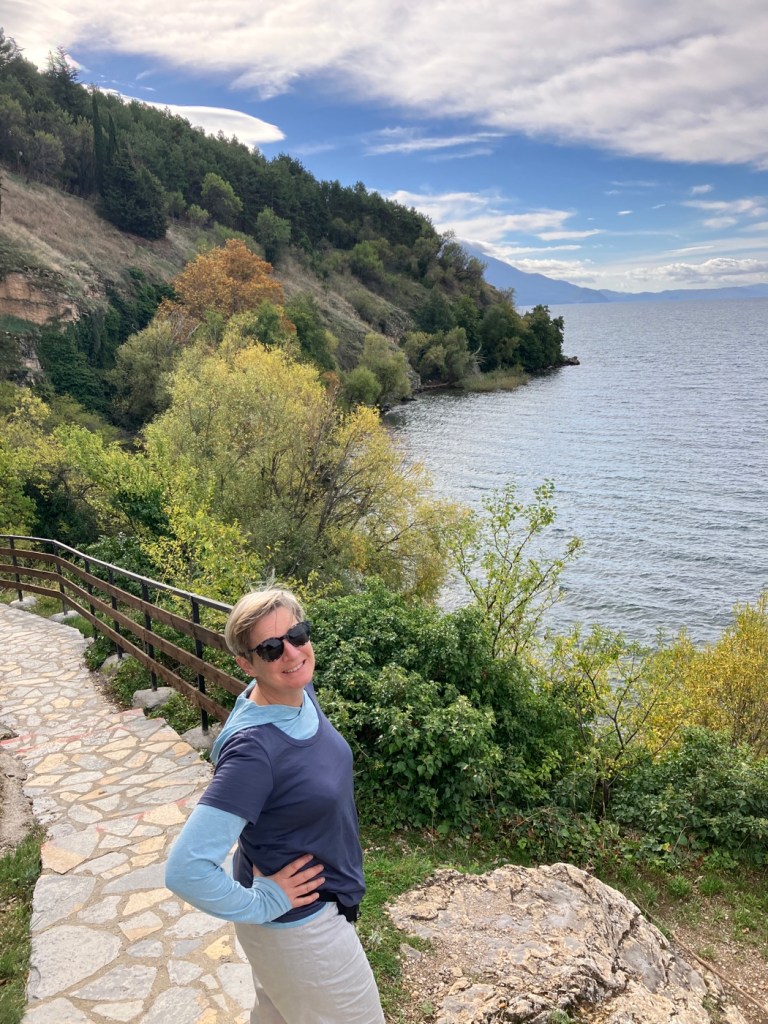
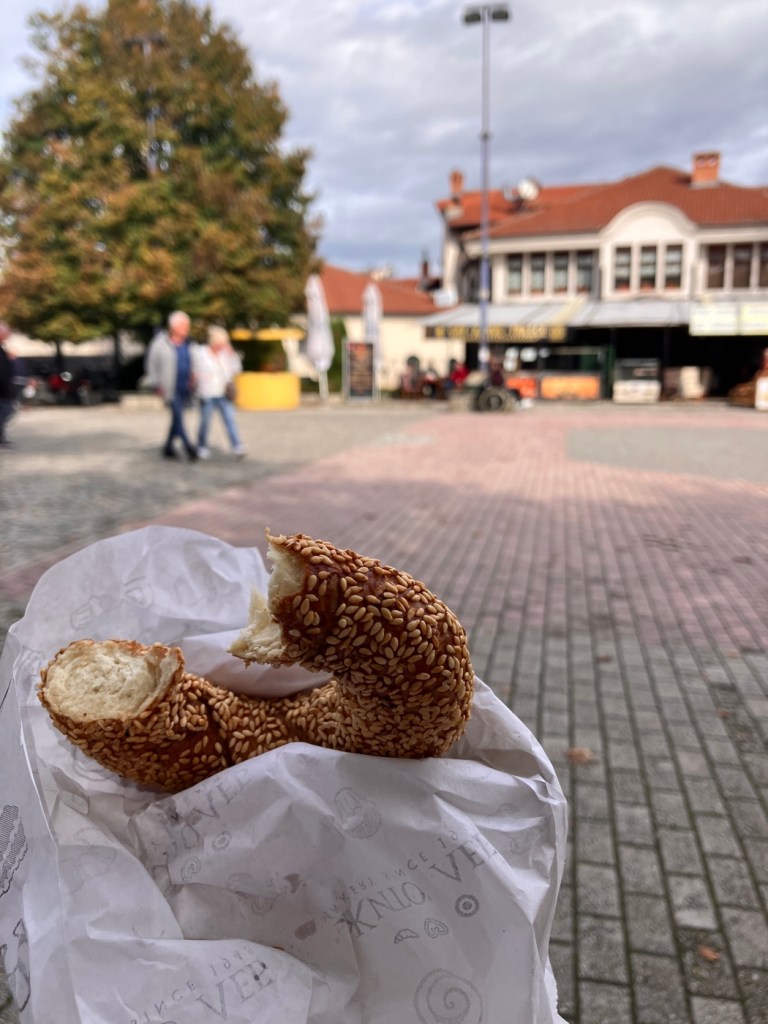

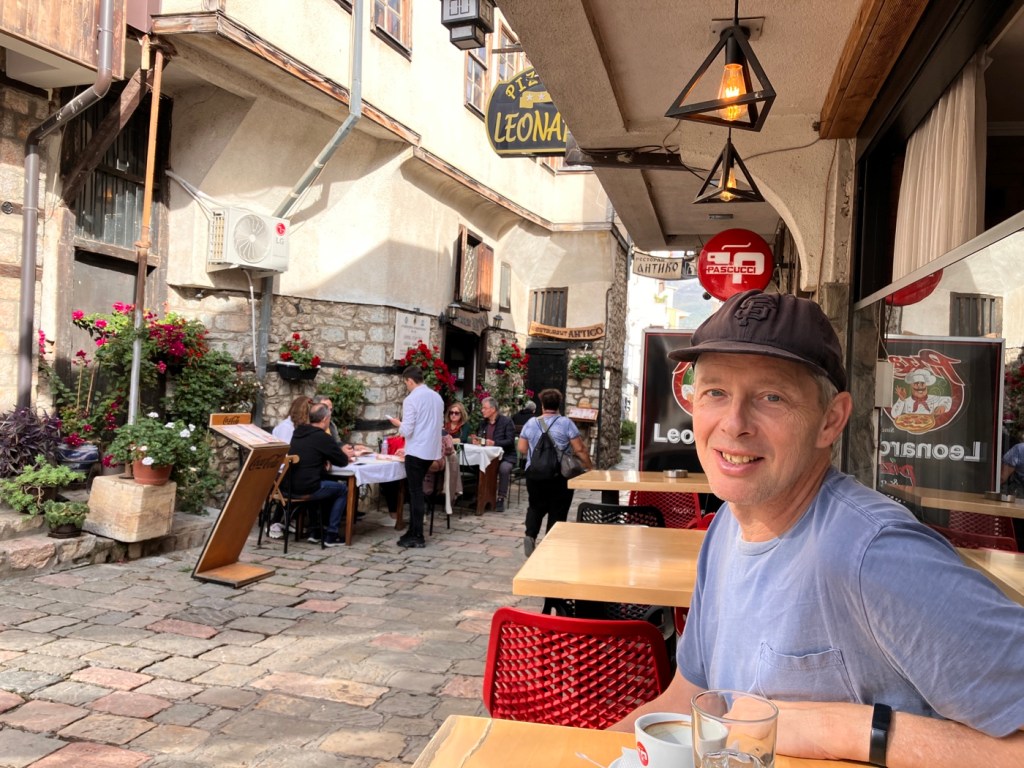

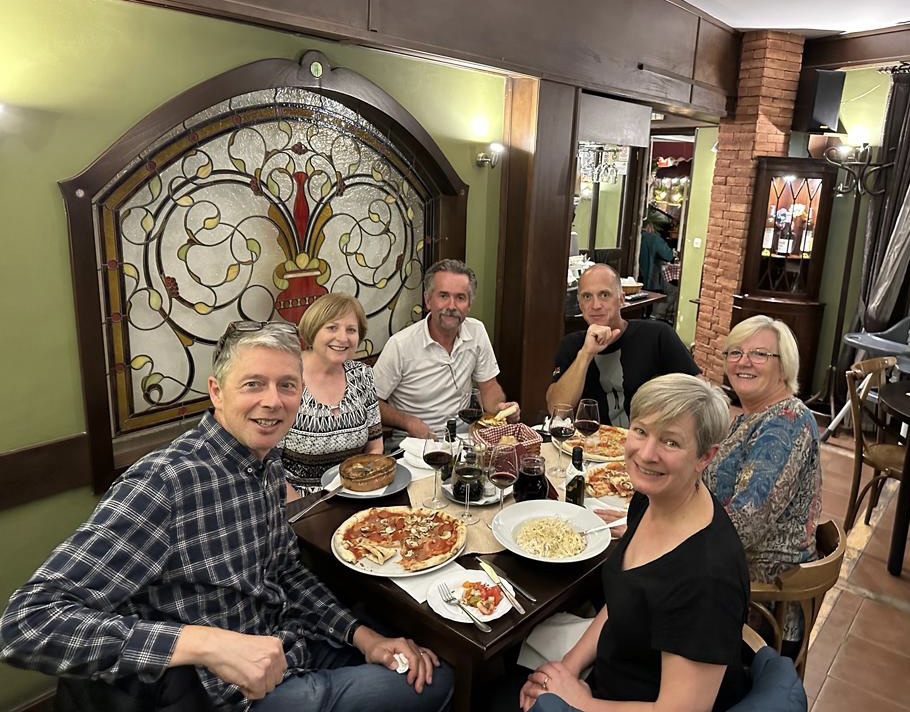

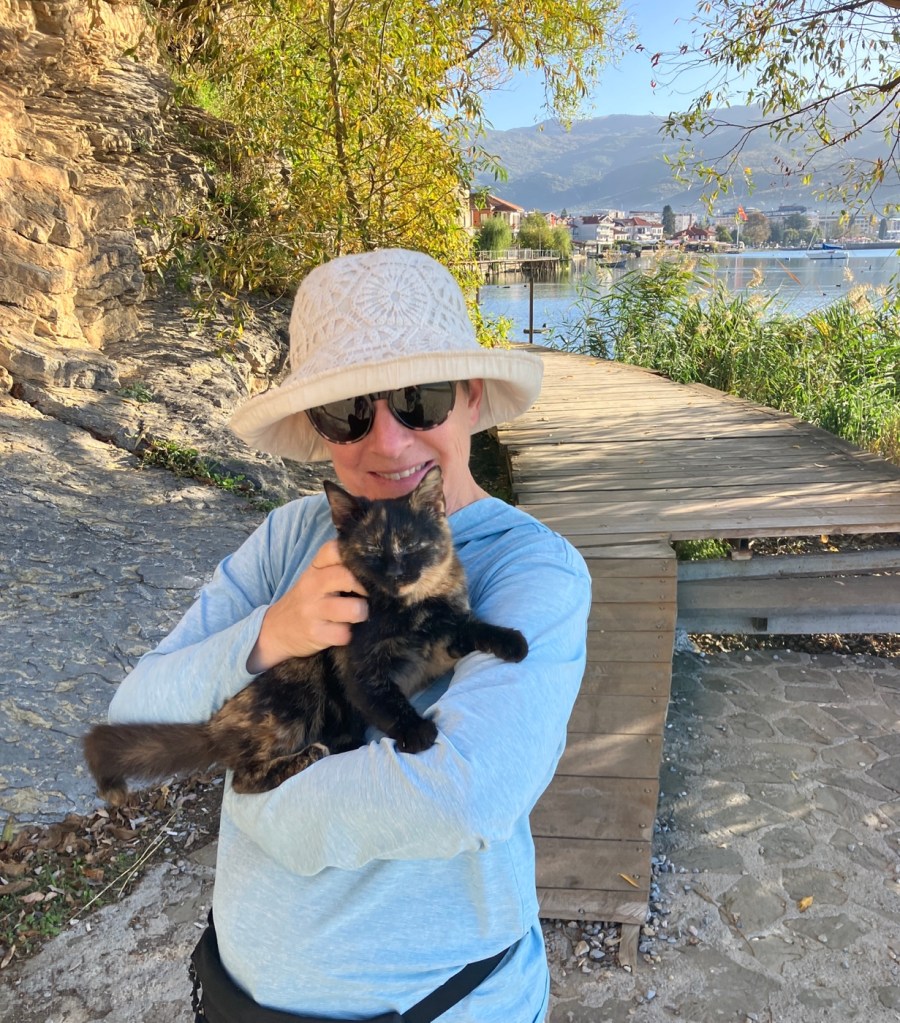

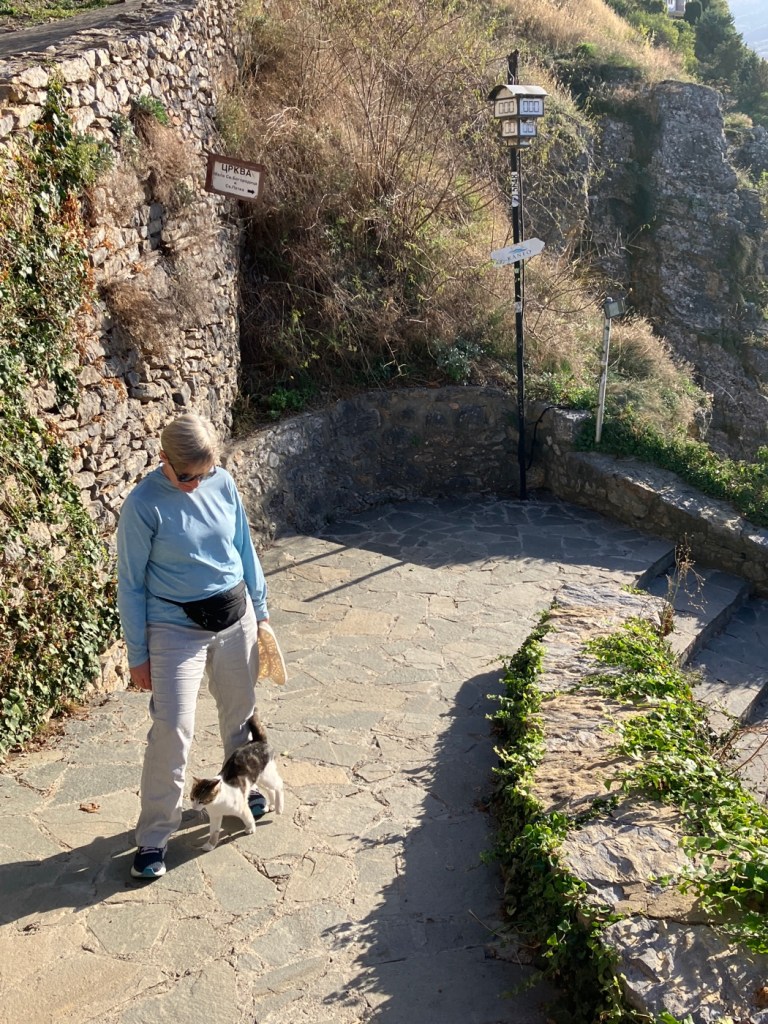


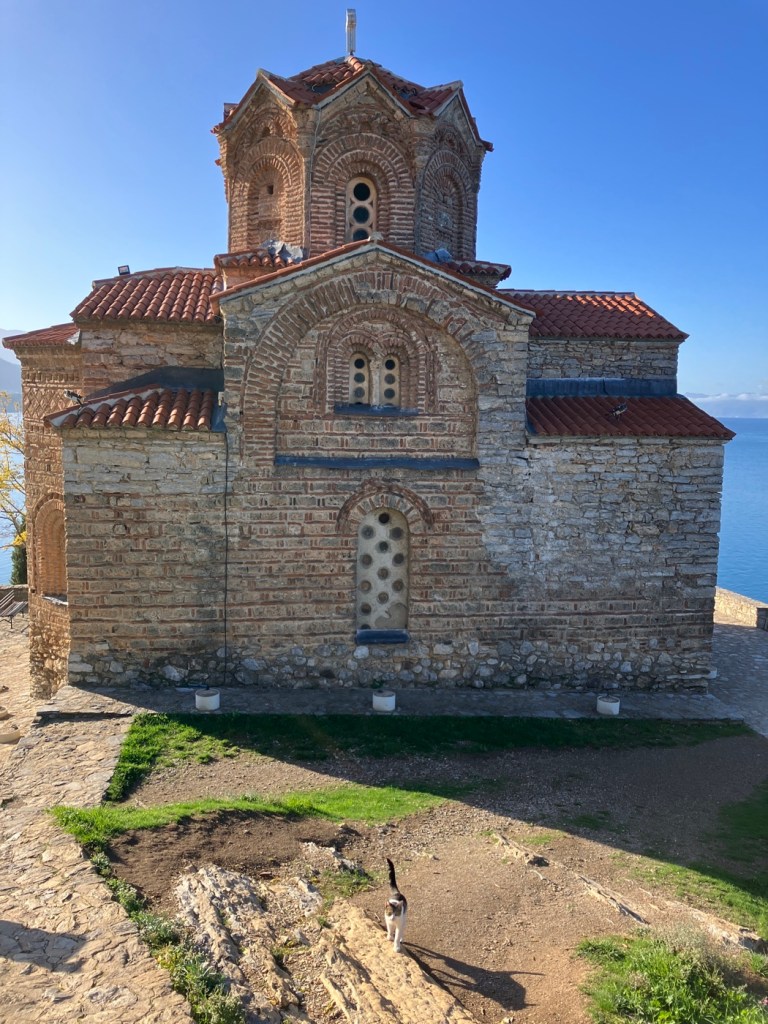



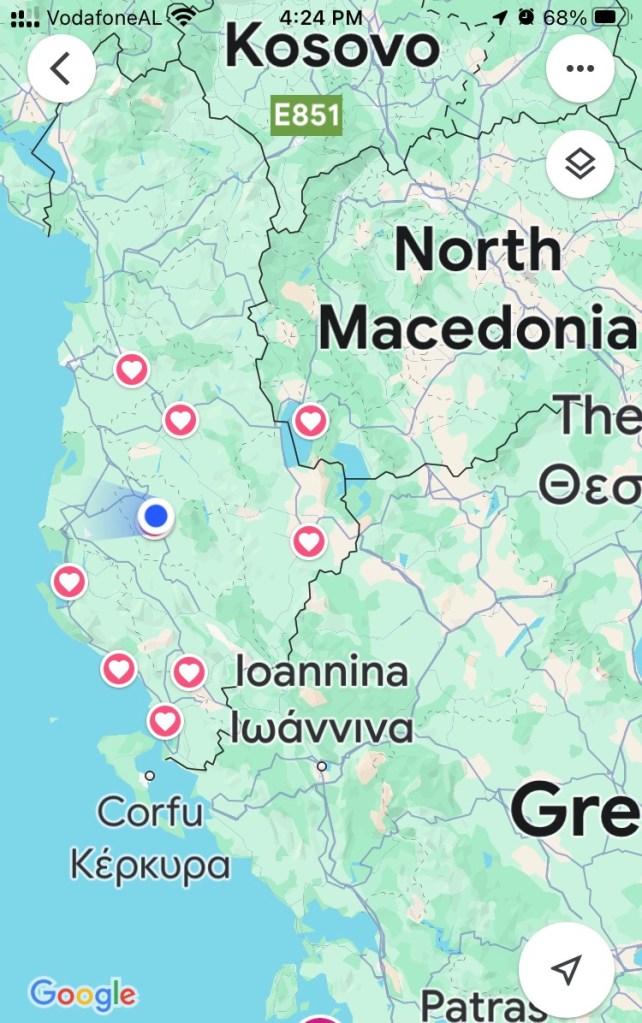
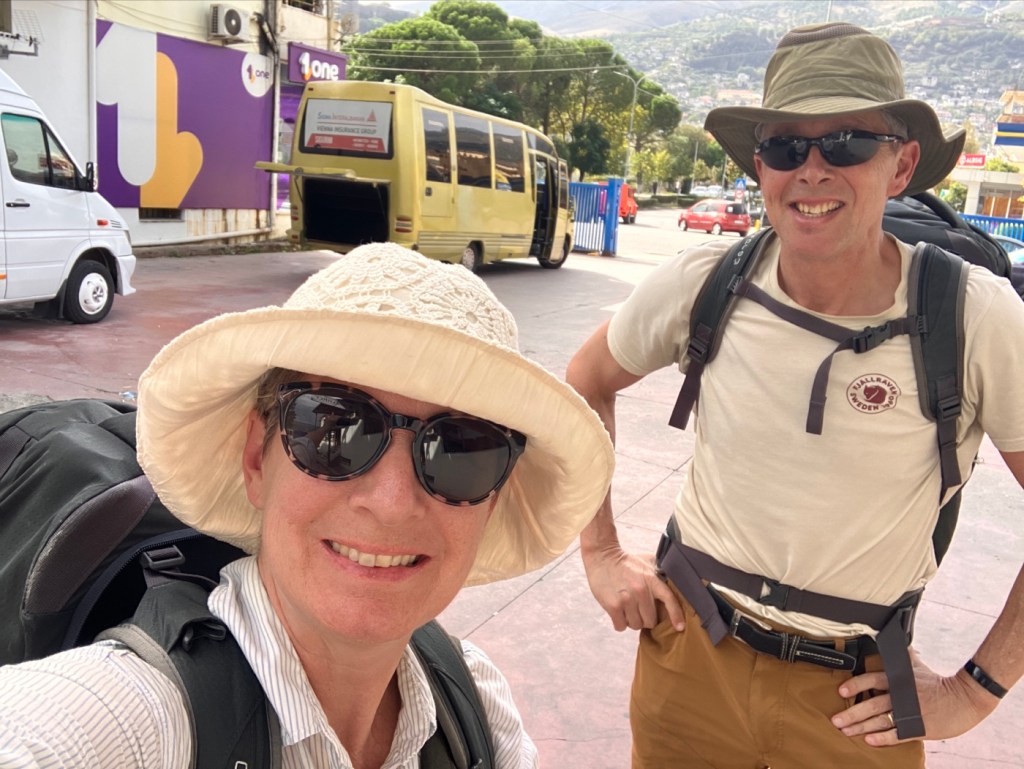


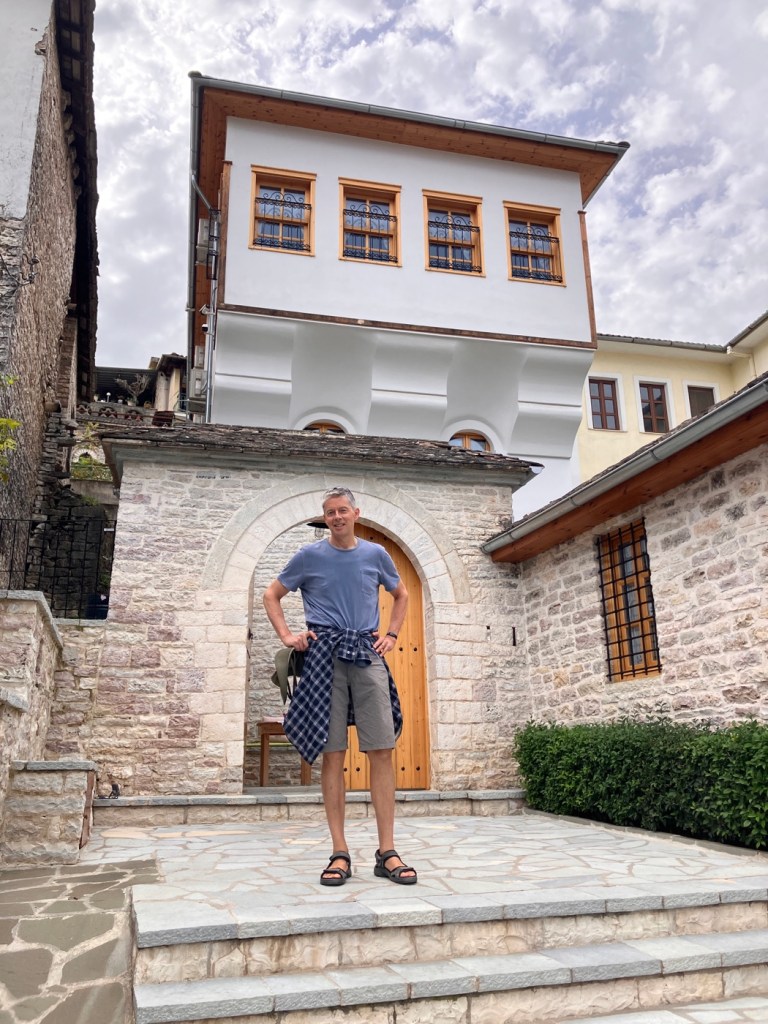
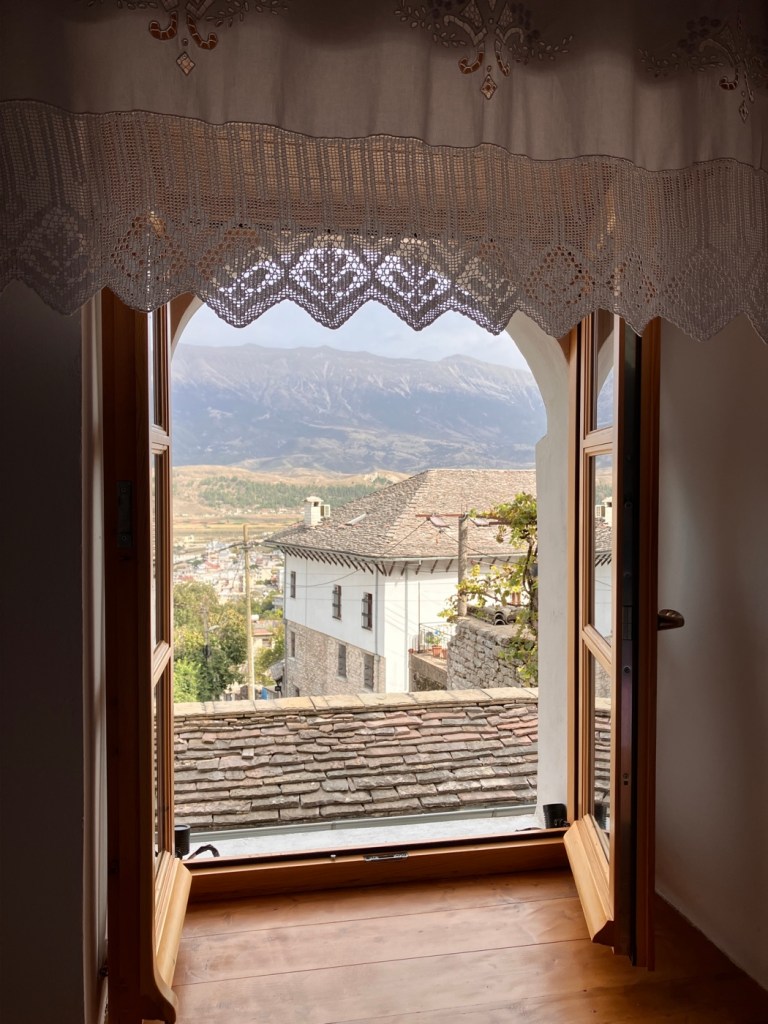
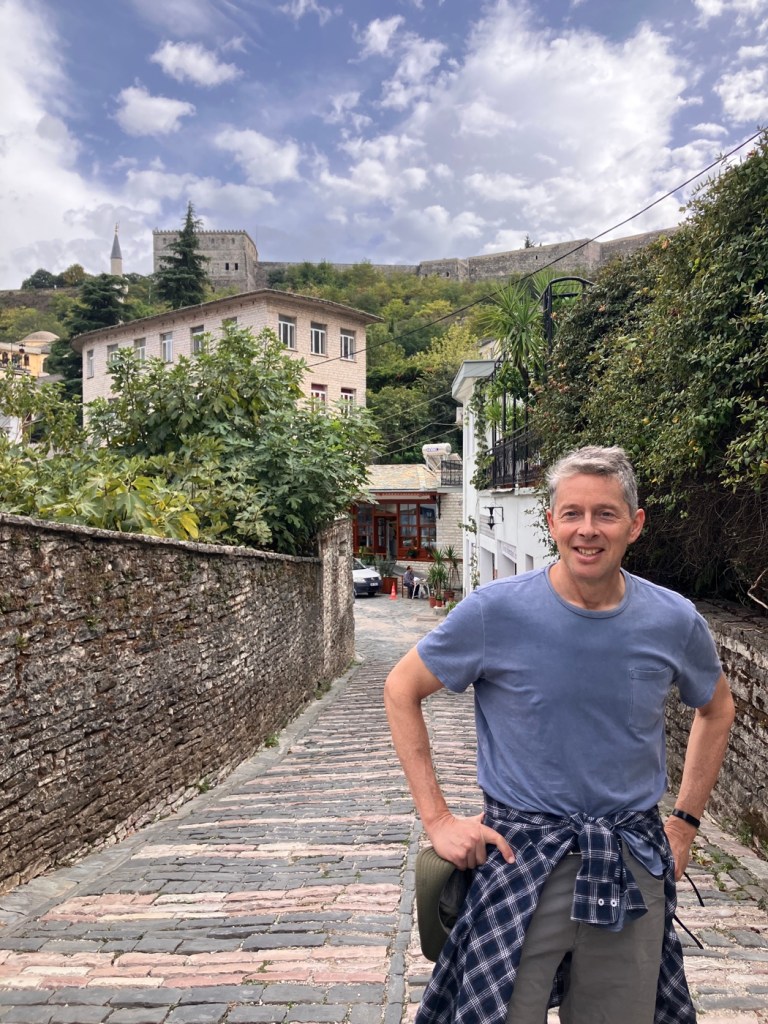


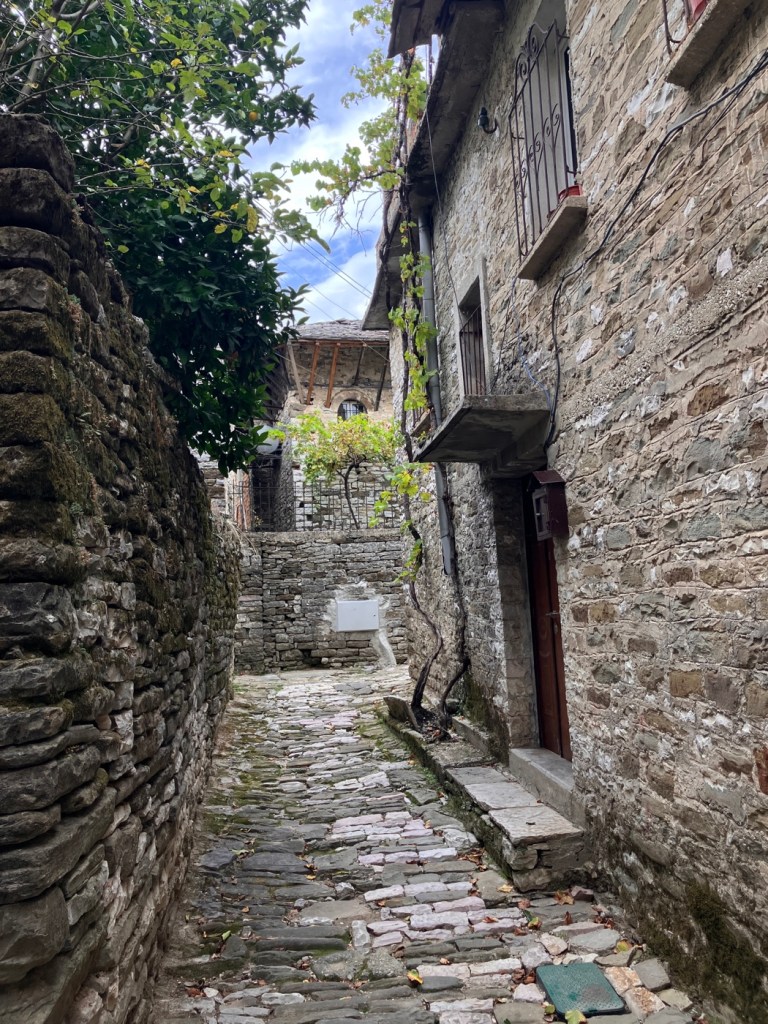
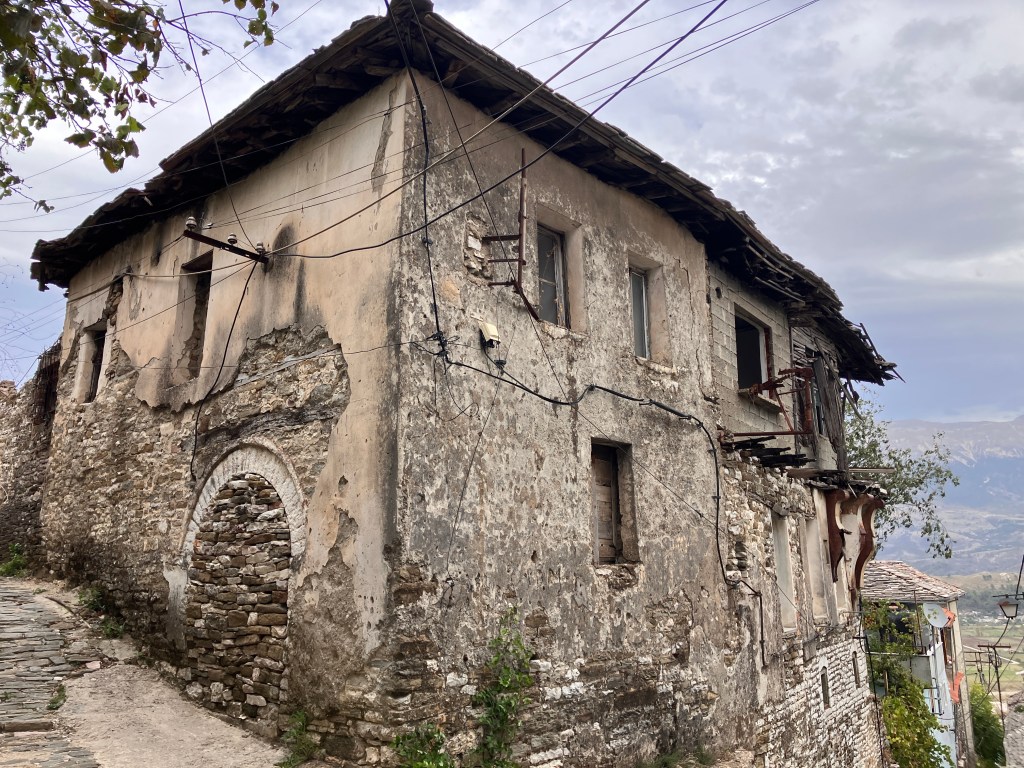
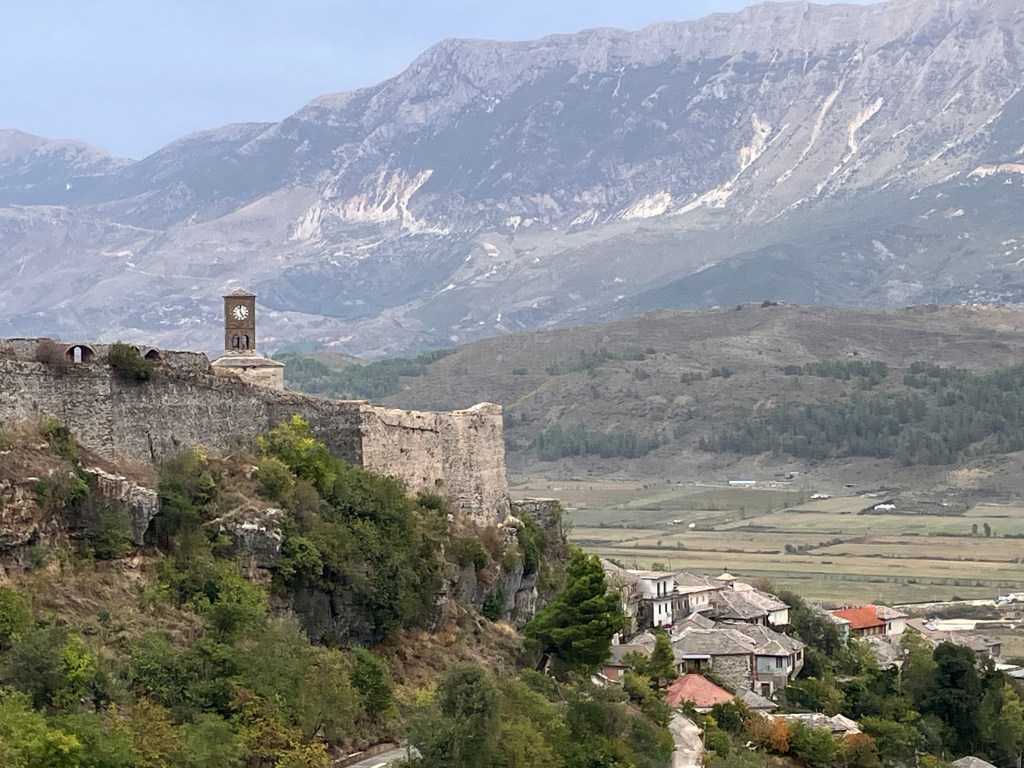
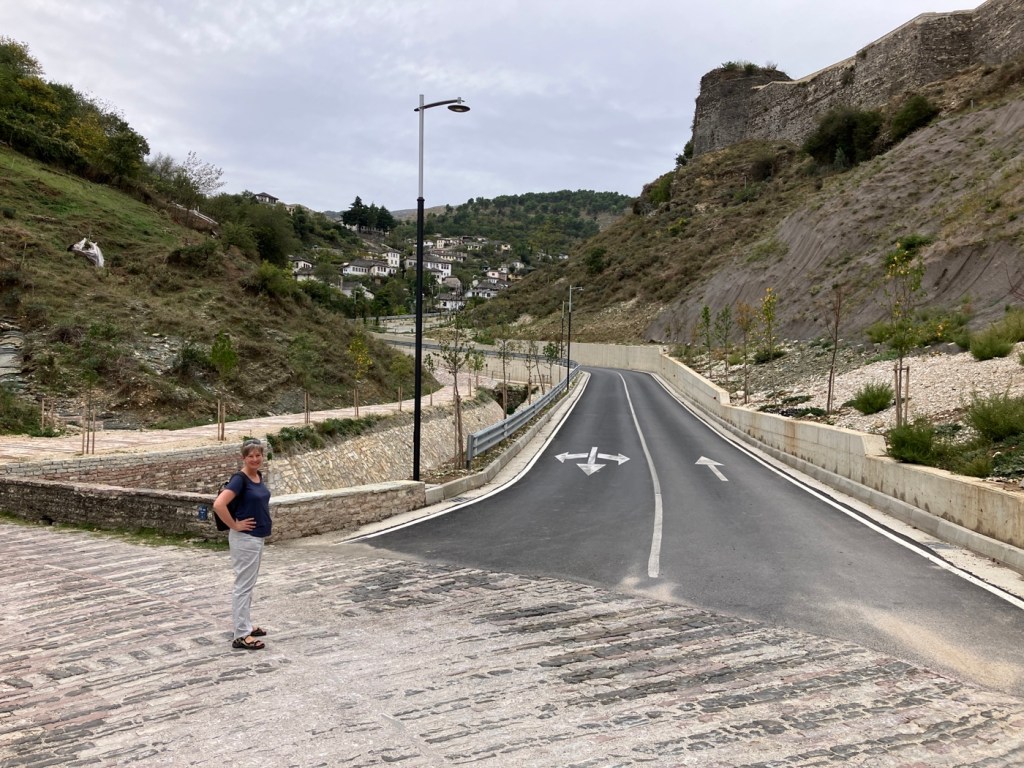

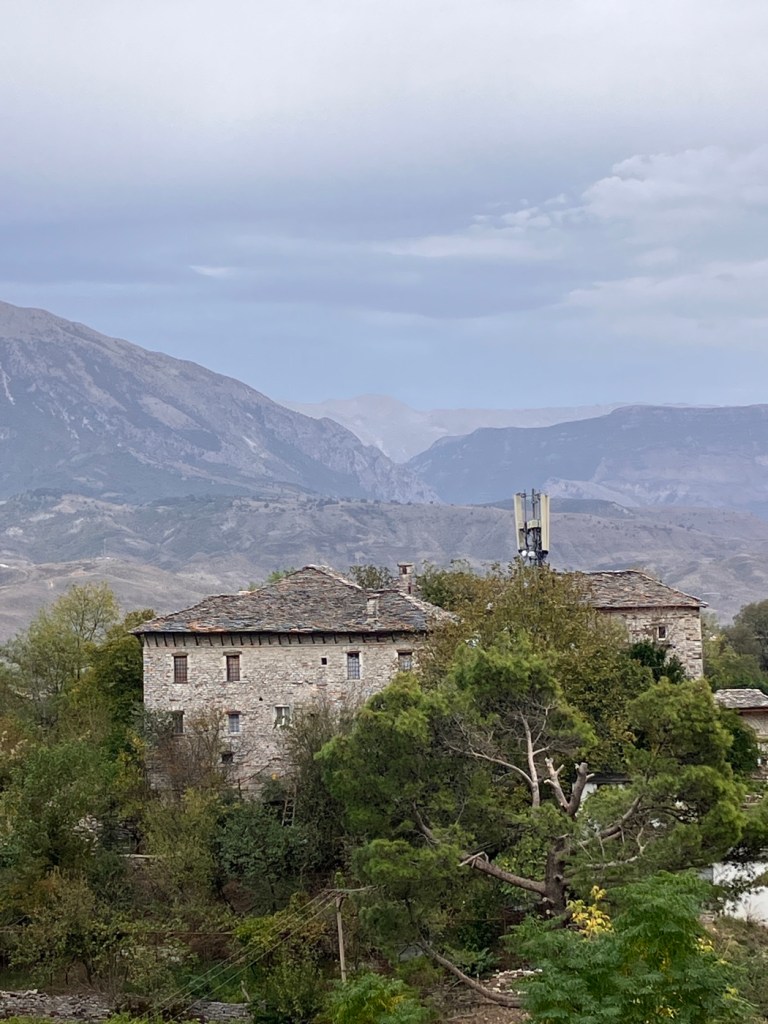
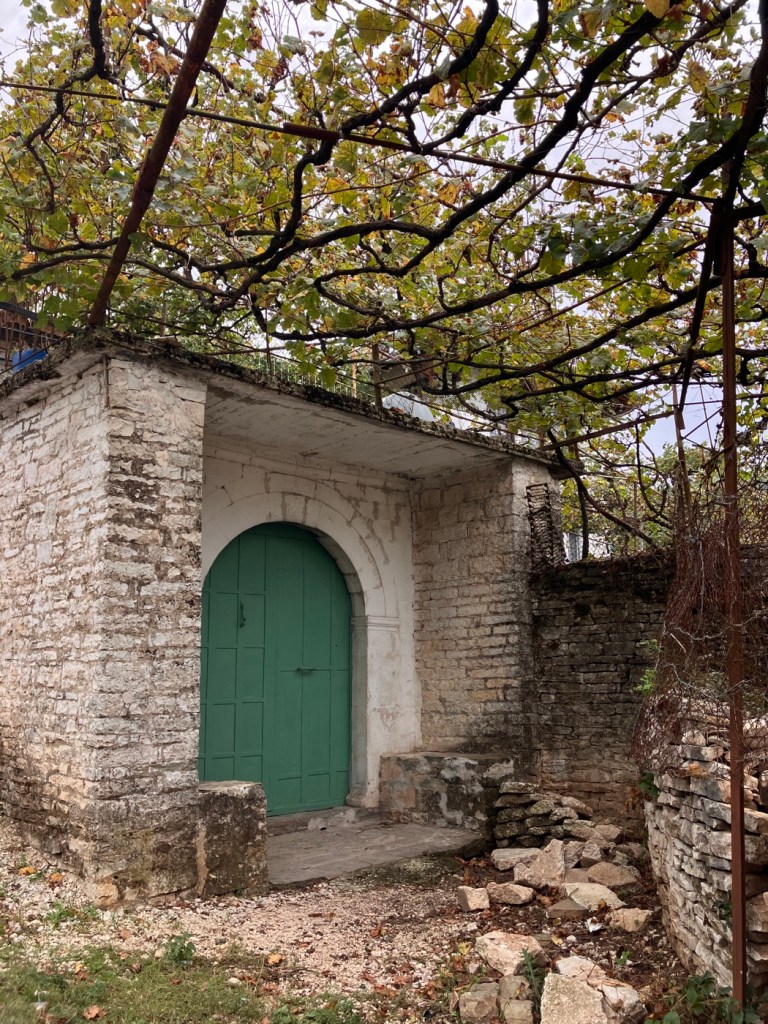

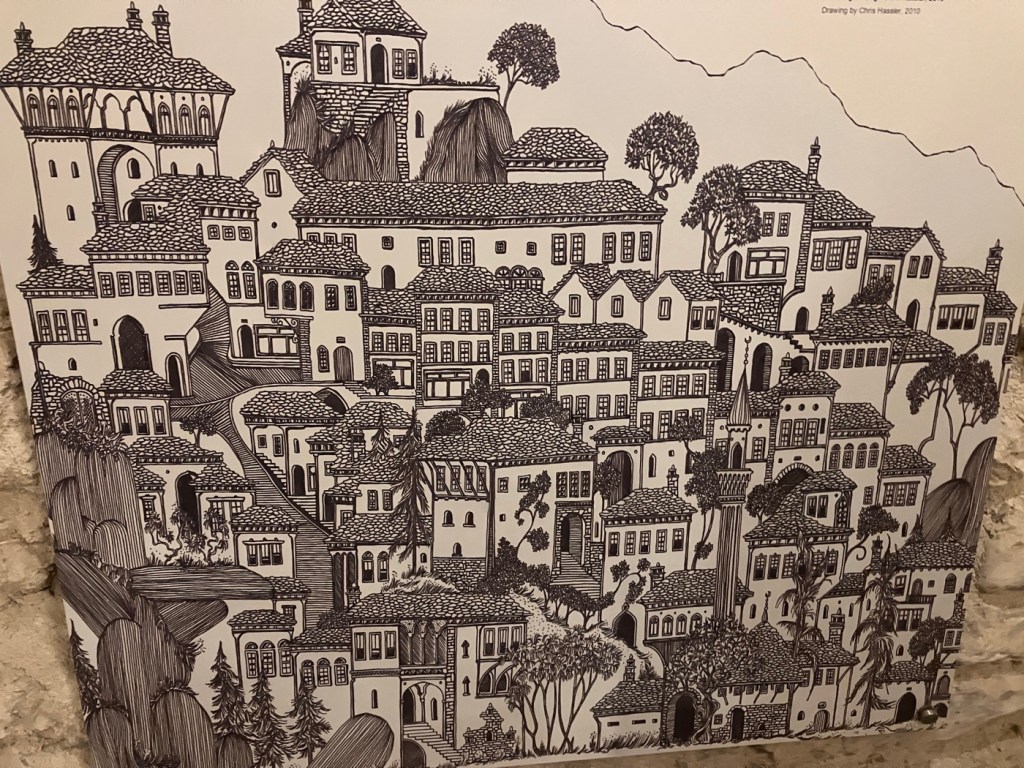

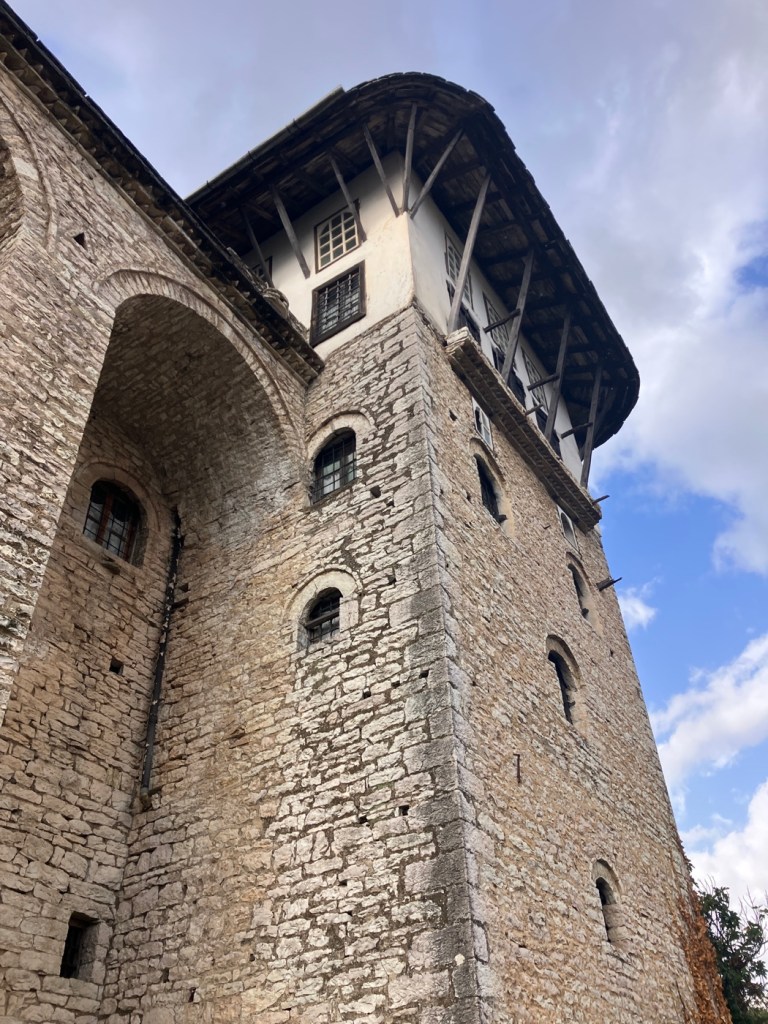
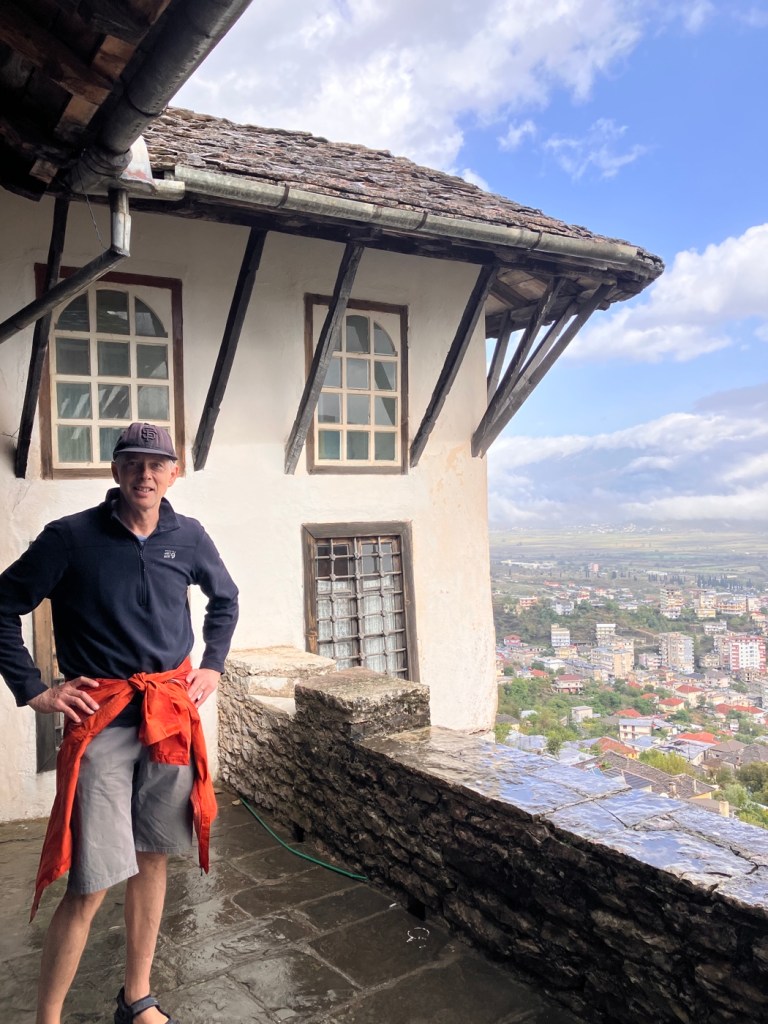
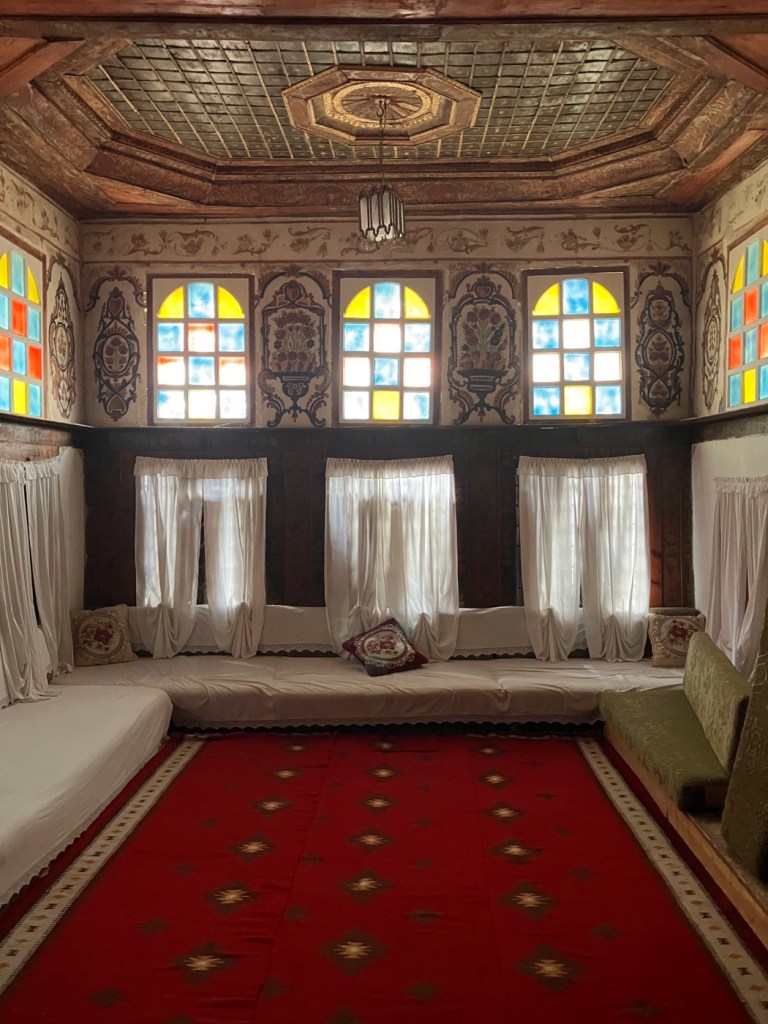
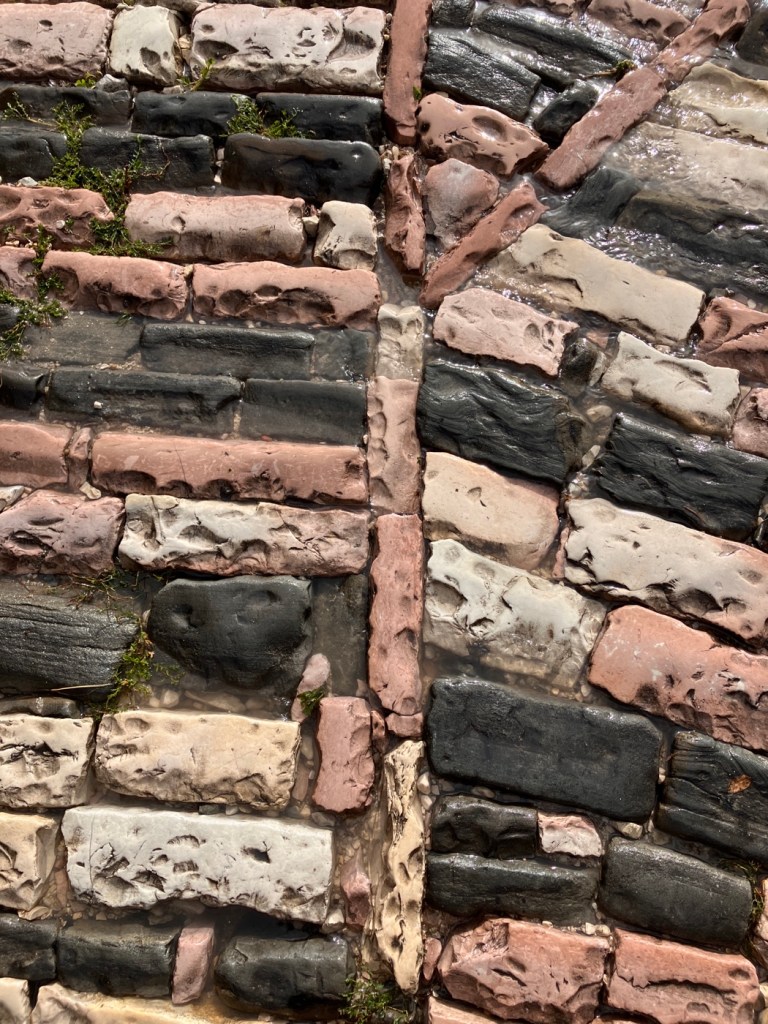
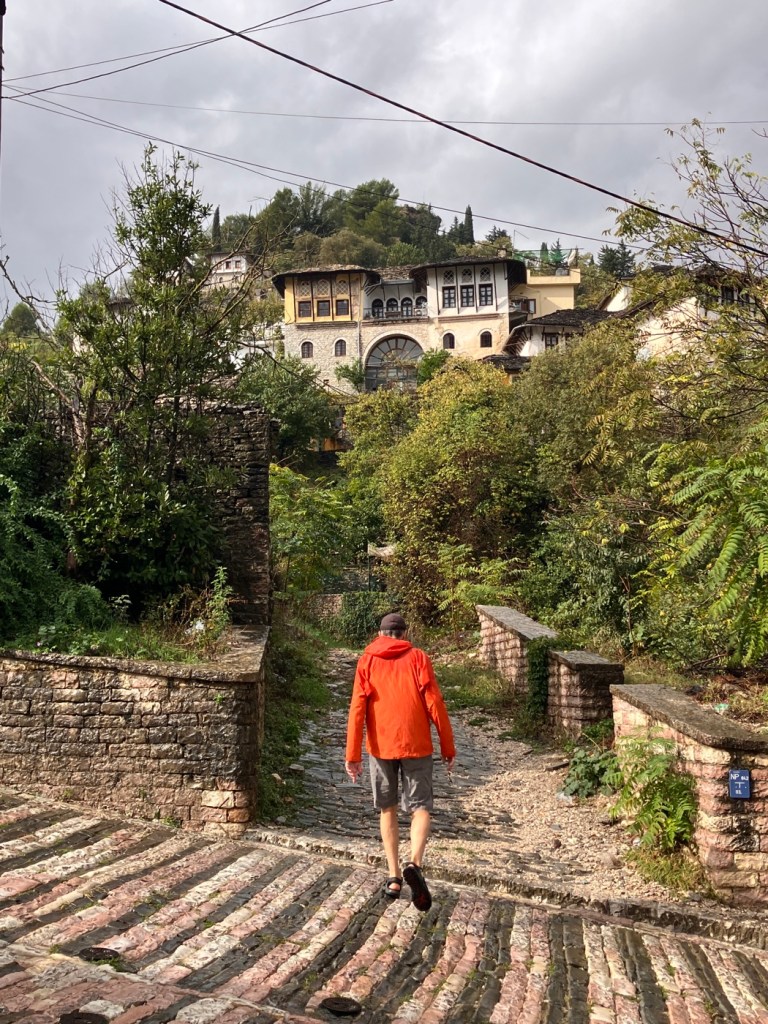
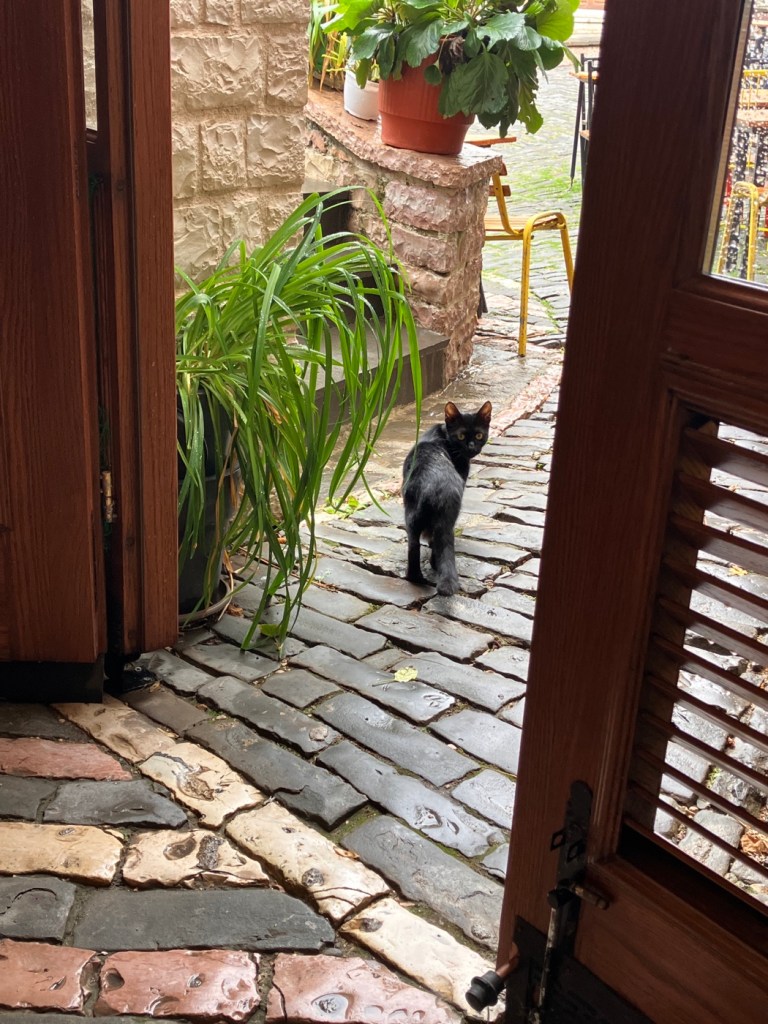
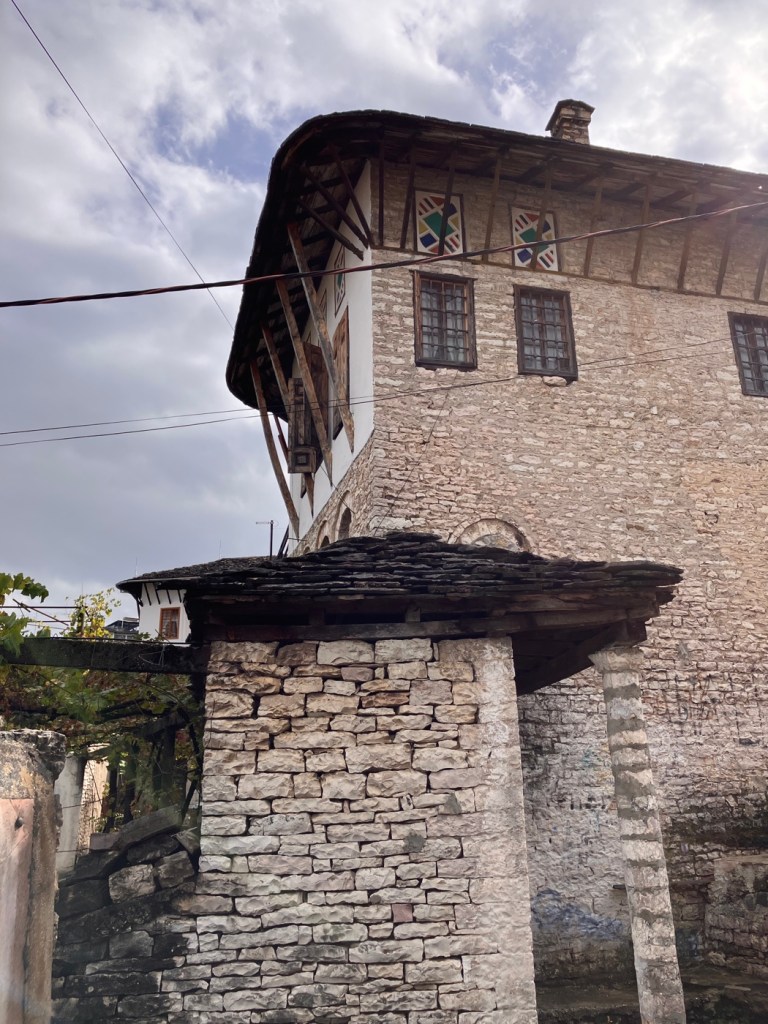


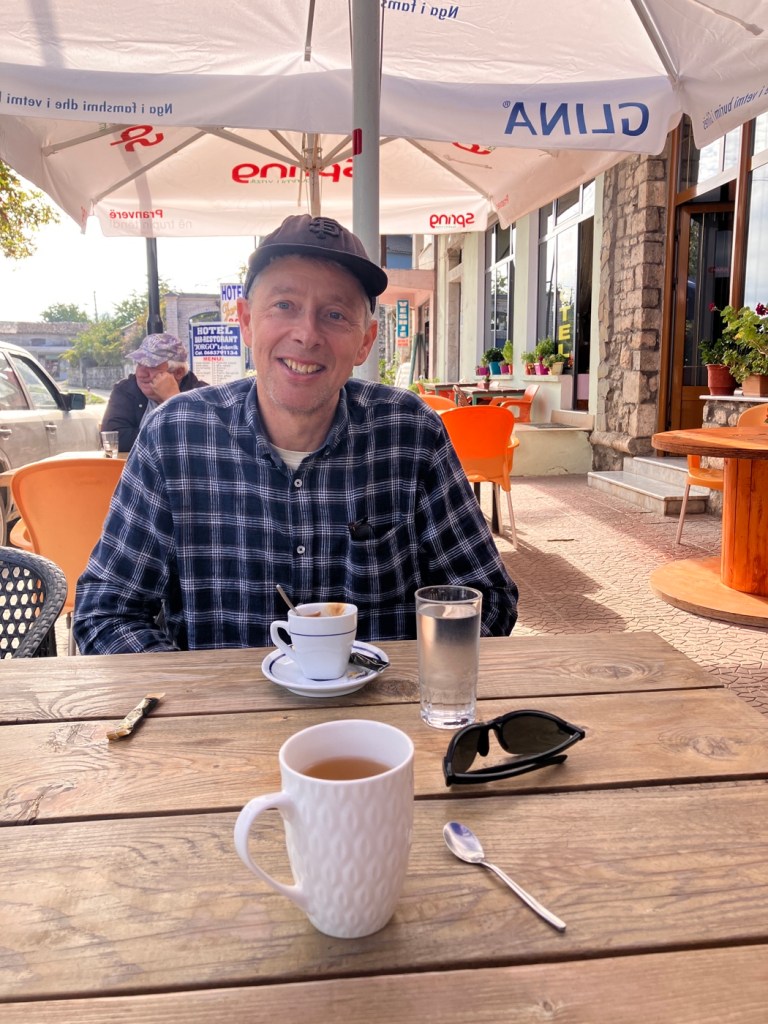
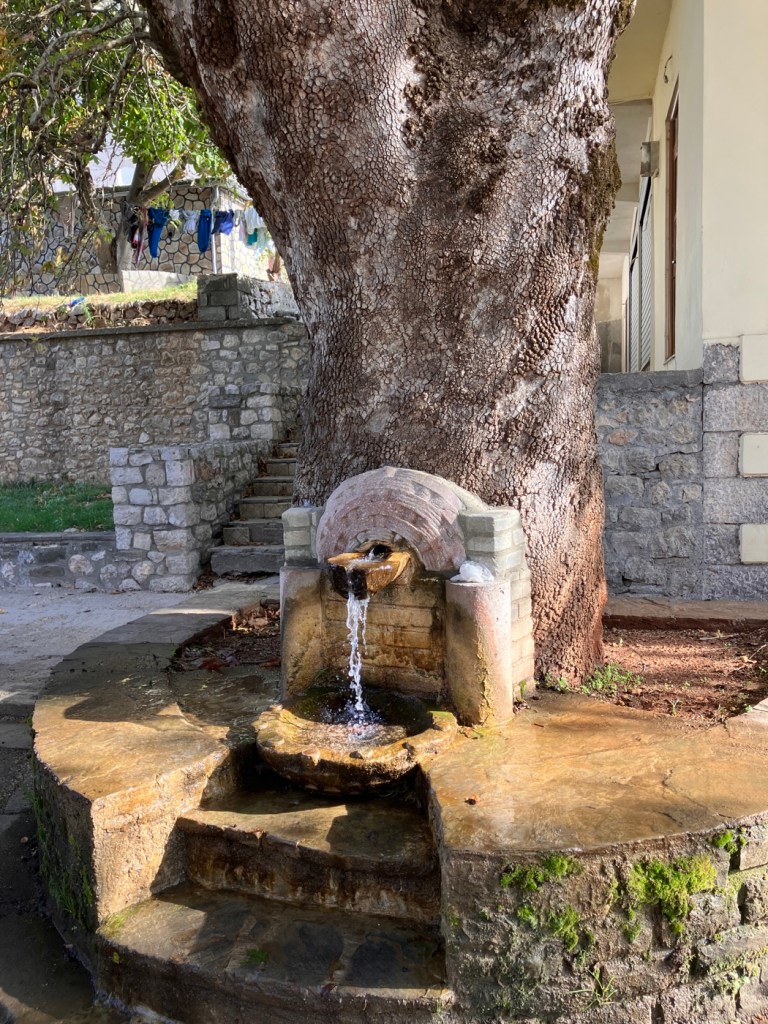


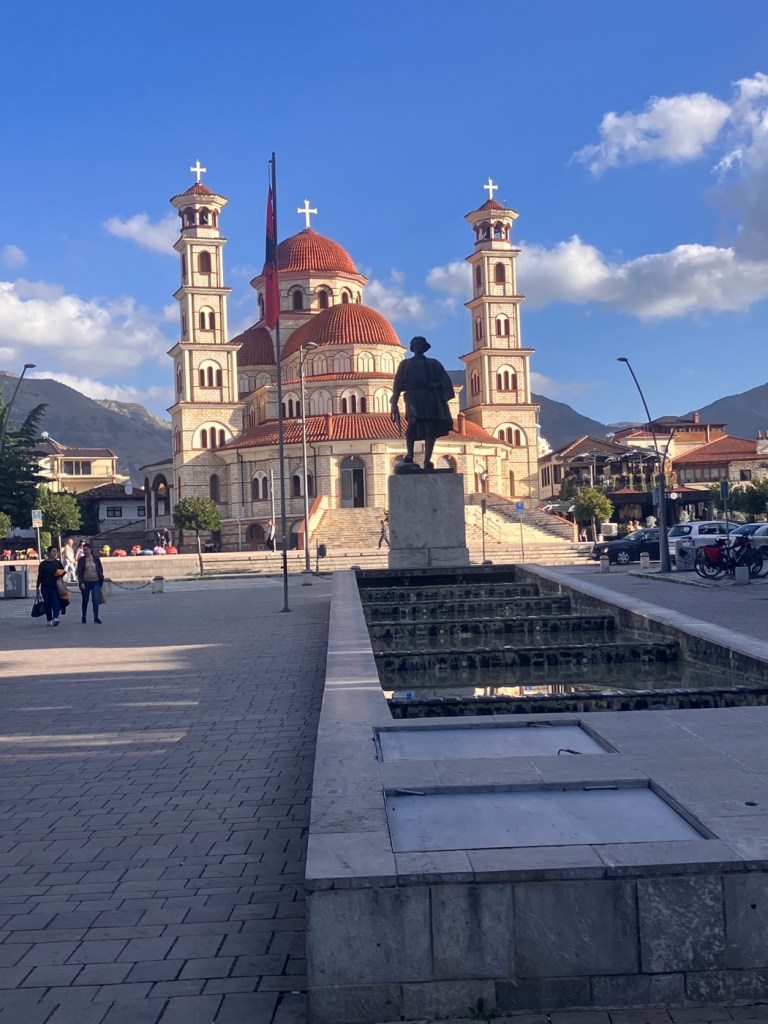


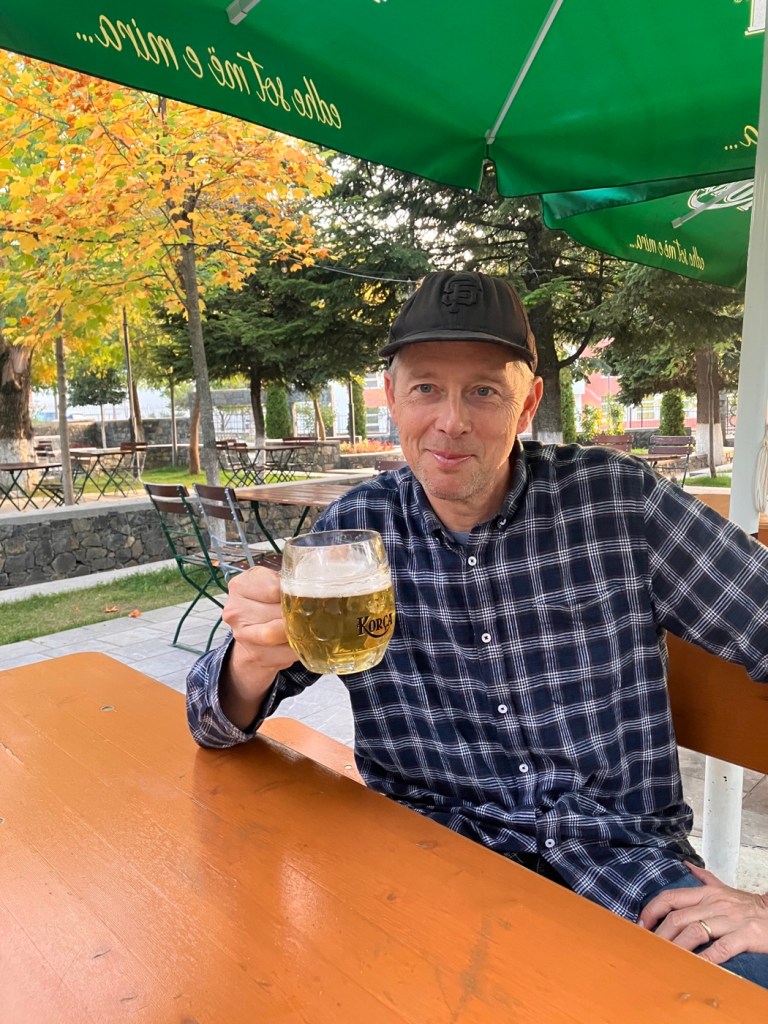
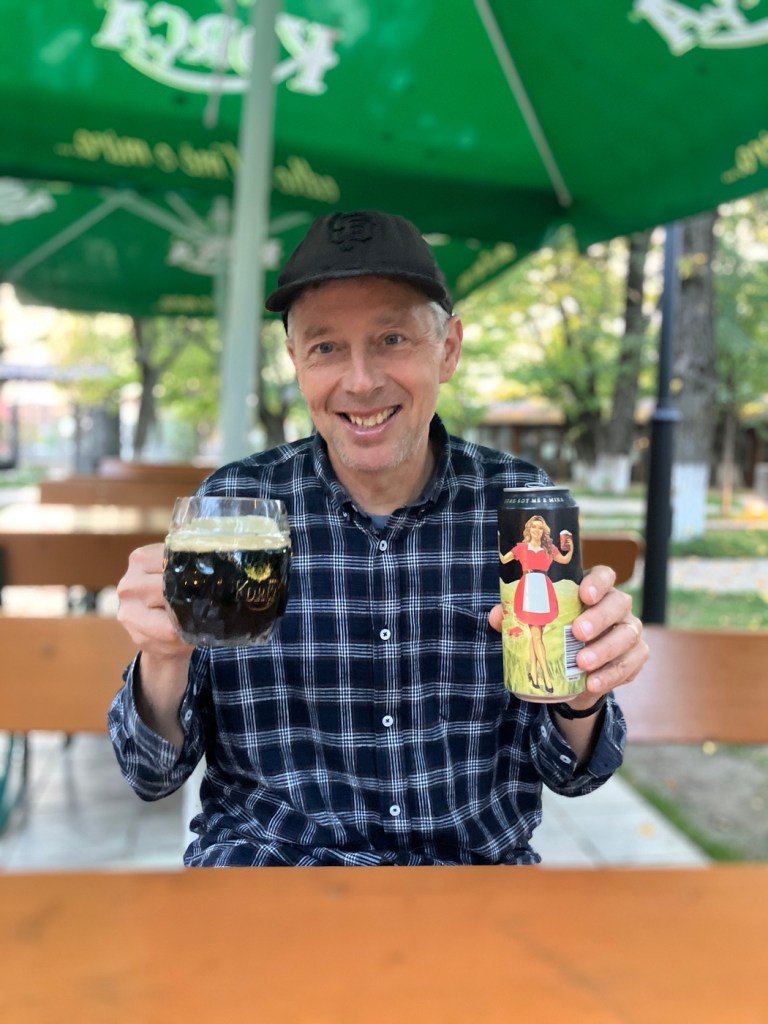

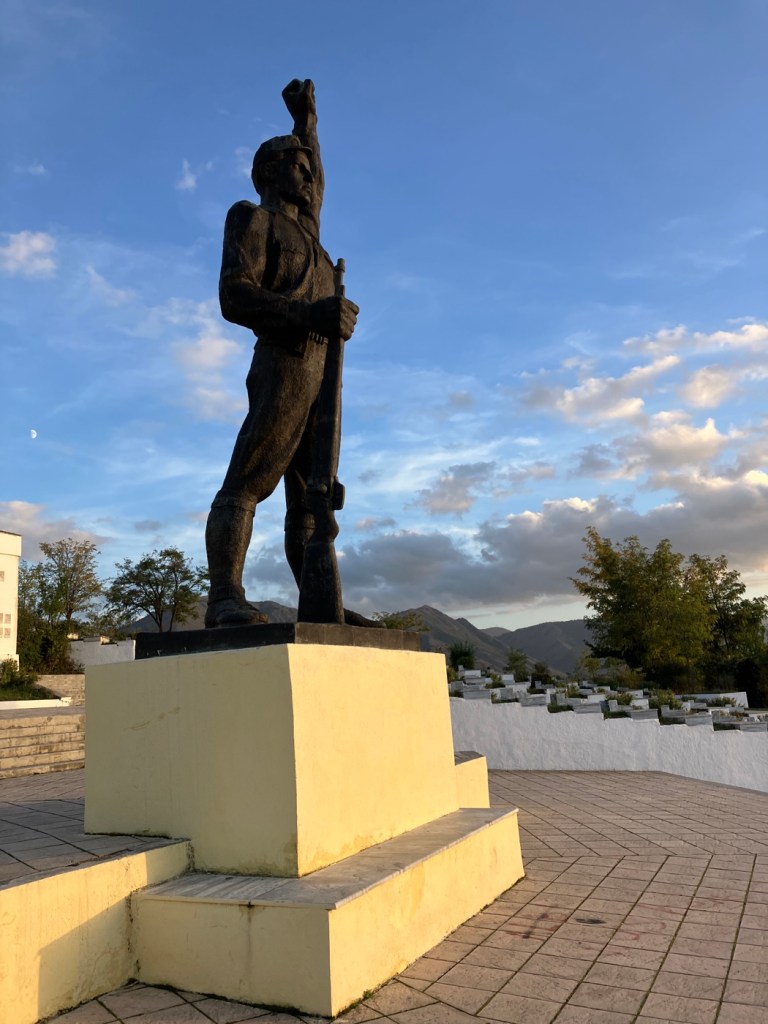

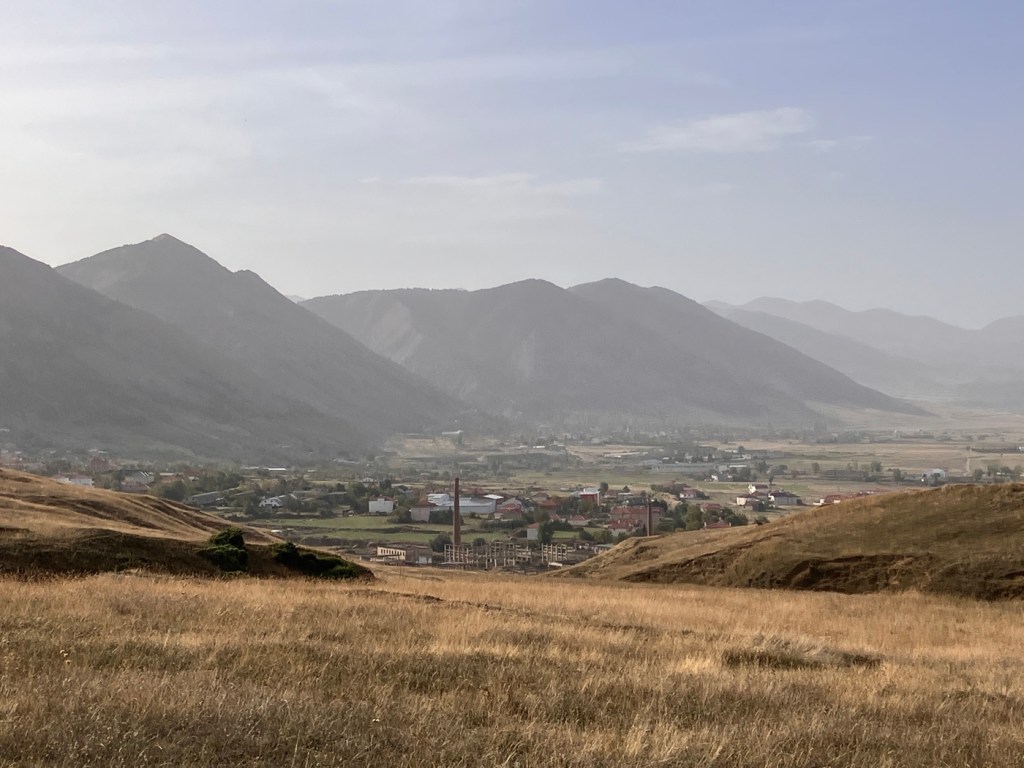
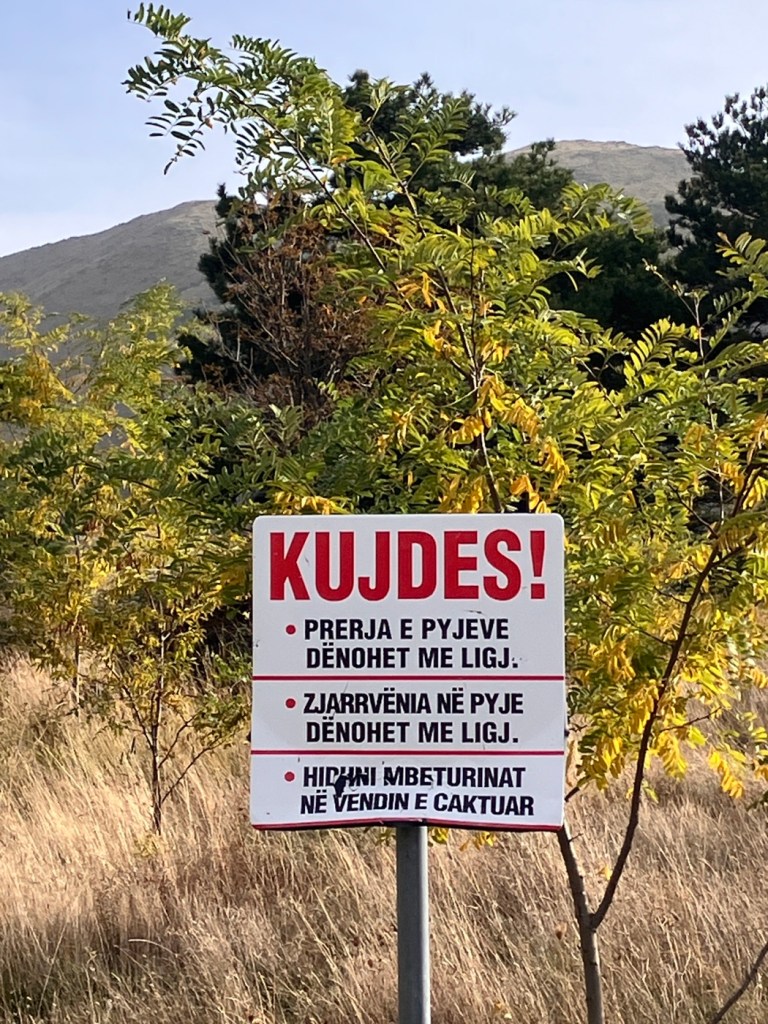
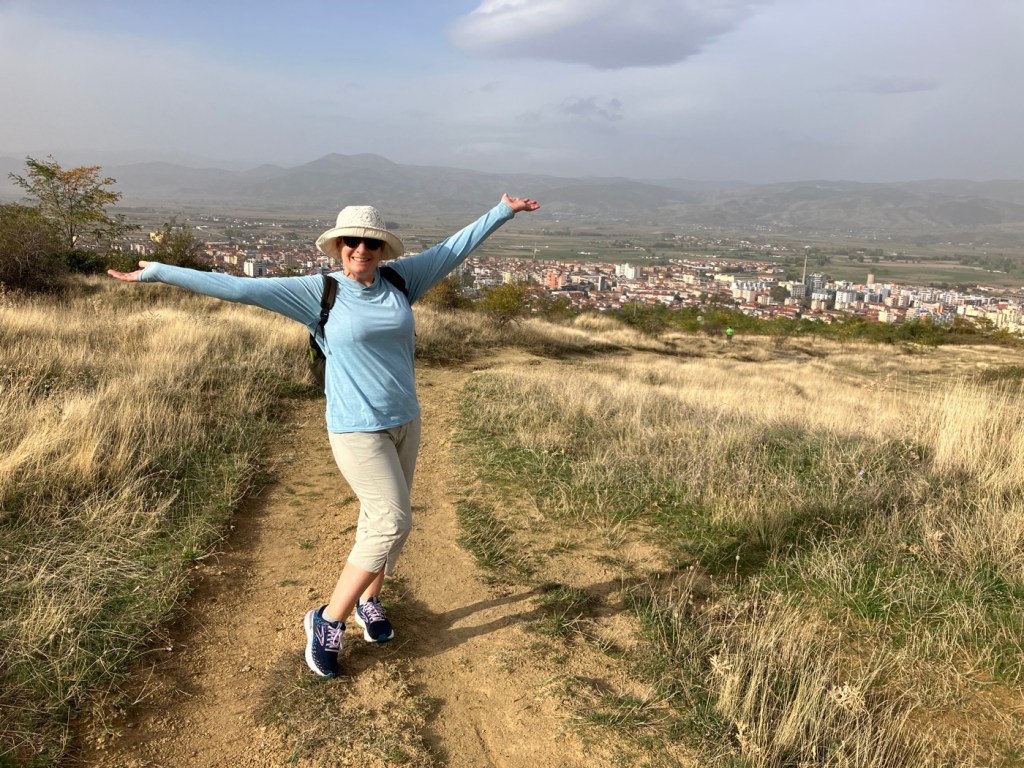
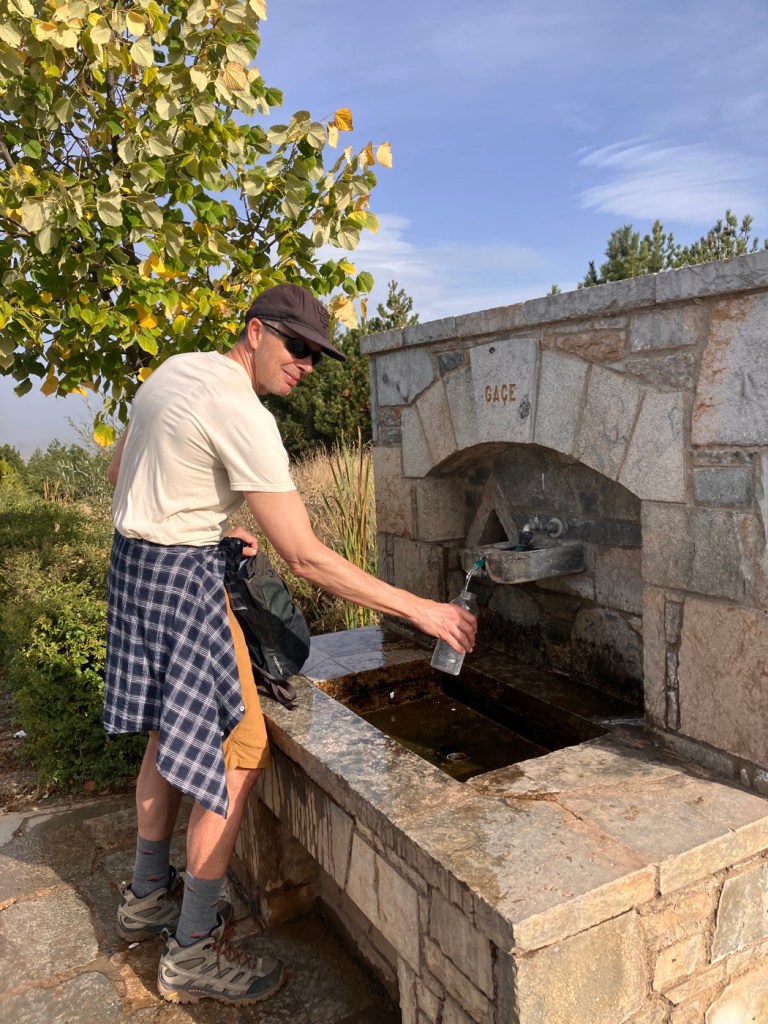
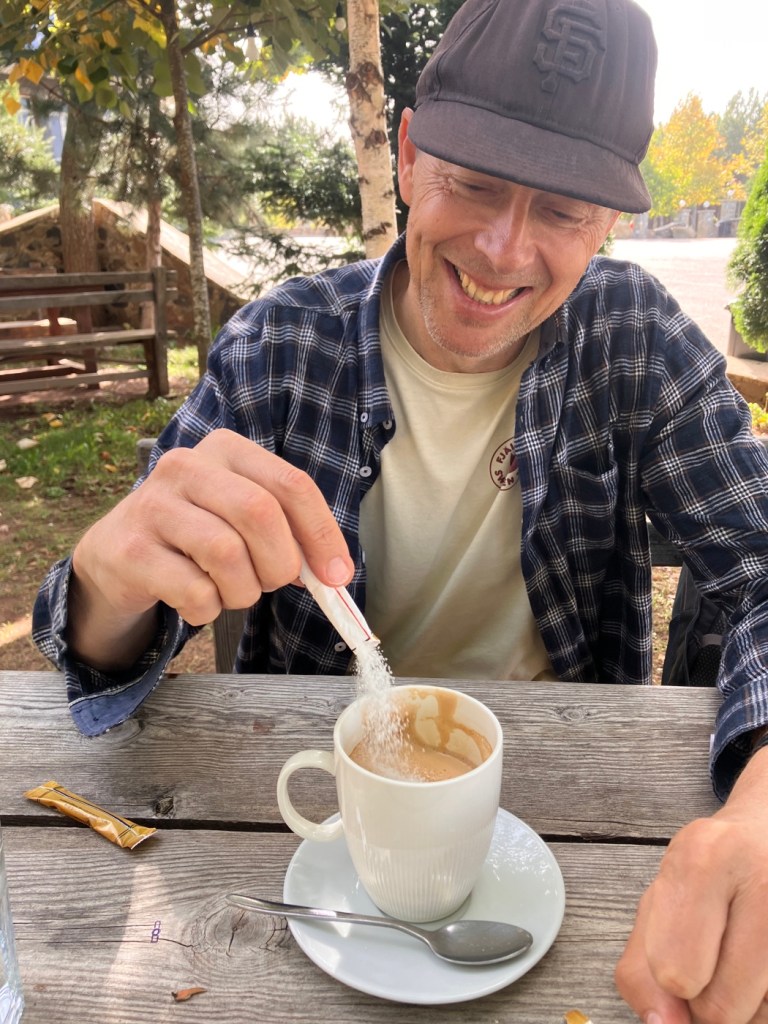
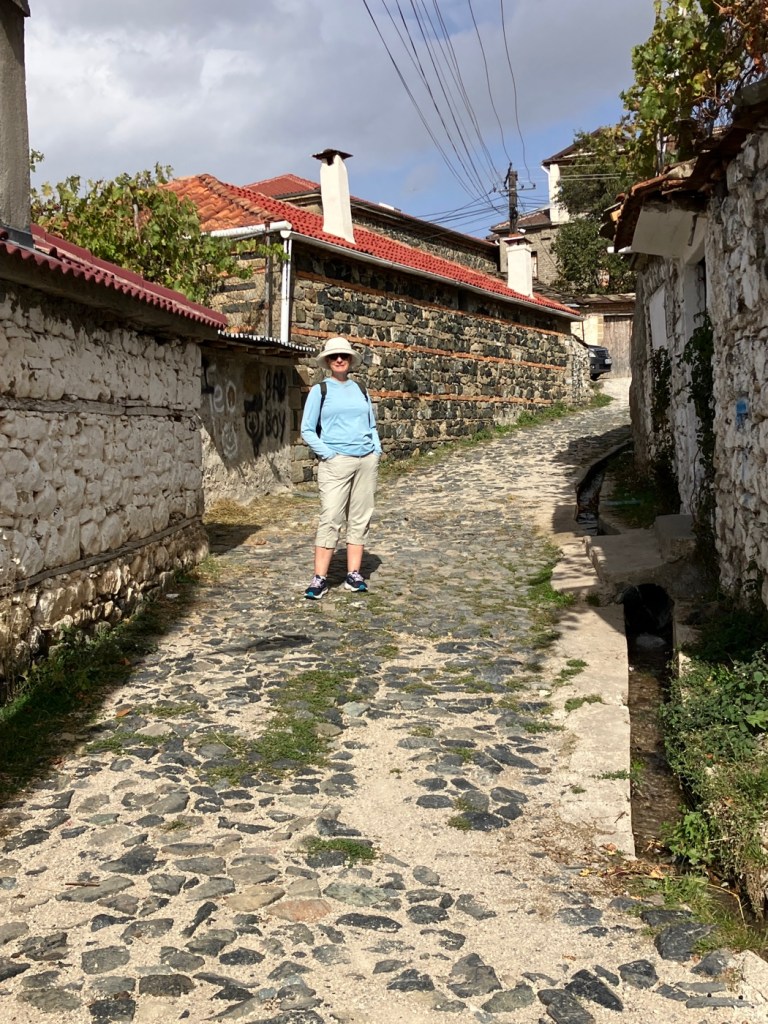

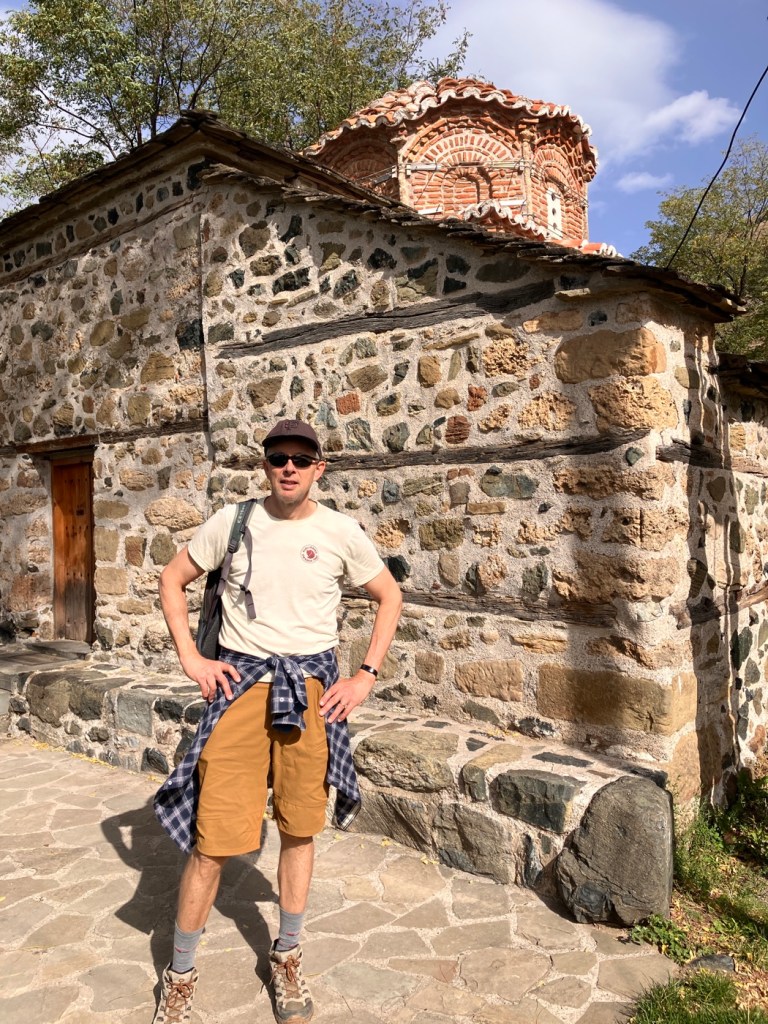
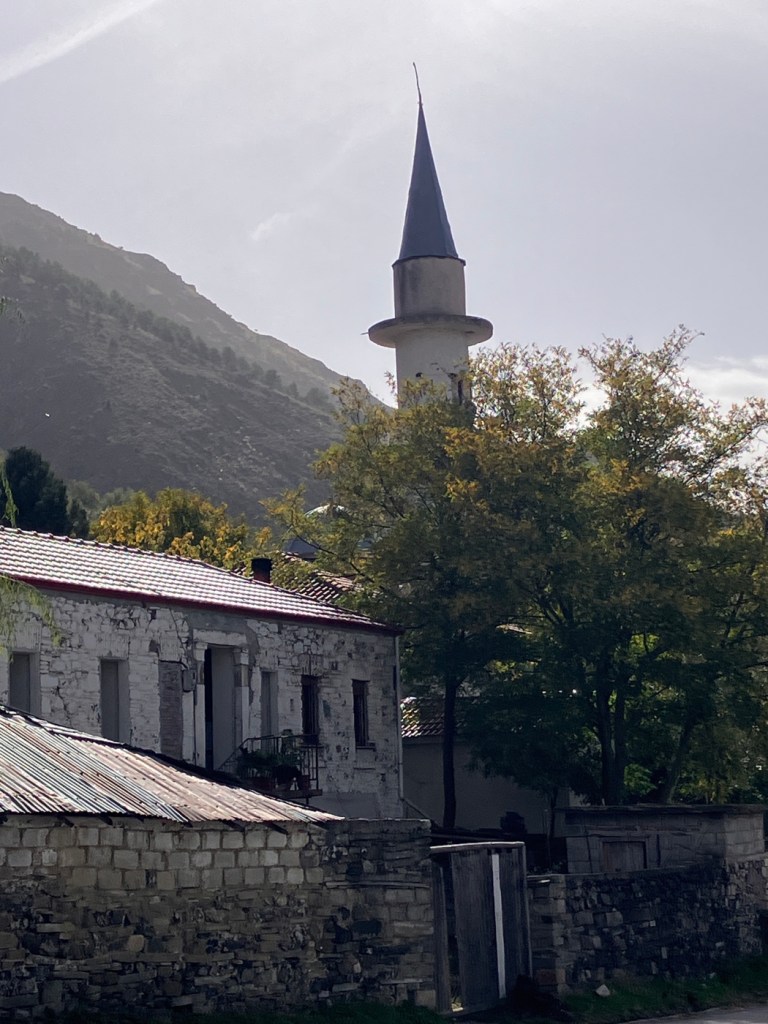
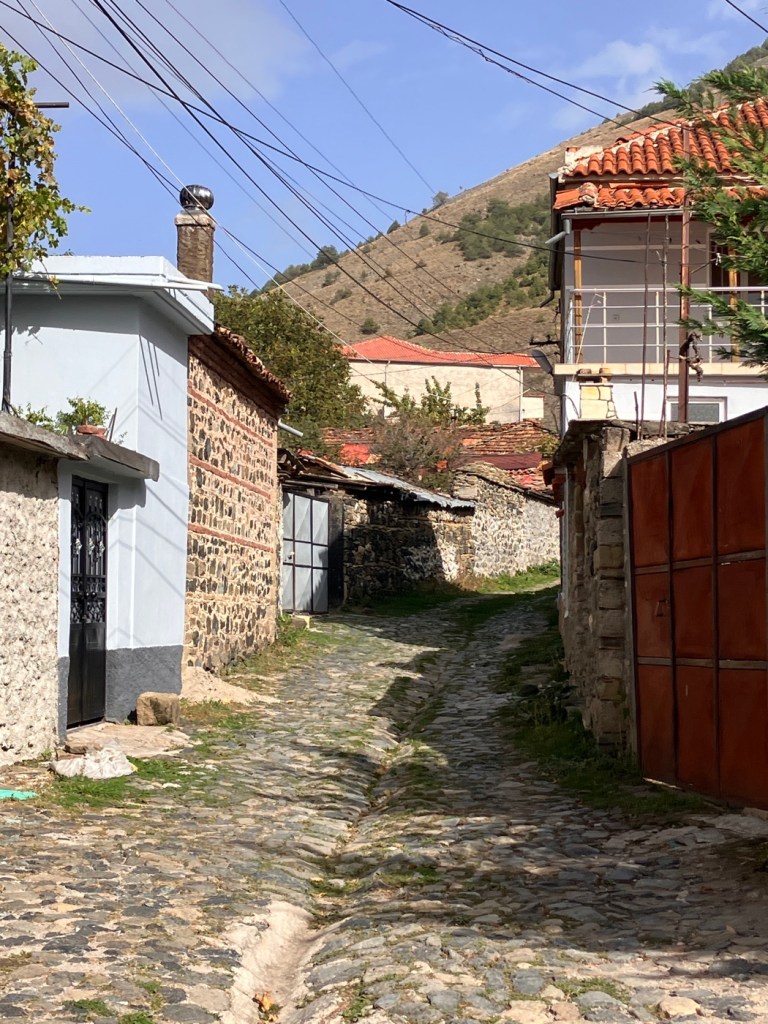
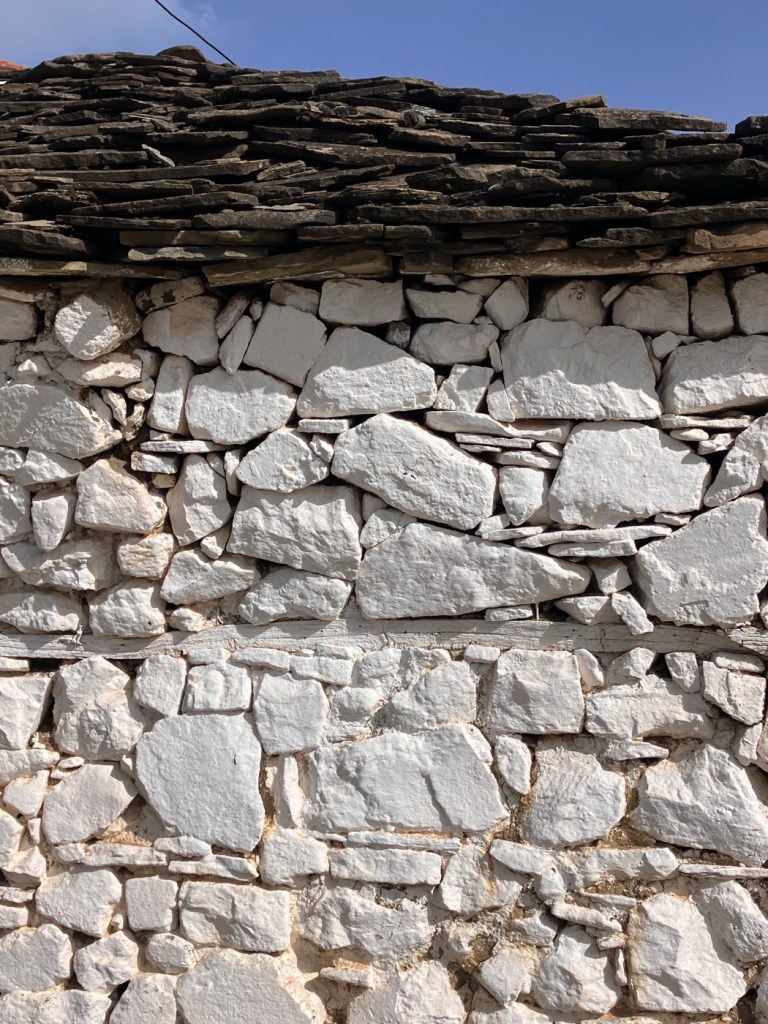
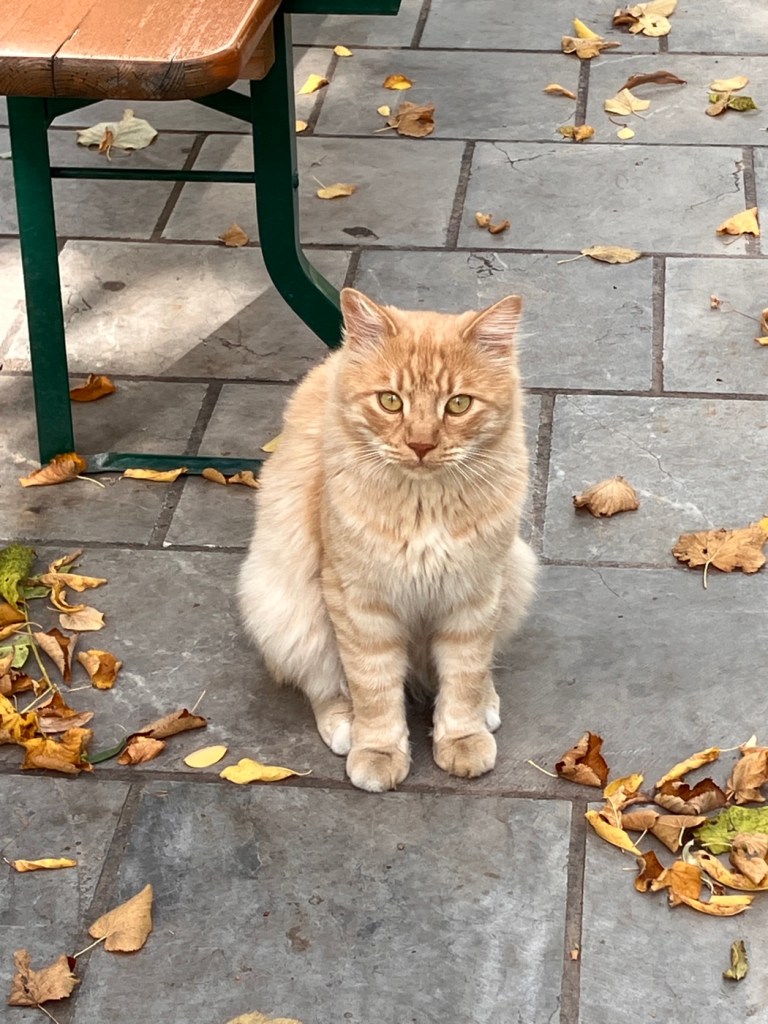
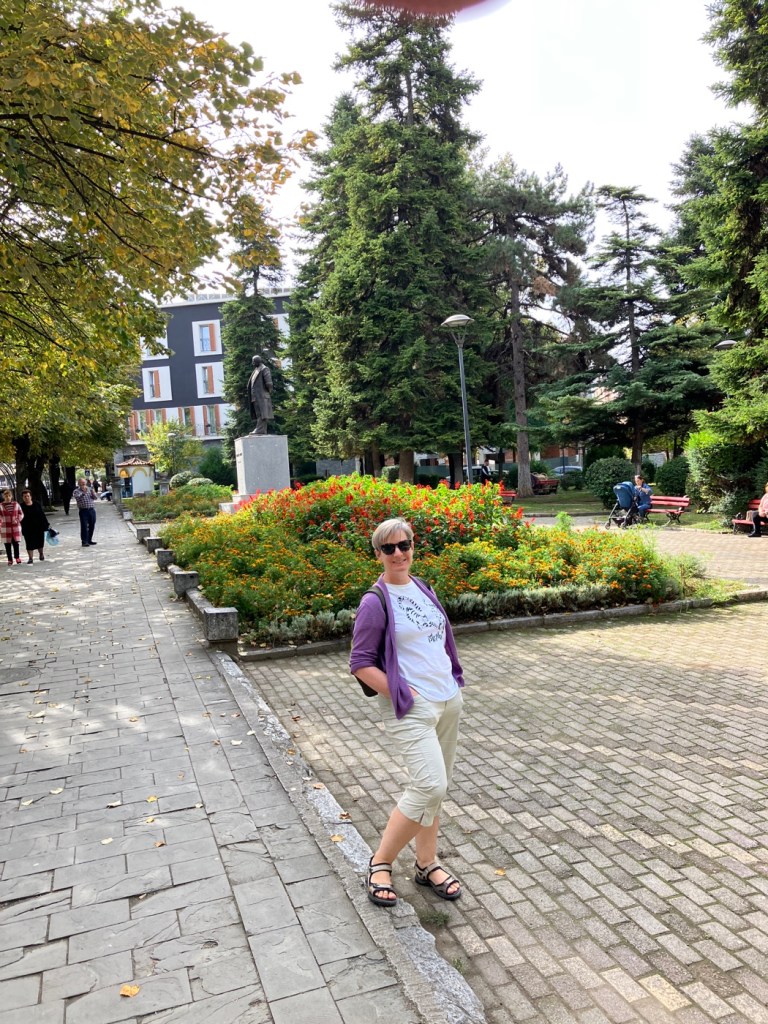
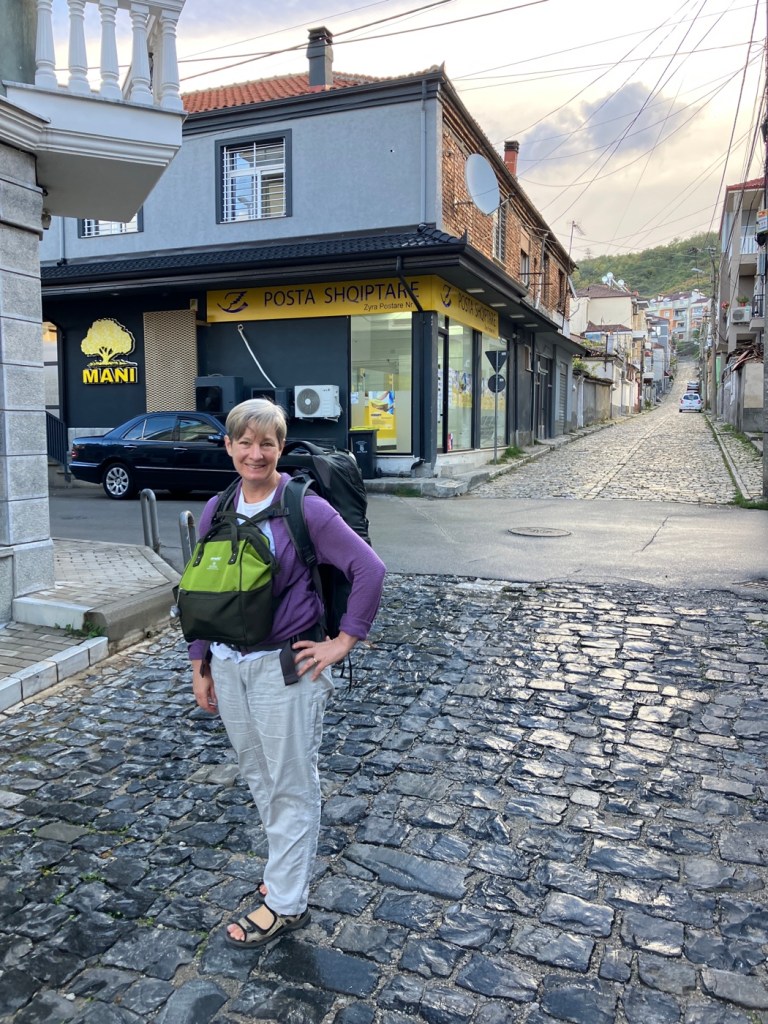

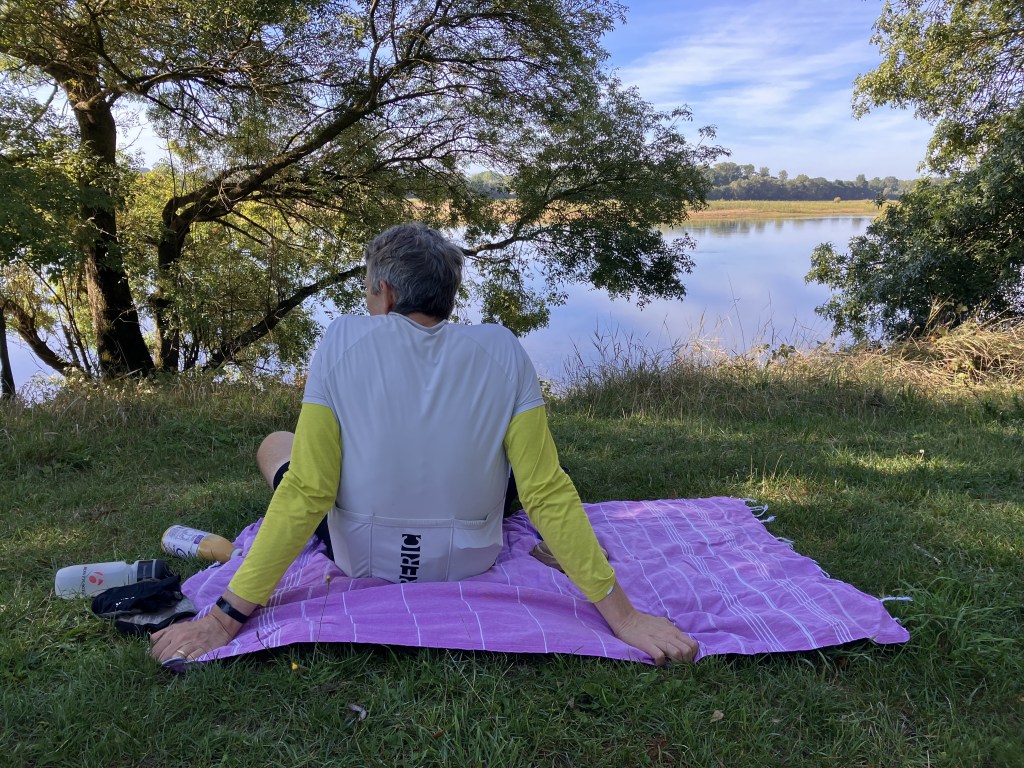


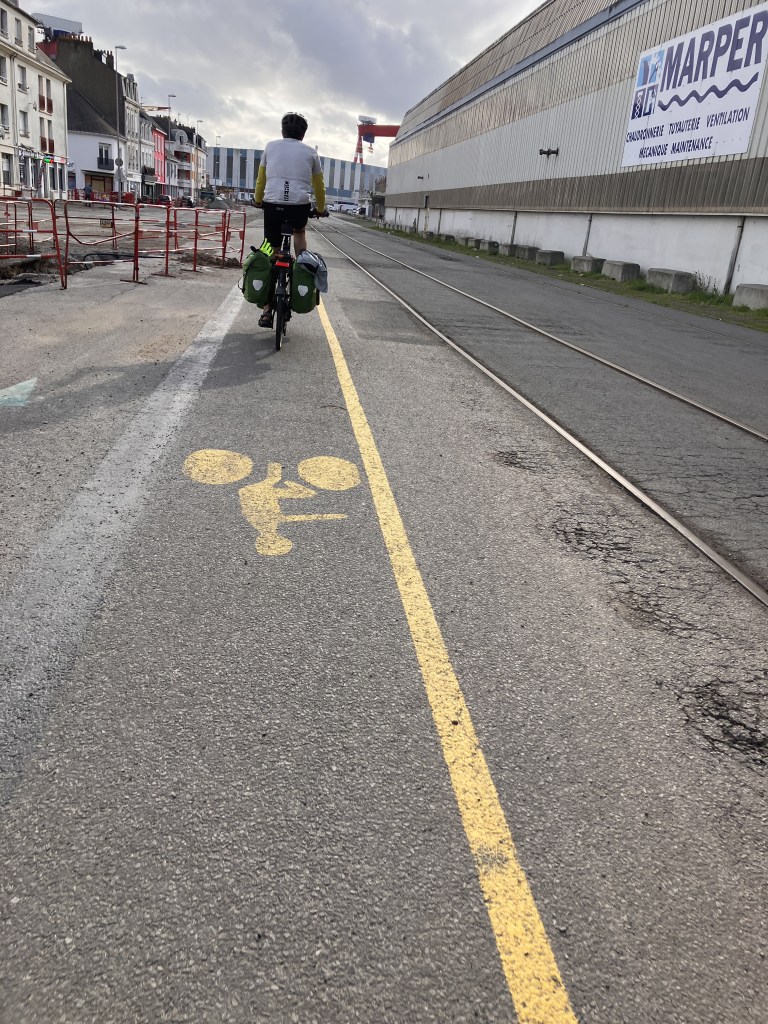

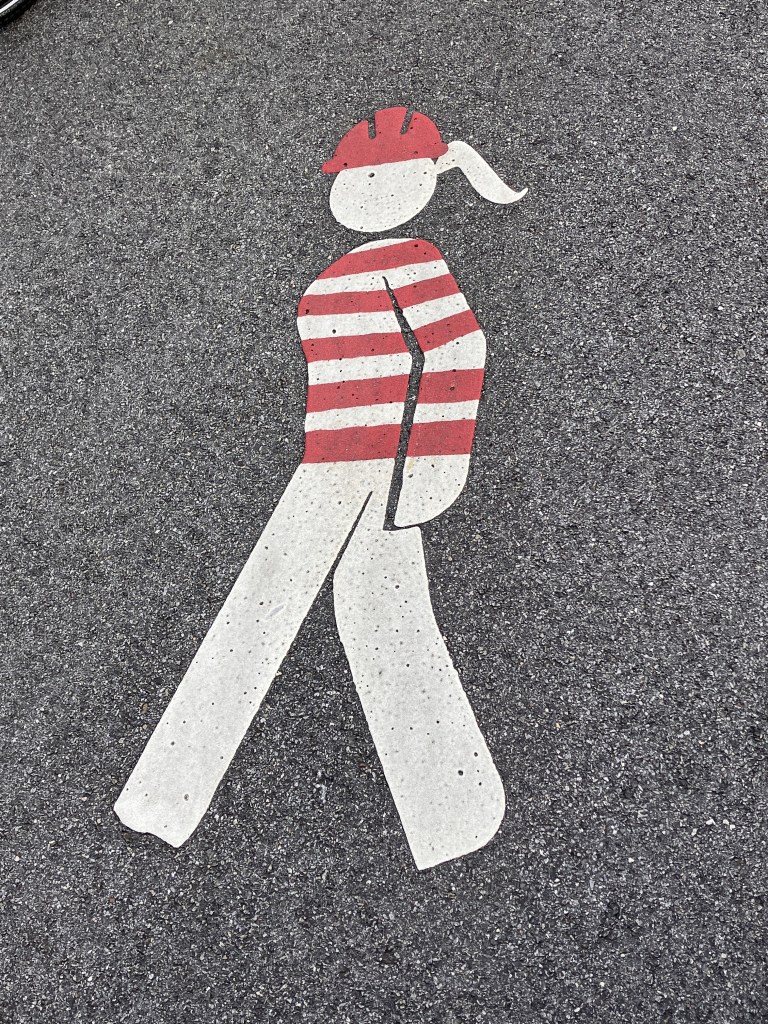


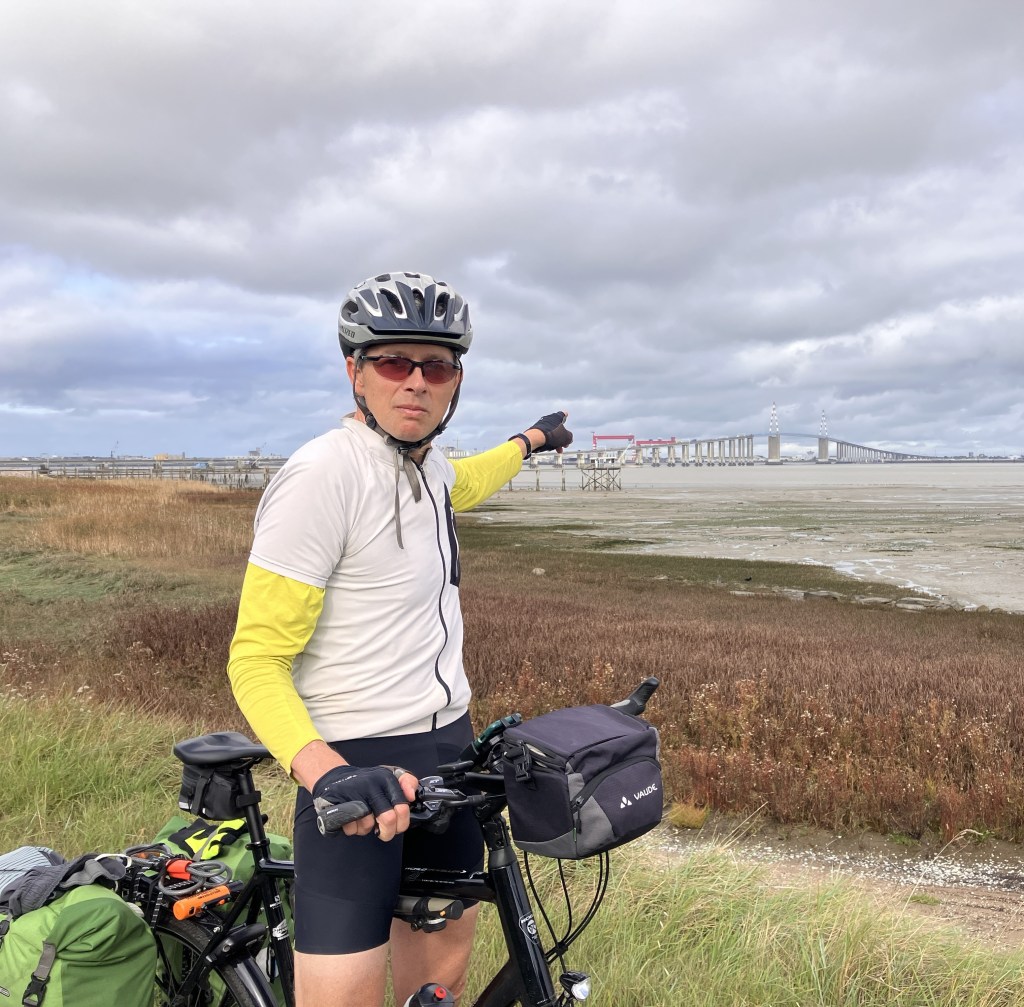


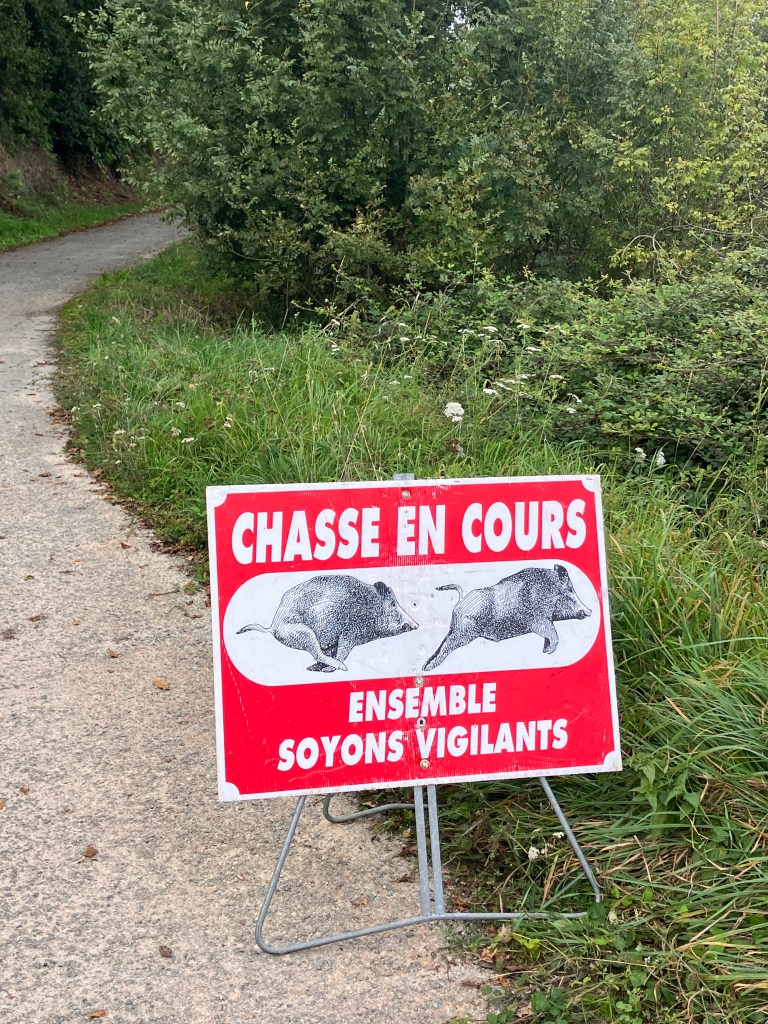
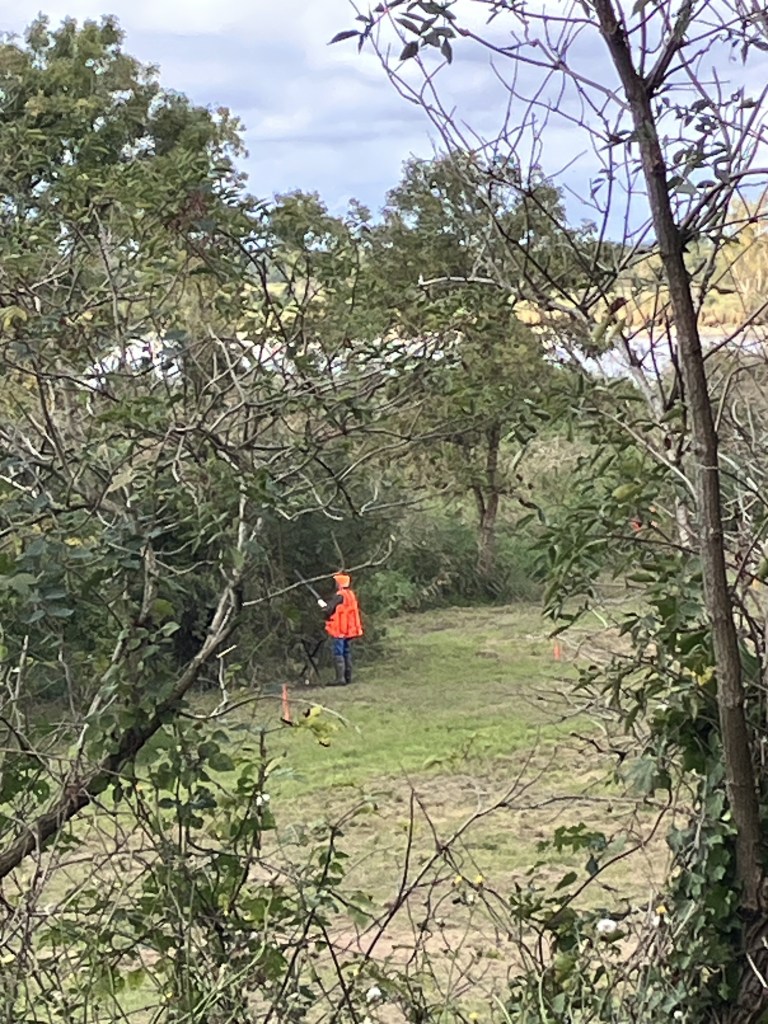
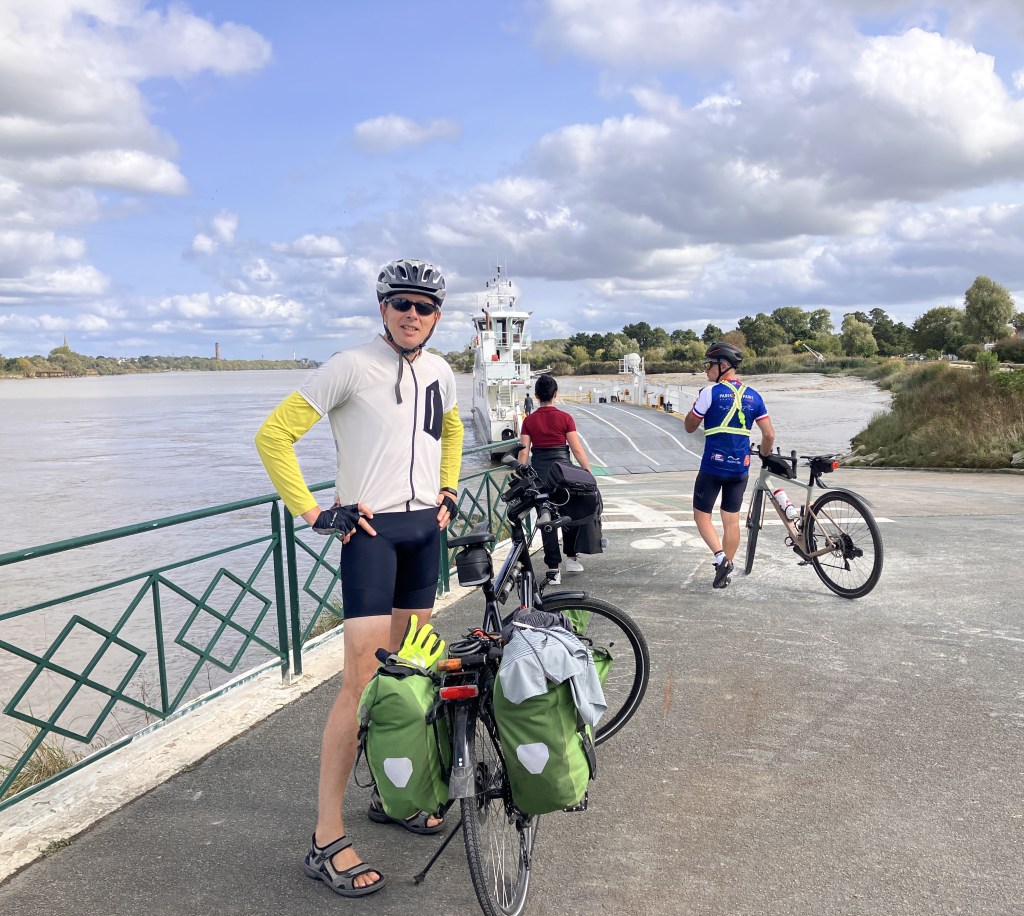

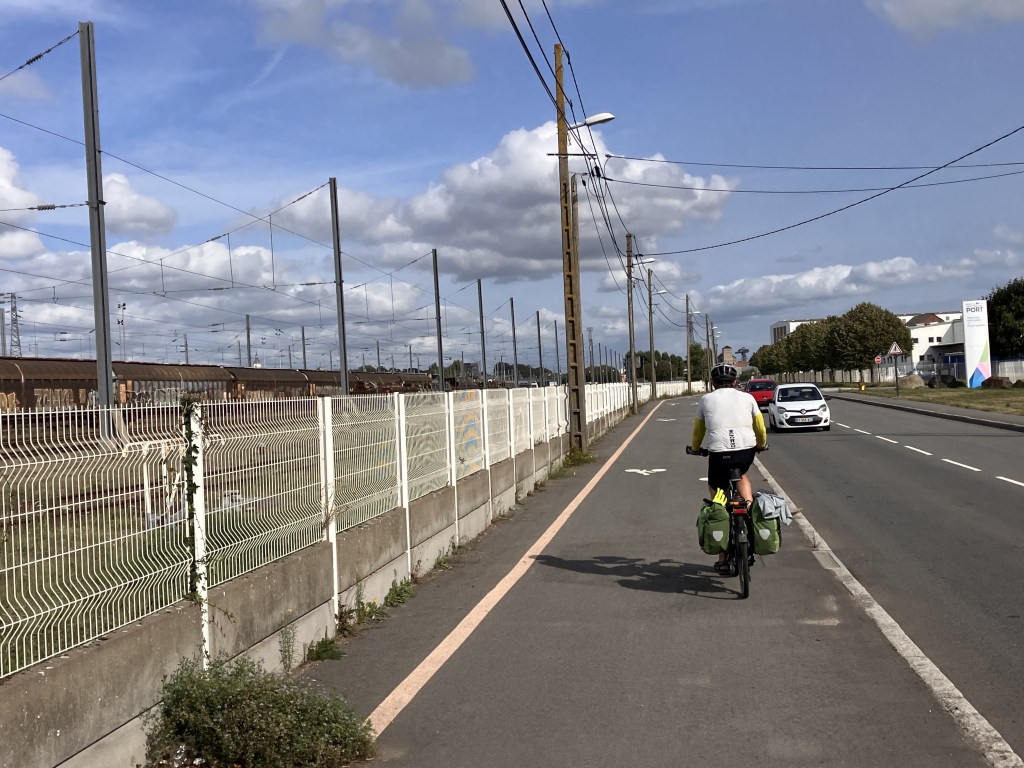
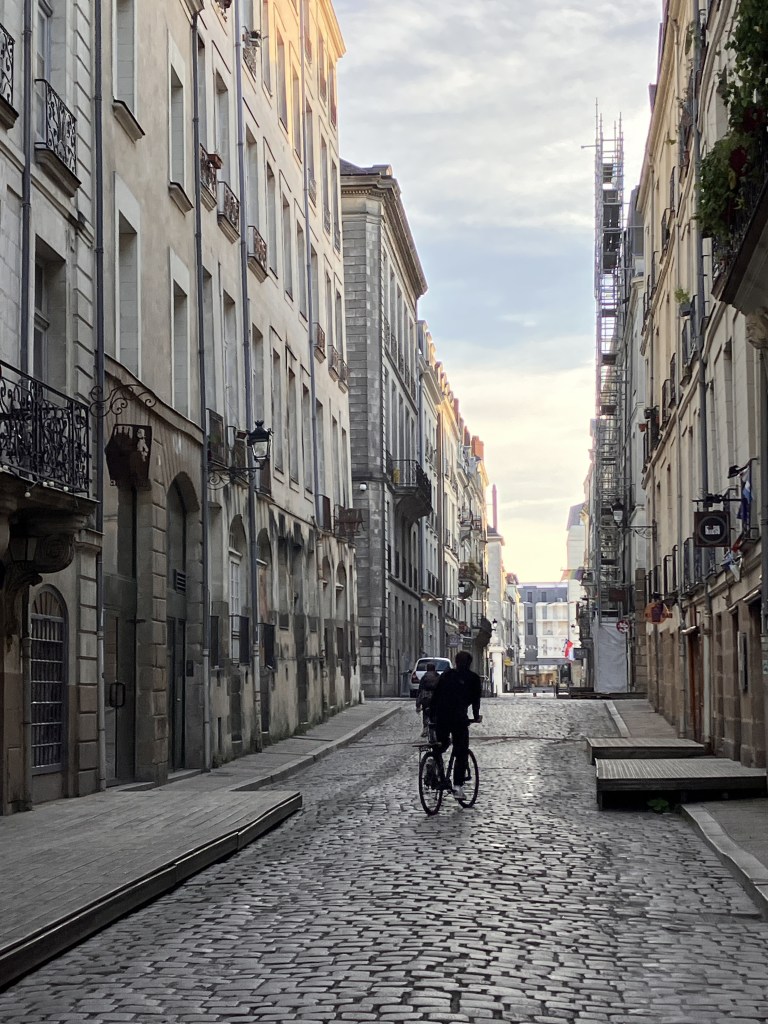
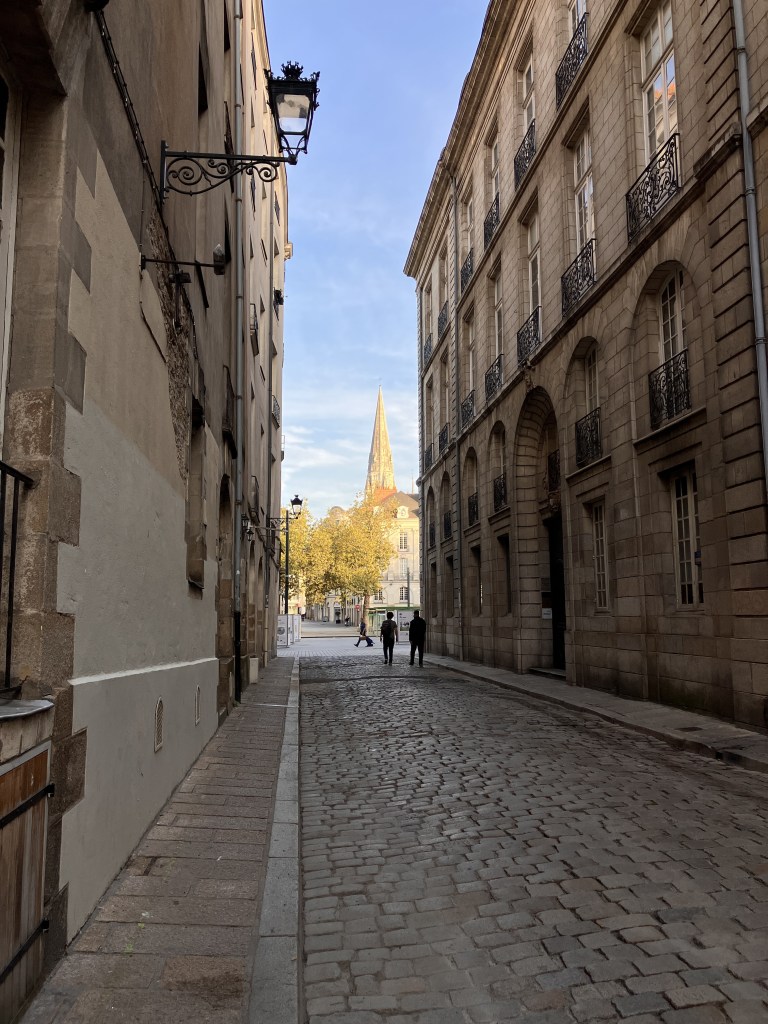
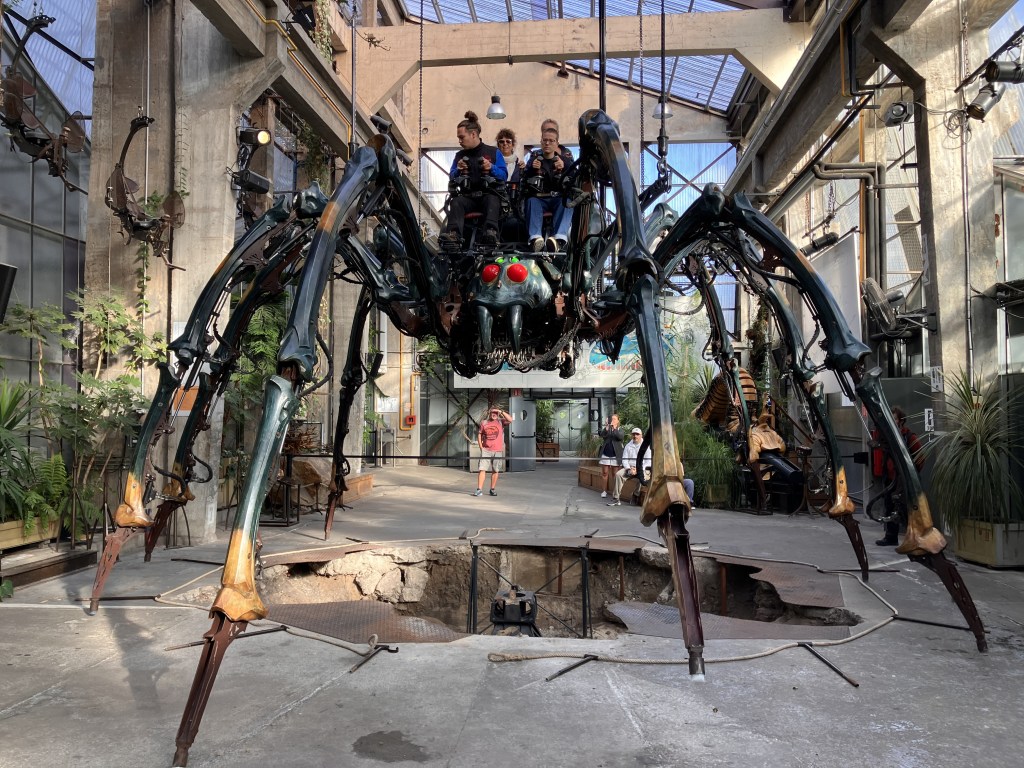
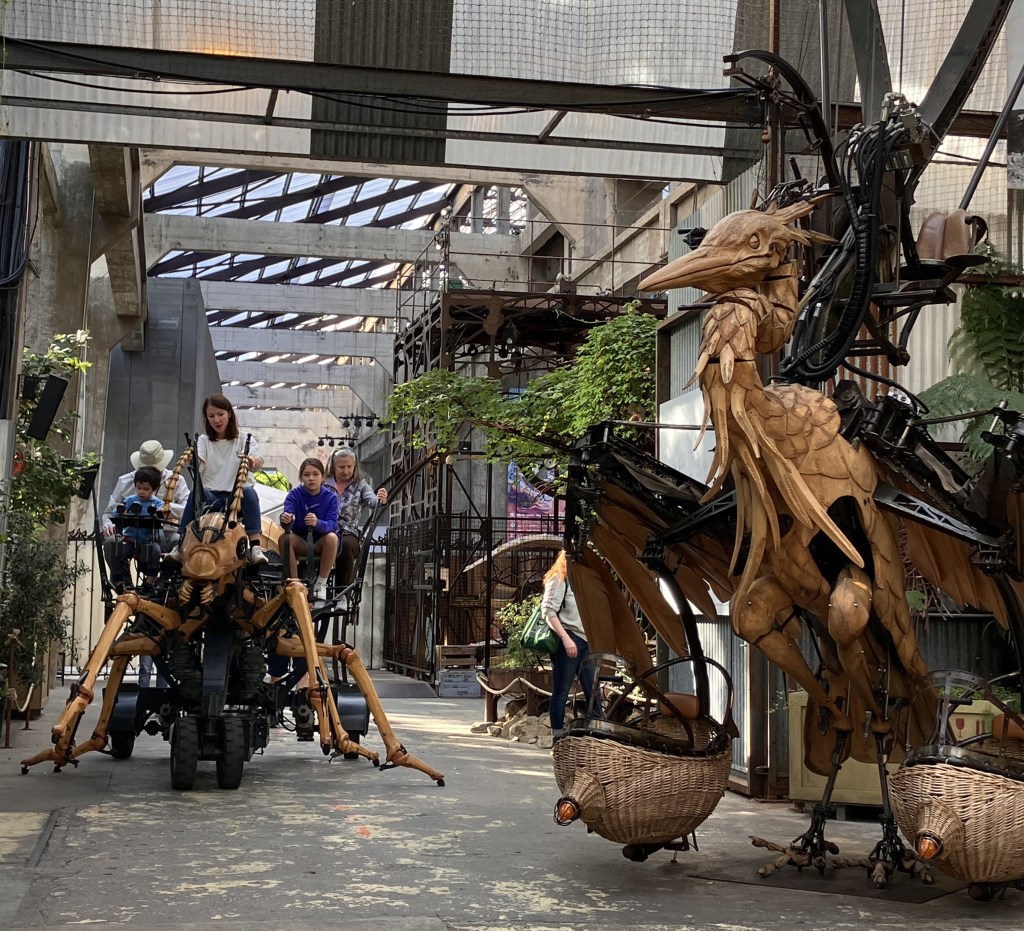
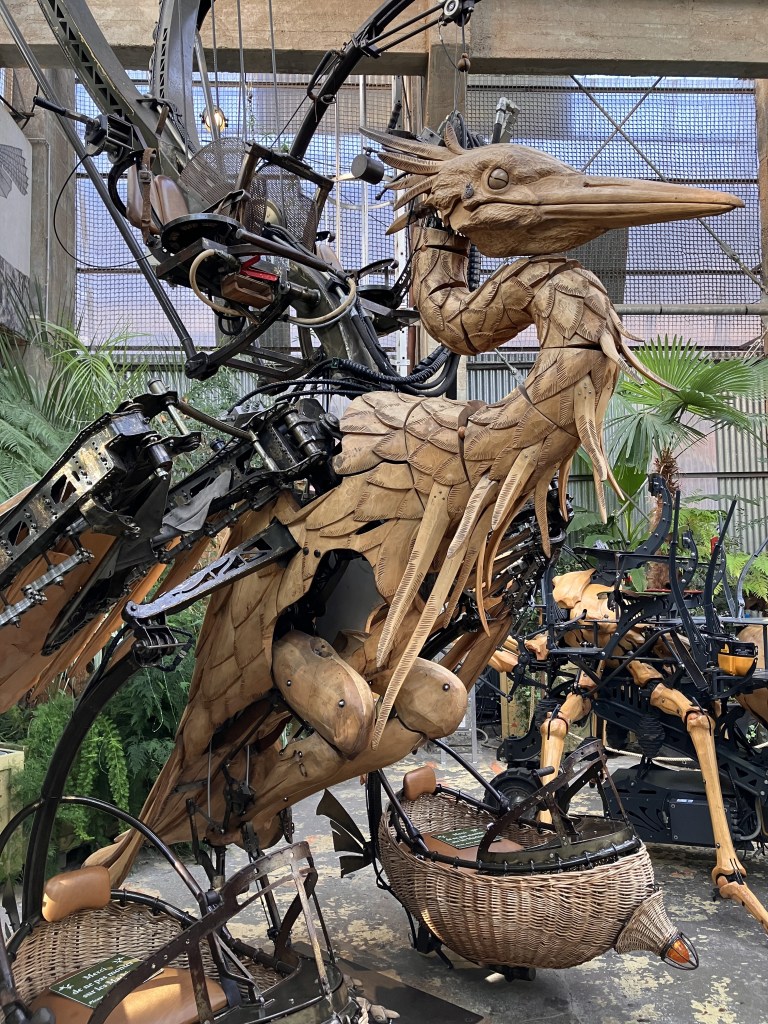


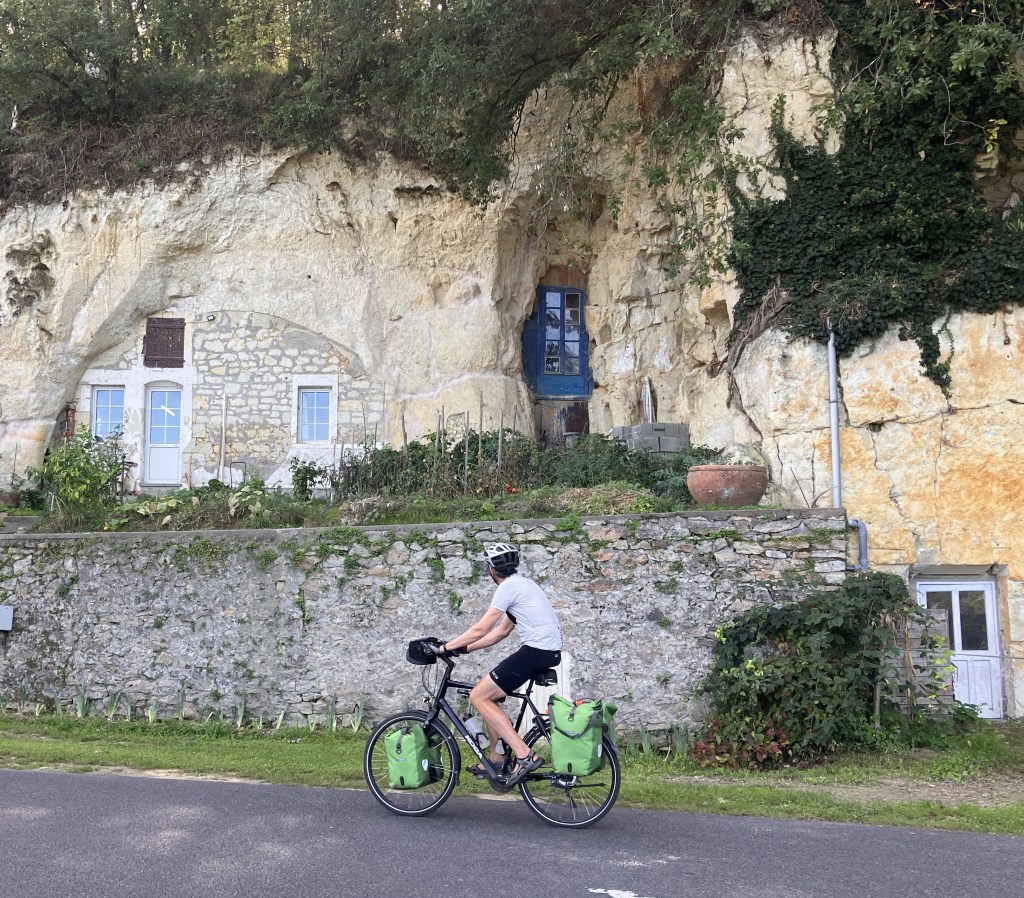


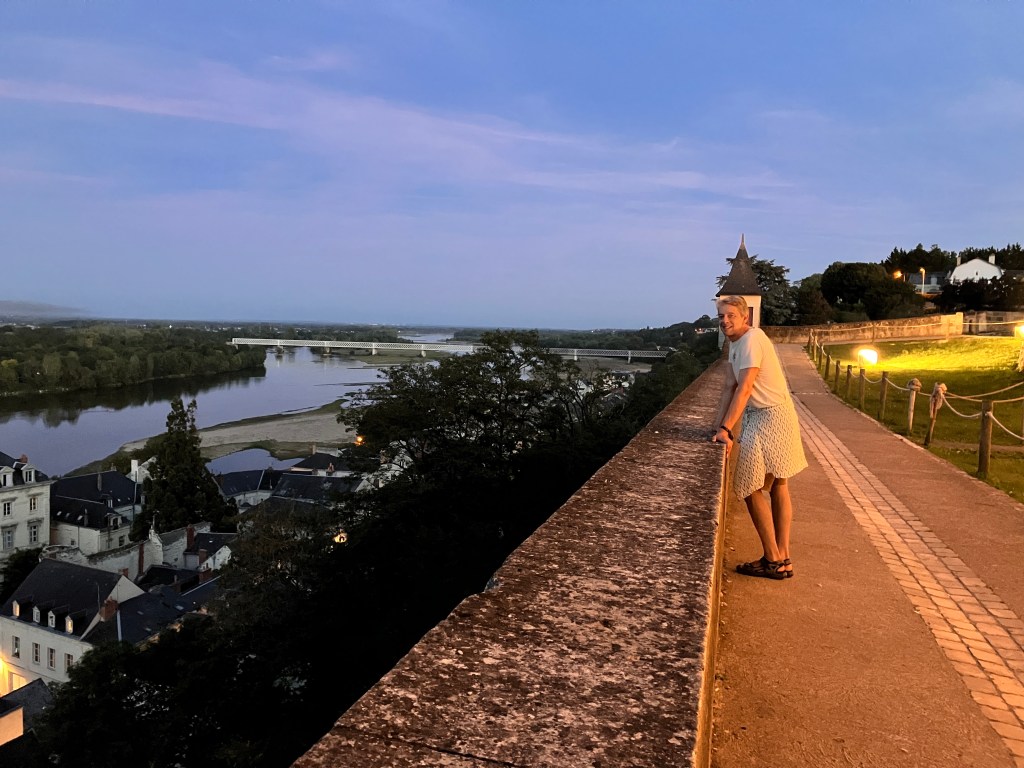


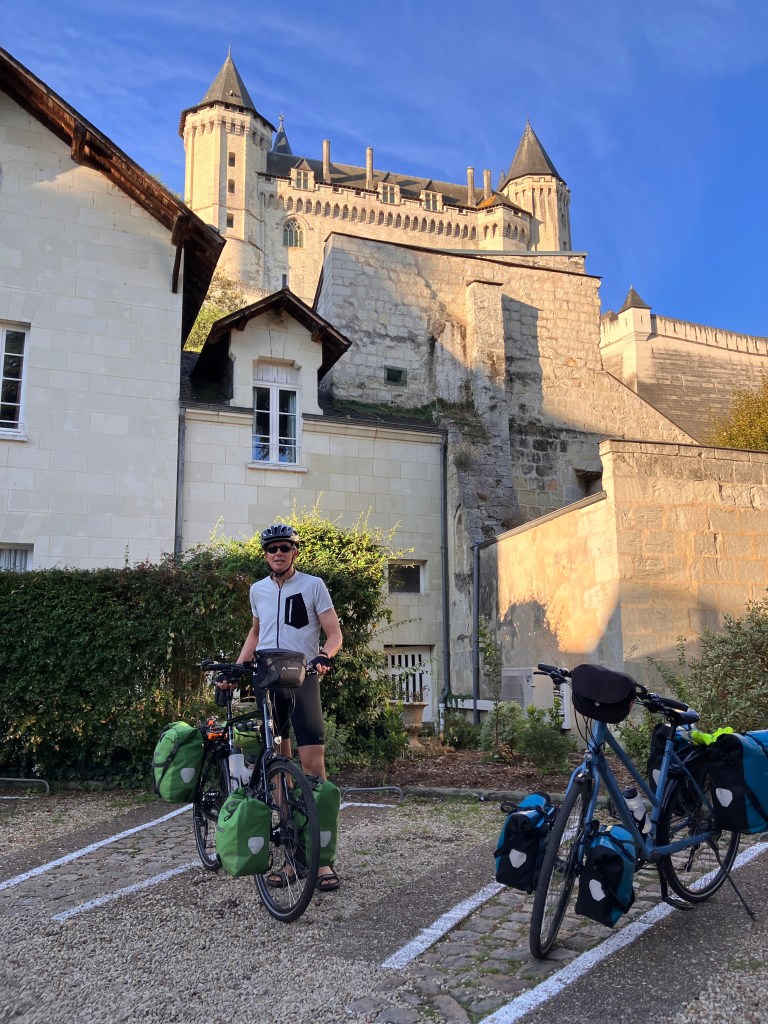
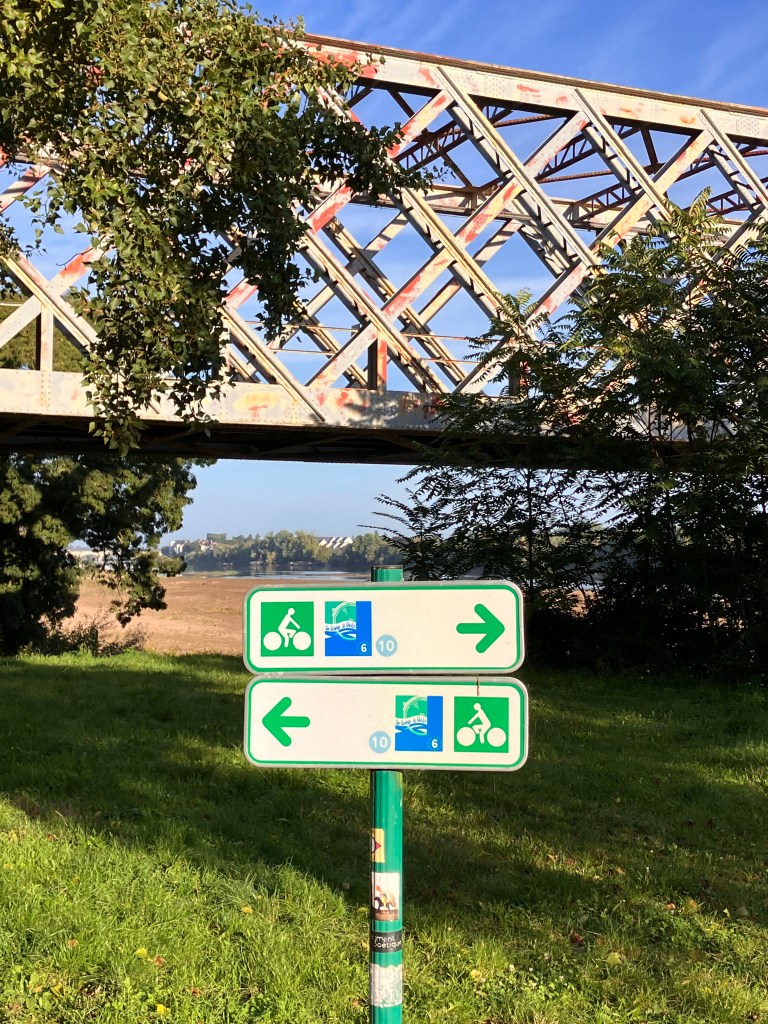
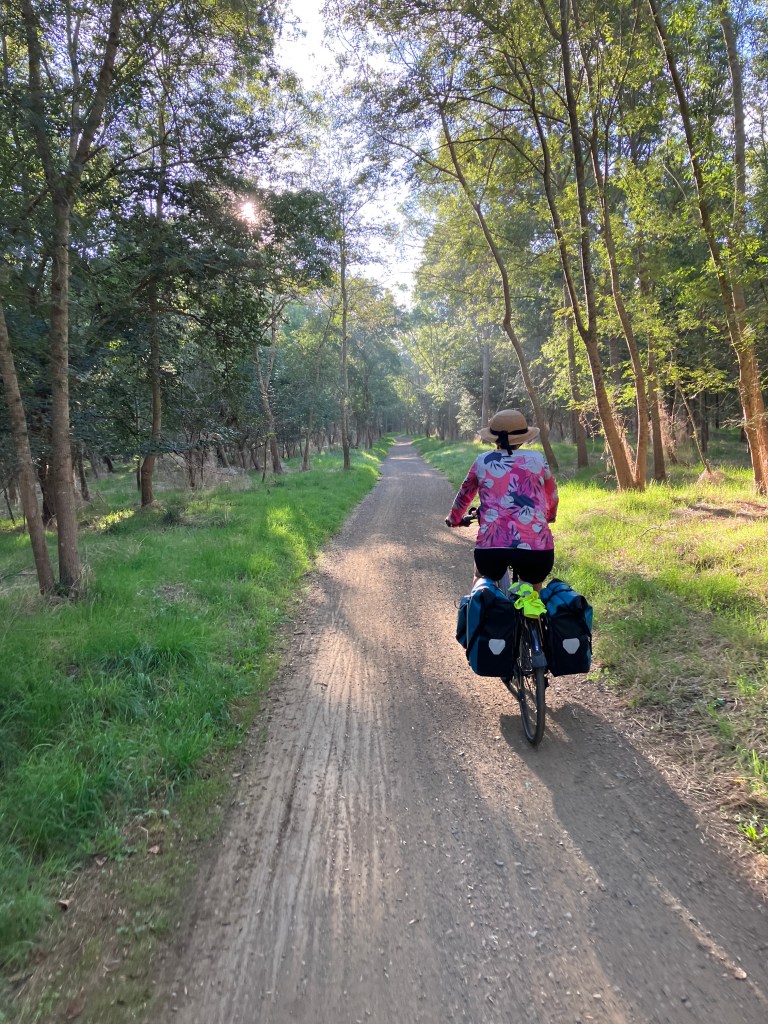

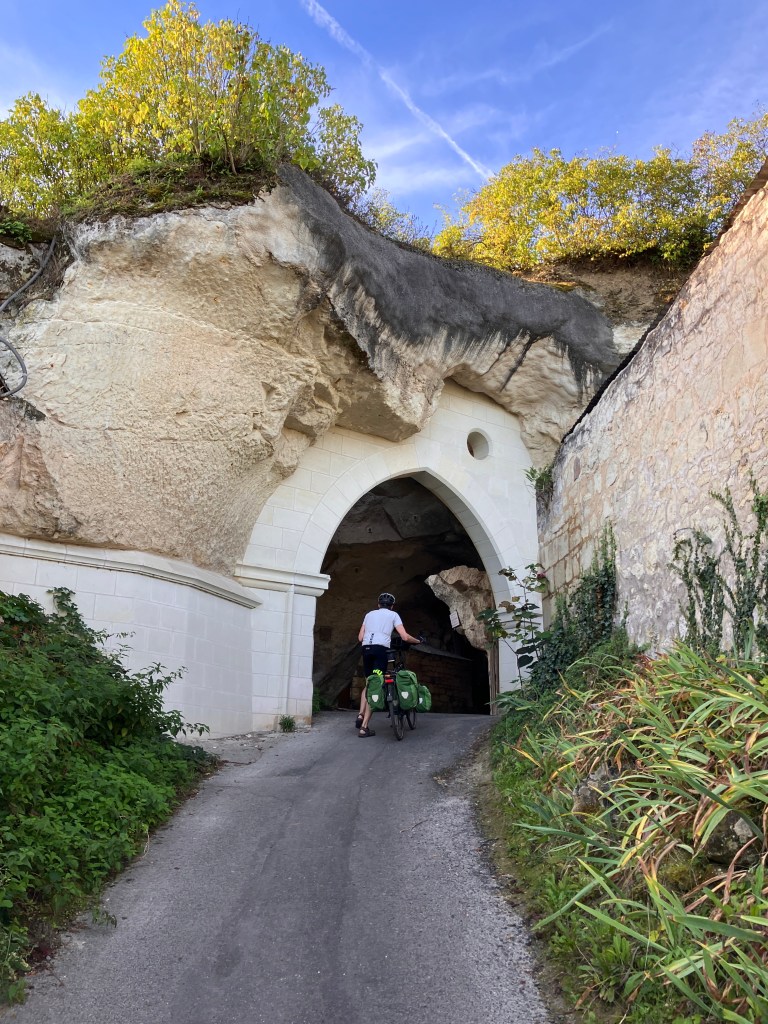

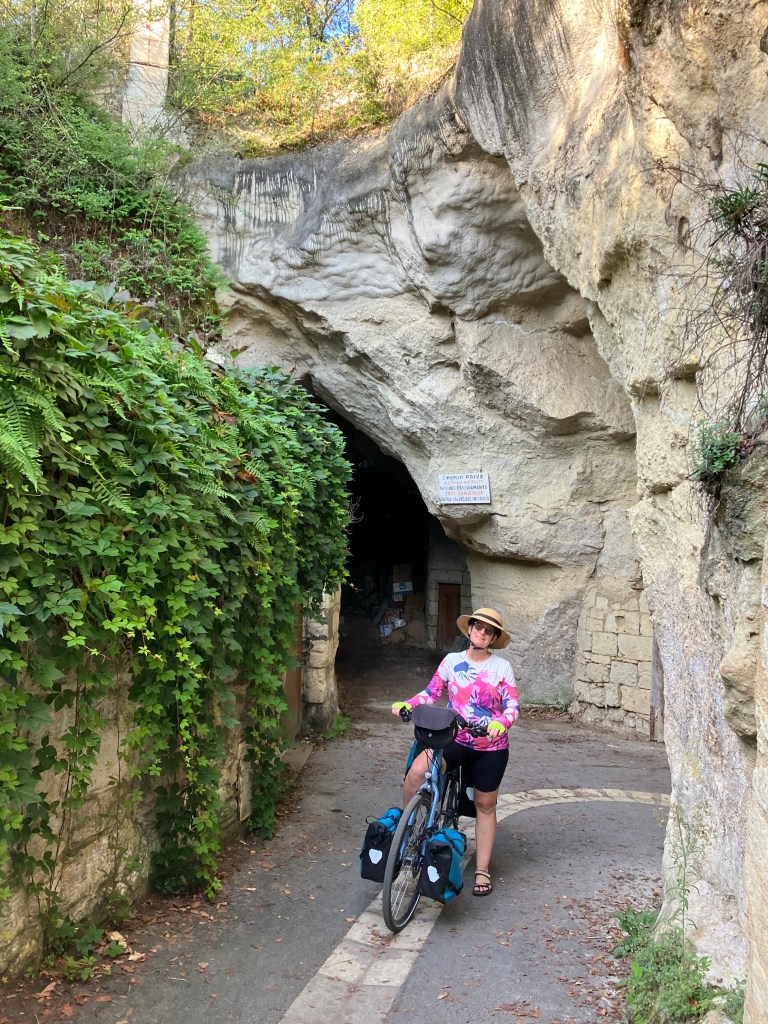
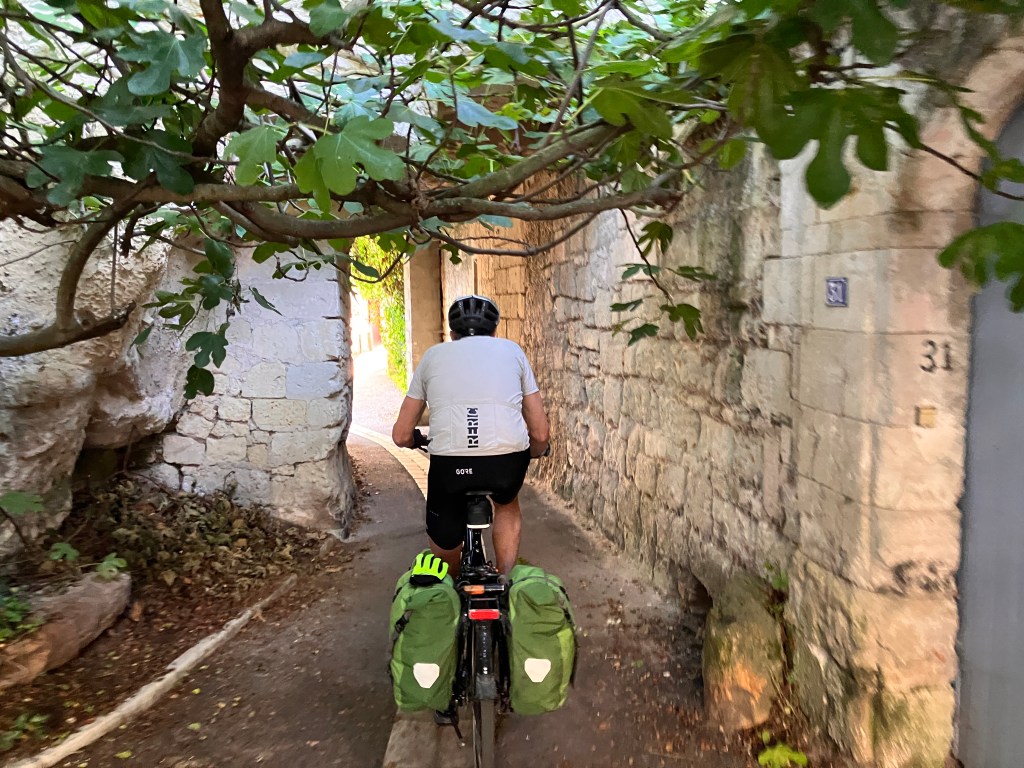

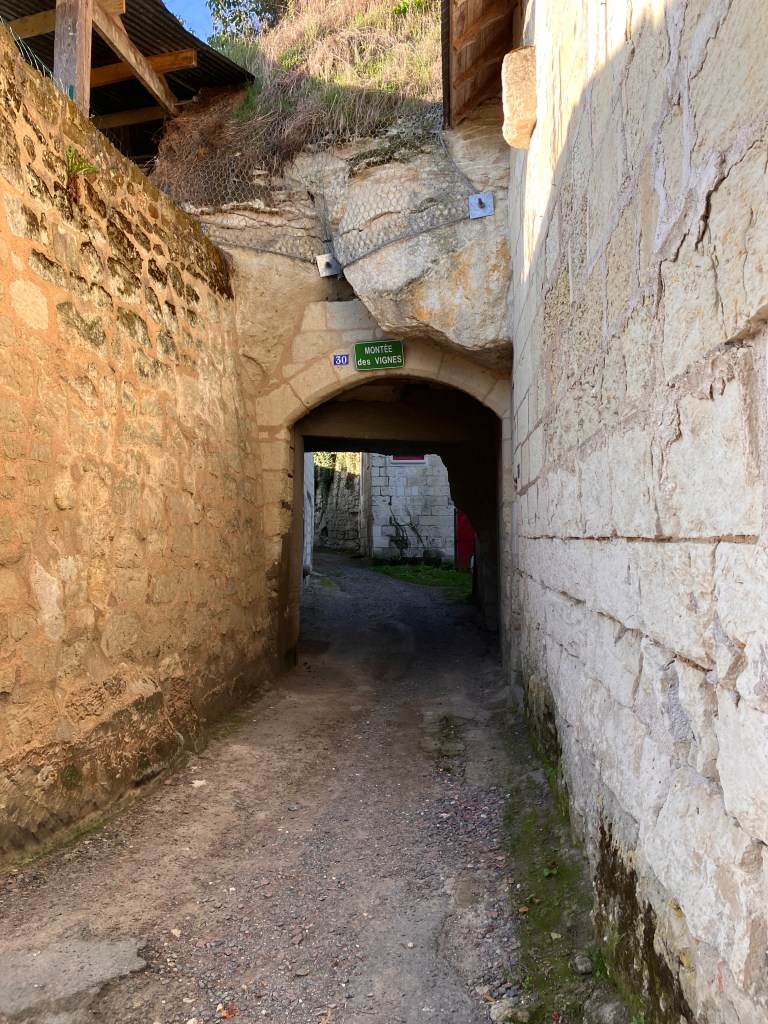
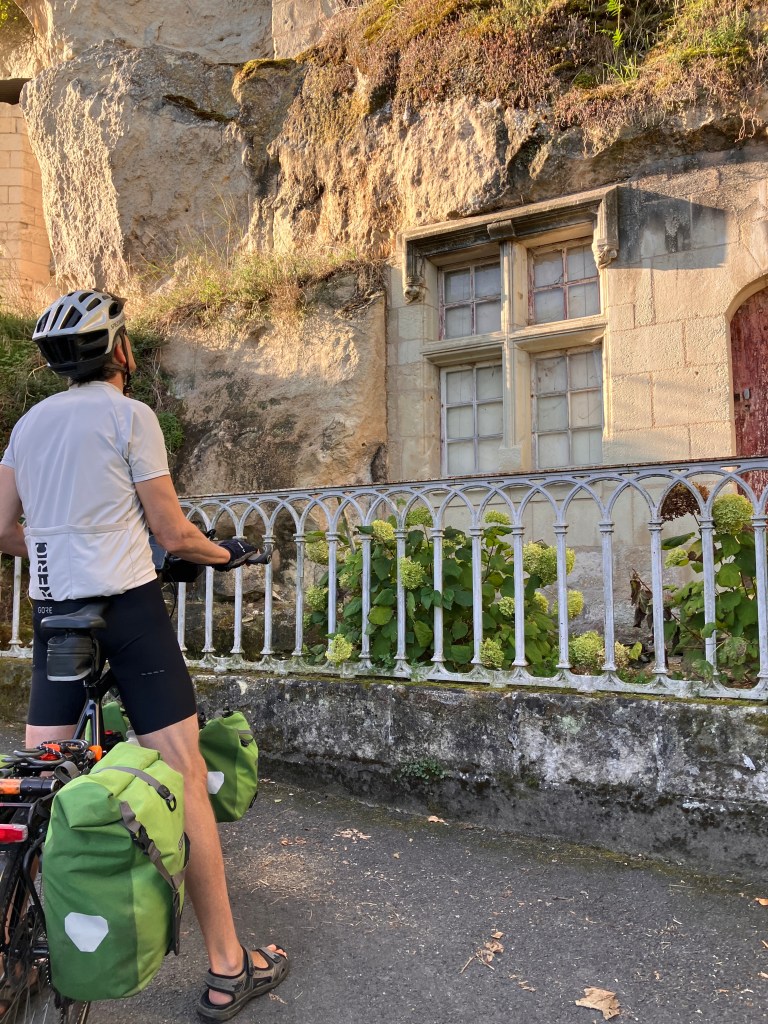


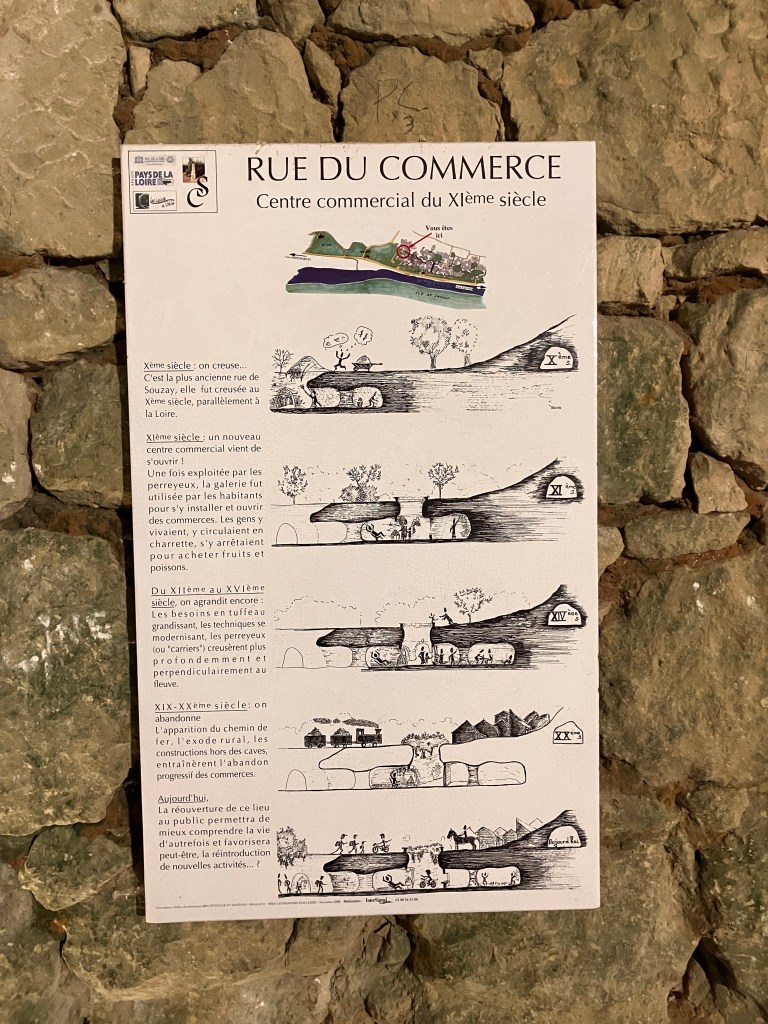


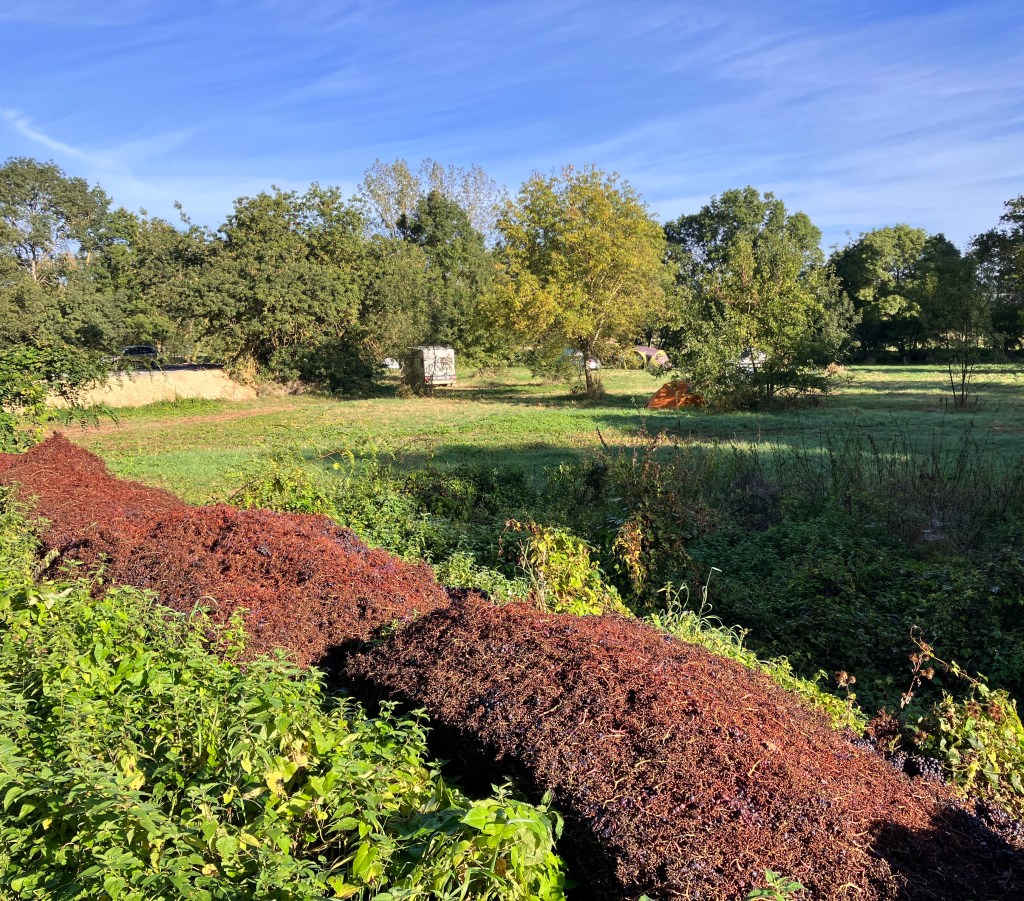
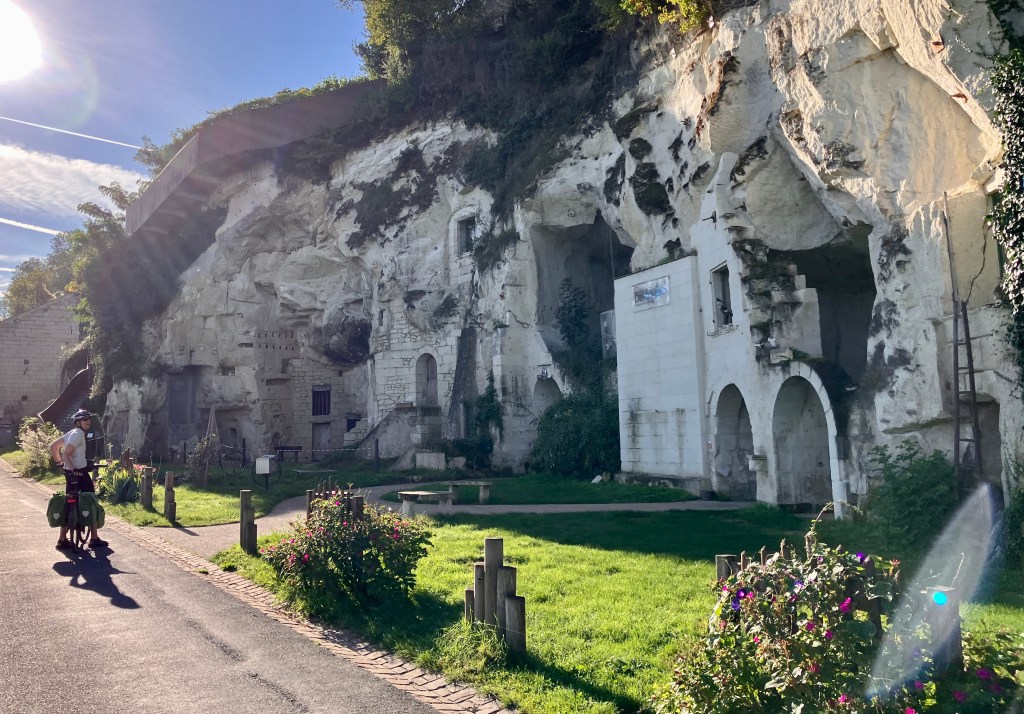
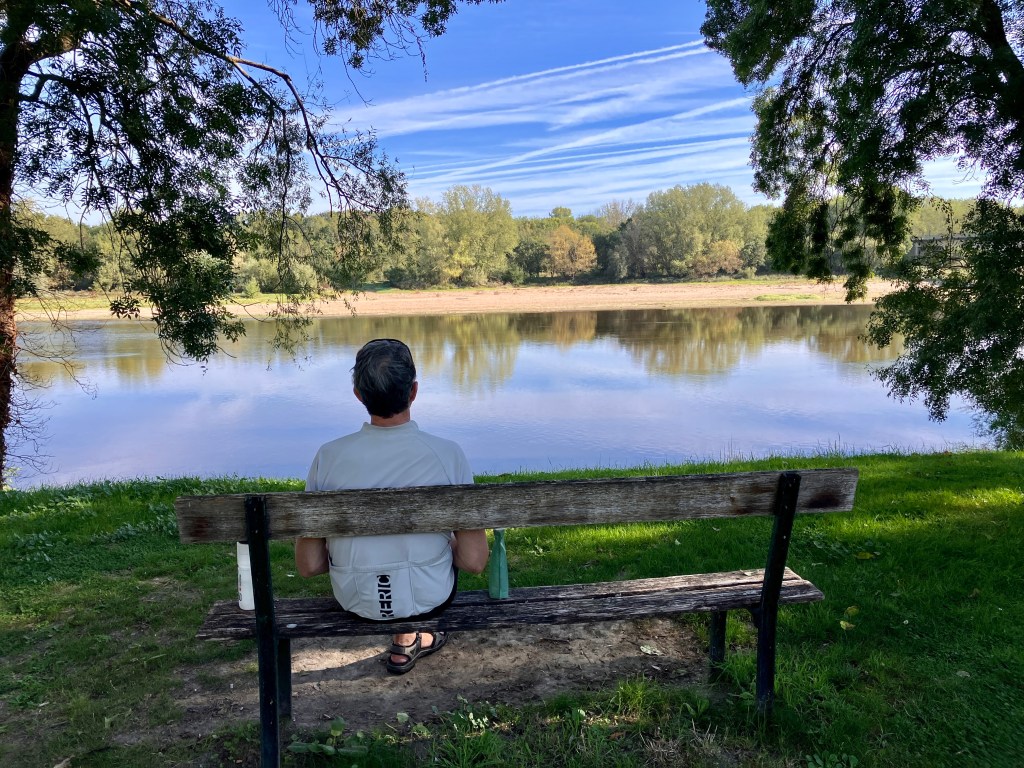
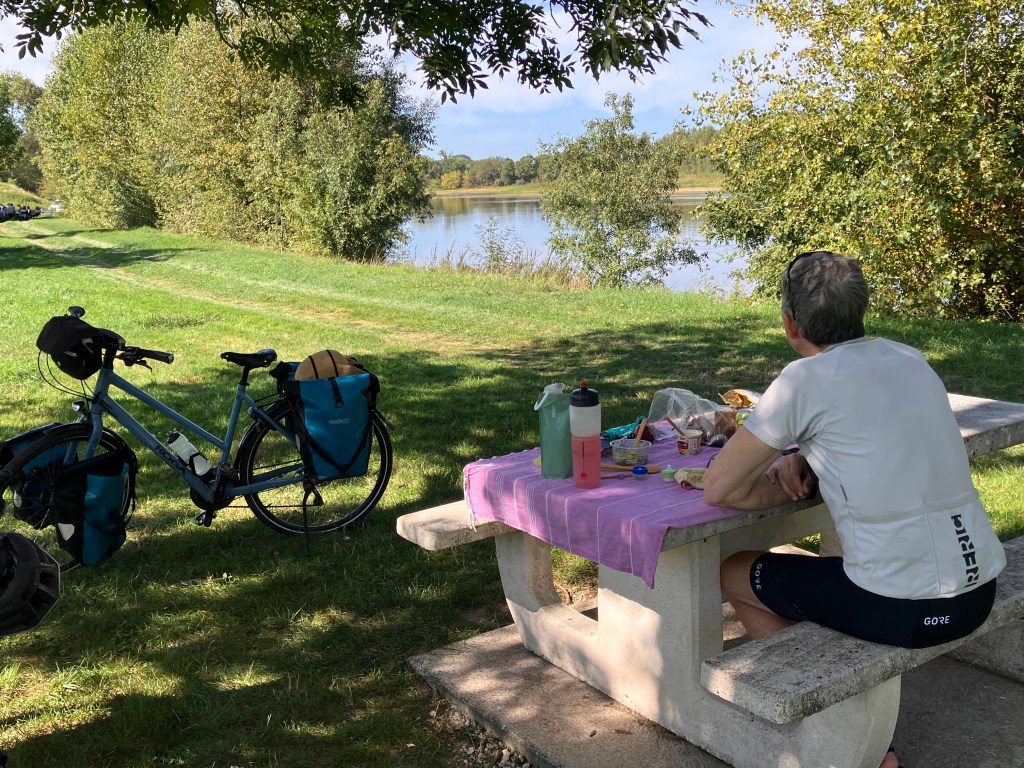

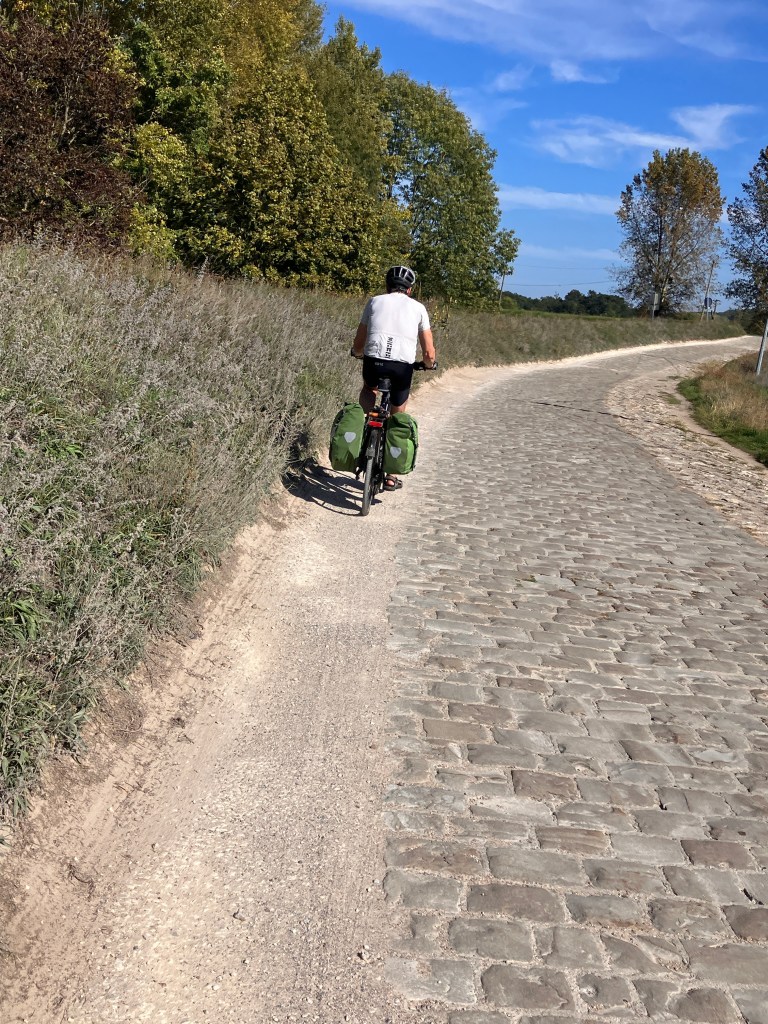
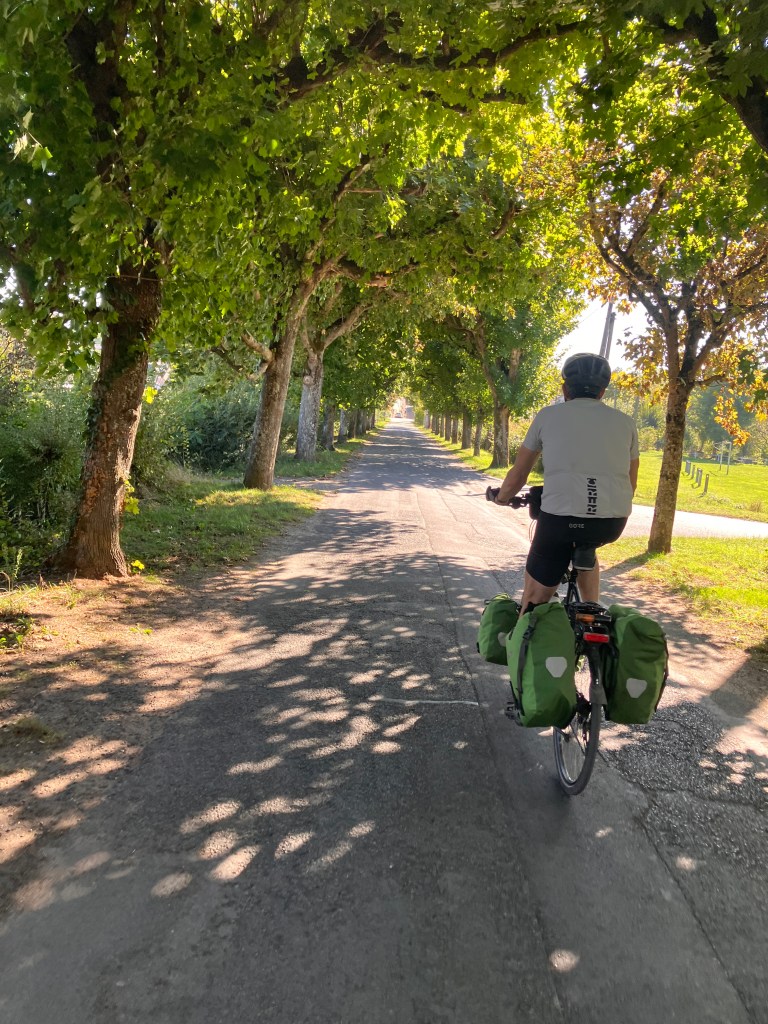
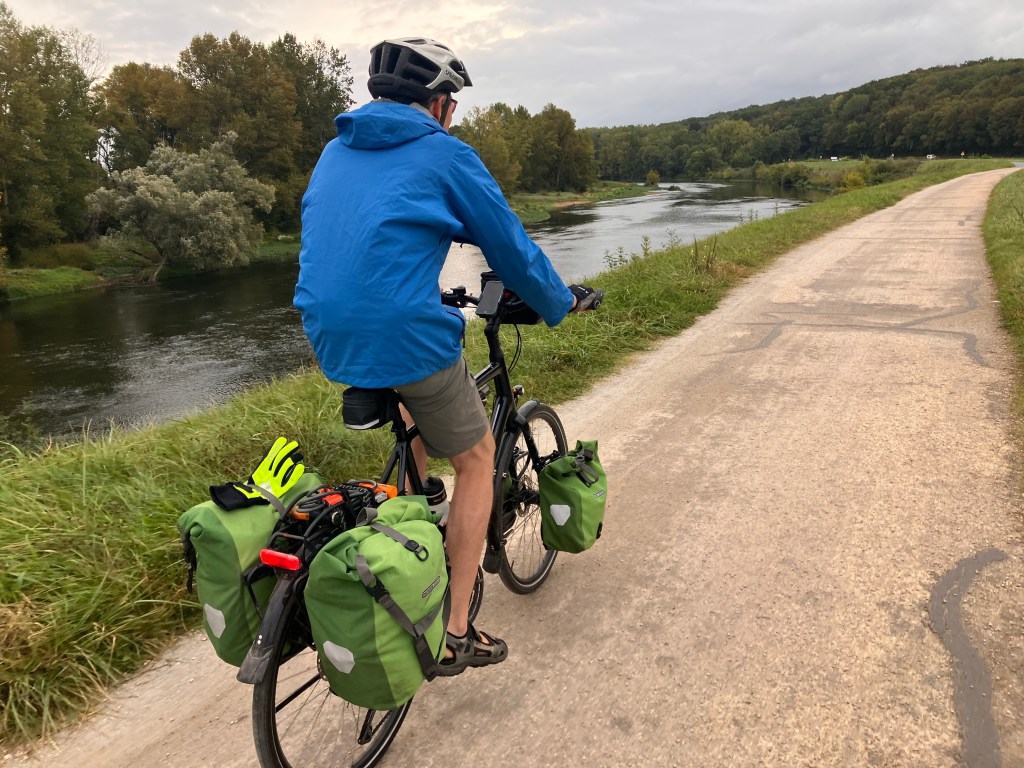

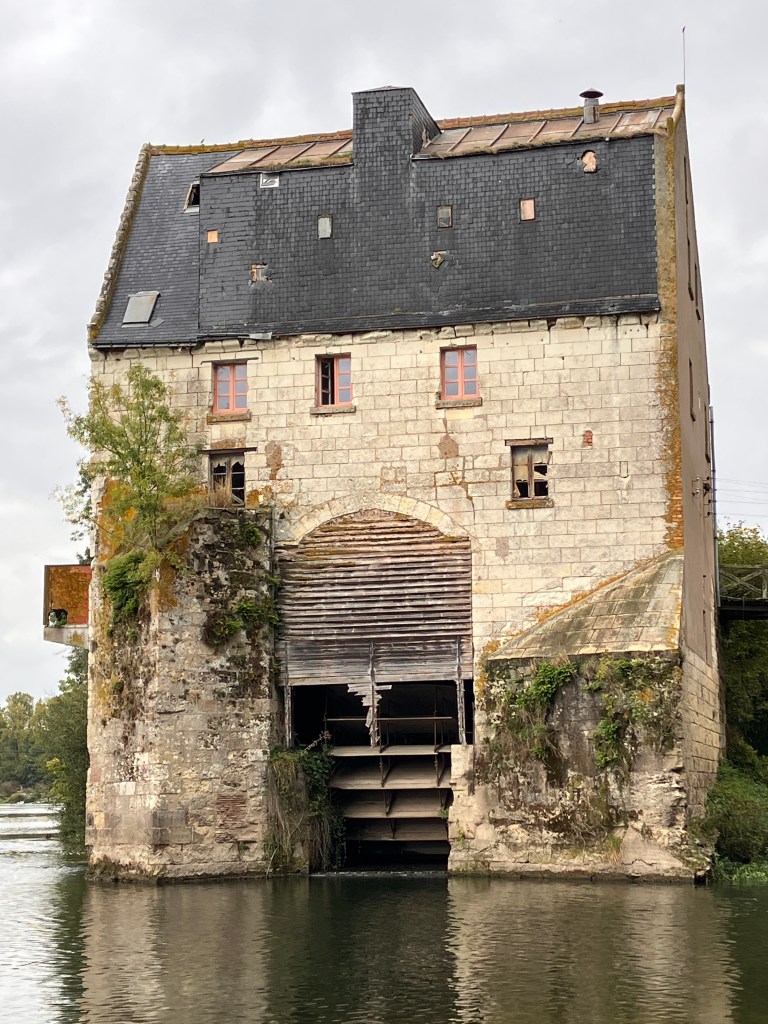
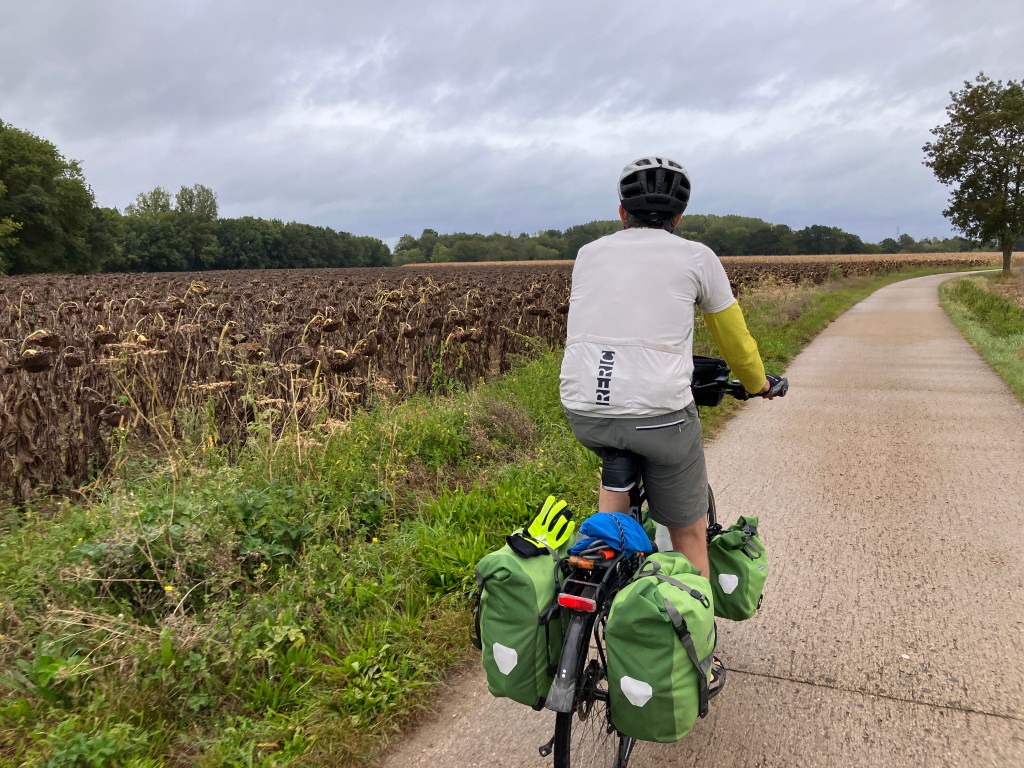
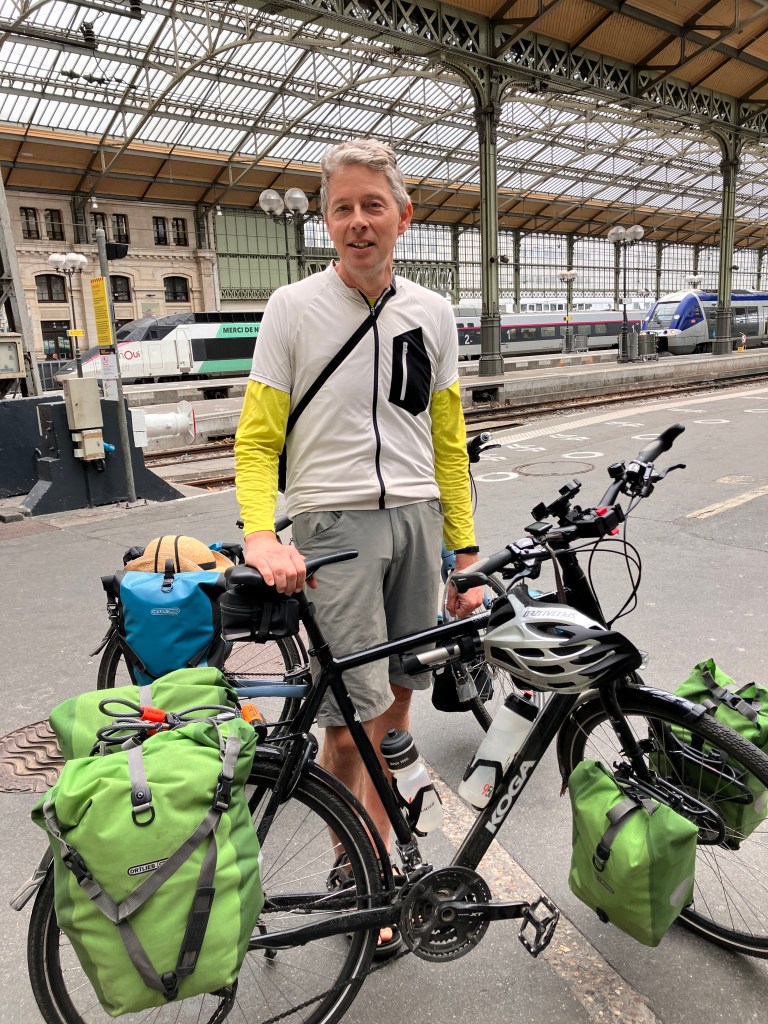
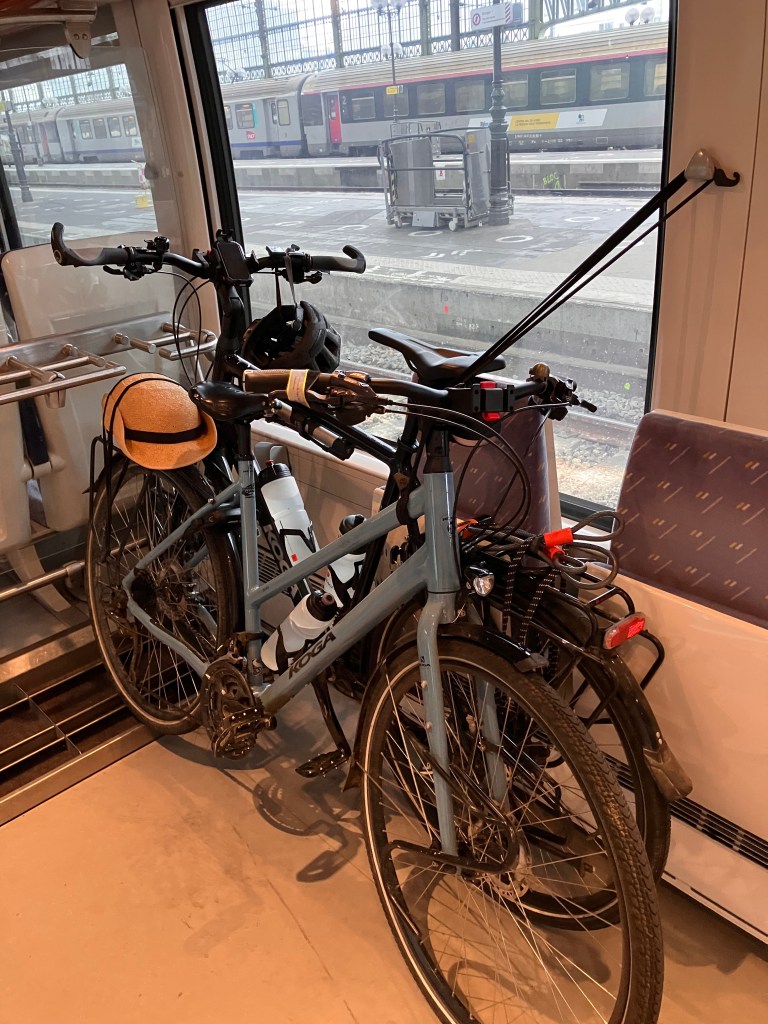
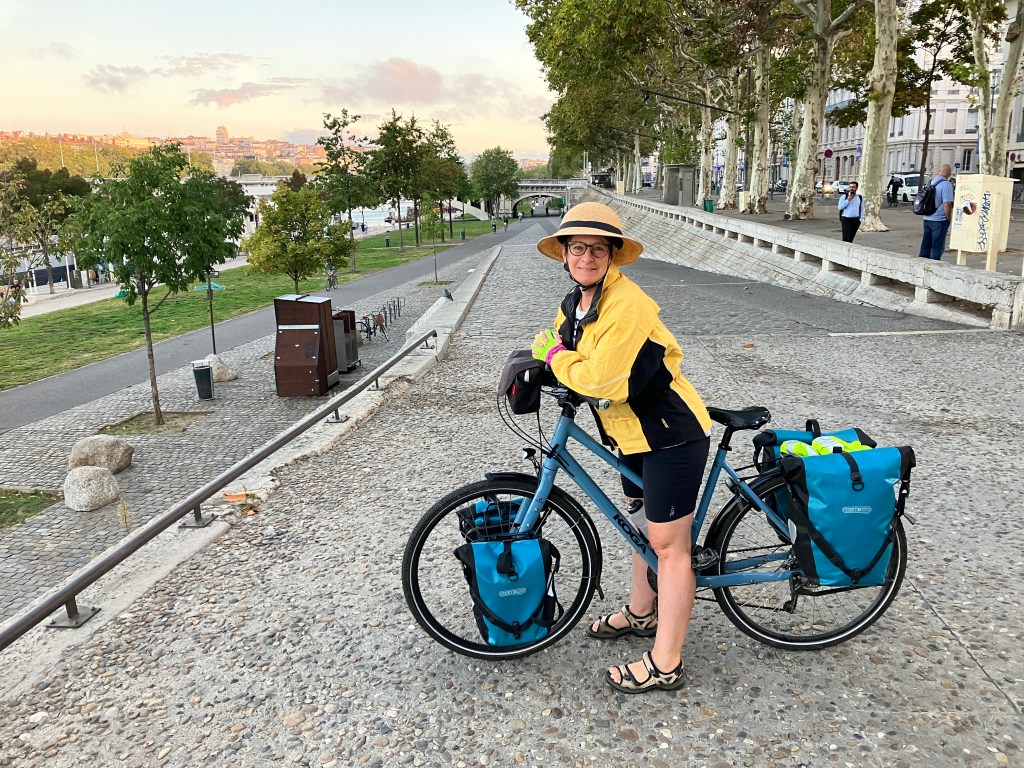

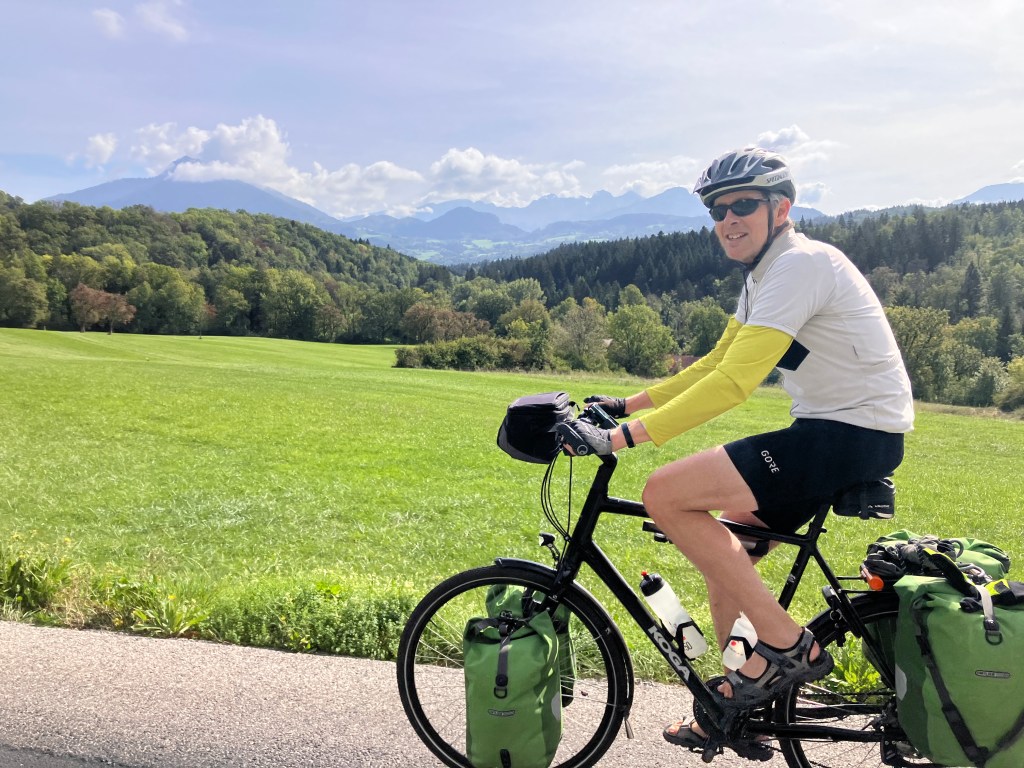
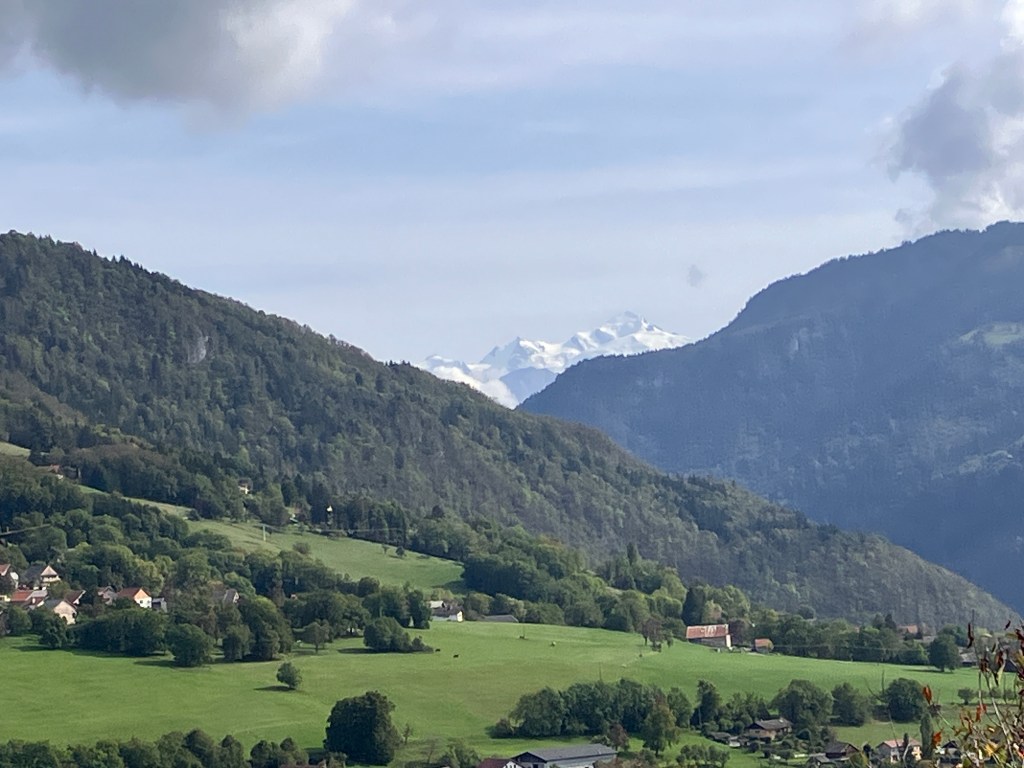
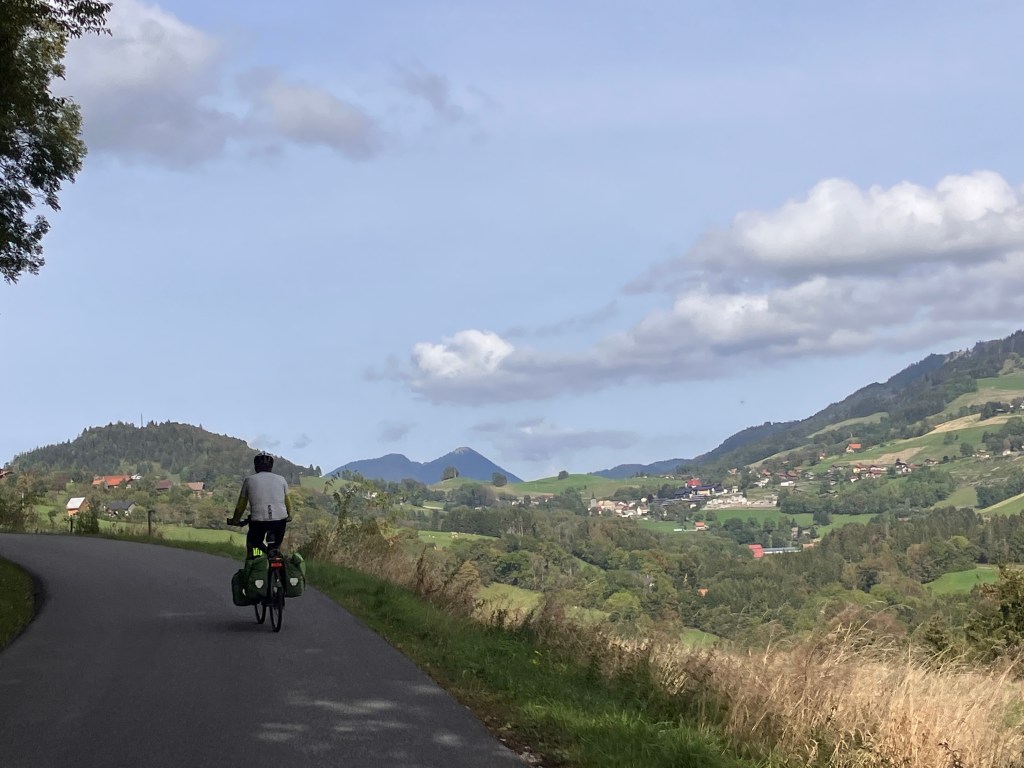


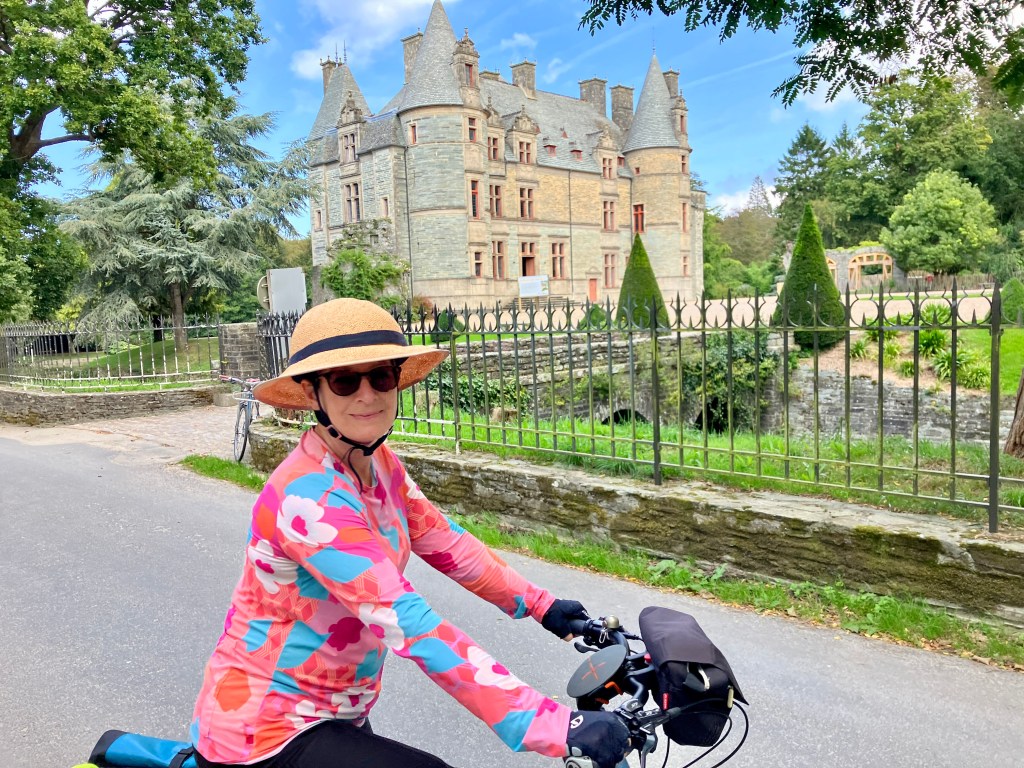


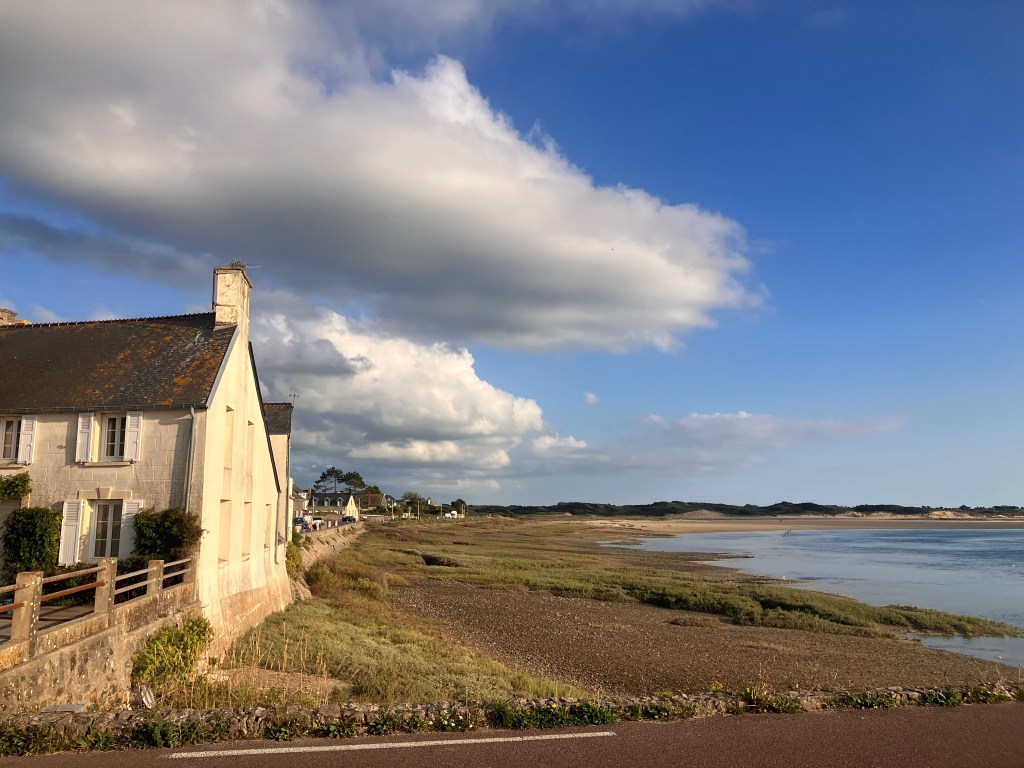
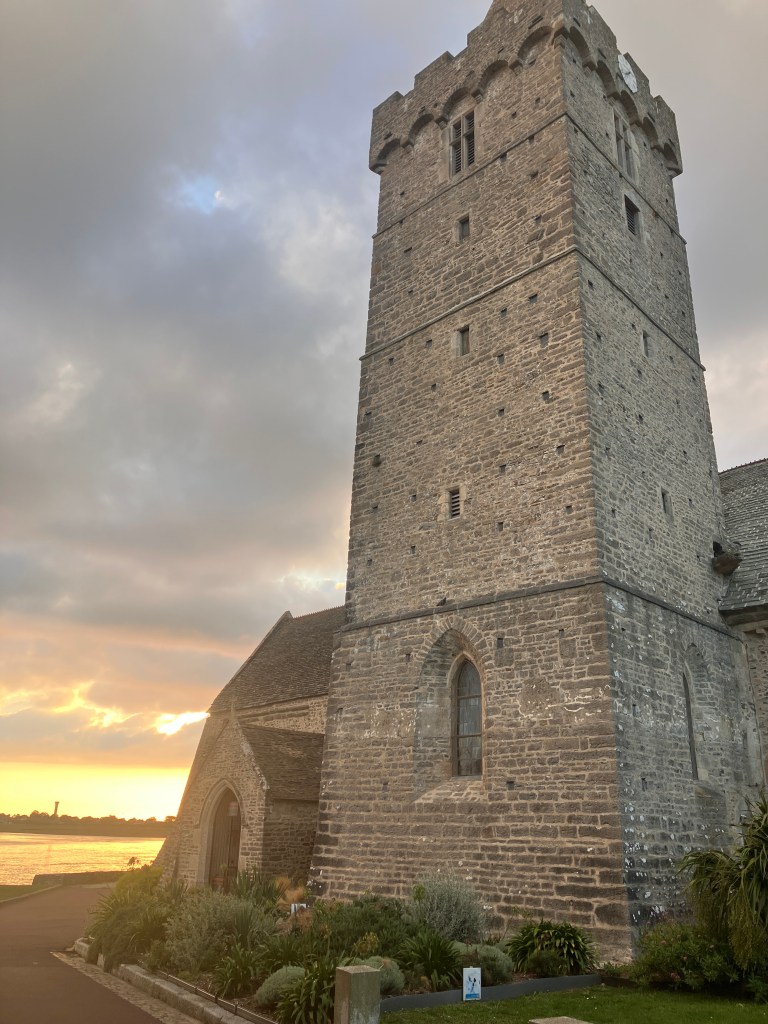


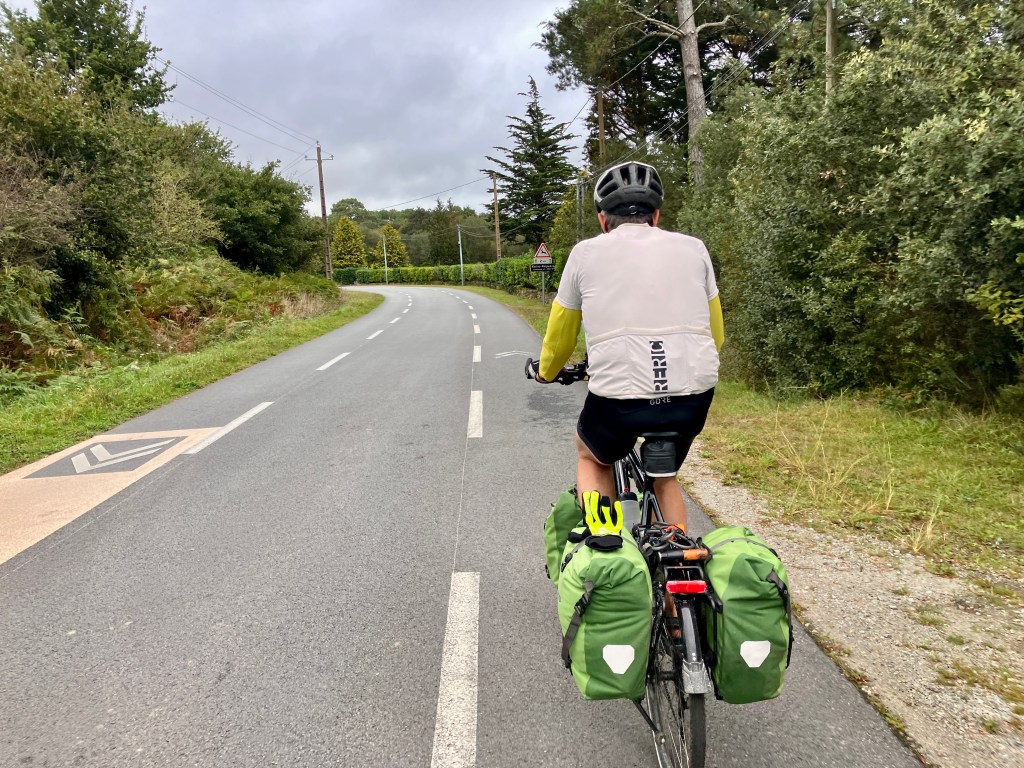



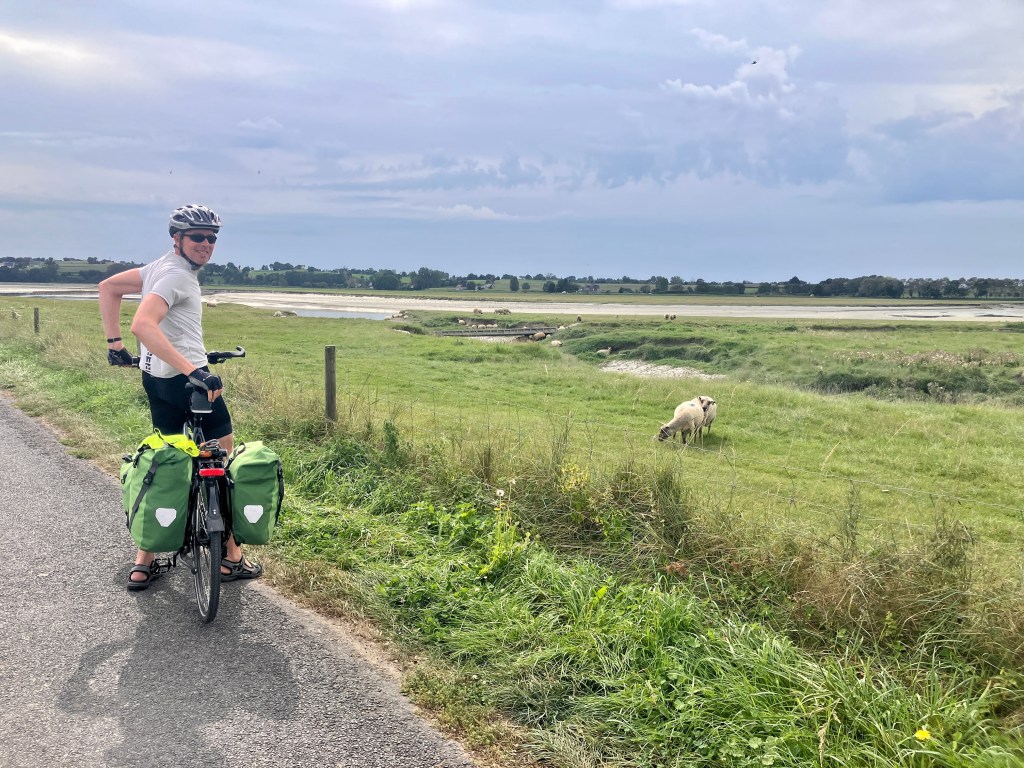
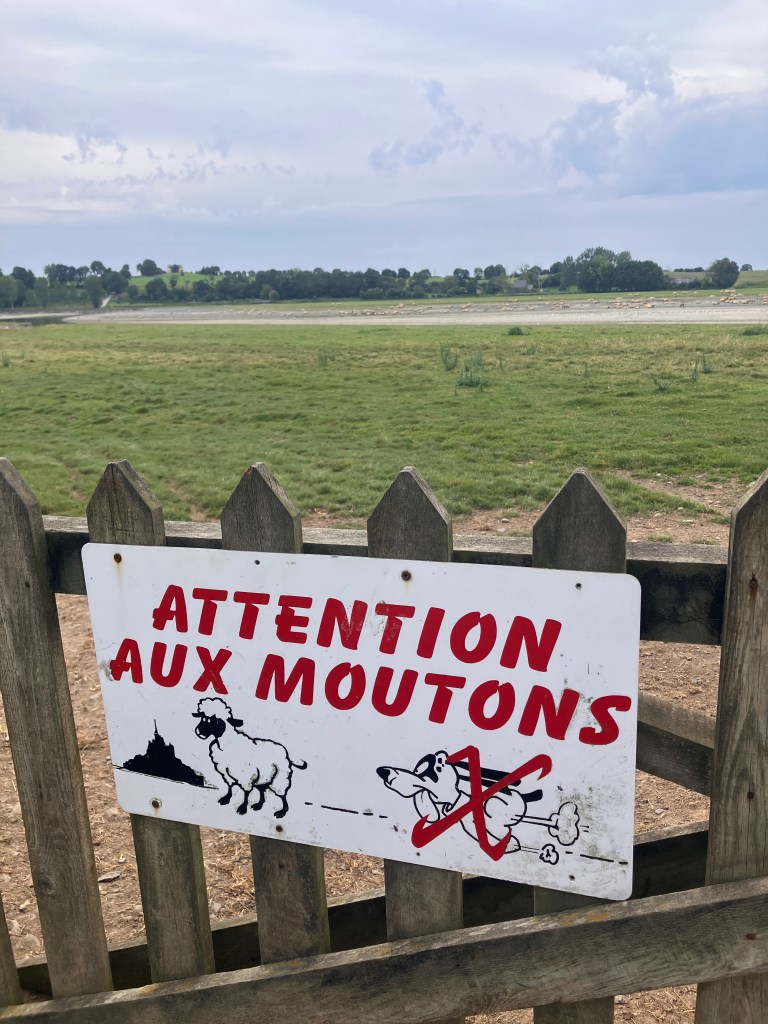
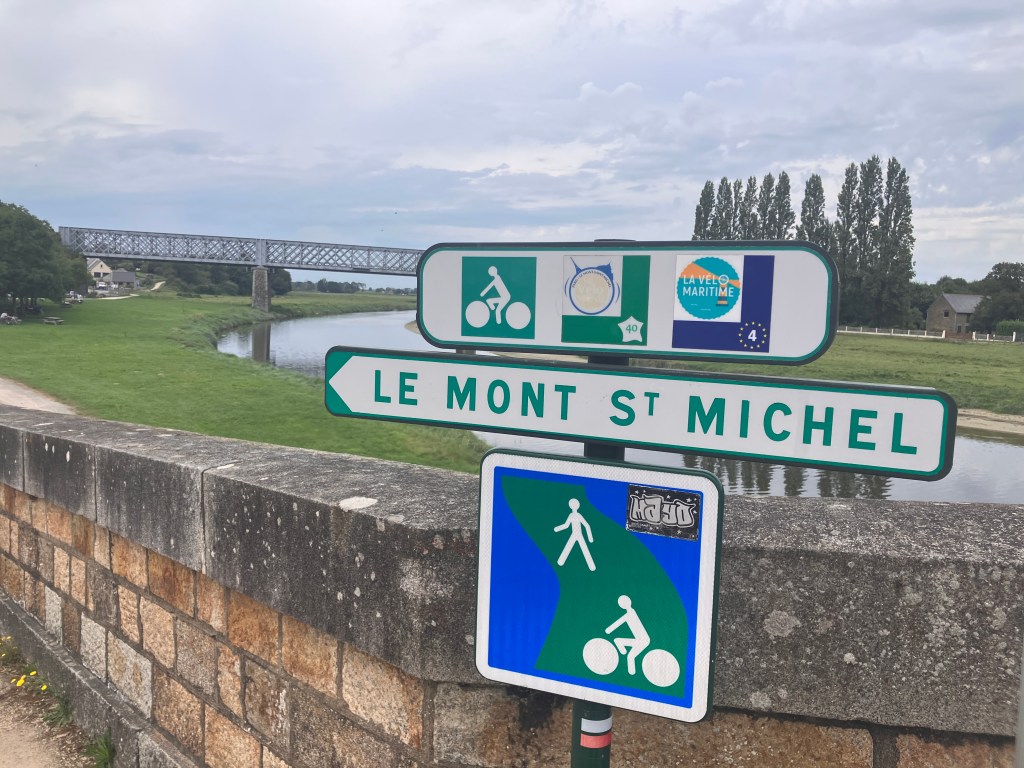

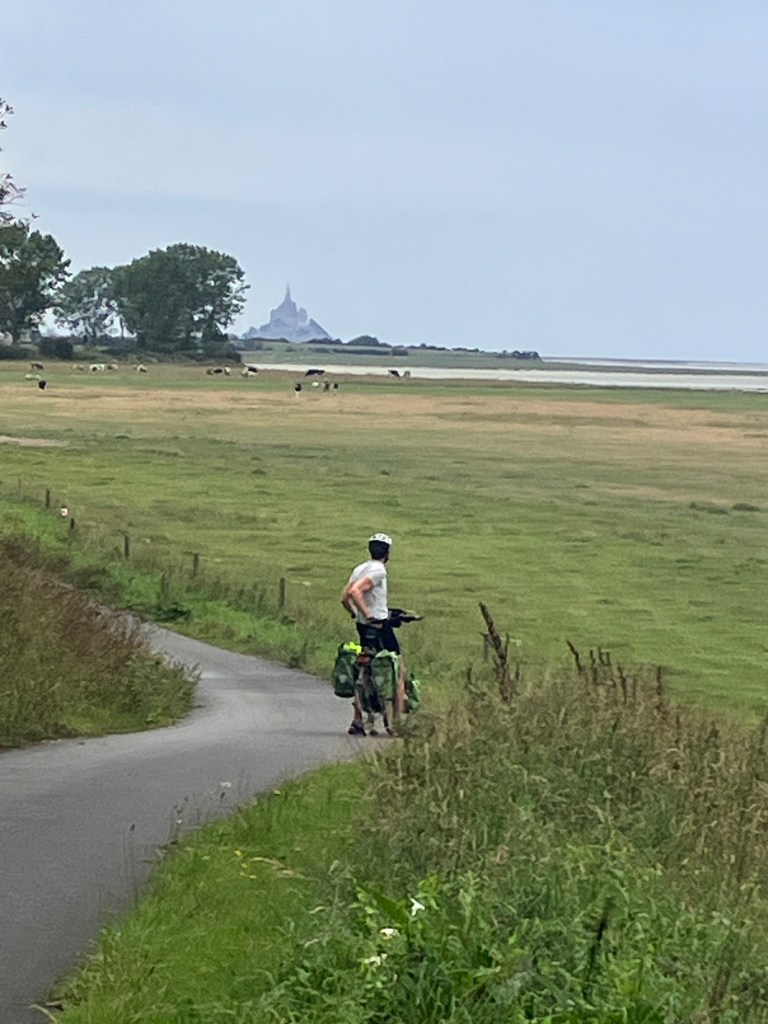


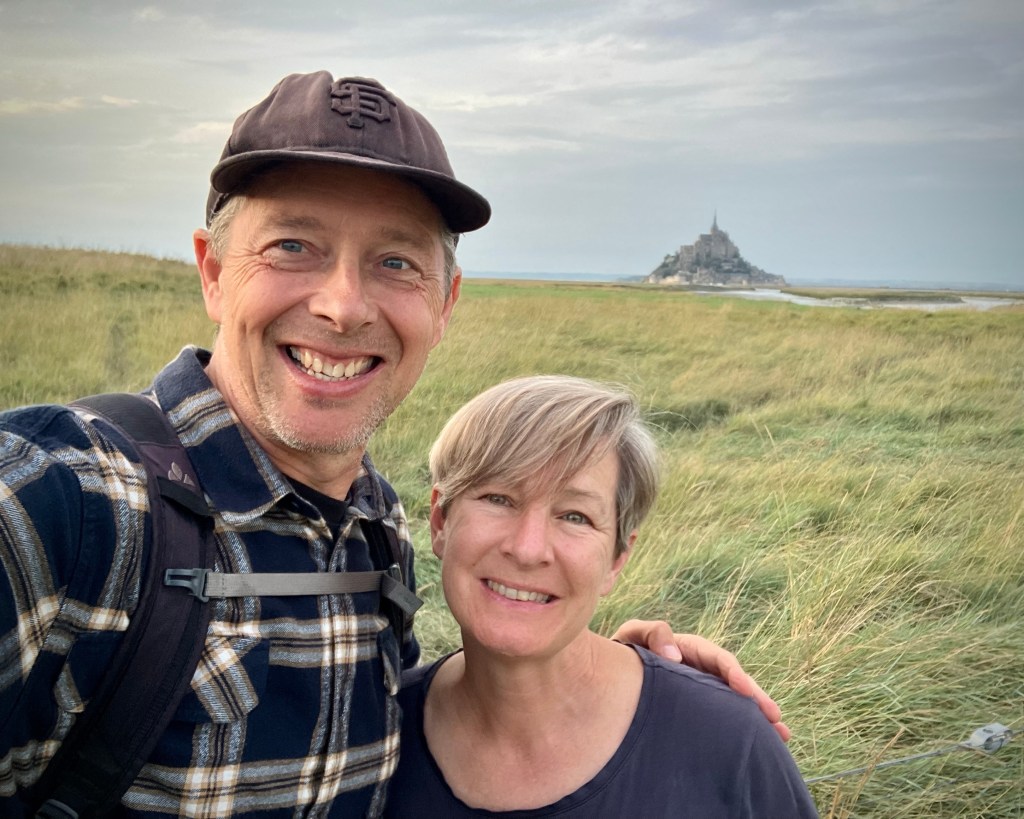


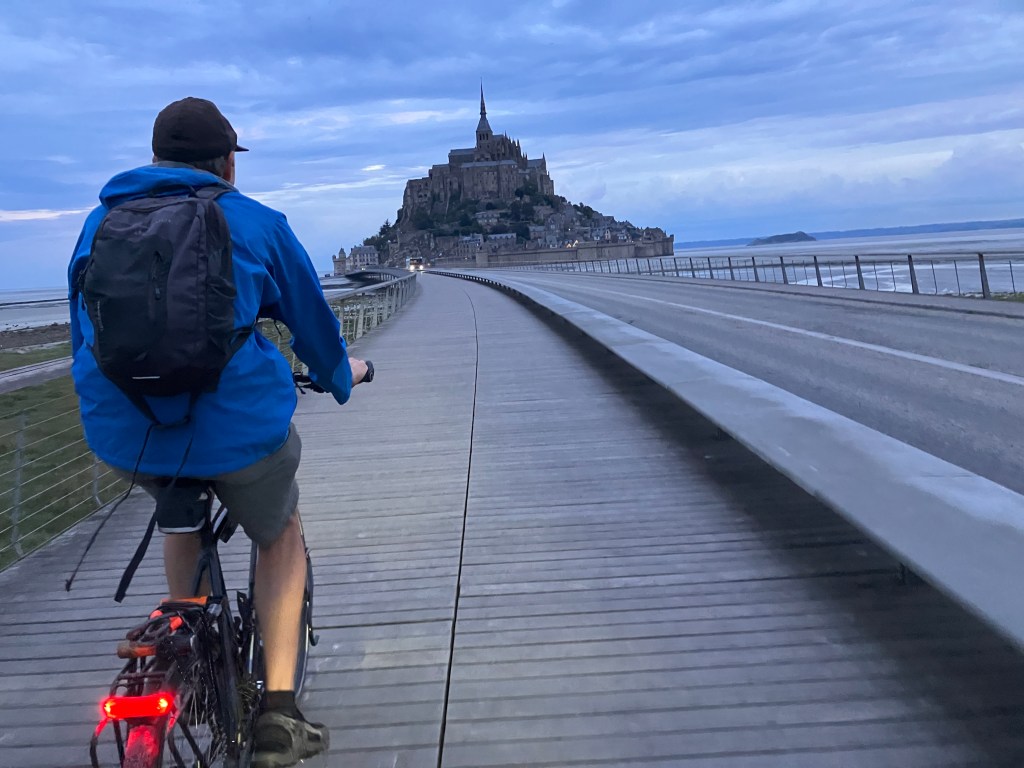


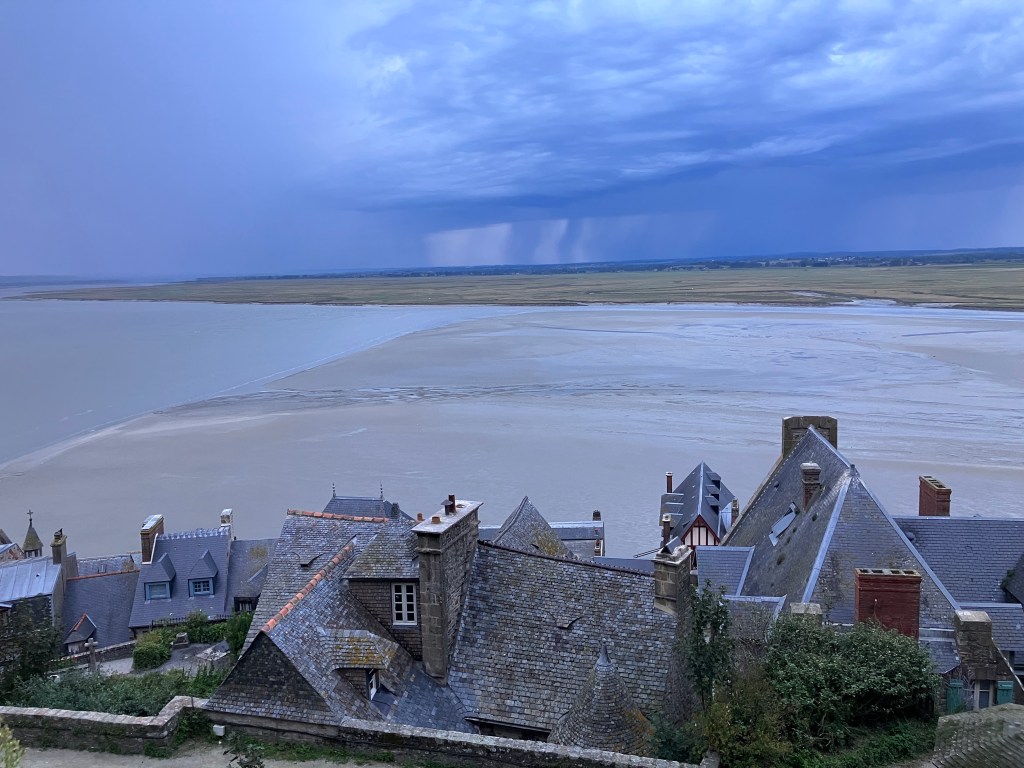


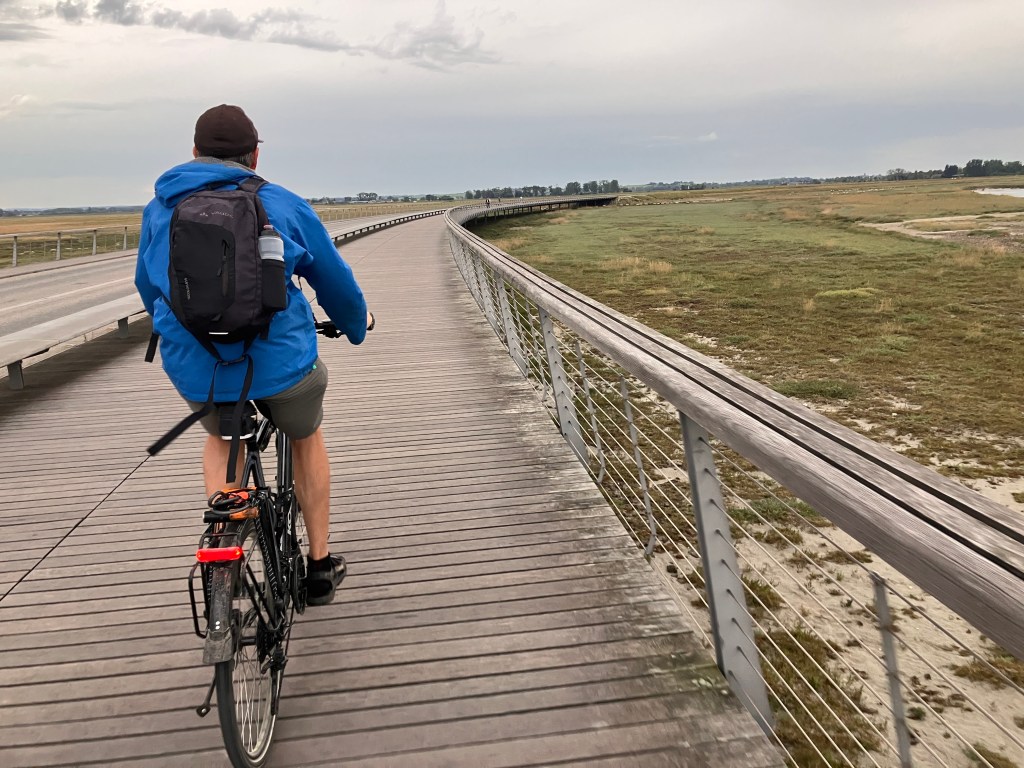


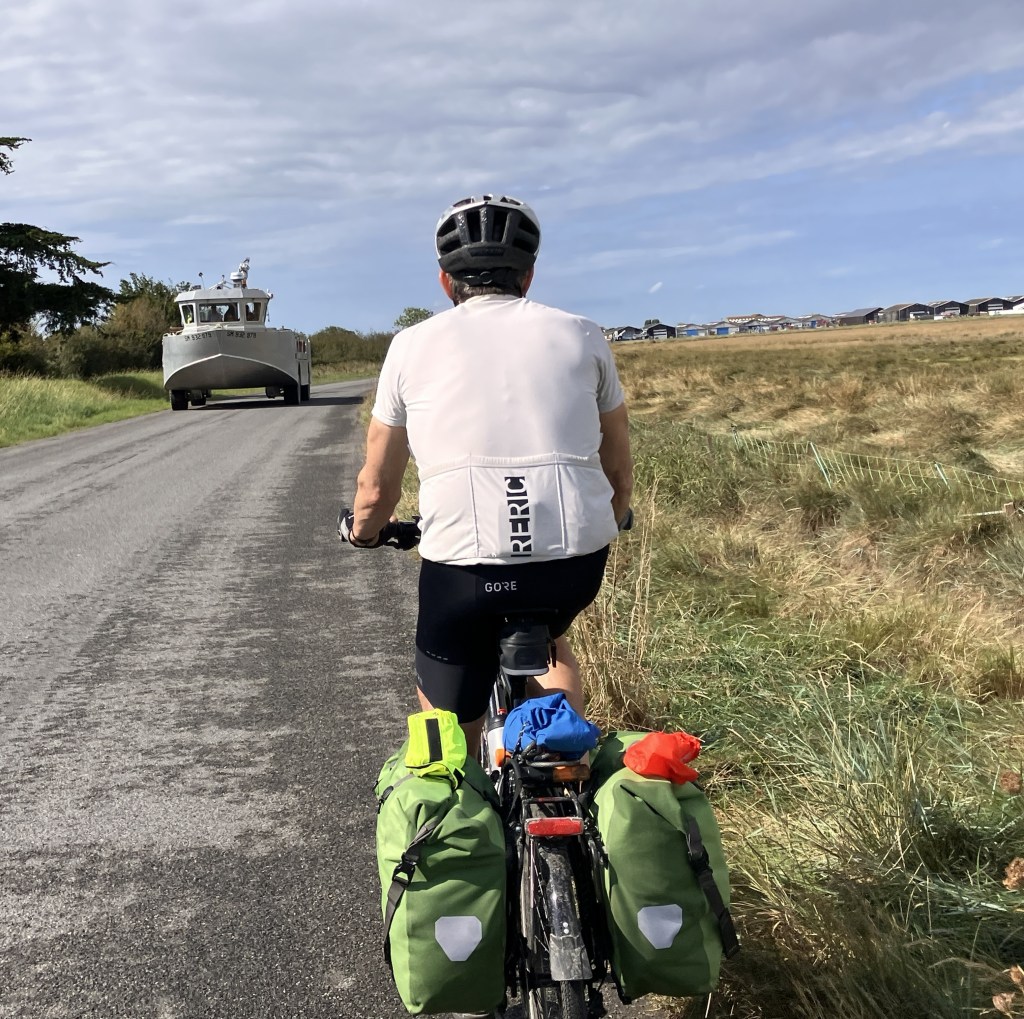
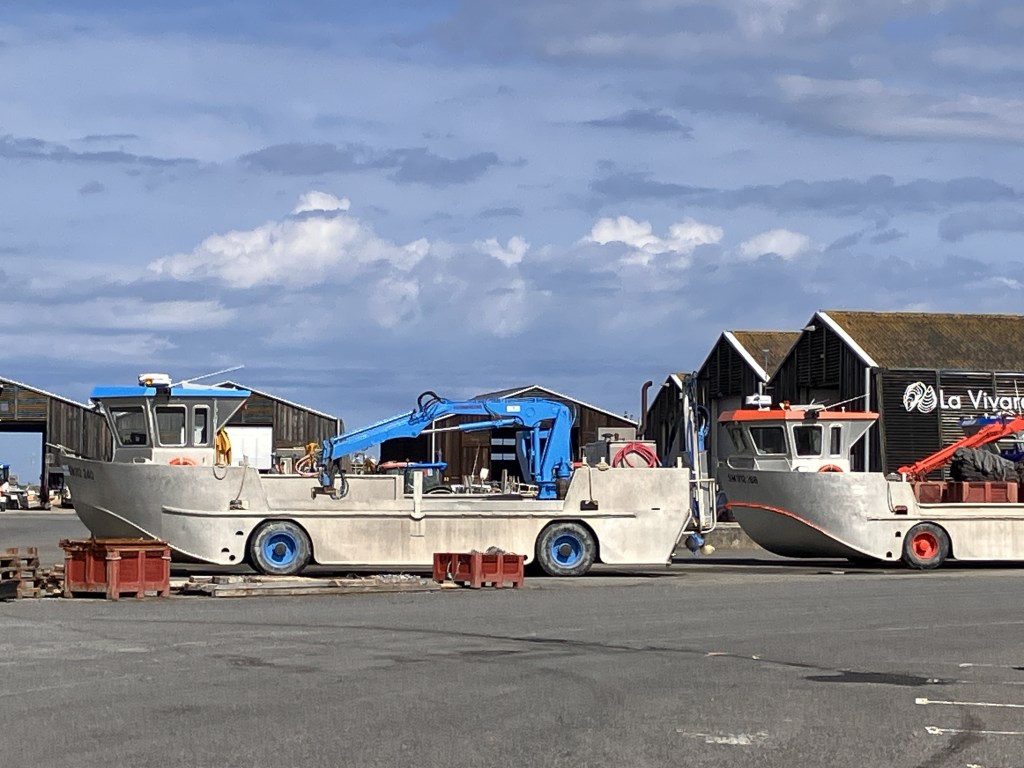


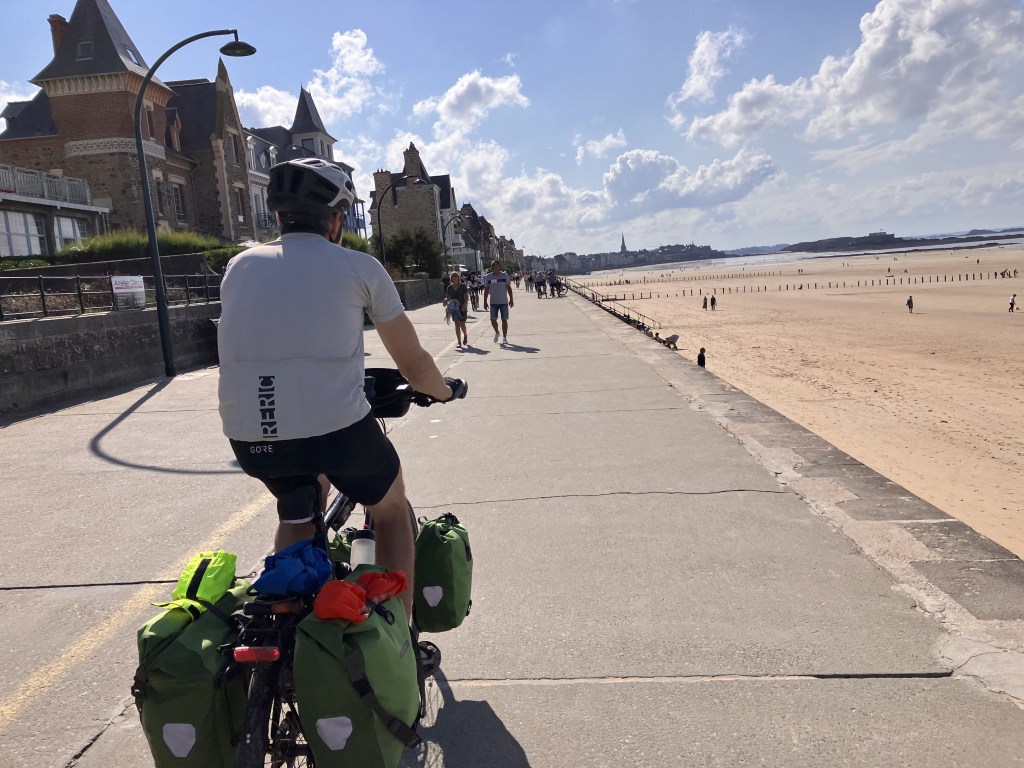

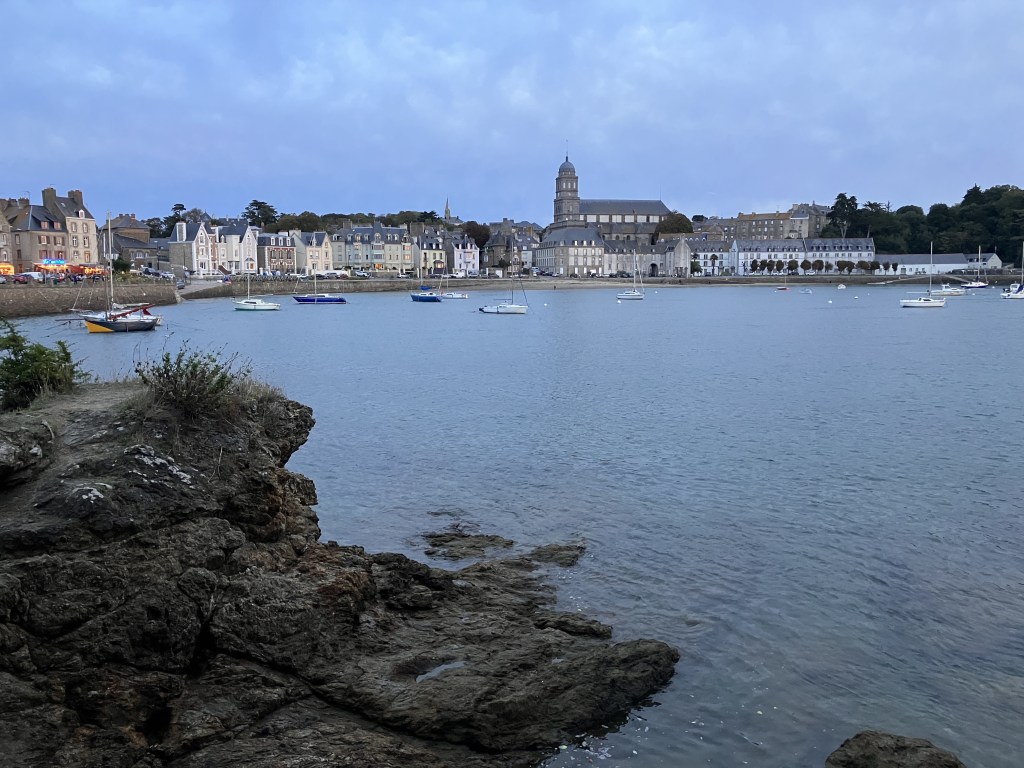

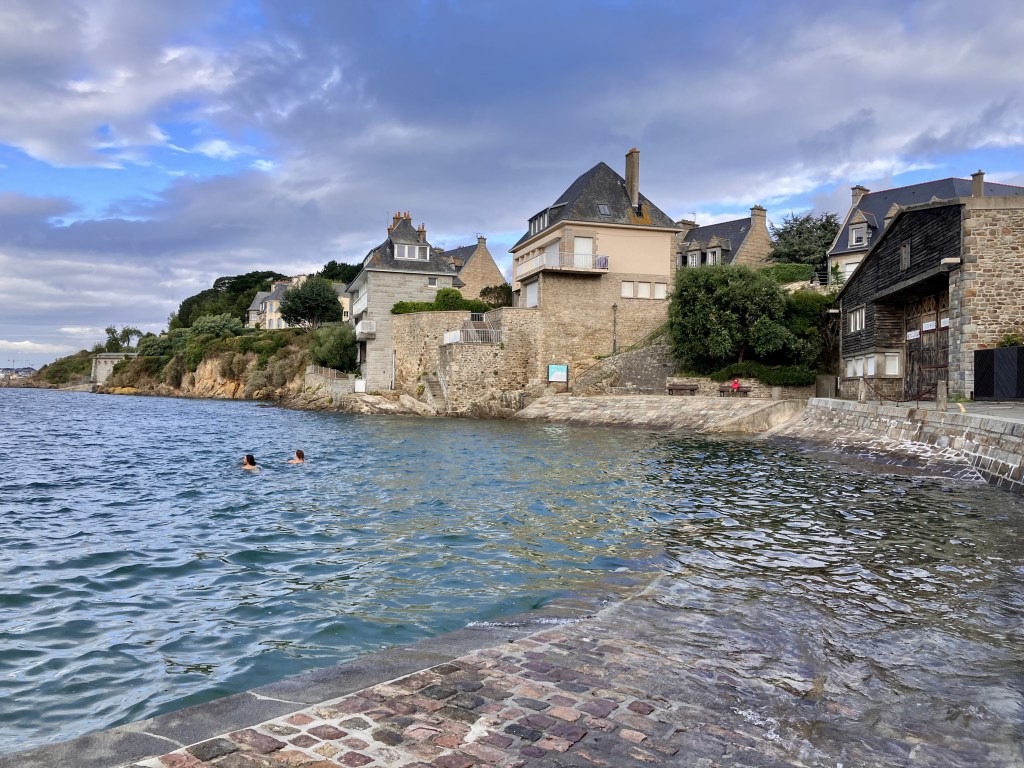
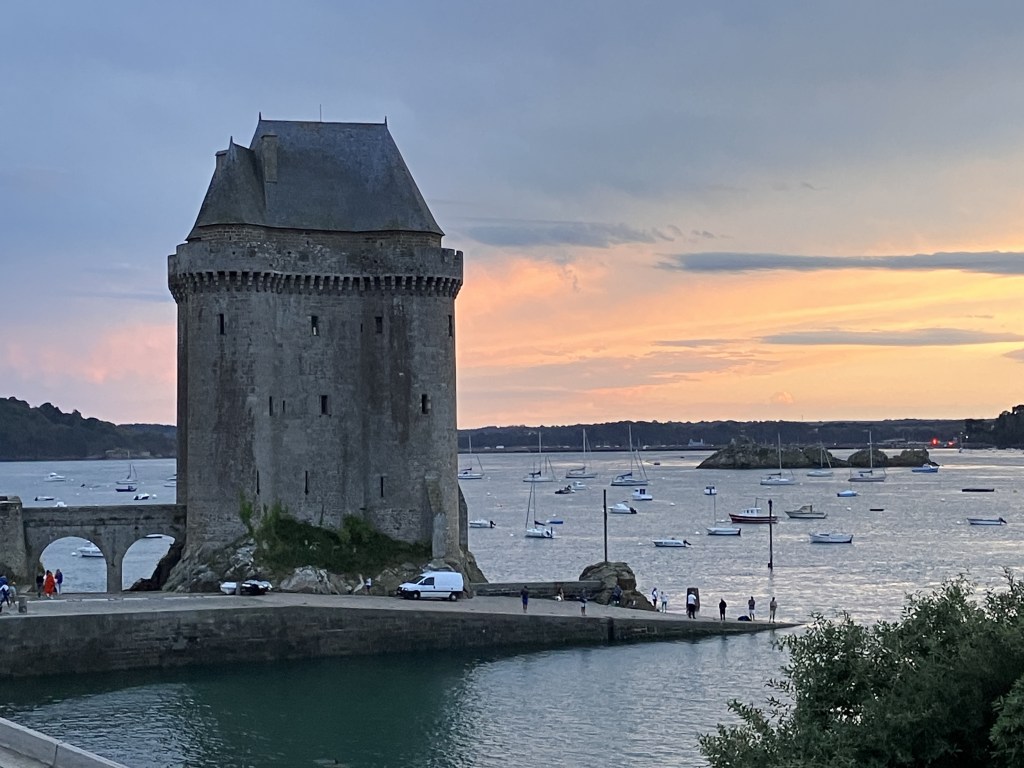

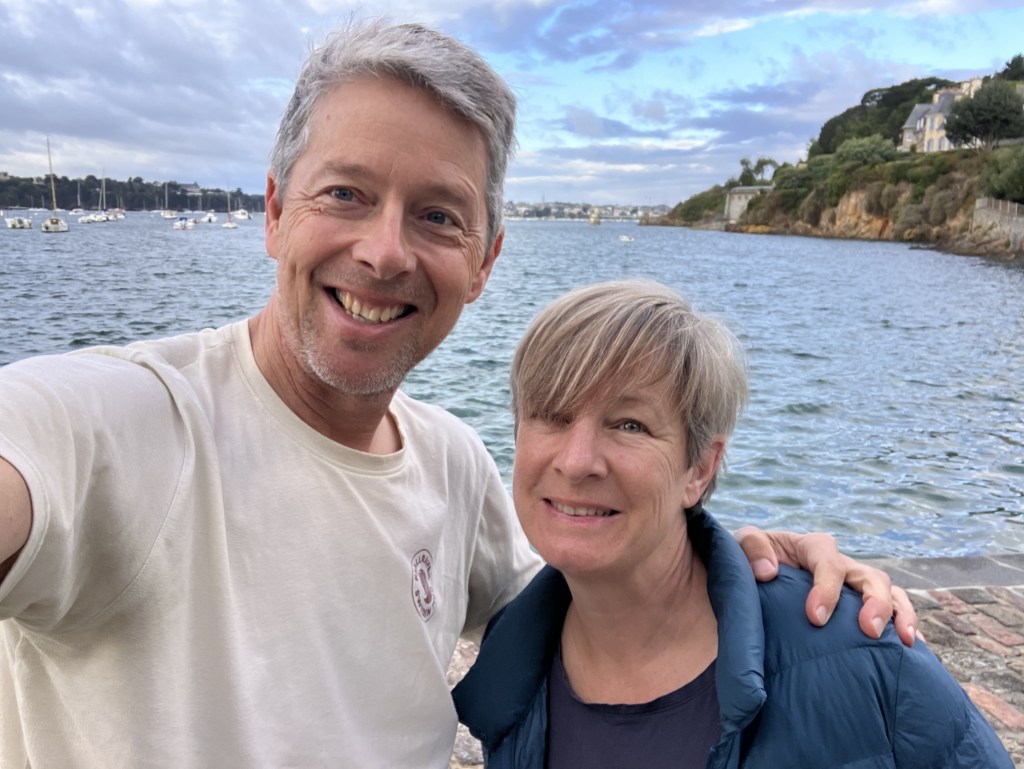


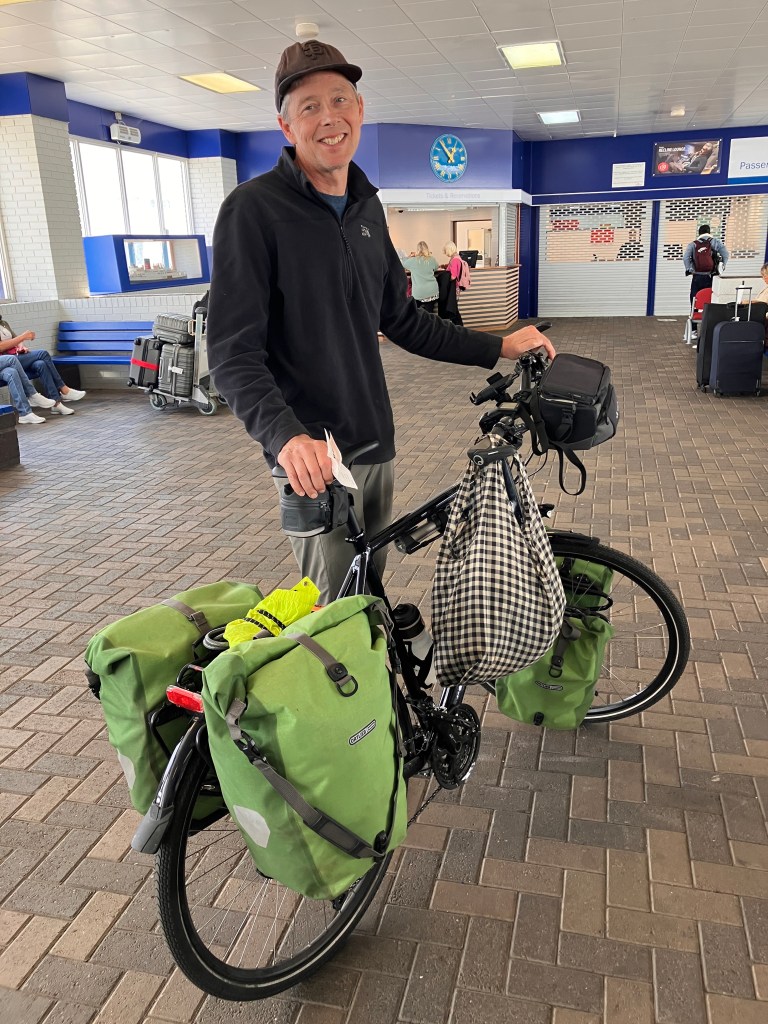
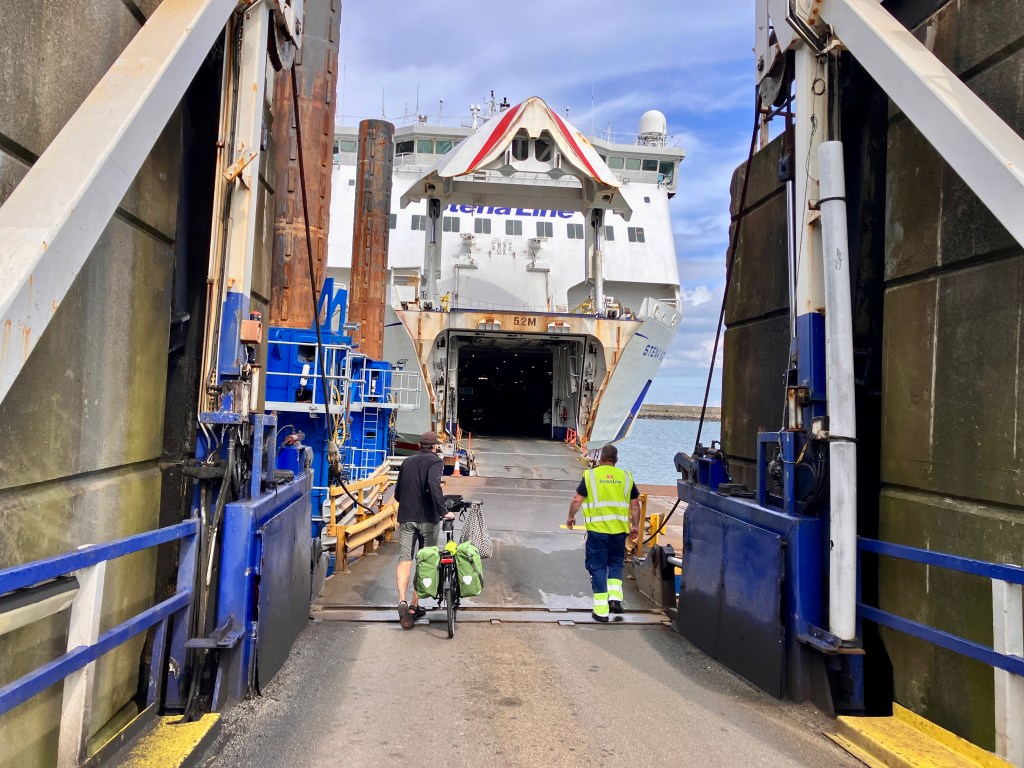


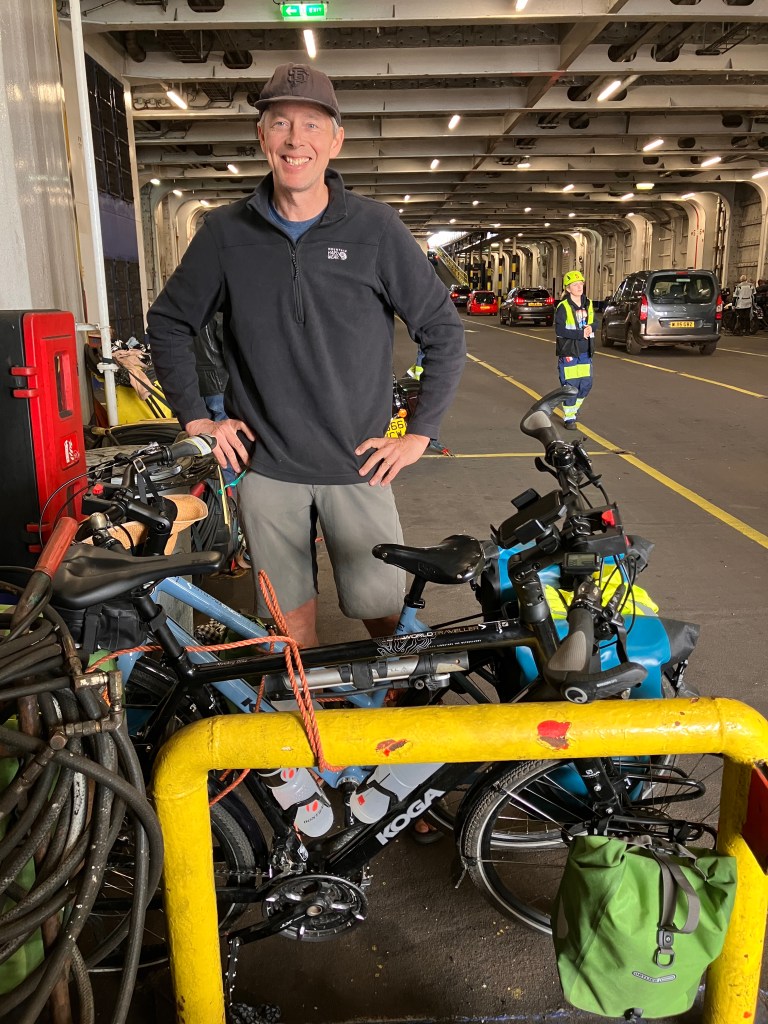


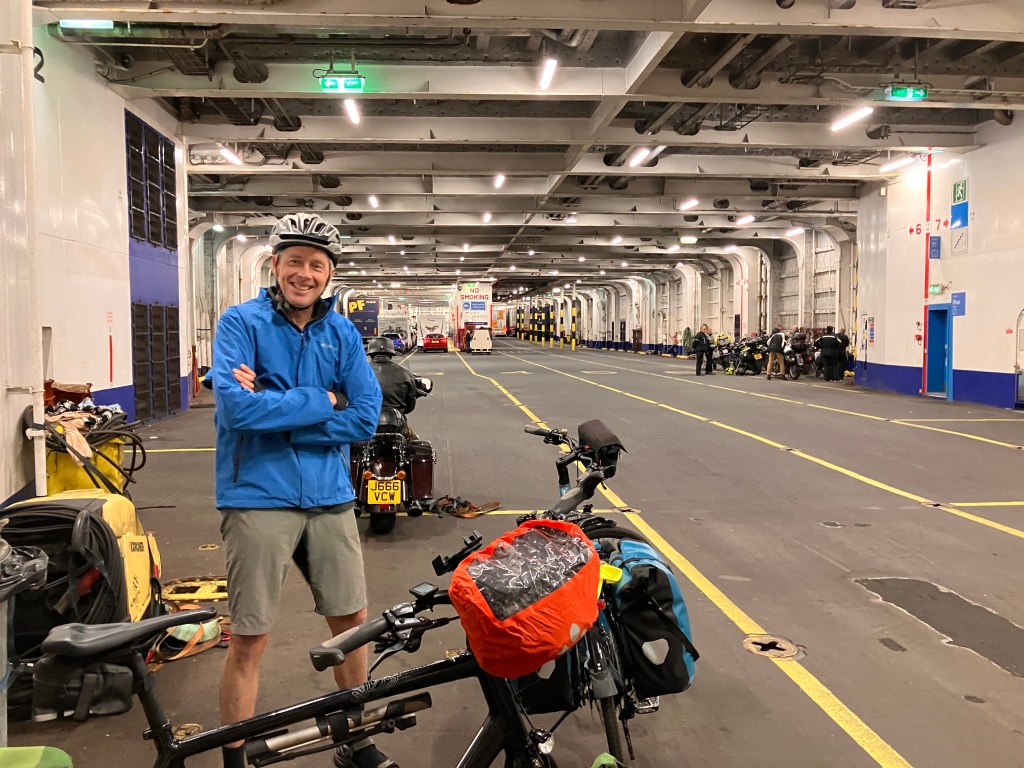
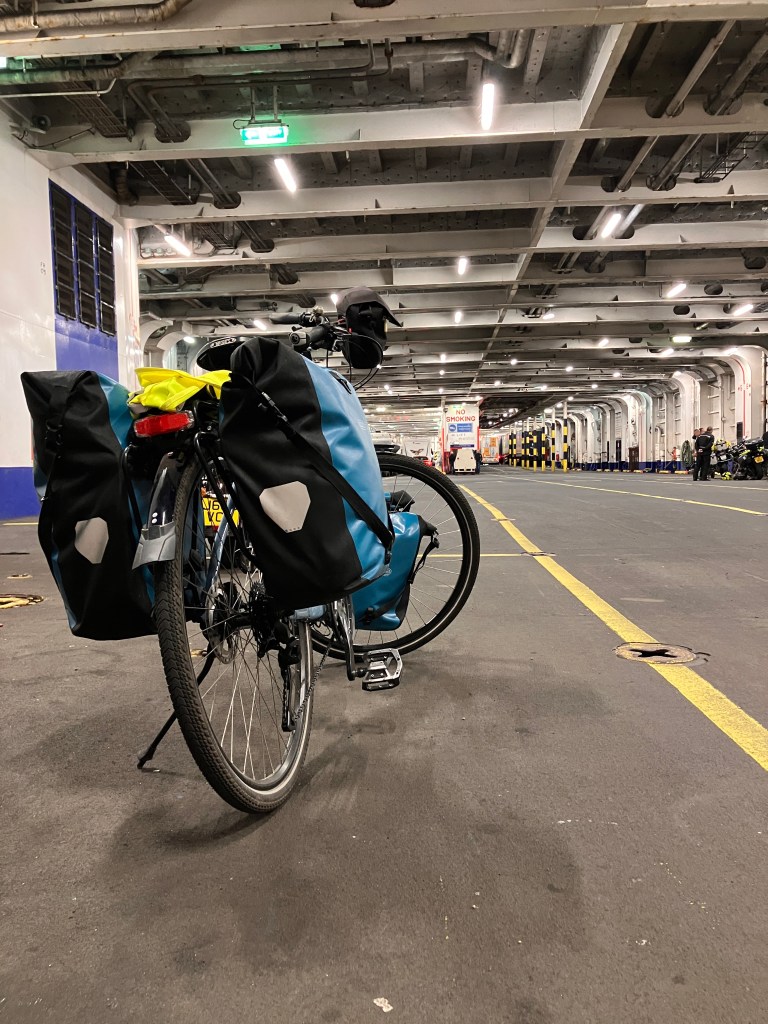


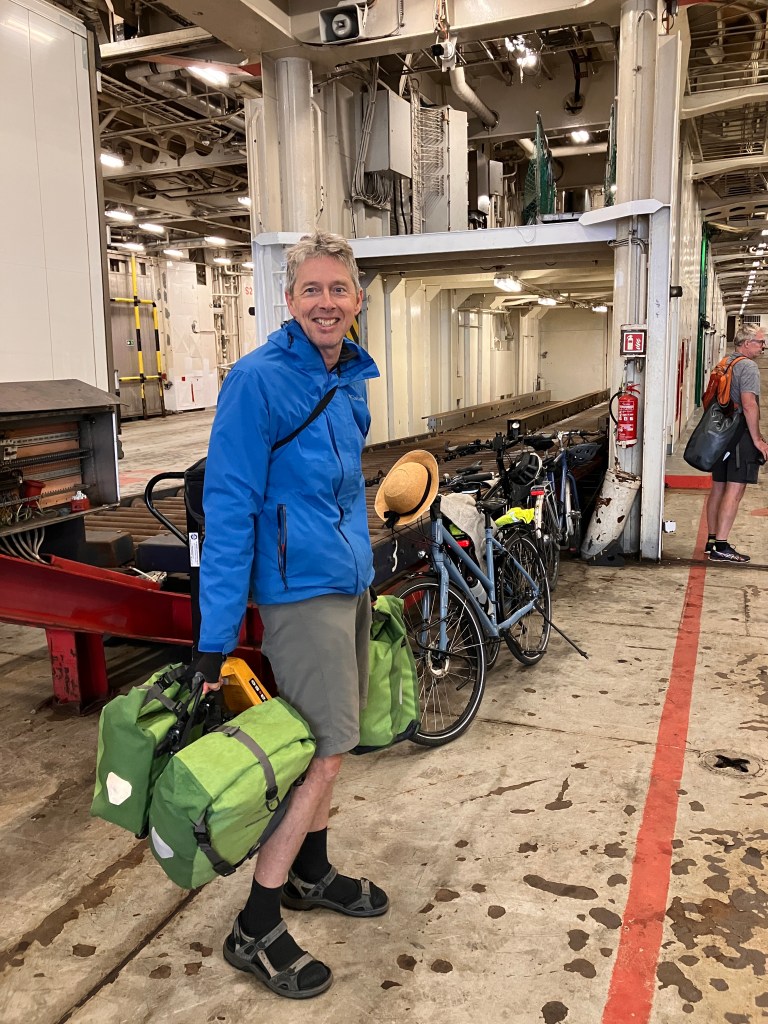

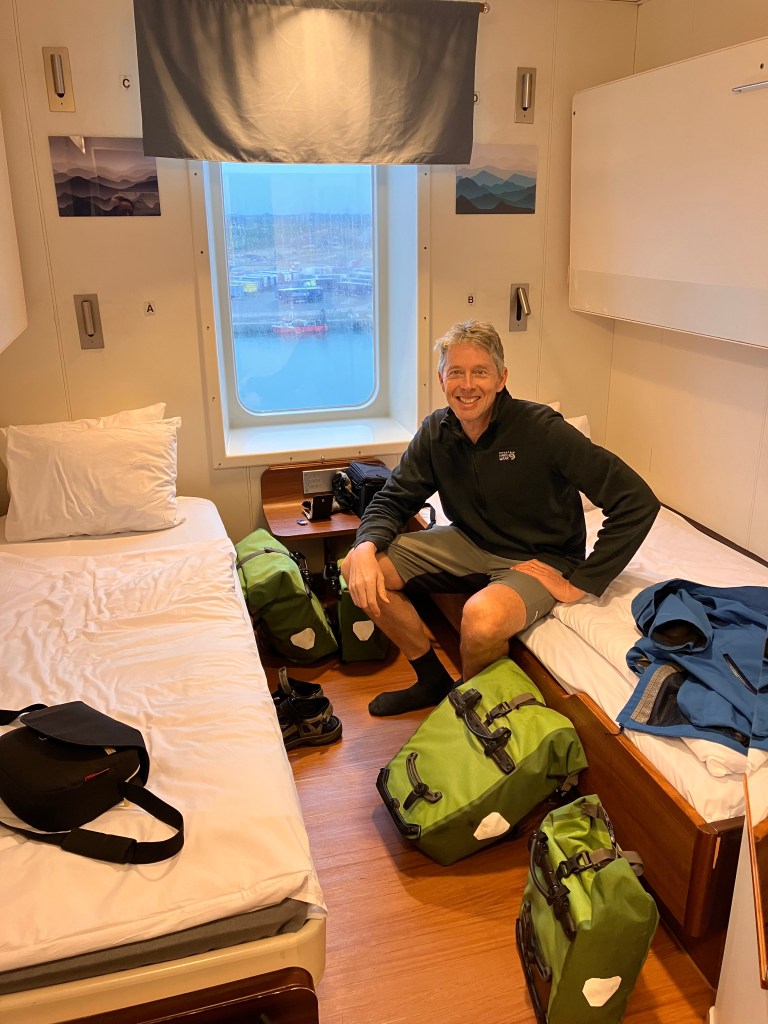

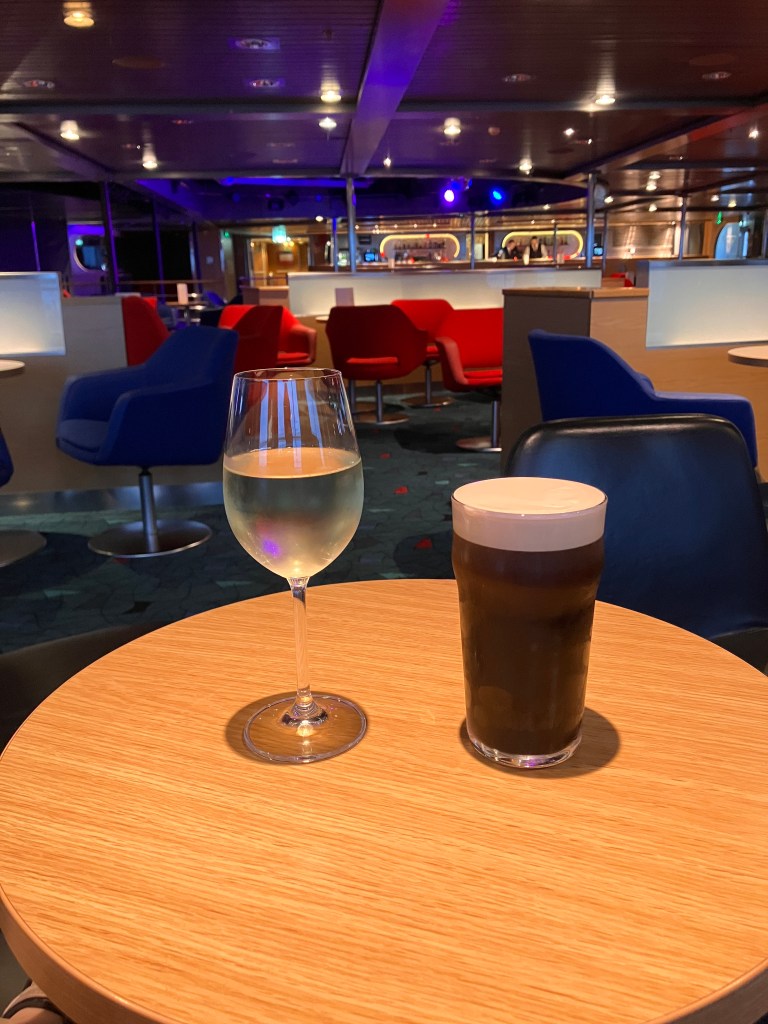


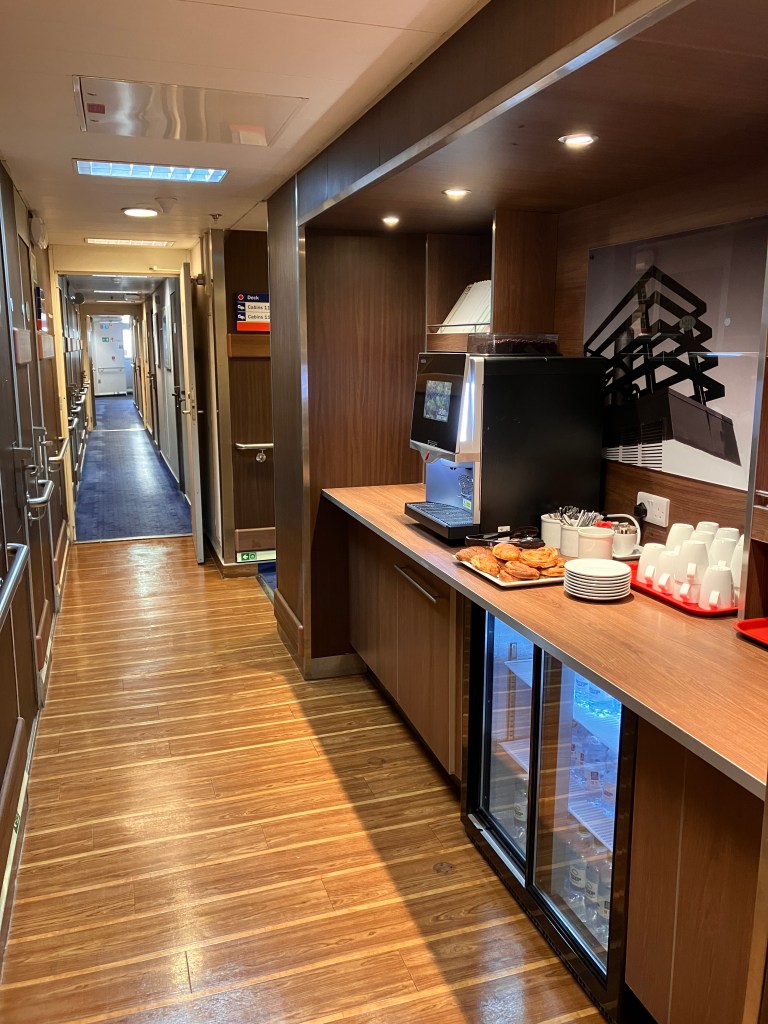


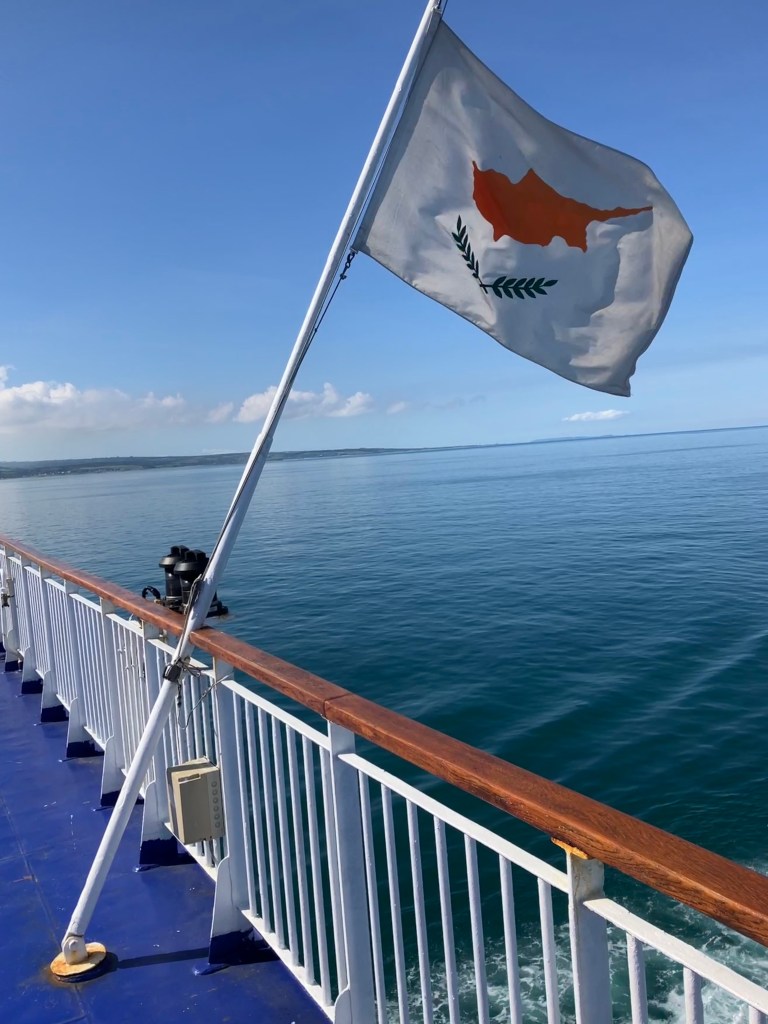
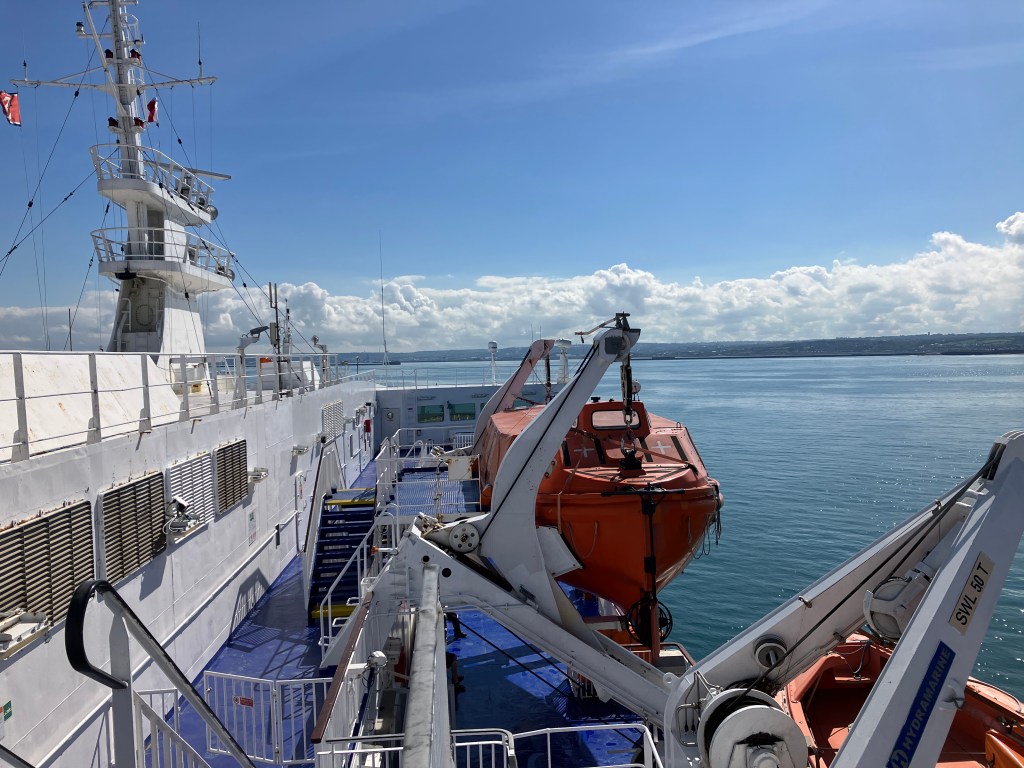
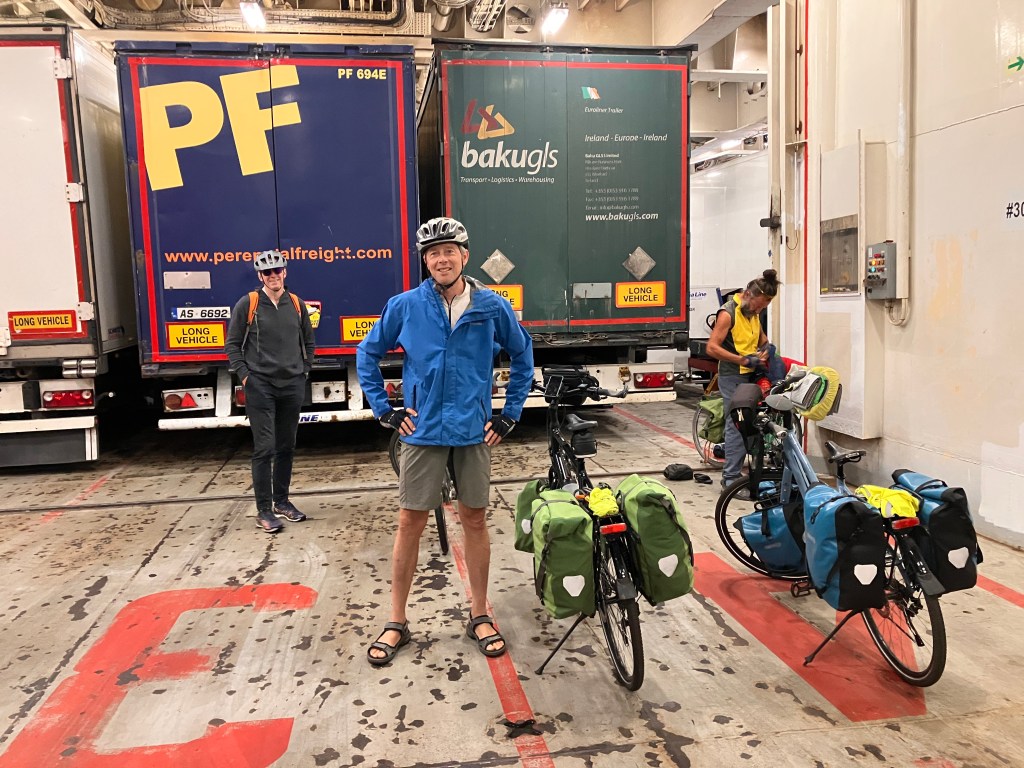
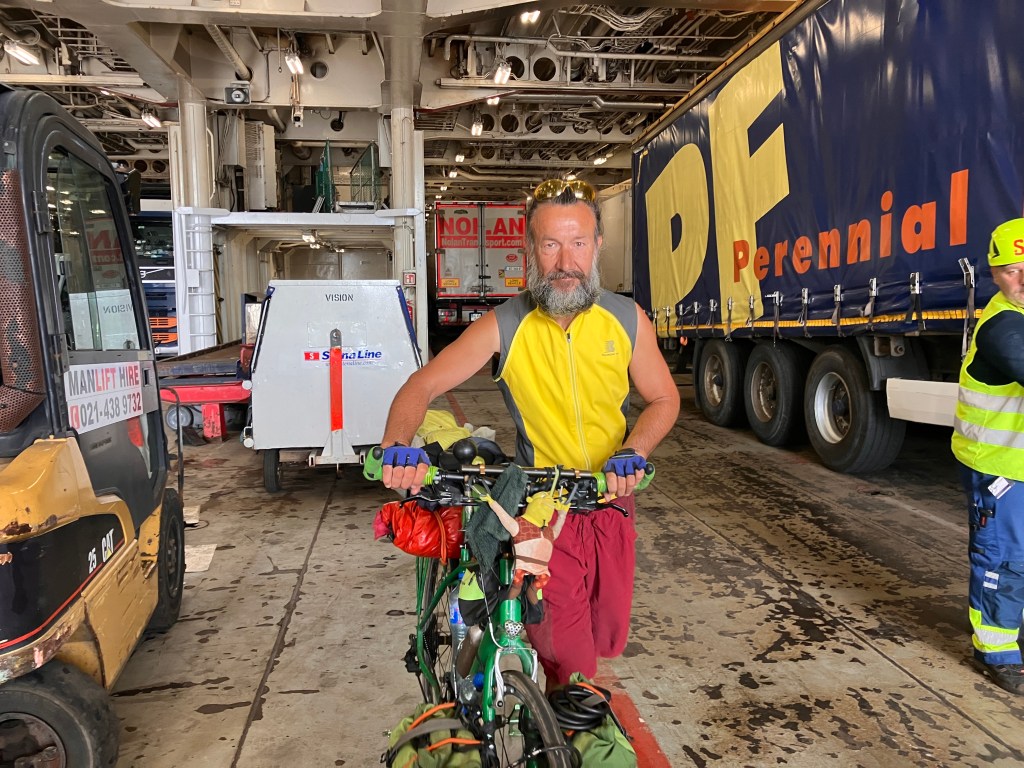
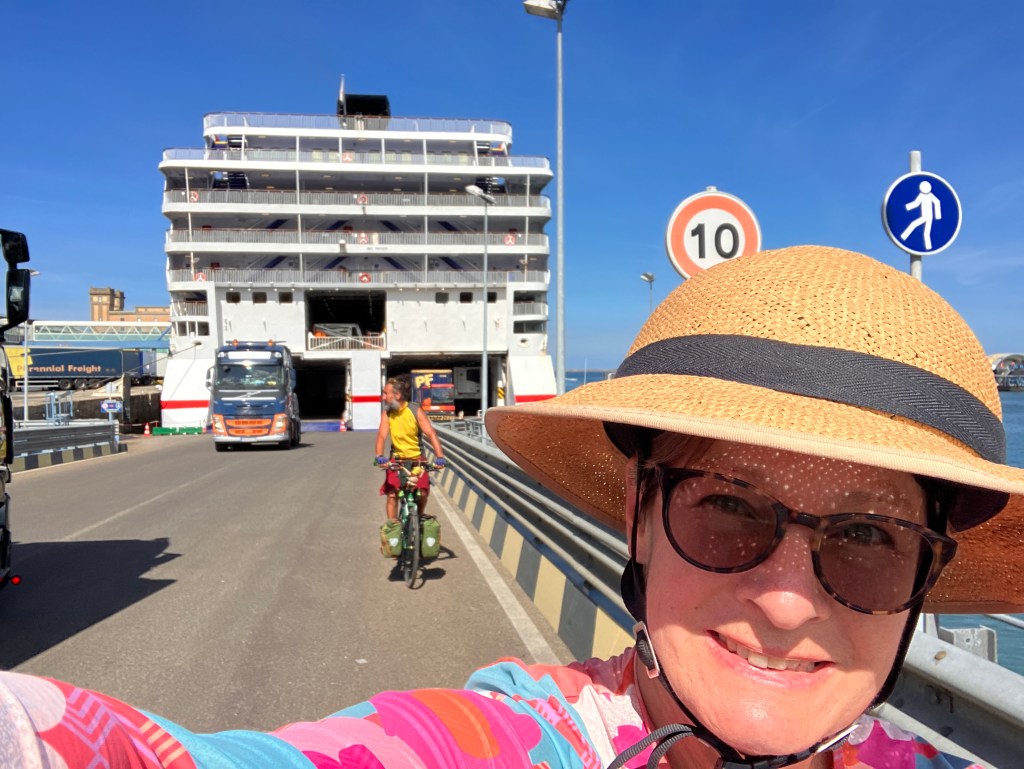

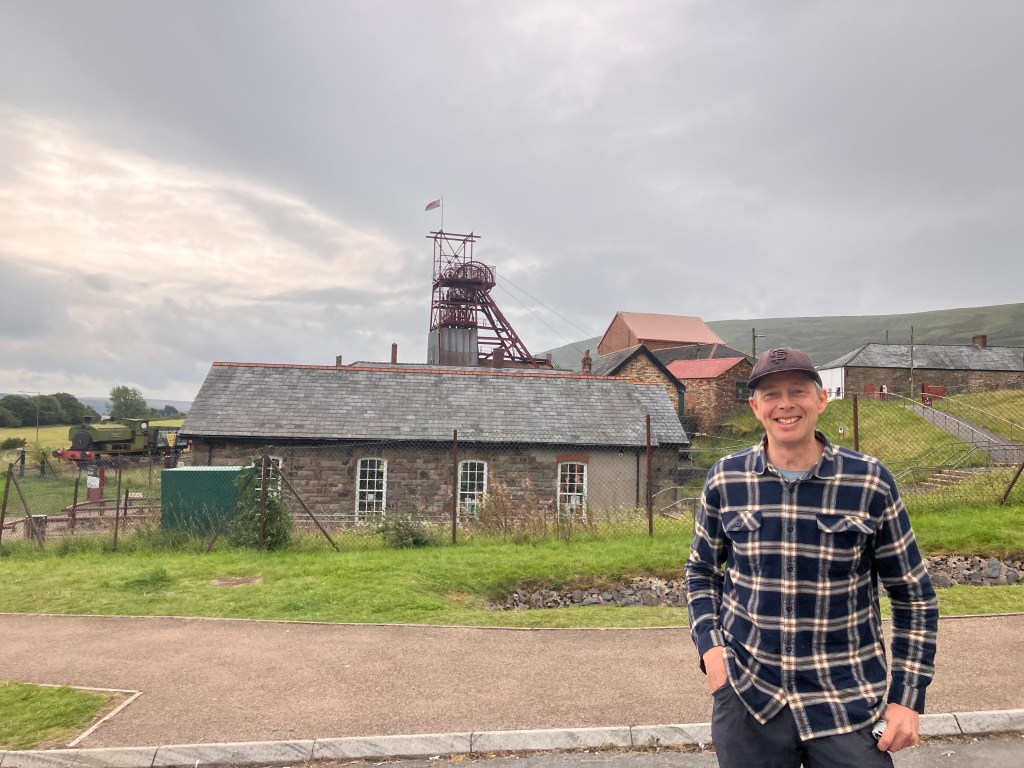
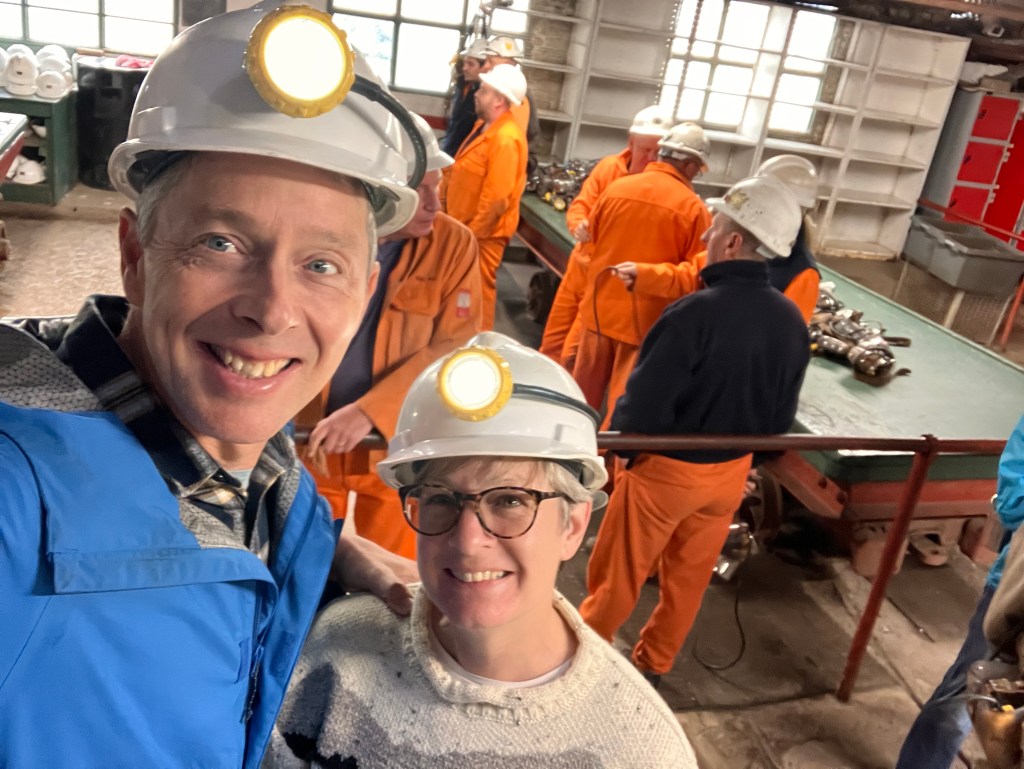
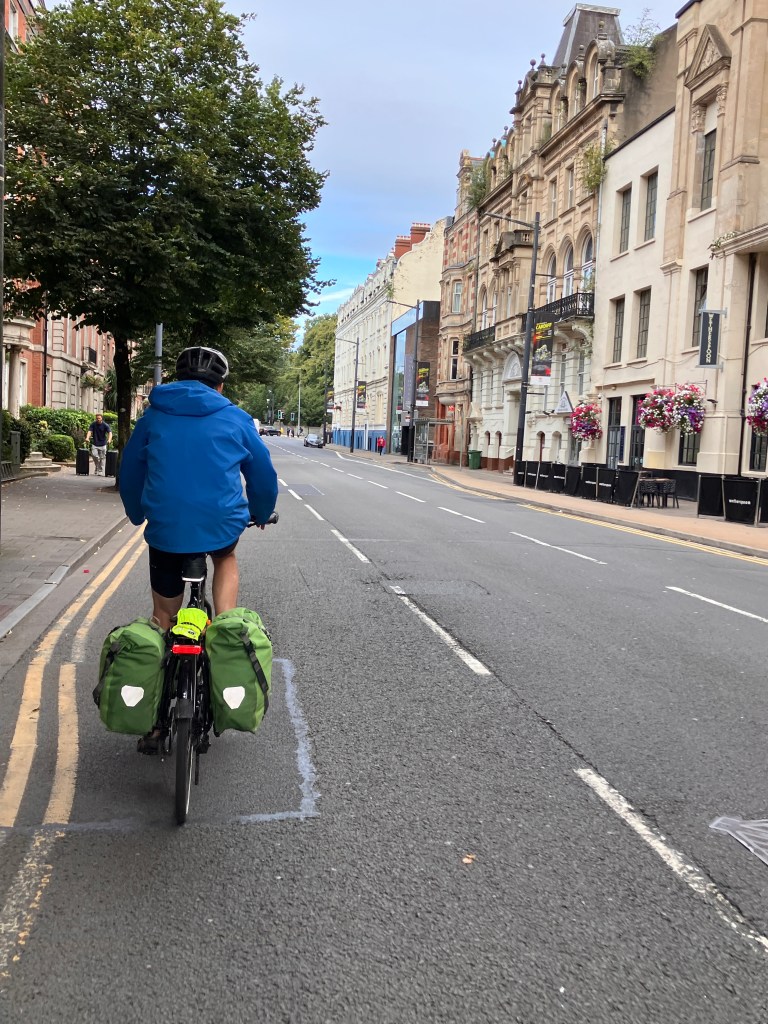
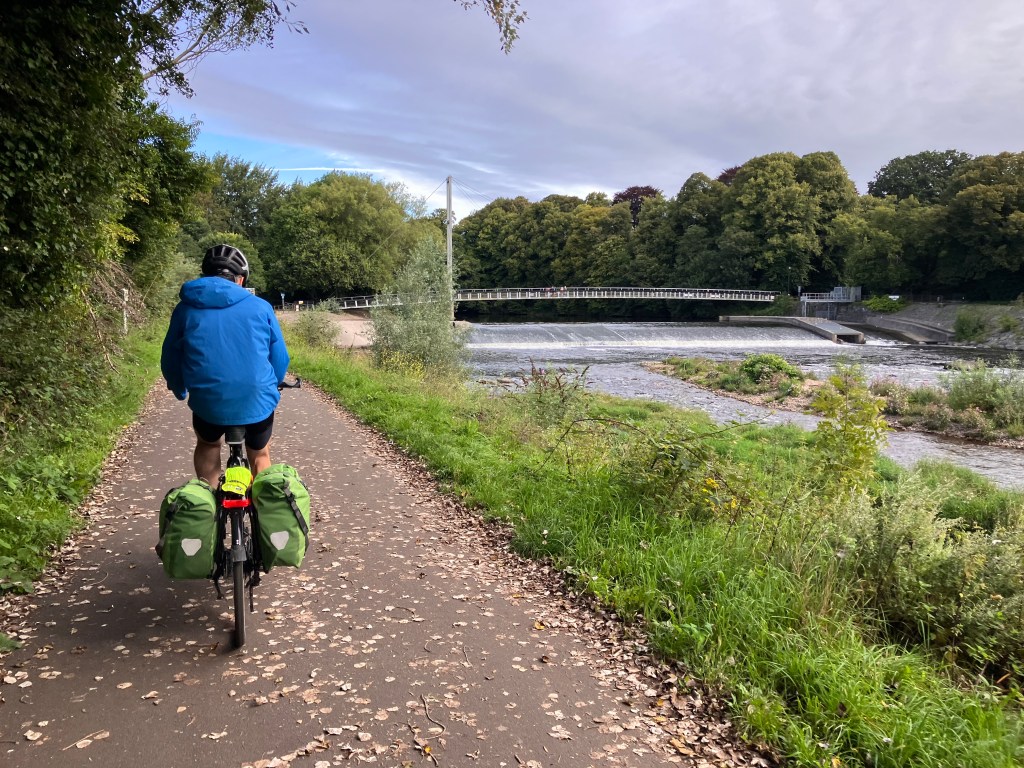
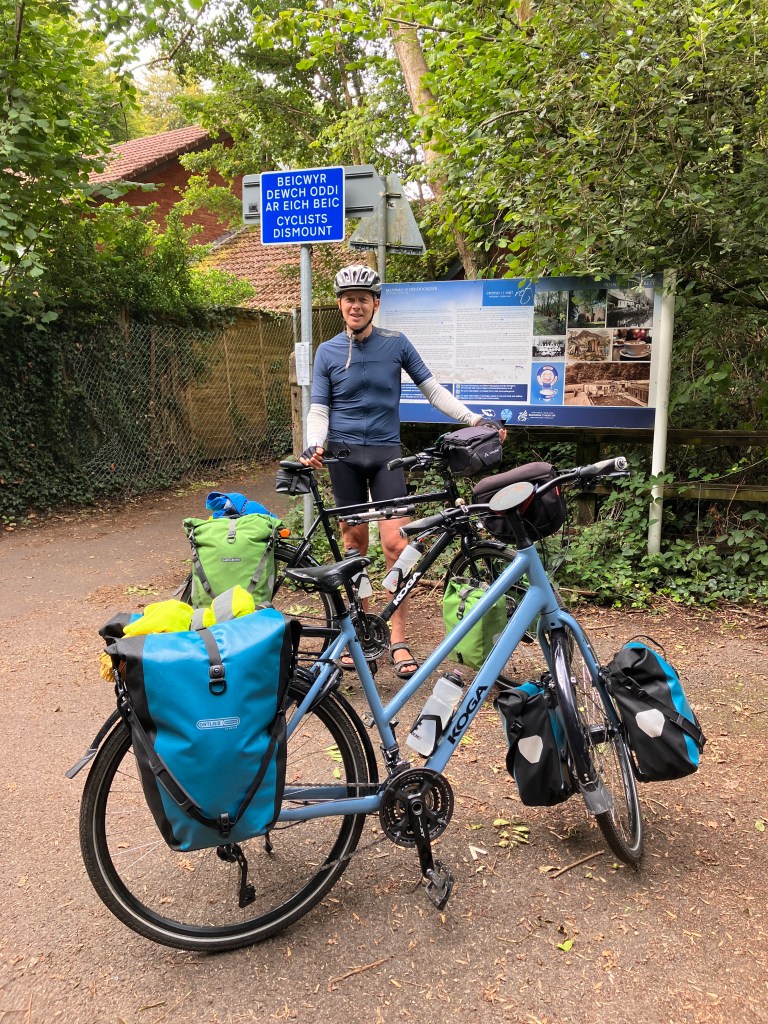


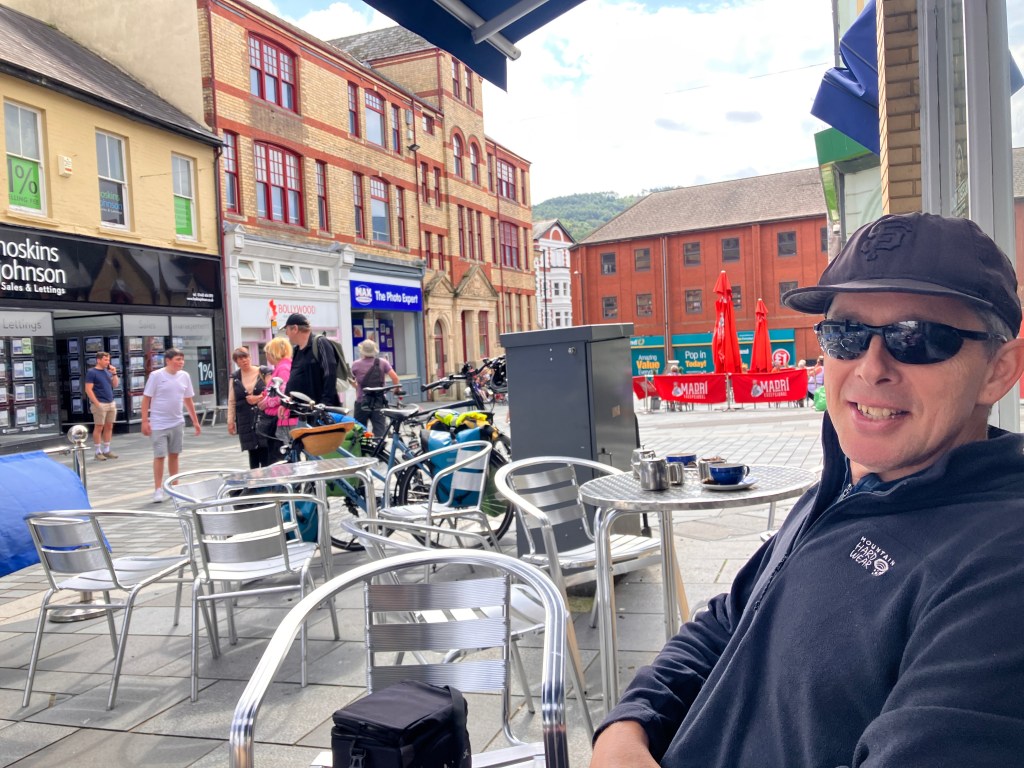


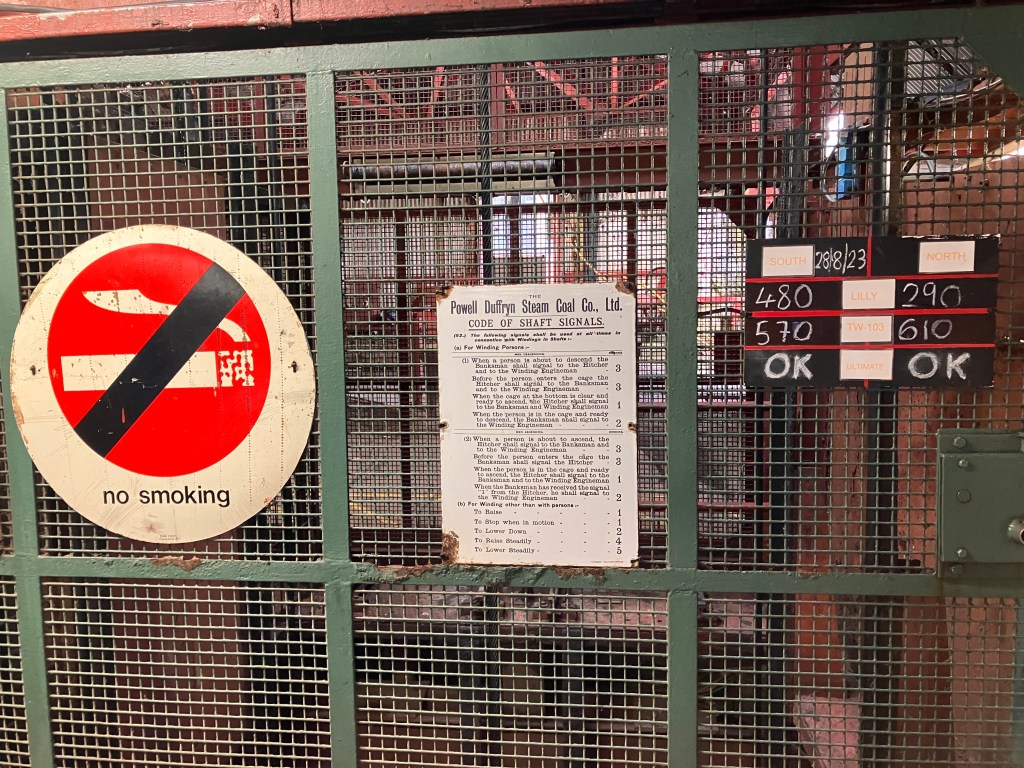

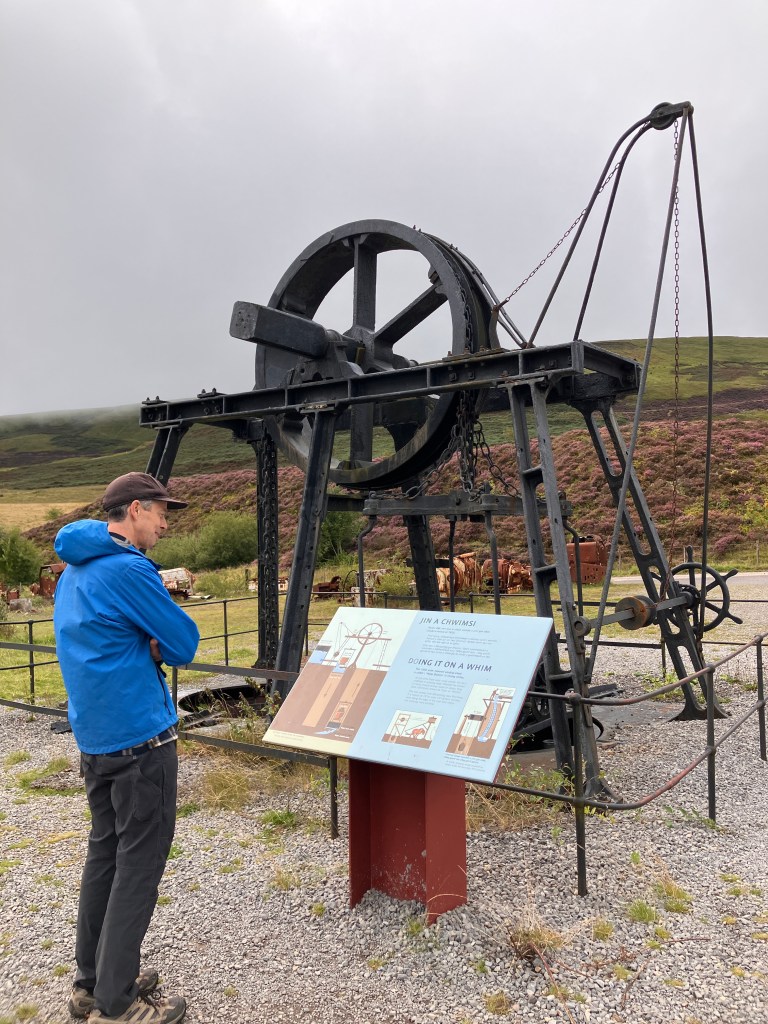


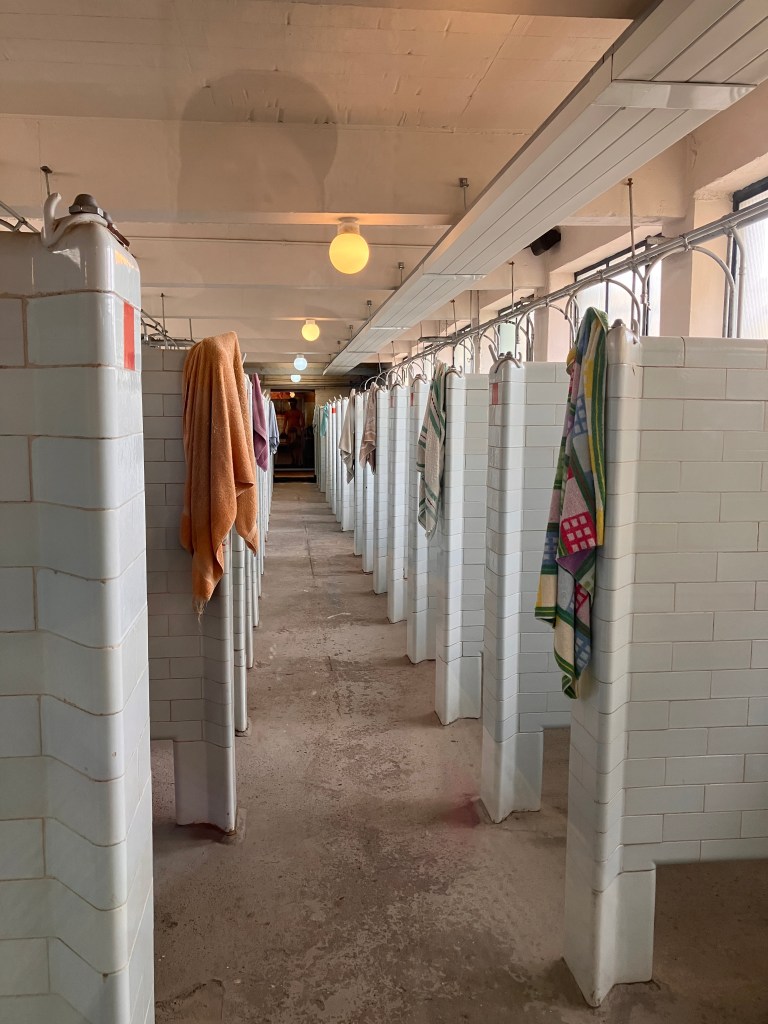


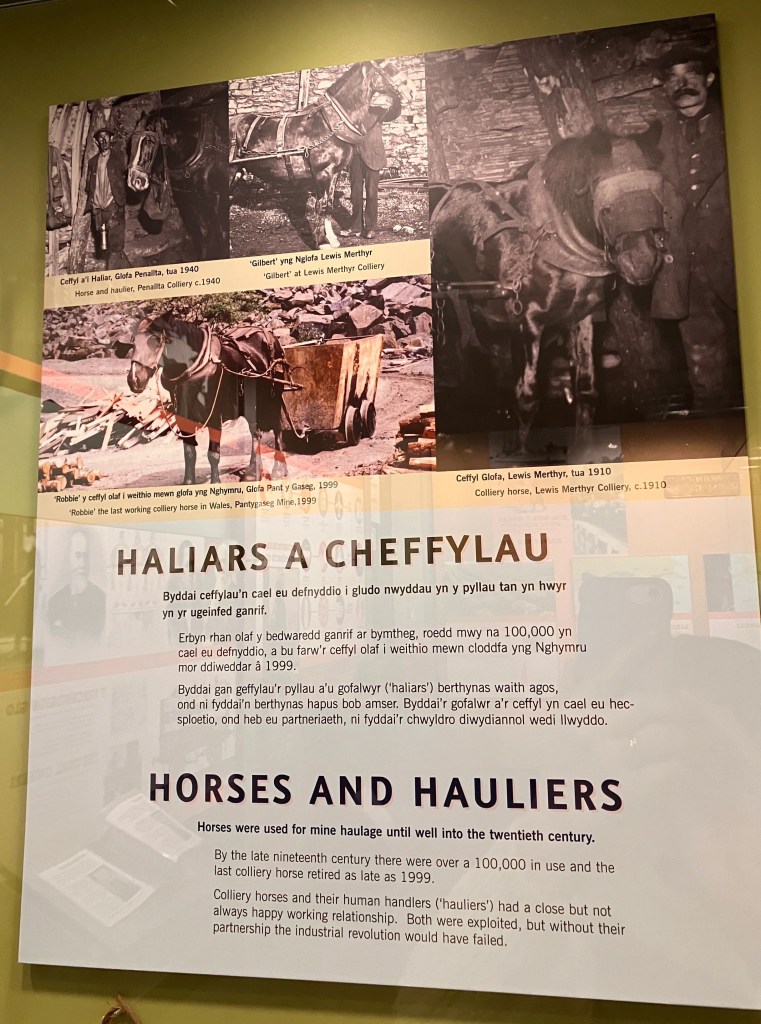


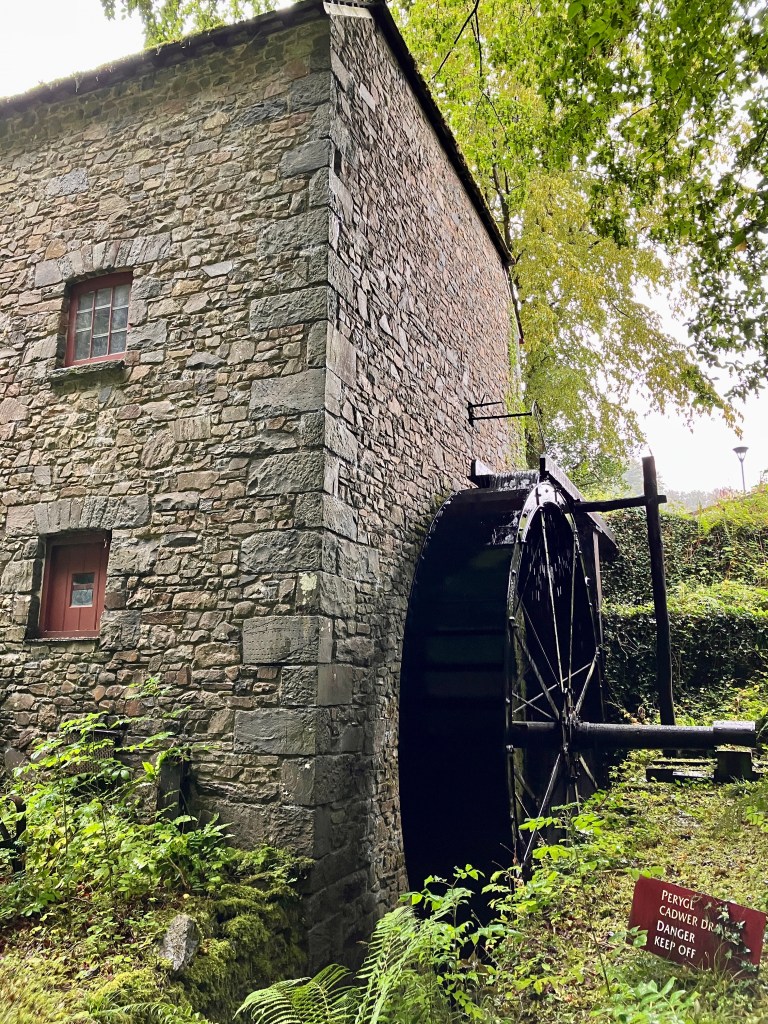
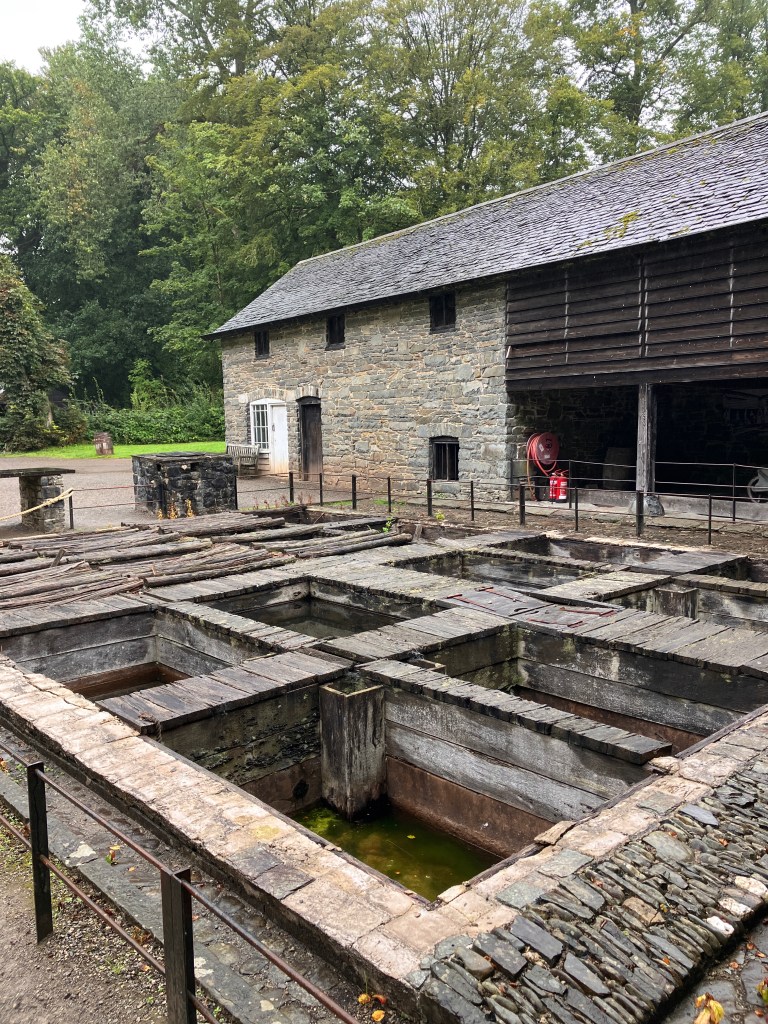


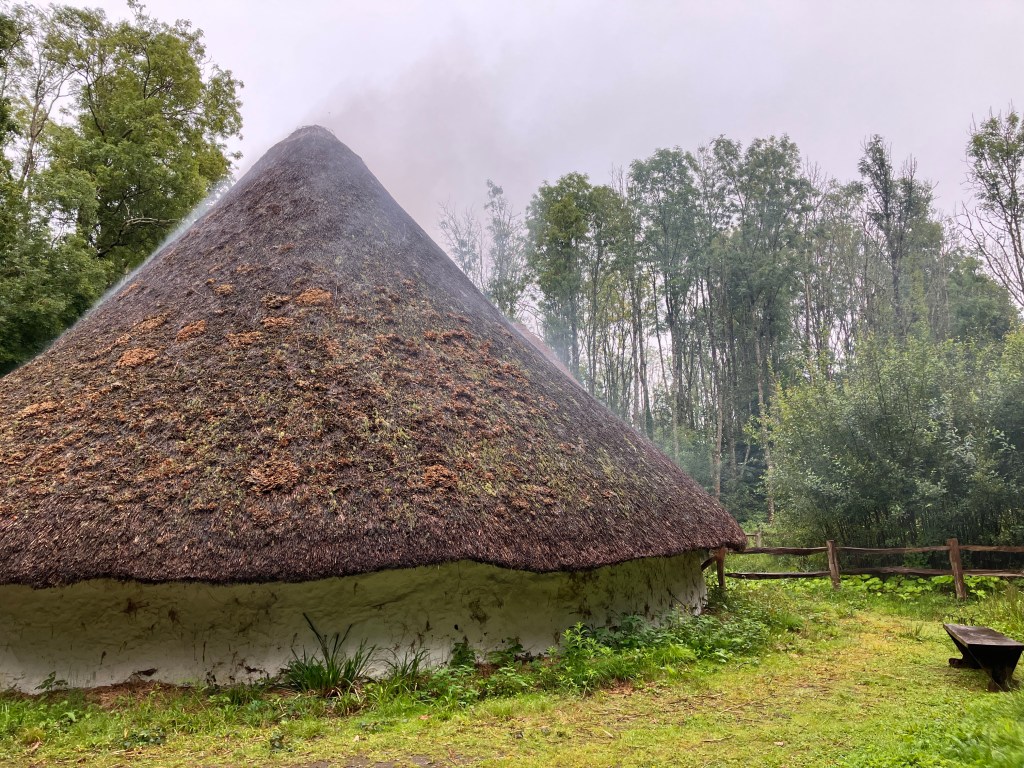


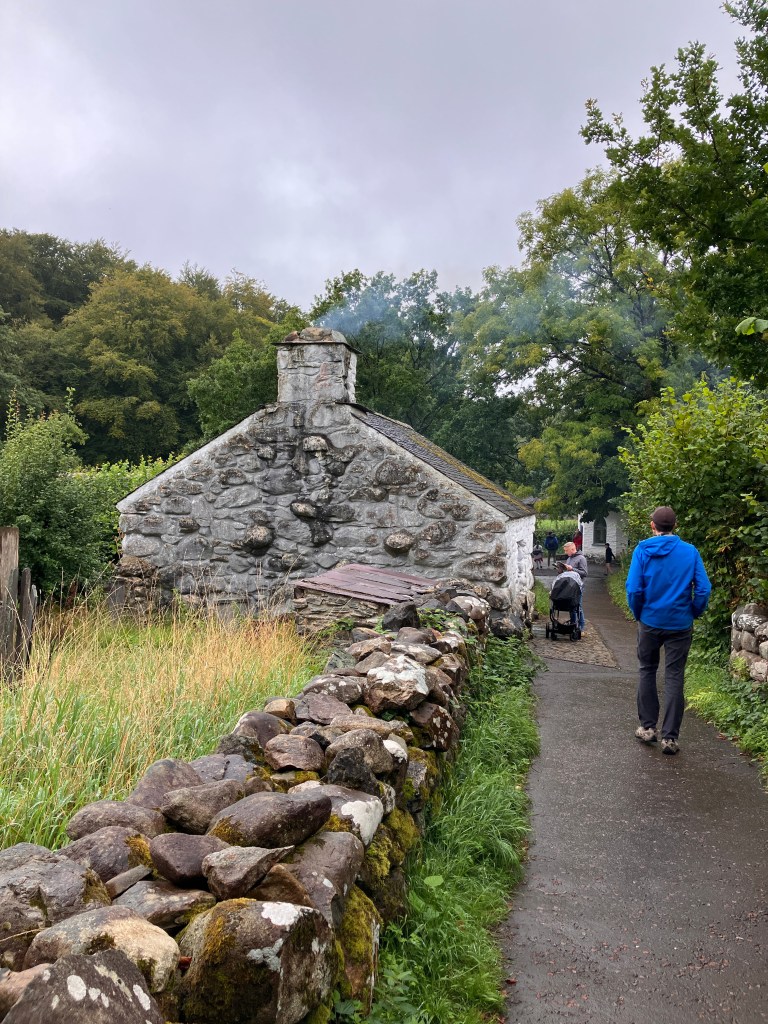


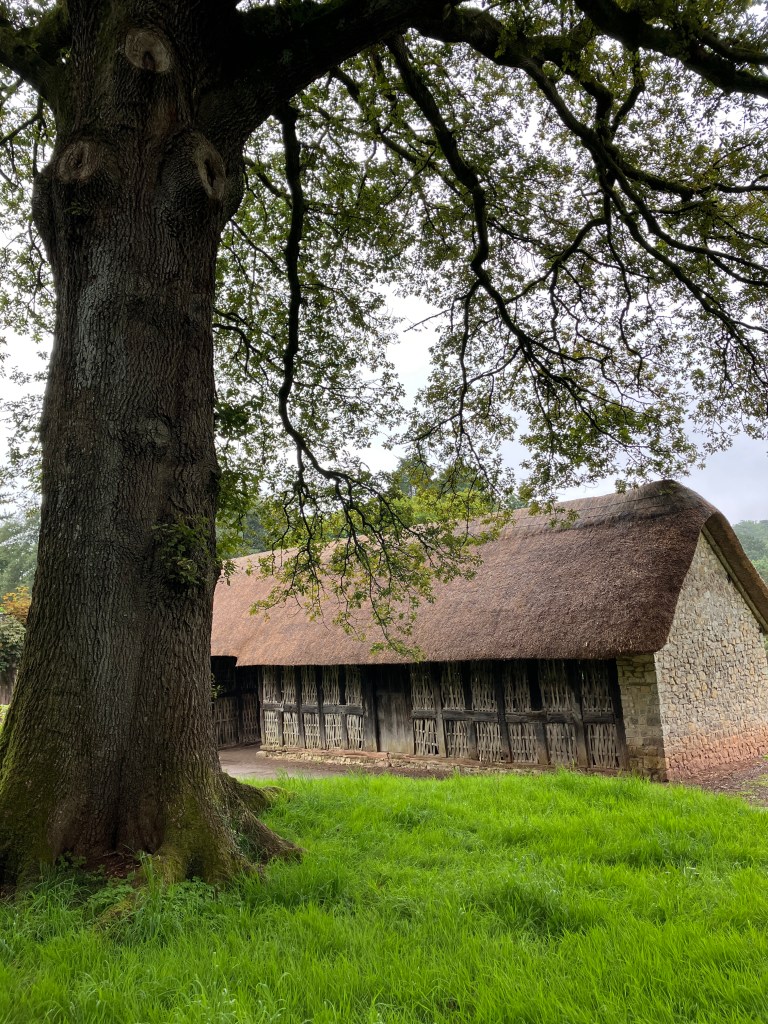

 Less Car, More Life