Happy to be off the 13 hour flight from SF and in Taipei.
Wednesday February 12, 5:30 am. We left San Francisco on Monday February 10th near midnight. Look at those happy but tired faces. We love Taiwan, and this is our third trip here. Transitions are tough and stressful and leaving San Francisco, sneaking in one more catch up visit with friends, putting stuff back in storage and making notes about where things are, is tiring. We were both looking forward to, and dreading, the long plane ride.
How lucky are we to have so many friends to catch up. A walk and dinner with Anne and Vic, and the Golden Gate Bridge view from Tunnel Tops park.I have to be quick to snap a screenshot of the city mascot in CityMapper, still the best transit app we use. I love this little dude holding his Boba Tea and a lantern to send into the sky.Less than 3 hours left of the 13+ hour flight, flying over Japan in the early hours of the morning.On the express train from the airport to Taipei Main station – Rich using the magnetic wireless cell phone charger on the train. Such a fun convenience.Heading to our hotel on the rush hour metro escalators. Metro is trying to get folks to stand on both sides of the steps, instead of standing right and walking left, to increase capacity at rush hour. Yes, the escalators carry more people when everyone stands.Dropped our bags at the hotel (check in is at 2pm) and walked out for breakfast at a nearby cafe. Rich looking slightly dazed.Mine is a peanut butter, ham, and cheese on a croissant. A tasty combo. My expression doesn’t make it look so tasty, but it was.Rain was threatening so we borrowed umbrellas from the hotel and walked around a bit waiting for rush hour on the metro to ease off before heading to the Taipei Zoo. This is in the Shilin District of Taipei.The lanes have numbers and names, and are too small for cars, but scooters and bikes abound.
Day one was all about staying awake! And what’s a great way to stay awake? Head to Asia’s largest (or one of the largest, depending on who you ask) zoo. Taipei Zoo.
Uh oh. Looking a bit sleepy on the MRT.The Shiba Inu is the safety and politeness poster mascot dog.Public transport for the win again, Metro right to the zoo.This Lunar year is the year of the snake, so snakes on the zoo tickets. Save them for the mythical scrape book.The map. Do not be fooled into trying to walk the grey line, that’s the train route.A good cross section of animals.
Zoos can be problematic. They promote conservation and awareness, but a sad depressing zoo is just awful. Thankfully the Taipei Zoo is quite good. It moved to its current site in 1986 and has 90 hectares (222 acres) open to the public with more land available for expansion. We walked our poor jet lagged feet off – almost 9 miles total on day one, probably 5 of those at the zoo. The tropical vegetation is really lovely, the animal habitats are good sized, and boy do you get your walking in as the zoo is huge.
A fun focus on poo! You can climb into the big yellow poo to experience life as a maggot. We passed. A capybara in front of the Pangolin Dome. The dome has multiple species all out in the open to experience and was quite well done. My favorite were the Cotton-top tamarins wandering the enclosure.A bee eater posing for the camera.A common marmoset saying “hey.”. If you do go to a zoo, go early in the day when the animals are most active and about to be fed.One of the two pandas at the Taipei Zoo, snoozing with an appreciative audience.And the second one (I think) wandering their outdoor environment.
After the zoo and a quick snack of Onigiri from the 7-11 we headed to our neighborhood and had a noodle lunch before checking in to our hotel and having a much welcomed shower. There are showers at the airport, near baggage claim carousel number six (in T2) but we decided against using them since there is one for men and one for women and the men’s was occupied. We changed into a few new clothes when we dropped our bags at the hotel that morning.
Rich’s beef noodle soup. Not visible to the naked eye – all the garlic!My cold braised noodles at 王艇長酢醬麵, which Google translates as Captain Wang’s Sauce Sauce Noodles. Address: No. 18, Qiangang St, Shilin District, Taipei City, Taiwan 111Post shower and coffee and tea, still awake and out to the Shilin Night Market.Happy Lunar New Year.The Lunar New Year fire crackers helped wake us up! They are meant to scare away evil spirits and monsters. So much smoke. The small streets of the night market have some charming small restaurants in addition to street food stands. Noobtent – a camping themed bar. Yes, there are camp chairs and tents inside for you to enjoy. So cute. I love these themed places. No, we didn’t go in, a cocktail was not going to keep us awake.Dinner was a cold noodle and spicy miso sauce dish. Delicious. We walked back to our hotel, awake enough to enjoy the New Year’s decorations.Such an atmospheric neighborhood.
Mission accomplished, we stayed awake until 9 pm and slept quite well. More Taipei to come!
The scruffy charm of the South Bohemian border town of Vyšší Brod.
After 10 days of breaking in our bikes, too much headwind, and a busier Danube bike touring scene, it was time for something hillier and wilder. So it was with double excitement we approached the hills and mountains separating Bavaria and Czechia. First of all, I love to cross land borders versus flying into a place. And, we both prefer the challenge of some hills in our bike tours. Well, maybe not this many hills…
A German farm road ends and the trail heads into the woods.“Over the river and through the woods to Czechia we go”.
When you cross on foot or bike, you really appreciate the significance of a border. So, as we joined Eurovelo 13, the Iron Curtain Trail, and approached the former border with the Warsaw Pact nations of our childhoods, there was still an excitement.
Suddenly a border marker where a barbed wire fence use to stand.Lush wooded highlands of the Plezn region of Sumava National Park.
We both fondly recalled a light snow falling on us 17 years ago while crossing a pass on foot with our backpacks into the younger Czech Republic outside Jelenia Góra, Poland. We got dropped by a bus on the Polish side and then walked down into Harrachov on a wooded fire road. It felt magical and adventurous.
Cheryl celebrates a high point after a very steep climb….we were ramping up fast to the relentless climbs of the region.
Many of the border crossings are now quite ordinary as developed roads have been upgraded and offer seamless connections in the EU. However, the old edges of forest, mountains, and remote villages on each side of the old divide still show scars from the divide of nearly 45 years. Isolated and cut off from either side, with strict controls on who could be near the border on the Czechia side. Many small villages have come back to life after abandonment or use only by military personnel. Many are ghost ruins and have never come back.
A promised tea break at the mythical Černé Jezero (Black Lake).The signature National Park in SW Czechia.The reward of Day 3 in Southern Sumava; beutiful river views, gentle grades, and buttery new pavement.
Consequently, this region also makes it a great place to see wildlife and unspoiled nature. Parts of the German Elbe River we cycled in 2019 had a similar dynamic, and the Elbe is still one of the wildest rivers in Central Europe
The wilds of Eurovelo 13.Finally some downhill and a morning start gliding down through the trees.
Another change since we travelled through Eastern Europe in 2006, is the expanded dominance of English as a second language. Back then, anyone over 30 likely spoke some Russian, maybe a bit of German, but with limited English except for the young and educated. Now that age divide is about 50. Ages 30 to 50 often have some English, and many under 25 have excellent English. The schools all now have some English language classes. And when we dive deeper in conversation with the more fluent people, the reasons are varried, but all focus on a desire to be connected to the world, and to appreciate western, and more specifically American culture.
Chair Zeros for the win and a shady river view break.Ready to head out for our third day in the mountains from the idyllic Penzione Ida.It’s green in Sumava NP for a reason.We soon learned that Czechs have a good sense of humor…even the sign vandals.
The first English speaker we met was a young waiter at a small resort hotel in the mountains. He was in Czechia on a limited Visa from Moldova and hoped to make enough money to advance his opportunities beyond his home country, which is still one of the poorest in Europe. (Moldova is aspiring to join the EU, but they still have some hurdles to that goal.)
Yes, the beer in Czechia is great and scientifically proven recovery beverage-:).But a brunch beer break on the Vltava River? Sort of. A refreshing Birrel Pomelo alcohol free beer on tap.
Labor shortages and global imbalances mean that people are in constant motion towards opportunity, and this only ceases if a country or region limits travel and migration. The extreme of this imbalance is the ongoing (and likely getting worse) migration wave from much of Africa into Europe. Desperation and tragedy go hand and hand as the recent and ongoing deaths in the Mediterranean exemplify. There are no easy answers, except to strongly support aid and development in struggling countries combined with humane refuge assimilation and admittance policies.
Typical of many small border areas, a new pedestrian bridge now connects Leopoldschlag, Austria to Czechia.A restored church just across the border from Hammern, Austria, but no more Czech village here. People in towns near the Iron Curtain border were displaced and the areas were either abandoned or used for security purposes.
Germany is a different country since the post 2015 Syrian refuge crisis and many would argue that it’s for the better. However, it’s easy to see how immigrants from such a vastly different culture struggle in a very rigid German culture. America does seem a bit easier on that front. But I digress.
Beautiful river towns, castles, and churches surprised us around every corner in South Bohemia. Picnicking is easy with our snap fold bowls/plates.Late spring flowers photobomb.Cheryl smiling despite knowing that a ride down to the beautiful river town always means a climb out the other side!
The second person that fascinated us was the niece of an innkeeper at a family Pension in the Sumarva National Park. She translated for her Aunt and Mom as we all chatted at the end of dinner in the rural bar/dining room that felt more like someones cosy house. As it turned out, she was just entering Junior High, and told us that she got straight As in English and Cs in Czech! She was desperate to travel to the US, and obsessed with Manga and Japanese culture as well. Her mom just listened to her in a bit of awe.
On a very local “cycle route” between Lake Lipno and Český. Panniers crossed first.
Another small pension on the massive Lake Lipno was run by a father and son, and the son, Lucas, was fluent in English based on the fact that his parents put him in an intensive English class in Kindergarten. He’s never looked back and added months in the UK to hone his English skills. He exclusively watches online content in English, including YouTube and online gaming. Apparently online gaming is done all in English and of course, is borderless.
Český Krumlov was a great choice for a multi day heat wave break off the bikes. Touristy for sure, but lots of charm and quiet nearby.The recommended Josef Seidel Museum in Český Krumlov, a beautifully restored 1905 house and photography studio.Josef Seidel, despite being German, managed to survive post WWII resettlement. His son took over the photography business and survived until the early 2000’s.Josef was the de facto historian of the regions and captured, preserved, and shared thousands of photos on glass slides from life in early 1900s South Bohemia.Very effective building traffic protection in the old town.We love the expanded hours and small markets of Czechia (versus rigid hours of Germany!) but this 24/7 off-hours staff free market was a step further. Upload your verified ID to an app and scan QR to enter and shop. Historic graphite mines near Český Krumlov.Leaving the peaceful gardens of The Orangerie in Český Krumlov.
That said, as we travelled further on along the border between Austria and Czechia, we found ourselves really off the beaten track in small valleys isolated by the former Cold War border. Our 10 words of Czech and Cheryl’s German skills have helped, but we have started to feel isolated after awhile without deep English conversations.
The local dunkel at Gasthoff Pammer in Leopoldschlag, Austria.Lunch along the EV13, rarely were we competing for a spot.
The cycling in Czechia (and a bit of Austria) has been mostly fantastic, but really challenging our first week. The terrain of Sumava NP and the Vltava River valley is rugged and steep. Although the main roads meander around the geography more gently, the cycle routes follow little travelled forest and back roads, and are often steep (10-15%+) rough in places, and relentless. But many stretches are also magical smooth pavement with little or no traffic.
“Tunak!”Little tins of tuna spread has become a staple for lunches with bread, cheese, pepper and cucumber.A more gourmet meal in Gmünd, Austria. Fresh Spargle (Asparagus) Risotto topped by lightly crusted catfish. And the local Austrian Beer to complement.
As we approached Moravia, the steepness gave way to more gentle and long undulations.The small city we are in now, Znojmo, has a pleasant old town and prominent position above the river Thaya. It’s quite busy with local tourists and a few German speaking tour groups, but otherwise seems off the international tourist radar. It’s also the heart of the Moravian wine country, so lots of wine tasting options and a great historic brewery complex.
Another unexpected surprise along our route was Glashütte Andreas Apfelthaler in little Nagelberg, Austria.These painted (somewhat creepy) gnomes are popular in the region.
You can sense this border city has rejuvenated significantly in recent years with a pretty tidy old town and lots of new housing, although it still has a decidedly Eastern European feel around the edges, with a bit of scruff and wear.
Outside Vyšší Brod …conditions really vary on Eurovelo 13 and sometime pushing 80lbs of bike load is the only option!The Austrian-Czechia border. Cheryl’s happy too since much of the border is also the high point ridgeline (or a river).
Tomorrow, we ride again towards Brno across the Znojemská wine district. We are excited to spend three days in Brno and experience some of the energy and sights of Czechia’s second largest city.
My happy face means we’re on our bikes and off the beaten path in peak tourist season.
Our Koga touring bikes are still fantastic and a joy to ride, even fully loaded. The heat, wind, and being out in the sun for 8 hours still takes it toll though, not to mention moving into and out of a pension, hotel, apartment or guesthouse every night. But now our bodies are in week four of this tour and getting stronger every day. More on the details of our bike tour in our next post. Happy pedaling!
Dinner with fellow travelers. So many little plates. (Banchan) Three of us chose octopus, and one had beef.
We are not foodies. We don’t seek out the ‘of the moment’ restaurants or cooking trends. But we do love to eat, and to find small mom and pop places to spend our money. When we’re in travel mode, or bicycle touring, we eat out just about every night. And afternoon. Mornings too, if the hotel doesn’t have breakfast available. So that’s a lot of searching for and sitting down to meals.
Our very first lunch in Korea. A dumpling place in the Insadong neighborhood of Seoul. Rich had eaten here on a business trip layover exactly ten years before.Cheryl very happy to be enjoying her first glass of white wine in the Ikseon-dong neighborhood of Seoul. Rich enjoying a craft beer and a skillet of Oven Cheese Tteokbokki (오븐치즈떡볶이).
Tteokbokki is chewy rice cakes cooked in a red, spicy broth. This version at a place called Hang Out in the charming Ikeseon-dong area, a maze of little streets with so many different shops and restaurants, was more of a beer snack meal than the smaller street vendor versions we saw later on. This version had Sundae sausage and cheese as well as the rice cakes.
A stroll through the Gwangjang market to try Mung Bean Bindaetteok (녹두빈대떡).This snack turned out to be a big serving. The small dish is pickled celery, we think. And kimchi came out after Rich, a kimchi fan, asked for it.
After a visit to Dongdaemun Design Plaza, the amazing museum complex designed by architect Zaha Hadid, which is well worth a visit, we went over to the Gwangjang Market to walk around and ogle the food on offer.
Had we not been full of mung bean pancakes I would have loved to try this pumpkin soup.We quickly got a bit overwhelmed in the market.Fish cakes, Korean glass noodles – Japchae is the dish of stir fried noodles – Tteokbokki, the spicy rice cakes, and the long sausages are Sundae: made with pork intestines stuffed with glass noodles, coagulated pig blood and vegetables, all steamed together.
You know how people like to talk about getting out of your comfort zone? Food is a fast and easy way to do that. I don’t consider myself an adventurous eater, Rich is willing to try anything but I’m a lot more picky, or cautious. And, I don’t like seafood all that much. I’ll happily have sushi or sashimi, but most cooked seafood gets a pass when I’m choosing my meal. However, once we got bicycling on our trip from Seoul to Busan, I really did have to eat what we could get. Whether it be from the ubiquitous convenience stores, or at a restaurant.
Bibimbap, or mixed rice dish. Sometimes in a hot stone bowl (dolsot), or mine in a tin bowl, vegetables and an egg. We quickly learned that not everyone finishes the little dishes of pickled vegetables and fish.This little street is known as a Pocha, short for Pojang-macha, a restaurant or street that serves Korean comfort food. It’s where we had the bibimbap in the previous photo.Our first night on our bike tour we had sushi and noodles. And yes, that stain on my placemat is the splash from when I dropped a piece of sushi in the soy sauce. Chocolate milk. A great energy drink while cycling.My favorite bike touring lunch, a picnic. This was taken right before we realized we were sharing our bench with spiders. This is not a typical dinner scene on our bike ride, Rich got the beef bulgogi set meal, I got pasta carbonara. Our hotel offered Korean and Western food. Usually it’s all Korean food.
Bike touring lets us see a country in detail, and forces us to figure out how to feed ourselves. Korean convenience stores are easy to find, and although I prefer Japanese convenience stores, we did well finding things that appealed to us.
A well placed picnic gazebo for elevenses. Packaged pastries and drinks from a convenience store.Caffeine choices. Dumpling lunch. A happy stop. Kimchi, spicy bbq, and meat dumplings. For the record the spicy bbq and kimchi were great, meat ones were a bit boring and bland.
So, how about when the food finding is not so easy. Or not so successful? Or you get to town kind of late and not much is open? Then it’s chicken and beer places. We had to resort to chicken and beer places twice, on long days. They are known as Chimaek. From chikin ‘fried chicken’, and maekju ‘beer’.
This was actually quite good after a day cycling. Chicken nuggets, noodles, rice cakes, a spicy sweet sauce, and leeks on top. The dish to the right was pickled jicama, we think. Or maybe radishes. It’s a good day when you discover that this energy bar from 7-11 is really tasty. And they had a buy 2 get 3 special. The clerks in the 7-11s were very good at making sure you didn’t miss a special offer.At our second Chimaek restaurant, we failed to snap a picture of the Cheeto orange chicken, but this salad with ice cream on top was not as bad as you would think. Yes, that’s corn and tomatoes, iceberg lettuce and red onions. Under the ice cream.
There was an evening when we pulled into town on our bikes, in Gumi, and planned on eating at the food court of a large grocery store chain, E-Mart. Food courts in Korea are good. We were looking forward to it. We checked in to our nice hotel, unpacked, showered, and strolled over with plenty of time for dinner. It was closed. There was a mysterious local holiday that no one but the management of the E-Mart seemed to know about, or care about. So, grumbling and hangry, we headed back to our hotel, and then spotted the sports team from the hotel lobby at a small place down the block and went in.
A small restaurant run by one lady, who does one thing. We ordered the one thing for two. Out came the small dishes of pickled things. Out came a burner. And out came the bubbling Sundae Jungol hot pot. Remember, Sundae are the sausages, the hot pot also has pork intestines and vegetables in a spicy broth. It was quite good.
Once we reached Busan and were off the bikes and in a city it was easier to search out restaurants and plan ahead. While cycle touring you are often at the mercy of how far you were able to ride, and what time you get to town, and how much energy you have to find and walk to a restaurant. But with a few days to explore you can find what you actually want. Rich was happy to find that Korea has had a renaissance of craft beer brewing in the past decade or so.
Wildcat Brewing in Busan.Galmegi Brewing in Busan.Amazing Brewing Company in Seoul. Don’t let the same shirt fool you into thinking this was one night, it was three different nights with a limited wardrobe.That face says “It’s not wine”. But it was good.
Korean food is quite varied. Most people know Korean BBQ and bibimbap, but there is a lot more to discover.
A Mexican restaurant in Busan. Grilled shrimp tacos. Not bad. A bit too sweet, but a nice diversion. I like a lunch that comes with scissors to cut your noodles. I did this all wrong. One of the little bottles was something for declumping the glass noodles. Oh well, press on. At the Busan train station.Seomyeon Market food street, Busan. Tempura.And right across the street, dumplings.Beef bulgogi dolsot bibimbap. Quick, break that egg yolk, but don’t disturb the rice while it crackles against the hot stone pot and gets crispy and brown.
We took the train from Busan to Seoul and stayed for a week in an apartment which meant we could cook our own meals. As much as we enjoy eating new foods, it gets stressful and tiring to find restaurants, translate menus, and constantly try to figure out what goes with what – does this go in here or do you dump this into there? Our first lunch in our apartment after a visit to the big E-Mart grocery store was grilled cheese sandwiches.
Last dinner in Busan. Rice and pork soup. Made in huge vats, long boiled in the little street in front of the restaurant. The little bowl of pink is tiny salted shrimp, which you add to the soup, along with garlic chives and minced sauce.
Our apartment in Seoul for our last week in Korea was out in a neighborhood. While at first glance during the walk from the Jungnang metro station it appeared to be a lot of tire shops, new apartment buildings, and little clothing stores, the small back streets proved to be full of restaurants and places to buy groceries. It was easy to wander around and pick a place a for dinner.
We translated the sign to read Ssambap, This means things, rice, meat, vegetables, and sauce wrapped in a variety of leaves.The plate of leaves at the left include lettuce, Korean perilla leaves, squash, bok choy, Napa cabbage, and cabbage leaves. The small round black dish is a freshwater snail and soybean paste stew.My attempt at ssambap. That’s bulgogi beef on top, from the second round black dish in the table. Nice and spicy. I think a local would have a neater and tighter wrap. Think Korean burrito.
Seoul was fantastic for hiking, as we covered in the previous post, and it was also fantastic for simply walking into a restaurant and getting a delicious meal with very low stress or awkwardness. The owners were always nice and welcoming. They would help us out when we were obviously confused about how to proceed with our meal, and payment was always easy – just get up and walk to the cash register and tap your credit card. No tipping, and taxes already included. Another nice thing about walking up to pay is that you don’t feel guilty having left some of the little plates of pickled things. Our clean your plate mentality is hard to break.
Hiked off a mountain and into a tofu restaurant. The table of gentlemen behind Rich were having fun and that enticed us in. Who’s excited by her tofu bibimbap with an egg on top?The meal sets are another fun easy way to order. I got beef bulgogi (again), and Rich had ginger chicken soup.The soup arrived bubbling away in its dolsot.
Korea is famous for its barbecue. That’s the one thing most travelers might know about Korean food – barbecue. And the many barbecue restaurants are super popular with locals. It’s a fun thing to do with a group of family or friends. The ubiquitous restaurants are easy to spot with the ventilation hoods over the table grill. We decided on our last night eating out in Seoul to finally try a barbecue place. We’re not really big meat eaters, but thankfully as with any meal in Korea there’s no worry about getting plenty of veggies.
Was it the cute pig on the sign that drew us in?It was the perfect mix of some tables full, but not too crowded. That way we can watch how other diners proceed but not feel too overwhelmed. That’s a little dish of garlic in oil on our charcoal grill.I was doing my best to be grill master of the meat we got. (We’re still not sure what it was, our translation app was a bit vague on this one.) The other dishes contain an egg soufflé/omelet, pickled daikon, Kimchi, leaves to wrap your bbq in, and loads of other veggies and seaweed. The friendly waitress came over to give me a hand. I was being too careful, she dove in and tossed that meat around!Belly full, happy to have a 15 minute walk to the subway station through little back streets. We did willfully break some food norms. Koreans don’t walk and eat like we Americans do. Everyone else who got ice cream sat at the shop and ate it. We strolled.One final river path walk in the morning before heading by train to the airport.
We had a great time in Korea. The people, the food, the biking, all of it exceeded our expectations. We are in San Francisco now, after a lovely family visit in Colorado, and we head back to France soon to pick up new touring bikes in Germany and then out for cycle touring!
A well propped up tree in Kenroku-en gardens, Kanazawa, Ishikawa Prefecture.
I will miss the trees. We visited a lot of gardens and parks to see cherry blossoms, but the blooms aren’t the only attractions. The trees, the green moss, the water features. Although Japanese cities were not all blessed with a lot of parks or green space, those that exist are so well taken care of.
A verdant carpet of moss.The green. The water. The old tea house. Kenroku-en gardens.This giant camphor tree in Dazaifu Tenmangu Shrine is estimated to be as old as 1,500 years. Feel insignificant yet?What was the progression here? Tree first than building? Small tree and a miscalculation of tree potential? Spring is not all about cherry blossoms, this tulip display in Shikoku Mura open-air architectural park in Takamatsu, Kagawa Prefecture holds its own.
I’m going to miss the small streets, with restaurants and shops that cluster together, usually near a train station. Each city has its share of large arterial roads, with plenty of car traffic and sometimes intolerably long signal phases, leaving you standing for minutes waiting for a pedestrian walk signal. But, when you find the area of small streets the entire nature of that city changes. Narrow and mostly car free or very car light, the small streets give you an opportunity to feel you’ve stepped back in time.
Chuo district, Kobe, this an alley between the railway tracks of Sannomiya Station. It’s packed with businesses.Same district, Chuo, Kobe, Hyōgo Prefecture. The night time scenes are so bright and colorful.The neighborhood of Motoshikkuimachi, Nagasaki. On the hunt for a ramen shop, we wandered around for ages after dinner, entranced by this warren of small streets.An urban planner could explain how the geometry of the streets, the lights, and the heights of the buildings all work together just so, all I know is I love it! Still Nagasaki, one of our favorite places. Even the vending machines add to the charm of the nightlife.
Within these fine grained streets, with corners hiding the next view, are the amazing small restaurants. I’ve mentioned the awkwardness of sliding open doors and facing a tiny space perhaps already packed with customers. It can be cringe inducing, but so rewarding to be able to eat at a restaurant that is run by people who focus on one thing. This type of food – we do this and we do it well. You will wait the required amount of time, you will likely be served on hand thrown ceramic plates, and the food will be exquisitely displayed.
A chef waiting to cook our Kobe beef. Yes, he knows this cut and presentation deserves a photo.Tuna three ways said the menu at the sushi bar. Delicious, delicious, and delicious. Even a conveyor belt sushi restaurant has style.A burger place in Takamatsu. The chef/owner does burgers and cocktails. That’s it. And they are fantastic. Did I mention the restaurant seats maybe 9 customers? Shashimi at a small Izakaya in Shimabara. Mom and Dad cooking, their young daughter who started primary school that day sitting at the counter playing. The plate, which you can barely see under this load of fresh fish, was gorgeous.The same Izakaya. After this tofu salad course I typed into Google translate that their ceramic plates were stunningly beautiful. She turned to him with a look we all recognize: it said, see? I told you so! Another beautiful presentation at a Shabu Shabu restaurant in Kagoshima, famous for its black pork which was delicious. This sashimi course came with our set menu.
If it’s possible to desperately miss something you only got to do twice then we will desperately miss the Yatai of Fukuoka. The Tenjin neighborhood has small food stands, Yatai, which set up each night to serve up food in a space half the size of the storage unit holding all of our possessions back in the US.
That is a Yatai.And this is a Yatai. You look below curtain level to see if any seats are available, or you look for a line of patient customers waiting.Rich added for scale. We had dinner at this one. Not much room inside to take photos. And you don’t linger after dinner. For one, it’s not the most comfortable seating ever. And the owners need to turn the seats when there are only six or seven of them.Not much room to cook either, but the chefs were making it work. It’s warm and cozy once you’re behind the curtains.
The number of Yatai was shrinking, but in the last few years they’ve enjoyed a new renaissance and there are about 150 now. In addition to dinner at one we spent a hilariously fun evening drinking at a Yatai bar. Everyone is friends at a Yatai bar which measures 10×8 feet.
Fairly unassuming from the outside, this Yatai bar.But inside is magic.My pomegranate daiquiri. Rich with a martini. Round one.The tools of the trade. Apparently it takes 3 hours to set up this Yatai each day. And 3 to take down.My daiquiri and Rich’s mojito. Round two.A super fun young recently engaged couple from Osaka. We were communicating with English and google translate. And on Rich’s left two young women, engineers who had studied in Canada. Boiled peanuts and potato chips (gone already) were the bar snacks which the cover charge supplied. Yes, we have that beer mat. Again, it’s a seriously cozy space. You sit closer to strangers then you would anywhere else.
What else will I miss about Japan? The safety. The ability for Japan to have nice things that people respect and take care of. Public restrooms which are clean and stocked with rolls of TP which are not stolen. And the quirky things. Things you see and go, oh yeah, that makes sense to have.
Ritsurin Garden in Takamatsu. You use these to remove dust from your shoes after strolling in the gardens. Hot tea from a vending machine. A can of Royal Milk Tea, black tea with milk and sugar. Hot. This is on the ferry coming back to Kagoshima from Mt. Sakurajima volcano. Hot cans of coffee too! The little cartoon mascots everywhere. Such a cute deadly volcano! A radish gets the cartoon treatment. Volcanic hot springs get a cartoon. The train to the Fukuoka airport has a cartoon dog keeping you safe.Who’s a good dog? Kuro is.
You will always feel you missed out on experiences and places when traveling. We immediately have a list for “next time”. It says a lot about a place that you want to come back, soon. Regret is a rear view mirror. So what do I regret about our time in Japan now that we’ve moved on?
There are themed stamps at every train station! I failed to realize this until we had already been through so many stations. And I had no cute notebook in which to stamp these unique stamps.Then I found one at a volcano park and was even more annoyed at myself. I could have had a whole book of stamps.
This is when Rich and I say to each other “I used to do important things.” Recalling our previous professional lives where we earned money, and made multiple decisions a day that impacted people and projects. And we laugh at ourselves. Another regret? Hotels in Japan supply you with pajamas. Really. Instead of a robe you get pajamas or a button up nightgown contraption or a yakuta, a light cotton kimono. Somehow the pajama tops and bottoms fit both me and Rich, sometimes with pretty funny differences. Do I have a single photo, let alone a collection of photos? No. If you go to Japan learn from my mistake and take photos of yourself in the pajamas in your hotel rooms. And take a notebook to collect the stamps.
A very apt warning sign. I will not miss hearing Rich’s head connect with room doorways, low hanging light fixtures, and train doors. We hang things from the doors in our rooms as mitigation.Sunset light on the happy travelers in Nagasaki.
No regrets that we visited Japan. Such a lovely place with wonderful people. Goodbye Japan. Hello Korea.
We’ve been so thoroughly enjoying every day in Japan that we haven’t had much time or energy left to Blog. It’s a fantastic place to travel. But no place is perfect, and Japan has its weaknesses too, especially in the bike and pedestrian realm.
Exploring the hills and stairways of Nagasaki was a joy in the crisp spring weather.
We’ve been travelling our preferred way by train, bus, ferry, streetcar, subway, and bike. With a lot of walking to the beach to explore and get to our lodging. We’ve been luxuriating in the clean, punctual, and extensive intercity train system. And the local public transit is always clean and reliable, if not always fast.
A shiny new Shinkansen on the recent extension to Kagoshima – marvelous and so fastA single car train on the Shimabara railway, operated and conducted by one person! Many small lines in Japan have shut down, and how long can the last private lines survive?
So here are a few transport observations. For you transport wonks and mega walkers, they may give you the same joy and a maybe bit of frustration if you visit.
You can enjoy great connections in Japan, like the end of the line in Shimabara, with a ferry across the street that will take you to a bus and a Shinkansen line.
1. JR Rail Pass- Unless you are going to only visit a few cities or rent a car, then it’s a no brainer to get one of these passes subsidized for tourists. We bought two three-week passes and planned our trip to max its benefit to a 4 week visit by setting the activation for the day we left Tokyo and expiring when we get to Fukuoaka, where we are spending our last 3 days. This way we were able to exchange our vouchers at off peak time at Shinjuku station and avoid the mob we saw at Narita airport trying to exchange them to use immediately from the Airport. We instead bought $20 local rail tickets to central Tokyo. It was then easy and cheap to get IC (tap) Transit cards to get around for a few subway and loop rail trips in Tokyo until leaving Tokyo for Kanazawa.
JR Raíl stations are always clean, orderly, and the major ones have lots of food and shopping options and lots of vending machines
2. IC Card – Good for transit in most major cities. There are a dozen or so “brands” by region and they can mostly be used in other cities, although acceptance is a bit hit or miss outside the home zones. Don’t put too much on it initially, 5,000 yen ($40) is my recommendation, as you can always top it up but it’s hard to get a refund. You can also use them at many convenience stores.
Buses run EXACTLY on timetables, so real time predictions really aren’t needed. And you may have them to yourself in more rural areas
3. Train Seat reservations – With your JR Pass, you can make free seat reservations for most higher speed trains (and Shinkansens). I found that I could get our choice if I booked at least 2 days prior to our next trip. You can do it at green JR Ticket machines in almost all JR stations. So I’d often get our seats for our next leg when we arrived to a city. If you book too early and want to change your trains later, you won’t be able to do it at a machine if the new journey overlaps with the old one. You will have to go to a JR ticket office which could take some time at busier times and stations. But, you can alway board in the unreserved cars, so no serious worries other than maybe sitting apart or standing for a bit.
The worlds skinniest tram boarding platforms in Kagoshima next to 3 underutilized traffic lanes….hmmmThese poor tram passengers have lined up to wait for the lights to change, just to get off the narrow tram platform to the sidewalk.
4. Buses and Trams – they run on schedule (especially buses). You board at the back door and tap your IC card if available or if not, take a little paper ticket from a dispenser that indicates your boarding zone. You always pay at the front door as you leave, calculating your fare from the easy digital sign at the front. Put your stop ticket and fare in the box or machine. They can always make change. This also applies to some of the small independent (Non JR) local trains. Once you get the hang of it, it’s pretty straightforward (Especially with IC Card), but it seems pretty inefficient at crowded times as many people still pay cash fares. There is a flow from the back of the bus towards the front door, but it doesn’t match the ease and speed of a proof of payment system.
Navigating the local systems can be challengingGoogle maps can really help as it has most timetables (but not all) available in navigation, but you still often need to id your bus in Kanji script or just be at the right place on time, because the bus will be.
5. Walking – You will do a lot of walking in Japan which is mostly great, and wandering the alleys, hidden temple stairways, and quiet back streets is one of the great joys of Japan. One downside though is that the arterial traffic signal timings are long, so get ready to wait for for 2-3 minutes at some crossings. It’s very annoying, and really delays walking trips across town. The only time you see Japanese run is for crossings, as they know it’s a long wait if you miss the light.
The cats and temples are always worth the long pedestrian lights A series of historic stone bridges line the Nakashima River in Nagasaki.
Also, pedestrian crossings can be spread out on major arterials, with occasional overhead or underpass ped crossings in lieu of at grade crosswalks. It seems like a legacy of 1960s traffic engineering that continues in philosophy today, but stairwell underpasses are not good for an aging population.
State of the art ramen ordering machine. Automation and an aging population go hand in hand as labor is getting scarcer every year in Japan A unique pork and lemon broth at Menya Always ramen in Nagasaki
So what about Jaywalking? A few people, especially in larger cities will jump a signal or cross midway, but 98% of Japanese wait until the light is fully green. As time has gone on in our travels here, we are getting less and less patient, and will cross at will when it makes sense and traffic is clear. We are surely going to incite a pedestrian revolt here!
The main shopping arcade doubles as a cycleway in Takamatsu. It does provide weather protection to cyclists but is hectic in the evening rush hour when shoppers are outHappy walking; riding bikes is not allowed in the busier hours or areas of the arcades
6. Bikes: There are many more than you think, especially in flatter cities. But the bikes share most sidewalks and it’s all a bit chaotic, which could be solved by more on street protected lanes. Cyclists routinely cut corners and swerve across intersections and are an outlier to order on the streets. (Yeah cyclists!)
Amazing underground automated bike storage in Takamatsu. “Hello Cycling” bike shares were located in underground bike parking facilities in Takamatsu and the App was (mostly) English and foreign credit card friendly.
So my quick transport report card for Japan based on our scientific analysis:
Trains – A-….ok, amazing at a high level, but deductions for lack of App based e-tickets/seats please…and stringent bike policies keep it from A+
There are themed trains too, including a Hello Kitty Shinkansen (missed it) and our train to TakamatsuAnd the theme continues inside…Apanman is a beloved TV series based on Takashi Yanese’s picture books that he produced for over 40 years.Even to the WC
Buses: B+ Reliable; on schedule, and fair pricing but they get stuck at long traffic lights too, so can be slow in cities. And there are few express buses. BRT?
Buses in rural areas are reliable, but sometimes only run hourly or a few times a day
Walking: B- Wider sidewalks are needed in many places. Alleys and many quiet urban streets are very pleasant and low stress to walk, but many arterial sidewalks are a bit narrow or degraded by detectable rubber strips. I appreciate that these assist the vision impaired, but sidewalks are just not wide enough to accommodate them and side by side walking space. There seems to be a legacy of traffic lanes and road capacity. Giving more road cross section to peds, bikes and tram boarding is needed. Smart traffic signals could be used to mitigate lane reductions. Many heavy pedestrian neighborhoods in Tokyo and other larger cities have nice wide sidewalks in a new generation of streetscape designs, but many places still have a 1970s-1990s feel.
Rush hour on the sidewalks of Matsayuma. Wide here, but a slick rock surface makes cycling in the rain a bit dodgy.
Cycling: C+ Quiet back streets and sidewalk cycleways do the trick, but more on street protected bikeways are needed everywhere
Yashima National Park – nice beaches on Shikoku but a little chilly to swim yet Cycling to Yashima NP from Takamatsu was pleasant on sidewalk paths and quiet roads
But enough nitpicking. As a traveler, the lack of personal safety concerns and good transport frees you up to focus on the unique culture, sights, and most of all, the food and friendly people. And oh man the food is SO good.
Smiles allowed, but ramen is serious lunchtime business at Ramenya Mass in NagasakiSmall izakayas are the souls of Japan. Dedication to craft and coziness abound Pure soba and dashi heaven
And it’s good value for most lodging and food, as long as you are willing to give up western norms and keep some distance from the tourist hot spots. The yen has weakened against most currencies over the past 5 years, so it’s a great time to travel here. Except in Tokyo, there are great 3 to 4 star Hotels in the $100-$125 range, and a bit more on the weekends, especially Saturday nights. And most include breakfast.
Wonderfully cozy 3rd floor jazz bar in Nagasaki . The owner played us his tenor sax music while we chatted. The Japanese love classic jazz. And so do I.In addition to hot and cold drinks, vending machines in Japan are used for almost everything; even fresh soba noodles
If you go for more modest 1-2 star hotels, then you can find many in the $70-$90 range. Remote or resort area hotels (often with Onsen or Rotemburo baths) are definitely higher in the $150-$300+, so will be a splurge if on a budget. It’s definitely better value than most of the US, and similar to Europe, although I think a bit cheaper overall. A few other lodging tips. Book some nice Ryokan or Onsen properties well in advance as they are lovely, but don’t do anything but go up in price or sell out. Small or exclusive places are not into last minute bargains.
A Western-Japanese hybrid room in Shinabara. This hotel had lovely Onsen and Rotemburo (outside baths) and more spacious rooms than most urban hotelsNaoshima IslandInstagram of Instagramers on NaoshimaMore bikes to explore Naoshima…these with a bit of eboost
And big western brand hotels in major cities here often 2-3x as expensive as local alternatives for a similar (or better) product. Avoid them, unless you only have a week and a surplus of loyalty points to burn. (For example, during the Sakura of late March, Marriott properties in Tokyo ranged from $600-$2000/night!). Big waste of money.
Kochi on Shikoku is a bit off the beaten track but worth the effort for its friendliness Kochi’s famous seared Bonito (Katsuo) has ruined us for life for lesser fish. Delicious.
Another tip. Many western style rooms are cosy in Japan, at 120-180 sq ft, but if you book a twin instead of a “double”, the rooms are larger at 180-250 sq ft. They have two full or queen beds that can usually be pushed together. So you have a lot more space, often for just a bit more money. “Twins or Quads” seem to sell out first as locals know this too,
We found a small traditional house to rent on Naoshima Island. Wood and Tatami mats were a refreshing break from city hotels (and it had a washing machine!)Even a basic meal is pleasant in Japan
But as great as it is to travel here, it’s not all easy, as travel in Japan has its own breed of travel stress due to constant language and cultural nuances. And the country faces a battery of challenges, including rural depopulation, economic stagnation, and a location in an increasingly volatile region, just to name a few.
You have to open the doors to know what awaits you in JapanCats seem to guard popular spots such as Unzen National Volcanic Park, and are looked after by the locals.
But we are judging against a high bar, as we are already talking about coming back to bike tour, renting an apartment for a month in Tokyo, or even a car tour to see more rural sights that are tough or impossible by public transit. If you do want to rent a car in Japan you will need an international driver’s license.
Zen, spring water, and Coi at a tea house in ShimabaraAlways ask for the local Sake as we did at this family run Izakaya in Shimabara
We are excited to head to South Korea next week, but first we are going to eat as much amazing food as we can in quirky and cosy settings, served by some of the most dedicated and friendly people in the world.
My favorite travel companion enjoying some cozy afternoon teaJapan makes us smile
And hello to you too, Ramen bar condiments and Sapporo beer.
Somewhere around week two in Sri Lanka I announced that I missed abundance. It’s ironic since part of our decision to pack up our lives and travel was the desire to experience a less cluttered life. To have the freedom to shoulder our backpacks and go wherever we want. Well welcome to Japan, where abundance is always an option.
After a two hour immigration wait at the airport we made it to our apartment and headed out for some late food.
We made our first trip to Japan in 2007, before smart phones with translation apps. This time, we were ready for all Japanese menus. Our index fingers and thumbs were all warmed up for google camera translate. Uh huh. We bought SIM cards from a vending machine at Narita Airport but had not installed mine correctly yet, and Rich was using our US cell phone data sparingly until he got his new SIM installed. Well, long story short- the first restaurant we walked into we failed to navigate the confusing situation and quickly abandoned ship! Thankfully we found a small place with on screen ordering and settled in for our first meal.
Ramen Nagi in Shinjuku. You make your choices at the machine, pay, and hand the order tickets over to one of the waitstaff/chefs.A delicious bowl of ramen.Rich in his happy place. A tiny ramen bar with about 8 seatsSome of the tiny but popular ramen spots have created problems with their lines of customers, so this one instructs you to line up in the alley, there is a small camera so they can see the line of customers, and a speaker to tell you when to come upstairs. Rich paying the bill at a small sushi restaurant- too small and cozy for any indoor photos!
The automation is fascinating to see. As with many countries Covid accelerated cashless payments and waitstaff free ordering, but in Japan you get a fun mix of traditional and modern.
The modern, a chain called Cafe Gusto. You place your order at an on table screen. And a rather cute robot brings your meal.Karaage chicken. Different from what we know as fried chicken, the meat is marinated first, then coated in a potato starch batter and fried. Delicious.Stand off, Cheryl v. Robot. We worked it out.A helpful staff member explains the payment machine for us.
A Sakura (cherry blossom) post will follow with many photos, but this is all about food. We were craving Japanese food for the past few weeks so we’re thrilled to walk and sightsee and eat. Our walking mileage has gone up sharply which helps with the eating. We took a train out from Tokyo to Koganei Park to visit the Edo-Tokyo Open Air Architectural Museum. There was a festival going on despite the rain so we snacked our way through that.
Grilled squid. Rich enjoying Takoyaki balls (octopus and batter) under the cherry trees.
With four nights in Tokyo we had a chance to try to get into a small neighborhood izakaya restaurant on Friday, and when it was full up, make a reservation for the next night. Another good travel hack, especially in places where you either have no local phone number or where calling is beyond challenging due to language barriers. Two folks working the small restaurant, no fancy automation here. We were grateful for our young server/owner’s help. We always find the further out from the heart of a tourist district the more patient and helpful the locals are.
The traditional. Happy customers enjoying amazing food in a small izakaya in OtsukaThe softest most silken tofu. Our charming and helpful owner/waitstaff guy told us not to use soy, or the grated ginger or scallions since it would overwhelm the delicate taste of the tofu. We obeyed. Tempura white asparagus and a tempura seasoned soft boiled egg. Tuna and seabream. Rich had saved some photos from on line reviews, and our guy suggested others since this small restaurant has a daily menu and limited quantities. Sake. The shallow sake bowl tests your pouring skills- and perhaps your sobriety.
After four nights in Tokyo, and a longer stay running into Sakura prohibitive pricing, we hopped on the trains to head to Kanazawa. Our JR Rail passes will be getting a work out this trip as the Japanese train system is beyond amazing.
Rich buying our first ekiben, short for eki bento, train meals. I was tickled to learn that these lunch boxes are called ekiben if you’re on a train, soraben (sky lunchboxes) for a plane, and bento you eat anywhere. Our first of what will be many ekiben.
Our first night in Kanazawa we struck out three times, a conveyor belt sushi restaurant with a closed waiting list, an unagi (eel) restaurant which was closed despite the hours listed showing it should be open, and another full up sushi restaurant all by 8 pm. We figured out it was spring break week for schools so things were quite crowded. We finally saw a small tempura stand restaurant and got two seats at the bar. Another kind and helpful waiter sat us, got us an English menu, and took care of us the entire meal. We had a great view of the chef working his tempura fryer with chopsticks and tongs.
The tempura chef.I’m going to collect photos of the mise en place of our counter seats. And how cute is that jar of white wine?Tempura fresh from the fryer.That is a pickled ginger tempura. Never encountered by me before. I’m a pickled ginger fanatic and this was delicious.
So far no breakfast photos, you might be thinking to yourself. Well, we’ve been having hotel room or apartment breakfasts of Musilix and fruit and yogurt, but we did get out early for cherry blossom viewing and then had a second breakfast our first morning in Kanazawa. Cafe Tamon is a small easy to miss but for the help of a passerby who saw us looking in confusion at our phones, pancake specialty cafe.
We walked right by it the first time. Very low key signage. Butter melting on the fluffy organic rice flour pancakes, whipped cream sporting a sprinkle of gold dust, vanilla ice cream, and a small jug of maple syrup for me and honey for my honey.Rich waiting patiently for me to stop taking photos. If there is a word which conveys more fluffiness than fluffy, that’s what these pancakes were.
Remember that conveyor belt sushi place with a closed waiting list at 7:40pm? We went back the next night at 6:40 and put our name on the list. About an hour later we were in! The nice thing about being the only tourists willing to figure out the drill, was that the host knew who we were – not one of many tourists: the only slightly confused looking non locals.
We’re in baby! Screen ordering and the chef hands you your dish.
Conveyor belt sushi has had a hard time recently, apparently from a social media trend that has attention starved youngsters misbehaving and filming themselves. Insert eye roll here. I’m not sure if the screen ordering is a result of that stupid trend, but it worked out just fine for us.
Tuna three ways.Squid on natto (fermented soybeans), firefly squid, and roe. The different colored plates mean specific prices, your plates are counted up at the end of your meal and tallied.
Our third and final night in Kanazawa we were determined to try the unagi (eel) restaurant again. The Japanese name came through Google translate as eel welfare. We marched over at 6 this time and the lights were on! Yay! We went in and congratulated ourselves on being some of the first customers of the evening. One gentleman was just leaving, and another man came in and placed a to-go order. The sole proprietor sat us at the counter, gave us a menu and bustled about behind the counter. We got two draft beers and settled in.
Another counter scene.
Our eel man turned away a group of five Japanese, and then two western tourists. What is going on, we wondered? This is a frequent state for non Japanese speakers here. Confused but pressing on! When it came time to order all became clear – he only had two pieces of eel left. Ah ha! That’s why he had been closed two nights before- he closes when he sells out of eel. Two pieces of your best (only) eel, sir, and some tempura. So many times as a tourist a mystery remains a mystery, so we were happy to have this one solved.
We would have happily ordered five pieces, but two was quite filling.That smile says it all. We love being in small restaurants run by a sole proprietor. One guy doing what he does best. On his own terms. Eel. And some tempura. Once take-out guy left we were the only customers. By the time we left he had turned off his lantern, the universal sign of “I’m out of eel for tonight!”?
It’s been a good start to our four weeks in Japan. We’ve honed our perception and empathy skills since our last visit here, and we know how quickly the world can change under your feet. (Poor conveyor belt sushi restaurants. ) We feel empowered by google translate, but a few key phrases in Japanese learned on line (link in our link page) quickly telegraph both our helplessness and our desire to be polite and thankful. There is so much more to experience and share, but for now itadakimasu! Let’s eat!
The happy travelers. Looking forward to more of Japan to enjoy.
This is our fourth visit to Bangkok. Bangkok is unique, fluid, and always changing. And we always look forward to further exploration of this vast and fascinating city, built over the swamp and floodplains of the Chao Phrayo River.
The Bangkok vision of a green city…from Benchakitti Forest Park
A lot has changed over 17 years since our first visit. There are new green spaces, MRT and SkyTrain extensions, and dozens (hundreds?!) of new malls and high rise buildings. But in many ways it hasn’t changed, including frenetic streetlife, food, and more traditional low rise and open living in most neighborhoods.
Bonus meet up with our friend Charlie, who used to live in Bangkok, and now leads and organizes amazing safaris in Africa and Asia with Remote Recreation
But the pace of change in urban mobility hasn’t happened as fast as you would expect, or in pace with other big Asian and global cities. And unhealthy air, noise, and traffic are still major drawbacks to daily life. Some of this is due to challenging and unstable governance, some due to a slowing of the economy and the pandemic, but at its core, Bangkok is fighting a legacy of car and scooter dependence that has been coddled, accommodated, and supported by street expansion and lots of (mostly free) parking at every destination.
A slightly more orderly but still congested Bangkok in 2023
Of course, the addition of more highways and toll roads has helped overall capacity, and apparently even the continuous congestion and traffic jams of 2023 pale in comparison to the true chaos of the 1980s and 90s before road expansion and rail transit began.
Yup, this is where you walk…also the scooter lane, and unlike the narrow lanes of Europe, cars, vans, and SUVs are big here.
But it’s a catch up game, as the first SkyTrain (metro) didn’t open until 1999. Luckily, major development has been concentrated along transit corridors. And there are now 3 BTS SkyTrain lines with 62 stations and 2 MRT lines with 46 Stations. The buses seem to be a missed opportunity as they have little or no dedicated space and suffer in the congestion. These old buses belch a scary amount of diesel along the roadways into air often in the 150-200 (very unhealthy) AQI levels.
Up on the skyway…choosing the right station exit can save you time and the stress of crossing mega intersections
There is also an elevated driverless train line to the somewhat distant Suvarnabhumi (BKK) Airport that opened in 2010. These have all helped to reduce car dependence and expanded the reach of transit. But overall, the system is not extremely user friendly as the BTS, MRT, and Airport Trains are operated by separate companies, so ticketing is still separate and connections a bit clunky and congested. But it all works and much of the service is good. We just carried two fare cards and swapped out for SkyTrain to MRT trips, and bought an electronic single-fare token for our trip from the Airport.
Adding fare to our MRT tap cards…once you get the hang of it, it sort of makes sense. Minimum add is 100baht, but machines only take one bill per top up transaction. Quirky.
We spent a week here in 2007 staying with two different expat friends. Outside of India, Bangkok was our first big Asian city experience. It was a globalization boom time. (And possibly peak?) We were mesmerized by the chaos and modernity of the city, then one of the fastest developing in the world outside of China.
The travelers loved the new SkyTrain in 2007…so young!Varied street life on the side streets…explore and you never know what you will find
At that time, we explored the country for 6 weeks, so saw the northern mountain regions, northeast rural and Mekong, and the southern peninsulas and fabulous islands. Like most western travelers to Thailand, we loved it. We stopped over here for 3 days in 2014 and 2017 as part of travels onward in Asia. Both follow up visits were enjoyable as we stayed in two different neighborhoods, but always close to a MRT or Skytrain station.
Chatuchak Park next to the mega weekend market of the same name has a great 3 km loop to walk and is very well kept with park staff on bikes. Yeah Bangkok!Lumphini Park is the old main park of Bangkok…still a nice respite with trees, but nearby mega construction and a bit too much “stuff” in the park reduces its luster somewhat Asian Water Lizards are all over the parks and canals of Bangkok, they can grow up to 10 feet!
So fast forward to January 2023….two coups, military leadership, a new King, global slowdown, and three years of a pandemic devastating the tourist economy which accounted for over 20% of the GDP in 2019. It’s still the second largest economy in Southeast Asia, but the stagnation is obvious and frustrating for the hard working and constantly striving lower and middle classes.
Canal paths are arteries of a calm and old style life in many neighborhoods Some canals could link up neighborhoods, but most are neglected or cut off…definitely a future walking network opportunity
Its growth and development is still chugging along, but it does feel like it the benefits of mega projects, skyscrapers, and industry are not reaching the masses. The unfortunate decision in the late 80s to embark on a massive roadway expansion in the city instead of transit set the patterns that feel intractable in today’s Bangkok.
The Bangkok Art and Cultural Center is a fun and free space to explore in central Bangkok
On the bright side, a new central train station has been opened in northern Bangkok, that the government hopes to use as a hub of a vastly expanded rail network, with a specific goal for tourist service. Good plans if they can find the will and money to execute the plan.
The massive new Krung Thep Aphiwat Central Terminal opened January 19thMe and the Royal Family approving of the fantastic new station
Thailand still seems to need more tourist (and other?) taxes to pay for infrastructure. One of the highly touristed (and beautiful) islands Koh Tao has instituted an arrival tax for each tourist to help pay for much needed sanitation and environmental improvements, but it’s a modest fee (<$1), so progress will be slow. Thailand itself is also proposing an international arrivals tax of 300 Baht (about $10) starting in June, and monies are designated for accident services and development assistance. It still seems light based on the impact tourists have on the infrastructure. We all love Thailand, so we should help pay to make it more sustainable.
Platforms and multi level concourse are inside the grand hall, but no photos allowed…Striking architectureRecruitment for new taxi drivers….but the station is also connected to two metro lines Beautiful, but a little vacant on opening as this was built for the future; including HSR
But the most obvious deficiency in Bangkok’s transport network is walking and cycling. It’s shockingly disconnected. The artery and capillary (Soi) network is disconnected by design and development legacy, as well as many routes being cut off by the remaining canals. But dead end streets are the nicest to live on and bring quiet from the chaos, so the challenge is to expand walking and cycling networks without inducing car and scooter traffic. It can work with some clever bollards, gates, or chicanes…and maybe some scooter traffic is acceptable as this would shorten trips for many from the arteries, as a grid is established.
This is the way!Yup, Soi 14 does go through …just barely, but a fantastic calm link south of SukamvitThere is literally no space for bikes on most roads in Bangkok…only for the brave and determinedKitty finds some calm under a pick up truck
So for us, this is a livability failure. The lack of connectivity has been recognized by some studies (See UDDC Goodwalk pilot plan) and a few small steps have been taken recently to improve pedestrian mobility, such as new ladder crosswalks and a corresponding law increasing fine for motorists violating ped ROW in them.
The calm of some of the alleys and sub alleys is a delight and an opportunity for connectivity at a human scale
It is a bit encouraging, but pedestrians are still mostly a sub-species clinging to gutters, dodging scooters, and navigating a pretty hostile, polluted, and unpleasant streetscape on the main arteries. On hot and polluted days, which are many, it makes even the most ardent walker retreat to an alternate means. Tree planting and protection does seem to be coming with new development, which helps everything, heat, air, and sun protection for walkers.
Oh, but the food is amazing and tasty and still and integral part of daily life in Bangkok. The Northern Thai casual restaurant Hom Doam.Cheryl enjoying Khao Soi at the amazing Hom Doam in Thonglor A Northern Thai food sampler at Hom DoamA main canal, just west of the Jim Thompson museum house, has fast ferry service and connects to the river.
But indeed this a just a drop of perspective from a non-resident Farang, and I don’t begin to pretend to understand the complexities of life and culture here. But the local officials and planners do. And many are working hard to make the long vision changes to lifestyle and infrastructure that will lead to a healthier environment and people.
Great meeting fellow travelers Heather and Volkan for a long chat at Chamlong’s vegetarian restaurant near Chatuchak Buddhist Temples can be prominent or tucked away in hidden spots throughout BangkokGreen alleys to quiet living oases…if you could only keep walking
Bangkok is a complex ecosystem of 11 million people, and finding the balance of economic growth and opportunity versus health, pollution, and mental health is tough. But as Asia often looks forward, I’m hopeful that next time we visit bangkok we’ll see more positive changes. Already they are considering a congestion charge, expanding the MRT, and modifying laws to improve pedestrian life. Just don’t move too many of the food carts out of the way….we can walk around!
I’ve run out of superlatives to describe the food in Taipei, but I haven’t run out of food photos.
Waiting patiently at the Shilin Night Market for more soup dumplings. Rich with an oyster omelette. Shilin Night Market.Oh yes, the appetizer on our way into the market – Taiwanese Sausage on a ‘bun’ of sticky rice. The sausage is slightly sweet and the sticky rice so chewy- lots of Q. Delicious This market was mostly moved underground. It’s a different feel to the stalls on the street – which also still remain – but there is seating which is nice. On a day trip by train to the mountains, here I am in Pingxi, continuing my quest to eat all the soup dumplings. Rich and his quest to eat all the beef noodle soup.
Ningxia Night Market was our next food stop after a day out of town. The amazing travel planner booked us into a hotel right across the street from an MRT station so it’s easy to get to downtown and the amazing night markets.
First stop, stall 91 for Liu Yu Zi’s deep-fried homemade taro balls that have crispy casing and chewy inside filled with pork floss and egg york.The chef is using a spring scoop to make the balls of uniform size.We only got two. The flavors were so unique and absolutely delicious. Next stop. Squid! As you can see, there is a bit of English on the stall signs, but Google translate camera comes in very handy. The Chef chopping up the squid. A bowl of squid. Pickled onions on top, we think. The fun of the night markets is just strolling along and buying whatever catches your fancy. This is a sorghum sausage inside a crepe with scrambled egg cooked onto the crepe. Another absolutely unique and delicious treat.The close up. Yes, food photography is not easy. But perhaps this gives you an idea of what it was like. I like the background captures of night market life. And to finish our evening, a peanut ice cream roll.A crepe, shaved peanut candy, like peanut brittle, two scoops of taro ice cream, and a sprinkling of cilantro.Rolled up like a burrito and delicious.
This city. Being presented with all new flavor profiles. And in a fairly easy to access way. Even speaking no Chinese we get fed thanks to the kindness of people and multicultural nature of Taipei.
Individual hot pots for lunch one day, with a side of the famous stinky tofu on the right. The smell is stronger than the taste. Glad we tried it but I won’t seek it out again. For our final lunch we went to a small Japanese restaurant for curry. Rich got pork.And I had fried chicken. This was a small place, the two chefs you see are the complete staff. They ran an organized and tasty place.
For our final night we went back to the Raohe night market. We both wanted the pepper buns again, and I went in saying, right – done with taking photos. But as soon as we had something new and amazing I was back at it! And again, in good company. There were plenty of other people, locals and visitors, snapping pictures and rhapsodizing about the food. Not many western/non Asian visitors here. Taipei seems to be a slightly ignored Asian city by the western world travelers.
Cabbage and tofu. Both from the small cart over Rich’s shoulder. Both delicious. Each plate $2.00. The market on a Tuesday night was much less crowded than Saturday. We could look around and find places to sit.
I had noticed a stand on our first visit selling pineapple buns filled with ice cream. We didn’t make it back to the stall the first night- I had reached my crowd limit – but on our second visit we made sure to leave time and room in our tummies. There is no pineapple involved in this bun, it’s a soft fluffy milk bun with a cookie like crumbly topping reminiscent of Dutch crunch rolls we get in SF. The top is cut to look like a pineapple.
Fire Ice Pineapple was the Google translation. Note that you can get cheese, butter, cheese and butter, or one of a few flavors of ice cream in your bun.I decided on vanilla ice cream.Rich got mango.Both were delicious. I don’t think of desserts when craving Asian cooking, but from now on I will associate Taiwan with some pretty unique and delicious desserts. And not too sweet, which is nice.
With our bellies happy, and with a new love for this amazing City and its lovely residents, we move on. Rich is working on a post all about everything not food related that we did – and honest, we did more than eat!
Working up an appetite with a morning hike up Jiantan Mountain Park.
So much amazing food. So many fun places to go to eat good food: shopping malls, night markets, little hidden restaurants in office building basements.
We dove right in with Xiolongbao (soup dumplings) at Din Tai Fun, famous for this dish and with many locations around the city.
From our first meal we were captivated. We are so happy to be able to travel in Asia again. Taiwan only opened back up to tourists in October 2022 with no 14 day quarantine required. This is our first trip to Taiwan and yes, we are already talking about when we’ll come back. Hopefully for a bike tour. We mention that to everyone we chat with to get as many tips and recommendations as possible.
Elevenses here means iced coffee for Rich and an iced matcha milk for me. At Cho Cafe in the Wanhua District.
We’re walking and taking transit everywhere we go. Walk, museum, walk, snack. Walk, lunch, walk, bubble tea.
Hot and sour soup, greens, and pork leek dumplings in beef soup.The beef soup was delicious. The dumplings devine. At Lao Shan Dong Homemade Noodles.The workers were so nice to us at this place. They helped us order and the young man who brought my soup and dumplings asked if I liked spicy. Why yes, I do. He brought me a little dish of something spicy from the condiment bar.Google translate is such a good addition to travel in countries where you don’t speak any of the language, this translates as spicy butter. Yes please.One more photo of the delicious hand cut noodles in Rich’s soup. I failed to get a photo of the chef making these noodles when we walked in, and of course when we left he wasn’t there.
Taipei is justly famous for its night markets. We’ve gotten to four so far, and the mix of food and goods for sale, families, groups of youngsters, bright lights, and divine smells is intoxicating. Ok, I admit that when passing a stinky tofu stand the aroma is a bit overwhelming, but we did try the stinky tofu with lunch one day. Not bad. The taste is milder then the scent.
Even with so many food opportunities at the markets, there are fan favorites. Look for the lines and join in. This line is for Gua bao, or the Taiwanese Hamburger (刈包)Replenishing the bao supply.Rich waiting and watching. The line moves quickly.
四兩刈包-台北創始總店/Si-liang Taiwanese Gua Bao, in the Zhongzheng District was our choice but many places make versions of this.
Here you can see the bao, the peanut powder, and the coriander. There is also pickled mustard greens.The meat, pork belly. Fat, lean, or half and half. We got half and half.The delicious result. Many customers were buying multiple bao and riding off on scooters. We found a small park and sat and enjoyed. Boba tea break!
Taipei is also loaded with tea stands. Bubble tea. With boba. With jelly cubes. With any base tea or fruit juice you could hope for. Green tea, black tea, milk tea. Again, such patience from the staff. It’s nice to be in a place not overwhelmed with tourists. Type of tea, level of sweetness, quantity of ice. Be ready with those decisions.
Taiwan is working to get rid of single use plastics, so all the bubble teas we’ve gotten have been in paper cups, this one welcoming the upcoming lunar new year of the Rabbit. Yes, still plastic straws but we save ours and reuse them. Many customers have their own tea containers and places offer discounts if you bring your own container.
Ok, another night market – this one really at night. And a Saturday night to boot! We expected crowds, and crowds there were. It was a bit overwhelming, but we dove in and immediately got in line for Fuzhou Black Pepper Buns (福州胡椒餅). Don’t let the lines discourage you, they move quickly and the staff have this down to a science.
Rahoe Street Night Market. The line for black pepper pepper buns. The goal. Get those buns in your belly! Yes, those are Michelin notations you see in the sign. We’ve never been to a Michelin starred restaurant, these Michelin noted places are more our style. These buns are cooked in a tandoori style oven, stuck to the edges. Closer photo of the buns, clustered like bats in the oven.And halfway through this very hot, very delicious treat. The sesame encrusted bun did a good job of containing the filling.
Saturday at the night market was crowded. But people here are good with crowds, very collaborative.
If you saw something you wanted, you just pulled over to the side.It was too crowded for this little dude, they got a lift up out of foot zone.
A note on all the masks, Taiwan lifted the outdoor mask mandate December 1st, 2022. Would you have guessed that from our photos? Probably not. People don’t seem all that eager to unmask outside yet. We mostly follow the crowds and mask when we’re in busy areas or in line for food, but when it’s just us walking around we go mask free.
One more fun food to share.
We have so many more photos and experiences to share, but I’m going to wrap up this post with one last food.
What are these little balls on skewers? So many possibilities. Octopus? Sweet potato and cheese? Meat? None of the above. Fried milk. Delicious. Halfway between a custard and ricotta cheese. The perfect end to an evening of snacking.
Eating our way through the markets reminded us of our recent time in the Basque area of Spain, and wandering the towns eating pinxtos. Similar ease of ordering, point and gesture if you don’t speak the language, hand over money, thank you and step away.
The well fed and Happy Travelers in front of the Chiang Kai-Shek Memorial Hall.
So after a relatively quick recovery from Covid in Lisbon, we finally made it back to the United States! We rejoined a revised and somewhat compressed itinerary and still arrived JFK via TAP Airways new fuel efficient A330. (Ok for airplanes at least…)
Easy to come back to fall in Prospect Park
When our house sit in Boston fell through due to the owners case of Covid (ironic yes), Cheryl worked her magic and found a last minute house sit in Brooklyn. So after a quick change of plans and one obligatory night in an overpriced chain hotel close to the airport in Queens, we were off to Brooklyn by Long Island Rail Road (LIRR).
Happy back on the NYC rails!
The house sit was a bit of a challenge with two old cats, lots of medications, and tight quarters, but certainly a memorable experience and in a part of Brooklyn we have never explored, Park Slope. It also was just a block from 4 subway lines!
The 478 acre Green-Wood Cemetery in Brooklyn is so nice that it inspired the development of Prospect and Central Parks
It was a magnificent fall weekend and the weather was perfect for strolling, not to mention all the Halloween decorations and costumes, although admittedly, it’s often hard to pick out costumes from just “Friday” in uber hip Brooklyn.
Battle Hill in GreenWood was part of the under appreciated Battle of Brooklyn in 1776. The British would occupy NYC for 7 years!
The walking in Brooklyn also felt invigorating after Lisbon’s lumpy limestones. We could once again stride briskly, with standard crosswalks, and short light cycles. The fall colors and crisp weather were so magnificent that Cheryl belted out in Prospect park that “New England is so beautiful this time of year”. Wait, we are NOT in New England!! This is New York!
Ferry hopping on the East River
After some of her doubts were quickly settled by Google, we strolled on, but I was reminded that I was married to a true West Coast woman. I would be reminded again when she couldn’t believe we had passed through some states in an hour or less. Wait, seriously just 15 minutes in New Hampshire?! And how do so many Dunkin’ Donuts survive?
Kicking back at the Brooklyn Bridge Park
After three days loaded with good friends, perfect bagels and NY pizza, we were off via subway and Metro North train to New Haven, CT where we could pick up a rental car right at the station. The car was by far the best solution for our ambitious and compressed schedule we had to visit all our friends and family over the next 8 days.
A taste of the rural Berkshires at the lovingly restored Old Mill Inn in Hatfield, MALeaving our spacious room at the Old Mill Inn, complete with weir and waterfall view (and soothing noise!) A treat after our cramped house sit in Brooklyn.
It was nice to be back in the U.S., as things felt familiar and interactions were clear. We sometimes forget that we are even in foreign countries anymore as foreignness is our new normal. And we immediately appreciated small things like ubiquitous ice (just try to find an ice machine in a European hotel.) faster paced restaurant service (tip please), and giant American salads (Yes, Elaine Benes you can have a really big salad)
Lake Champlain sunset from Burlington, Vermont. (New England…). The Adirondacks of NY in the distance.Visiting one of my mysterious cousins in Burlington on Halloween
As for the things we didn’t miss? Crazy political ads on the TV, giant tailgating pickup trucks, ignorance, and shockingly high prices compared to much of Europe. (Not necessarily in that order -;)
All Orange in Burlington
The cost of living surprises people when we mention it, as many generally assume that Europe must be more expensive than the US. First off, the strength of the US dollar is peaking, and second, many people take short trips to the most expensive (A-list) cities only in Europe, and so get a skewed view of costs in general.
Recommended road trip stops included Rein’s New York Deli in Connecticut. Home of delicious Reubens and Rachels.Smiling at my delicious spicy noodles with tripe at Jibei Chuan in Boston’s Chinatown Cycling on Boston’s extensive Blue Bike system was great with the $10 day pass which allows unlimited trips up to 2- hours each.Heading to Boston on the Charles River Greenway. Nice to park the rental car for the day and get back on two wheels.
There also seems to be fewer corporate entities taking profits in the food chain of capitalism in other countries. Groceries, lodging, eating out, and transportation (except gas and parking), are cheaper almost everywhere we have been in the past 15 months. We won’t even bring up health care as costs are incomparable and often an order of magnitude less in Europe. (i.e. podiatrist in Bilbao, Spain $40, US $400+). Whoops, I brought it up again. So perhaps the social safety net and low health costs trickles through businesses to keep costs a bit lower.
Boston is so academic that the books overflow into alleys at the famous Brattle Bookstore
But we had a wonderful time on our big New England driving loop, and still managed to work in some lovely walks, and a day of cycling into Boston. We really enjoyed reconnecting with folks and the mountains, rivers, ponds, streams, and trees that seem to fill 99% of New England.
Trying to catch a leaf for good luck along the Fresh Pond in Cambridge Waking my childhood streets with an old friend from the neighborhood was a joy.
I vow to come back to New England (and maybe even New York) more frequently, as staying in touch with your roots is important, and the feeling I had walking the neighborhoods of my childhood was joy, satisfaction, and peace. They are forever etched in my mind. No matter where else we go in the world, and whatever we experience, these memories of place will not be replaced. Experiences build in layers and hopefully growth and perspective with them.
Old Ship Church in Hingham. The oldest continuously operating church in the U.S.Yikes, a bit shocking to see my childhood house being gutted and expanded.
So today is Election Day and we are now headed to Chicago for more family and friends recharge. We have our fingers crossed that people don’t take for granted the 200+ years of work it took to create the civic institutions and foundations for prosperity that we have.
Reconnecting with old friends all over New England was a trip highlightRevolutionary War Graves in Hingham. America is a wondrous experiment.
Our system is not perfect and always a work in progress. But the institutions of democracy are unique, precious, and tenuous. And despite participating in many conflicts from afar, we have been physically isolated from the worst impacts of them, just as we are again isolated from the Ukraine invasion. We don’t share a border with an invader, and haven’t been occupied. But this could change in a flash. And the enemy could come from within. We can feel the fear in Europe as the free world knows a stable United States is still key to world stability.
Under the pier at Old Orchard Beach with my favorite traveling companion -:)


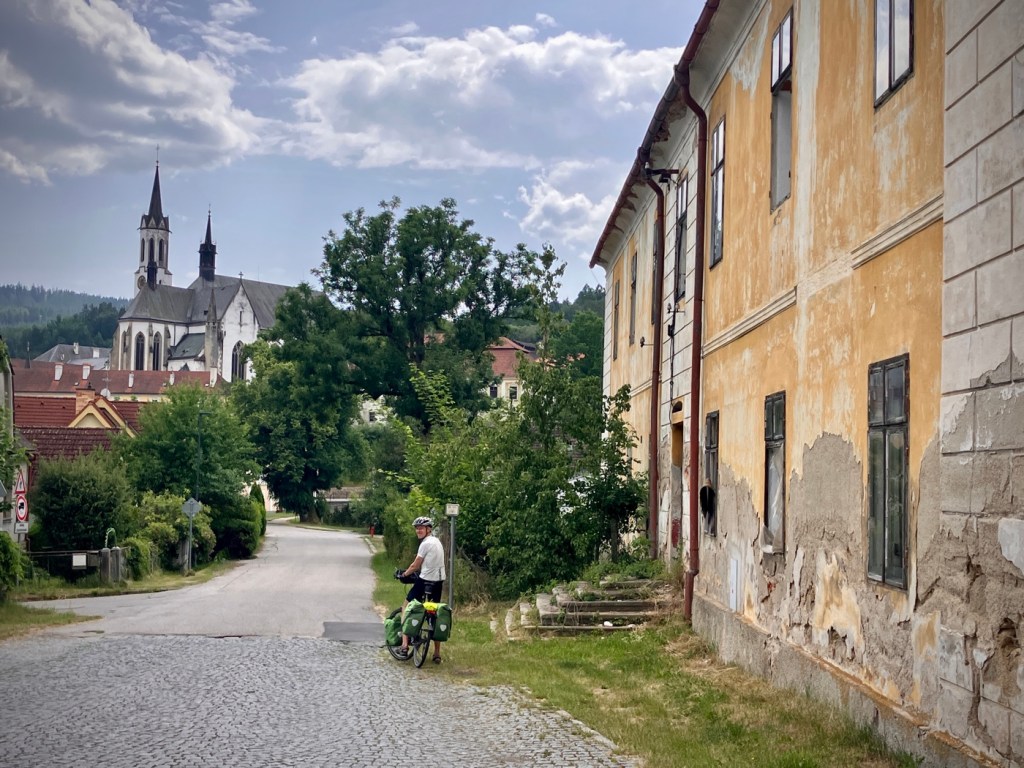
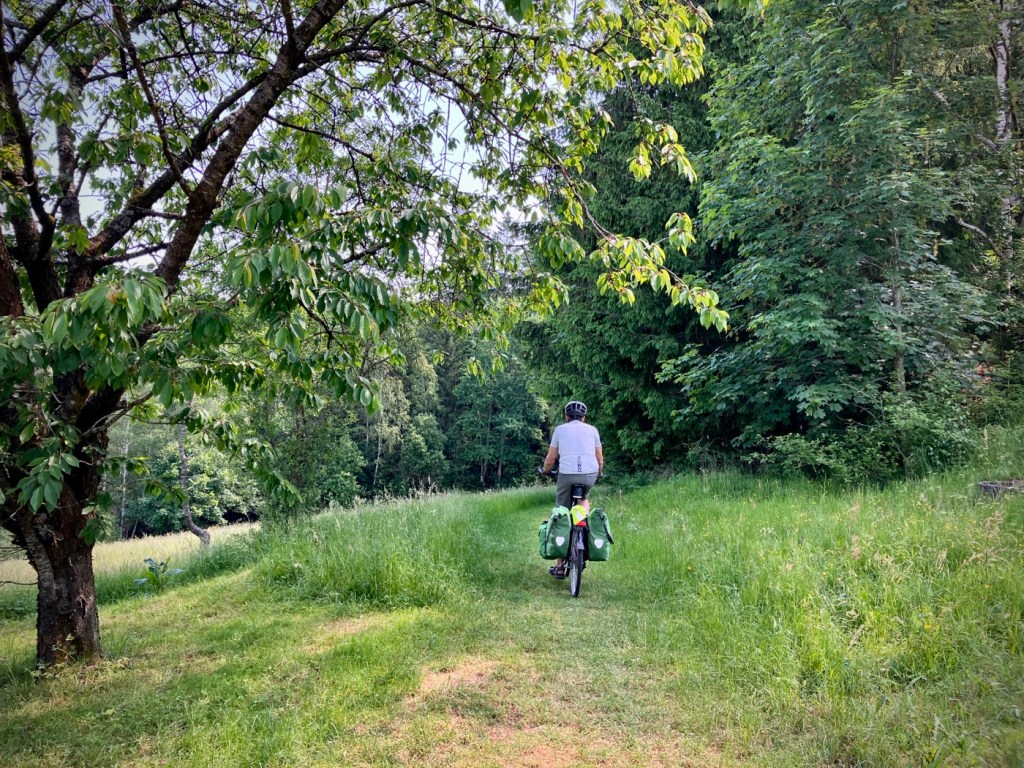


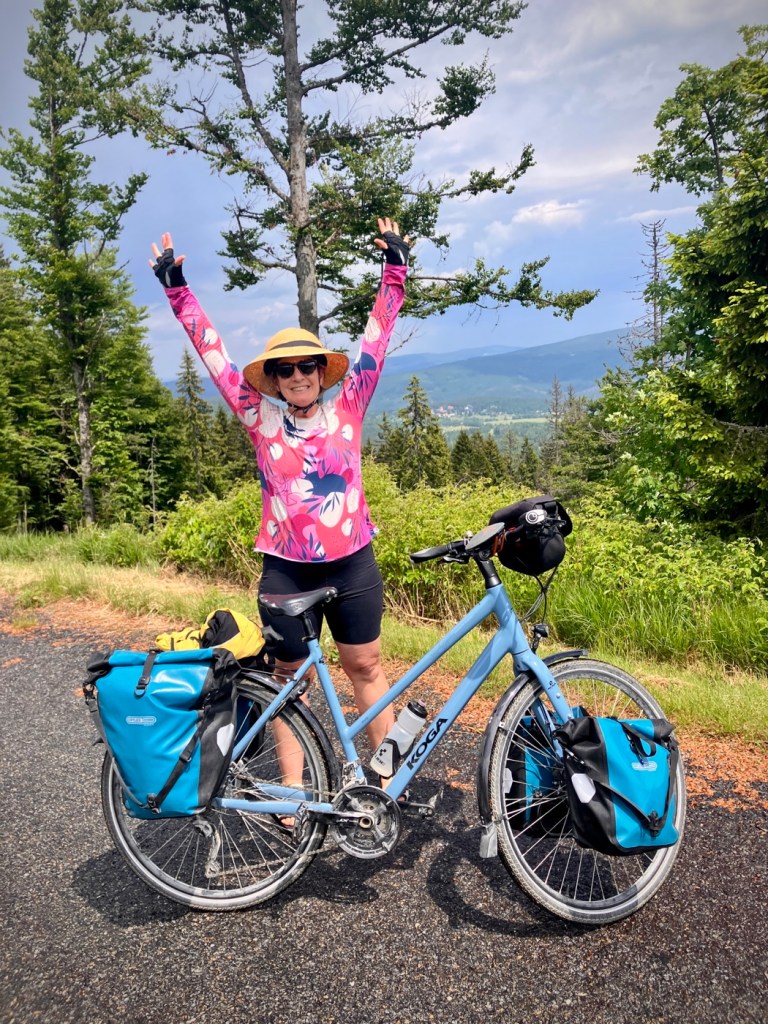
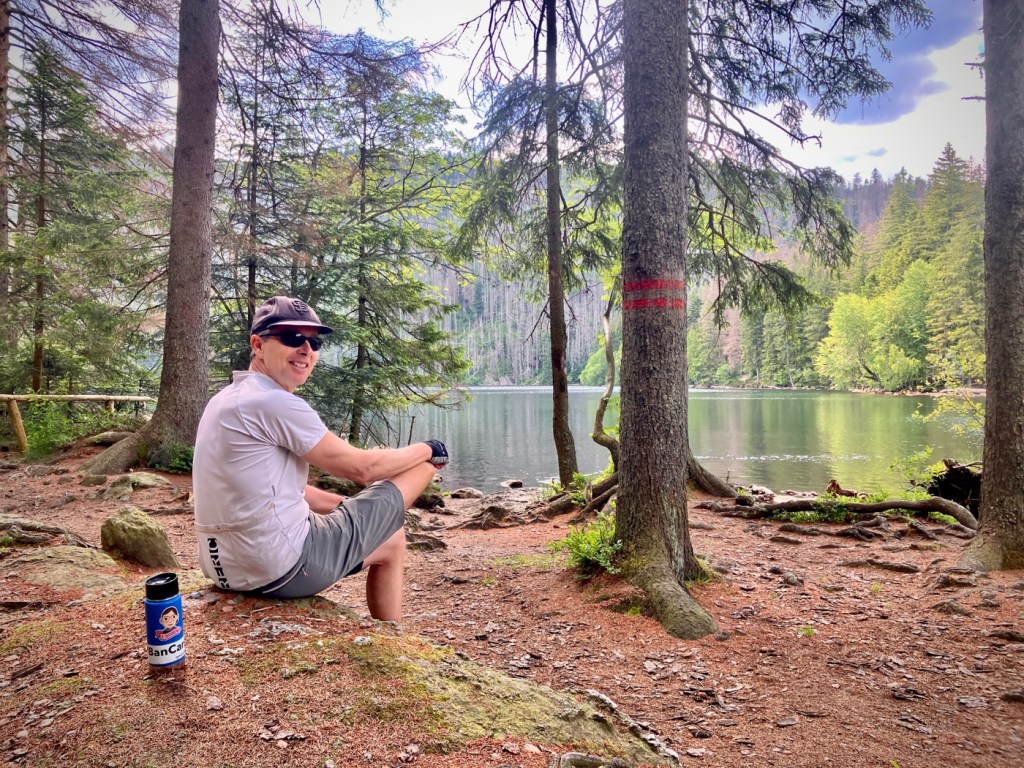


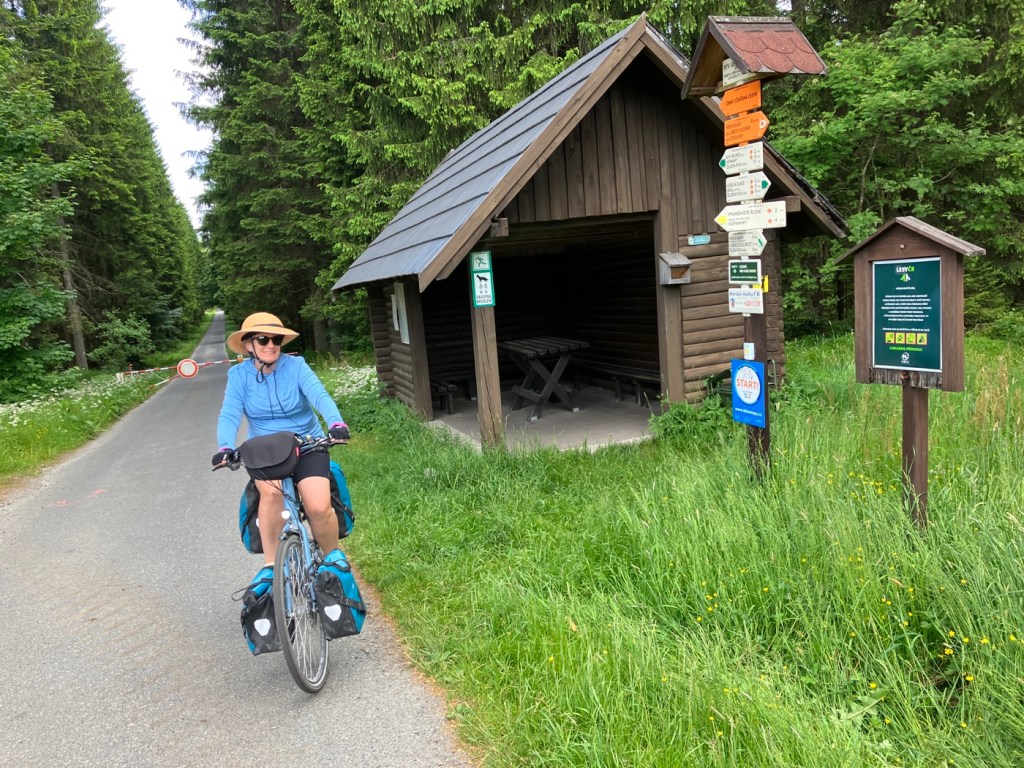


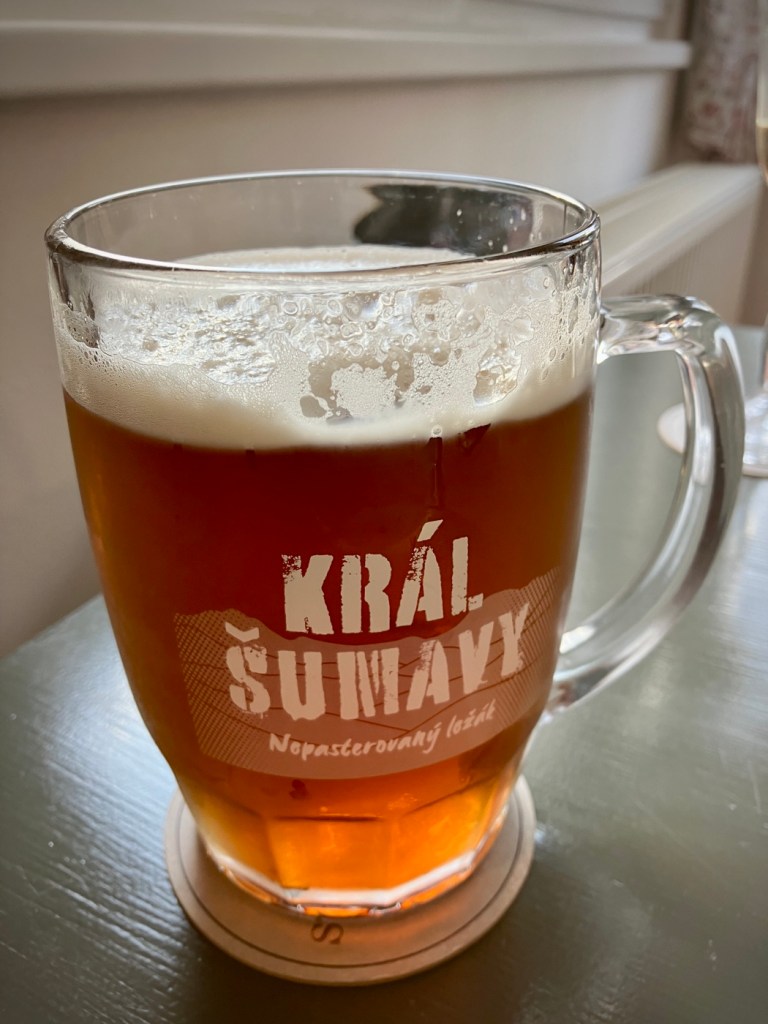


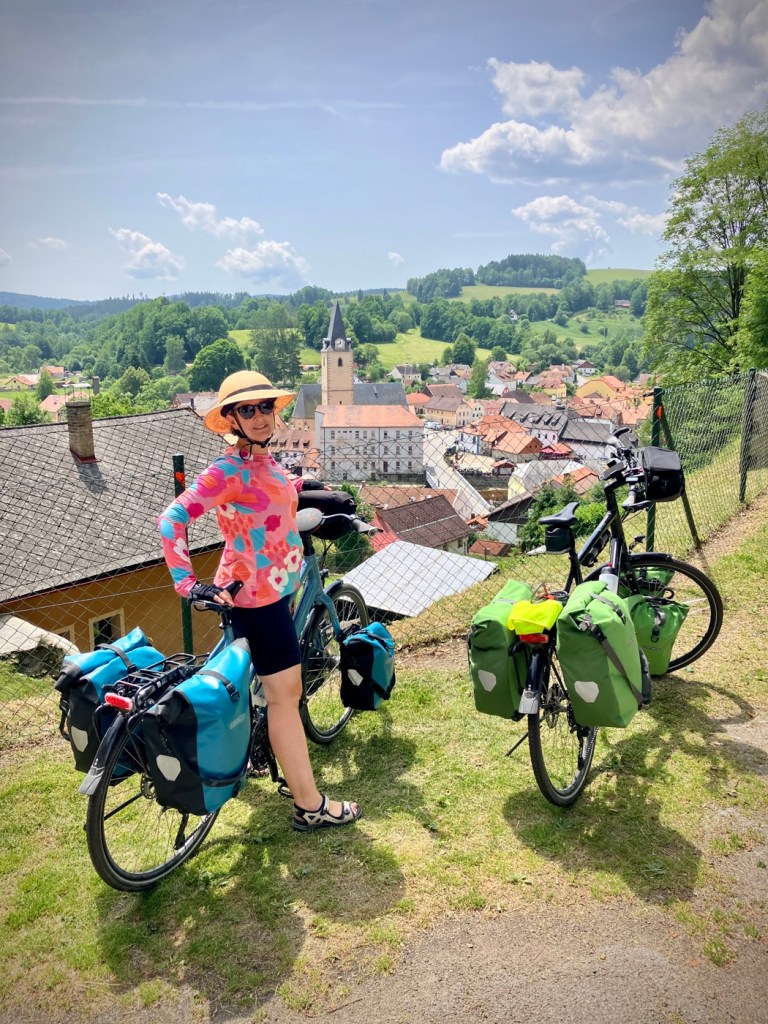


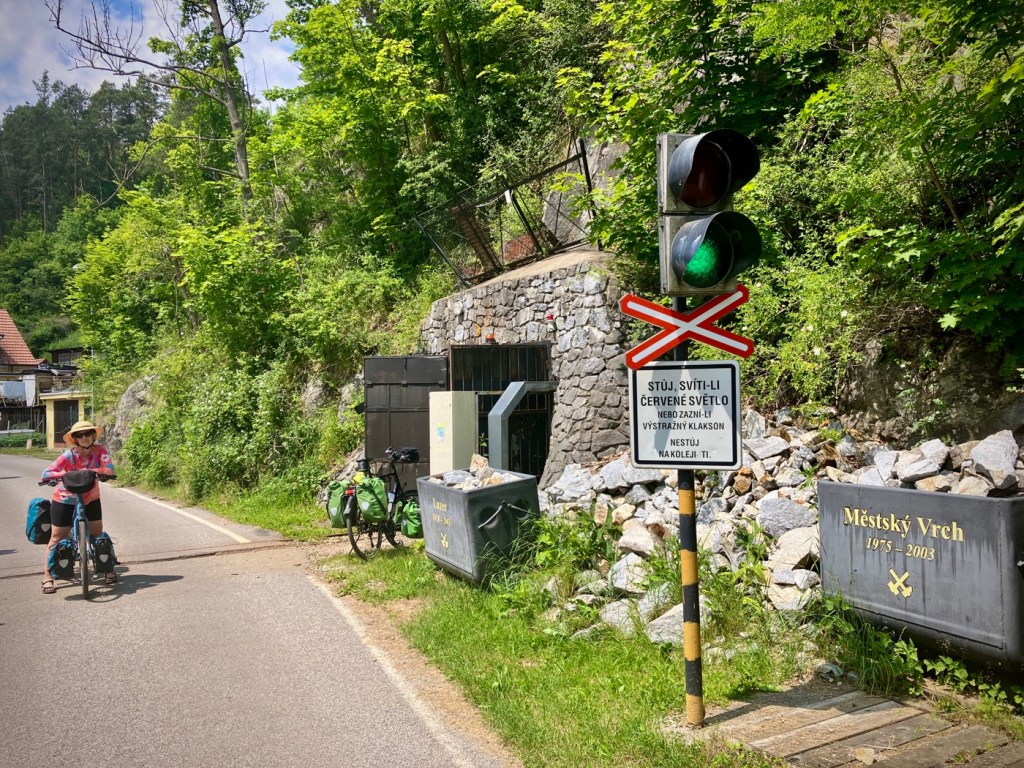
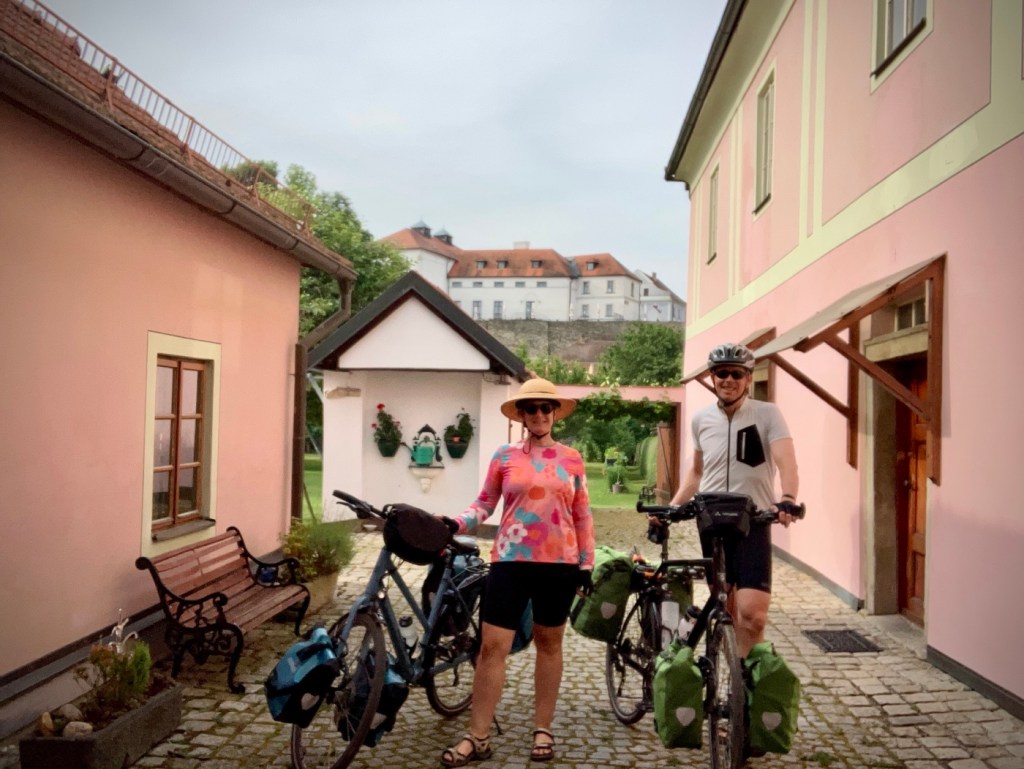


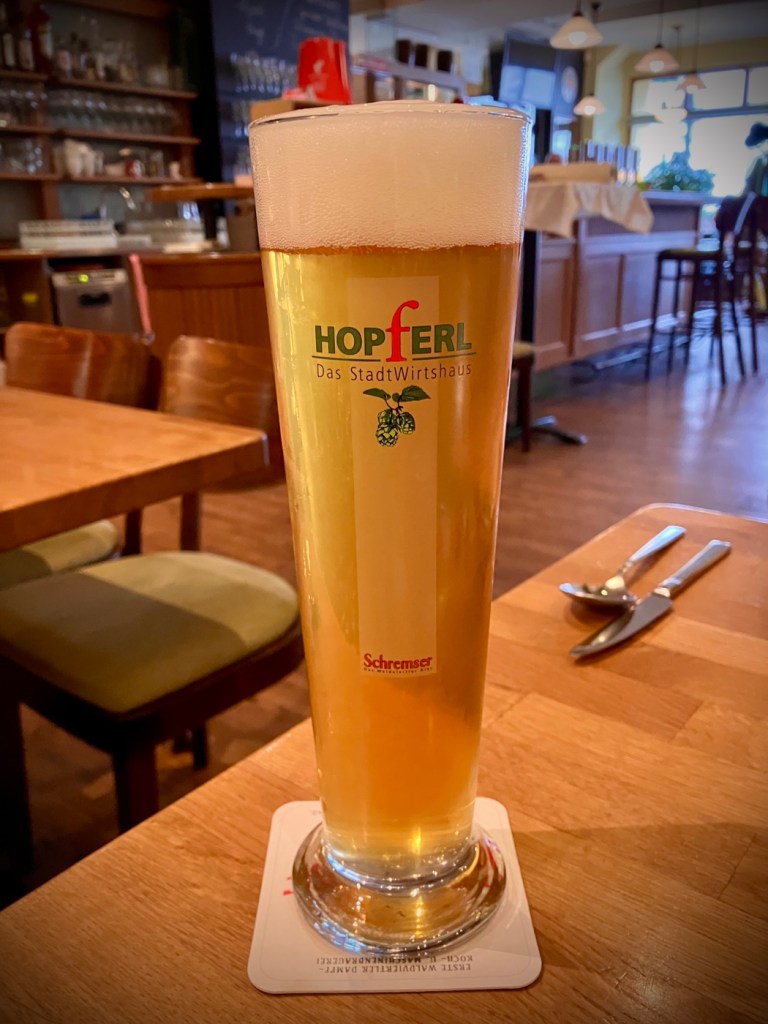


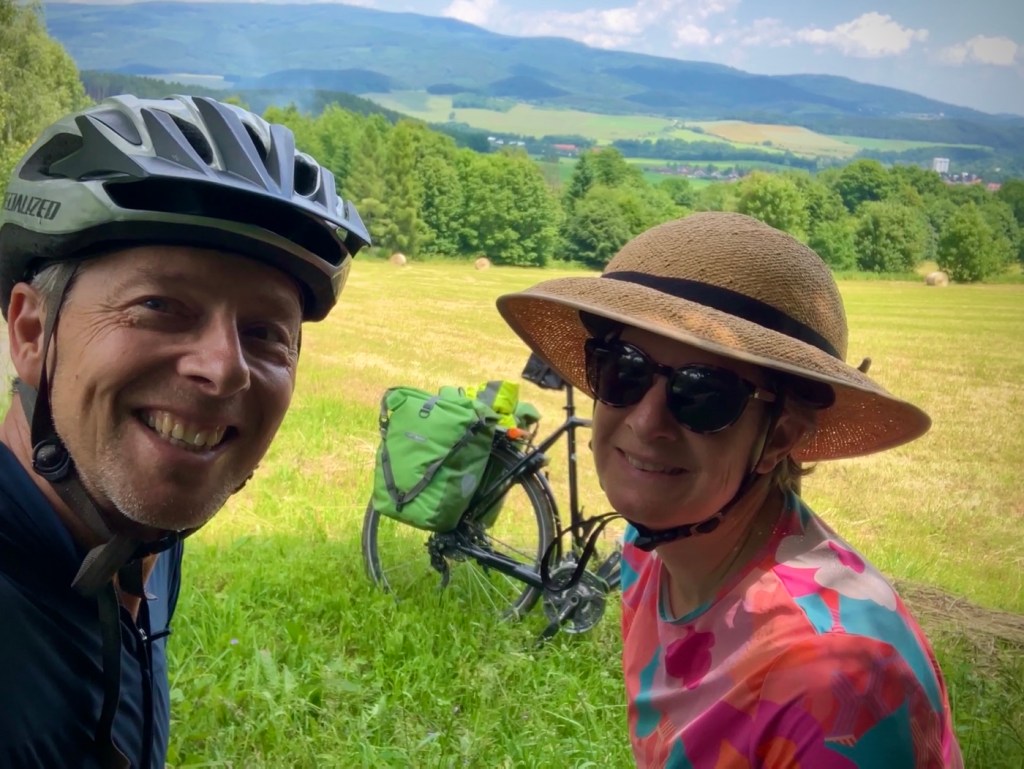

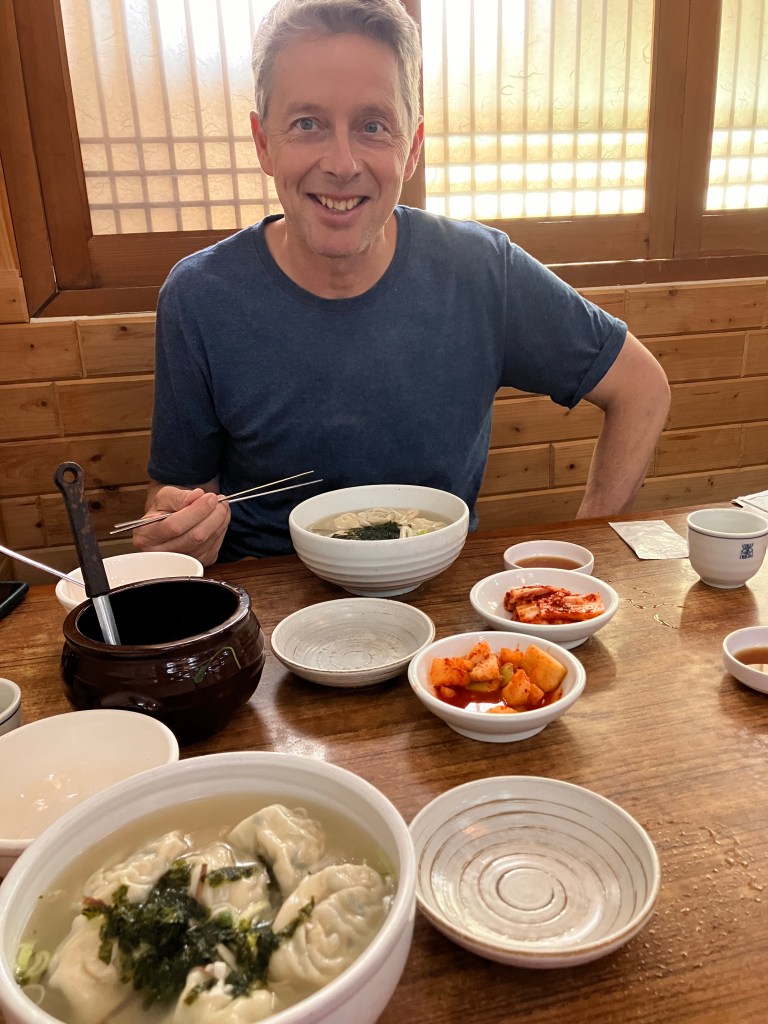
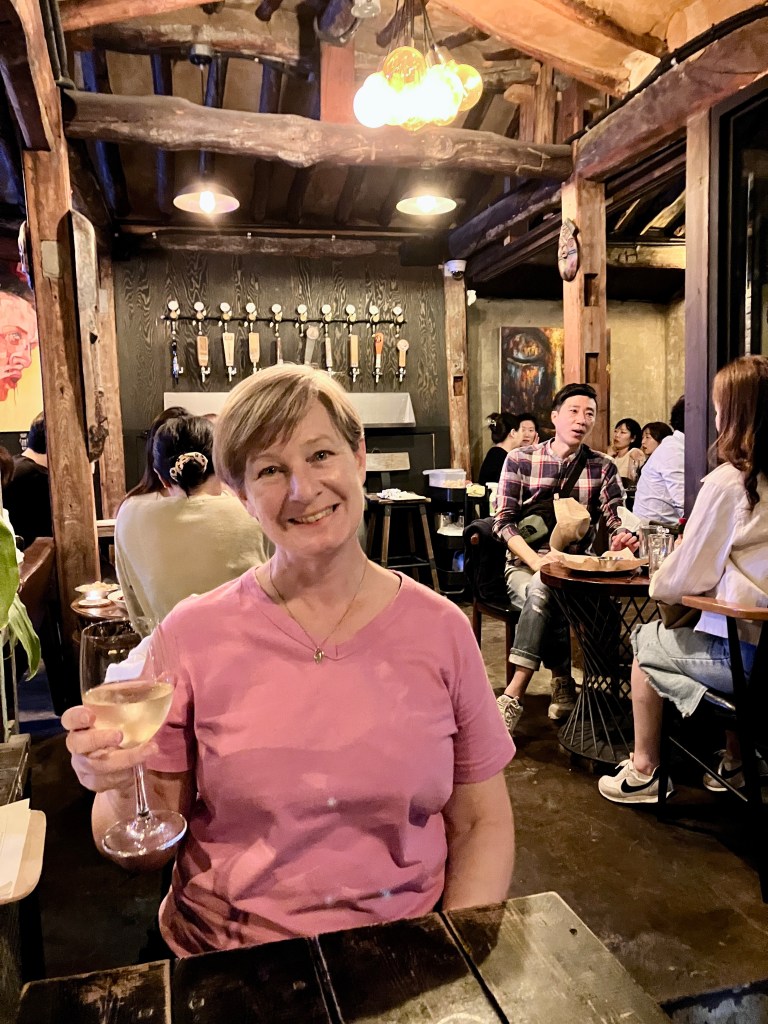
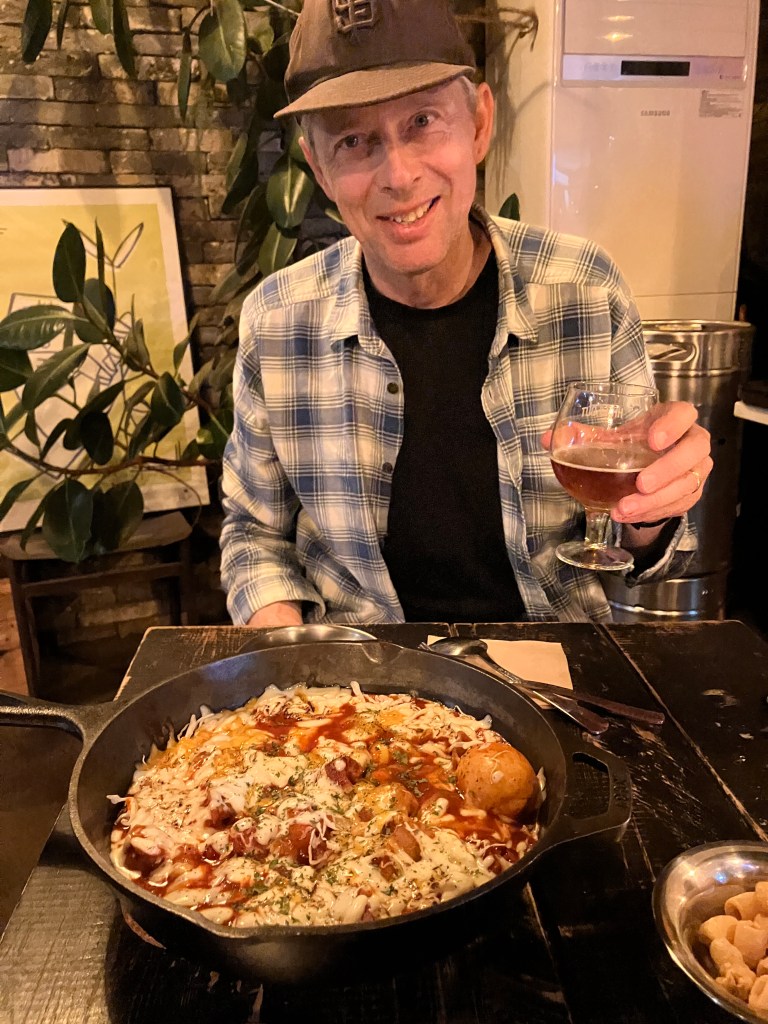


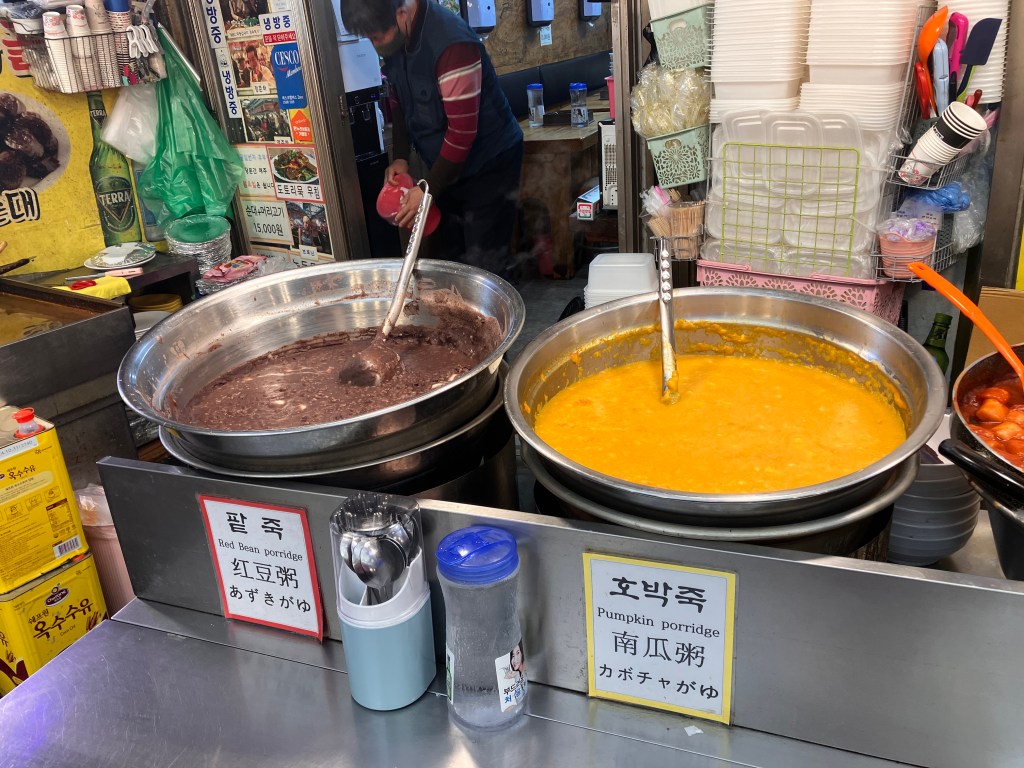
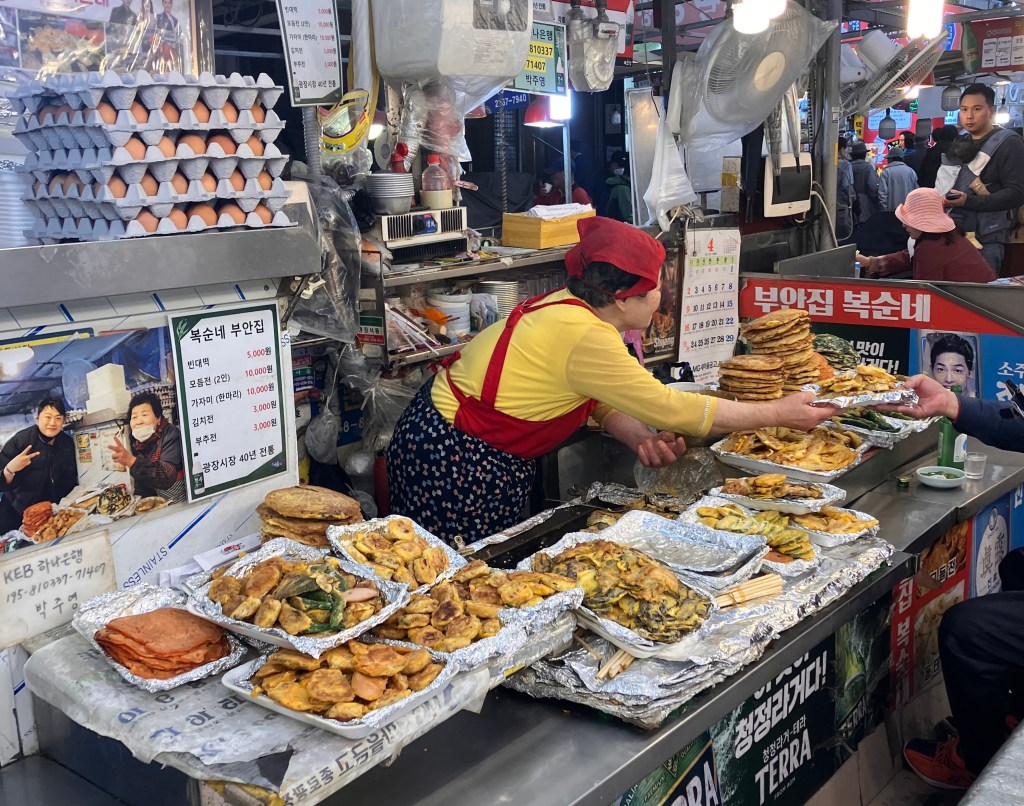
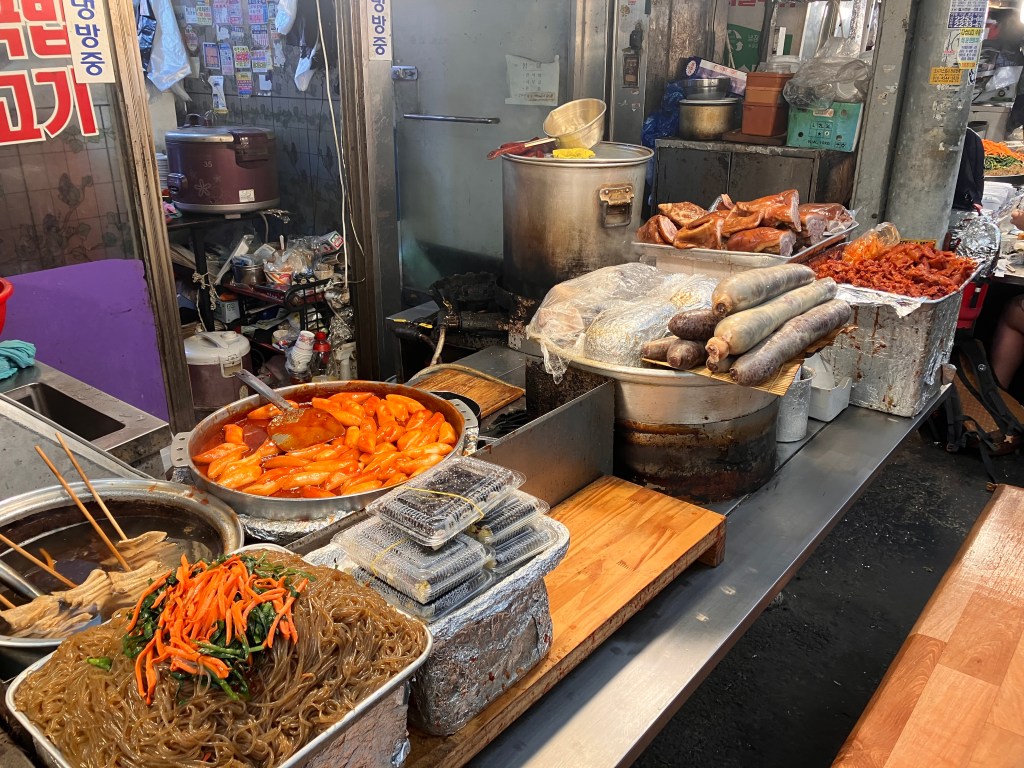
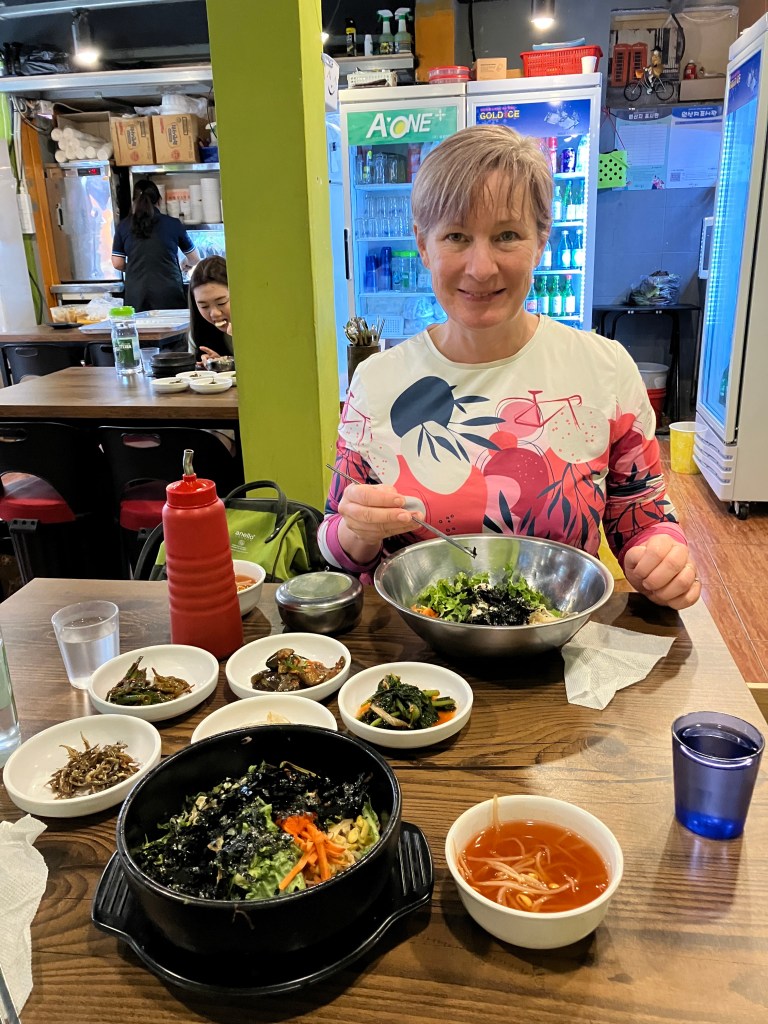


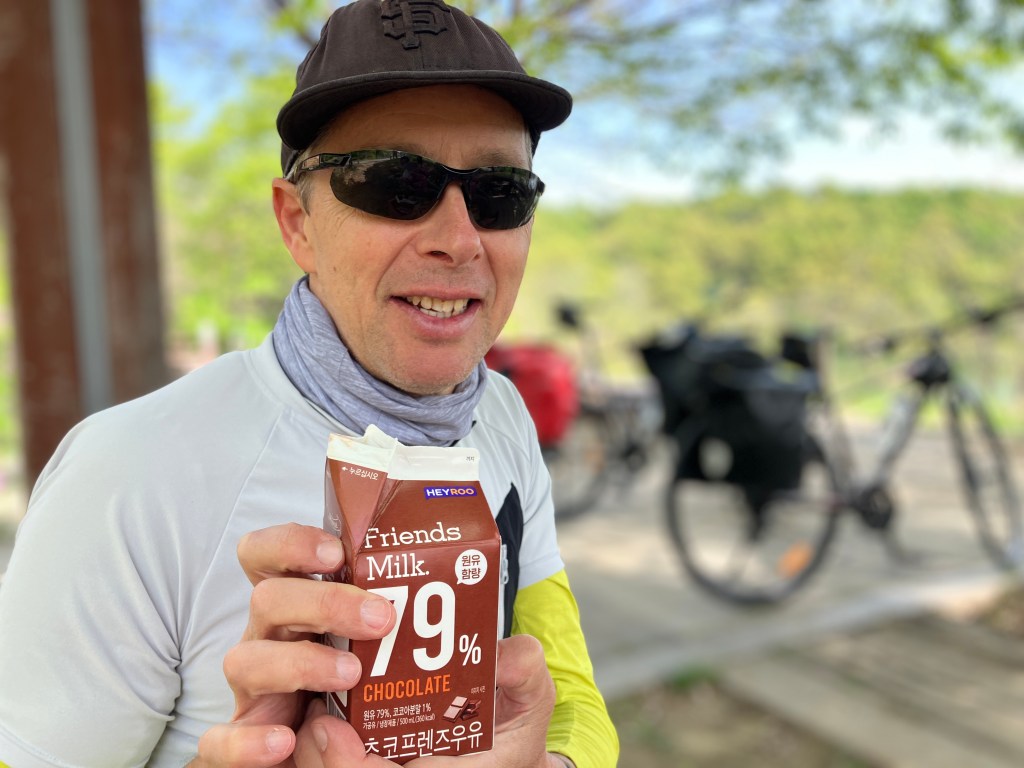
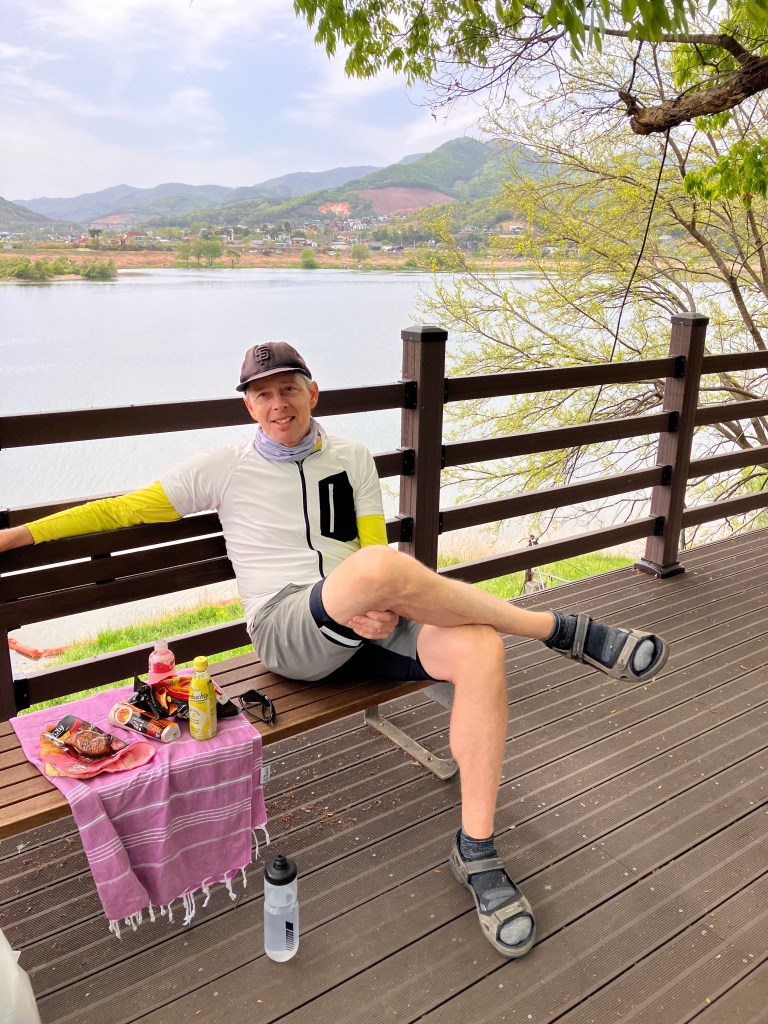
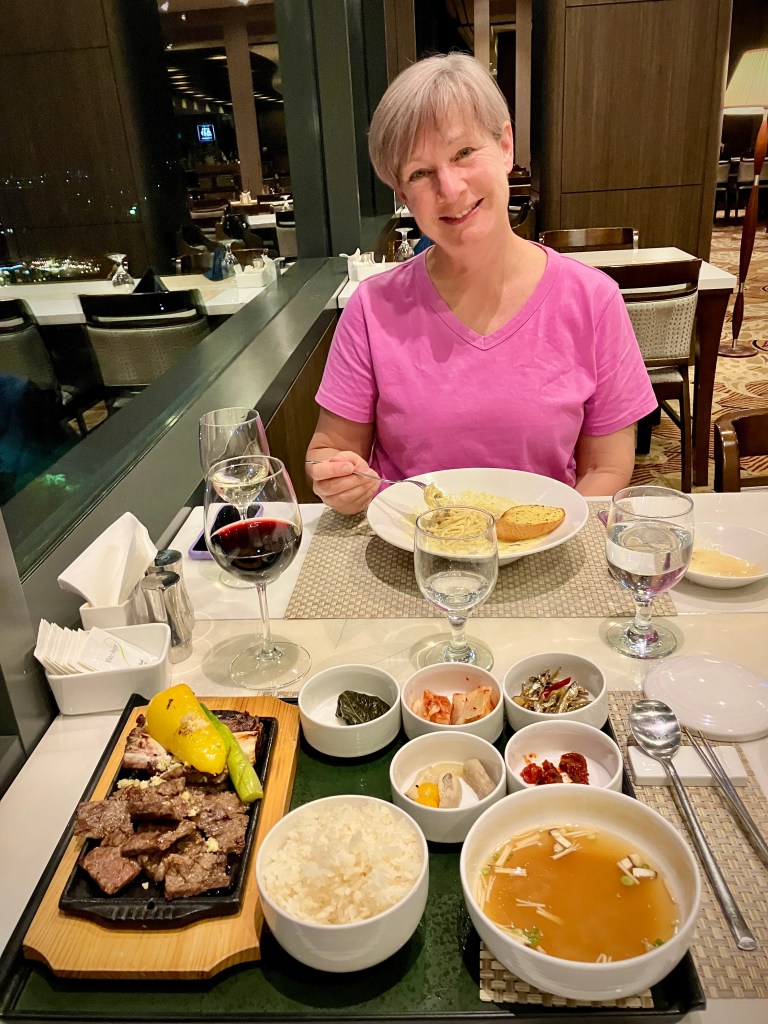


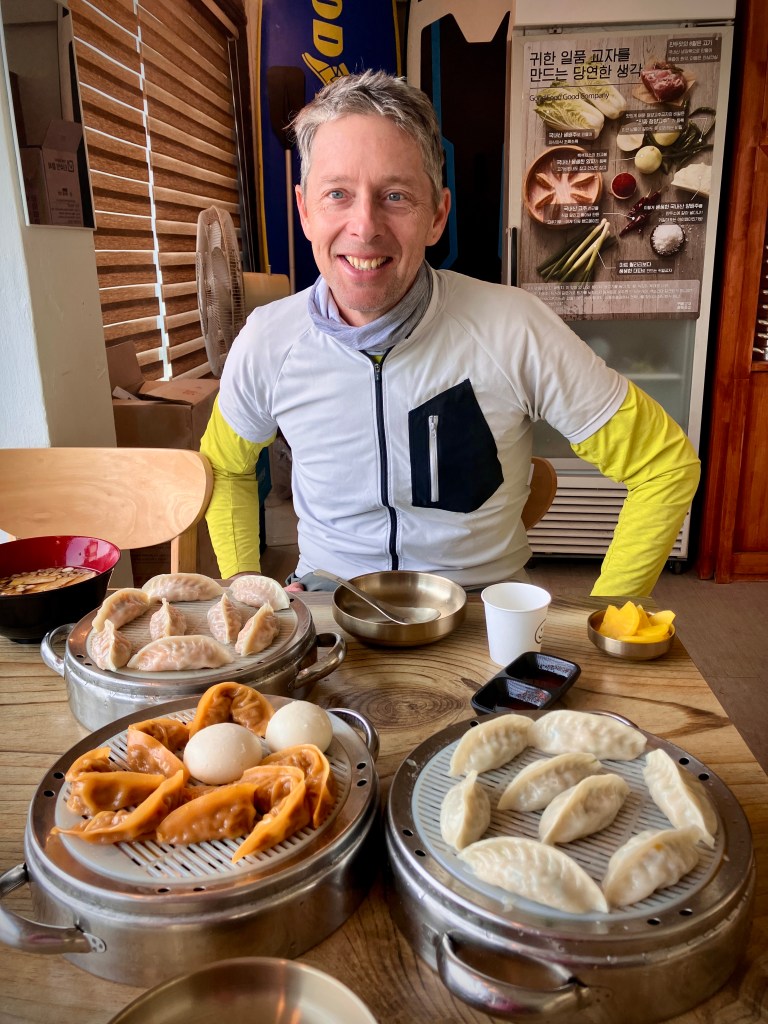

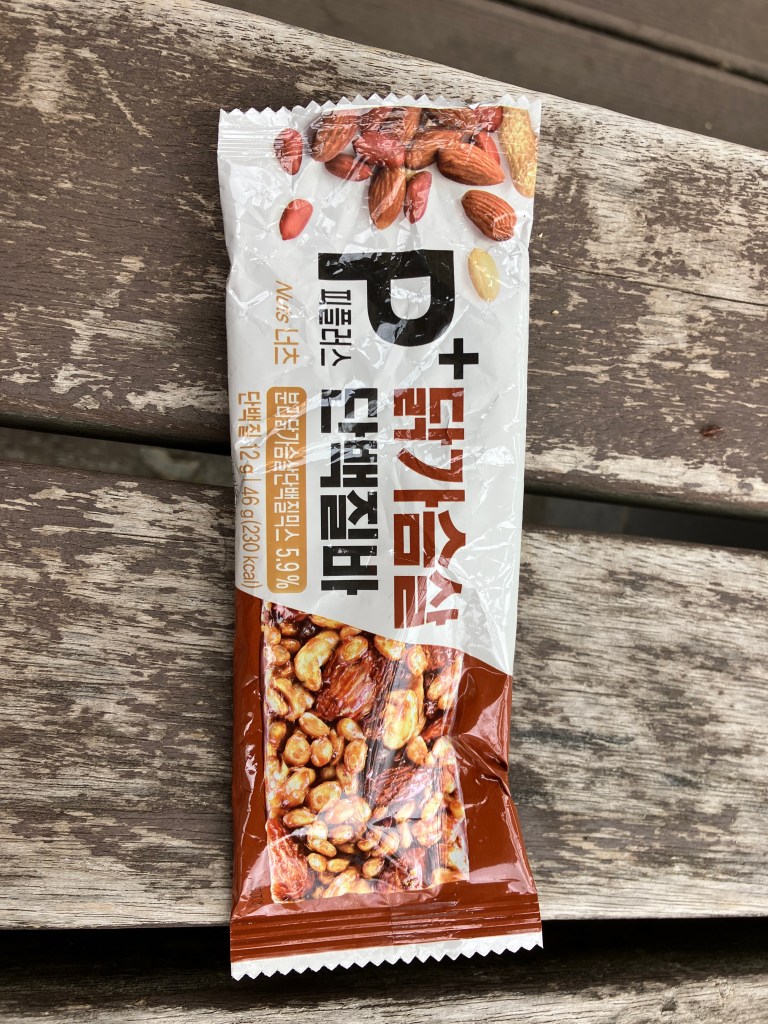


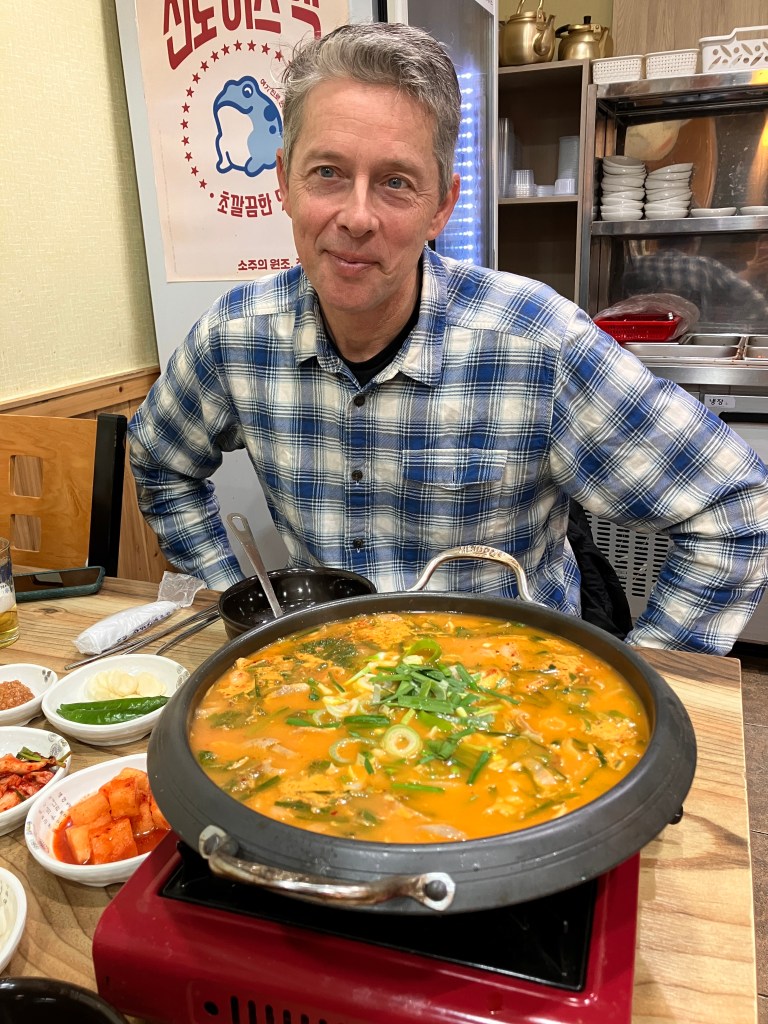


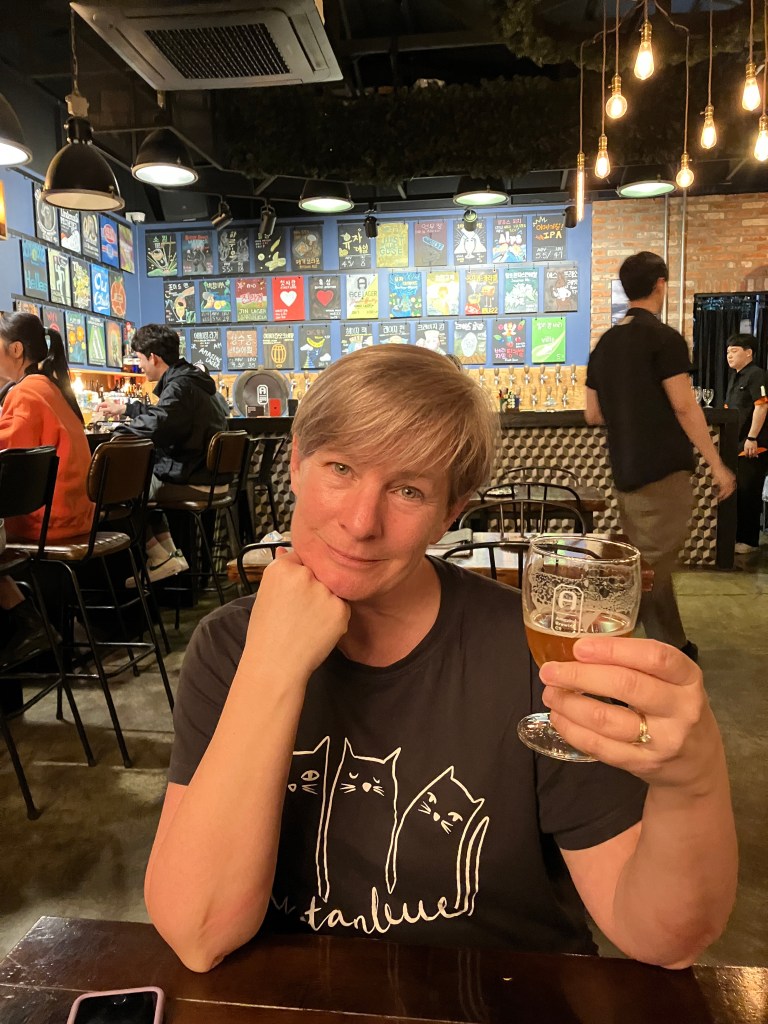


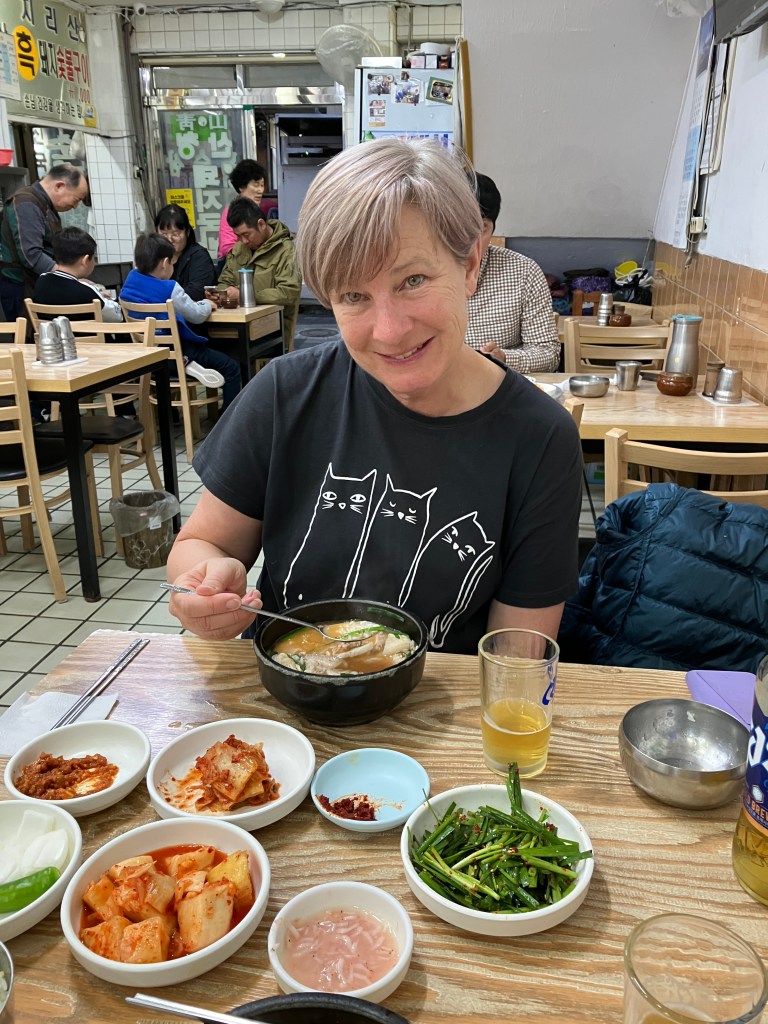


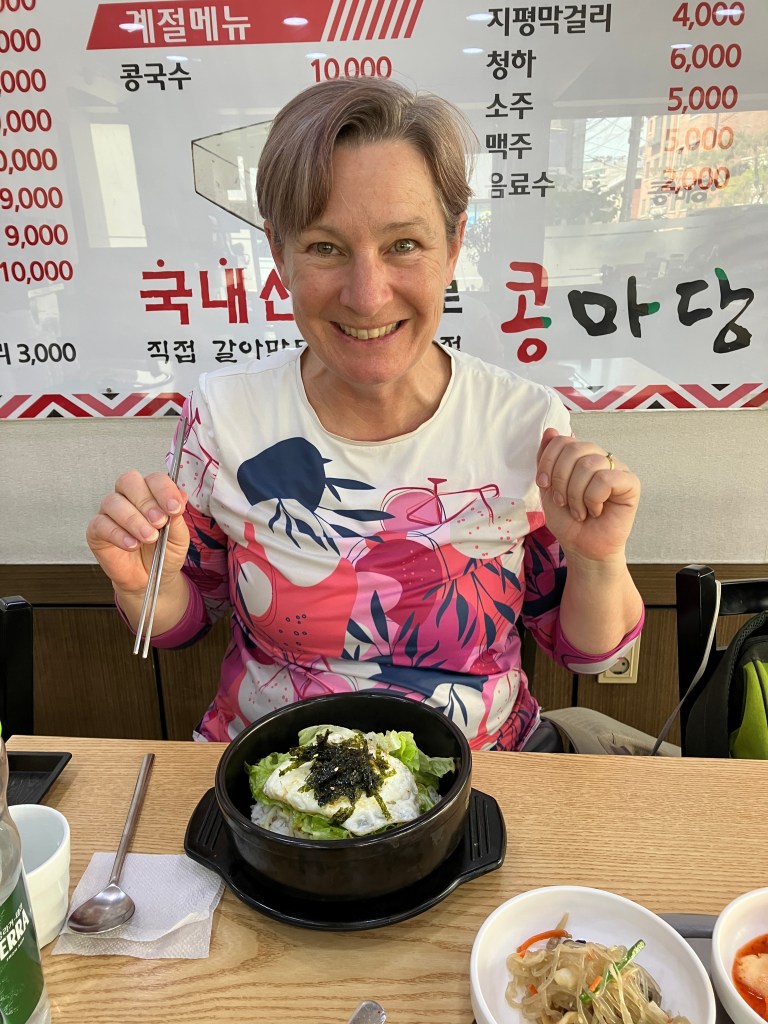


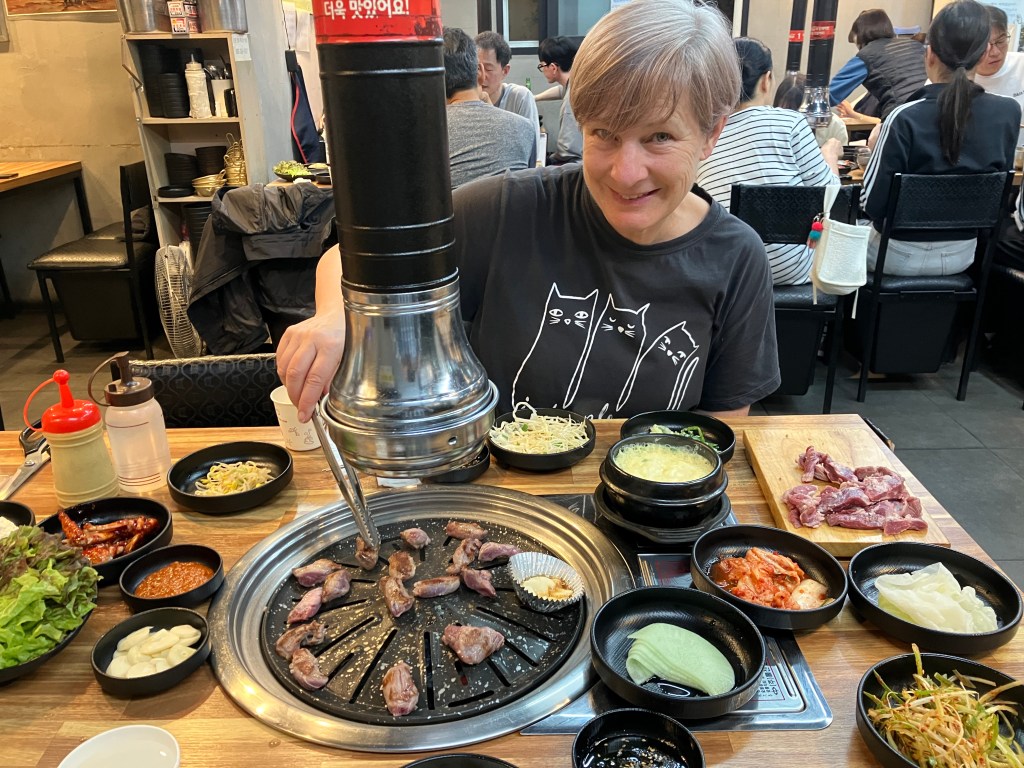


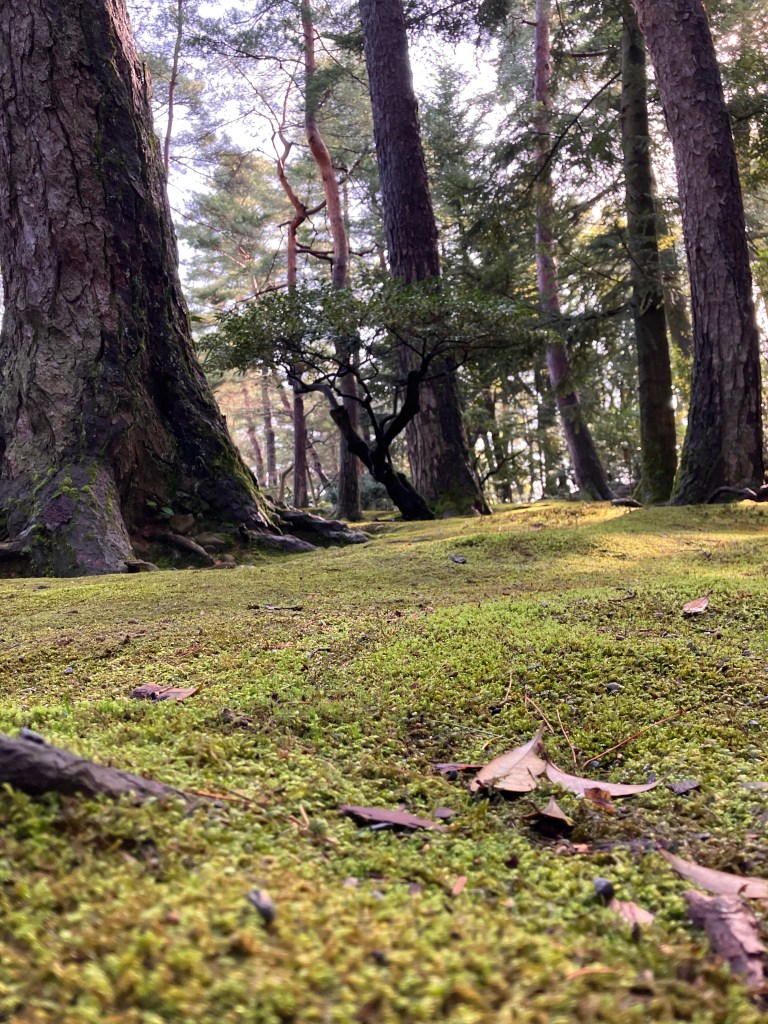
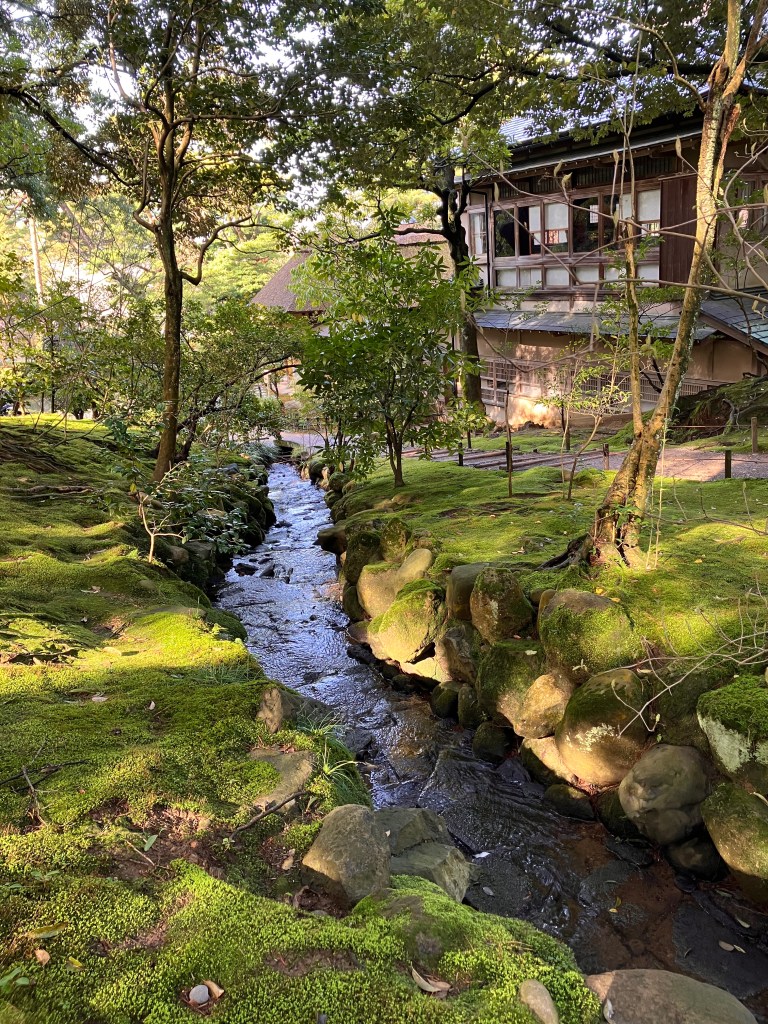
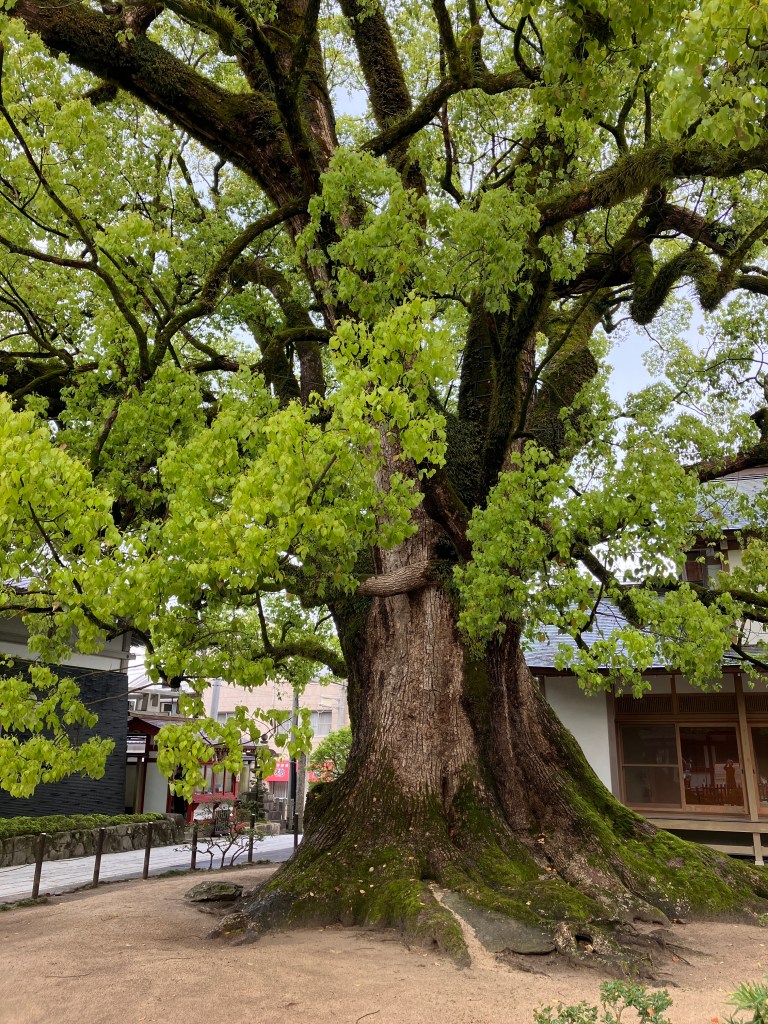
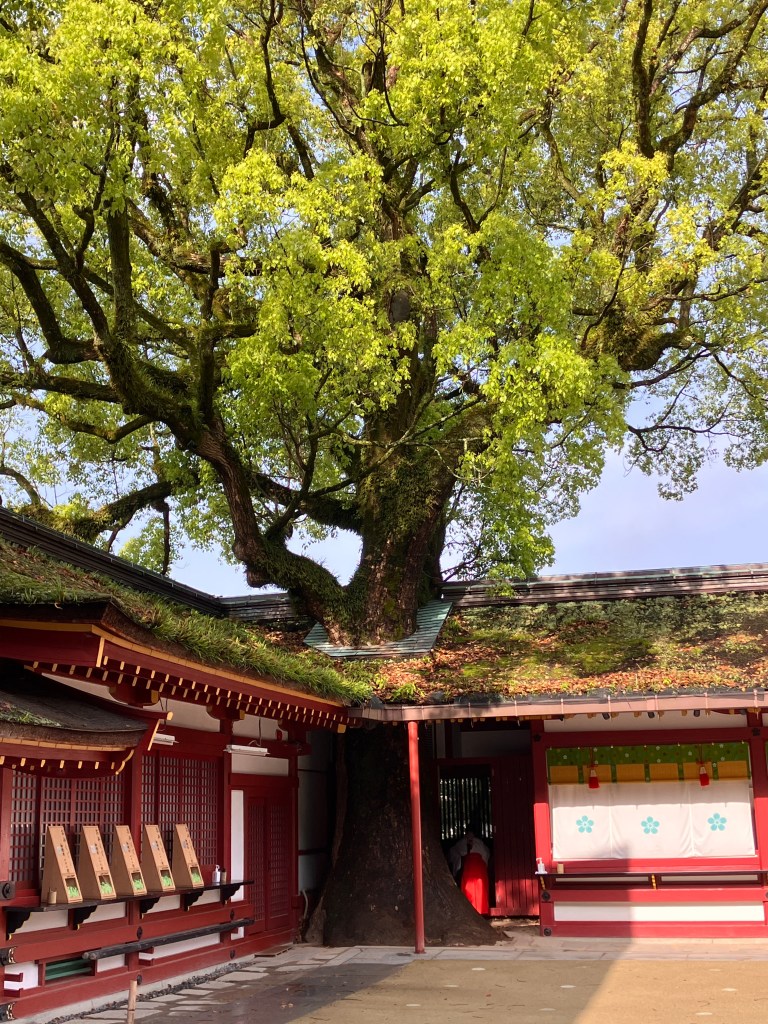
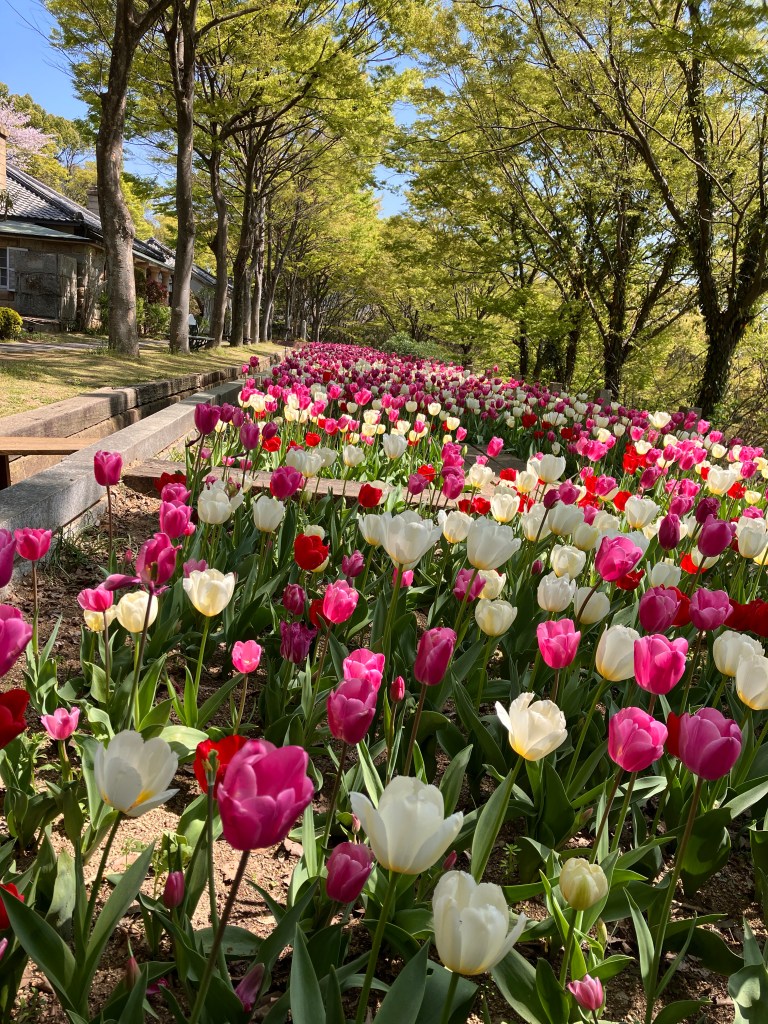
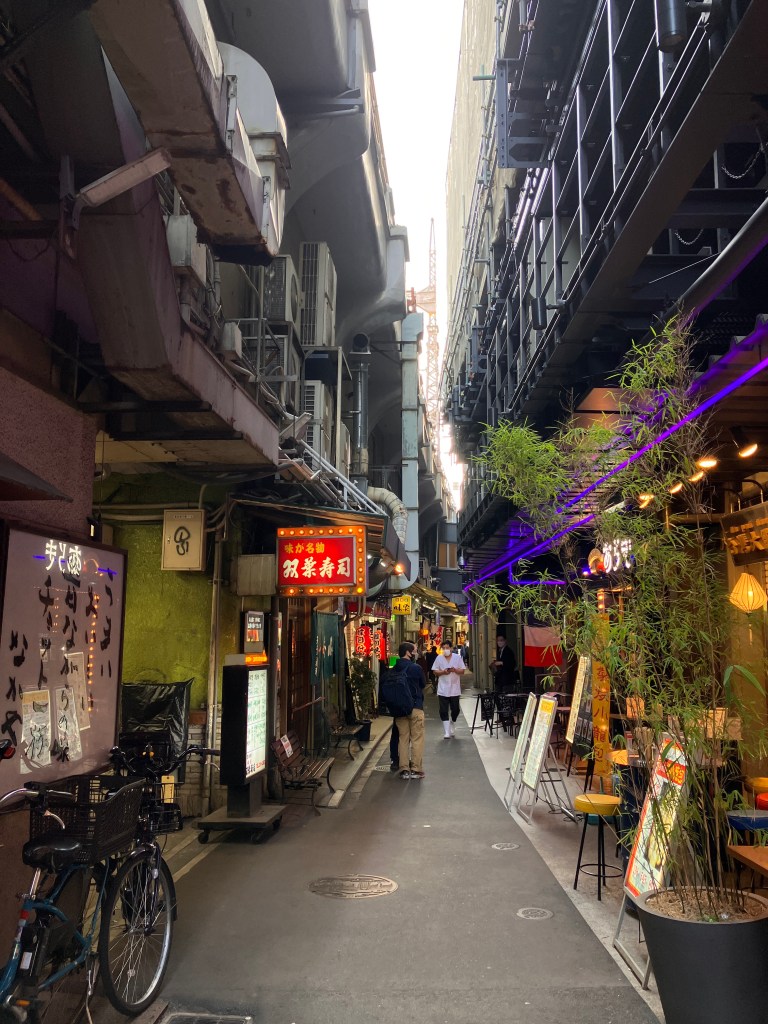
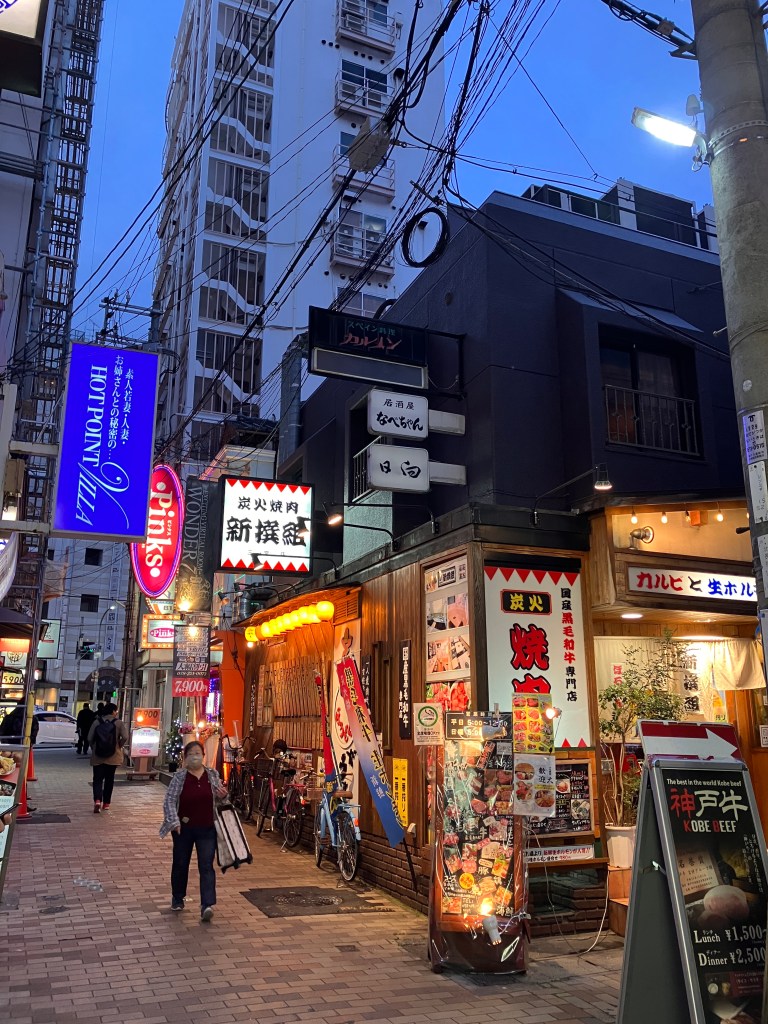

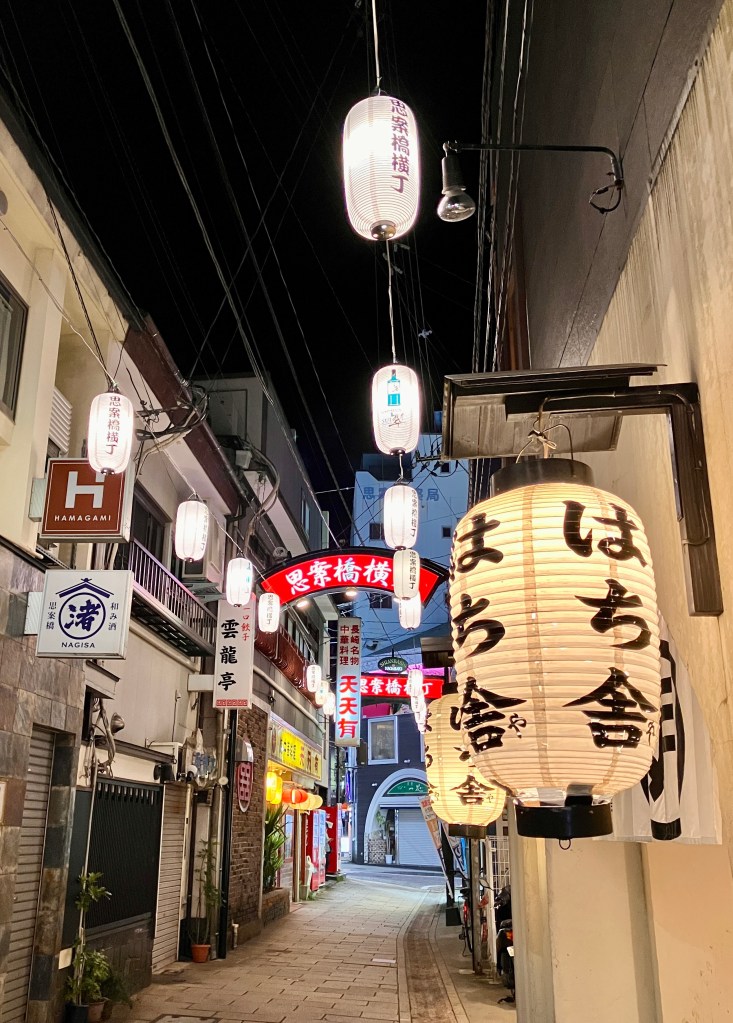


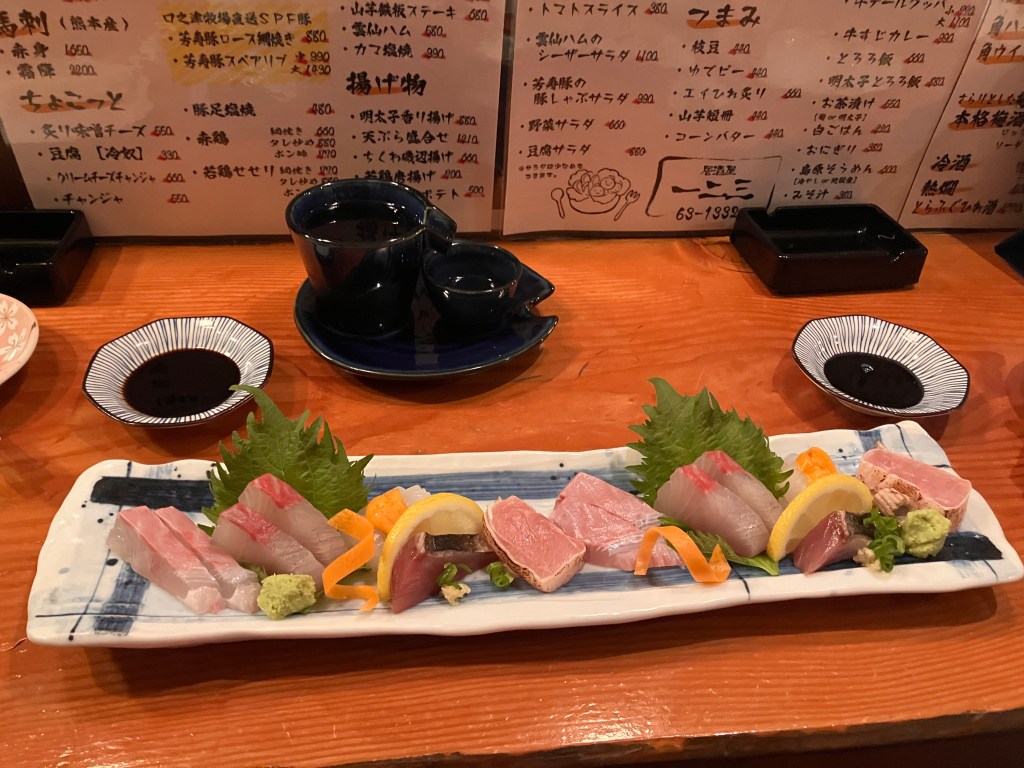
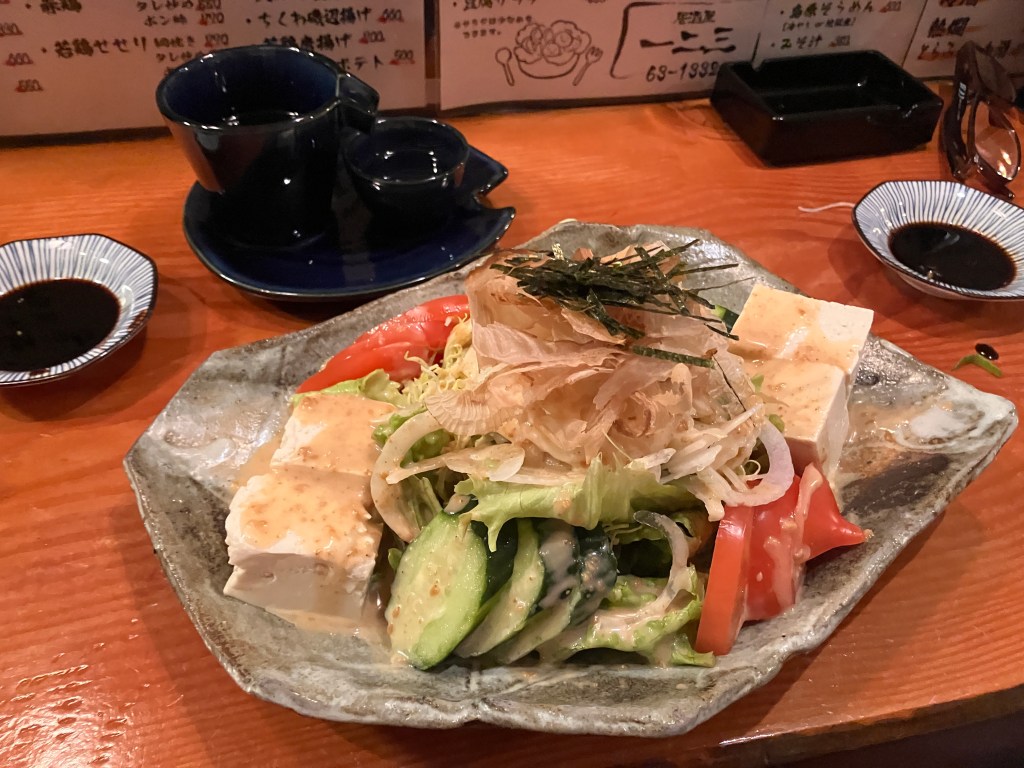

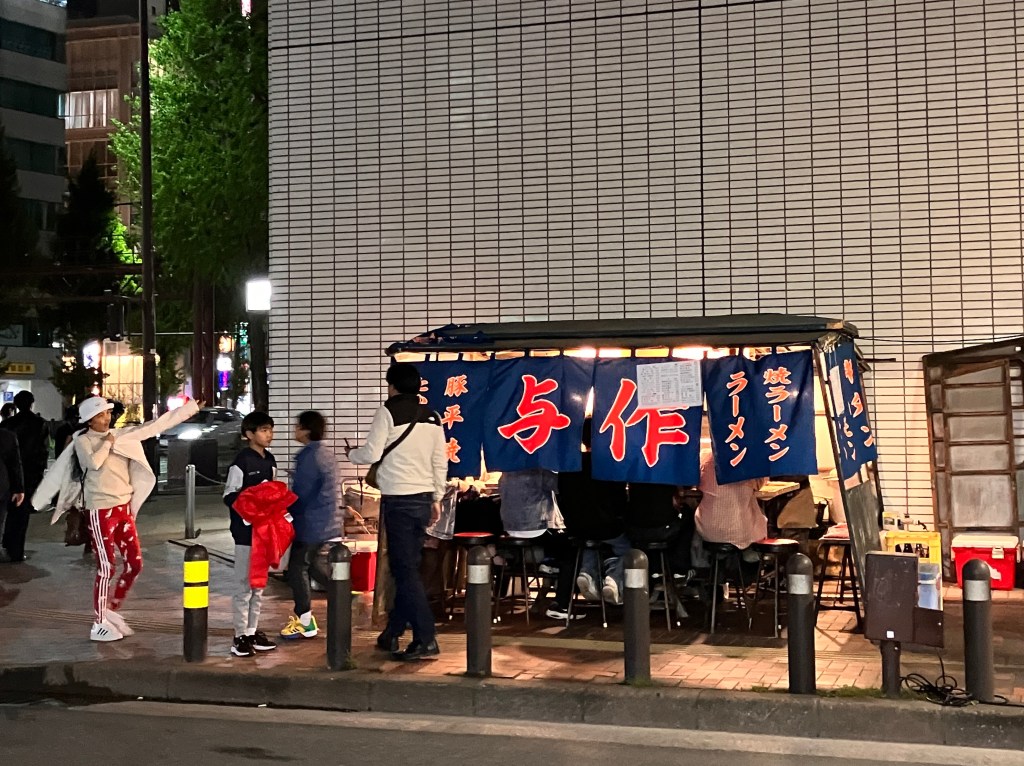

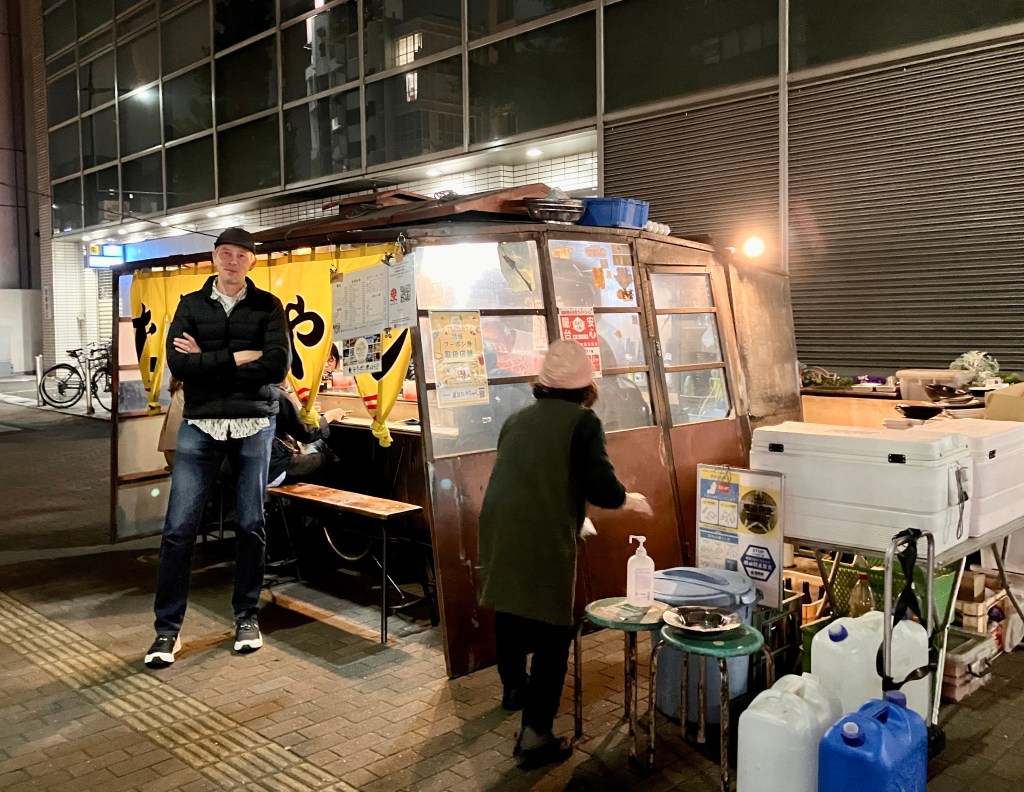


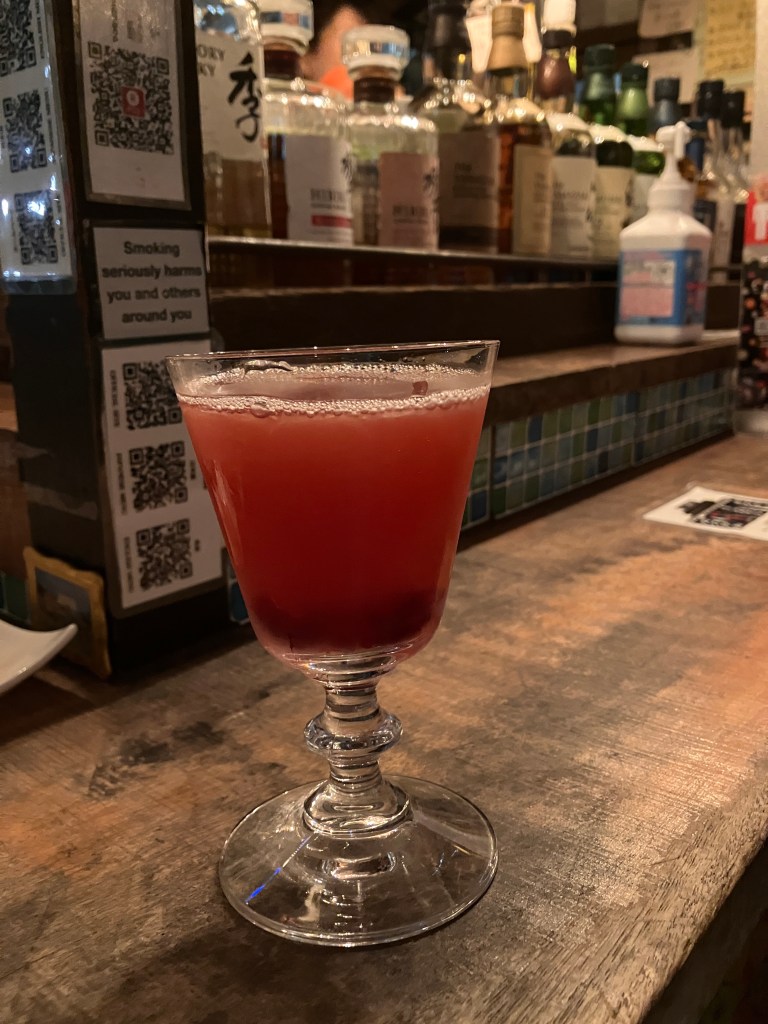
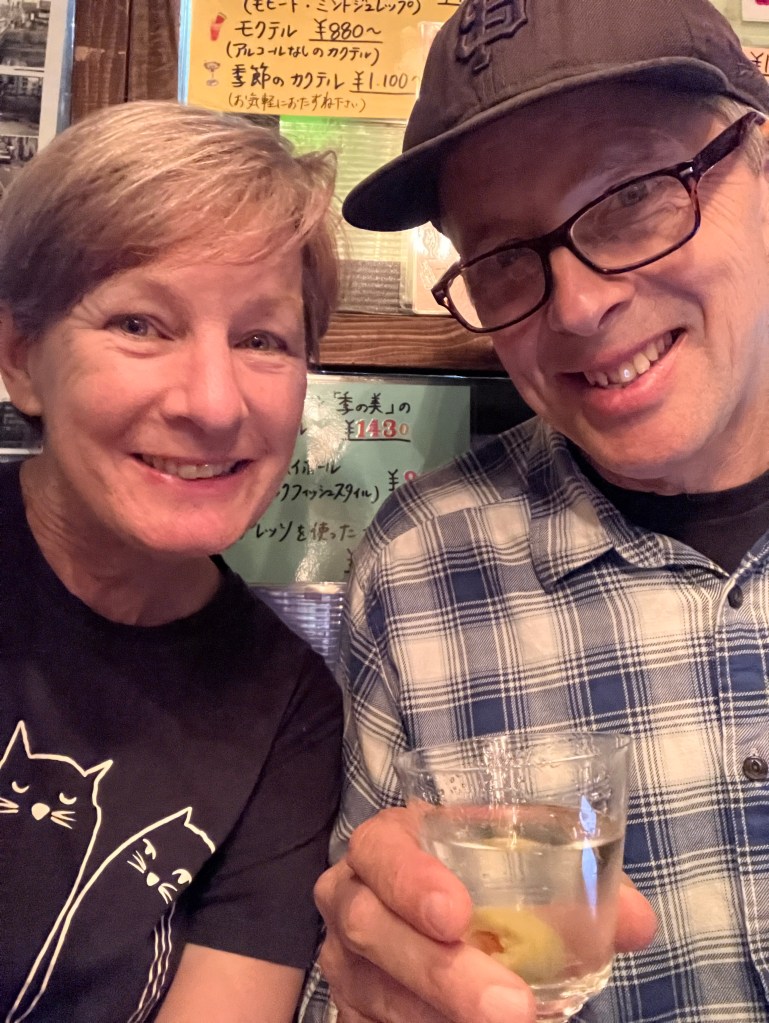


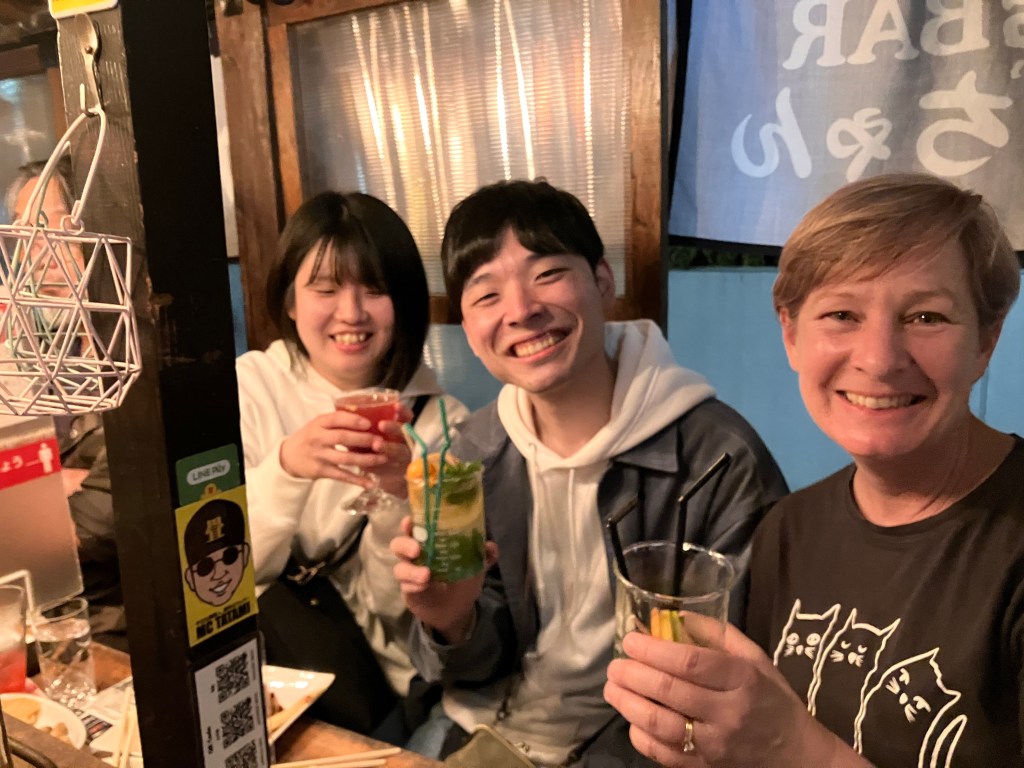
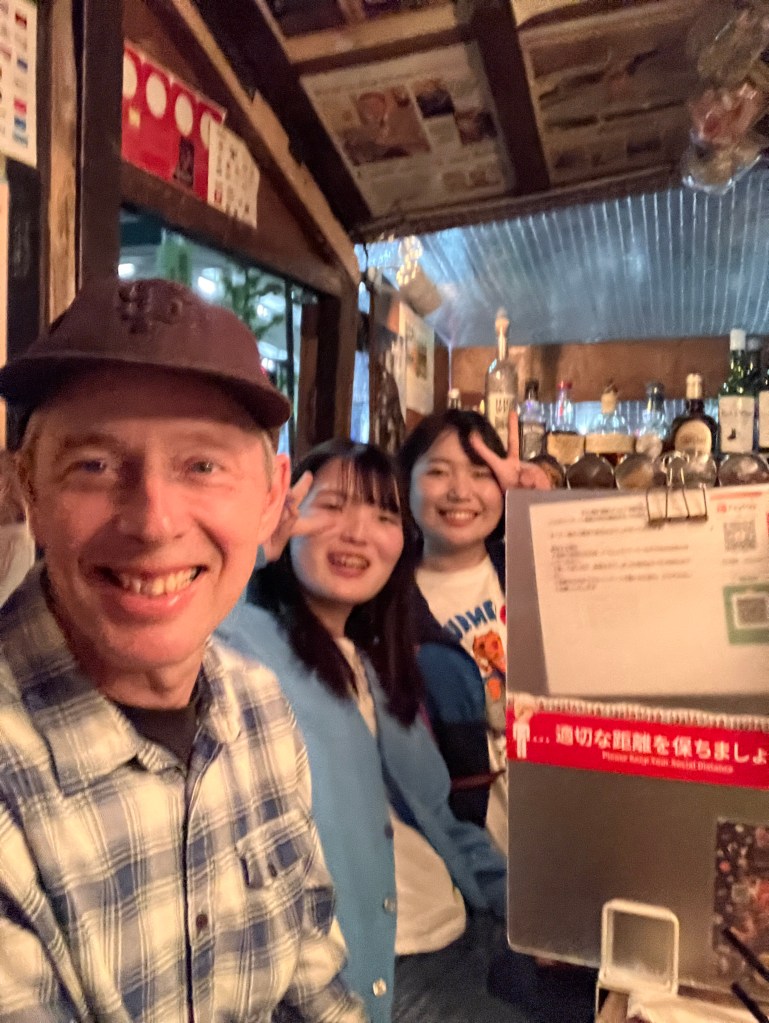
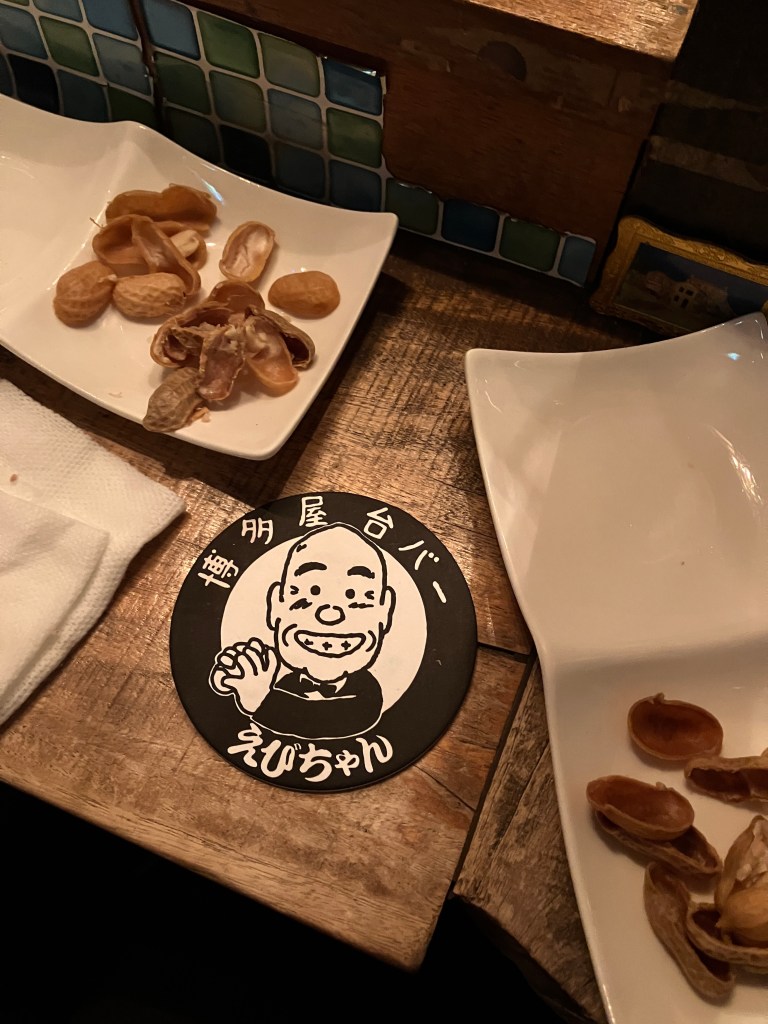



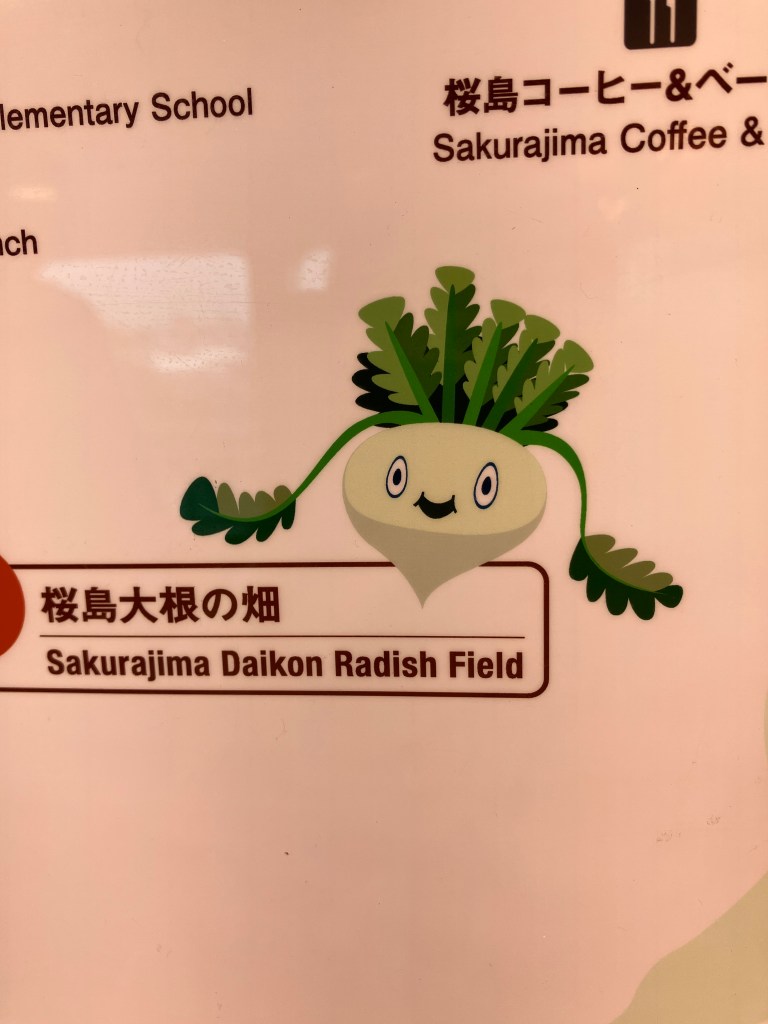
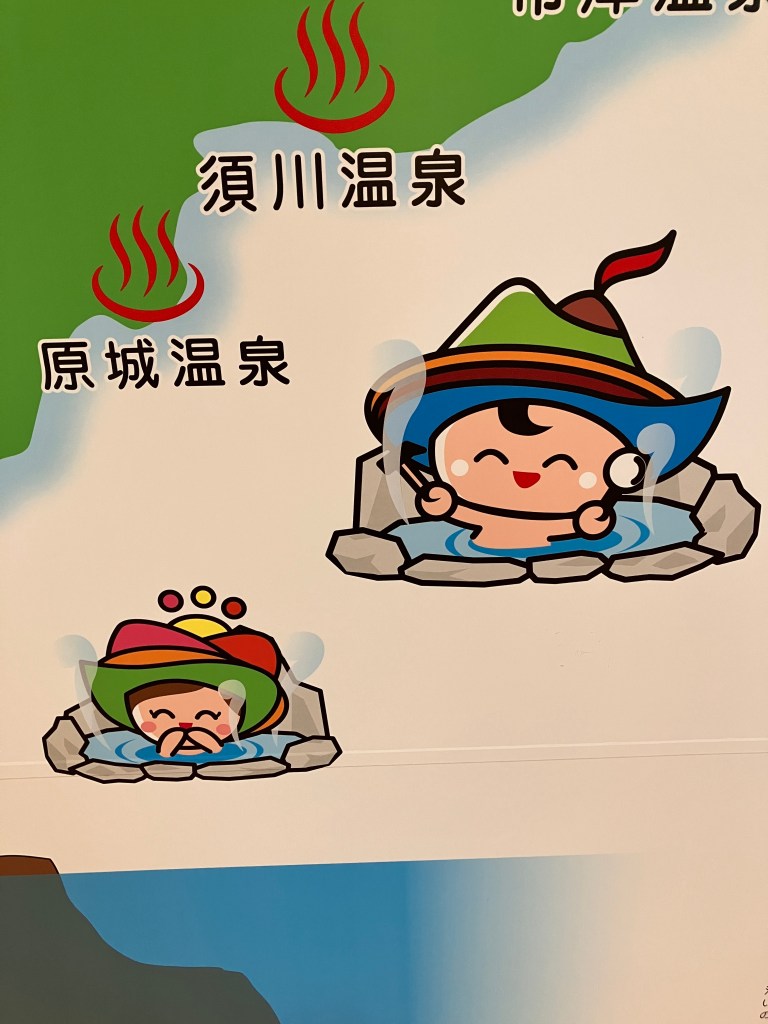
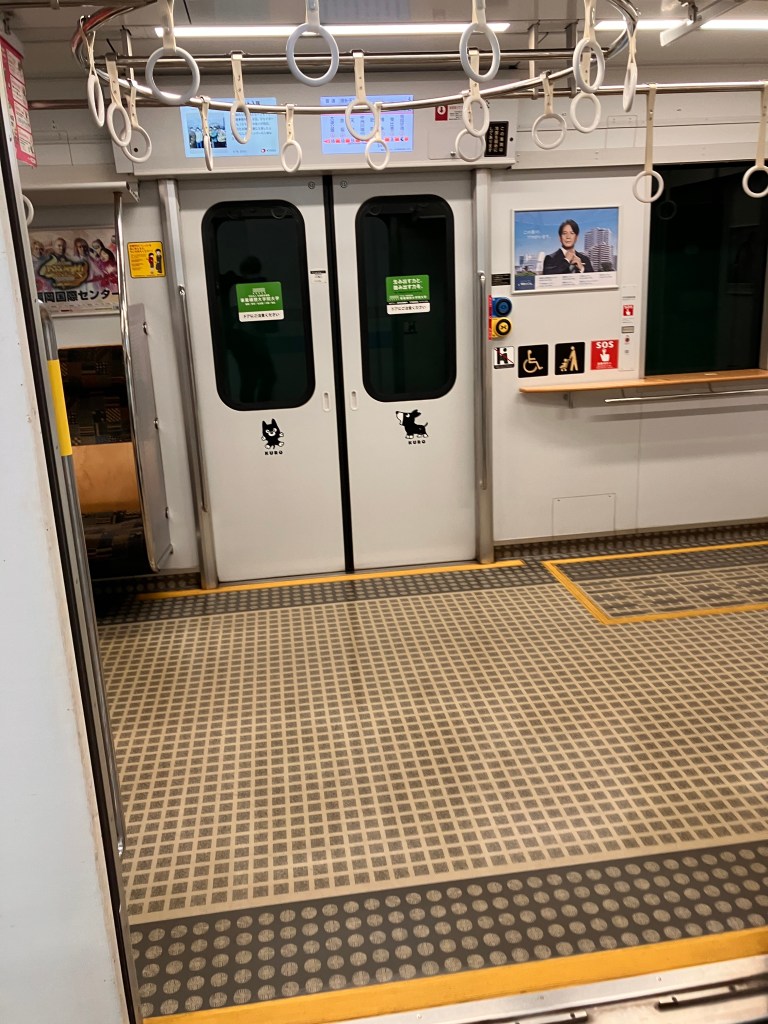
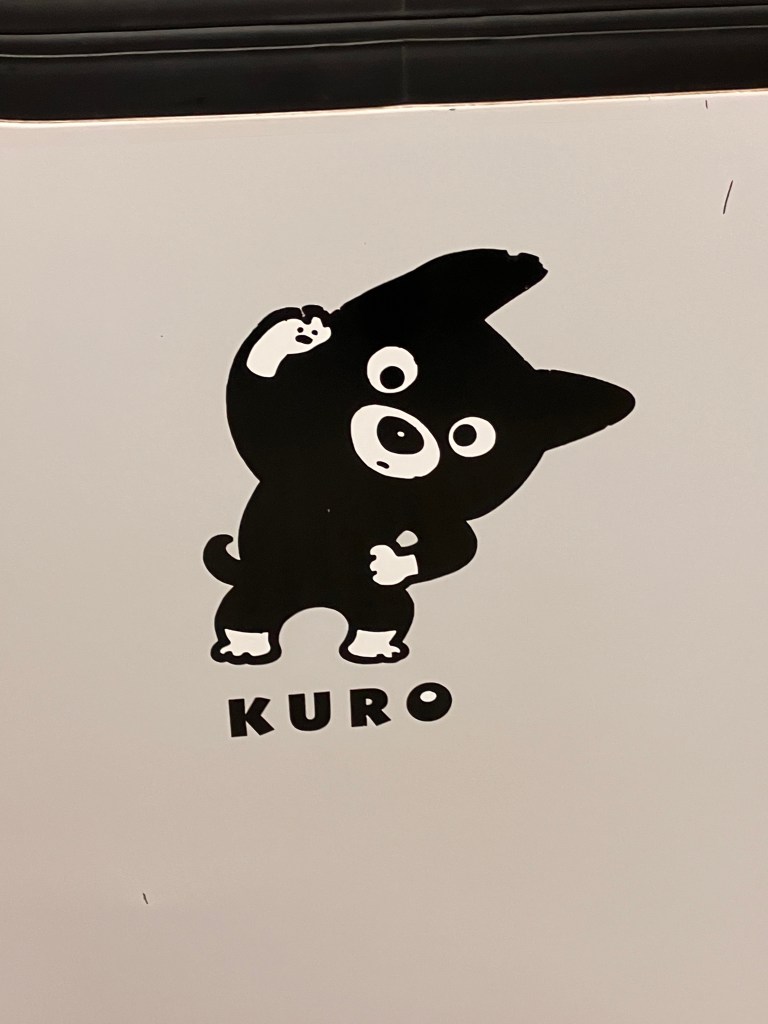
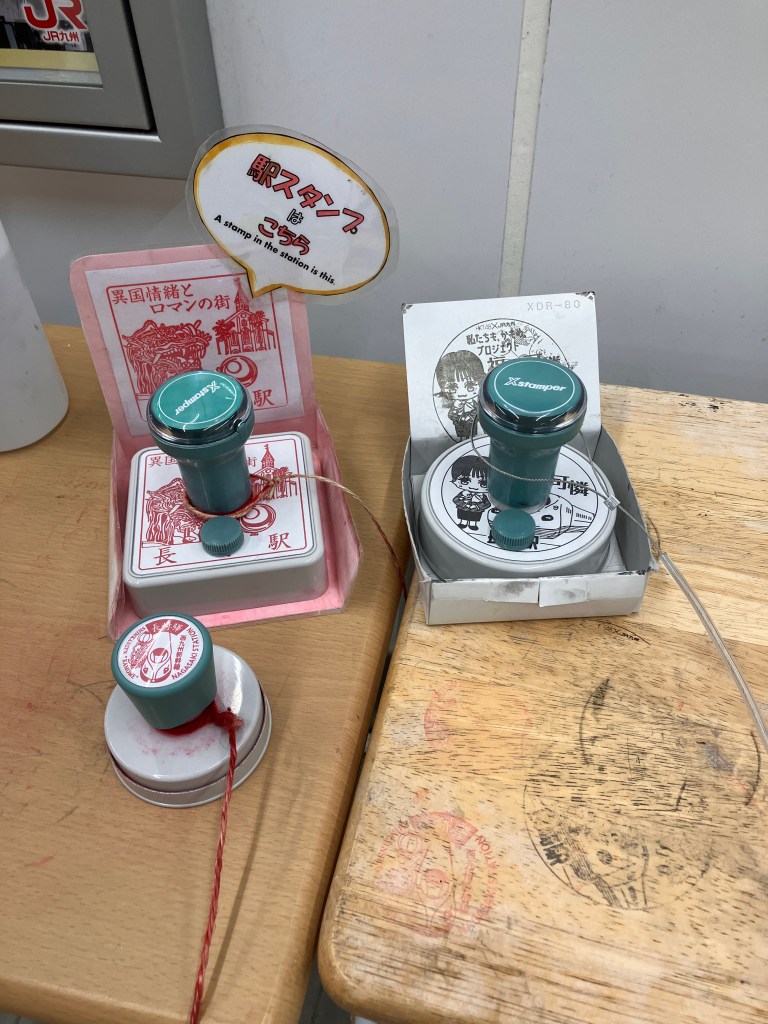


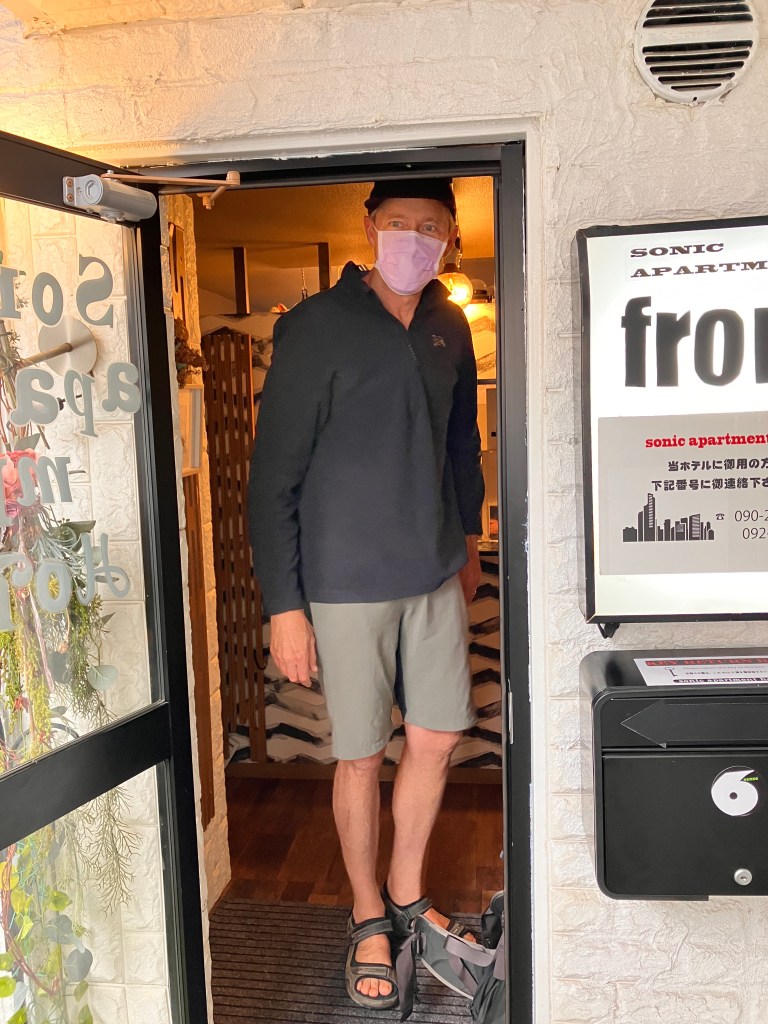

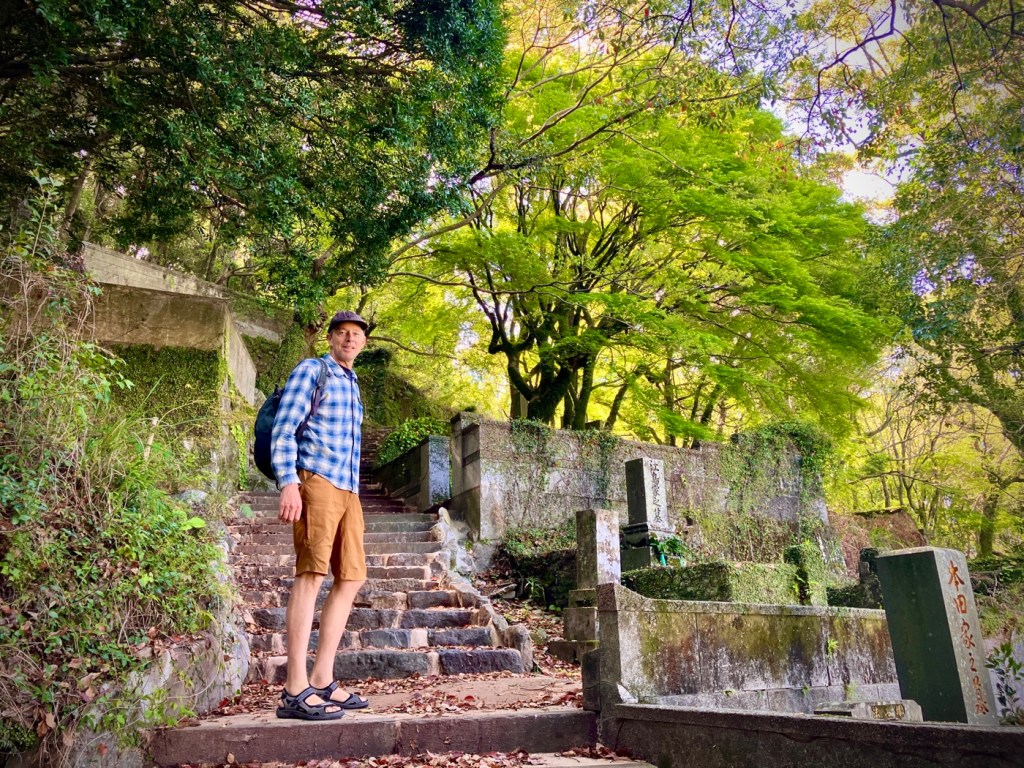
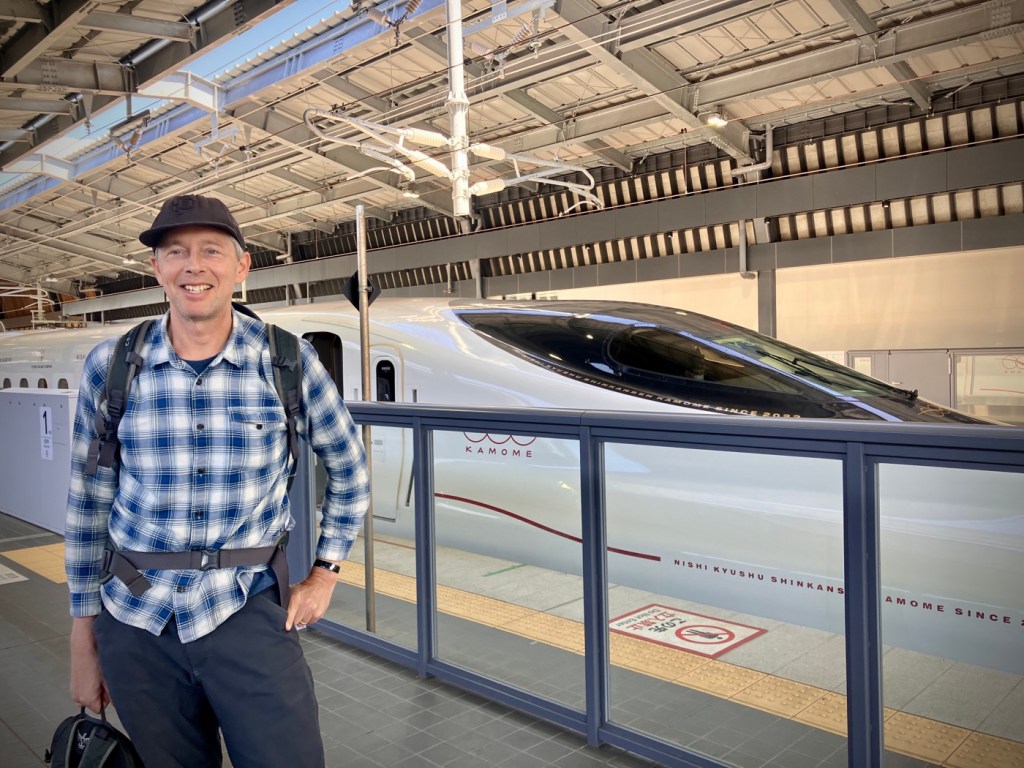
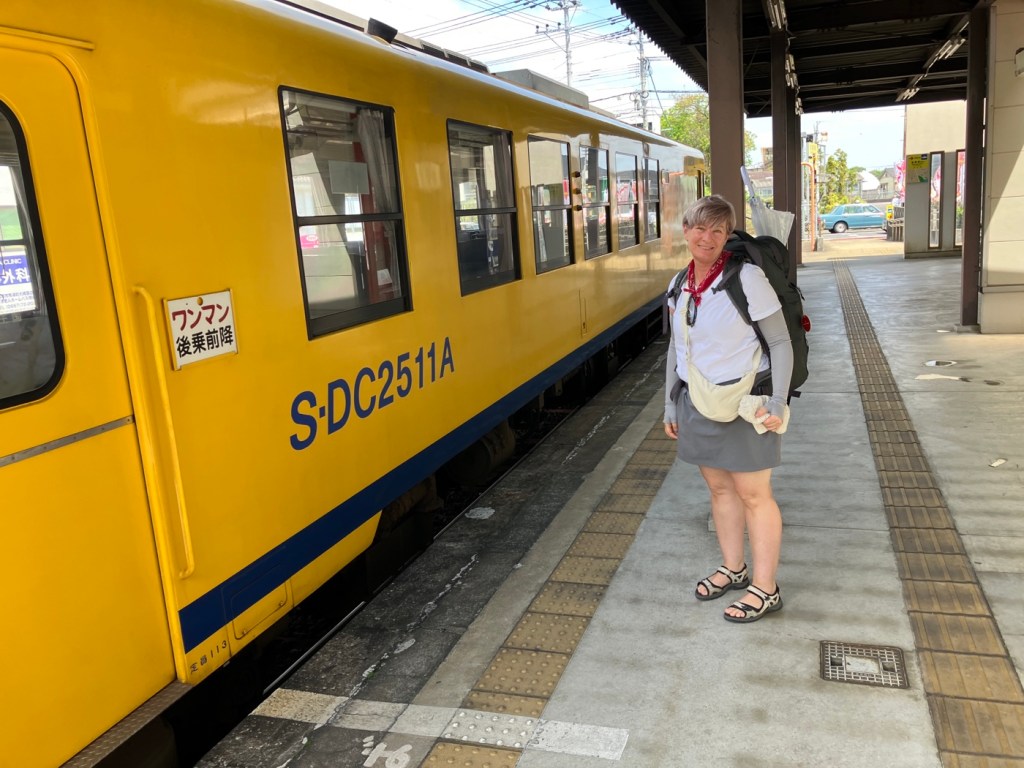
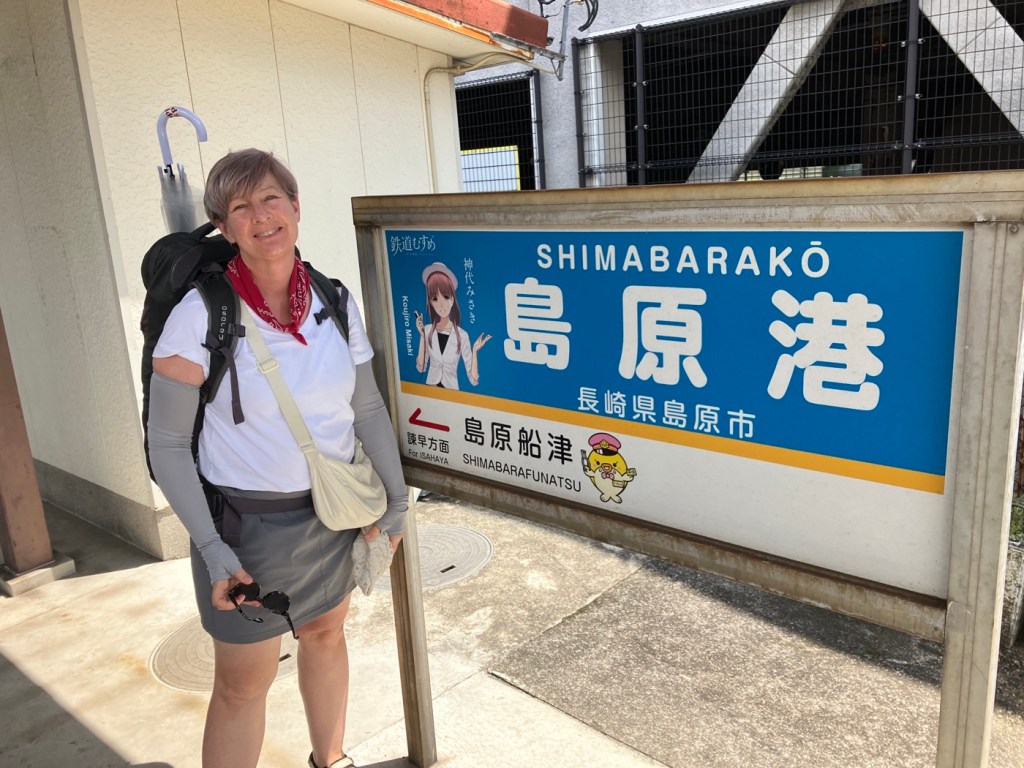
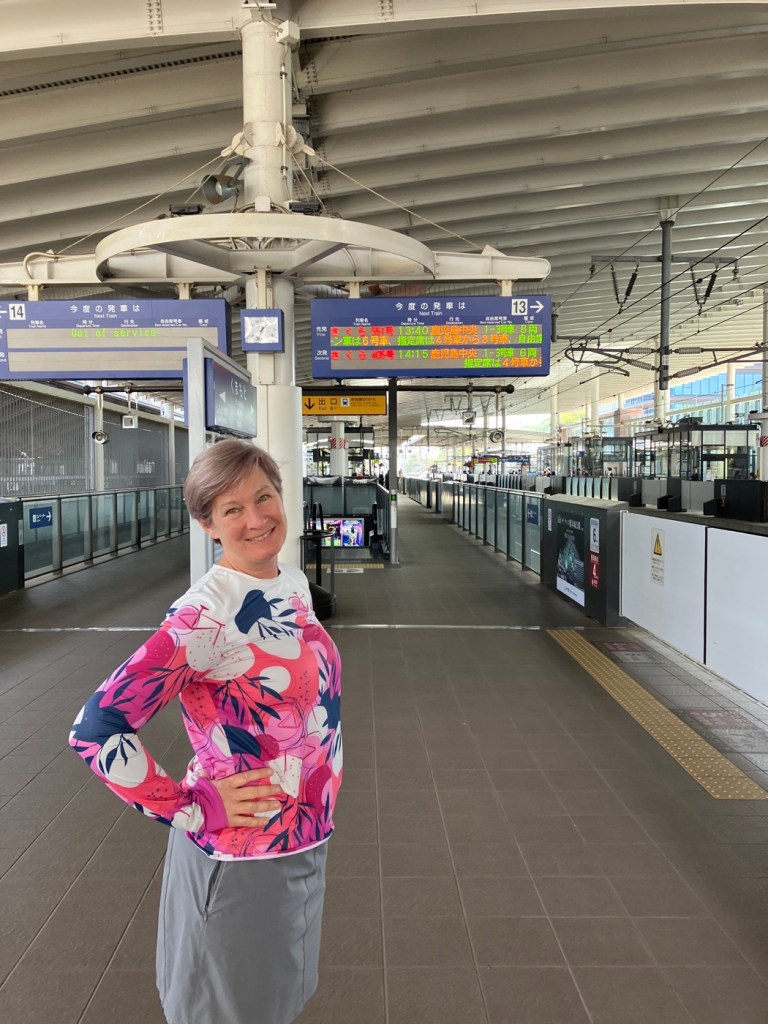

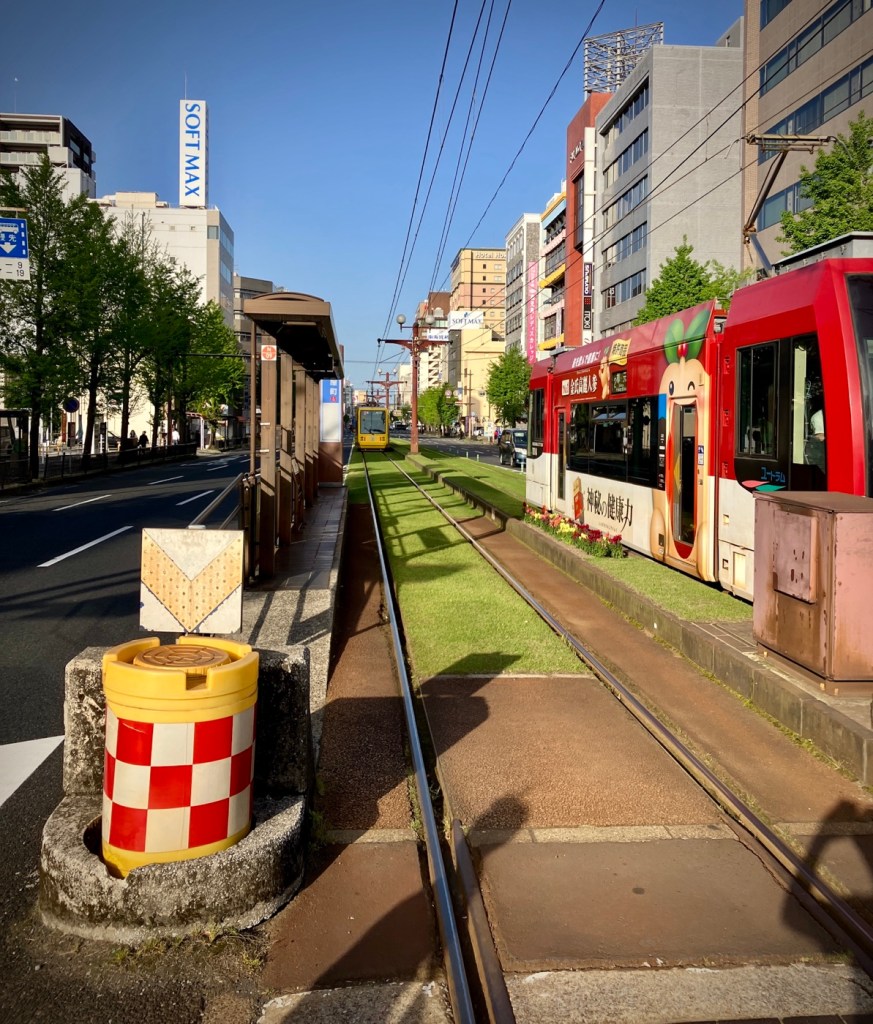


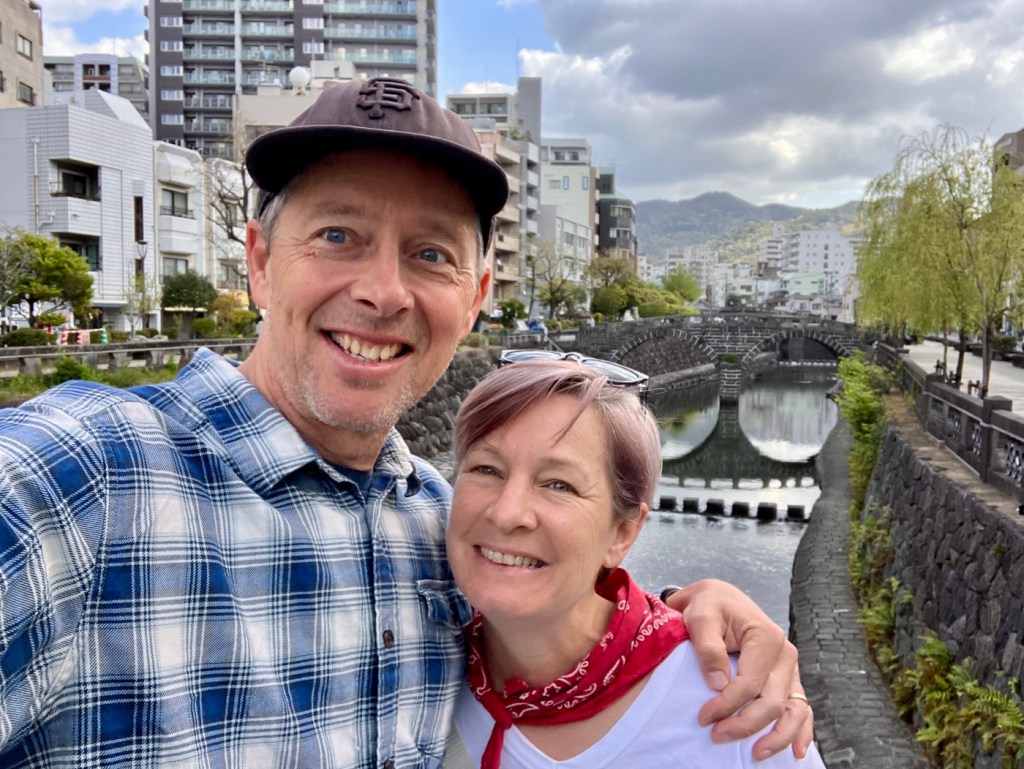

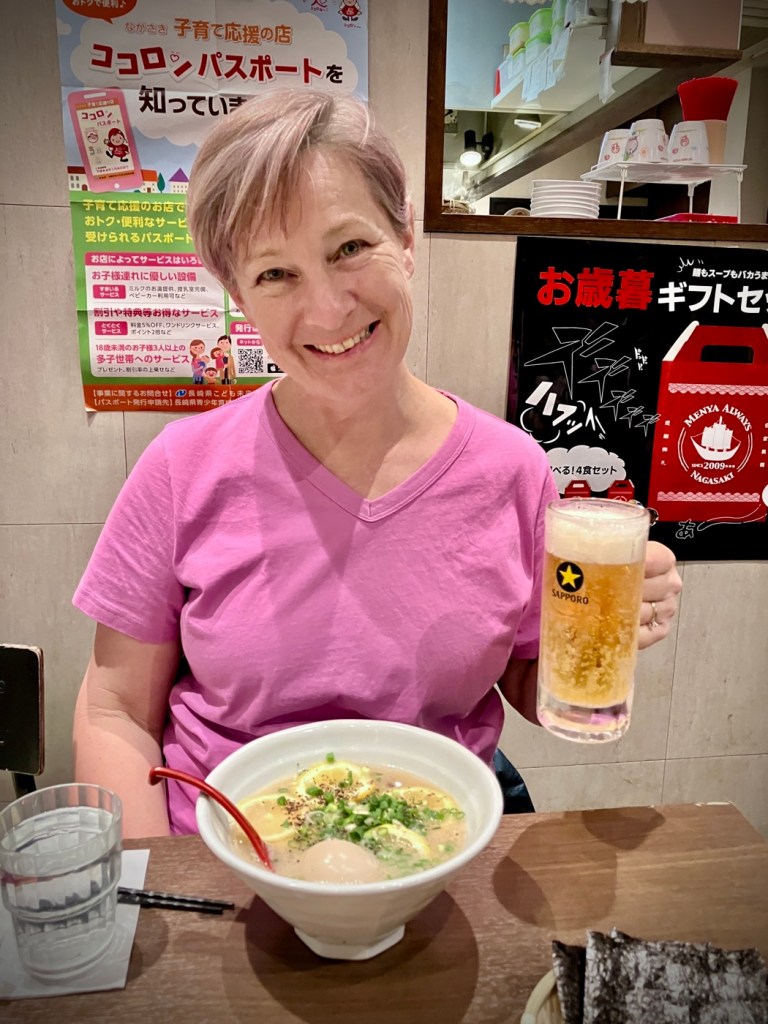


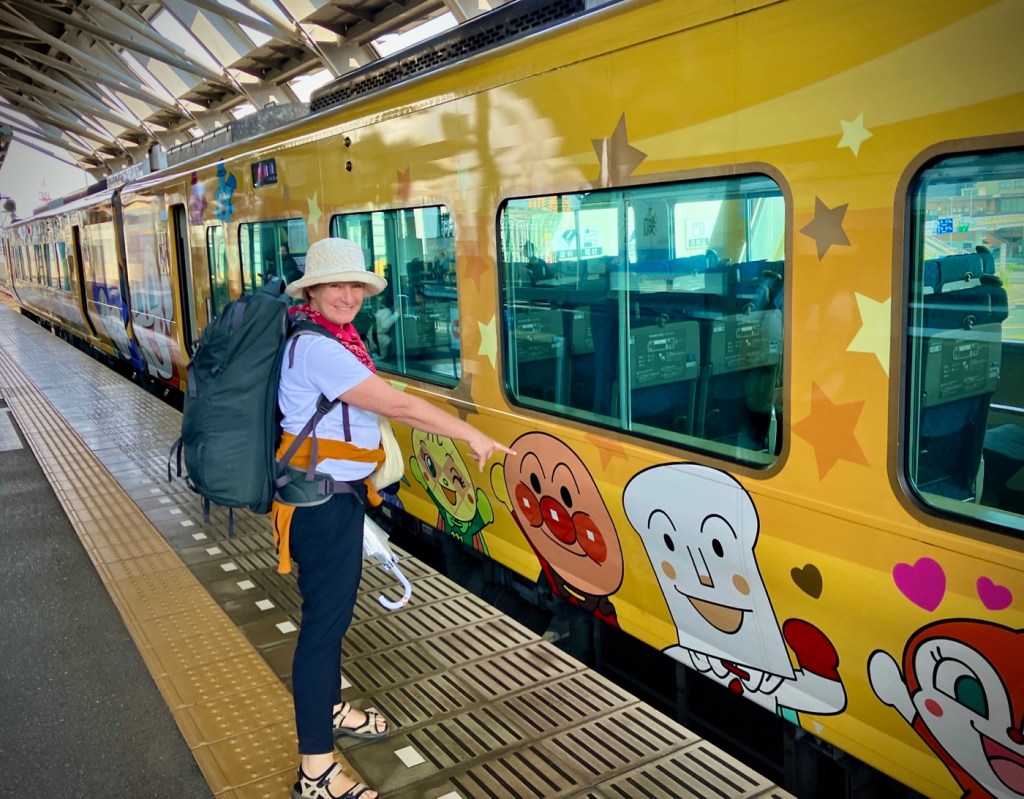

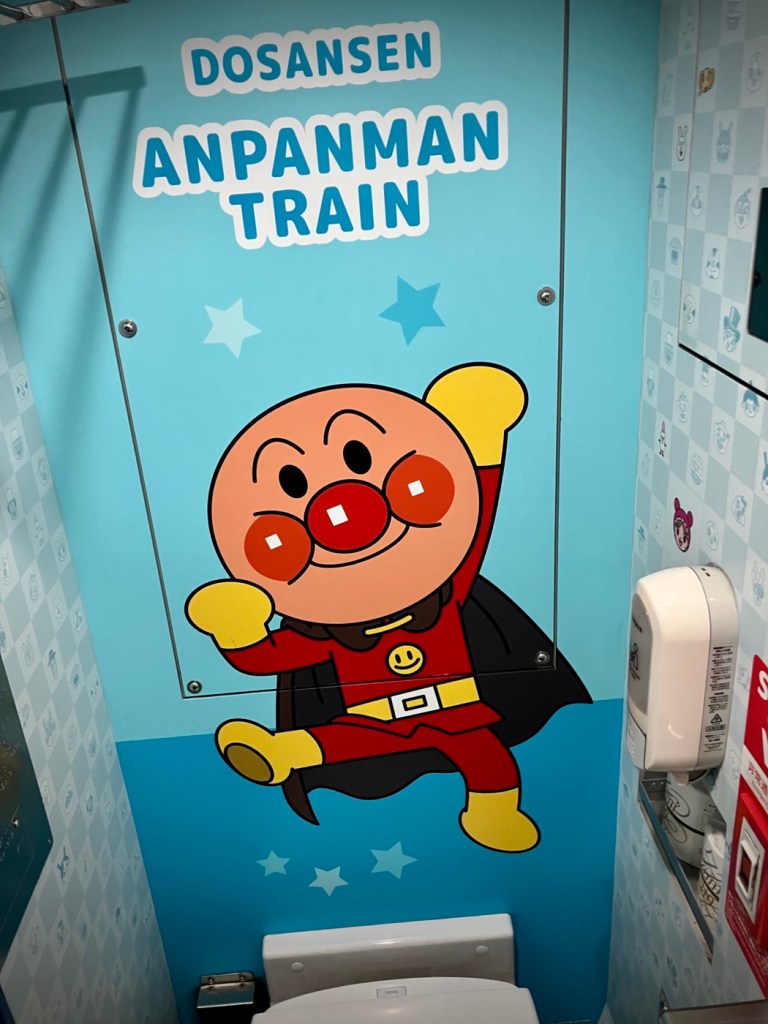
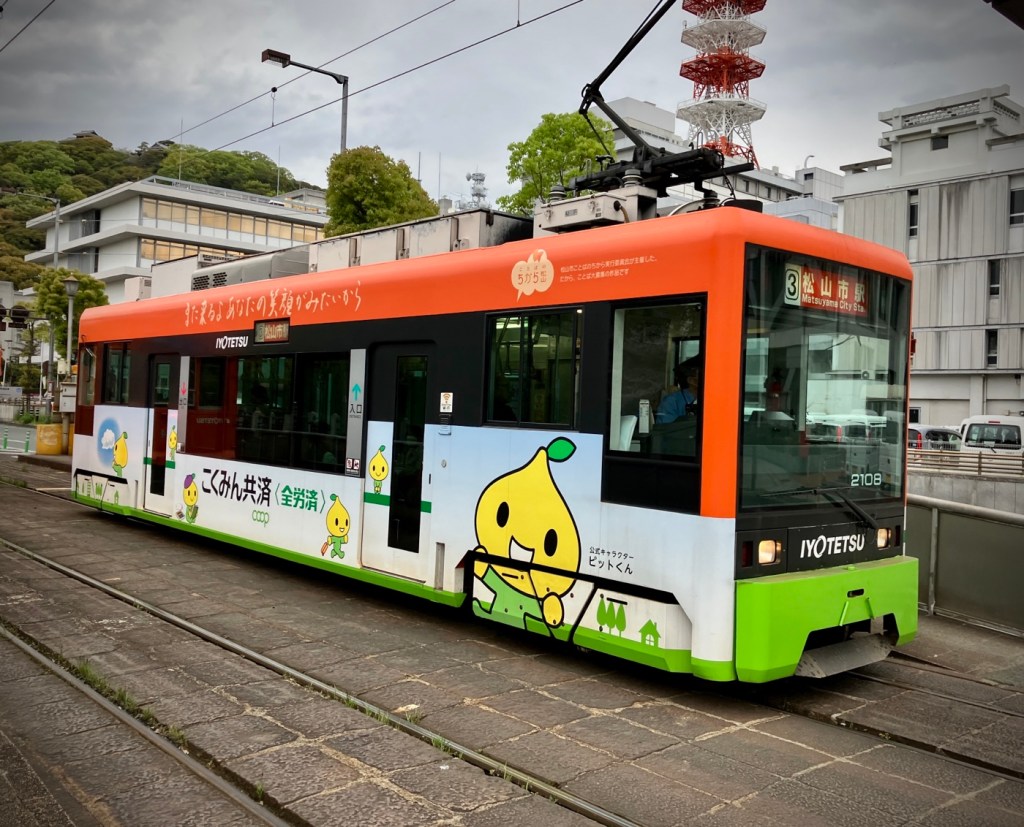
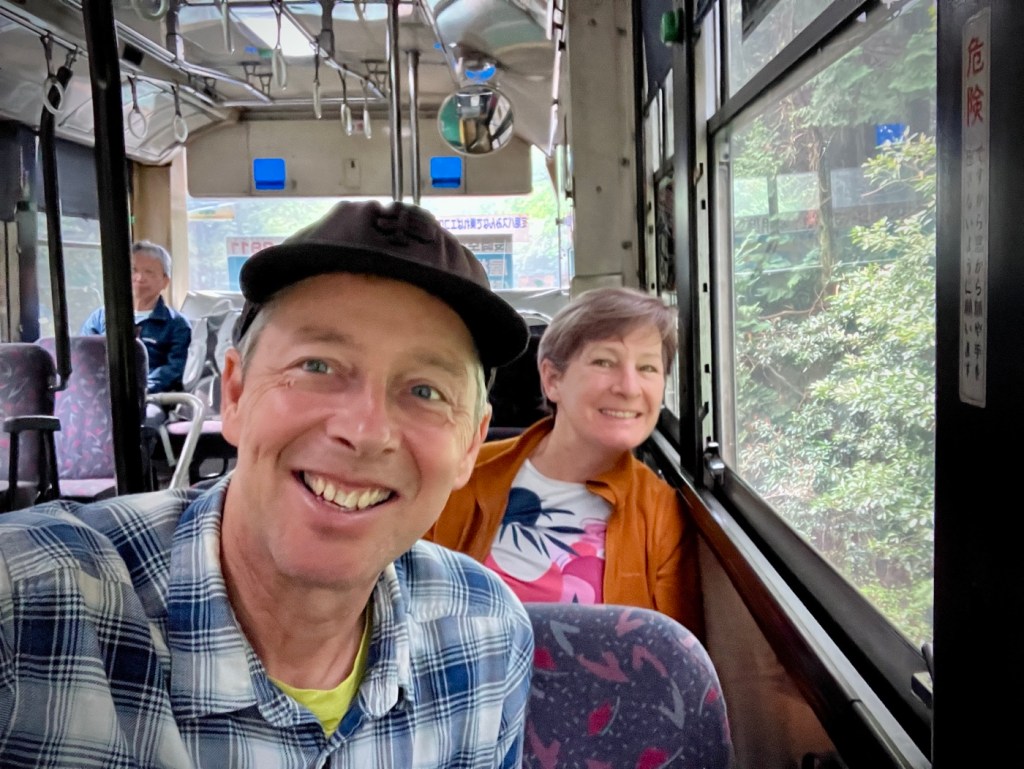

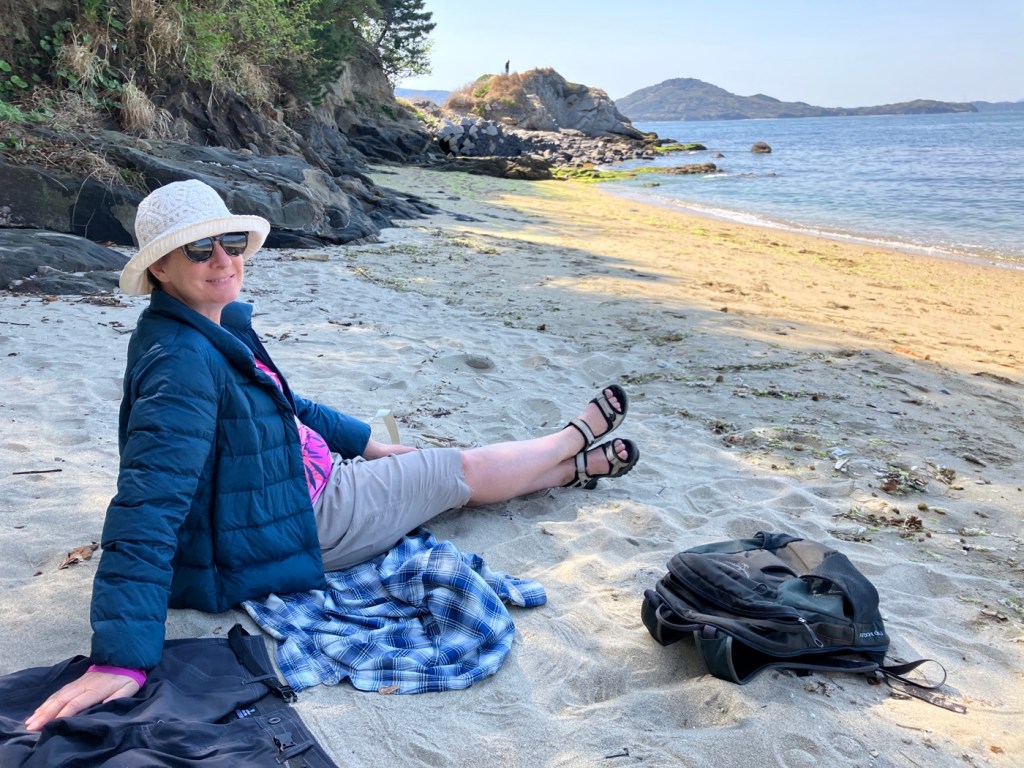
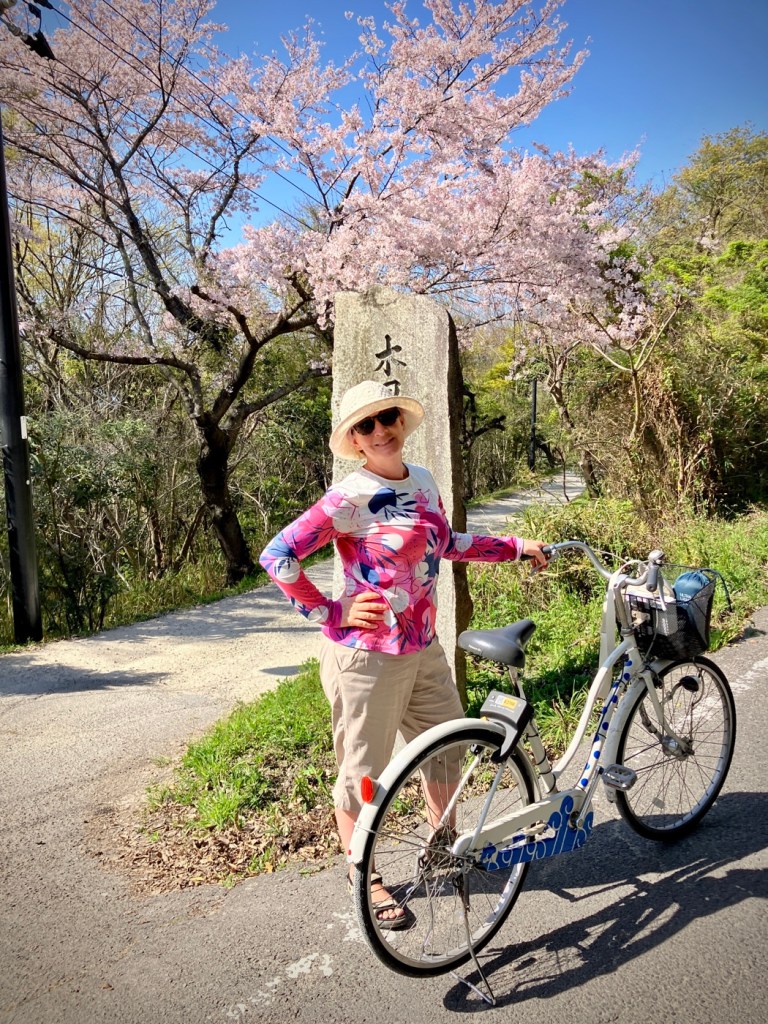
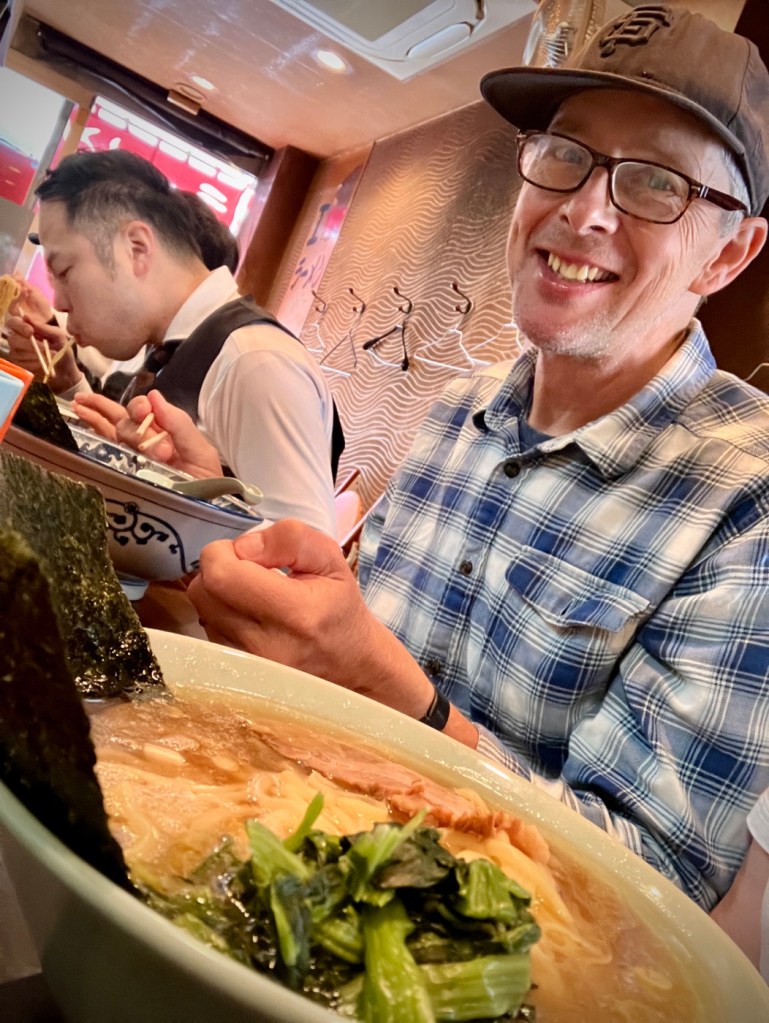
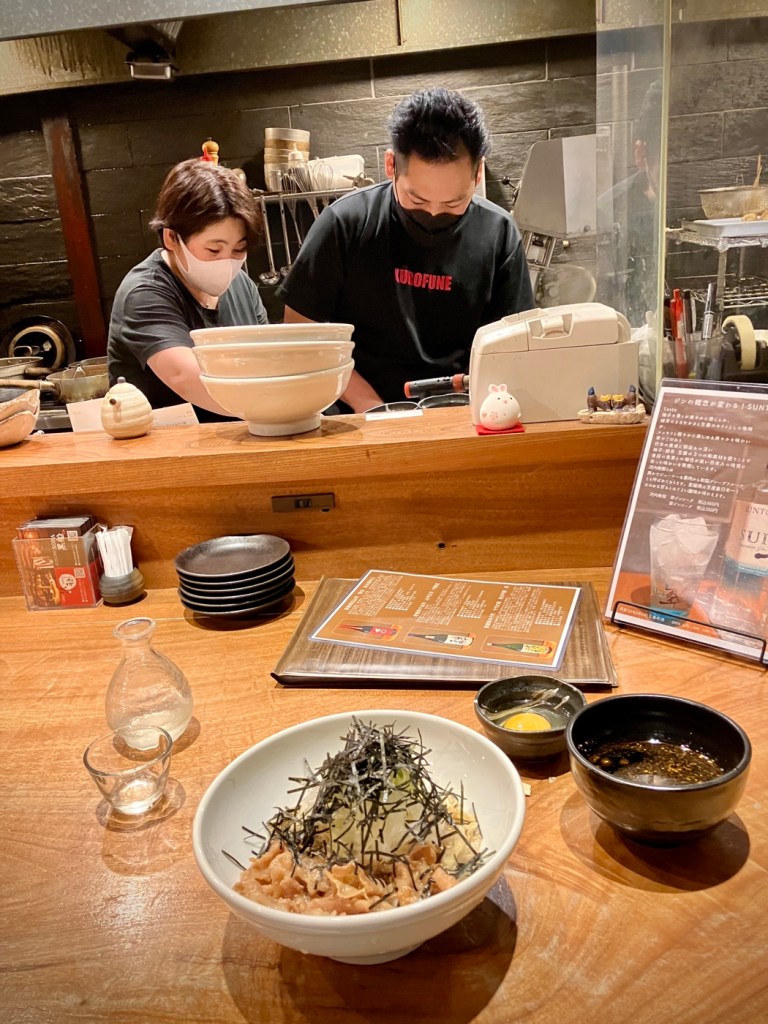

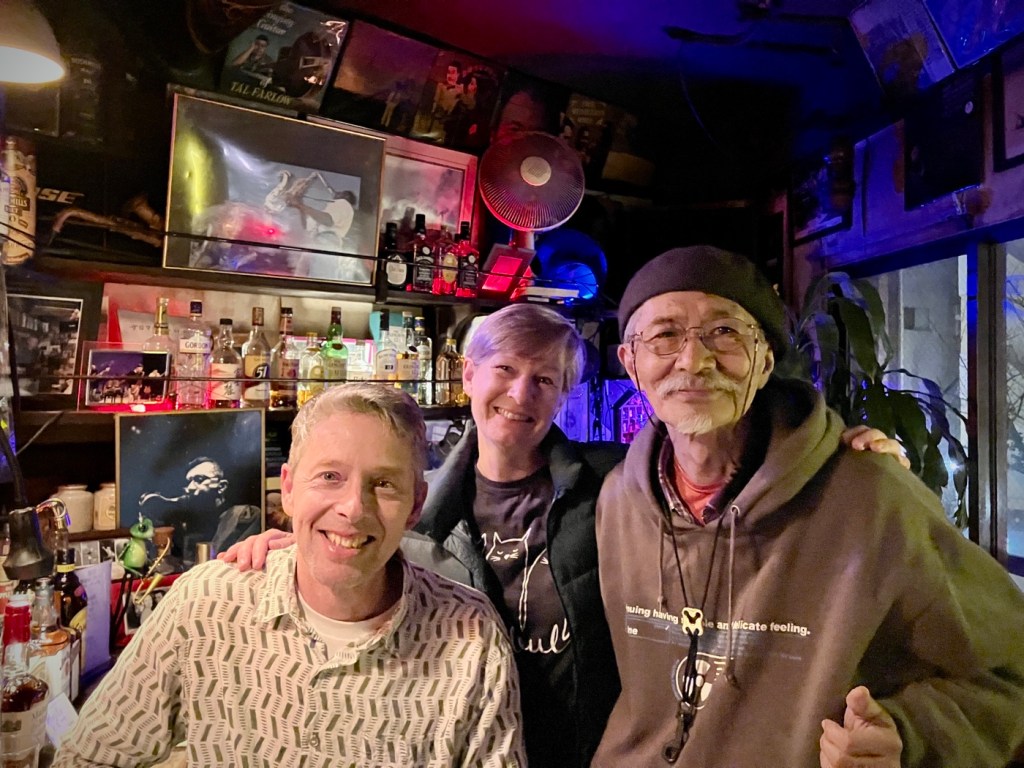


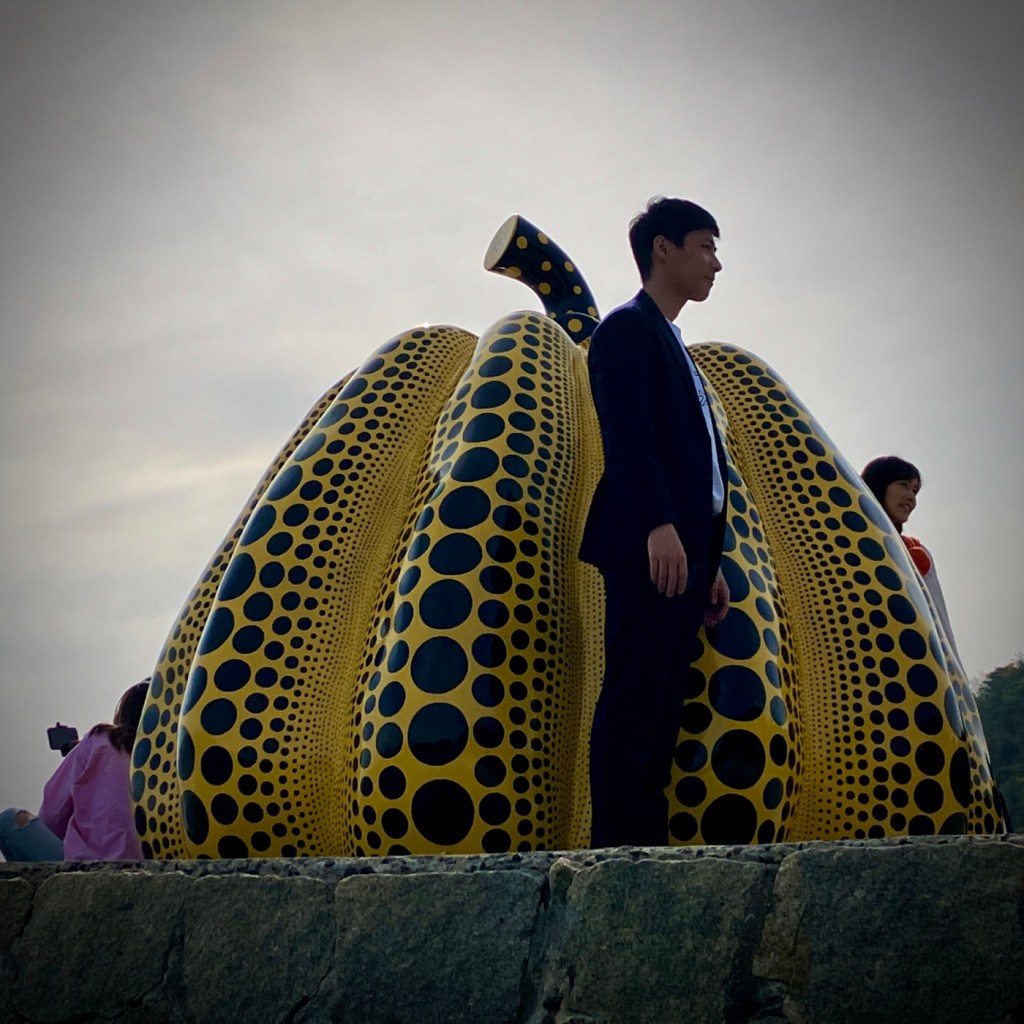
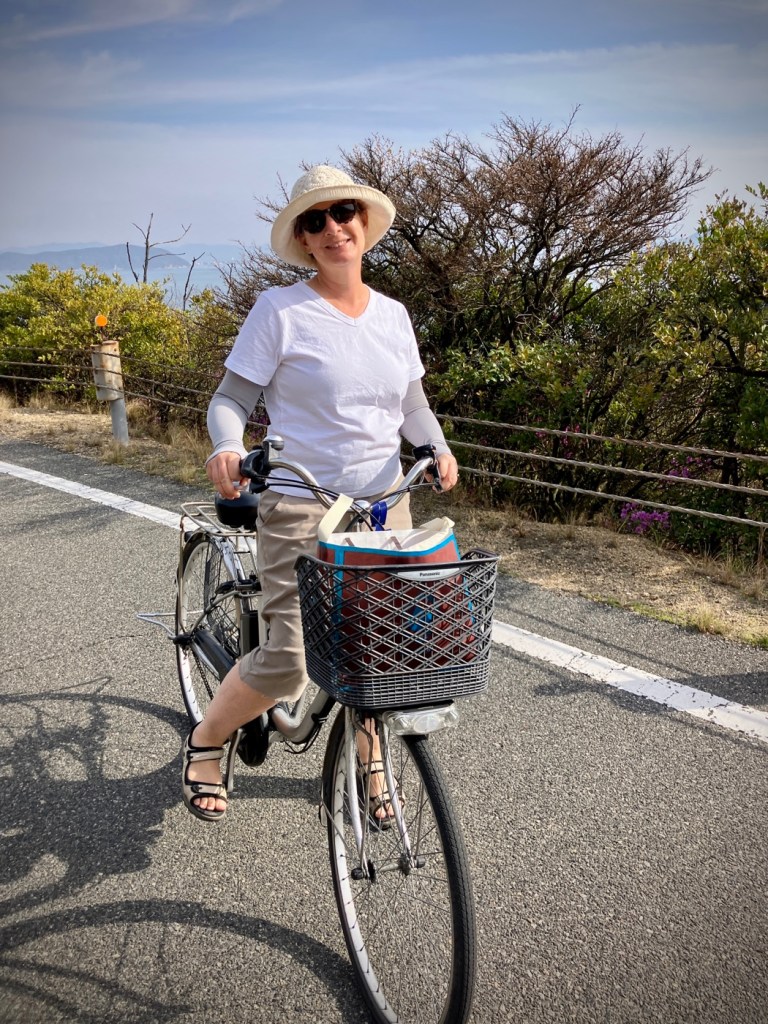
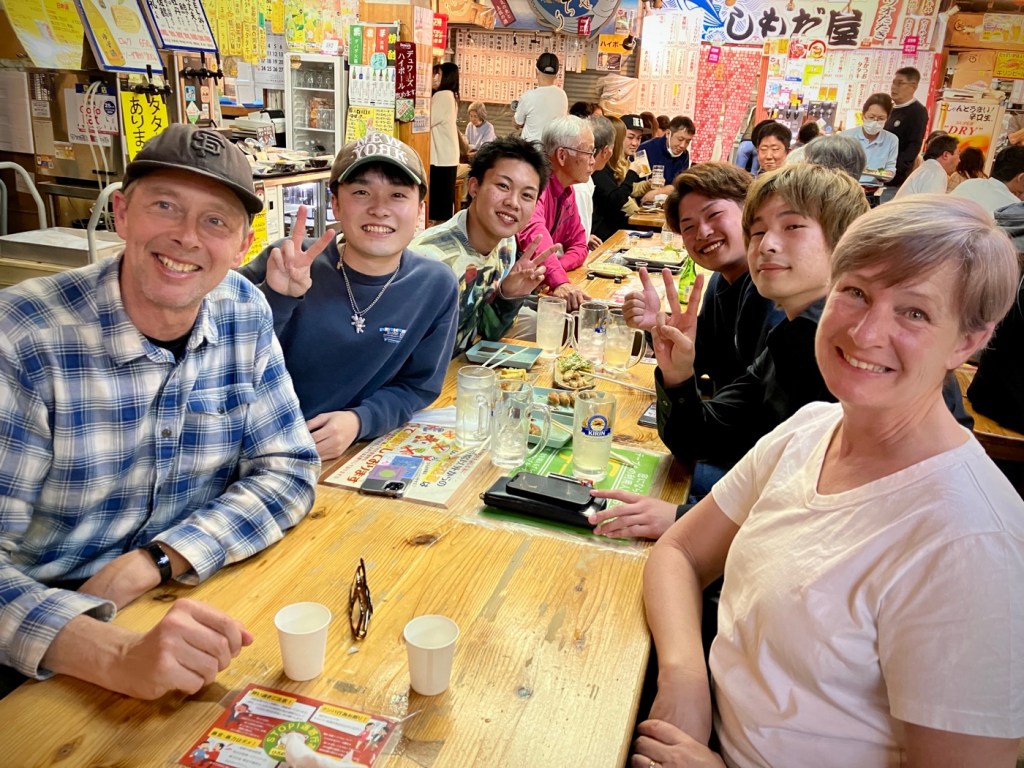


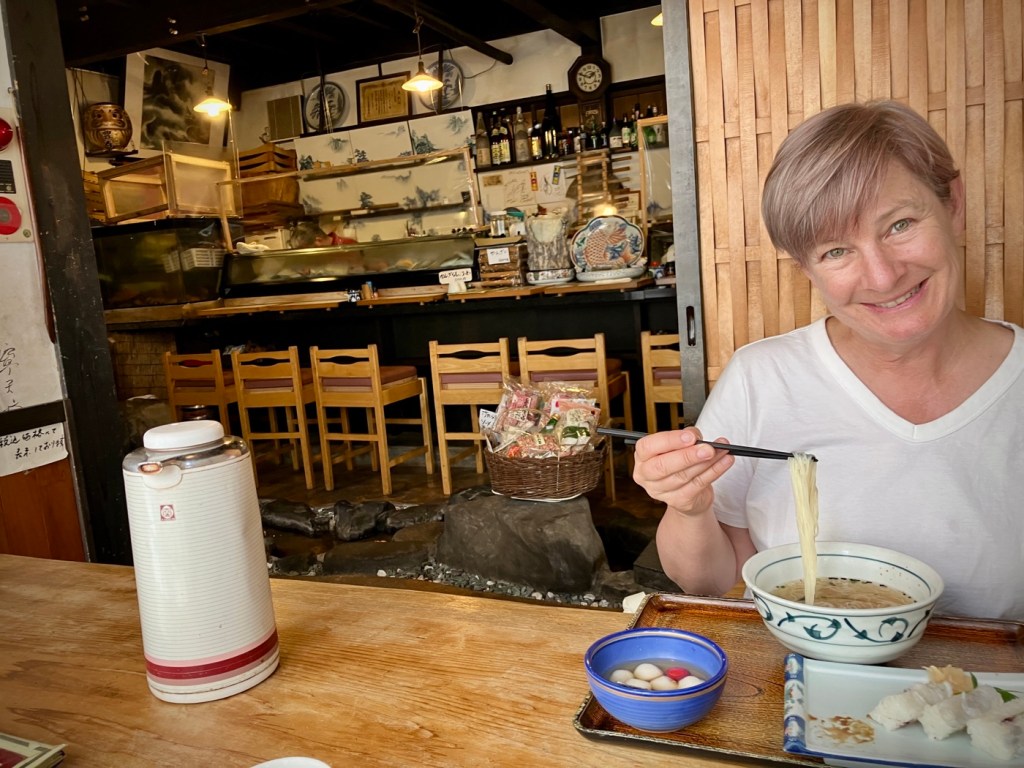
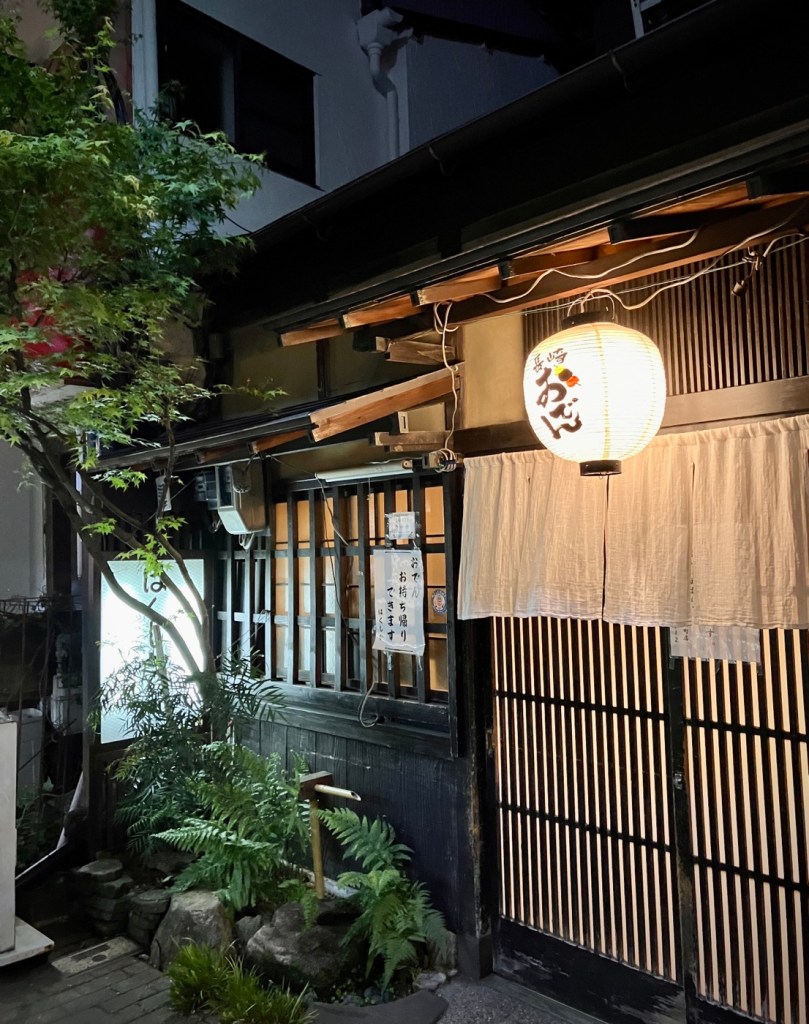
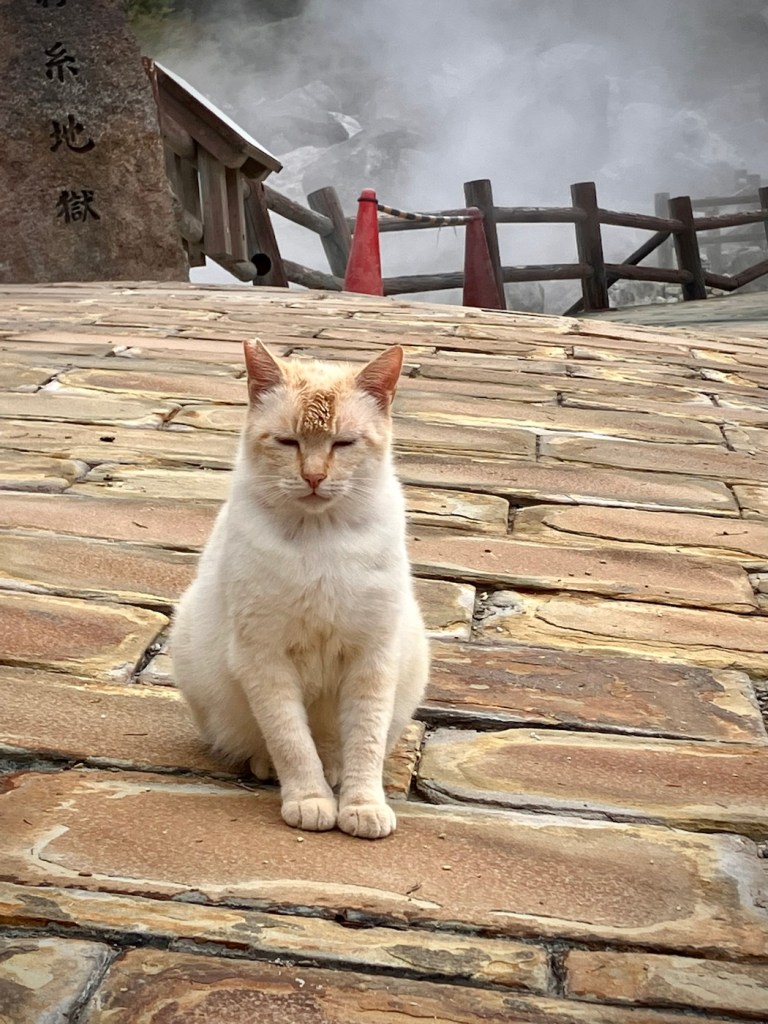
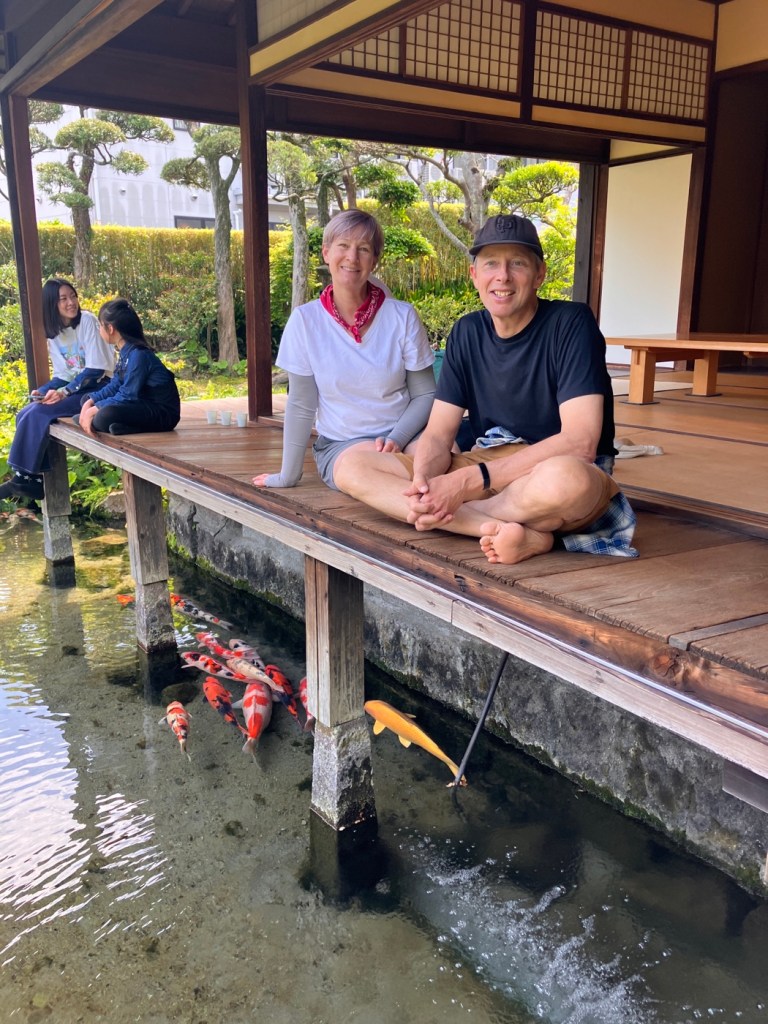
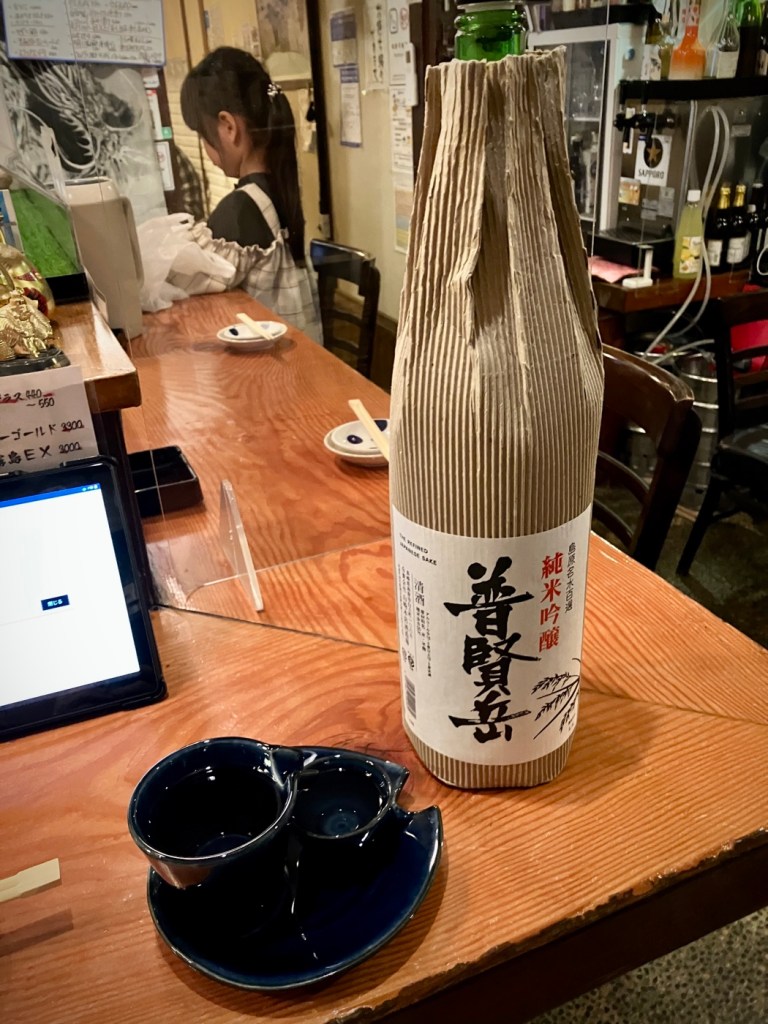
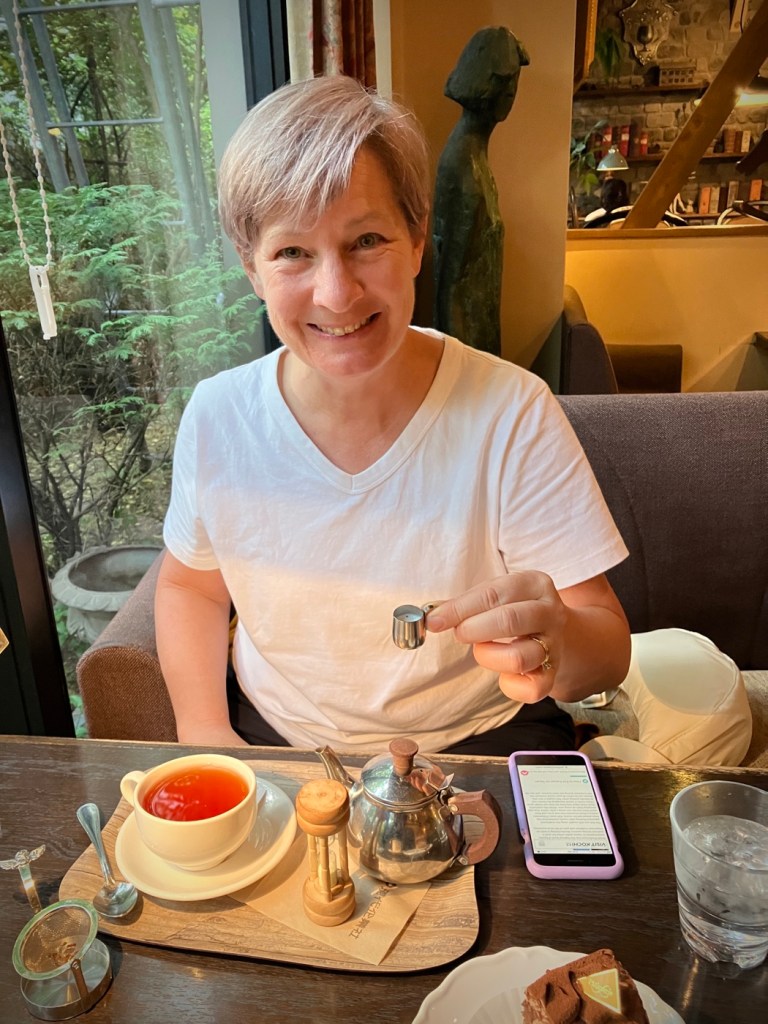
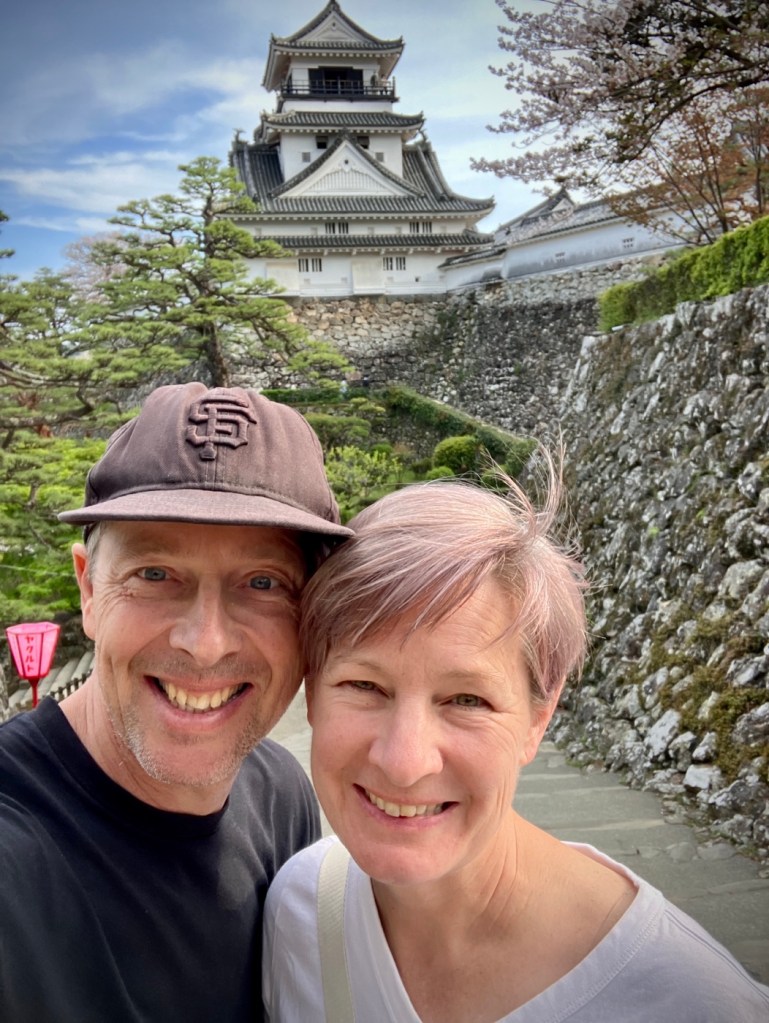
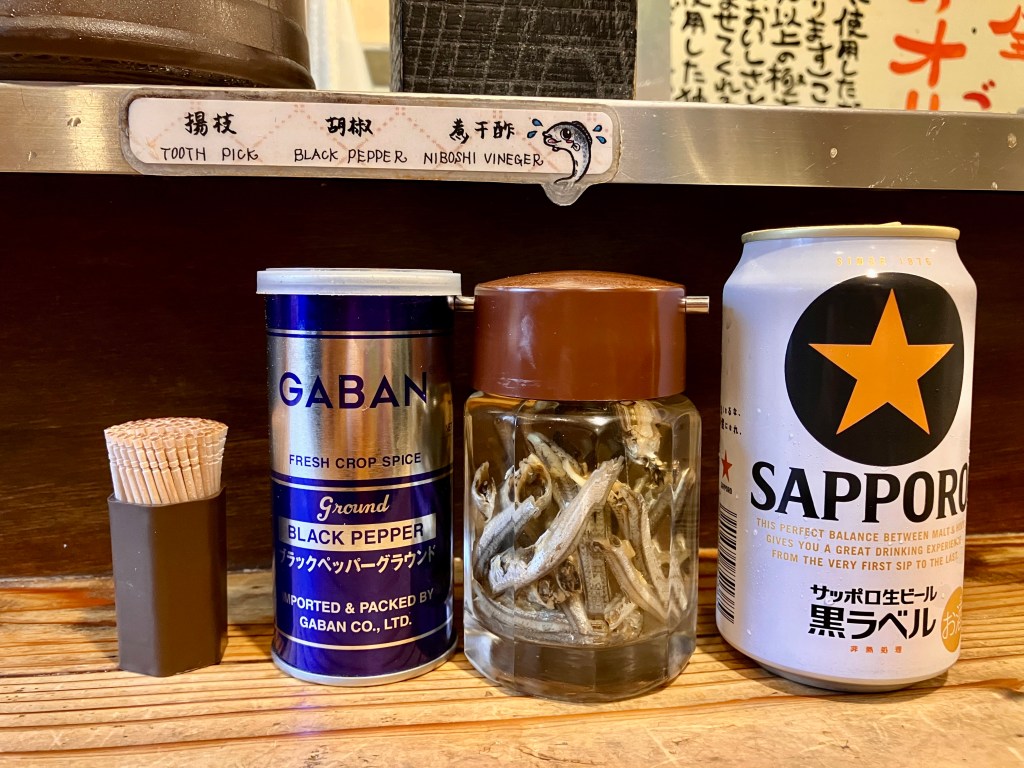

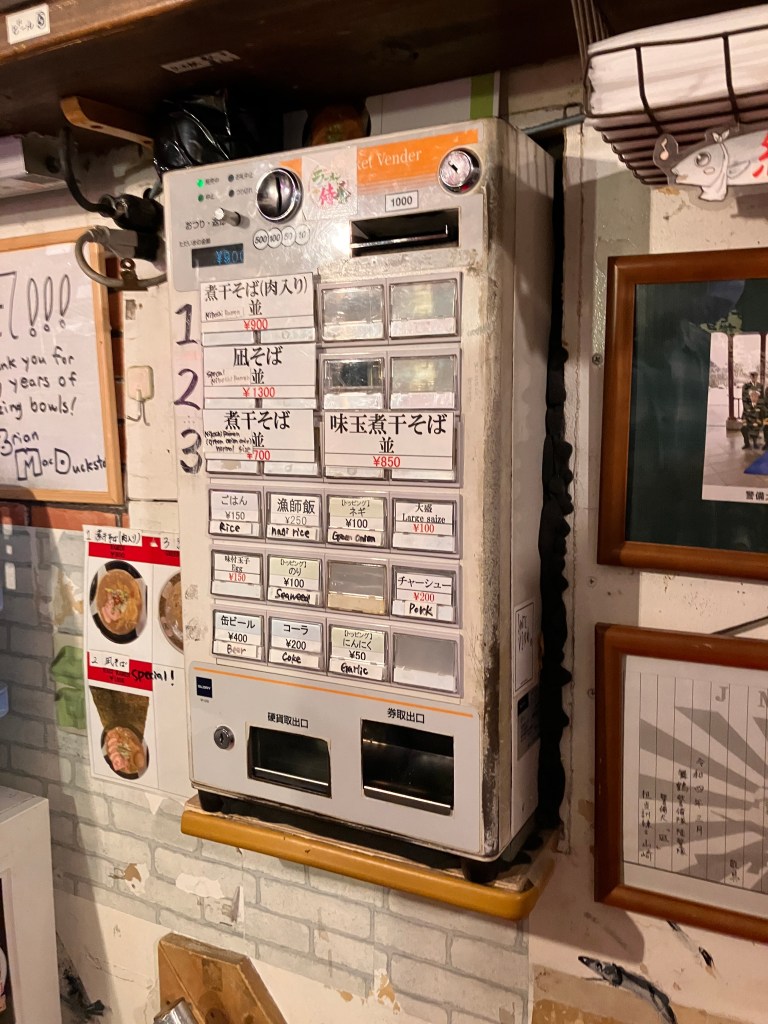
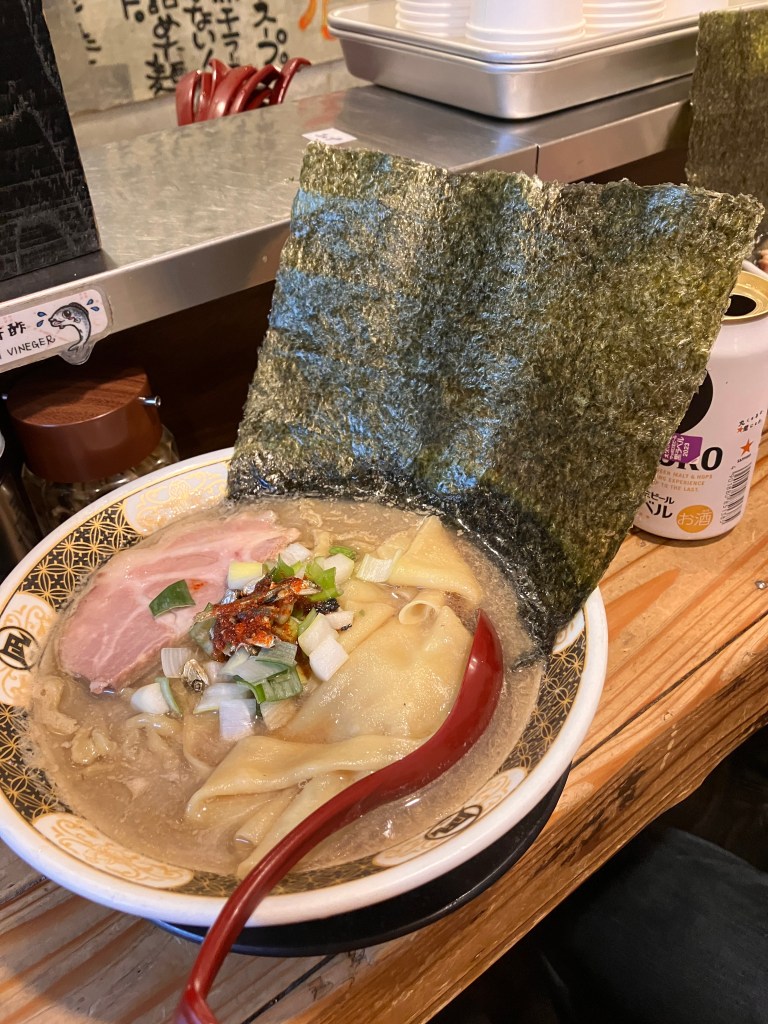


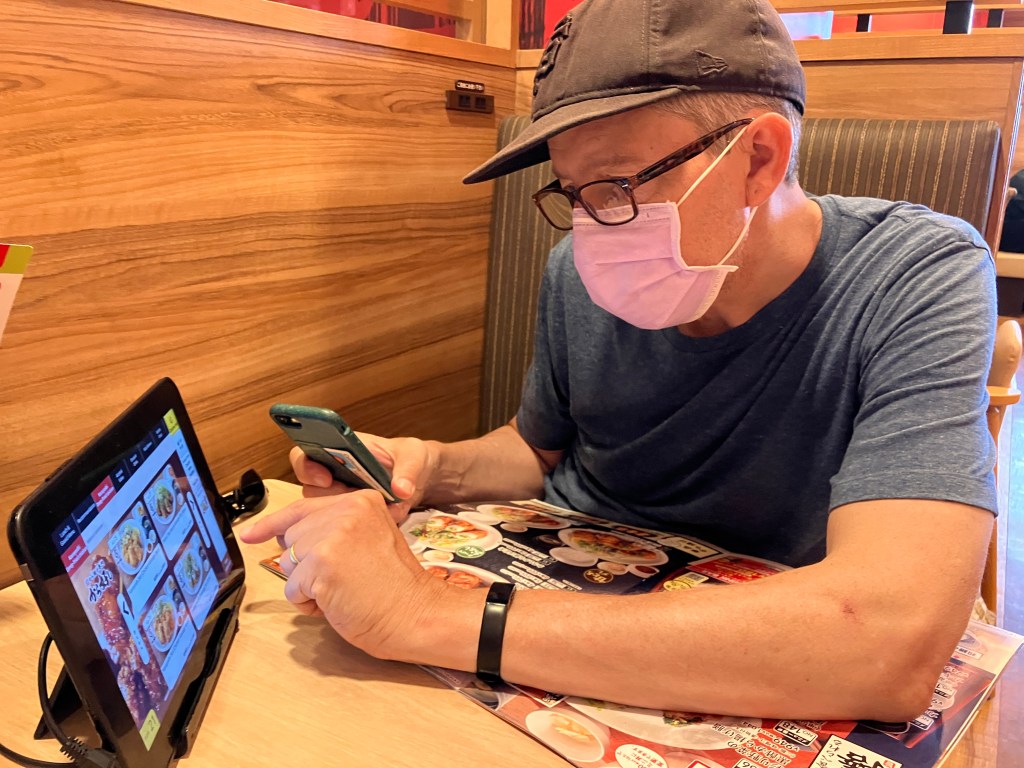
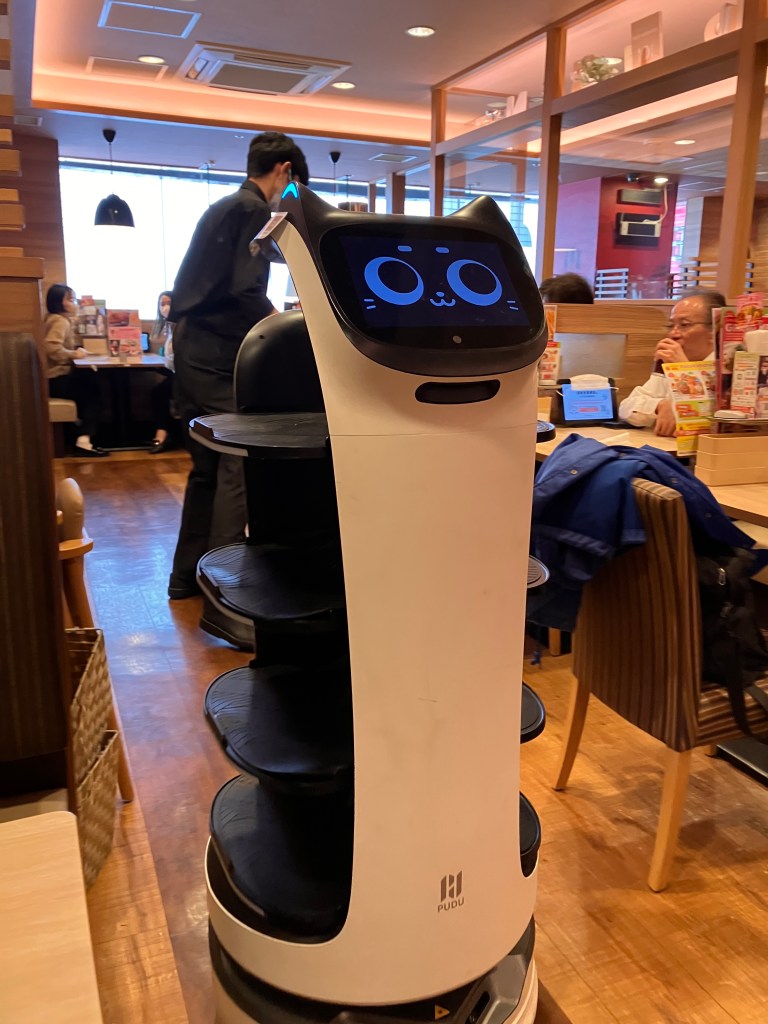

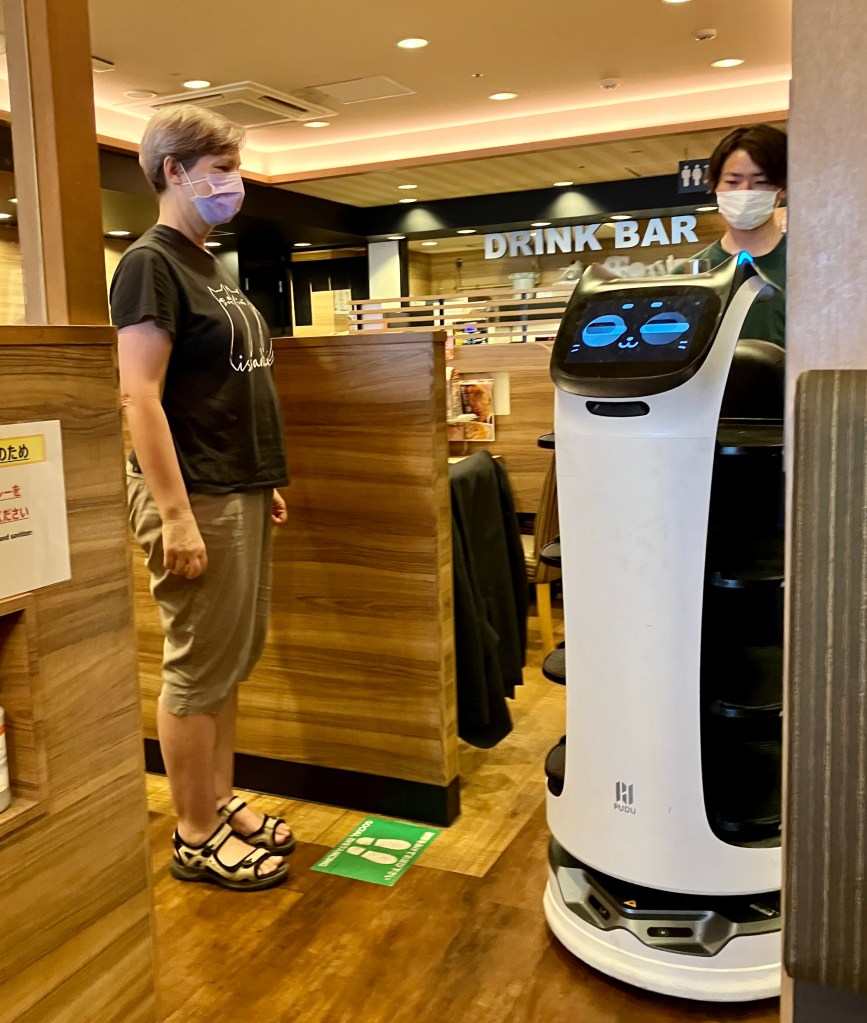
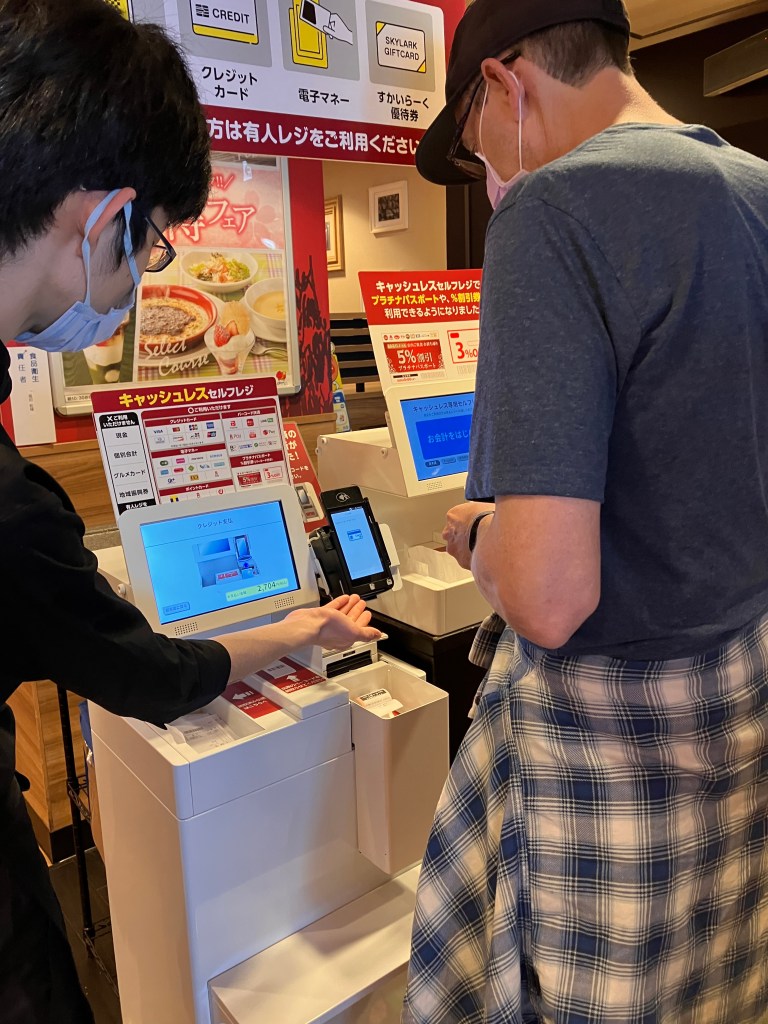

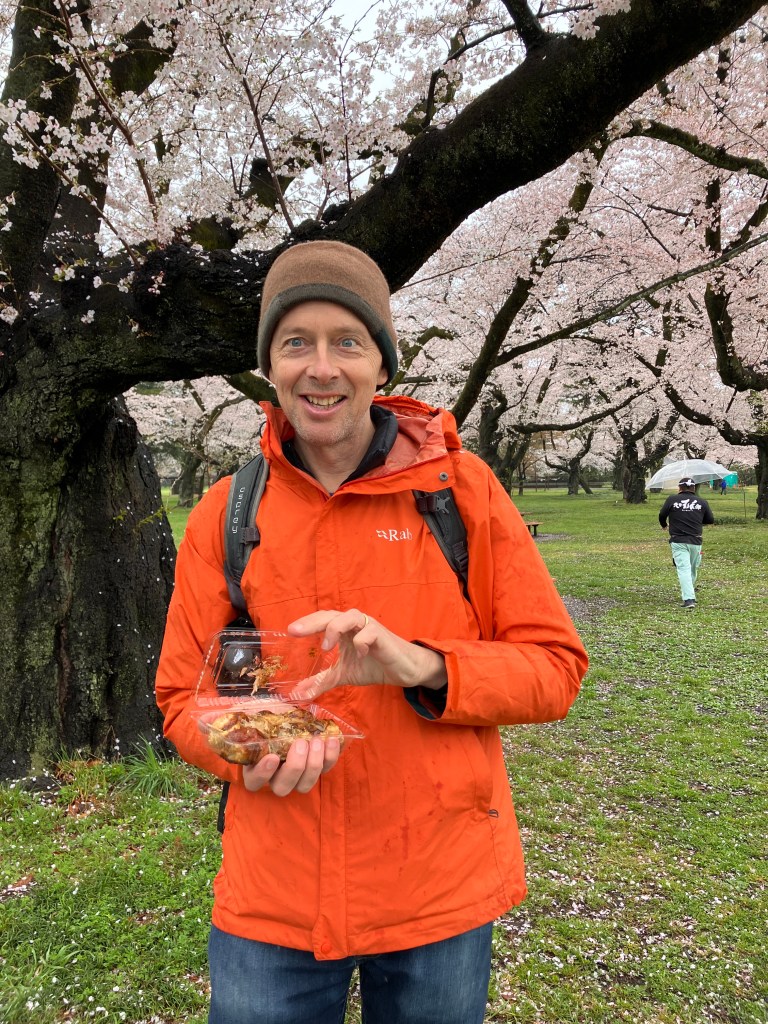


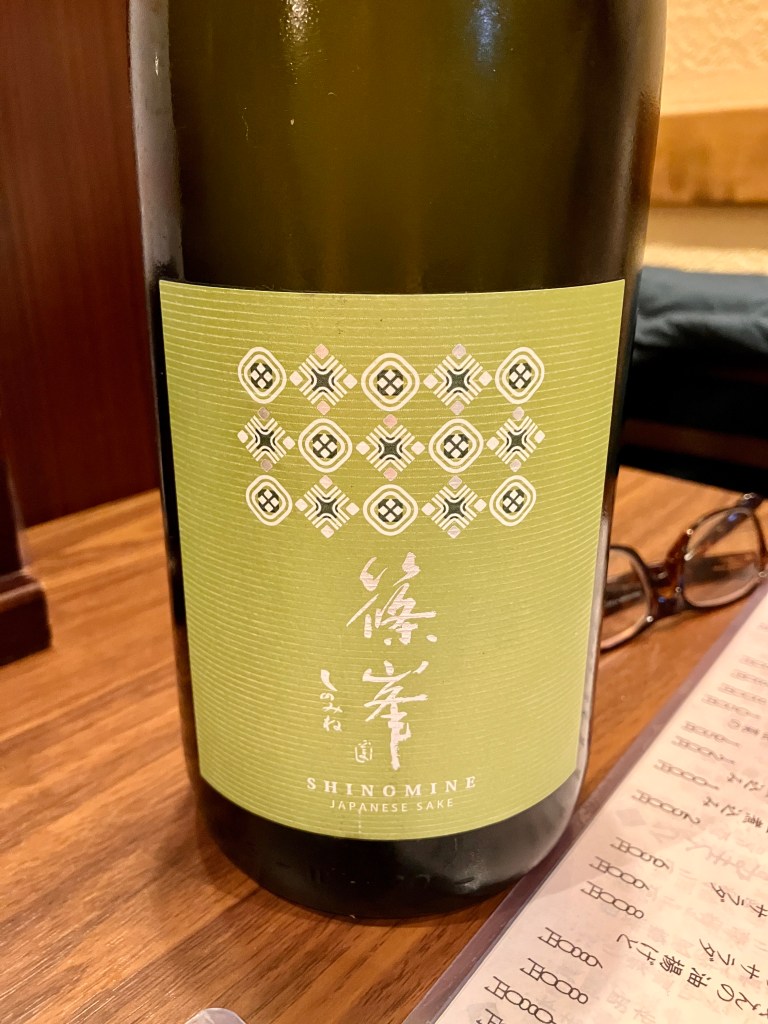

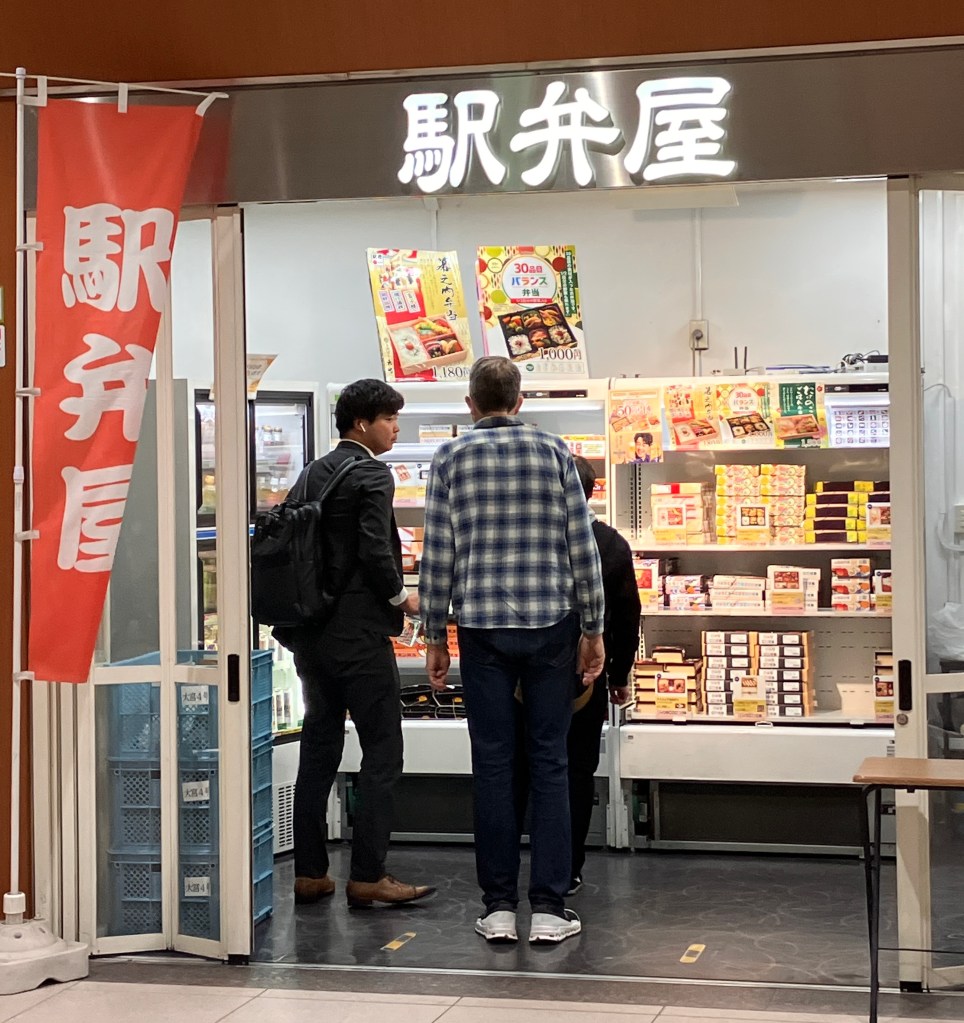

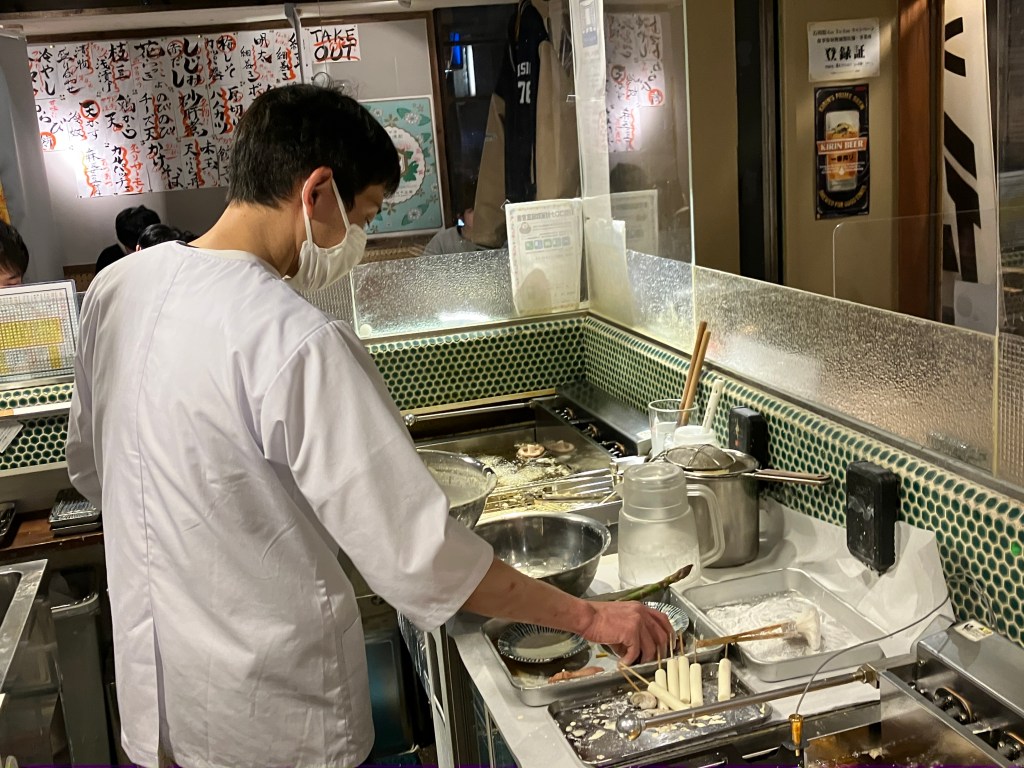
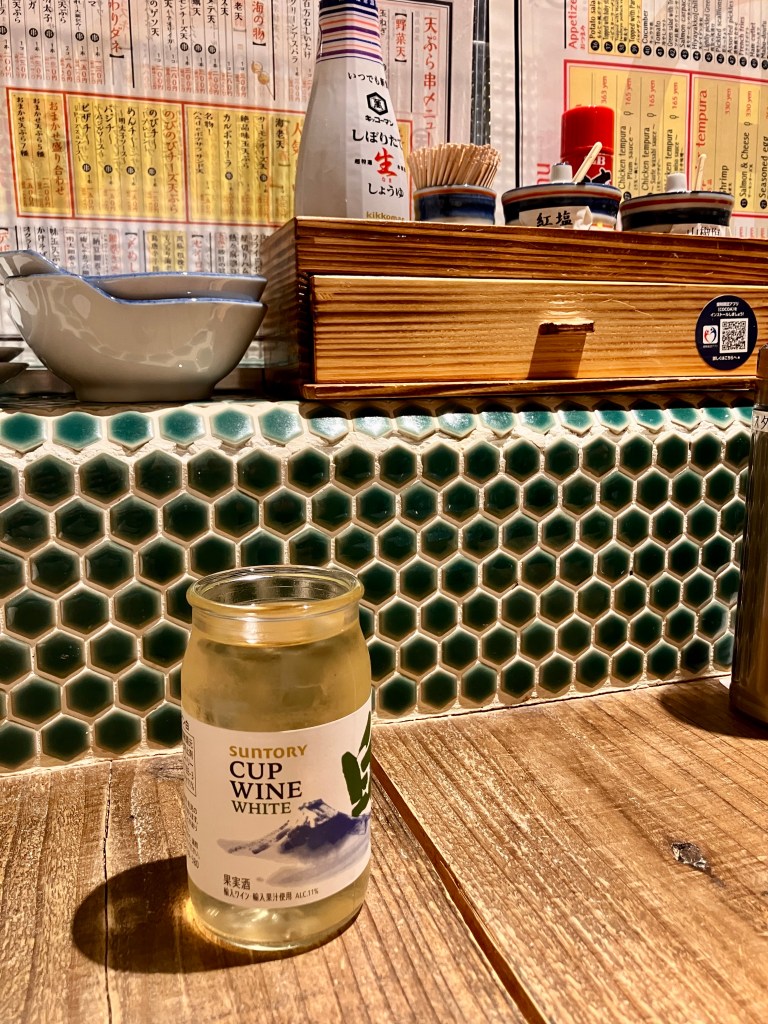
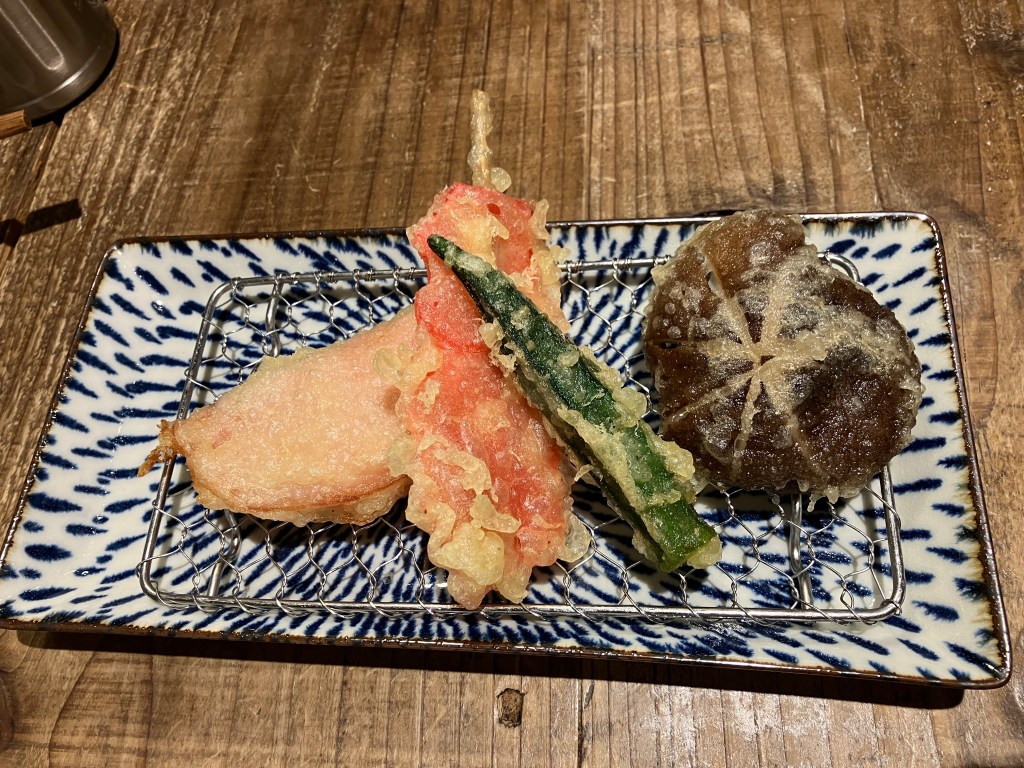
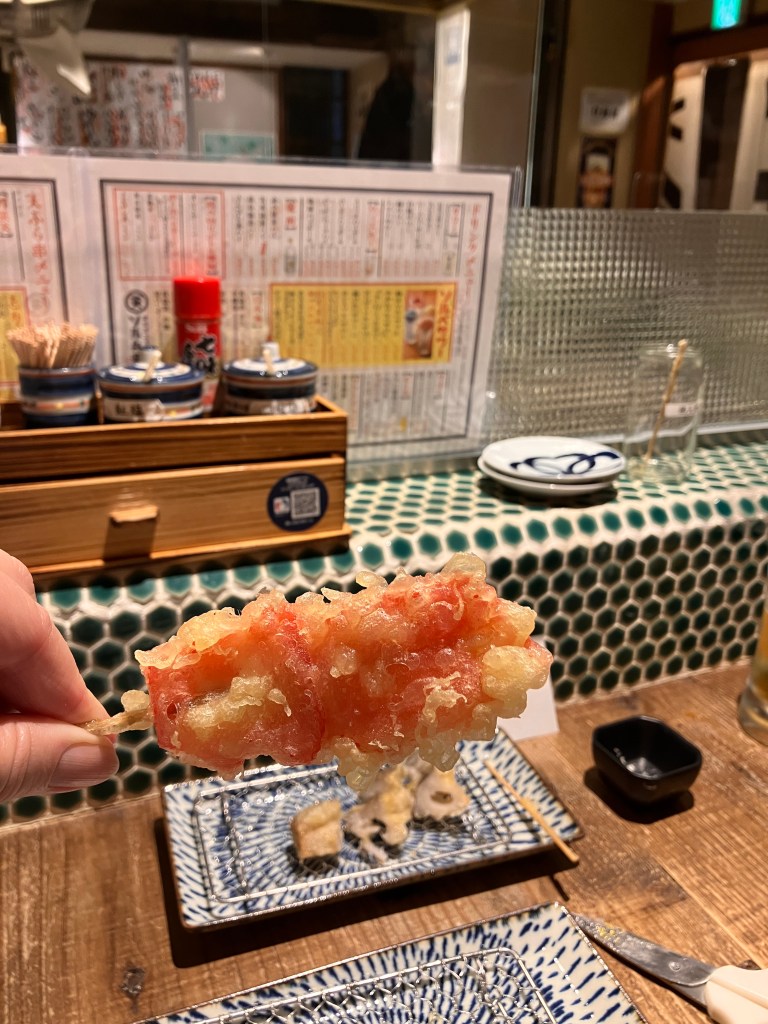
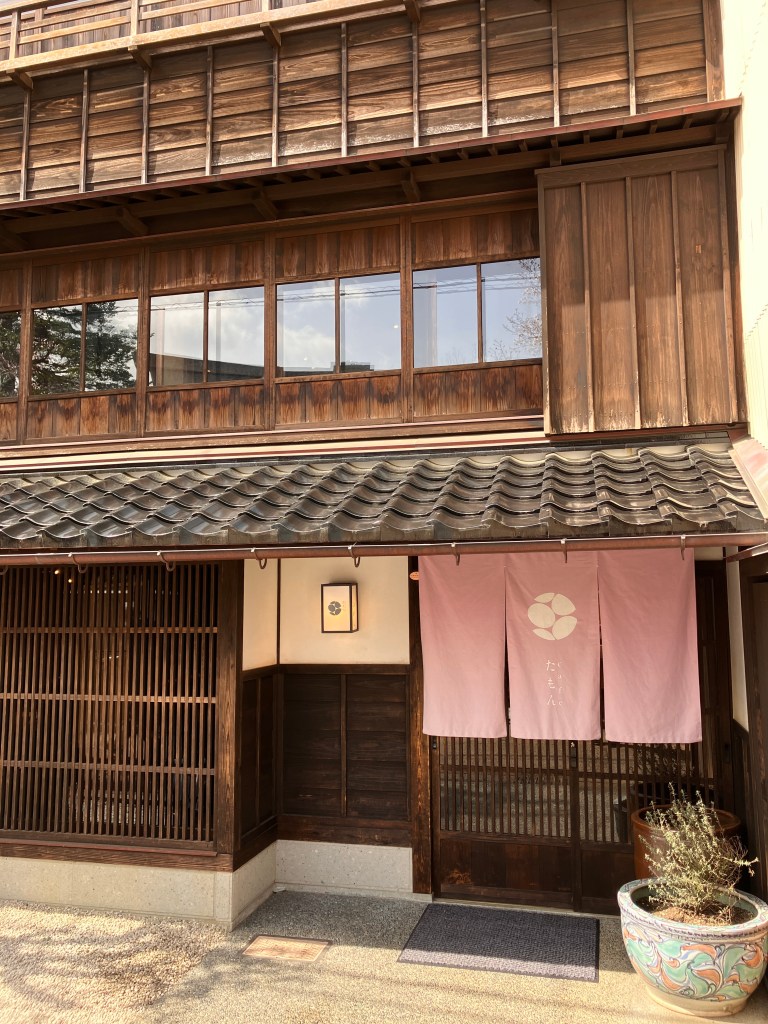
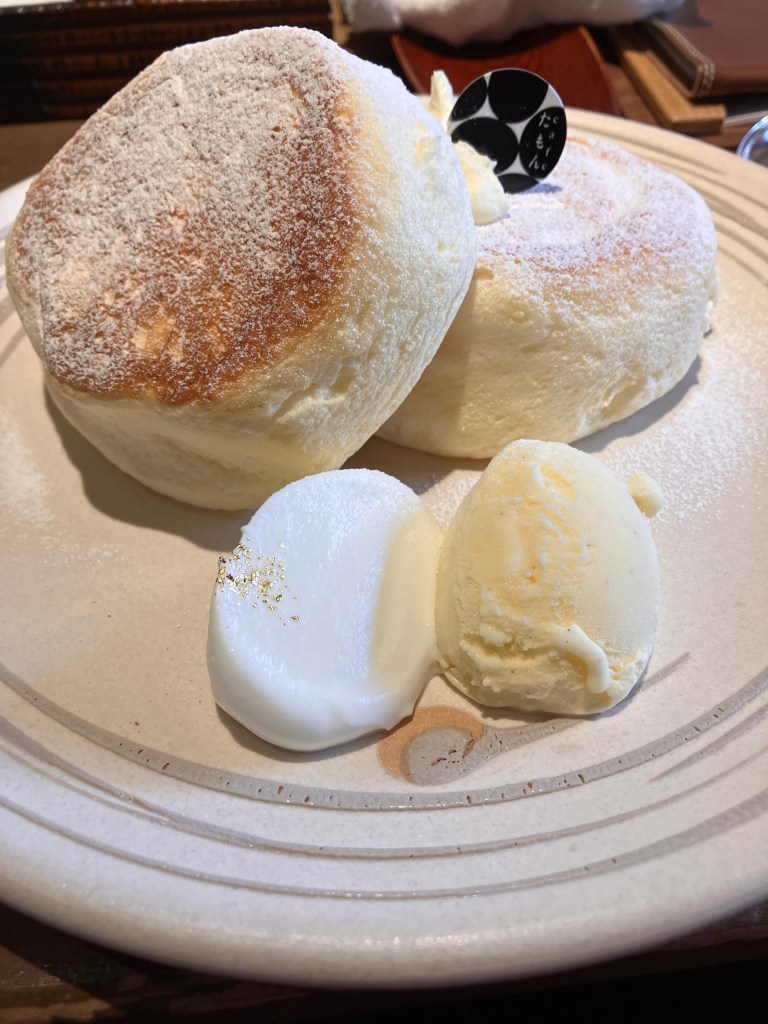


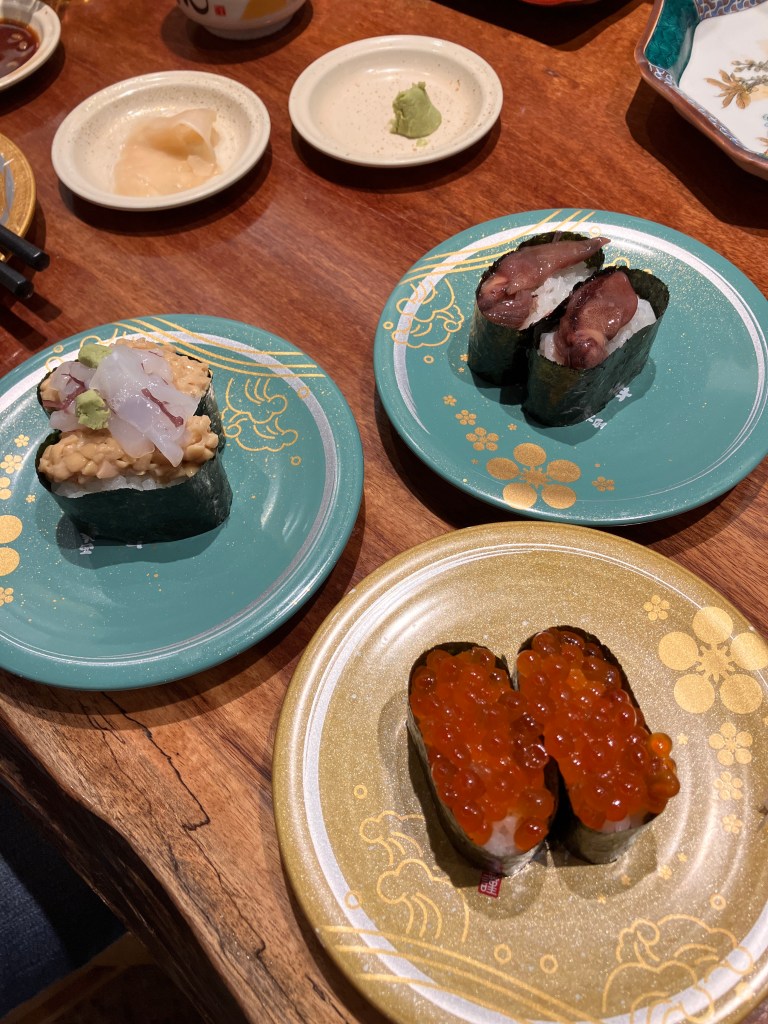
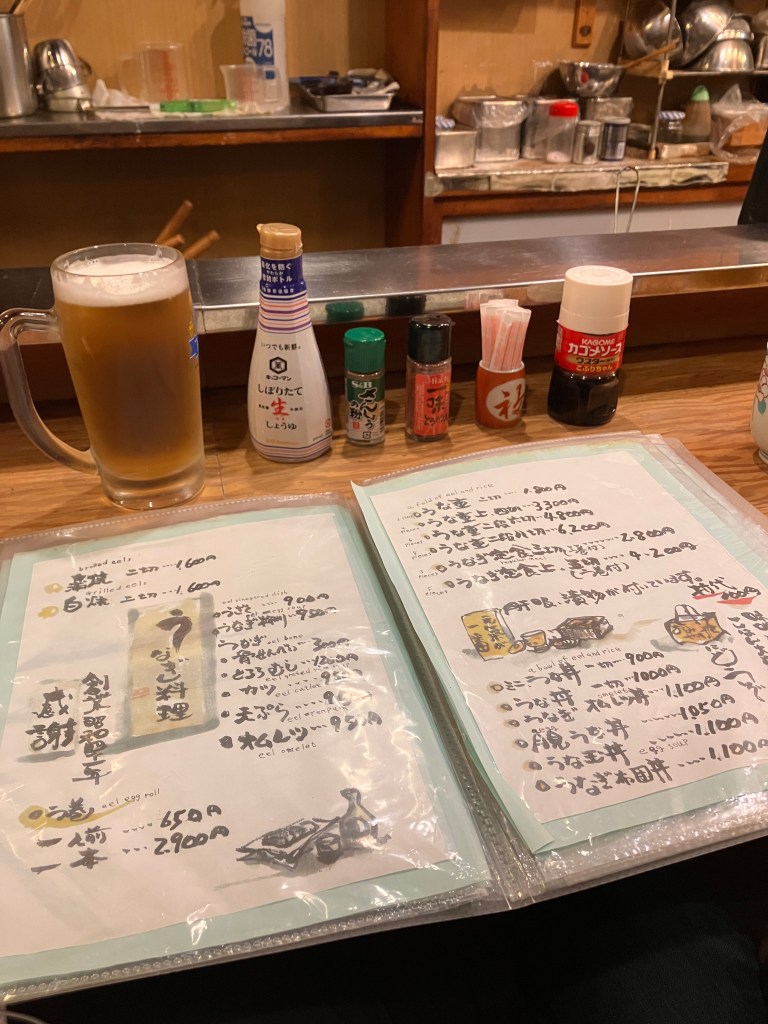


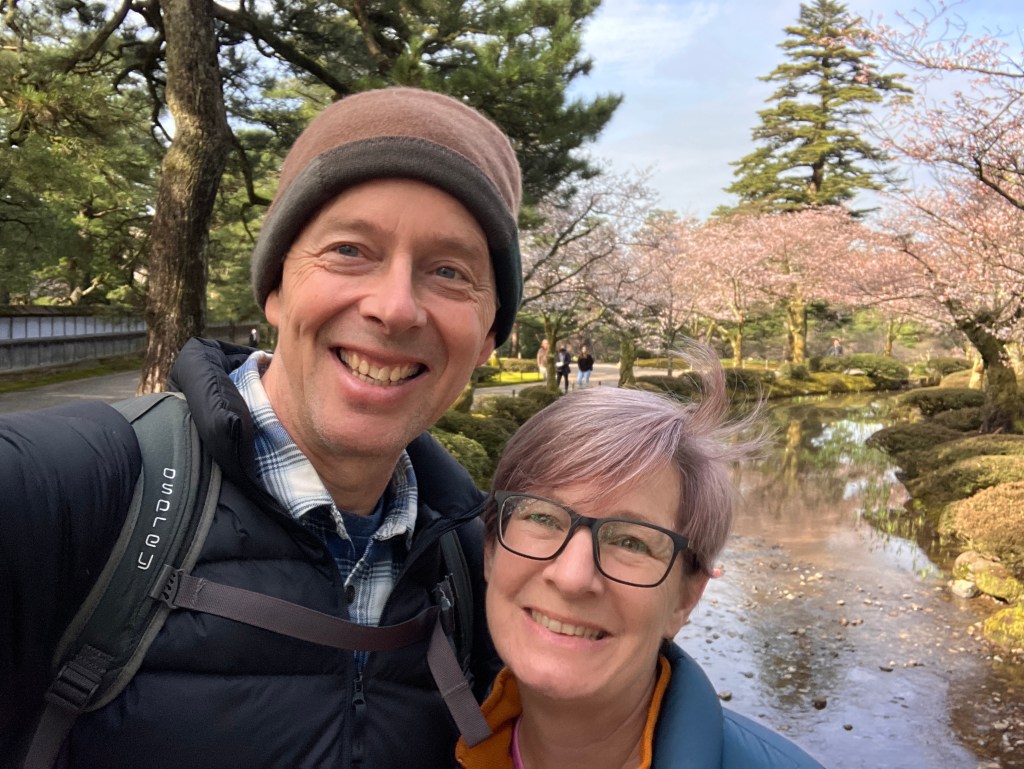
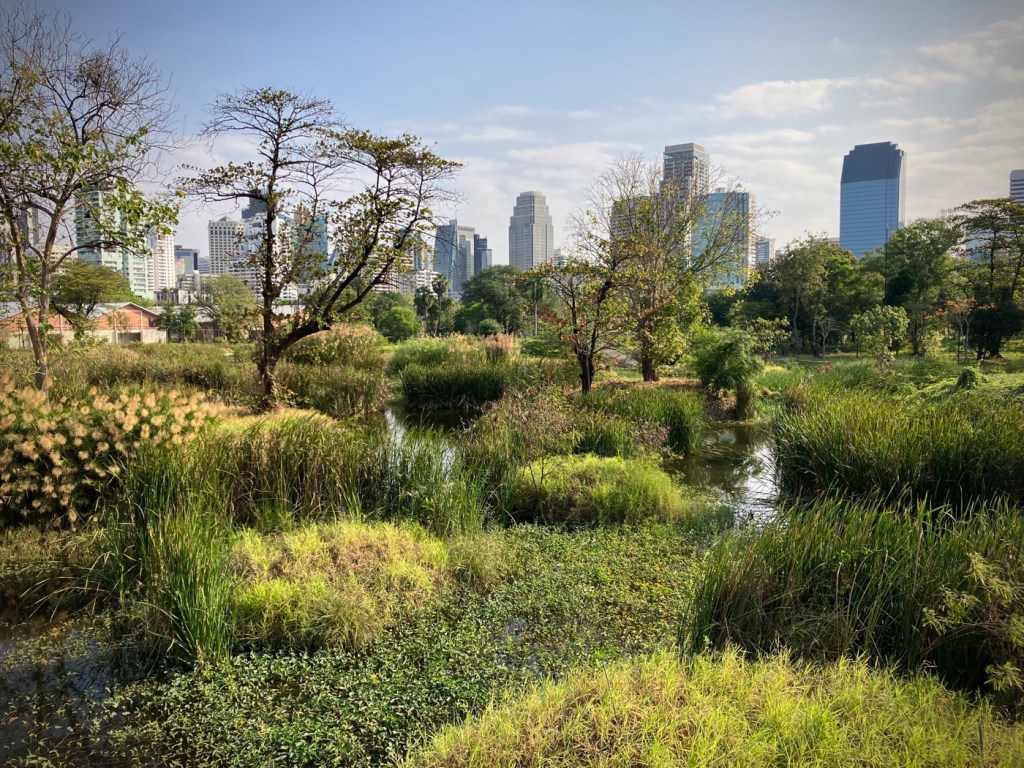
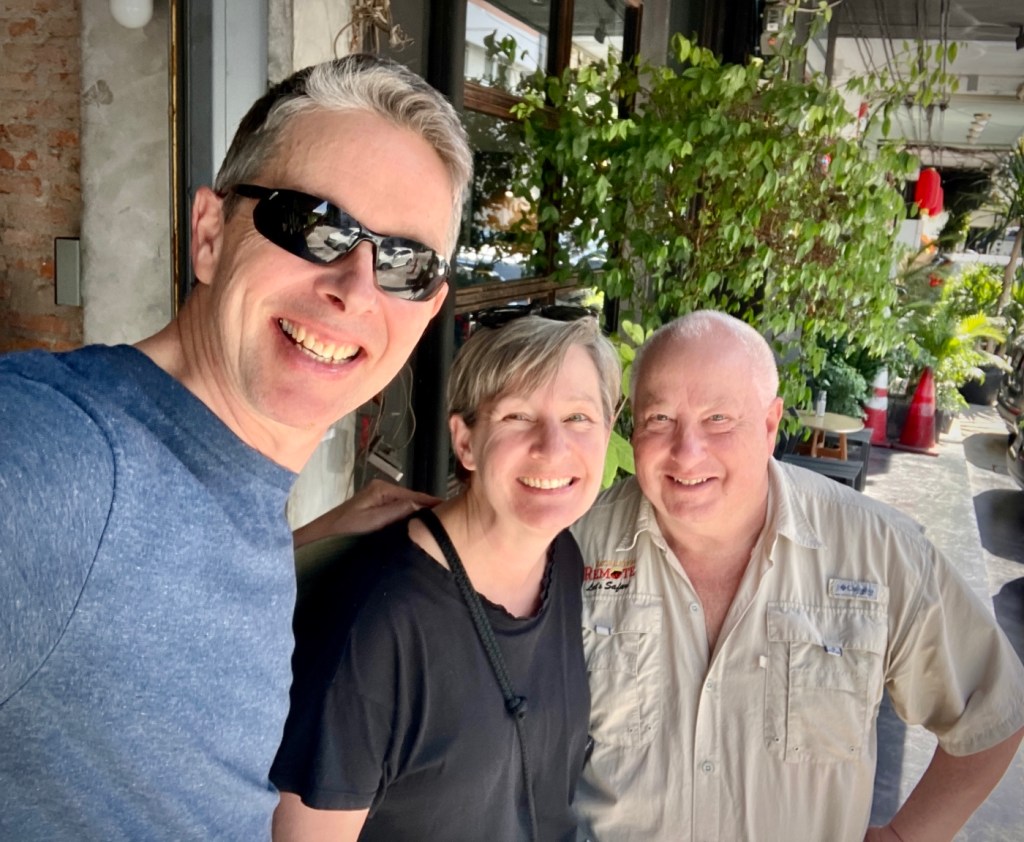
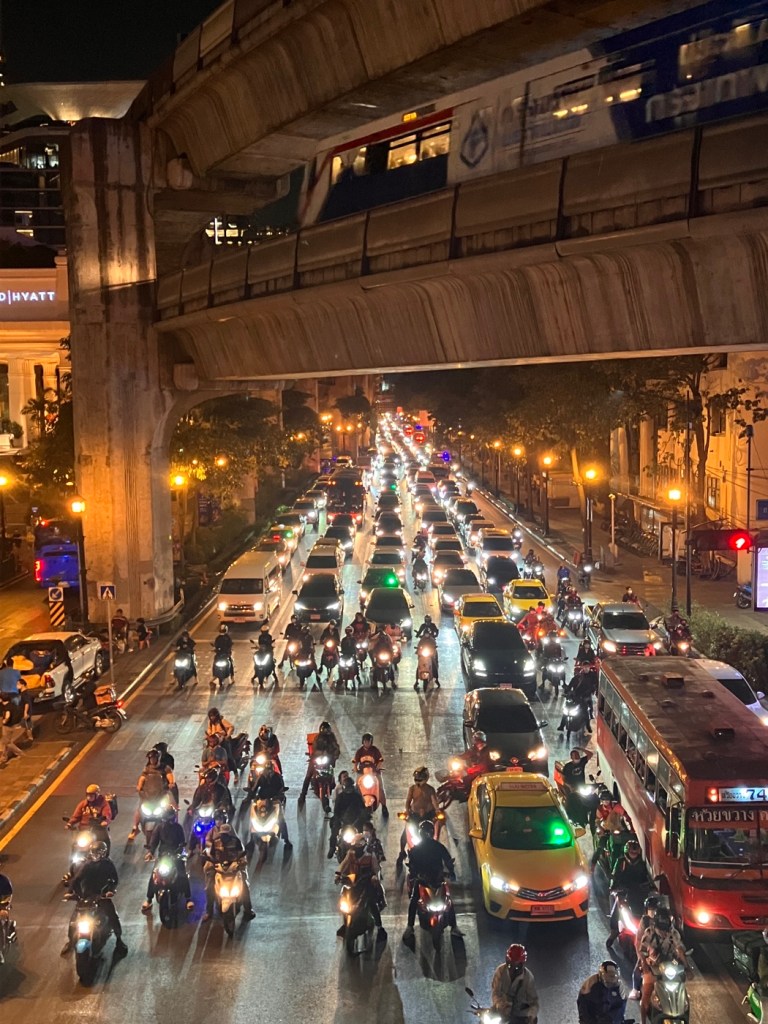
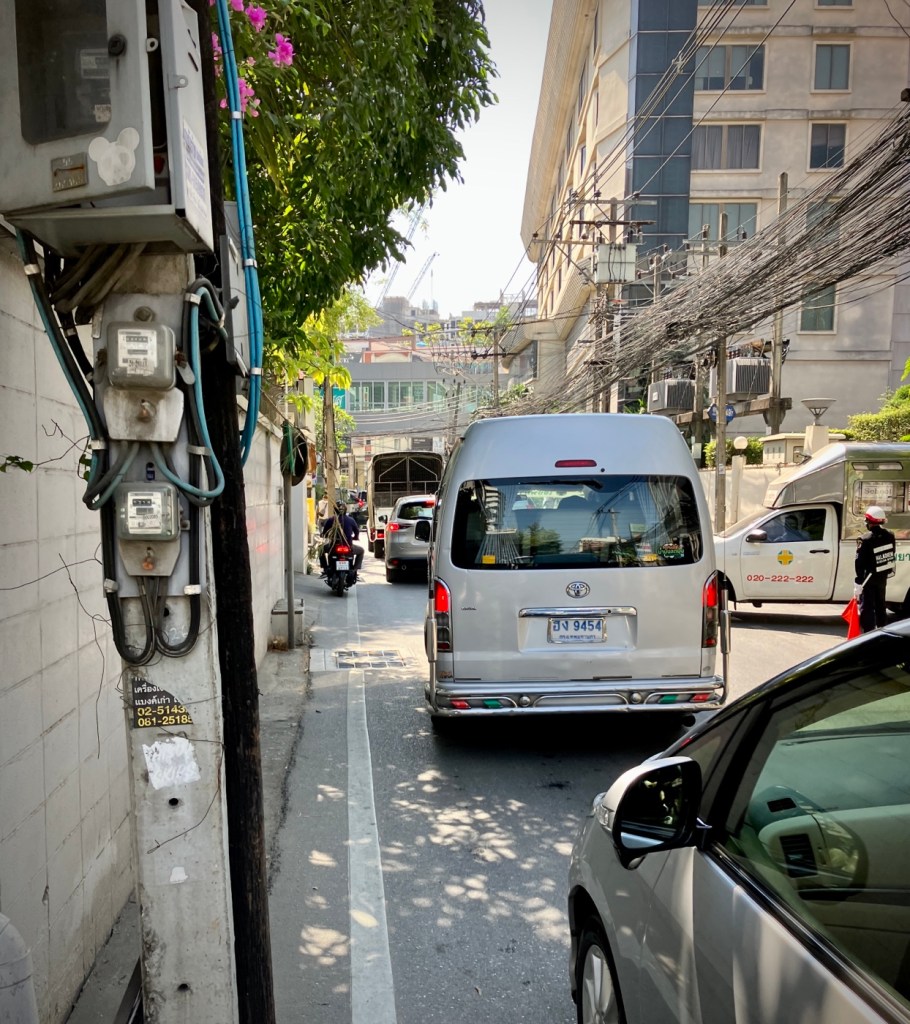

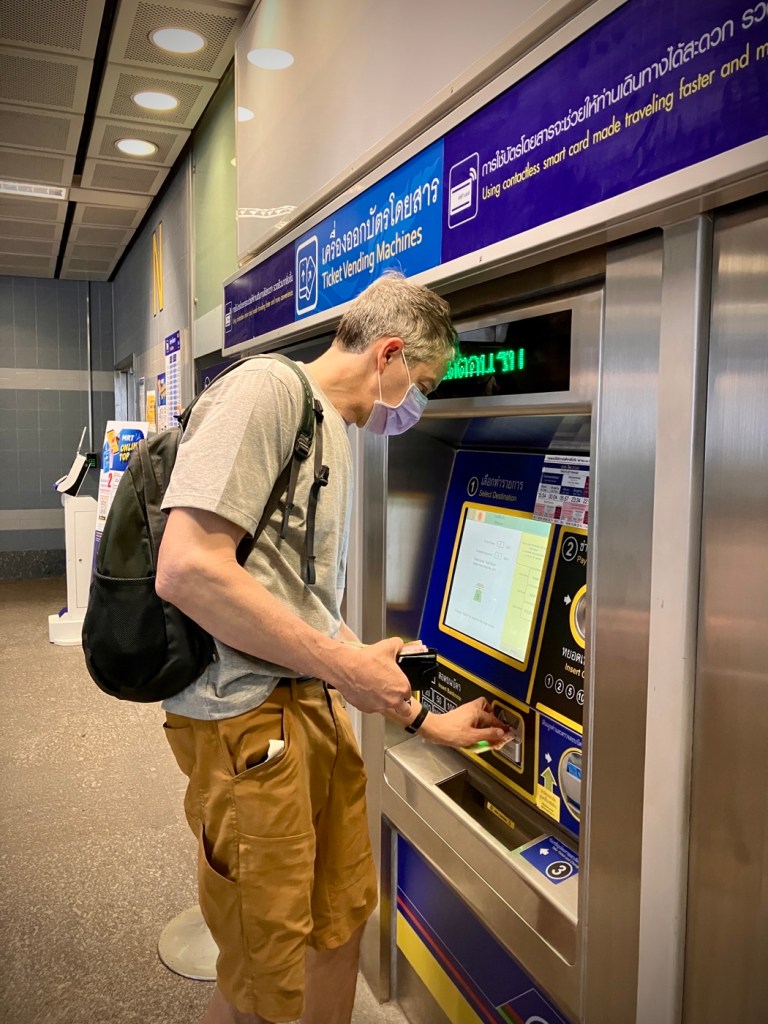
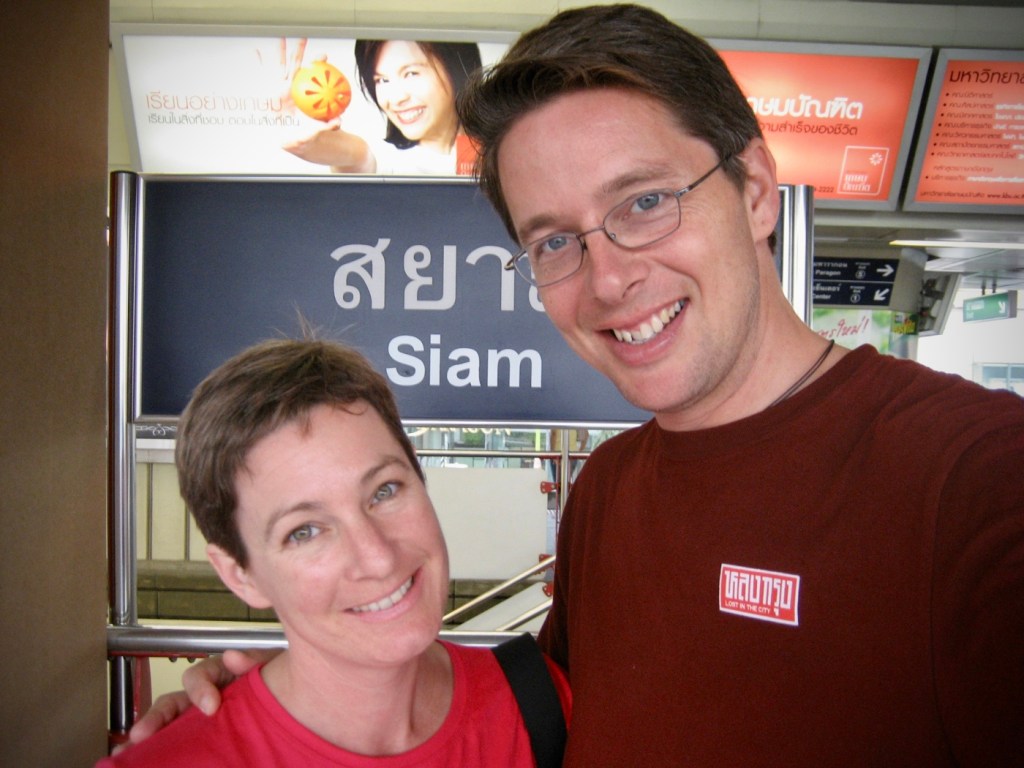
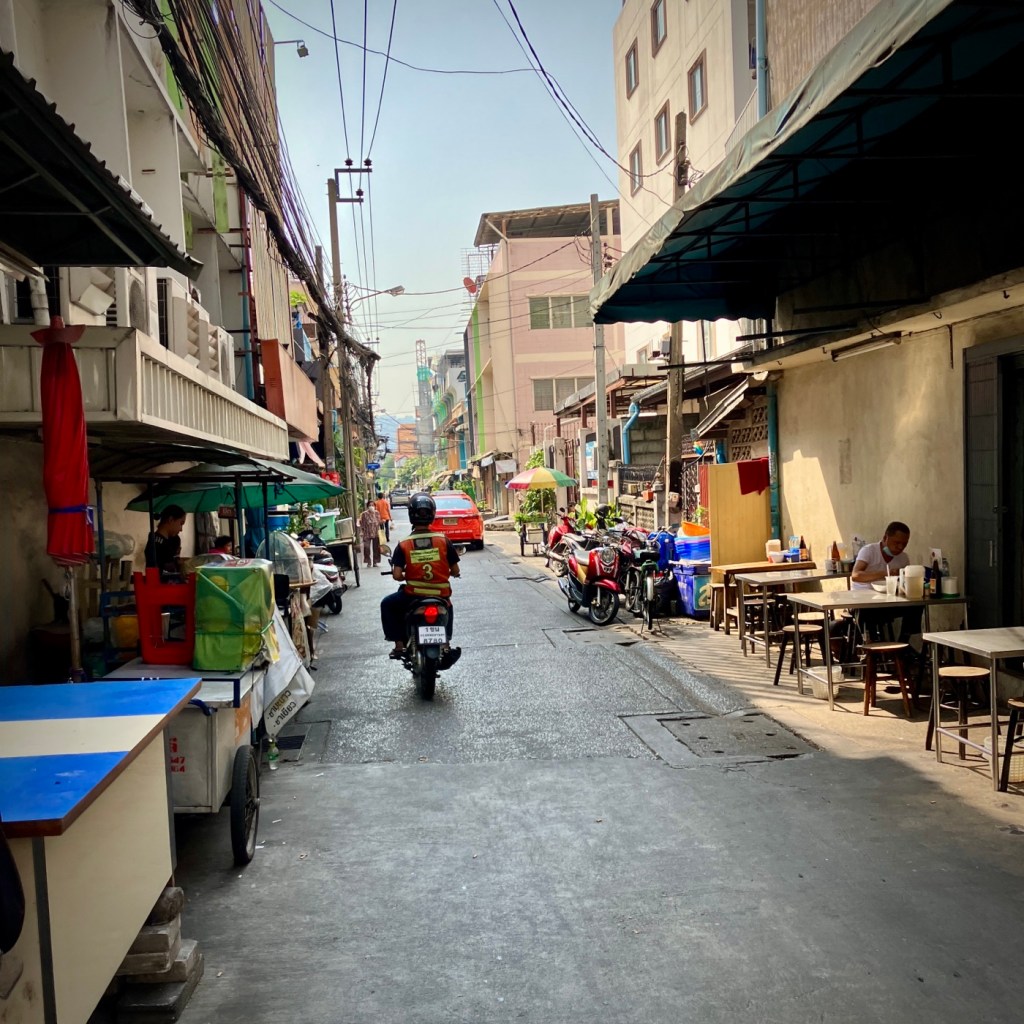
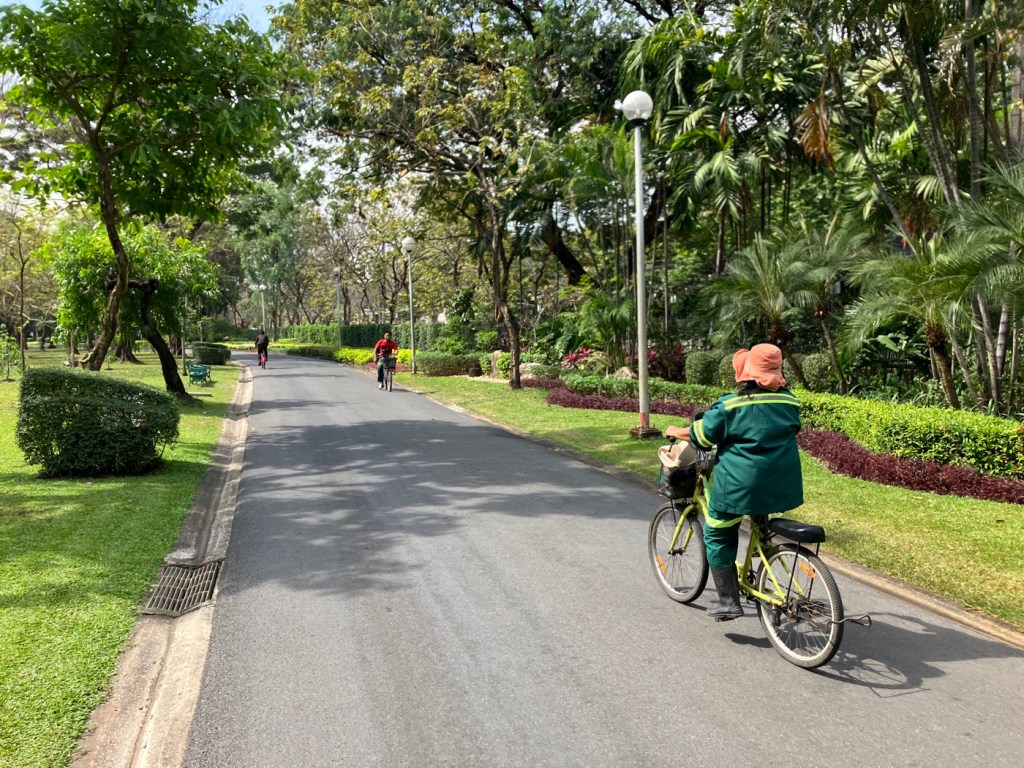
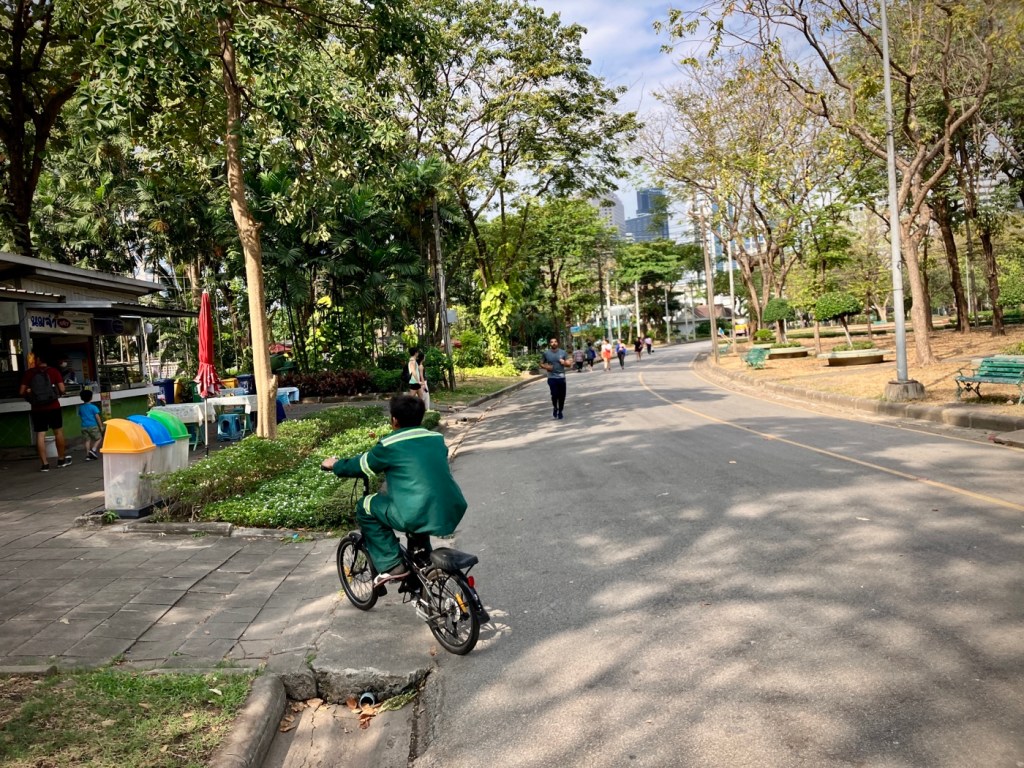


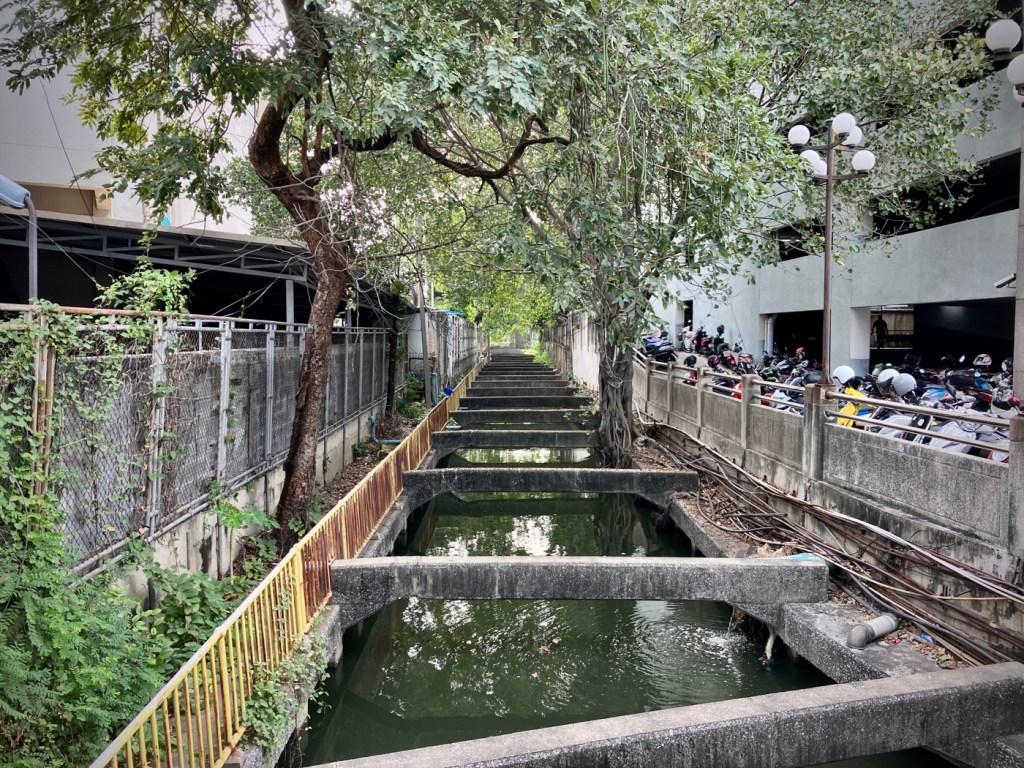
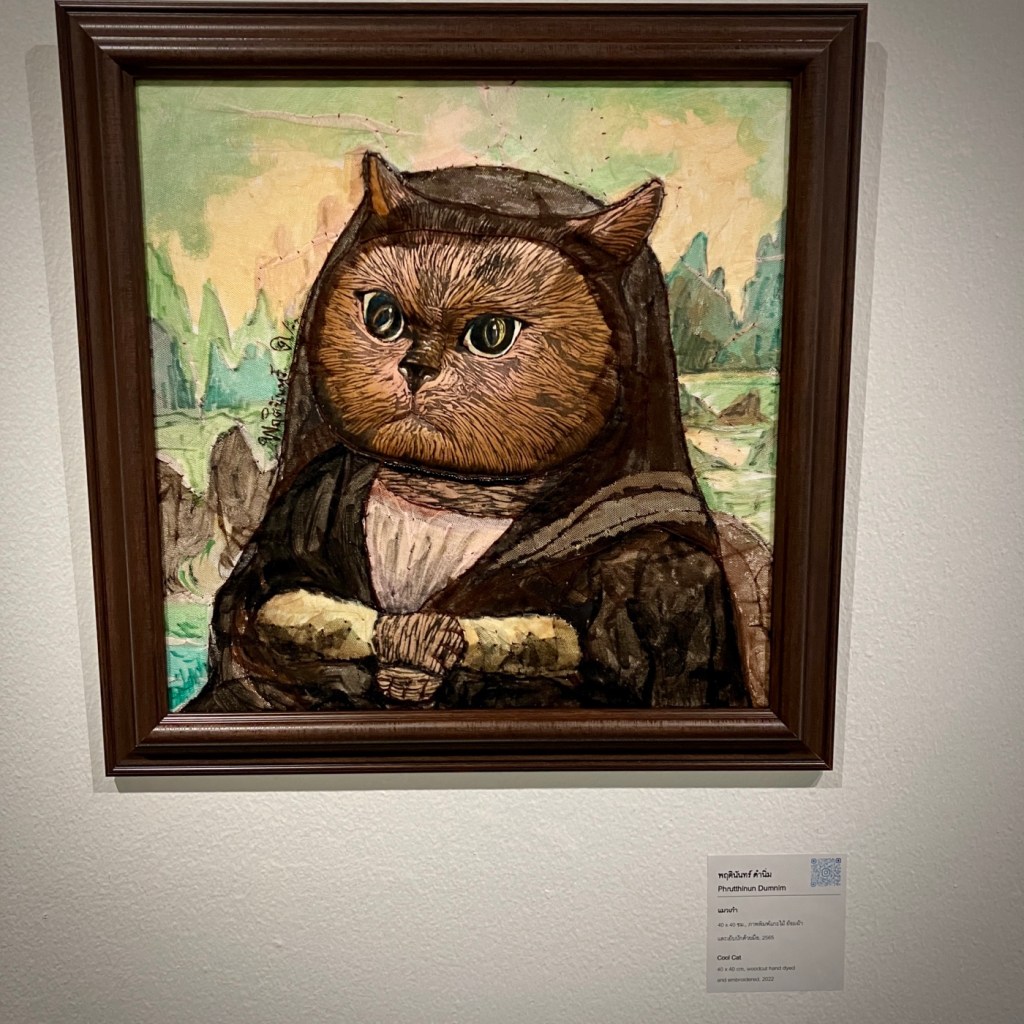
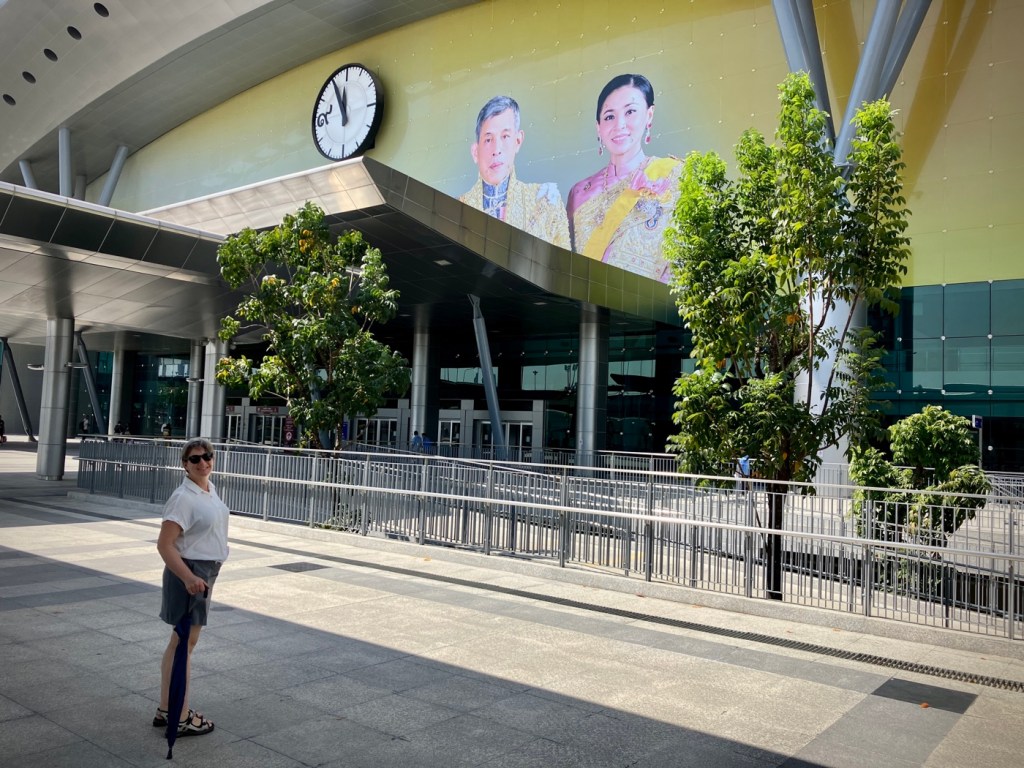


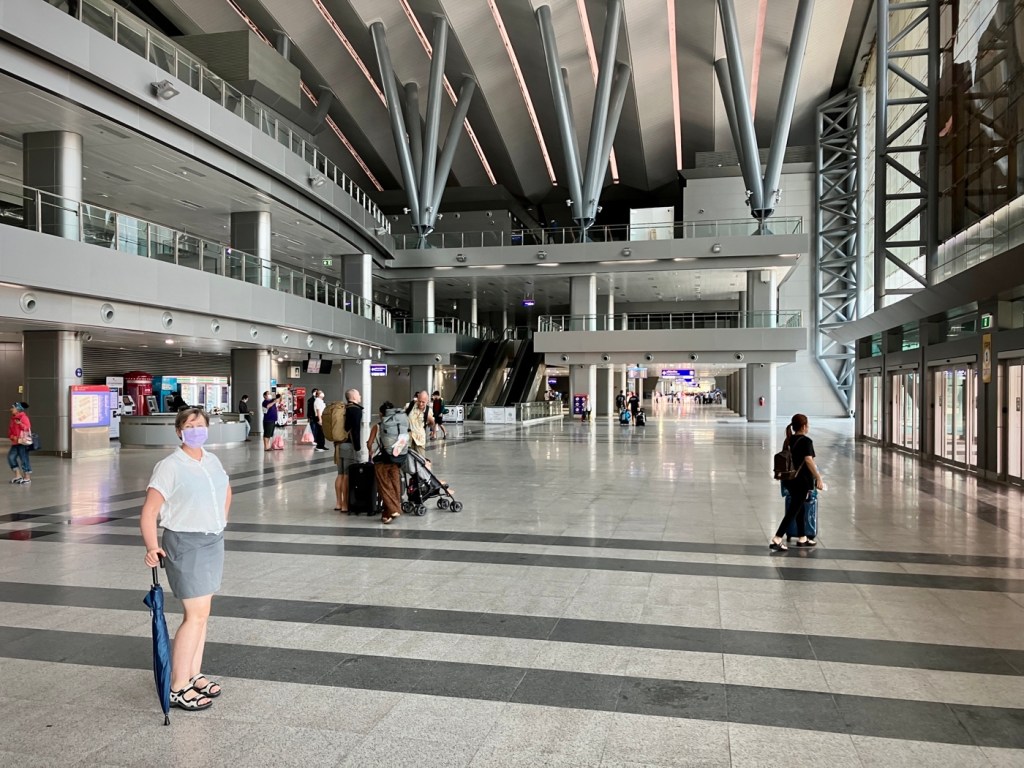


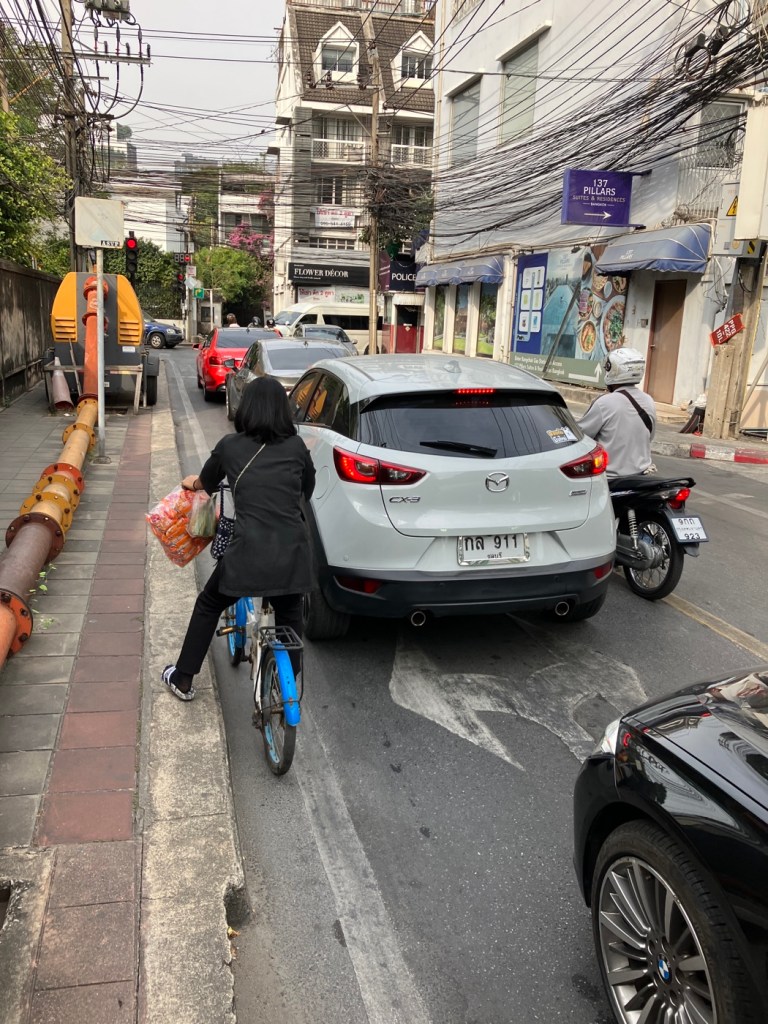
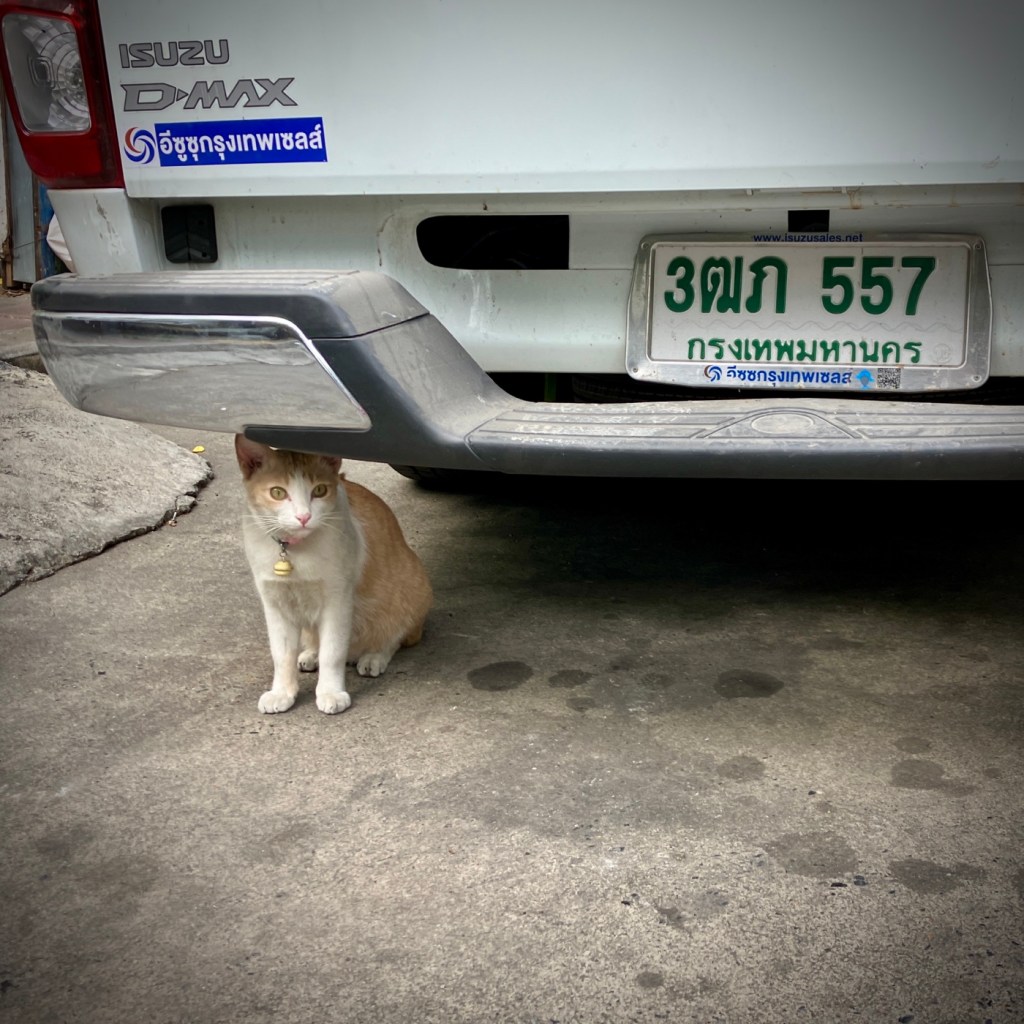

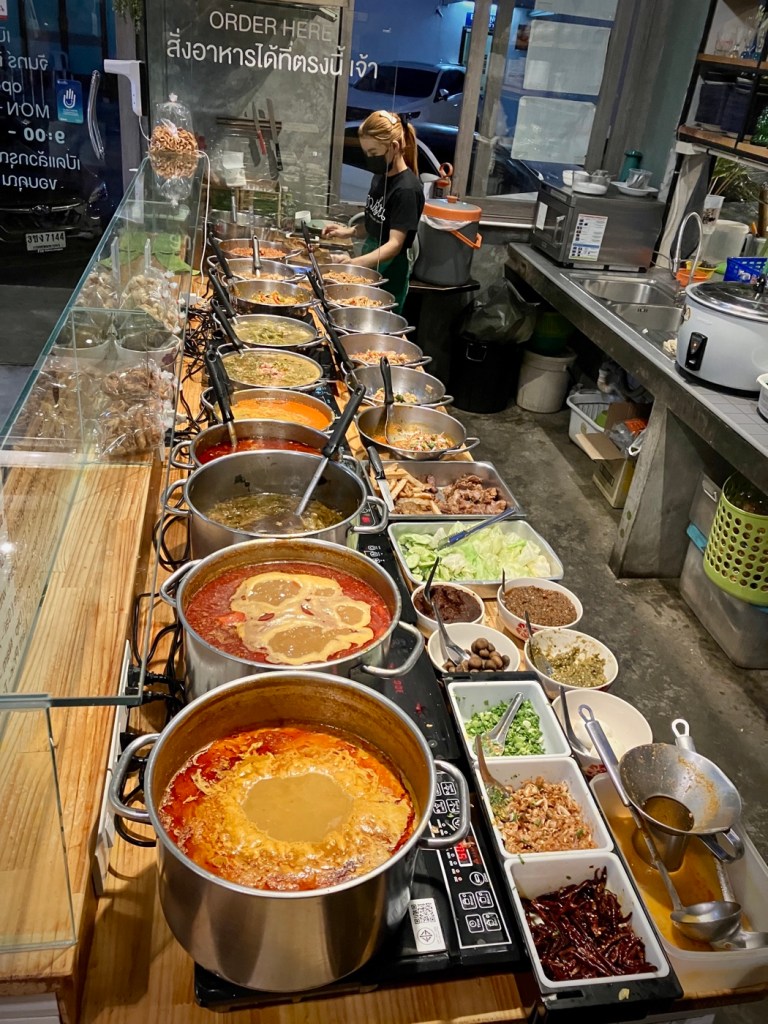


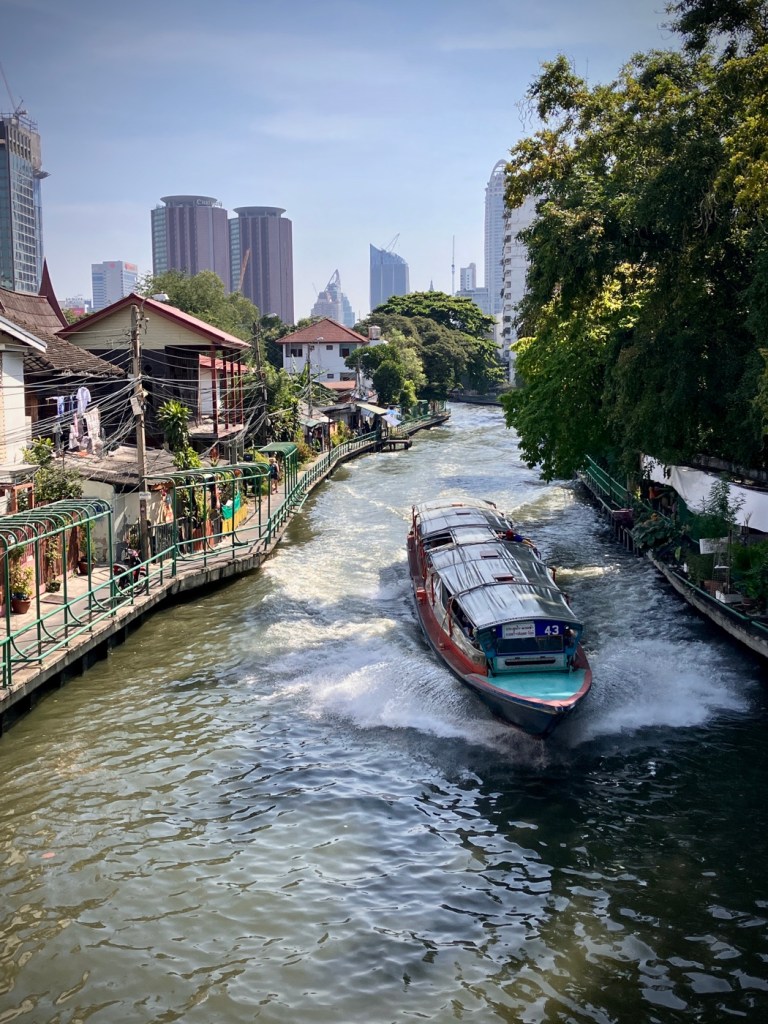

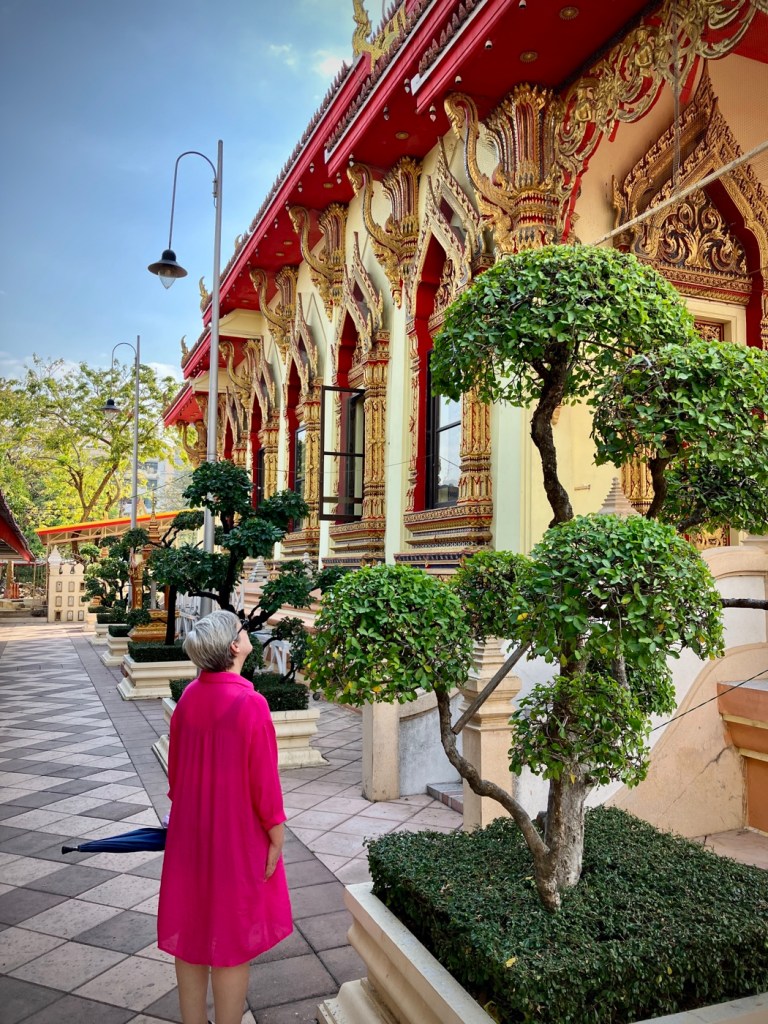
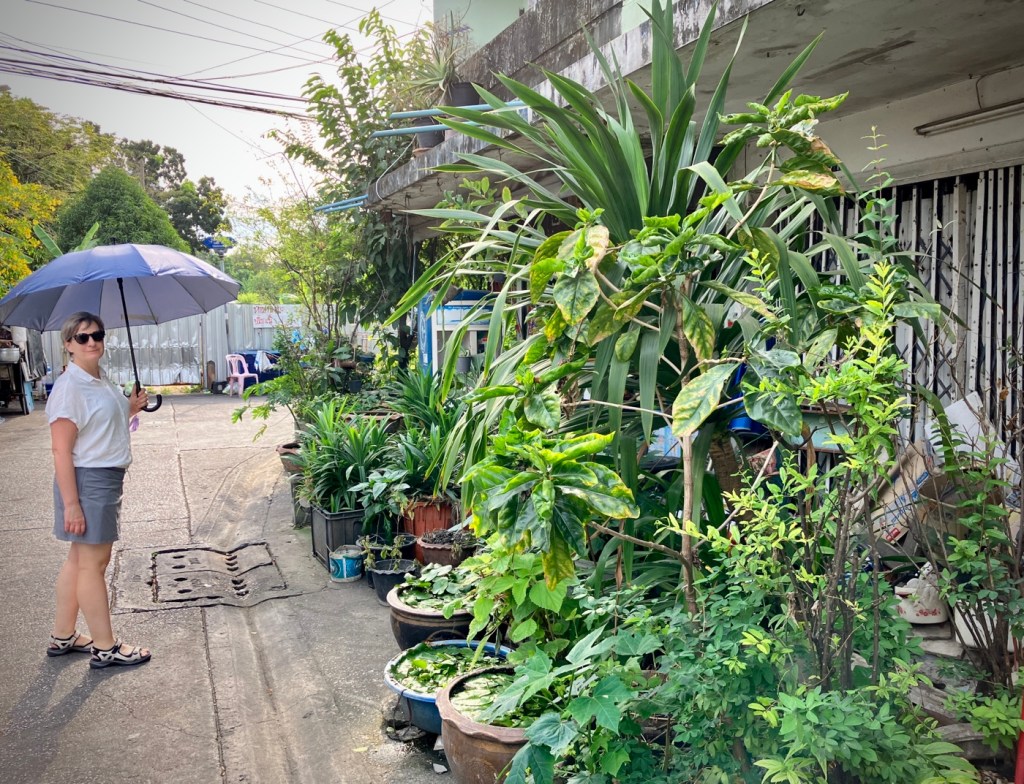
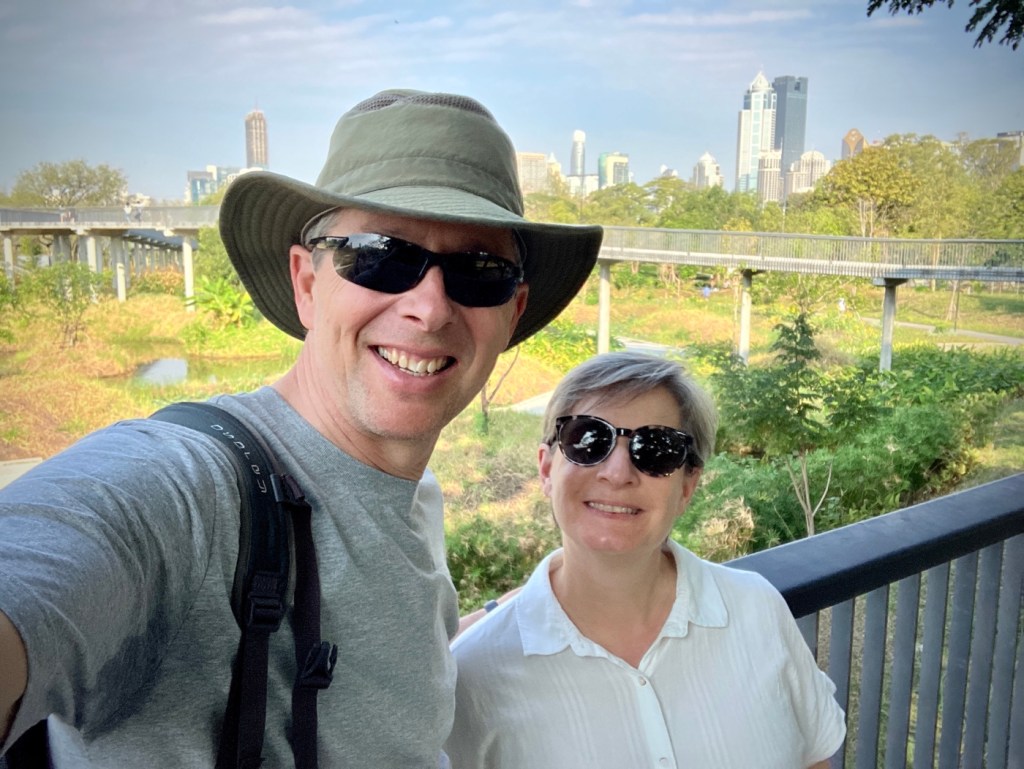


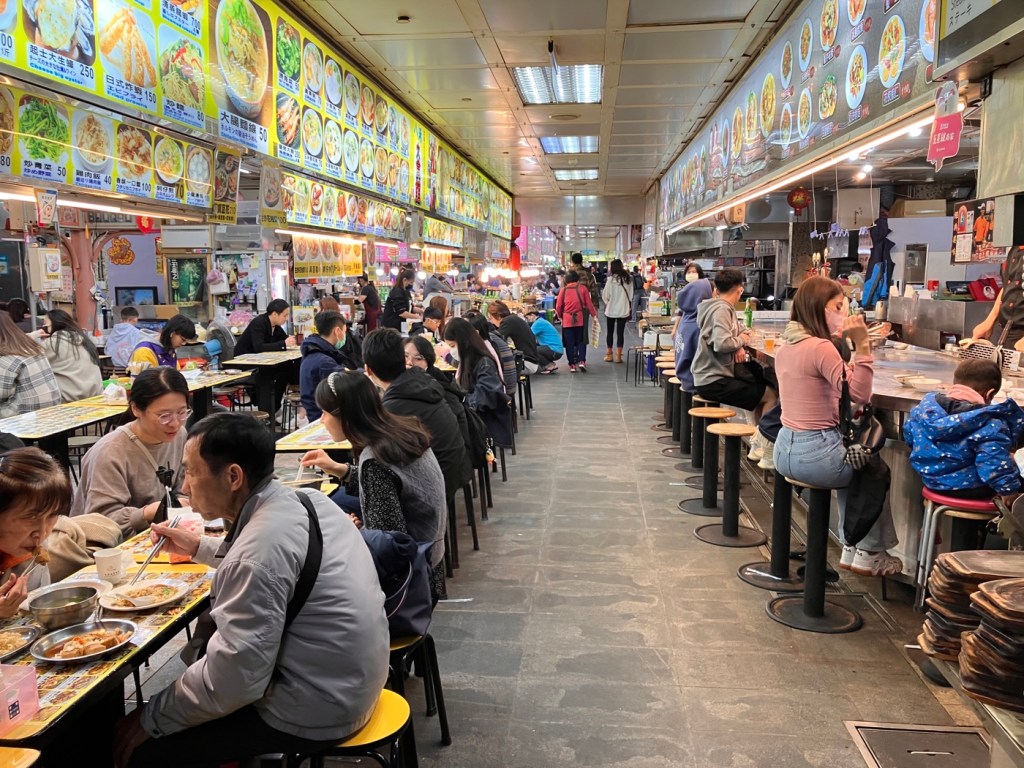


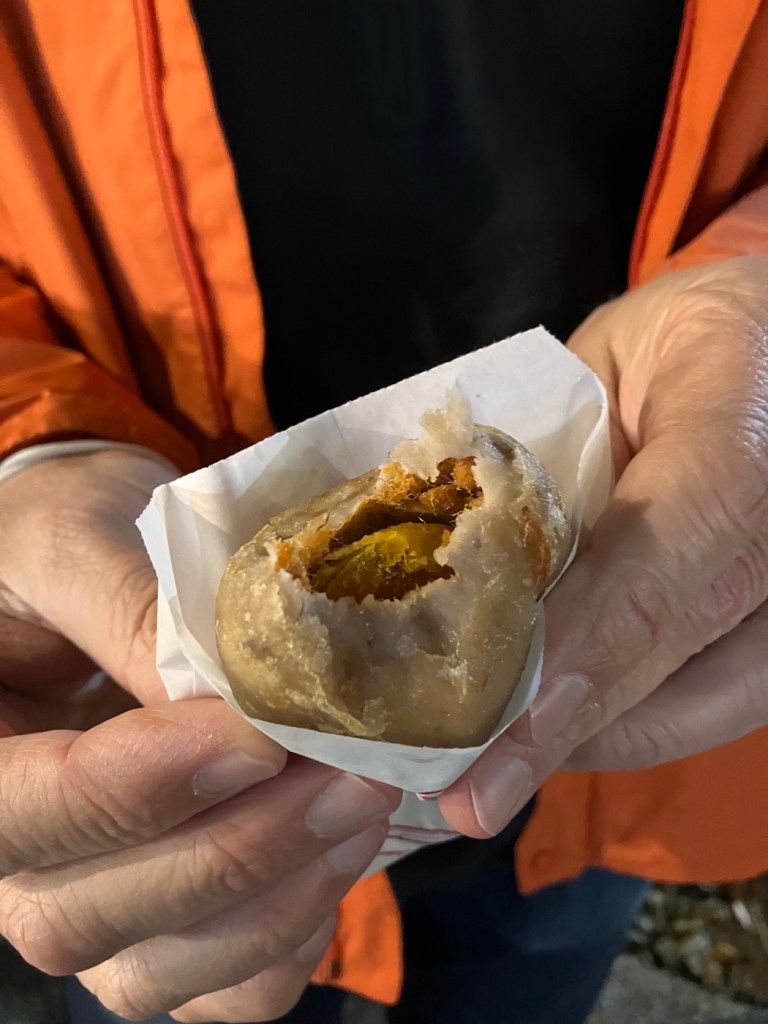


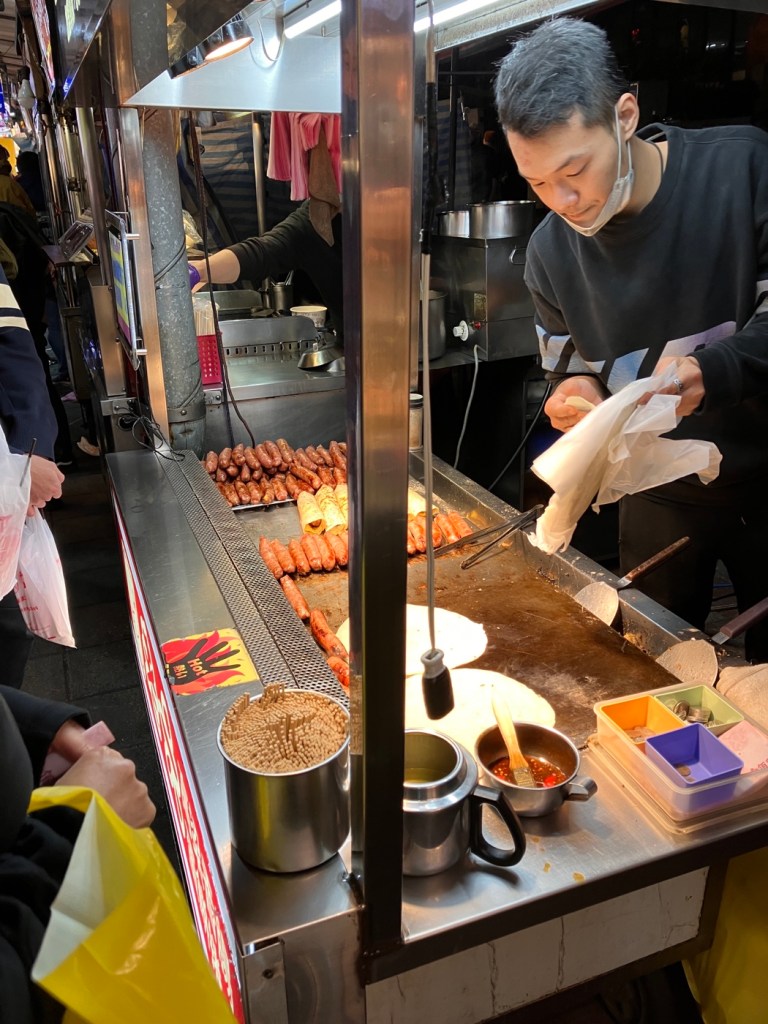
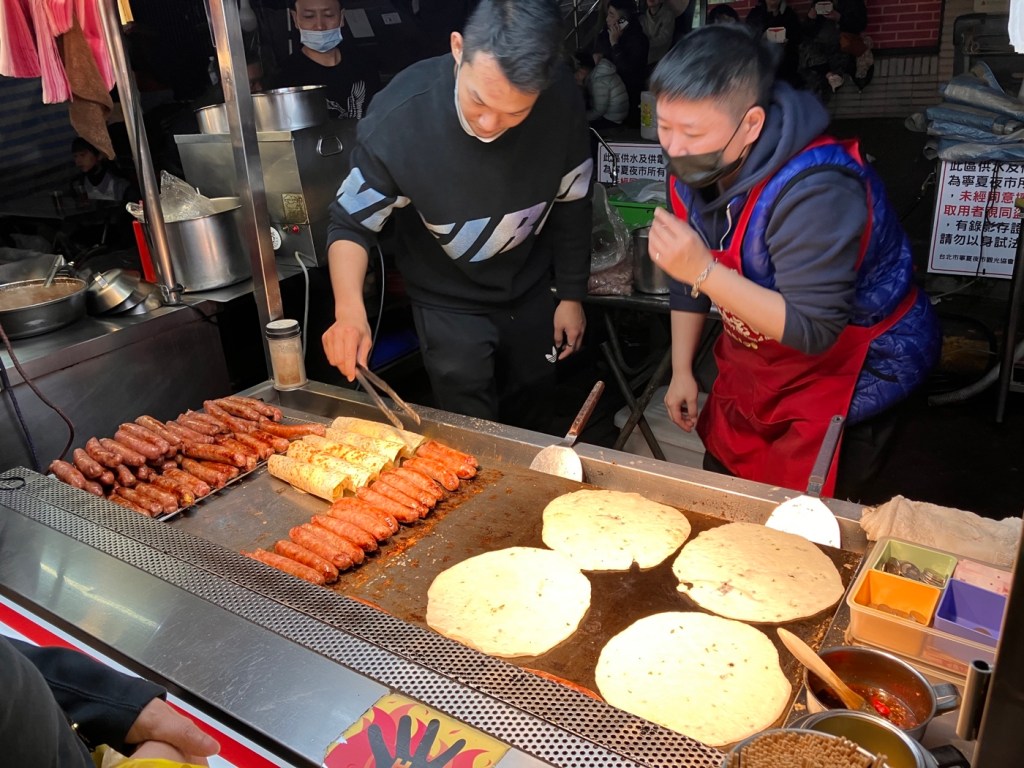


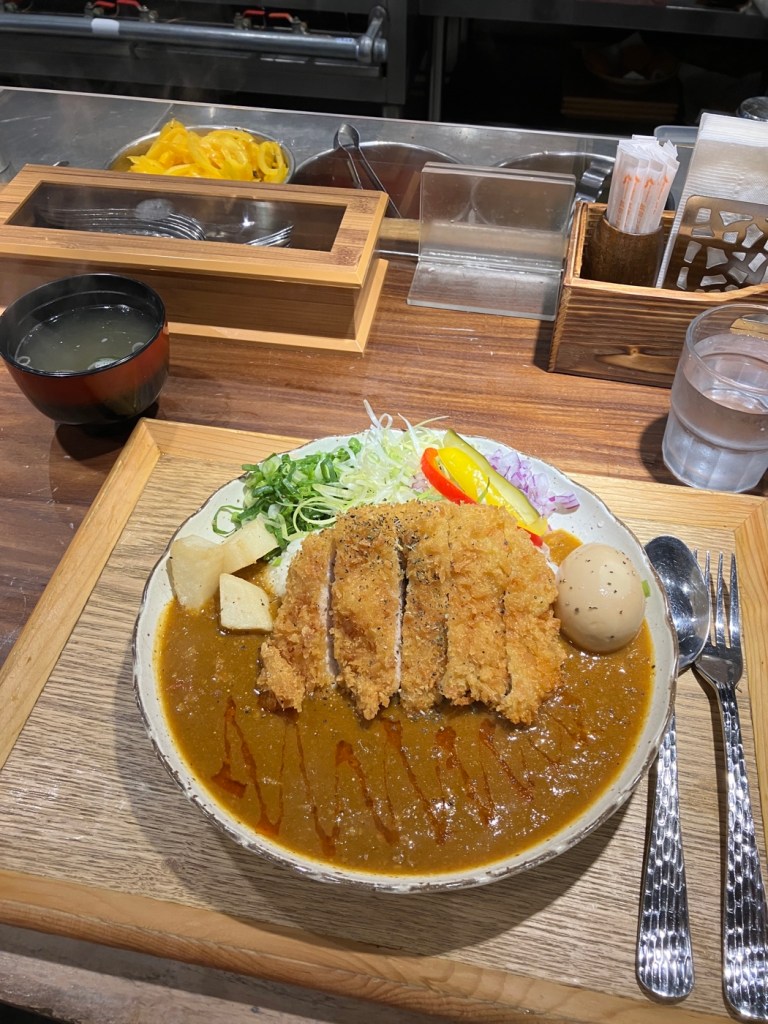
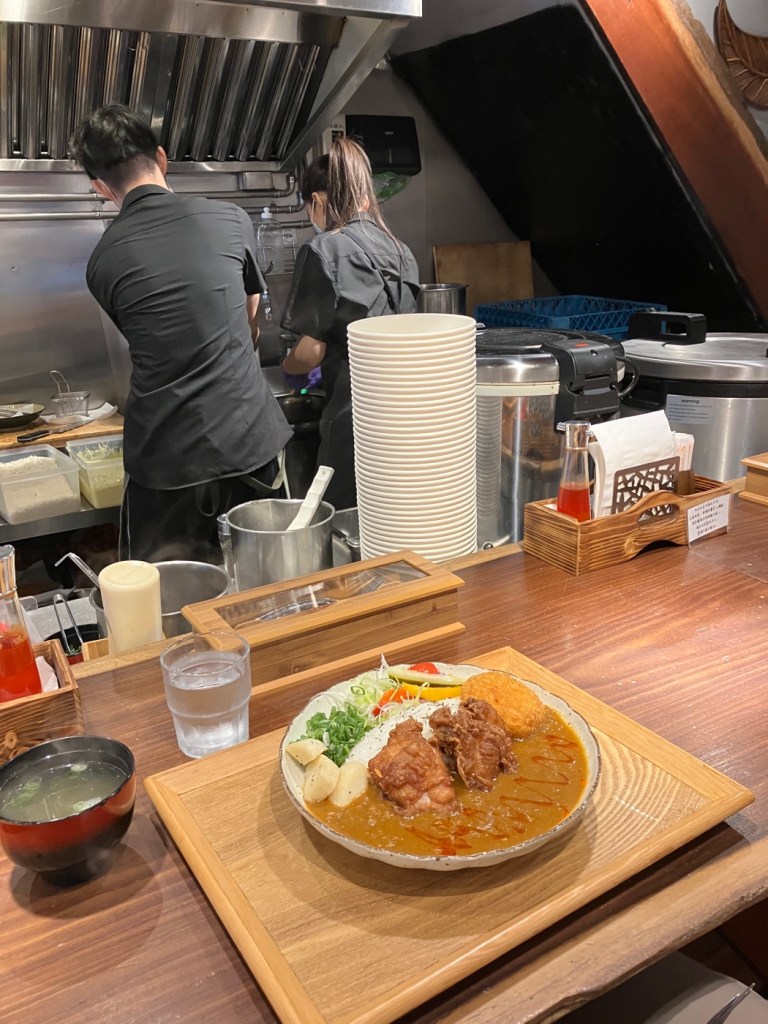

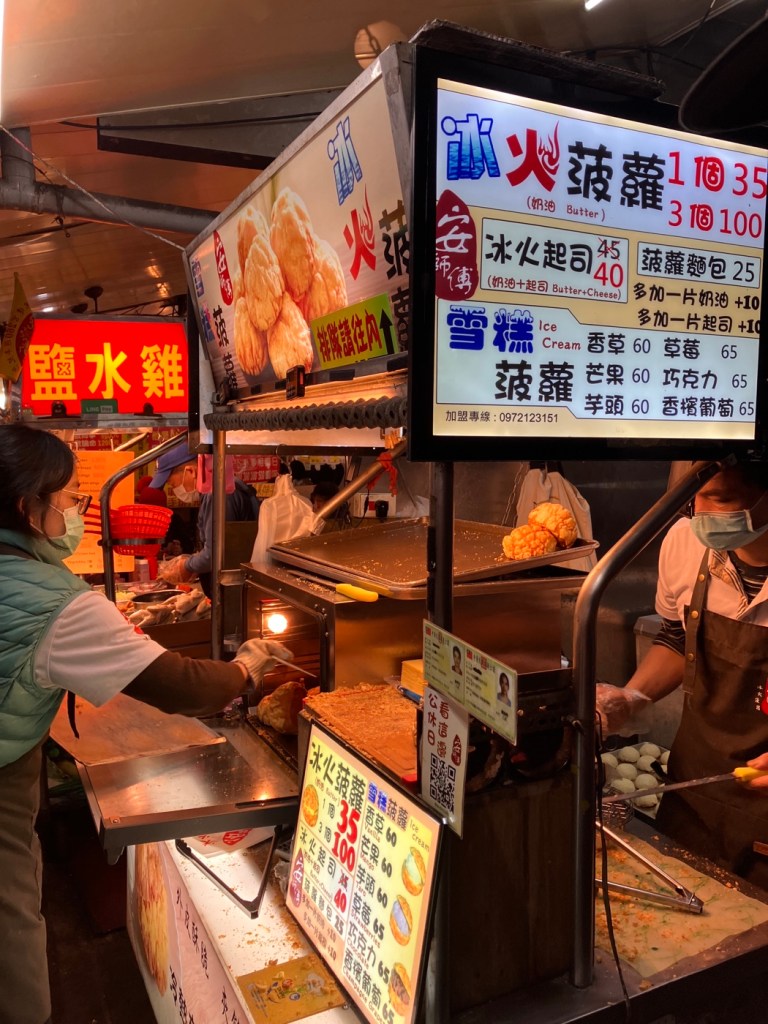


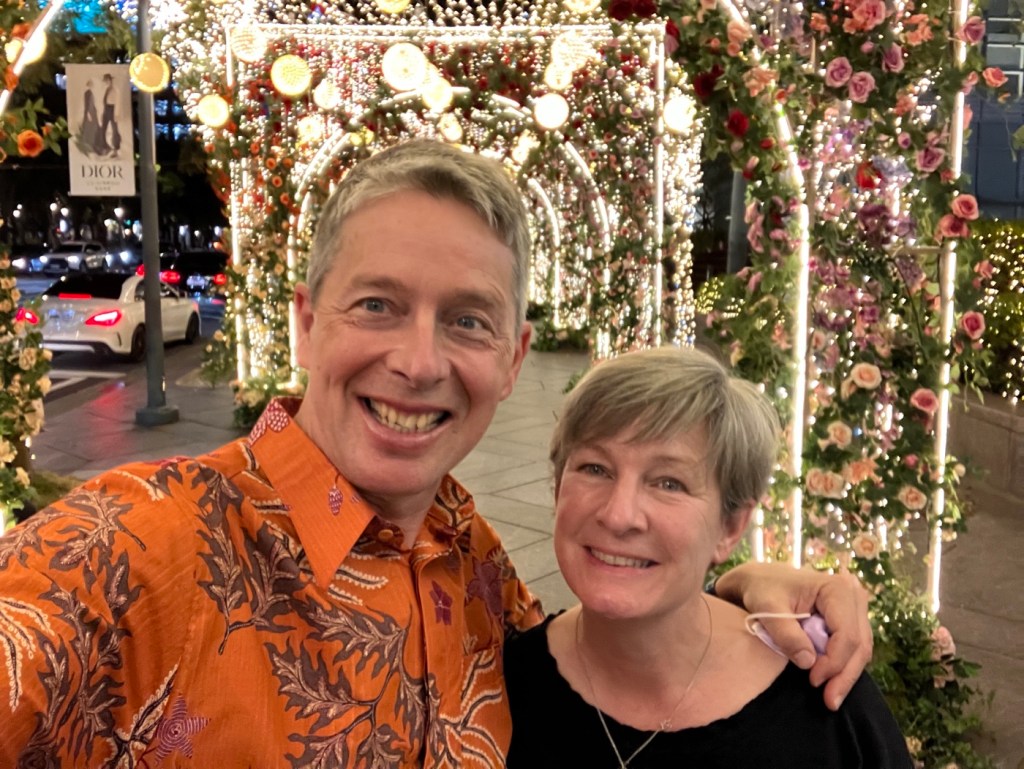


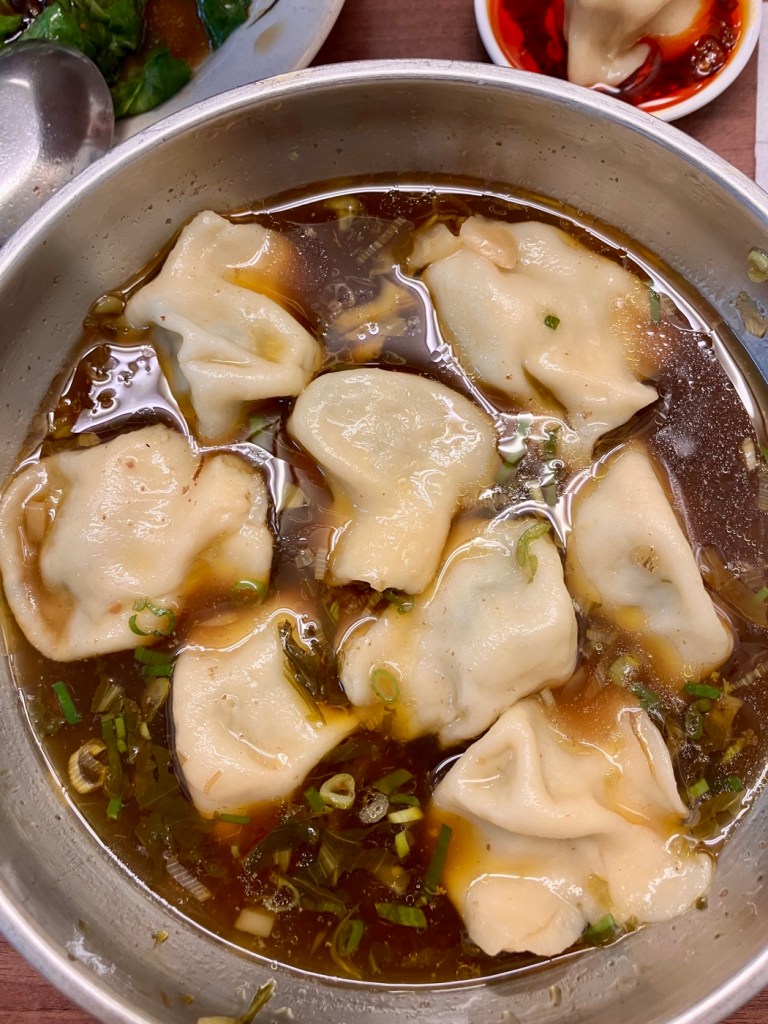


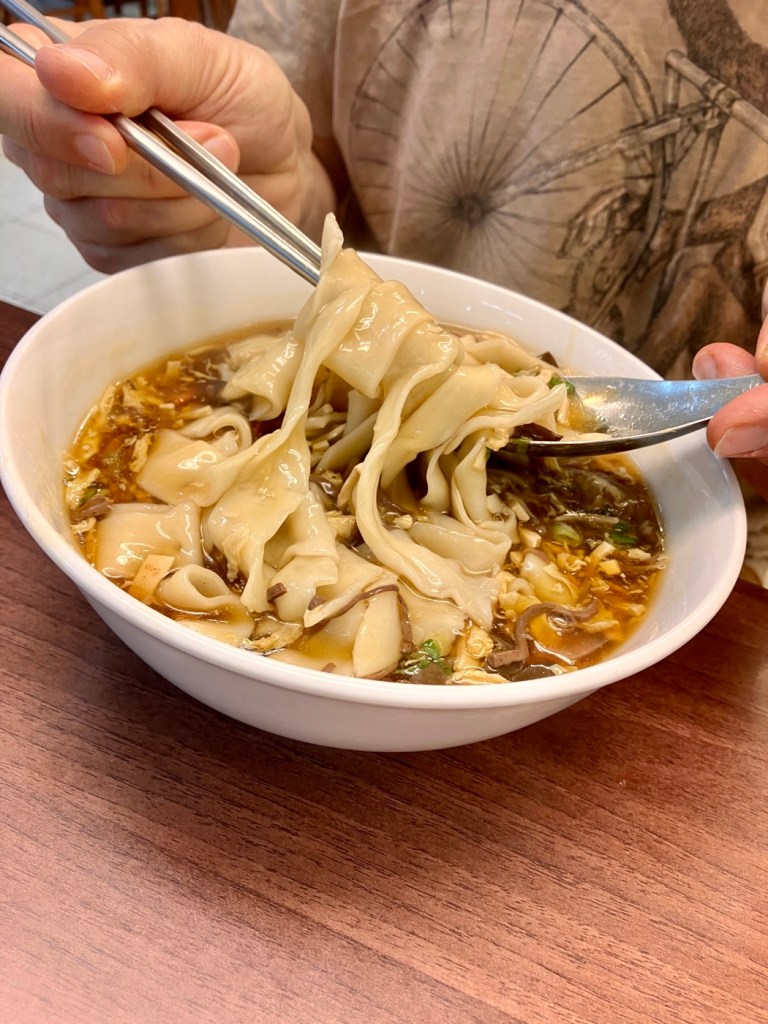


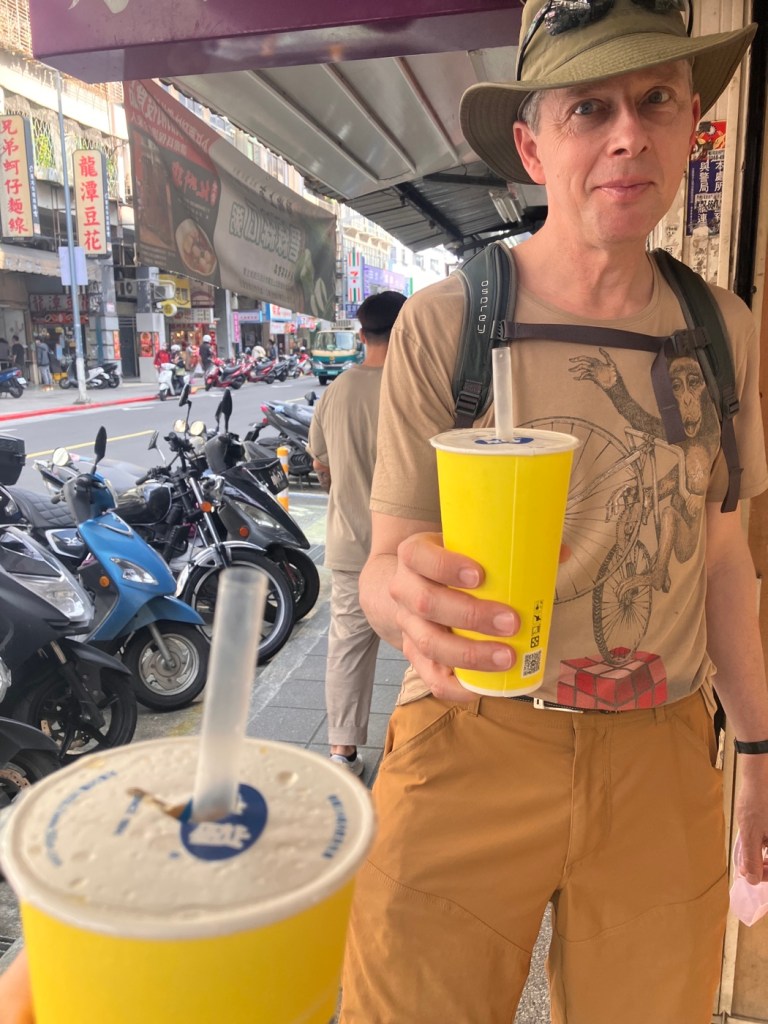


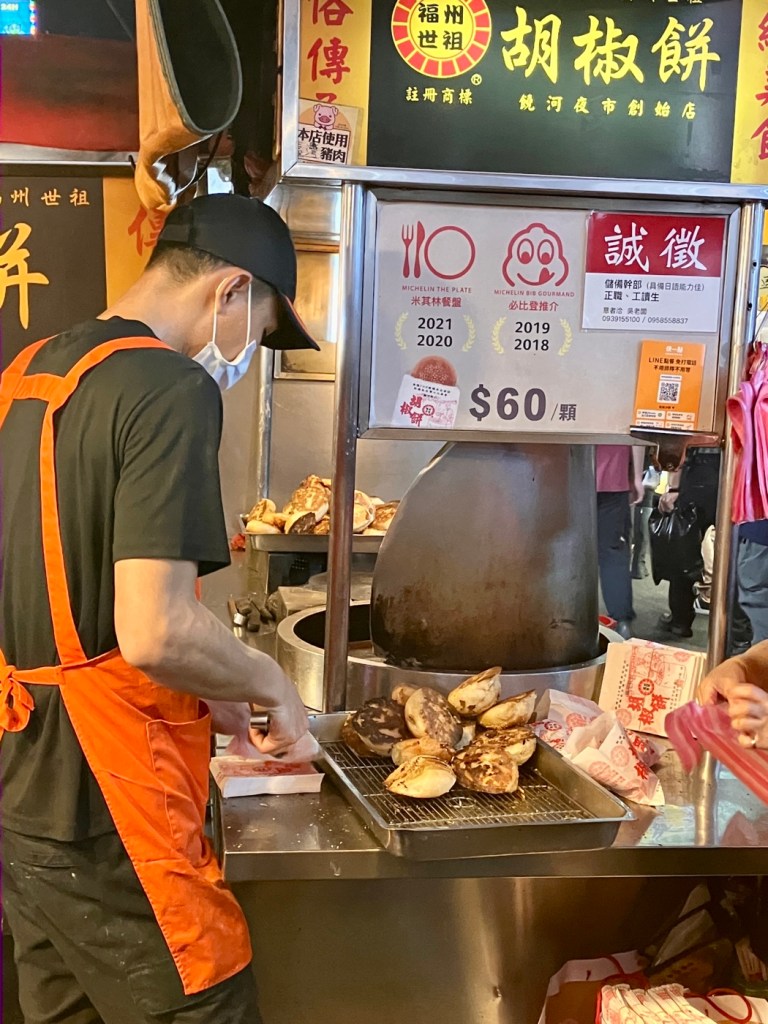


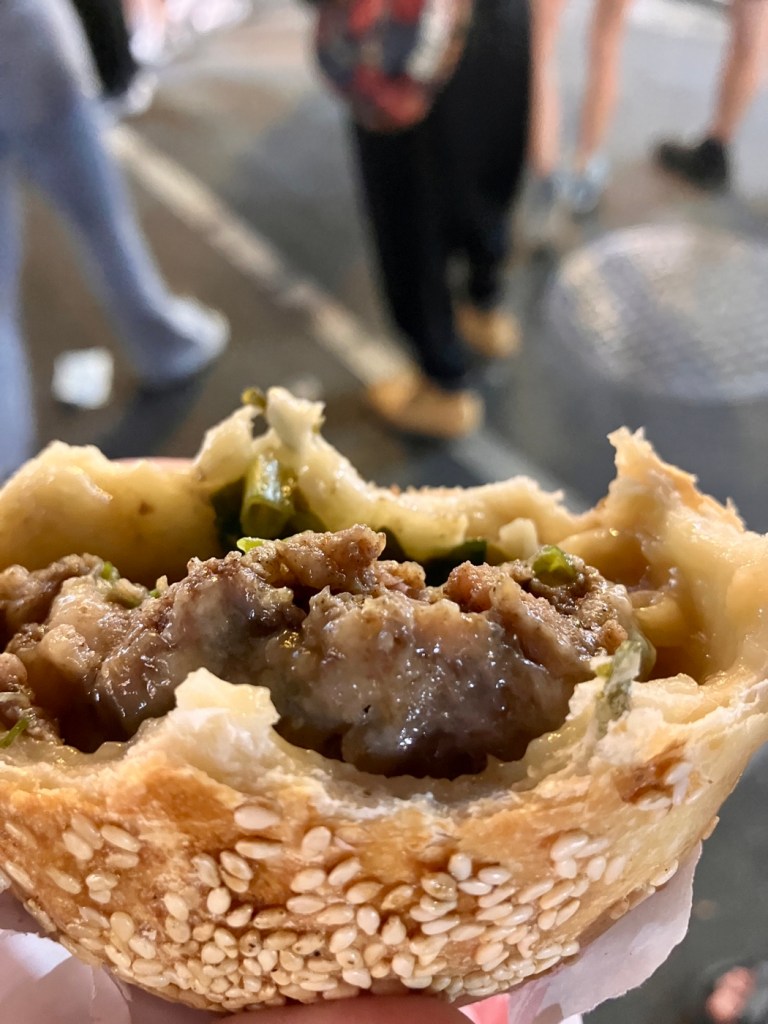


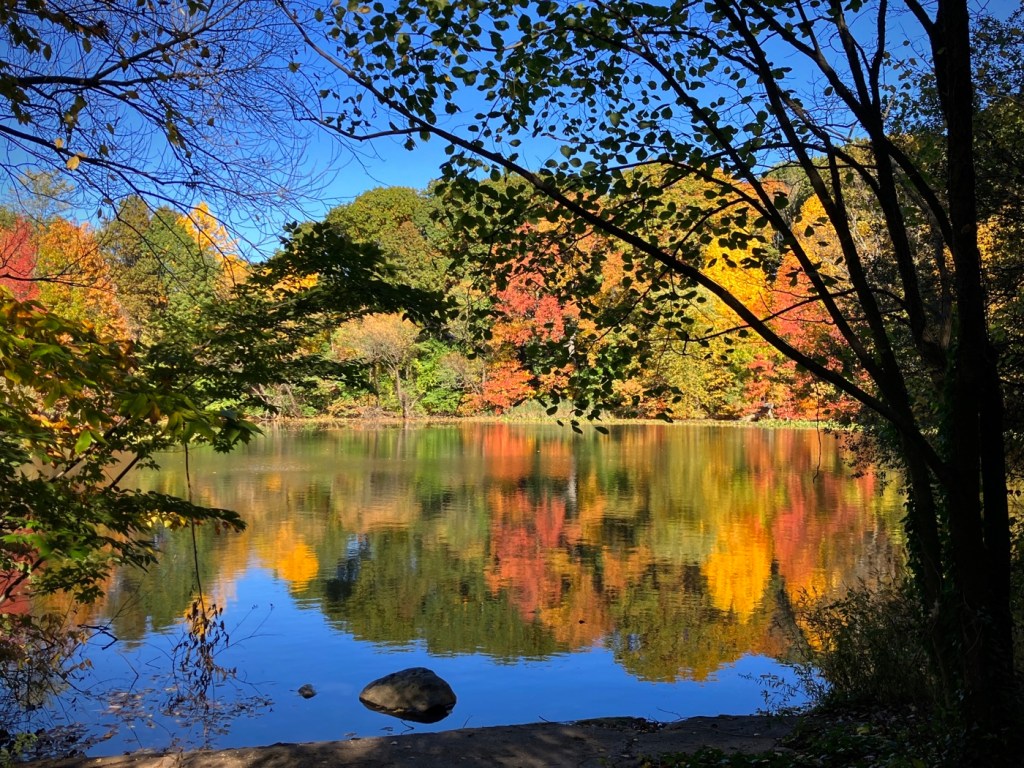


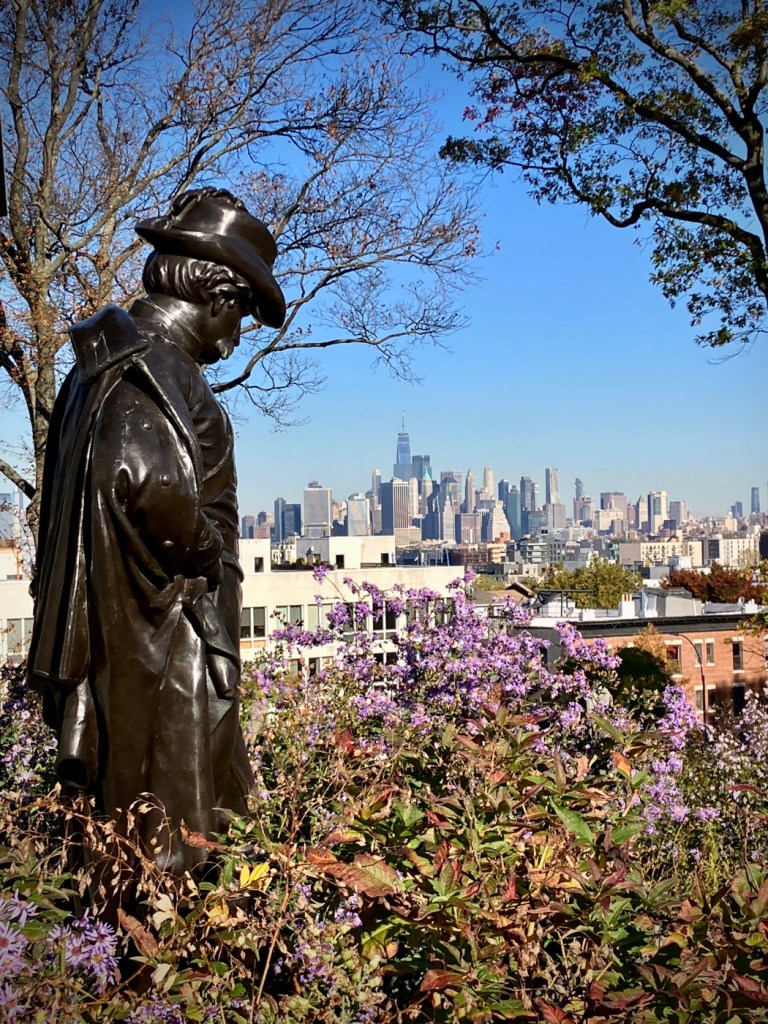
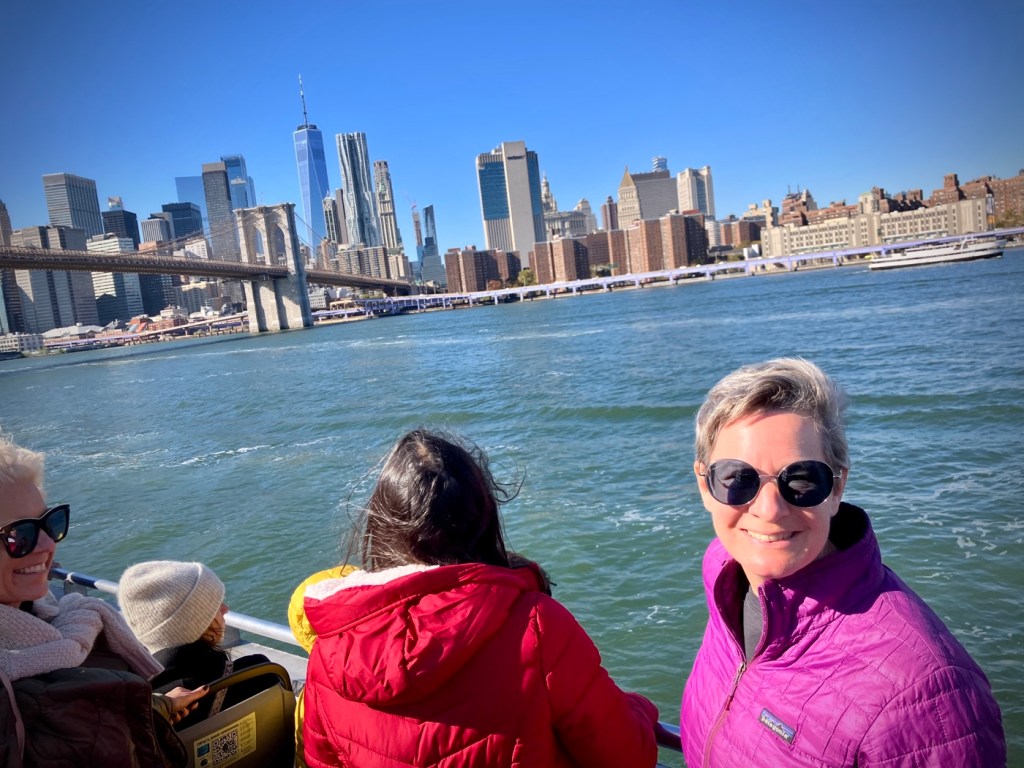

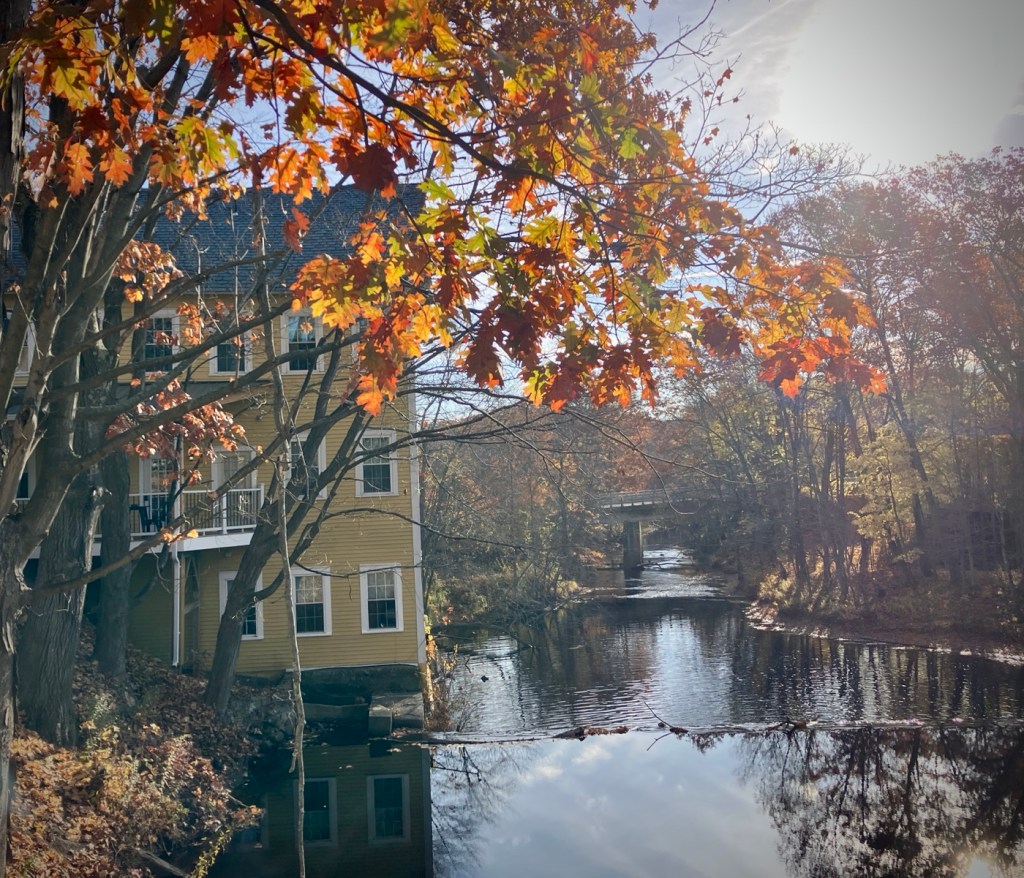
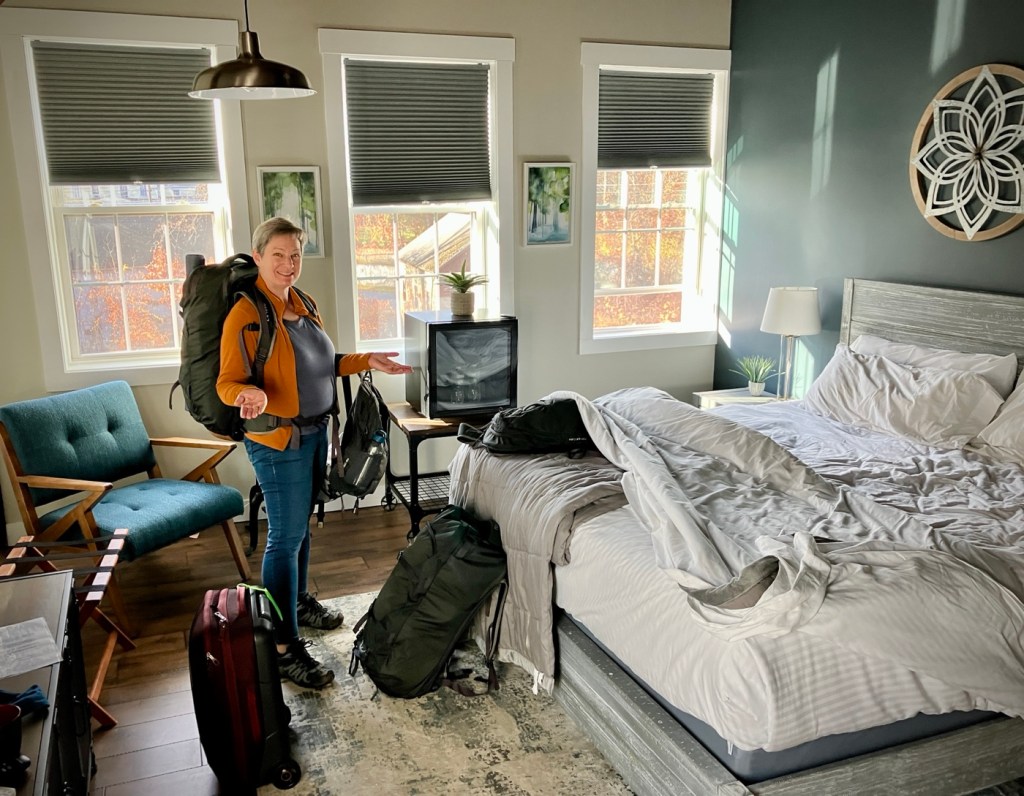

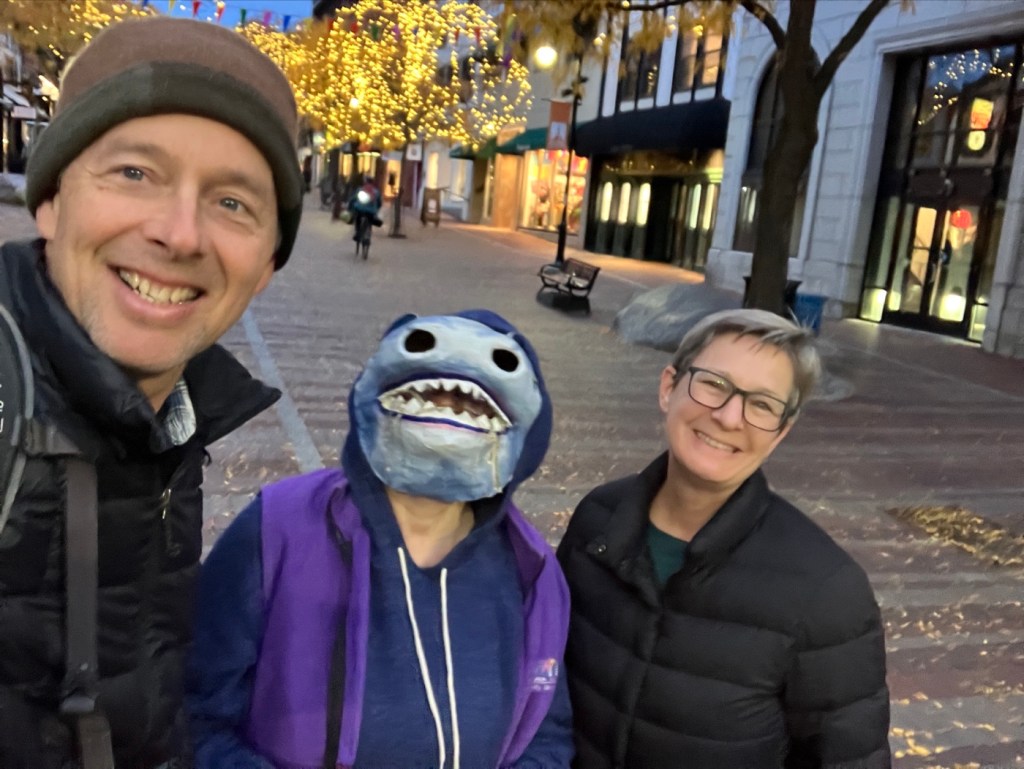
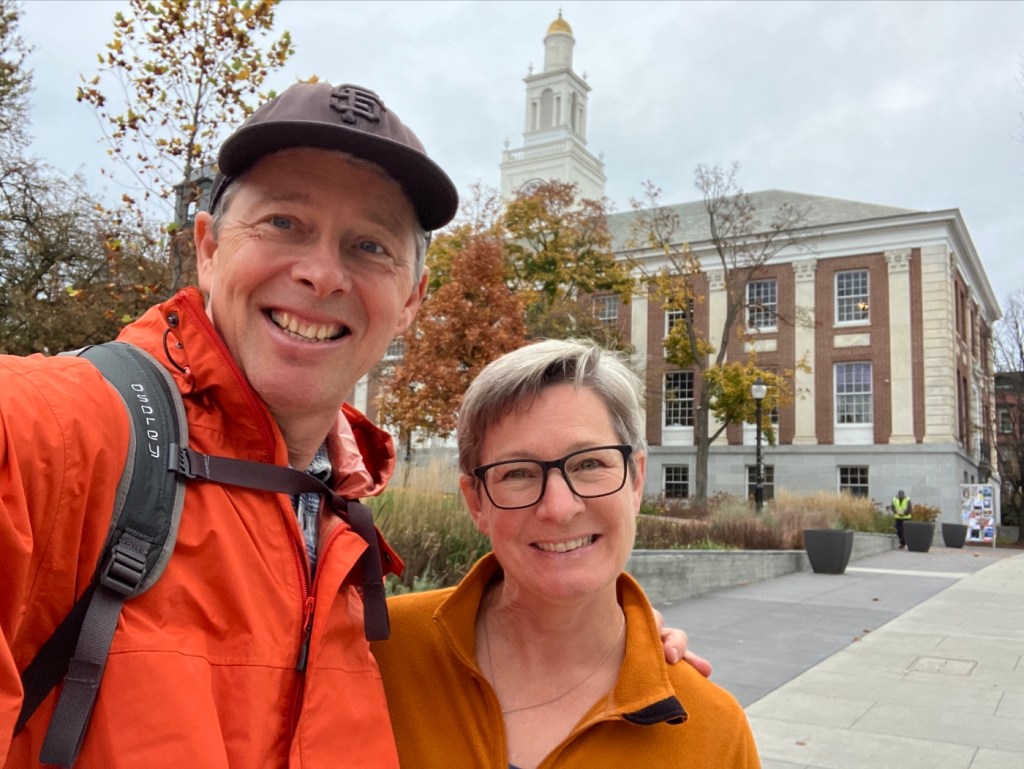


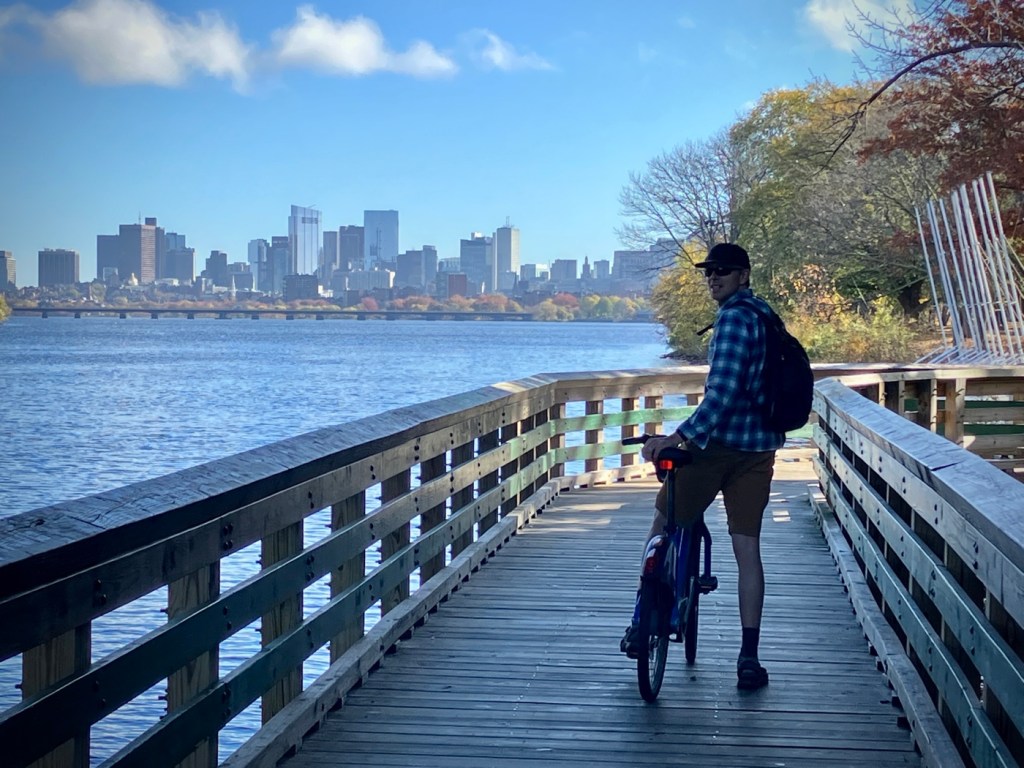


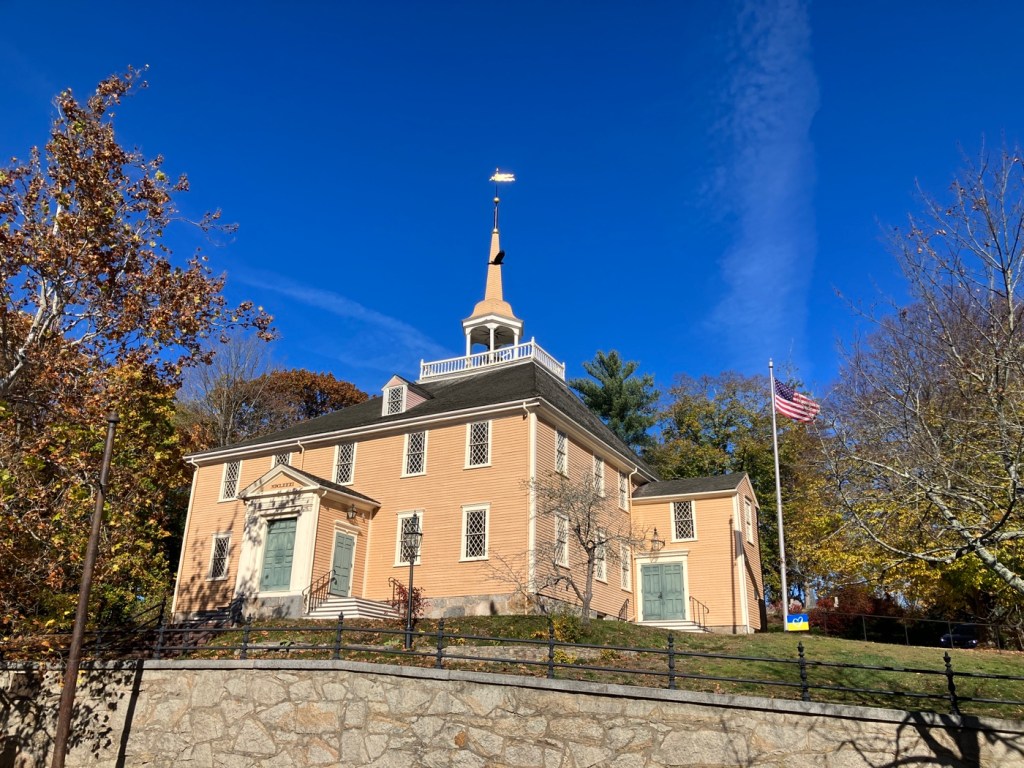


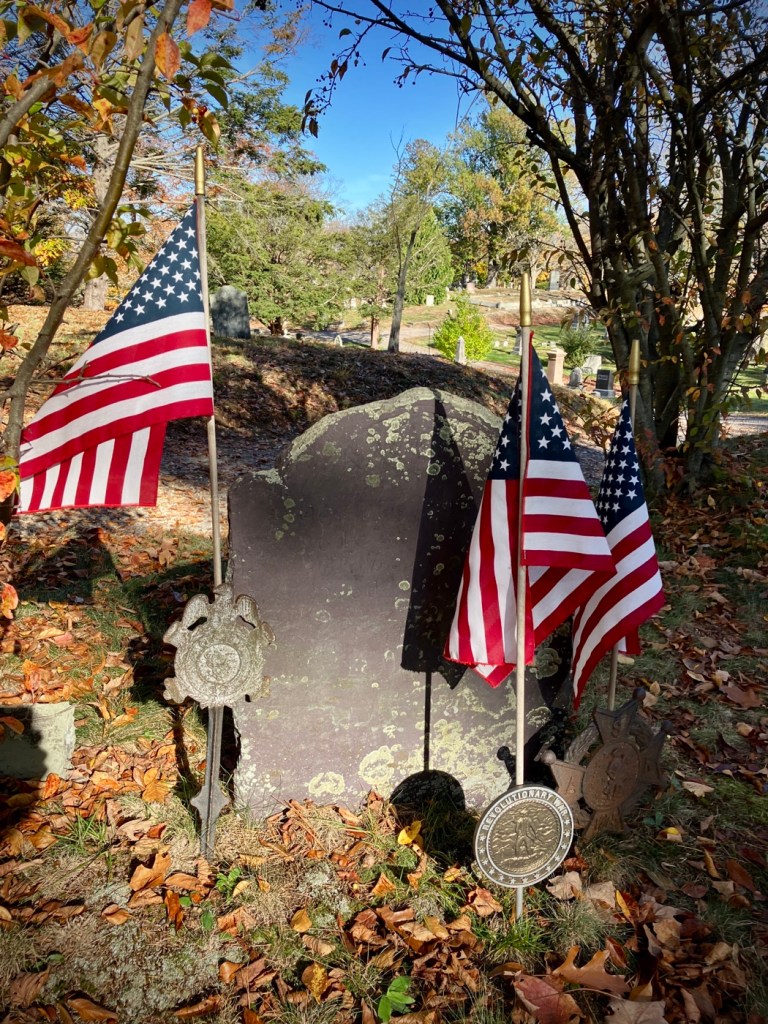
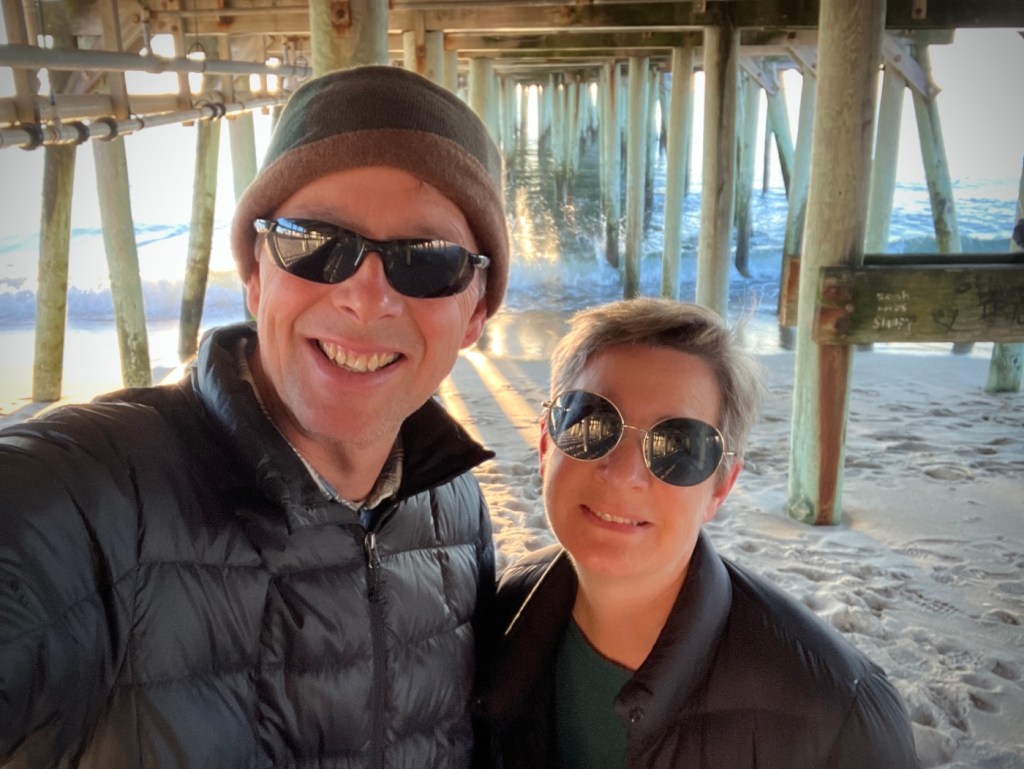
 Less Car, More Life