Our touring bike adventures have taught us a few things about trains and bikes. And we keep learning new helpful tidbits. One of the best tips is to try to book a train that starts at the beginning of your journey, and ends at your stop. There are few things as stressful as trying to get your bikes and panniers on or off a train at a mid point station. Although we’ve found French train staff, SNCF, and passengers to be pretty darn chill and helpful, it’s not very fun. One of our new discoveries on this trip is that, unlike the US, France doesn’t mind if bikes use the escalators. Using an escalator is so much easier and faster than the elevator or lugging bikes and bags separately up or down stairs. And, with our hydraulic disc brakes you feel confident that you have your bike under control and won’t cause an accident, even with loaded panniers. We came down the escalator at Gare de Bercy.
Oh, Paris. With your protected bike lanes and lovely trees.
Earlier on this trip we had dinner at a Chambre d’hote with a couple from Vichy, France, who warned us about going to Paris with our bike. So dangerous, they said, to cycle in Paris. Oh no, we replied, we’ve been through Paris on our loaded bikes and it’s fine. The Rue de Rivoli, for example, has almost no private auto traffic, just bikes and taxis. They were not convinced, and did not believe the crazy Americans. Ah well, their loss. I’m glad we’d been in Paris and knew how good it’s gotten for bikes, or they would have made us nervous. Taking advice from people who don’t bike is very different than hearing from cyclists.
Arriving in Paris is a treat. It was a Saturday afternoon and the city was calm and peaceful, to our eyes.
What made us think twice, or three times, about going through Paris, which we desperately wanted to do to catch up with friends, wasn’t the cycling conditions, but the trains in and finding a hotel with secure bike parking.
Bike friendly accommodation. This was the Aparthotel Adagio Paris Nation, in the 12th arrondissement.
The center of Paris can be tough, with smaller spaces and less secure bike parking, but one set of friends were in the 12th, and Rich found an Aparthotel with secure bike parking very close to where they were staying.
House call by a Doctor on a bike?How Parisian does this look? Our good friends Michelle and Alan came to meet us for dinner on their last night in France.Four happy travelers.La Vega, also in the 12th. Recommended by our friends Jason and Katie, who are living in Paris.Ah the dreaded (by me) menu board. All the food we had was fantastic but I have such a struggle reading the beautiful French writing.We bid farewell to Michelle and Alan after a long and delicious evening. On Sunday it was time to ride our bikes around Paris with Jason.
Rich and I are long time bike commuters and used our bikes for transportation and recreation in San Francisco. We have spent decades pushing for bicycle infrastructure improvements in our beloved SF. What a joy to ride around in Paris which is leaping ahead as a bike friendly city, and in a city where we don’t know the backstory and fight over every street. Jason, as a professor of urban geography who writes books about the politics of urban mobility, does know. He kept us regaled with the background about the changes in Paris.
Paris putting on its Olympic Games face. Hôtel de Ville.Paroisse (Parish Church) Saint-Paul Saint-Louis, 3rd arrondissement. Bicycles are absolutely the most efficient and scenic way to get around Paris.Don’t blink, now we’re in the 19th arrondissement. Those threatening clouds only spit on us a little.
On Monday we headed out on foot, following what I’m sure all American visitors refer to as Paris’ Highline, the Coulée Verte René-Dumont, which had an entrance right near our hotel. It’s a repurposed railway line and similar to the High Line in New York in that you get to walk above street level through gardens and art, and try to resist the temptation to peek into folks’ windows.
Above the streets enjoying the view.Parts of the greenway are lush with plantings.Street art on the side of a neighboring building.Olympic Smurf! I think this is by Invader, a French street artist who does pixilated tile mosaics, but could be an imitator.The greenway goes right through two buildings. What a way to walk in Paris.Crossed the Seine on Pont d’Austerlitz.And into Le Jardin des Plantes.The wide sidewalks of the 13th. That’s the metro line No. 6 running above.Gifted leftover metro tickets from Alan and Michelle. Thank you!Back over the Seine to our apartment for well deserved napping. Something we don’t get to do while actually biking.Beers (and wine) with Jason.
What a lovely familiar feeling it is to meet up with long time friends. We took advantage of being able to socialize as much as we could. Tuesday, our last full day before we cycled out of Paris, it was back on the metro to visit Musée de Montmartre. Recommended by our friend Eve who had just been in Paris.
The metro had a delay but I was busy taking photos of the Olympic ads in the stations, advising about how to get around during the games.TO MOVE EASILY DURING GAMES The important thing is to anticipate The Games will have an impact on your travels. To prepare, go to: anticipatejeux.gouv.fr
Paris is already a busy city. But, has experience coping with many many visitors. Friends who are visiting for the Games are hoping that things will go as smoothly as the London games did.
Everything in Paris looks picturesque to me. Even folks waiting for the metro.Off the metro and a walk uphill towards Montmartre.
We are quite crowd adverse, so why head to Montmartre, one of the most visited areas in Paris? Sure to be heaving with tourists? Would the Musée de Montmartre be worth it? Yes! As with any A list site the trick is to arrive early and pick a less visited part of Montmartre. Thank you Eve, great recommendation.
You enter through lovely gardens where Renoir once worked, and the 17th century house takes you through the history of The Butte, as Montmartre was called.Peonies in bloom.A painting For Au Lapin Agile, a cabaret.Artist Théophile Steinlen. Part of the frieze ‘Cats and Moons’ (c.1895)The studio where Suzanne Valadon painted. I appreciated the focus on a female artist.A rather impressionistic photo of me and the only vineyard in Paris, Vigne du Clos Montmartre, from the garden of the museum.Just to torture ourselves we walked by The Basilica of Sacré-Cœur de Montmartre to see all the crowds.We hoofed it back to the metro to get back to the lovely and calm 12th. Ah. Lunch at Le 217 Brasserie Restaurant. Rosé at lunchtime. Another biking day no-no. That’s a 50 cl pichet.France has absolutely spoiled us for wine opportunities and prices. Have we had a bad wine? Only once, at Chambre d’hote, we were too polite to mention it to our hostess.Dinner with Jason that night, his fiancé was working late. He made us fantastic creole food.
There is a lot of chat in the constant travel groups about avoiding crowded destinations, what we call A sites or cities. There are certain times of year when these popular places are just about guaranteed to be over run with visitors. In incredibly popular cities, like Paris, it seems the crowded times are more and more frequent. Go to B or C, or even D places. Or, as Rich and I managed in Paris, go to an A city but stick with less popular areas or attractions. It helps to have a travel planner like Rich who can spend hours on a single train puzzling to find the perfect solution. And then scour Paris for bike friendly accommodation in a good location. Actually, ‘helps’ is the wrong word. Depends is the correct description. Traveling by loaded touring bike into a big city could be a stressful recipe for relationship disaster, but with good planning, and a rule we’ve adopted from another traveling couple – no fault travel days (where no one can blame the other person for any problem encountered on a travel or transition day), we make it work. Paris was a wonderful break from cycling. Seeing friends was a great recharge. Next: we ride out of Paris with Jason.
À votre santé, Paris! (Thank you for the photo Michelle!)
Taking the city bus in Taitung to get to the train station.
Yes, we keep track of our travel modes. As long term travelers we have the luxury of time and room for errors, or spending extra time that other travelers might prefer not to “waste” taking buses instead of taxis. We also like to try to experience life the way locals do, as much as we can. Of course Rich always has a back up plan – if this bus hadn’t shown up in ten more minutes we’d walk over to the taxi stand. But show up it did, and we were off to the train station to go to Kaohsiung, a city of 2.7 million.
Last minute mochi snack purchase at the train station.The business class seating.
Rich, in his quest to really understand Taiwan trains, got us business class seats which weren’t really necessary since standard class is comfortable, but you know, for research sake. He also managed to book us in the single seats on the coastal side of the train, so fantastic views out a window each. Interestingly enough, a mother daughter duo from the bus were also in the business class train car with us.
Tea at the Kaohsiung Museum of History.
Something that is necessary is a plan for what to do when you arrive at your destination before your hotel lets you check in. Check in times in Taiwan are quite strict, usually 3 or 4 pm, so if your train arrives before that, you need to have an idea of where to go after you drop your bags at your hotel. We were glad our hotel in Kaohsiung, Hotel dua, let us check in when we arrived at about 1:30. We think that was due to the fact that we were staying for four nights. But we were ready with our plan. YouBikes to the Museum of History.
Our trusty Easy Card works for any city bus, and all YouBikes everywhere in Taiwan. Awesome!The Easy Cards, purchased in Taipei when we landed, reloadable in any convenience store – and also works in vending machines and some shops.
For us, riding bikes in an urban environment isn’t daunting. And with so many scooters in Kaohsiung we felt in good company. The cycling is certainly not the best in the world, but with the long distances and flat terrain, riding bikes is such a good way to get around. We met up with a fellow traveler, Martin (Hi Martin!), from Sweden, for pizza at a place that seemed not too far away from both our hotels. Ha! We all exclaimed at how much further it was than it first appeared on the map, us bicycling and Martin walking. It’s always so great to meet other travelers and swap stories and travel tips and learn about each other’s lives. Always say hello to fellow travelers, even if it feels awkward at first. I’ve had to get over my uncomfortableness about asking people where they are from, I’ve learned to phrase it “Where are you visiting from?”. That helps avoid awkward moments when you might have assumed incorrectly about a person’s home country. Taiwan doesn’t have that many western tourists so seeing other travelers is not common, which makes it even more fun to find out where folks are from and what their deal is.
Our YouBikes outside a 7-11 on our way to hike Monkey Mountain, also known as Shoushan Mountain. We stopped for snacks.Starting up the many many stairs of Monkey Mountain.After seeing this sign we stopped eat all of our snacks before encountering any ravenous monkeys.The second sign warning not to feed the monkeys. Ok ok, we thought.Wait? We also have to worry about monkeys jumping on our backs? Keep calm. Don’t panic. Don’t try to push the monkey away? Walk away calmly?
We did spend some time pretending to screech and swat monkeys off our backs, and then when we did encounter some Formosan rock macaques we walked by gingerly, saying hey buddy, no food in our packs, it’s all in our bellies now.
I will sit innocently on this bench. Just a cute monkey. I will sit fifteen feet from that monkey watching it like a hawk.
Just as we were thinking the monkey problem was maybe overblown, someone took an empty crisp bag out of their backpack and chaos erupted when one monkey grabbed it and took off and ten other monkeys gave chase! Round and round the seating and view area the monkeys went until they gave up and the ringleader discovered his prize was an empty bag.
Count the disappointed monkeys in this photo. Three. Adorable tiny baby learning to be a menace at mama’s knees.
Monkeys aside, the trail up and around the mountain is very nice, well worth hiking. We were there on a weekday and were surprised at how many folks were hiking. I suspect it would be very crowded on a weekend.
When the trail is not going up or down loads of stairs it winds through old coral reefs pushed up out of the sea eons ago.The views of both the city and the Taiwan Strait/Pacific Ocean, on a clear day would be amazing. However, the air quality was not brilliant the day we hiked.Coming down from the hike you can again spot the dominant mode of transport: scooters. Spot the monkey. Locals put sticks across their scooter seats to prevent Mr. Monkey from making himself comfortable.A nighttime ride to dinner.
All this hiking and biking makes for hungry travelers. We joke that we are rarely so happy as when at a good hotel breakfast buffet, and Hotel dua fit that requirement well. Breakfasts in Taiwan are veggie heavy which is wonderful. We’re not strict vegetarians but certainly prefer to eat healthy, and the vegetables and tofu options available at a Taiwanese hotel buffet are fantastic.
That is a good start to the day.Energy to ride along the Love River in Kaohsiung.And to admire the Kaohsiung Music Center.And just enough energy to wait for and board the ferry to Cijin Island, a quick five minute ride.And refuel with a boba tea before checking out another YouBike to explore the small barrier island.We brought our swim suits along, but it was a bit too chilly and windy to swim. So we people and dog watched for a while.
Cijin was first settled as a fishing village and has morphed into to a shipping hub, and a tourist attraction. It’s a pleasant place to ride bikes along the beach, and in warm weather, to swim. The main street is a typical tourist drag of kinda tacky shops and restaurants. We returned to the main city to eat lunch but if you like crab, there are loads of places to chow down on crab.
Cijin Tunnel, complete with fun light display. Spits you out on the windy north end of the island.Strait of Taiwan. Next landmass, China.
Other than Taipei, walking in the larger cities we visited, Kaohsiung and Tainan for example, is not fantastic. There are main streets with nice wide sidewalks but loud traffic, and smaller back streets with loads of scooters, which keeps you looking over your shoulder and ducking into doorways to get out of the way. The traditional shop house streetscape (business shop downstairs and living quarters upstairs) used to mean that you had a connected and sheltered arcade to walk through. In the world of scooters and cars that space is frequently occupied by, yes, cars and scooters.
This arcade is passable, many are even more parked in.The smaller alleyways offer shade but you do need to listen for scooters and make way.Typical mid sized street. Not much space for pedestrians. The arcades are not contiguous at all.
There are many charming things to see as you walk though. And since the weather was mild, not hot and no rain, we did a lot of walking. You can’t let the first impression of cities focusing for cars and scooter access put you off, if you walk and look more closely you can see the life of these of cities playing out at street level.
A beautifully tiled and colored doorway, Tainan.Noodles hanging in the old market streets in Tainan.The noodles have fans blowing on them.Minding the tea shop and waiting for customers.Did I mention how clean everything is? A covered street, this must be welcome relief from the sun and rain. Kaohsiung.Not far from these small streets are wide main boulevards with huge wide sidewalks and long lights to wait at before you cross. Kaohsiung.
Everywhere we went in Taiwan, cities, farmland, trails, we saw almost zero trash. And you also see almost no trash cans. If you purchase food or drink you have three choices: give the empty packaging back to the vender, carry it with you until you see a convenience store and go inside to throw it away, or carry it with you for a long time until you see a public trash can. They do exist but not a lot of them. Taiwan mounted a successful campaign against waste, one which is a model for other countries. In a nutshell, you pay as you throw away, by buying the garbage bags you must use, and producers have more responsibility for the products they create and the waste that generates. Per this article “Taiwan’s household recycling rate in 2017 was over 50%, making it second in the world to Germany.” And yes, the garbage trucks play “Für Elise” or “Maiden’s Prayer” as they ply the streets. After three weeks here both Rich and I are humming along with the trash truck tunes when we hear them.
Ok, enough with city garbage logistics! Lunar New Year is coming. The year of the wooden dragon. Temples have piles of spirit money for people to purchase and burn to honor their ancestors.Outside a temple folks line up to burn the joss paper, or spirit money.The spirit money is to make sure your ancestors are well provided for in the afterlife.A street turned over for a banquet. Happening on a New Year Parade in Tainan.
I don’t want to leave the impression that Taiwan has forsaken pedestrians and bicyclists, the bike share program YouBike is very robust. And there are pedestrian scrambles (where the lights turn red in all directions and pedestrians can cross kitty corner) at busy intersections.
A big bike share pod.Scrambles are marked with hours they are in effect.In Kaohsiung a new light rail loops the city. Folks were sightseeing from it, including us.I’m always happy to see new public transit systems.
However, it’s not as easy to be a bicyclist as say, a scooterist. And outside of a big city like Taipei where you would use a bike as a last kilometer solution after taking the MRT, in Kaohsiung and Tainan a scooter is the clear choice. It gets hot much of the year, we’re here in January for a reason – cool enough for us to walk and bike. So we’re viewing this transportation scape through tourist eyes, and seeing what’s missing for us. Honestly, the scooter life seems to work very well for folks. You go right where you want and easily park. If Taiwan could accelerate the switch to electric scooters it would be amazing. The noise and pollution would be decreased and streets would be much more pleasant and livable.
Heading out to Anping in Tainan. A decent bike path along the Anping Canal.But as in many cities, it’s the intersections where things fall apart. This one took us some long awkward time to get through, if it had been hot it would have been intolerable.
I’m going to write a separate post about our escape from cities to countryside, but first, a few more photos of the fun we had.
There were cats we pet.Many dumplings to eat.Laundry to get done.Boba to drink while waiting for laundry to get done.Laundry success!And finally, a bus to catch to the high speed rail station.The Happy Travelers at Chikan Tower, Tainan.The map! Hearts are where we stayed, the blue dot is us in Taipei when I snapped this photo. Thanks google maps.
The fearless leader of our tour of Brittany. In Normandy.
Rich and I joke that he is a tour leader with one client: me. He plans routes and navigates, books hotels, fixes mechanical issues on the bikes, and here in France, is also our translator. I provide restaurant and museum research, maintain a positive attitude in the group, and look for cats.
Off the ferry and on the bikes. Parc du Château des Ravalet. Hello France.The long stone farm buildings are so captivating.
Our tour started later than we normally get riding, the ferry docked at 2pm at Cherbourg, Normandy, and we had a hotel reservation in Port-Bail-sur-Mer, about 42km/26m south. That was our only reservation and destination. The first day riding in a new area means getting used to the traffic and temperament of the drivers, shifting to riding on the right hand side of the road, being charmed by the buildings and gardens, and bonjour-ing everyone I see.
The restaurant across the street from our hotel.Our first look at the tidal flats of Normandy. Sunset casts a golden light on the Church of Our Lady.
I get a bit stressed by eating out in France at first. My French is minimal at best, and I can find the handwritten chalk board menus difficult to read.
Oh yes, I’m reminded that I have entered the land of chalk board menus and delicious food. Moules marinières with frites. An easy choice in the land of seafood. The tide rushes in so quickly, and the water is so clear.
Switching to bike touring mode again after a lovely summer of long stays at house sits and with friends is a little tough. We tend to stay only one night in places until we need a rest day, but after a long day riding, the checking in, lugging bags, unpacking, doing shower or sink laundry, have dinner, sleep, breakfast and repeat, seems overwhelming the first few days. “Did we get bad at this?” I asked Rich. He was wondering the same thing, but, it only took a few days for what felt like too much, to become normal again.
Ready to roll from Port-Bail-sur-Mer. Panniers are perfect on the bike, but awkward off the bike.On to a multi use trail. Very relaxing riding.You know you’re in France when……you have baked goods strapped to your rack.The almost daily bakery stop, today in Lessay. Which is followed by the daily search for a bench in the shade upon which to enjoy the pastries at about the 20k mark. This one was in a cemetery. And an hour or two later, the search for a lunch spot. A picnic table is a welcome sight.
It’s not all about food, although food is important and delicious here, we also have a lot of stops to read history markers. Our first few days followed the path of General Patton’s Third Army as they broke through Normandy. We had a lot of history to ride though. Towns have streets named 28 of July, and further on 29 of July, to mark the day General Patton and the troops marched through, and bridges have plaques commemorating the march. It’s always spine tingling to read of what the French went through, and how much destruction was caused.
Pont de la Roque, bombed by the Allies to try to prevent the German troops from escaping. Welcome bike and pedestrian improvements in towns and villages. This road into Granville looked very new.
Over the last few years we’ve noticed France becoming more and more bicycle friendly. Towns have more car free space, speed limits have been lowered nationwide in town limits and signs put up showing that people on foot and bike have priority. Wider sidewalks with bollards, separated bike lanes, and rules for car drivers to give 1.5 meter passing space to bicyclists (1 m in town) have all made quite a difference. We love pedaling into a town and seeing the completed work, or the work underway, as France has pledged a billion euro more to make streets safer for bikes and pedestrians.
We had previously only seen this street treatment in Denmark. Bike lanes and a car lane shared by both directions of car traffic.In Denmark the bike lanes are red, here in France just marked by a dashed white line.Outdoor dining in Granville. That’s a bottle of cider. An extension of summer. Outdoor space still up and running.Sunrise, Port de Hérel. The view is from our room at the Ibis hotel.Heading out of Granville, another nice wide bike lane.How many times will I call a town charming? Bacilly was charming.
Our third night would be spent near Mont Saint-Michel, and it would be our final night in Normandy. We would cross into Brittany just west of Mont Saint-Michel.
Riding the coast of Normandy means skirting a lot of river estuaries, at Le Val-Saint-Père.Do not let your dog chase the Agneau de pré-salé (salt marsh lamb). A specialty of the area. This way to Le Mont.Now this way. The coast route is squiggly. There it is. We’d been catching glimpses of it all day as we rode, but this view – it’s otherworldly.
Rich booked the hotel near Le Mont just the day before. Off season means much more availability, even on a Saturday night. We debated riding right out to Le Mont before checking in at our hotel but we decided to check in, shower, leave the bags and ride back out the 5 kilometers so we could lock our bikes and walk around. The causeway leading out to Le Mont is only open to shuttle buses, bikes, and pedestrians.
Hotel Rose. Such character. But even better, we had a cabin with resident friendly cat whom we promptly named Deuce, for our cabin, number 12.Here we come, Mt. St. Michel! Denied! The causeway was closed to bikes for a light show extravaganza that evening.We retreated to the dam which was built to settle the sand from the incoming tide and avoid the river silting up. We got a nice photo with Le Mont.Did a little pouting.Watched some adorable tourists all get their Instagram shots.And back to our hotel for a bottle of wine and an Afgani dinner from the food truck run by the hotel owner’s sister and her husband.
Do not think we gave up. Even though the mosquitoes were feasting on us as we watched the wave from the incoming tide travel up the river to the dam, no staying for the extravaganza for us, we decided to get up with the sunrise and ride back out to Le Mont.
The next morning, rain was headed our way but we were not deterred. This is pre caffeine. Success. At the island with a dramatic sky.We were ready for the rain.Yikes! Let’s get this island viewing under way! Early Sunday morning and rain rolling in means very few other tourists. The Abby has a 1,300 year history. One other small group was walking around when we first arrived but we only saw them once.The rain and the tide rolling in. The medieval streets below the abbey.Although the shops cater to the tourists, the bones of the town remain visible. It was well worth getting up early and braving the threat of rain to see the Mont with so few other tourists. And back to our hotel for breakfast and much needed coffee and tea.
With the history of WW2 still so close, and much documented by historical markers and plaques, I had to look up what happened to Le Mont during that time. As you can guess it was held and occupied for four years and two months and – to our delight – we read it was liberated by one American, Private Freeman Brougher. You read that correctly, one Private in a jeep with two British reporters. Read the entire story here for a jolt of emotion and a few fantastic photos: https://warfarehistorynetwork.com/article/freeing-mont-saint-michel/
Photo from the article. More photos in the link to the website.
Although the rain held off for our visit to the island we were eventually caught after checking out of the hotel and heading out. We had to shelter to let the hardest rain pass by.
Barely on the road and already stopping to put our rain gear.The weather cleared as we continued along the coast, past windmills.And past these funny amphibious boats. They are used to harvest mussels. They can drive along the road, across the beach, and into the sea where the mussels are growing on pilings.Picnic spots of the world. We had managed to get to a small shop just before it closed for Sunday afternoon
There is a lovely feeling of familiarity, going from Wales to Brittany. Both are Celtic lands and we find similarities that catch us by surprise. The style of the old buildings, the way the doors and windows are framed by brick, certain words, and, arriving in Saint Malo, reading that Saint Malo arrived in Brittany from Wales. He was one of the seven founding saints of Brittany.
We had to look up this city emblem, it’s a dog.
Saint Malo is the setting for the book All the Light We Cannot See, which we both read, and we were reminded of that fact by our friend Bob (Hi Bob! Thanks!).
Another super bike friendly French city.With loads of beaches. Walking along the old ramparts. The city has a history of pirates! We stayed out in a neighborhood called Saint-Servan-sur-Mer. We rode our bikes down to a lovely harbor for high tide swims both mornings.You can see how the tide and ramp makes for a great swimming spot.Lovely sunsets.Rich added for scale. The happy travelers, just before a swim.
So far, some pretty fierce headwinds aside, we’re really enjoying Britanny. The history, the food (the butter and the salted caramel made from the butter!), and friendly people. Especially once we’ve pedaled away from the tourist areas – then we really enjoy the opportunities to chat with locals who don’t often get Americans pedaling through town. On we go!
The star is where we landed, the hearts are where we slept. The blue dot was me when I snapped this pic from google maps. (For you Ruth!)
We’ve been in the UK for a month now exploring the sites, museums, footpaths, parks, and a lot of pubs! Our first house sit in the Windsor area was for new friends that we met in Istanbul last year.
The Grand Union Canal…most canal paths are open to cyclistsThe Slough branch of the Grand Union passes over a number of small rivers and streams. Water bridges (aqueducts) are cool!
It was a great chance to catch up with them, as well as settle in, explore the area, and recoup a bit from our hectic 2023 to date*. We also got to meet up with a handful of other friends in the greater London area, as well as some fellow nomads through the GoWithLess Facebook group.
(*2023 Seattle, SF, Tapei, Bangkok, India, Sri Lanka, Japan, Korea, Colorado, SF, France, Switzerland, Germany, Czechia, Austria, Belgium, and the Netherlands….whew!)
Cheryl and Queen Elizabeth in the Windsor Great Park. The Long Walk is a a nearly 3 mile tree lined avenue established by Charles II. Our summer blackberry refill near the Thames in Datchet.Lock watching in Maidenhead.Our favorite one-eyed cat buddy.
Windsor is of course dominated by the Windsor castle which seems to be in view no matter where you go. There it is again! Windsor itself gets a lot of tourists, but most are just there to tour the castle and grounds, so it’s easy to find peace and tranquility nearby, especially in the Windsor Great Park and the Thames path. We actually passed on the Castle tour in peak August, as it’s hefty admission price tag (almost $40!) seemed best reserved for a quieter off-season time.
Great beer and atmosphere at Windsor & Eton Brewery, one of our favorite spots away from the tourist hubbub.
It’s also been great to have our new touring bikes here to explore some of the local bike routes and countryside. Their sturdiness and 40mm tires are perfect for the rough roads and varied off-road surfaces of UK cycling.
Cycling through Great Windsor Park to meet friends for a great pub lunch. This paved section of the Virgina Water in WGP was recently closed to bicycles eliminating a nice loop option. There are two giant car parks at each end of this area. The restriction on walking your bike through seems silly and just discourages families from getting there by bike.
So after our happy 3+weeks in the London area, we said goodbye to our friends and their lovable cat, and loaded up to ride 25 miles to catch a train in London. Our LNER train took us north to our next house sitting adventure in a small village on the river Tees near Darlington.
Saying goodbye to Peter, Sue, and Bruno, the sweetest cat in the worldCycling into London via Bath and Great West Roads. The route was not the greatest cycle route ever, but it did get us past Heathrow to Central London mostly separated from traffic. A few cycle routes in London mean sharing a lane with buses and taxis. Not too bad for experienced cyclistsAnd finally the great separated infrastructure of a Cycle Superhighway (CS9)Waiting outside King’s Cross Station. Our discount “Advance Single” tickets were only good on a specific train and time, as well as our two reserved bike hook spots.
We met the very nice family briefly before they set off for a proper sun holiday with their kids in Spain. It’s a lovely house and garden, and they have two cats, a bunch of chickens, Guinea pigs, and some fish. It’s been fun to collect (and eat!) farm fresh eggs daily, and the village has a nice pub down the street, as did our previous house sit, and the sit before that… ok, so there is always a pub down the street in the UK!
The UK public footpath system is awesome.Canals and pubs in pleasant Ripon at the foot of the Yorkshire Dales.
As in all our transitions this summer, we built in an extra day to get from Windsor to Darlington, and spent the first night nearby at a nice and surprisingly good value historic hotel. Unfortunately, the constant strikes, partial shutdowns, and other uncertainties in the UK rail system can make certain travel days impossible, especially with the complication of transporting bikes on the trains, which always requires a precious bike reservation for long distances.
History is everywhere. We especially love the small village churches. Christ Church College at Oxford in beautiful sunshine.
There were 5 strike days in July and another 3 in August, as well as an extended ban and dispute on OT work on 15 of 17 operating companies limiting schedule. Good fun for passengers who have little say in improving the workers wages and funding except through occasional voting. Oh, and yup, there are 17 major train operating companies, often overlapping in service along corridors. Sometimes your ticket can work on any carrier, sometimes it doesn’t.
A semi-private bridge in Hurworth, Yorkshire.Cycling joy to see this on a 40-mile loop.Ingenious dairy automat in Yorkshire. The chocolate shake was amazing!
The good news is that the system is pretty extensive, and a lot of upgrades have been made to stations, rolling stock and infrastructure recently. Much of the system is great and when there are not network or labor issue, it carries a ton of people at a very low carbon load. Raíl travel here is not cheap, but advance discounts are available, as well as rail cards. We generally travel off-peak and use a “Two together” railcard to knock 30% off most fares when we are indeed “two together” (which is almost always-:).
Windsor Great Park is indeed pretty great with magnificent heritage trees.The mighty Thames Estuary from the Blackfriars Bridge in London.A slightly stormy day on the Thames.
We loved our reliable Southwestern Railway service to London which took us from Datchet on a one seat ride to Waterloo Station for about $15 r/t each. The recently opened Elizabeth line (aka CrossRail) has also improved east-west connectivity across London and even allows bikes at most hours and stations!
A 14 mile loop from Henley-on-Thames Station was a good challenge in a bit of heat, sun, and the always lingering mud in the low valleys.An ominous forrest portal in the late afternoon. We could catch the train from Windsor/Slough to many lovely destinations.
But traveling to the less populated North has reminded us how darn crowded the greater London area is. In fact, Southeast England has about a third of the UK population, including the 10 Million in Metro London.
Ok, walking and cycling may not always be the best, but a Sunday roast complete with Yorkshire pudding at our local pub is great. (Cheryl had a veggie Wellington.)
So trains are essential, and excessive car travel unsustainable. However, outside the London core, most infrastructure has been heavily engineered to move vehicles, at the great expense to those who want to walk or cycle to a destination. Or just want a peaceful town to walk about and exist.
This sign sums up the national cycling psyche.
Cycling conditions outside of the reimagined London cycle superhighways and traffic limited cores are dismal. Spending so much time on the continent the past 2 years, has made us realize that it could all be different with some strong leadership, pricing, and a common vision. It’s a stark contrast and feels like a overwhelming lift to change the status quo that has developed over the past 50-75 years.
An overnight visit to a friend allowed an early morning stroll in historic and lively OxfordThe mind blowing Pitt Rivers Museum in the Oxford Natural History Museum. You could populate 10 museums with all the artifacts.
Cars have the right of way almost everywhere except the somewhat rare zebra crossings. There are curb cuts and islands many places, but no right of way associated with them. And crossing a side street while walking along a Main Street still imparts limited rights. So car drivers often come flying out around corners with no expectation a pedestrian would dare cross (and most don’t) and are solely concerned with whether they can merge with other vehicles on the new road. So crossing the street is often a long wait, a dash, or a hopeful glance to a car for a pity stop along with a slight intent to cross. We do this a lot, and it often works, but most locals defer to cars and jut wait. And wait.
Oxford is a bright spot in transportation cycling in the UK. Great facilities, limited car traffic, and lots of bikes. Yay!Broad Street in Oxford is another example of reclaiming space for people to enjoy the magnificent architecture and ambience .Oxford does need to improve the pedestrian access from the train station.
It makes us extremely sad to see walking reduced to a last priority, especially in a dense, compact place that was developed at its core to be walkable. People used to walk everywhere. Now people feel they need to drive short distances (to car parks) just to get a few groceries or take a walk with their kids or dogs in a safe place. Parents clutch their kids for dear life on narrow sidewalks next to high speed traffic often inches away. It’s a downward spiral.
The sad High Street of Yarm in North Yorkshire The entire street is a parking lot on both sides. It is geographically constrained but this is a horrible condition for a village. Putting out the cutest guinea pigs for the day will always cheer you up.
We’ve also noticed the pedestrian conditions vary widely by area and city, but for the most part, the cars-first attitude permeates all public space behavior. So we do our best to assert our rights (some new from Feb 2022 law) and lead by example, and we have noticed strong resistance to some of the traffic sewer streets by protest notices in a few towns.
An ok cycle lane, but they are often overgrown and 99% have bumpy pavement. The intersections are tedious and tough to negotiate. The B Road adjacent has nice smooth pavement. Maybe I should drive?Hilarious design stupidity with narrow chicanes at the top of a bike/pedestrian bridge in addition to two at each end just to ensure that cycling is not too great an option.
It’s not an easy fix, but if you start with making more pedestrian and bike routes and crossings, then people will have more options and a virtuous cycle can begin. No pain, no gain. I realize I made some similar observations in our 2022 summer stay here, but that’s because as avid walkers and former activists, it’s always a shock how discouraging the traffic system truly is.
More ridiculousness…the supposed safety devices are unique to British cycling…other parts of Europe seem to want cyclists to be able to ride places. This bike bridge should be 100% ridable, so why this again!? Cheryl wished she had a hack saw and blow torch -;)We barely saw a scooter motorcycle in 3 weeks, yet these squeeze chutes were common. This clever setup ensures that you will smash a pedal, pannier, or shin. Or all three.And what does Cheryl think of this set up?Yup, these cycling deterrent devices are on the National Cycle Network. We may have had 20 dismounts on a 25 mile loop ride….Luckily, some obstacles can be overcome as this path was blocked by a pub…so we went through and had lunch there!Riding the Thames path near Bourne End. There is great joy cycling here despite the frequent challenges.
But we love our housesitting adventures as each one is so different. New pets, new sights to see, and new pathways to explore. We can focus a bit more on history and background reading without the constant logistics of more mobile travel. Not to mention it gives me ample time to plan our next cycle touring adventures and fall travels.
A stained glass homage to James Alfred Wright (aka James Herriot) at the wonderful museum dedicated to his life and “All Creatures Great and Small” in Thirsk.We stumbled upon the unique Kingsgate Pedestrian Bridge over the river Wear in Durham, designed by Sir Ove Arup.Ove Arup was visionary and the bridge stands the test of time, although it’s a bold design with very thin concrete cantilever supports. I hope they are checking for rebar corrosion.
But as we plan trips through the fall and back to the US, it also makes us miss our family and friends even more; despite frequent electronic contact. For me, this nomadic adventure is not just about travel, but about adjusting to a new reality of early retirement. I have somewhat adjusted, but we do both wonder what it will be like when we settle down again. Serious hobbies will need to be reactivated as well as local civic engagement. New friends and old. And of course, travel planning -;)
The awe inspiring Durham Cathedral with an impressive reminder of our earth’s peril.The beautiful North York Moors are close enough to explore by bike.
But the UK has been a perfect place to spend the summer as it’s been cool, a bit rainy, but generally just perfect for active walking and cycling. And so green and lush! We had our fill of heat this year in South Asia and cycle touring during a very warm June on the continent. (It was warmer here too in June.) However, after a month, I do understand why many British feel a strong need to get a sun holiday, even in August!
And yes, exploring the North York Moors means mandatory pub lunch.Bright paint to contrast with the gray summerWarm with my sweetheart at Saltburn by the Sea.
We have a few more days left in the North and then load up our bikes again to head south and west to another house sit in the former coal country of Wales. We’re always excited to explore a new area and we know the Welsh are so friendly, so it should be great. And so far the trains look to be on time.
Sometimes you are really in the groove of bike touring. The daily physical challenge, the rhythm of plotting our route, checking the weather, procuring food and lodging, and working in some fun and history along the way.
Trois Bornes: where Germany, Belgium, and the Netherlands meet. It also happens to be the highest point in the Netherlands at 322m.Morning saddle-up at our little garden apartment in Miltenberg; a long travel day ahead.
You also tend to get a few bumps and bruises along the way; maybe bang your leg on a pedal or kickstand, maybe some chain ring grease, and always a few achy spots.
Our second train from Mainz to Bonn was a long local run and crowded from the get go, but we were able to wrangle our bikes against the wall…but way too late for proper seats.Then even more bikes, including these two friendly German bikepackers heading out for a month ride to Nord Cap, Norway. Impressive!
You assume any minor nicks, scrapes, or pains will be eventually go away. And summer bike touring in the forests and fields always means nettles, bugs, and bug bites. So, as we headed out of our two day stay in Miltenberg, I still thought the growing red spot on my right leg would probably just go away…
Off the Train and headed towards Eifel NP.
Oh sure I was feeling a bit funky, but again, your body goes through ups and downs bike touring, so thought maybe this too would pass like an off day in the Tour de France. Plus we had an ambitious agenda to get us across Germany to a point where we could ride into unexplored regions of Belgium and Holland.
Cooling our feet in the Roer River near Heimbach, Germany
The 40k ride up the Main river to Aschaffensburg was fine and we had plenty of time to pre-board a local train to Mainz with our bikes. I had planned our route using local (RB/RE) trains that were covered by our €49 monthly tickets, and only boarding at the beginning of routes to ensure there was a spot for us and our bikes.
Bug bite infection now bandaged and first antibiotics in my system…still feeling apprehensive about a hot tough ride out of Eifel NP, but the doctor said it was ok to ride. Wind turbines all over the Three Border Area as it’s ridges are windy!Peanut butter and apples were our Sunday savior in Germany, when most everything is closed.The Ravel bike route has great rest areas.The rotating 24 hour pharmacy schedule in the Aachen area allowed us to fill our prescriptions on the weekend after a second visit to an urgent care and second opinion on antibiotics. A rare and new bright urban bike lane in Germany. Happy to be heading out of Aachen…now doped up on two antibiotics! After crossing into Belgium on Eurovelo 3, we appreciated the smooth pavement and well marked bikeway crossings and transitions.The rail-trail Ravel route straddles the Flemish-Wallone border and is like sailing through the sky…highly recommended.You know you are in Belgium…pavé!A small defensive bunker from WWII. This almost classifies as a “pillbox”, which are smaller square or cylindrical defensive structures still found in the area.A memorial to the soldiers who died defending the Vaals region from the Nazis in 1940.The fragility of borders and freedom haunts us again in this region.
Feeling confident after our first easy train transfer to Mainz, we waited strategically on the platform for our next key leg to Bonn. As the platform got more crowded, we knew this might be a challenge, and unfortunately the empty train rolled in further up the platform than expected. Doh! As mobs converged, we quickly passed the first car marked with some bike space to find a better car. Big mistake.
Heading into Liege, a city in transition with new streetcar and brownfield development construction engulfing it for a few tough years. Visit in 2025!
However, it turned out to only have two bike cars; and by the time we got in the door of the second car way down the platform, it was crowded. People were already on the pop down seats in the bike area with large luggage. So after some fairly aggressive negotiating, we managed to squeeze in with our bikes and 8 panniers scattered about above and below seats and on top of our bikes. Poor Cheryl was standing almost the whole 3 hour endurance test of 22 stops; while I managed to find a seat for some of the ride in the main area, after asking two young men to move over and move their bags off the seats.
Heading down the Mass (Meuse) River. Goodbye to Liege and Wallonia.
So here is the thing about the €49 tickets; many trains are busier, but the long distance local runs covered by the tickets are especially popular. Next time we’d spring for the €100 intercity train with bike reservation on a trip this long…and you probably should too.
A water tap! Welcome to the Netherlands, there are almost no public water sources in Belgium or Germany.Delightful Maastricht, Netherlands…we dipped into the Netherlands just for a night. Mount Saint Peter just south of Maastricht is perched on a limestone hill; a quarry on one side and views of the Maas on the other. Bikes everywhere around Maastricht University, home to more than 22,000 students.
But the upside of these adventures is that I ended up chatting to the two young men for an hour or so, after they offered me some cookies. It turns out they were both relatively recent refuges to Germany from Iraq and Syria and had fascinating (and somewhat heartbreaking) stories of their families’ trips via Greece and Turkey, where some of their family was still “stuck”. Again, they both said that they would love to go to the U.S. someday, but were ok in Germany, but not thriving. Germany has been overly generous in accepting refuges and should rightly be proud, but it’s a fairly rigid culture to assimilate into or even find your own community within the traditional Anglo-Saxon framework. Heck, we even find Germany a bit hard to assimilate into, so we can only imagine.
Even more toast chocolate sprinkles at the Coop to peruse…amazing how breakfast customs vary just a few miles over the border.Survived the end of a heat wave with just a fan at the lovely and historic Hotel au Quartier in central Maastricht. Still cool compared to India and Sri Lanka!
So after a difficult exit in Bonn with less than helpful commuters plowing into the train before we could get off completely and refusing to move, we headed out to ride 25k up the plateau to a little B&B room at the edge of Rheinbach. We were mentally and physically shattered, but managed to buy some groceries for an easy dinner at our room and our hosts helped us out by cooking the frozen pizza for us in their big oven.
More familiar flags and some pride and appreciation for the sacrifice the US made in the mutual defense and liberation of Europe.Great bike infrastructure continued as we crossed back into Flanders.Howdy train riders…this new Flemish bikeway is amazing!
So we headed out the next morning and I did sort of notice that the spot on my leg had continued to grow and was now over 4” x3”…hmmm? We made it to our next Guesthouse in Hasenfeld and decided, despite the heat; we’d walk down to try to see the lake. As we returned, we both realized my leg was brighter, redder, and the spot had a bullseye center. Yup, I needed to get this looked at ASAP, so asked the innkeeper about a taxi to a hospital about 30 minutes away. When I pointed to the red spot on my leg; she exclaimed in horror “Scheiste!” or some hybrid of shock in her German-Polish vernacular.
Reward for an 85k day goal reached; a short walk to a neighborhood brasserie for wine and a luscious Belgian beer near Mols, Belgium.The next day, a 75k meander to Antwerp primarily along the rural Kempenroute in Northern Flanders.
Her panic did not help. It was now Friday evening, but she was as able to get us a taxi to the urgent care clinic of the local hospital, and I was seen in less than an hour. The doctor spoke English and was pretty sure it was an infected bug bite (but not a tick) and prescribed an antibiotic course and ibuprofen. He recommended I get it looked at again in the bigger city of Aachen; where we planned to cycle the next day.
Antwerp Central.Now THIS is a train station. Wow!
Feeling mentally better with the antibiotics, we headed to Aachen on a scenic route along the Rursee, one of the largest reservoirs in Germany, and then up and over the next ridge, and finally a blissful coast down the Ravel rail route to Aachen. In Aachen, we visited another (more crowded) urgent care on Saturday evening and the Doctor seemed to have a different opinion on which antibiotic was best, so started me on another course, as well as some prednisone, to quell a possible allergic reaction to the bite. Given our (rushed/efficient?) 7 minute visit and her lack of spoken English (and super fast German), we are still not entirely sure of her opinion, but I did have a new prescription and was able to start on her advice the next morning. The amazing thing about antibiotics is how fast they work as I was already feeling better by day 2, and by day 3 the redness had dulled, and dissipated completely within the week. Not sure which antibiotic did the trick, but have been re-boosting on yogurt and other pro-biotic foods ever since.
Multi-modal and car-light Antwerp.Streets are for people in central Antwerp. It was bustling in the center…just not in this morning photo -;)
So thank you again German health care system for your kindness to foreigners. And by the way, the TOTAL walk in costs, €70 (two urgent care visits), €40 (4 prescriptions), and €140 for taxis. No insurance needed. Yes, the taxis were more expensive than two urgent care visits and drugs.
The recently renovated and highly recommend Royal Museum of Fine Arts in Antwerp puts the Dutch Masters in context with modern works and a great audio guide App.The port area of Antwerp… with two ships on the horizon? Nope, on the right is the stunning Port House designed by the late Zaha Hadid. On our list to visit next time! Sculpture snack break.
So after a Sunday rest day in Aachen, we headed out on our journey towards the Belgium border and had a great ride to Liege, in the Wallonia region of Belgium. Liege has a lot of potential and we didn’t get to explore much in one night, as the whole city is pretty much torn up for a massive streetcar and streetscape redo well into 2024. From there we had an easy ramble down the Maas river to Maastricht, dipping into the dogleg of the Netherlands for a night.
This “bikeways first” rural road layout makes car drivers work it out in the center while bikes get two wide lanes.And bridges AND tunnels designed with separate bikeways.Crossing the Oude Maas River near Dordrecht.Mind the freighters please.
Maastricht is a lively Dutch city dominated by a young (est. 1976) but highly respected state university. The vibe is very international, especially as over half the students are foreign. Feeling 100% now, I next plotted a 160k two day route to Antwerp across northern Flanders. We noticed that the bike infrastructure in Flanders is nearly equal to that of the Netherlands, as there has been a huge push to catch up to that high standard the past 20 years. Belgium also felt a bit more sophisticated and gourmet than many of the smaller places of Germany and Czechia we had spent the last month.
Enjoying the culinary diversity of Rotterdam at Restaurant De Smaak van Afrika.And more traditional, but delicious fare at Cafe Pierre; Dutch bitterballen, mushroom risotto, and a goat cheese and fennel tarte tartin (frites and bier a given…)Rotterdam is the largest port in Europe, so bridges, tunnels, ferries, and these typical water taxis provide key links.
I think Antwerp is one of the underrated and overlooked gems of Europe. It’s bustling, has amazing architecture, great international food, pleasant neighborhoods, and fantastic museums, such as the KMSKA and Red Line. From there, we rode two days to Rotterdam, another interesting city, although more focussed on the future and modern architecture as it was completely rebuilt after the devastation of WWII. Yes, we love the “B cities” of Europe, especially in peak tourist season. You get a more genuine experience with fewer crowds. And you can you usually get a seat, even at the most popular cafes.
Off again towards the Hook of Holland.Time for a quick sightseeing ride around Delft on the way to our night ferry.
Our rest day in Rotterdam was well timed as heavy rain came through, perfect for exploring the Harbour areas and fantastic Dutch Photography Museum. The next day, we finally set out for our last destination on the continent, the Hook of Holland, for our overnight ferry to the UK.
Water on all sides; about a quarter of the Netherlands is below sea level, yet somehow seems closer to the sky.
This is our favorite crossing to the UK as the Stena line is well run and bike friendly. You check in with the cars and ride onto the main car deck to park your bike, and then plenty of time to enjoy a drink in the bar, have dinner, and catch sunset as the ship sets out about 10pm. Then up to your cozy cabin to sleep. And then cycling off the ferry to our next adventures. Stay cool and note our next post will be soon!
Enjoying the late sunset with my favorite traveler as we pull out of Hoek Van Holland.
Sunflowers starting to bloom in the Moravian region of Czechia. They are raised as an oil crop. And are lovely to look at.
Bicycle touring is tiring. Our rest breaks in Český Krumlov and Znojmo were so lovely we decided, after a few more days riding, to take another break in Brno. As with Česky Krumlov we were just amazed at how beautiful these towns are. Although the country has a tumultuous history, most Czechia towns and cities were relatively unscathed from bombing during WW2.
Rich riding by Vranov nad Dyjí Chateau. So many stunning historical buildings.Znojmo in the evening sun. Rich relieved to have found a gap in the fence and hedge to complete our detour away from a busy road. We were too busy trying to avoid the farmer and his haying machine to get photos of us crawling and pushing the bikes through the hedge.
Hmm…sounds like a lot of rest days, you may be thinking. Well, once we left the relatively quiet and empty region of Bohemia the roads started to get busier, and the car drivers faster and less careful around cyclists. Our day into Brno was pretty awful, a busy rural road with many trucks and no shoulder, long stretches with no towns or trees, but thankfully no head wind.
I usually have this Bluetooth speaker on my handlebars to listen to music or podcasts, the flowers I gather to amuse myself.A tiny bee appreciating my tiny bouquet.
Once we got to the true outskirts of Brno we were on a cycle path again. Czechia has a lot of recreational bike riders, a lot of folks in road riding gear (mostly men), who ride fast. As we know from our bike activism in the US, women on bikes are an indicator of how safe and accessible places’ bike infrastructure is. And families. Parents with children in a cargo bike or on their own little bikes is a good sign too. We saw a few families coming into Brno along the Svratka River, but our hopes of a cycle friendly city center were not to be.
“Common path Be careful” Well, it’s something. Another lovely Czech old town square in Brno. The deck chairs were a nice touch, folks were enjoying the evening. So we did too.
We both know firsthand from years of activism and professional work the many challenges that face a city trying to become more bike and pedestrian friendly. Our own city, San Francisco, has come a long way but still struggles to make changes to the streets, fighting against the conventional beliefs that cars must have unfettered access. So we understand how hard it can be to create safe welcoming spaces for people on foot and on bikes. In many cities we joke that we should stick around create a bike and pedestrian advocacy group, Walk Bike Brno (Procházka Kolo Brno) has a nice ring to it. But there is the language challenge, and the irony of two Americans lecturing any place about sustainable transportation.
Špilberk Castle, a lovely view spot and a good cross challenge for our leg muscles that are too focused on cycling.Ouch. We’ve learned the hard way to make sure we hike on our days off the bikes. Špilberk Castle was a good hill climb.
Brno is a perfect candidate for a Copenhagen style makeover, or even a San Francisco style makeover. It’s pretty flat in the core of the city, loads of Universities, trams and buses, not a great pedestrian environment due to long traffic signals and missing connections, and really no bike infrastructure. But despite that there is a bike culture. And lots of folks walking. They could harness what they have and create a more walkable and bikeable city. Sure, the first thought is about the cost, but as Copenhagen has proved, cities get a better return on their investment from bike and pedestrian projects than car projects.
Our new favorite bicycle focused bar. FBB Klub Na Dráze (Club On The Track) proof that bicycle culture is alive and well, and very cool, in Brno.
When we get to small cities like Brno, population 380k, we appreciate how quirky culture and experimental businesses can survive in a place which has not suffered the homogenization of wealth. We look back to San Francisco, which we love dearly, but which has changed due to loads of monied folks. And the subsequent pushing out of less monied folks. Many of our favorite places and favorite people have been priced out of SF, or they left to have a more complete life elsewhere. Sometimes while traveling and enjoying a bar or restaurant we say to each other: this business could never exist in SF (or name another A list city with space and money constraints). Or if it did, it would be so expensive we wouldn’t go to it.
After the bicycle bar it was off to Bar, který neexistuje (A Bar That Doesn’t Exist).The cocktail menu was lovely. My rum based drink.And Rich’s whiskey based drink. To save you from having to do the math, $23.70 for two cocktails.A bartender using a rolling ladder to get to the top shelf liquor. Not our usual kind of evening, but the joy of travel is sampling different things.
With the sad realization that we didn’t feel very safe cycling in the south Moravian region of Czechia, we bid a fond farewell to Brno and headed to the train station.
Goodbye Klub Na Dráze – keep it real.Hello train dance with loaded touring bikes! High boarding trains means removing the bike panniers. Those steps are not easy with a bike.
Rich does so much good work figuring out our cycling routes and train hops. If we can we get on a train at the start of its route, that allows us to get to the station early and load the bikes on the train before most folks show up. This is especially important if there is limited bike space. The Czech train did have on line booking of bike spaces and seats right near the bike space. Rich also booked the two bike slots far left, closest to the train wall, less chance of our bikes getting banged around by other bikes and train movements. These are the details that make our train travel days a bit better.
Rich getting the bikes onto the hanging hooks. Could I get my bike up there myself? Maybe.Settling in with a fully charged Kindle for our six hour train day. Oh yes, I got a haircut in Brno too. My first since Bangkok in January.
A must have for train days is food, charging cables, and an extra power source in case the outlets don’t work – which these didn’t for several hours – which also meant the AC didn’t work, and the windows don’t open. Made for a slightly clammy journey. And I don’t think we or the other three cyclists were at our freshest to start with. The one empty unreserved seat in our bay of six seats was eyed by a few people, but something kept folks from choosing it… It was all of us! We were stinky cyclists.
One night in Plzeň. Enough time to walk around, admire another beautiful historic square, and have dinner.Plzeň is the home of the famous Pilsner Urquell Brewery, but we were happy just walking around and skipped the brewery tour.It’s a tough time for a Tour de France fan to be traveling. Rich isn’t always able to stream le Tour, but if he can’t, we watch the wrap up show.
Our next hard date is July 18th on a ferry from Hook of Holland to Harwich, so another train hop was necessary to get us closer to the German border. So enough musing about bike infrastructure and affordability, let’s get off that train and ride.
Off the train at Cheb, Chezchia, and back on the bikes. One more lovely Chezchian church and off we go.And look at that. New bike paths. And newly planted trees. Yay Chezia! I joked to Rich – maybe they’re starting at the German border and working in. Look at that signage. So many bike routes. A sign like this makes us both very happy.
We’ve been amusing ourselves by noticing the license plate country registration as drivers pass us, and we can reliably predict when a driver is German vs. Chezch. The German laws have been updated to mandate a 1.5 meter passing of cyclists, and bless those German drivers, they do leave that passing distance even when driving in Czechia. So, we were happy to cross to Germany and feel safer on the roads. Love you so much Czechia, but you’re not a fully realized cycling destination yet.
Back in Germany. After a long climb up to Fichtelsee we were so happy to have a lovely dinner at the hotel, Hotel am Fichtelsee. It’s a relief after a tough ride to have dinner right at your hotel. Such a tranquil alpine lake. The ducks were cruising over hopefully. Sorry guys, no treats for you.It stays light quite late, so we always have enough daylight and energy for an after dinner stroll.
Even though the distances we cycle in a day seem quite short compared to driving a car, we feel so immersed in nature, thanks to the good bike path network in Germany. The routes keep you away from major roads as much as possible, and when you do need to spend time on a road the speed limit is frequently lowered and drivers do exercise caution. A hill or ridge that you might not notice while driving a car, we feel with every pedal stroke up, and every gleeful down hill coasting moment.
A perfect morning start, coasting downhill in the Neubauer Forst-Nord.We both love the green forest scenery. So different from Coastal California. A nice bench for a break near Bad Berneck im Fichtelgebirge. Our bikes are powered by muscles (and pastries) but I do appreciate the thought that goes in to providing charging stations for the many e-assist bikes in Germany. In Goldkronach.Ripening fields of grain. Back on the train! Taking full advantage of our German 49€ monthly ticket. Bike Lodge Spessart, outside Lohr am Main, had everything we needed after a long day of trains and pedaling into a headwind.Ready to roll. 80 km day coming. Quite flat along the Main River but that headwind would not leave us alone. Riding down the river you get glimpses of history, and it’s easy to pull over and enjoy the scene.
Bicycle touring strips you down to basics. You need food and lodging. Unless we have a rest day we don’t really do any cultural activities. But we see so much. The hours on the bikes looking at the river, or winding along vineyards, or searching for a place to stop and have a picnic lunch, are very elemental. Once we get to our destination we want a shower, some food and drinks, maybe watch a Netflix show on the iPad, and then we sleep as if we’ve been dropped to bed from a high height.
Riding down the Main River towards Miltenberg.We’re entering a wine region where one of my favorite German white wines is grown, Silvaner.Our goal in getting to Miltenberg was to get close enough to meet up with Beatte and Alex. Mission accomplished- thank you both very much for a much welcomed social break.
We have just a few more nights in Germany before we reach Belgium, and then the Netherlands. We need to get our new touring bikes to a Koga dealer for a tuneup. We’ve already ridden about 1,100 kms/800 miles on these bikes, and that’s tuneup territory. So off we go! More from the road later.
The happy and tired travelers, enjoying an after dinner walk after a long climb up to Fichtelsee.
The infrastructure on the 600+ km Cross Country Trail is frequently jaw dropping
South Korea’s rapid industrialization in the past 40 years has been astounding. It’s an economic success story and now the 15th largest economy in the World. In addition to technology and manufactured goods, it now exports its pop culture, with K-pop and K-culture huge global influencers, especially in other Asian countries. Taiwan was visibly crazy for all things Korean when we visited in January.
Getting ready to tour at the Sunbee Hotel in Insadong, SeoulReady to go. We picked up rental panniers the day prior so we could pre pack and then drop our excess baggage at the shop to be forwarded to Busan. Very convenient. A quiet Saturday morning subway ride to the bike shop
We are really enjoying Korea, but for different reasons than Japan. There is an somewhat frenetic energy here combined with a refreshing lassiez faire attitude towards many aspects of life. And again I’ve been awestruck by the differences in cultures just a few hundred miles across the Sea of Japan. Completely distinct cultures. Queues and formalities matter a bit less. And we’ve enjoyed exploring a vast array of Korean foods that we’ve never encountered in our limited Korean food dining in the U.S. There is so much more than Bibimbap and BBQ.
Rental bikes ready outside BikeNara. Now how do we get to the river?On the North Side of the Han River Path. Now this is nice!
We haven’t found as much of the coziness and singular intensity of Japan here yet. It’s certainly here, but not as prevalent. And the young folks seem to have a very different outlook than their parents, and they are visibly two worlds away from the Korea their grandparents grew up in.
We’re bike touring again, yea!The amazing infrastructure begins as we cross to the path on the South Side of the Han. Complete bike and ped paths run on both sides of the river through Seoul for over 20 miles!
They’ve also built some amazing infrastructure, including a massive national flood control program to tame the four largest rivers and make life in their paths more predictable. Part of this dam and flood control program included building long distance bike routes. The complete Cross Country Route is the most famous and runs about 650km from Incheon to Busan. We’ve wanted to check it out for a long time and luckily, there is a bike shop in Seoul that rents touring bikes and panniers, which was perfect as our beloved touring bicycles are half a world away now in France.
Pop up convenience stores and cafes along the busy stretches of the paths in Seoul. Very cool.And benches to take a break to watch the kitted out roadies of Seoul on a SaturdayConvenience store Kimchi Gimbap rolls (pork or tofu) became a staple for me along the route…a little less for Cheryl.But add a crunchy Bugle-like corn snack to the top of the Gimbap and you’ve got a winner.
The challenge for us was the fact that, short of about four days on bike shares in Japan and one speed clunker rentals in Sri Lanka, we’ve been off the bikes for 4 months, and 7 months since last touring! So, after a few days exploring a bit of Seoul, we set out by subway to the bike shop, and traded one consolidated piece of luggage for bikes and panniers. We had the bikes for 8 days, but well over 600km to cycle. Yikes.
Still smiling despite a pretty fierce headwind on Day 1.A big Sushi dinner after a shortish first day due to wind, a stop at Decathlon, and lack of identifiable lodging for another 50km.Ready to start Day 2 after our first night in a love hotel in Hanam City, still in the massive Seoul metro area.Sneaking out the discreet parking access of another love motel.
We had both brought along one pair of good fitting Lycra bike shorts from SF, as well as a long sleeved Jersey that served Cheryl hiking, and outer shorts that have served me for workouts and hiking in our travels. But that’s it for touring gear, as we didn’t want to lug a bunch off extra items for 4 months, just for a week of touring. So we bought gloves (can always use another pair) a few water bottles, and I picked up a new touring jersey with back pockets (a ‘must’ for touring IMO).
A bit of construction along the way, but always accommodated. Although this was worrying.But Day 2 amazed us through the most spectacular infrastructure stages of the route.
So fitness was one challenge, lack of kit another, and third, and most importantly, the fit of the bikes. My Giant aluminum bike fit me ok as the XL frame generally worked for reach and height, but Cheryl’s bike had too long a reach and low handlebars. Of course, both bike seats were new to our rear ends, which can always have unpredictable results…
Covered cabanas with river views.So many bike bridges.And 10 tunnels restored from the old rail line.With artful lighting inside.
But the bikes were otherwise decent, with good disc breaks, tires, a decent gear range, and a rear rack. We missed our Ortlieb front handle bar bag and fenders, but bought a some cheap top bar bags at a Decathlon.
Multi-modal corridors along a lot of the River basins The official signs helped navigate the Four Rivers Path (aka Cross Country Trail).
The cycling was about 75% on separated pathway and the route was beautiful and varied. Bridges, tunnels, dams, viaducts, and boardwalks were everywhere, making the route really fun to ride. It’s an impressive network and we felt like we saw so much of the untouristed interior that most people miss, especially once beyond massive Seoul.
Just when I need a sign.Convenience Stores are everywhere in Korea.The spring beauty continues along the Namhangang River. The flowers are lovely too.Lunch stop…yup, Gimbap again!
It was mostly pleasant, but a few stretches were very industrial, including many of the larger cities with lodging along the way. You really get a taste for the vast mountains of Korea, and the vast industrialization that has powered their unprecedented rise to the first world.
Airplane or flood control…the taming of the four rivers takes a lot.This engineer is impressed.
There were also some surprising challenges with finding lodging, as we were booking on the fly to allow for weather and other variations on daily mileage in an unknown world. But without a Korean Credit Card, only Agoda worked for booking. Other sites exist but have few listings. And we could do a whole post on Korean Love Motels (often called Hotels) but let’s just say they are a staple of lodging outside the biggest cities and vary from unsurprisingly cheesy to a more streamlined business feel. If you cycle tour, you will likely stay at one (or three as we did). They are generally clean and safe, and many rooms resemble super hi-tech man caves more than a honeymoon suite in the Poconos. One of our rooms was pretty nice, including amazing 65” UHD smart TV!
And the day ends with a rewarding dinner in the SunValley Hotel in Yeoju, not a Love Hotel and bike friendly!Day 3 right onto the path outside the hotel
But we soon got into the groove and really enjoyed 5 days of challenging riding. On Day 6 though, we decided to look at bus options to get us closer to Busan as we were both a bit tired and didn’t want to risk longer long term effects of tendinitis in my knees or Cheryl’s wrist (our weak points). We had figured out that we wouldn’t make it comfortably to Busan in time to return our bikes, and wanted to avoid the last day of heavy rain predicted. So we rode to the main bus depot in Gumi and caught a bus to the outskirts of Busan, saving us 150-200km of the trail.
Wow, more flood control awesomeness The trail profile is deceiving as many places have small ups and downs that add up, a few stretches that require dismounting.Slight Detour to our favorite convenience store chain in a farm town.
A great thing about cycling in Korea is that almost all long distance buses take bikes without charge or hassle. You just throw your bikes in the luggage compartments underneath. You’re usually no more than 20 or 30k from a bus depot, although they can be off the trail a few km or 30 depending on the segment. There is lots of info online about buses and routes, and I found KoreabyBike.com useful for an overview and general info related to the long distance trails.
Signage was sometimes tricky.We ride on, a little flatter but still some headwind…but we could use a boost…Like a surprise dumpling cafe on the trail!And then met some friendly Australians (living in New Zealand) to chat away the clicks!Kate and Pete were great fun and energetic, and had a friendly Korean film crew following them for days in a tourism plug. We’ll see if we made the cut and hope to meet them again.
Another great thing is that water, bathrooms, and convenience stores are frequent. The surfaces are generally smooth and road grit and glass was not a big issue (No flats or mechanicals for us -:). This all makes it less stressful, and makes up for the challenges of language barriers, quirky lodging, and unfamiliar food in small cities and towns.
Awesome bathrooms Korea.The glamorous start of Day 4 from another love hotel parking lot in Chungju.Day 4 brought rain, cold, and two mountain passes…plastic bag travel hack being installed in a great bus shelter (with sliding doors!).Up the big climb of Ihwa Mountain pass in a welcome lull of the rain. There was so little weekday traffic that we could easily ride in the smooth road instead of the patched bike lane.And up.Plastic bag booties on our feet and under our bike shorts helped a bit on the 43/6c decent in the rain…but it was cold.The days profile…Ihwa mountain pass is sort of the N-S continental divide of South Korea; separating the Han and Nakdong drainages.A chance to warm up climbing to one of the many cultural points of interest along the way, such as these ancient Buddha cave carvings.
But we are so glad we did the ride and are happy that we were able to get back a bit into our favorite touring groove. Nothing beats rolling down a winding path through unfamiliar terrain, never knowing who or what is around the bend.
A surprise public hot spring foot bath saves us for the home stretch of Day 4. We took about 20 minutes to thaw our feet and hands.More rain but always surprises to keep you going.And some pork and tripe stew to warm us back up that night.
By the way, navigating in Korea is not always easy as Google Maps does not really work due to strict server data hosting laws. Google maps won’t give you cycling or walking navigation. And the two most popular Korean Apps, Naver and Kakao, only take a bit of English, so you need to try to constantly cross reference names and Hangul script. Or, pick something near where you want to go on the Korean apps that is identifiable. And note we found the cycling routes suggested by Komoot in the cities to be better than Kakao, as Kakao often routes bikes on arterial sidewalks.
Day 5 into Gumi includes a kilometer of river viaduct and finally a strong tail wind!
To be honest, at first brush, Korea felt a little harsh to us after Japan and Sri Lanka. We also have been disappointed to see Korea’s embrace of long distance paths, but not urban and everyday cycling as a culture or significant solution to transport in cities, even small ones.
Bus tickets to Busan And no zombies on the bus.
It was often a bit hairy off the paths, especially in Busan, as there is very little accommodation for cyclists in most places. And consequently very few urban or suburban cyclists riding for transport. This a huge difference from Japan, where cycling in small cities was a staple, albeit on somewhat substandard shared sidewalk paths. They have some shared sidewalk paths in Korea, but most are too narrow and too pedestrianized to be practical.
The paths and countryside are so nice, but haven’t extended to city infrastructure The main bus station was 18km north of our hotel in Busan, so we were glad to be able to ride some of the Oncheoncheon corridor It reminded us of the amazing Cheonggyecheon in Seoul, but you can cycle the Oncheon. Both were restored in the 2000sOff the trails, there was little space for bikesDay 7 smiles as we rode another 18km to the bike shop…Busan is huge.Backstreets are your best bet in BusanEasy return at the partner bike shop.Bikes and panniers gone, now back to the subway.
But the country and its people have really grown on us. Cheryl will share more about our other experiences, including our 10 days in Seoul, a city that has way more to offer than it first presents. We are also pleased to see that President Yoon and his wife visited the Bidens recently in Washington DC and that the two countries have strengthened a strategic partnership and resolve to protect democracy.
The Busan Chicken was everywhere, plugging for Busan’s bid for the 2030 World ExpoEnjoying the buzzy Busan nightlife in Seomyeon.
South Korea is a great friend to keep close, and not just because they are so much fun to hang out with.
We’ve been so thoroughly enjoying every day in Japan that we haven’t had much time or energy left to Blog. It’s a fantastic place to travel. But no place is perfect, and Japan has its weaknesses too, especially in the bike and pedestrian realm.
Exploring the hills and stairways of Nagasaki was a joy in the crisp spring weather.
We’ve been travelling our preferred way by train, bus, ferry, streetcar, subway, and bike. With a lot of walking to the beach to explore and get to our lodging. We’ve been luxuriating in the clean, punctual, and extensive intercity train system. And the local public transit is always clean and reliable, if not always fast.
A shiny new Shinkansen on the recent extension to Kagoshima – marvelous and so fastA single car train on the Shimabara railway, operated and conducted by one person! Many small lines in Japan have shut down, and how long can the last private lines survive?
So here are a few transport observations. For you transport wonks and mega walkers, they may give you the same joy and a maybe bit of frustration if you visit.
You can enjoy great connections in Japan, like the end of the line in Shimabara, with a ferry across the street that will take you to a bus and a Shinkansen line.
1. JR Rail Pass- Unless you are going to only visit a few cities or rent a car, then it’s a no brainer to get one of these passes subsidized for tourists. We bought two three-week passes and planned our trip to max its benefit to a 4 week visit by setting the activation for the day we left Tokyo and expiring when we get to Fukuoaka, where we are spending our last 3 days. This way we were able to exchange our vouchers at off peak time at Shinjuku station and avoid the mob we saw at Narita airport trying to exchange them to use immediately from the Airport. We instead bought $20 local rail tickets to central Tokyo. It was then easy and cheap to get IC (tap) Transit cards to get around for a few subway and loop rail trips in Tokyo until leaving Tokyo for Kanazawa.
JR Raíl stations are always clean, orderly, and the major ones have lots of food and shopping options and lots of vending machines
2. IC Card – Good for transit in most major cities. There are a dozen or so “brands” by region and they can mostly be used in other cities, although acceptance is a bit hit or miss outside the home zones. Don’t put too much on it initially, 5,000 yen ($40) is my recommendation, as you can always top it up but it’s hard to get a refund. You can also use them at many convenience stores.
Buses run EXACTLY on timetables, so real time predictions really aren’t needed. And you may have them to yourself in more rural areas
3. Train Seat reservations – With your JR Pass, you can make free seat reservations for most higher speed trains (and Shinkansens). I found that I could get our choice if I booked at least 2 days prior to our next trip. You can do it at green JR Ticket machines in almost all JR stations. So I’d often get our seats for our next leg when we arrived to a city. If you book too early and want to change your trains later, you won’t be able to do it at a machine if the new journey overlaps with the old one. You will have to go to a JR ticket office which could take some time at busier times and stations. But, you can alway board in the unreserved cars, so no serious worries other than maybe sitting apart or standing for a bit.
The worlds skinniest tram boarding platforms in Kagoshima next to 3 underutilized traffic lanes….hmmmThese poor tram passengers have lined up to wait for the lights to change, just to get off the narrow tram platform to the sidewalk.
4. Buses and Trams – they run on schedule (especially buses). You board at the back door and tap your IC card if available or if not, take a little paper ticket from a dispenser that indicates your boarding zone. You always pay at the front door as you leave, calculating your fare from the easy digital sign at the front. Put your stop ticket and fare in the box or machine. They can always make change. This also applies to some of the small independent (Non JR) local trains. Once you get the hang of it, it’s pretty straightforward (Especially with IC Card), but it seems pretty inefficient at crowded times as many people still pay cash fares. There is a flow from the back of the bus towards the front door, but it doesn’t match the ease and speed of a proof of payment system.
Navigating the local systems can be challengingGoogle maps can really help as it has most timetables (but not all) available in navigation, but you still often need to id your bus in Kanji script or just be at the right place on time, because the bus will be.
5. Walking – You will do a lot of walking in Japan which is mostly great, and wandering the alleys, hidden temple stairways, and quiet back streets is one of the great joys of Japan. One downside though is that the arterial traffic signal timings are long, so get ready to wait for for 2-3 minutes at some crossings. It’s very annoying, and really delays walking trips across town. The only time you see Japanese run is for crossings, as they know it’s a long wait if you miss the light.
The cats and temples are always worth the long pedestrian lights A series of historic stone bridges line the Nakashima River in Nagasaki.
Also, pedestrian crossings can be spread out on major arterials, with occasional overhead or underpass ped crossings in lieu of at grade crosswalks. It seems like a legacy of 1960s traffic engineering that continues in philosophy today, but stairwell underpasses are not good for an aging population.
State of the art ramen ordering machine. Automation and an aging population go hand in hand as labor is getting scarcer every year in Japan A unique pork and lemon broth at Menya Always ramen in Nagasaki
So what about Jaywalking? A few people, especially in larger cities will jump a signal or cross midway, but 98% of Japanese wait until the light is fully green. As time has gone on in our travels here, we are getting less and less patient, and will cross at will when it makes sense and traffic is clear. We are surely going to incite a pedestrian revolt here!
The main shopping arcade doubles as a cycleway in Takamatsu. It does provide weather protection to cyclists but is hectic in the evening rush hour when shoppers are outHappy walking; riding bikes is not allowed in the busier hours or areas of the arcades
6. Bikes: There are many more than you think, especially in flatter cities. But the bikes share most sidewalks and it’s all a bit chaotic, which could be solved by more on street protected lanes. Cyclists routinely cut corners and swerve across intersections and are an outlier to order on the streets. (Yeah cyclists!)
Amazing underground automated bike storage in Takamatsu. “Hello Cycling” bike shares were located in underground bike parking facilities in Takamatsu and the App was (mostly) English and foreign credit card friendly.
So my quick transport report card for Japan based on our scientific analysis:
Trains – A-….ok, amazing at a high level, but deductions for lack of App based e-tickets/seats please…and stringent bike policies keep it from A+
There are themed trains too, including a Hello Kitty Shinkansen (missed it) and our train to TakamatsuAnd the theme continues inside…Apanman is a beloved TV series based on Takashi Yanese’s picture books that he produced for over 40 years.Even to the WC
Buses: B+ Reliable; on schedule, and fair pricing but they get stuck at long traffic lights too, so can be slow in cities. And there are few express buses. BRT?
Buses in rural areas are reliable, but sometimes only run hourly or a few times a day
Walking: B- Wider sidewalks are needed in many places. Alleys and many quiet urban streets are very pleasant and low stress to walk, but many arterial sidewalks are a bit narrow or degraded by detectable rubber strips. I appreciate that these assist the vision impaired, but sidewalks are just not wide enough to accommodate them and side by side walking space. There seems to be a legacy of traffic lanes and road capacity. Giving more road cross section to peds, bikes and tram boarding is needed. Smart traffic signals could be used to mitigate lane reductions. Many heavy pedestrian neighborhoods in Tokyo and other larger cities have nice wide sidewalks in a new generation of streetscape designs, but many places still have a 1970s-1990s feel.
Rush hour on the sidewalks of Matsayuma. Wide here, but a slick rock surface makes cycling in the rain a bit dodgy.
Cycling: C+ Quiet back streets and sidewalk cycleways do the trick, but more on street protected bikeways are needed everywhere
Yashima National Park – nice beaches on Shikoku but a little chilly to swim yet Cycling to Yashima NP from Takamatsu was pleasant on sidewalk paths and quiet roads
But enough nitpicking. As a traveler, the lack of personal safety concerns and good transport frees you up to focus on the unique culture, sights, and most of all, the food and friendly people. And oh man the food is SO good.
Smiles allowed, but ramen is serious lunchtime business at Ramenya Mass in NagasakiSmall izakayas are the souls of Japan. Dedication to craft and coziness abound Pure soba and dashi heaven
And it’s good value for most lodging and food, as long as you are willing to give up western norms and keep some distance from the tourist hot spots. The yen has weakened against most currencies over the past 5 years, so it’s a great time to travel here. Except in Tokyo, there are great 3 to 4 star Hotels in the $100-$125 range, and a bit more on the weekends, especially Saturday nights. And most include breakfast.
Wonderfully cozy 3rd floor jazz bar in Nagasaki . The owner played us his tenor sax music while we chatted. The Japanese love classic jazz. And so do I.In addition to hot and cold drinks, vending machines in Japan are used for almost everything; even fresh soba noodles
If you go for more modest 1-2 star hotels, then you can find many in the $70-$90 range. Remote or resort area hotels (often with Onsen or Rotemburo baths) are definitely higher in the $150-$300+, so will be a splurge if on a budget. It’s definitely better value than most of the US, and similar to Europe, although I think a bit cheaper overall. A few other lodging tips. Book some nice Ryokan or Onsen properties well in advance as they are lovely, but don’t do anything but go up in price or sell out. Small or exclusive places are not into last minute bargains.
A Western-Japanese hybrid room in Shinabara. This hotel had lovely Onsen and Rotemburo (outside baths) and more spacious rooms than most urban hotelsNaoshima IslandInstagram of Instagramers on NaoshimaMore bikes to explore Naoshima…these with a bit of eboost
And big western brand hotels in major cities here often 2-3x as expensive as local alternatives for a similar (or better) product. Avoid them, unless you only have a week and a surplus of loyalty points to burn. (For example, during the Sakura of late March, Marriott properties in Tokyo ranged from $600-$2000/night!). Big waste of money.
Kochi on Shikoku is a bit off the beaten track but worth the effort for its friendliness Kochi’s famous seared Bonito (Katsuo) has ruined us for life for lesser fish. Delicious.
Another tip. Many western style rooms are cosy in Japan, at 120-180 sq ft, but if you book a twin instead of a “double”, the rooms are larger at 180-250 sq ft. They have two full or queen beds that can usually be pushed together. So you have a lot more space, often for just a bit more money. “Twins or Quads” seem to sell out first as locals know this too,
We found a small traditional house to rent on Naoshima Island. Wood and Tatami mats were a refreshing break from city hotels (and it had a washing machine!)Even a basic meal is pleasant in Japan
But as great as it is to travel here, it’s not all easy, as travel in Japan has its own breed of travel stress due to constant language and cultural nuances. And the country faces a battery of challenges, including rural depopulation, economic stagnation, and a location in an increasingly volatile region, just to name a few.
You have to open the doors to know what awaits you in JapanCats seem to guard popular spots such as Unzen National Volcanic Park, and are looked after by the locals.
But we are judging against a high bar, as we are already talking about coming back to bike tour, renting an apartment for a month in Tokyo, or even a car tour to see more rural sights that are tough or impossible by public transit. If you do want to rent a car in Japan you will need an international driver’s license.
Zen, spring water, and Coi at a tea house in ShimabaraAlways ask for the local Sake as we did at this family run Izakaya in Shimabara
We are excited to head to South Korea next week, but first we are going to eat as much amazing food as we can in quirky and cosy settings, served by some of the most dedicated and friendly people in the world.
My favorite travel companion enjoying some cozy afternoon teaJapan makes us smile
India was incredible. It’s so overwhelming in its vastness, yet can be so friendly at a smaller scale.
Sunrise in Mahabalipuram, Tamil Nadu
There is nowhere we have experienced a broader range of moods. The many highs are unforgettably etched in your brain, just next to the pungent lows.
Happy to be off the roads and in the relatively safety of a train from Kollam to MaduraiExiting our 2AC car in Madurai…there are 2 berths parallel to the windows (left), but better to be in the 4 berths perpendicular to the windows for sitting.
And in our fourth week of a big circuit of southern India, it continued to surprise us. It’s surprising that it works at all. It’s a global blessing that it’s all relatively peaceful, given the religious, cultural, and regional diversity. Let’s really hope this does not change.
The new 24/7 car free promenade in Pondicherry. So well used, especially mornings and eveningsSpirituality and commerce meet outside the Manakulu vinayagar Temple in PondicherryPondicherry’s green and pleasant streetBikes were fairly plentiful in Pondi and Auroville, but no bike accommodation yet.
It’s also fascinating to see how people have adapted to cope with it’s challenges. Vagueness and bureaucracy are endemic and seem to be the enemy of progress. Yet the dynamic new tech and innovation sectors are amazingly efficient. Two worlds.
The stunning carvings of Arjunas Penance from the 7th century reign of Pallava king Narasimhavarman I.The immovable? Krishna’s ButterballCarving in hard granite is why these outdoor treasures have survived 14 centuriesCheryl is impressed by the Trimurti Cave Temple which depicts the Hindu “trinity”.Mamallapuram Hill is an amazing spread of carving prowess and temples to explore, with relatively few visitors. 1400 year old bathtub!It stunned us that the inside of the archaeological park had so much trash, despite quite a few staff about and controlled entry. Cheryl gets hired as photographer at the dramatic shore temple in Mahabs.The sights are fascinating in Mahabs, but the town core feels like a faded travelers hub past its prime. Cleaning up the trash would help a lot as underneath is a beautiful place Pallava Beach near Mahabs, the most uninterrupted waking we did in weeks. A large wedding boomed into the night at the resort down the beach from town, complete with fireworks. Unfortunately; we did not get invited to the wedding, but certainly heard it!
One surprise of this visit to me is the fact that so much of the old world and customs still dominate life outside the metro areas. I thought things would have changed a bit more. Municipal services still don’t seem to be strong. Public spaces are not cherished and although cleanliness in the home is paramount, keeping common spaces trash free is still a difficult thing to experience for people used to more proper sanitation (and much more consumption per capita, but just better hidden!).
The intoxicating colors of funky Mahabalipuram (“Mahabs”).The rather ominous street name for our guest house in Mahabs. Trash is everywhere.
But as much as I have been intoxicated by the new metros, sights, sounds, and conversations with so many kind and interesting people, I was equally aghast at the state of road transport. It’s hostile, aggressive, dangerous, and classist. The National highways are death traps and have 30% of fatalities despite only representing 2% of the road system. Our last week really highlighted this as we had 3 road transfers in a row to navigate the center and east coasts of Tamil Nadu. In some cases, buses were an option (with additional transfers on each end), but the buses are also dangerous.
A colorful house and Rangoli in MahabsA leafy view towards the Bay of Bengal from our balcony at the Blue Moon Guest HouseBikes are still used for utility in Mahabs
So my advice to future travelers is to avoid the roads as much as possible…book your trains early and plan your trip around them. When you do need a car transfer, only do it by daylight and make sure the car is decent and has working seat belts. I can see why people choose a nice driver or transfer van tour option. Of course you can ask your driver to drive slower or take fewer passing risks, but this can tough to overcome with language barriers and the endemic mania that are the norm of Indian roads.
The Matrimandir, the meditation hub of the 55-year old community of Auroville outside Pondicherry. Auroville is a popular place to visit for Indians as it’s been a relative success story in communal living and environmental stewardship. Yup, I too was enthralled by the banyan tree, the geographic center of Auroville.
And to be honest, a majority of people in cars were just plain mean, and generally have low respect for pedestrians. It was pretty horrible and stressful, and degraded the quality of life in places such as Ooty. It is unhealthy to body and mind. And as Cheryl likes to note, it has the biggest impact on women, who seem to be the majority of pedestrians walking on roads to conduct their daily duties…. and there are many duties.
The new Chennai Metro. Clean and efficient, with about 50km now, but another 100km in the works. The cities are changing. One of 4 exits of the Chennai Lic Metro Station – with the requisite raised entrance for flood protection. Tidy new metro left. Chaos right.I was lucky to find this busy street food stall just down from the metro and asked a friendly local what he liked. Le menu du jourA Bread Omlette it is. Tasty and so satisfying at a mere 50 cents.
It’s a tragedy of the commons. We did see a few feeble attempts to influence behavior with messaging, but unless a massive and systemic change is made, it may only get worse as more cars are added to the mix.
The cows are so friendly and chill
But we are so glad to have made the journey back to India. it’s added to our understanding of its challenges and boosted our appreciation again of the daily struggles of so many. It gives us both hope and fear for two disparate futures.
Sunrise on Rock Beach in Pondicherry
Thanks to all those who shared their kindness along the way, and we wish you all the best. Keep in touch.
The backwaters of Munroe Island by gondola. We’re on the floor getting ready to duck under a low bridge.
Transportation continues to be a big topic of discussion for us. And a big source of frustration. Our stay in Fort Kochi was nice, the fort and beach area is away from the city itself, and a chill area with big trees, some small streets and lanes to walk, and friendly people.
Friendly street dogs. Perhaps too friendly. This guy followed Rich for over 20 minutes. The old and new. Cheena vala fishing nets and a cargo ship sharing space.
But like everywhere else, with cars and scooters dashing and honking, people on foot get short shrift. You are the bottom rung of the transportation ladder, and you know it.
Goats and cats, relaxing until Rich’s dog buddy chased them. The trees in Ft. Kochi are huge! The shade they provide is invaluable. Jackfruit growing in a front yard. White bougainvillea gives a stunning display.I appreciate the locals commitment to gardening. It really softens and cools the streets. These huge trees are called Rain Trees, or 5 o’clock trees. Apparently the leaves “sleep’ at night.
We learned very quickly to go out early for our walks. Before breakfast. Not only is the temperature cooler, but there are fewer cars and scooters about, so less wrangling for road space. Notice I say road space since sidewalks are pretty uncommon outside any city center commercial street- and even on some of those streets. When we caught a predawn taxi to the train station we realized the locals got out very early to walk and jog the quieter streets.
Rich at the Kochi train station. We think we’re waiting at the correct spot at the very long platform.If you could hear the dogs thoughts they would probably be thinking – “We’re helping!”Happy on a train ride to Kollam. We had two 1 AC berths, one upper and one lower, in a four berth cabin. Our cabin mate, a lovely woman from India got off two stations after we got on. She’d been on the train overnight from Bangalore.
The trains are popular since the alternative for many of these destinations is driving. We really try hard to stay off the roads in cars. The driving is tough. Not for non locals I think. And we try even harder to stay off the roads at night, other than short auto rickshaw trips in towns. On this trip we have hired a car and driver for several transfers, and it’s no picnic either. We sit in the back firmly belted in and try not to watch what’s going on as cars and scooters and buses overtake and honk and swerve. We always let our driver know we are in no rush and much more interested in safety over speed.
The top of the lighthouse in Kollam.
We were super happy with Rich’s choice of accommodation in Kollam, the Ashtamudi Villas, right on the lake. Even though all we could book was a non AC room we were fine. And we had a lovely neighbor, Karen from Plymouth UK, with whom we went out on tours facilitated by the guys running the lodge.
Making new friends at the lighthouse. After this photo we stayed to be the background of their dance video. Colorful fishing boats at the beach. The fish market is behind us. Our fantastic driver and tour guide, Sudhi, dropped us off at the market for a walk around the block. Kollam locals were so welcoming and friendly. Even wandering a market where it was pretty obvious we weren’t there to shop, they were happy to chat – and take usies! Coconut break.Coconut and snack stall.Refreshing coconut water.After you drink the coconut water the nice man hacks your coconut in two and scrapes the soft pulp/fruit clear so you can enjoy that too. Note the paper straw. A small but welcome improvement over the ubiquitous plastic straws of the world.Sudhi! If you’re lucky you have a driver/guide like Sudhi. Another benefit of a good lodge, they have connections like this. Tea and coffee on our little porch.Sudhi, Rich, and Karen. We’re headed out for a boat tour of the canals of Munroe Island.The boatmen propel the boats like Venetian gondoliers, but here you have to duck under bridges. It was a Sunday so lots of folks out to enjoy a boat ride, but the canals felt calm and peaceful. Fishermen out in the larger lagoon. Yes, there is a canal ahead. We’d been out for hours and a bathroom break was needed. Sudhi found us a friendly local who let us use her outhouse. The local temple decorated for Maha Shivaratri festival. We could do a lovely walk from the lodge along the lake into this neighborhood.Festival decorations.Such beautiful colors. A hanging dovecote. But I think those are pigeons.Our morning walks are very necessary. We have a hard time getting enough exercise due to hot weather and bad roads.I can’t ignore the trash problems. It’s terrible. Oh yes, my breast surgery recovery is going well!
It was a good time for us to come to India. After my breast reduction surgery we knew I wouldn’t be able to bike or do anything very strenuous for a while, so India was a good fit. I haven’t carried my backpack yet, on transfer days Rich wears his backpack and carries mine, but most transfers are door to door, or train station to taxi to door, so not too much toting for Rich. But, even me, always willing to lean into sloth, I want more activities that will require muscles over motors. We are accustomed to much more active lifestyles.
The happy but slightly antsy travelers. A rare electric powered auto rickshaw. Our driver to the train station stopped at his family temple and gave us both bindi marks made from kumkum paste, which is turmeric and lime juice. Again, friendliest people in India in Kerala.
Stay tuned for more India. As we say to each other, the being places in India is lovely, the getting there is the challenge.
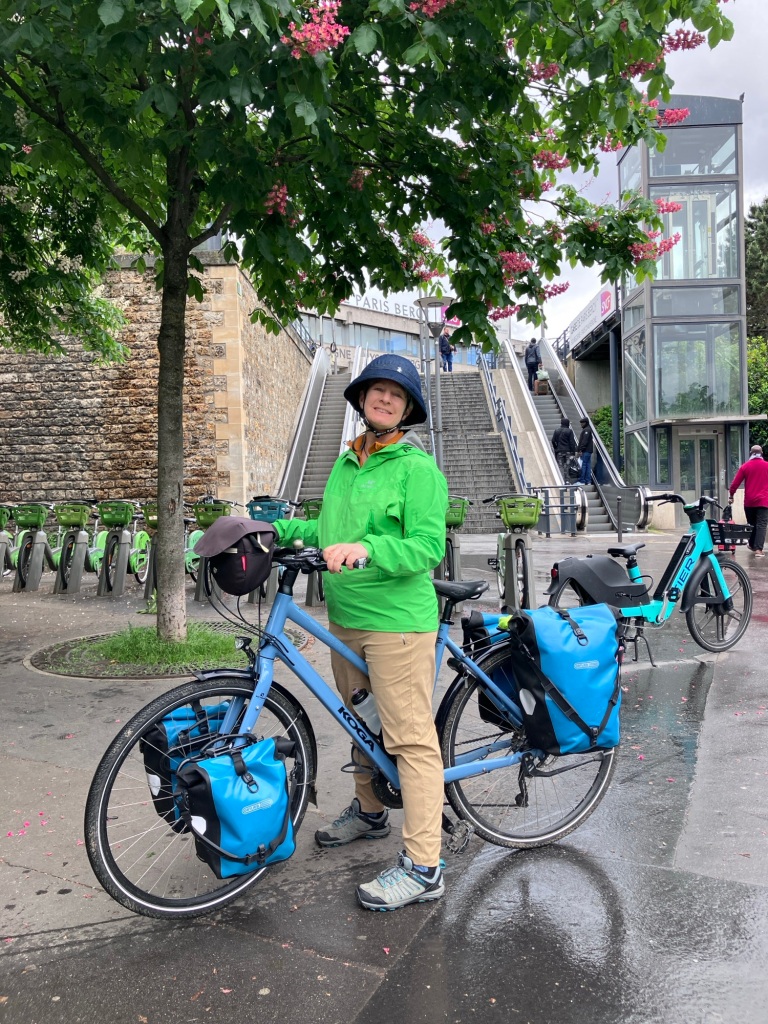
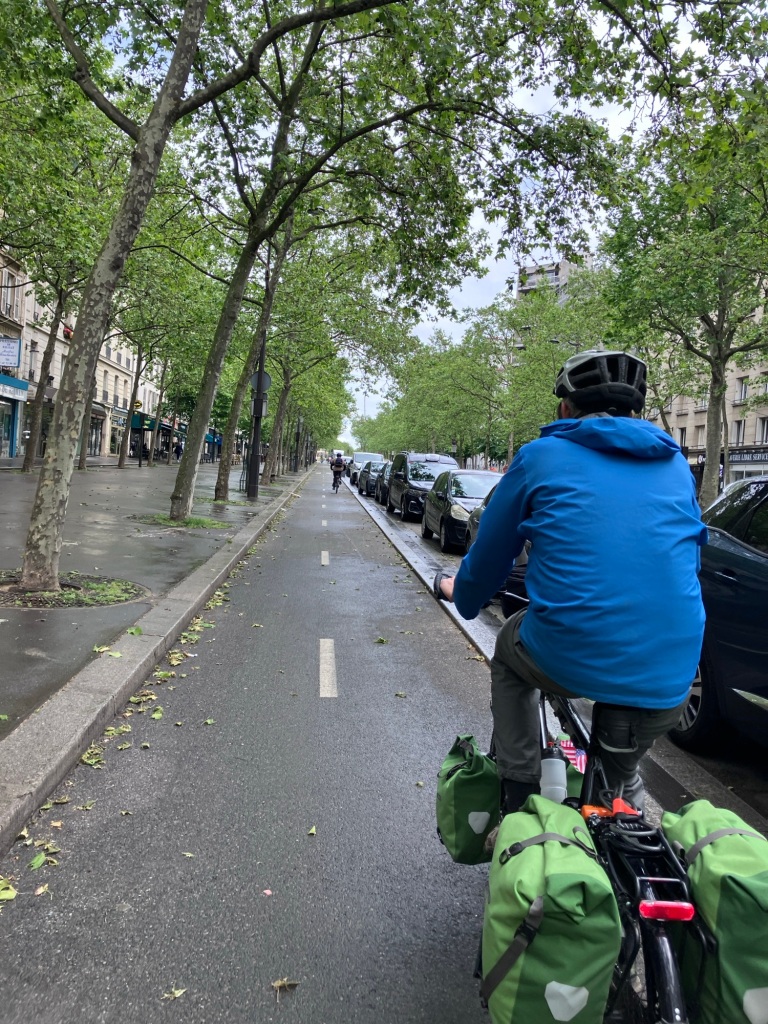
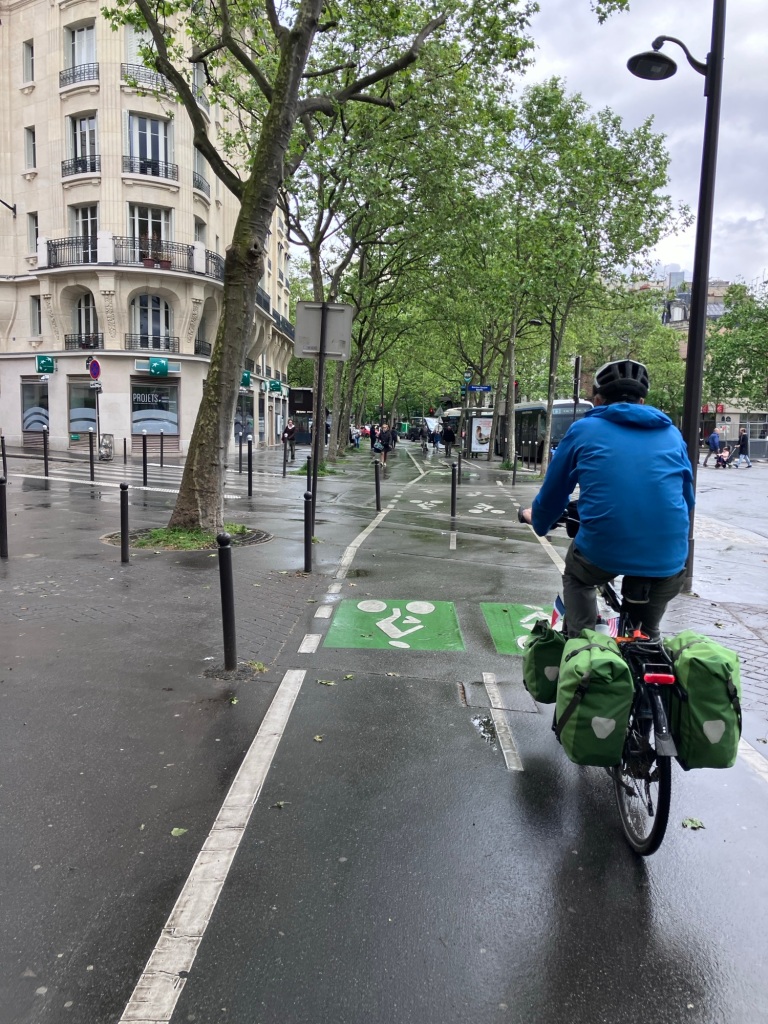
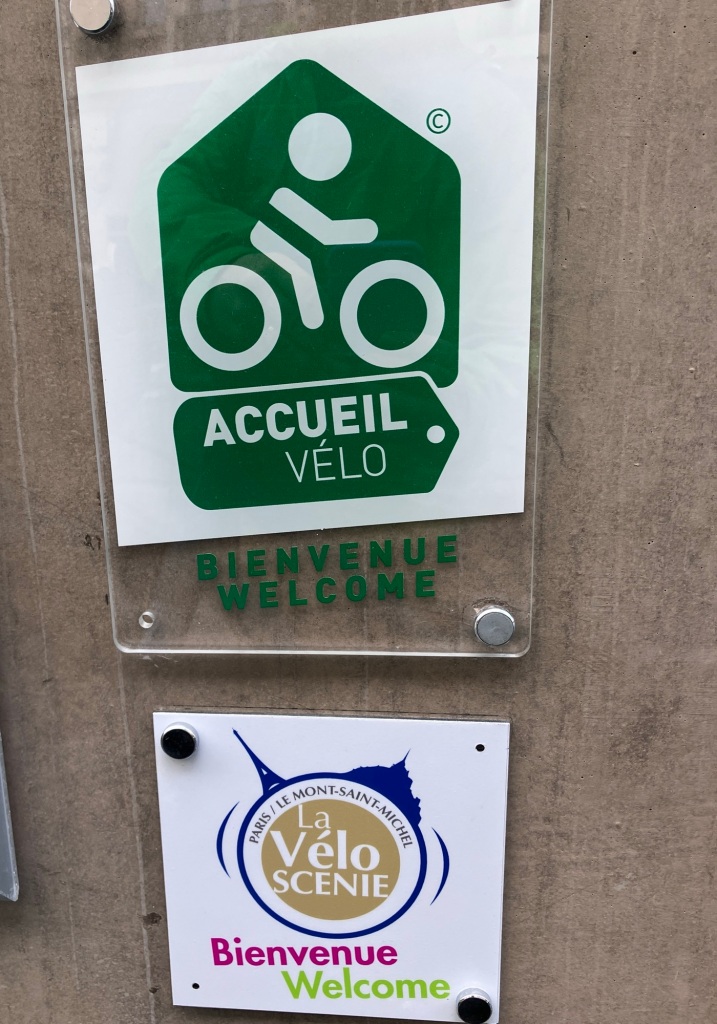
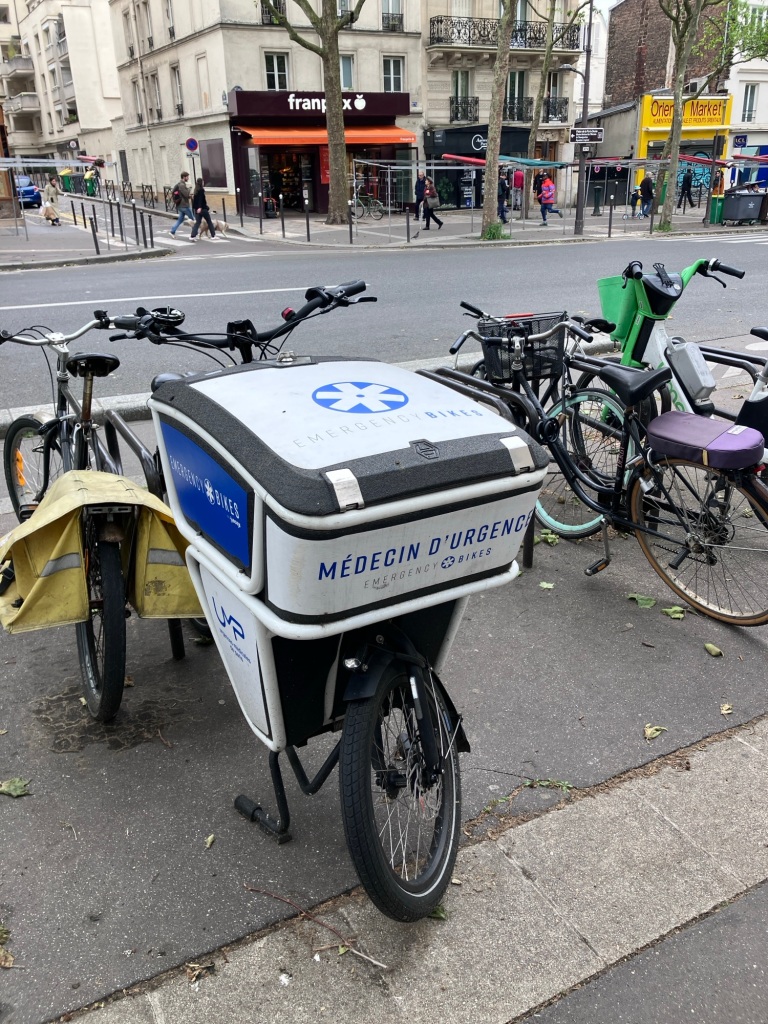
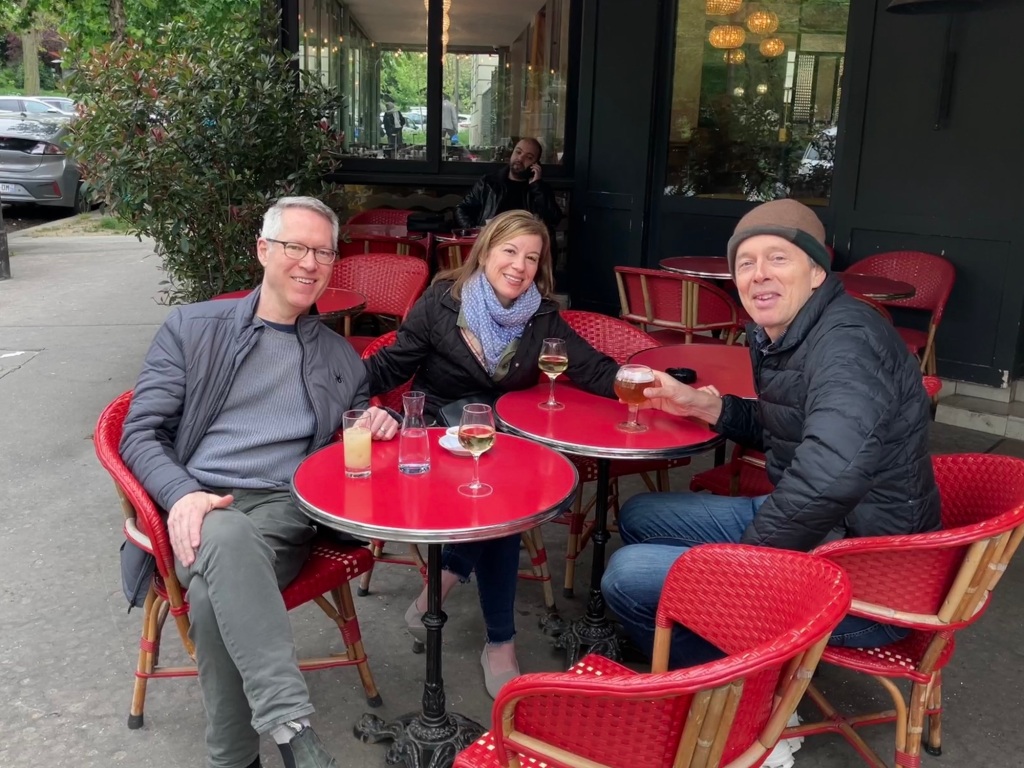
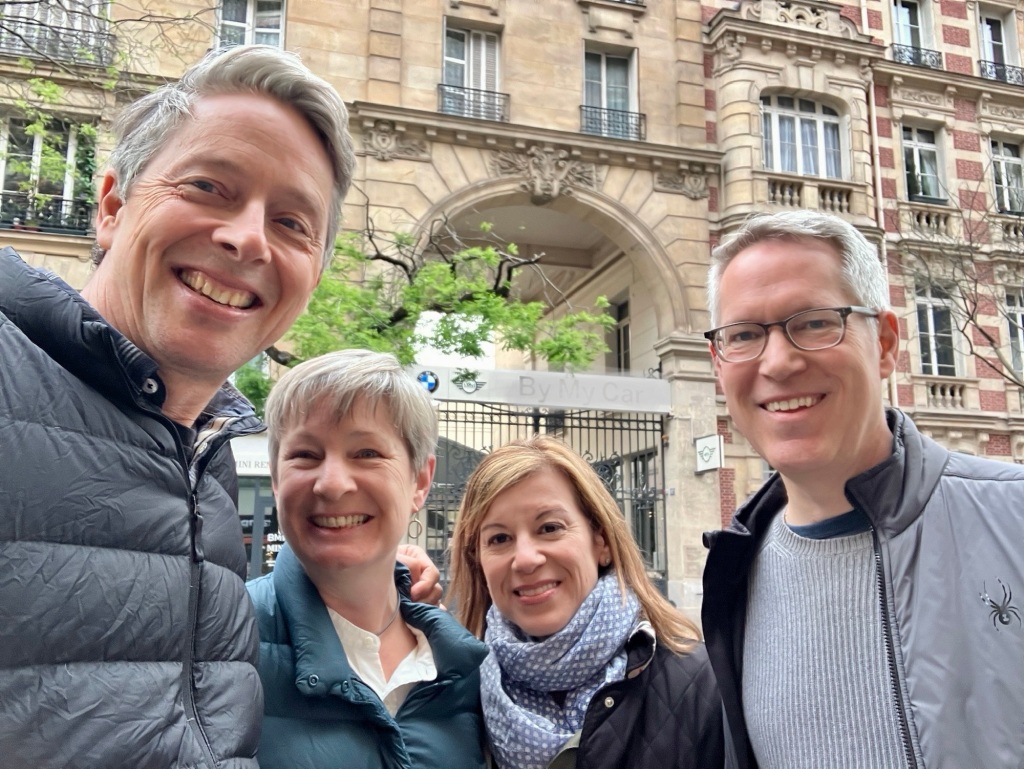
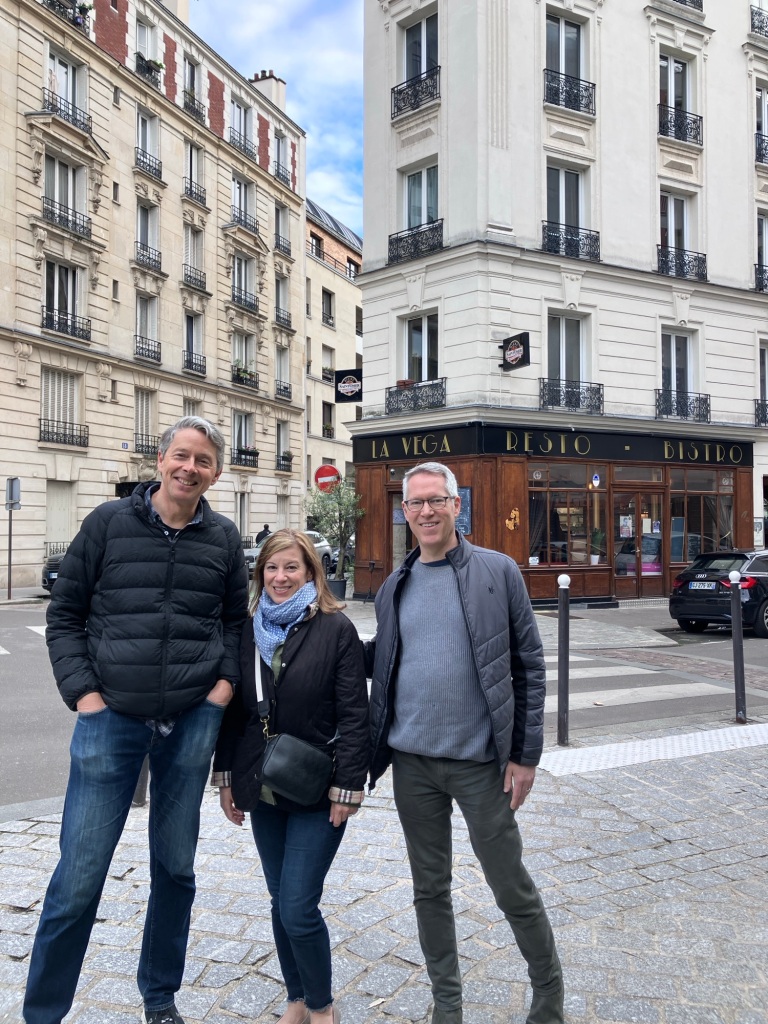
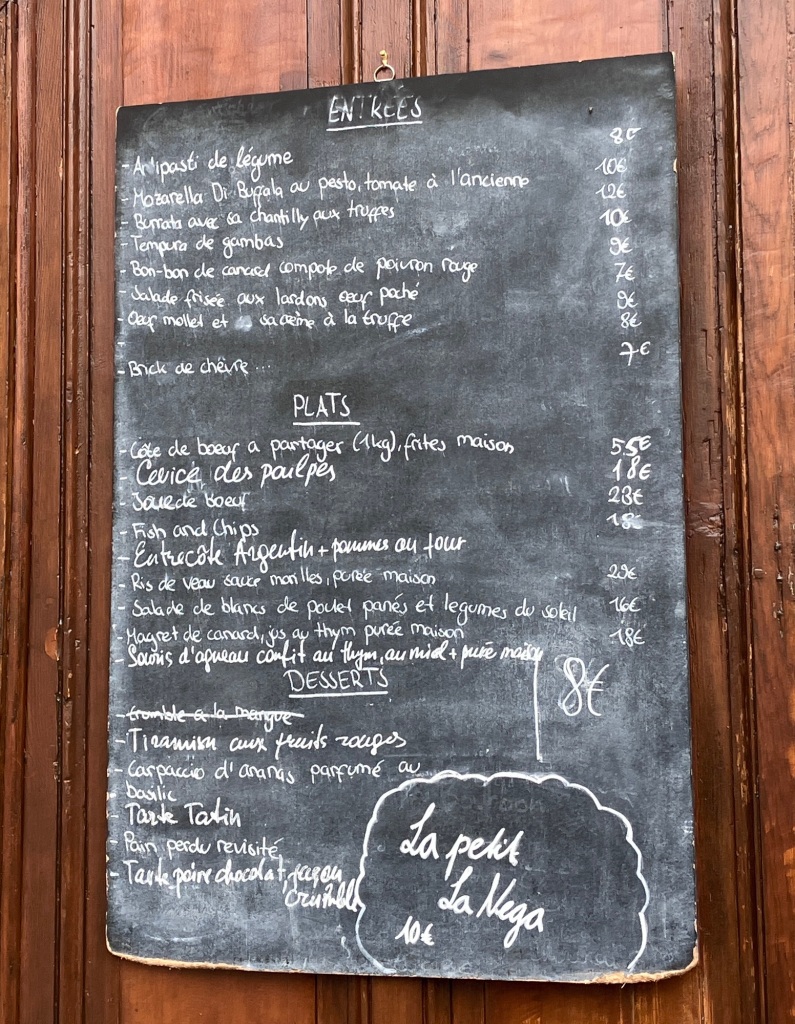
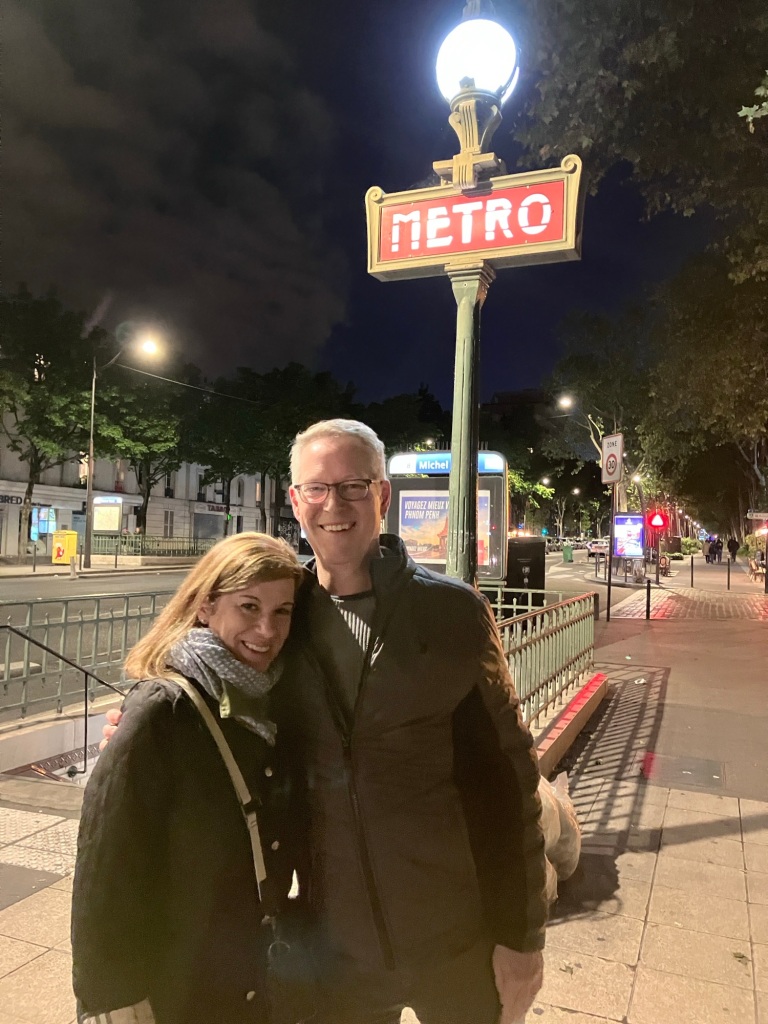
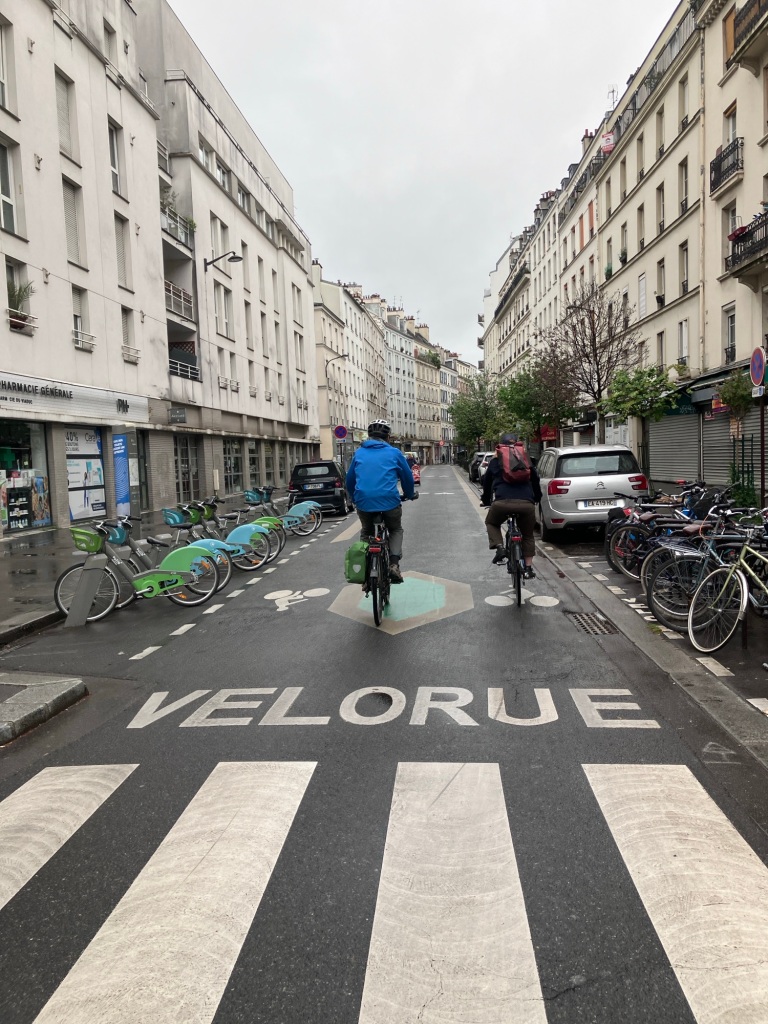
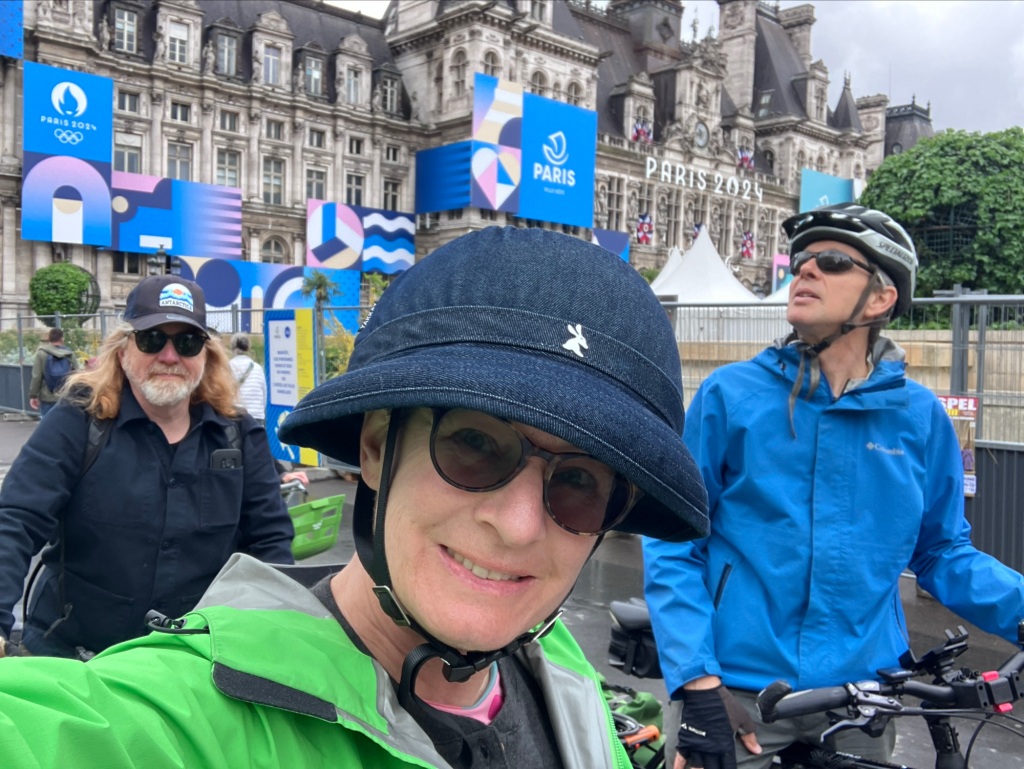
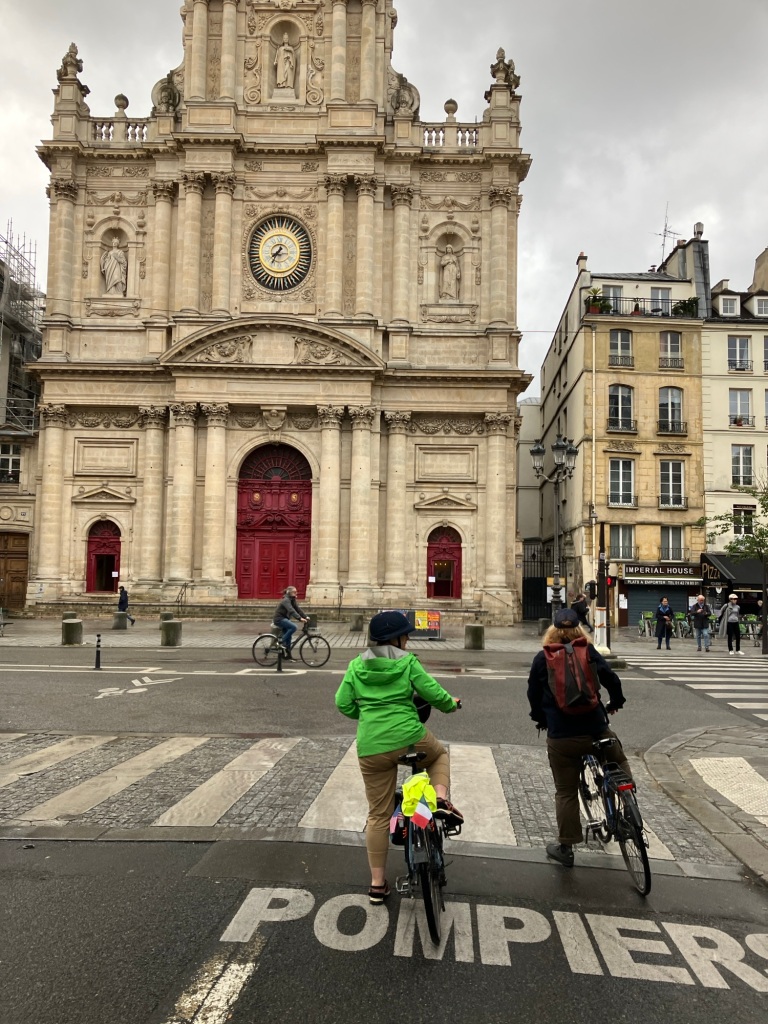
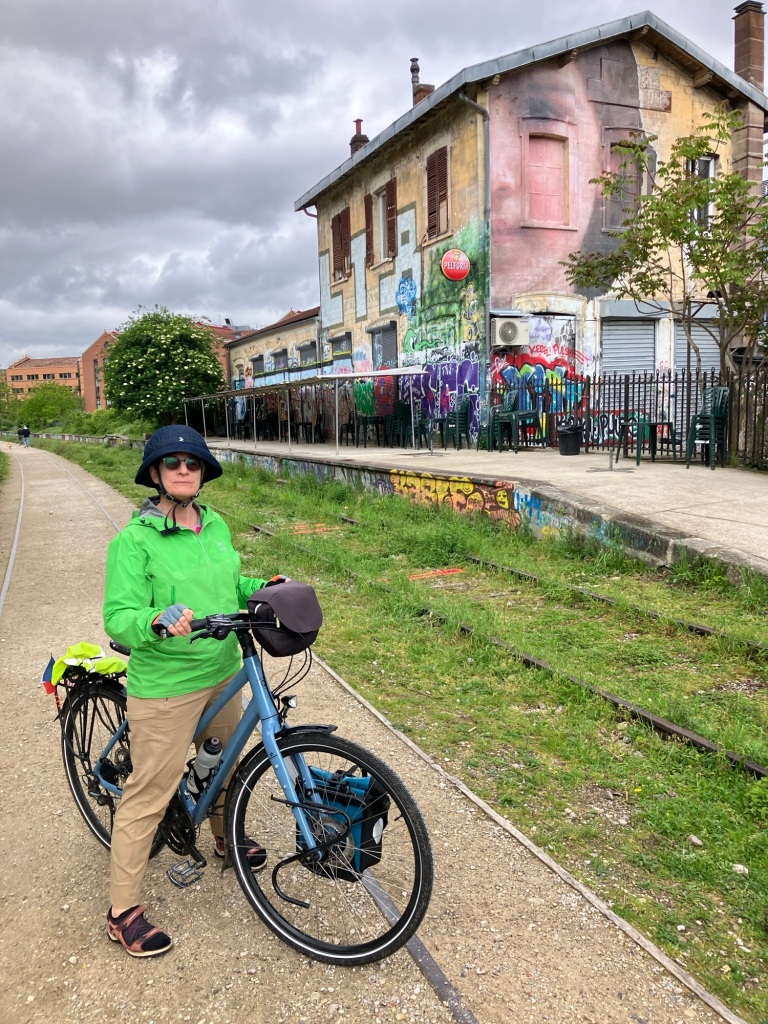
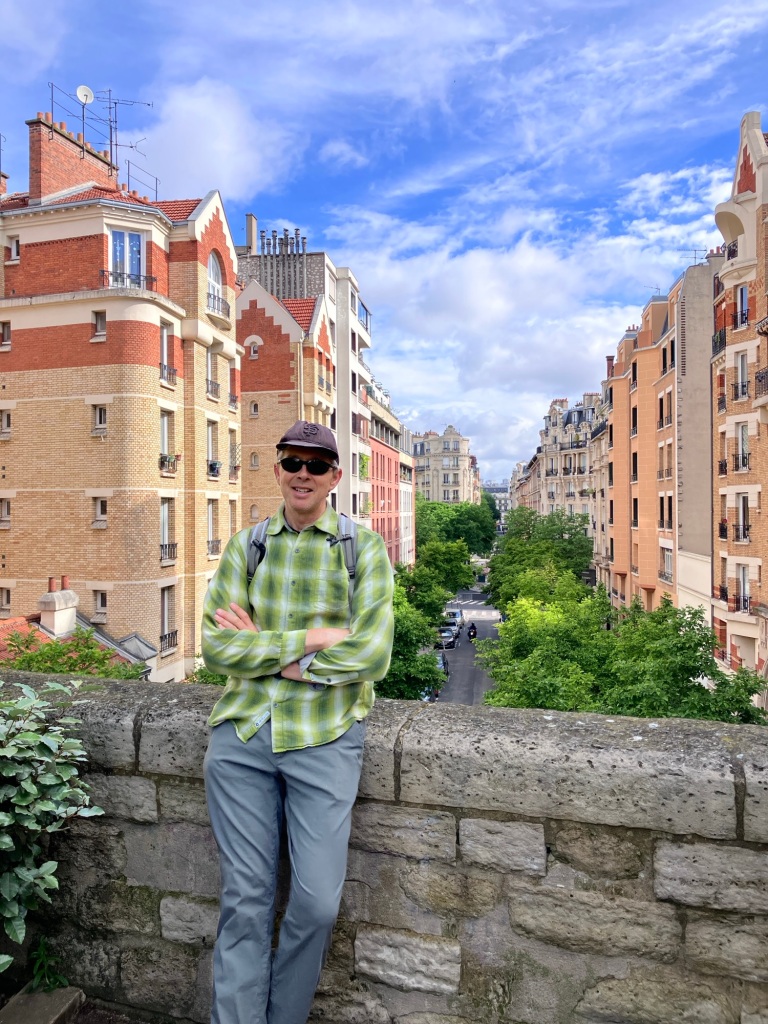
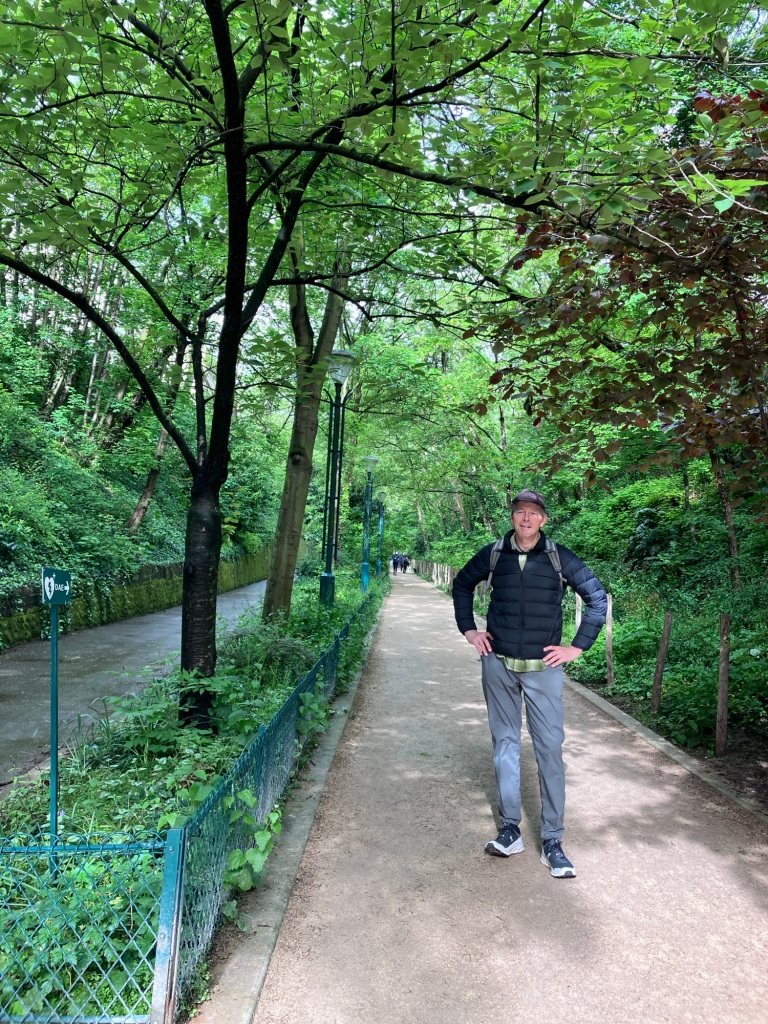
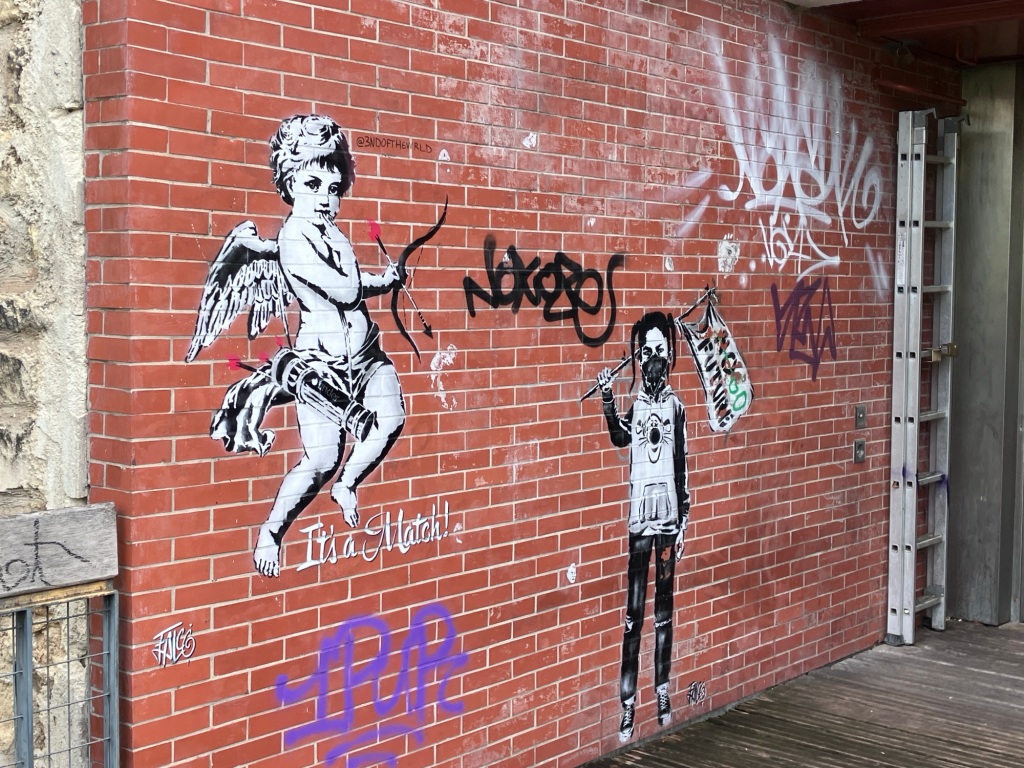
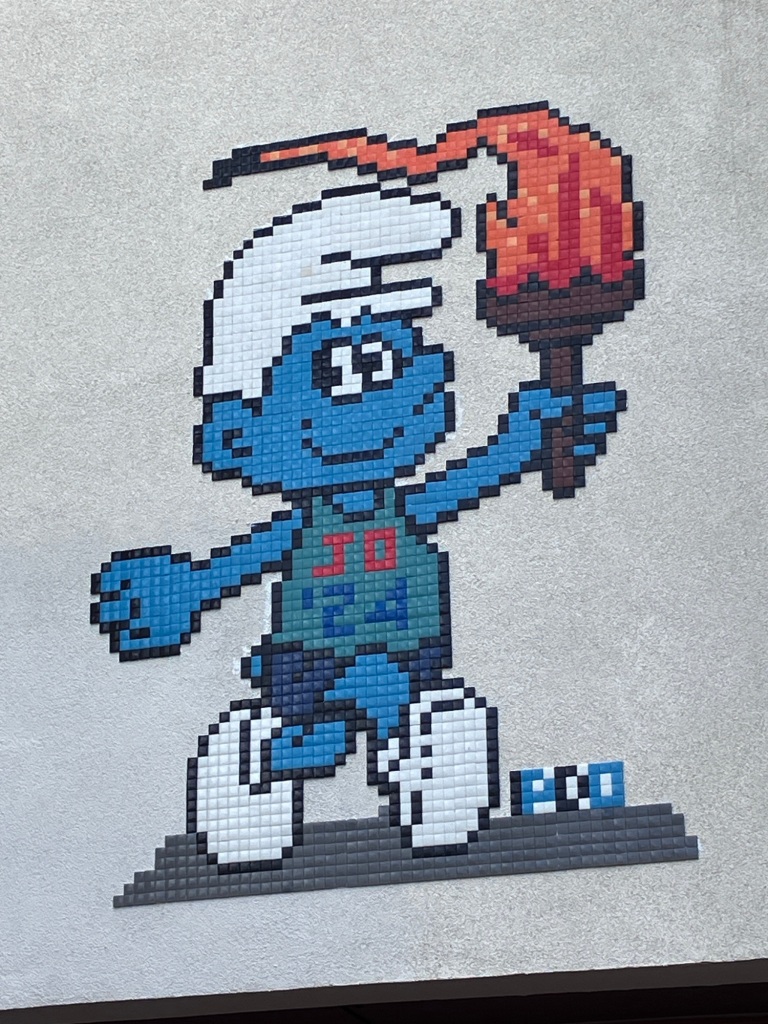
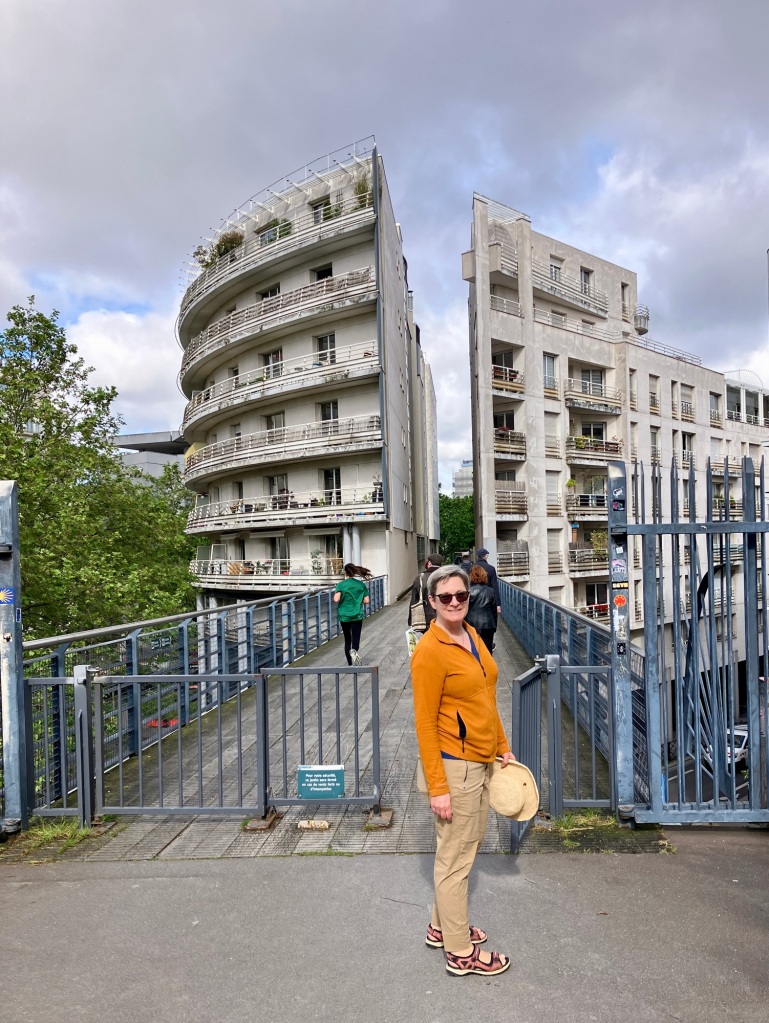
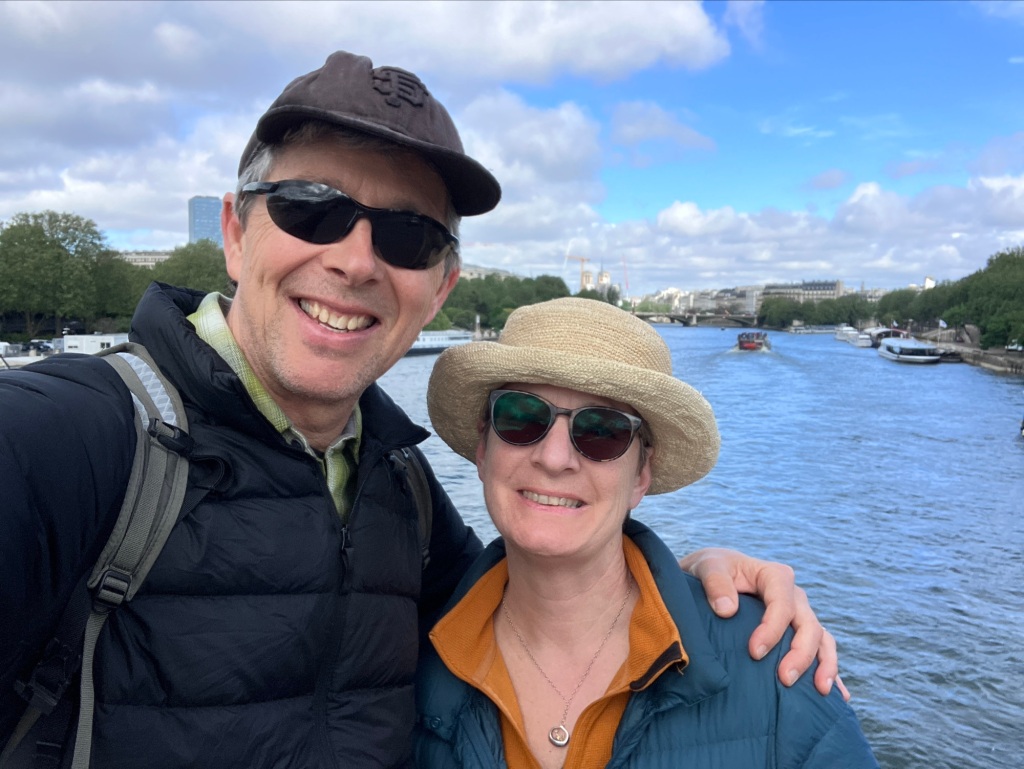
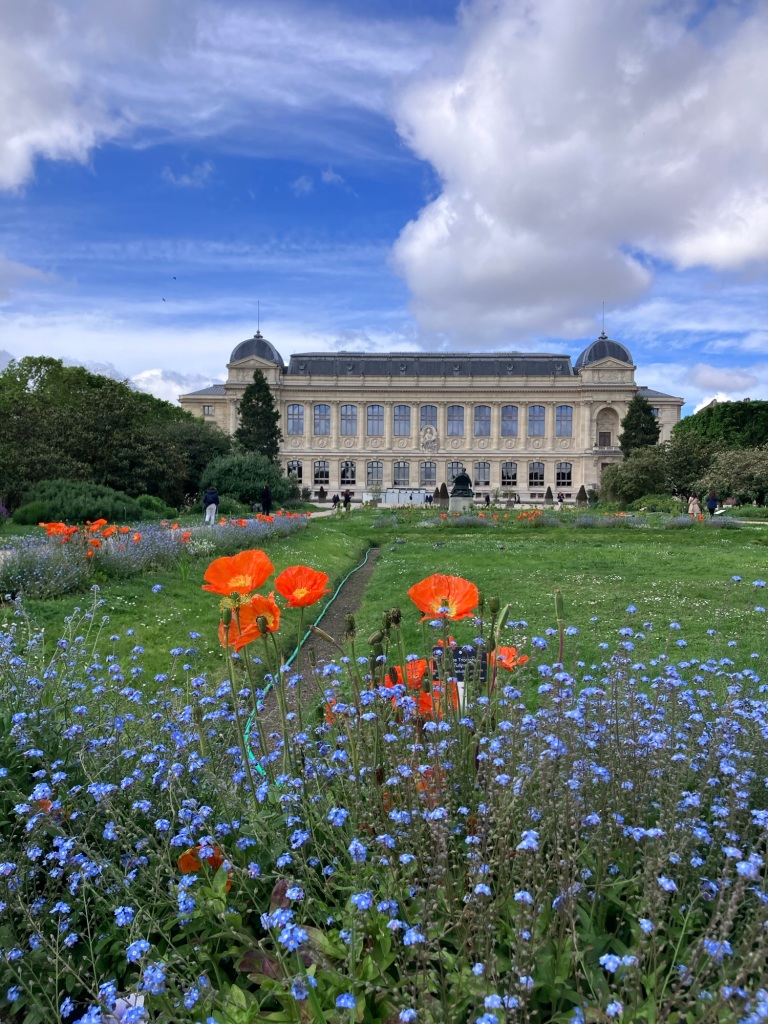
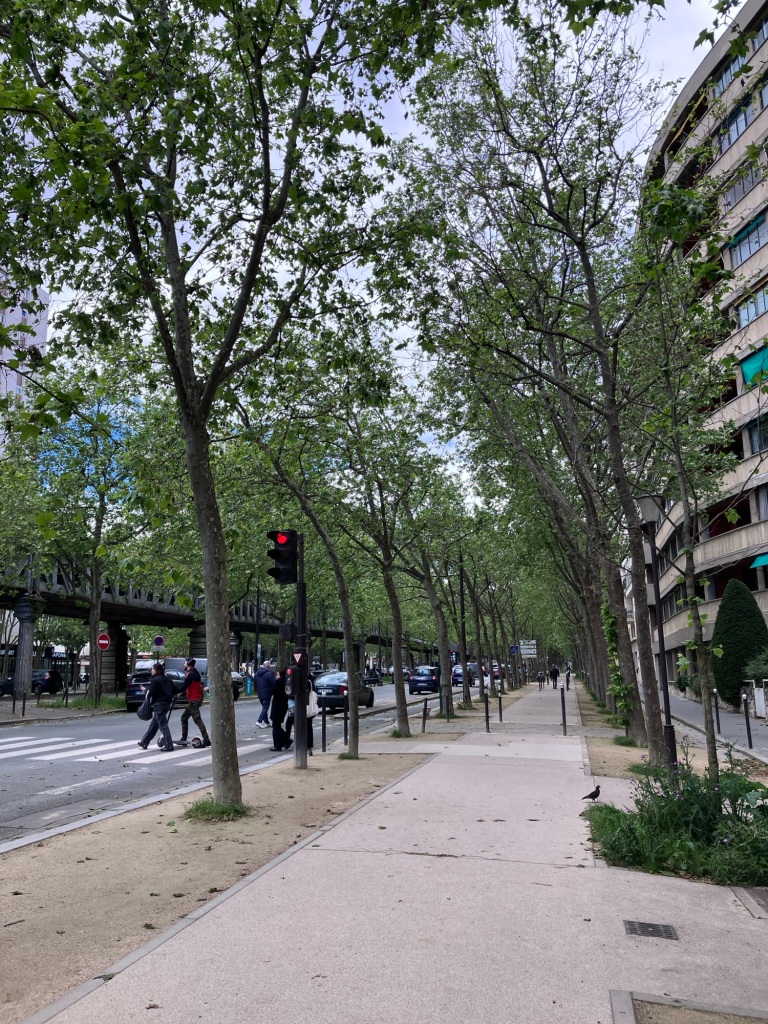
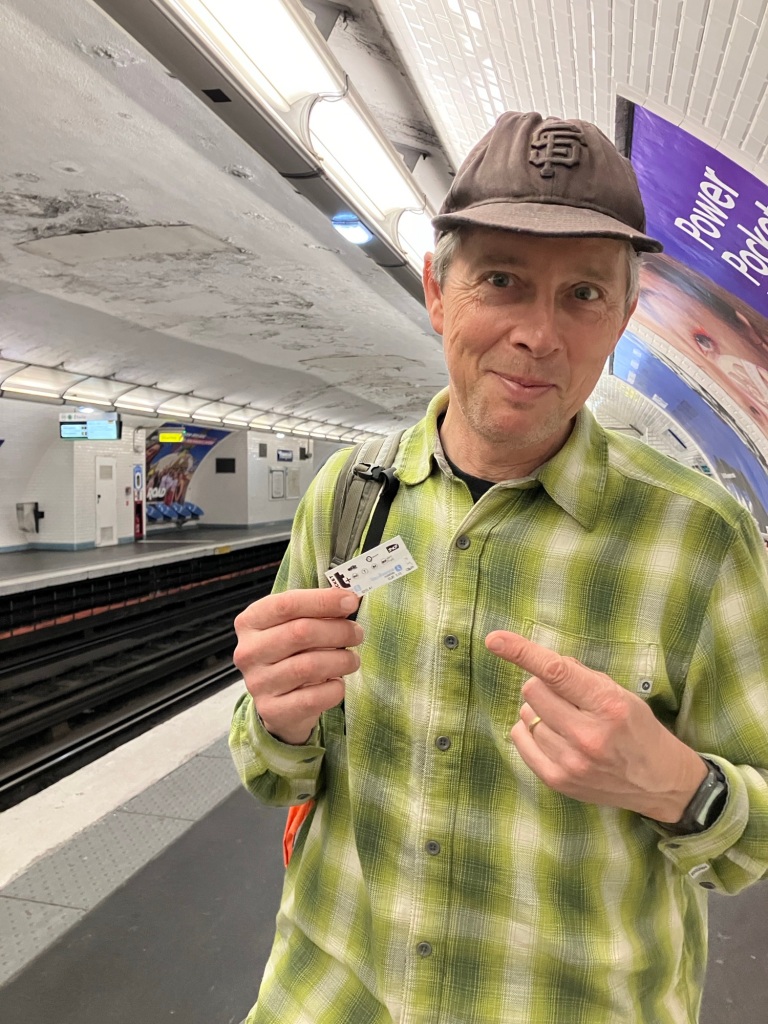
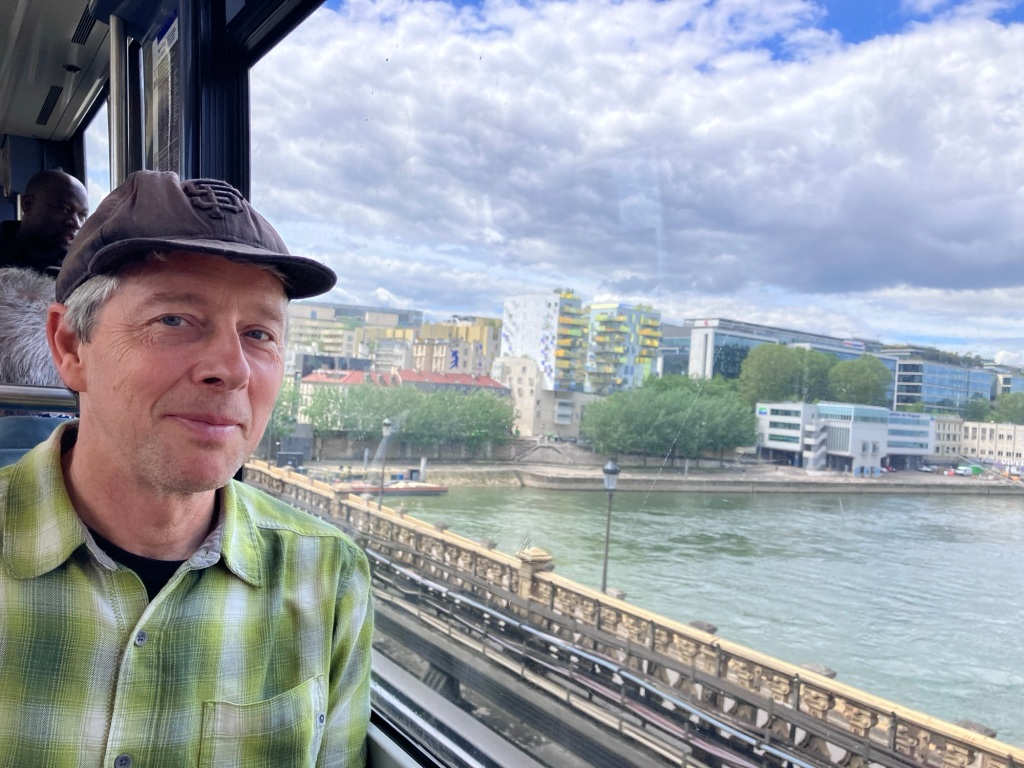
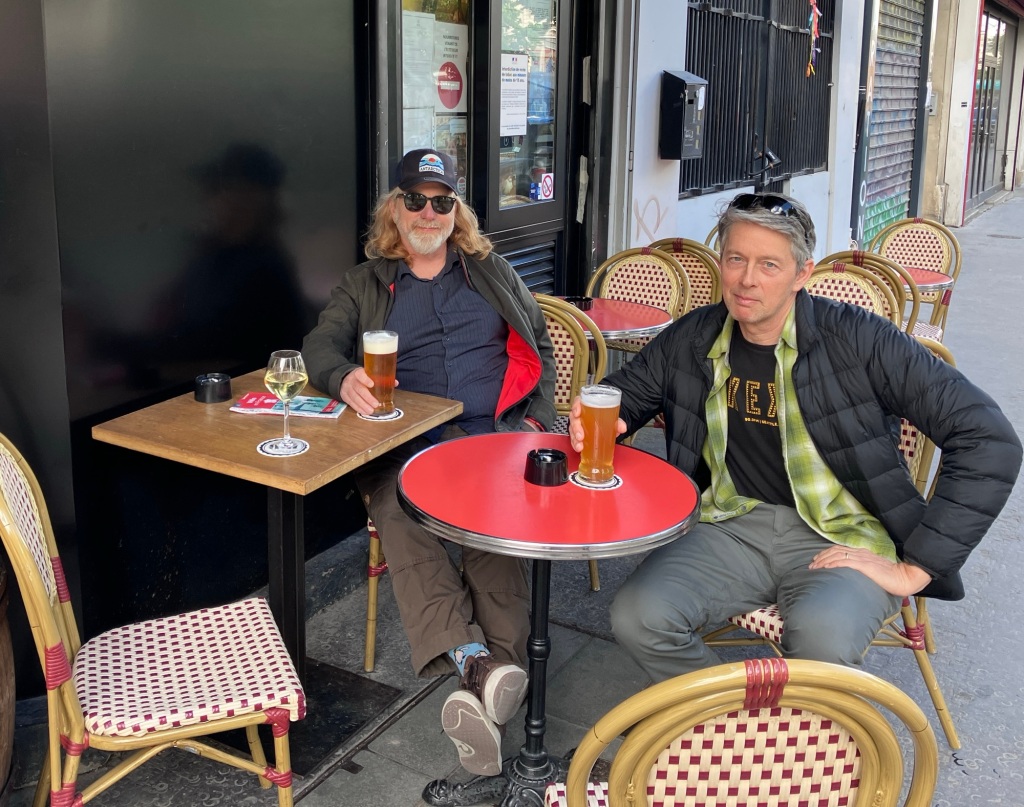
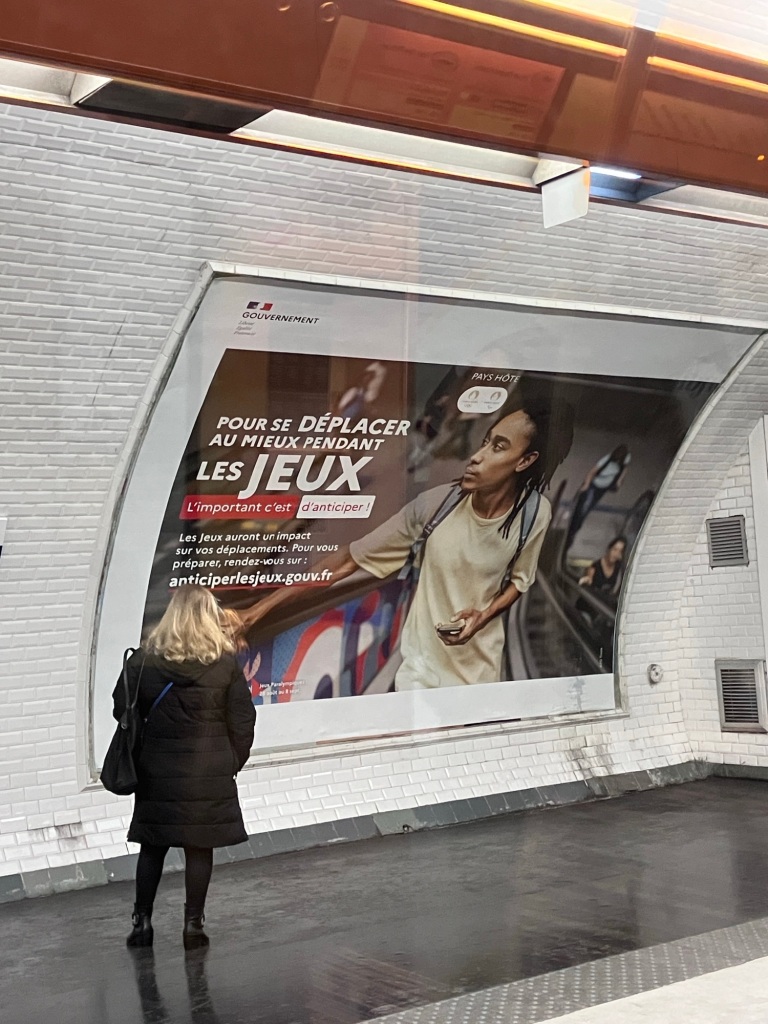
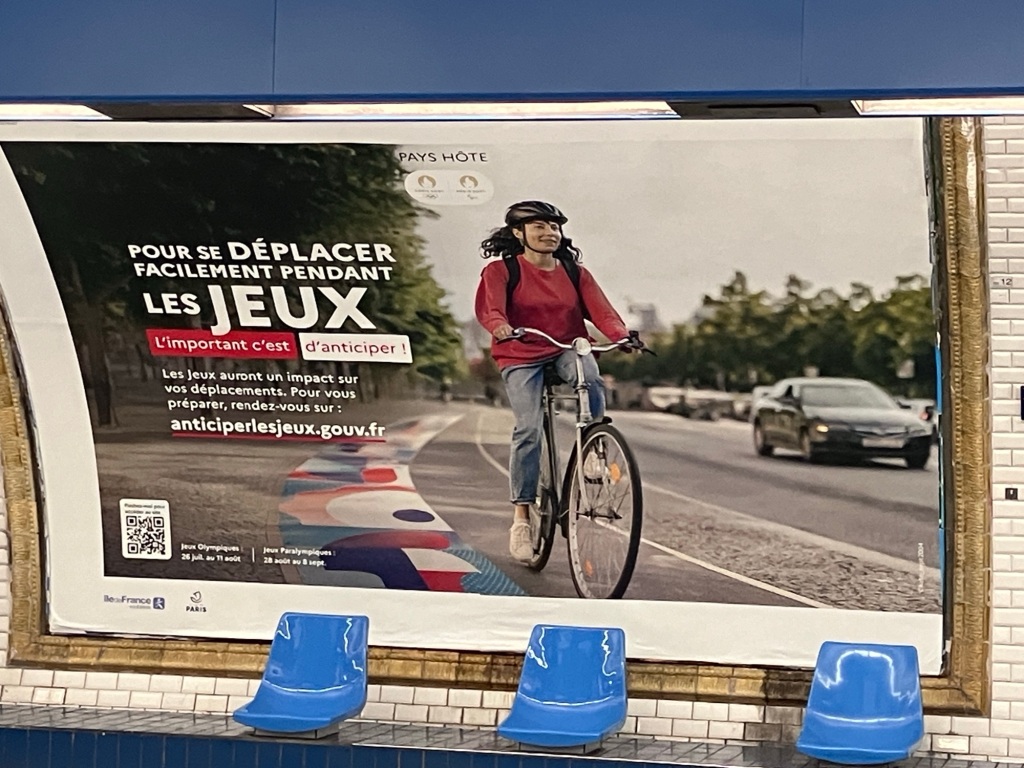
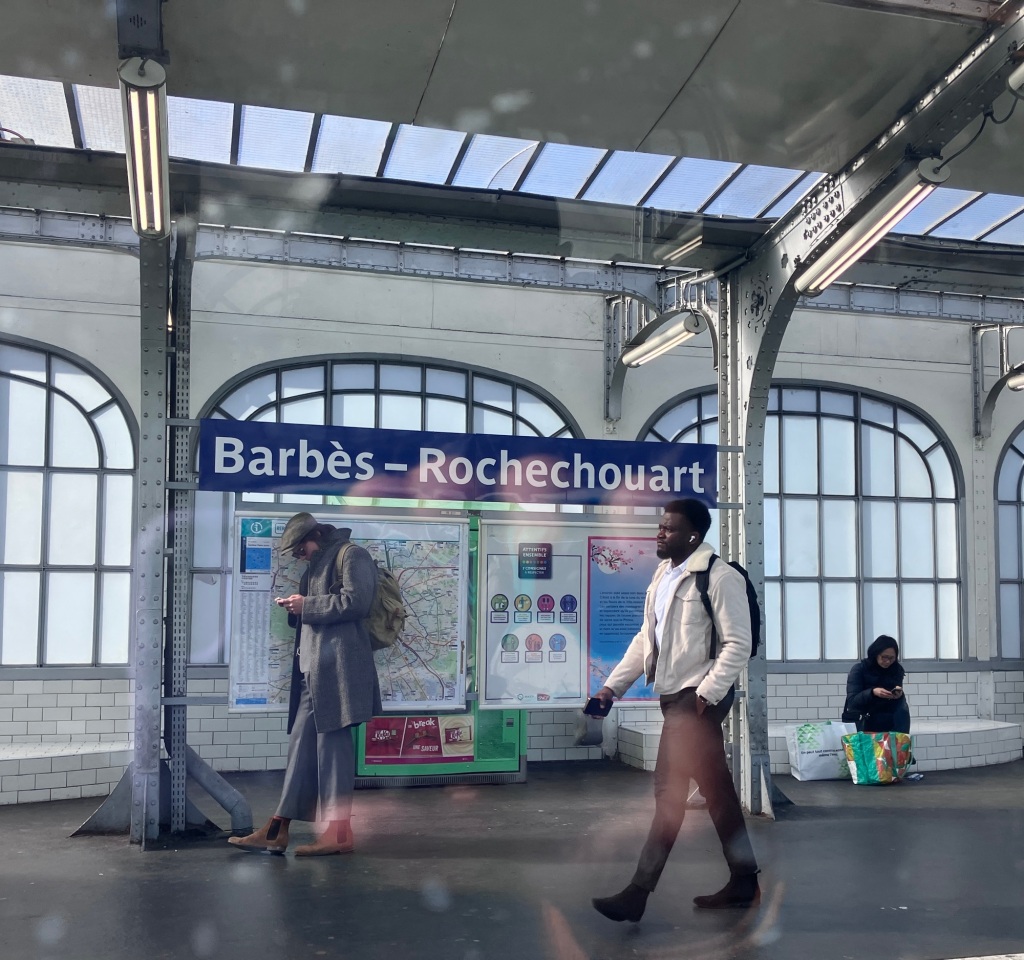
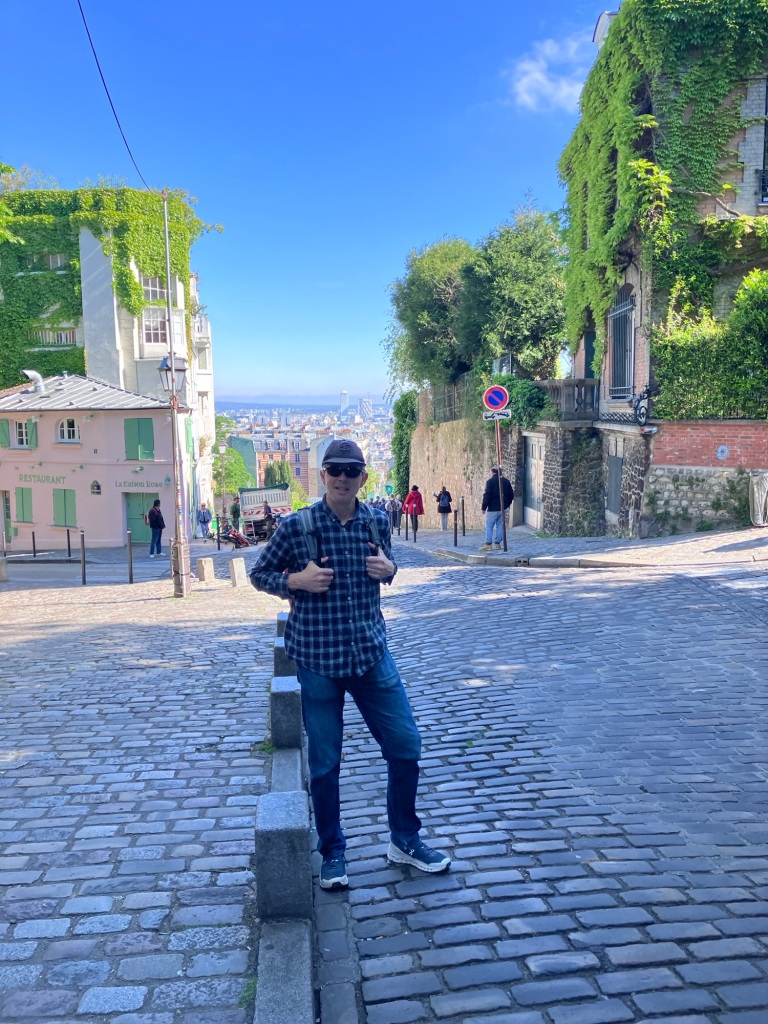
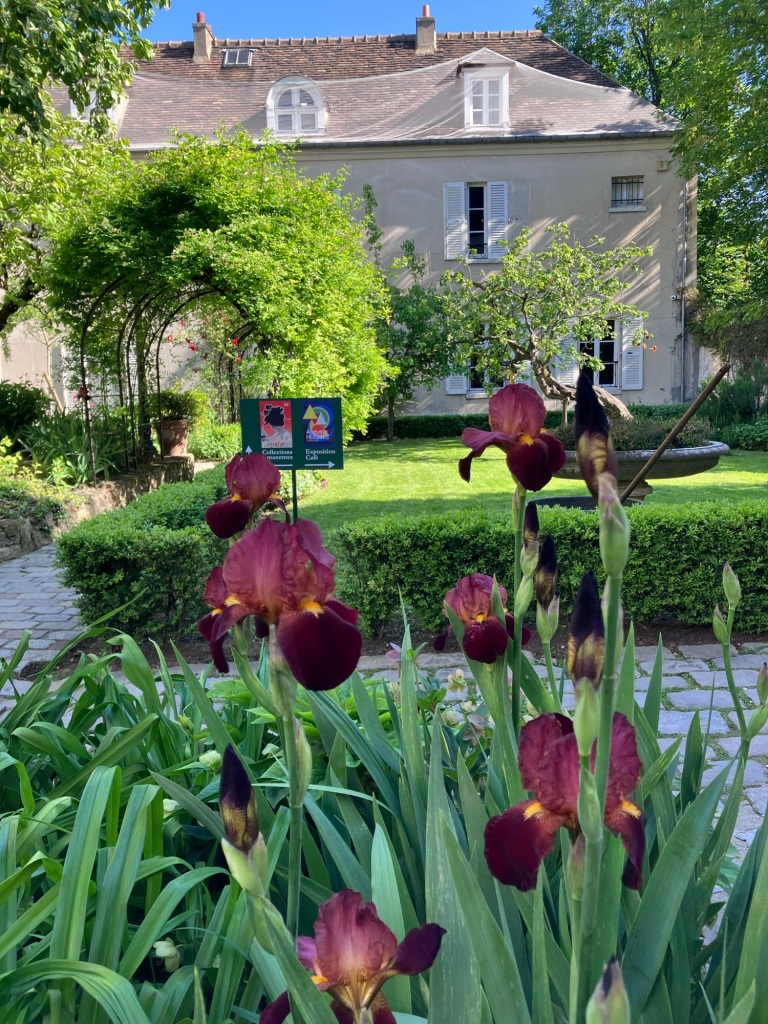
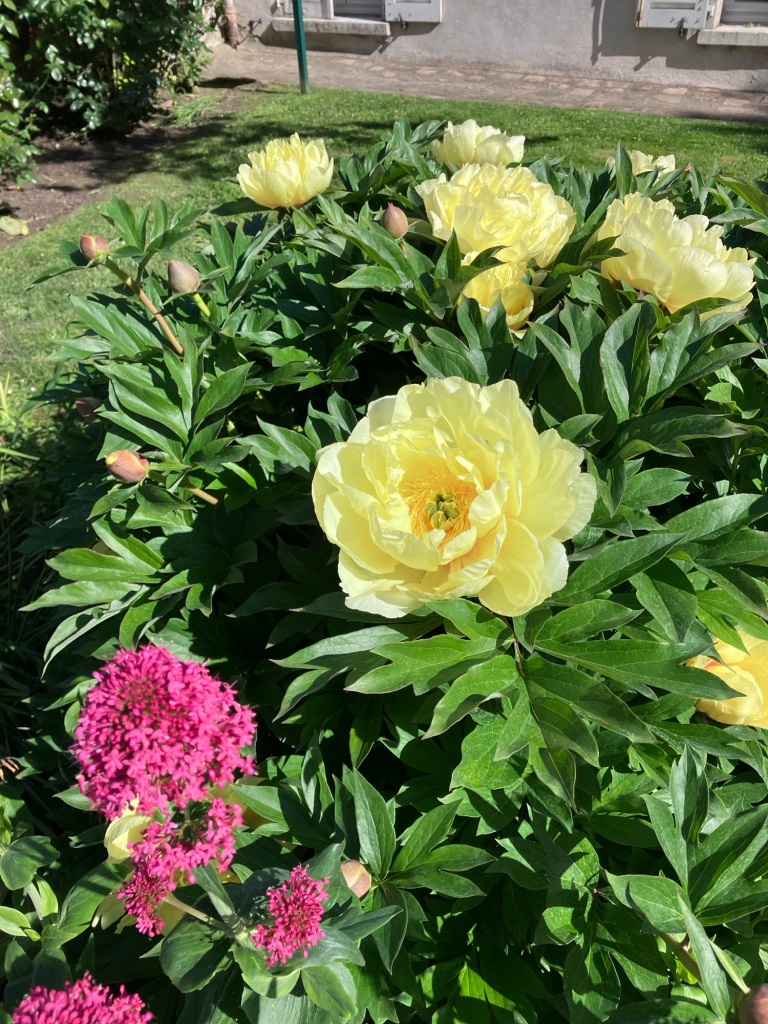
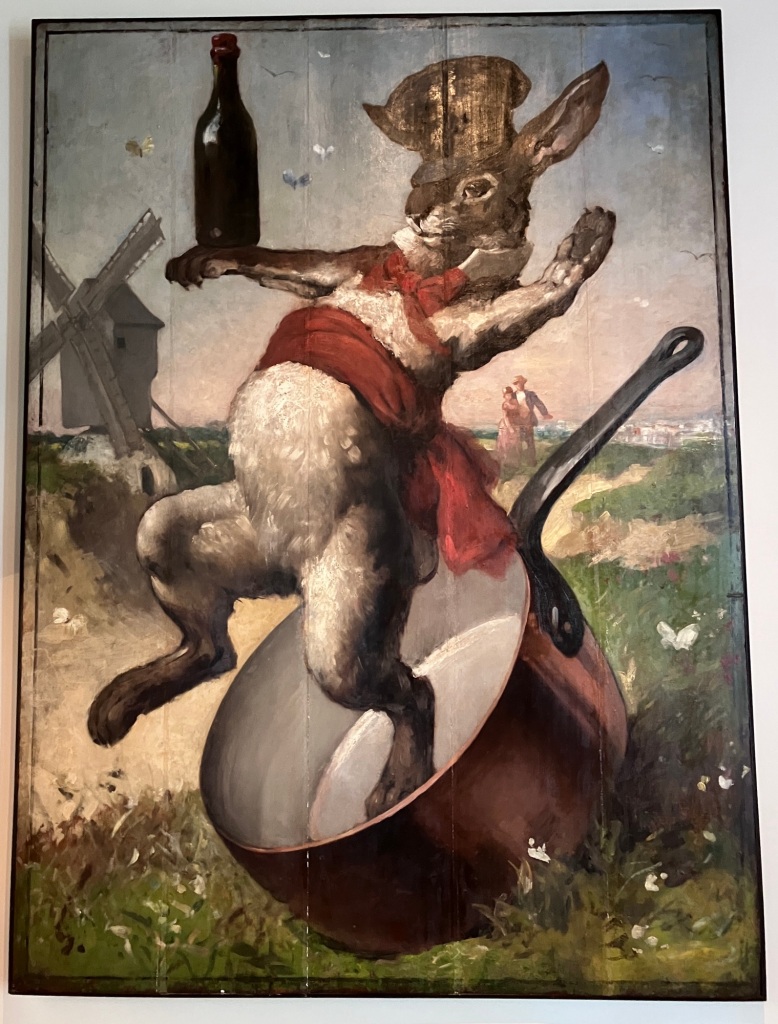
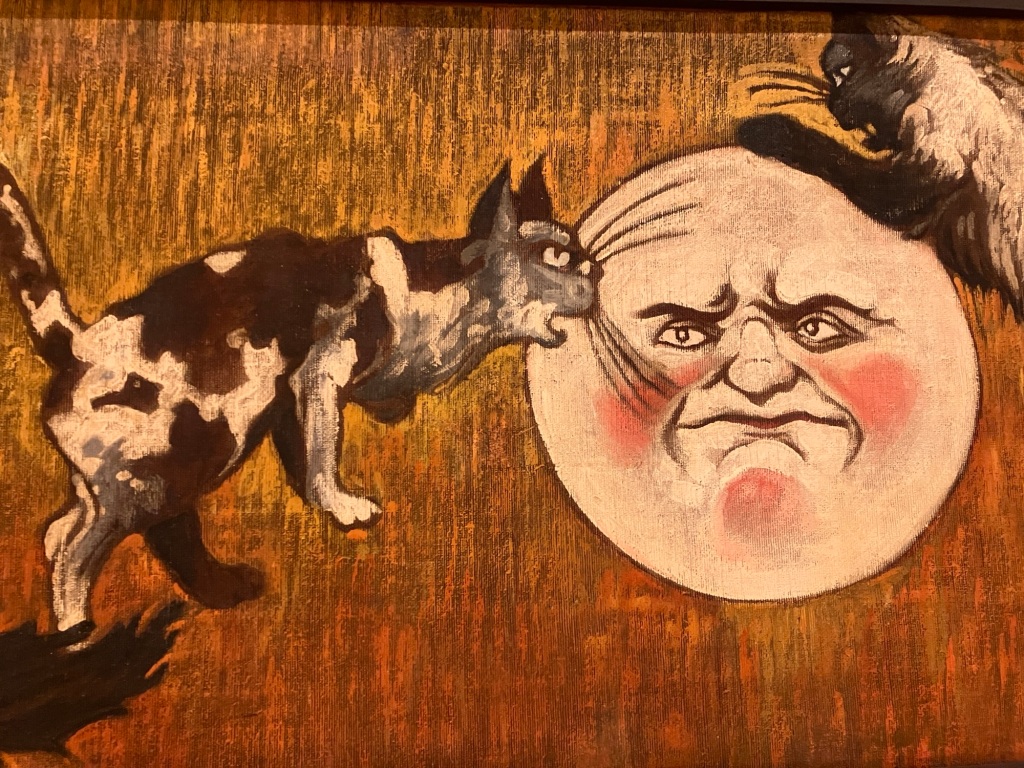
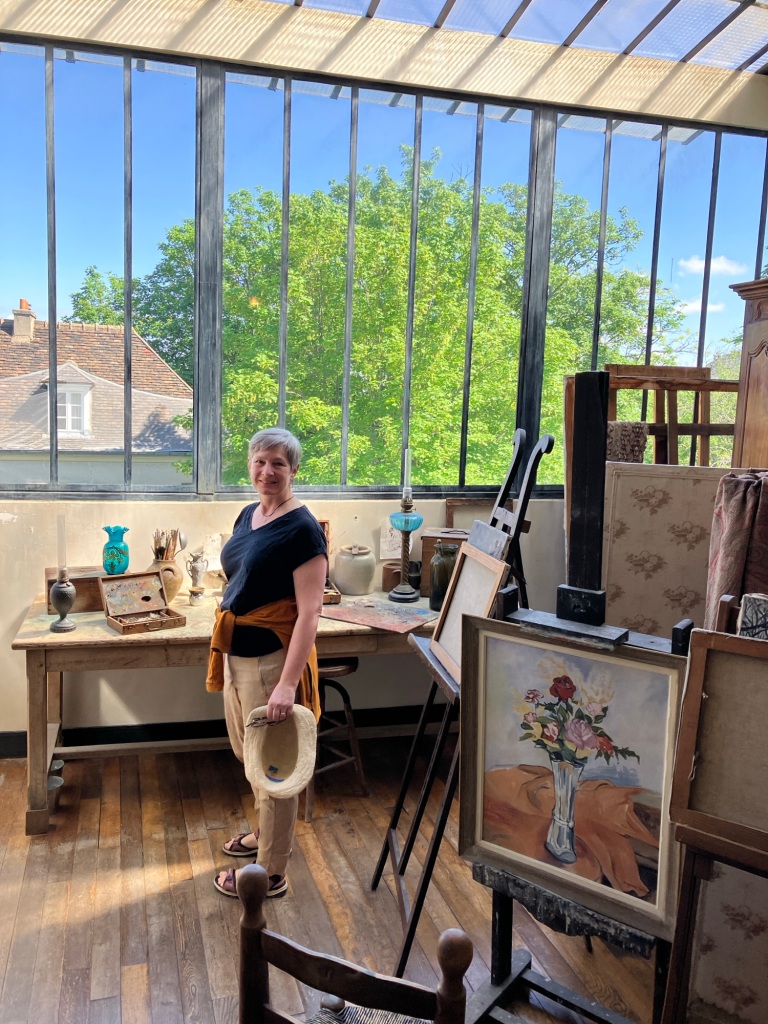
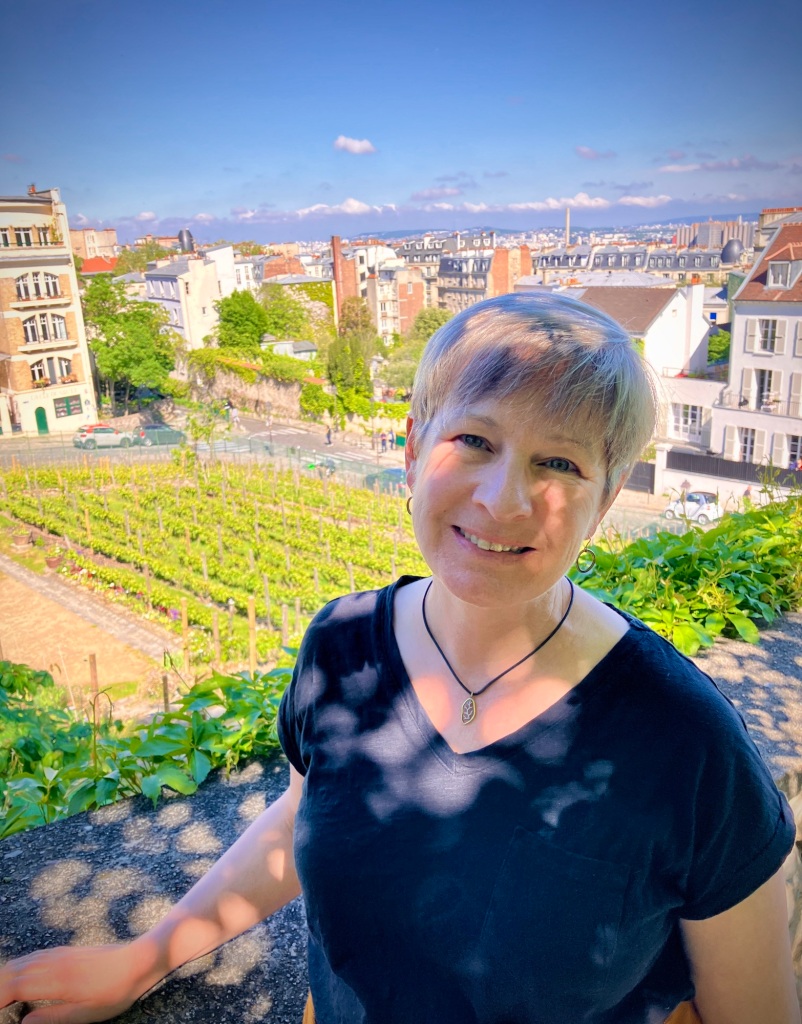
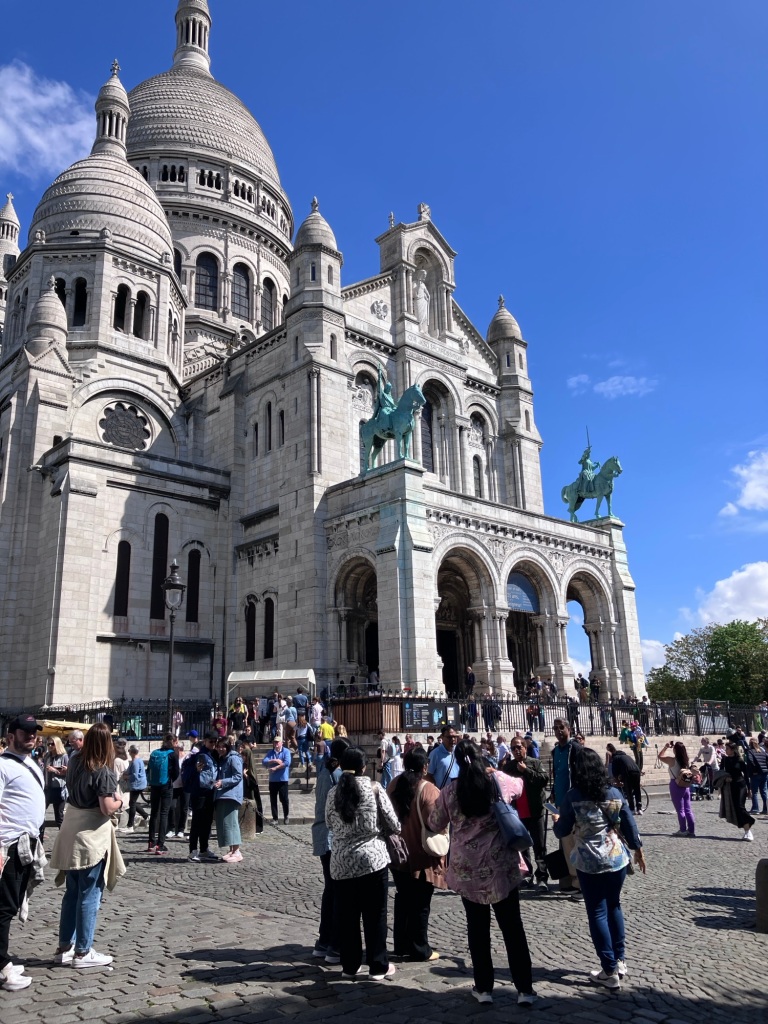
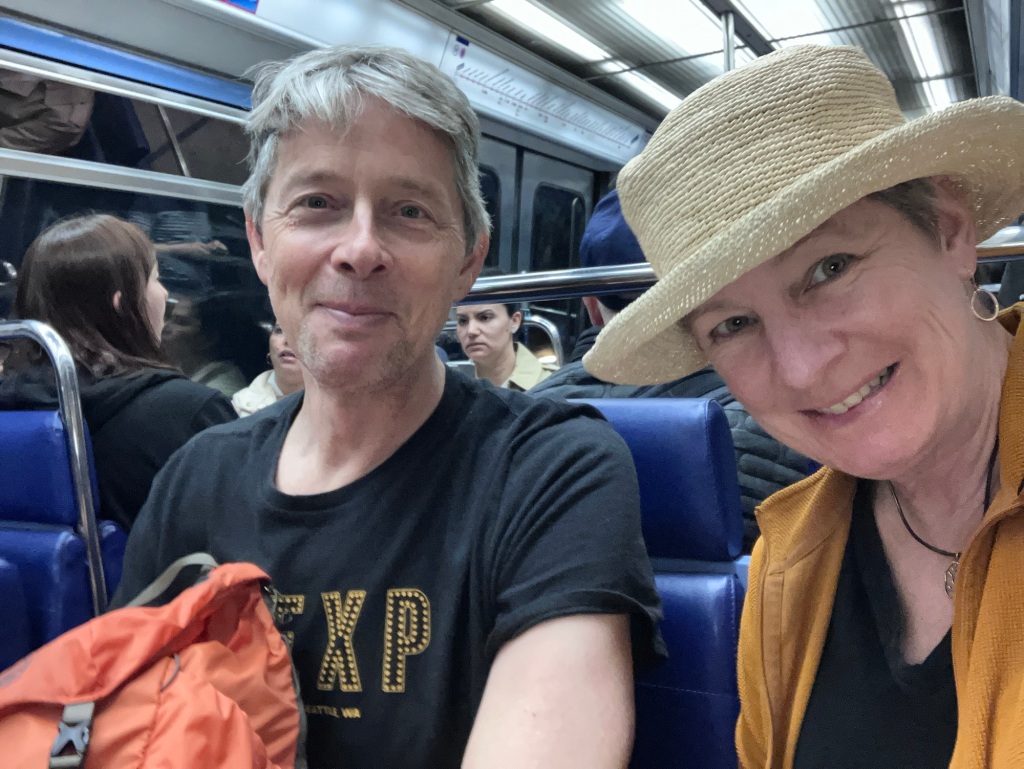
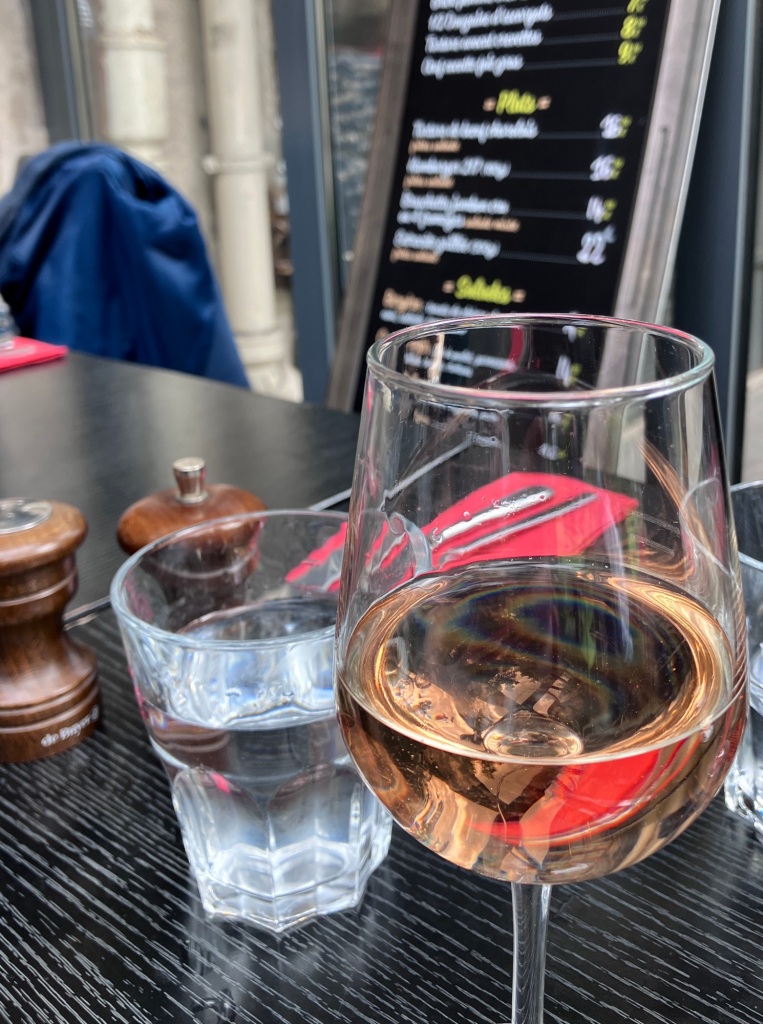
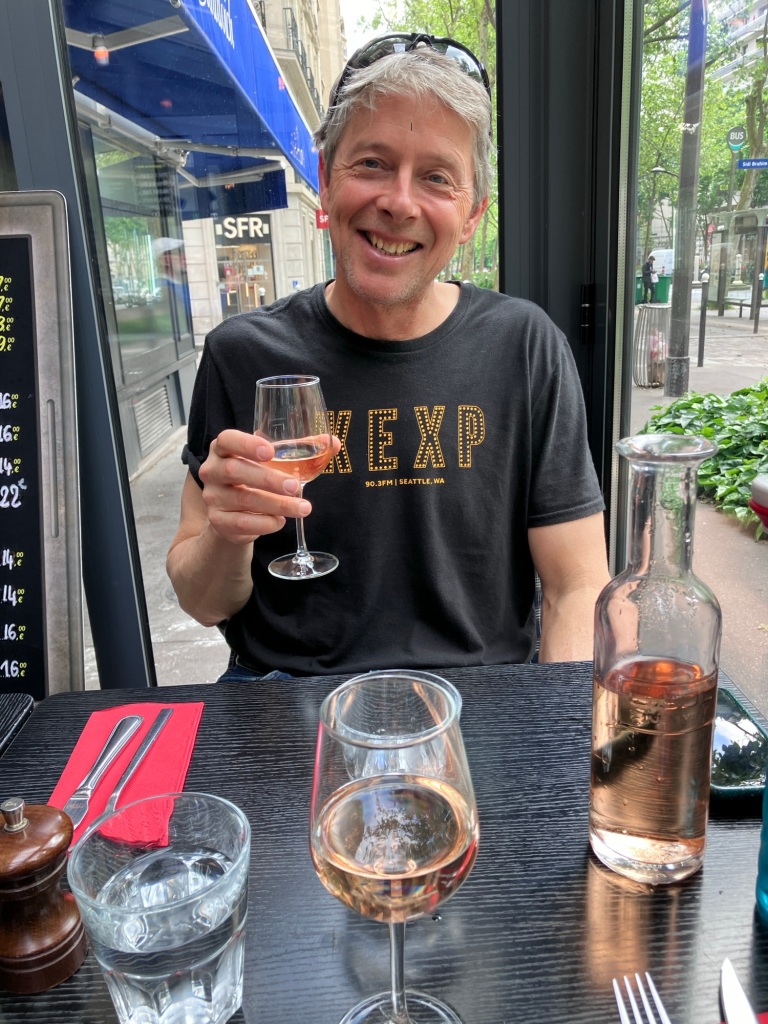
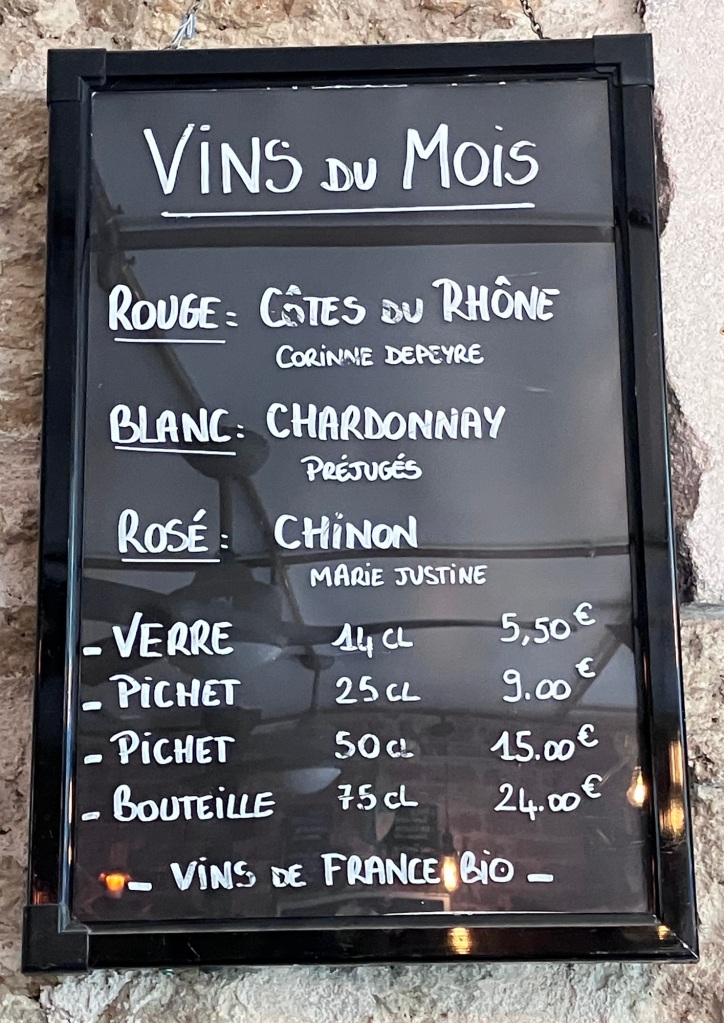
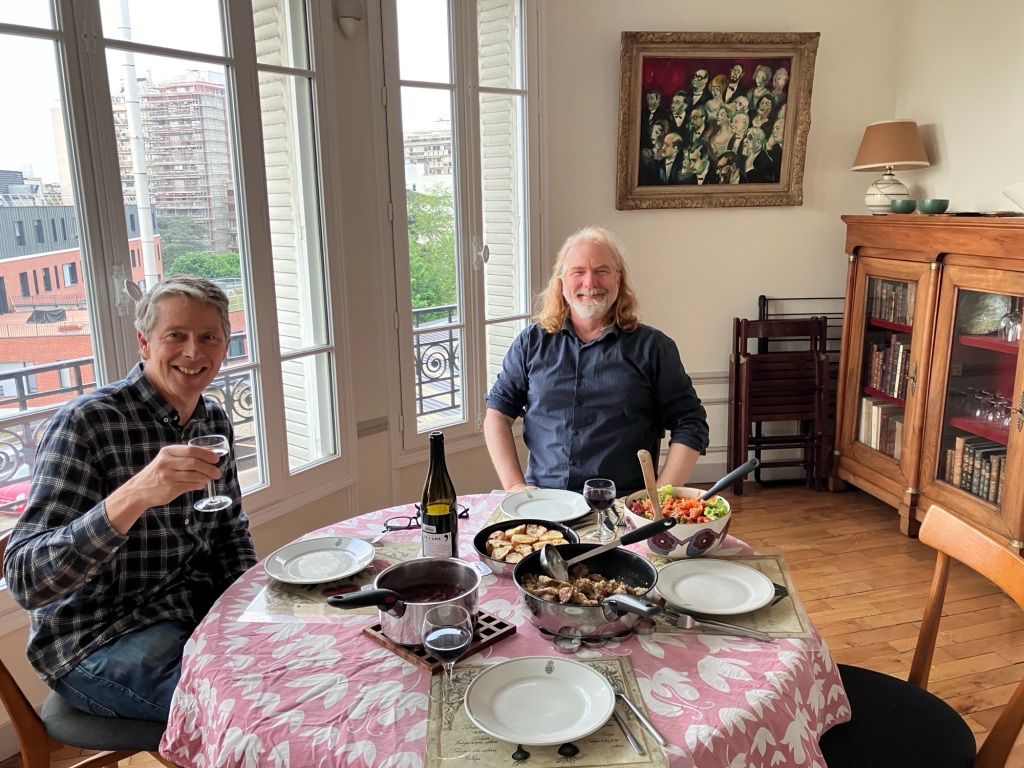
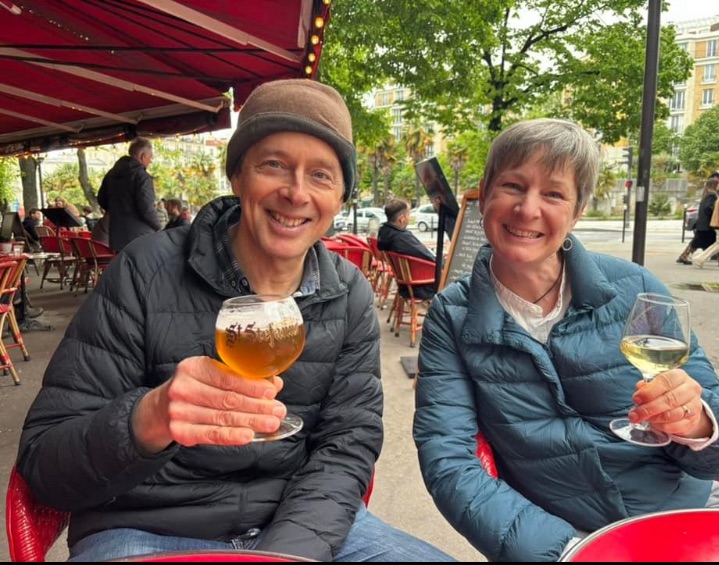
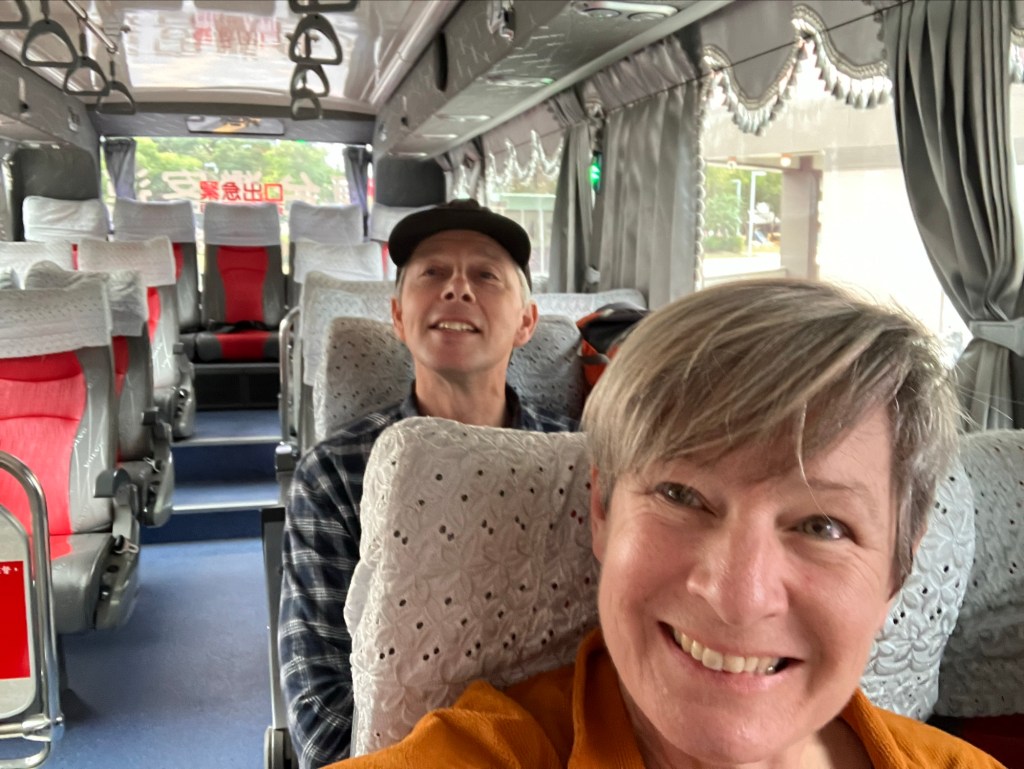


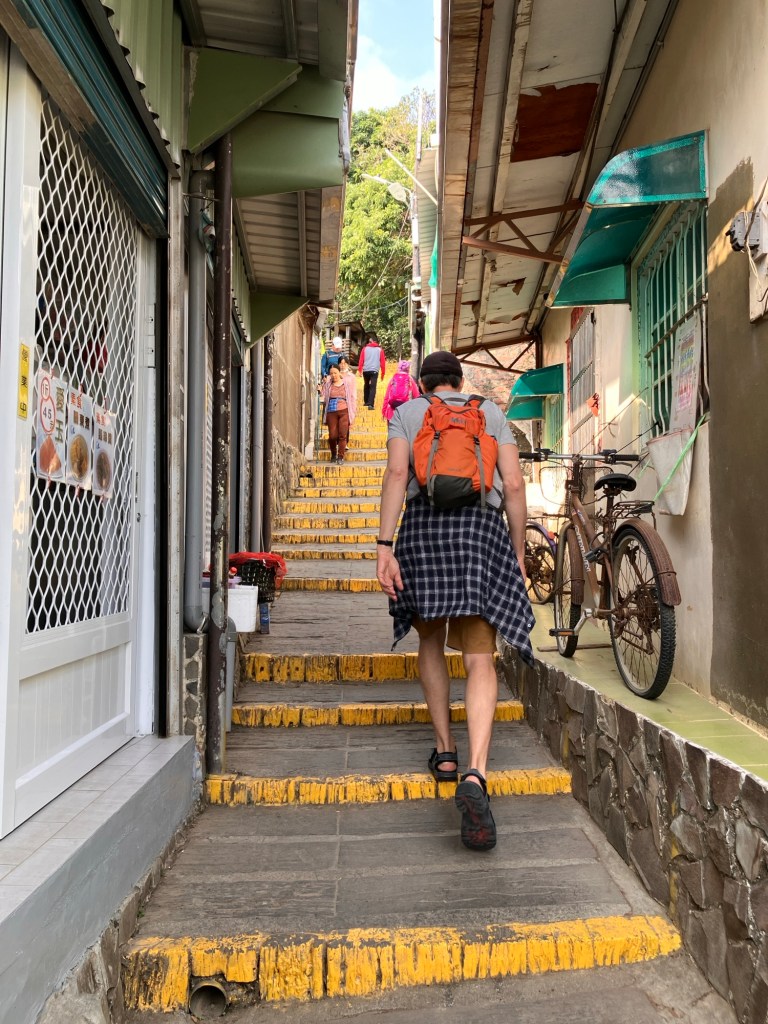

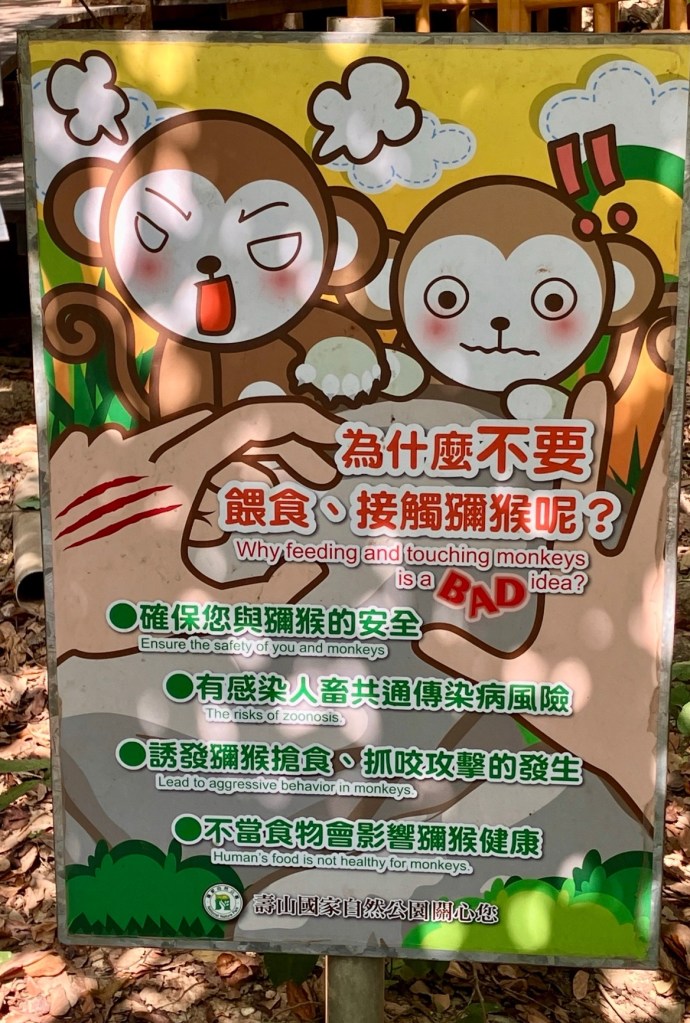
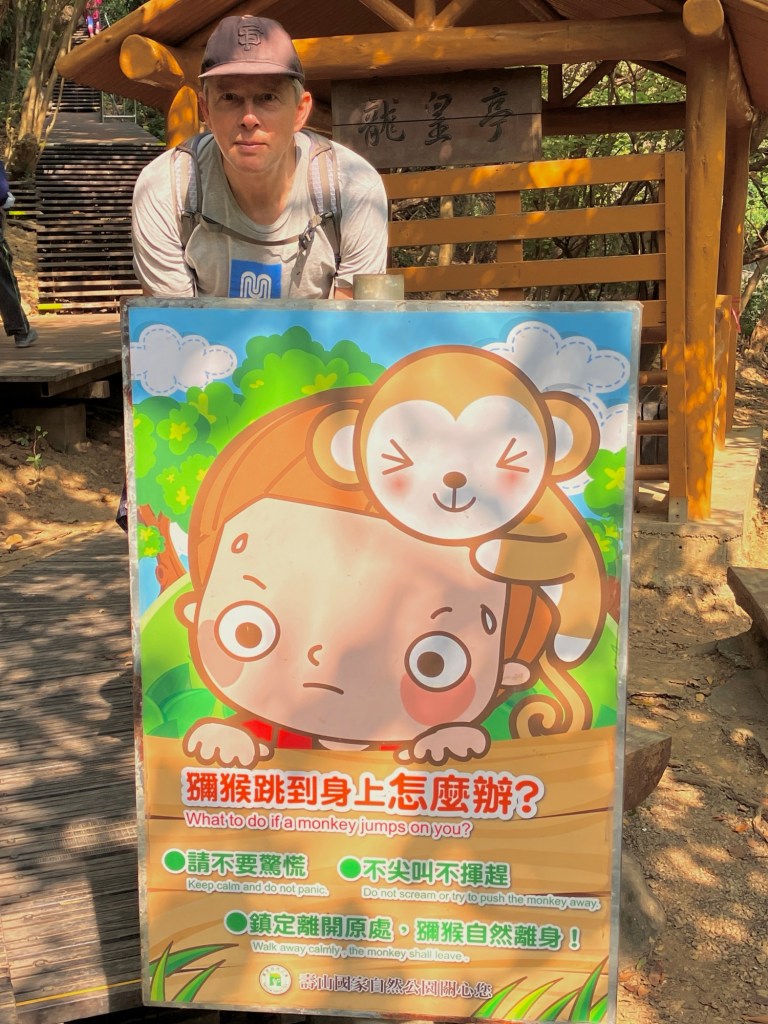
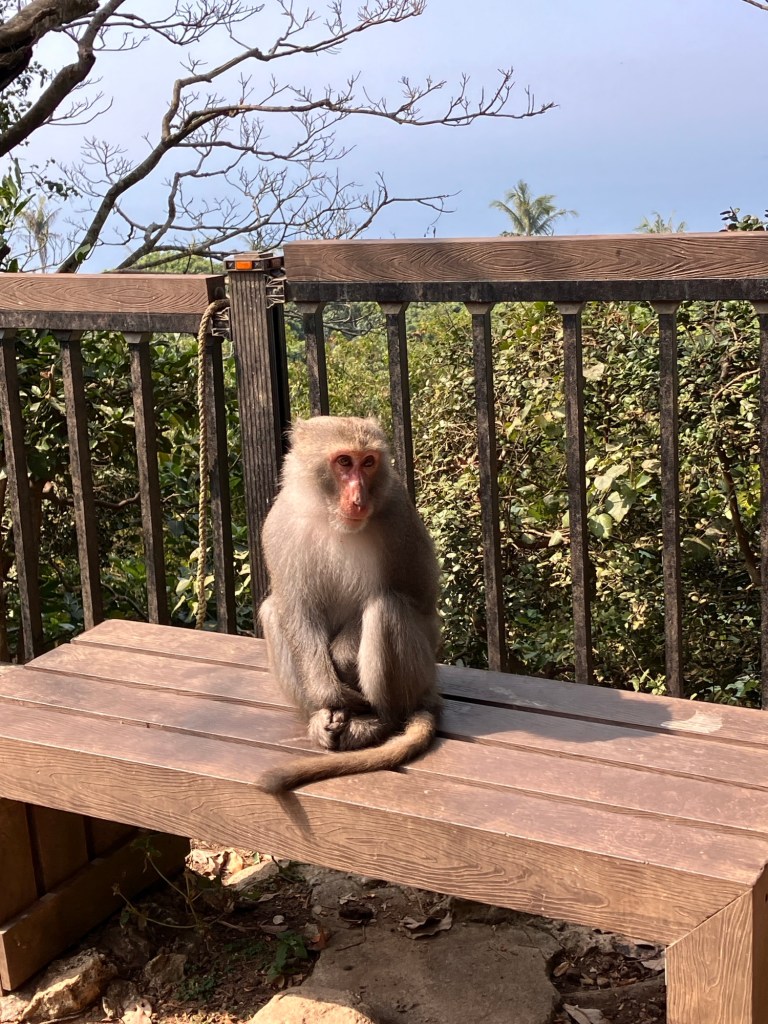
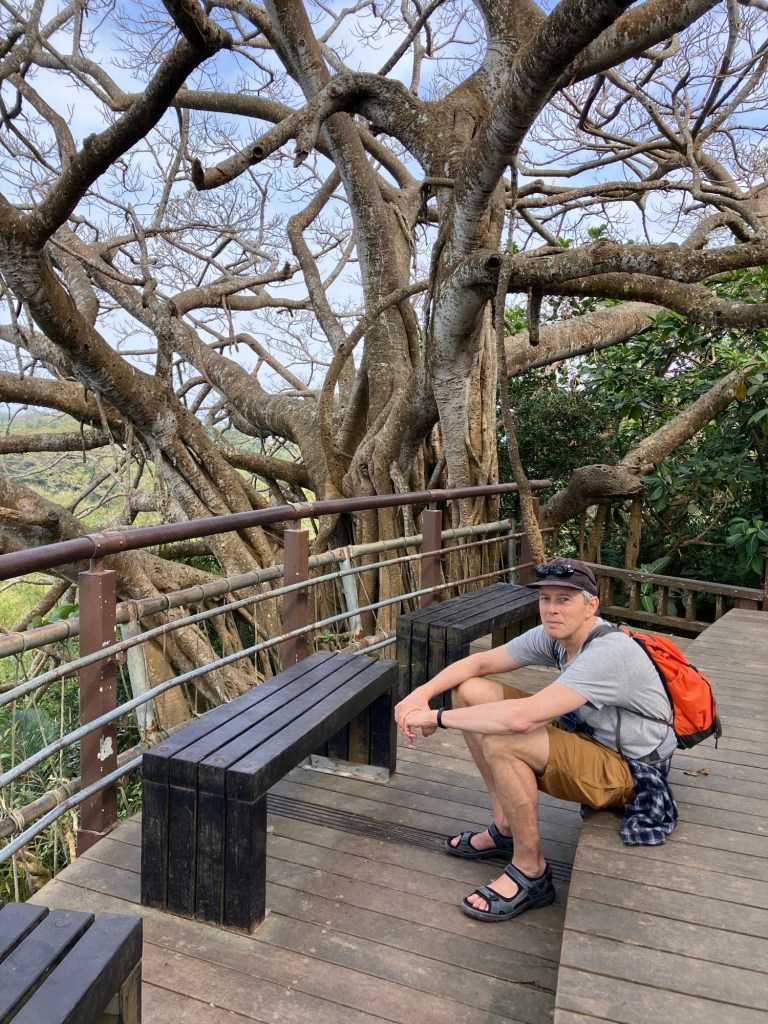
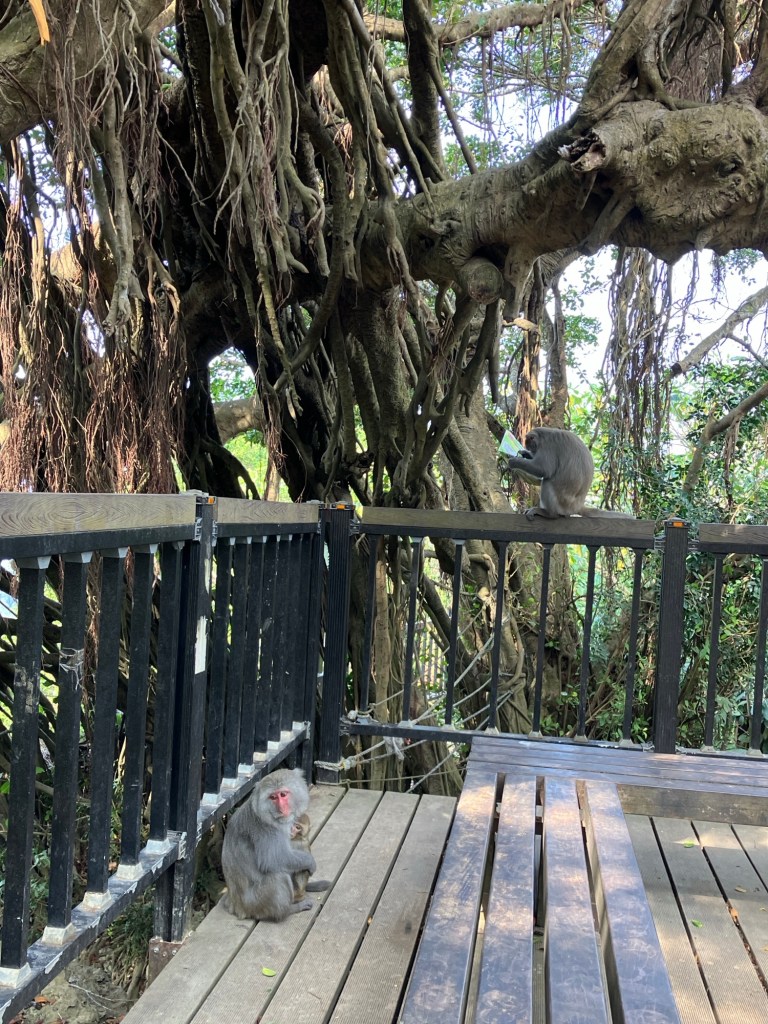


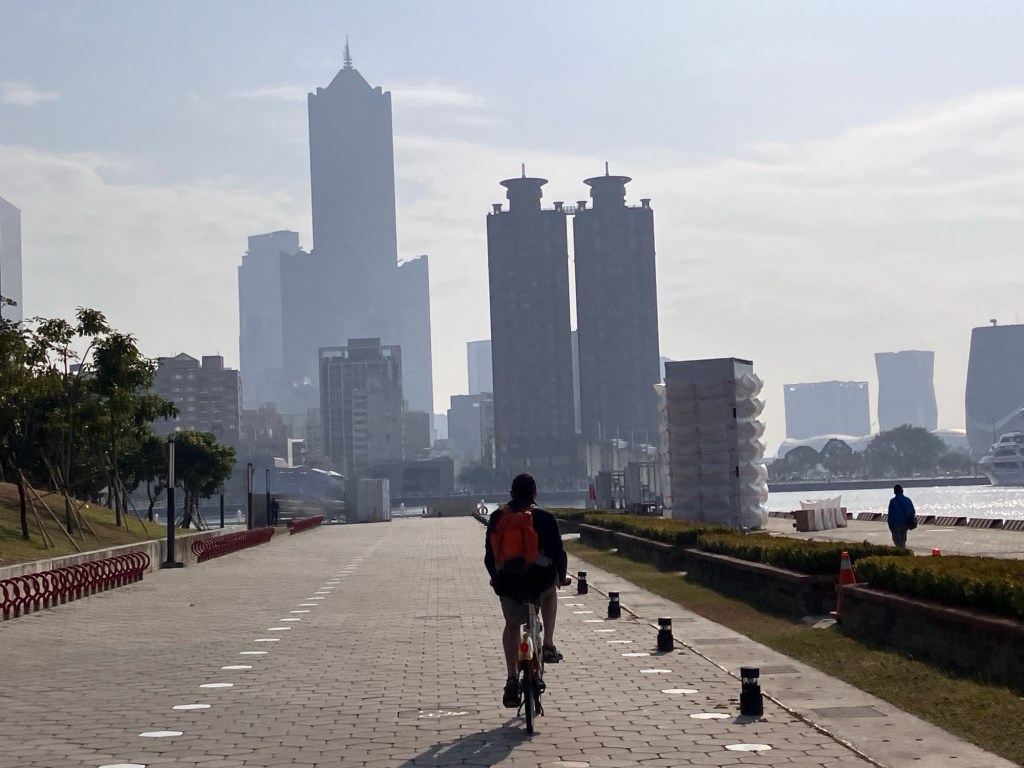
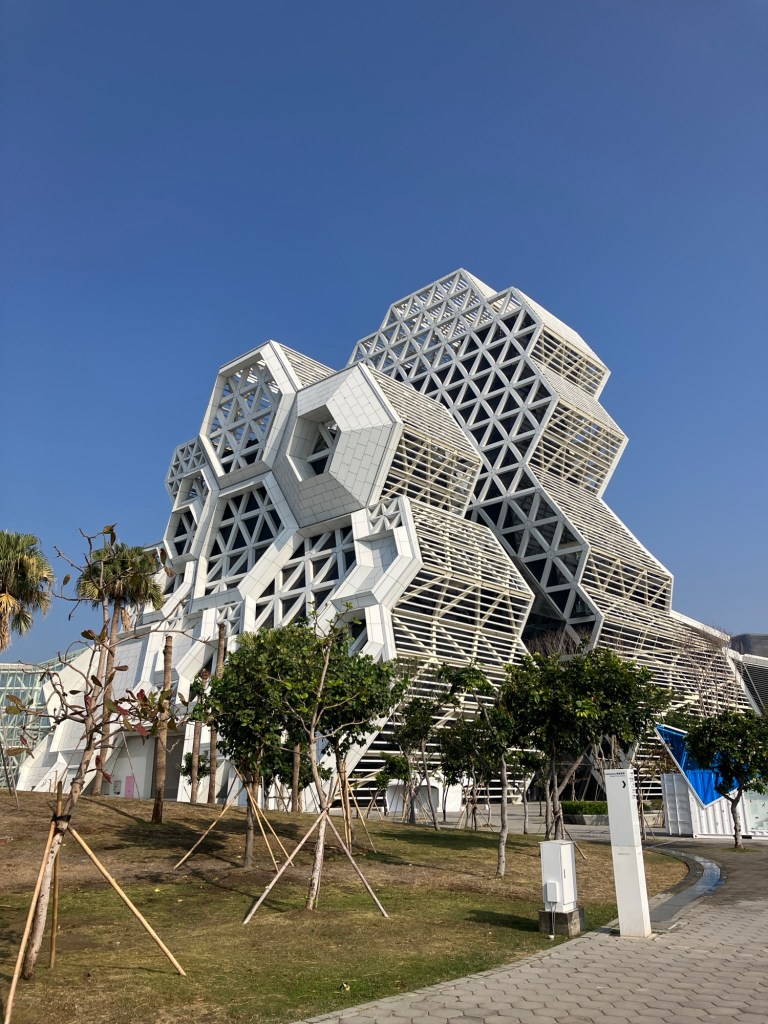


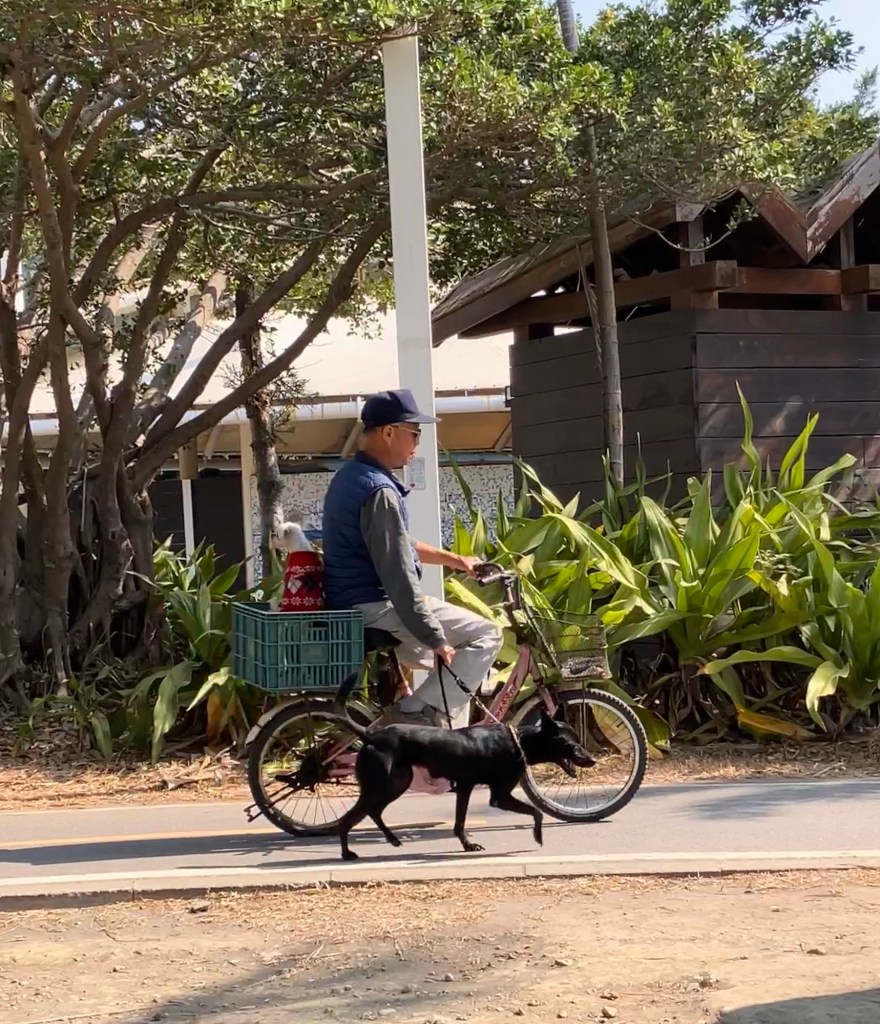
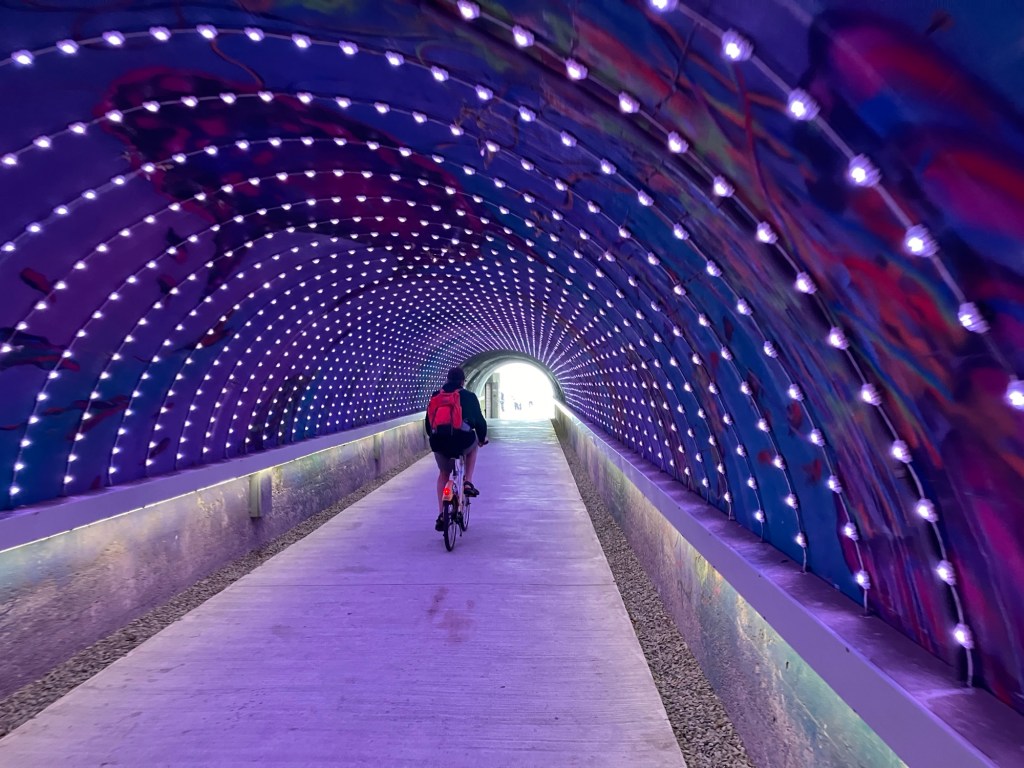

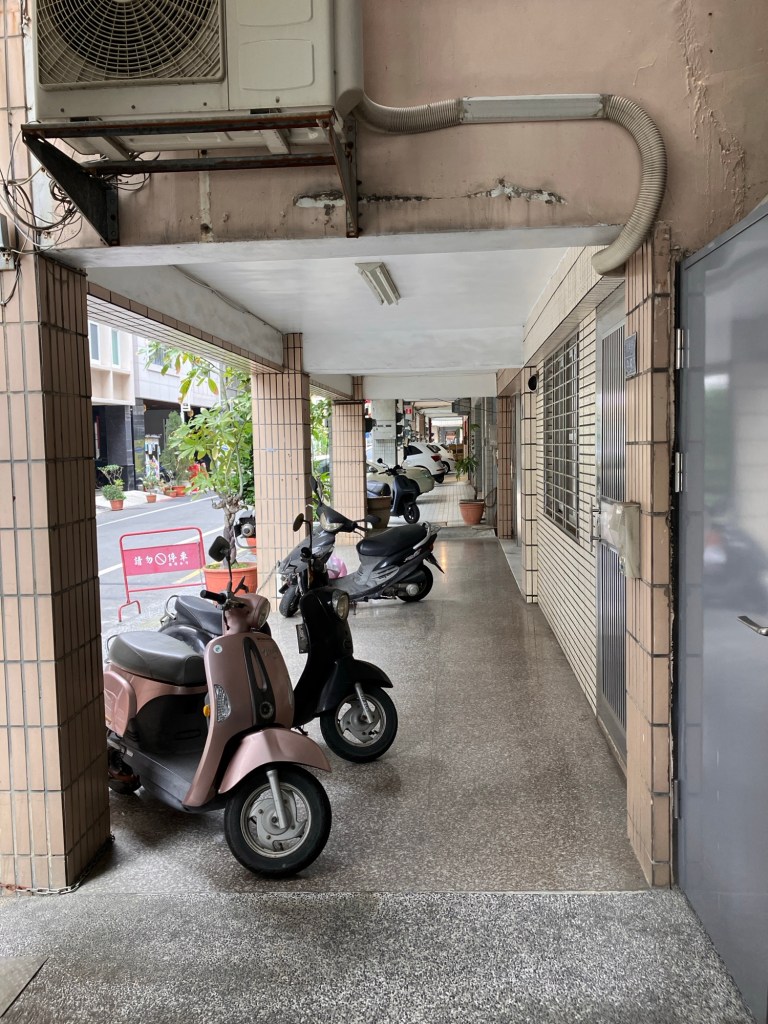
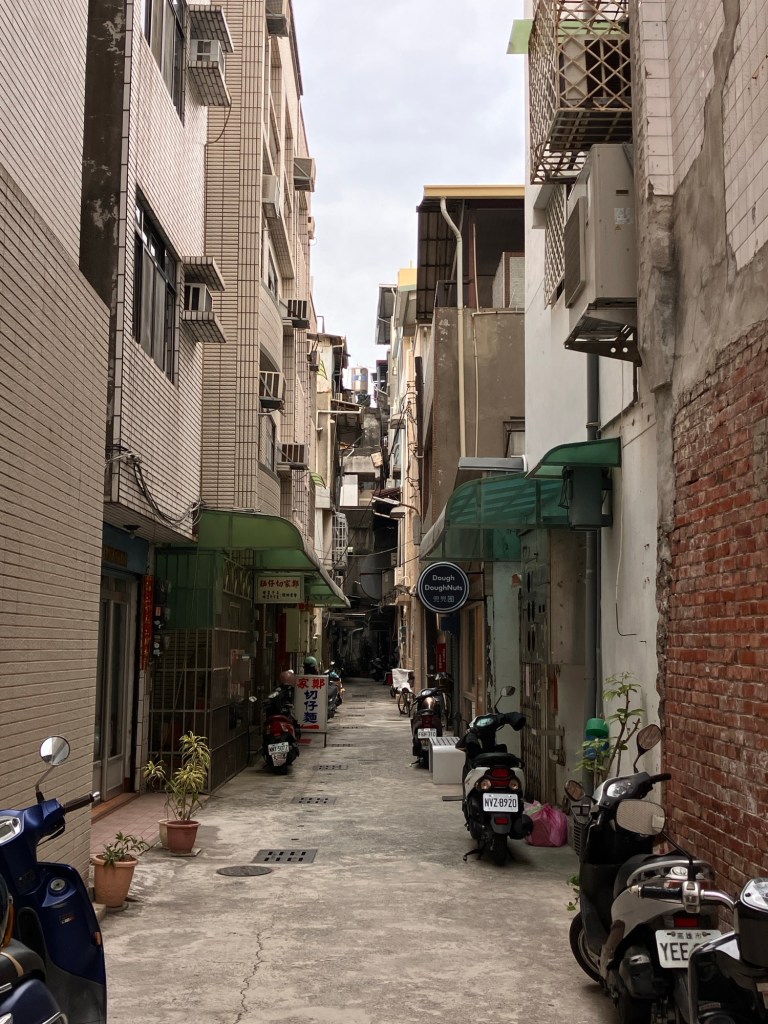
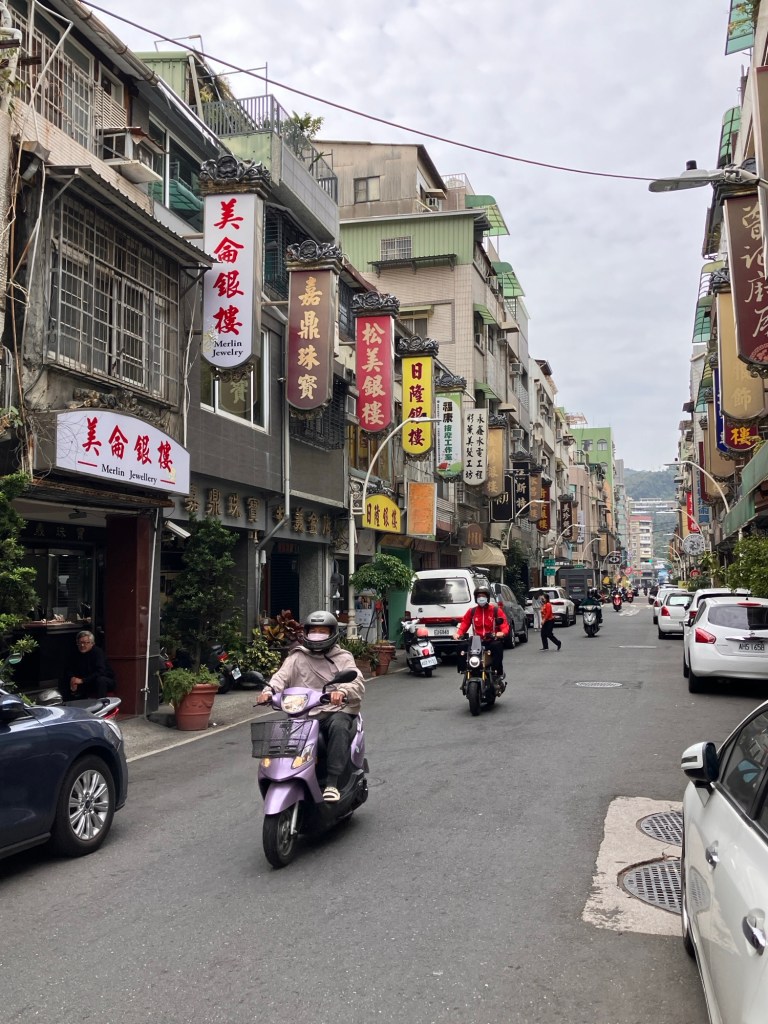
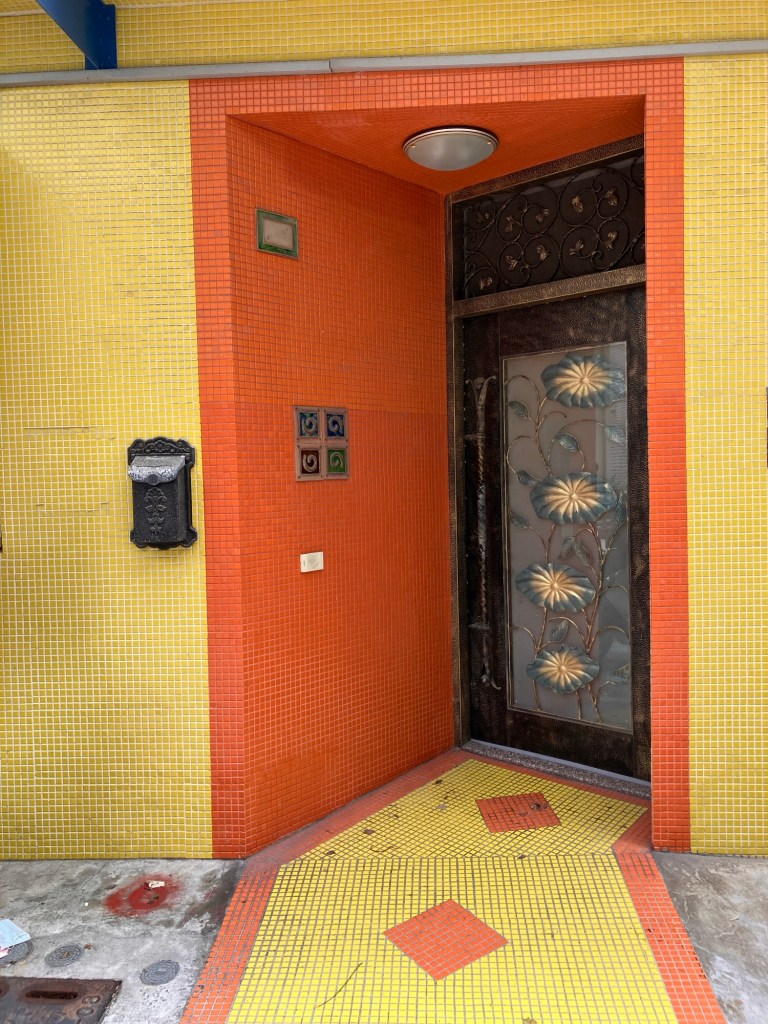
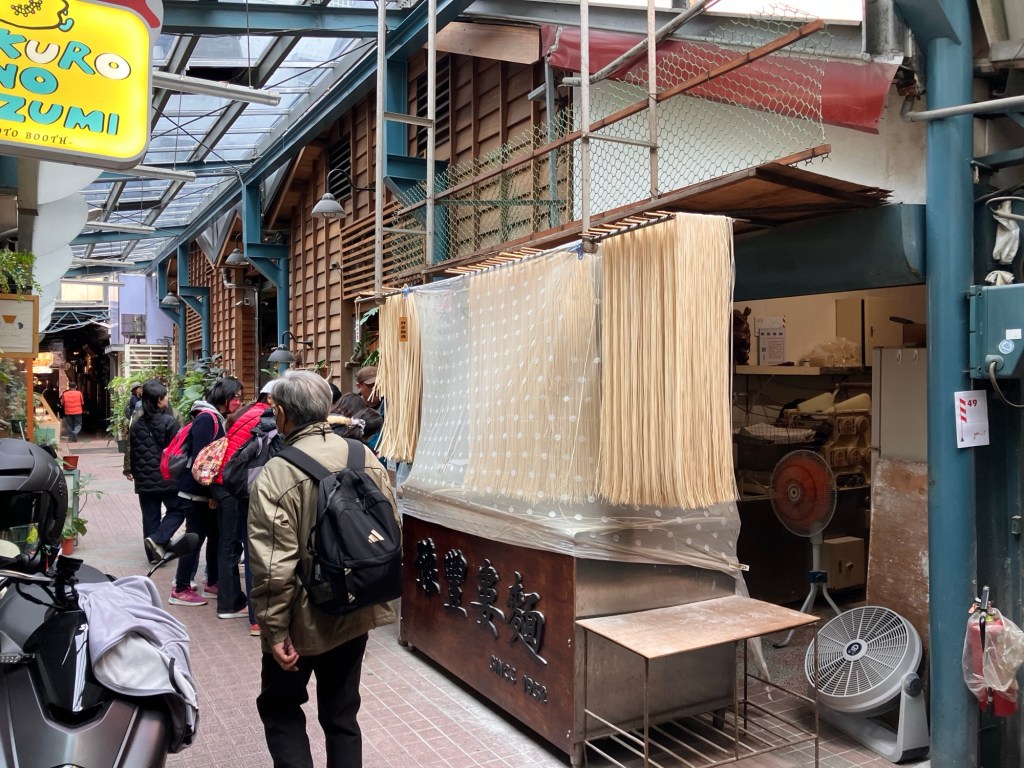


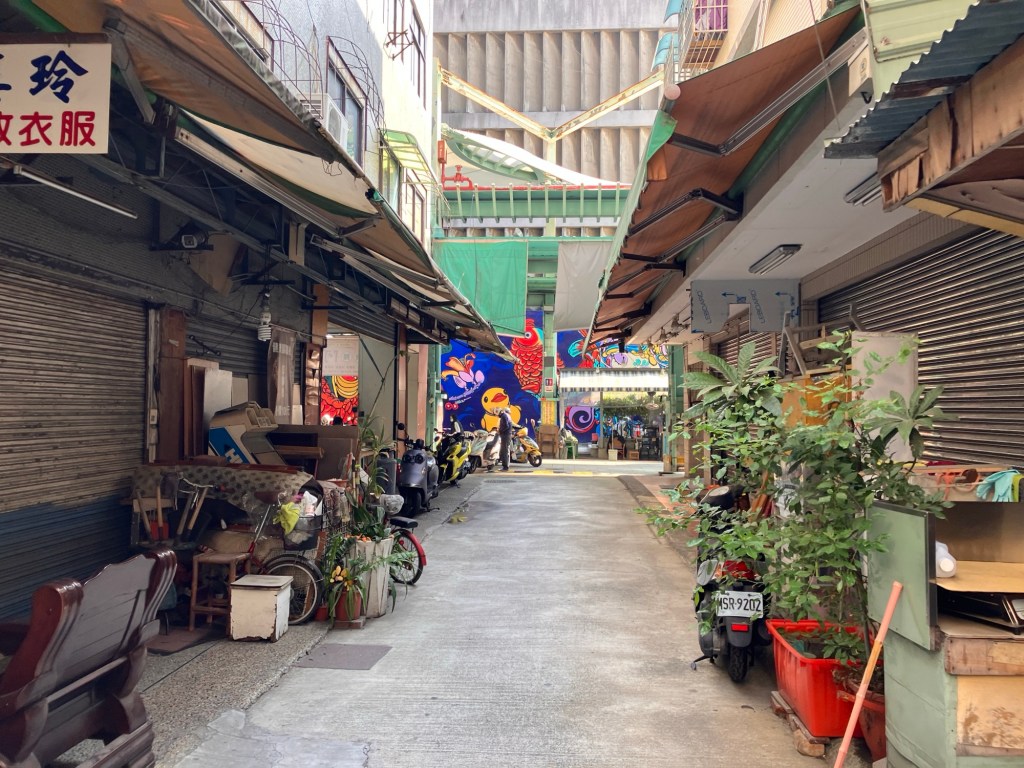


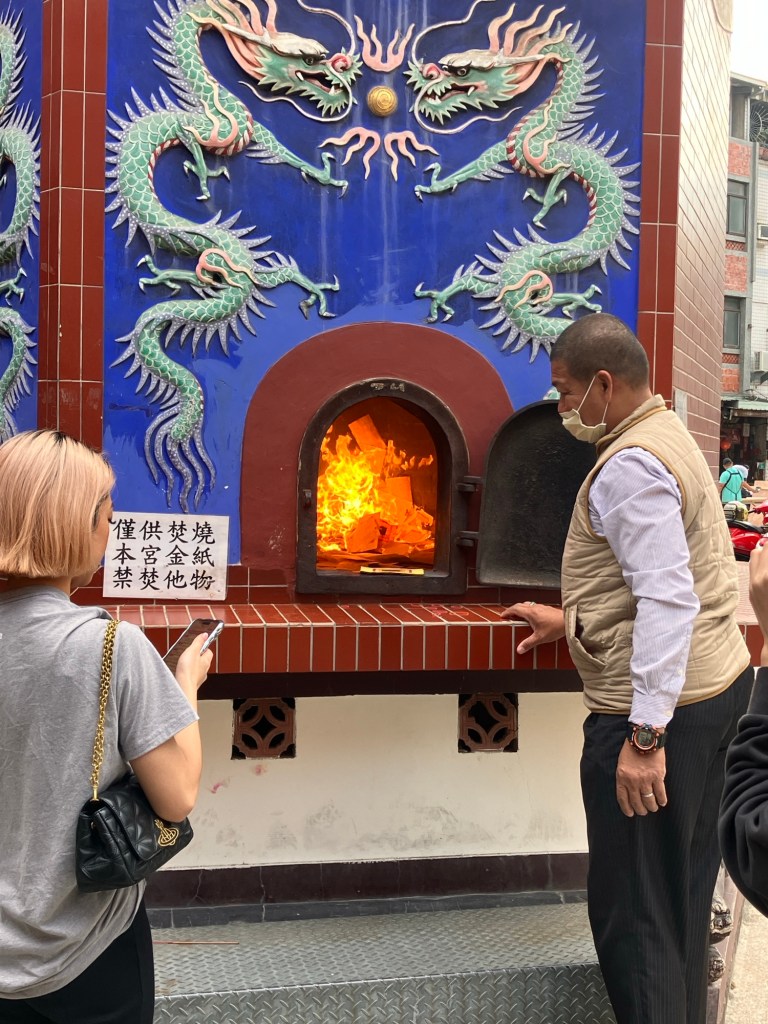


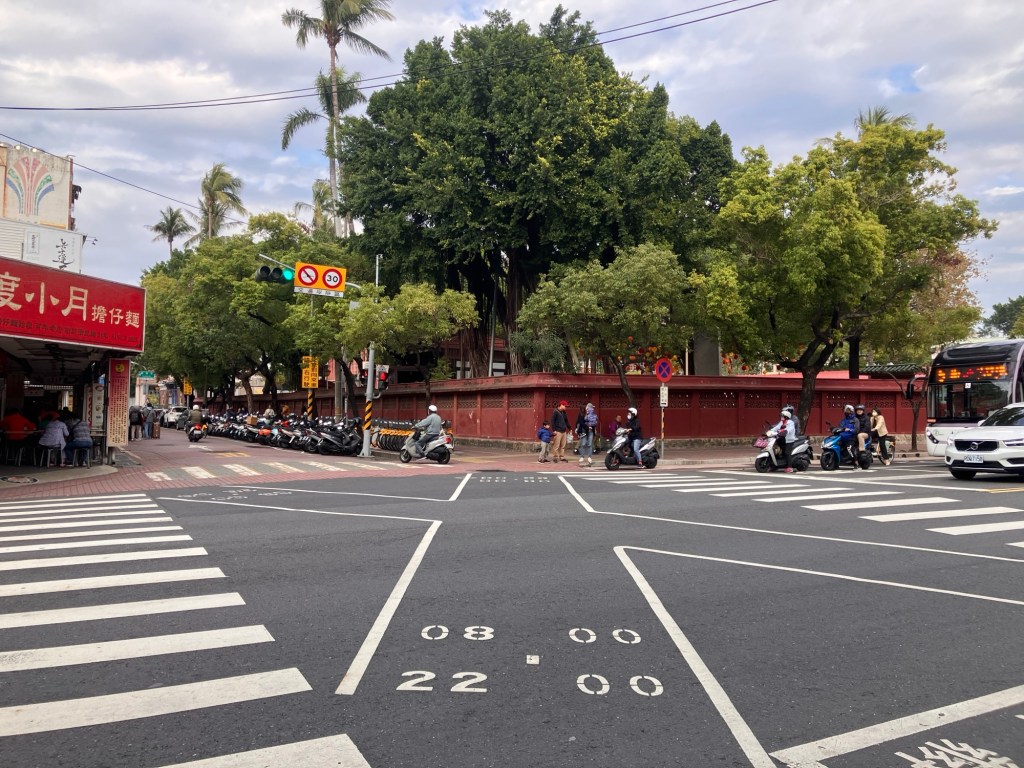

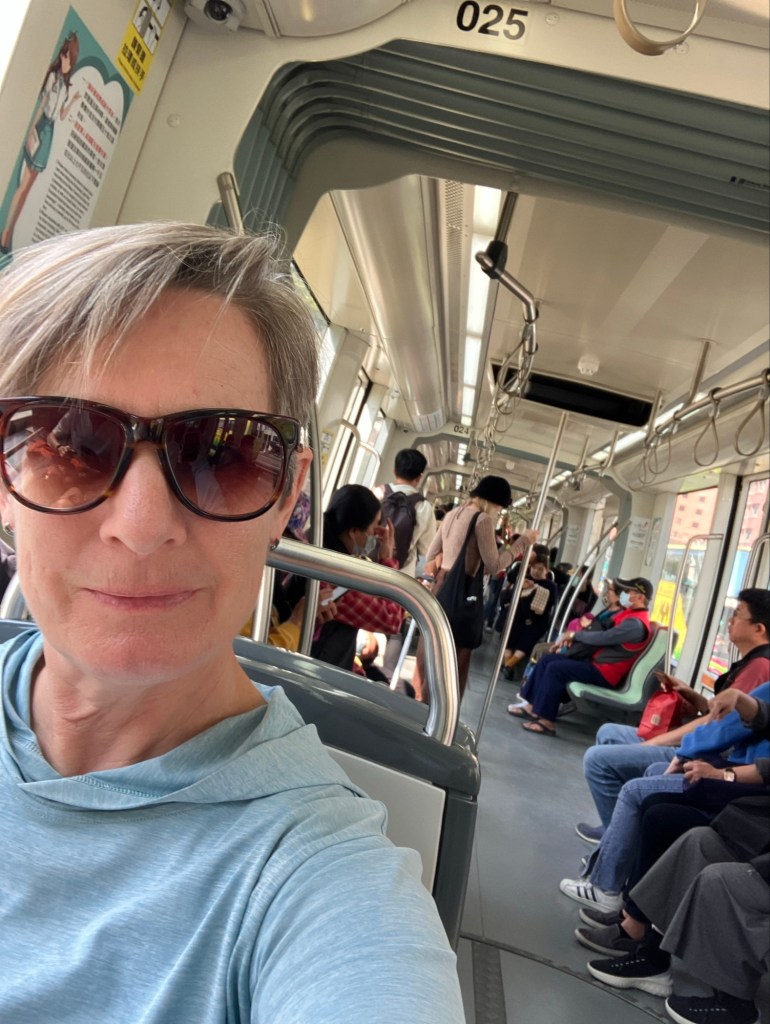


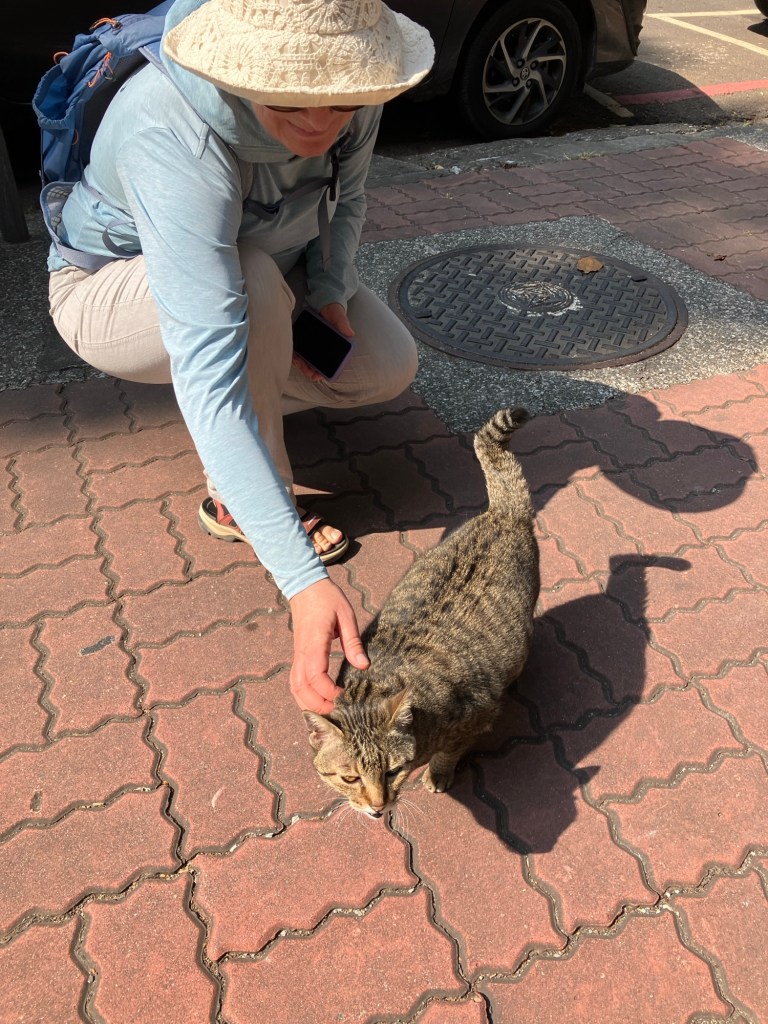

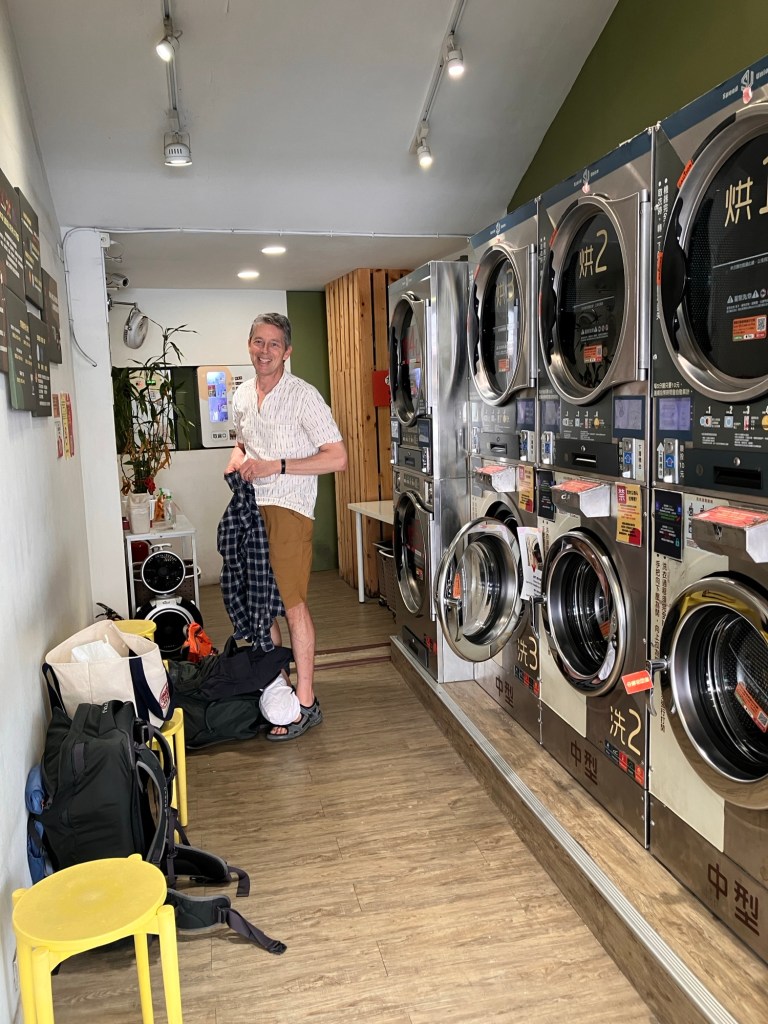

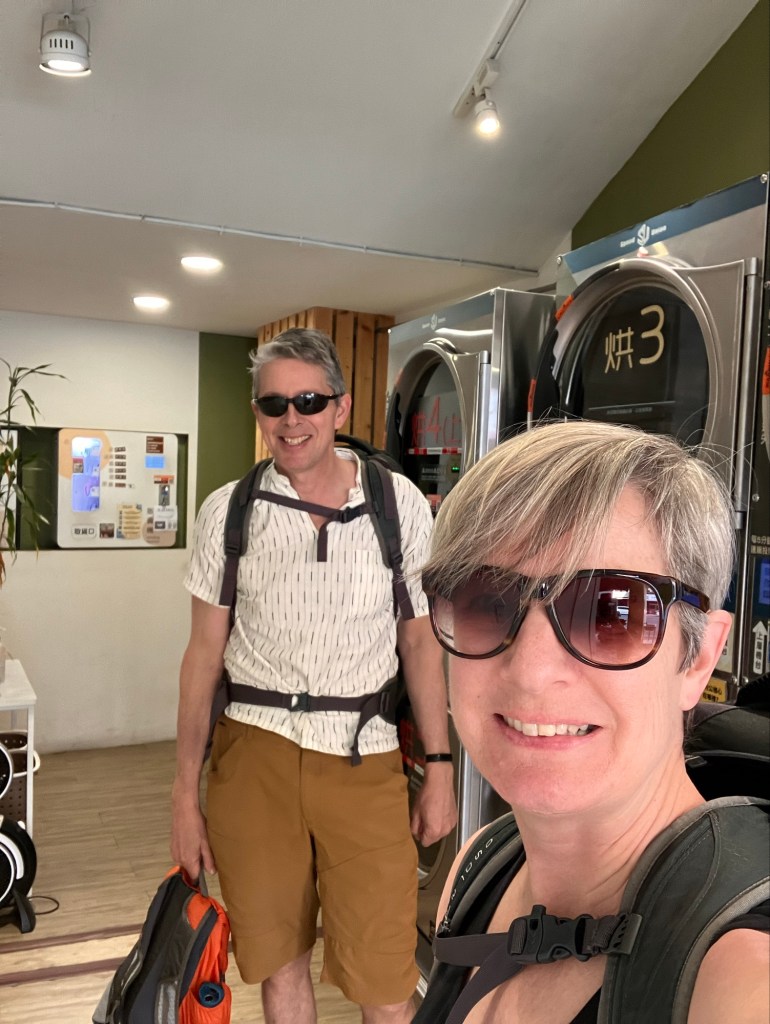
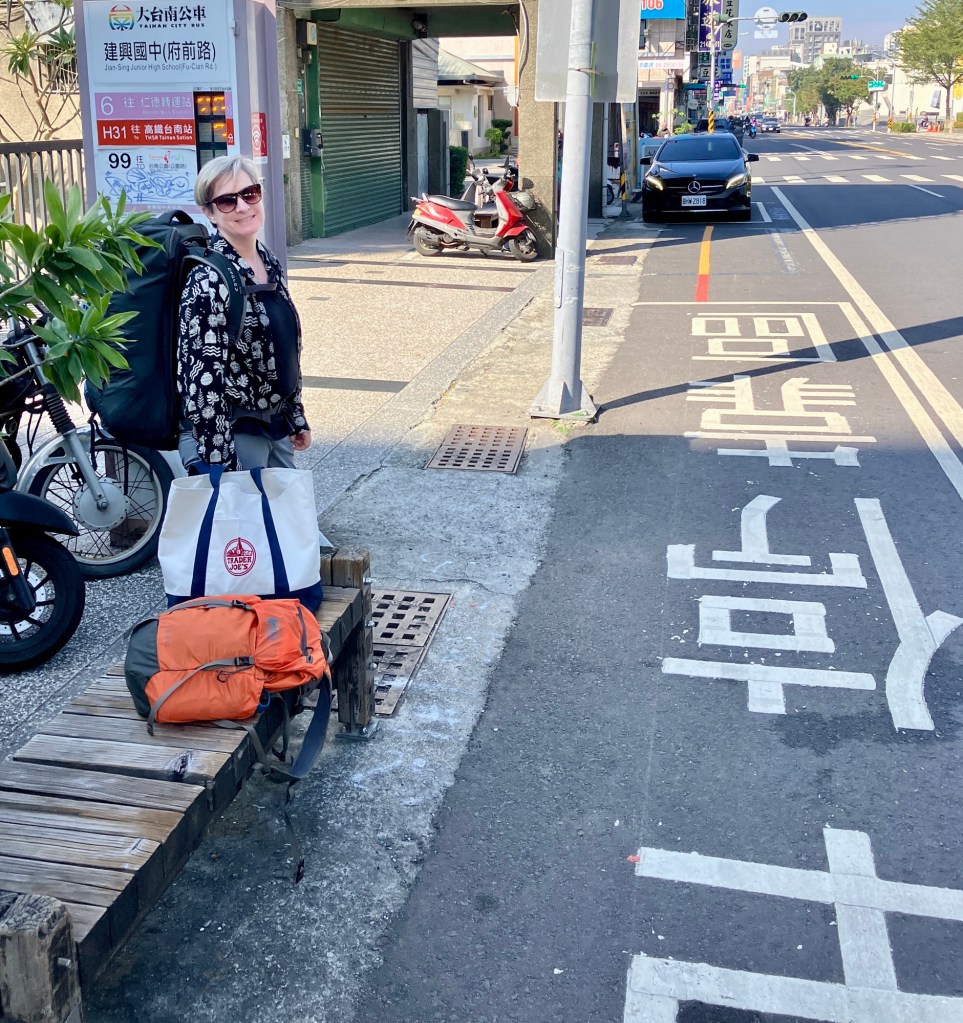


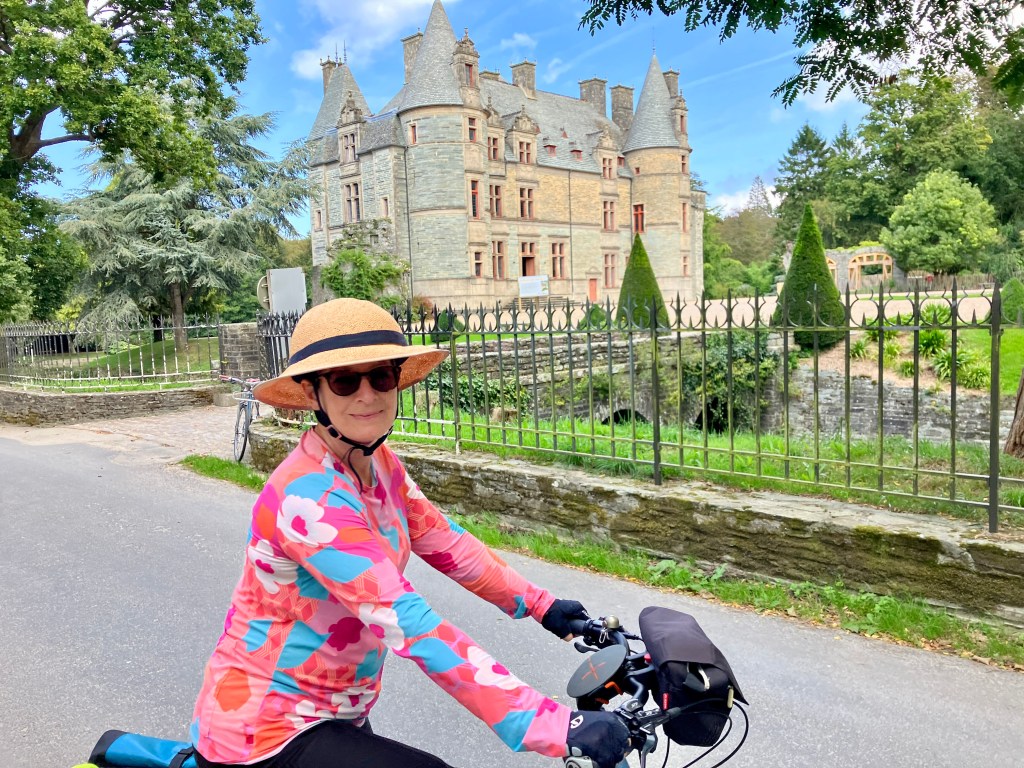


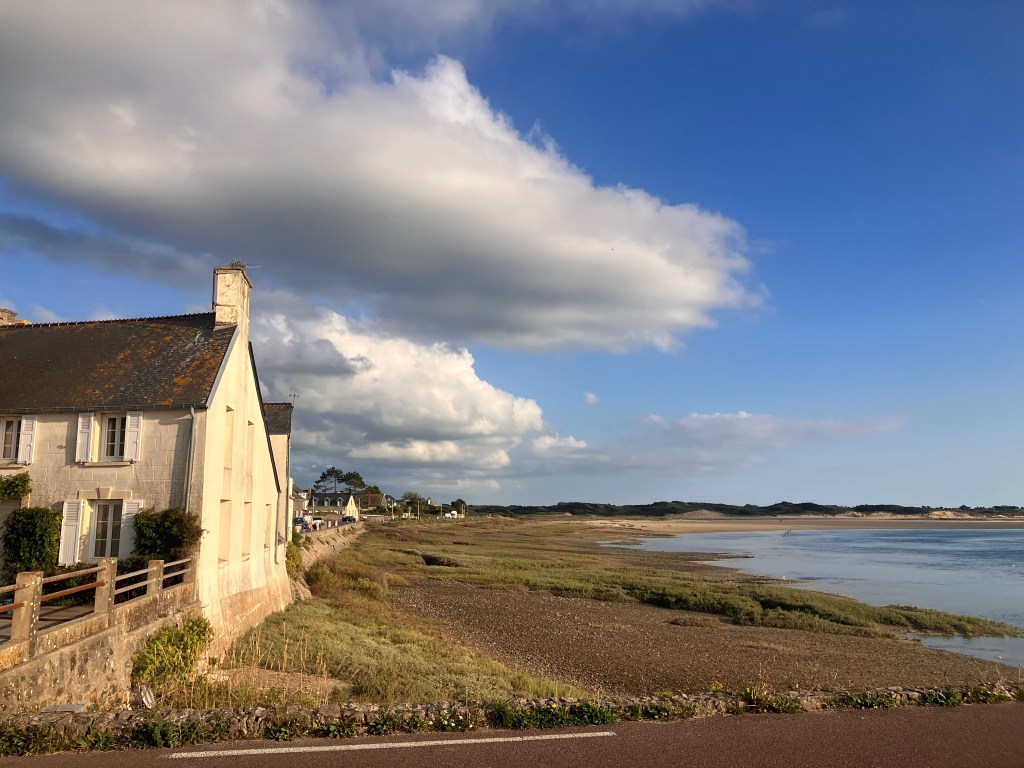
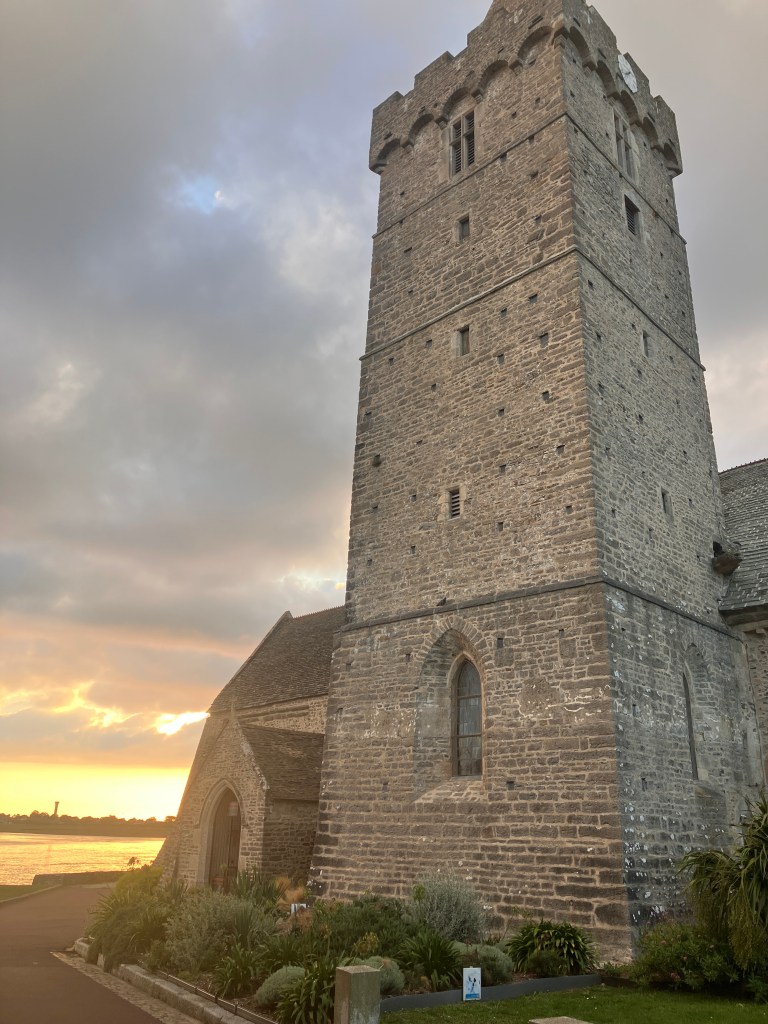


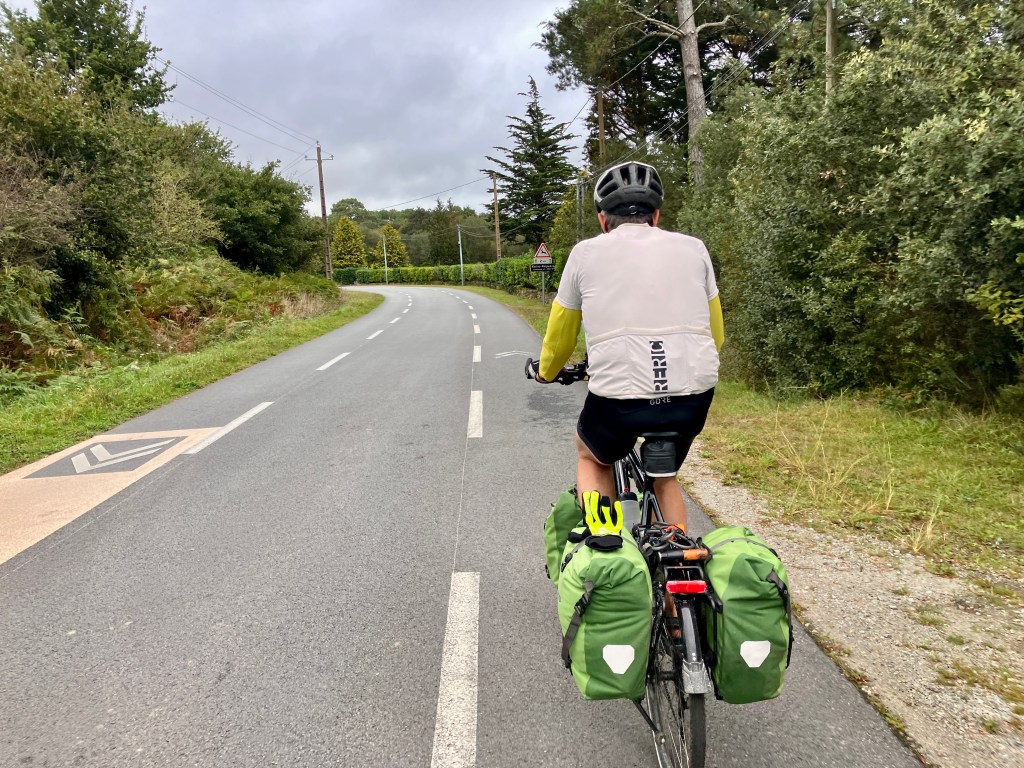

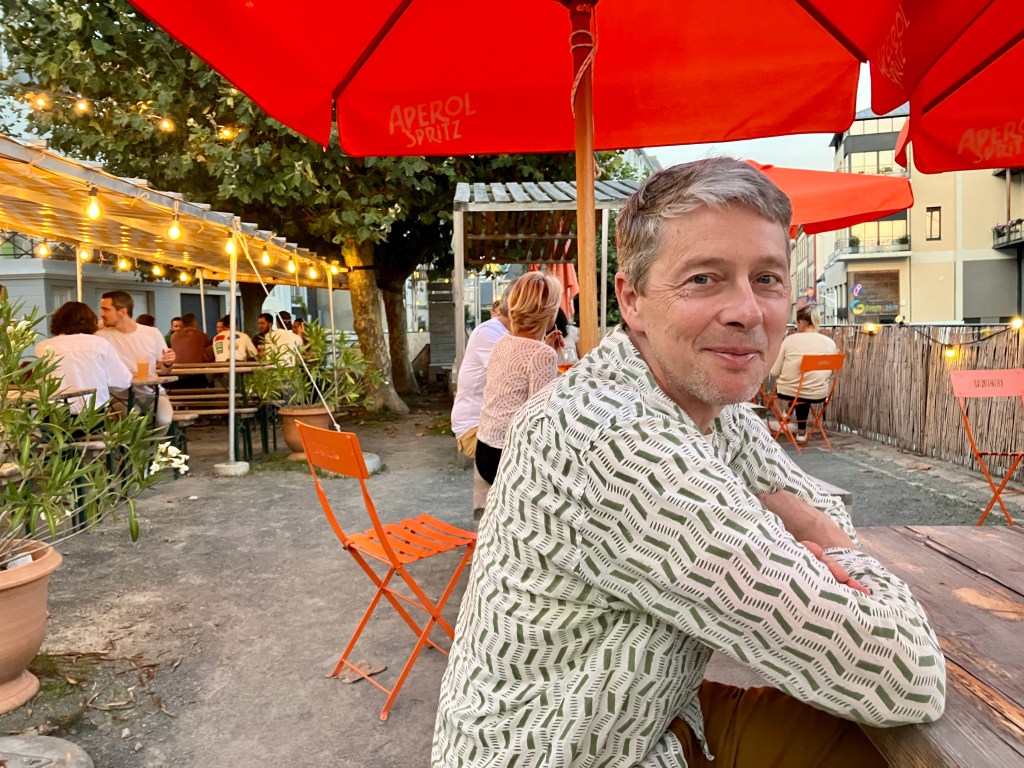


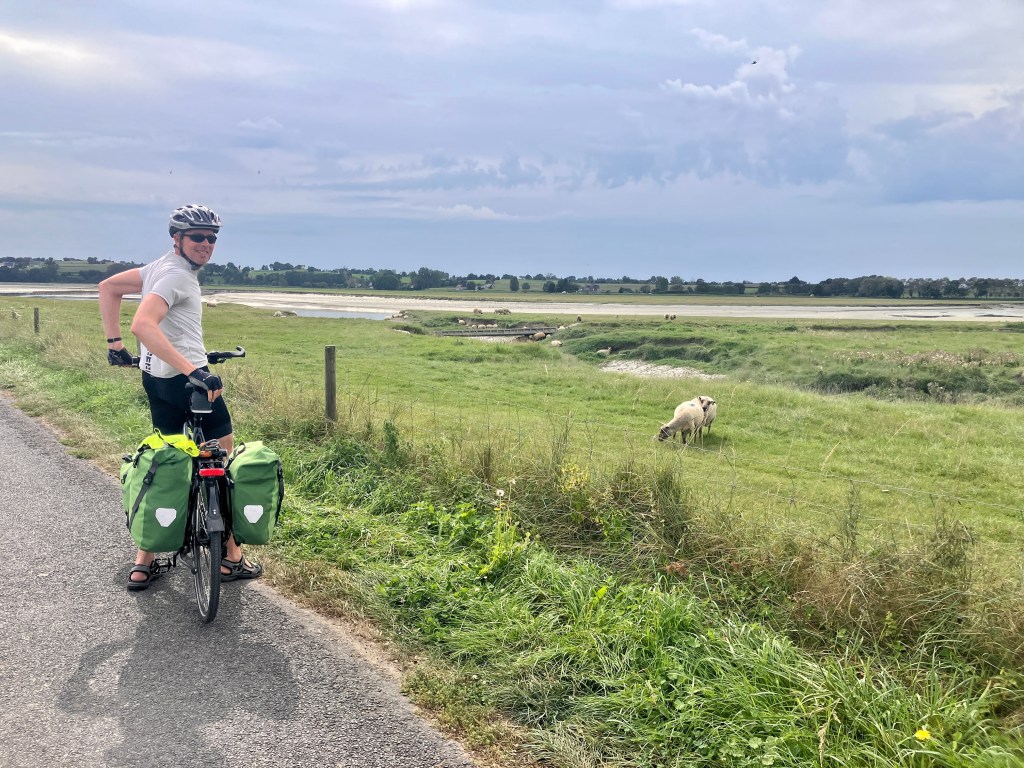
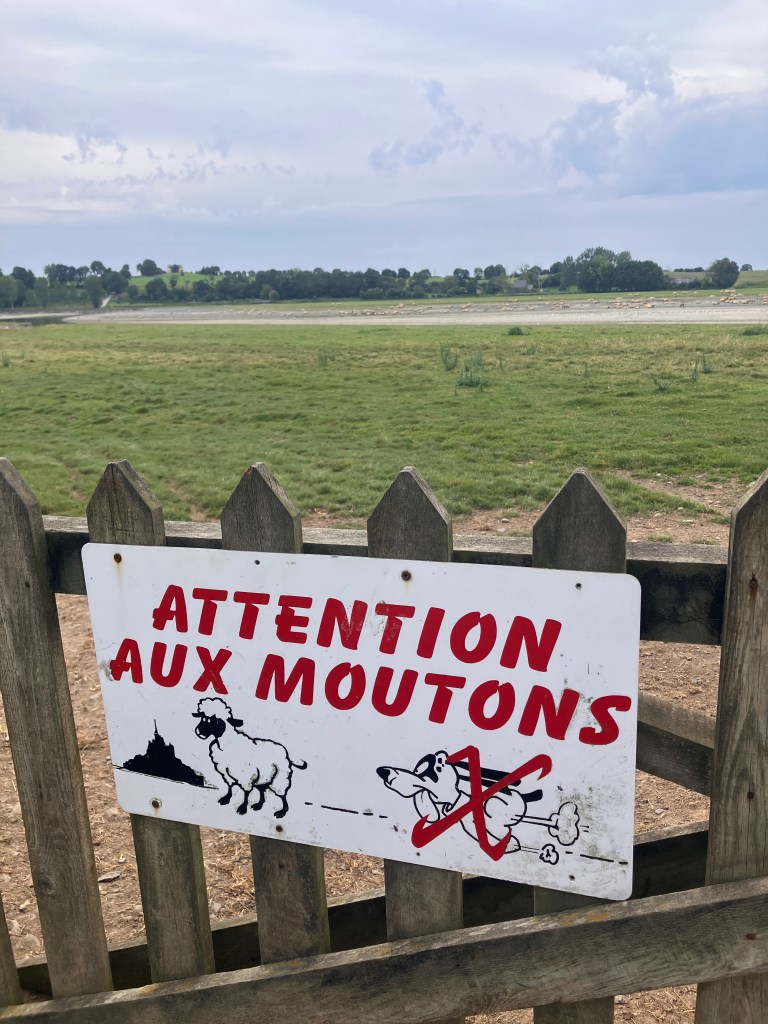
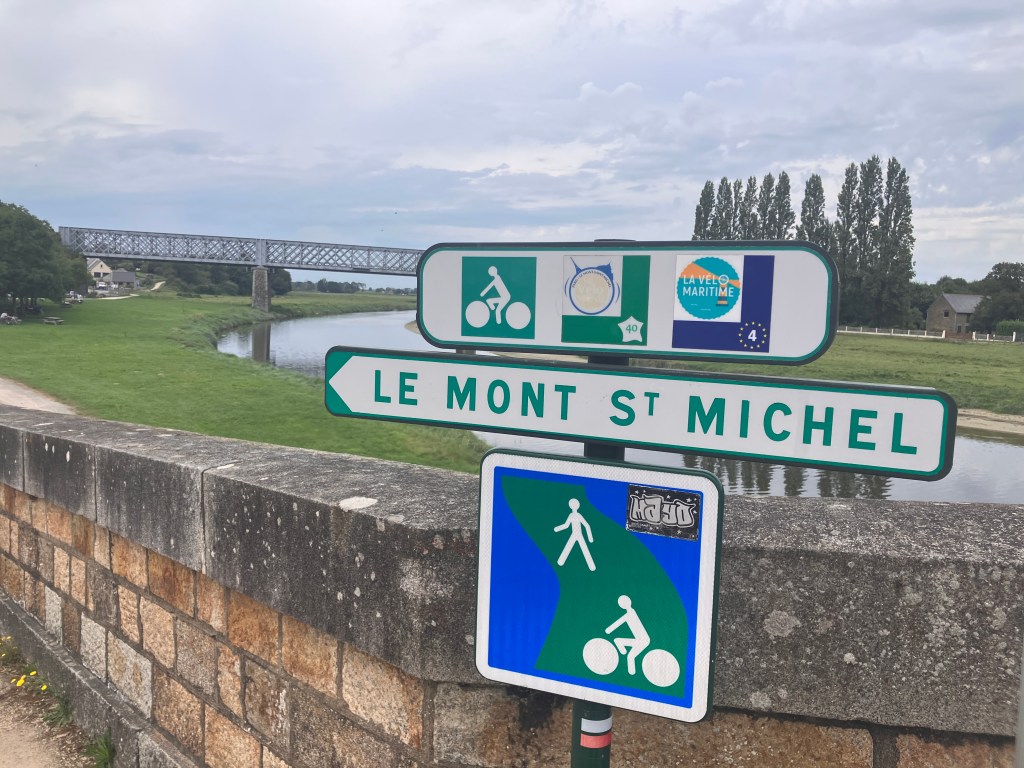

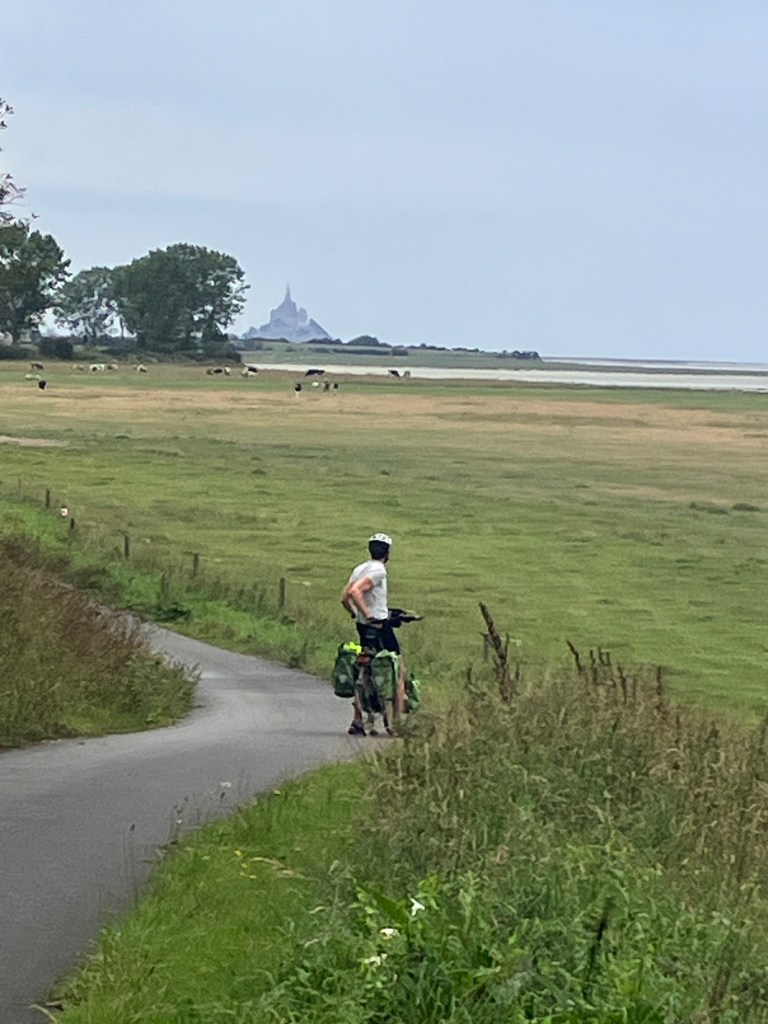


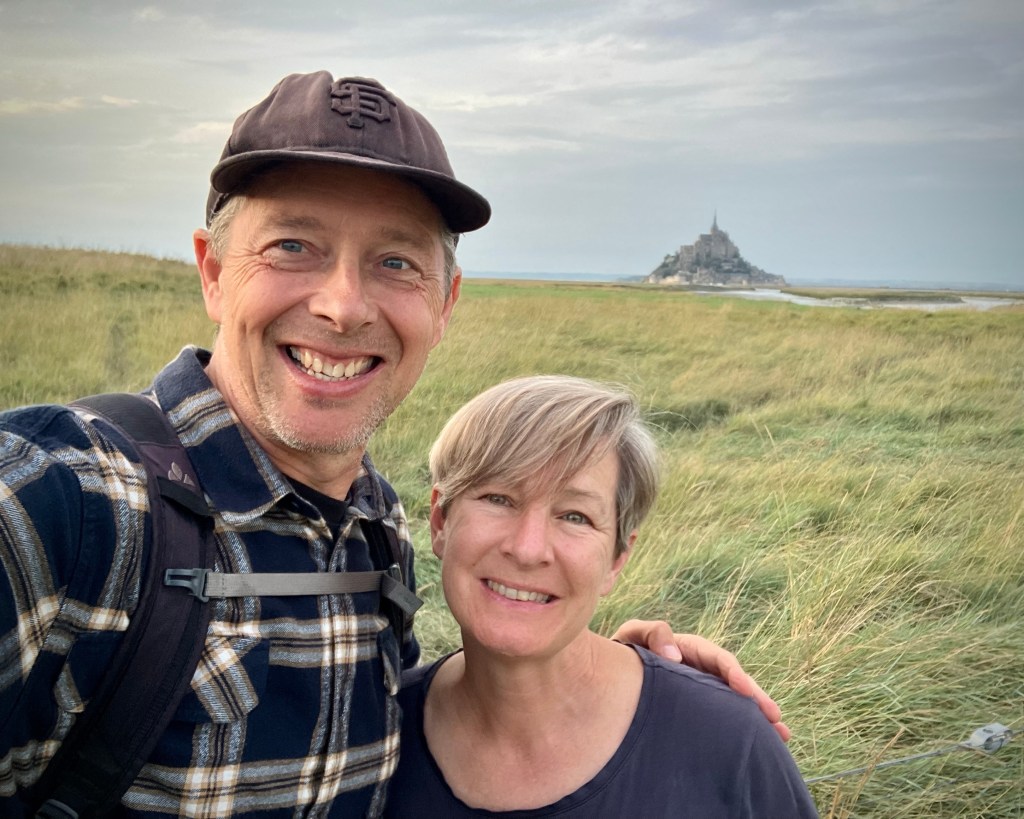


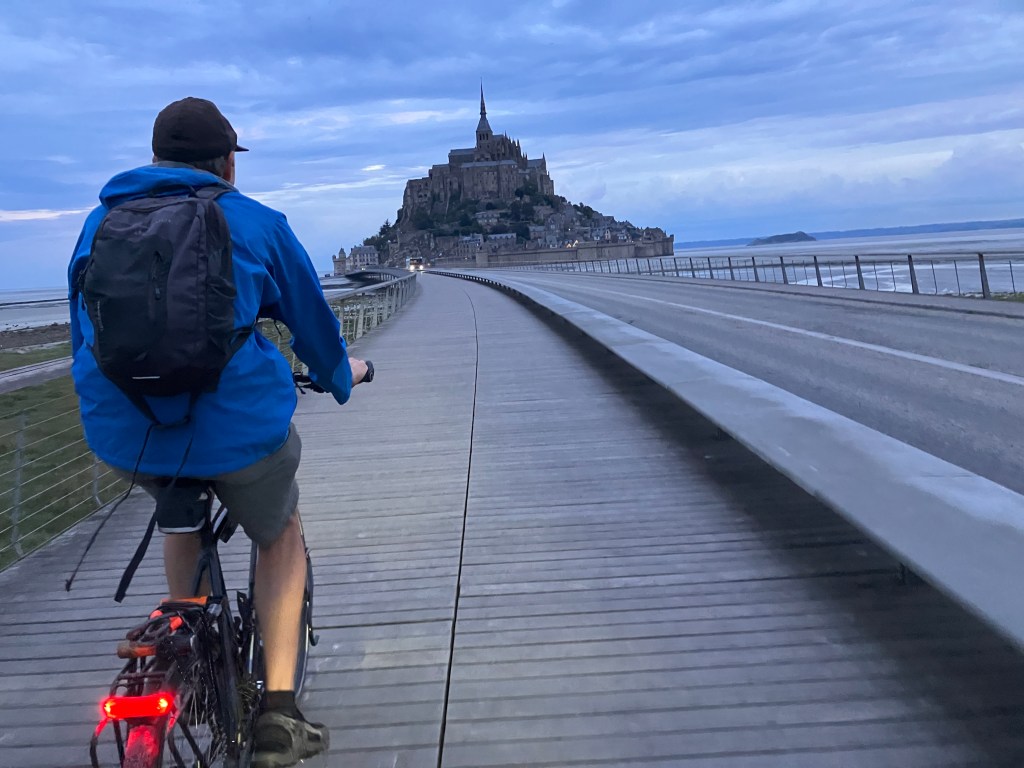


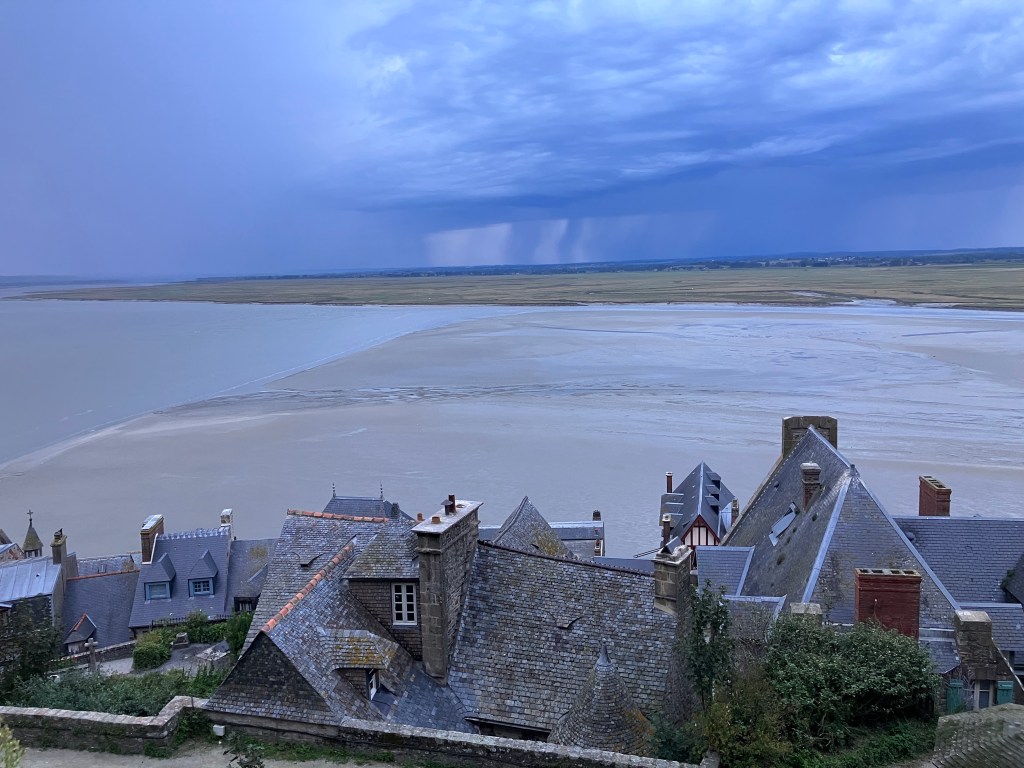


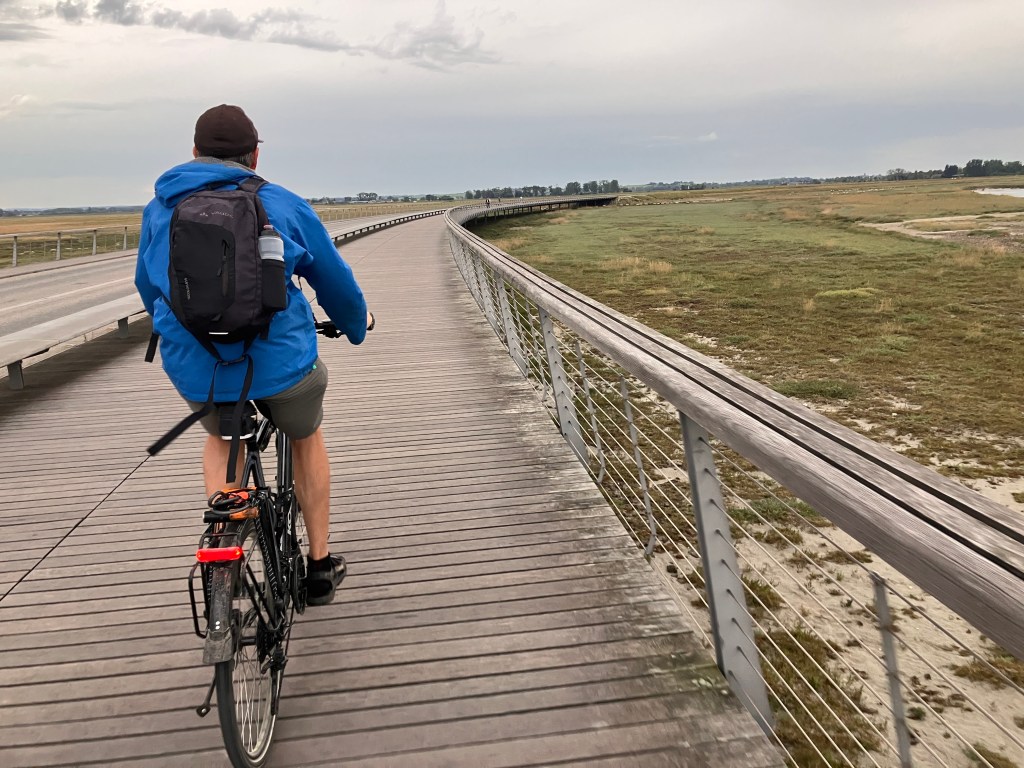


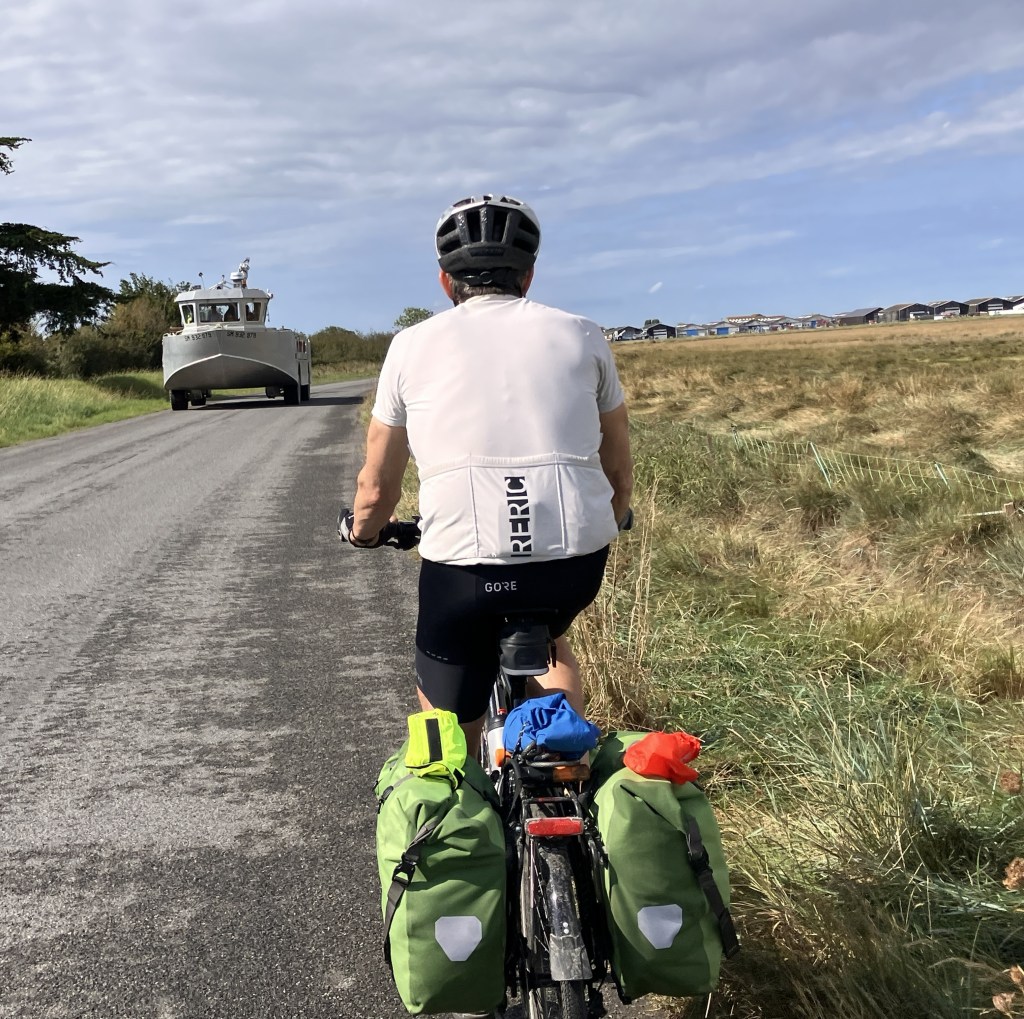
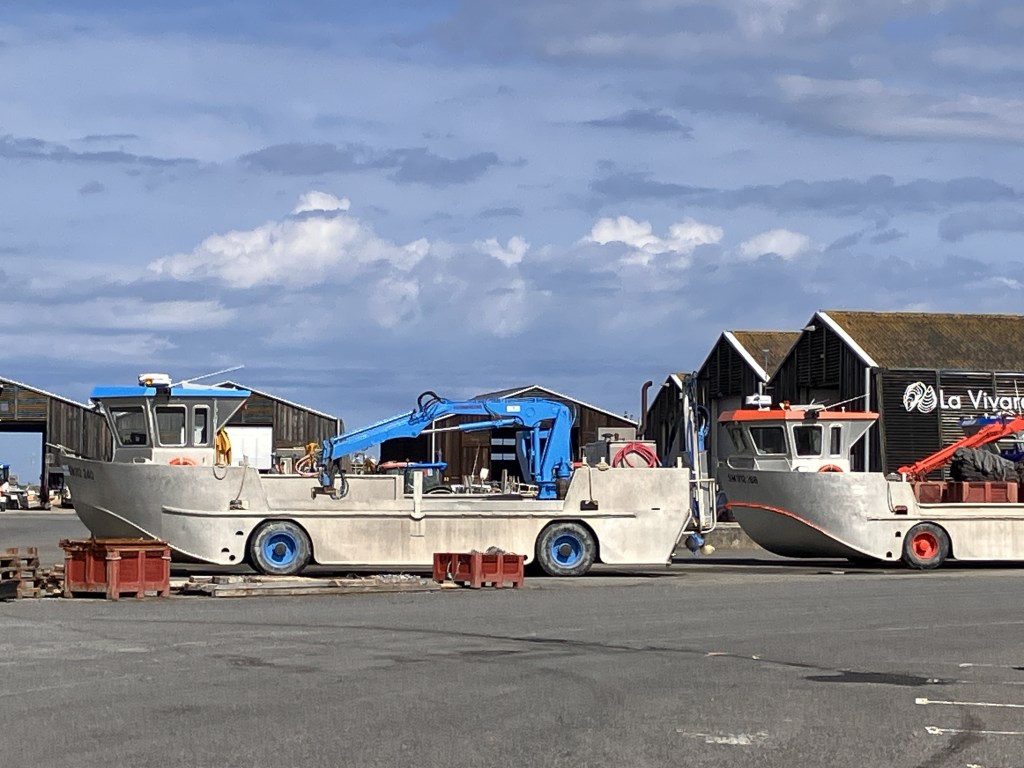


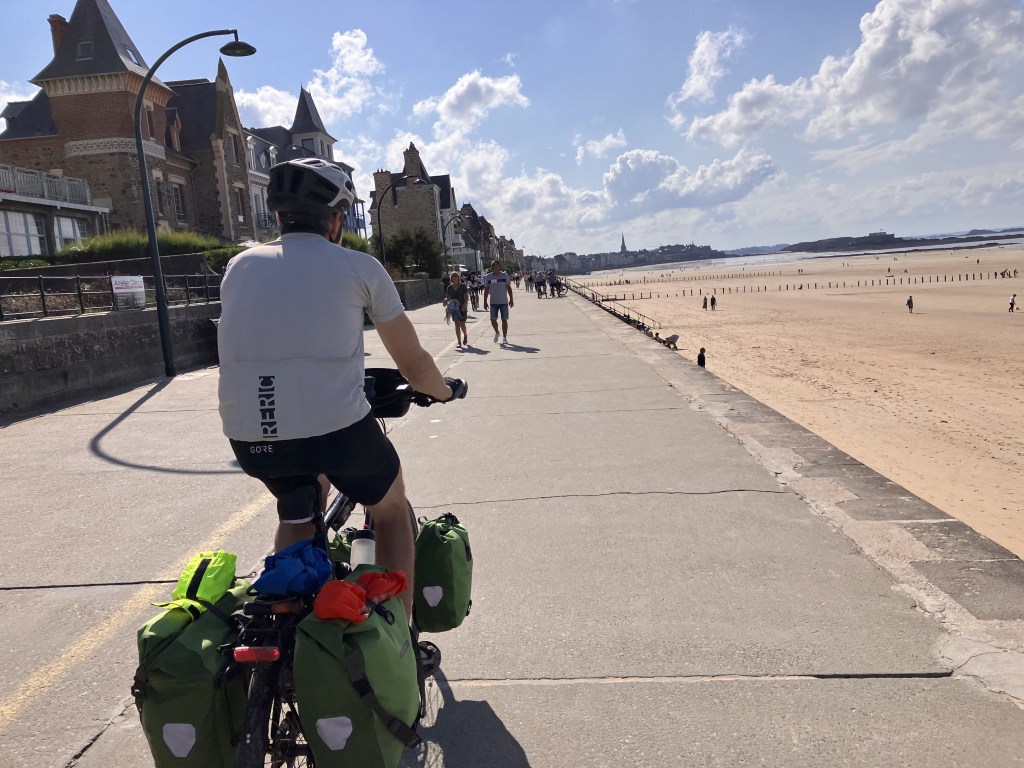

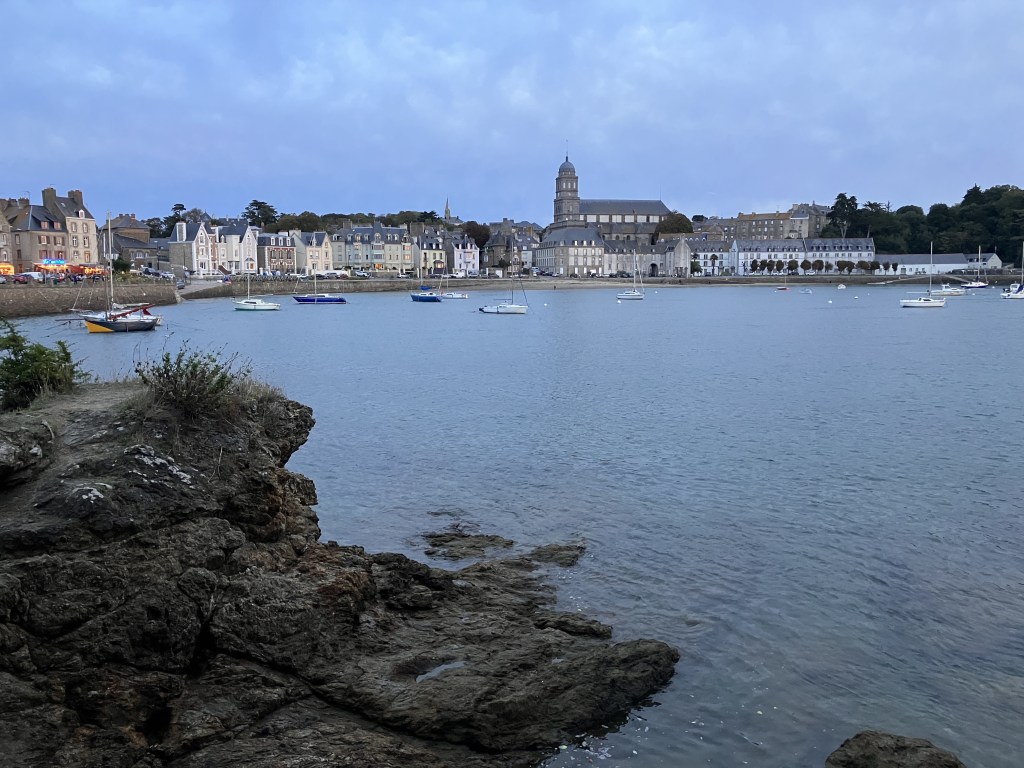

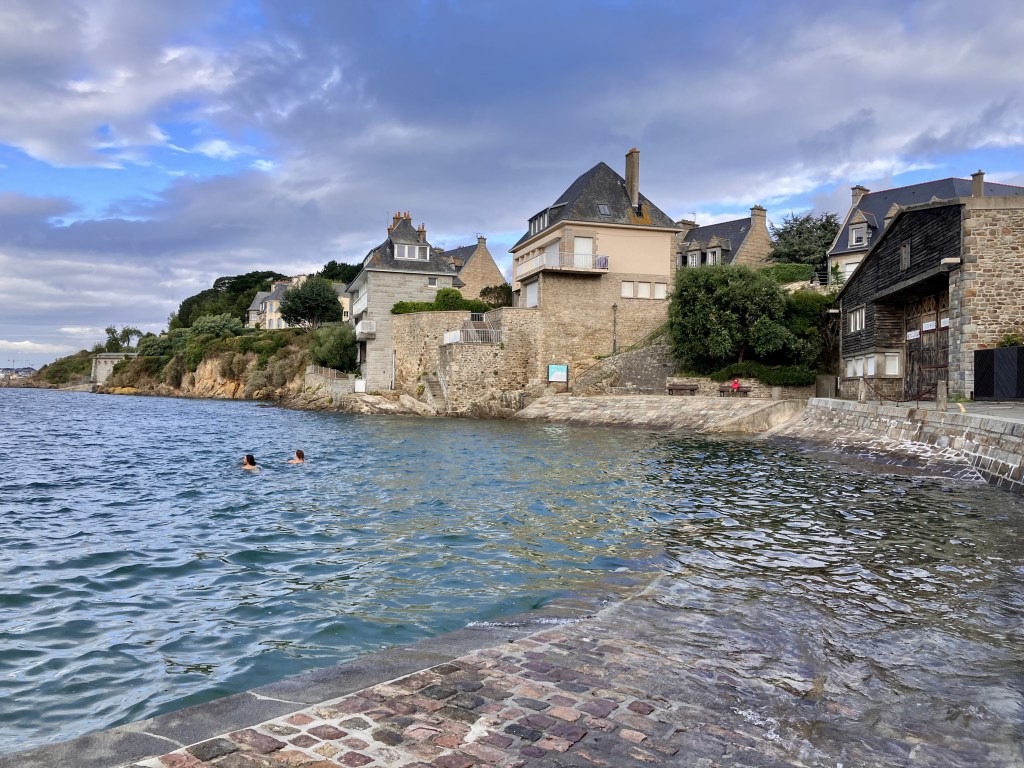
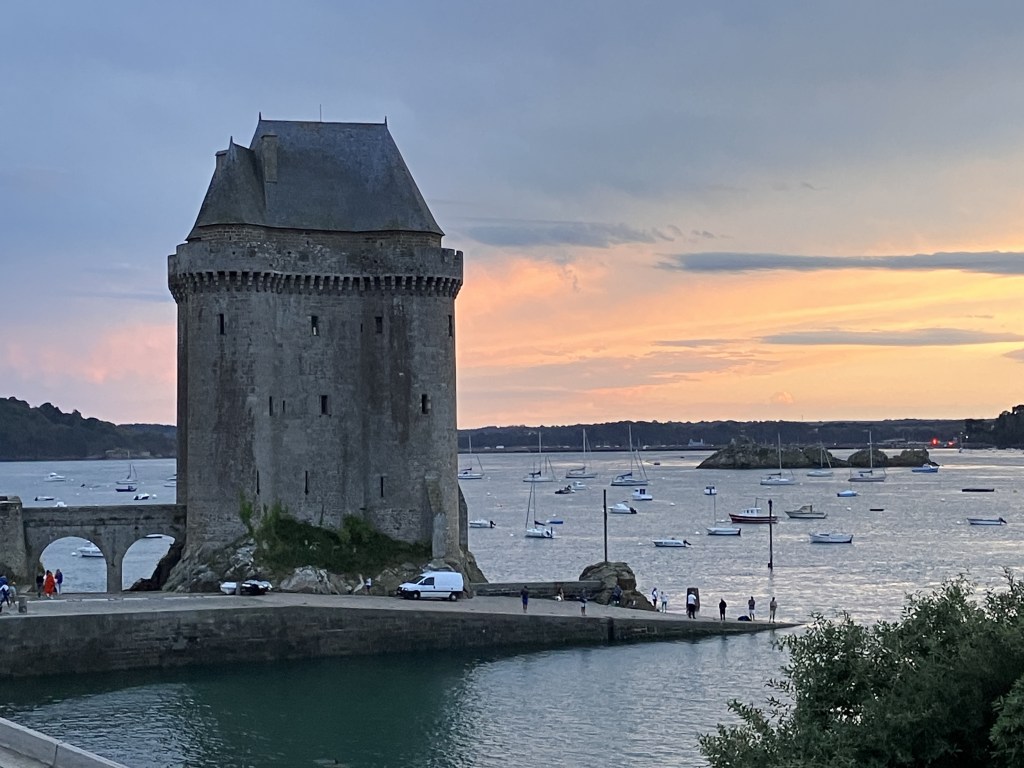

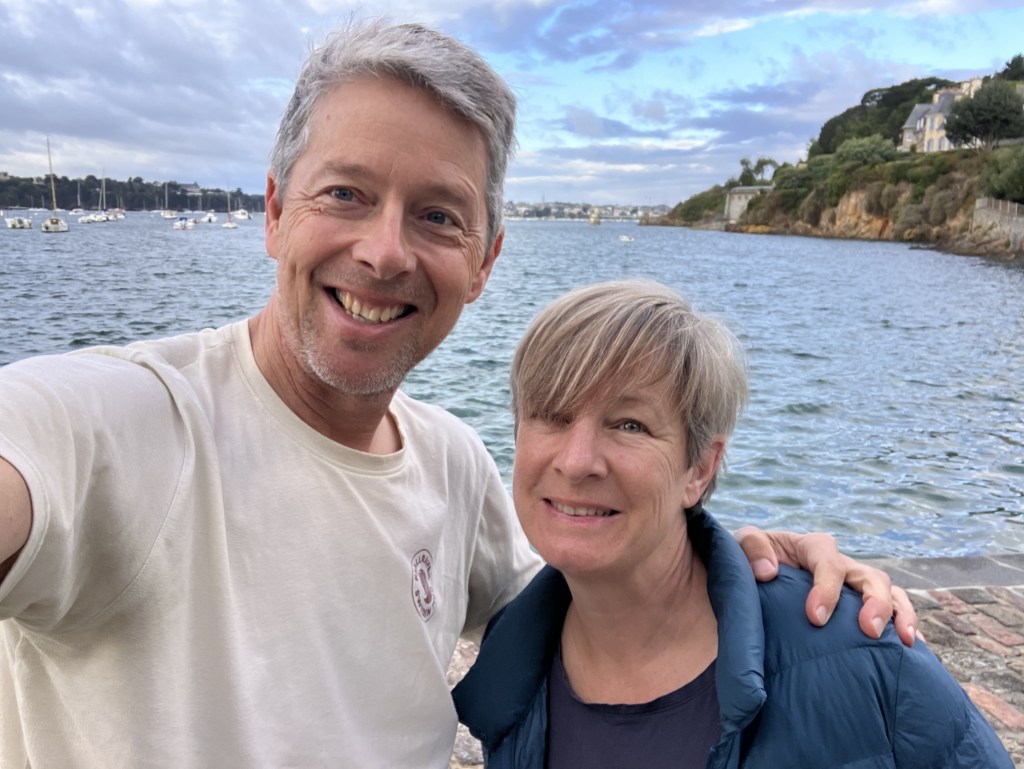


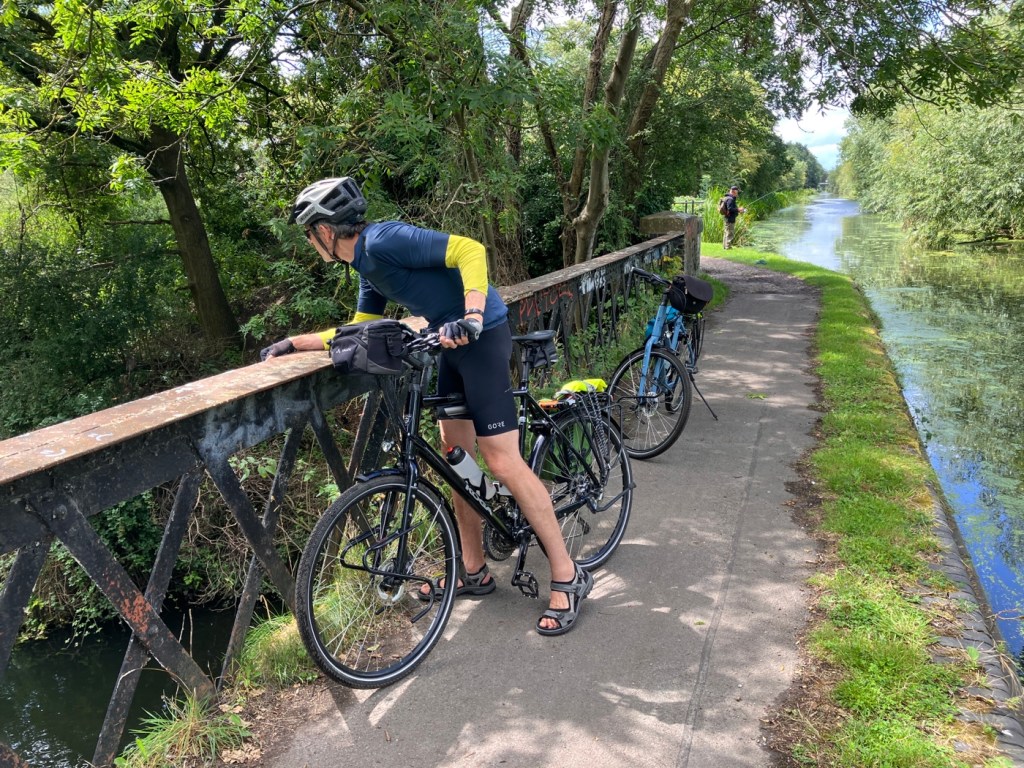
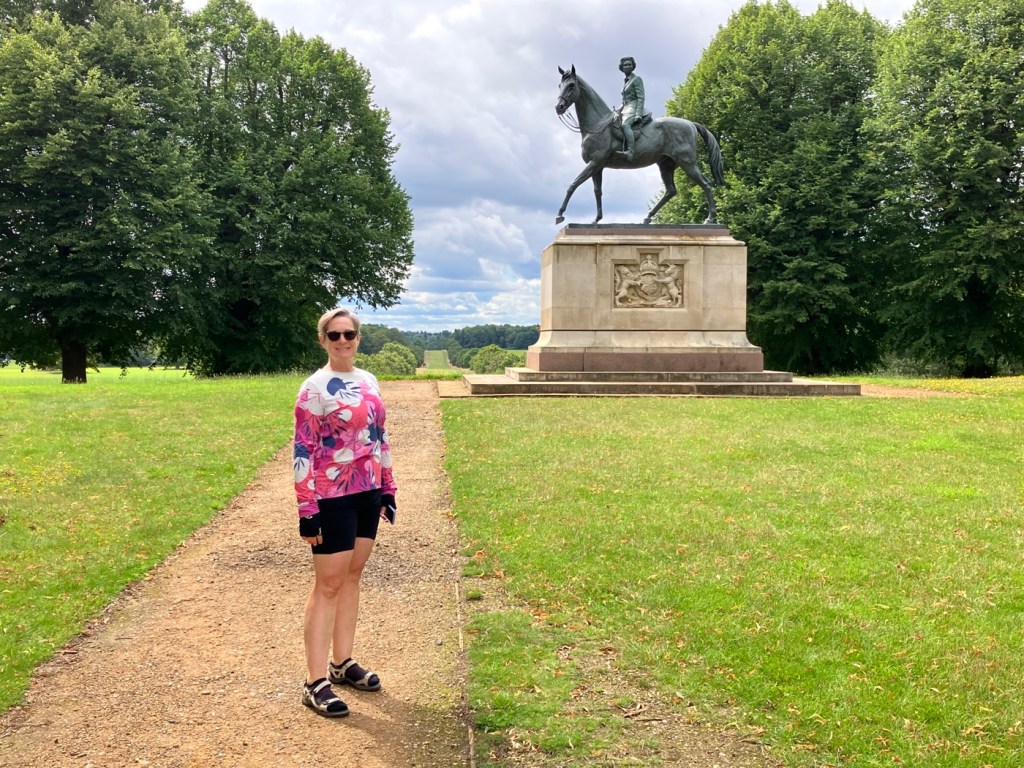
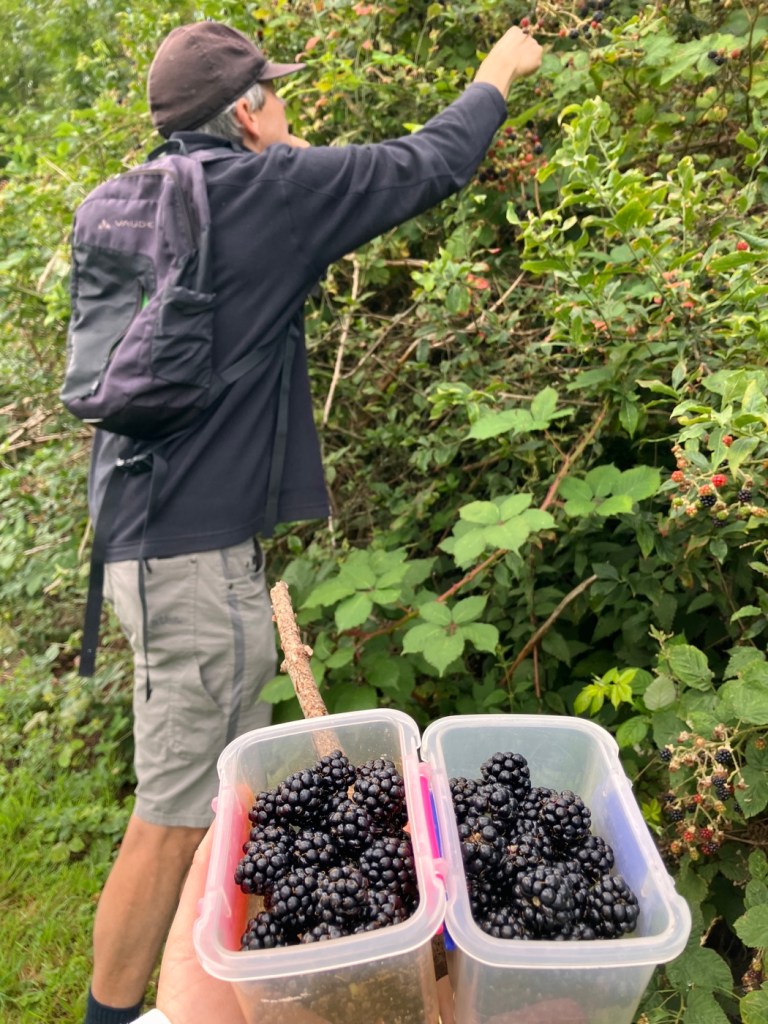


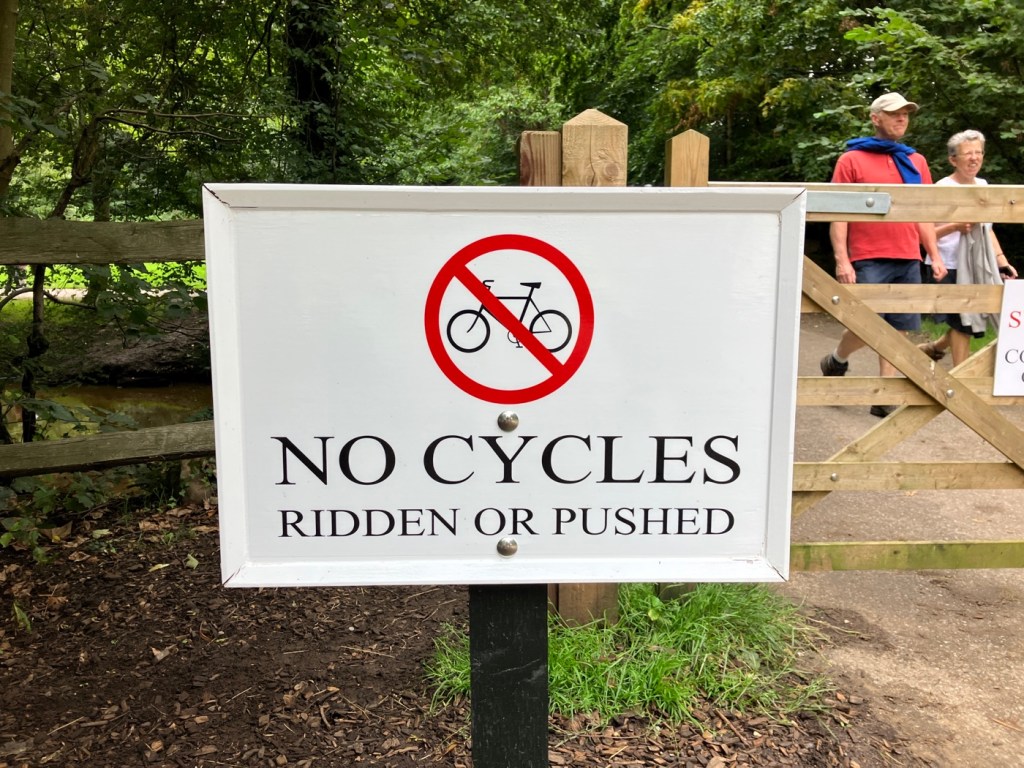
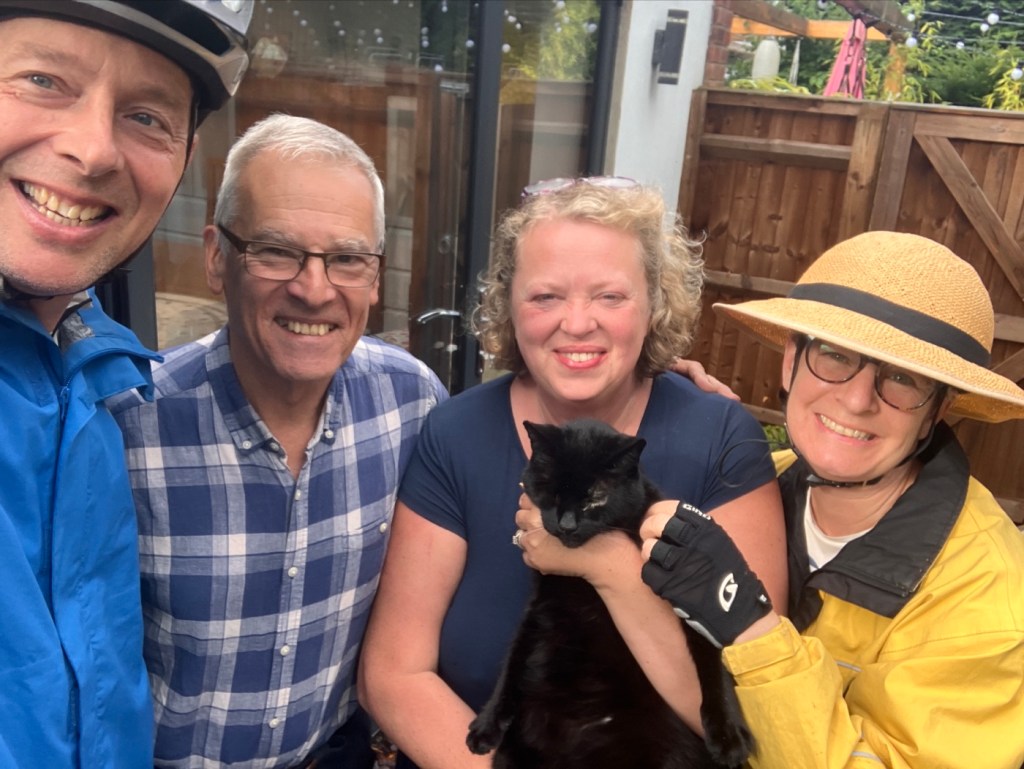

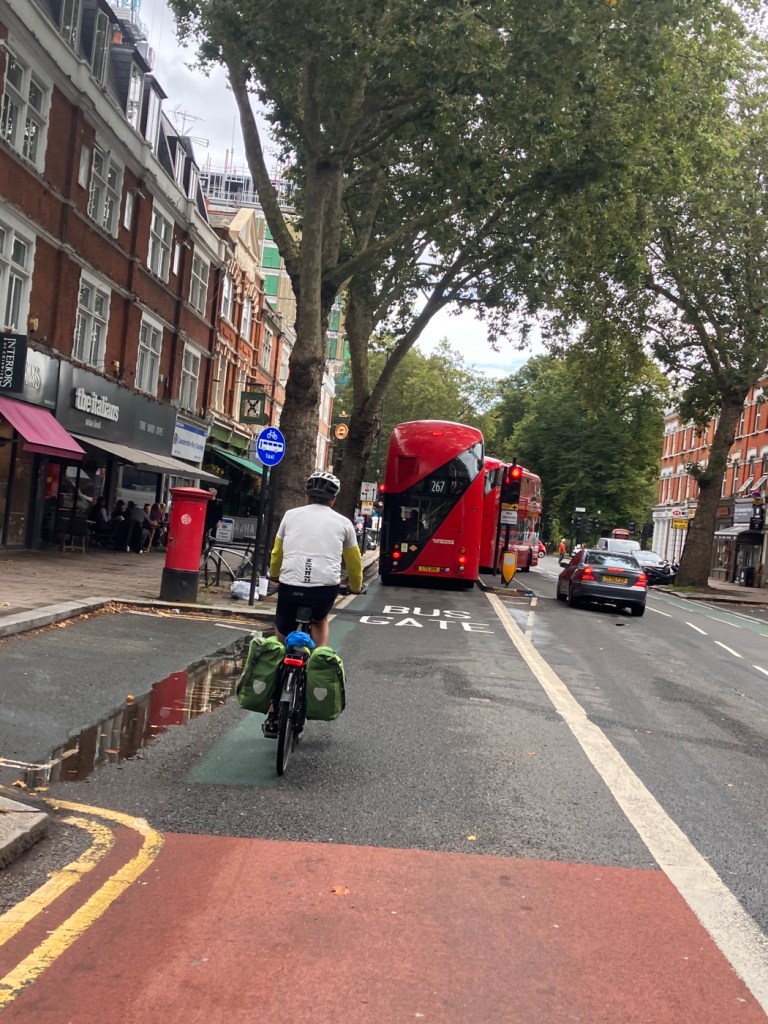


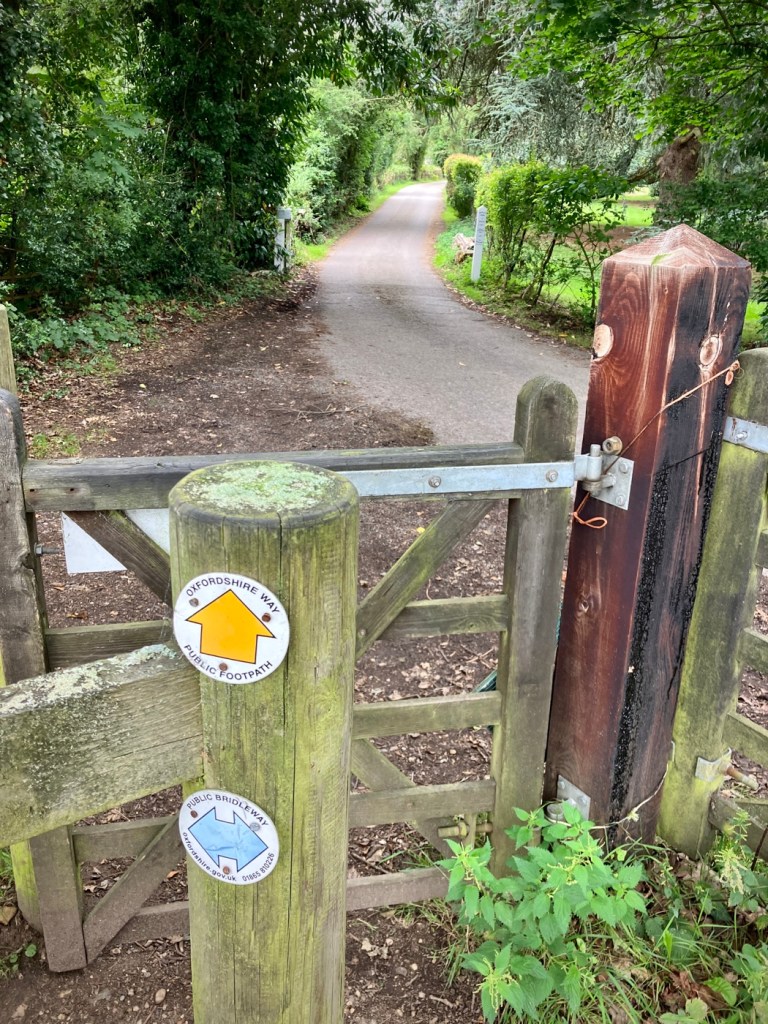


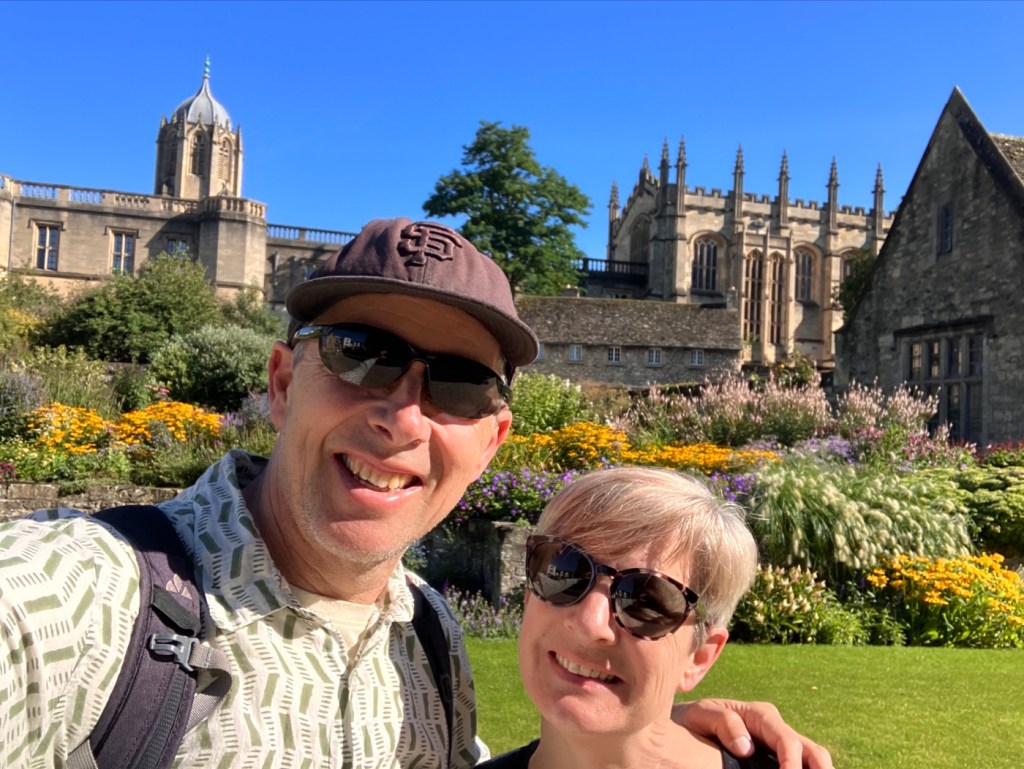
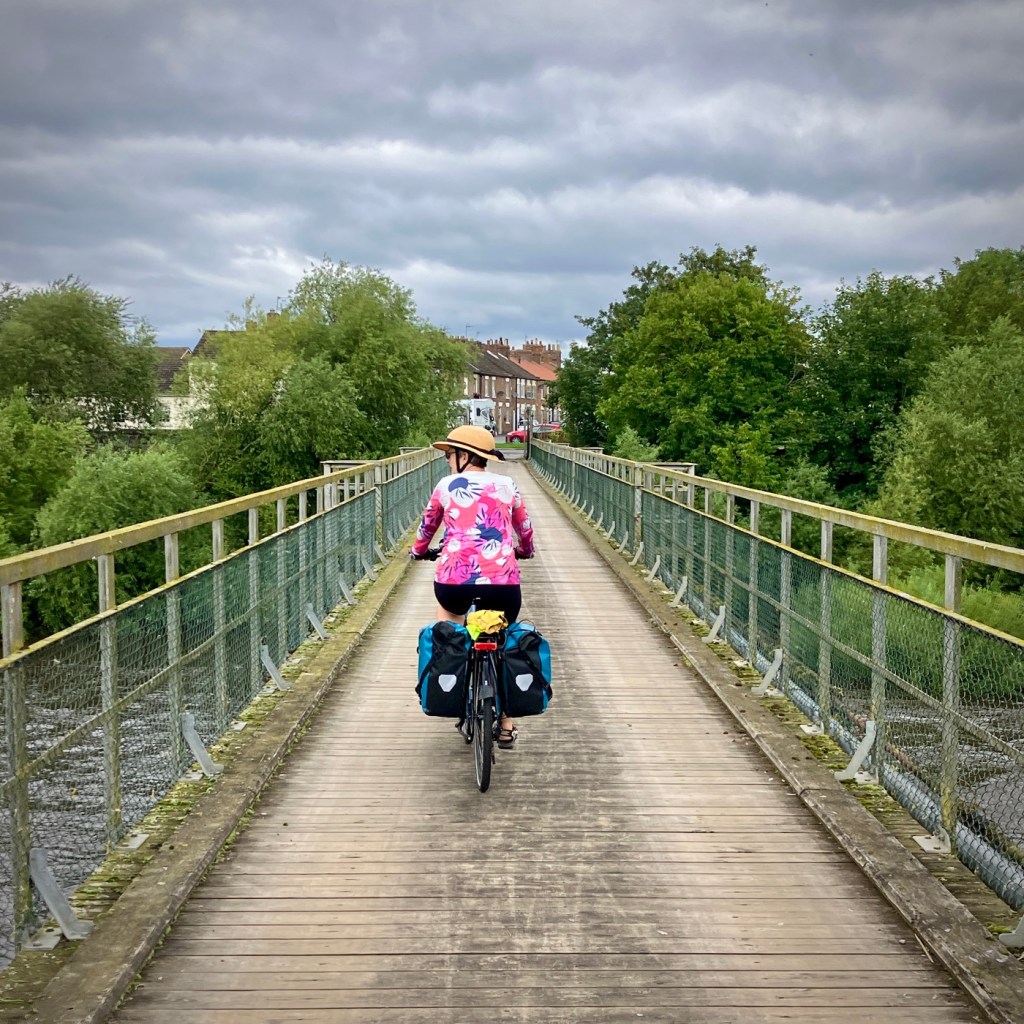
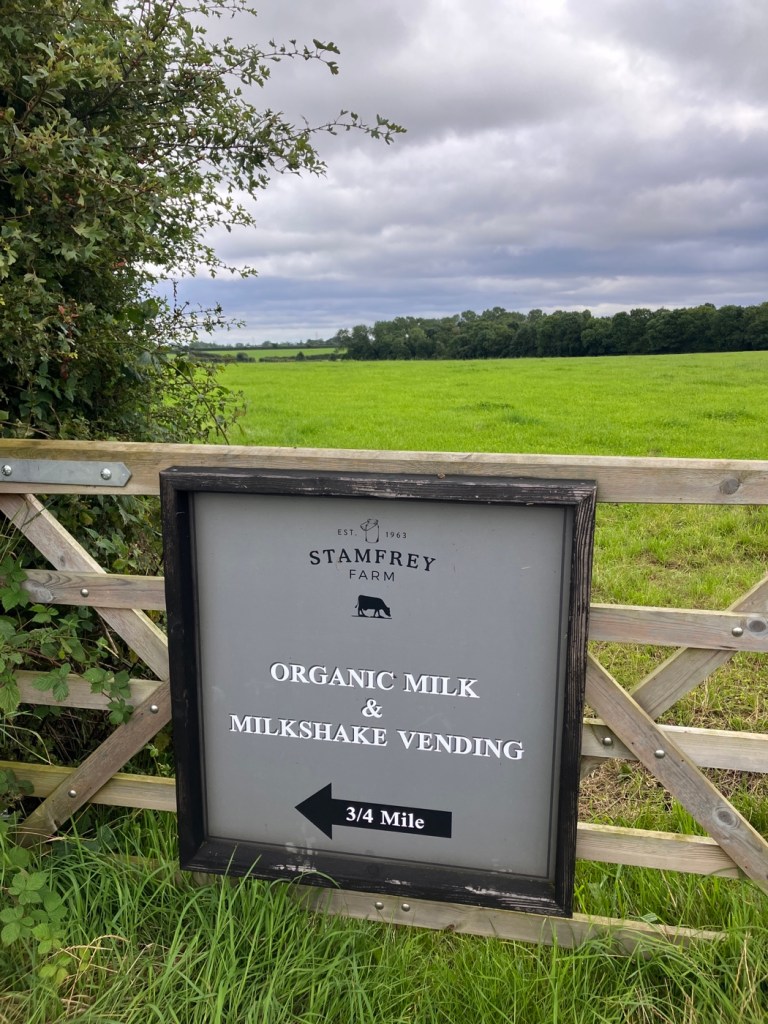

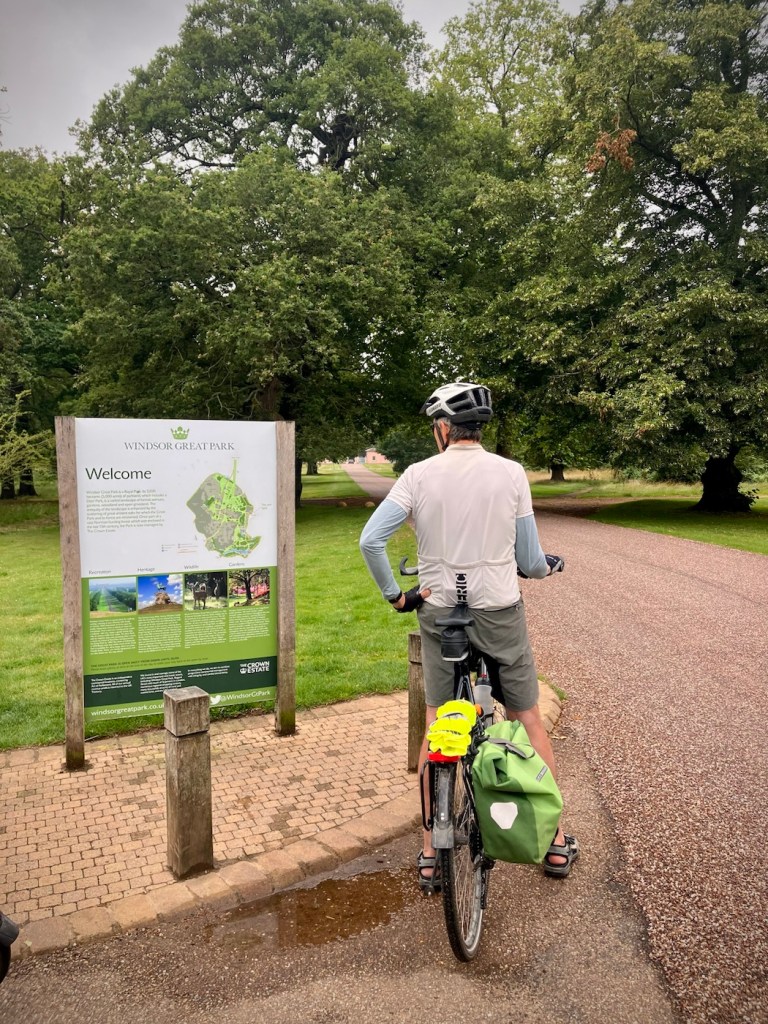
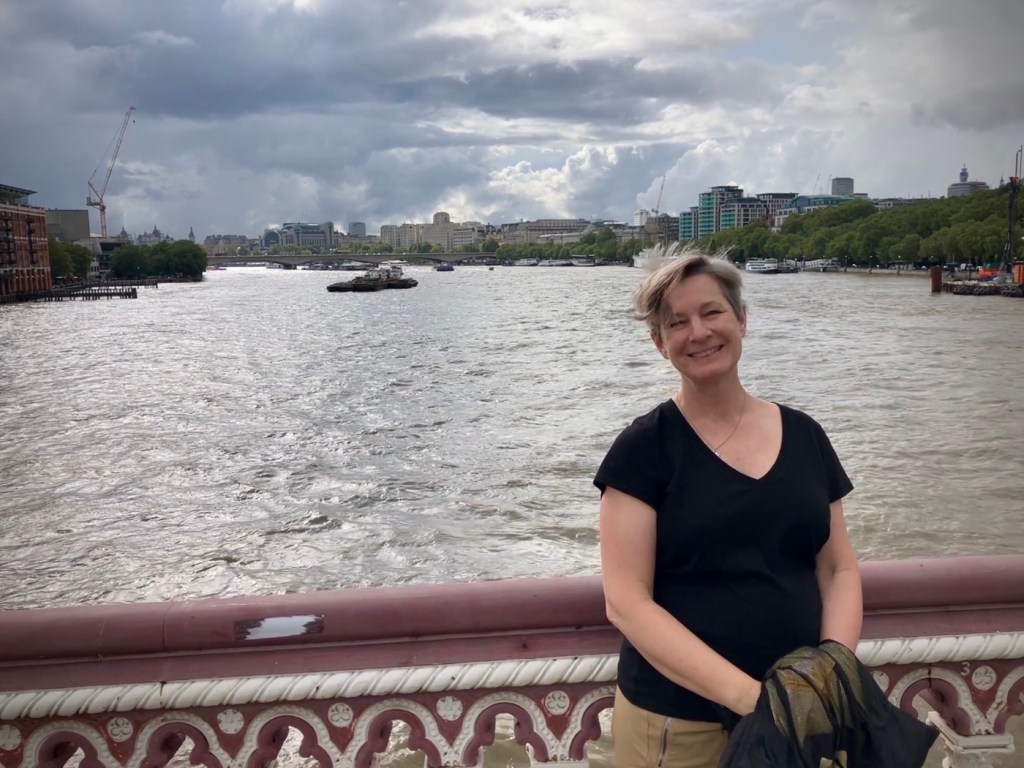
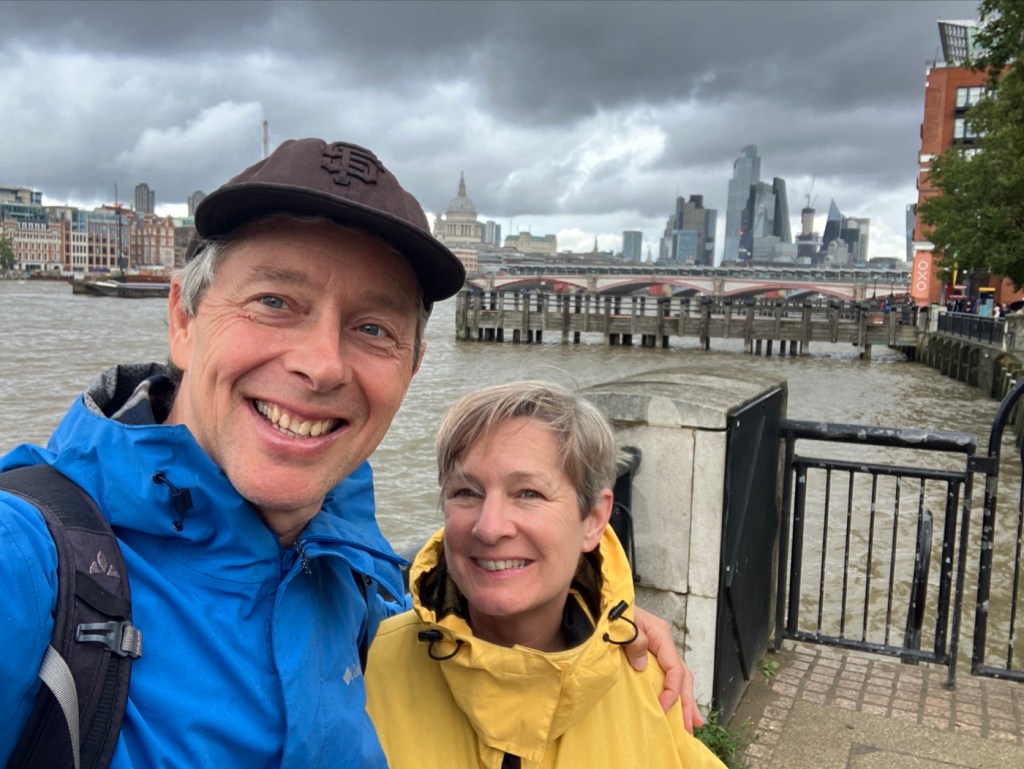
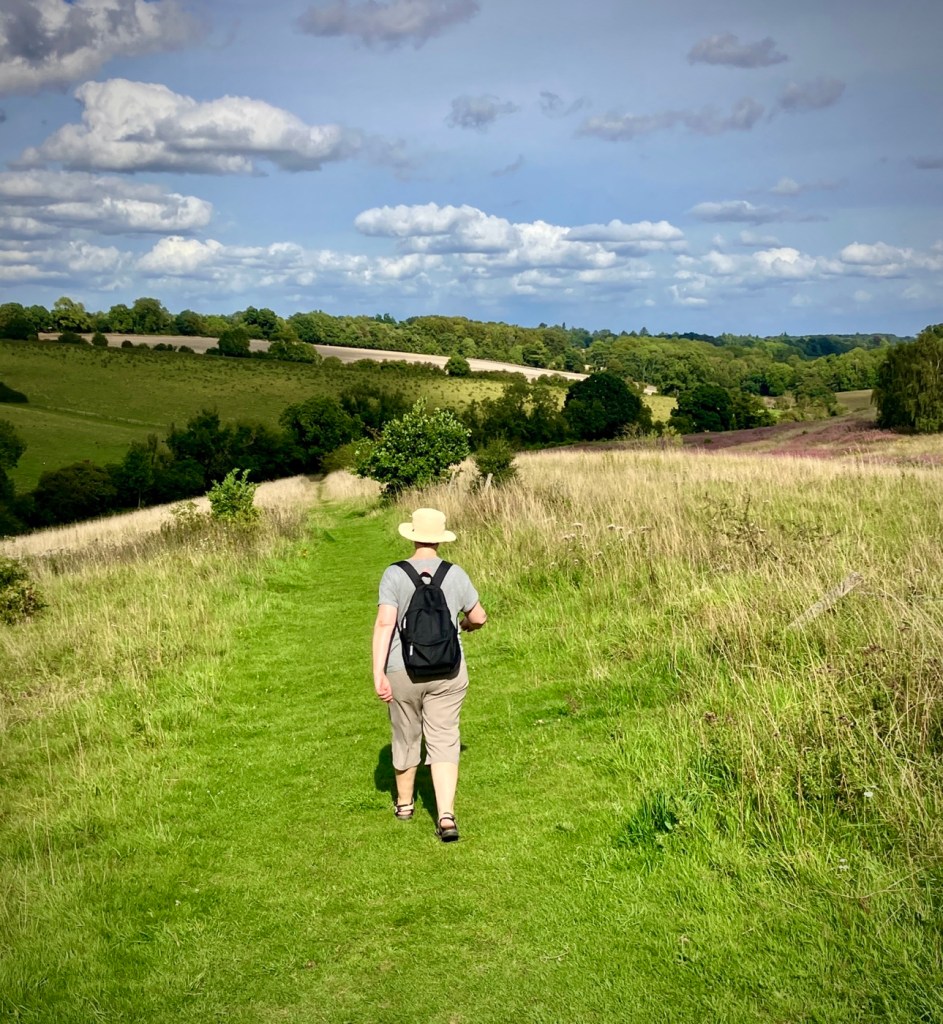

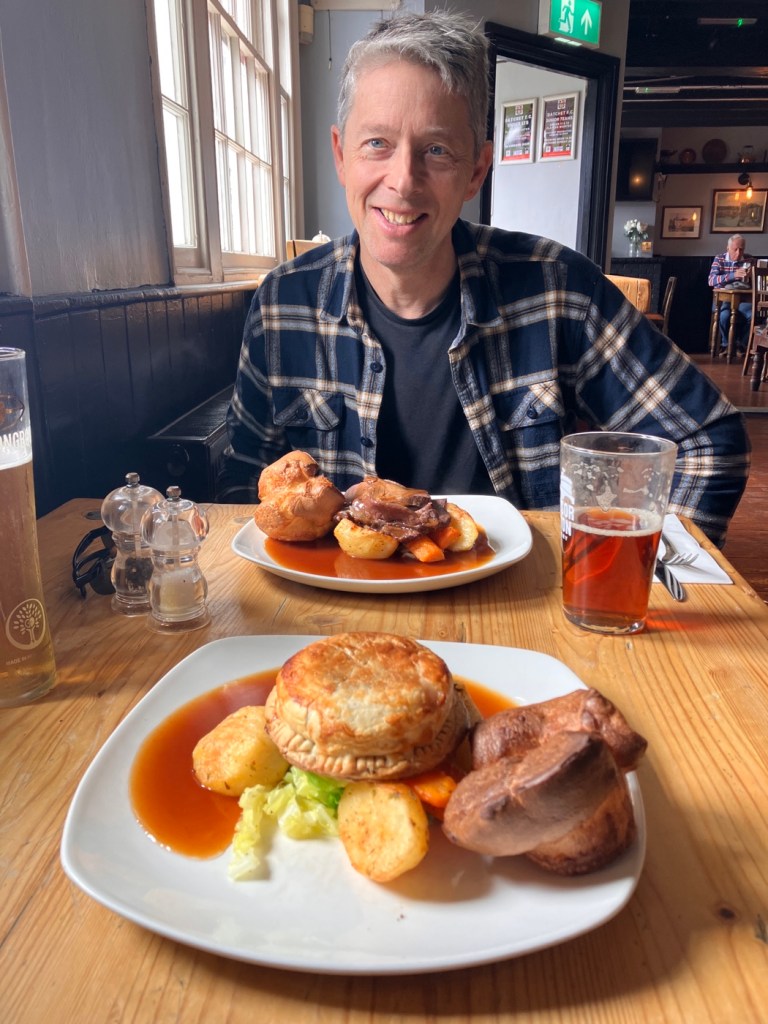
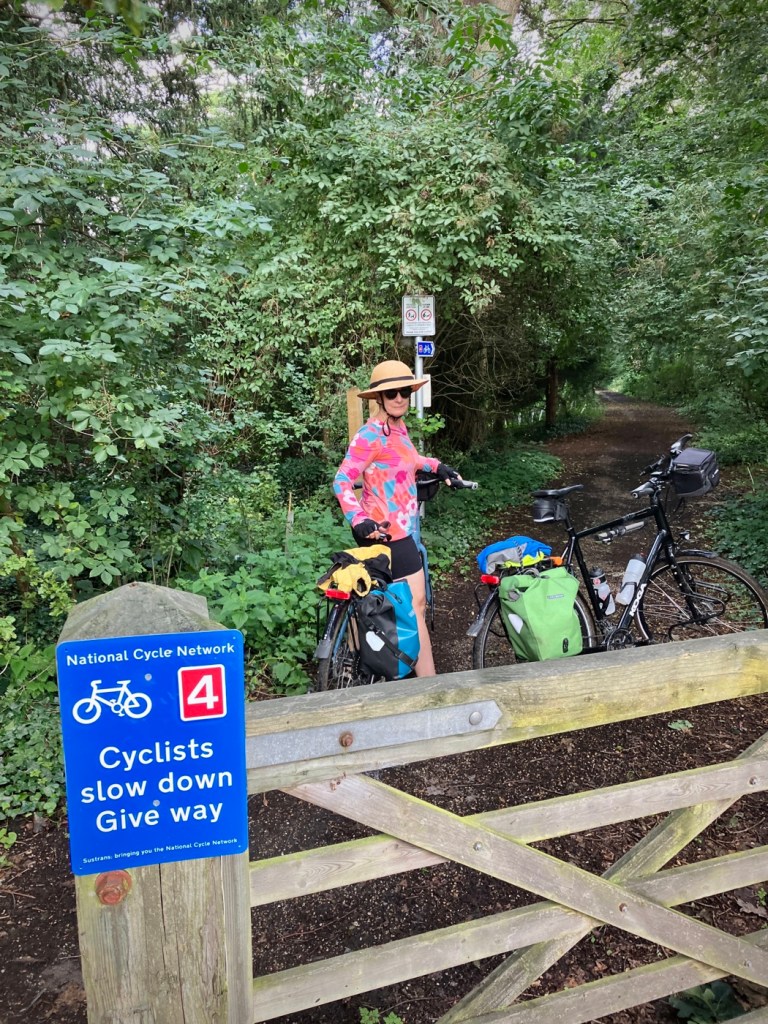


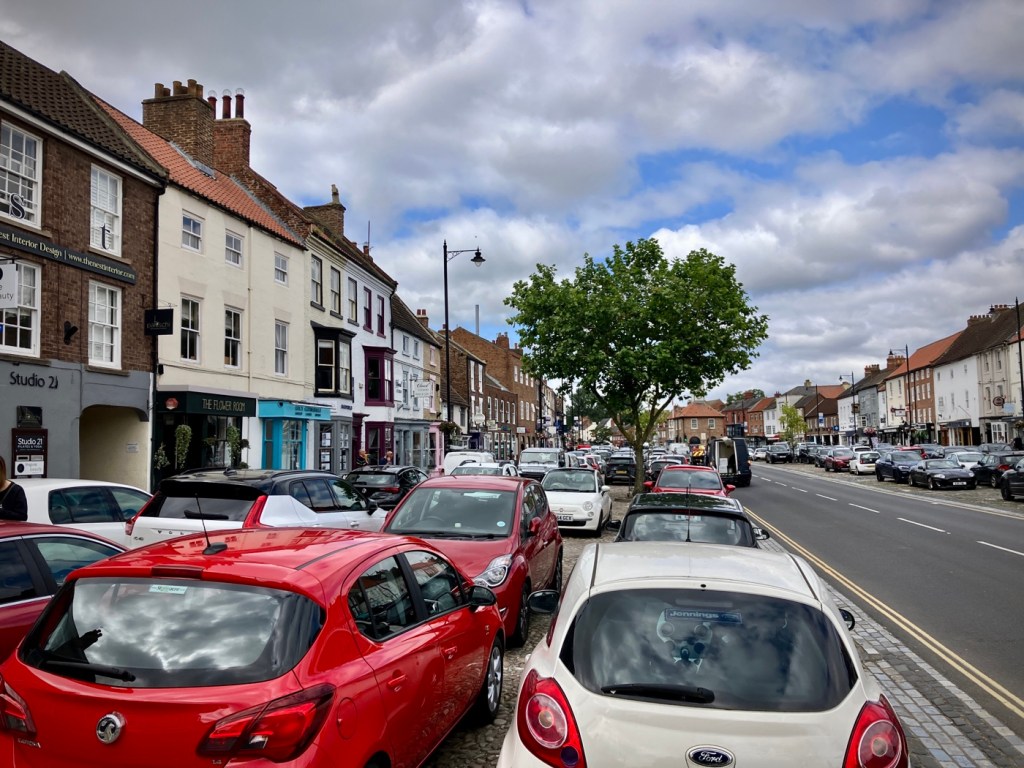
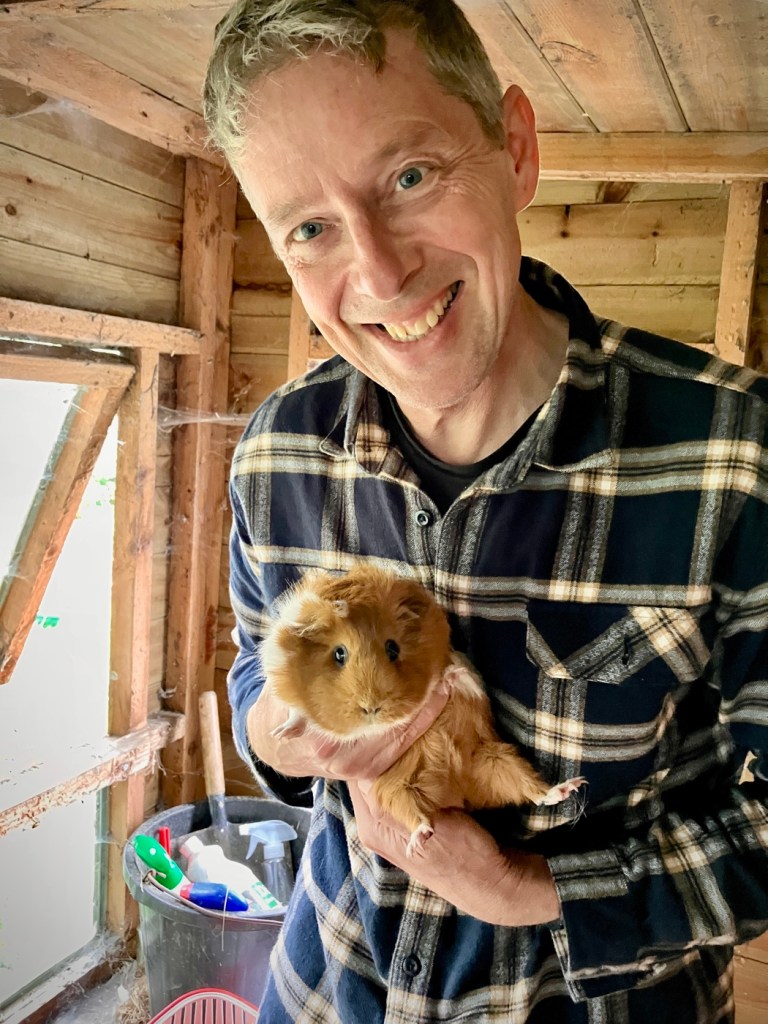
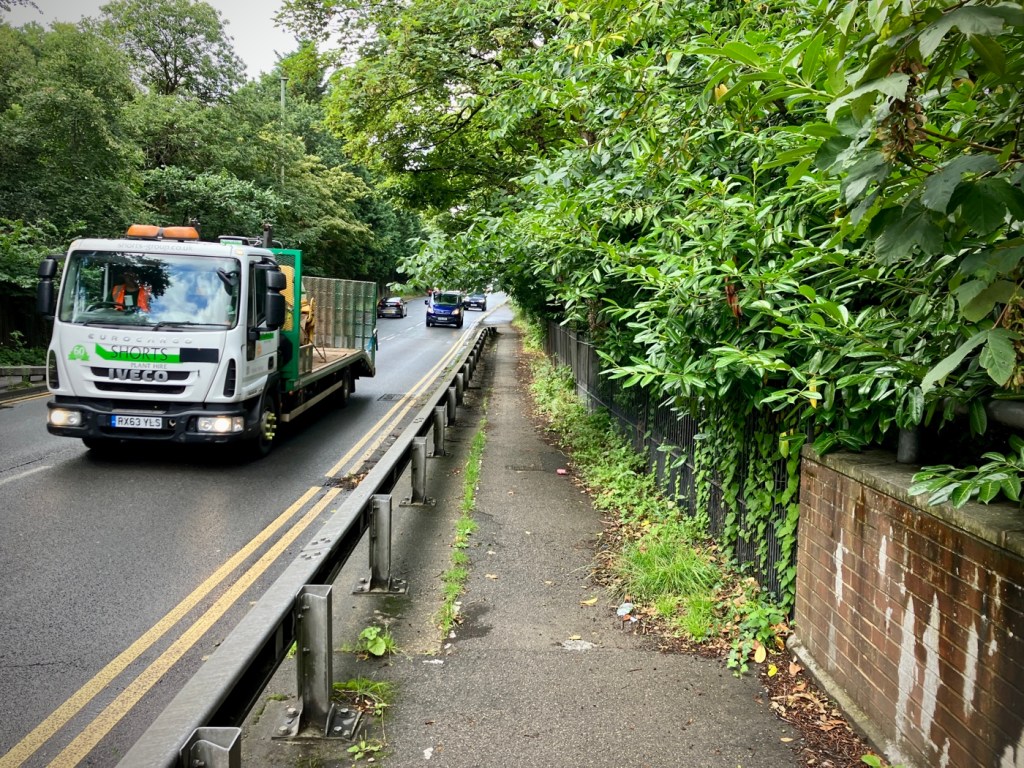
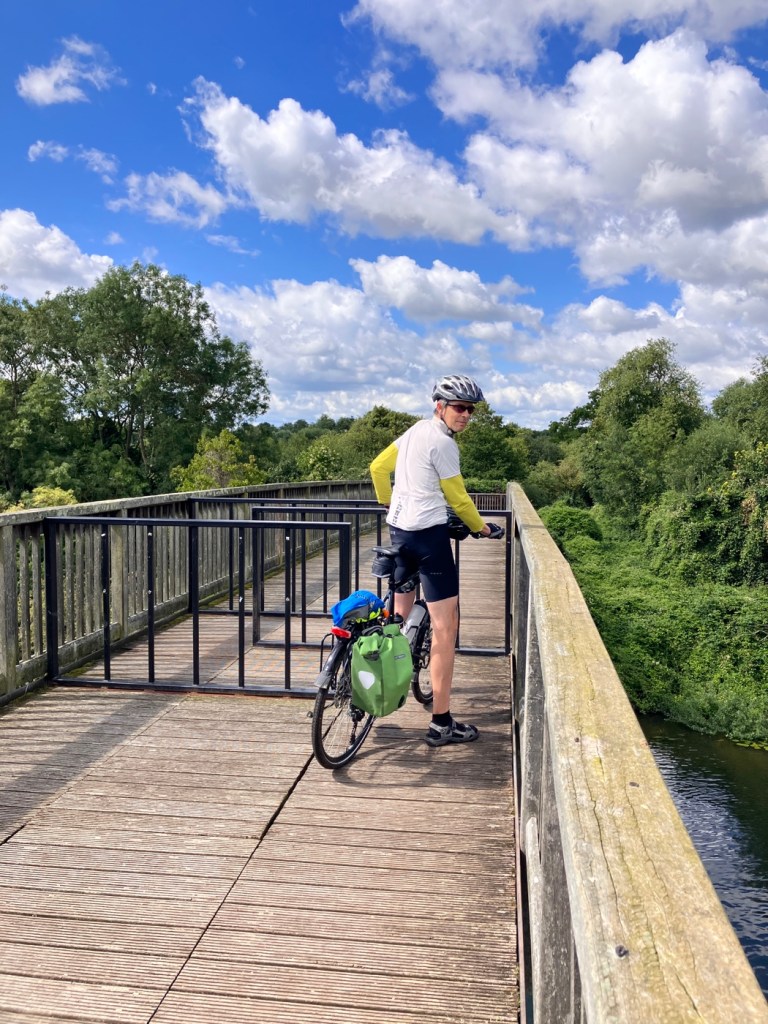
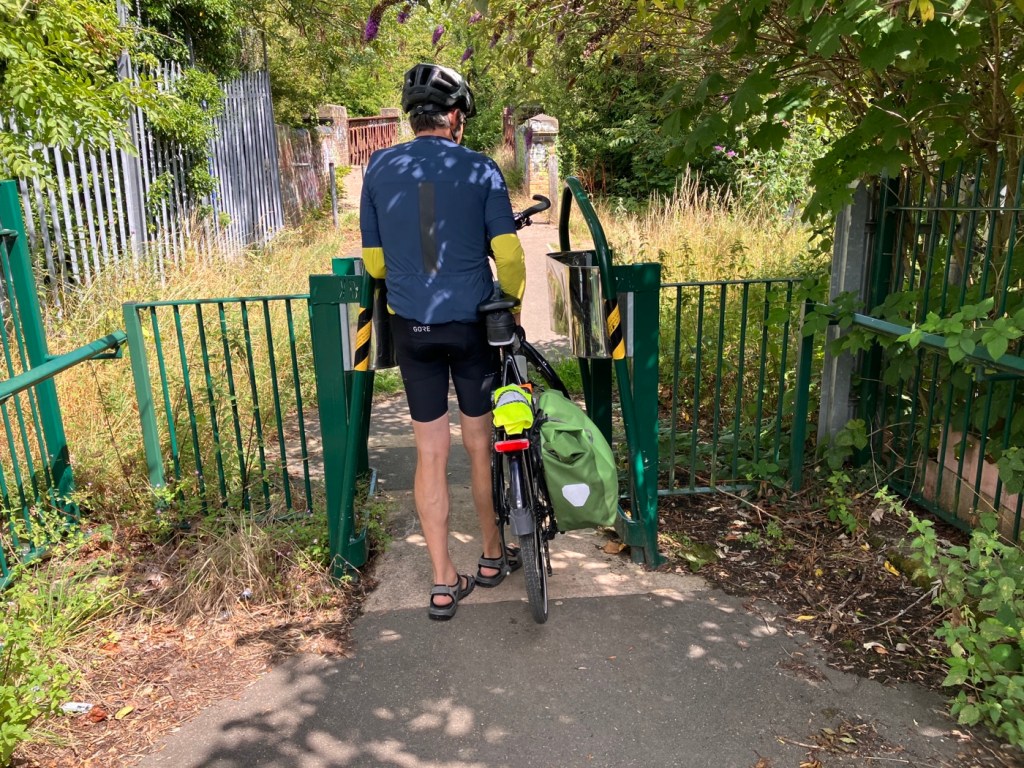

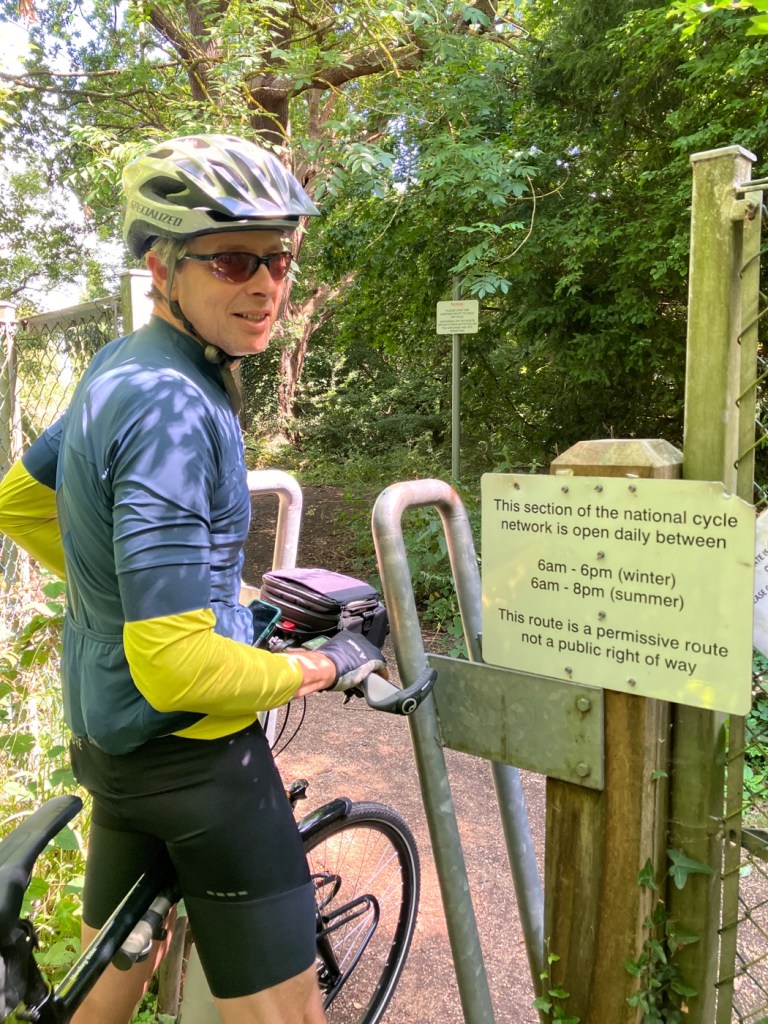
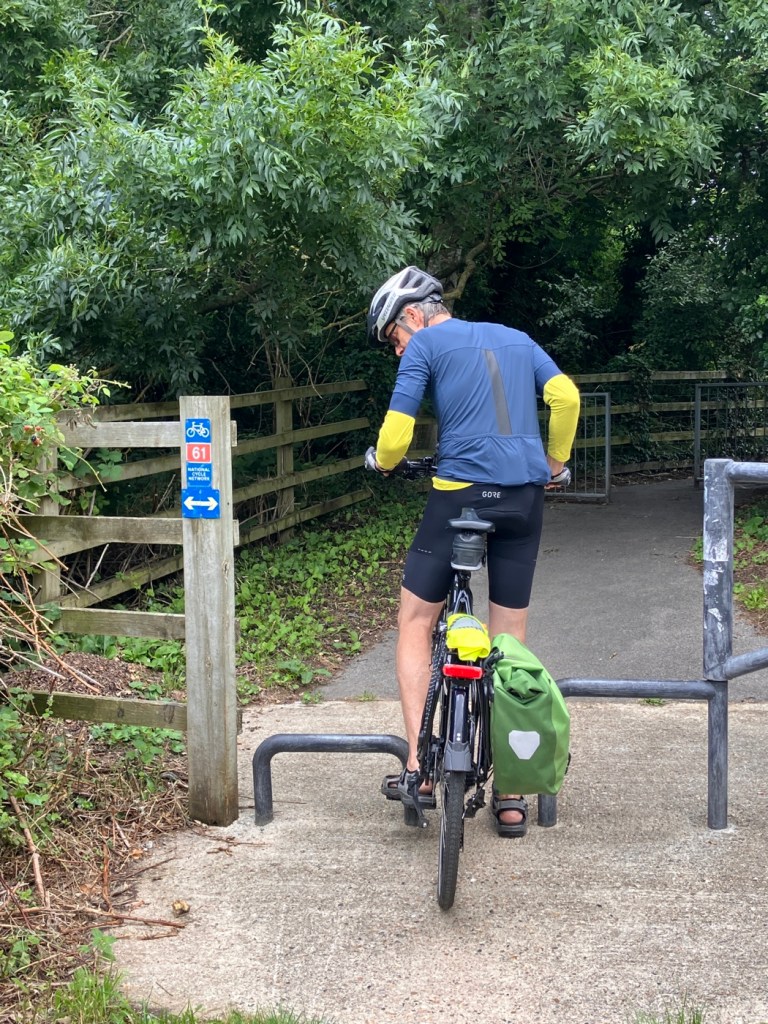


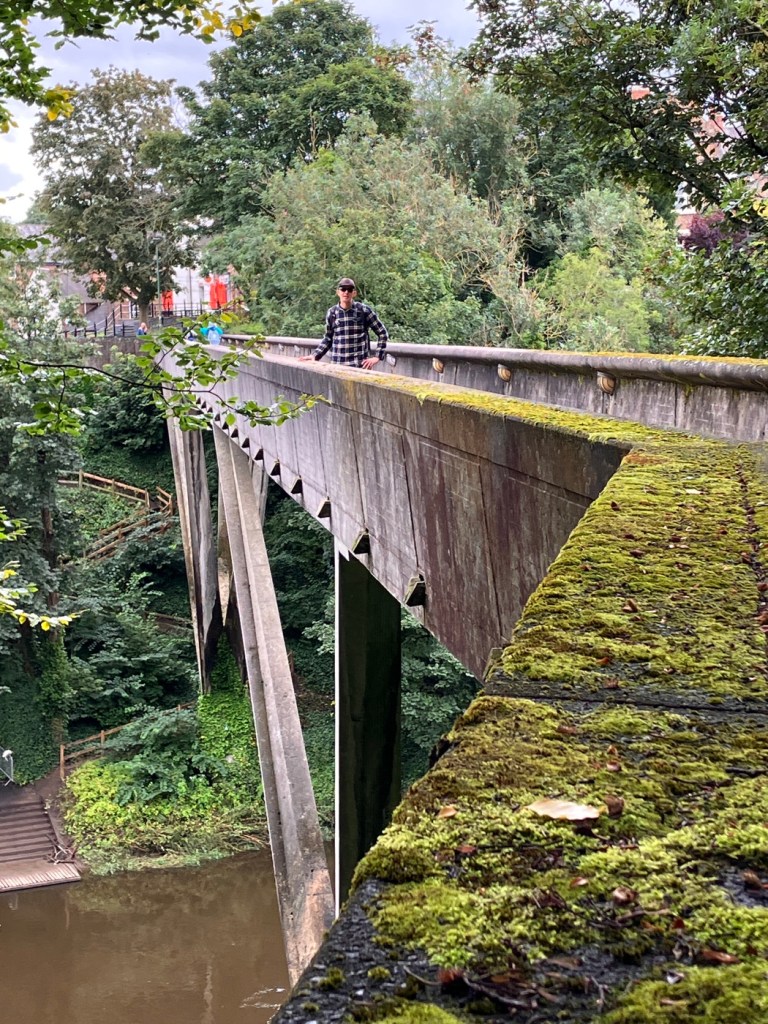


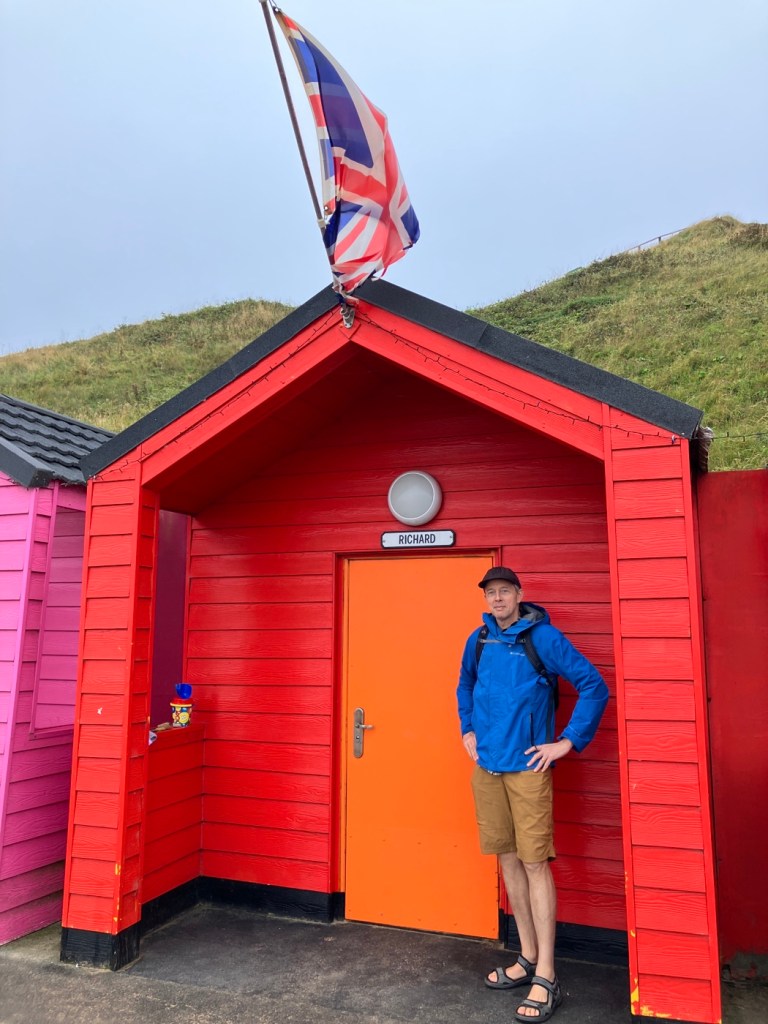


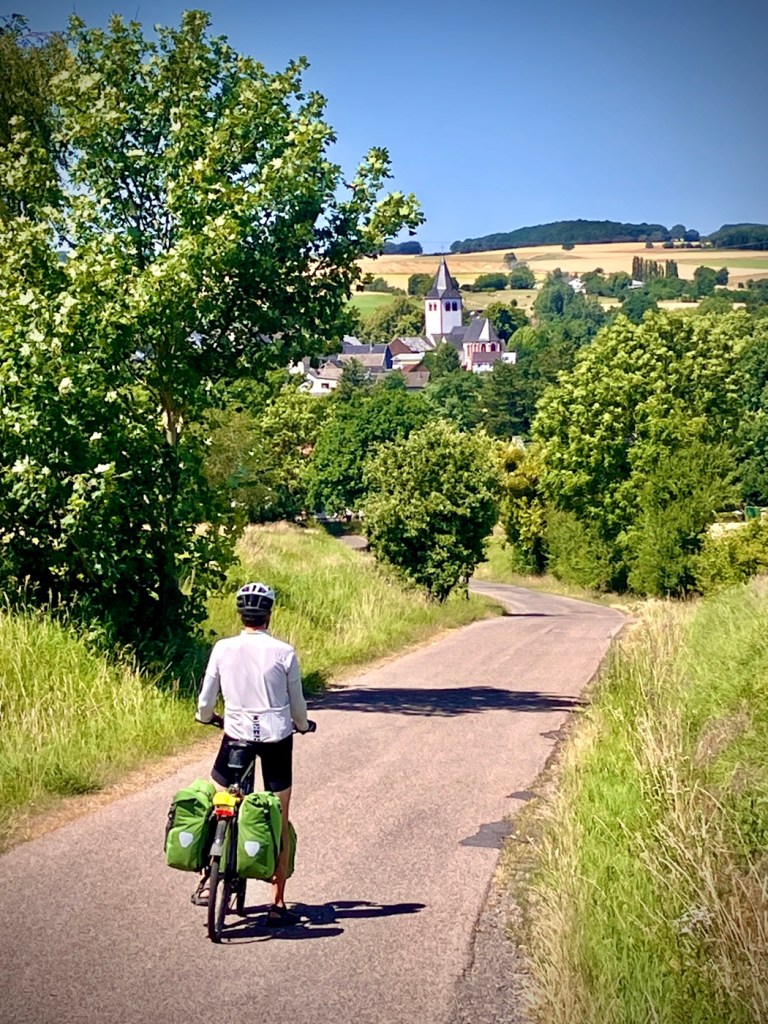
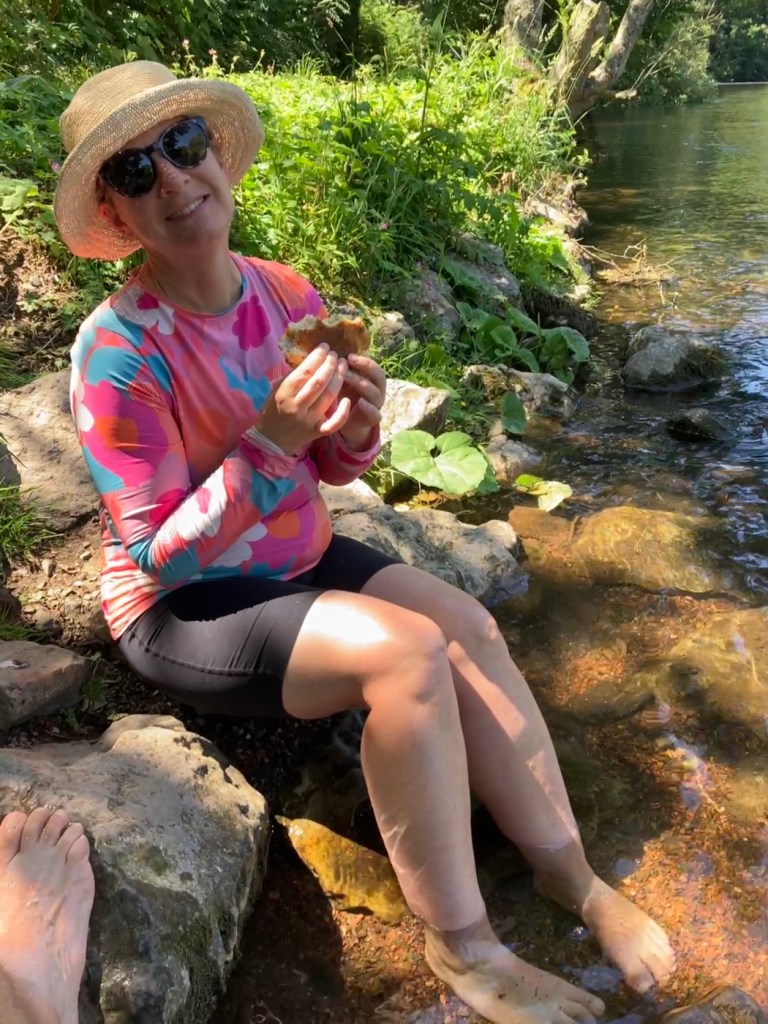
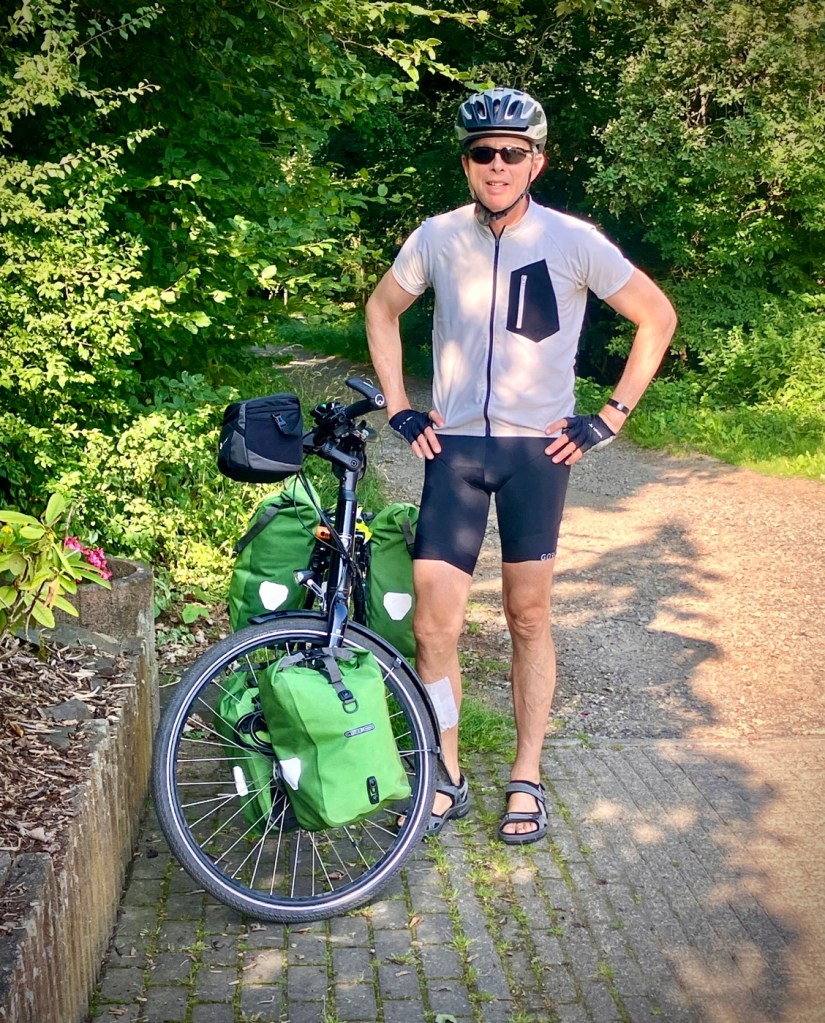
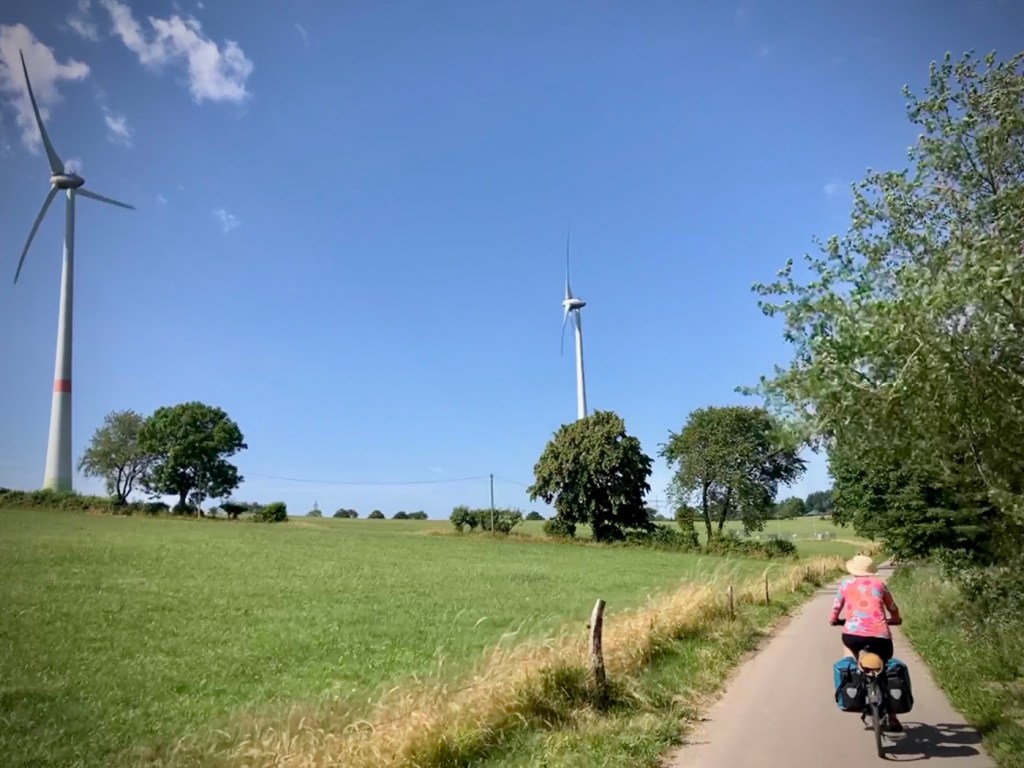

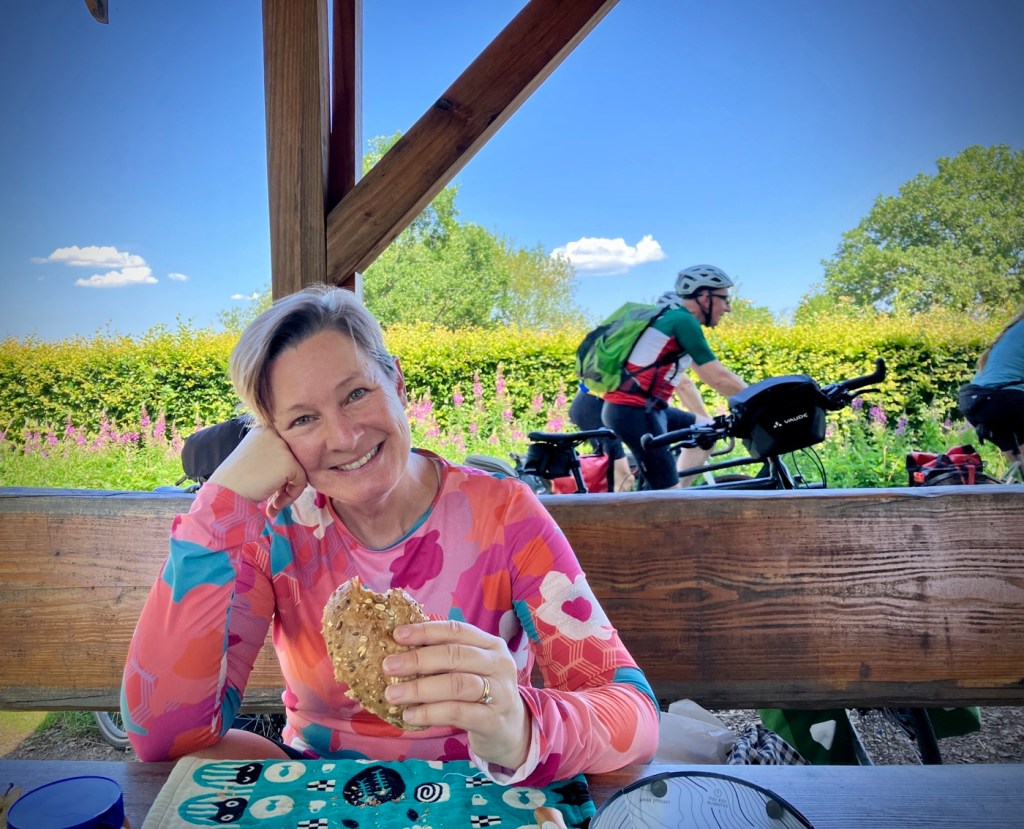
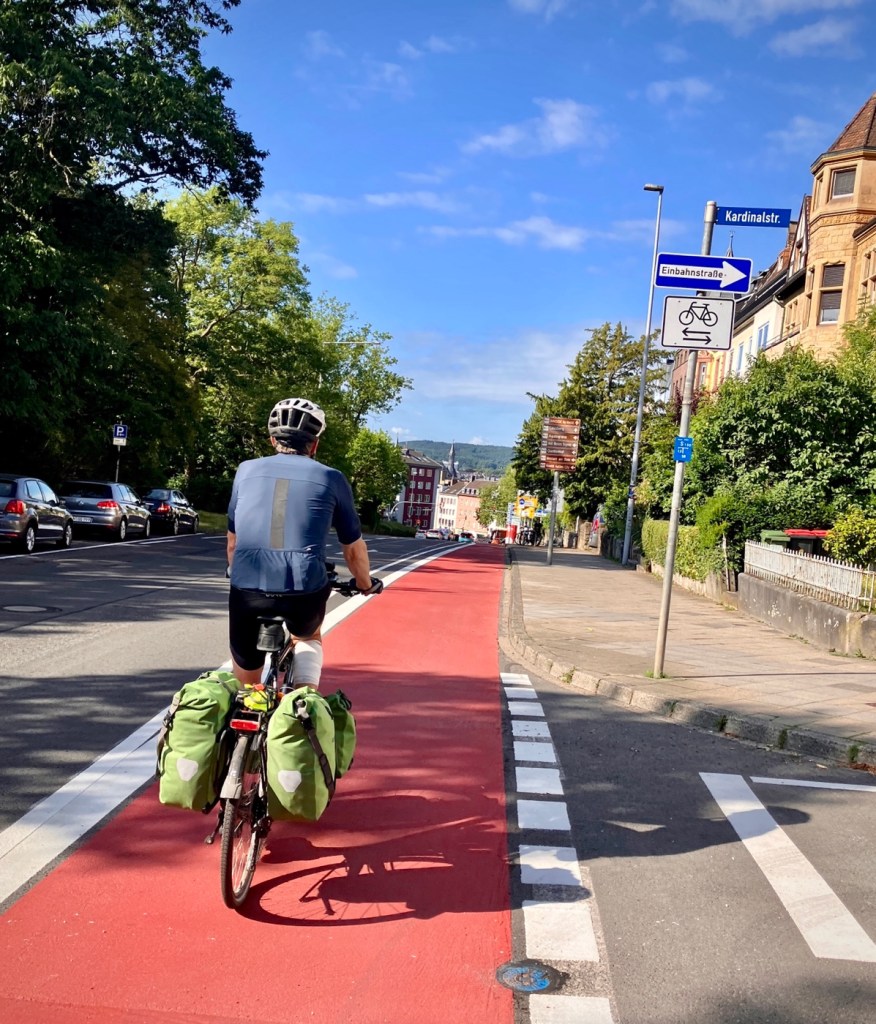

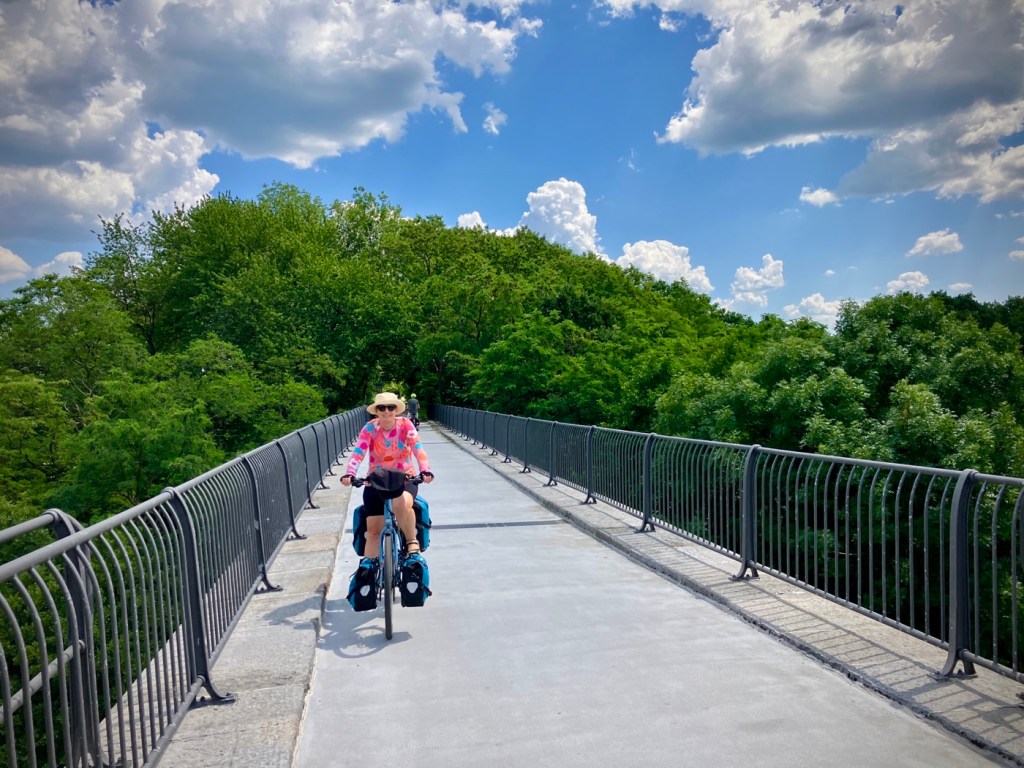


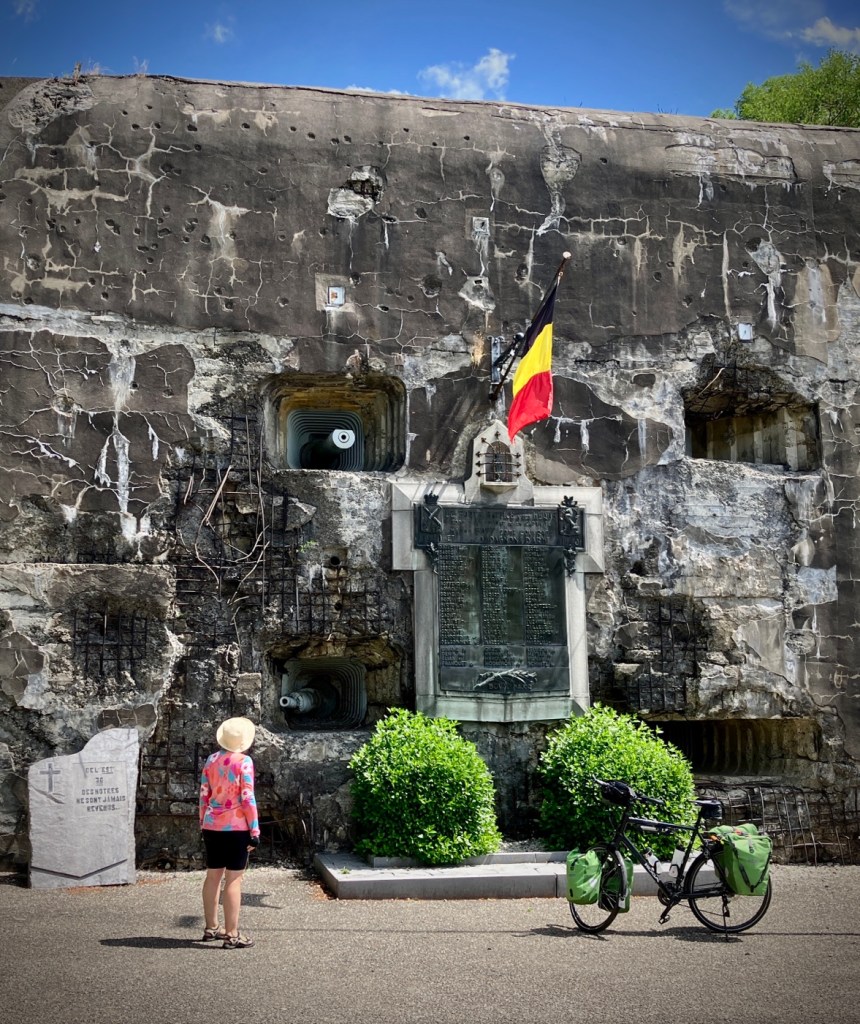

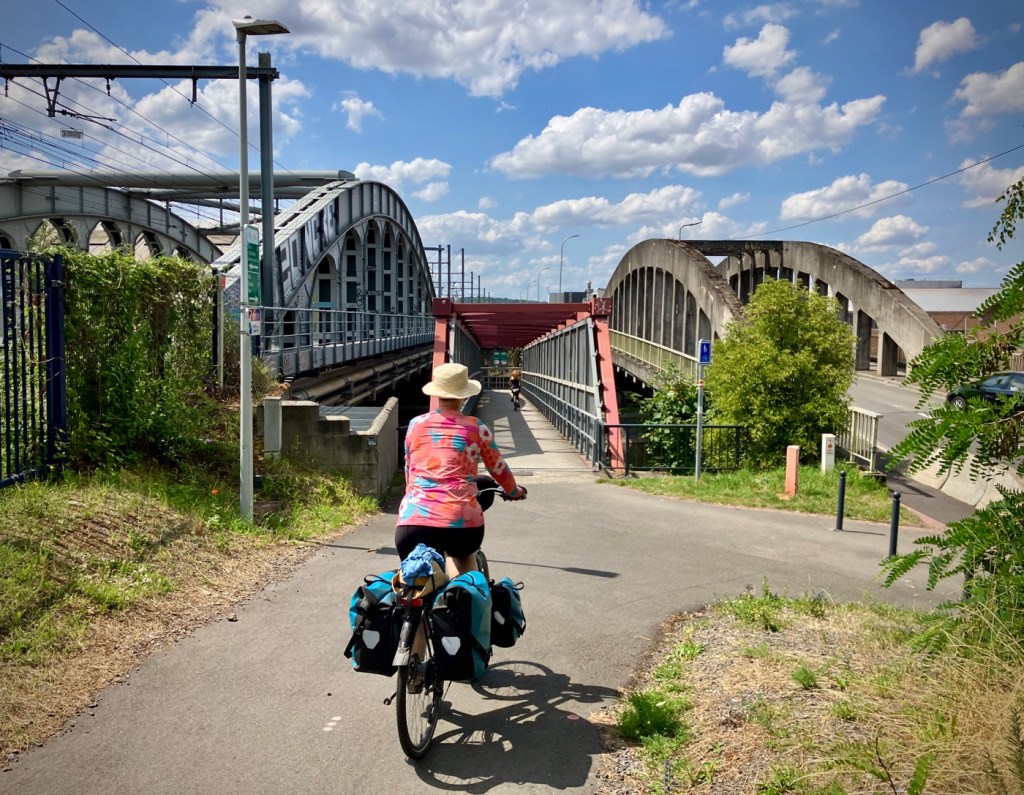
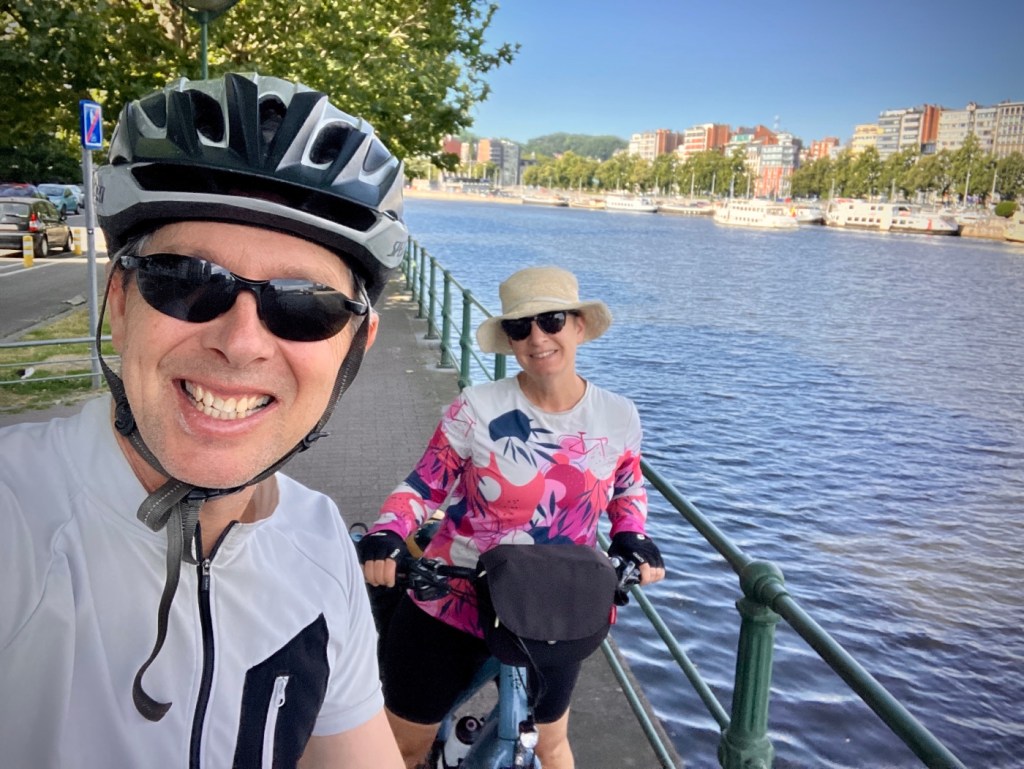
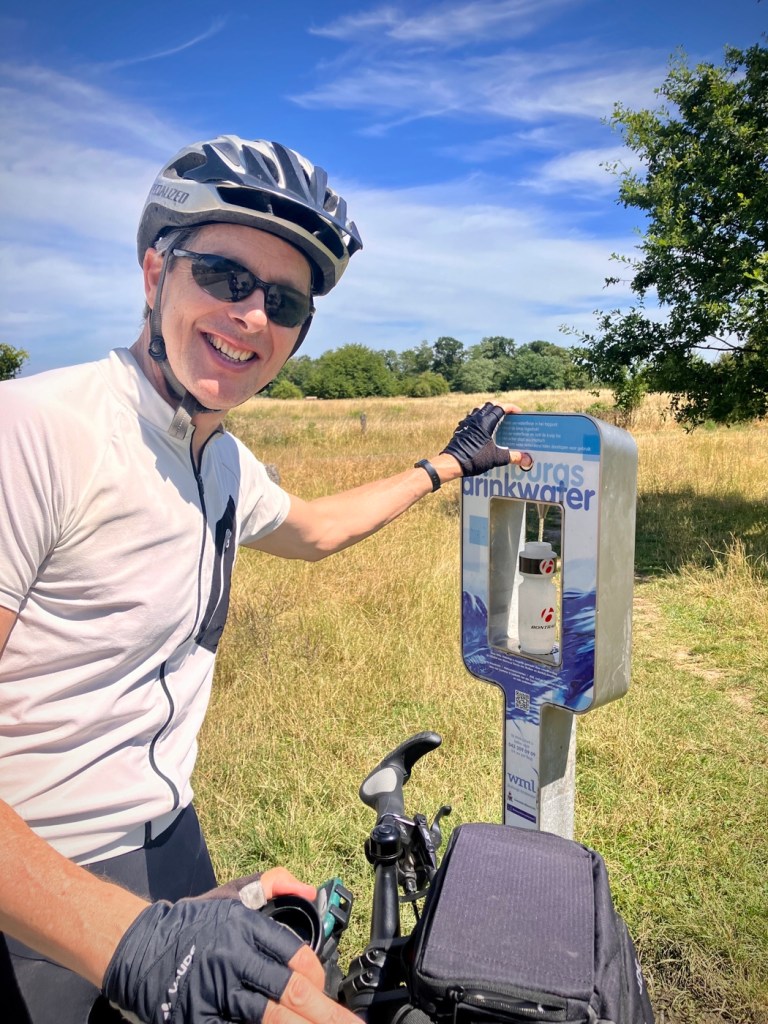
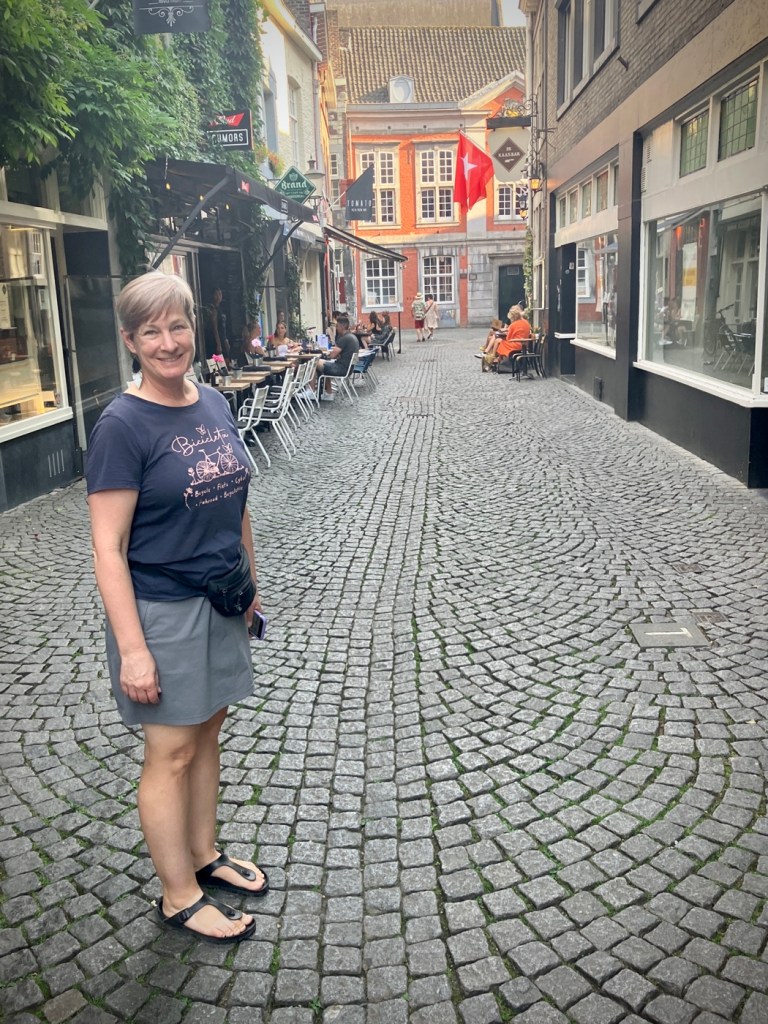
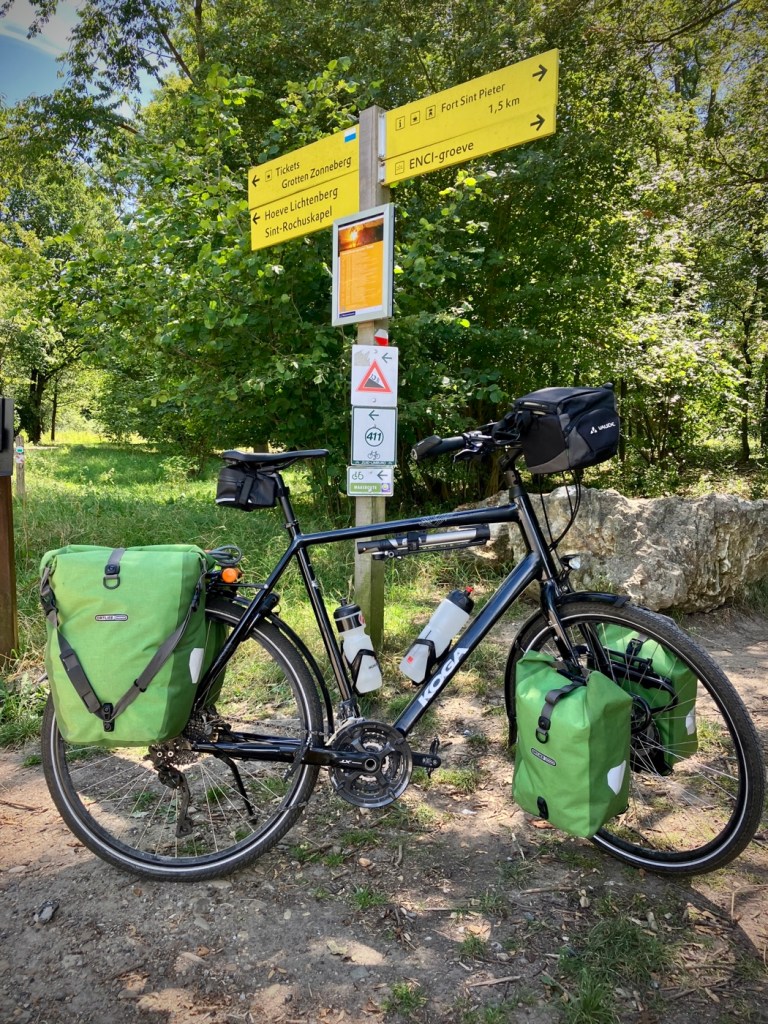

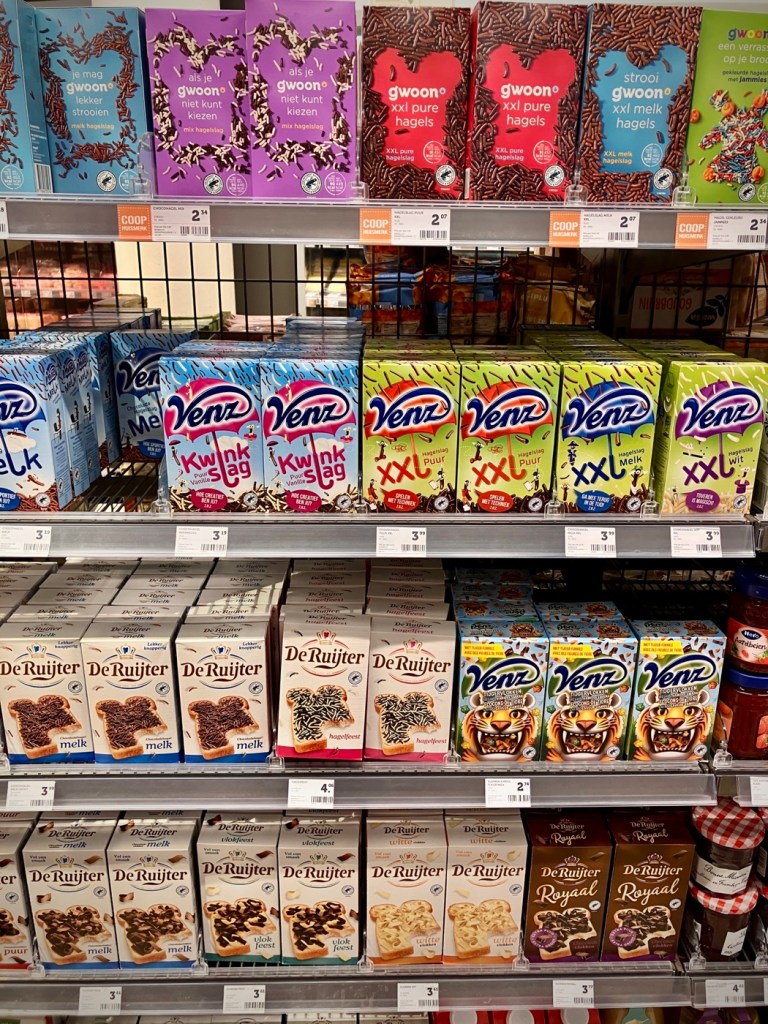

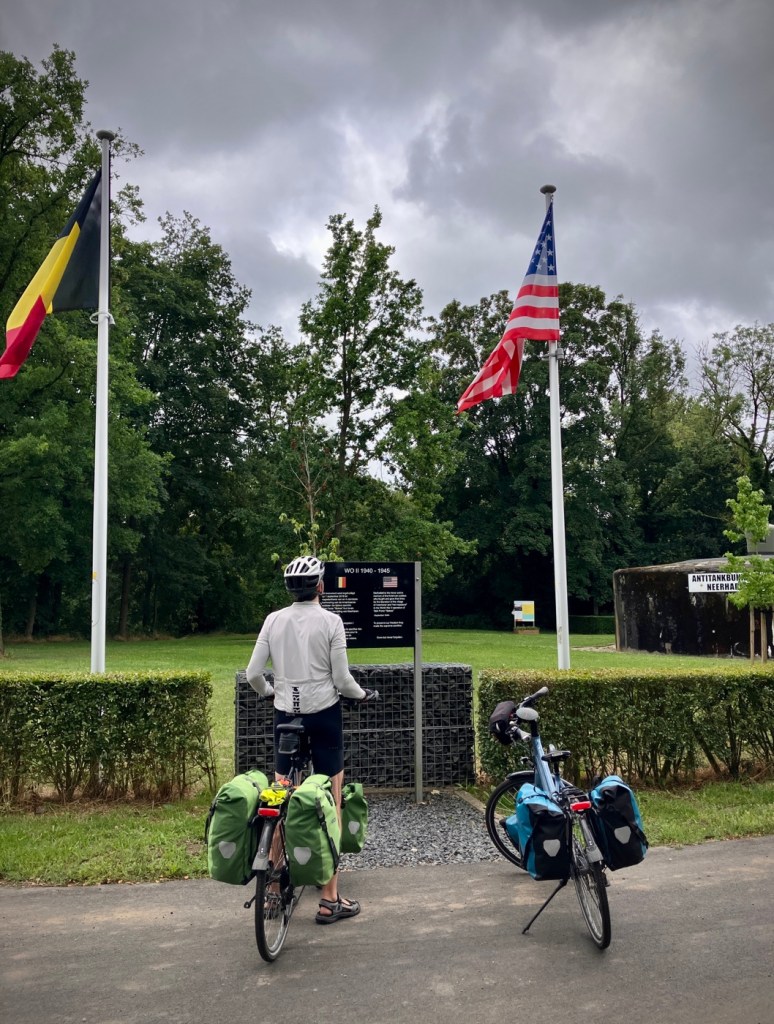
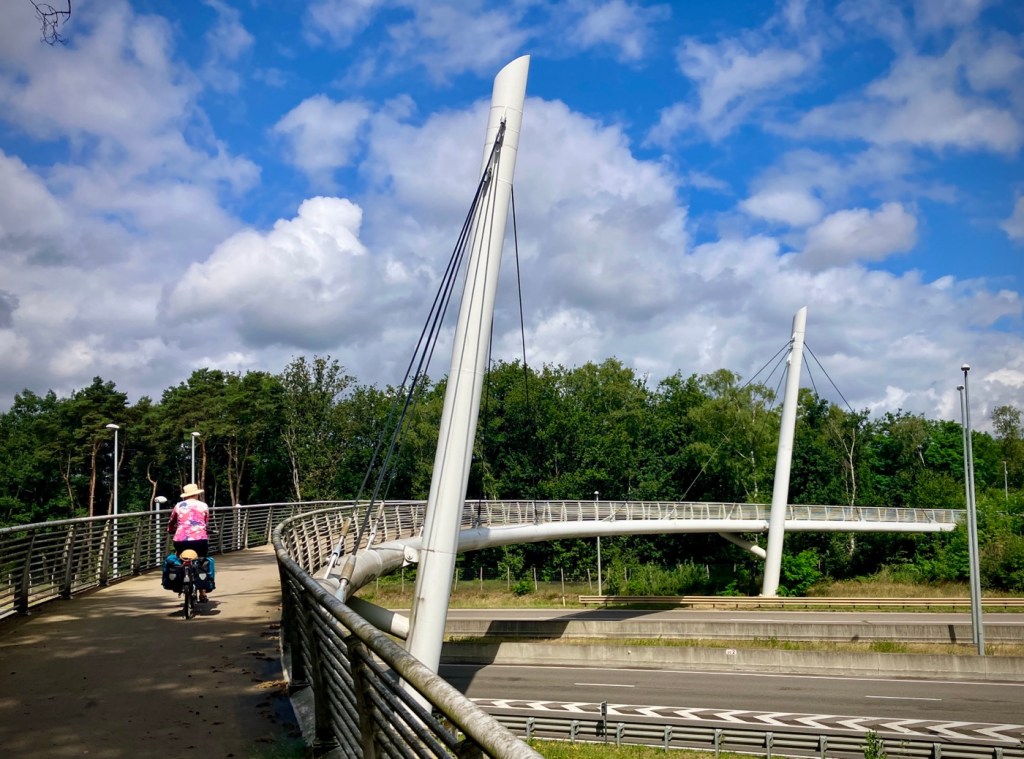

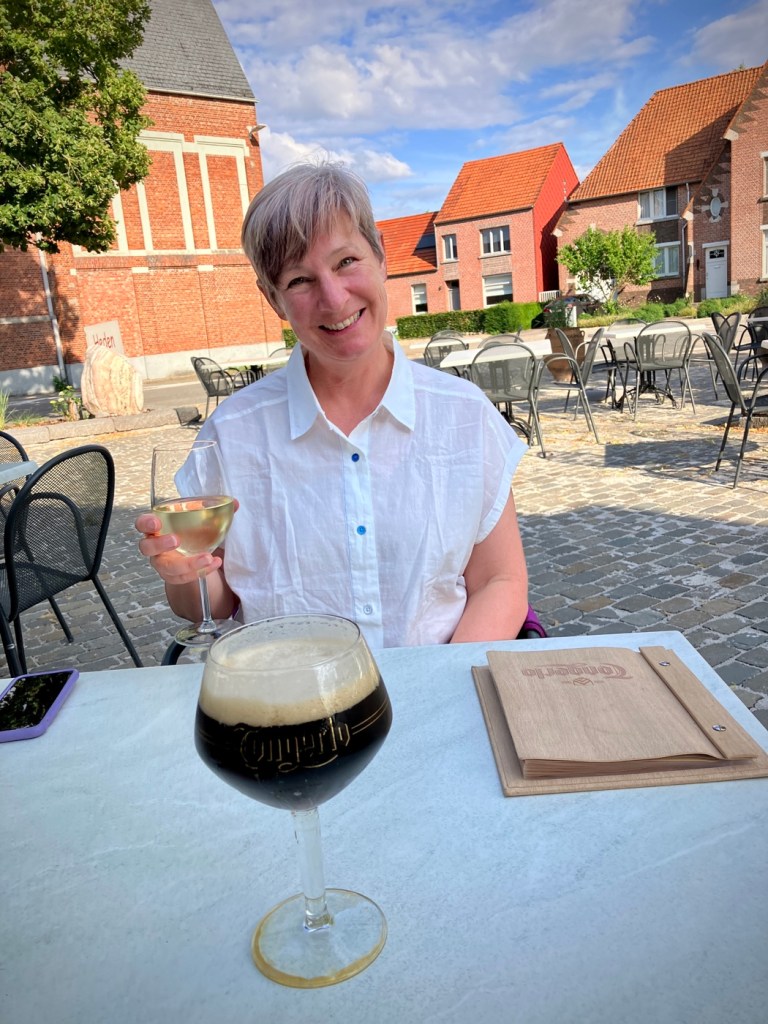

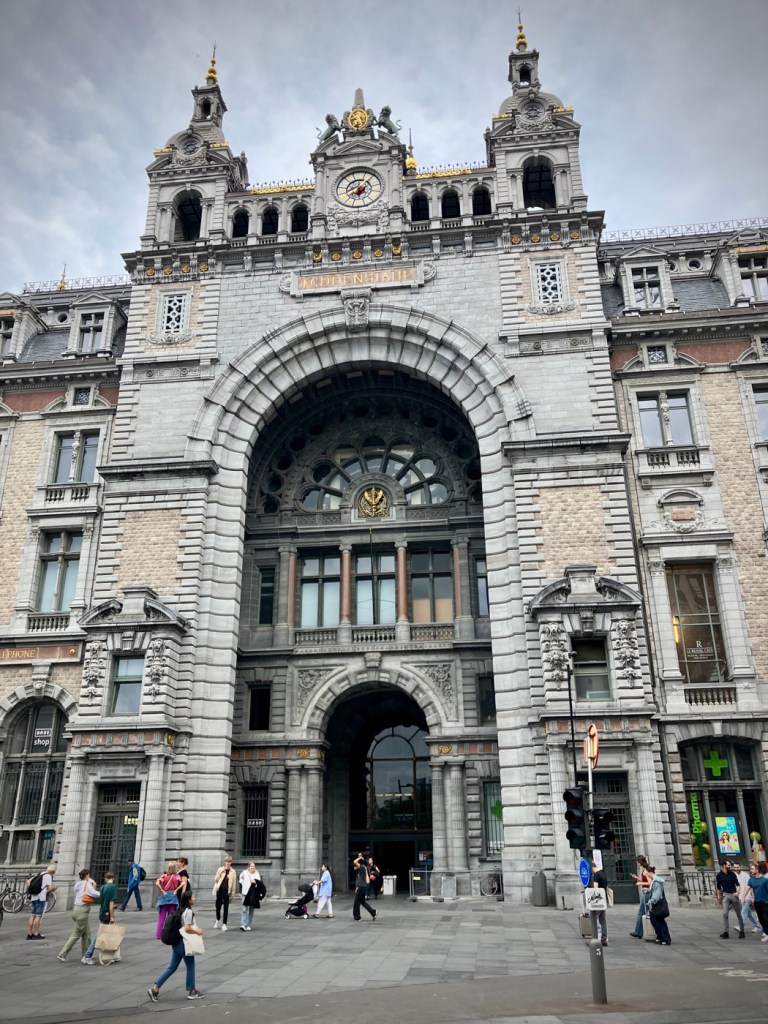

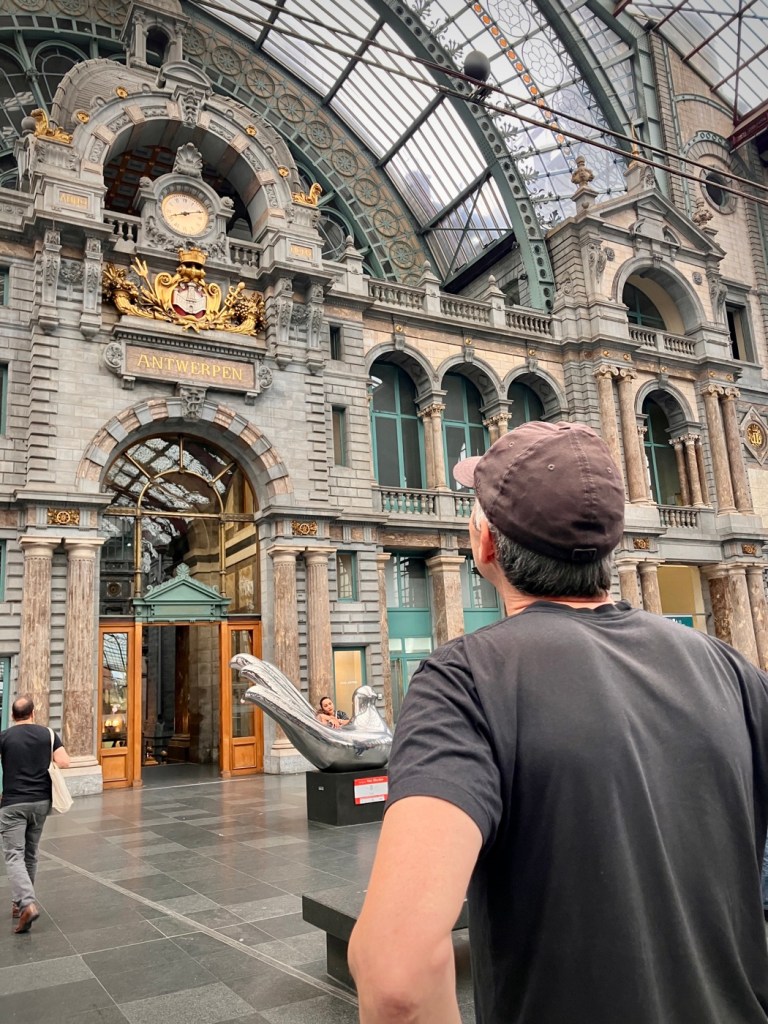
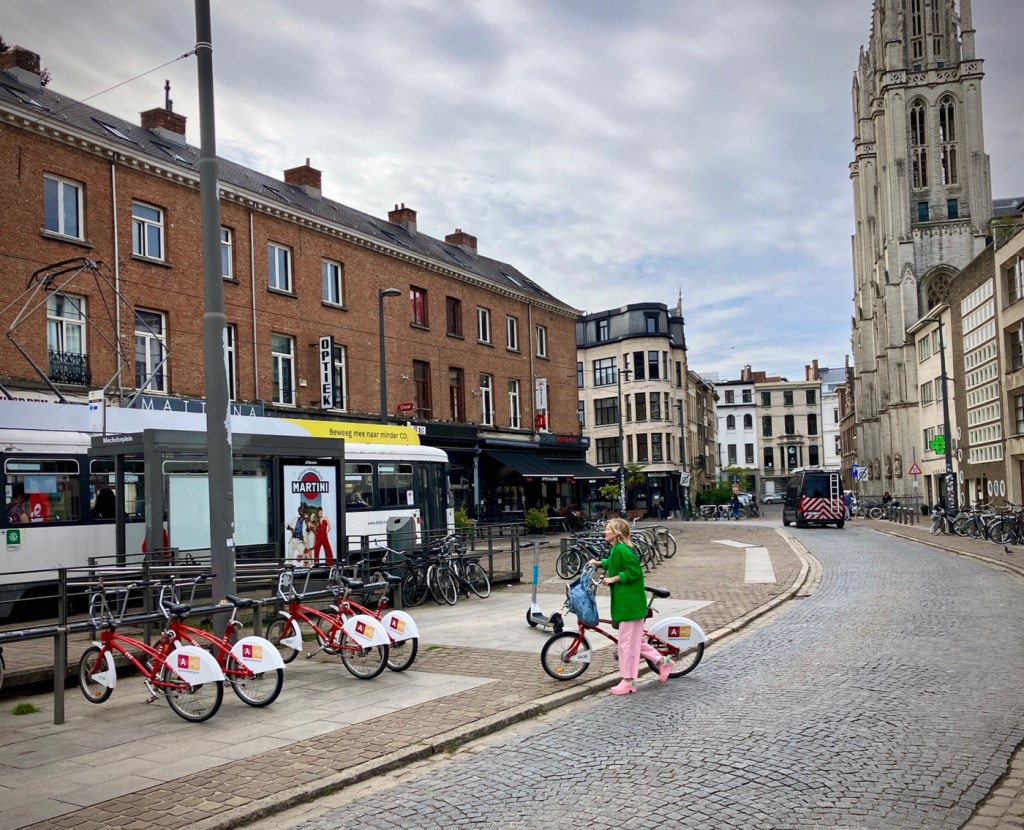
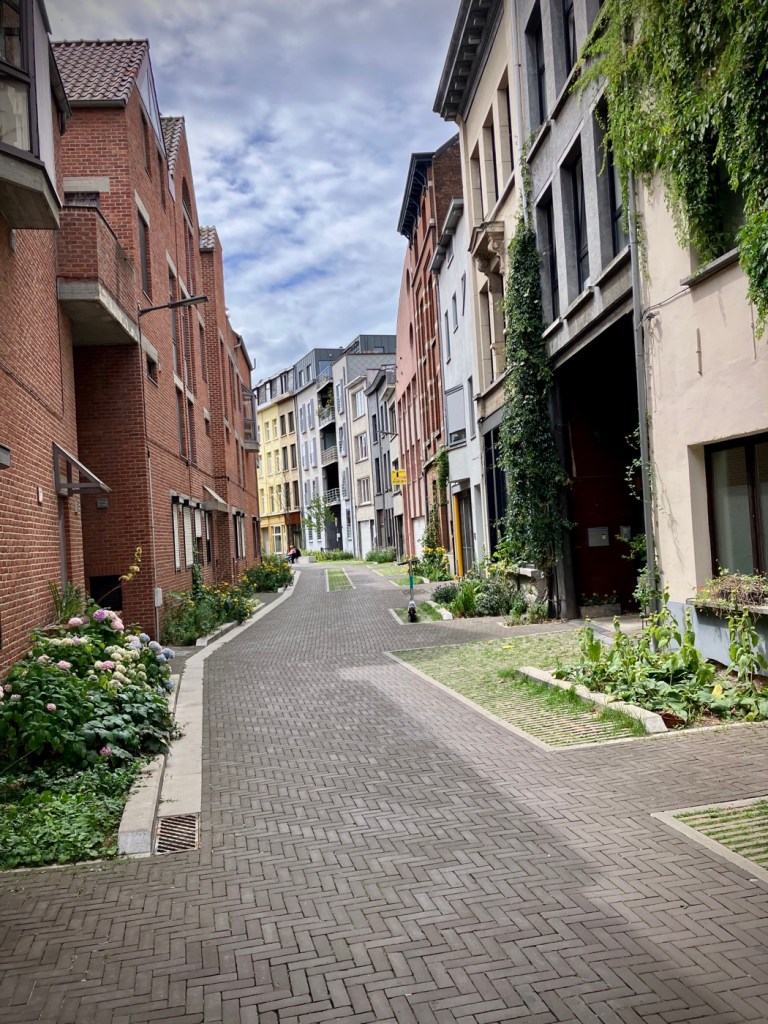

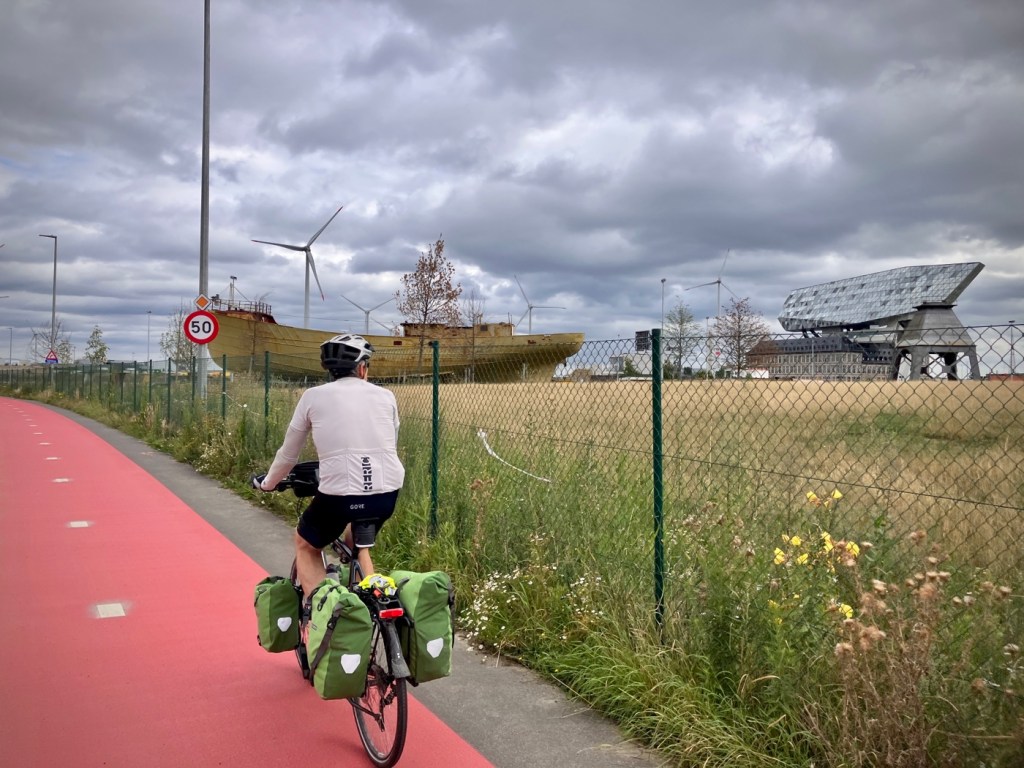
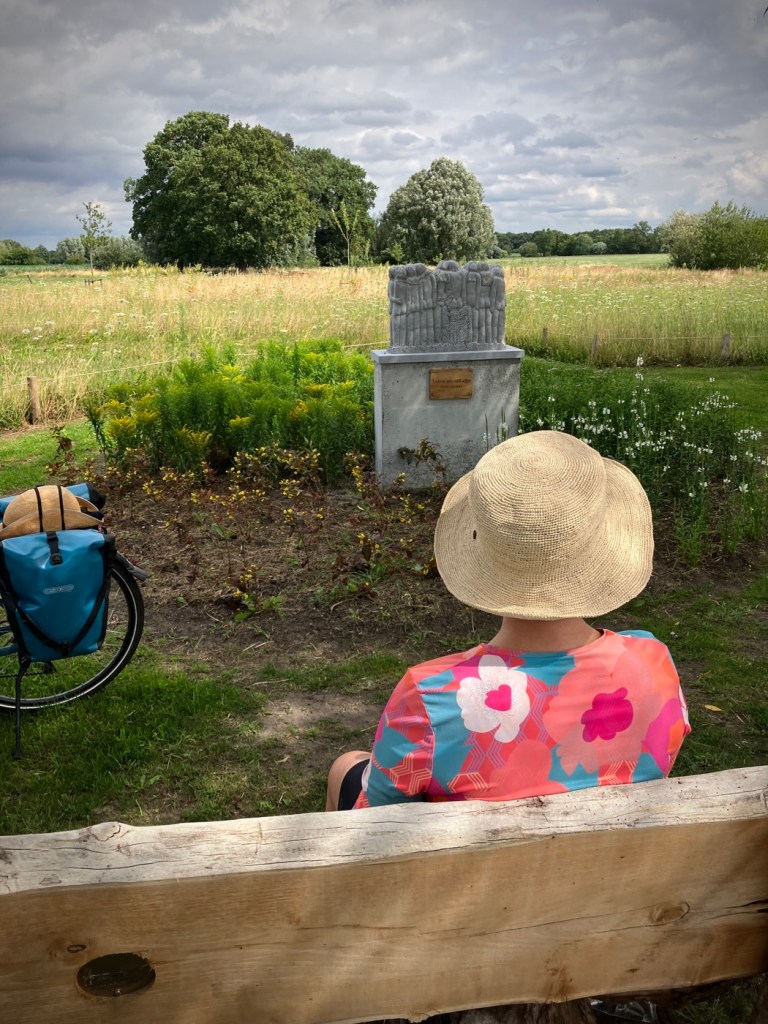


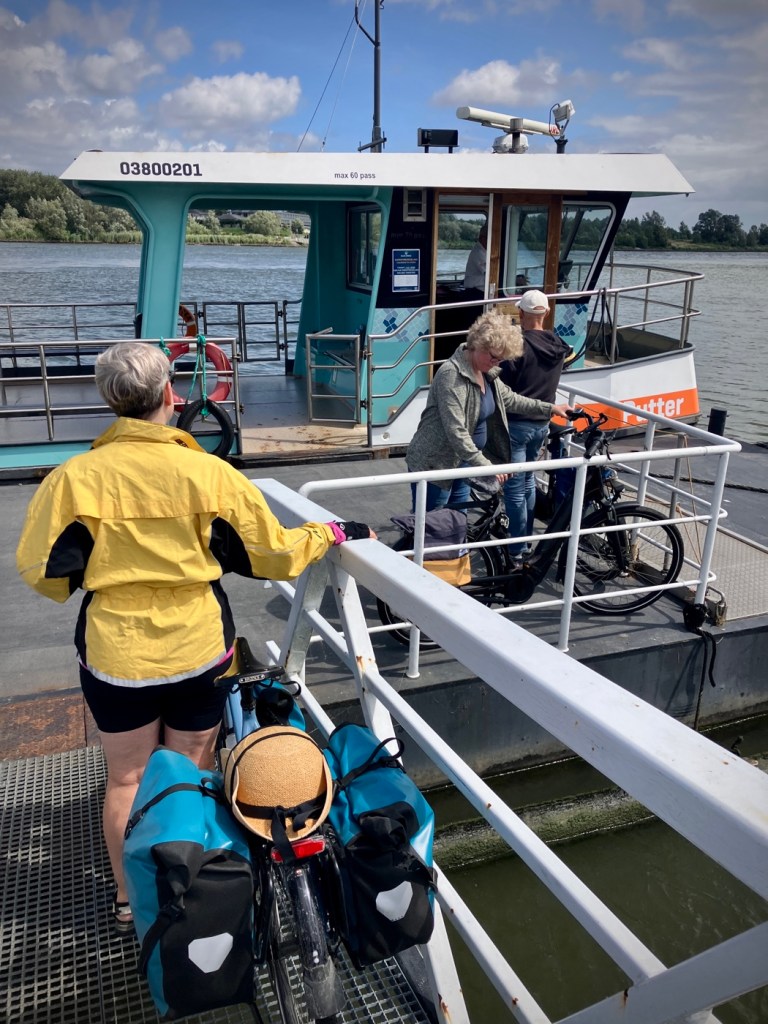

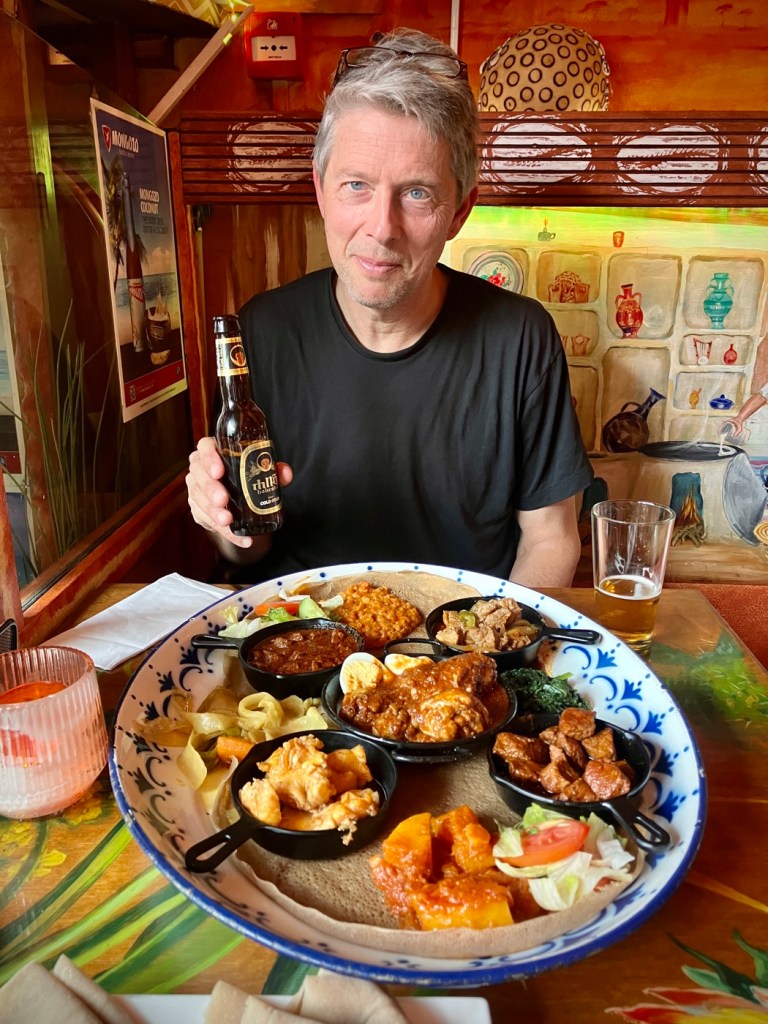

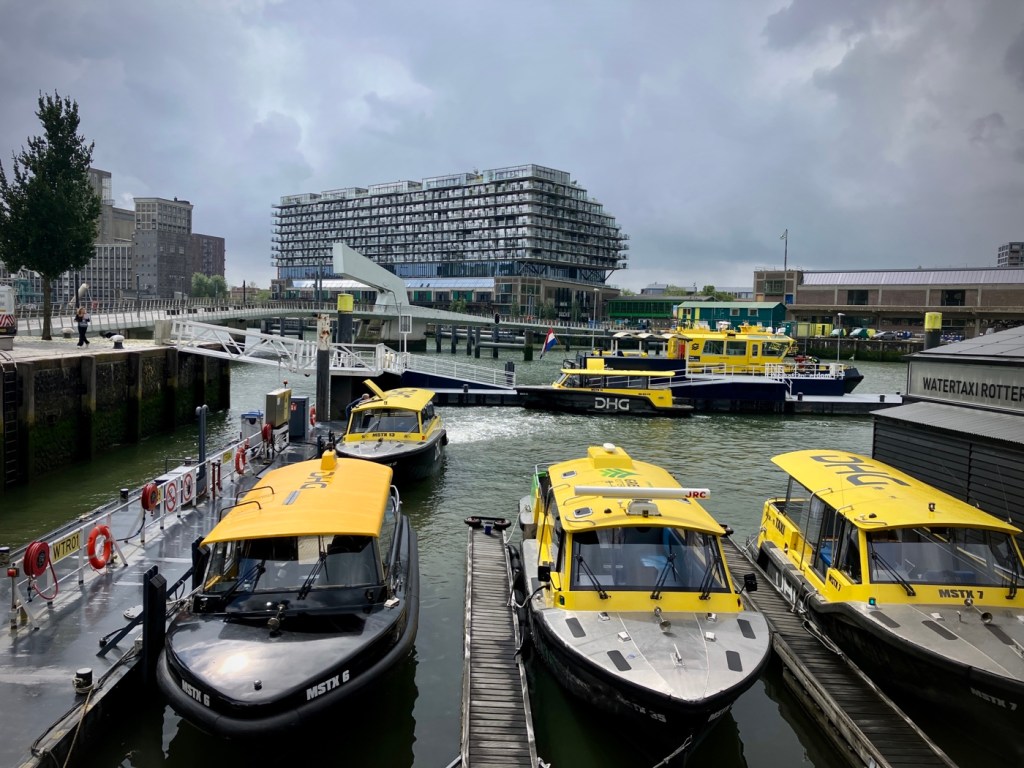

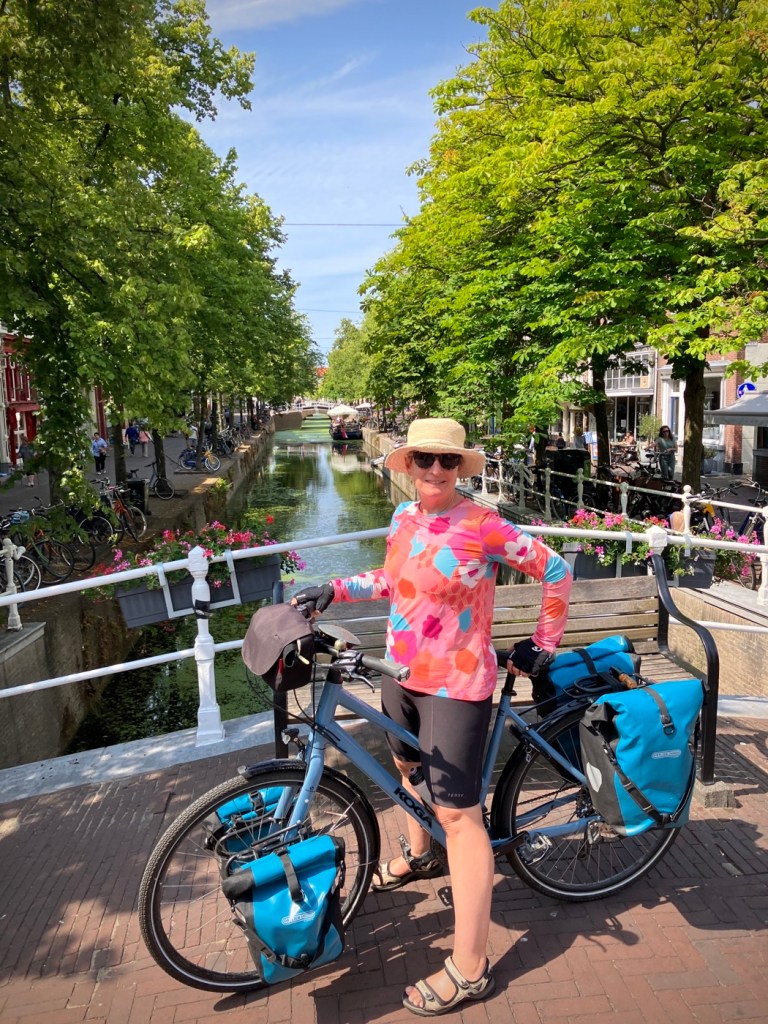

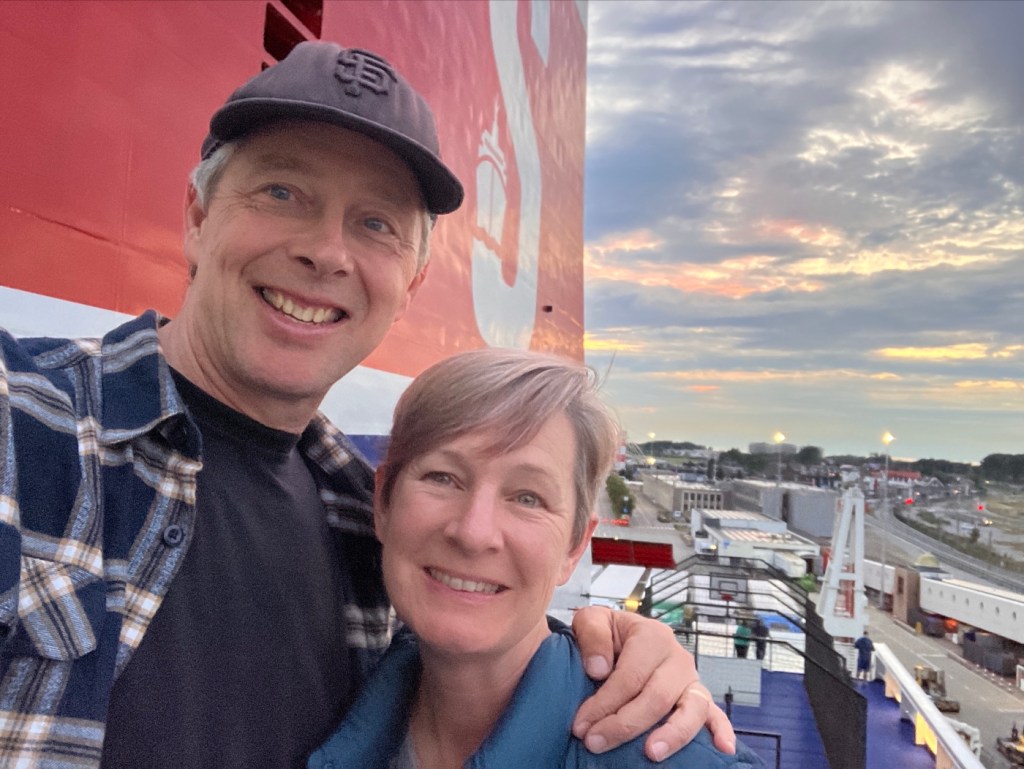


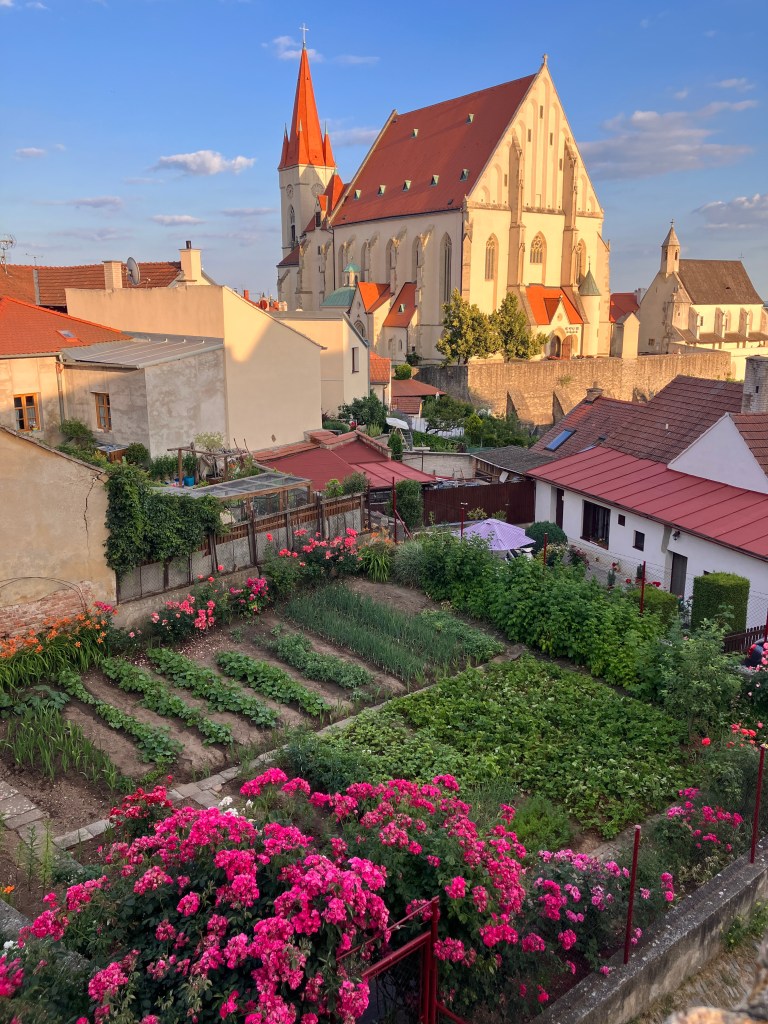


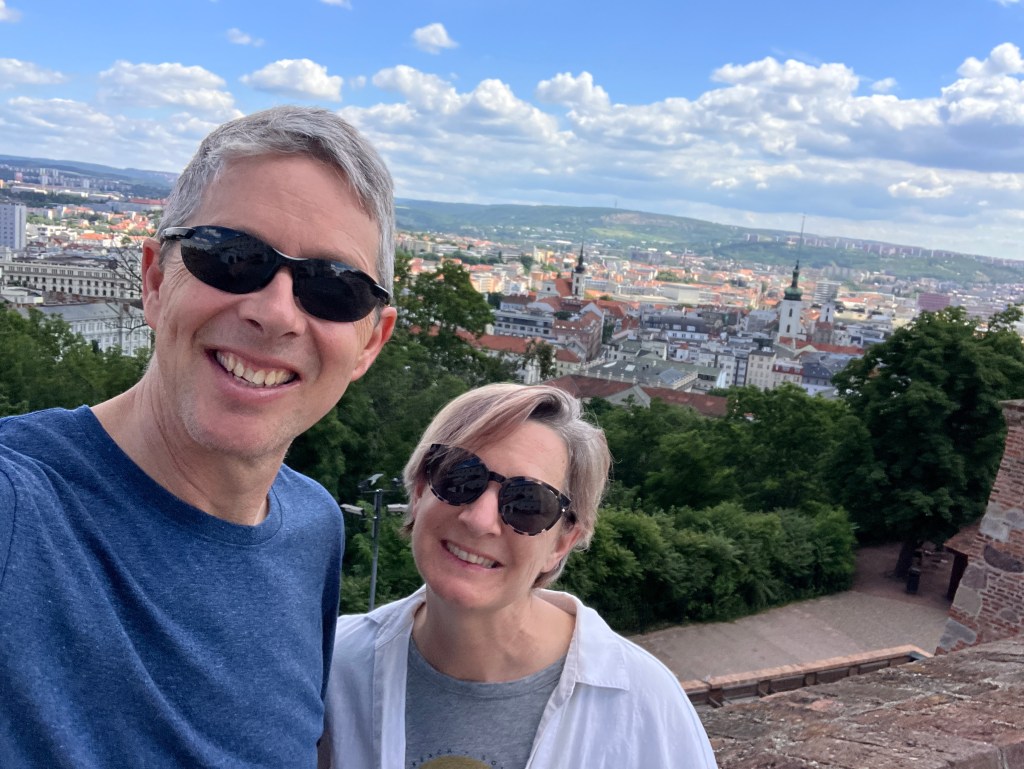
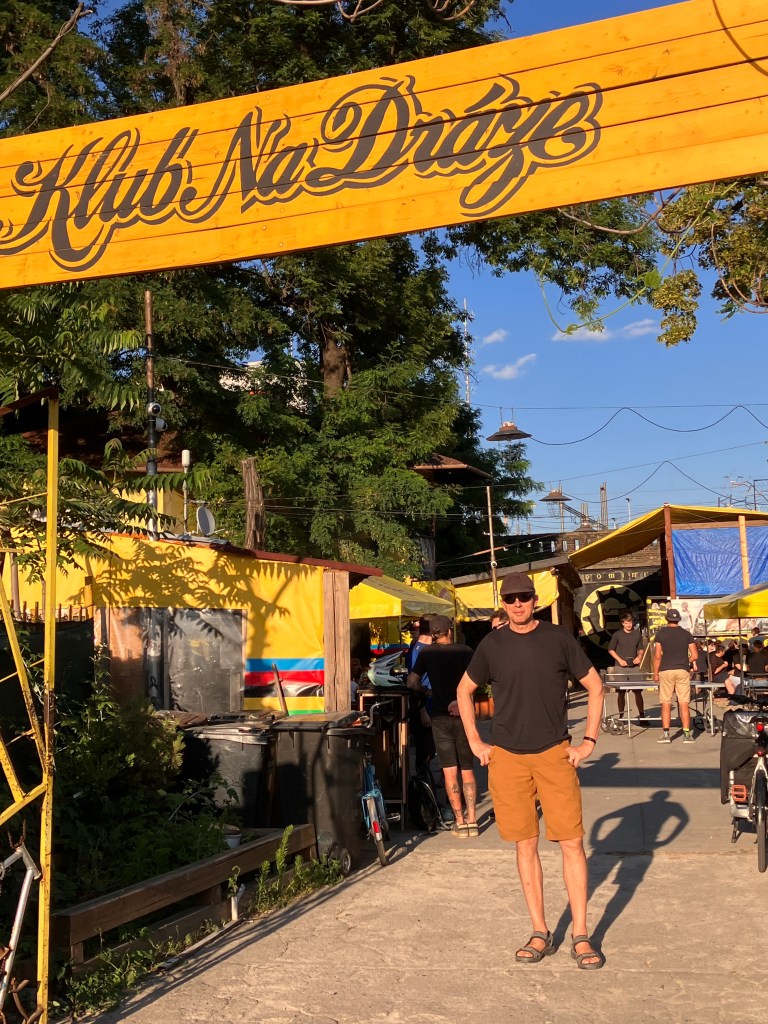


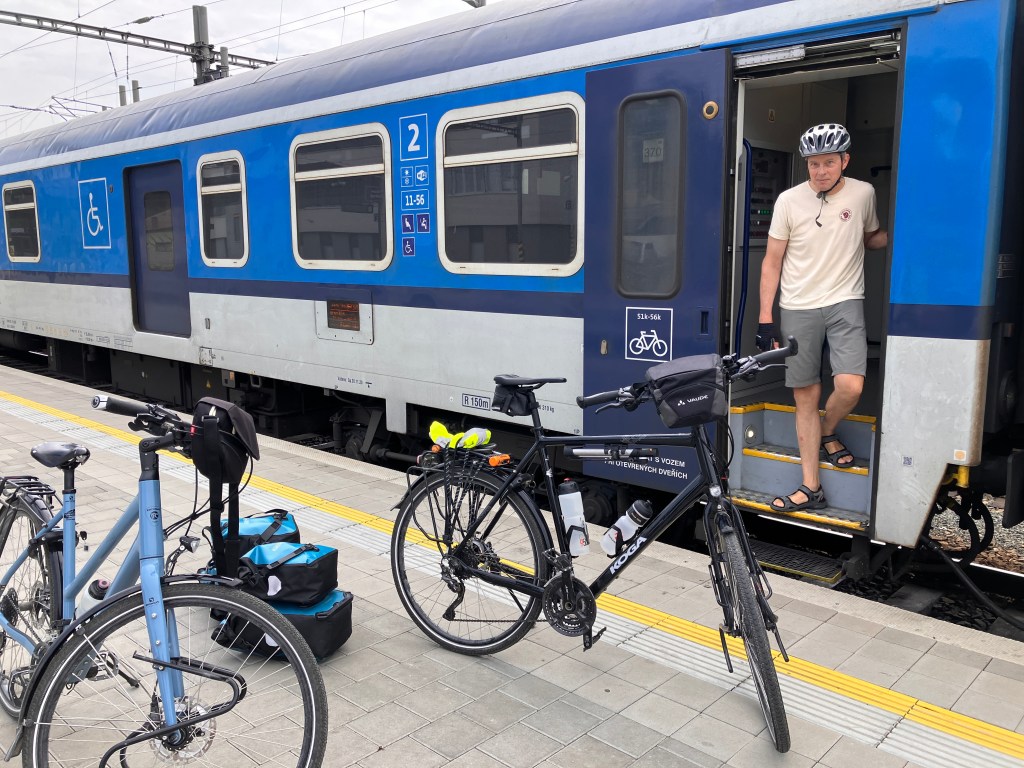
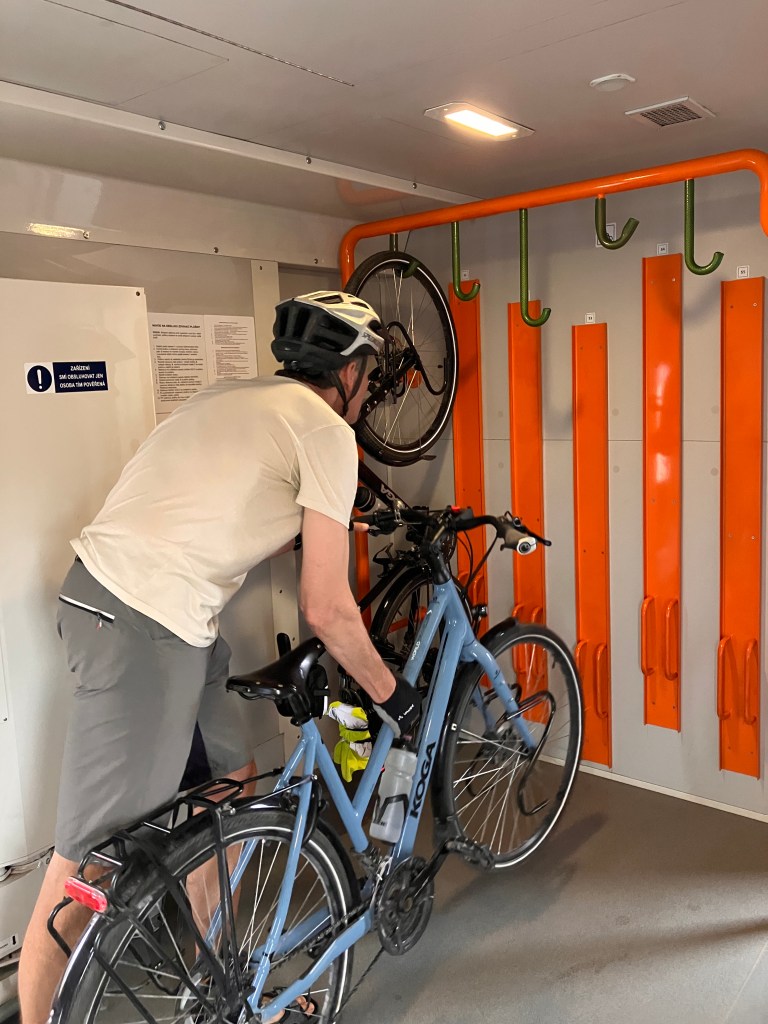


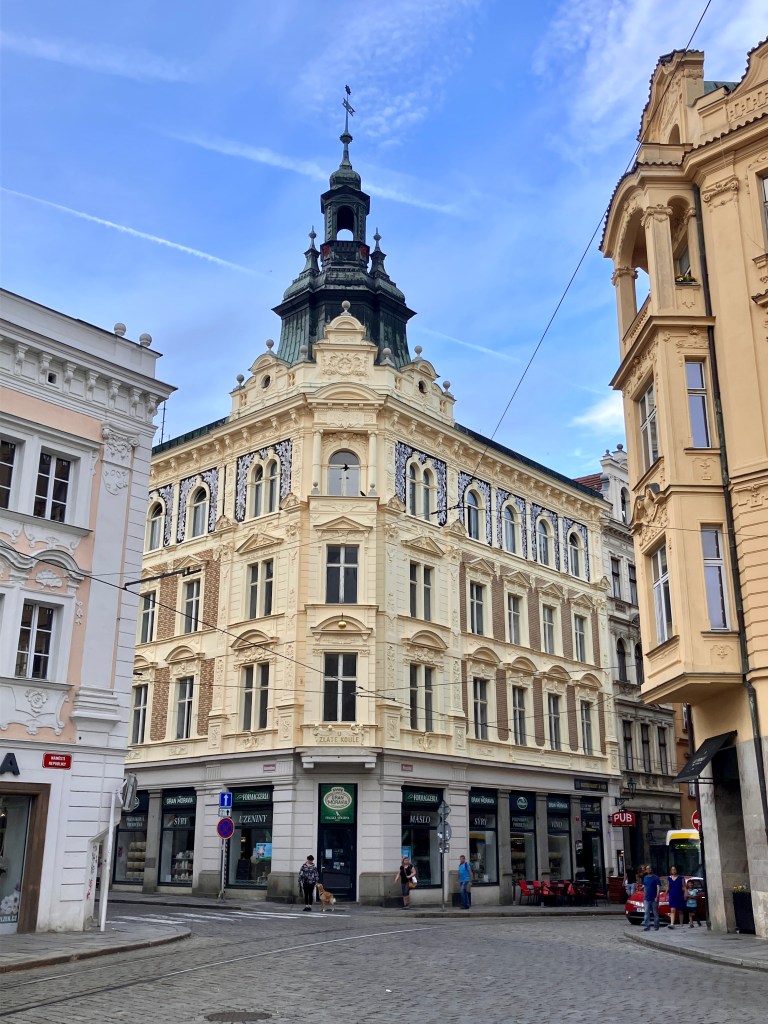

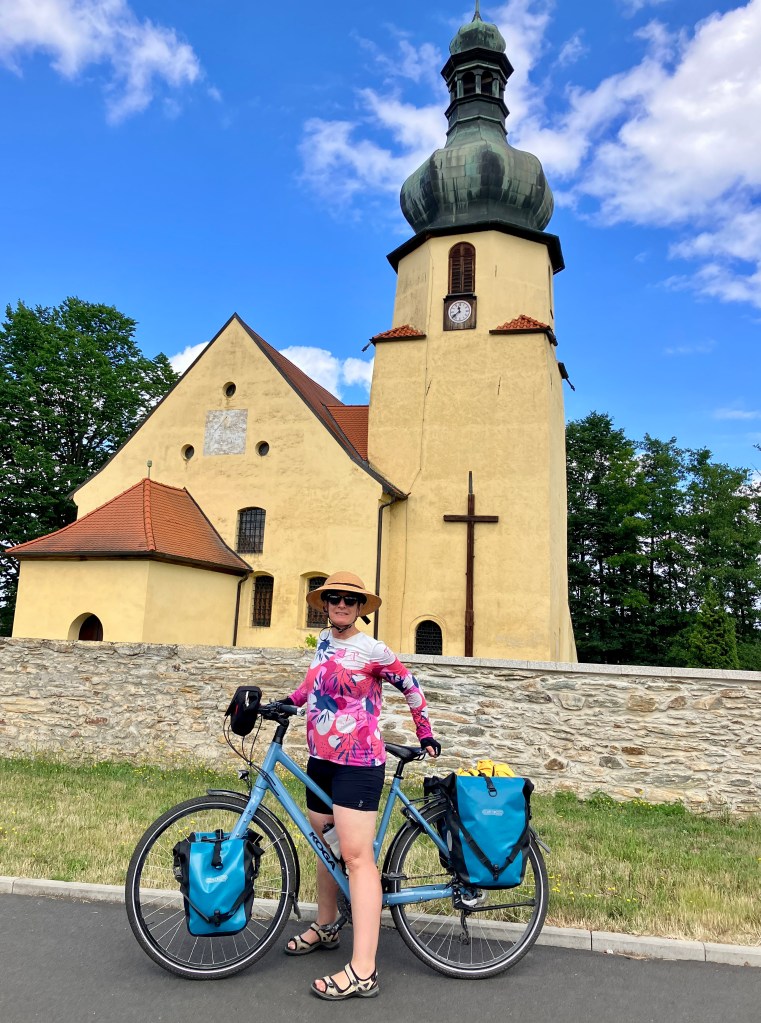
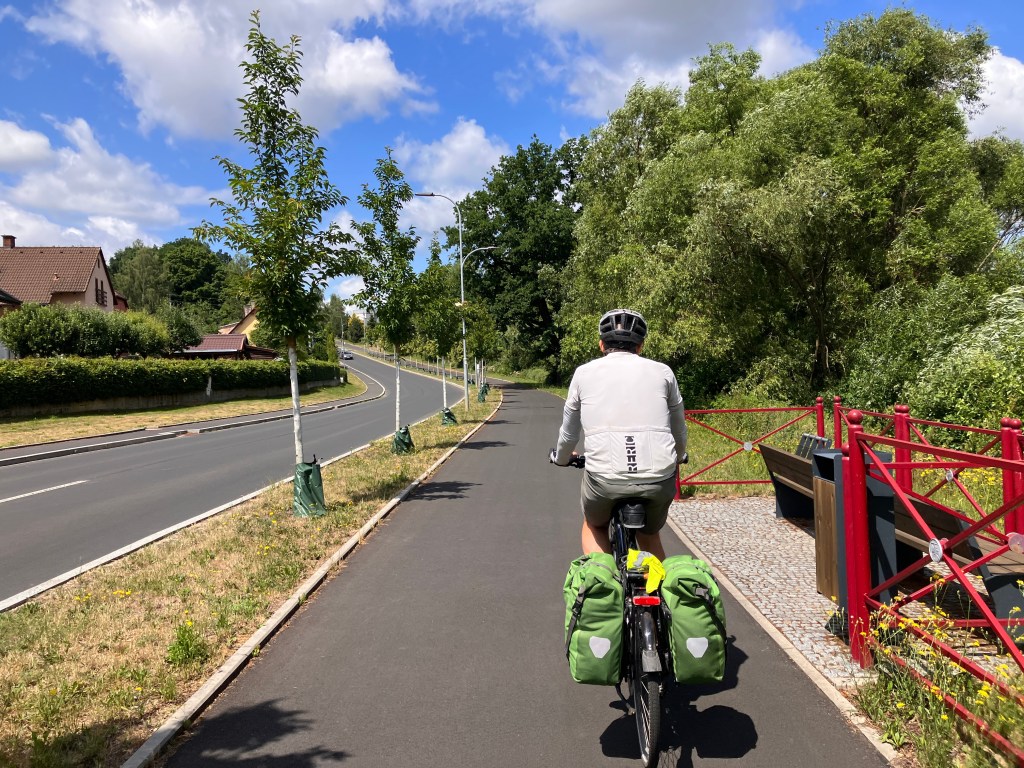


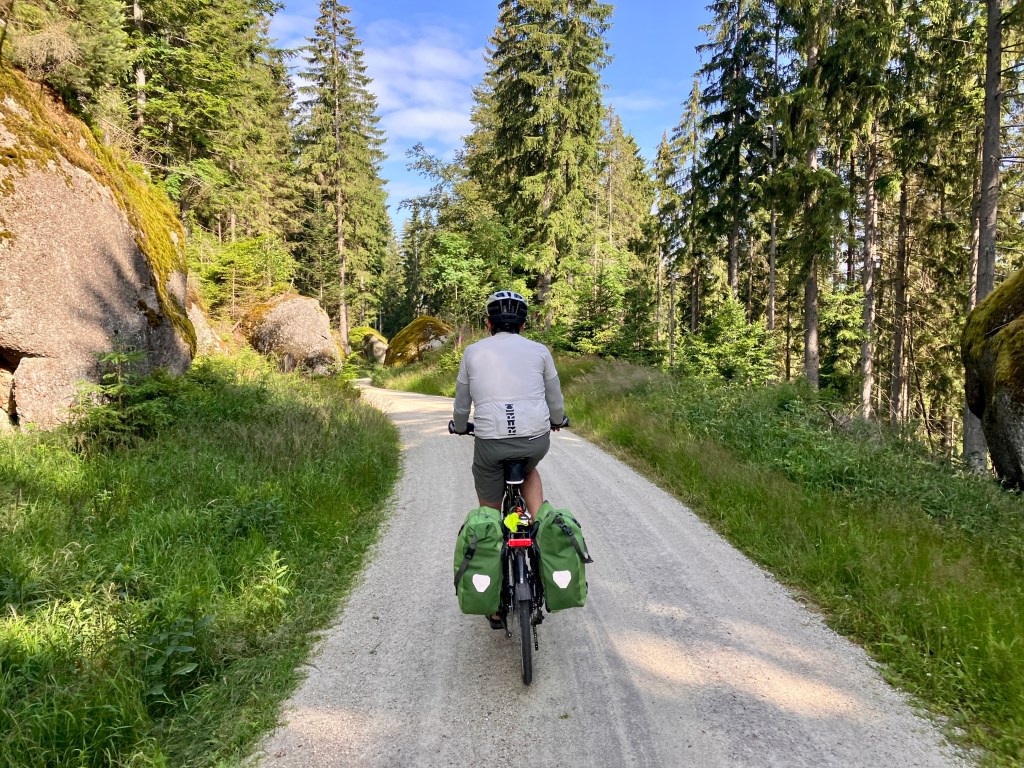

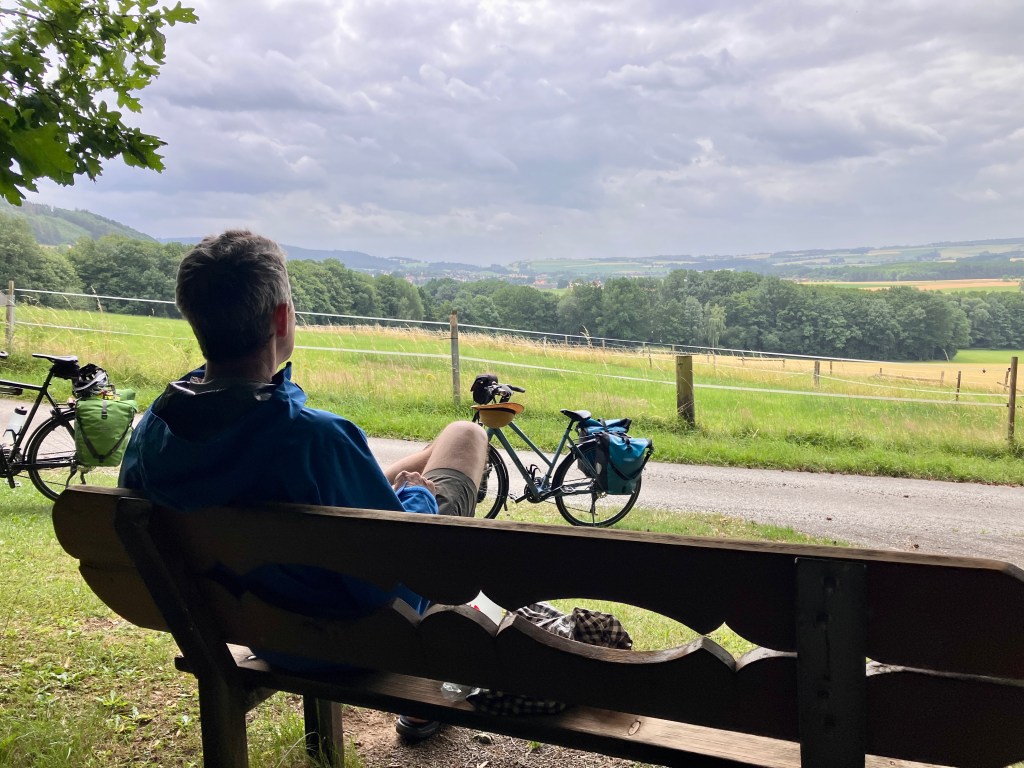
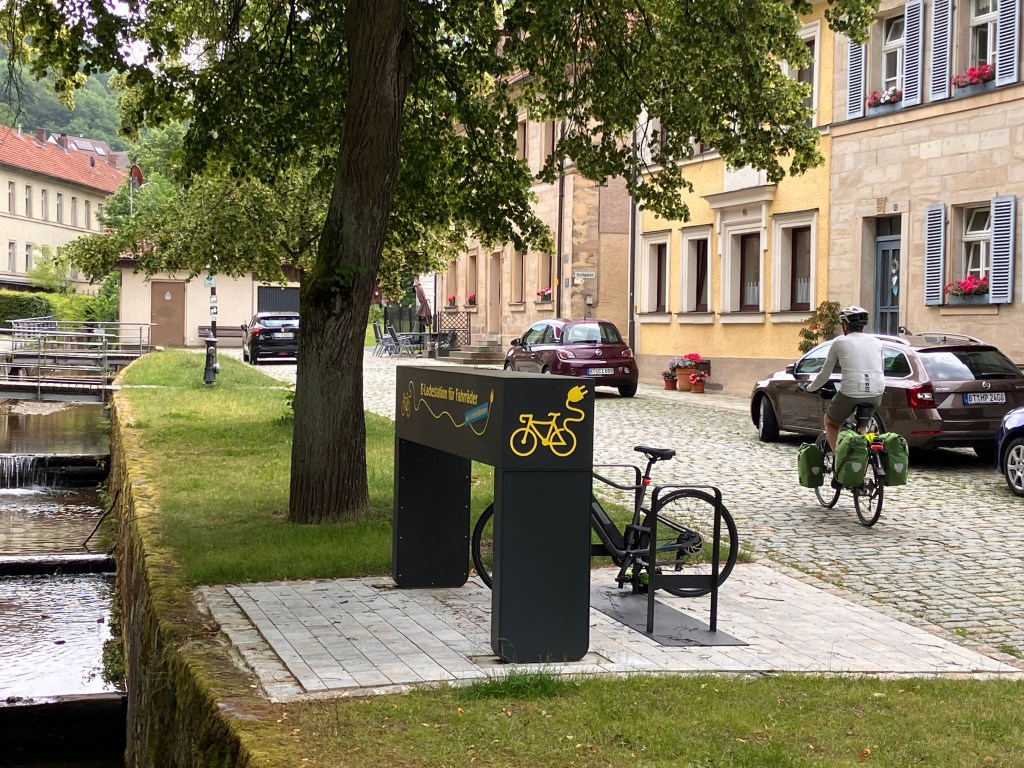


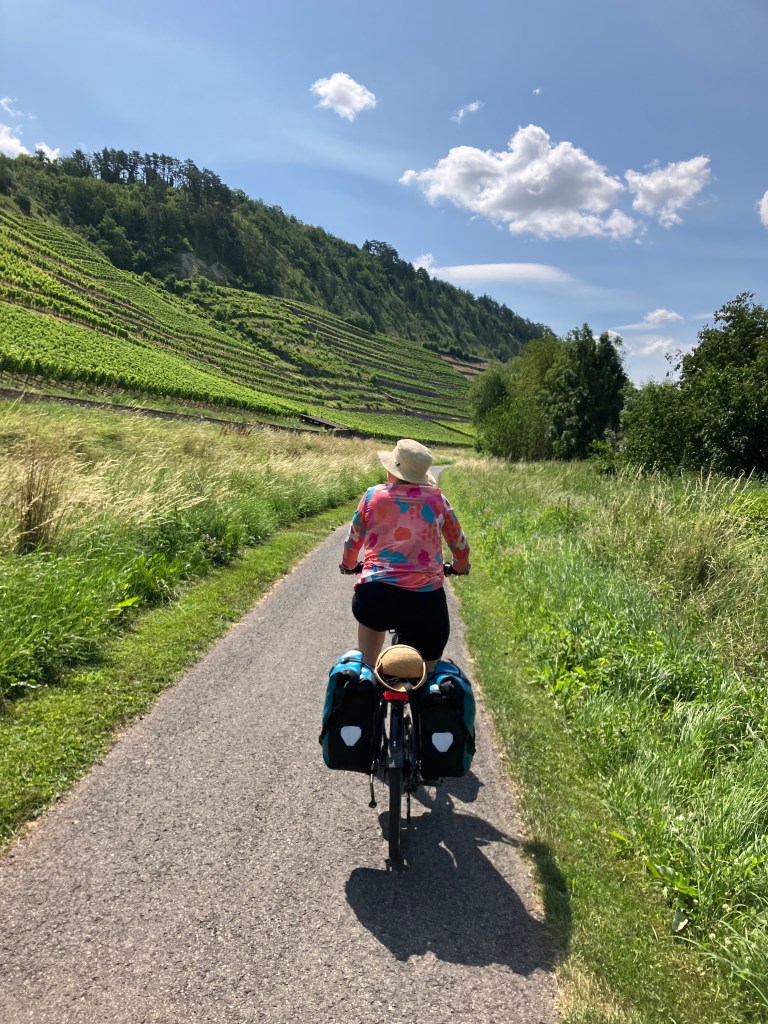


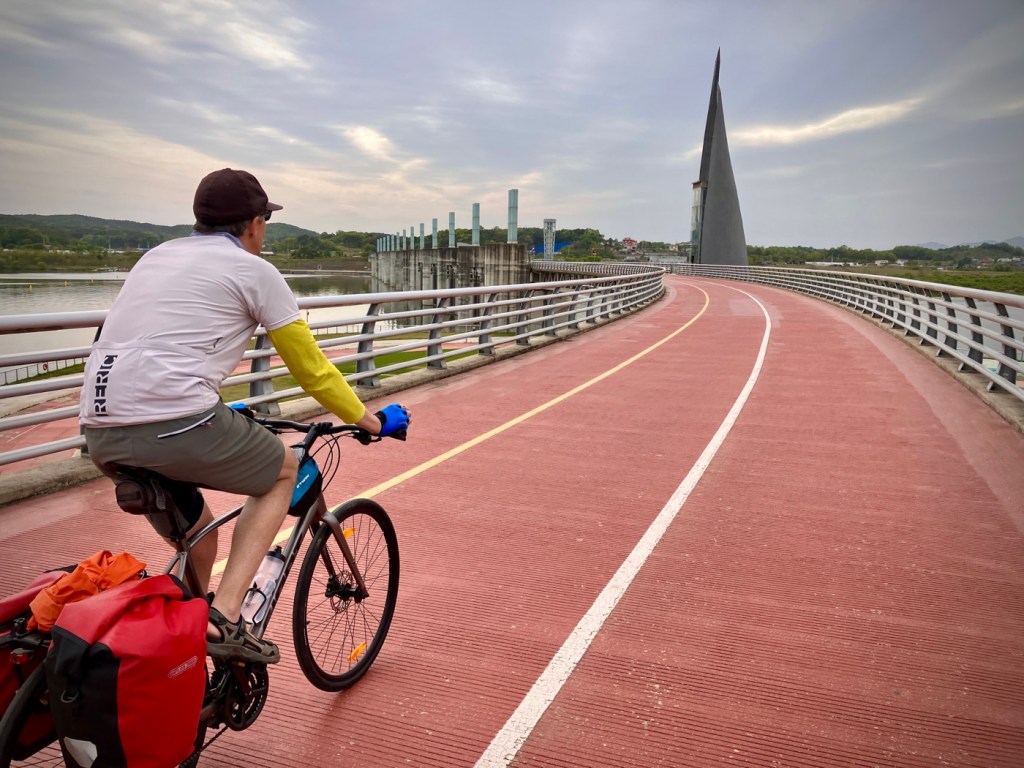

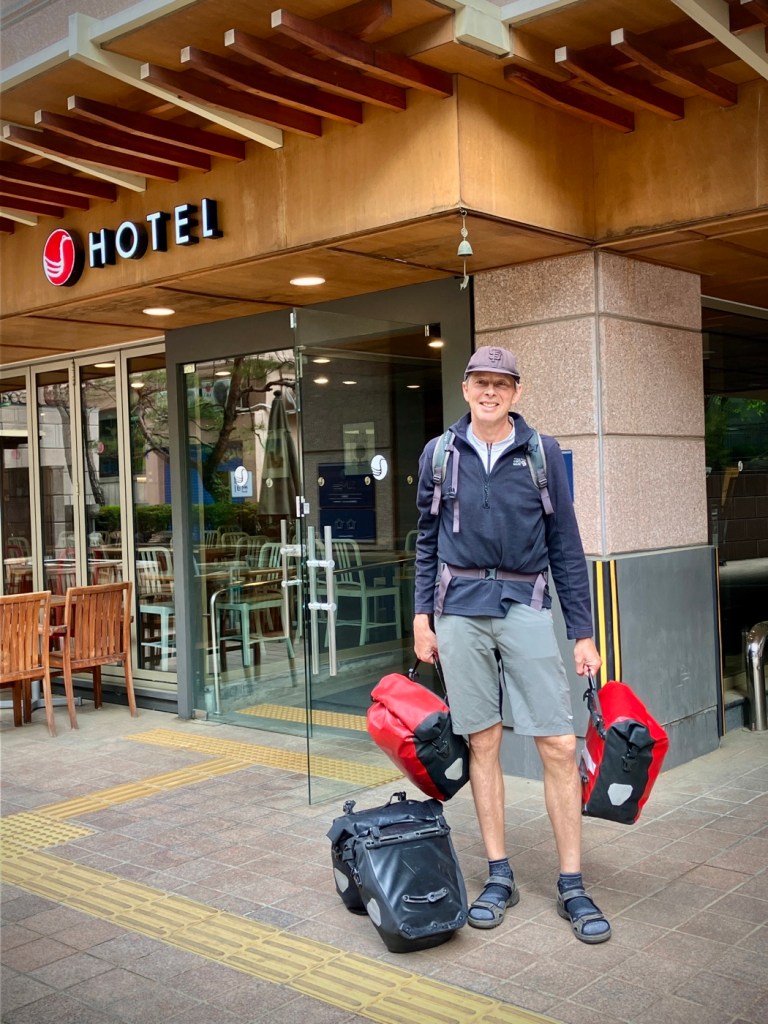

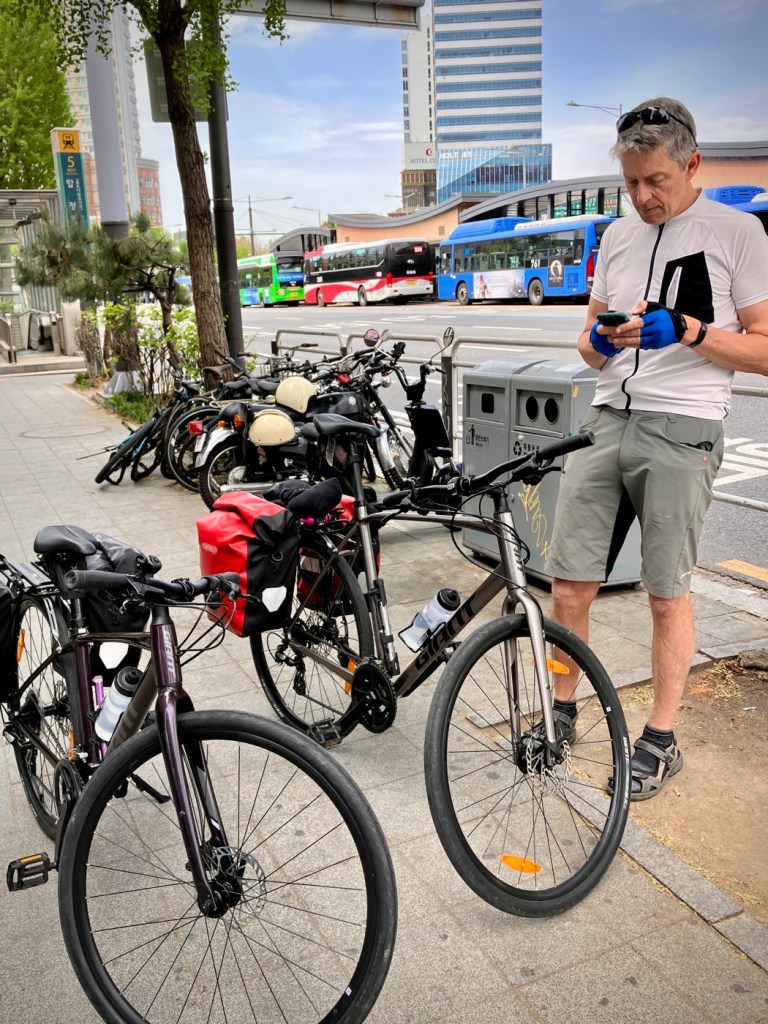
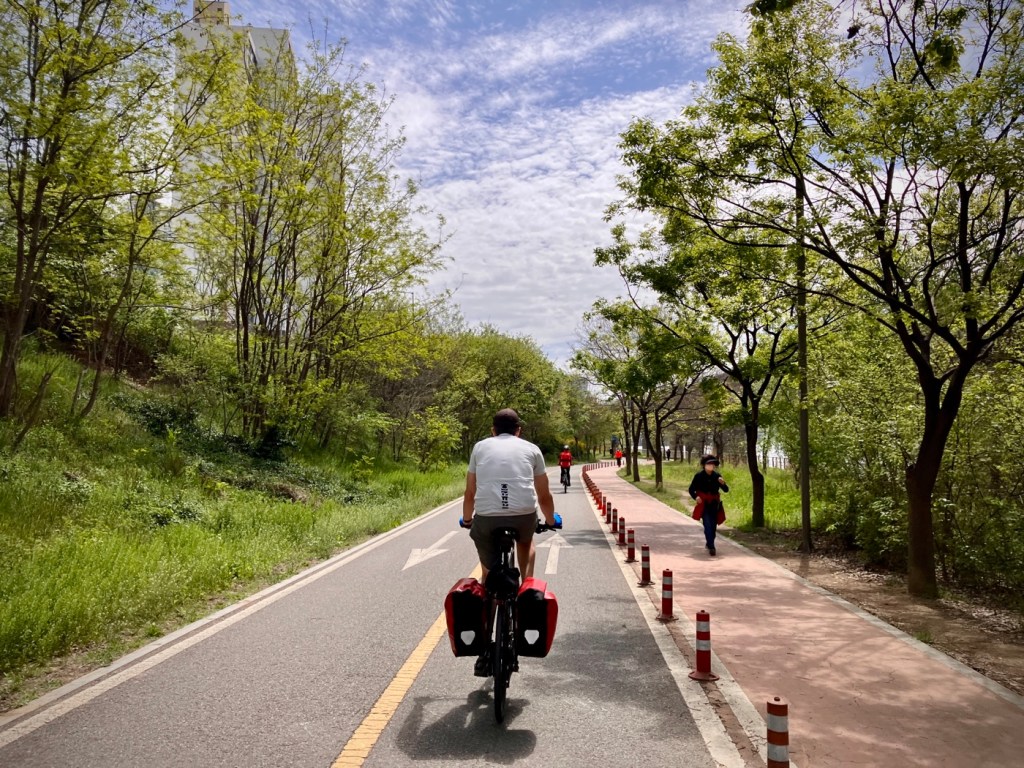
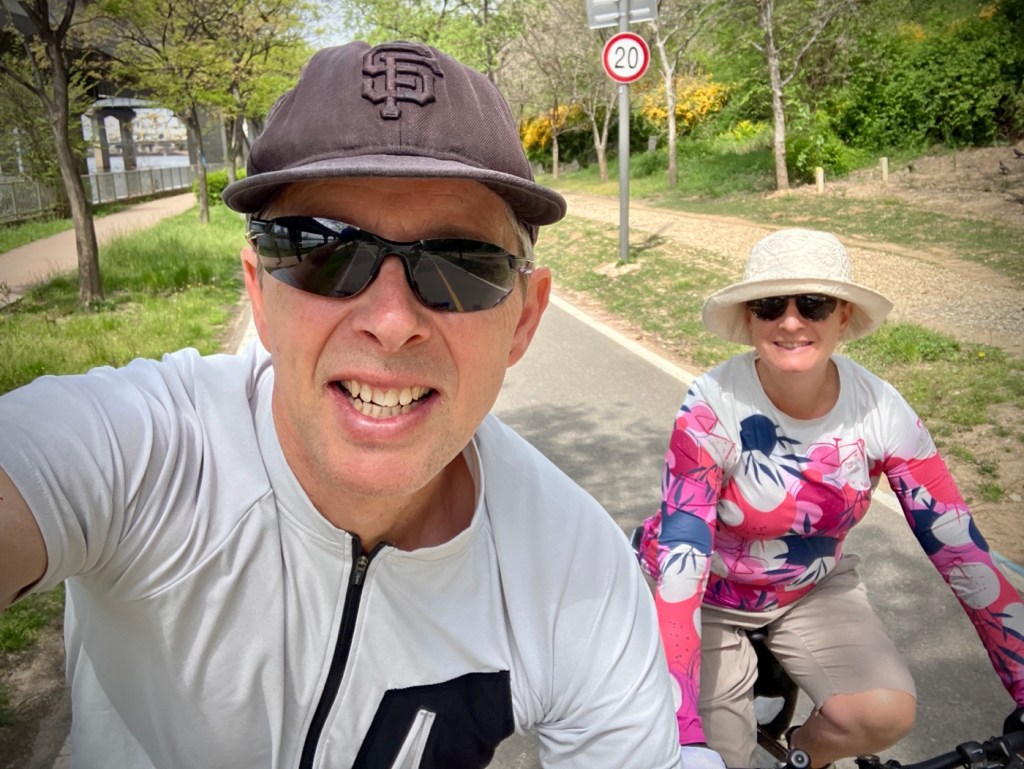
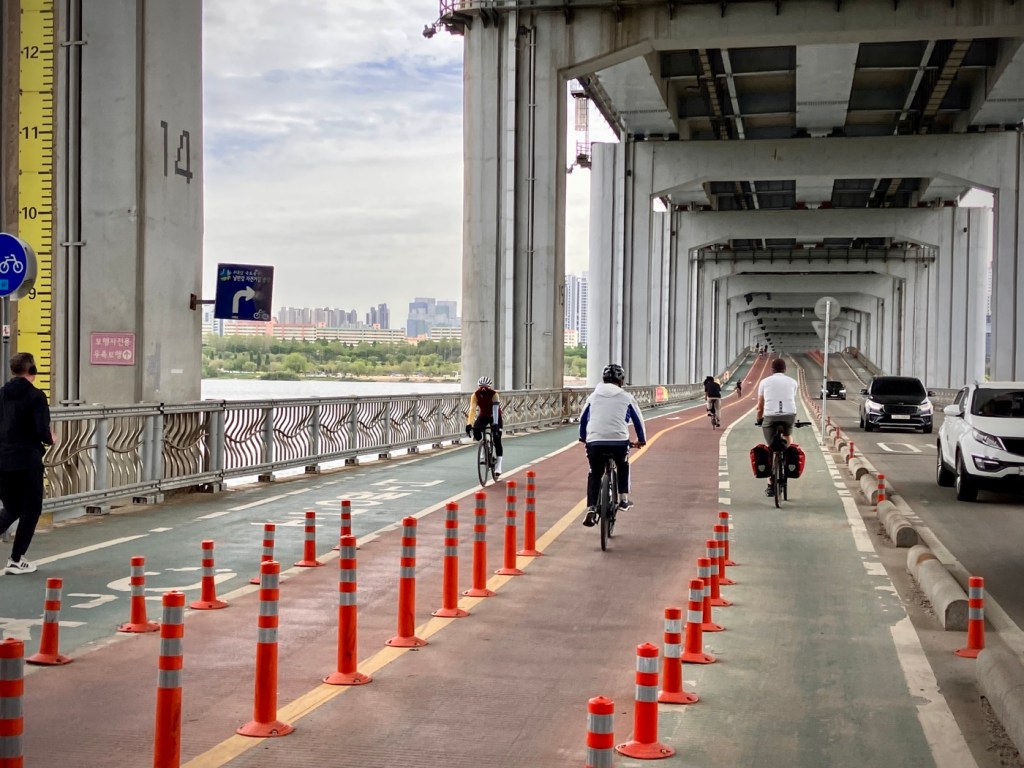


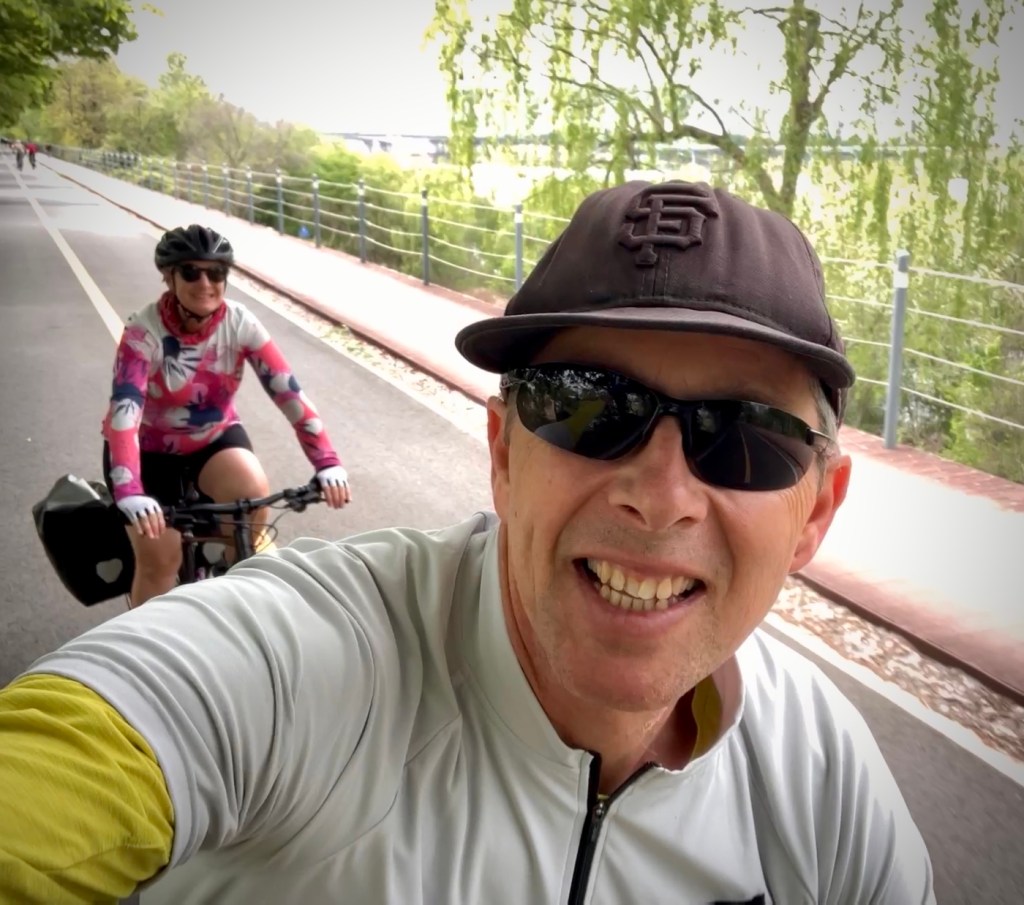
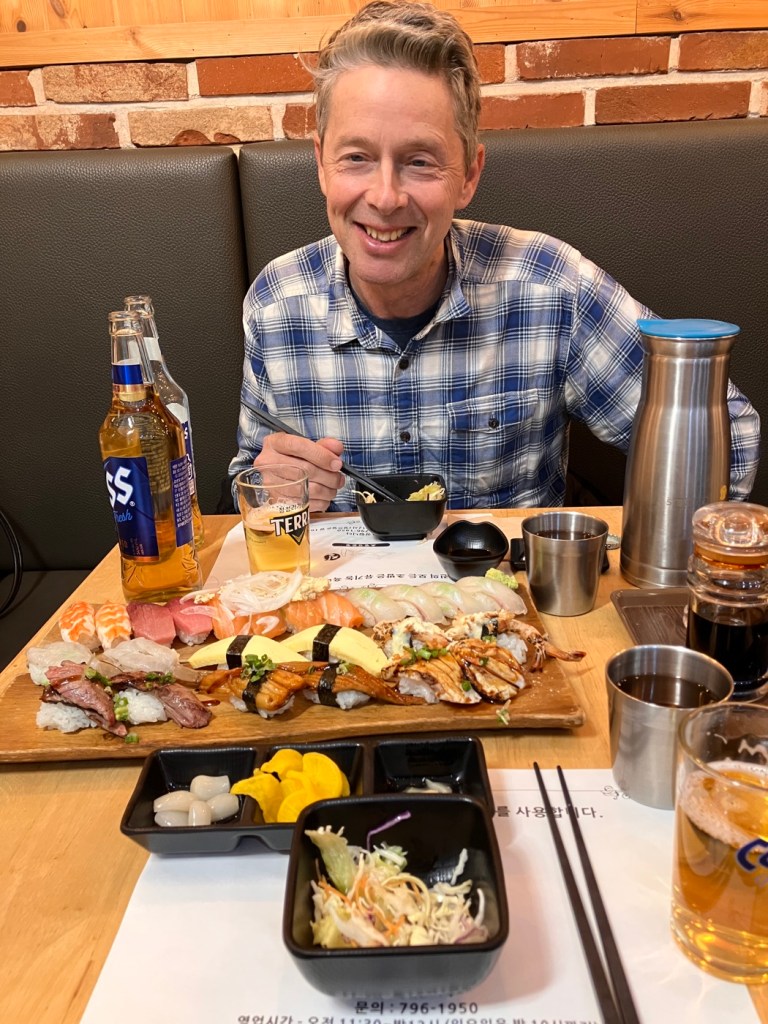
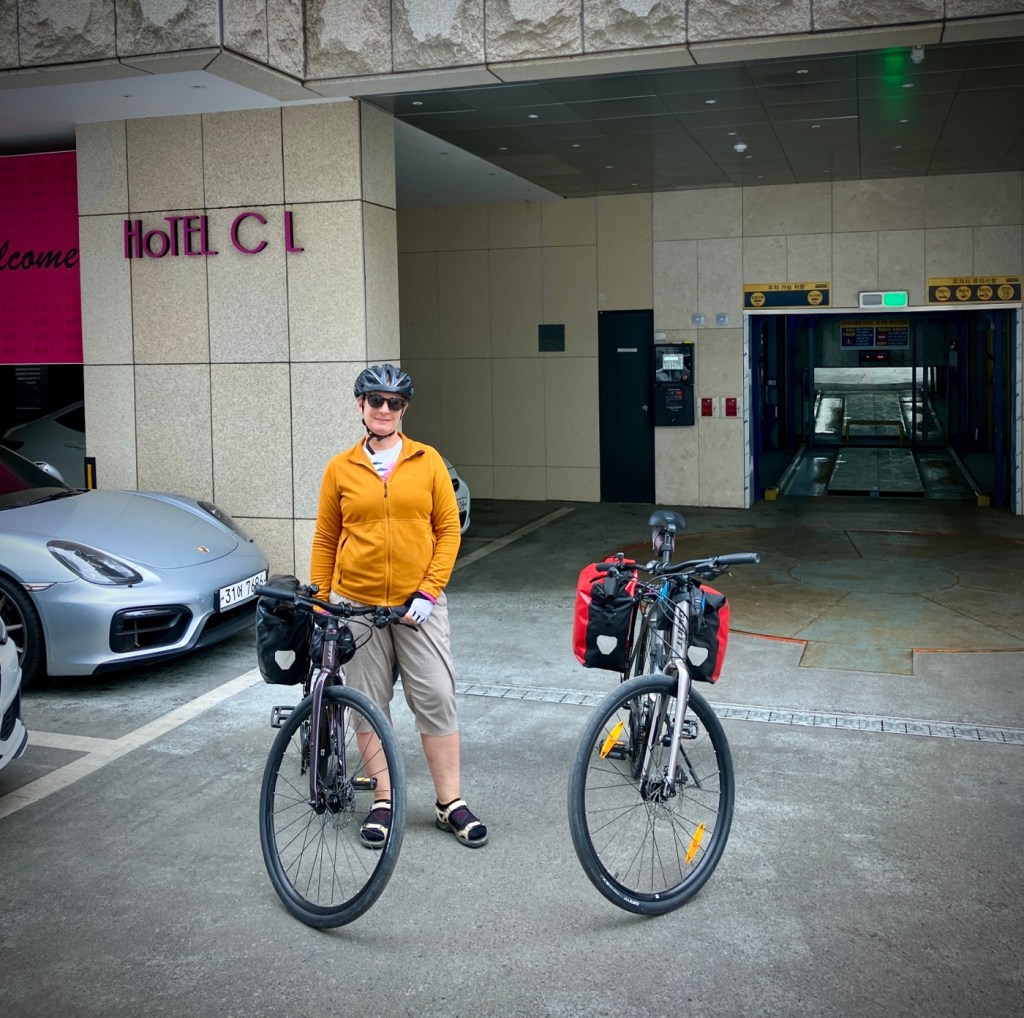

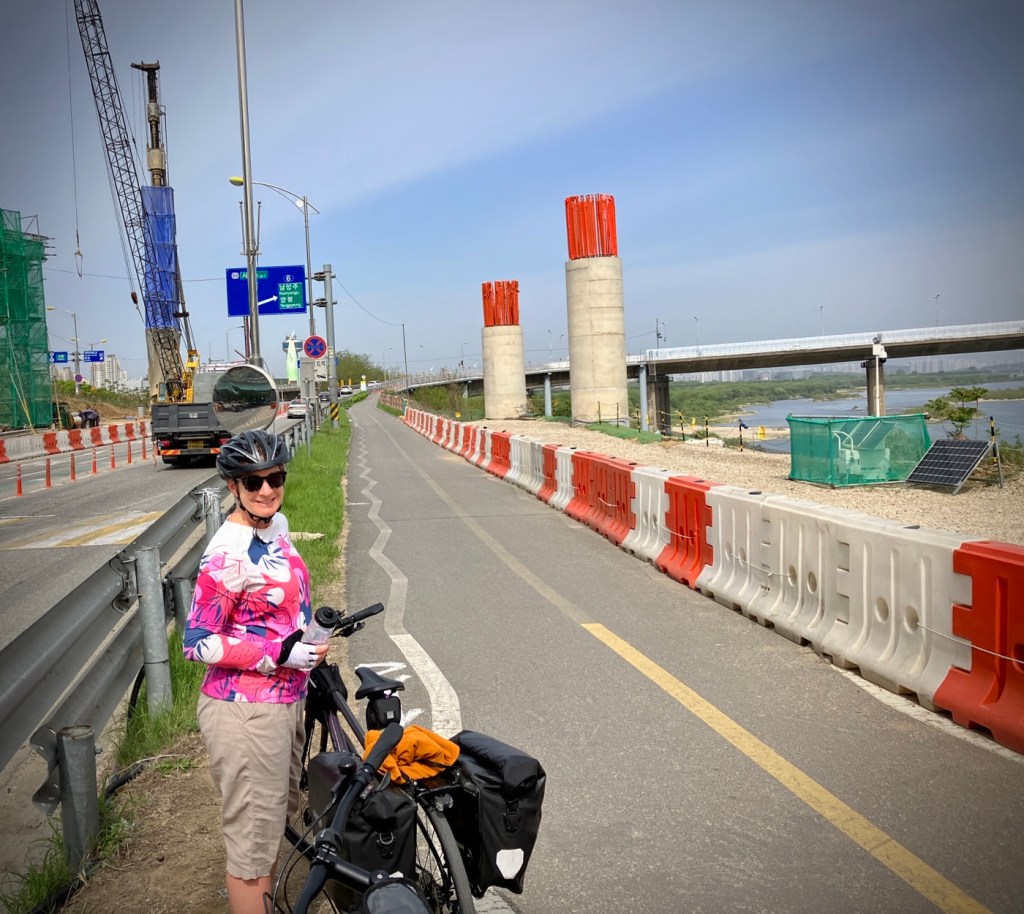


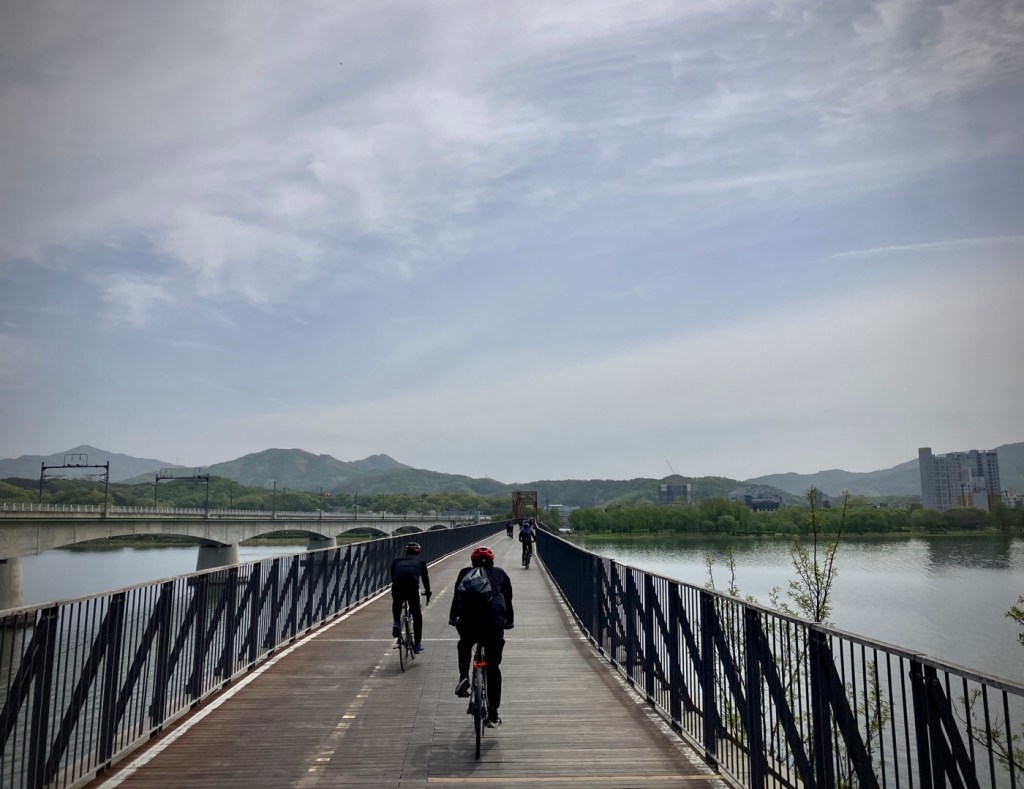
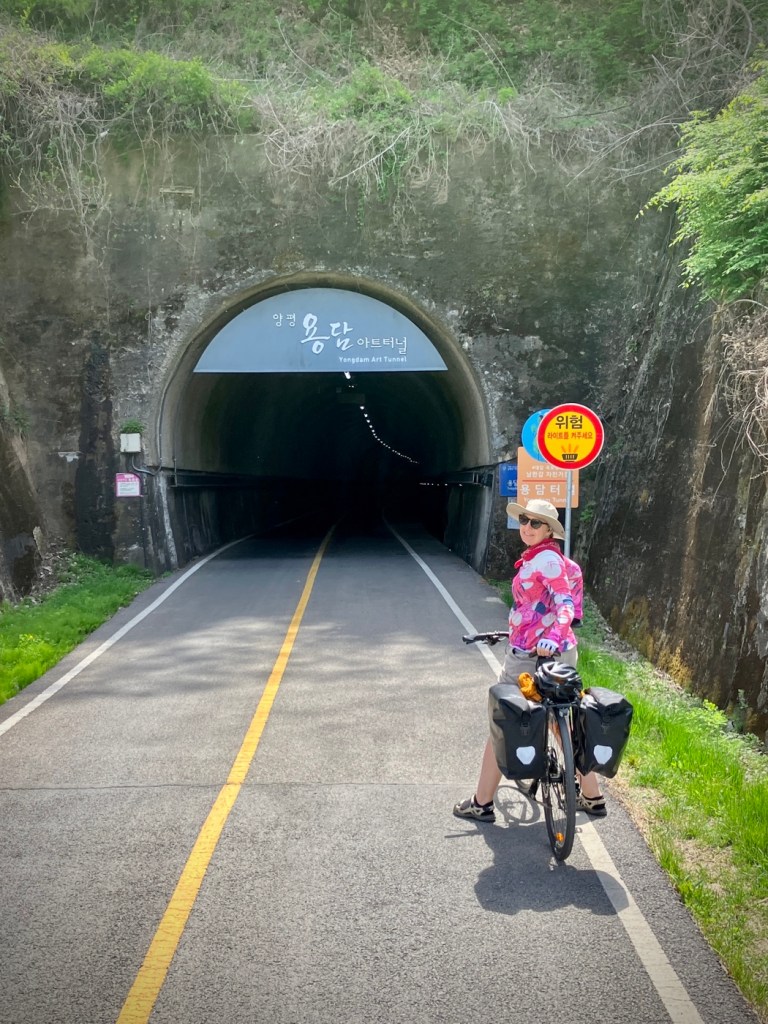

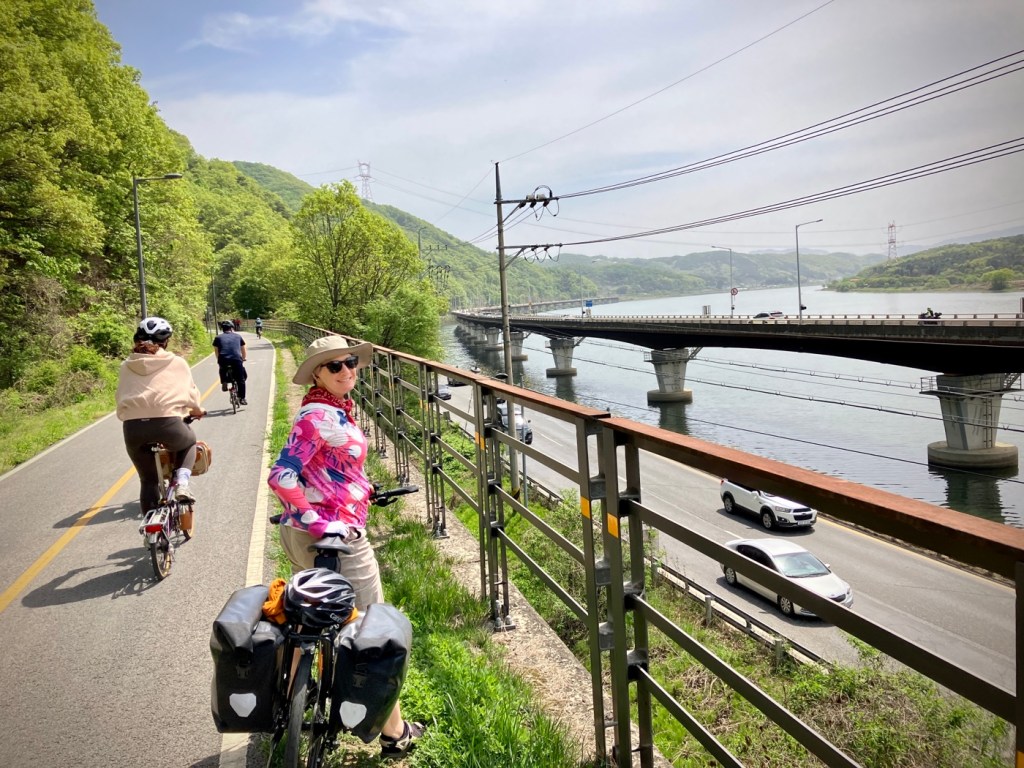


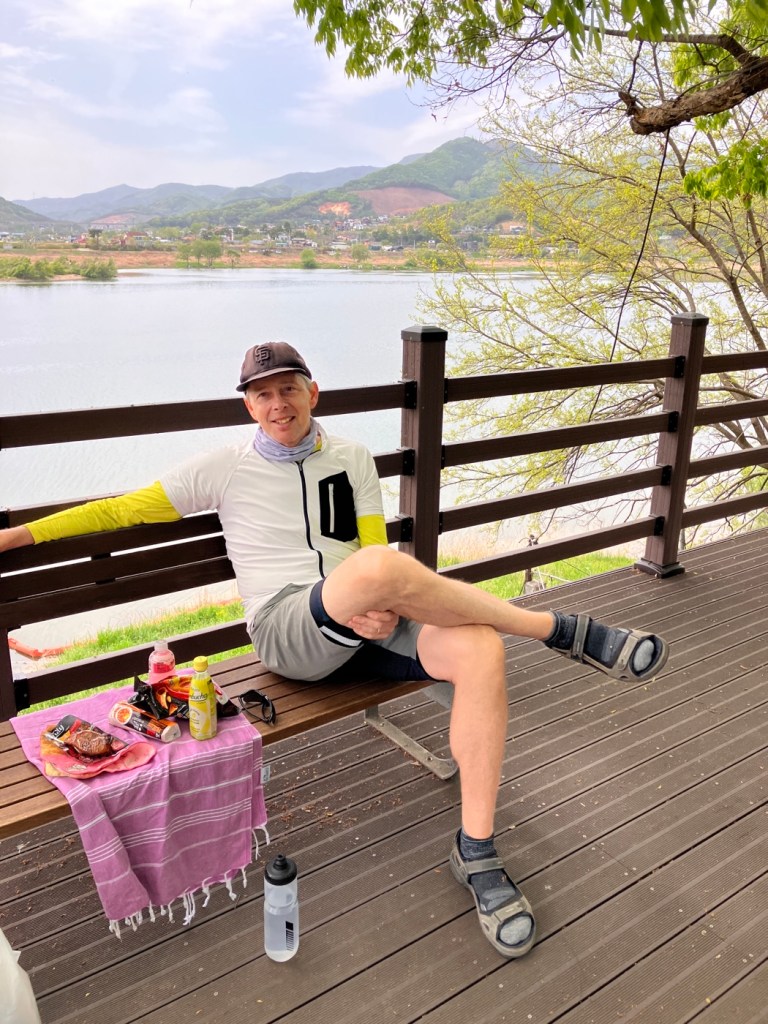

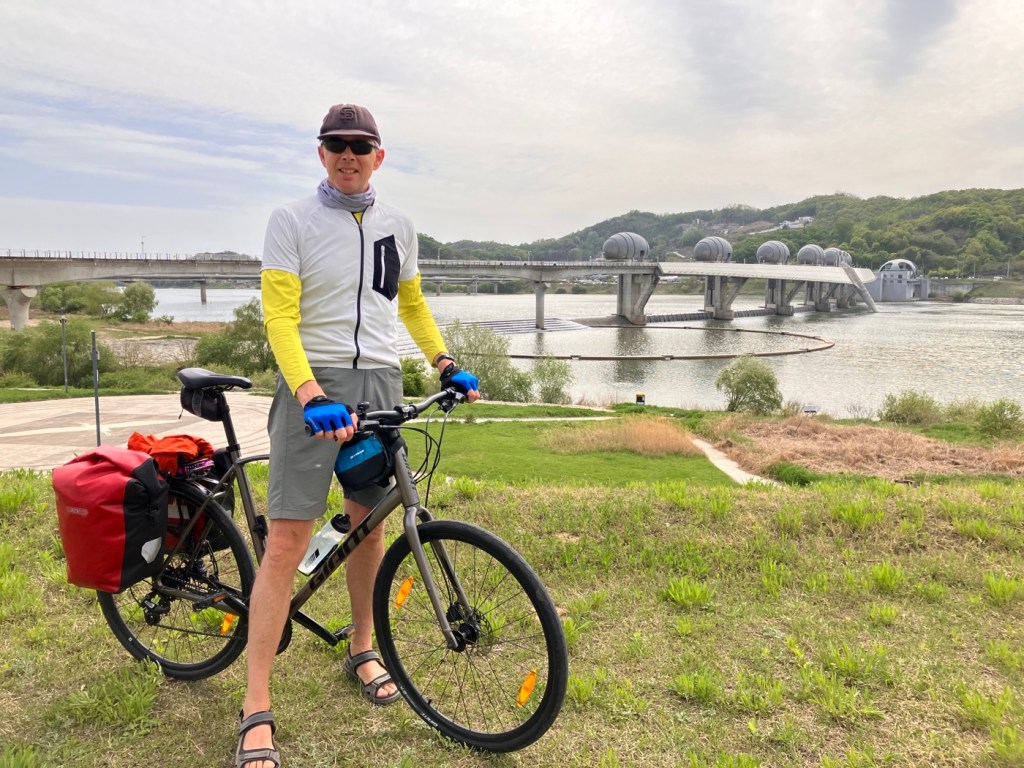
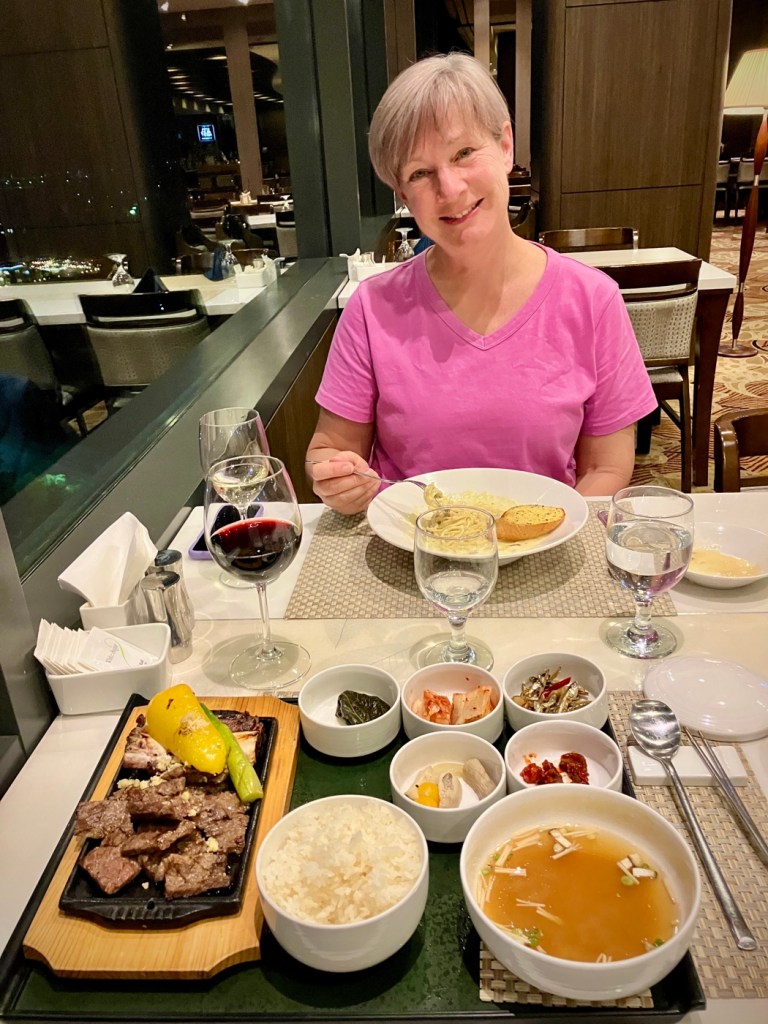

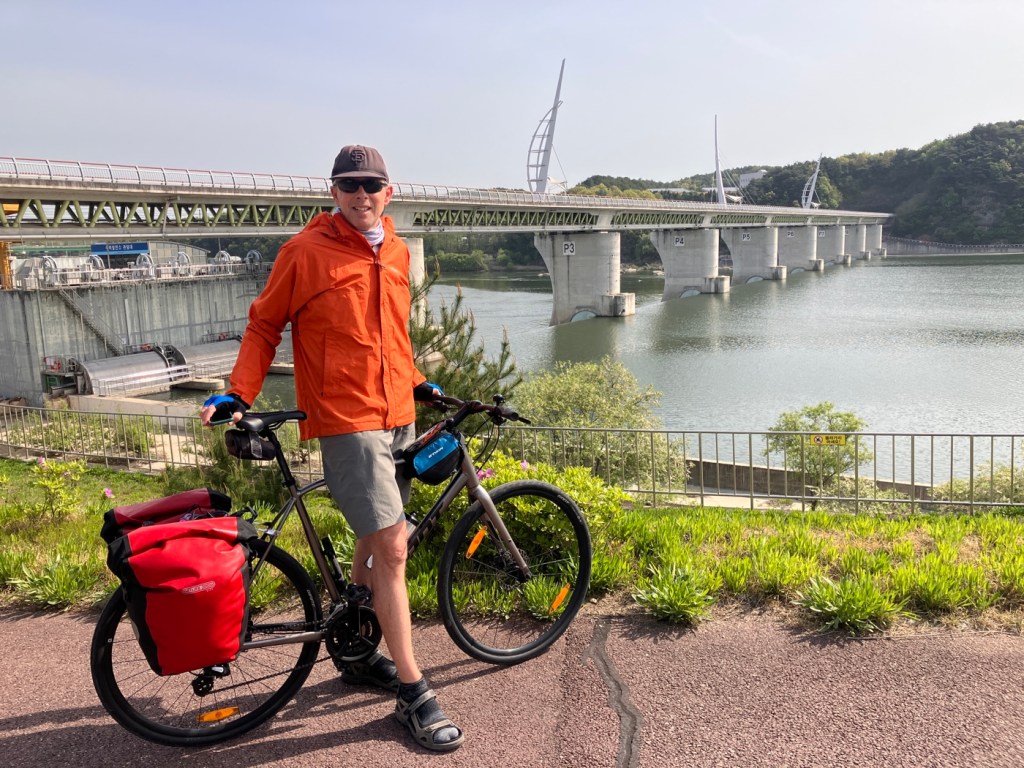
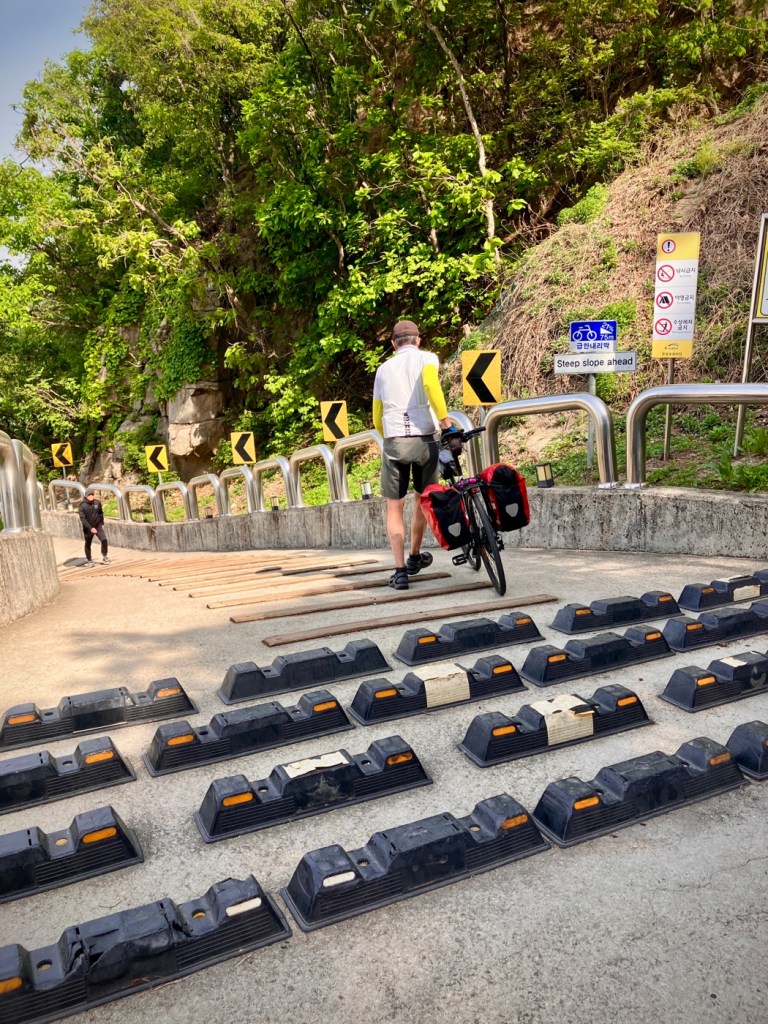

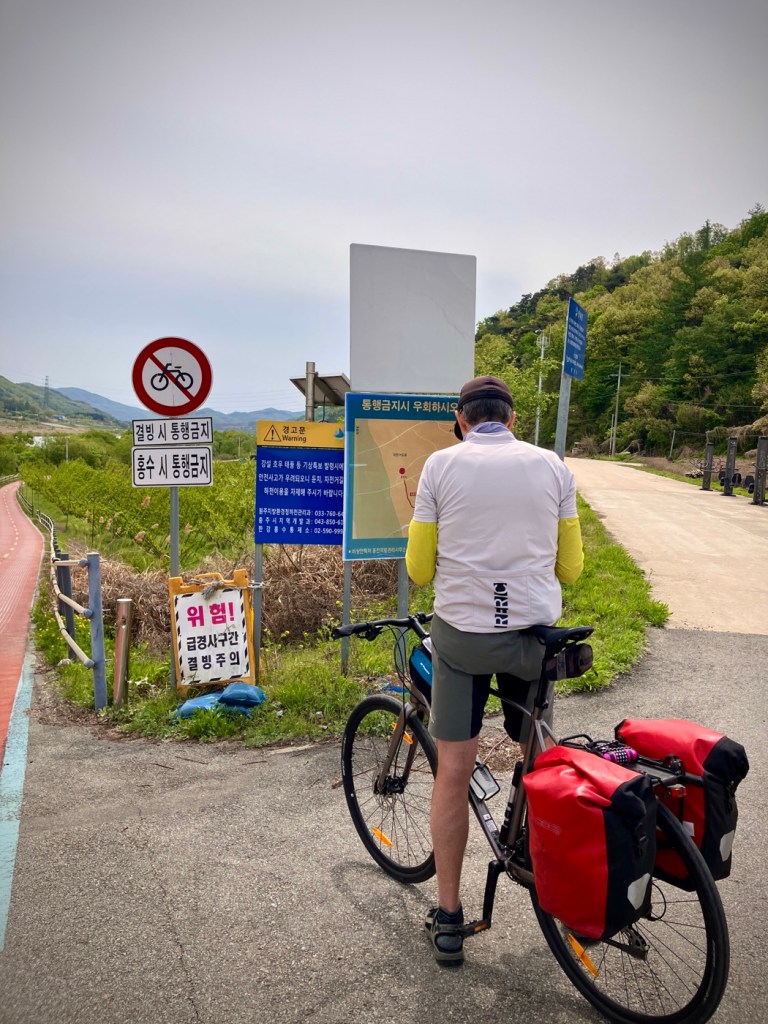
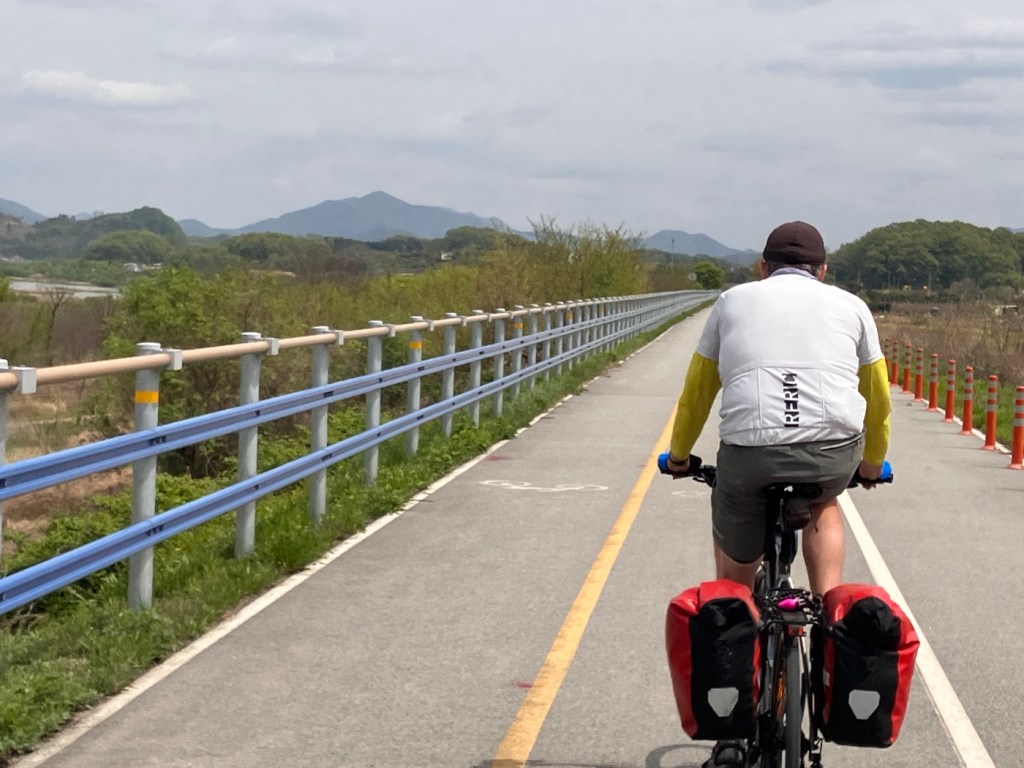
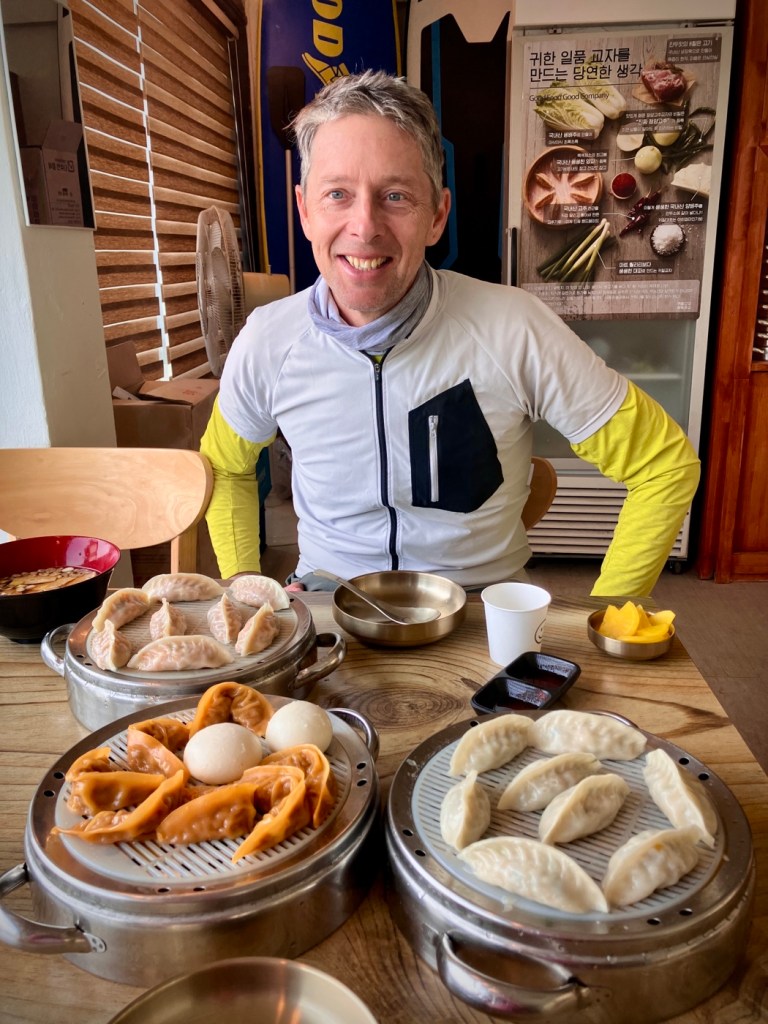


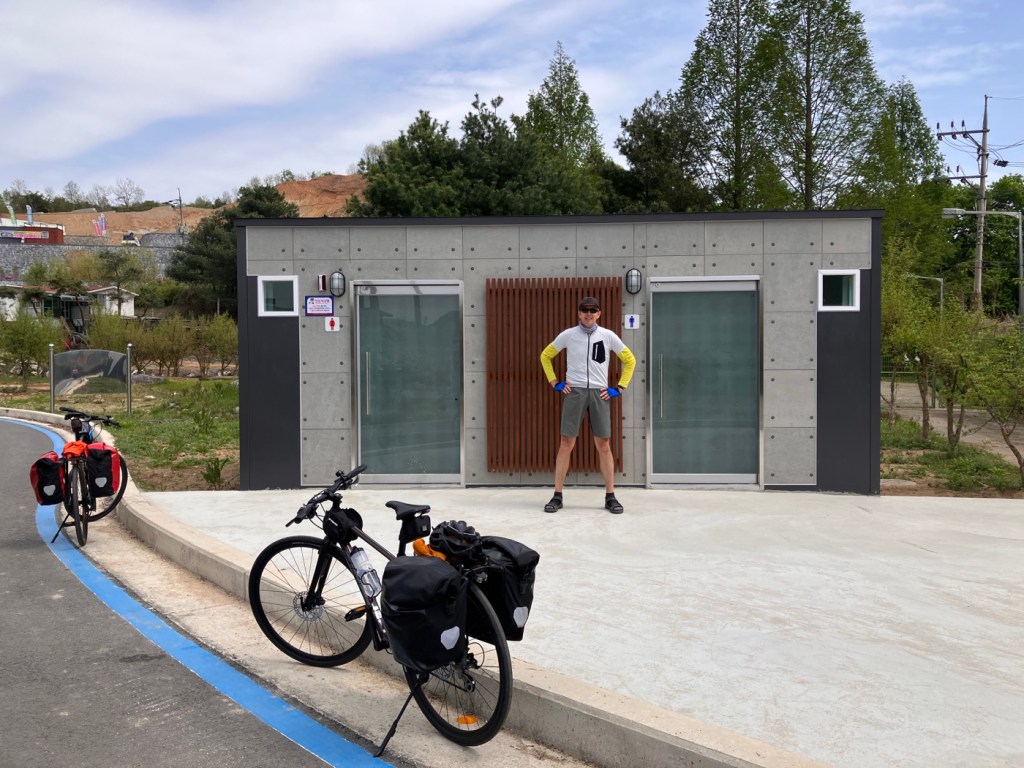

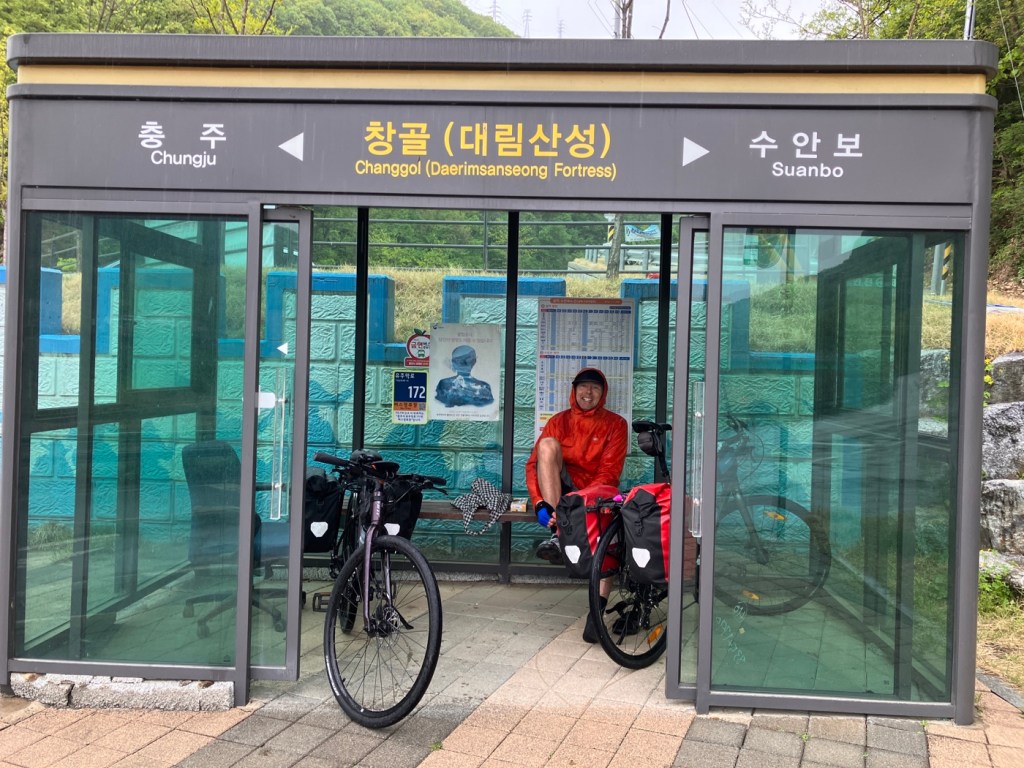


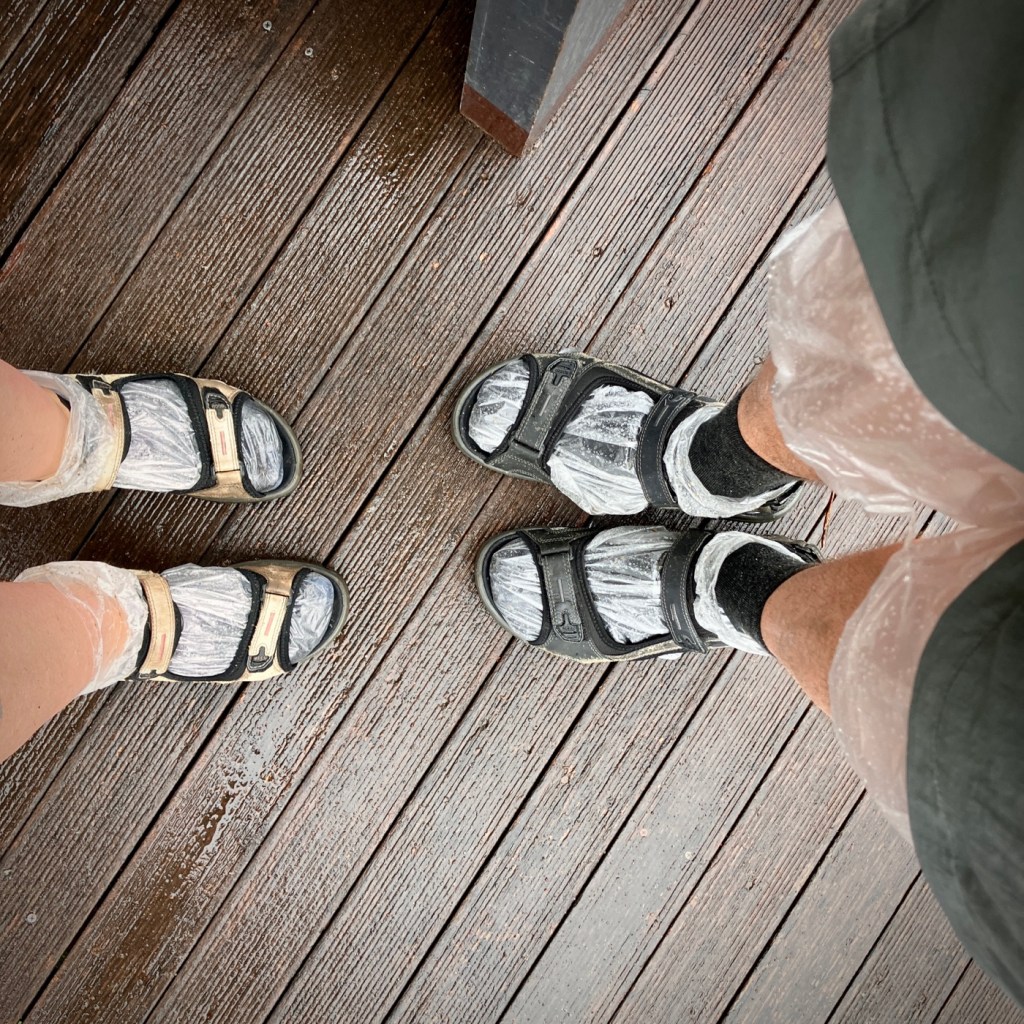

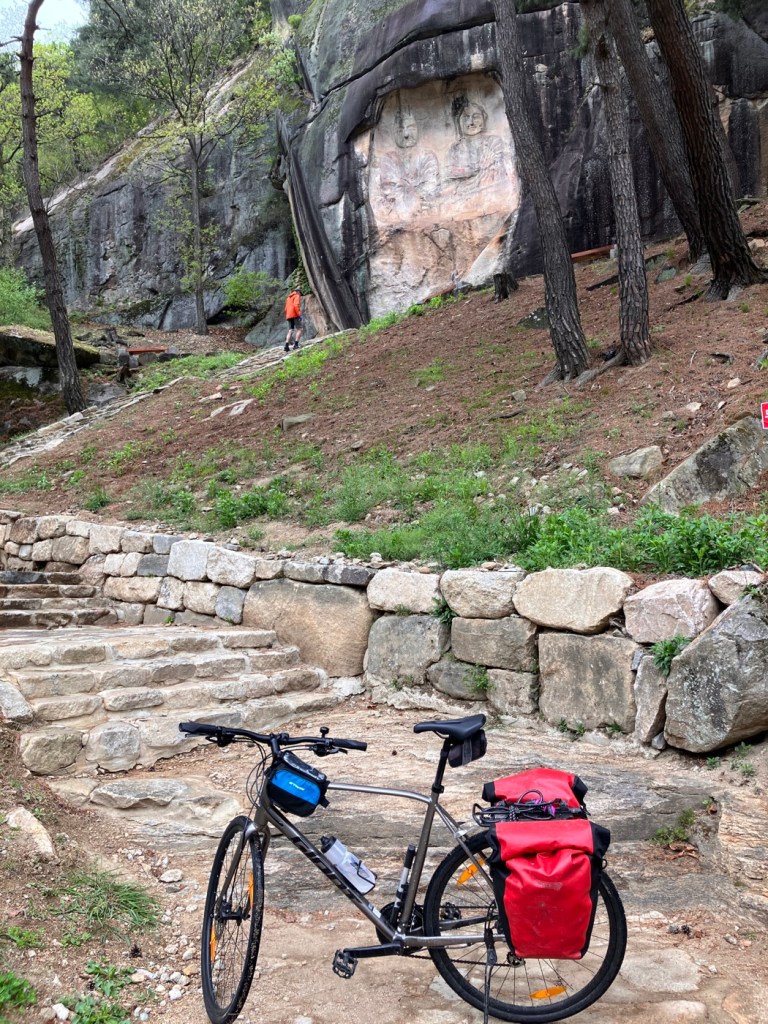

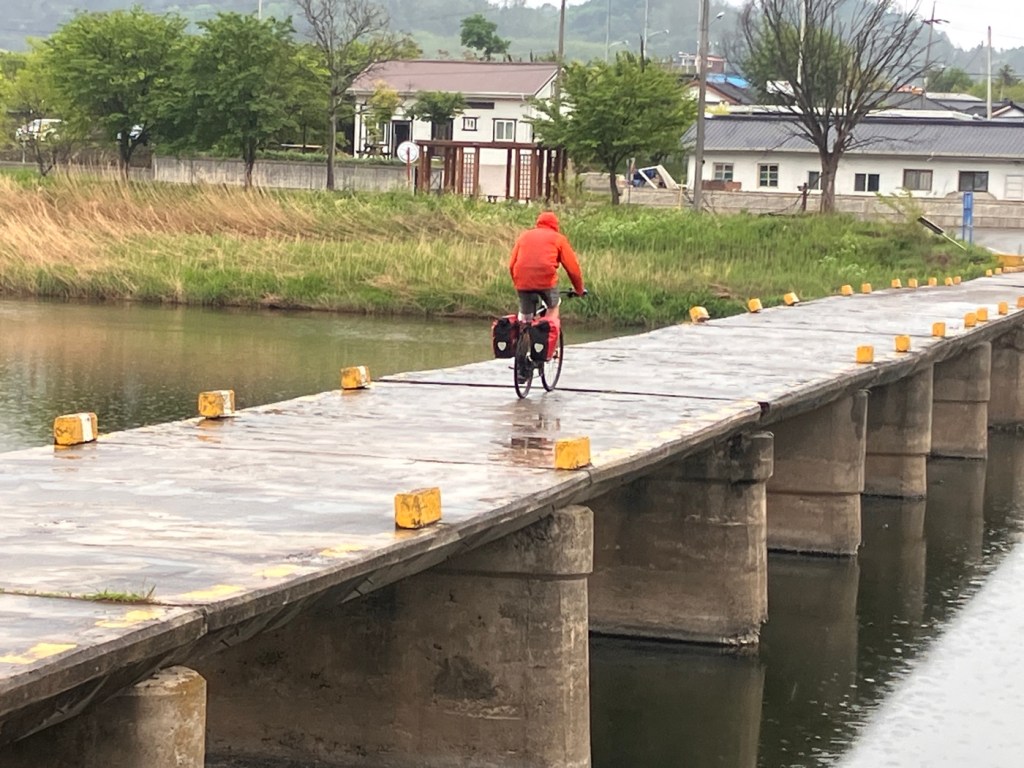
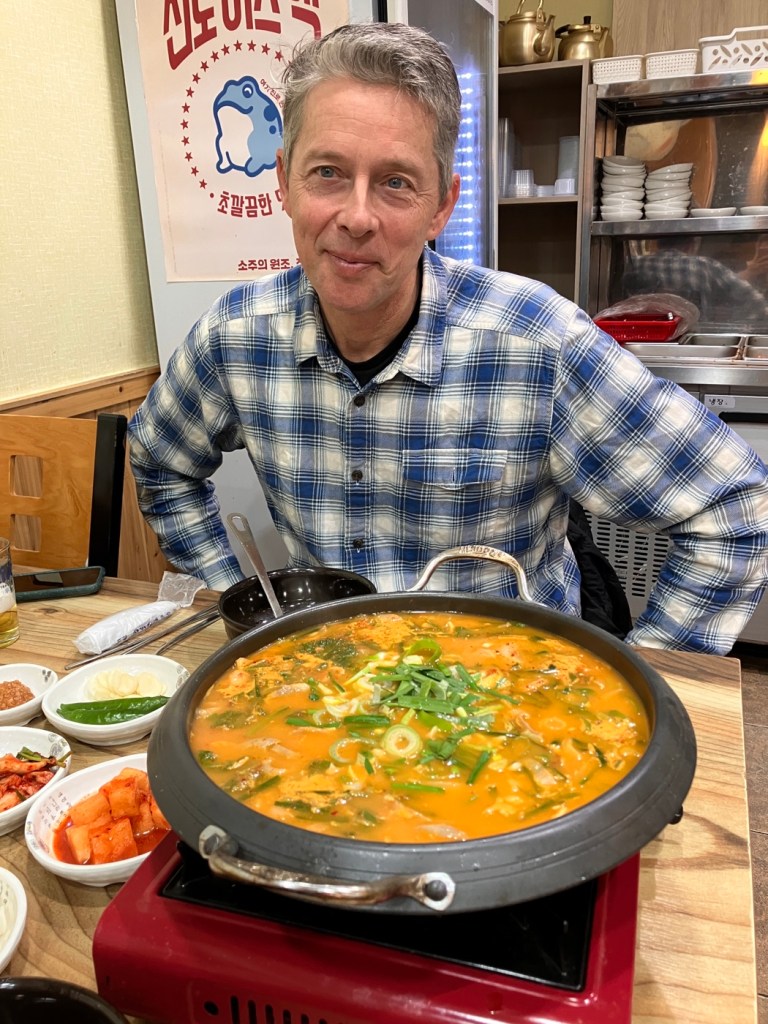


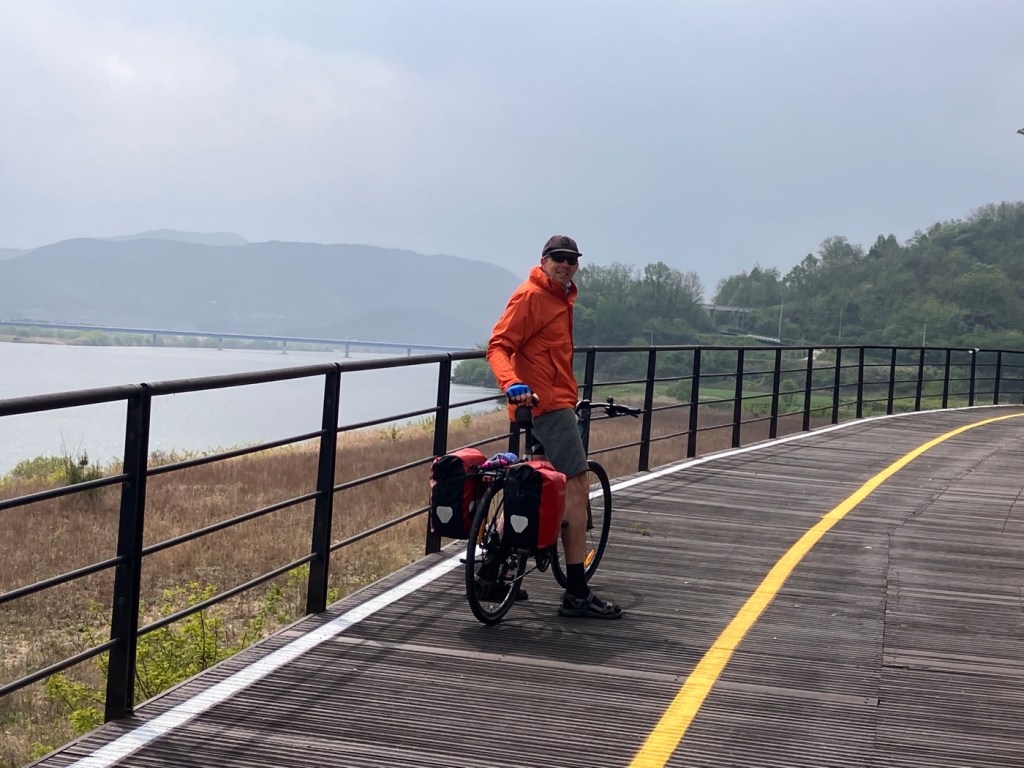
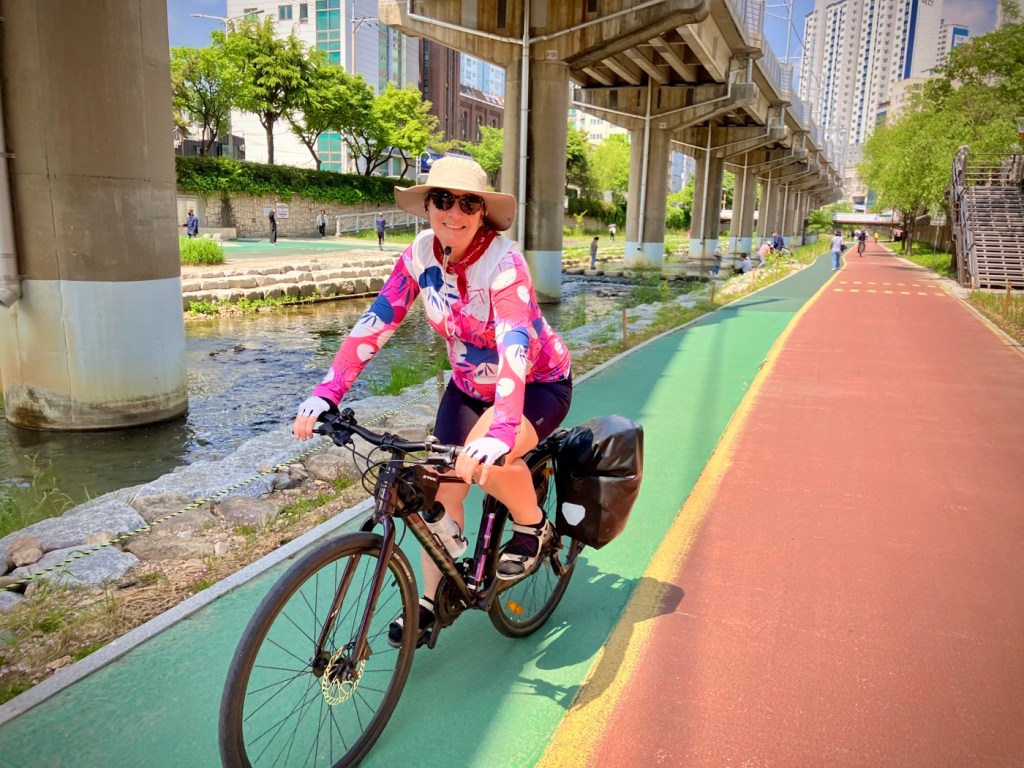


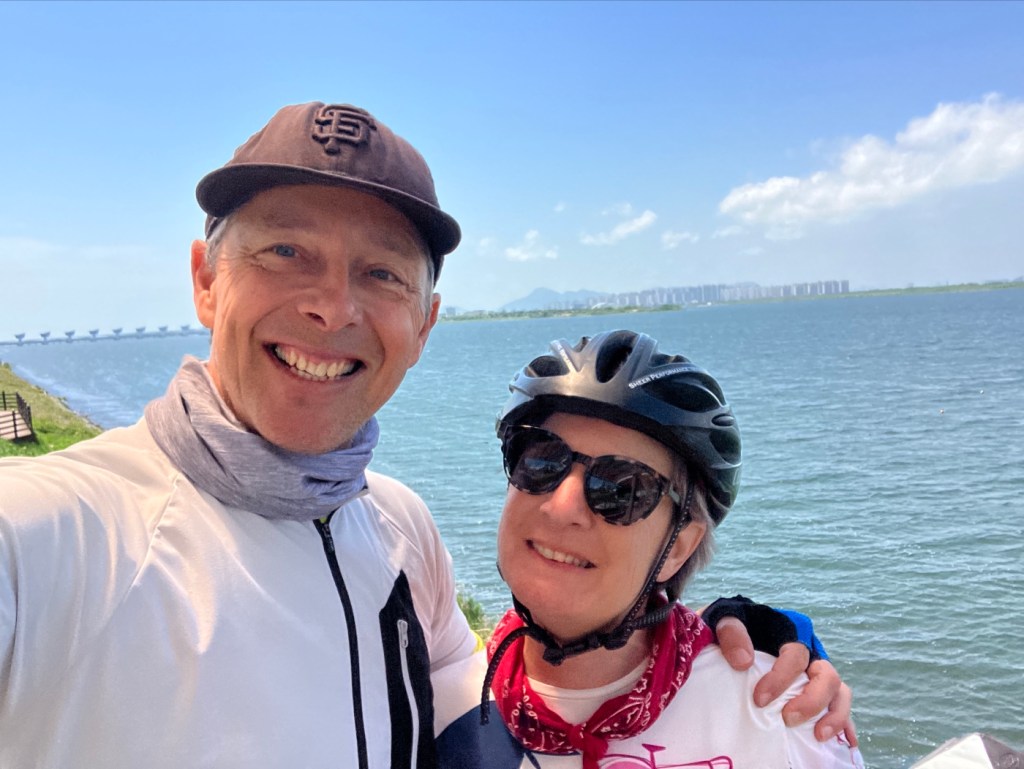

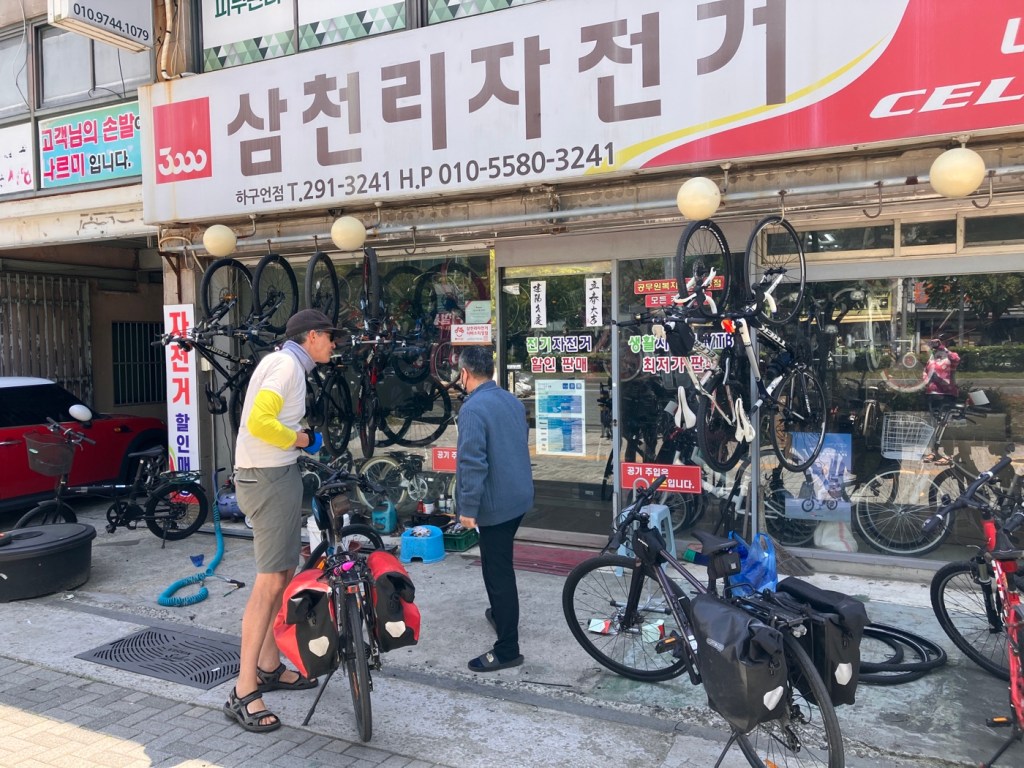

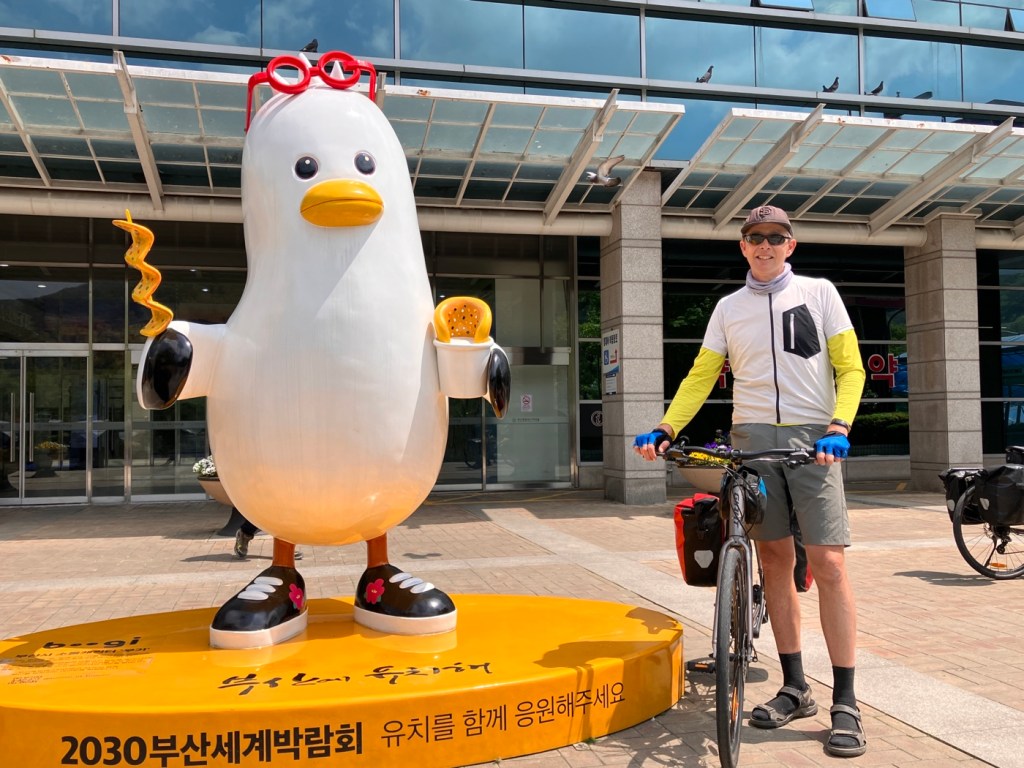
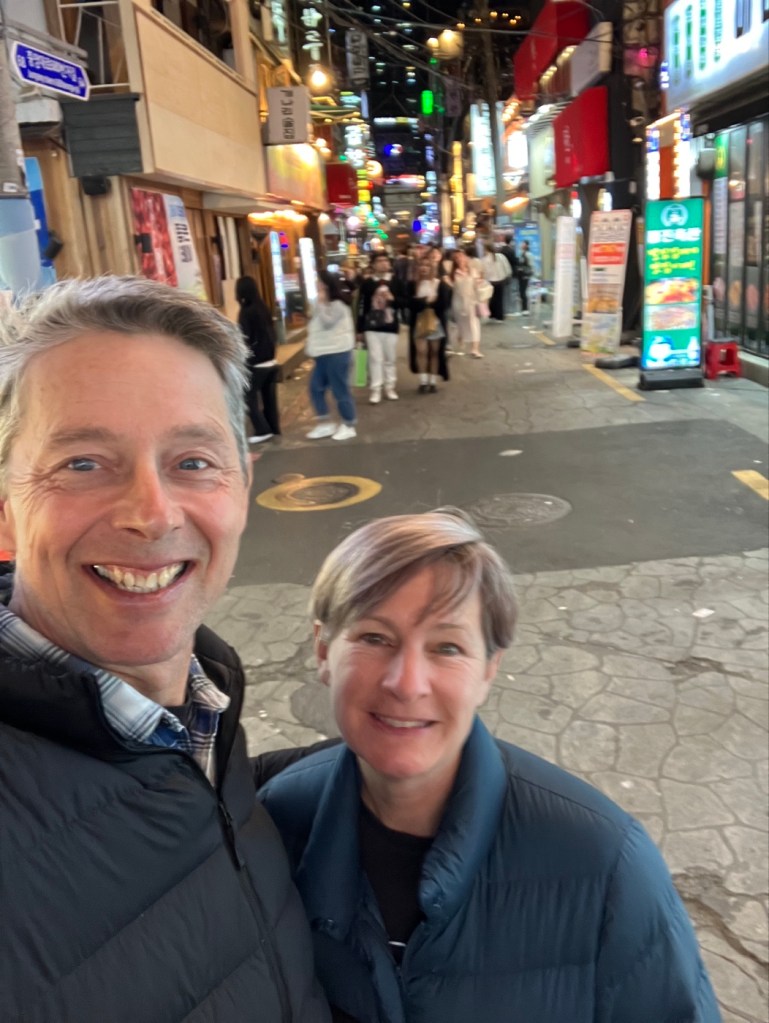
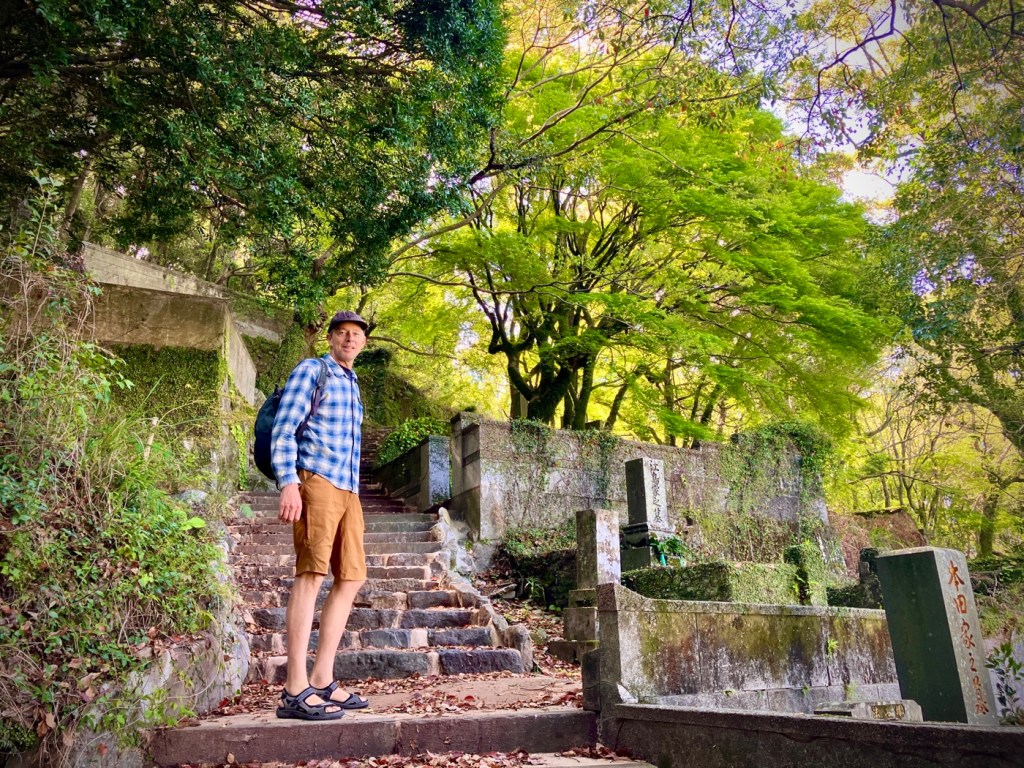
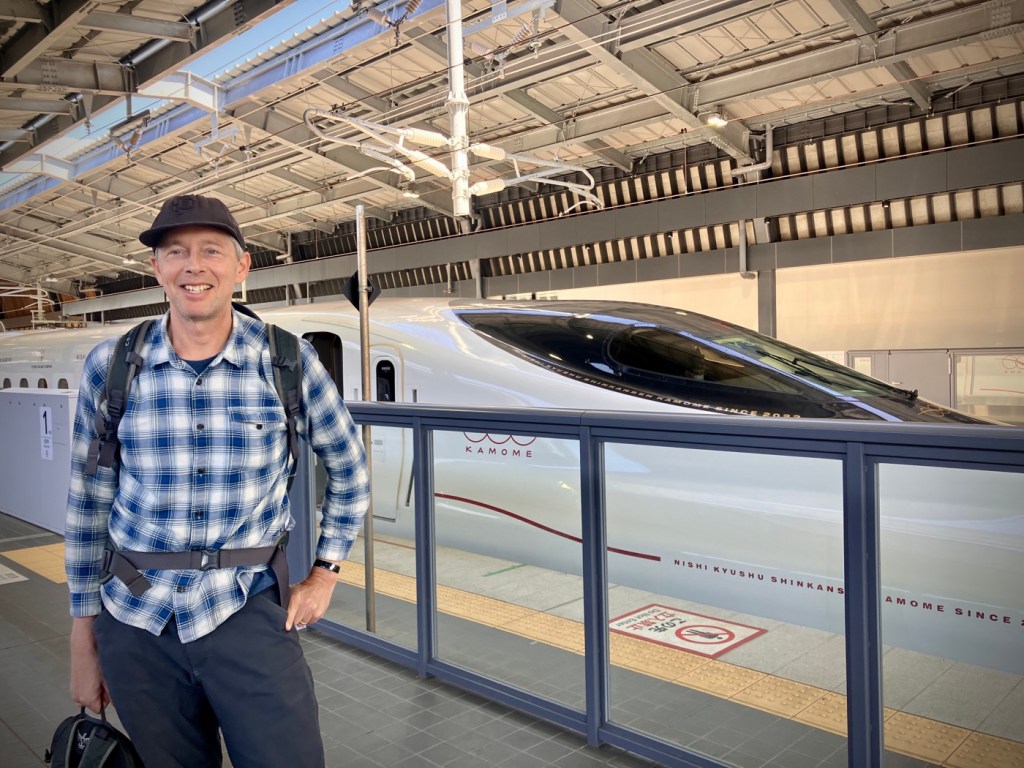
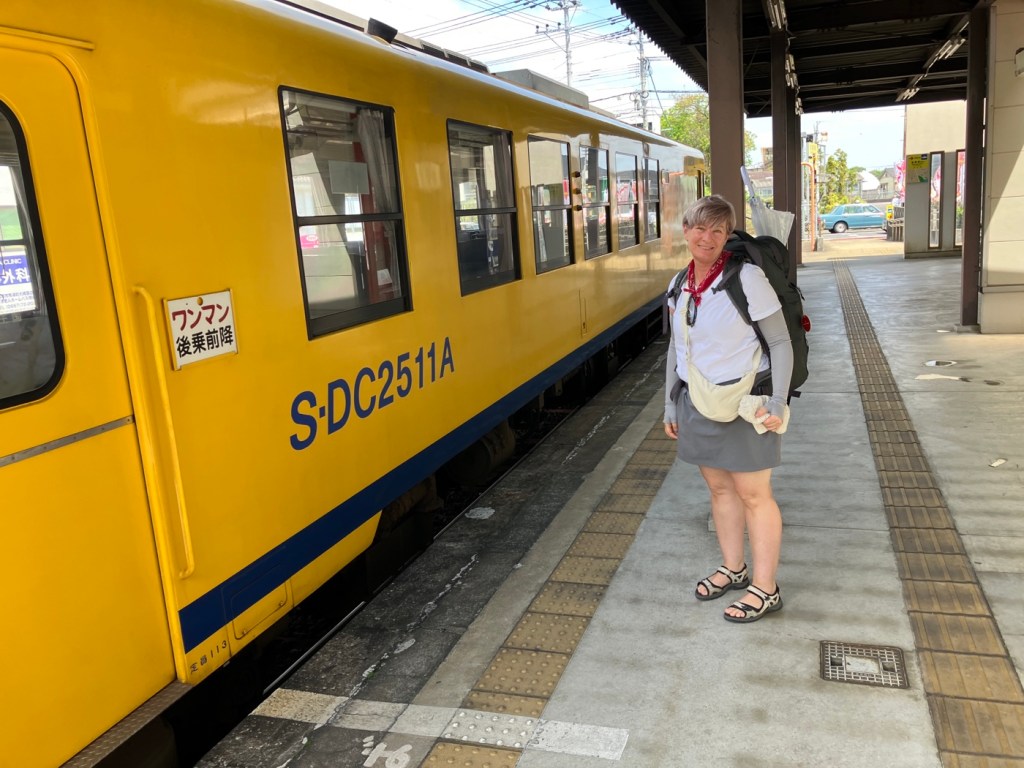
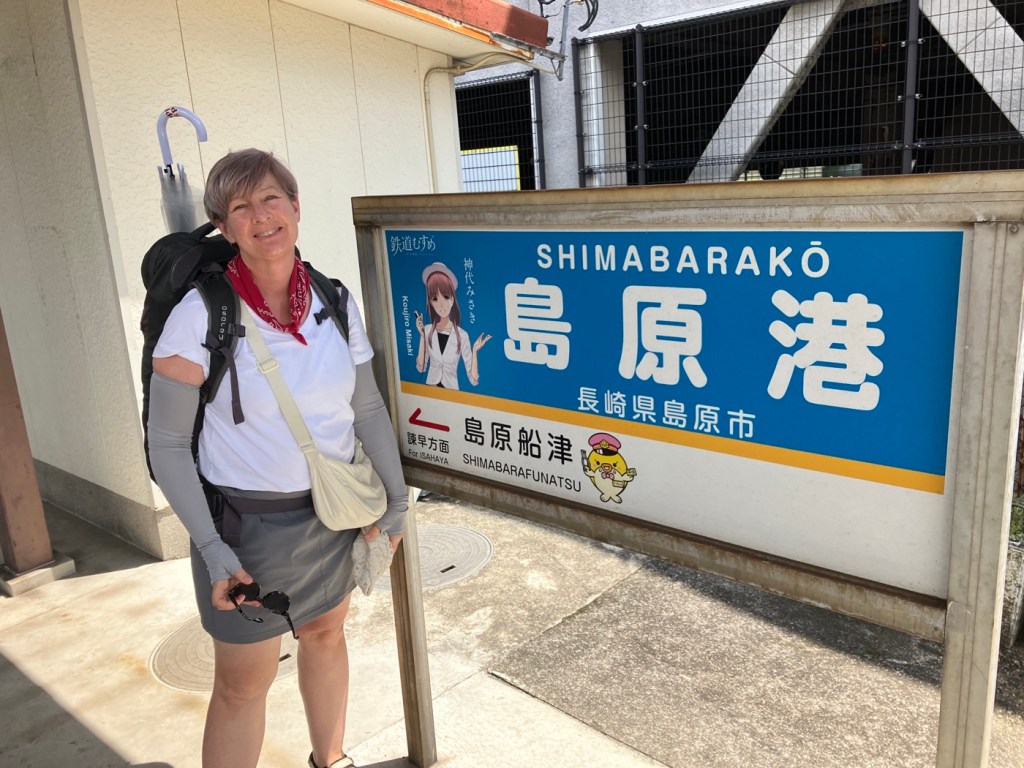
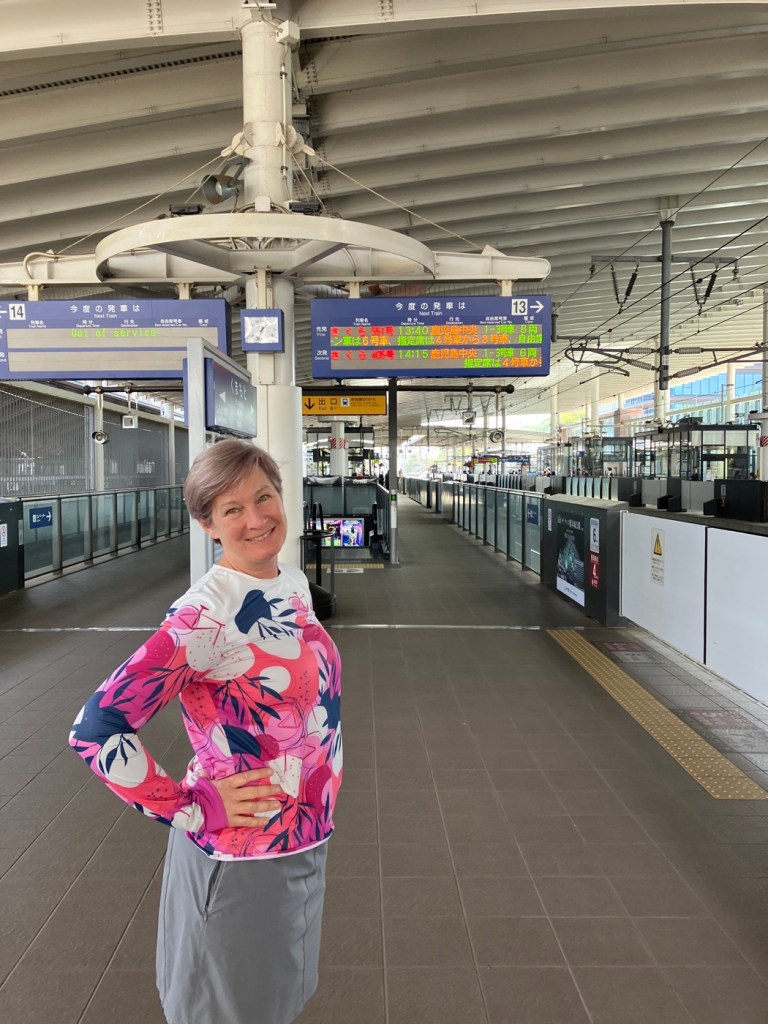

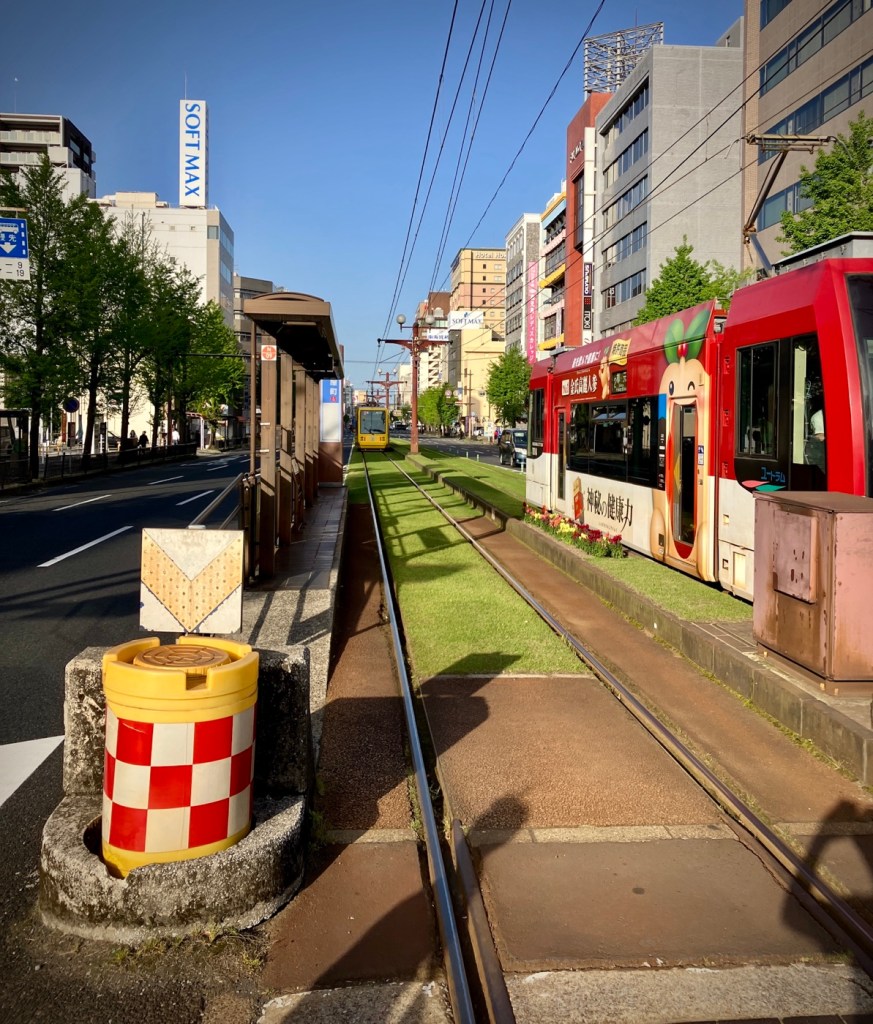


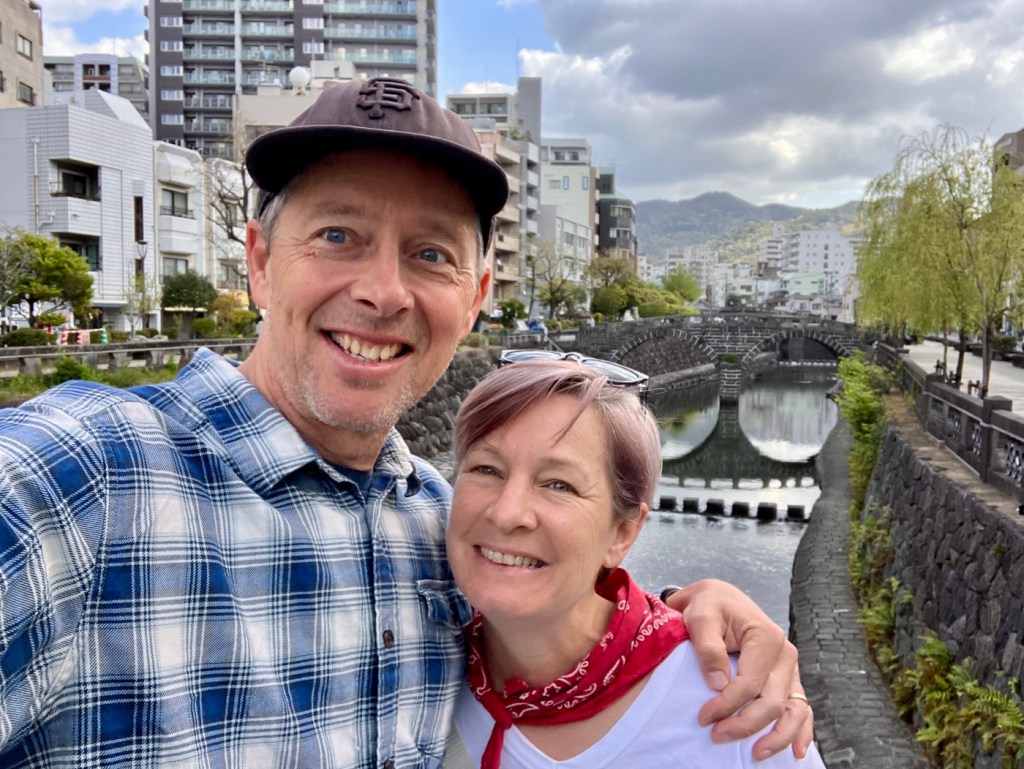




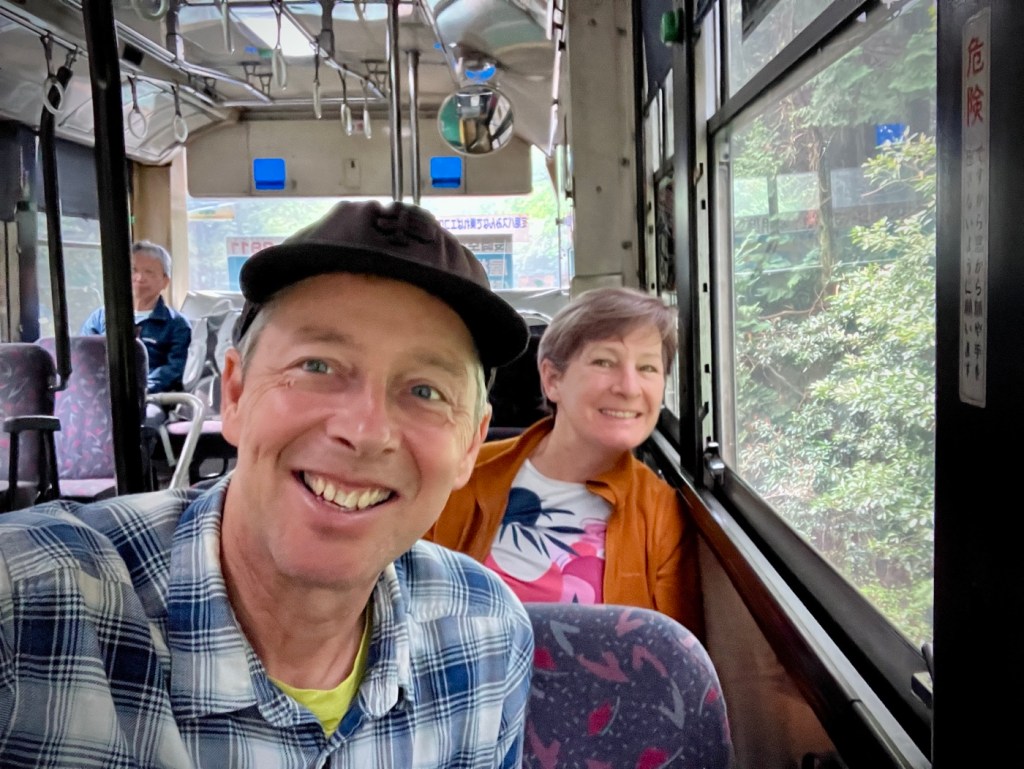

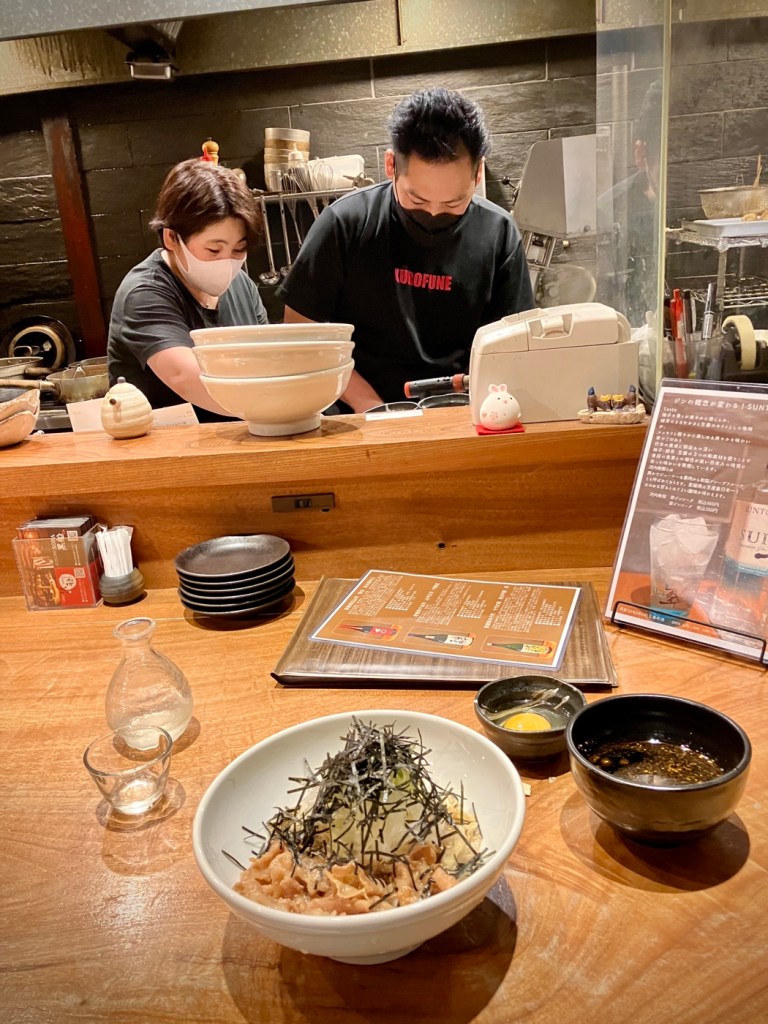

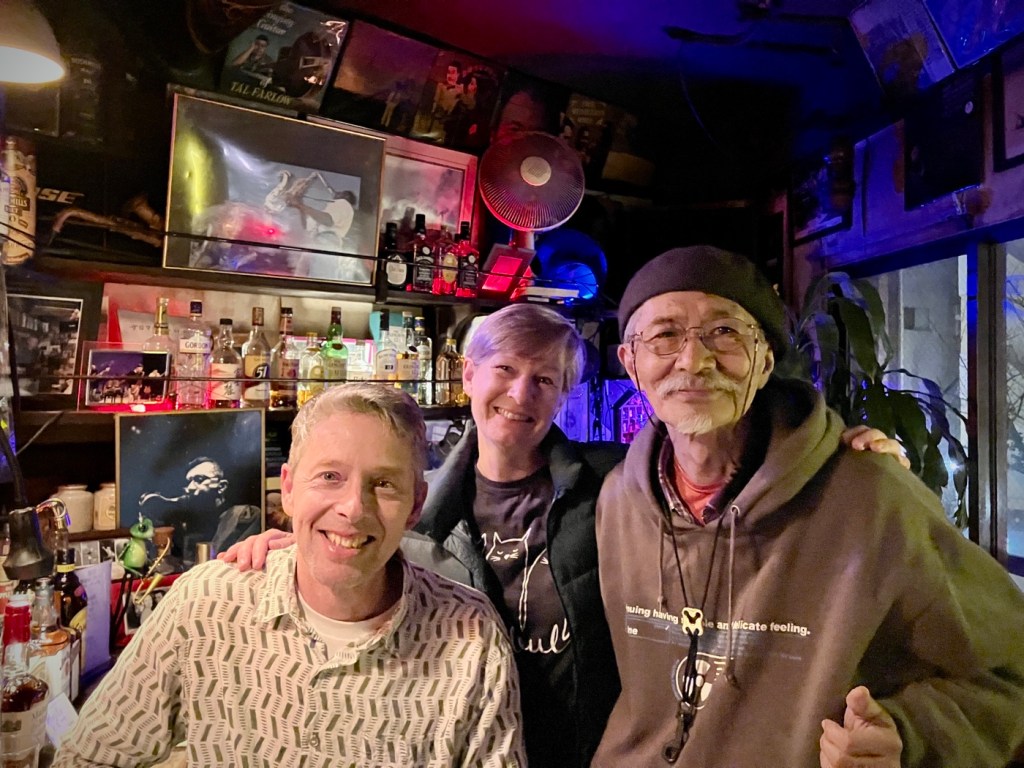


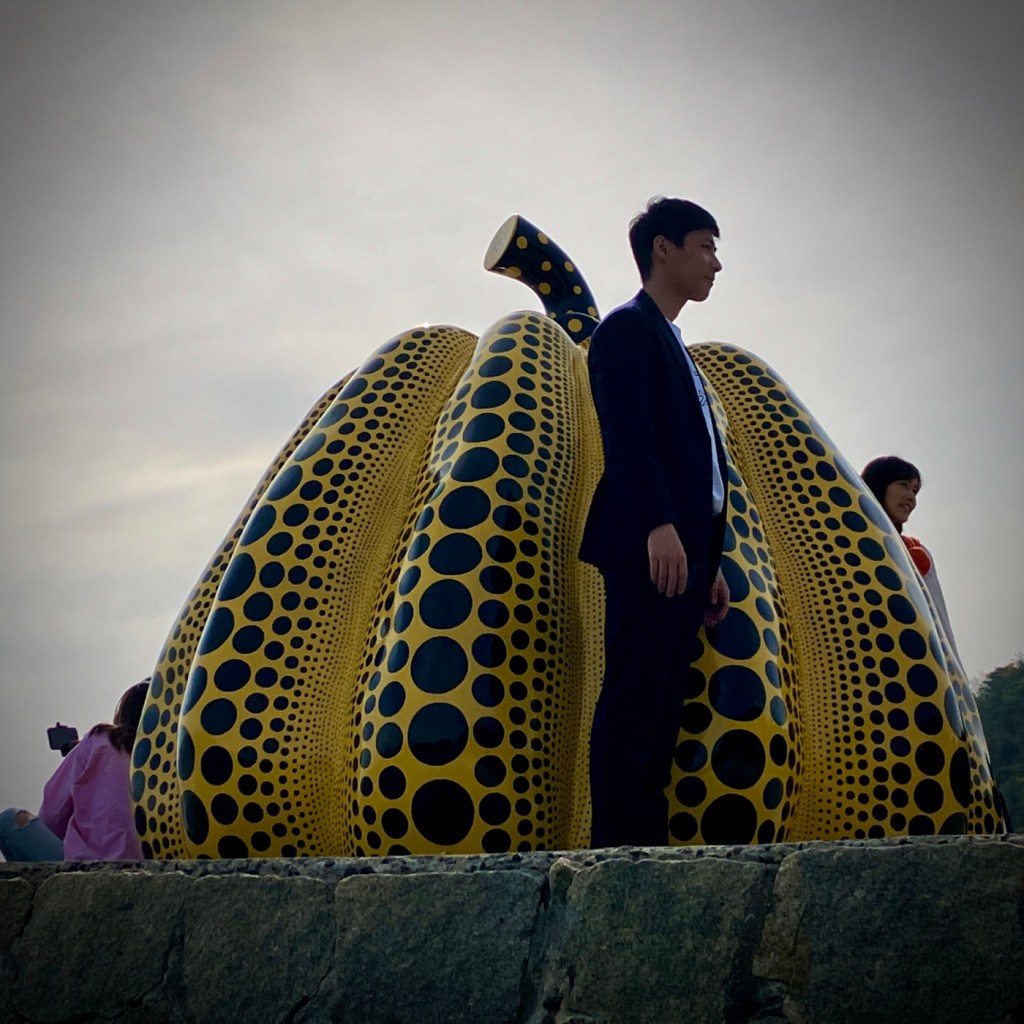
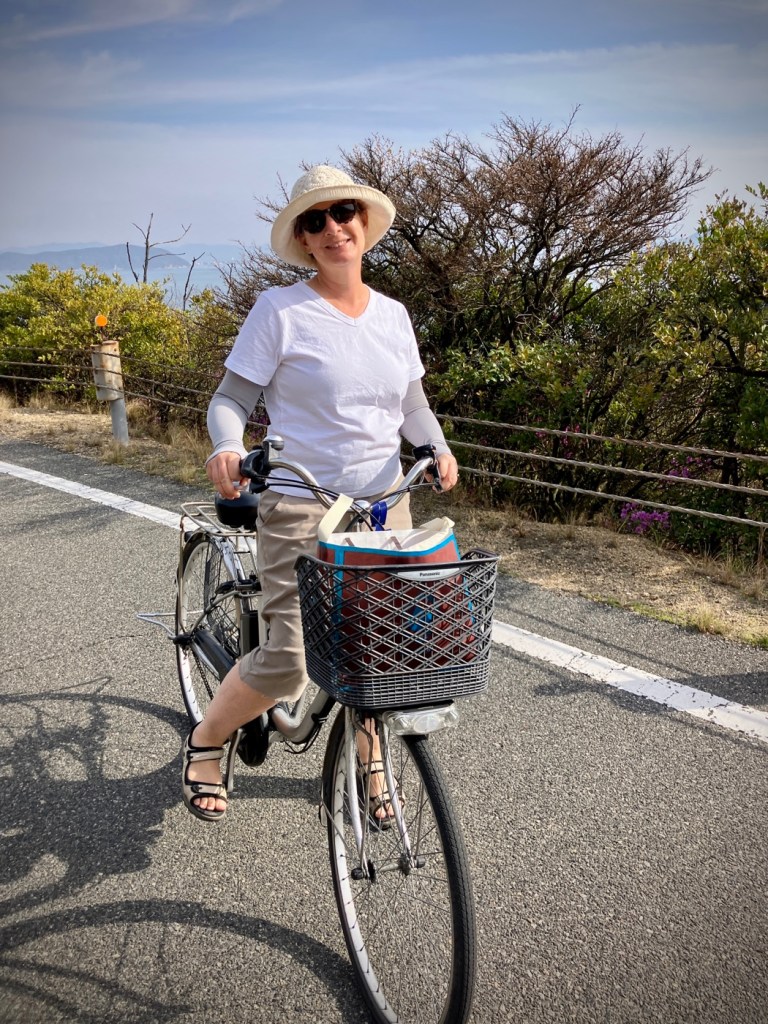
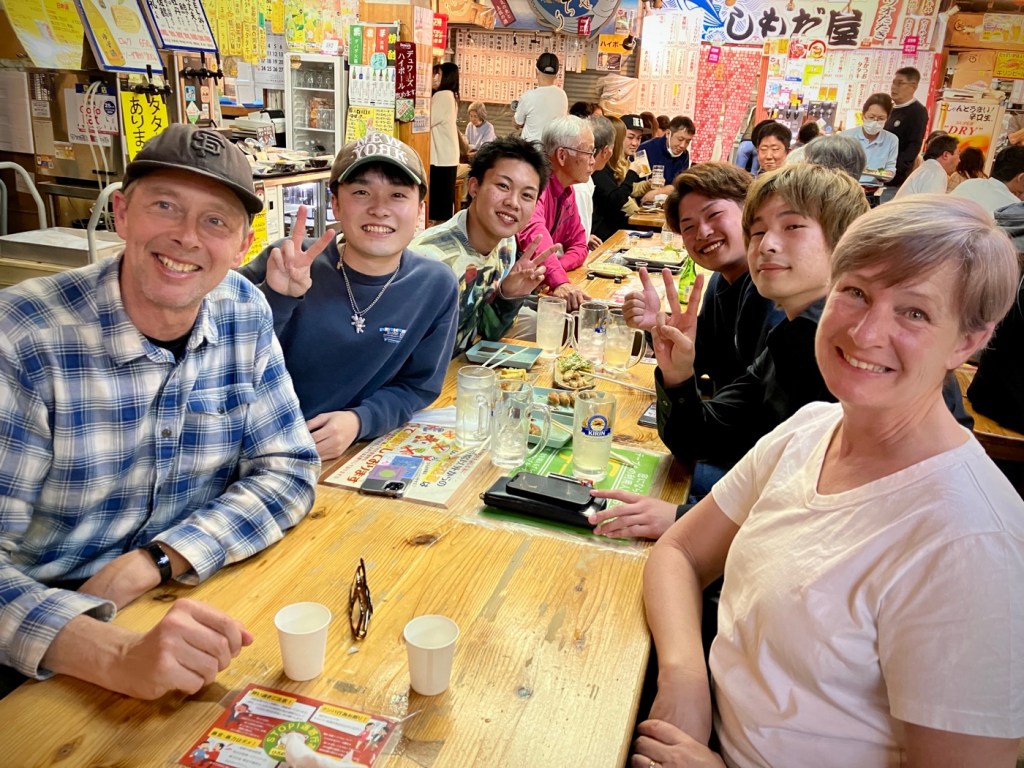


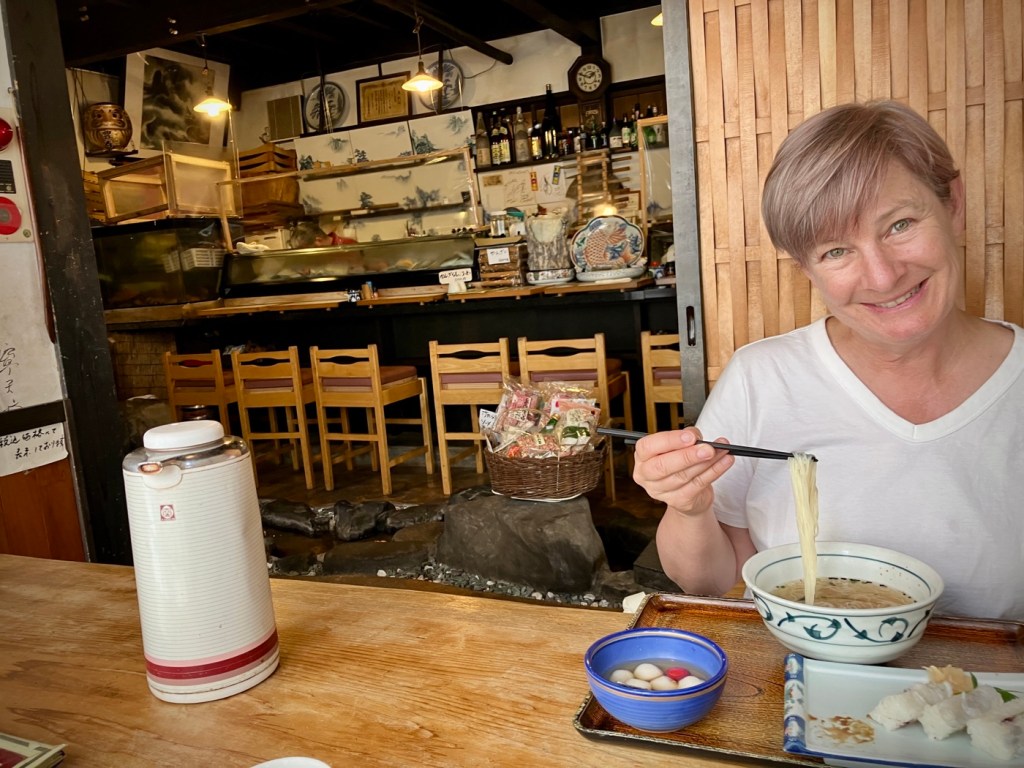
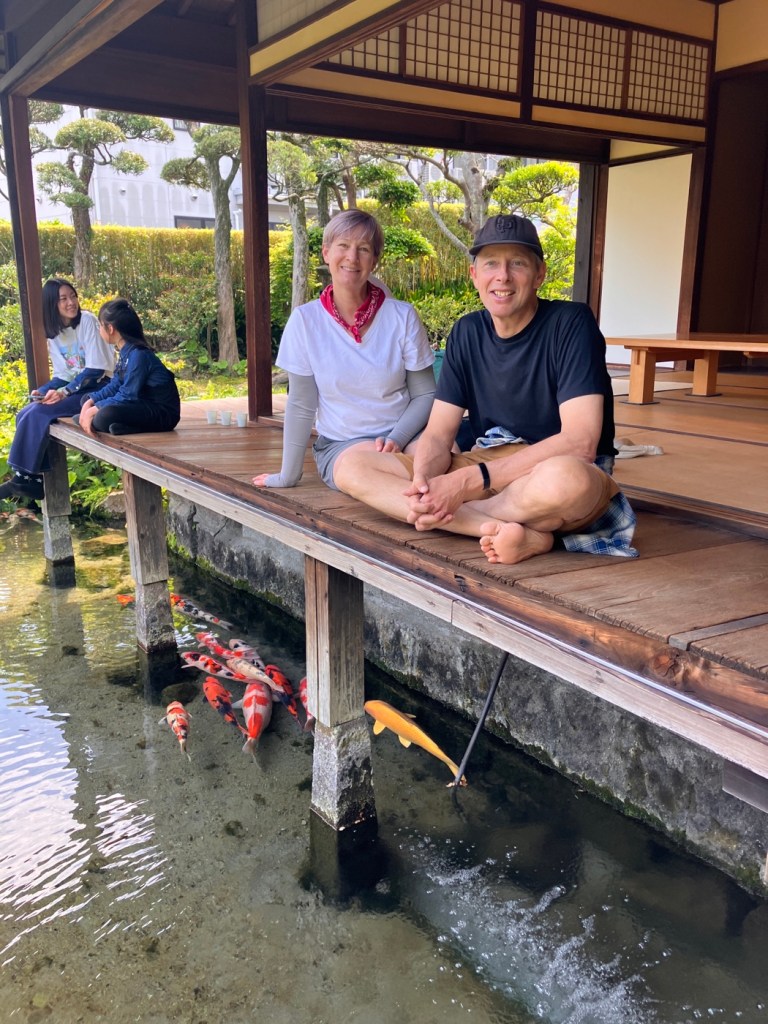
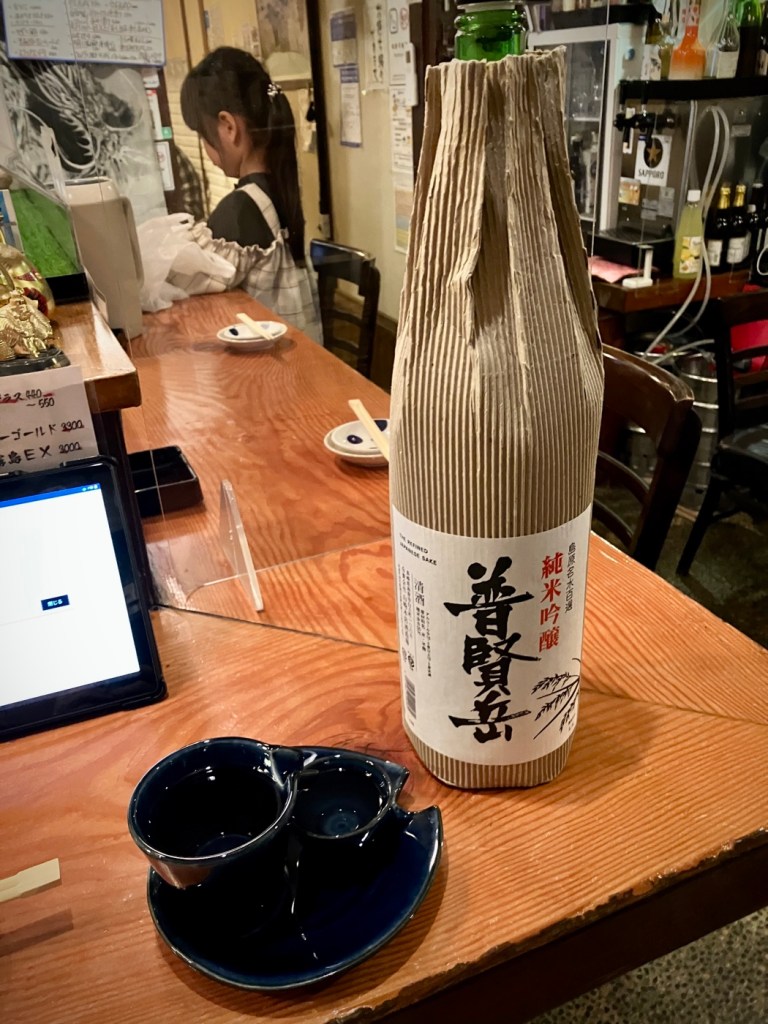
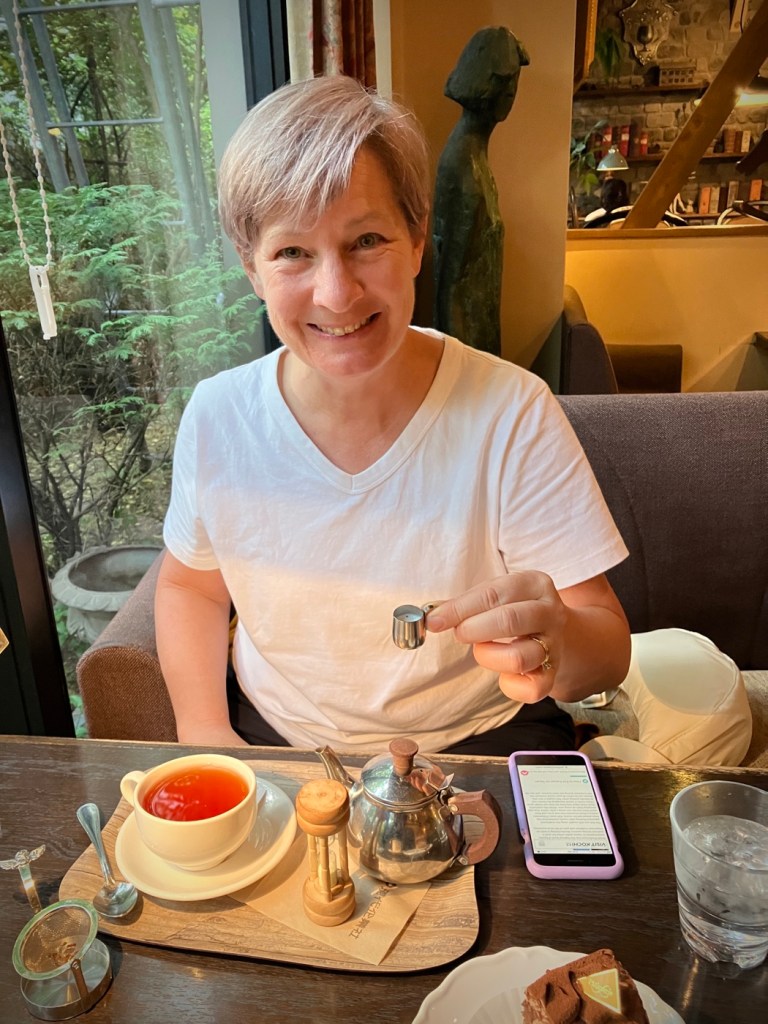
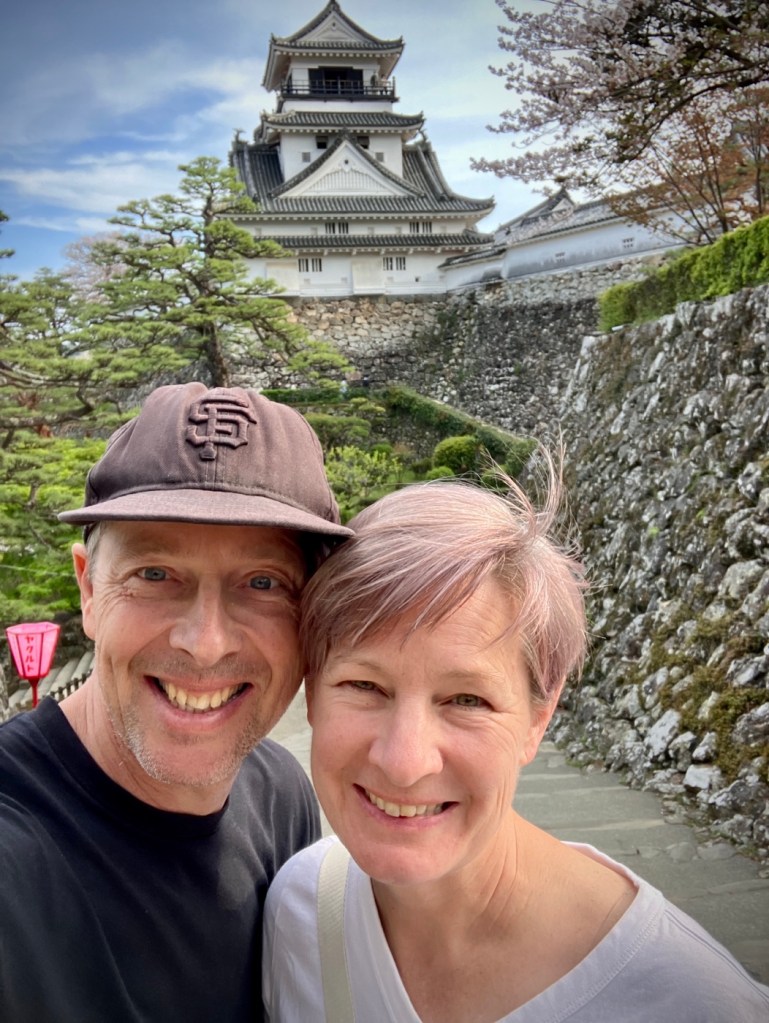

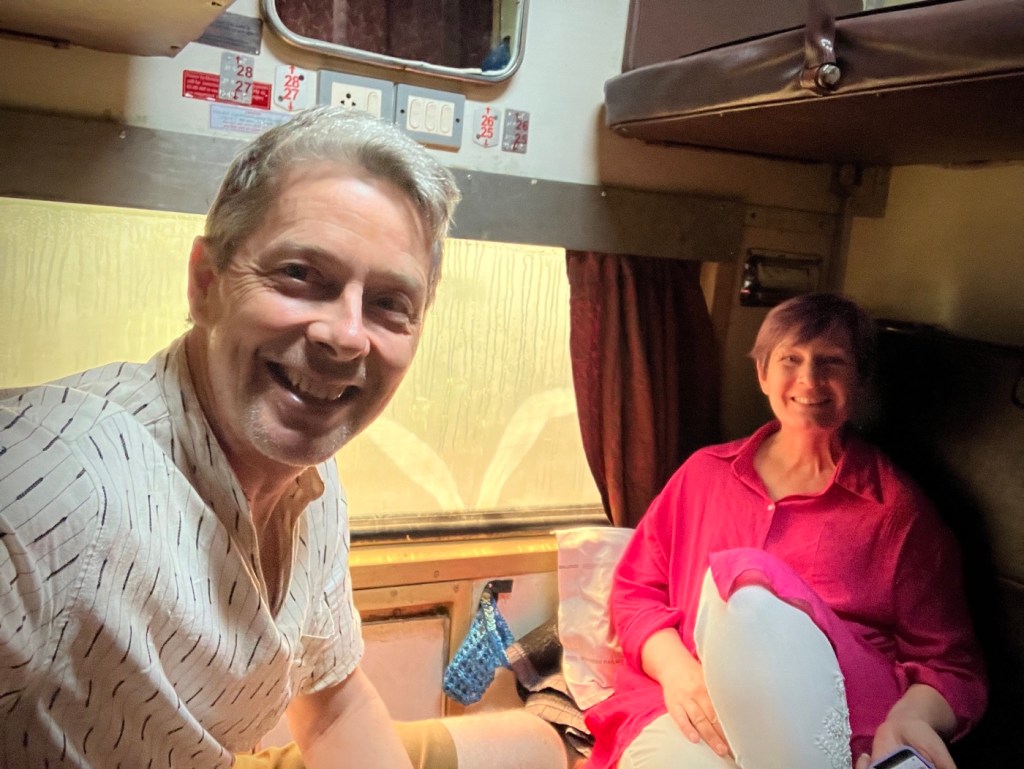


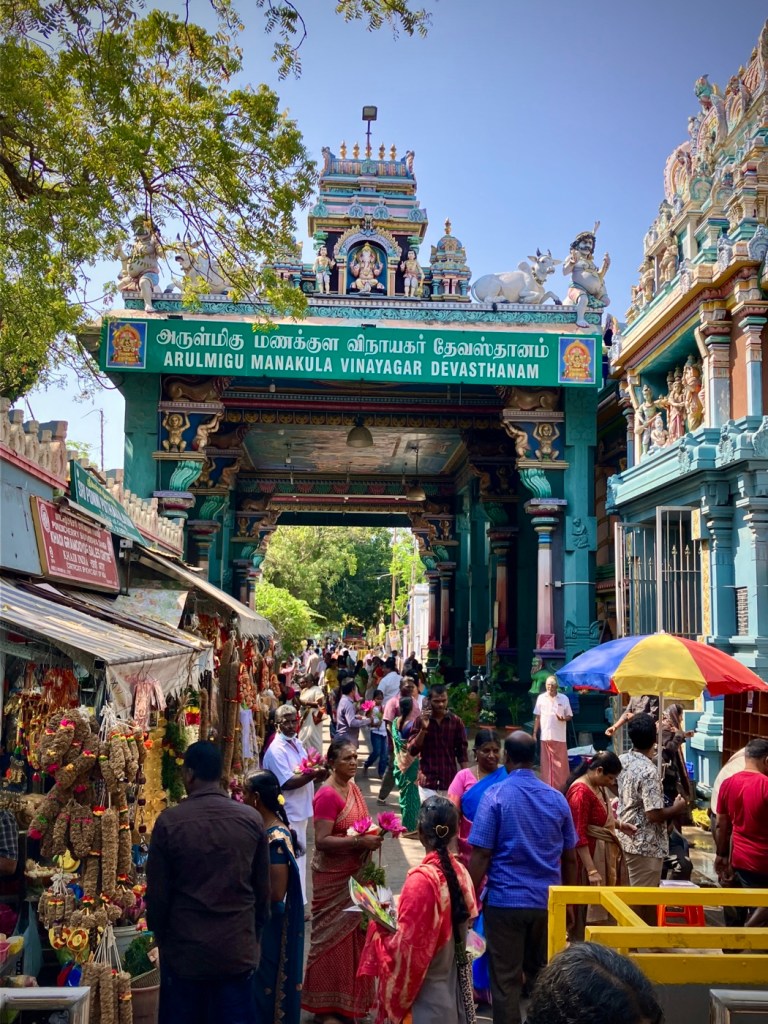


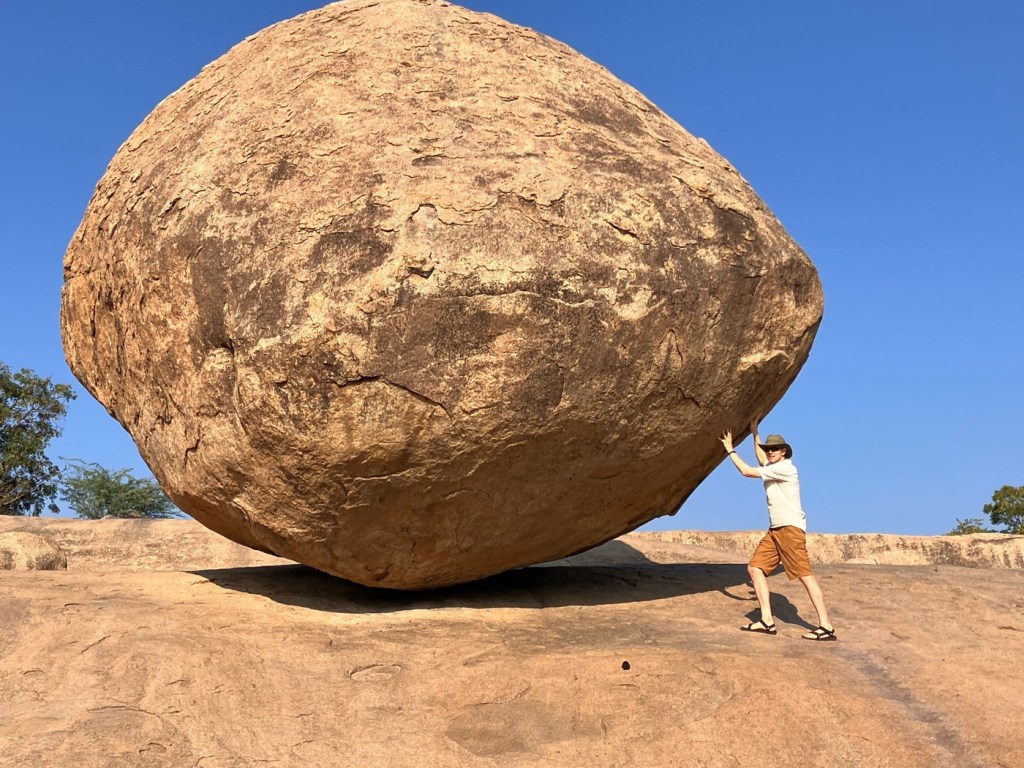


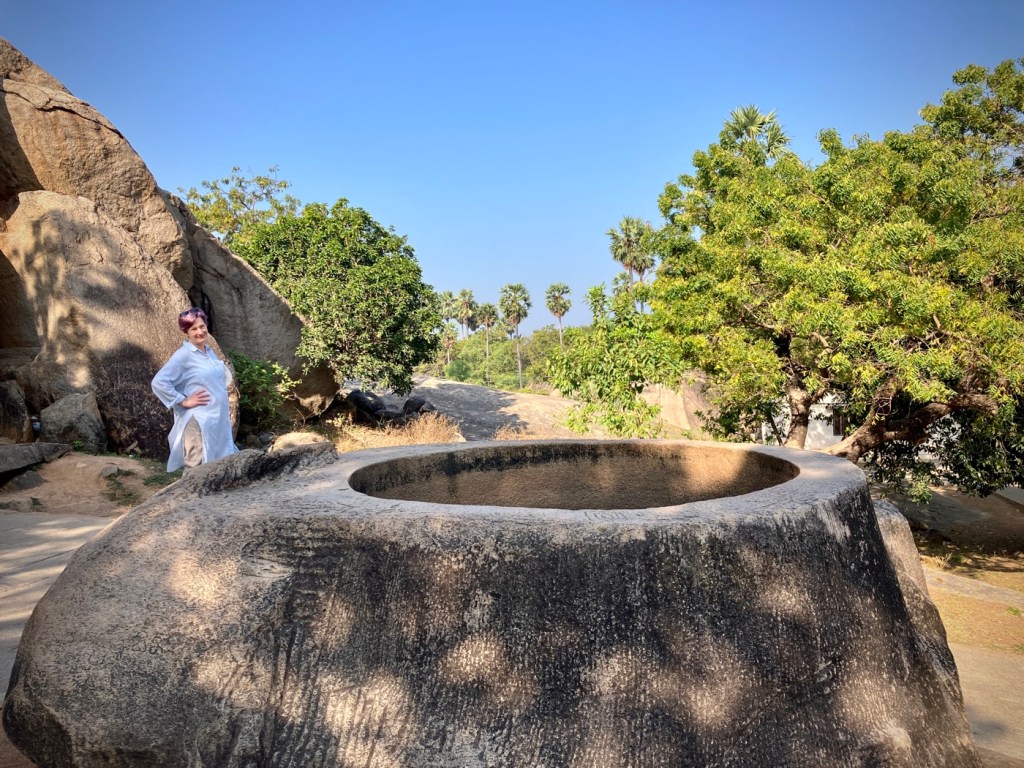


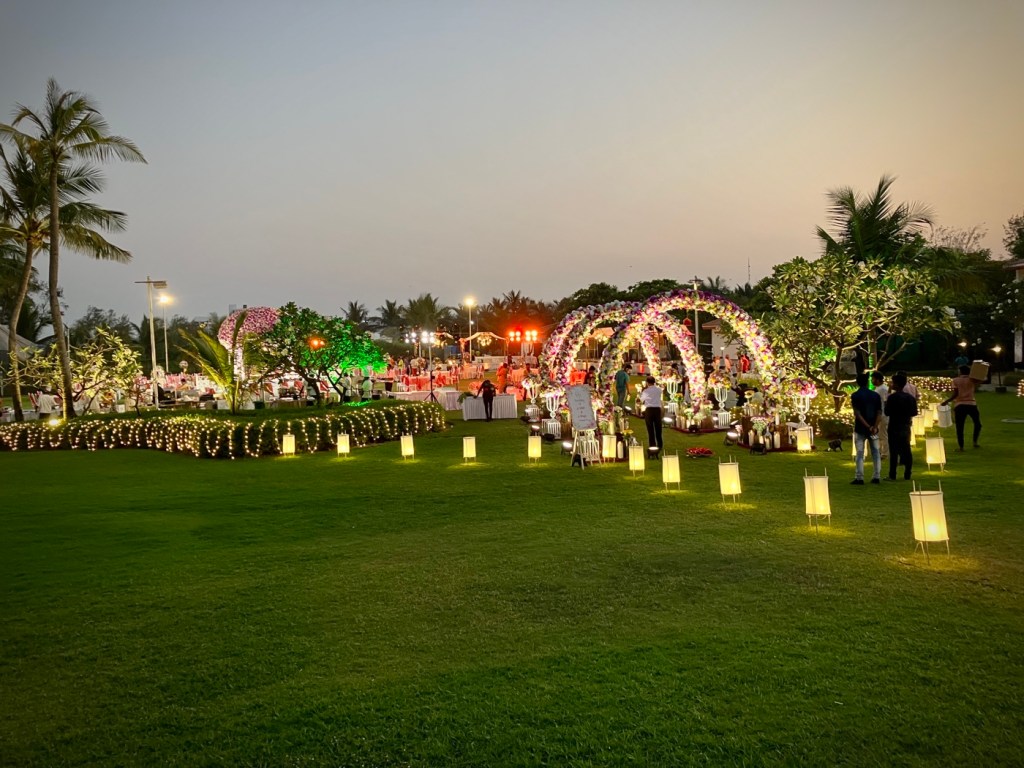

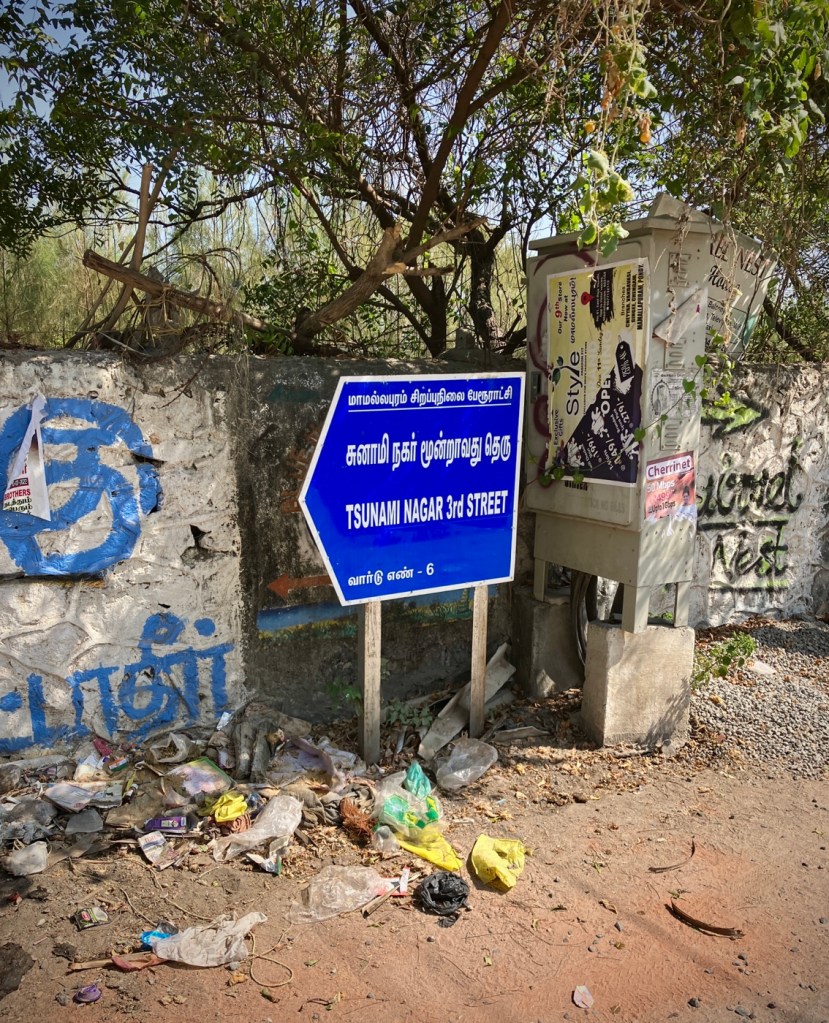
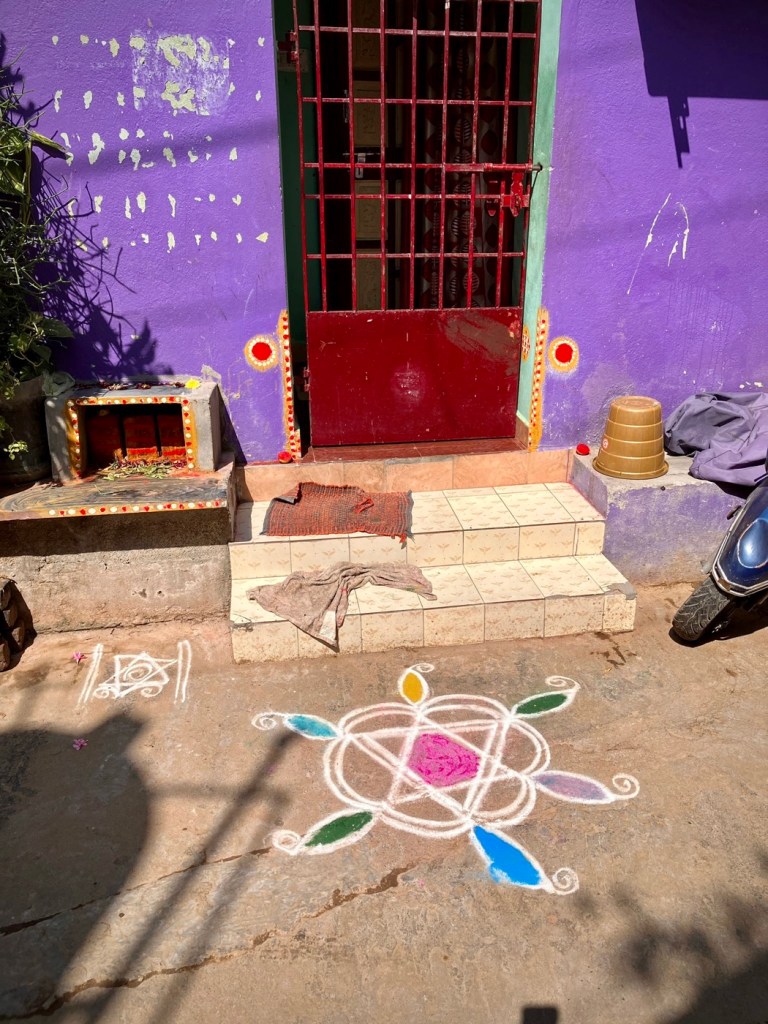


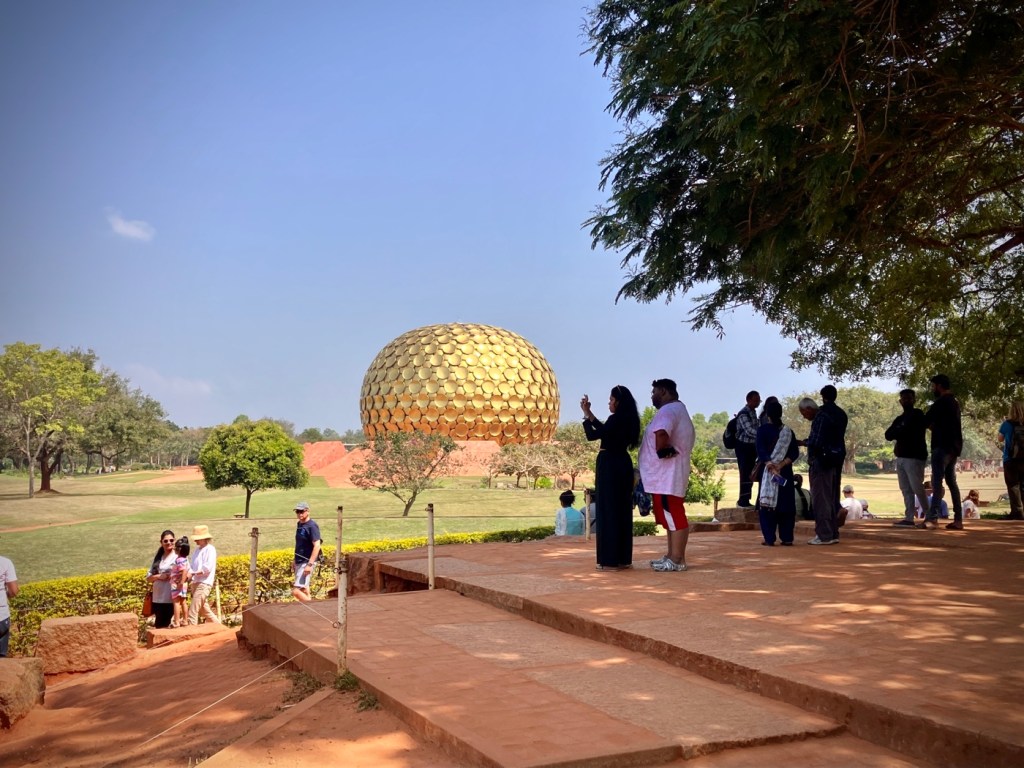


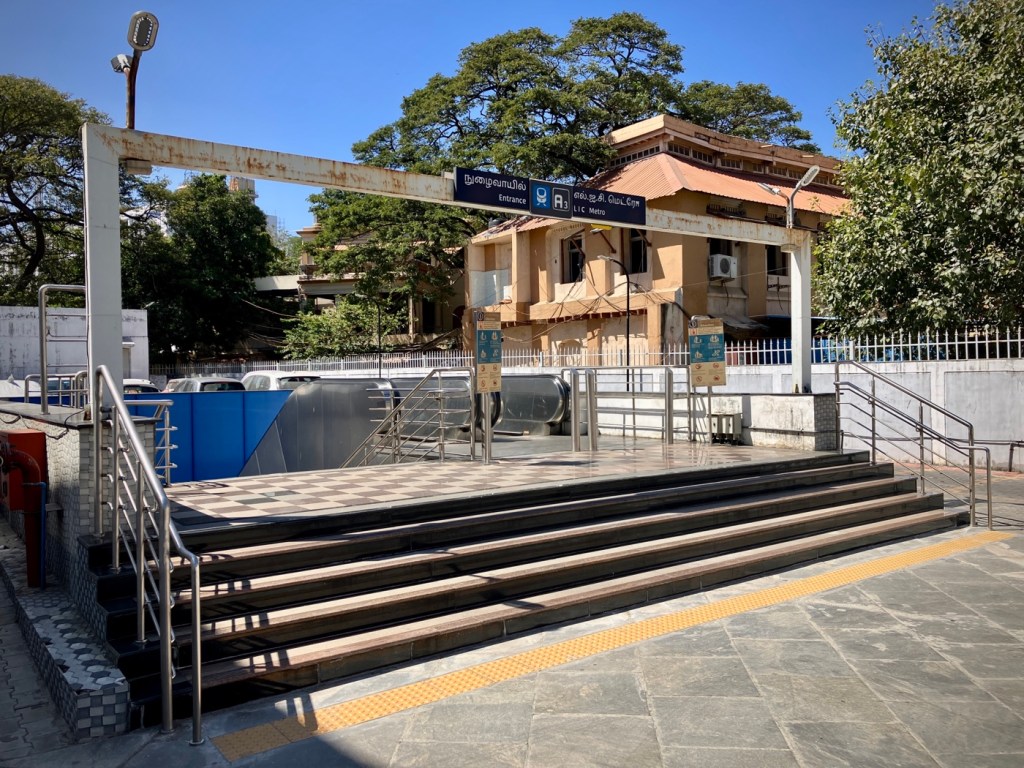


 Less Car, More Life