We continued our Northwest summer ramble out of Seattle and headed up I-5 about an hour and a half to Bellingham, WA.
Emerald or « Toad Lake » near Belingham, Washington.
Closer to Vancouver than Seattle, Bellingham frequently appears on “Best places to retire is the USA” lists or click bait, and for good reason. It’s a small city (90k) on Puget Sound in a beautiful natural setting, kept vibrant by the constant youthful churn of 14,000 students at Western Washington University. This was our third visit to Bellingham, but the first time we had spent a week.
My summer bike at Clayton Beach, part of Larrabee State Park and the Chuckanut Mountains
Our house sit was across from a small lake at the edge of town, but amazingly secluded up in a steep vale in the local foothills of the Cascades. Our responsibilities included a very sweet outdoor dog and seven chickens. The dog was reportedly standoffish but we soon bonded with him and enjoyed some fun walks around the lake and woods.
Lake loop with an enthusiastic leader Our dog letting me know he was ready for a walk!Our house sit included all the fresh eggs we could eat!
House sitting is great for really trying out new locales to see if it a place we may want to spend more time or even settle for a time. We really liked Bellingham in the summer and had considered settling here at one point, but think now that we still need a bit more city in our next home.
Downtown Bellingham is in the process of reimagining its industrial waterfront with popular interim uses as a wild bmx track, shipping container bars and restaurants, and summer festivals.
The Pacific Northwest and Seattle in particular are so different than the Bay Area we called home for most of the past 30 years. We are used to the pace and competition of dense SF living and you really notice the difference in the Seattle area. We are the angsty rushed city folk here. The massive amount of wealth and economic prosperity generated in San Francisco and Silicon Valley has put pressure on every aspect of living; cost, housing, services, transportation. We lived a great life in San Francisco by keeping our work and home close and cycling, walking, or transiting most places.
Riding the #40 bus in Seattle. It’s fairly extensive, clean and reliable, but can we live comfortably without a car here?
And our double income, no kids (DINKS) life kept us comfortable financially. But we could feel the strain the past 20 years on services and the vast gulf that was growing between “knowledge workers” and those in service or more traditional blue collar roles. San Francisco and California has tried to fight this trend with social programs (minimum wage, city health plans, affordable housing, etc) but it can’t keep up with the demand for housing. It’s a global problem in wealthier areas of the planet, but especially evident in California.
Cycling the boardwalk to the Fairhaven neighborhood of Bellingham, arguably its most charming area.The Bellingham area is unrivaled for mountain biking, including expert crazy bike only downhill runs
So back to Seattle. Seattle has a lot of the same challenges as the Bay Area, including tech wealth and escalating housing costs. But as we noted in our winter visit Seattle blogs, they ARE building more and have looser zoning laws near transit by right. (meaning NIMBYs can’t stop it) DADUs (Detached Accessory Housing Unit!), townhomes and condos are sprouting all over the city in almost every neighborhood.
Great to meet and chat with fellow nomads at a meetup in Edmunds, WA
All this fairly random looking new housing looks strange to us as we’ve hardly see any housing construction in San Francisco, except the thousands of units concentrated South of Market, Mid and Upper Market Street Areas, and a few other pockets and buildings. But they are often not in the areas where most people want to live.
Great Pho at Miss Pho in Crown Hill. The diversity and quality of the food in Seattle is first rate, but unlike SF, you may need to search for it in strip malls.
Seattle is building more where people want to live, as well as very dense high rise residential in First Hill, and the South Lake Union edge of downtown. Add to this an ever expanding light rail metro system (thanks to a $54B 2018 bond measure) and you have a fairly dynamic feel to the City. It’s almost twice the size of SF, and feels more spread out, especially from north to south. It generally doesn’t have the magical density and intimate feeling walking from neighborhood to neighborhood as San Francisco and many more trips are by car. This is a big difference for us to adjust to if we settle in Seattle.
Golden Gardens Beach Park; beautiful and swimable, if you don’t mind chilly water!The Puget Sound beaches are more for exploration than swimming
SF is dense but could and should be denser, with more new buildings all over the western half of the city, where the weather and transit are great. But NIMBYs, Prop 13, and zoning keep the city at a relative standstill. It’s created a bit of a housing doom loop, since new housing construction is so expensive, that it’s not even affordable for developers selling condos for 1-2 million each. We’ve blogged on this on our past visits, but the issue just gets bigger and bigger and plays a big role in our decision on where we might settle down next in the World (if we do -;).
« Bruun Idon » at Lincoln Park, one of Thomas Dambu’s six troll sculptures in the region and made entirely of recycled/reused materials.The wooden boat center on Lake Union.
But to be honest, the biggest difference we noticed in Seattle this stay was the pace of life and what I like to call the “expectation of goodness.” People here are more patient and expect that you are, and are acting honestly and in the public good. A friend of mine in SF noted to me that Seattle today is what SF was like in the 80s and 90s. A bit slower, more provincial, and where everyone was not quite so full of themselves. It’s a cutthroat world in the Bay Area…not quite New York City levels yet, but noticeably more manic than the Pacific Northwest cities. Seattle’s slightly slower pace is attractive to us in our early retirement.
The Iconic Aurora Bridge built in 1932 connects Fremont to Queen Anne
So after a pleasant week exploring the trails and cycling paths of the beautiful Bellingham area, we headed back to Seattle for our final house sit of the trip in the Ballard/Sunset Hill neighborhood. We loved the area as it’s very quiet traffic wise and has a nice grid of roads cut off on the western side edge by a bluff and Puget Sound. There are some views toward the Olympic Mountain Range that allows you to get out of the trees.
Cheryl tending our house sit Pea Patch, a community garden system throughout Seattle’s neighborhoods. Garden fresh tomatoes and beans from the Pea PatchWatch Kitten in BallardSampling some beers at Lucky Envelope, one of over a dozen craft breweries in Ballard alone!Another magnificent troll outside the National Nordic Museum in Ballard Cheryl contemplates how to get some of the endless driftwood to our future garden.Our house sit kitten testing breakfast table boundaries.
The grid layout of most of Seattle makes walking and biking very tenable, but the hills are a challenge, even coming from San Francisco!? Why? Because the large masses of each neighborhood often rise up and fall over long distances, meaning a trip back up to your house can mean climbing up gradual hills for 10, 20, or even 50 blocks! And much of the east-west geography is steep, so cross town journeys can be steep in places.
The Neighborhood Greenways are a nice way to get around by bike in Seattle. The hills and rough pavement mean that wider tires and electric assist would be a great addition for getting around realistically by bikeEnjoying Ballard’s Scandinavian roots with good friends Cecily and Christine at Skål Beer Hall.
Oh but the trees, mountains, and water interplay are so nice! And there is a good bike network with some famous long distance rail trails, such as the 20 mile Burke Gilman, which links up much of the interior shoreline of North Seattle. I was able to do a 35 mile north Lake Washington loop from North Seattle almost entirely on separated paths…very nice.
Saying goodbye to Seattle summer for now with one final swim in Lake Washington….so nice and different from the always cold S.F. Bay.
So we loaded up the rental car and headed early out of Seattle for the 2 day drive back to San Francisco, again with an overnight in Ashland. The drive is possible in one long 13+ hour day, but we never like to drive more than half of that in a day. Heck, we don’t like to drive to the grocery store, but sometimes a car is the most convenient way and it is a chance to listen to some good podcasts and music!
Enjoying a road bike ride back in the Bay AreaAnd saying hello to some UK friends Frank and Liv in Alamo Square on a lovely fog-free evening.
Our four days back in the Bay Area were busy with sorting gear at the storage unit, haircuts, finances, Covid/flu shots, etc. but also some nice time with friends. But we now just arrived back to our euro-base in France after a successful and fairly pleasant one-way journey on Condor Airways. (SFO-FRA-GVA)
So happy to be back in the Vallée Verte
Now we’ll relax a bit, get over our jet lag, sort our gear, and get ready to head out on the bikes for another fall bike tour adventure in a few days. More on that soon. A Bientôt!
Even on long travels, the end of any travel segment can start to drain your enthusiasm as you start thinking about the next phase of your journey, or worse, the work waiting for you back home.
Heading to Albertville on a beautiful spring day in the Alps. Our minds are now addicted to new.
We’ve all had that end of vacation feeling or remember our childhood summers of freedom coming to a close in late August (Ugh!). But one of the reasons we gave up or locked up most of our material possessions three years ago was to experience the world without that constant end of trip deadline. No limits or boundaries. It’s a magical feeling and one I appreciate more and more as we traverse the world. We are lucky and know it. We recommend everyone tries it someday.
Spring in the Place de la Liberation of Dijon
But our last few weeks of spring bike touring in France took a concerted effort to stay focused and motivated. Don’t get me wrong, parts of it were wonderful, and some warm spring (summer?) weather gave us a “vacation from our vacation” feeling in Annecy, a perfect cap to our recent journey.
Signaling my intentions for Cheryl and the locals in Dijon. Église Saint-Michel in the distance. BTW, French cyclists don’t signal much, and seem to thrive on the organic flow familiar to the Dutch.
After a brisk morning cycle to our train hop from Les Laumes – Alésia on the Burgundy Canal, we rolled into Dijon Ville station mid-day. We were pleased to see a train platform ramp and the option of an at-grade exit to the street. Outside the station was a bikeway towards center ville. This abundance of bike infrastructure is one of the major reasons why we’ve been exploring France by bike for nearly 3 months!
Dijon Gare. We love platform access ramps; the best station solution for all when space permits.
This was our second visit to Dijon while cycle touring, but this time we planned to spend two nights to allow a bit more time to explore the beautiful city at the heart of Burgundy. It’s an extremely pleasant and lively city, with a bike and pedestrian oriented core, parks, and beautiful architecture. Free museums and a wide array of food options add to the draw. It’s also extremely well connected by train on the Paris-Lyon mainline.
History plaques add to the joy of wandering historic Dijon. Many stately buildings with grand courtyards were built by the wealthy in the mid 1700’s. Vive la Révolution!A few hours to kill before checking into our bike friendly hotel. Often nomadic life includes sitting on park benches; maybe travel planning, reading a book, or just watching the world go by.This area of Dijon was being upgraded this year to meet the Mayor’s goals for livability. We noticed a lot of new streetscape improvements and tree planting in urban areas of France.Upgrading to City 2.0 – more walkable, more trees, and limited car traffic.E-bike cargo and mail delivery is really put to the test in France and the perfect tool for compact urban centers.What is behind these beautiful blue doors?
After enjoying a day off the bikes in Dijon, we had planned to continue south and east towards the Jura mountains and Geneva. But as I looked into the details of our planned route, I was thinking maybe we needed a Plan B.
Jardin Darcy at sunset.Le chien de la Tabac.Access to the Dijon city center is controlled by retractable bollards, making it a pedestrian and bicycle oasis.
First, there was a lot of flat sections of the Burgundy canal and Doubs River to pass along with a likely headwind. Blah. Second, lodging with food in the Jura is very limited and I was challenged to find places to stay early season once we climbed up to the 3,000+ foot plateau. (Probably better to camp up there.) Third, more unseasonably cold weather and rain was predicted. No thank you.
High boarding train to Lyon. Local TER trains are your best bet with bikes or IC trains with bike space reservation. TGVs also serve this corridor but have very limited bike space, so only work with advanced planning.Two hooks with pretty easy access inside.
So we pivoted last minute and instead caught a train south to Valence via Lyon, and headed up the Isère River valley into the heart of the Alps. It was the route I had originally scoped for our return to the Vallée Verte. It has a lot more lodging options, lower elevations, and trains for backup. More importantly, we were excited by this new route, which is a key component of (nomadic) life. It’s good to suffer sometimes for the sake of a goal, but also ok to make sensible choices for yourself.
A perfect cafe to people watch in Dijon.The Musée des Beux Arts permanent collections are free and it houses a wonderful collection of art, sculpture, and antiquities.Paulus Potter’s “Head of a Sheep” at the Dijon Musée des Beaux-Arts.
The Isère River enters the Rhône north of Valence and is the namesake of the Department that is a part of the region of Rhône-Alps. We had actually passed through Valence in March on the Via Rhôna, so had to retrace a bit of our route upstream this time. Strangely, the lower part of the Isère River is actually still in the department of the Drôme.
The skies are starting to look threatening as we head up the Rhône near Valence.Spring really is here!Great bike bridges on the Via Rhôna and Isère An homage to our favorite woodland creature.
We just beat the forecast rain to our first night stay in Romans-sur-Isère, but were a bit stunned by the somewhat incessant and gridlocked traffic through this old riverside industrial city. We slogged through to get to our surprisingly charming lodging on the edge of the city, and walked back into the center of the town in the rain for dinner. We did find a (the?) fun and friendly place to get a drink and dinner and everyone was very nice to the two noticeable American cycle tourists. The town clearly gets few cycle tourists, although sits on the recently developed V63/V62 cycle route know collectively as “La Belle Via”.
Heading into Romans-sur-Isère. We hadn’t hit the traffic jams yet.Heading out in the rain the next day from the very nice Hôtel L’Orée du Parc.Full rain suit and a feigned smile during a slight rain breakWe did manage a pastry rain break under a shop awning. Can’t let our French baked goods levels get too low.
We love to learn about the history of places, even for a one night stay, and Romans has been influenced by its strategic location on trading routes and a major river. Shoe manufacturing is still a business and there is a small museum dedicated to the industry that was unfortunately closed by the time we rolled into town. Further down river are abundant walnut orchards. On the way out of town, we learned another source of major traffic was a nuclear fuel manufacturing facility. But Romans is not a bicycle city and the bike infrastructure was sad or non-existant. There was a renovation of part of the Main Street in progress which may help the pedestrian environnement, but otherwise it seemed to be a bit overrun by cars and parking.
We were following the V63 cycle route up (and down) the Isère which includes some dedicated path sections, but mostly quiet roads.Hills, rain, and another forced smile.
The challenge of the next day was 84km to Grenoble which would have been manageable except it was raining out the door and rarely stopped. We had a low point this day as the traffic getting out of Romans, steep hills, and incessant rain seemed to zap the energy and motivation of Cheryl, and I could sense it. We both have our bad days, but generally one of us keeps it mentally together. Today we were both just a bit over it. Travel, rain, eating out…all of it.
The Isère river valley was beautiful, even on this moody and stormy dayA lunch snack at a welcomed picnic area was cut short as we saw a massive thunderstorm front approaching. Ride fast!
We did manage to miss the worst of an epic thunderstorm and hail in a farmers shed. Cheryl is a travel trooper and rarely complians, but the ups and downs of 10 weeks of cycle touring was weighing us both down. (I generally complain first -;) We had a train bailout option in the small town of Vinay, but arrived to just miss a train prior to a 2 hour gap in service. The days lack of progress sent me into a travel tailspin too, and let’s just say, that afternoon was one of the low points of our France sojourn.
Made it to a farmers shed just in time for the skies to open up.The rain and hail let up a bit finally so we headed back out.Rain booties on, trousers off. It’s a look.
But the sun came out as we waited for our train. and the short train hop to Grenoble was fine. The city was lively and green, and the next day was beautiful. Travel and cycle touring can propel you on a rollercoaster of emotions, but that is why we continue on. The next day IS generally better -:) .
Grenoble was home to the 1968 Winter Olympics and now 700,000 people live in its region, making it the biggest metro region in the Alps.Nope, not a cute animal, but the 2024 Paris Olympic mascot takes the shape and form of a Phrygian cap; a symbol of freedom and revolution! Love the theme and inclusion of a Paralympic prosthetic leg.There was a surprising abundance of street art and murals in Grenoble.Hey, Grenoble is cool!Love the green tram tracks (but not all the rain).Next level cargo bikes in a seriously green city.Trams and bikes, what’s not to love?!The cranky travelers recovering in Grenoble and ready to explore another day.
We loved Grenoble but only stayed a night as hotels were unusually expensive due to a conference. We vowed to come back and explore more there soon as it’s nearby the Vallée Verte and has a lot of top museums, not to mention outdoor adventure in every direction. The next two days cycling further up the valley were inspiring and relatively short, so allowed for plenty of time to stop at sights, take photos, and bask in our positive attitude!
The ride out of Grenoble was flat but pleasant along the Isère River and valley.But soon heads up some small hills into the Coeur de Savoie.The Savoie wine production region near Chingin.Cheryl heading to the wine!Views and history at Chateau LaViolette, a very friendly and lovingly restored B&B in the Porte-de-Savoie. This magnificent cypress tree was over 200 years old.Views from LaViolette of vineyards famous for Mondeuse Noir and Jacquere. The infamous land sliding Mt Granier is obscured by clouds.Our next day was greeted by spectacularly blue skies cycling the D201 road to Albertville. We passed on the steep climb to the historic Château de Miolans.A wonderful day rolling through the tidy and historic villages of the Savoie.Usually there is a great water source in these mountains…just need to make sure you see the “Eau Potable” sign.The D201 road rolls up and down along the edge of the valley towards Albertville and is a great alternative to the flat V62 route in the bottom of the valley.
We found a nice little apartment in Albertville to spend the first two nights of the long Corpus Christi holiday weekend, as Albertville is actually not much of a tourist town, despite hosting the 1992 Winter Olympics. It’s pleasant enough and was a good place to relax, do laundry, and explore a bit, but otherwise would recommend other places in the Alps for scenery and charm. It has the old Olympic park and a small medieval town, Conflans, on an adjacent bluff. We realized all the charming Olympic shots you saw in 1992 were probably of Conflans, not Albertville per se.
Our cozy apartment in Albertville had convenient balcony drying The medieval village of Conflans is just a short walk up the hill from downtown Albertville. We really enjoyed learning more about life and history of the Savoie at the small museum.Spring fragrance in Conflans.La Bicyclette in Albertville is a great bike themed bar with craft beers, a very pleasant garden, and of course, wine -:) .Heading out of Albertville for a short day to Annecy. How can we make this longer and more fun?Taking the rolling side gravel and dirt paths instead of the paved cycle path.Happy to snag a lunch bench on this busy holiday weekend.Another side excursion to get some views and hills.Oops, too much hill and wicked steep in parts! A bike push assist.Yup, the trail goes through this farmhouse. We’ve learned that France is quite liberal with protecting historic rights-of-way and unless there is a clear Privé sign, we press on.Cheryl enjoying the side excursion downhill.Fun descent in a bit of mud. First one to fall down buys the wine!
After Albertville, we had an easy day to Annecy planned, but I did my best to make it a bit more challenging as we couldn’t get into our apartment there until 5:30. But the weather was spectacular and the route a joy, minus a few rough patches off road. We got to the south end of Lake Annecy just after lunch, where our route joined the 40km lake loop. It seemed that most of France was outside that day as the weather was finally warm. We merged into the pathway mix of fast and slow, families and dogs, and racers kitted out still thinking they might achieve their personal Strava best weaving around thousands of people. It was fun and the scene was memorable as we got closer to the center of Annecy.
You can circle Lake Annecy on cycle routes which is a very popular day trip.The lake path was full on France the Sunday of a long holiday weekend (Corpus Christi).We were waiting for a mishap in the Sunday spring fever and lakeside chaos, but it all seemed to work out.So this is what cycle touring in warm weather is like! We felt the joy of everyone as well, since we’d been experiencing the same wet and cold spring across France.Chillin in the lake on the hottest day of our spring trip.Postcard shot, Annecy.Annecy’s lakefront has the historic aire of a long visited and cherished place for relaxation.The enchanting crystal waters of Le Thiou, a short river that flows out of Lake Annecy and is one of the clearest in the world. It eventually flows into the Fier and Rhône.
Annecy is a lovely French city with a great density, beautiful lake front, summer swimming, boating, and strolling. It benefits from easy access by train including daily direct TGVs to Paris. For our California friends…imagine a 2 hour train from San Francisco to North Lake Tahoe. We can only dream.
New play space for people as Annecy had recently expanded the car free core.Bollard access again keeps the lakeside traffic out of old town core.The lake and mountains are omnipresent.We stayed another night in Annecy after the holiday rush to enjoy a more tranquil experience and more swimming!Beers with friendly British cycle tourists we met on the path. Greetings Clive and Alan!Swimming with the swans.Big hair on Lake Annecy.
Our final route from Annecy to the Vallée Verte included a morning train hop as the V62 route is sadly incomplete and we’d been warned about the road near Cruseilles. The terrain is steep and rugged north of Annecy and it would be too long to do in one day as well. So we enjoyed a scenic hop on Line 2 of the recently upgraded and completed Léman Express system centered around Geneva. The trains are modern, frequent, and bike friendly. Bike space is somewhat limited, so we imagine at peak times it could be challenging, but we had a very peaceful ride on the 10am train which starts Annecy. Note that you need to buy a Swiss bike day pass if you stay on the system into Switzerland. (we did not.) The fixed price Swiss bike day pass (regardless of distance) is not a cycle friendly solution for short hops and really should be revised by SBB.
The final day push up the Col de Perret. Cheryl climbing with little effort and record speed; a testament to our almost 3 months on the bikes France does fresh vending like no others. This wonderful 24/7 farm shop had artisan yogurt, cheeses, eggs, and a wide variety of vegetables.Biggest farm vending ever near Reignier. We got fresh broccoli and some yogurt. A great solution for staffing costs while still providing access to fresh foods.Vallée Verte welcome committeeFeeding our kitchen scraps to the neighbors pig; strangely they don’t like cabbage.Reunited with our great friends and their visiting family for a spectacular day hike in the Alps.Happy to be back in the Vallée Verte after another successful bike tour.
We shaved over an hour off our last time climbing up the high valley route and felt a strong sense of accomplishment as we rolled into our friend’s house again. We appreciate everyday of our freedom. Happy travels!
After three days of romping around Taipei and getting over our jet lag, we set off from the city on a big clockwise loop of Taiwan.
Rail is in my heart at the Hualien Railway Culture Park
We were excited to head out of Taipei Central to Hualien City, at the north end of the East Rift Valley. Hualien is a city reinventing itself with culture and art, and is now more than a gateway to the immensely popular Taroko Gorge.
A bit too early on the platform at Taipei Central; Cheryl’s trendy TJs bag at my side Ocean view from the TzeChiang Express train. Plenty of room in the standard seats
But first, a few train tips for the wonky planners out there. In addition to local and high speed rail on the west coast, the east is served by modern Tze Chiang limited express trains travelling up to 125mph. They are spotless, spacious, and punctual. And although we tried the business class on one segment, regular cars and seats are plenty roomy. If anything, we found the new trains a bit too clean and sterile, but certainly a pleasant and very low stress way to go.
You can pre-order a train bento on the TRA App for less than $3 and it’s delivered to your seat
Taipei Central’s local platforms are not wide or particularly pleasant and there are not really any services beyond the pay gates, so I’d recommend getting to the platform no more than 10 minutes prior to departure as it’s easy to find the platforms and coach number sign. Hang out or get food in the adjacent shopping mezzanine. At some stations; they don’t let you onto the platforms until 10 minutes prior.
The regular meat bento was pretty good considering, although maybe not up to the hype of its somewhat cult following. Cheryl got the veggie version -:).Happy arrival at Hualien Station.
You can buy tickets on the TRA App or at the stations, but I found the app pretty convenient for booking tickets once you get the hang of it. One person can buy tickets using their passport number for up to 5 people and pay by Credit card or Apple Pay. You then collect your ticket on your mobile and have the other passenger (s) download their ticket on their phone (in the App) as you provide the reservation # and a 3 digit collection code.
Back at the railway parkThe charms of many smaller Taiwanese cities take awhile to reveal themselves in back alleys, converted old buildings and lots of plants.Red lanterns ready to be deployed in Hualien for the month+ long Lunar New Year celebrations.
Note that as soon as you click on a specific train after searching time and destination, a reservation and seats will be made immediately. You have a reservation and specific deadline shown to pay via credit card or Apple Pay (very convenient) or at the station. You can delay paying for tickets for a day or two (it gives you the deadline). This gives you an easy option to change or cancel tickets, but a word of warning, I did this a few too many times as I was learning the system and it locked my passport number for a month! I’m guessing the limit was about 4-5 incomplete/unpaid reservations. I could have called customer service and perhaps begged for tourist mercy, but we got around this by reversing our process and buying the tickets on Cheryl’s TRA app (and her passport number) and then I downloaded second ticket to my phone. You only need one ID to buy tickets via the App.
The hipster guide to Hualien
It also is smart to wait to collect the tickets on the App (or at the station) until you are sure that you want to take that specific train, as this allows you to change a ticket on the App, not just at the station. Apparently locals don’t “collect” tickets until the last minute for this reason.
Funky and green charm in Hualien.Hip coffee shops abound and are generally only open after 11am or even later as the coffee cafe culture is an afternoon thing in Taiwan.
By the way, there are also local trains that you can see on the App timetables but you can’t buy reserved tickets. For those, you just show up and use your IC tap card to enter and exit the station and take any seat on those trains. They are also the easiest option with bikes.
Ready to scan my QR ticket at the turnstiles. Taiwan is really promoting cycle tourism and these helpful signs are everywhere around cities, transfer areas, and stations.
Besides trains, I love to study the geography and geology of the very place we visit. It always shapes the history; culture, and economy. The geography of Taiwan is dominated by a central ridge of mountains, the remnants of the formation of the island from magma rising up between the junction of the Eurasian’s and Philippine tectonic plates. The central range reaches heights of over 3000m (10,000ft) and it does snow sometimes in the higher elevations in winter. So only 30% of the country is flat, and much of that is highly developed.
The coast north of Hualien.
A second smaller coastal mountain range hugs the east coast. These ranges are both actually rising as the Philippine plate continues to push against and under the Eurasian plate. The valley where the plates meet, the East Rift, is one of the only flat areas on the east side of the country. It’s also fertile for growing things year round and attractive for cycling. Most of the industry and population of Taiwan is concentrated on the north (Taipei valley) and west sides, so the east has always been considered a more wild and remote place.
We loaded up on veggies at the Azure Hotel’s amazing vegetarian breakfast buffet for three days and used it as an excuse for street food, night markets and other less healthy options the rest of the day -:).
Ok, so onto our travels. We spent three days in Hualien and used it as a base to visit the famous Taroroko gorge and Taroko National Park for a full day by train, bus, and foot. The geography of the mountains is dramatic and consequently there are a lot of issues with rockfall, slides and road/trail closures. There are very limited bus services up and down the gorge now due to construction around a massive landslide that occurred in October 2023. There is single lane traffic controls and you can wait for up to an hour to get through each way, even if you hire a scooter or taxi for the day.
Ready to go to Taroko Gorge!
But we love buses and challenges, so decided that we would catch the earliest #302 bus from Xincheng Taroko station at 9am (the #310 bus is not currently running into the gorge) and ride it all the way to its end at Tianxiang. You can drive (or bike!) further than that and apparently it is much less visited beyond the reach of the buses.
Oops, our electric bus broke down half way to our destination in the park.
Our short train hop from Hualien arrived Xianming about 8:30 and there were about 30 tourists waiting for the bus, including some other Americans from Utah. After we boarded, the driver made a long speech in Mandarin that didn’t sound encouraging but somewhat surprisingly, our young pale Utah friend spoke Mandarin and translated for us. It turns out he was half Taiwanese! The driver was just preparing everyone for what we already knew, that there would be significant delays at the construction. So the half of us who were still on the bus at the construction were all patient for the 40 minute delay.
So we started walking And enjoying the views Light traffic due to the road closures
We were finally rolling again through the closure and spectacular gorge scenery, when suddenly the electric bus started to stall and sputter. The driver mumbled, stopped, and fixed (rebooted?) the batteries in the back, and we rolled on again slowly. But alas 500m onwards the bus finally died for good. So the remaining dozen or so of us got off and walked on the road. But we soon figured how nice it actually was walking the road, as the normal continuous two way traffic didn’t exist due to the long road closures all day. Roll with it and we’ll see what we see.
Happy travelers rolling with the bends in the road today Plan B, walk the Lushui trail for a few kmsOops; trail closed midway so back to the roadCheryl resigned to wait for the next bus…at least she had some books on her phone…
It was peaceful and beautiful, and we walked to a campground area with bathrooms a few kilometers up the road. We then decided that we’d hike some of the Lushui trail which branched off the road above and then try to catch the next bus as it rolled by in about an hour. Well, the geologic gods had also closed that trail in its middle, so after a pleasant 30 minute out and back, we returned to the campground bus stop and resigned ourselves to wait up to an hour for the next bus. It was too far to walk (15km) and there were dark tunnels with no shoulders. But after about 10 minutes, a nice young Dutch couple in a little white car came by and offered us a ride to the end! Very nice and put our day back on track -:). They also were going to the Bayiang Trail, so we avoided another km+ of road walking.
Made it to Baiyang Trail with time to review the rules of monkey engagement -;)A mysterious start to the trail takes you through a mountain to another side gorge We were lucky that the Baiyang trail had just reopened after its own landslide closures. We could see why.Beauty is everywhere in Taroko.After walking back to Tianxiang, we got some tasty food at one of the small cafes there.This crazy territorial macaque grabbed food from unsuspecting people coming out of the only 7-11 in the national park and was hilariously peeling off the warning signs!
Taroko is a special place and we’re glad we made the effort, but can imagine with normal traffic and tour buses it may be a bit much. We also noticed that cycling is possible, as the lower climb is spread out over 30km or so. You would be rewarded with continuous views but do need to mind the many narrow tunnels.
Exploring the East Rift valley on rental bikes (Giant of course).A surprise stop at an old Japanese temple. There is a strong Japanese cultural legacy on Taiwan due to its 50 years of occupation.
Next up was a short train ride to Yuli, where we spent two nights in a small hotel. This allowed us a full day cycling up to and exploring YuShan National Park. Much less visited than Taroko and the jumping off point for the Walami trail.
Oh how nice to be out of the cities.Destination reached at the pleasant Liyu Lake. A delicious indigenous influenced meal at the Liyutan Tree House near the lake. The preservation of indigenous culture is a priority on the East Coast where it survived longer due to its isolation.Cycling in Hualien was fun since we were really the only foreign tourists about.
We’ve been eating well, but the food customs and timing can sometimes pose a problem. We have loaded up at some our breakfast buffets, which generally have many savory and healthy options. Lunch is a small restaurant/shophouse stand. Street and night markets are always an option but you need to be up for crowds and eating small things standing up at the edge of the road or against a building. We actually prefer food oriented streets to night markets. Oh, and good pizza is popular here, and a trusty traveler break from a lot of (excellent) Taiwanese food.
About our fifth beef noodle try, this one with the works of tripe and knuckle…mmmm!Even the dogs know that scooters are the way to go in Taiwan.This giant fried chicken vat amazed us at the most popular stand at the Yuli Night Market (Fridays Only!) .
Yuli is a bit drab to be honest but the area around it is peaceful to cycle. Many of the Tawainese cities are spread out and walking not always the most pleasant as most locals use scooters to get from point A to B, they don’t consider long walking practical. We found it to be much better to bike from place to place and walk locally, especially when looking for restaurants. Small places on Google are often hard to locate, closed, or don’t seem to exist. But you’ll always find something and just need to stay flexible or pick a well established place with lots of reviews (including recent ones).
The area SW of Yuli is pleasant for cycling and a good way to get to YuShan.Uphill, 5 speeds, AND falling rocks?’Yea! we made it the official park boundary at El 1500 ft.Suspension Bridge Number 1 and my number one travel companion -:).Dizzying but stable.I hiked in to this beautiful waterfall complex and suspension bridge number two while Cheryl enjoyed promised reading time! The dramatic sea near Taitung.
From Yuli, we had another short train ride to Taitung, where we spent another two nights. Taitung has a great museum of Prehistory on its outskirts that was worth a stop on its own. Although Taitung has a bit of an art scene by the old train station, if you are short of days, you might consider a stop at Taitung train station and storing your bags in the train station lockers to visit the museum (10-15 mins by taxi or bus, cafe or picnic on site) and then roll on to your next destination. Of course if you have your own wheels, then the areas north and south have lots of natural beauty and are certainly worth it exploring.
Taitung’s old railway station has been turned into a pleasant cultural area.
And alas that’s one of our limitations without a car or cycle touring here. We do miss a lot of the places in between, but we’ve balanced that by getting out of each region by bus or bike and seeing quite a bit. It really depends on what you like, and we do like cities. And we’re seeing enough, as experiences can be had anywhere.
Bye for now from Taiwan.
So we’re now on the west coast and heading back towards Taipei. The lunar new year buzz has started and we look forward to sharing more about our experiences soon. Happy travels!
The warm weather in Germany has the roses out in full force.
I was going to ask, why don’t Germans smile more, but that’s assuming that the American level of smiling is normal, or correct, and that everyone else is smile deficient. Americans smile a lot. Really, we do. And Californians smile even more.
Smiling for the camera when leaving Regensburg.
Friends from other countries have told us that yes, everyone is aware of the American smile habit. You can see us coming, teeth showing, faces crinkling in delight.
I know why I’m smiling here. A nice hotel, a good beer garden and a delicious glass of wine.And who could resist smiling during a picnic on the banks of Neuburg an der Donau.We smile while enjoying our German pastries.And when Rich’s new bike had a loose bottom bracket issue we smiled when greeting the very nice bike shop owner who thankfully had opening hours on Saturday morning.
I had always assumed that the American smile habit was simply that we’re mostly a friendly country. And those Americans who travel are really friendly and happy to be out and about.
There were fewer smiles on a train hop day, when we ate lunch on the station platform hiding from the sun.Both the departure station and arrival station only had stairs, which meant unloading all panniers and carrying everything down and up: very few smiles.The train system in Germany is very good, but a lot of small local stations have only stairs.
But a conversation with a friend who has lived in France, the UK, the USA, and is now back in Germany, really hit home what we were feeling in Germany with fewer smiles per human – just because they don’t smile doesn’t mean they hate you. Ah ha!
Pretty typical bike touring picnic. Falafel, cheese, cucumber, red pepper, and brötchen (bread rolls) from the bakery. Oh, and a tube of mustard and a tube of harissa for Rich.Very typical beer garden order, beer for him, wine for me. And smiles for the staff.
We love bike touring in Germany. There are so many things to enjoy and so many miles of fantastic bike paths and routes. Sure there are challenges, just like in any country. We’d happily import the Japanese convenience store culture to Germany. Germany is grocery store challenged, to our minds. All grocery stores are closed on Sunday. And there is no convenience store culture outside of Berlin. That means we have a mad rush on Saturday to stock up for Sunday cycling. Restaurants are open Sunday but we prefer to picnic for lunch.
How can you not love a country that leaves lovely treats on your pillow in hotel rooms? I stash them in my handlebar bag for emergency sugar energy. A museum dedicated to Bread and Art? These are my people. This museum in Ulm was fascinating.
And don’t forget, this country has 260 cycling routes crisscrossing the landscape. And the other cyclists are perhaps not the smiling type, not all of them, but when push comes to shove they are there for you. Railway crossing gate stuck and cyclists starting to slip under the gates? They will help you with your loaded touring bikes and keep a close watch for trains. Tight connection at a train station and having a tough time getting both bikes and 8 panniers down the train steps? The cyclist who greeted your smile with a stare and turned away is there to help you lift your bike down the stairs. Good people. Just not smiley.
Following the Donau river path. The Donau River outside our hotel in Ingolstadt.Fun fact, Ingolstadt is where Mary Shelly’s character Victor Frankenstein attended Medical School.A brewery in town, making a great pale ale, not a typical German beer. “Straight outta Altstadt”. This really made us smile.Easy to remember the beer when the brewery name is right there on the glass.A delicious plate of gnocchi and a smile.
So what is it with this American habit? Are we all just simple and happy? Well, according to a fun article I read, it has to do with how many immigrant groups or source cultures a country has. And America is just that – immigrants. 60 source cultures. When you arrived in the USA and your neighboring farmers were Polish on one side and Swedish on the other- you smiled since it was the first and most welcoming communication you had. A non verbal way to say hello, let’s get along. Before you all learned a common language smiles were your signal of cooperation and neighborliness. And that habit stuck and permeated the culture. Canada is similar, but I don’t know if they have the same reputation for loads of smiles.
Loaded up and ready to roll out of Ingolstadt.Sometimes we’re on asphalt.Sometimes it’s dirt.The smell of roses in the warm air will be an evocative memory of this trip in Germany.Enjoying a long warm evening in Regensburg, one of our favorite stops and the second time we’ve been here on bikes.We both absolutely love a city that has so much gathering space for locals. Grab a beer and dangle your legs over the river.
If you think that Americans are not welcomed, or viewed with annoyance or contempt in Germany, you are very wrong. We’ve learned to say we’re American as soon as feasible in conversation. It not only explains our smiles and enthusiasm, but very often elicits an enthusiastic response, with an offering of which relative lives where in America- a son in Chicago, a daughter in Arizona, or, as the case with our young waiter from Moldova, a wistful statement that America is his favorite country, but no, he’s never been.
Riding out of Germany.Eurovelo 13, The Iron Curtain Trail, taking us to Czechia.
As always, we are reminded that for all our faults, the US lives on as the land of opportunity for many. So we ride along, smiling at everyone. Probably viewed as a bit silly or simple by some, but for others a reminder what a country built by immigrants looks like, and acts like. And when after a little hesitation one of our broad smiles is returned by a German, we consider it a win. And if we can get a Hallo, a Guten Morgen, or a Groß Gott, that’s even better. Farewell for now Germany, we’ll see you on the return trip, and now let’s see how our American smiles are greeted in Czechia. Our first time back in 16 years and the first time with bikes.
We knew that Koreans love to hike. Even if we hadn’t known that before coming to Seoul the sheer quantity of hikers using the metro would have tipped us off. Boots, backpacks, hiking poles, sun hats, we felt right at home with these transit enabled hikers. We hadn’t planned on turning our time in Seoul into a multi day hiking expedition, but that’s the joy of travel. Sometimes you just never know what’s going to happen and what you’ll find in a new place.
A view from our second or third mountain hike. A view from the Seoul Trail.
You may be realizing that what these views have in common is that we are looking down at the city. Down as in ‘we climbed a lot of darn steps to get up here’.
Looking at one mountain park we climbed, the little one to the right, while climbing another mountain park. Playing the game called find our high rise. The air was quite clear on our first hiking day. Rain was coming in a few days so we hiked three days in a row.
Rich found the first hike for us by seeing the mountain park from our 12th floor window and navigating us there hoping there would be a trail. There was. And there was an amazing accessible boardwalk style trail all the way up to a temple and a cafe. Maps.me was helpful, showing some trails, and Alltrails had some as well, but lacking a great mapping site we relied on Rich’s wonderful navigation skills.
Once we were on the trails the signage was quite good.Very comprehensive signage on the Seoul trail.
Since hikers are getting to and from their hikes on the metro, there are also signs to get you to the trails from the neighborhoods.
Turn here to get to the Seoul trail.A comprehensive hiker sign. I like they have a backpack and a pole. And a big version in case you fail to see the smaller sign. Seoul wraps around and up to some impressive mountains, when you get off the metro you see this. Head that way.
The signage and maps varied in detail, and confusingly played fast and loose with having north be at the top, but on the whole you were well taken care of, signage wise.
A big view of mountains and the trail networks. Including metro stations. A map showing the 156 kilometers of the Seoul trail.
Not only was the number of trail opportunities great, the amenities along the trails, and the construction of the trails were impressive. Very nicely maintained steps, benches and picnic spots, restrooms, and my new favorite thing – carpeted trails. It looks like jute, or coir, and for stretches that are steep up or down, or could get quite muddy, it’s super helpful. It also stops the usual trail ruts from forming, or the footsteps turning into hardened mud. And dang, carpeted trails – what’s not to love about that?
This one was new. You can appreciate the weave. A more worn in stretch of trail carpet. And our much worn Ecco sandals. Restrooms, clean and with potable water unless otherwise noted.A pine grove with plenty of picnic benches. Seating and shade. An accessible trail gently climbs towards the view spot.Where there were stairs they were also well built and maintained. And usually wide enough to handle the crowds of enthusiastic hikers. This was a weekday so there was not as many people as we imagine show up on weekends.Rich heading up.And up. And then down. This hike day, a section of the Seoul Trail, had about 2,000 steps.
It’s not unusual for us to come to a city and skip the A list sights. Doing things we love to do, like hiking or biking, or even just walking city streets, gives us more insight into what life is really like in a place like Seoul. Seeing the neighborhoods far from the tourist friendly zones. Going into restaurants with basically zero idea what kind of food they serve. And hiking trails like these, full of locals. I tell Rich he’s never happier then when there are zero other western tourists. I developed a rating scale for him of tourist bombs – a high of five is a lot of tourists and not going to result in a happy Rich, and a low of one is good, but zero is better. After the tourist bomb rating is the wide eyed locals rating – which shows how surprised the locals seem to be to spot two big foreigners on their trail or in their small neighborhood restaurant. Our best hike was zero tourist bombs, and five wide eyed locals, the highest rating possible in my new rating scale.
A friendly fellow hiker. Even with few common words he and Rich got along over pointing out buildings. This is a typical hiking outfit for the locals. Rich’s is not! Our sandals were definitely unusual.
In addition to good trail signs, there are informational signs about archaeological sites, and signs asking folks to please not collect acorns and chestnuts as the wildlife depend on them.
Good informational signs with english translation.This cute squirrel would like you to leave their food alone.Another reminder to leave nuts on the ground for forage.
You might be thinking, ok, so that’s all impressive and interesting, but lots of places have trails, and signs, and views. Well hold on to your sun hats, there’s more.
Stamps! Like the stamps we didn’t collect along the Seoul to Busan bike route, and in Japanese train stations, there are also stamps we didn’t collect along the Seoul Trail. So cute. Each station has a unique stamp.These. What are they, you ask?Compressed air blowers. To remove the dust from your shoes and trousers before you head back into civilization. The sight of these meant you were nearing the end of your hike. Or a connection out to a neighborhood or metro station.Felt nice to dust off our sandals and legs.Rock stacking. In California this is discouraged behavior, but here it has Buddhist origins, although some folks apparently just like the challenge, adding a rock as they walk by.Ribbon blaze markings, so you can keep to the Seoul Trail at crossroads. A group of adorable young hikers, an entire class went by us, greeting us in Korean. We were charmed.
The unexpected pleasure of hiking in Seoul was highlighted by all the amazing views. As you climbed up, wrapped around, or climbed down a mountain park, you got new views of a different part of this mega city.
A view across graves to a cityscape and another mountain.This high stretch reminded us of Desolation Wilderness near Lake Tahoe.But we never had views like this in Desolation.Scrambling down towards the city and a metro station.Getting closer to civilization and lunch, passing by a community garden site.The reward? Tofu Bibimbap. It was delicious and I let it sizzle in its dolsot (Korean stone bowl) so the rice got nicely crisped on the bottom.
I want to include some tips for hiking in Seoul: Keep your metro card charged up, all the hikes we did are transit friendly. Bring snacks or lunch, the smaller neighborhood parks might have a cafe, but the longer trails that we hiked didn’t. Bring water, we were able to refill on all of our hikes eventually, but bring enough water to last for most of your hike just in case. Now, how to find hikes. You can assume that every mountain you see has trails, but finding a trailhead might be a little tricky. Rich used a combination of google maps, maps.me and All Trails. You can find information about the Seoul Trail at English.Seoul.go.kr and on our links page. If you find yourself confused, ask a local or follow someone in hiking gear.
The happy hikers on one of our Seoul hikes.
We’re at Incheon Airport now, slightly dreading the 12 hour fight to the US. I will definitely do a post about the food we ate while in Korea. The good, the not my favorite, and the mysterious that Google translate failed to help us understand. See you soon San Francisco.
The infrastructure on the 600+ km Cross Country Trail is frequently jaw dropping
South Korea’s rapid industrialization in the past 40 years has been astounding. It’s an economic success story and now the 15th largest economy in the World. In addition to technology and manufactured goods, it now exports its pop culture, with K-pop and K-culture huge global influencers, especially in other Asian countries. Taiwan was visibly crazy for all things Korean when we visited in January.
Getting ready to tour at the Sunbee Hotel in Insadong, SeoulReady to go. We picked up rental panniers the day prior so we could pre pack and then drop our excess baggage at the shop to be forwarded to Busan. Very convenient. A quiet Saturday morning subway ride to the bike shop
We are really enjoying Korea, but for different reasons than Japan. There is an somewhat frenetic energy here combined with a refreshing lassiez faire attitude towards many aspects of life. And again I’ve been awestruck by the differences in cultures just a few hundred miles across the Sea of Japan. Completely distinct cultures. Queues and formalities matter a bit less. And we’ve enjoyed exploring a vast array of Korean foods that we’ve never encountered in our limited Korean food dining in the U.S. There is so much more than Bibimbap and BBQ.
Rental bikes ready outside BikeNara. Now how do we get to the river?On the North Side of the Han River Path. Now this is nice!
We haven’t found as much of the coziness and singular intensity of Japan here yet. It’s certainly here, but not as prevalent. And the young folks seem to have a very different outlook than their parents, and they are visibly two worlds away from the Korea their grandparents grew up in.
We’re bike touring again, yea!The amazing infrastructure begins as we cross to the path on the South Side of the Han. Complete bike and ped paths run on both sides of the river through Seoul for over 20 miles!
They’ve also built some amazing infrastructure, including a massive national flood control program to tame the four largest rivers and make life in their paths more predictable. Part of this dam and flood control program included building long distance bike routes. The complete Cross Country Route is the most famous and runs about 650km from Incheon to Busan. We’ve wanted to check it out for a long time and luckily, there is a bike shop in Seoul that rents touring bikes and panniers, which was perfect as our beloved touring bicycles are half a world away now in France.
Pop up convenience stores and cafes along the busy stretches of the paths in Seoul. Very cool.And benches to take a break to watch the kitted out roadies of Seoul on a SaturdayConvenience store Kimchi Gimbap rolls (pork or tofu) became a staple for me along the route…a little less for Cheryl.But add a crunchy Bugle-like corn snack to the top of the Gimbap and you’ve got a winner.
The challenge for us was the fact that, short of about four days on bike shares in Japan and one speed clunker rentals in Sri Lanka, we’ve been off the bikes for 4 months, and 7 months since last touring! So, after a few days exploring a bit of Seoul, we set out by subway to the bike shop, and traded one consolidated piece of luggage for bikes and panniers. We had the bikes for 8 days, but well over 600km to cycle. Yikes.
Still smiling despite a pretty fierce headwind on Day 1.A big Sushi dinner after a shortish first day due to wind, a stop at Decathlon, and lack of identifiable lodging for another 50km.Ready to start Day 2 after our first night in a love hotel in Hanam City, still in the massive Seoul metro area.Sneaking out the discreet parking access of another love motel.
We had both brought along one pair of good fitting Lycra bike shorts from SF, as well as a long sleeved Jersey that served Cheryl hiking, and outer shorts that have served me for workouts and hiking in our travels. But that’s it for touring gear, as we didn’t want to lug a bunch off extra items for 4 months, just for a week of touring. So we bought gloves (can always use another pair) a few water bottles, and I picked up a new touring jersey with back pockets (a ‘must’ for touring IMO).
A bit of construction along the way, but always accommodated. Although this was worrying.But Day 2 amazed us through the most spectacular infrastructure stages of the route.
So fitness was one challenge, lack of kit another, and third, and most importantly, the fit of the bikes. My Giant aluminum bike fit me ok as the XL frame generally worked for reach and height, but Cheryl’s bike had too long a reach and low handlebars. Of course, both bike seats were new to our rear ends, which can always have unpredictable results…
Covered cabanas with river views.So many bike bridges.And 10 tunnels restored from the old rail line.With artful lighting inside.
But the bikes were otherwise decent, with good disc breaks, tires, a decent gear range, and a rear rack. We missed our Ortlieb front handle bar bag and fenders, but bought a some cheap top bar bags at a Decathlon.
Multi-modal corridors along a lot of the River basins The official signs helped navigate the Four Rivers Path (aka Cross Country Trail).
The cycling was about 75% on separated pathway and the route was beautiful and varied. Bridges, tunnels, dams, viaducts, and boardwalks were everywhere, making the route really fun to ride. It’s an impressive network and we felt like we saw so much of the untouristed interior that most people miss, especially once beyond massive Seoul.
Just when I need a sign.Convenience Stores are everywhere in Korea.The spring beauty continues along the Namhangang River. The flowers are lovely too.Lunch stop…yup, Gimbap again!
It was mostly pleasant, but a few stretches were very industrial, including many of the larger cities with lodging along the way. You really get a taste for the vast mountains of Korea, and the vast industrialization that has powered their unprecedented rise to the first world.
Airplane or flood control…the taming of the four rivers takes a lot.This engineer is impressed.
There were also some surprising challenges with finding lodging, as we were booking on the fly to allow for weather and other variations on daily mileage in an unknown world. But without a Korean Credit Card, only Agoda worked for booking. Other sites exist but have few listings. And we could do a whole post on Korean Love Motels (often called Hotels) but let’s just say they are a staple of lodging outside the biggest cities and vary from unsurprisingly cheesy to a more streamlined business feel. If you cycle tour, you will likely stay at one (or three as we did). They are generally clean and safe, and many rooms resemble super hi-tech man caves more than a honeymoon suite in the Poconos. One of our rooms was pretty nice, including amazing 65” UHD smart TV!
And the day ends with a rewarding dinner in the SunValley Hotel in Yeoju, not a Love Hotel and bike friendly!Day 3 right onto the path outside the hotel
But we soon got into the groove and really enjoyed 5 days of challenging riding. On Day 6 though, we decided to look at bus options to get us closer to Busan as we were both a bit tired and didn’t want to risk longer long term effects of tendinitis in my knees or Cheryl’s wrist (our weak points). We had figured out that we wouldn’t make it comfortably to Busan in time to return our bikes, and wanted to avoid the last day of heavy rain predicted. So we rode to the main bus depot in Gumi and caught a bus to the outskirts of Busan, saving us 150-200km of the trail.
Wow, more flood control awesomeness The trail profile is deceiving as many places have small ups and downs that add up, a few stretches that require dismounting.Slight Detour to our favorite convenience store chain in a farm town.
A great thing about cycling in Korea is that almost all long distance buses take bikes without charge or hassle. You just throw your bikes in the luggage compartments underneath. You’re usually no more than 20 or 30k from a bus depot, although they can be off the trail a few km or 30 depending on the segment. There is lots of info online about buses and routes, and I found KoreabyBike.com useful for an overview and general info related to the long distance trails.
Signage was sometimes tricky.We ride on, a little flatter but still some headwind…but we could use a boost…Like a surprise dumpling cafe on the trail!And then met some friendly Australians (living in New Zealand) to chat away the clicks!Kate and Pete were great fun and energetic, and had a friendly Korean film crew following them for days in a tourism plug. We’ll see if we made the cut and hope to meet them again.
Another great thing is that water, bathrooms, and convenience stores are frequent. The surfaces are generally smooth and road grit and glass was not a big issue (No flats or mechanicals for us -:). This all makes it less stressful, and makes up for the challenges of language barriers, quirky lodging, and unfamiliar food in small cities and towns.
Awesome bathrooms Korea.The glamorous start of Day 4 from another love hotel parking lot in Chungju.Day 4 brought rain, cold, and two mountain passes…plastic bag travel hack being installed in a great bus shelter (with sliding doors!).Up the big climb of Ihwa Mountain pass in a welcome lull of the rain. There was so little weekday traffic that we could easily ride in the smooth road instead of the patched bike lane.And up.Plastic bag booties on our feet and under our bike shorts helped a bit on the 43/6c decent in the rain…but it was cold.The days profile…Ihwa mountain pass is sort of the N-S continental divide of South Korea; separating the Han and Nakdong drainages.A chance to warm up climbing to one of the many cultural points of interest along the way, such as these ancient Buddha cave carvings.
But we are so glad we did the ride and are happy that we were able to get back a bit into our favorite touring groove. Nothing beats rolling down a winding path through unfamiliar terrain, never knowing who or what is around the bend.
A surprise public hot spring foot bath saves us for the home stretch of Day 4. We took about 20 minutes to thaw our feet and hands.More rain but always surprises to keep you going.And some pork and tripe stew to warm us back up that night.
By the way, navigating in Korea is not always easy as Google Maps does not really work due to strict server data hosting laws. Google maps won’t give you cycling or walking navigation. And the two most popular Korean Apps, Naver and Kakao, only take a bit of English, so you need to try to constantly cross reference names and Hangul script. Or, pick something near where you want to go on the Korean apps that is identifiable. And note we found the cycling routes suggested by Komoot in the cities to be better than Kakao, as Kakao often routes bikes on arterial sidewalks.
Day 5 into Gumi includes a kilometer of river viaduct and finally a strong tail wind!
To be honest, at first brush, Korea felt a little harsh to us after Japan and Sri Lanka. We also have been disappointed to see Korea’s embrace of long distance paths, but not urban and everyday cycling as a culture or significant solution to transport in cities, even small ones.
Bus tickets to Busan And no zombies on the bus.
It was often a bit hairy off the paths, especially in Busan, as there is very little accommodation for cyclists in most places. And consequently very few urban or suburban cyclists riding for transport. This a huge difference from Japan, where cycling in small cities was a staple, albeit on somewhat substandard shared sidewalk paths. They have some shared sidewalk paths in Korea, but most are too narrow and too pedestrianized to be practical.
The paths and countryside are so nice, but haven’t extended to city infrastructure The main bus station was 18km north of our hotel in Busan, so we were glad to be able to ride some of the Oncheoncheon corridor It reminded us of the amazing Cheonggyecheon in Seoul, but you can cycle the Oncheon. Both were restored in the 2000sOff the trails, there was little space for bikesDay 7 smiles as we rode another 18km to the bike shop…Busan is huge.Backstreets are your best bet in BusanEasy return at the partner bike shop.Bikes and panniers gone, now back to the subway.
But the country and its people have really grown on us. Cheryl will share more about our other experiences, including our 10 days in Seoul, a city that has way more to offer than it first presents. We are also pleased to see that President Yoon and his wife visited the Bidens recently in Washington DC and that the two countries have strengthened a strategic partnership and resolve to protect democracy.
The Busan Chicken was everywhere, plugging for Busan’s bid for the 2030 World ExpoEnjoying the buzzy Busan nightlife in Seomyeon.
South Korea is a great friend to keep close, and not just because they are so much fun to hang out with.
A well propped up tree in Kenroku-en gardens, Kanazawa, Ishikawa Prefecture.
I will miss the trees. We visited a lot of gardens and parks to see cherry blossoms, but the blooms aren’t the only attractions. The trees, the green moss, the water features. Although Japanese cities were not all blessed with a lot of parks or green space, those that exist are so well taken care of.
A verdant carpet of moss.The green. The water. The old tea house. Kenroku-en gardens.This giant camphor tree in Dazaifu Tenmangu Shrine is estimated to be as old as 1,500 years. Feel insignificant yet?What was the progression here? Tree first than building? Small tree and a miscalculation of tree potential? Spring is not all about cherry blossoms, this tulip display in Shikoku Mura open-air architectural park in Takamatsu, Kagawa Prefecture holds its own.
I’m going to miss the small streets, with restaurants and shops that cluster together, usually near a train station. Each city has its share of large arterial roads, with plenty of car traffic and sometimes intolerably long signal phases, leaving you standing for minutes waiting for a pedestrian walk signal. But, when you find the area of small streets the entire nature of that city changes. Narrow and mostly car free or very car light, the small streets give you an opportunity to feel you’ve stepped back in time.
Chuo district, Kobe, this an alley between the railway tracks of Sannomiya Station. It’s packed with businesses.Same district, Chuo, Kobe, Hyōgo Prefecture. The night time scenes are so bright and colorful.The neighborhood of Motoshikkuimachi, Nagasaki. On the hunt for a ramen shop, we wandered around for ages after dinner, entranced by this warren of small streets.An urban planner could explain how the geometry of the streets, the lights, and the heights of the buildings all work together just so, all I know is I love it! Still Nagasaki, one of our favorite places. Even the vending machines add to the charm of the nightlife.
Within these fine grained streets, with corners hiding the next view, are the amazing small restaurants. I’ve mentioned the awkwardness of sliding open doors and facing a tiny space perhaps already packed with customers. It can be cringe inducing, but so rewarding to be able to eat at a restaurant that is run by people who focus on one thing. This type of food – we do this and we do it well. You will wait the required amount of time, you will likely be served on hand thrown ceramic plates, and the food will be exquisitely displayed.
A chef waiting to cook our Kobe beef. Yes, he knows this cut and presentation deserves a photo.Tuna three ways said the menu at the sushi bar. Delicious, delicious, and delicious. Even a conveyor belt sushi restaurant has style.A burger place in Takamatsu. The chef/owner does burgers and cocktails. That’s it. And they are fantastic. Did I mention the restaurant seats maybe 9 customers? Shashimi at a small Izakaya in Shimabara. Mom and Dad cooking, their young daughter who started primary school that day sitting at the counter playing. The plate, which you can barely see under this load of fresh fish, was gorgeous.The same Izakaya. After this tofu salad course I typed into Google translate that their ceramic plates were stunningly beautiful. She turned to him with a look we all recognize: it said, see? I told you so! Another beautiful presentation at a Shabu Shabu restaurant in Kagoshima, famous for its black pork which was delicious. This sashimi course came with our set menu.
If it’s possible to desperately miss something you only got to do twice then we will desperately miss the Yatai of Fukuoka. The Tenjin neighborhood has small food stands, Yatai, which set up each night to serve up food in a space half the size of the storage unit holding all of our possessions back in the US.
That is a Yatai.And this is a Yatai. You look below curtain level to see if any seats are available, or you look for a line of patient customers waiting.Rich added for scale. We had dinner at this one. Not much room inside to take photos. And you don’t linger after dinner. For one, it’s not the most comfortable seating ever. And the owners need to turn the seats when there are only six or seven of them.Not much room to cook either, but the chefs were making it work. It’s warm and cozy once you’re behind the curtains.
The number of Yatai was shrinking, but in the last few years they’ve enjoyed a new renaissance and there are about 150 now. In addition to dinner at one we spent a hilariously fun evening drinking at a Yatai bar. Everyone is friends at a Yatai bar which measures 10×8 feet.
Fairly unassuming from the outside, this Yatai bar.But inside is magic.My pomegranate daiquiri. Rich with a martini. Round one.The tools of the trade. Apparently it takes 3 hours to set up this Yatai each day. And 3 to take down.My daiquiri and Rich’s mojito. Round two.A super fun young recently engaged couple from Osaka. We were communicating with English and google translate. And on Rich’s left two young women, engineers who had studied in Canada. Boiled peanuts and potato chips (gone already) were the bar snacks which the cover charge supplied. Yes, we have that beer mat. Again, it’s a seriously cozy space. You sit closer to strangers then you would anywhere else.
What else will I miss about Japan? The safety. The ability for Japan to have nice things that people respect and take care of. Public restrooms which are clean and stocked with rolls of TP which are not stolen. And the quirky things. Things you see and go, oh yeah, that makes sense to have.
Ritsurin Garden in Takamatsu. You use these to remove dust from your shoes after strolling in the gardens. Hot tea from a vending machine. A can of Royal Milk Tea, black tea with milk and sugar. Hot. This is on the ferry coming back to Kagoshima from Mt. Sakurajima volcano. Hot cans of coffee too! The little cartoon mascots everywhere. Such a cute deadly volcano! A radish gets the cartoon treatment. Volcanic hot springs get a cartoon. The train to the Fukuoka airport has a cartoon dog keeping you safe.Who’s a good dog? Kuro is.
You will always feel you missed out on experiences and places when traveling. We immediately have a list for “next time”. It says a lot about a place that you want to come back, soon. Regret is a rear view mirror. So what do I regret about our time in Japan now that we’ve moved on?
There are themed stamps at every train station! I failed to realize this until we had already been through so many stations. And I had no cute notebook in which to stamp these unique stamps.Then I found one at a volcano park and was even more annoyed at myself. I could have had a whole book of stamps.
This is when Rich and I say to each other “I used to do important things.” Recalling our previous professional lives where we earned money, and made multiple decisions a day that impacted people and projects. And we laugh at ourselves. Another regret? Hotels in Japan supply you with pajamas. Really. Instead of a robe you get pajamas or a button up nightgown contraption or a yakuta, a light cotton kimono. Somehow the pajama tops and bottoms fit both me and Rich, sometimes with pretty funny differences. Do I have a single photo, let alone a collection of photos? No. If you go to Japan learn from my mistake and take photos of yourself in the pajamas in your hotel rooms. And take a notebook to collect the stamps.
A very apt warning sign. I will not miss hearing Rich’s head connect with room doorways, low hanging light fixtures, and train doors. We hang things from the doors in our rooms as mitigation.Sunset light on the happy travelers in Nagasaki.
No regrets that we visited Japan. Such a lovely place with wonderful people. Goodbye Japan. Hello Korea.
India was incredible. It’s so overwhelming in its vastness, yet can be so friendly at a smaller scale.
Sunrise in Mahabalipuram, Tamil Nadu
There is nowhere we have experienced a broader range of moods. The many highs are unforgettably etched in your brain, just next to the pungent lows.
Happy to be off the roads and in the relatively safety of a train from Kollam to MaduraiExiting our 2AC car in Madurai…there are 2 berths parallel to the windows (left), but better to be in the 4 berths perpendicular to the windows for sitting.
And in our fourth week of a big circuit of southern India, it continued to surprise us. It’s surprising that it works at all. It’s a global blessing that it’s all relatively peaceful, given the religious, cultural, and regional diversity. Let’s really hope this does not change.
The new 24/7 car free promenade in Pondicherry. So well used, especially mornings and eveningsSpirituality and commerce meet outside the Manakulu vinayagar Temple in PondicherryPondicherry’s green and pleasant streetBikes were fairly plentiful in Pondi and Auroville, but no bike accommodation yet.
It’s also fascinating to see how people have adapted to cope with it’s challenges. Vagueness and bureaucracy are endemic and seem to be the enemy of progress. Yet the dynamic new tech and innovation sectors are amazingly efficient. Two worlds.
The stunning carvings of Arjunas Penance from the 7th century reign of Pallava king Narasimhavarman I.The immovable? Krishna’s ButterballCarving in hard granite is why these outdoor treasures have survived 14 centuriesCheryl is impressed by the Trimurti Cave Temple which depicts the Hindu “trinity”.Mamallapuram Hill is an amazing spread of carving prowess and temples to explore, with relatively few visitors. 1400 year old bathtub!It stunned us that the inside of the archaeological park had so much trash, despite quite a few staff about and controlled entry. Cheryl gets hired as photographer at the dramatic shore temple in Mahabs.The sights are fascinating in Mahabs, but the town core feels like a faded travelers hub past its prime. Cleaning up the trash would help a lot as underneath is a beautiful place Pallava Beach near Mahabs, the most uninterrupted waking we did in weeks. A large wedding boomed into the night at the resort down the beach from town, complete with fireworks. Unfortunately; we did not get invited to the wedding, but certainly heard it!
One surprise of this visit to me is the fact that so much of the old world and customs still dominate life outside the metro areas. I thought things would have changed a bit more. Municipal services still don’t seem to be strong. Public spaces are not cherished and although cleanliness in the home is paramount, keeping common spaces trash free is still a difficult thing to experience for people used to more proper sanitation (and much more consumption per capita, but just better hidden!).
The intoxicating colors of funky Mahabalipuram (“Mahabs”).The rather ominous street name for our guest house in Mahabs. Trash is everywhere.
But as much as I have been intoxicated by the new metros, sights, sounds, and conversations with so many kind and interesting people, I was equally aghast at the state of road transport. It’s hostile, aggressive, dangerous, and classist. The National highways are death traps and have 30% of fatalities despite only representing 2% of the road system. Our last week really highlighted this as we had 3 road transfers in a row to navigate the center and east coasts of Tamil Nadu. In some cases, buses were an option (with additional transfers on each end), but the buses are also dangerous.
A colorful house and Rangoli in MahabsA leafy view towards the Bay of Bengal from our balcony at the Blue Moon Guest HouseBikes are still used for utility in Mahabs
So my advice to future travelers is to avoid the roads as much as possible…book your trains early and plan your trip around them. When you do need a car transfer, only do it by daylight and make sure the car is decent and has working seat belts. I can see why people choose a nice driver or transfer van tour option. Of course you can ask your driver to drive slower or take fewer passing risks, but this can tough to overcome with language barriers and the endemic mania that are the norm of Indian roads.
The Matrimandir, the meditation hub of the 55-year old community of Auroville outside Pondicherry. Auroville is a popular place to visit for Indians as it’s been a relative success story in communal living and environmental stewardship. Yup, I too was enthralled by the banyan tree, the geographic center of Auroville.
And to be honest, a majority of people in cars were just plain mean, and generally have low respect for pedestrians. It was pretty horrible and stressful, and degraded the quality of life in places such as Ooty. It is unhealthy to body and mind. And as Cheryl likes to note, it has the biggest impact on women, who seem to be the majority of pedestrians walking on roads to conduct their daily duties…. and there are many duties.
The new Chennai Metro. Clean and efficient, with about 50km now, but another 100km in the works. The cities are changing. One of 4 exits of the Chennai Lic Metro Station – with the requisite raised entrance for flood protection. Tidy new metro left. Chaos right.I was lucky to find this busy street food stall just down from the metro and asked a friendly local what he liked. Le menu du jourA Bread Omlette it is. Tasty and so satisfying at a mere 50 cents.
It’s a tragedy of the commons. We did see a few feeble attempts to influence behavior with messaging, but unless a massive and systemic change is made, it may only get worse as more cars are added to the mix.
The cows are so friendly and chill
But we are so glad to have made the journey back to India. it’s added to our understanding of its challenges and boosted our appreciation again of the daily struggles of so many. It gives us both hope and fear for two disparate futures.
Sunrise on Rock Beach in Pondicherry
Thanks to all those who shared their kindness along the way, and we wish you all the best. Keep in touch.
The backwaters of Munroe Island by gondola. We’re on the floor getting ready to duck under a low bridge.
Transportation continues to be a big topic of discussion for us. And a big source of frustration. Our stay in Fort Kochi was nice, the fort and beach area is away from the city itself, and a chill area with big trees, some small streets and lanes to walk, and friendly people.
Friendly street dogs. Perhaps too friendly. This guy followed Rich for over 20 minutes. The old and new. Cheena vala fishing nets and a cargo ship sharing space.
But like everywhere else, with cars and scooters dashing and honking, people on foot get short shrift. You are the bottom rung of the transportation ladder, and you know it.
Goats and cats, relaxing until Rich’s dog buddy chased them. The trees in Ft. Kochi are huge! The shade they provide is invaluable. Jackfruit growing in a front yard. White bougainvillea gives a stunning display.I appreciate the locals commitment to gardening. It really softens and cools the streets. These huge trees are called Rain Trees, or 5 o’clock trees. Apparently the leaves “sleep’ at night.
We learned very quickly to go out early for our walks. Before breakfast. Not only is the temperature cooler, but there are fewer cars and scooters about, so less wrangling for road space. Notice I say road space since sidewalks are pretty uncommon outside any city center commercial street- and even on some of those streets. When we caught a predawn taxi to the train station we realized the locals got out very early to walk and jog the quieter streets.
Rich at the Kochi train station. We think we’re waiting at the correct spot at the very long platform.If you could hear the dogs thoughts they would probably be thinking – “We’re helping!”Happy on a train ride to Kollam. We had two 1 AC berths, one upper and one lower, in a four berth cabin. Our cabin mate, a lovely woman from India got off two stations after we got on. She’d been on the train overnight from Bangalore.
The trains are popular since the alternative for many of these destinations is driving. We really try hard to stay off the roads in cars. The driving is tough. Not for non locals I think. And we try even harder to stay off the roads at night, other than short auto rickshaw trips in towns. On this trip we have hired a car and driver for several transfers, and it’s no picnic either. We sit in the back firmly belted in and try not to watch what’s going on as cars and scooters and buses overtake and honk and swerve. We always let our driver know we are in no rush and much more interested in safety over speed.
The top of the lighthouse in Kollam.
We were super happy with Rich’s choice of accommodation in Kollam, the Ashtamudi Villas, right on the lake. Even though all we could book was a non AC room we were fine. And we had a lovely neighbor, Karen from Plymouth UK, with whom we went out on tours facilitated by the guys running the lodge.
Making new friends at the lighthouse. After this photo we stayed to be the background of their dance video. Colorful fishing boats at the beach. The fish market is behind us. Our fantastic driver and tour guide, Sudhi, dropped us off at the market for a walk around the block. Kollam locals were so welcoming and friendly. Even wandering a market where it was pretty obvious we weren’t there to shop, they were happy to chat – and take usies! Coconut break.Coconut and snack stall.Refreshing coconut water.After you drink the coconut water the nice man hacks your coconut in two and scrapes the soft pulp/fruit clear so you can enjoy that too. Note the paper straw. A small but welcome improvement over the ubiquitous plastic straws of the world.Sudhi! If you’re lucky you have a driver/guide like Sudhi. Another benefit of a good lodge, they have connections like this. Tea and coffee on our little porch.Sudhi, Rich, and Karen. We’re headed out for a boat tour of the canals of Munroe Island.The boatmen propel the boats like Venetian gondoliers, but here you have to duck under bridges. It was a Sunday so lots of folks out to enjoy a boat ride, but the canals felt calm and peaceful. Fishermen out in the larger lagoon. Yes, there is a canal ahead. We’d been out for hours and a bathroom break was needed. Sudhi found us a friendly local who let us use her outhouse. The local temple decorated for Maha Shivaratri festival. We could do a lovely walk from the lodge along the lake into this neighborhood.Festival decorations.Such beautiful colors. A hanging dovecote. But I think those are pigeons.Our morning walks are very necessary. We have a hard time getting enough exercise due to hot weather and bad roads.I can’t ignore the trash problems. It’s terrible. Oh yes, my breast surgery recovery is going well!
It was a good time for us to come to India. After my breast reduction surgery we knew I wouldn’t be able to bike or do anything very strenuous for a while, so India was a good fit. I haven’t carried my backpack yet, on transfer days Rich wears his backpack and carries mine, but most transfers are door to door, or train station to taxi to door, so not too much toting for Rich. But, even me, always willing to lean into sloth, I want more activities that will require muscles over motors. We are accustomed to much more active lifestyles.
The happy but slightly antsy travelers. A rare electric powered auto rickshaw. Our driver to the train station stopped at his family temple and gave us both bindi marks made from kumkum paste, which is turmeric and lime juice. Again, friendliest people in India in Kerala.
Stay tuned for more India. As we say to each other, the being places in India is lovely, the getting there is the challenge.
So one thing we are noticing as we travel through parts of Southern India is the clear growth of domestic tourism since our last visit: It’s been refreshing to stay places and not be surrounded solely by European or other “western” tourists, as this makes the travel experience a bit more rewarding.
Our morning nature walk with Rajesh, our amazing guide at the Jungle Hut Lodge near Mudumalai National Reserve.
The rising middle class of India is over 200 million strong and growing, and they are influencing travel and tourism here more than ever. Foreign visits are still below 2019 levels, but domestic tourism and travel continues to grow substantially. So does India really need (or want) foreign visitors? And what happened to many of the business that catered mostly to foreign tourists?
Dusk on our safari jeep trip, just before a leopard crossed in front of us and then stalked us from the brush…one blurry IPhone photo is only evidence! The wildlife board at Jungle Hut…the Leopard sighting on February 8th was us! Lucky.
The short answer is that many of them closed and have not reopened. In the Tamil Nadu hill station of Ooty, many of the pre-Covid travelers cafes and restaurants listed in guidebooks and online had closed. And service at the ones that survived suffered serious interruptions. But fret not weary traveller, as they are being replaced by new trendy cafes, restaurants, and other businesses that a western traveller will enjoy, but will need to learn to share with local (and much hipper) Indians.
Morning walks were always after 7am, as this is when “negative elephant encounters” were less likely as they mostly passed through the lodge and village areas around dawnSerious termine mound
The modern growth and poverty reduction in India over the past 16 years is a great thing, and classic traveller towns of Asia may be legendary and great fun to meet other travelers, but they are always a curated experience. Plus, modern Indian cities and the rise of tech and related services are just as important as understanding the symbolism of old temples IMO. And modern India is going to have a big influence on the world over the next century with one of the fastest growing economies and large population growth.
Elephants pass through the area nightly in search of bamboo and other treats, and leave their scat as evidence….the more fibrous, the older the elephant.Wild boar roamed all around our tent-cabin, living in peace with the deer and monkeys
And of course you have always been able to meet “real Indians” at lower cost lodging, but often there are too extreme differences in socio-economic factors to have a relatable conversation based on common frames of references. And English is often limited to middle and upper classes or people in the tourism trade. Sure, we cherish our interactions with any local, no matter how brief or limited, but to us, it is also equally fascinating to learn about the lives of other other educated professionals in a very dynamic place.
Cheryl surveys the land near Mudumalai Cheryl’s modest buffet lunch at the jungle hut. All the South Indian food was delicious.My buffet lunch at the Jungle Hut…the cook staff loved me because I tried AND ate everything! Enjoying our coffee and tea with the free entertainment of a dozen Gray Langurs eating (and playing) in the large treeSunrise cup of joe
Or maybe you are lucky enough to have close contacts, business ties, or even family here….that is always the best experience, and you are probably meeting lots of people. But one resounding theme in the South has been how nice everyone is, especially away from the main tourist areas.
Climbing the hill to a local temple…you are never far from a temple, big or small.
So after 4 nights in Mysore, we finally headed to more remote areas near Masinagudi by hired driver/taxi. There are no train options and the vague bus info I could find involved 2 transfers. And with Cheryl still unable to carry her pack and 35c heat and sun… you get the idea. Car transfers here are affordable and often take out massive stress of uncertain buses and rickshaw connections. We’ve learned not to torture ourselves excessively in our second visit to India. It turns out this car trip included a route through the Mudumalai Tiger reserve and was delightful, as we saw two wild elephants up the hill from the car as we passed through beautiful landscape. (FYI- It was about INR5,500 or $US65 for a 2 1/2 hour trip with coffee/tea/bathroom stop…maybe 4,000 rupees if you shop around but we let our hotel arrange and the little sedan and driver was nice.)
Beautiful spotted deer were everywhere
We stayed 3 days at the “Jungle Hut” next to the Mudumalai Reserve, which is part of 4 national parks and reserves which make up the Wester Ghat Mountains biosphere. It’s a UNESCO global diversity hotspot (one of 36) so protecting the endangered and endemic species is a priority. We loved the Jungle Hut, with its great guides, food, vibe, and staff engagement.
At the Jungle Hut, with Amish and Anupriya from Bangalore. We shared great conversations and they shared excellent infused Indian Gin!Cheryl enjoying another early morning walkMagnificent trees on the dry side of the Western Ghats Morning treat of prickly pear cactus
It also appeared that the area was being managed well, with a balance of needed tourism dollars and protection of the environment. Perhaps a little more regulation of safari jeeps outside the reserve is needed, but it seemed many area residents are directly involved in the local reserves, or at least reap some of the benefits of money coming from tourism into the their villages. (There are 8 smaller villages that are part of Masinagudi). India has done a good job expanding and managing natural reserves and animal counts are increasing for tigers, elephants, leopards, panthers, bears, and other large fauna. But it’s not easy. We also saw serious anti-poaching patrols.
The busy main streets of Ooty are pretty inhospitable to walking, so we headed to the alleys and footpaths as possible.Sleepy dogs in the lower alleys of Ooty. Color abounds in Tamil Nadu
So we sadly left the Jungle Hut once again by car transfer to Ooty,, “Queen of the Hill Stations”. But as we made our way up the 36 marked hairpin curves to Ooty, all I could think was wow, what an amazing Tour de France stage this would make -:).
The lovely botantical gardens of Ooty, quiet in the morning as Indian families seem to get going a bit late. Good for us early birds.The long arm selfie straining in the morning light with more friendly local tourists. We’re all equally intrigued by each other.A cow also out for a morning stroll. Good idea.
Oh, but the logistics! And logistics are what often takes a toll on independent travelers in India. Unless you go the 5 star tour route, doing just about anything in India always seems to come with unexpected challenges or complications. (And a 5 star tour does not buy you safe roadways or clean air outside your AC cocoon.)
Despite a lack of good maps or trail system, we set out up the ridge behind our hotel determined to do some exploring on foot.Our two morning walks first took us to beautiful tea fields over the ridge
Being fiercely independent travelers, we love to find our own way, but recognize sometimes a guide or car transport is needed. But in most cases, all could be done by independent travelers if there was more information provided. Traveling in almost any other country has been easier, including recently in Morocco and Turkey (especially Turkey…a joy), as interactions are more straightforward. There are cultural differences that are hard to adapt to, even after weeks or months here. The local tourists do much better I suspect, as there is more comfort with the systems, customs, and still strict class structure.
Beautiful markings to a temple up the road
So as Cheryl likes to say repeatedly when I complain about a challenge here, “Square peg, round hole!” We are clearly more comfortable with predictable mass transit, cycling, and walking. And I am always torn about guides, as appreciate guide roles provide jobs, but so many times, guides in museums or other tourist sights are just a replacement for any form of curation, or often just repeat what you read on Wikipedia. Wildlife guides are essential and a huge benefit.
A little shrine on our narrowing road felt like a good sign that the way went through
But in my naive American perspective, it seems that if India made things easier for independent tourists, more would visit, and spend even more money. Right now, many places are just too challenging to deal with to bother with, linger, or explore further.
The road indicated on both Google and Maps.Me turned into single track through high woods….but we pressed on, as trail wear indicated people did take the way.Finally we emerged onto a wider path…the risk pays off with a nice few hours walking!And finally emerging to an outer neighborhood of Ooty where we grabbed a tuktuk back to town due to very high UV and busy roads
One positive change from 2006 is the introductions of E-visas, which has increased tourism visits significantly. But that’s only the first step, as there was still a baffling amount of forms to fly to and enter India. We first submitted all our personal and trip information to get a Visa, including photographs. Next was the mandatory info on the airline app, yet we still got caught out at check-in missing the Air Suvidha form, which was added in January for entry from “high risk” countries. We knew (and somewhat understand) the added PCR tests due to China”s surge in cases, but can’t imagine any scenario in all of India where this form will prevent one case of COVID post entry. Most governments have realized the futility of such measures when COVID is all about in country, but it shows action for politicians.
We rewarded ourselves in the more brisk evening air with Momos, a dumpling like import from Himalayan hill stations to the NorthScoping the Momo sceneCheryl smartly went for the plain fried platter while I opted for the Szechuan Style, and oh yeah, the were bloody hot! 🔥
So we have detailed e-visa with photo, the Air Suvida form, and all other COVID docs, and then get to immigration and are directed to a confusing side desk for E-visas….but first, fill out another manual form with the same info. The few (half dozen) foreign Nationals were all confused and then trying to share the agents one pen and understand why a fourth form was needed….then to immigration desk for questioning….where we were going, my job, was I young to be retired? And immigration officers seemed to be baffled by a tourist listing a hotel as address in India. We’re tourists! Cheryl somehow got less of a rigamorale. Maybe it was the purple hair. Maybe, it seemed, he was trying to be a bit playful and curious, but after all the forms, I wasn’t really in joking mood. Plus, you NEVER joke in immigration or customs unless prompted!
Had to wait an extra day, but finally got our seats in one of the of historic saloon cars. Super fun as 8 cozy folks per bay all enjoying the ride.
Then to customs ( no one there…walked through?). We then managed to get lucky and find the lone ATM inside arrivals that had cash. (Runs out later in the day apparently, so then you are forced to change cash at poor rates) And then to the one SIM card booth where were lucky to be first in line and getting two Vodaphone SIMs which took about 20-25 minutes, including new digital photos. The time was not the staff’s fault, as they had to enter endless info to register us, as apparently SIM cards are tightly controlled here out of security concerns. The SIM cards work fine and were very reasonable cost 1000INR for 28 days with 1.5GB/day plus bonus on weekends. But note that Airtel has a better network, but getting SIMs outside the airport can have additional challenges.
Happy waiting for the star attraction of Ooty IMO, the once a day “toy train” down to Mettupalaym.The scenery was dramatic and varied as we dropped 6,500 feet in elevation over 4 hours
Next we decided to use the official Airport cabs….which, oh boy, had no one waiting (red flag!). We got in and asked about the meter….as I then noticed the official one seemed to be upside down on the floor and he showed me his phone which had a “meter”. Ughh….and no seatbelts. Ok, but at least he was fairly mellow, preferring to straddle two lanes on the highway most of the way to our modest hotel in Indiranagar. The fare was 2100 INR….more than double than fares listed by Ola or Uber, which explains the lack of line and what all the locals were doing waiting outside the terminal. Welcome to India. But the good news is that a metro is being built to the airport! (Which you know we will take.)
Water filling station for the steam locomotive
I realize to most natives and past visitors to India it feels as if I’m a man waving fist at seagull. Futile. But India could attract more tourists if some things were more user friendly. The above airport process in Taiwan took 1/4 the time and 5% the stress.
The amazing narrow guage train from Ooty down to Mettupalayam
Another issue is the train reservation system for the national railway, IRCTC, can be figured out, but it takes a LOT of patience and working out the payment system for international credit cards. The website (App promised for years…) is twitchy with overlays, ads, videos, and pop up windows. Cmon India, this is your national railway…a more streamlined booking platform and App similar to most modern railways and airlines would be great.
Car ownership overall is very low in India, but major roads, highways, and cities are already overburdened, so what will happen when these rates go up even a small amount?
As Cheryl noted in our last post, there are plans to modernize and expand railway service, but will it be fast enough to keep up with the explosion of car ownership and discount air travel. These modes are definitely now the preferred way of travel for the middle and upper classes. But at a huge cost to the environment. The car ownership growth here is a time bomb, and already crippling cities, big and small, as well as killing 160,000 people a year.
Cheryl at Coimbatore Junction, one of the more modern stations we’ve encountered in India Cheryl’s fashion doppelgänger at Coimbatore Station. Proof that she has nailed the local look!
And although intercity buses fill a big transport need, most run at night only, and the many decent booking apps don’t take foreign credit cards…..still trying to crack this travel challenge with Google/Amazon Pay or PayPal. But you can generally find something the day before or last minute, but it may not be your first choice for time or comfort. But we are lucky, as we can always buy ourselves out of most situations, even if it means an expensive car hire to the next destination. Flying is often an option too, but we have vowed not to fly in country as much as possible.
Getting us to AC Car 1 in Coimbatore; most major stations now have electronics coach location signs along the platform, which is essential for a 20+car train!Arrival at Ernakulam Junction, gateway to Kochi, after a nice 4 hour train ride
So if you are still reading this rant, please know that I think India is a truly unique and fascinating place and we are savoring all the experiences as we head through Kerala now. A cultural and social anthropologists dream. A political and global force. An incredible mix of hundreds of cultures and languages that somehow keeps it together as the worlds largest democracy.
Despite some travel challenges, the experiences are unforgettable in India
But you don’t make it easy India, and maybe that’s what it’s all about. Happy travels!

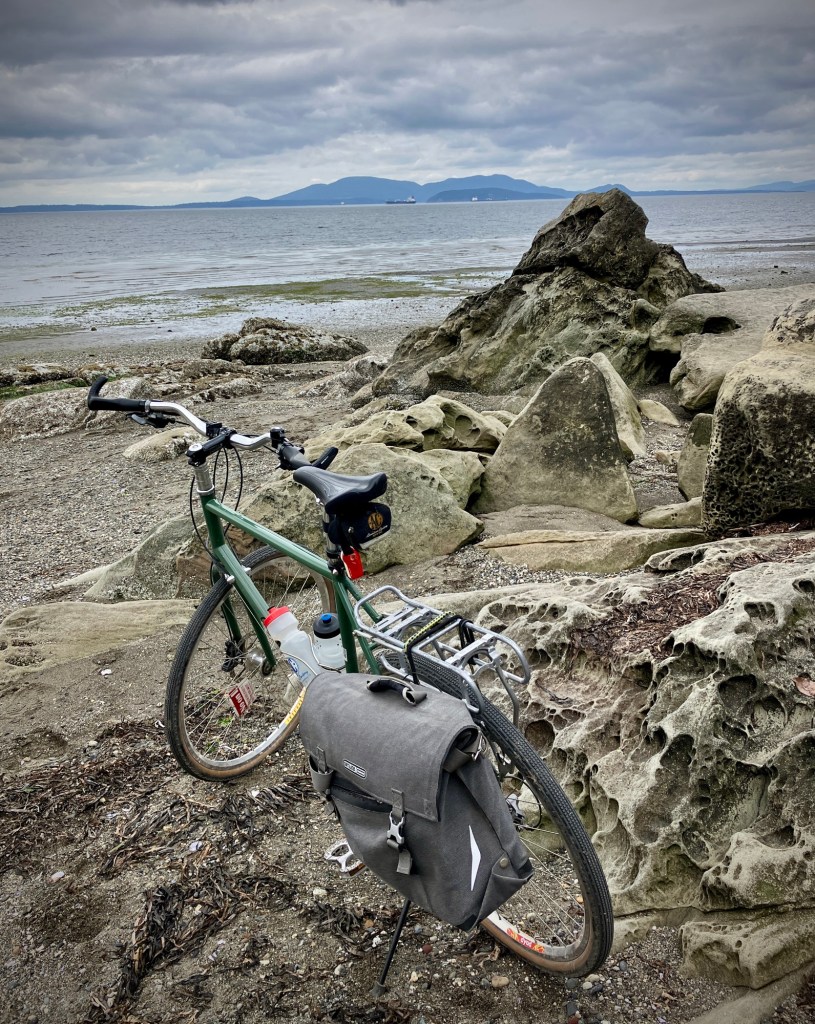

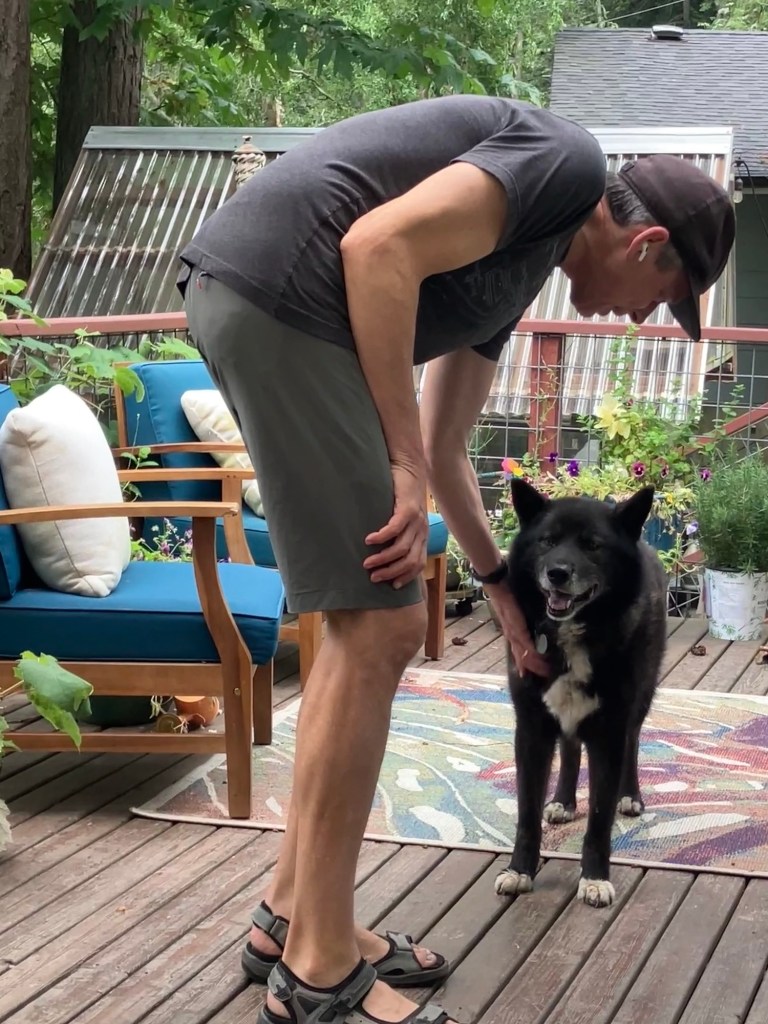
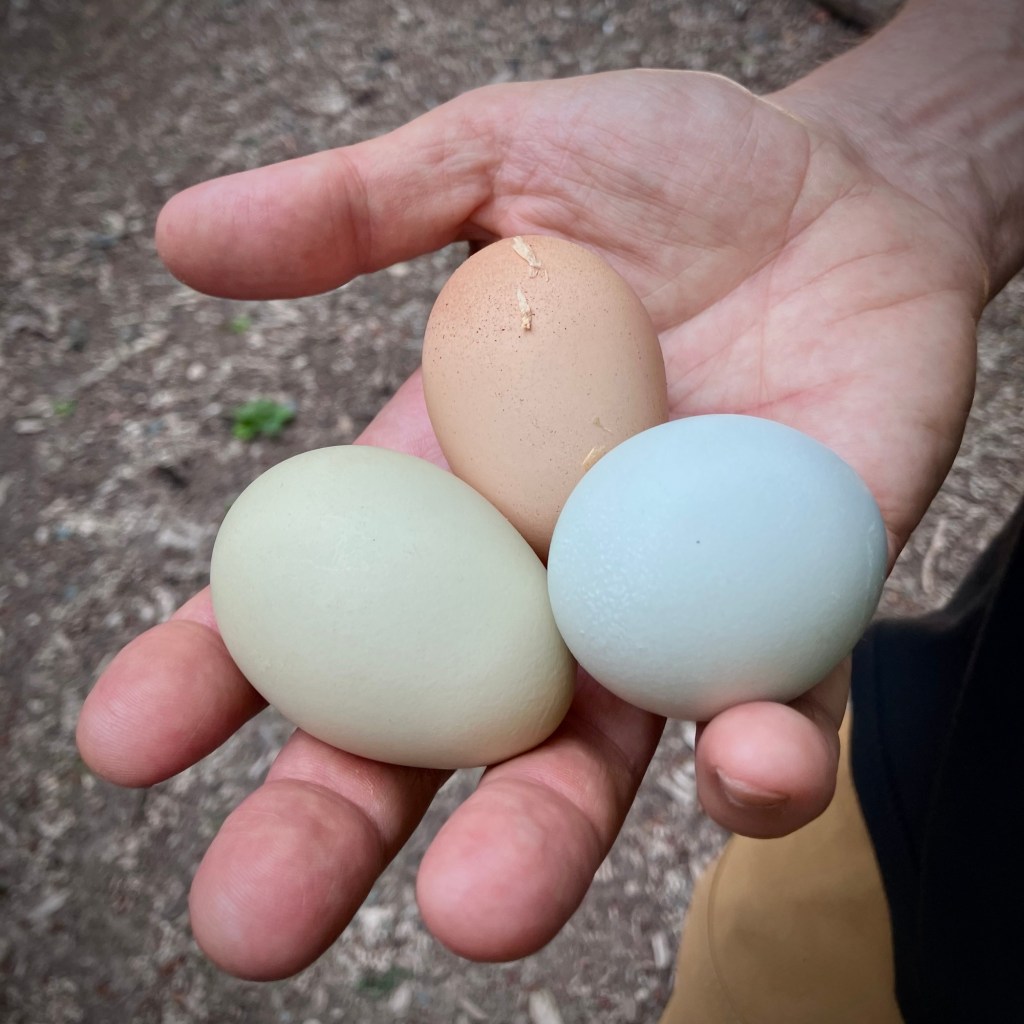
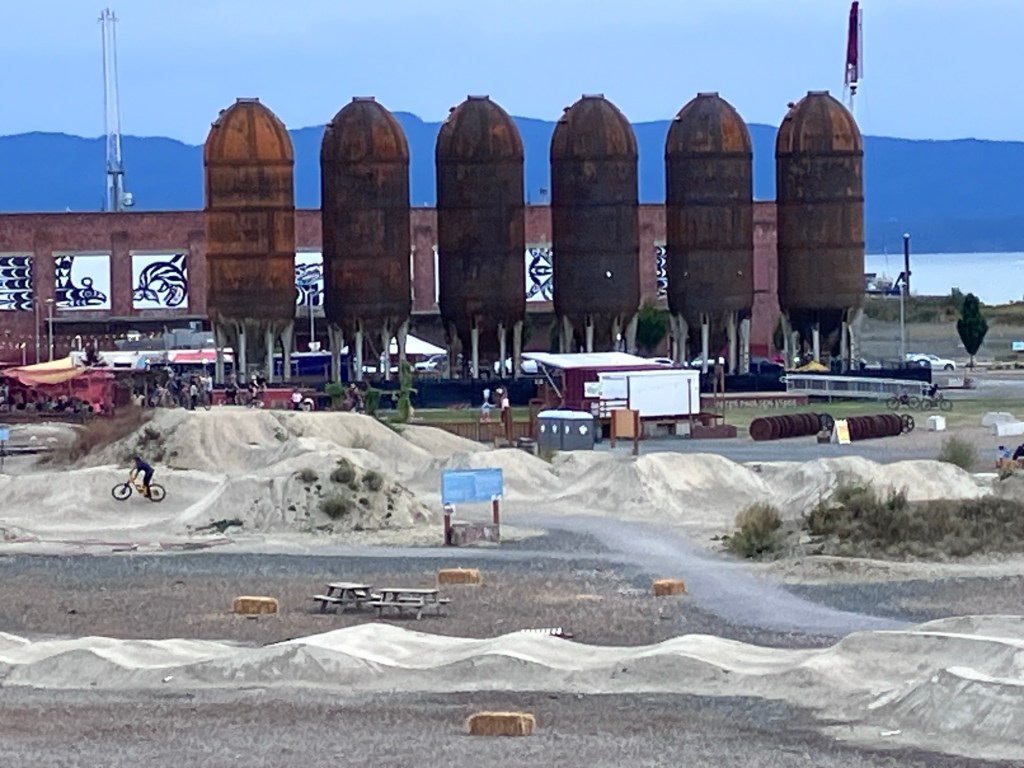
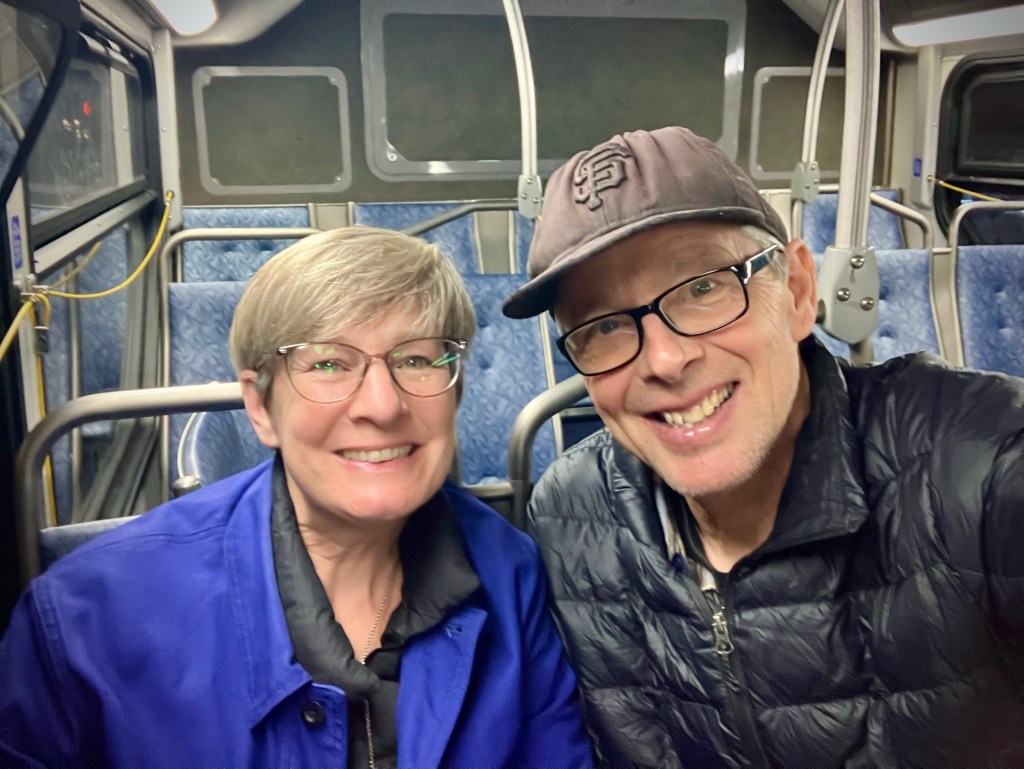
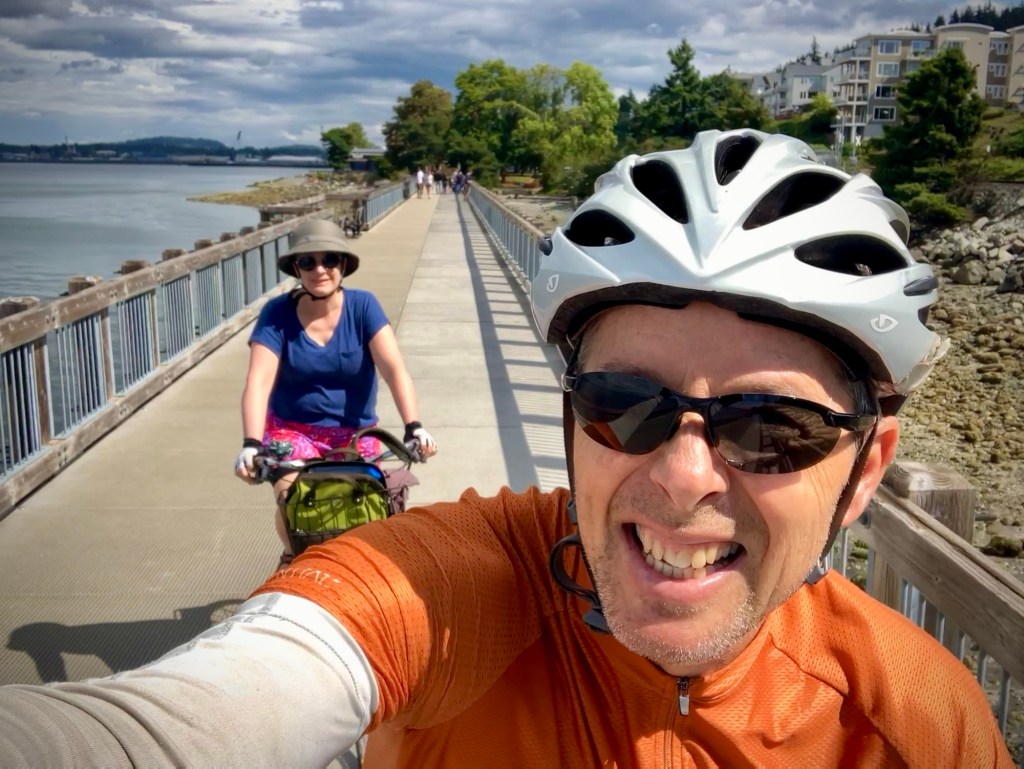



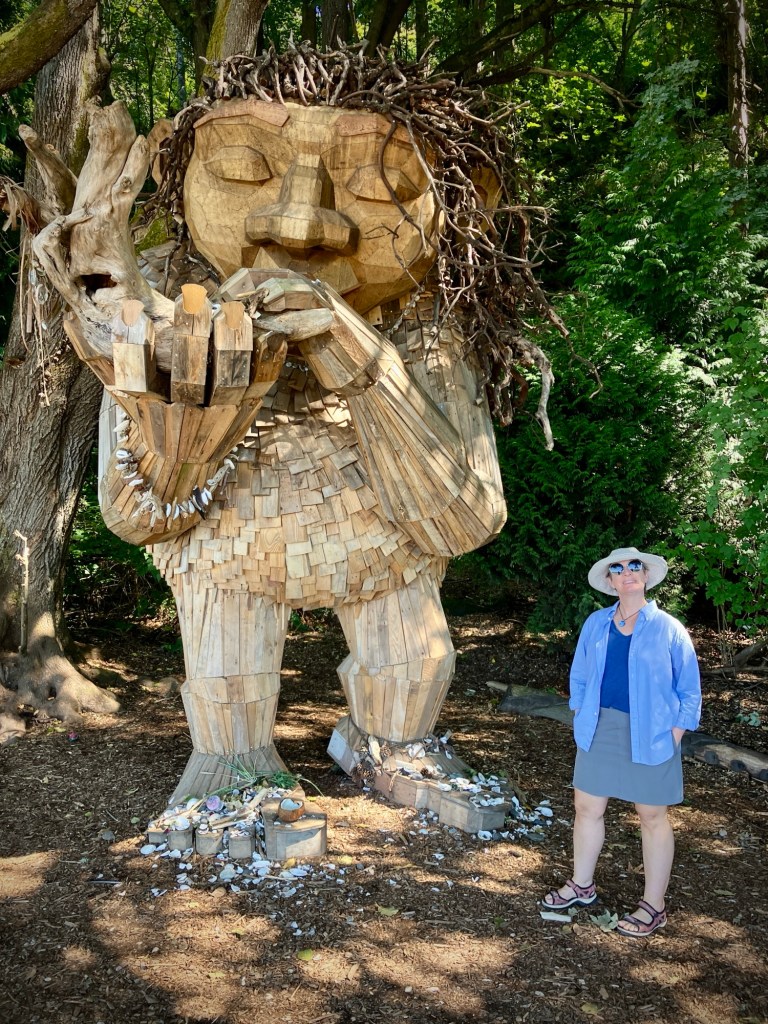
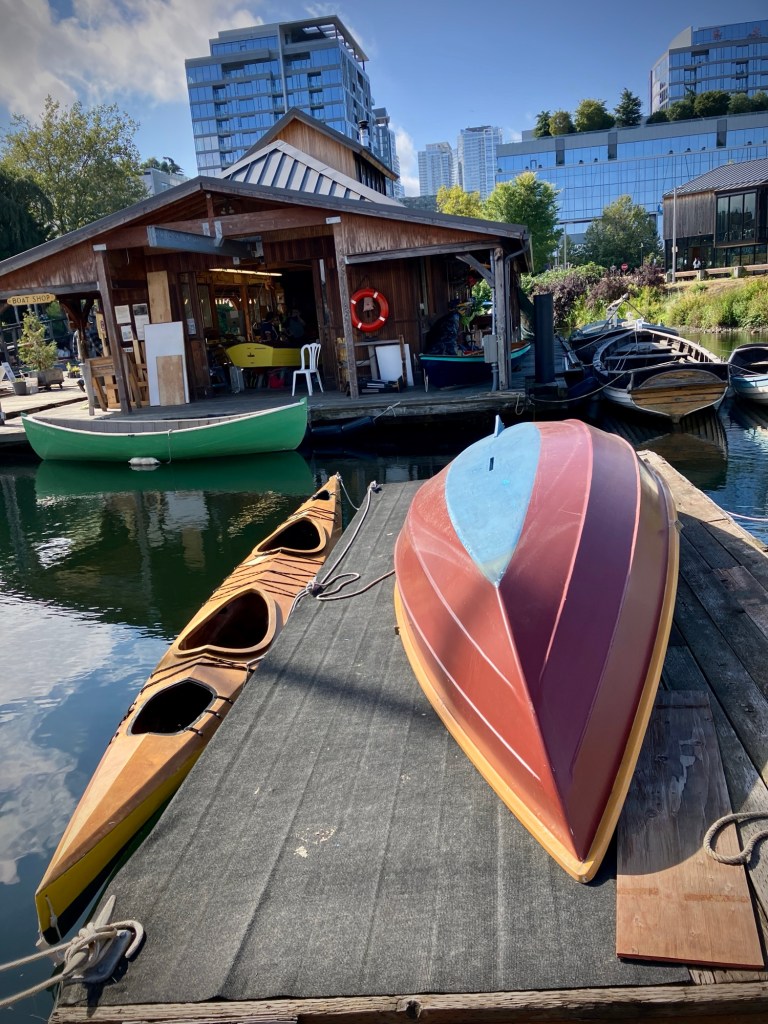
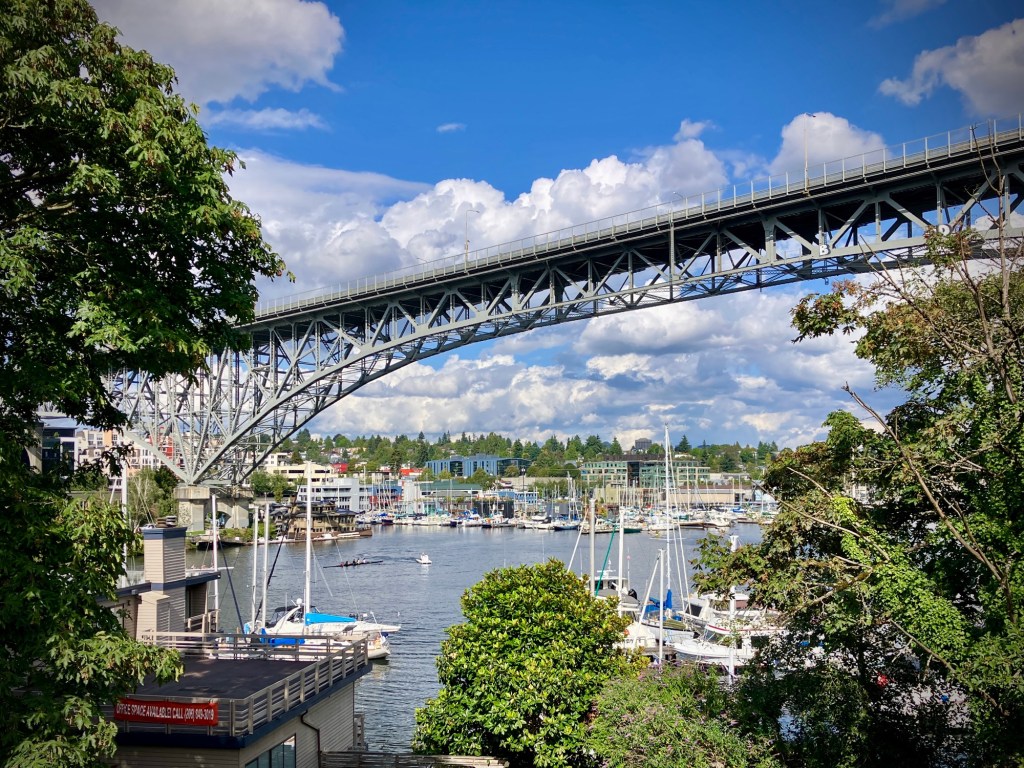

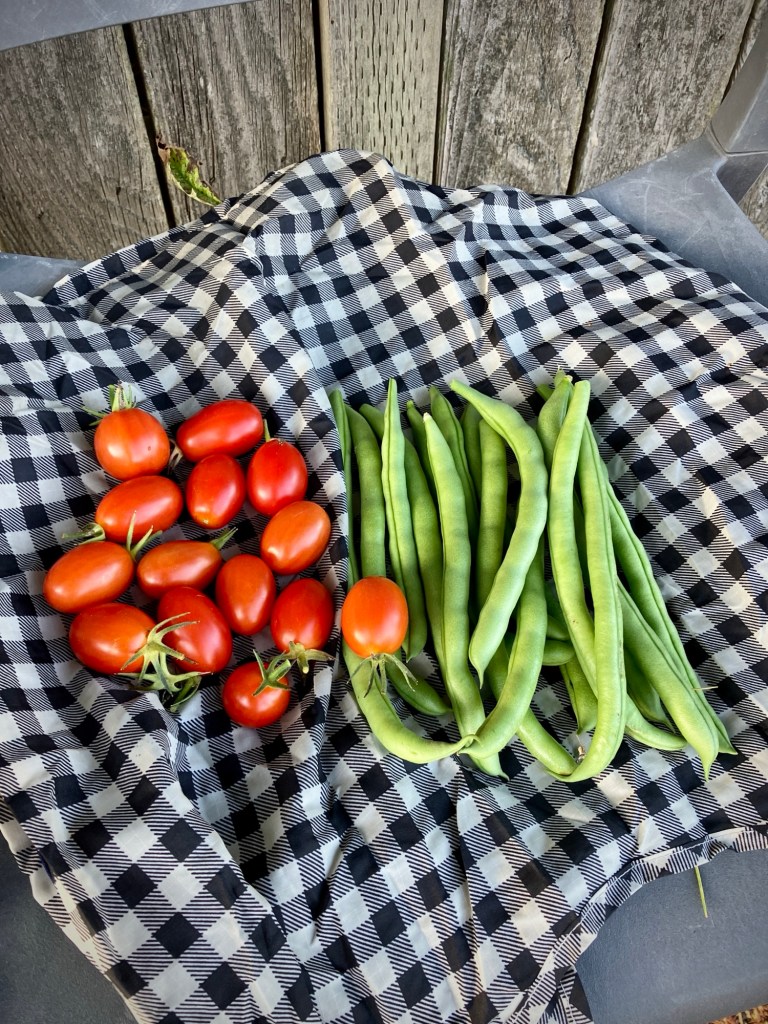
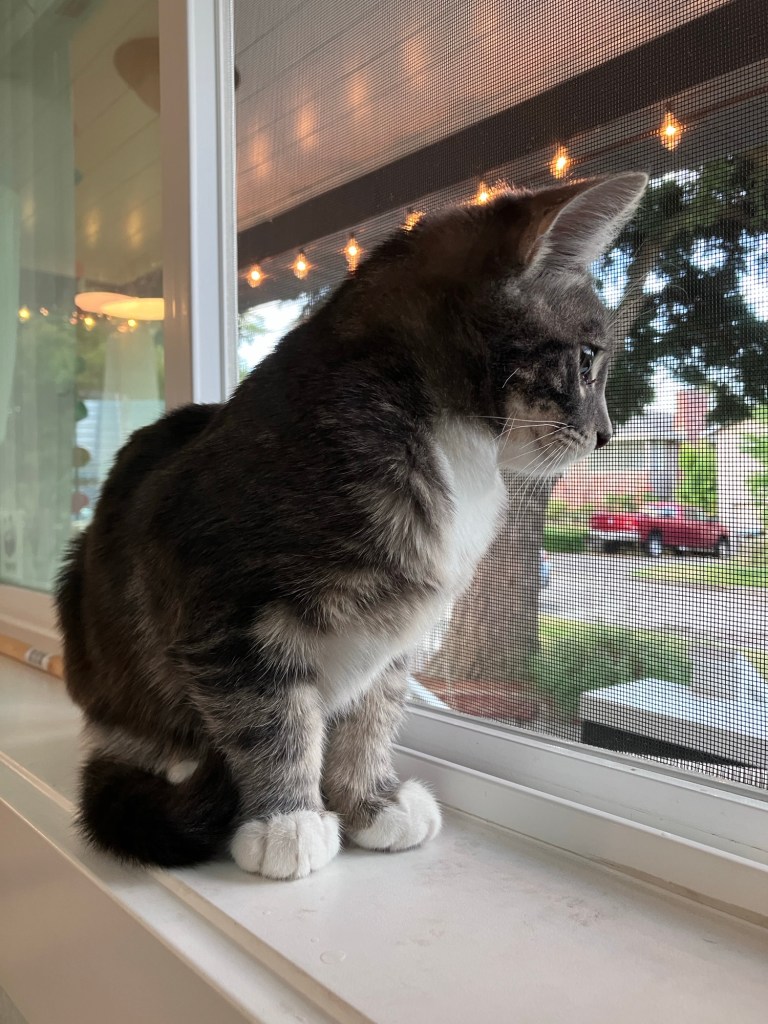

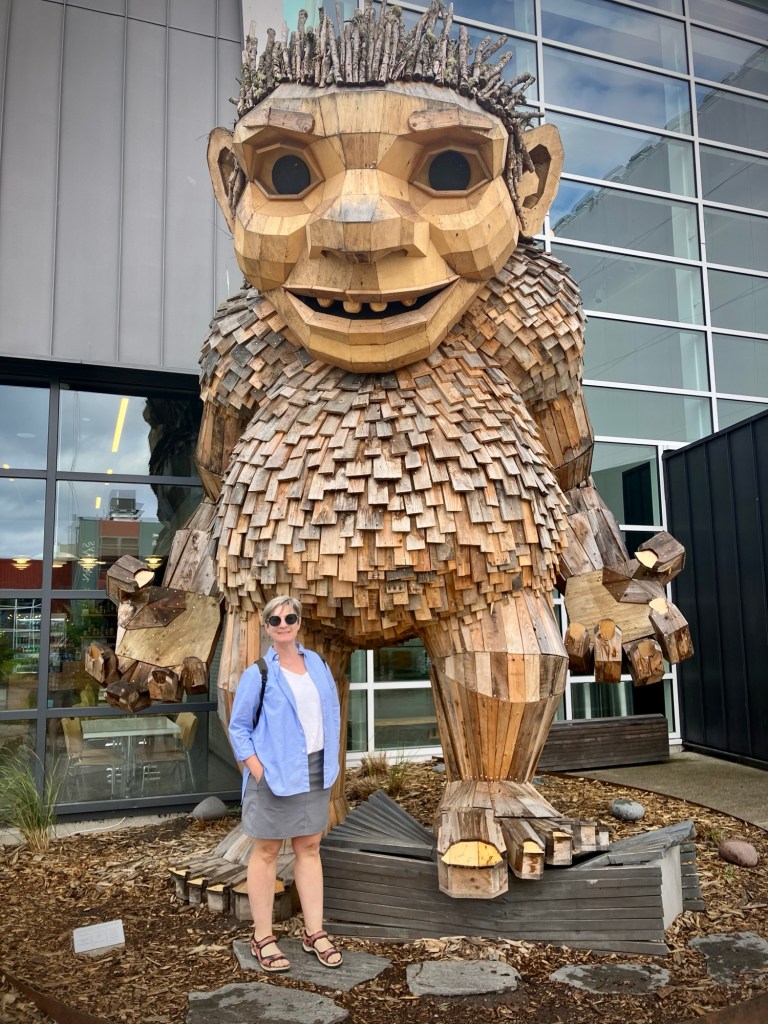


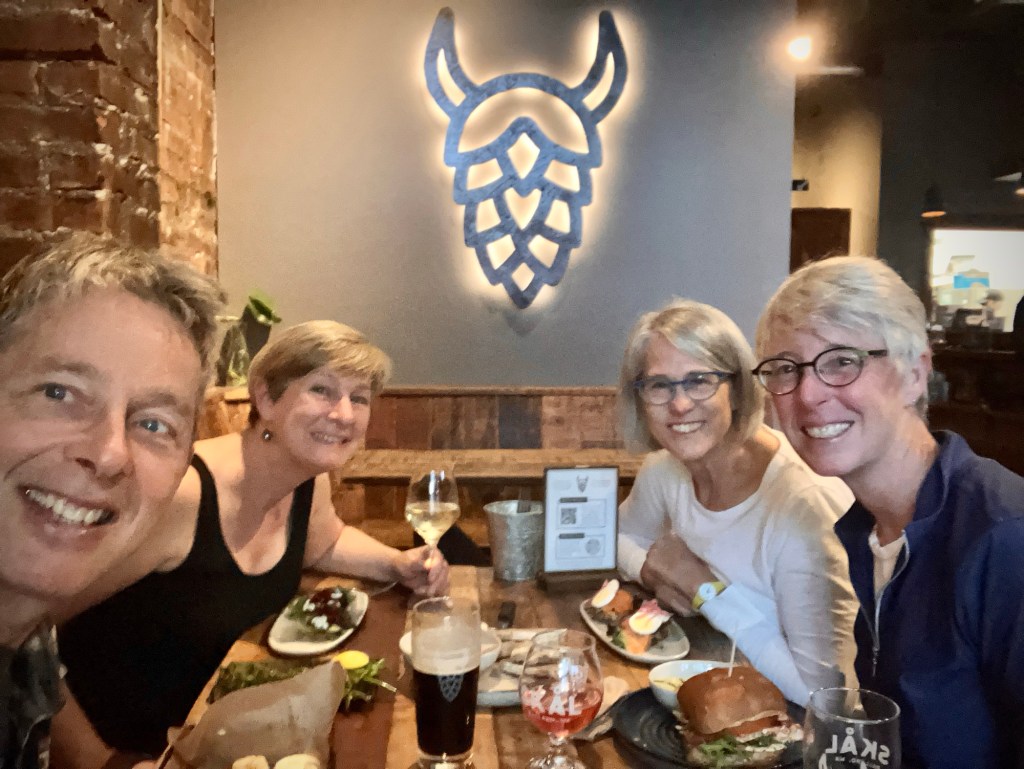


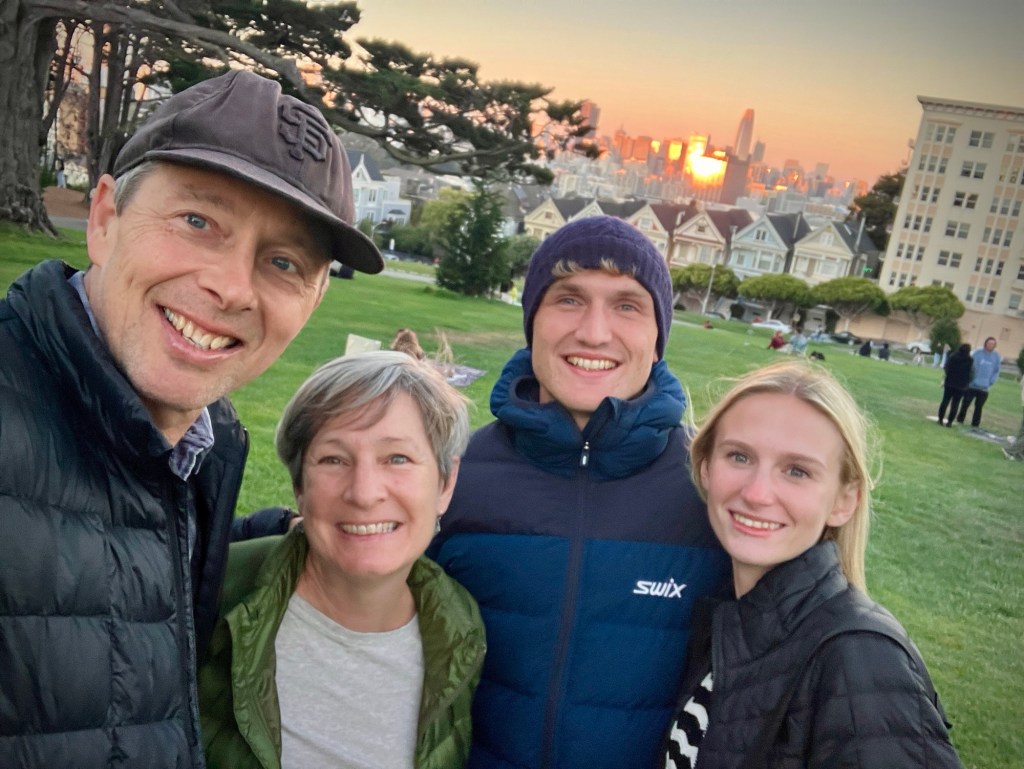

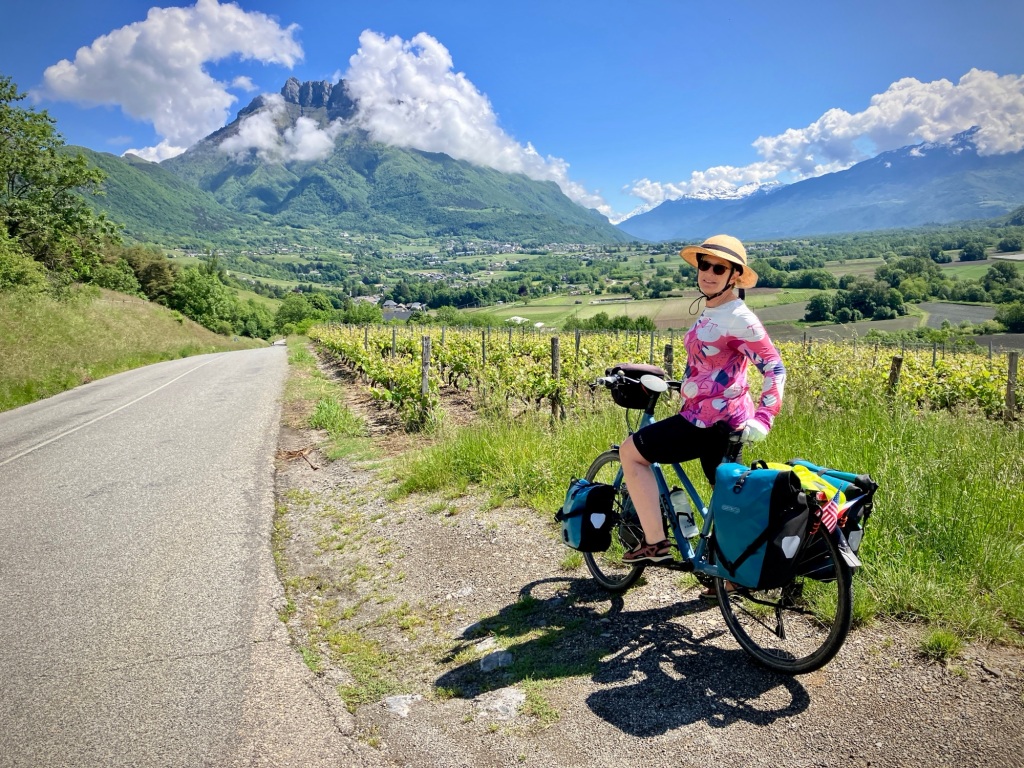
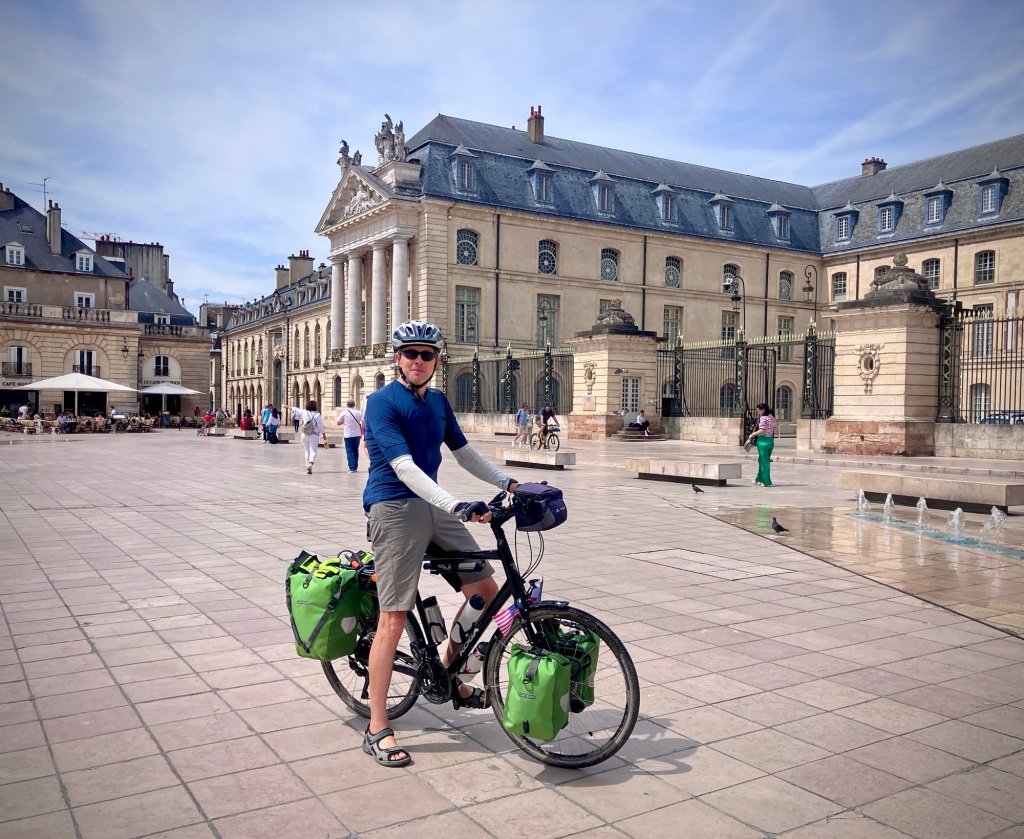
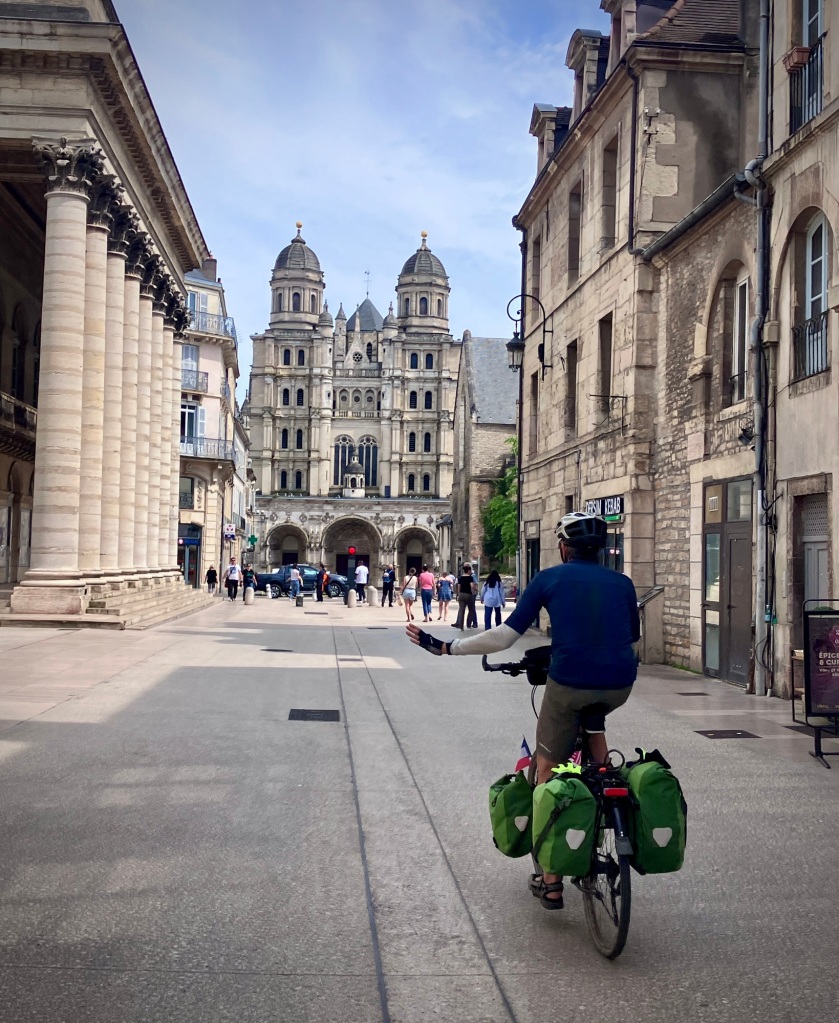


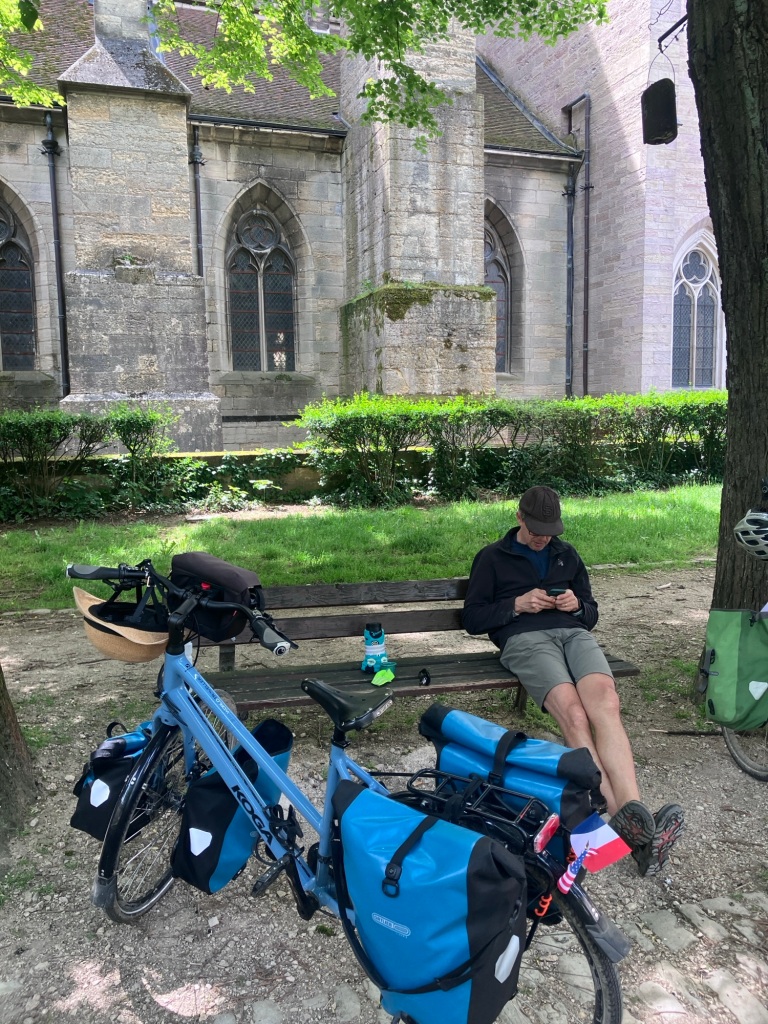
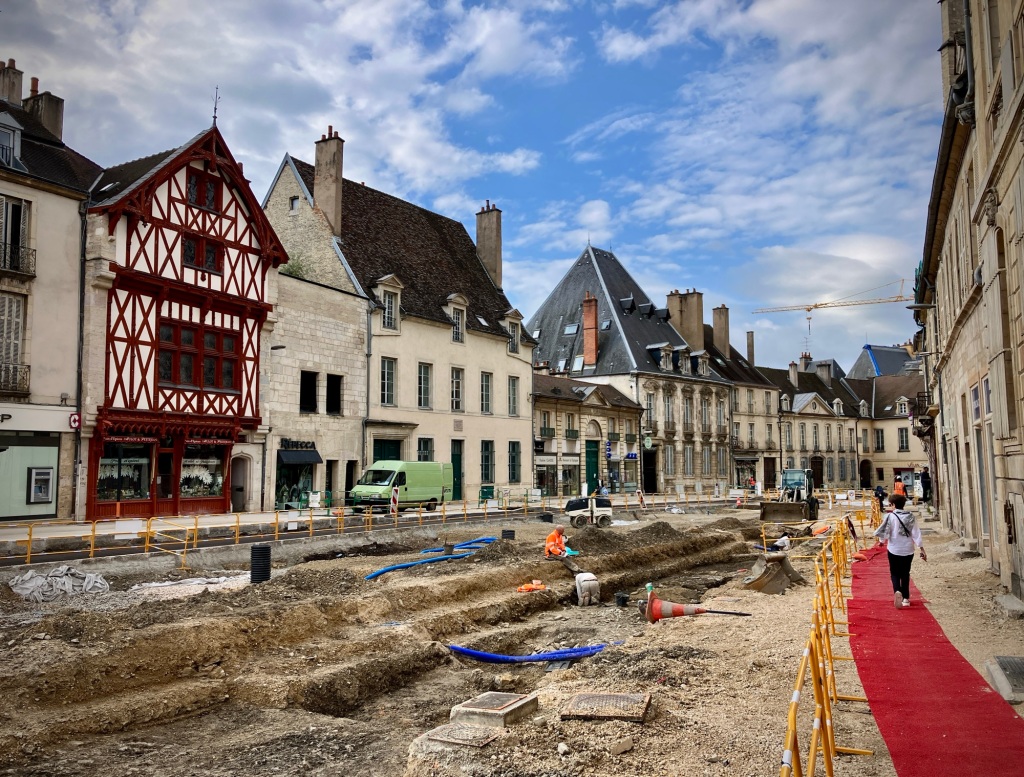
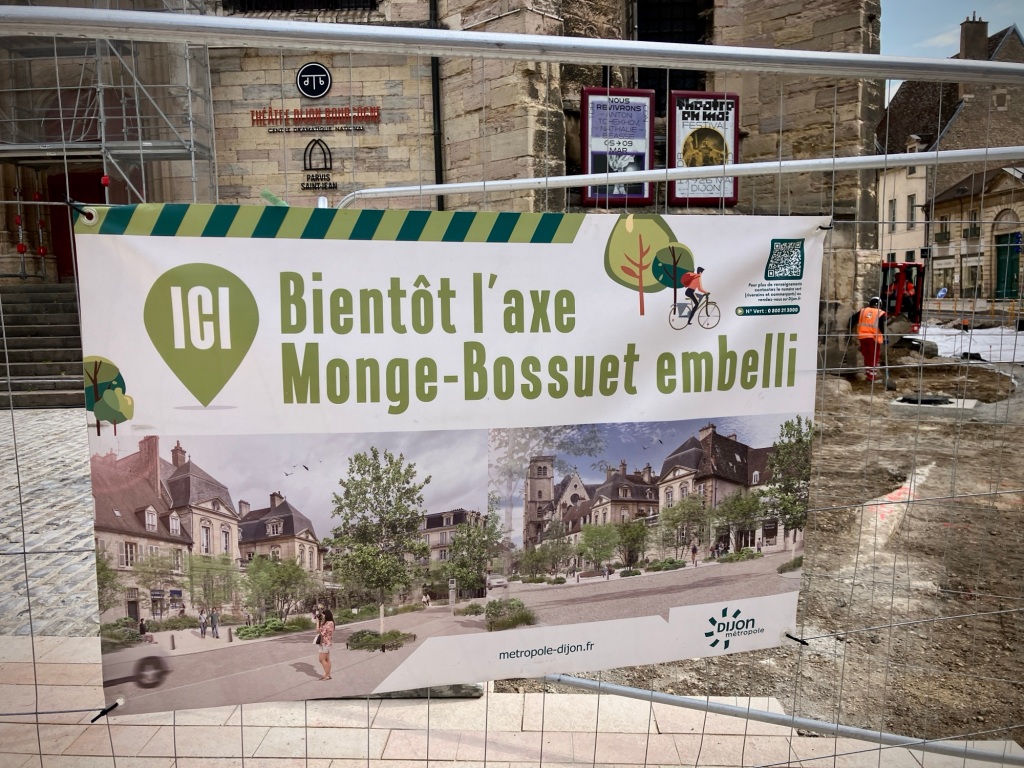
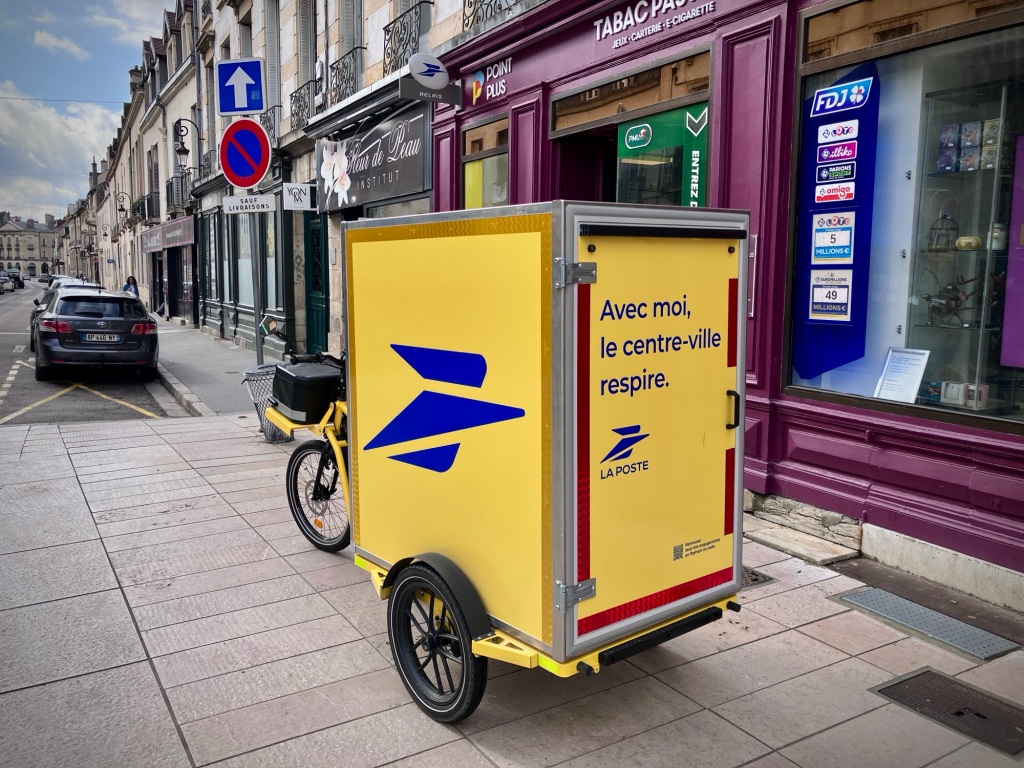
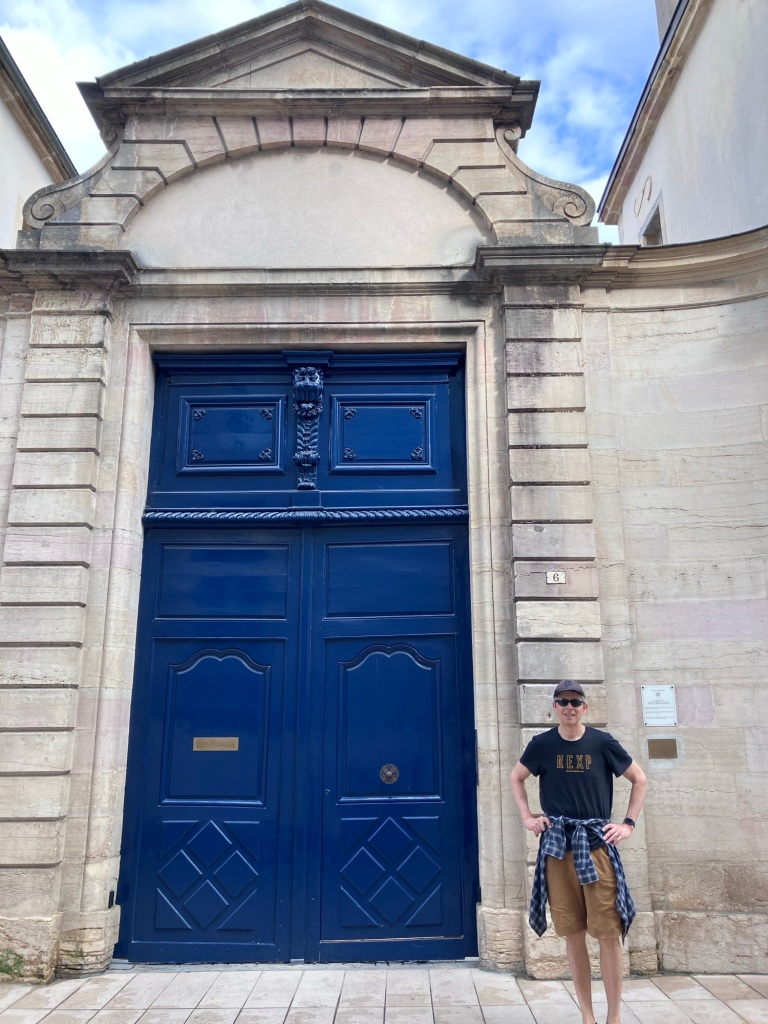

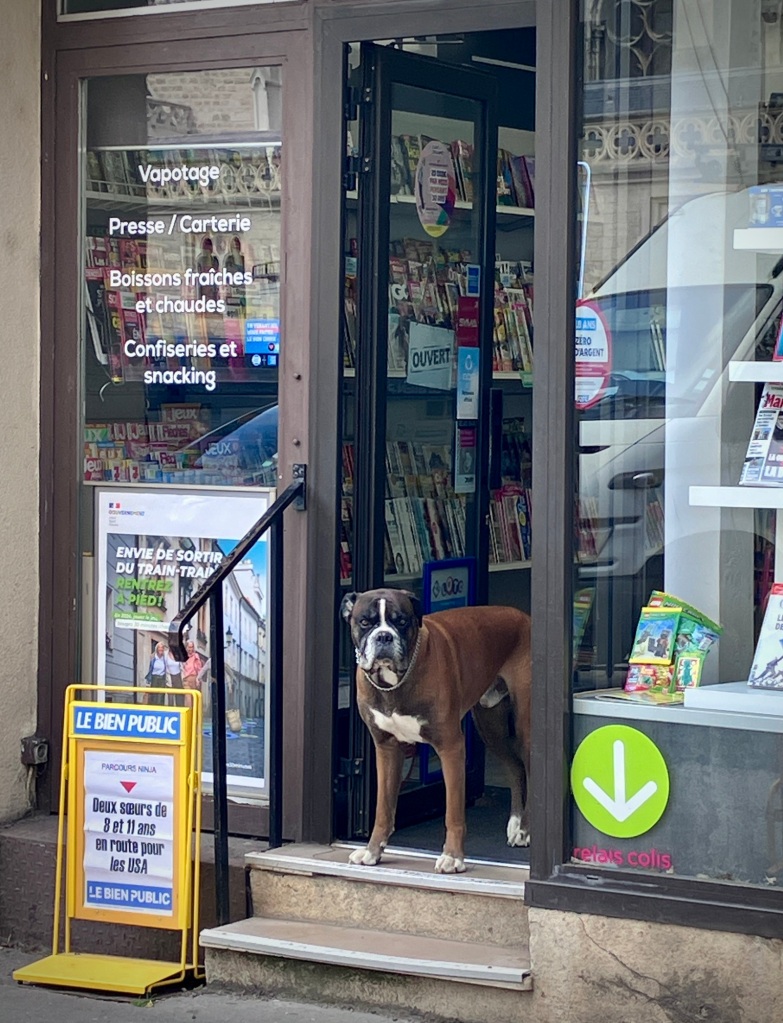
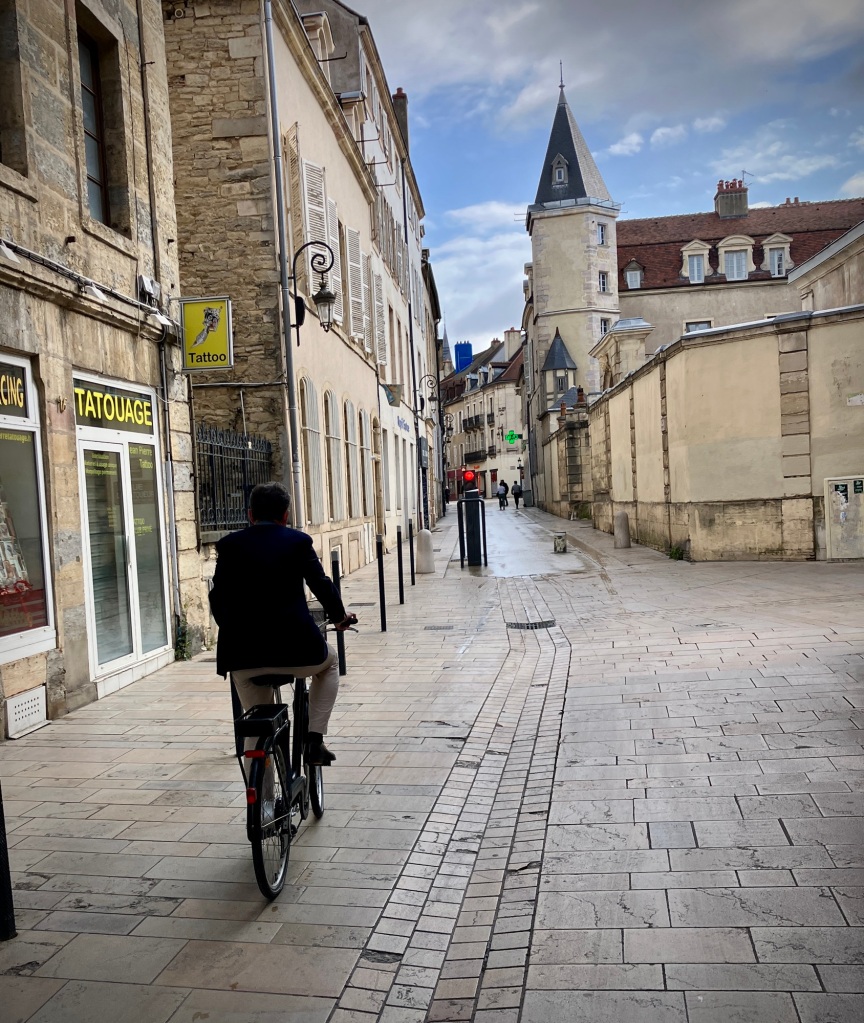
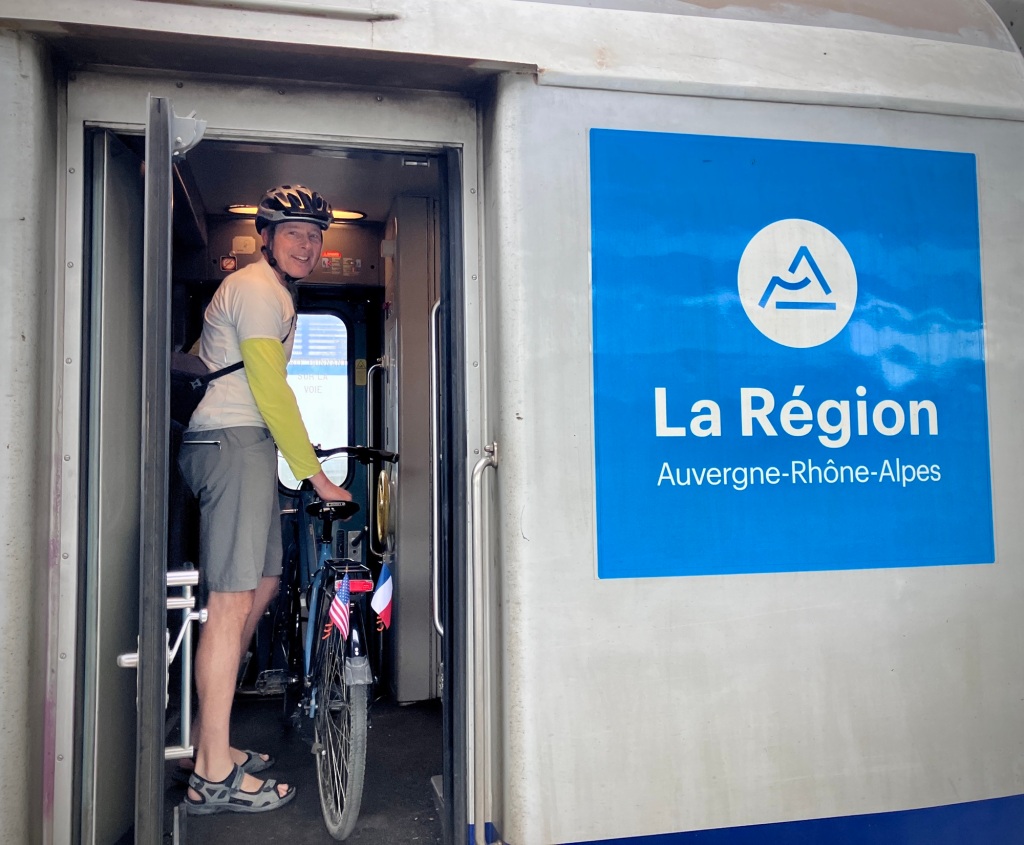
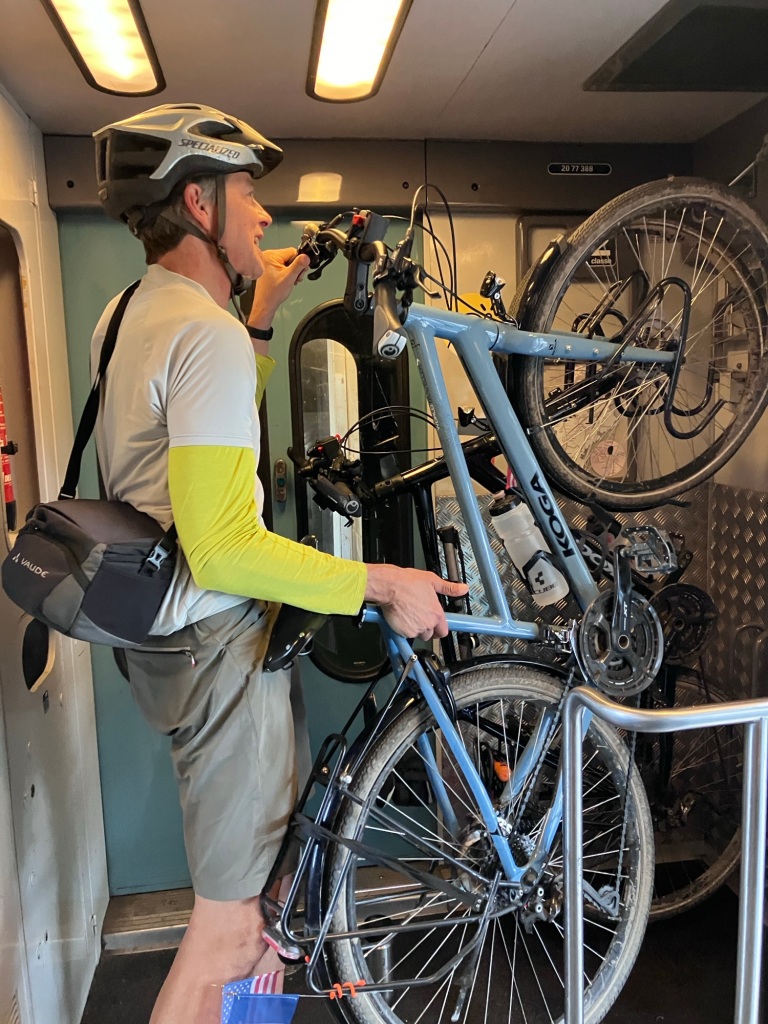
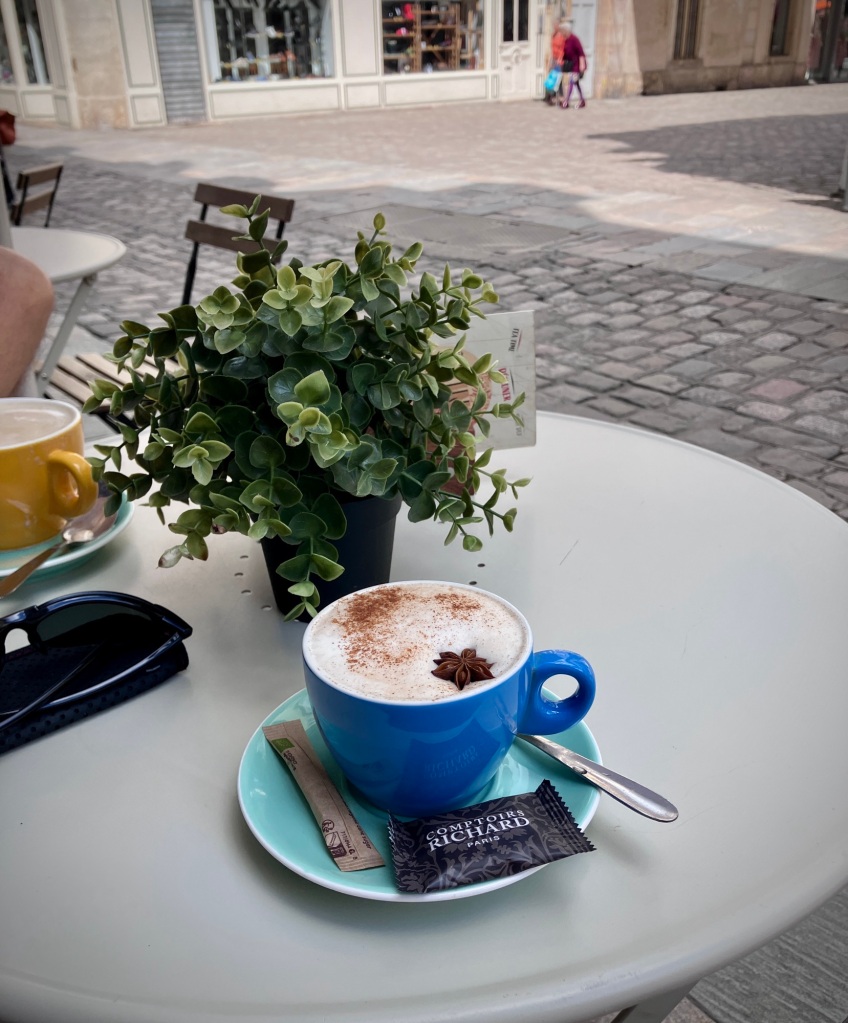
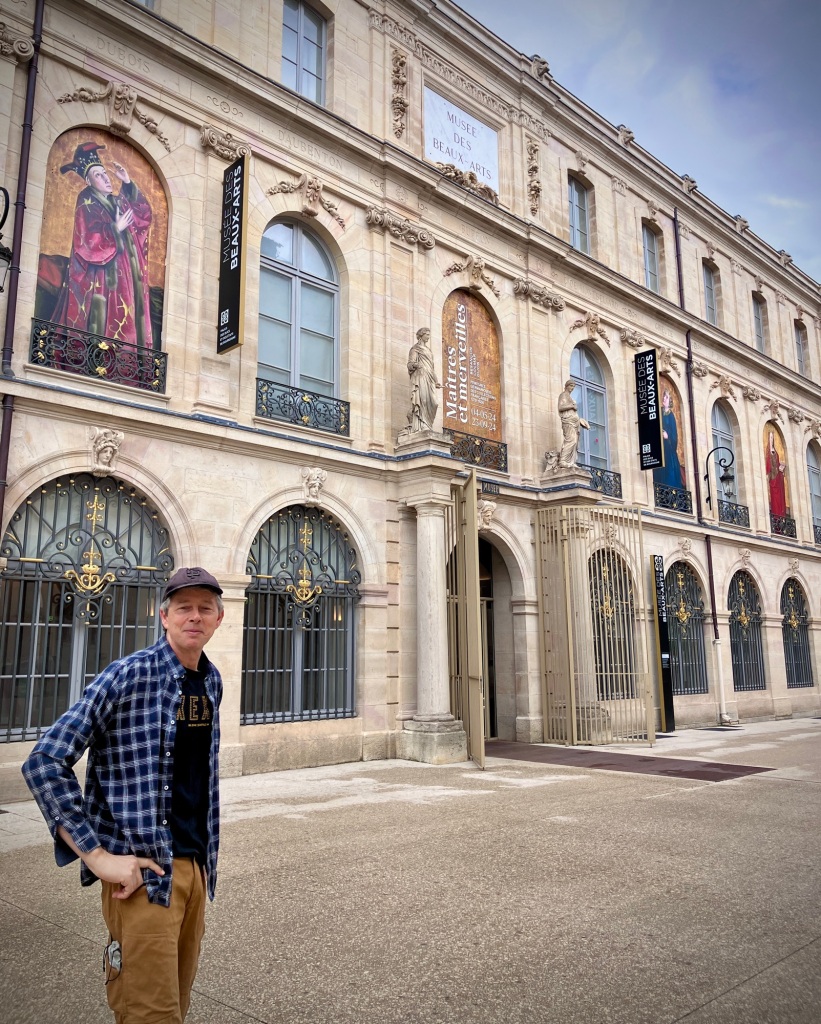
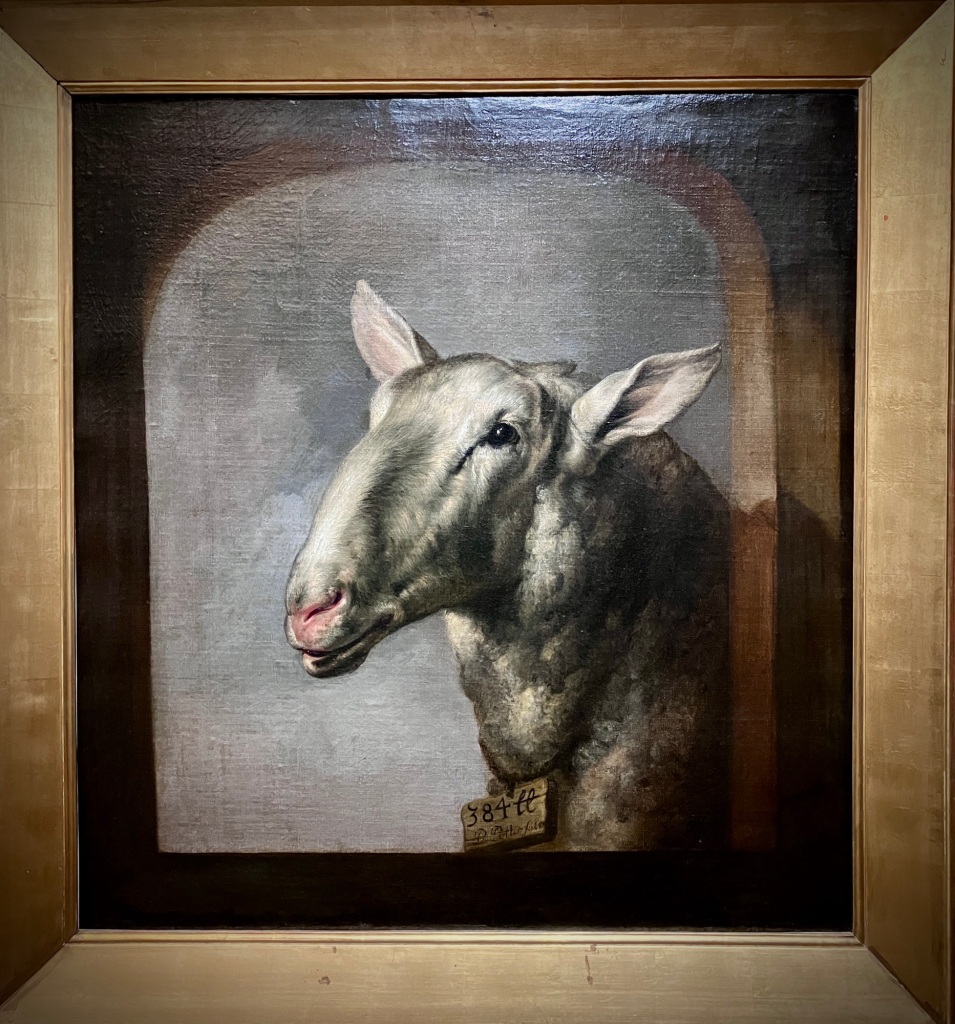
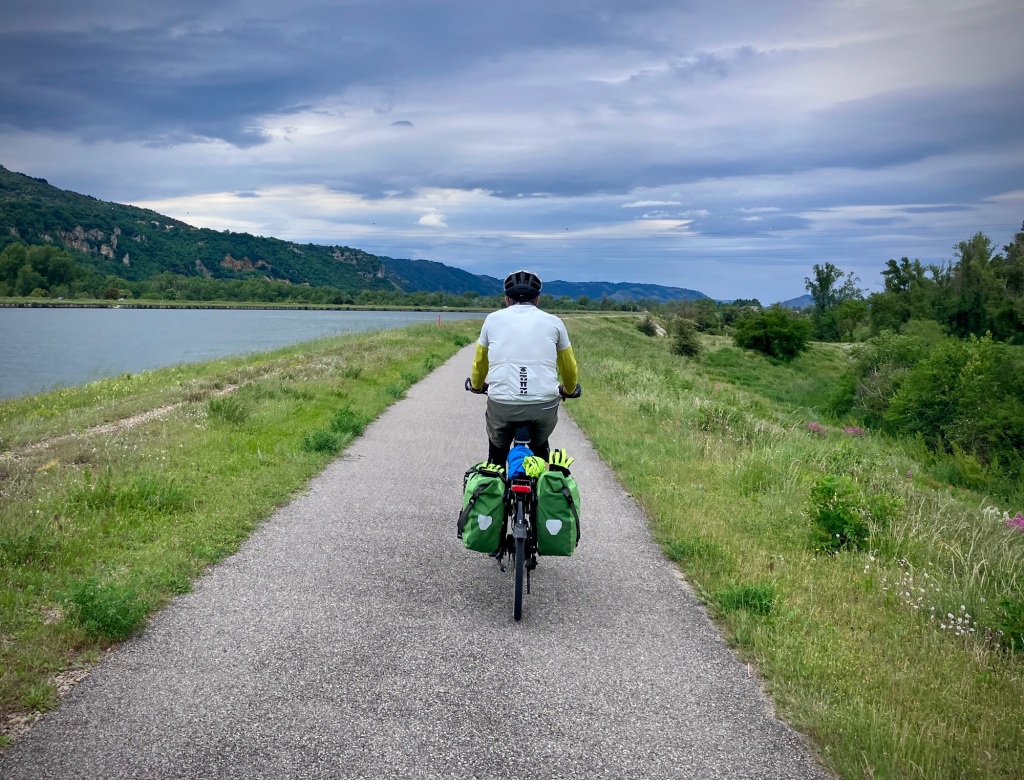
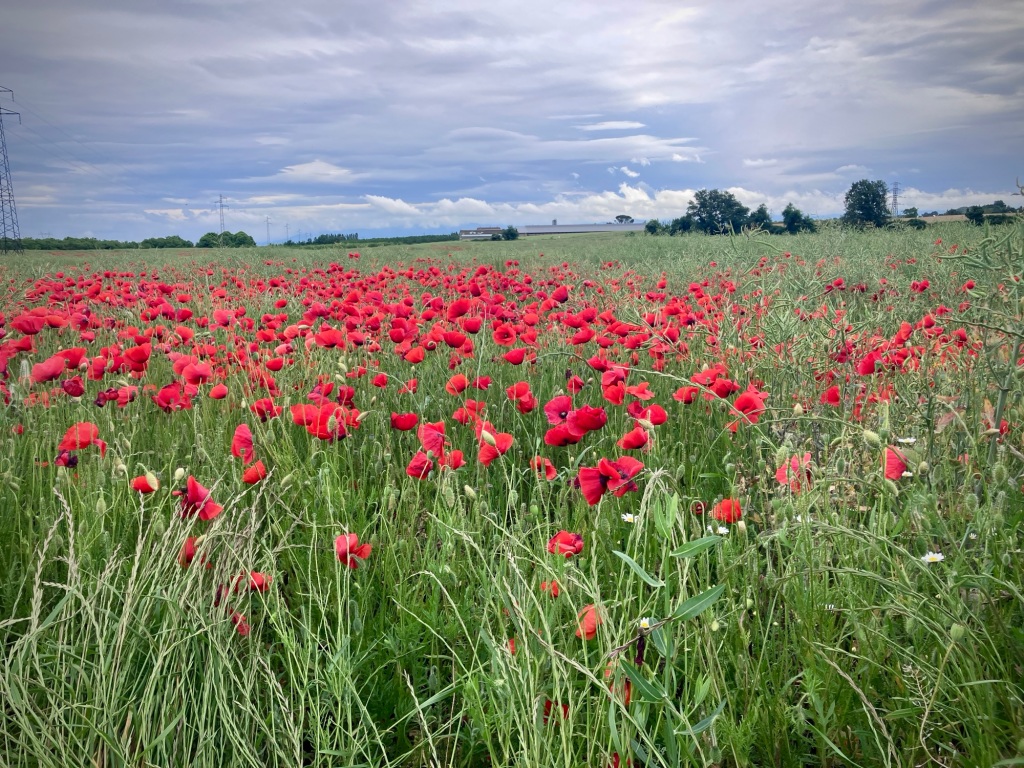

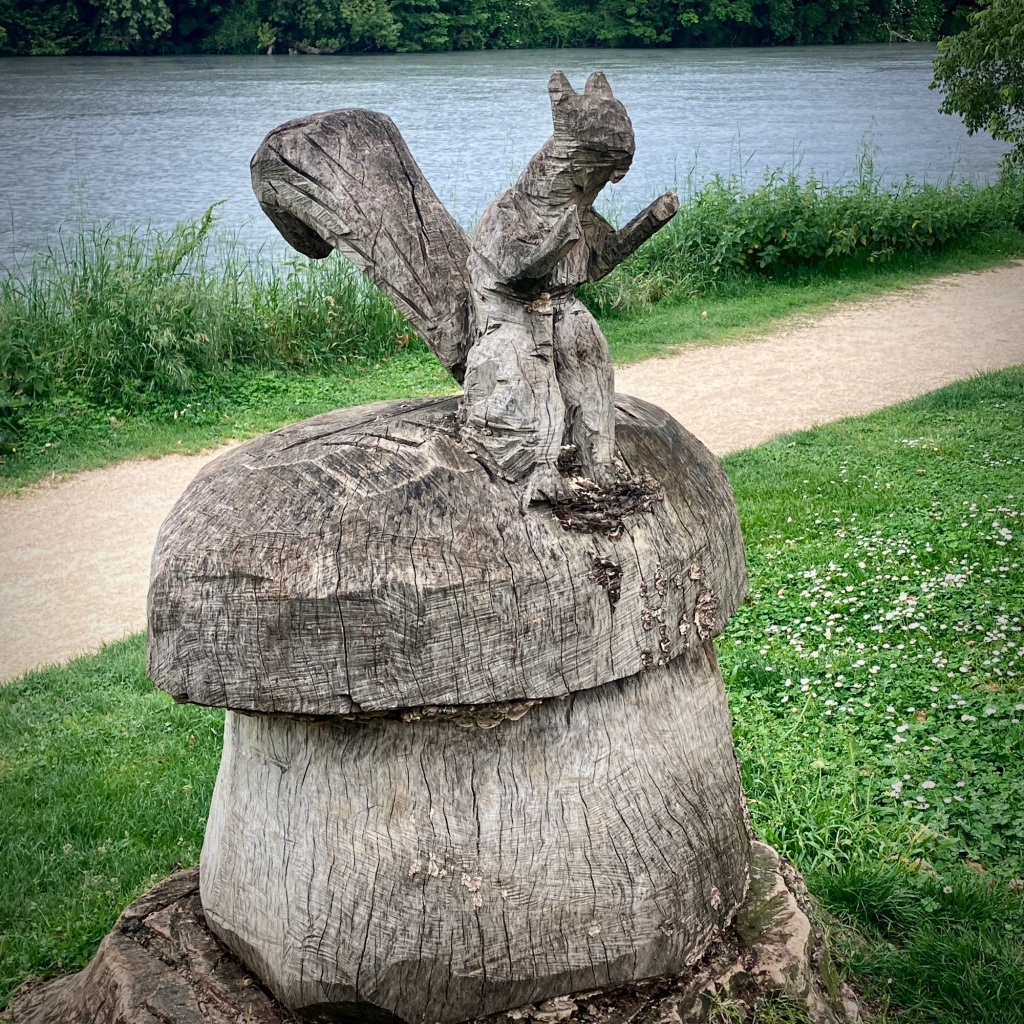
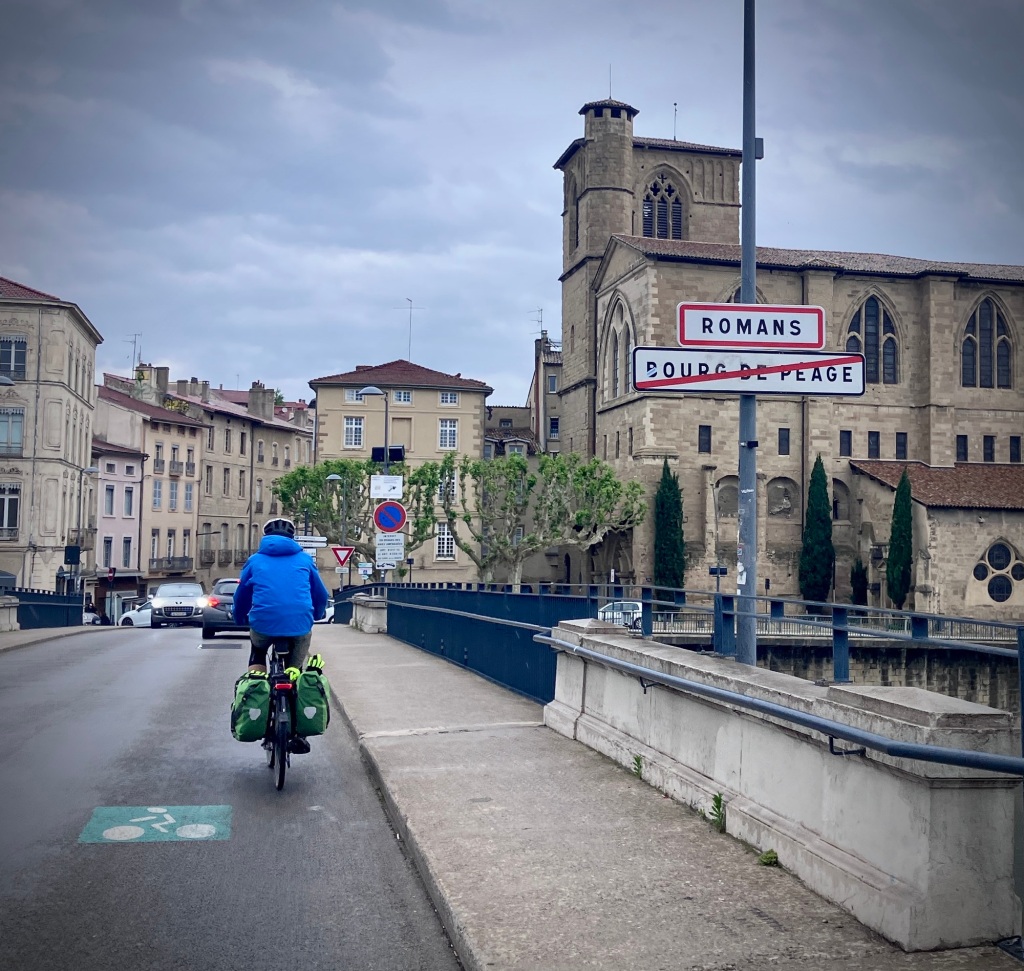
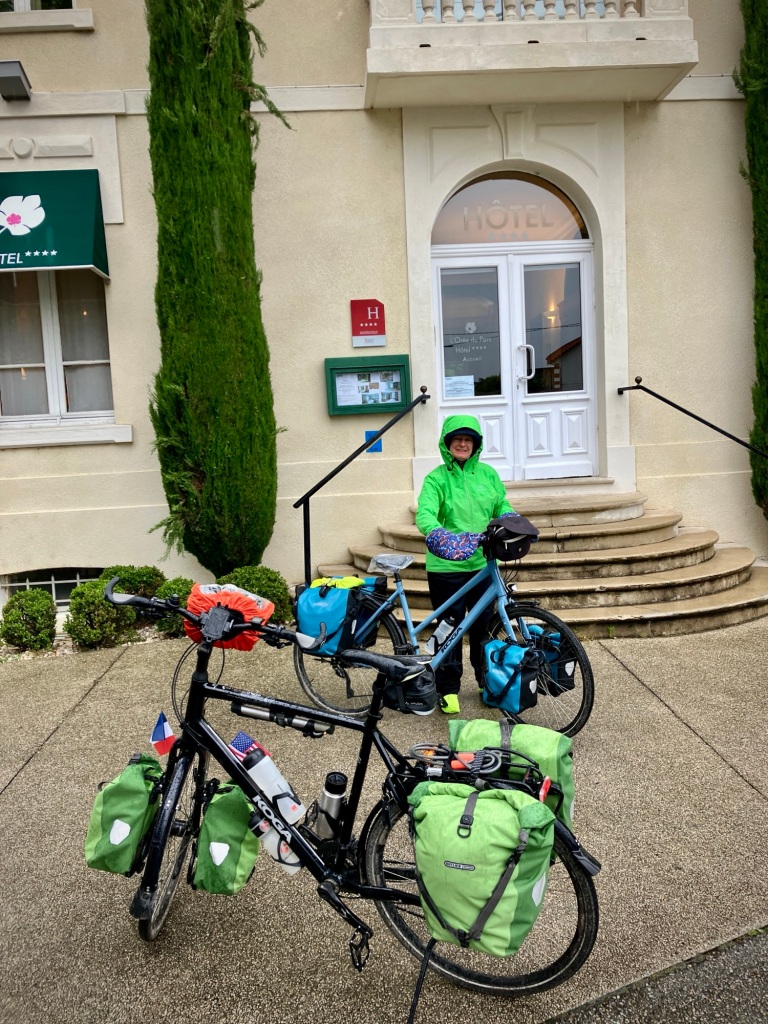
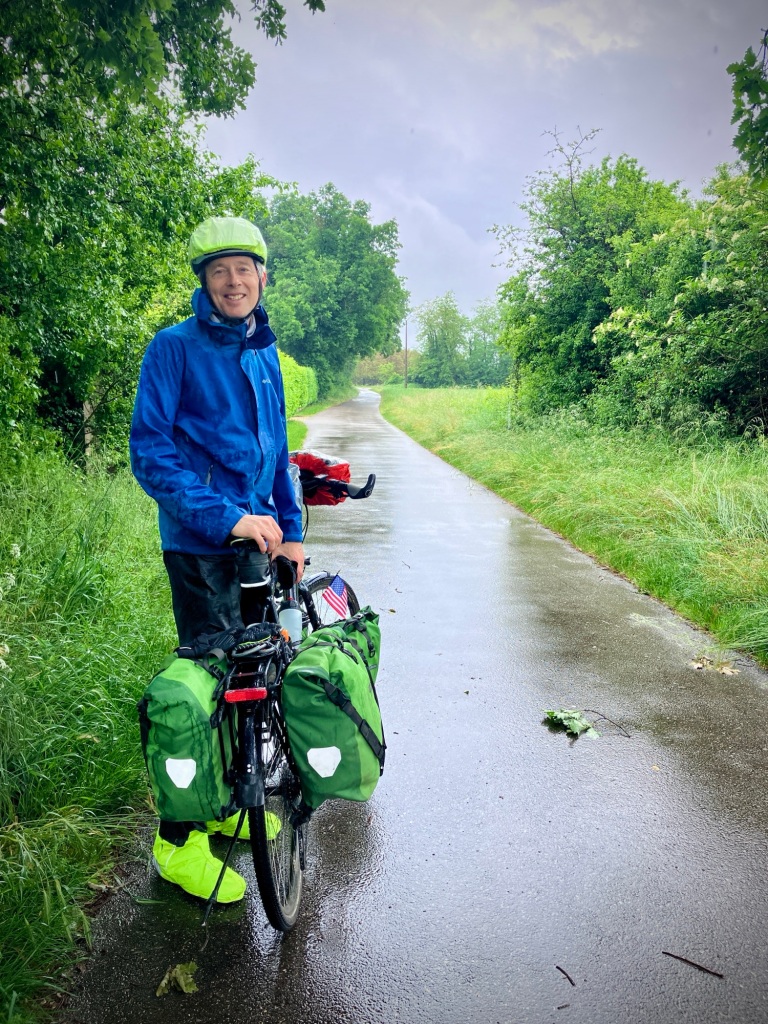

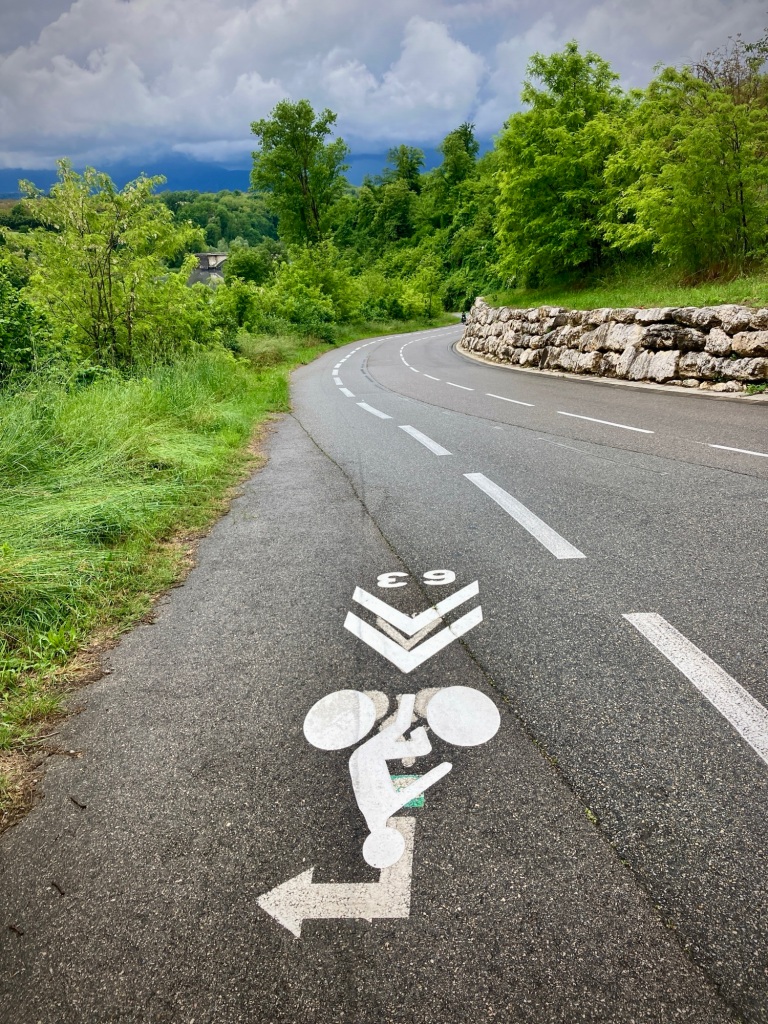

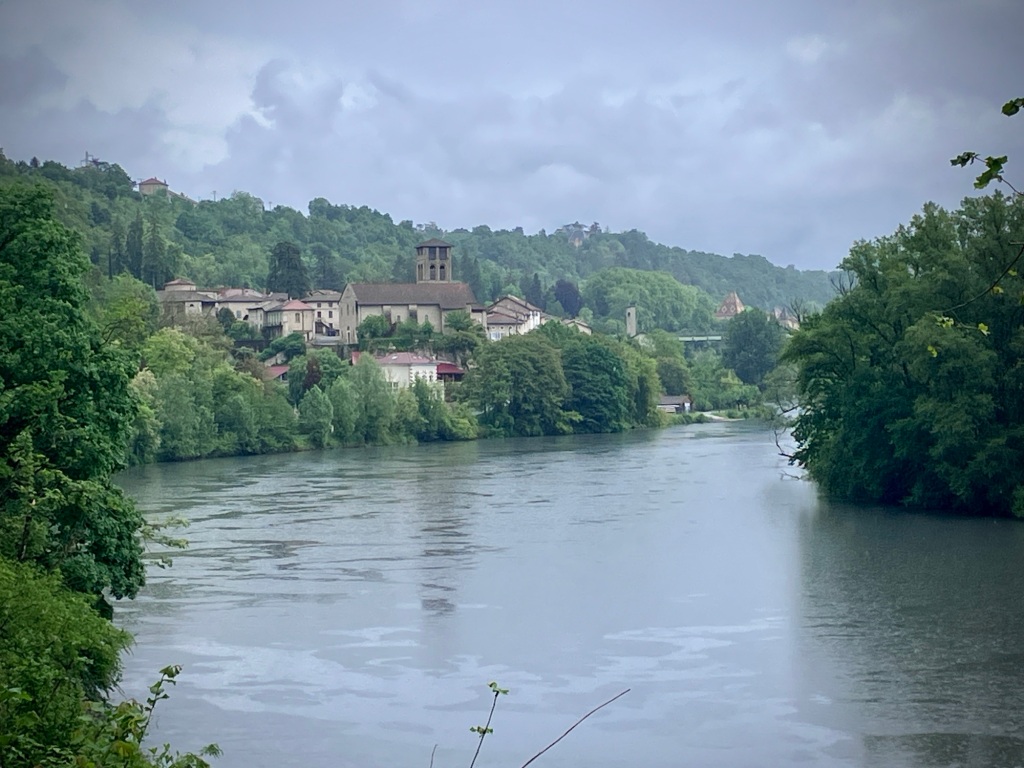
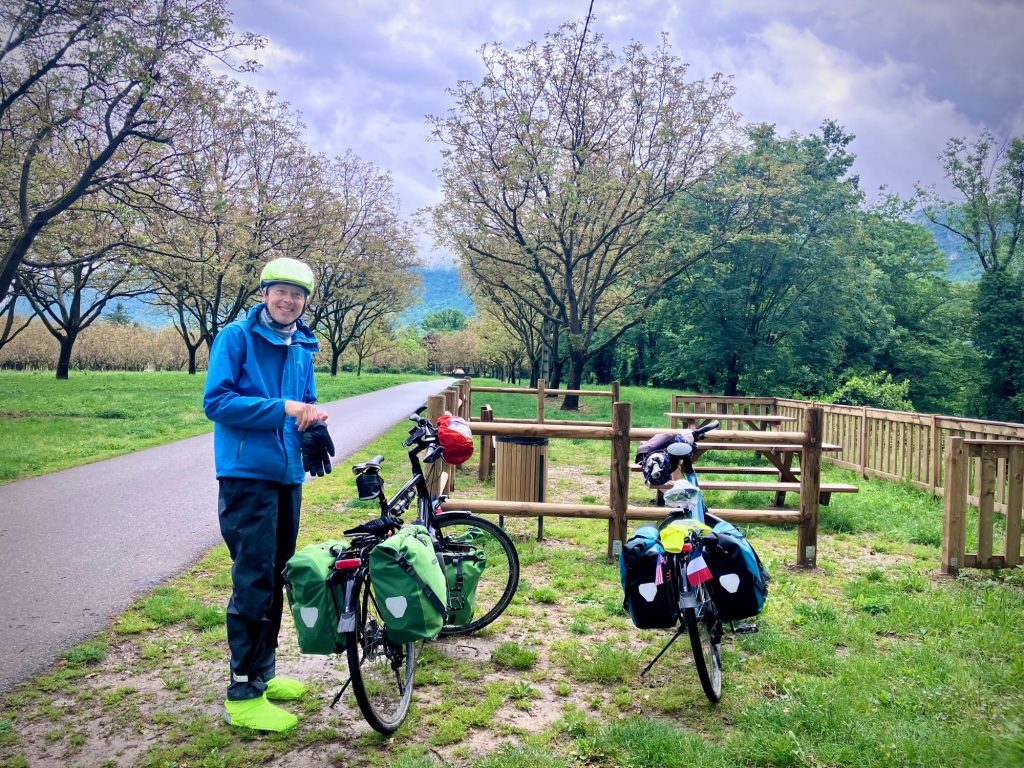
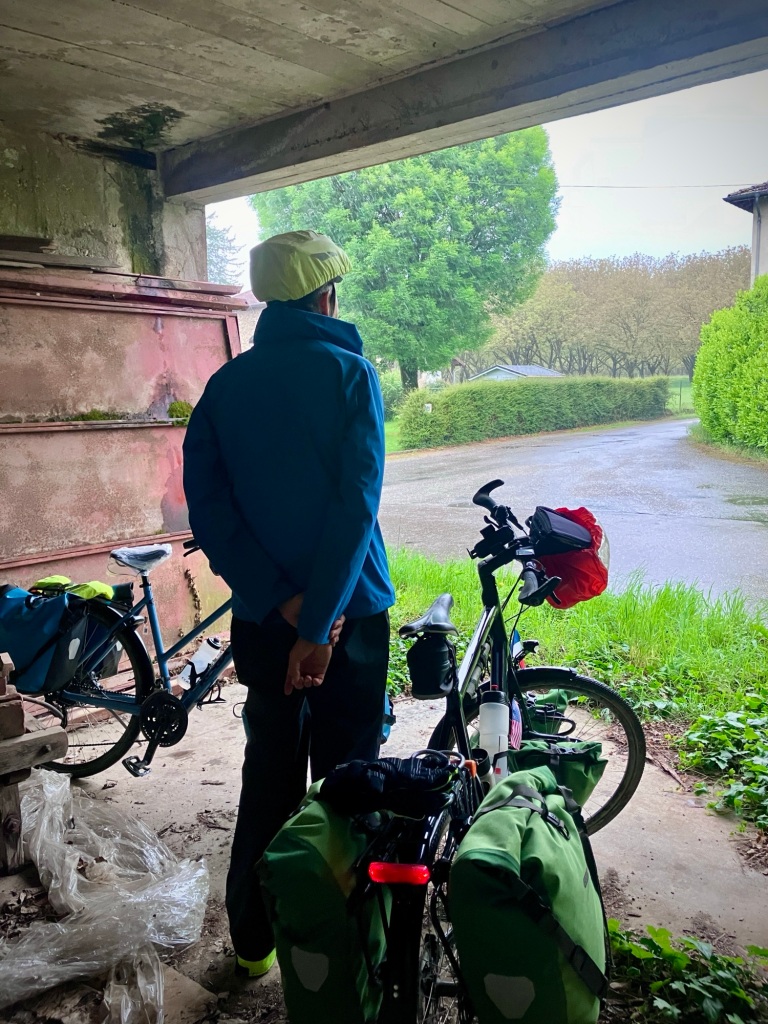
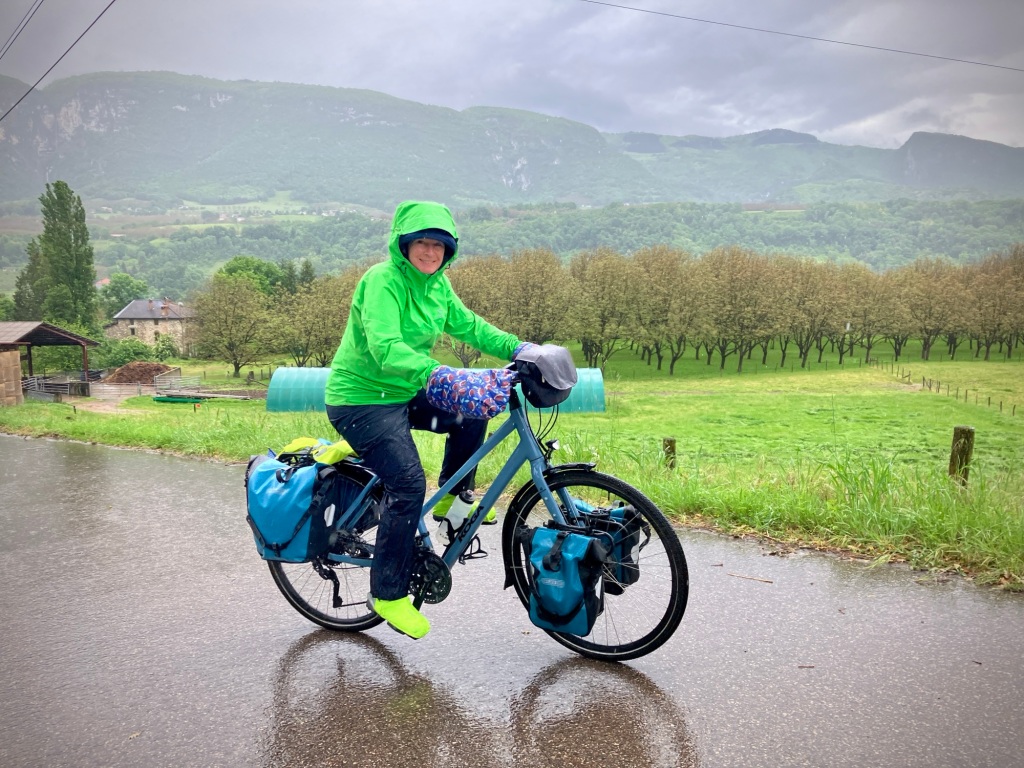
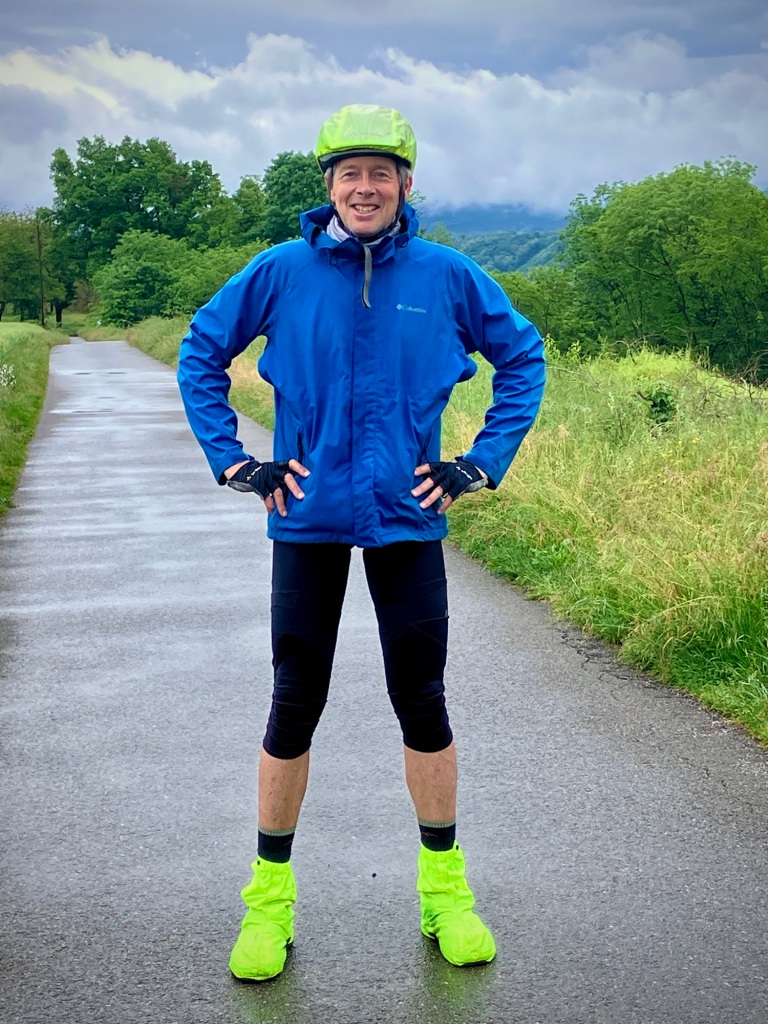

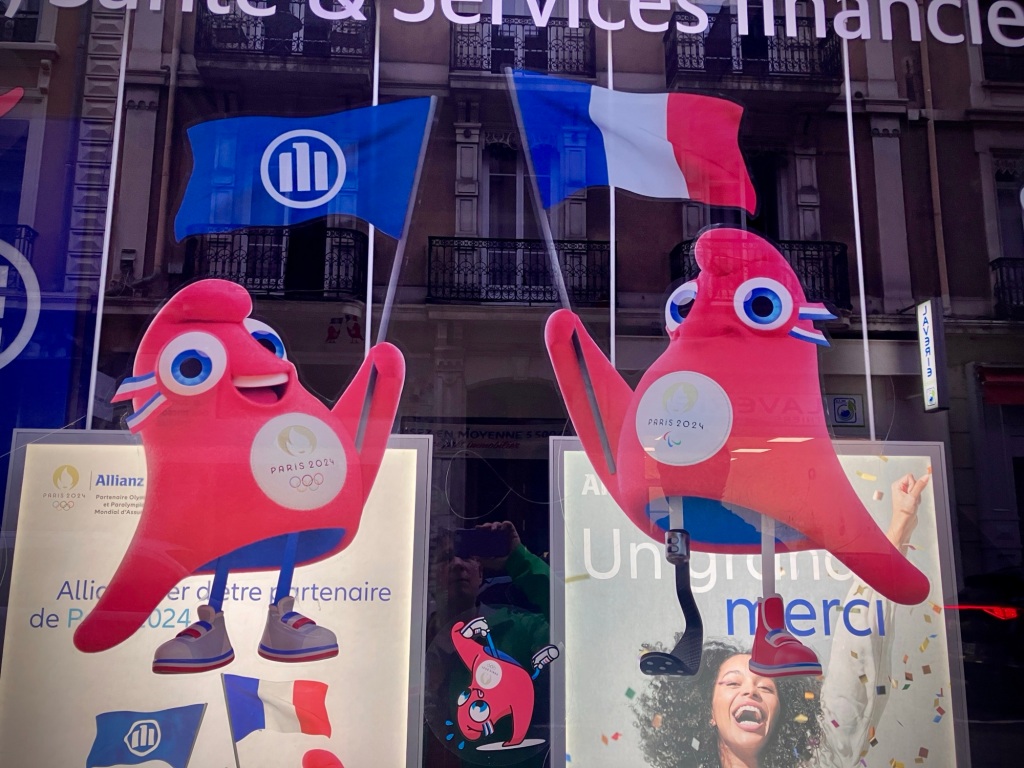
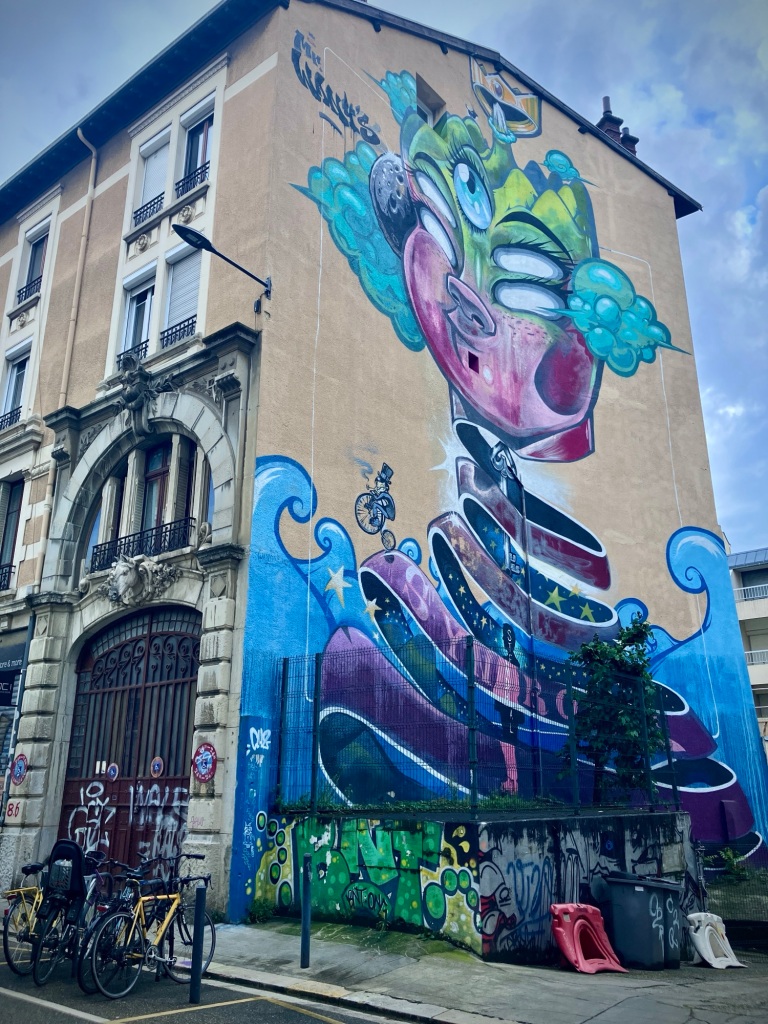
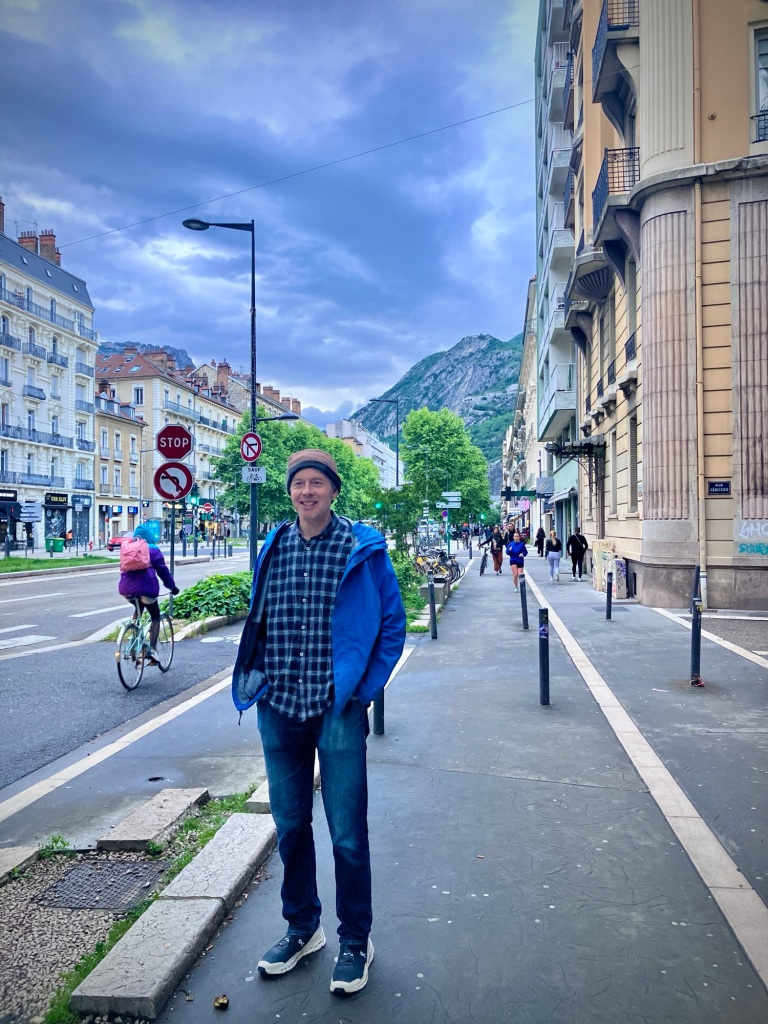
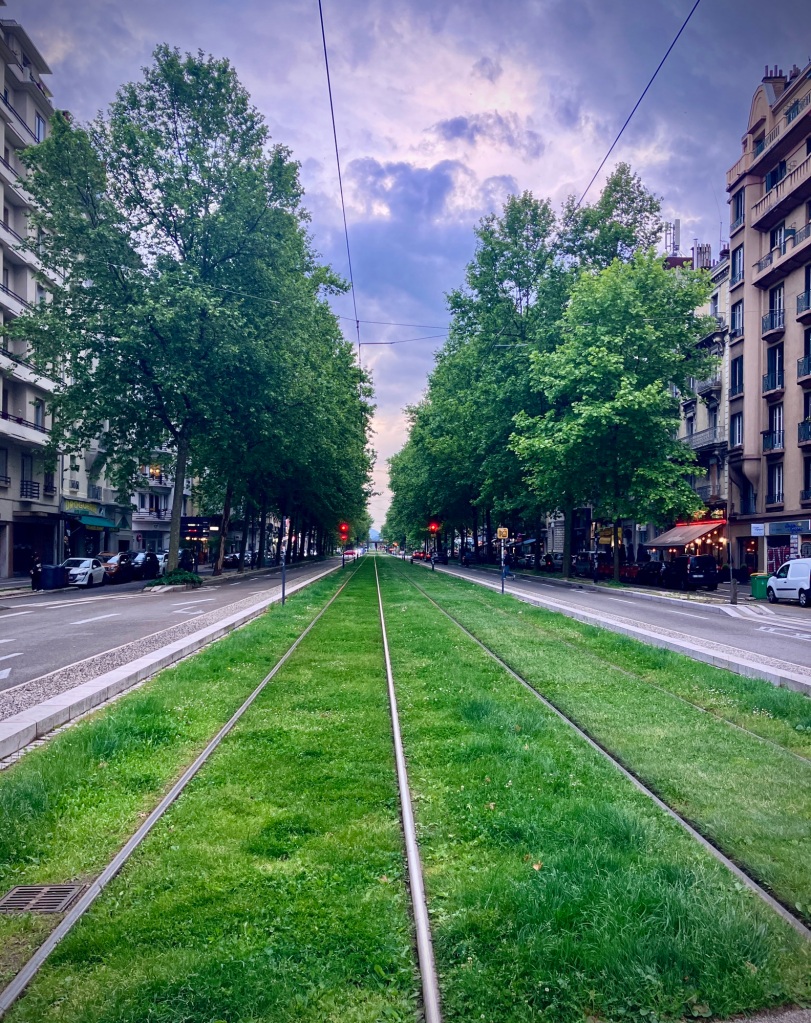
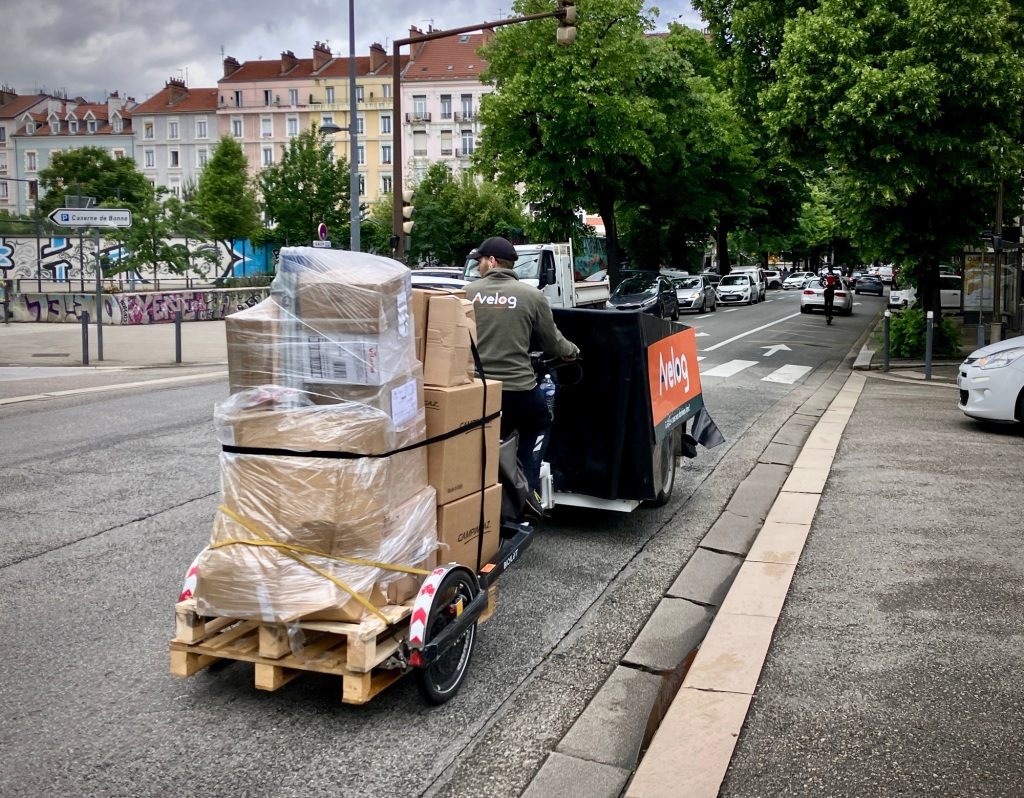

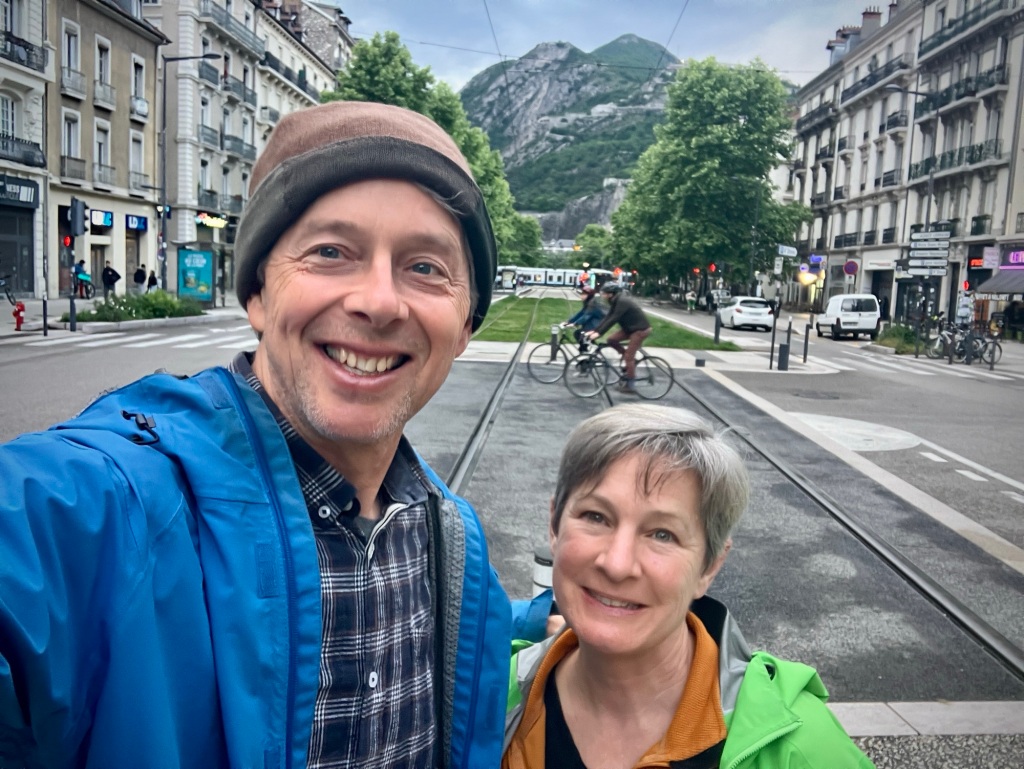
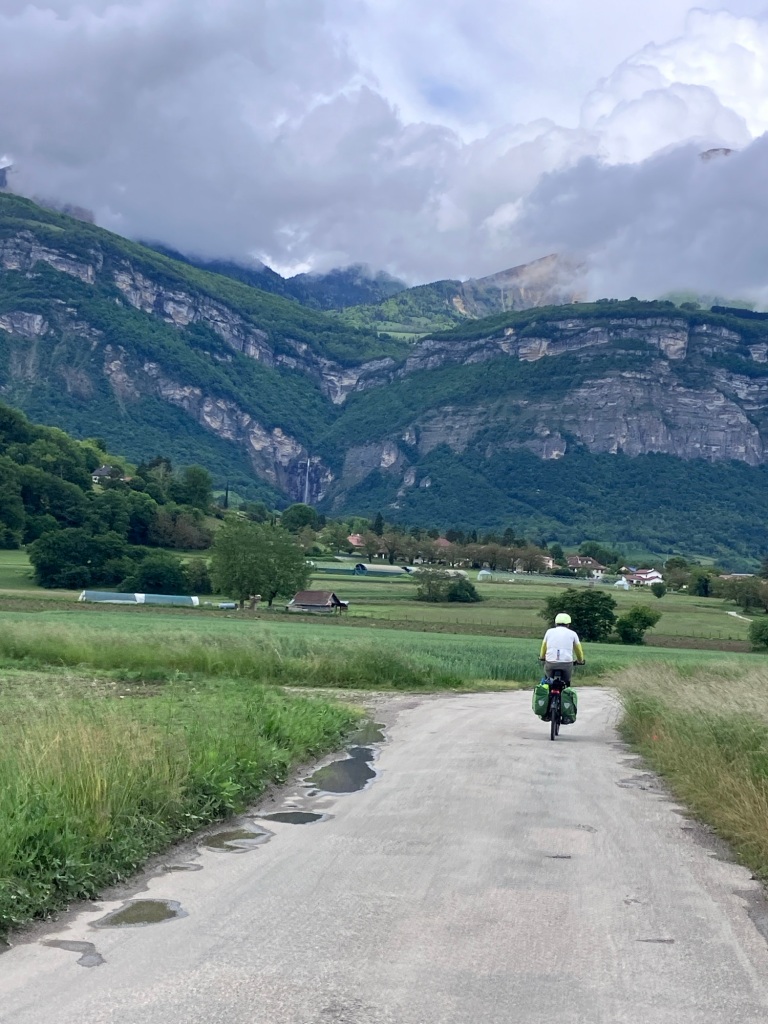
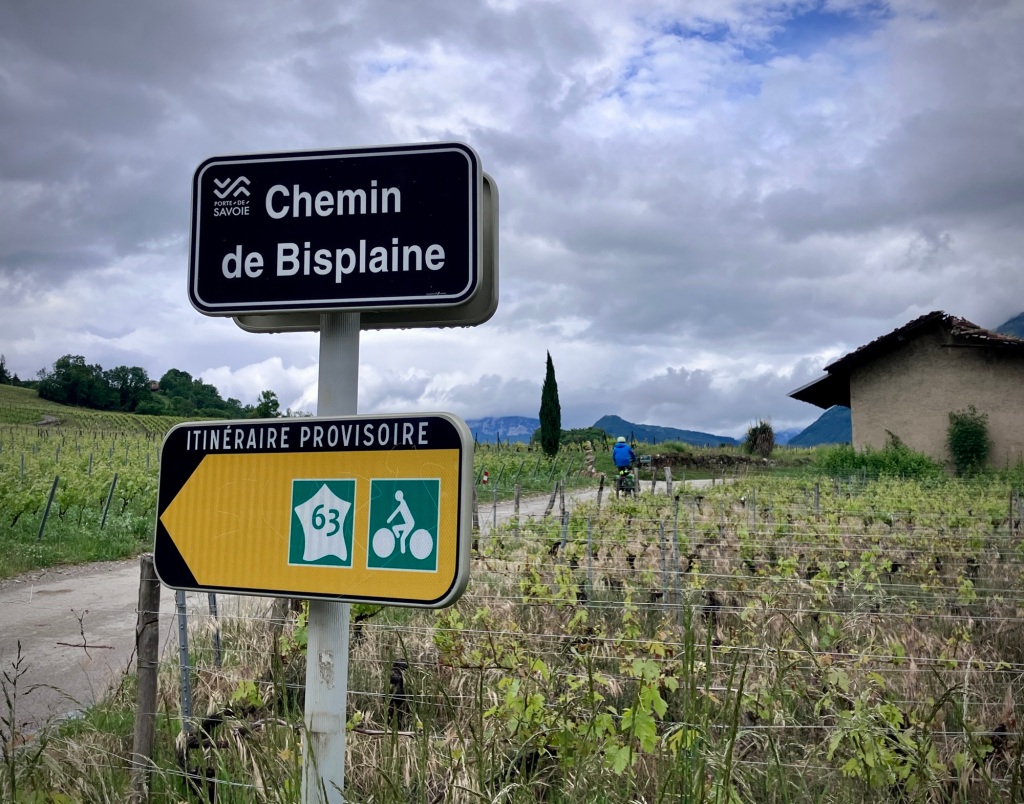
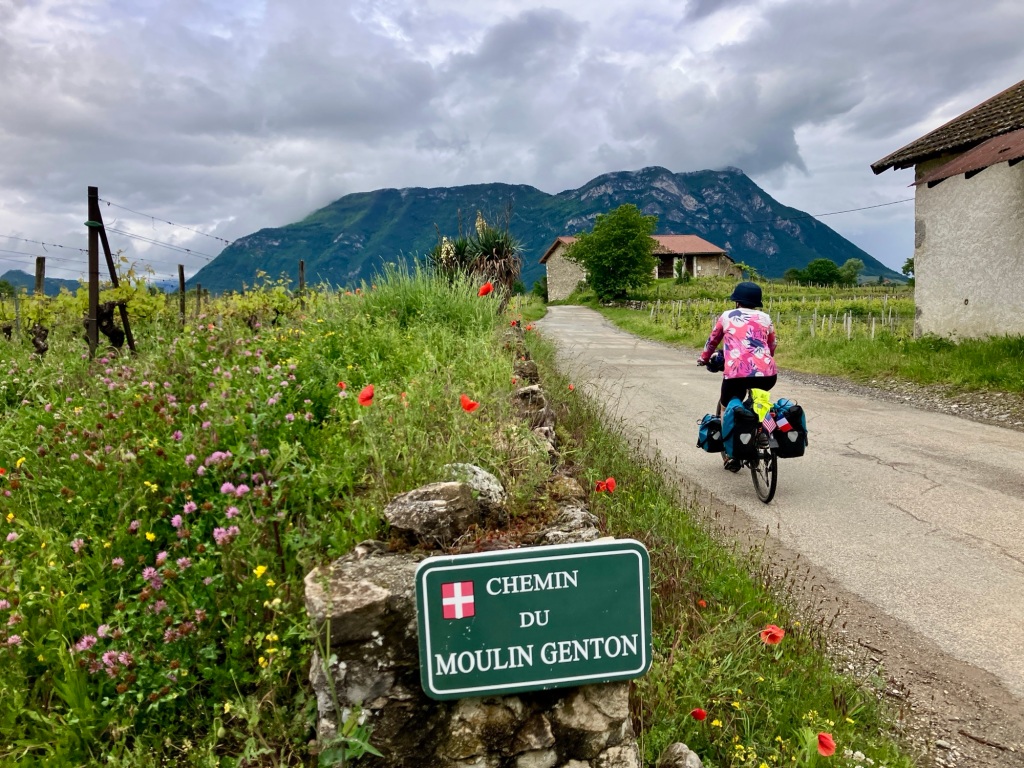
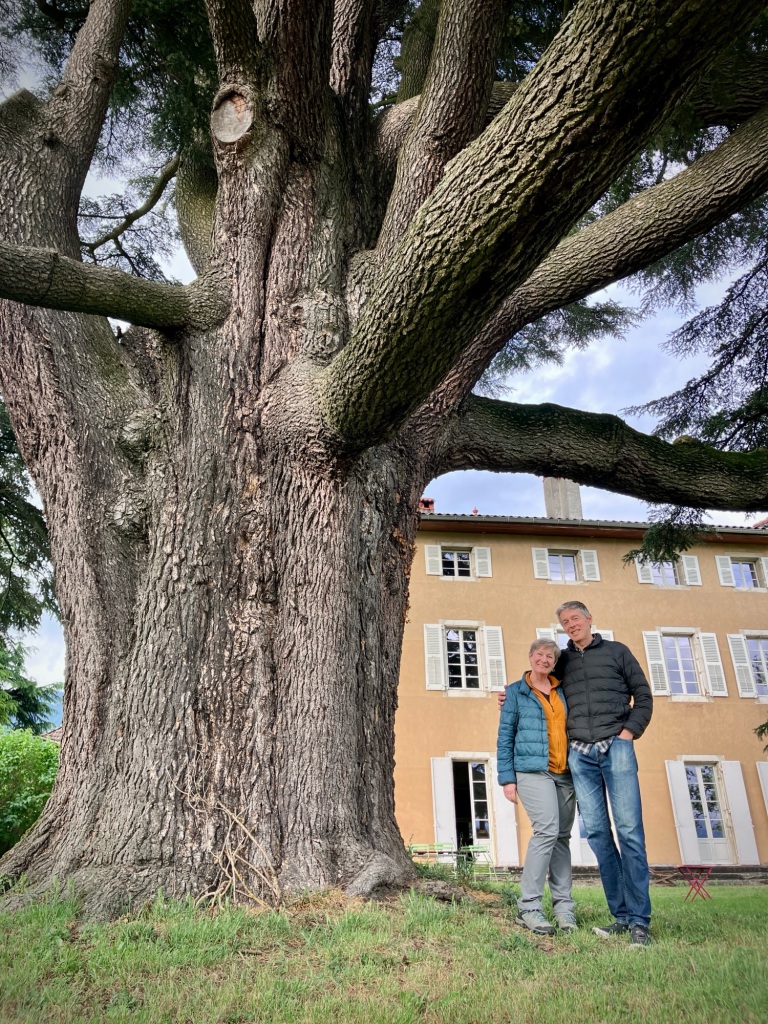
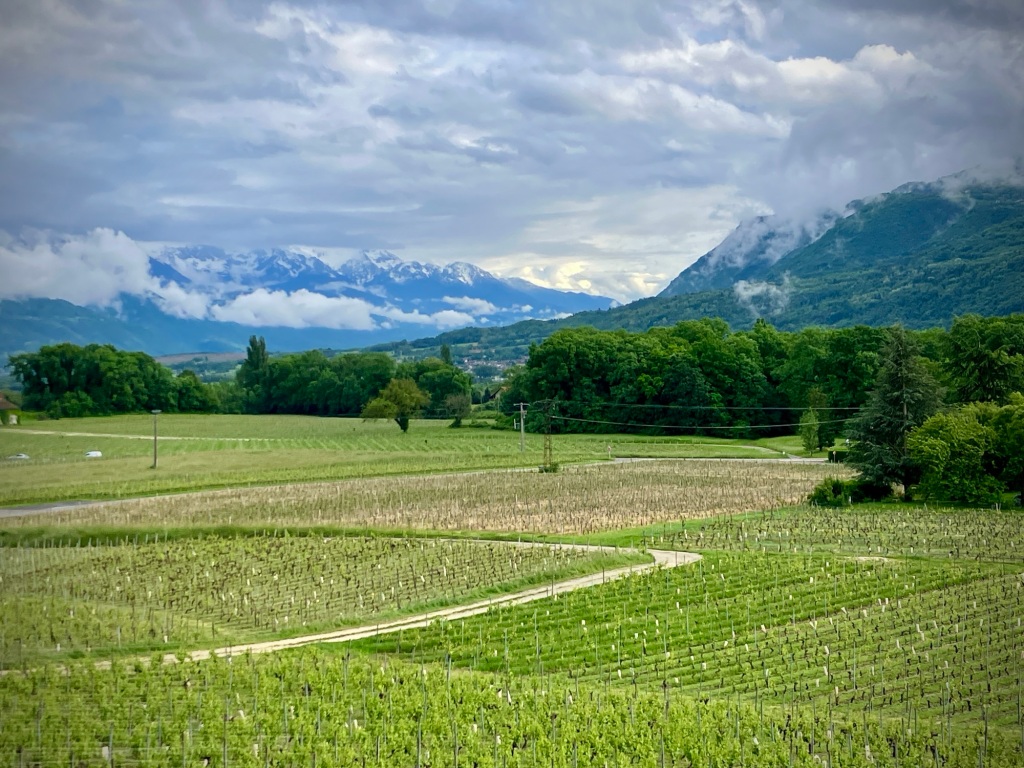
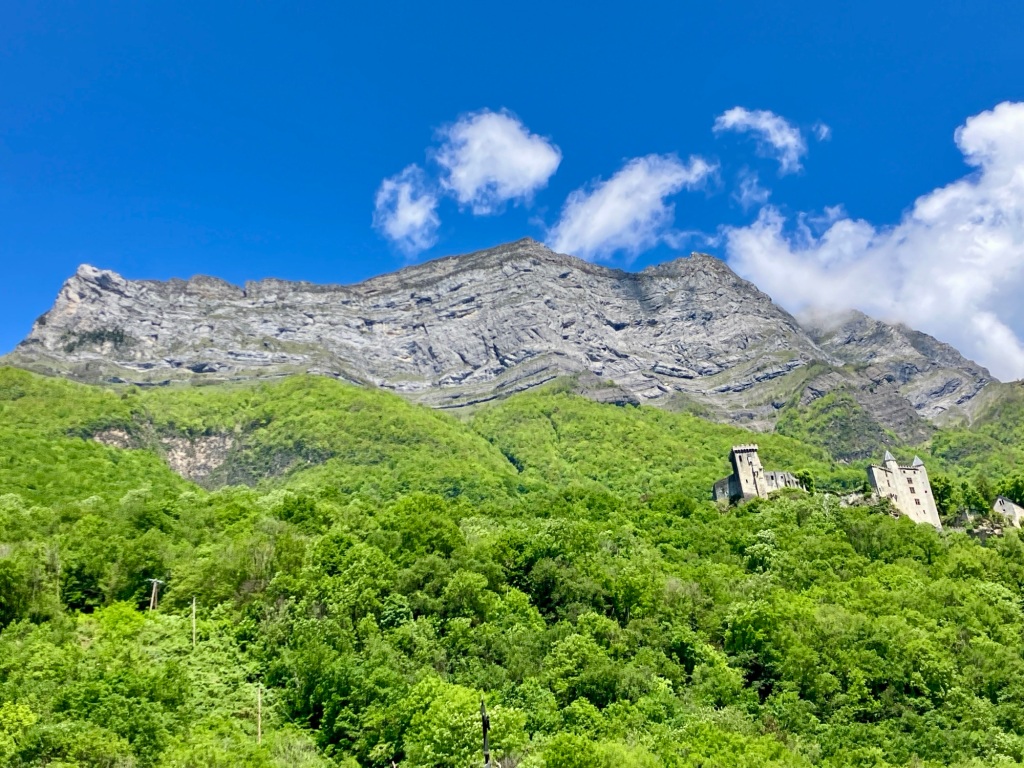
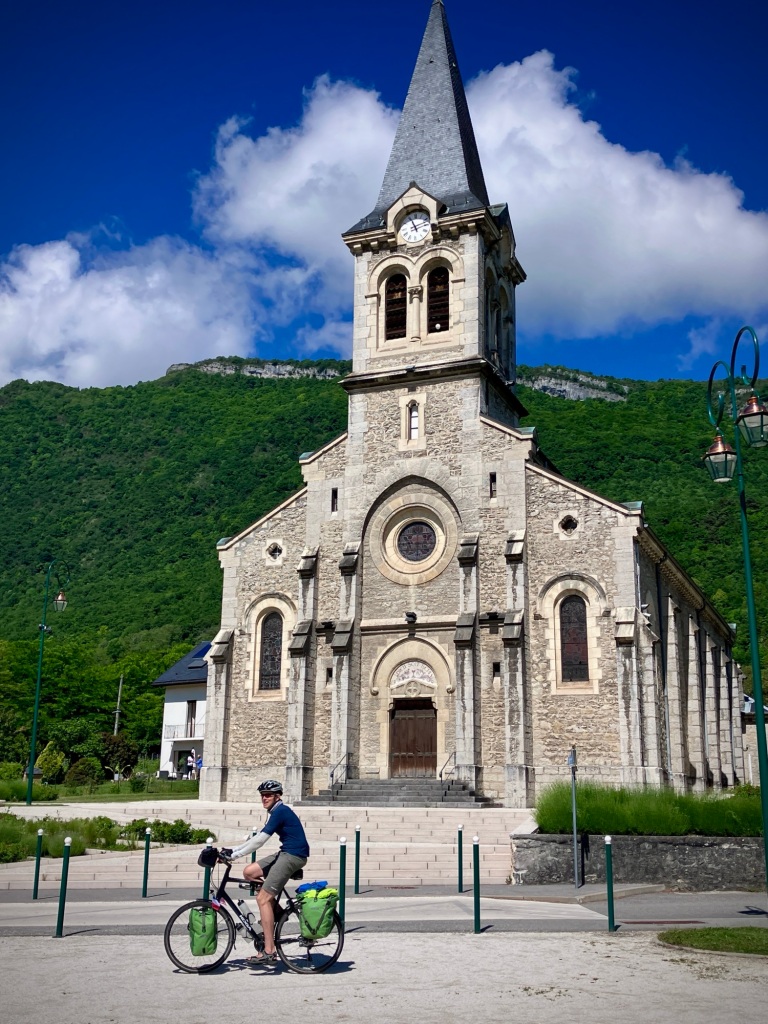
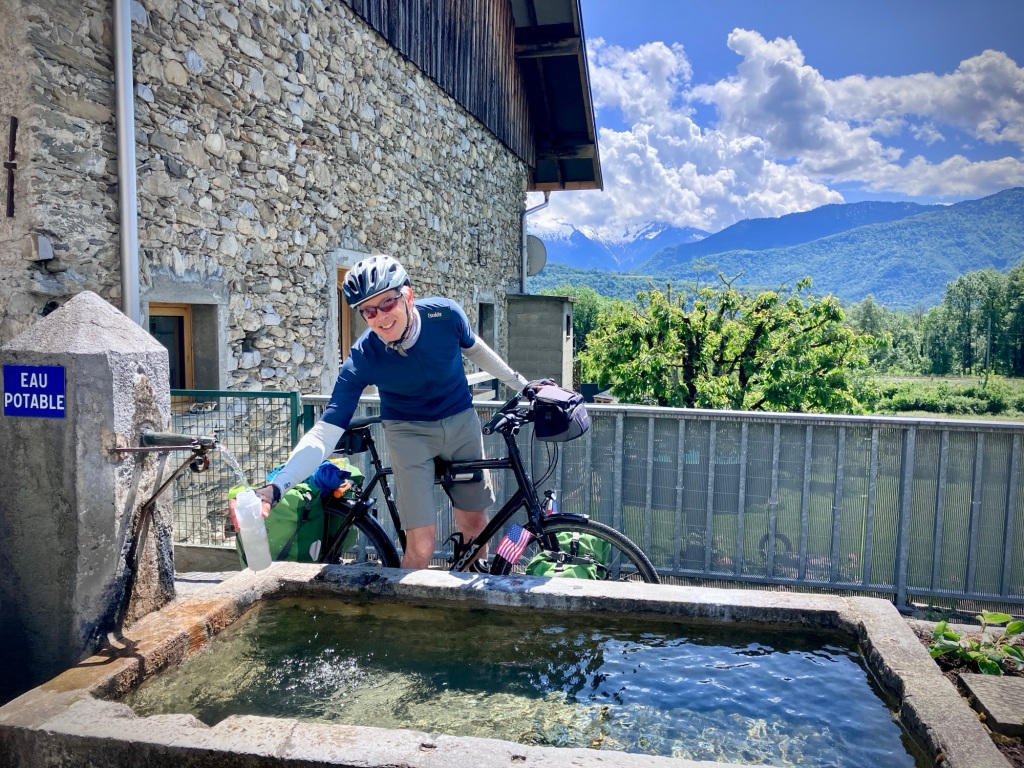
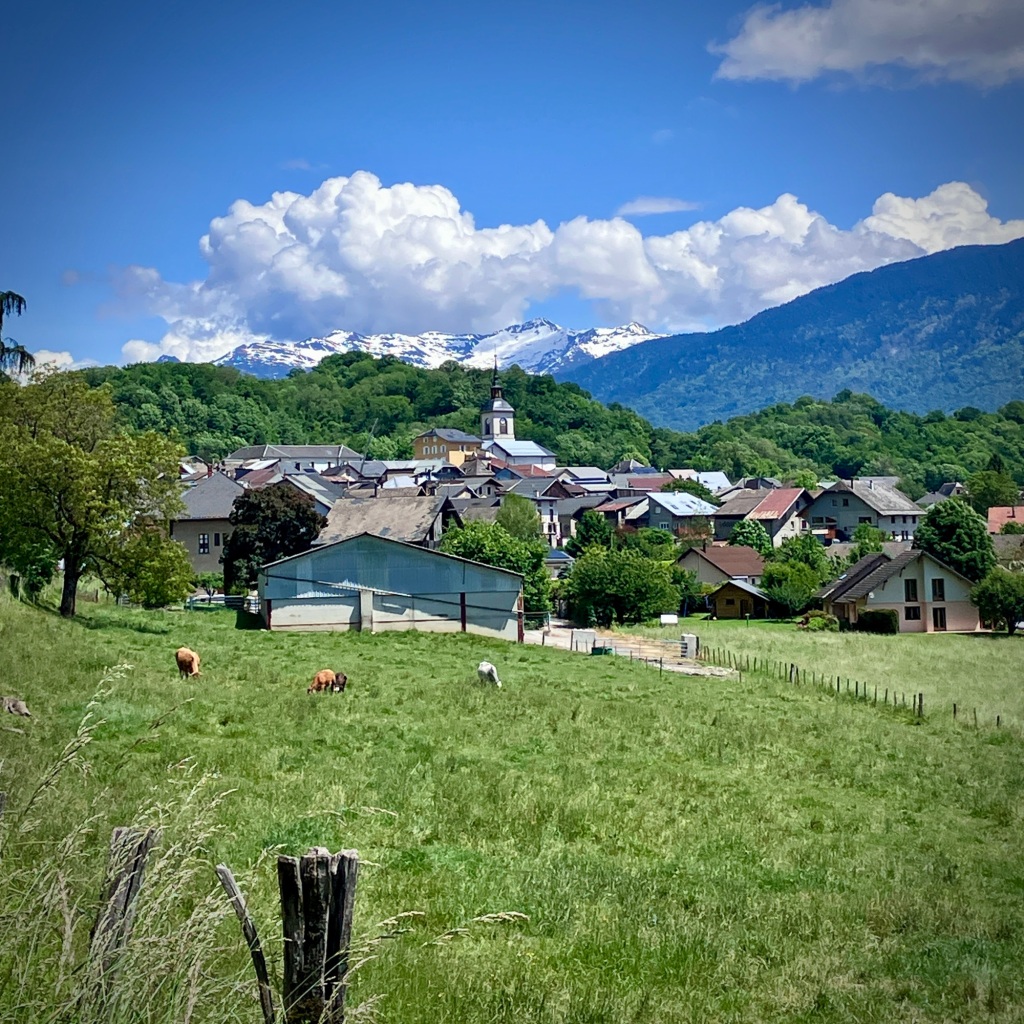
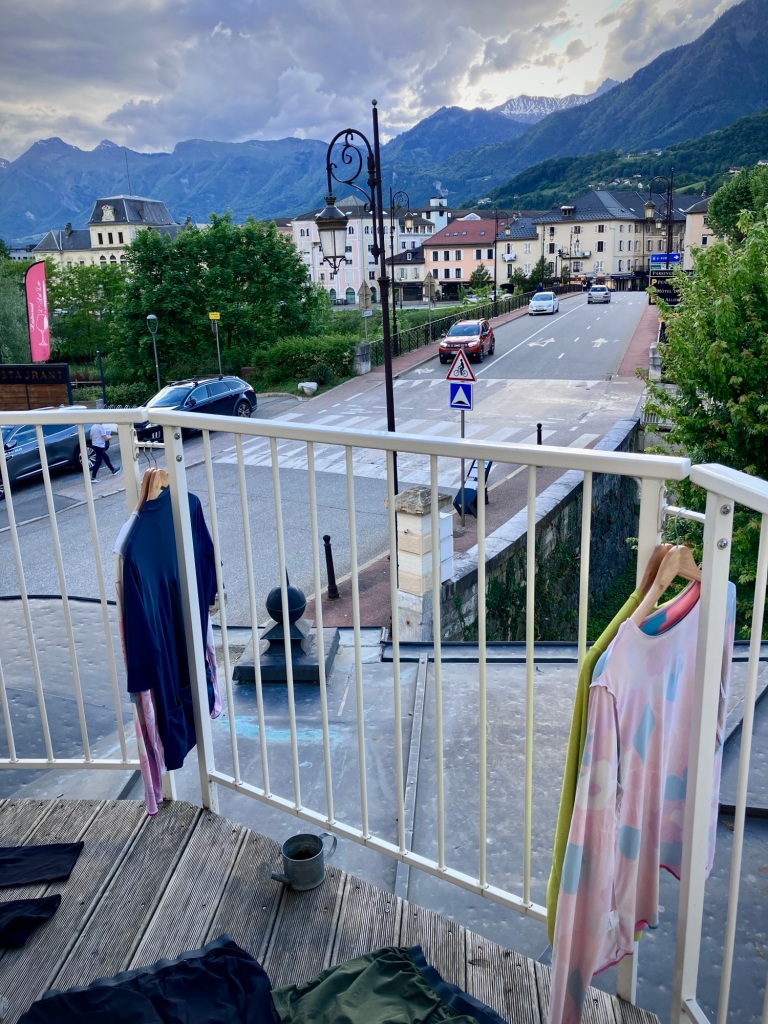
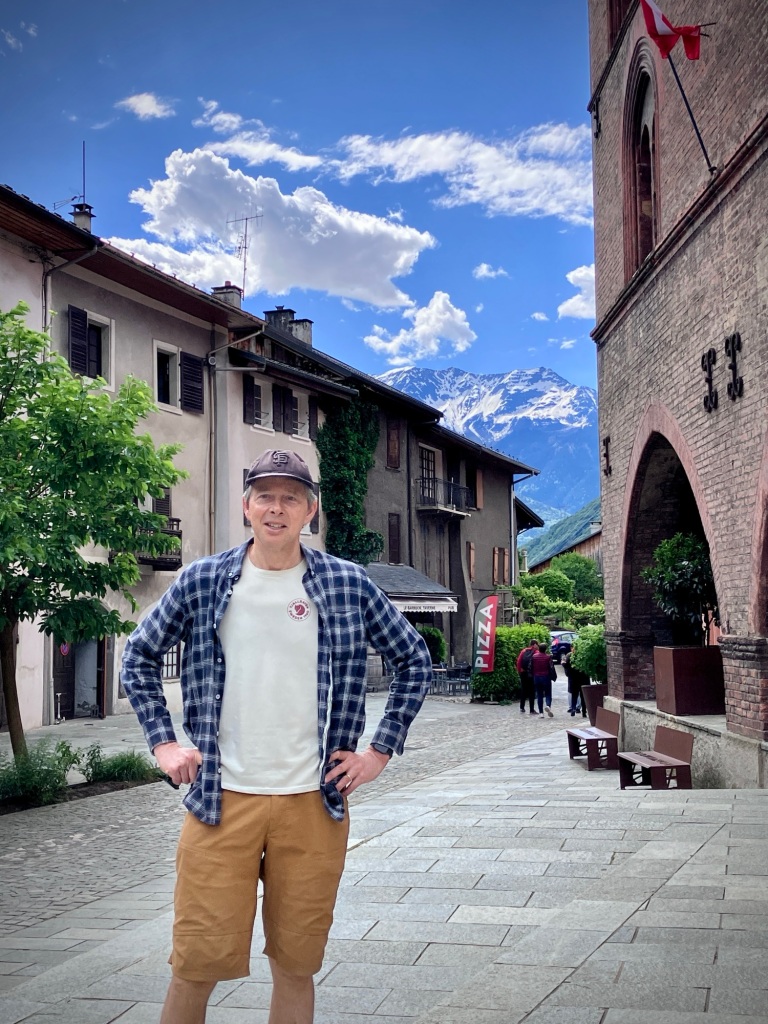

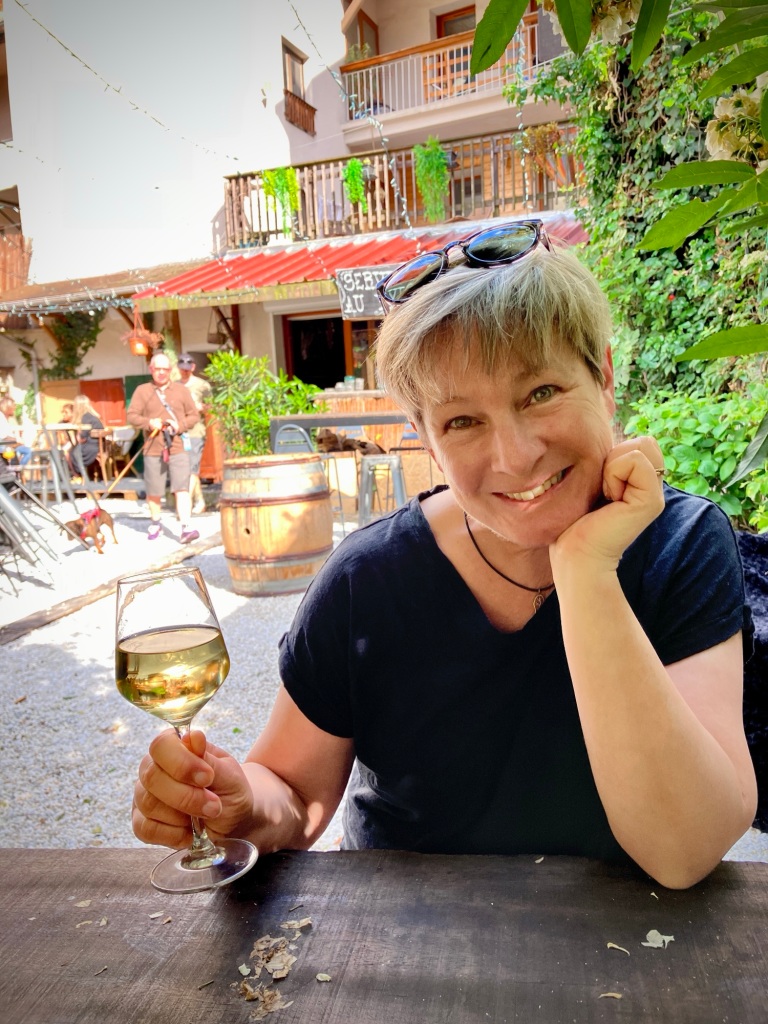
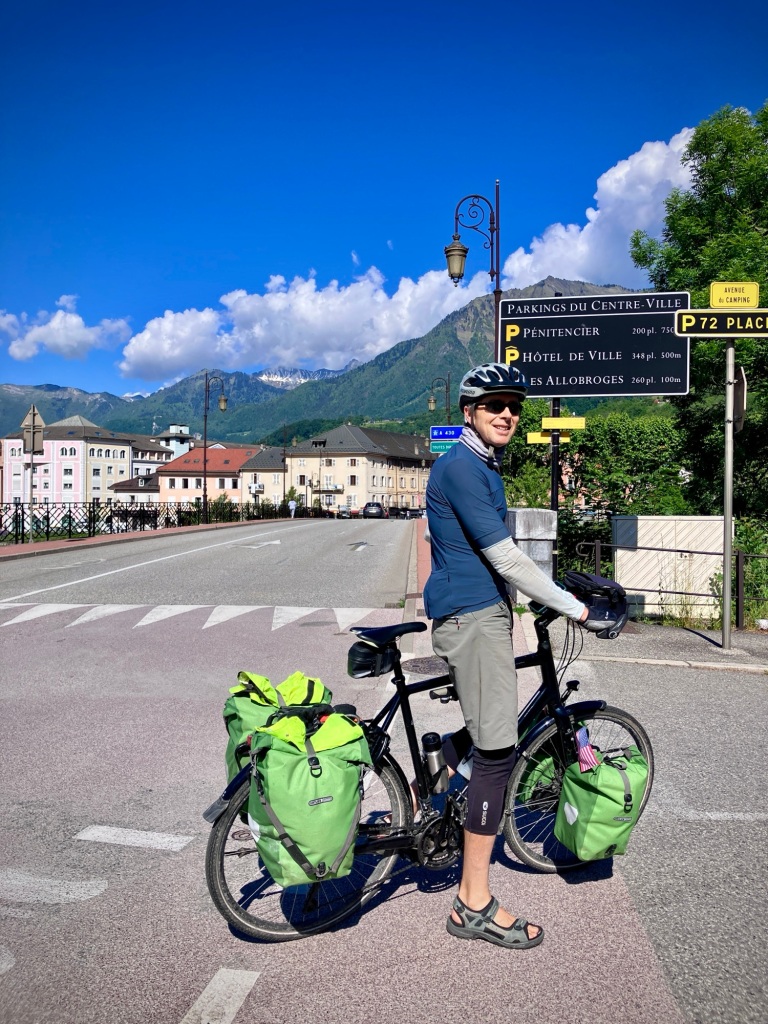
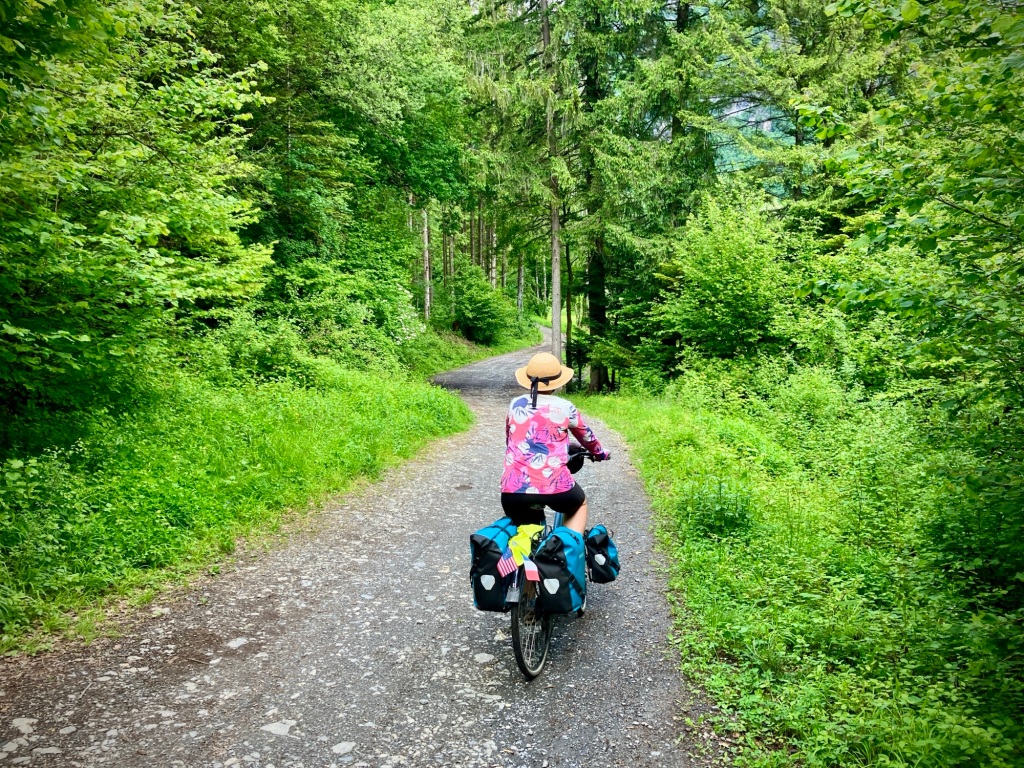
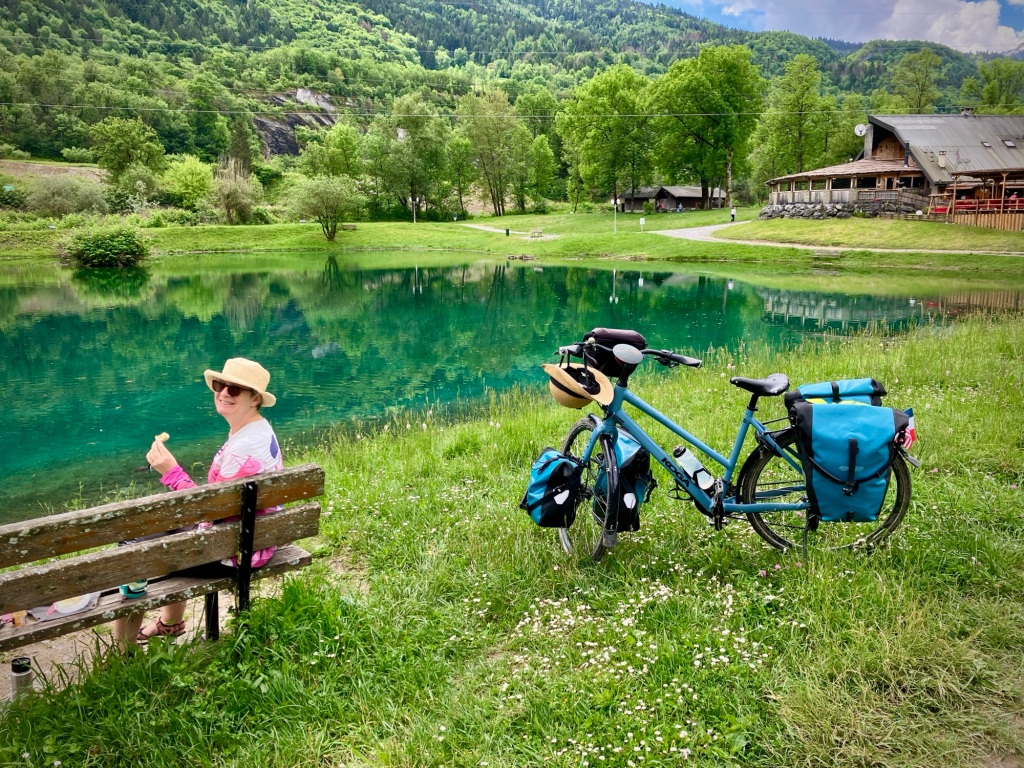
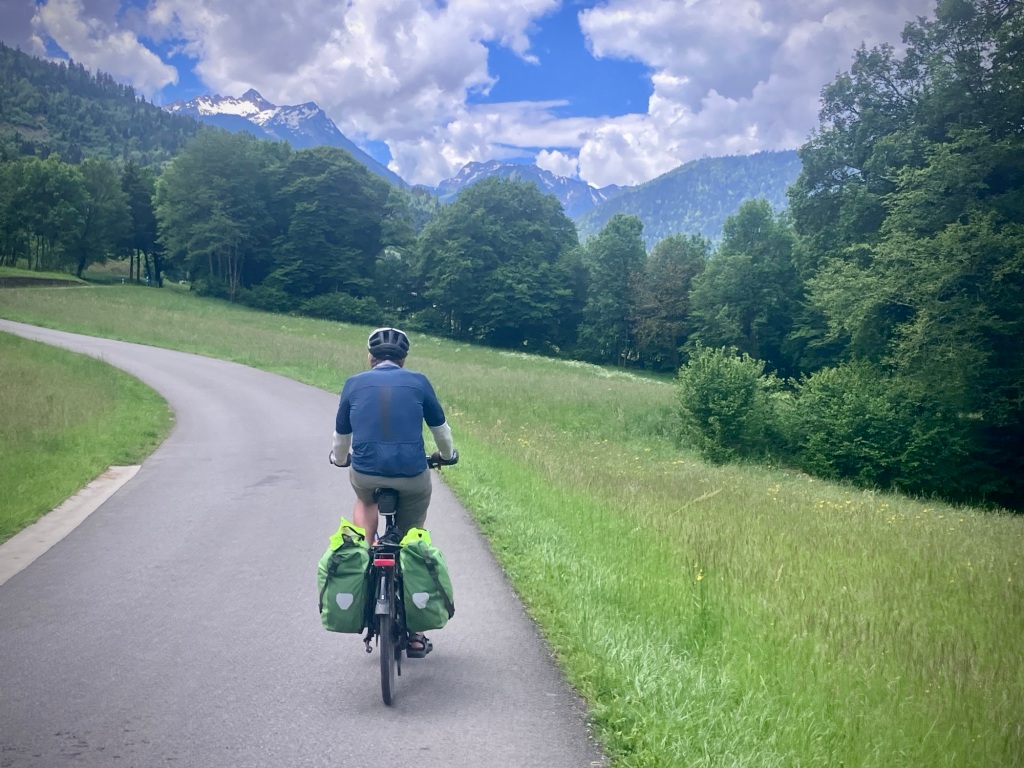
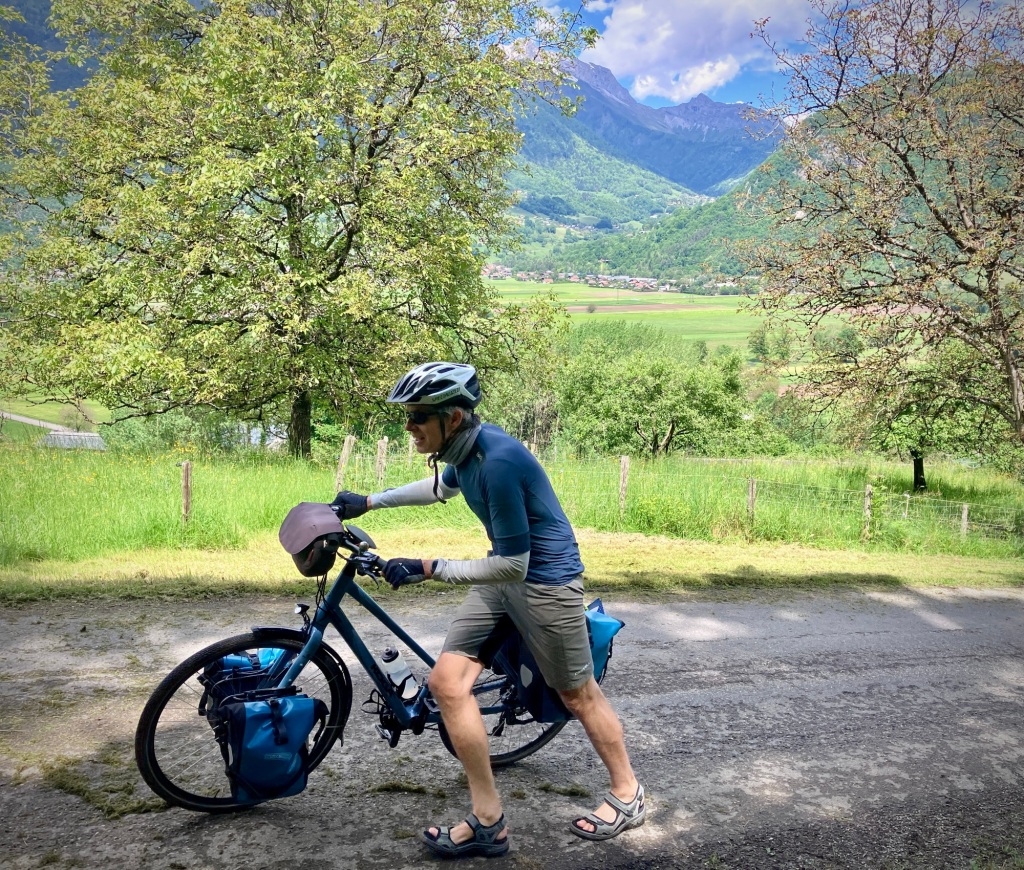
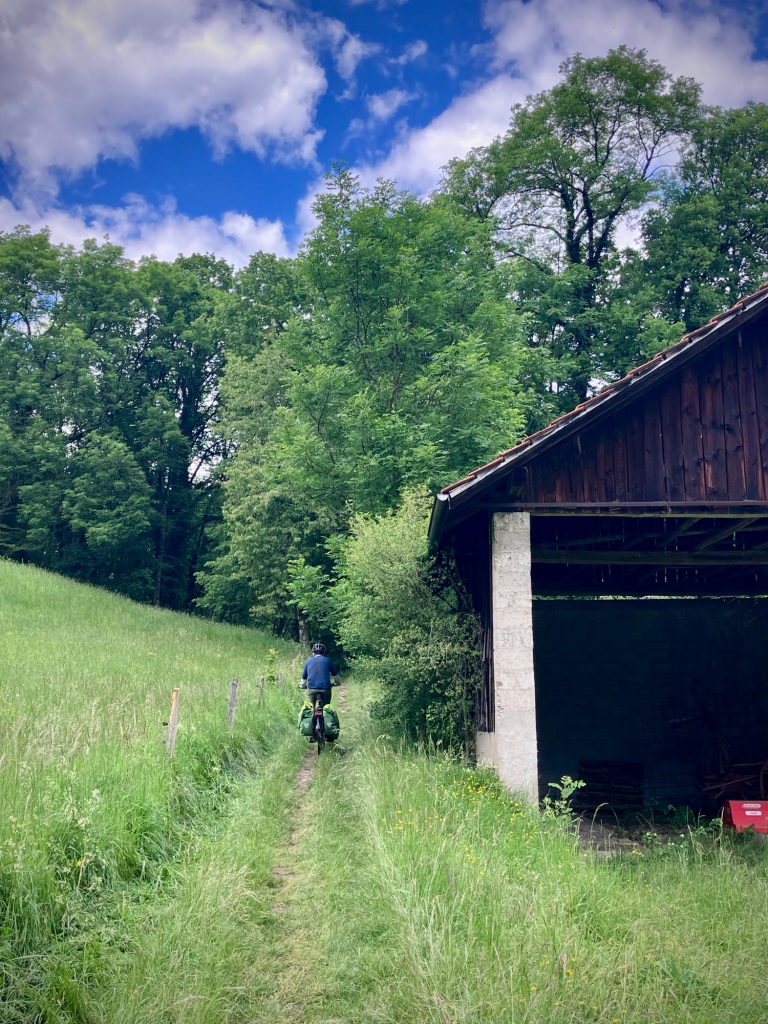

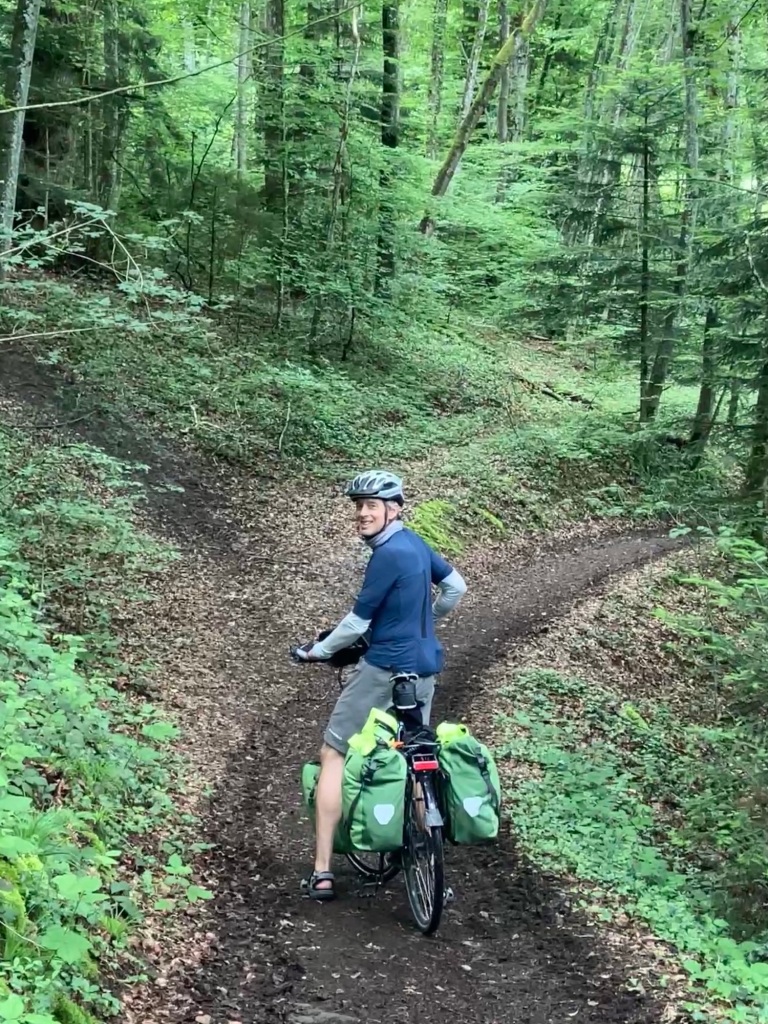


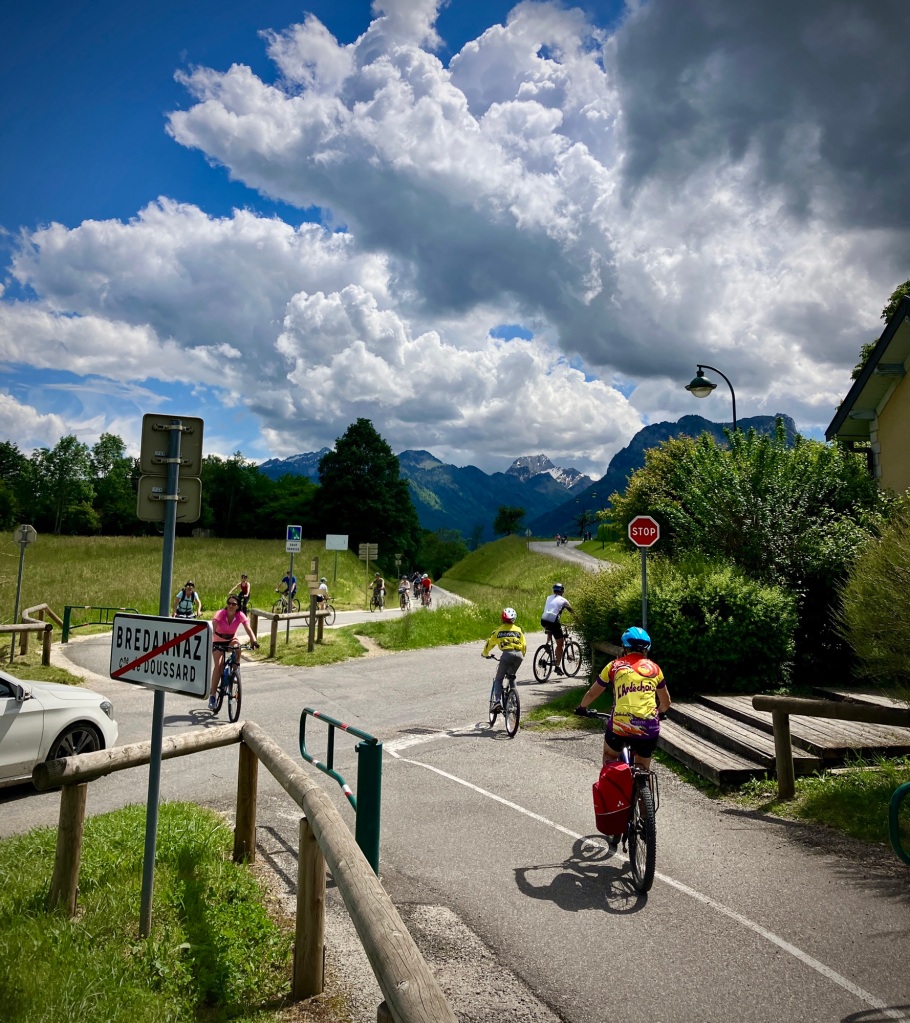
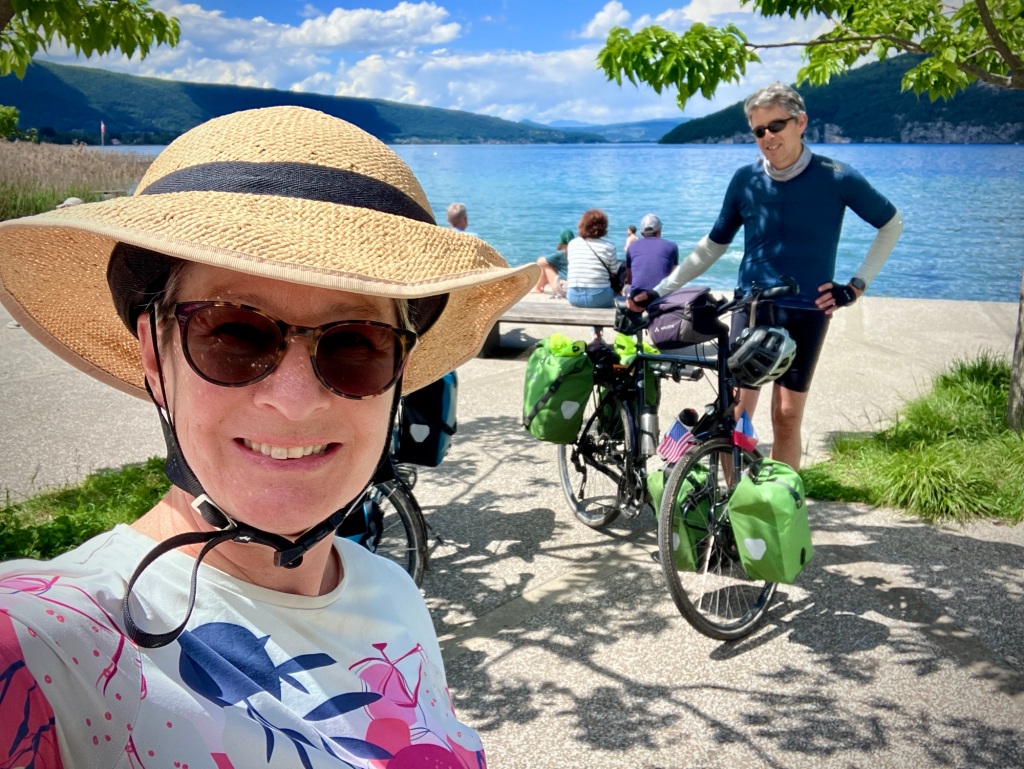
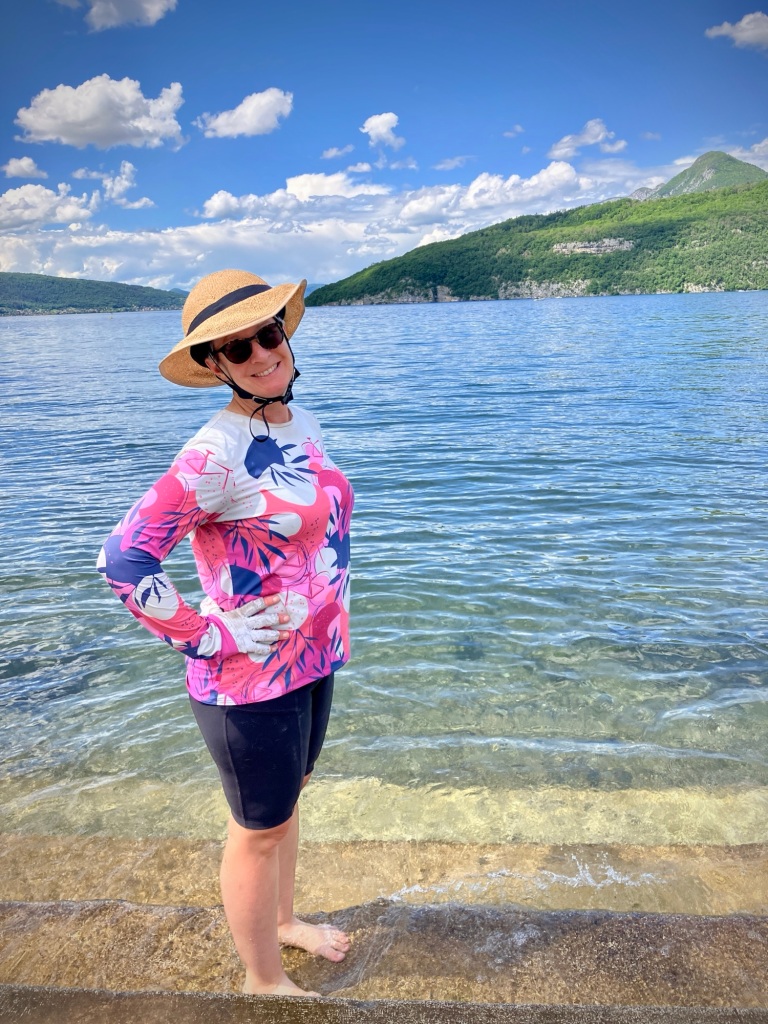

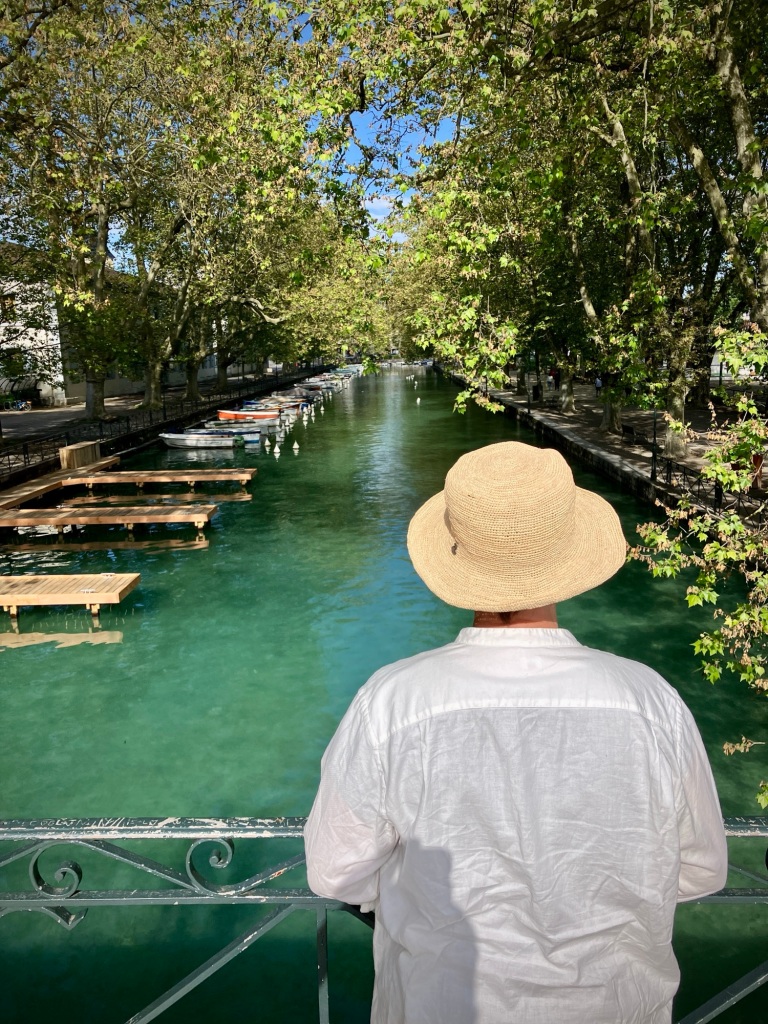
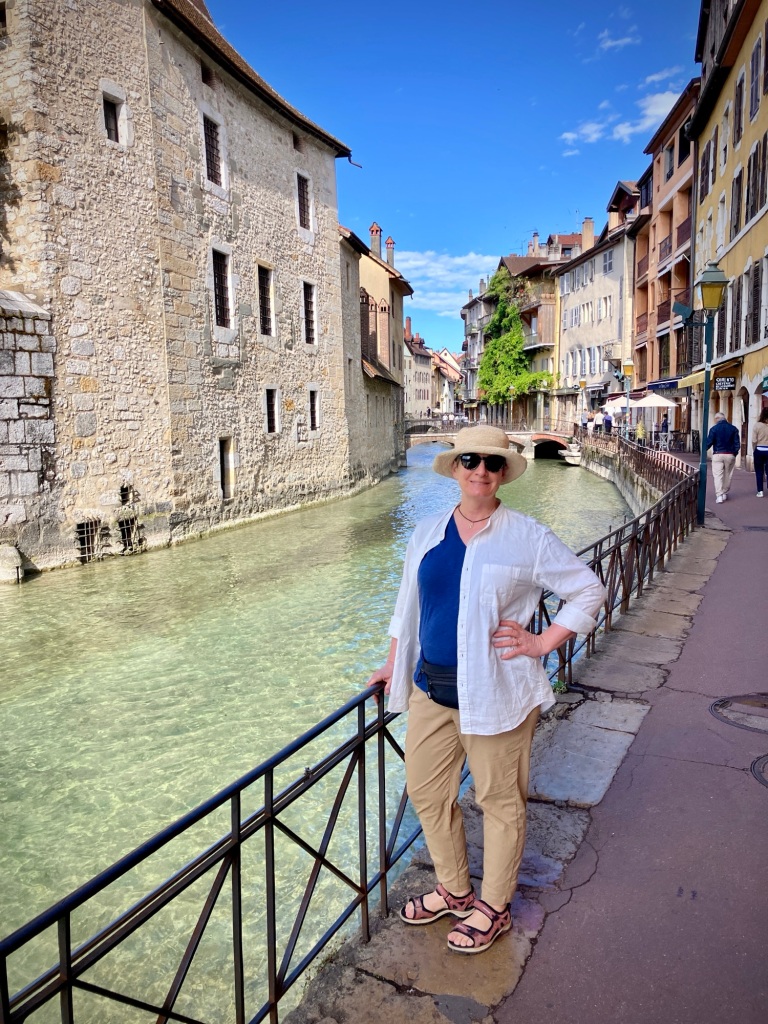
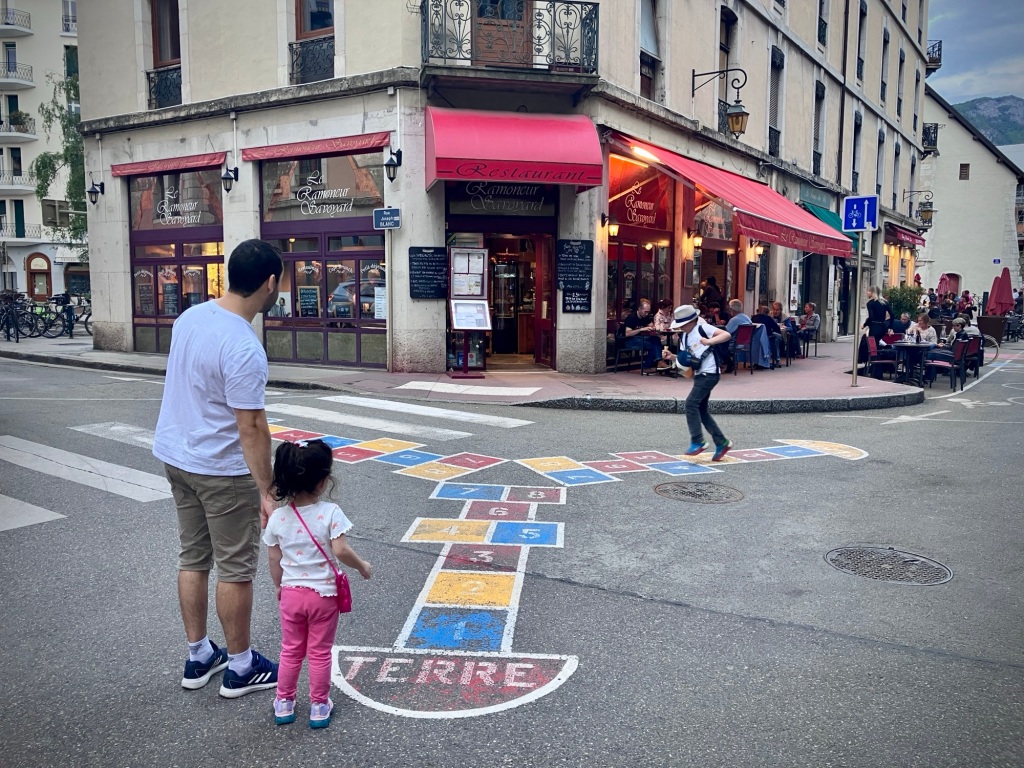
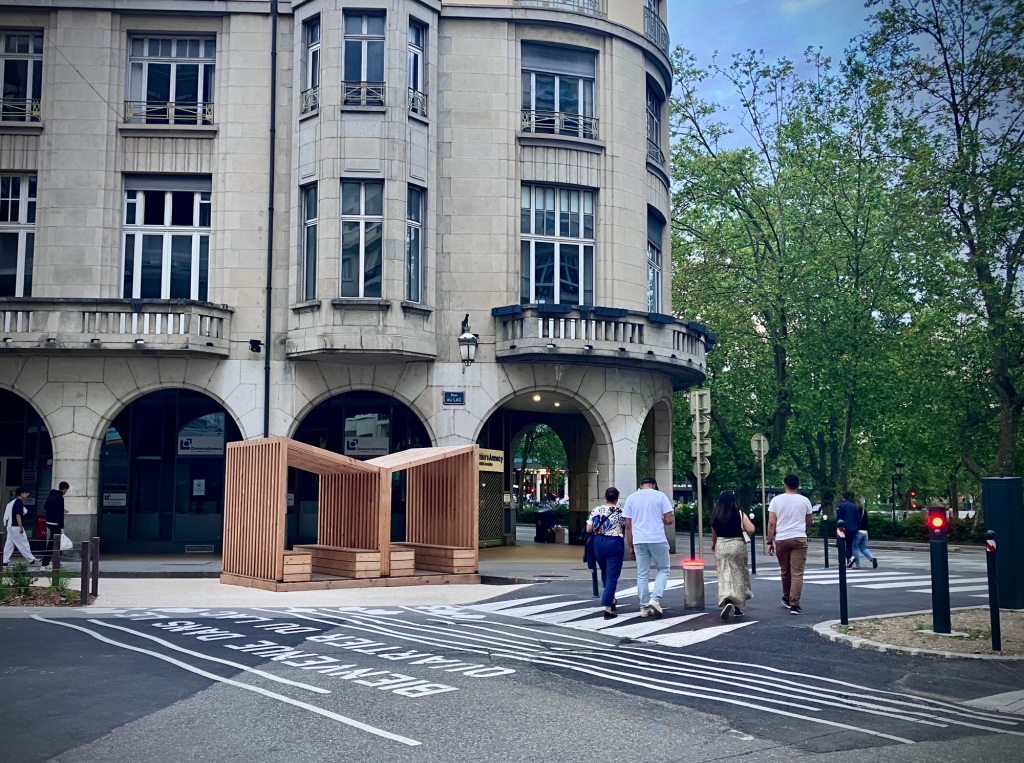
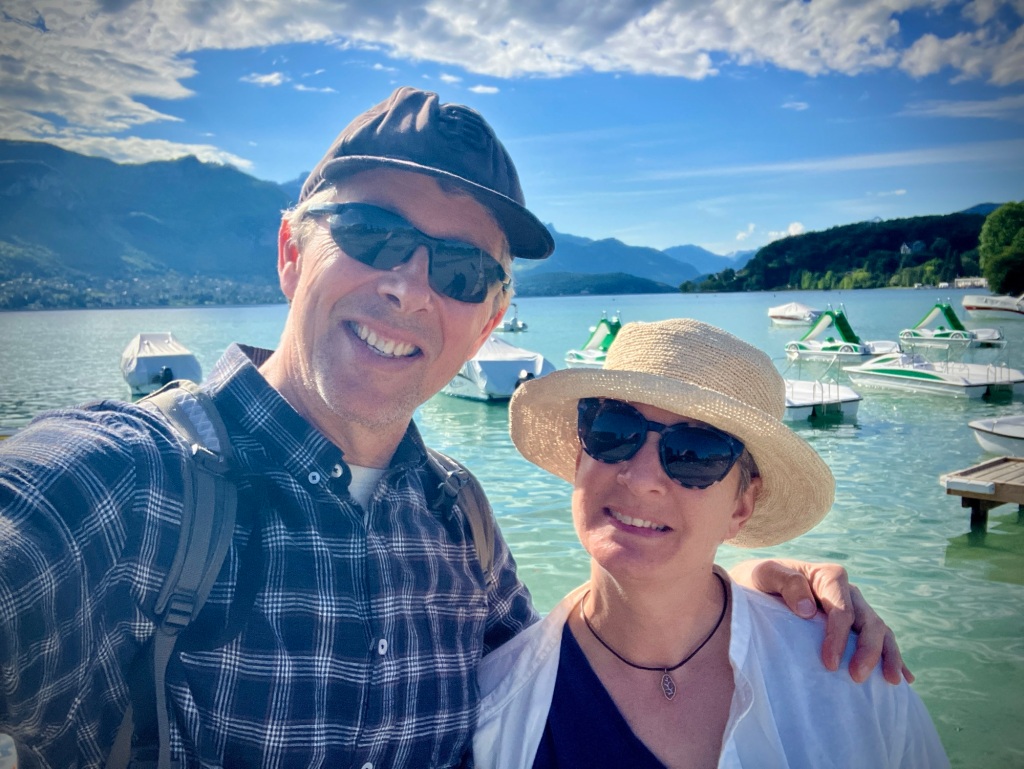

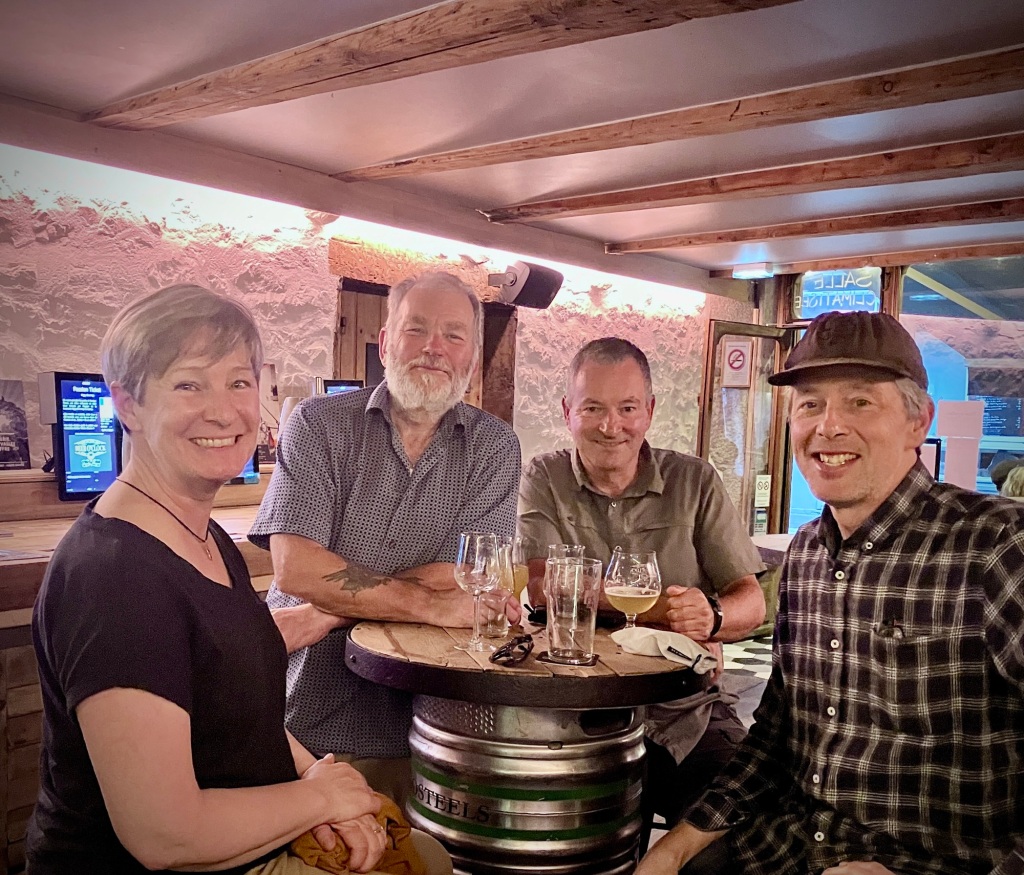
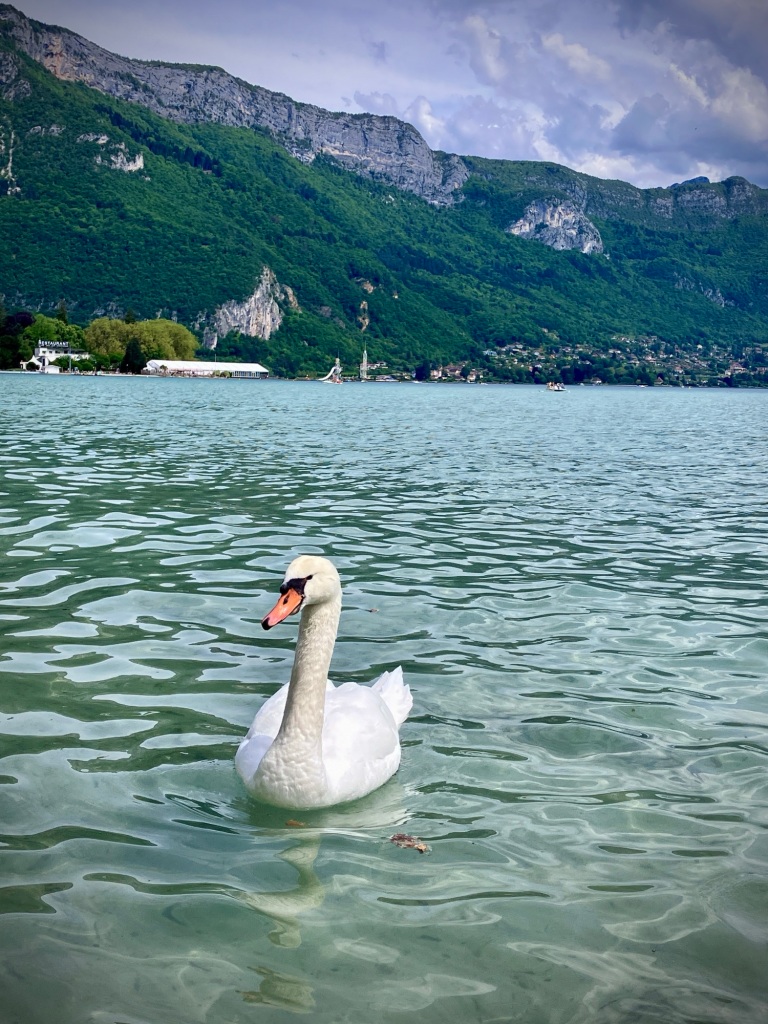
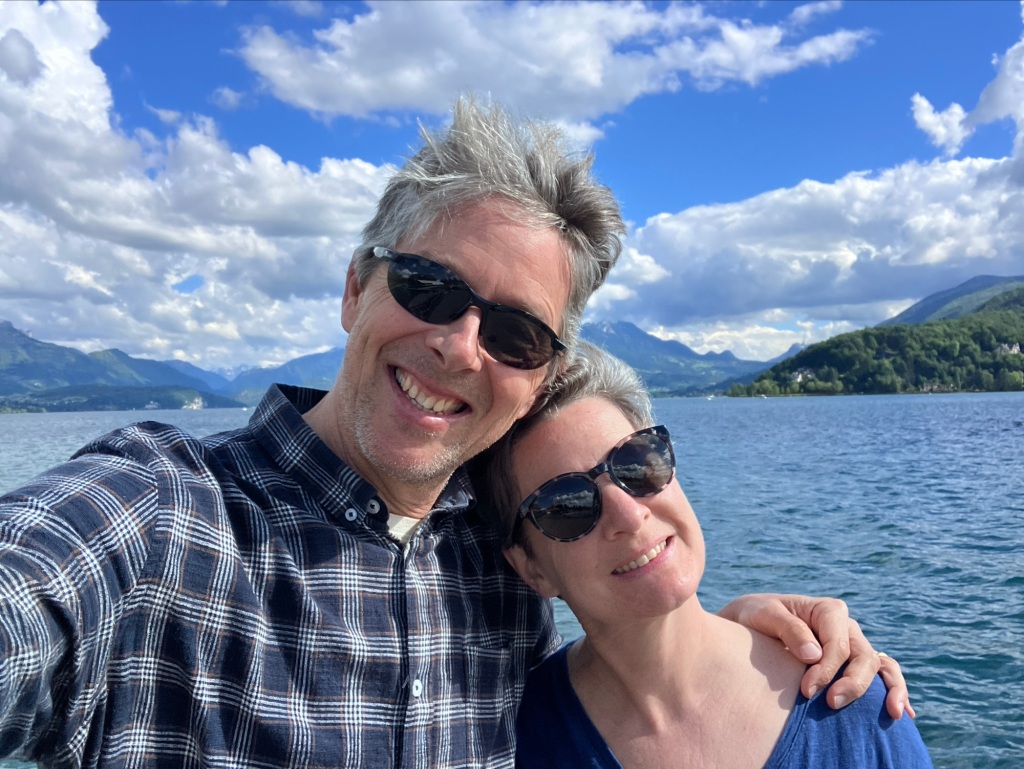
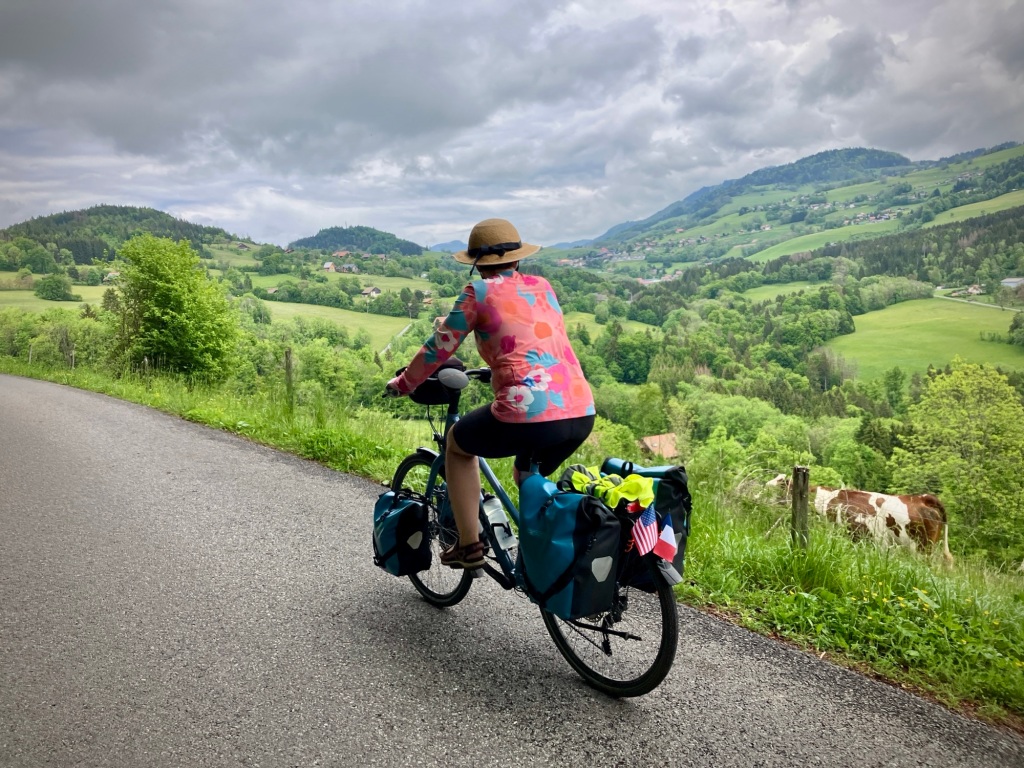
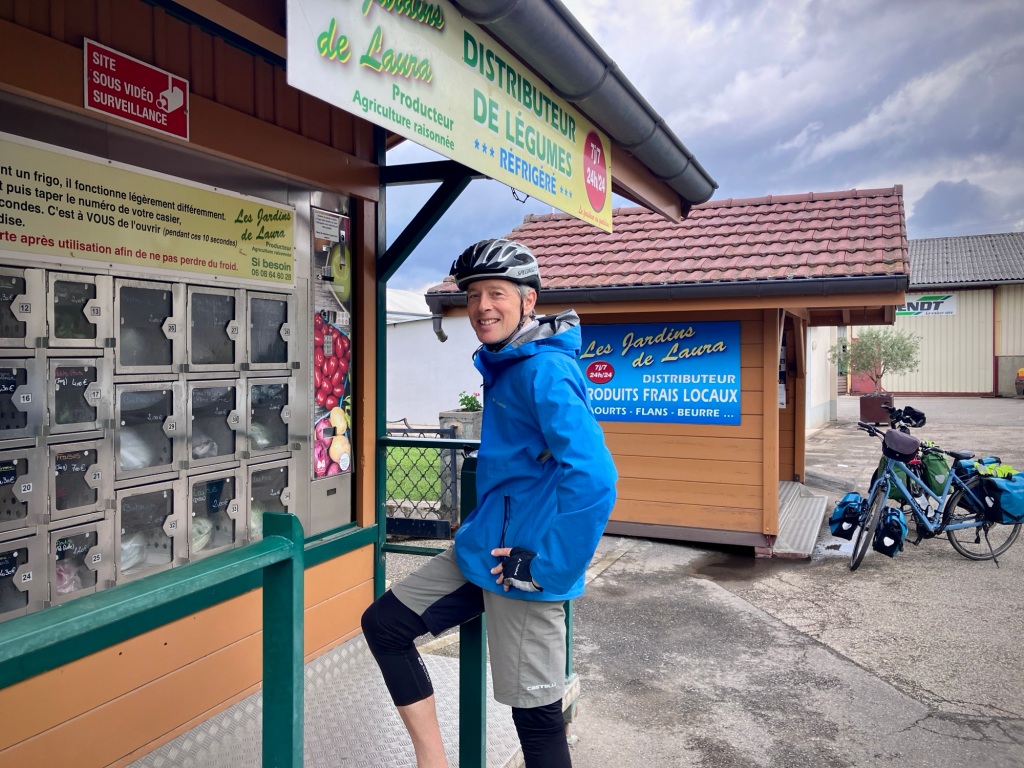

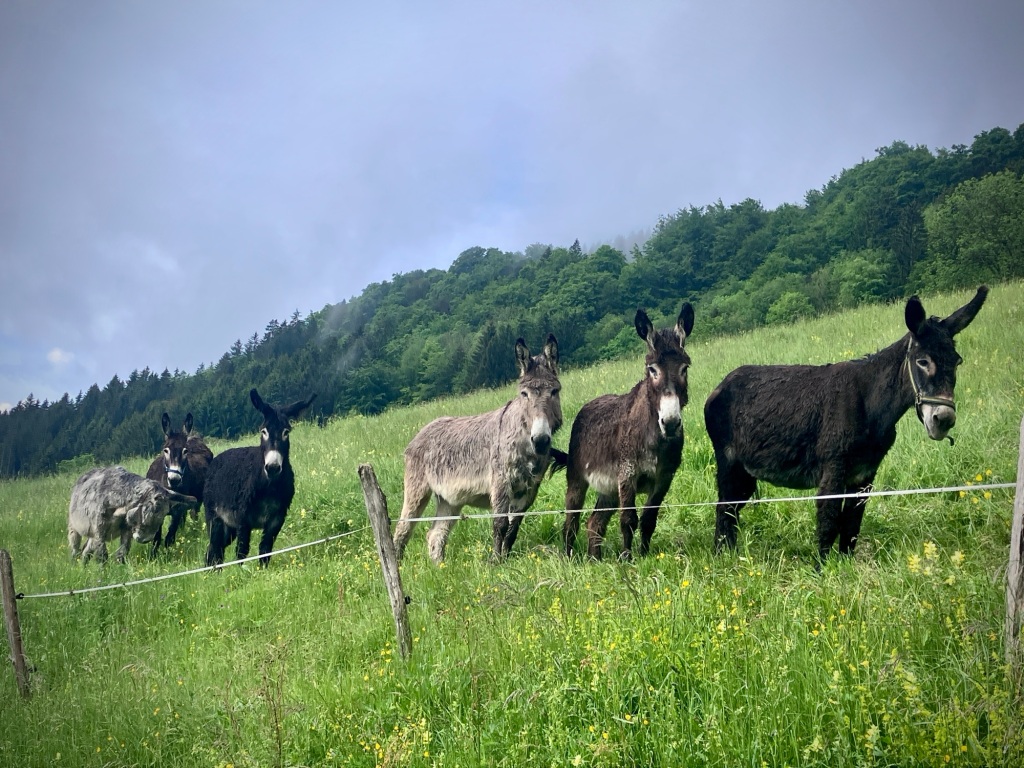
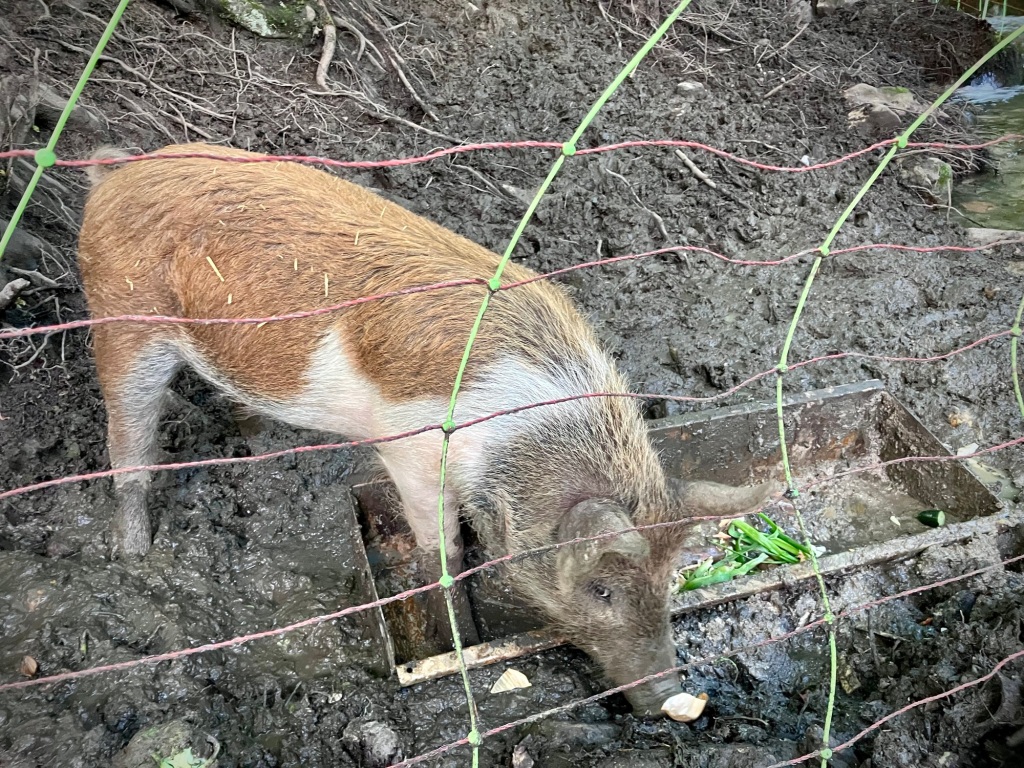
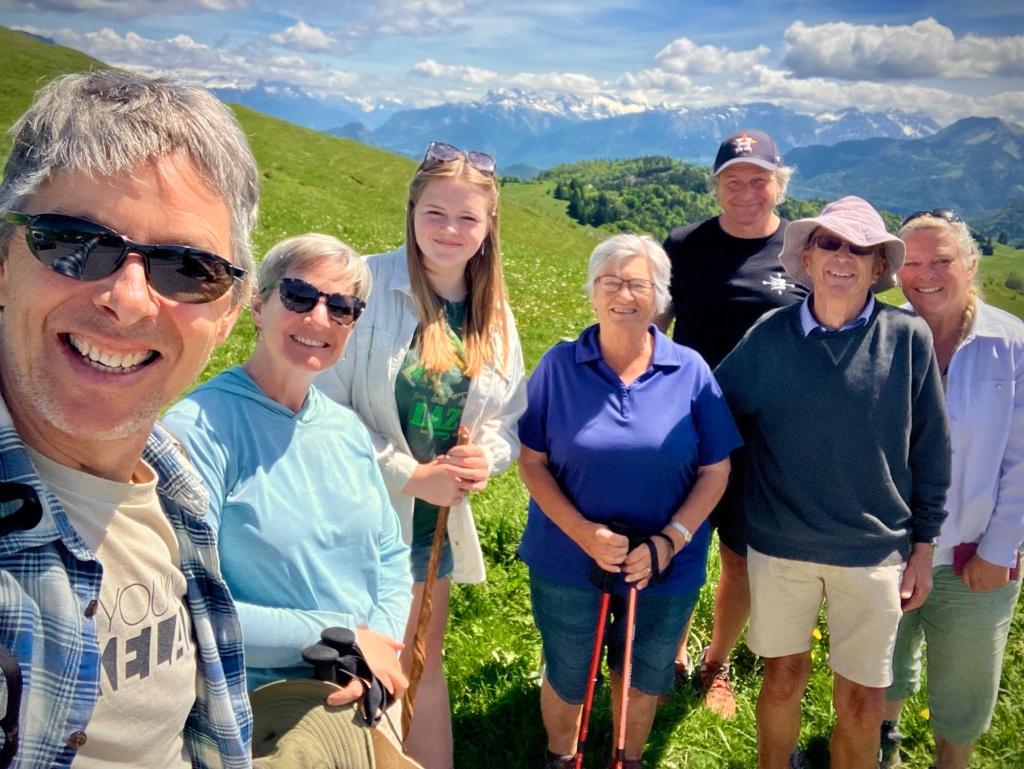
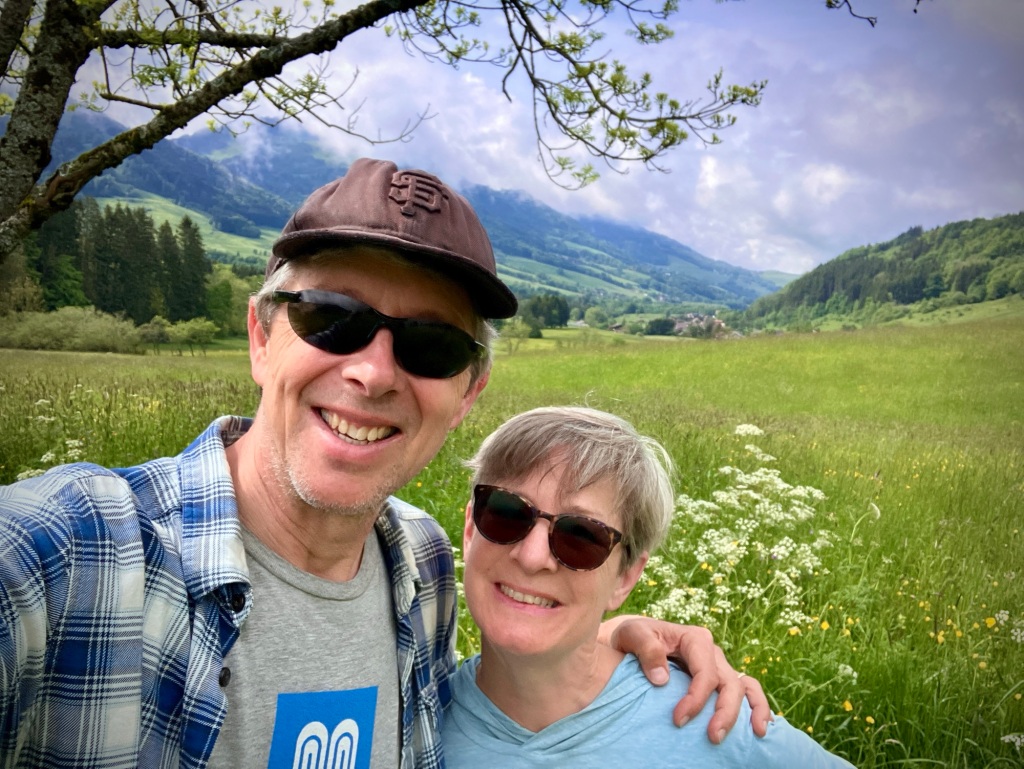

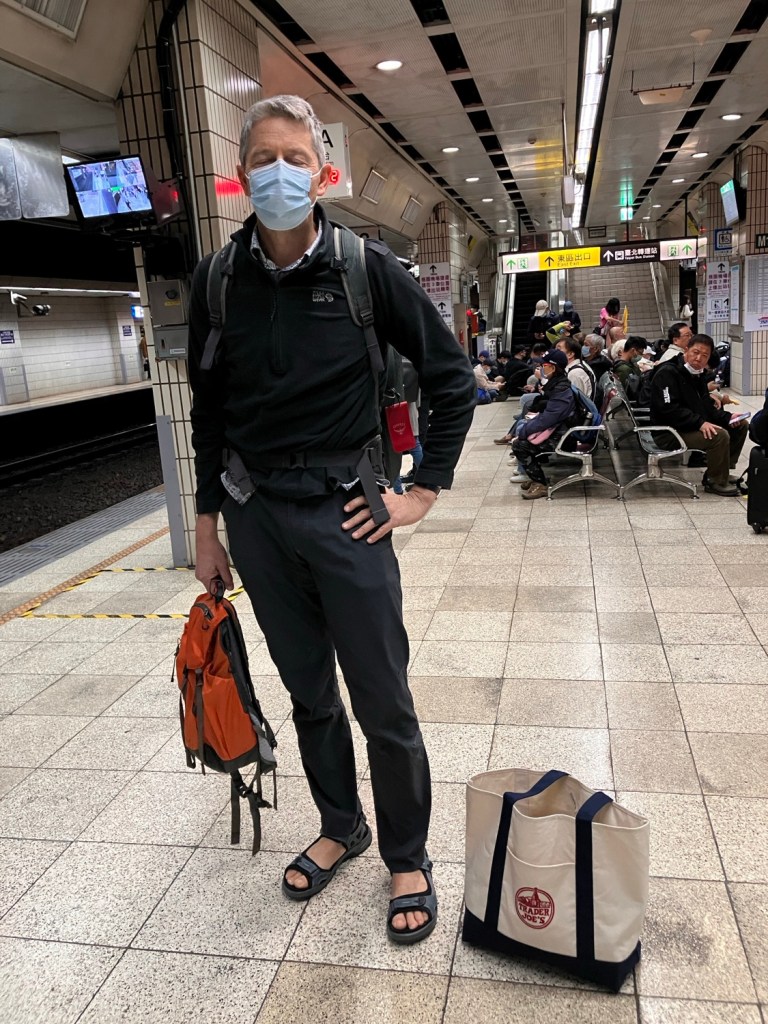


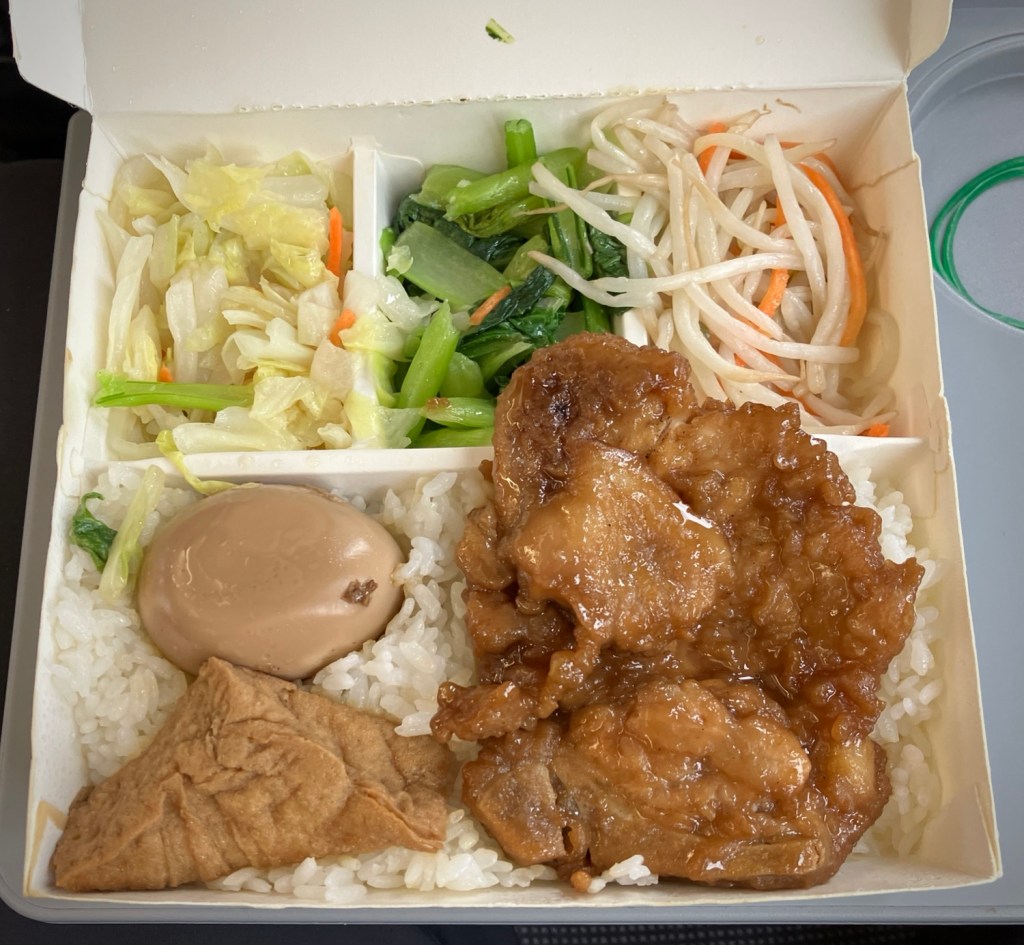


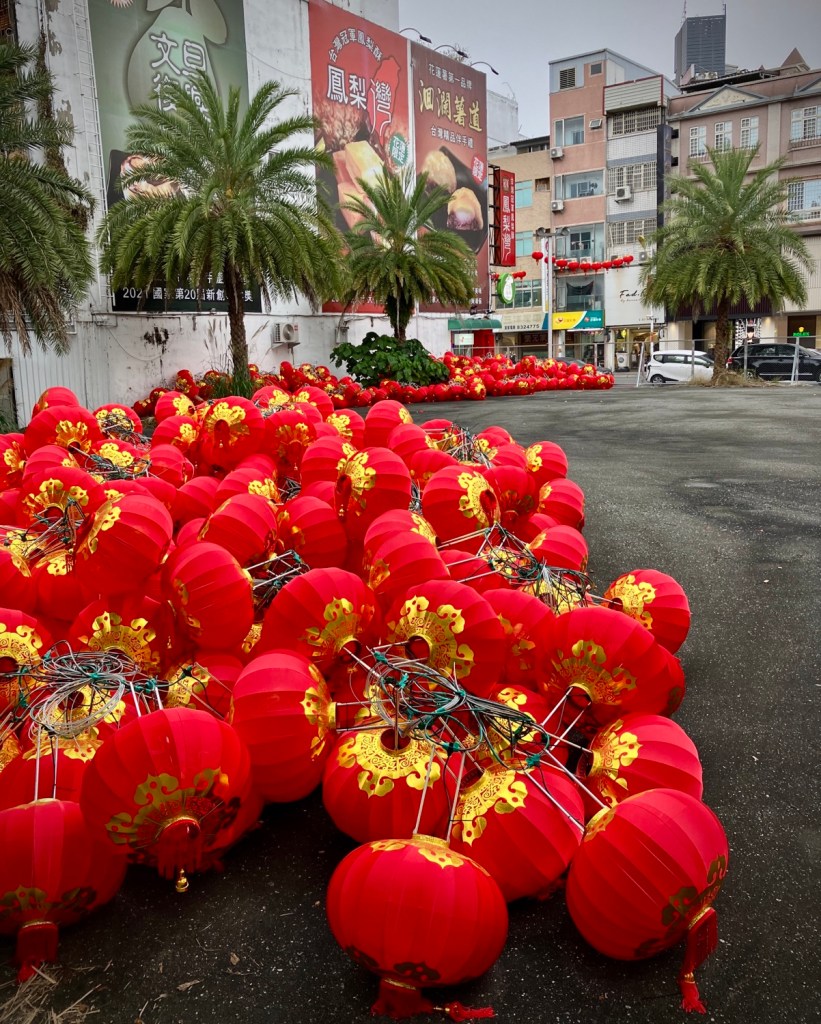


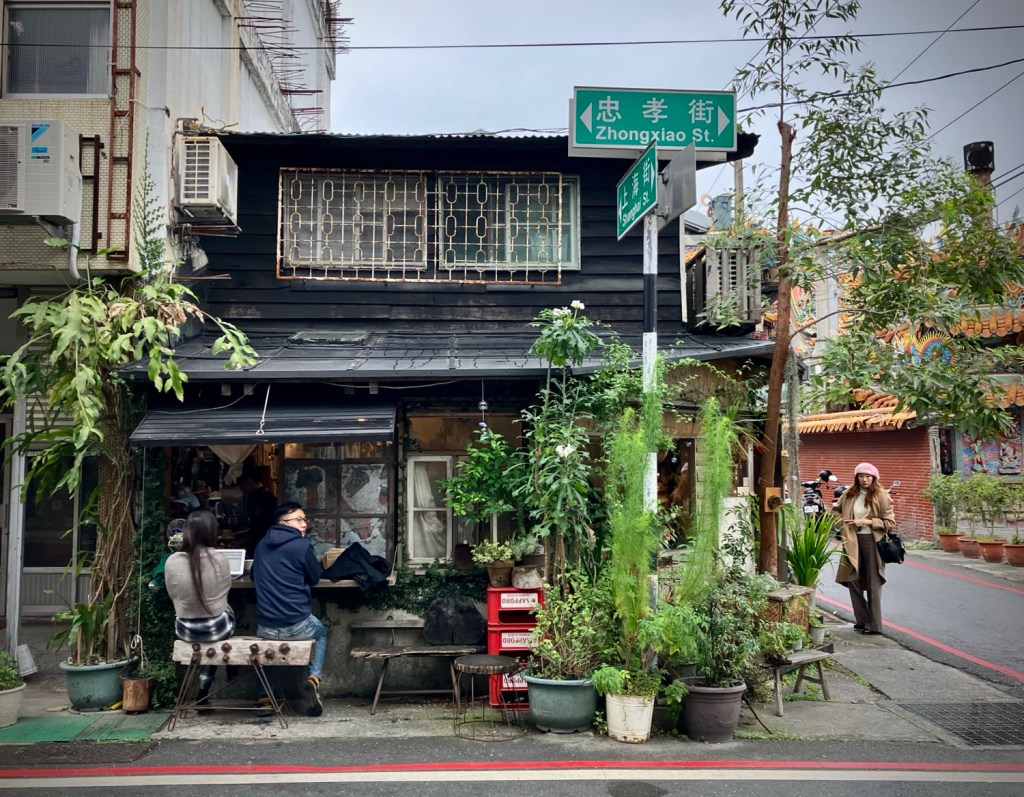


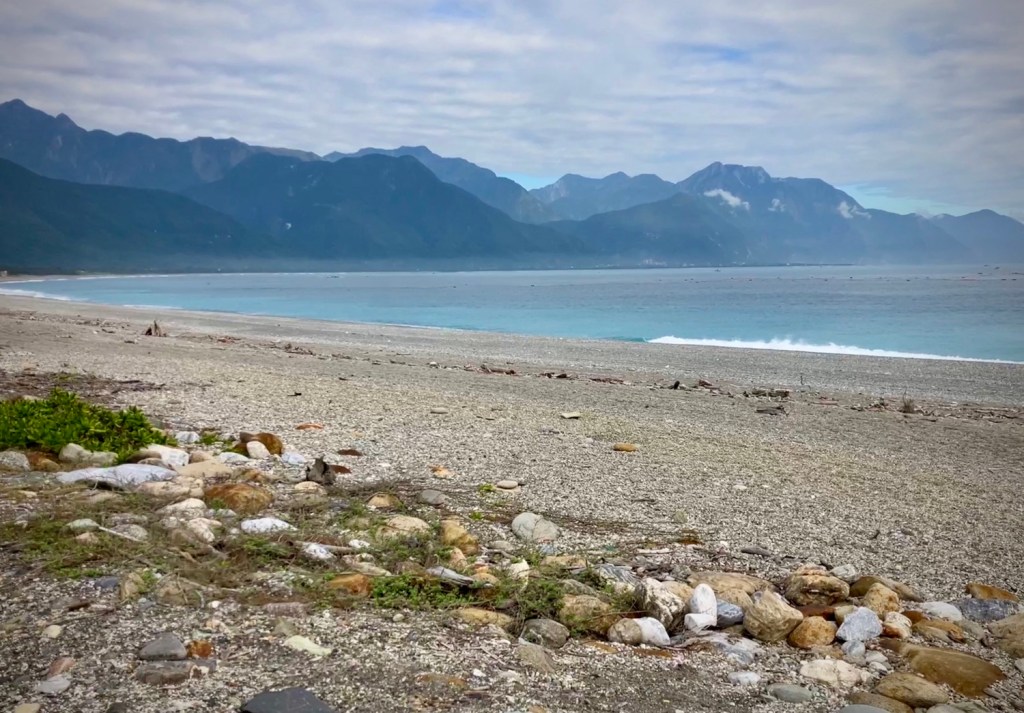

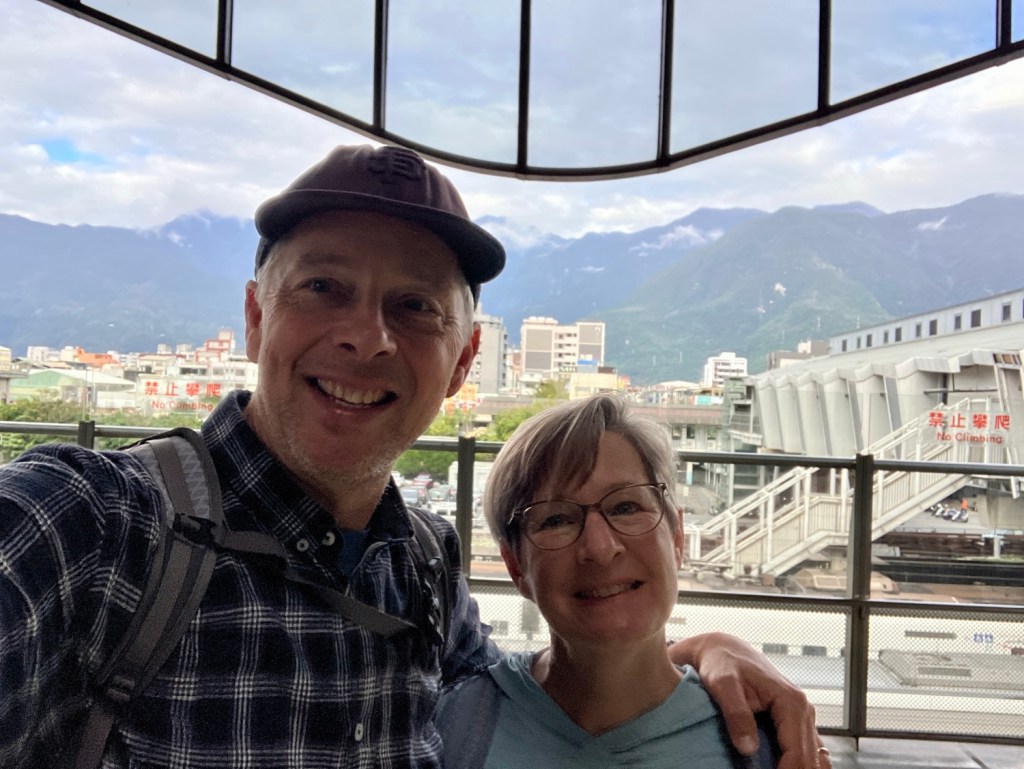

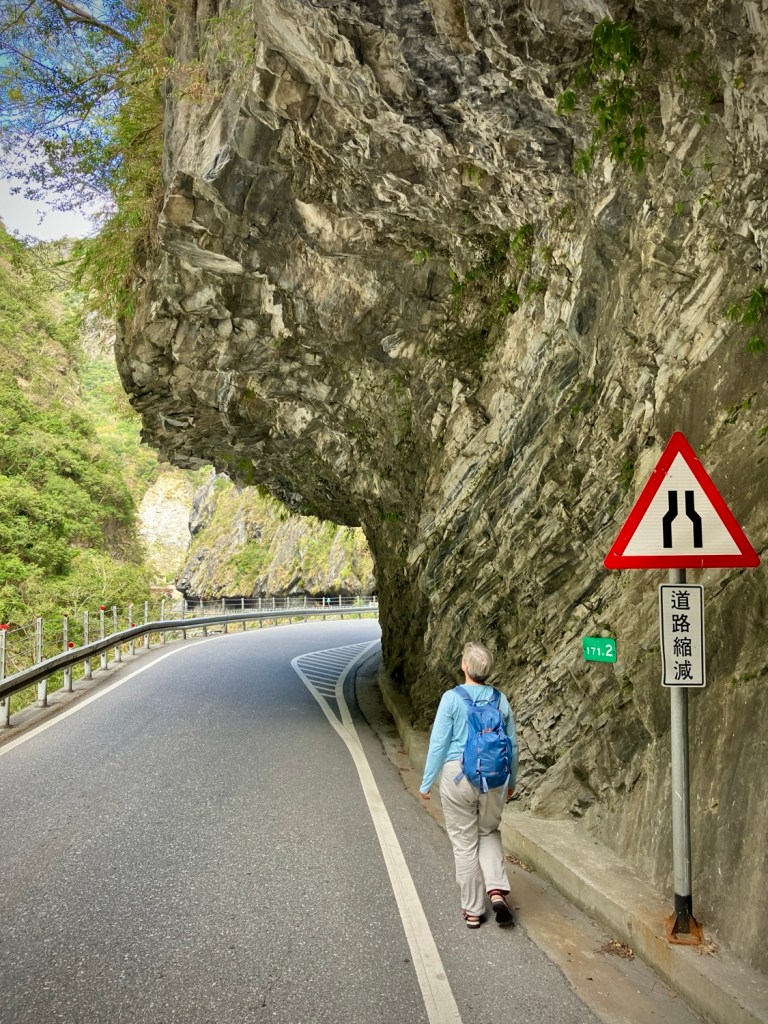
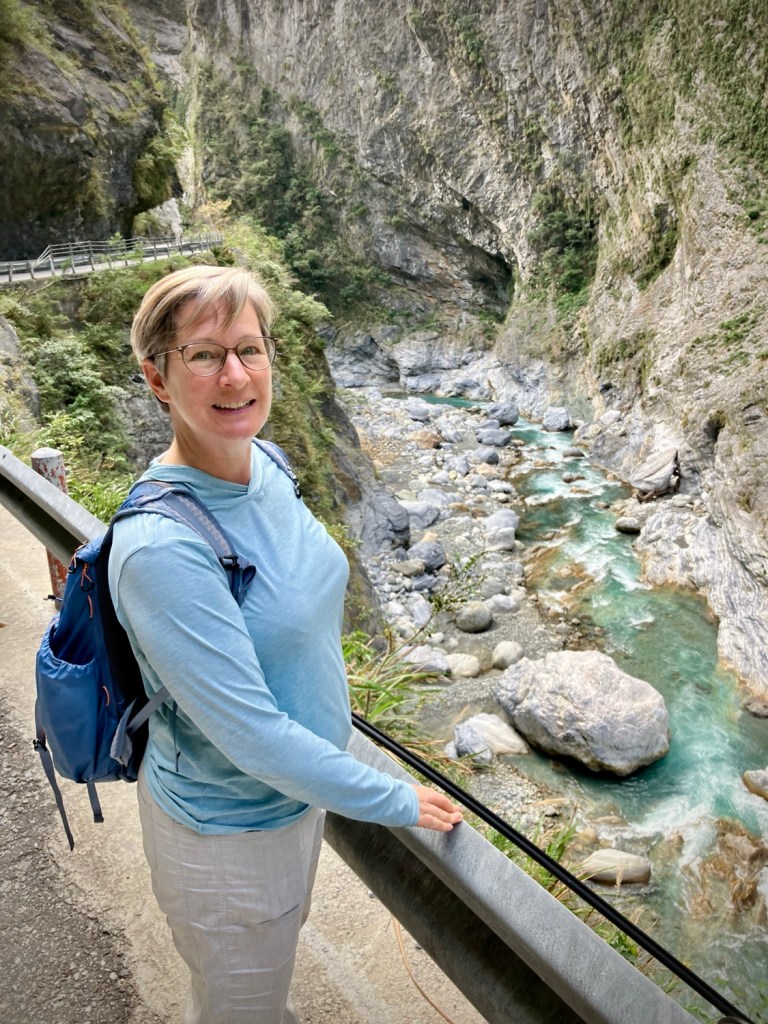
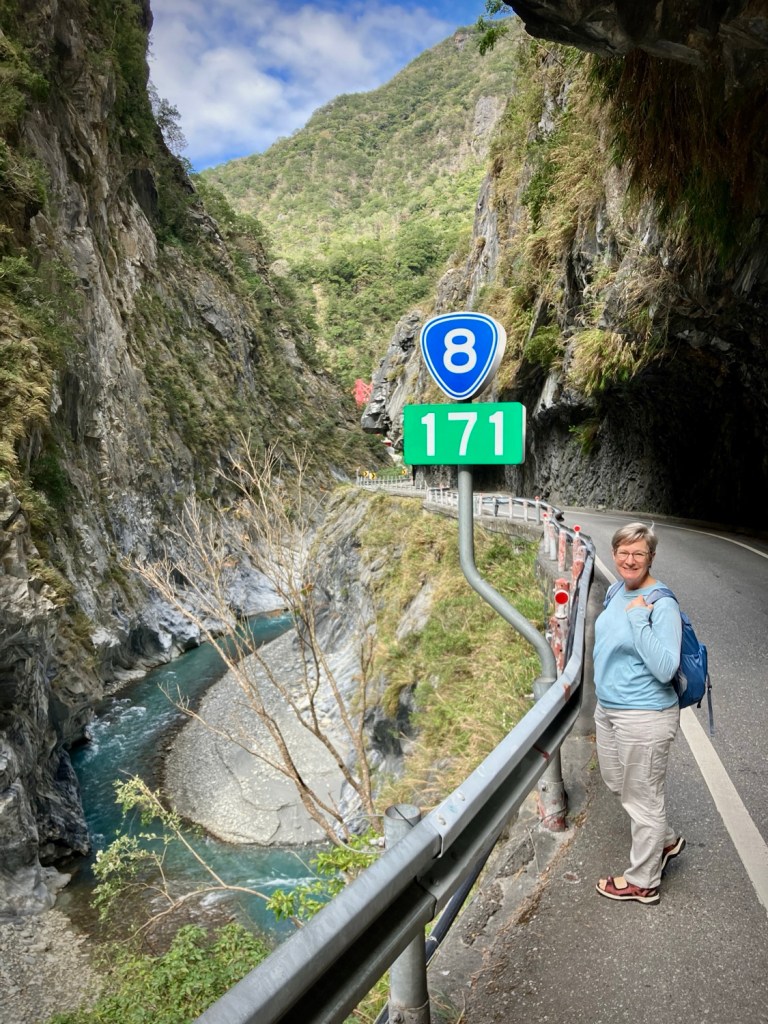
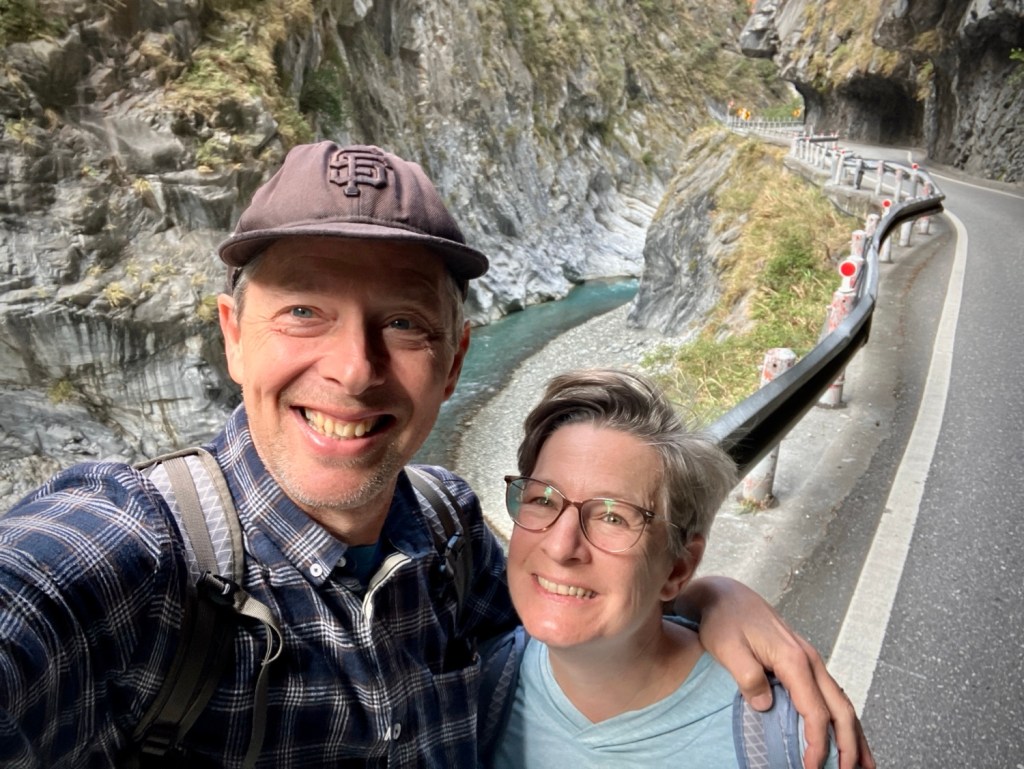


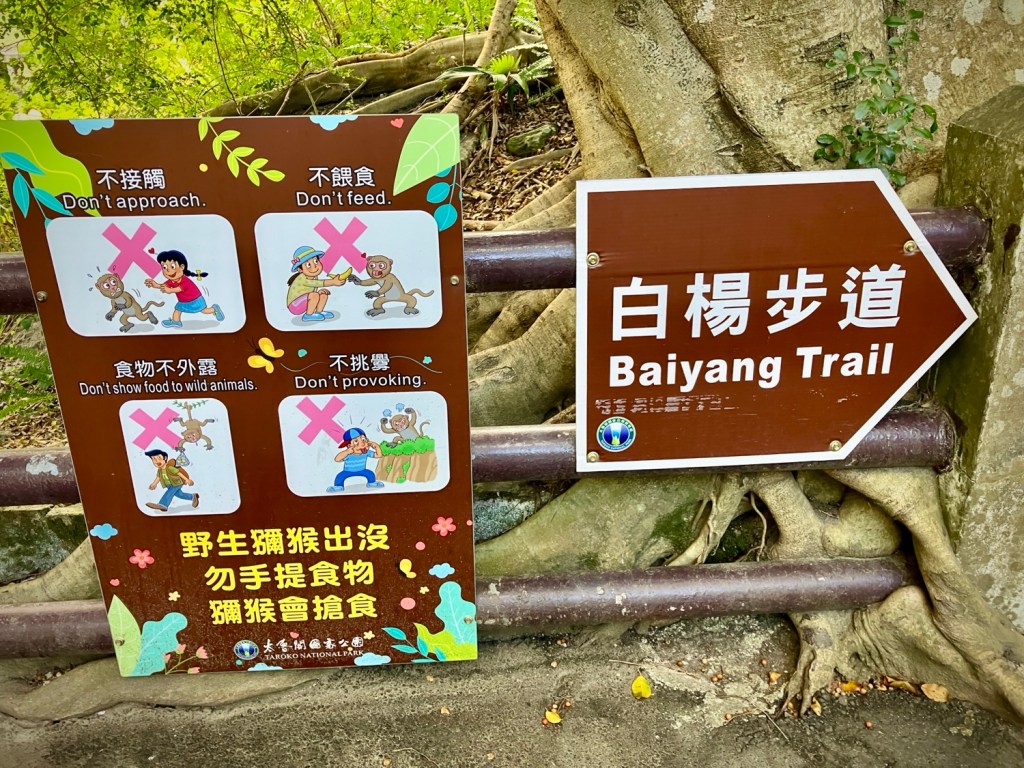

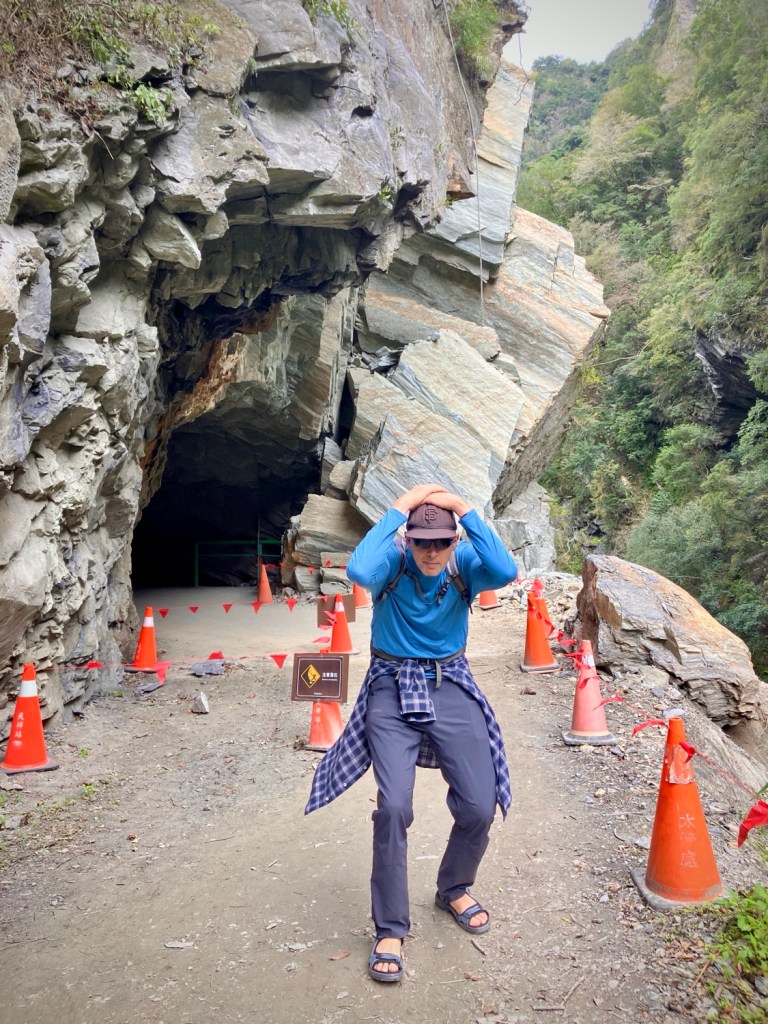
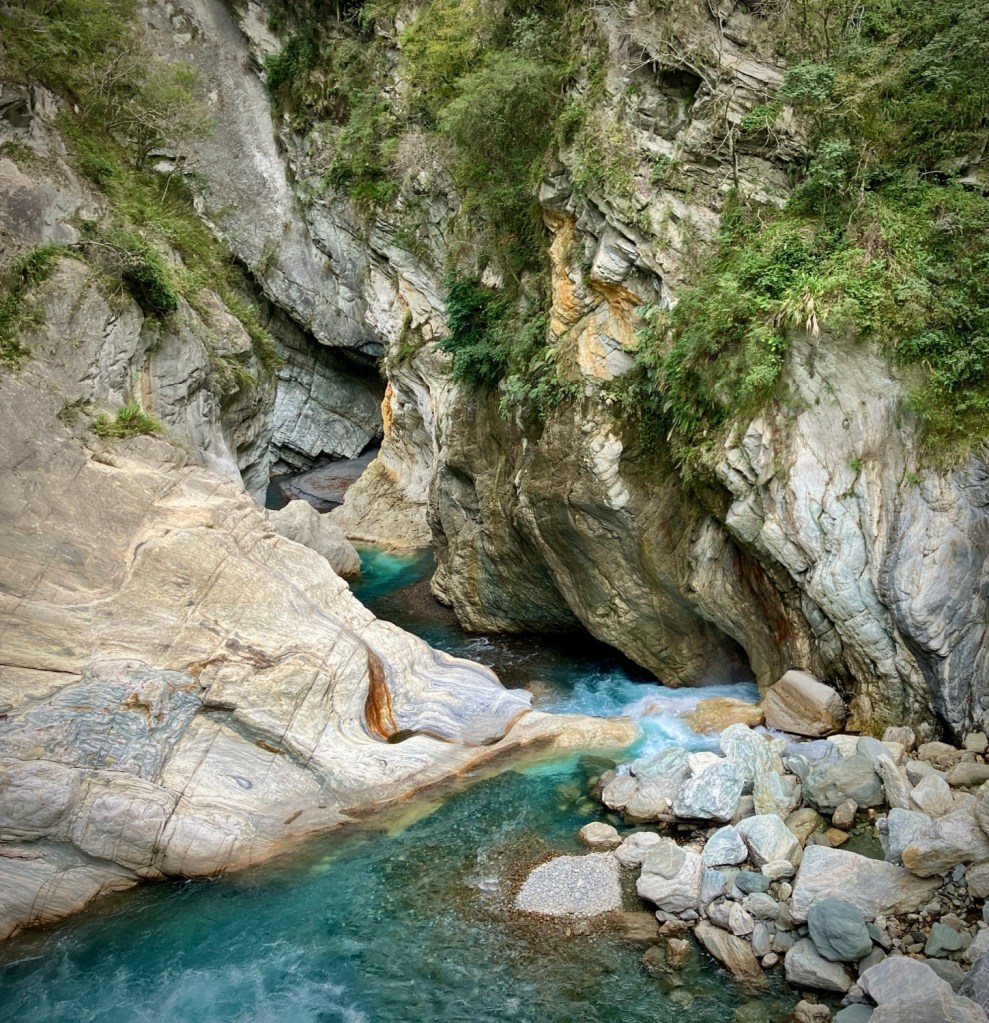

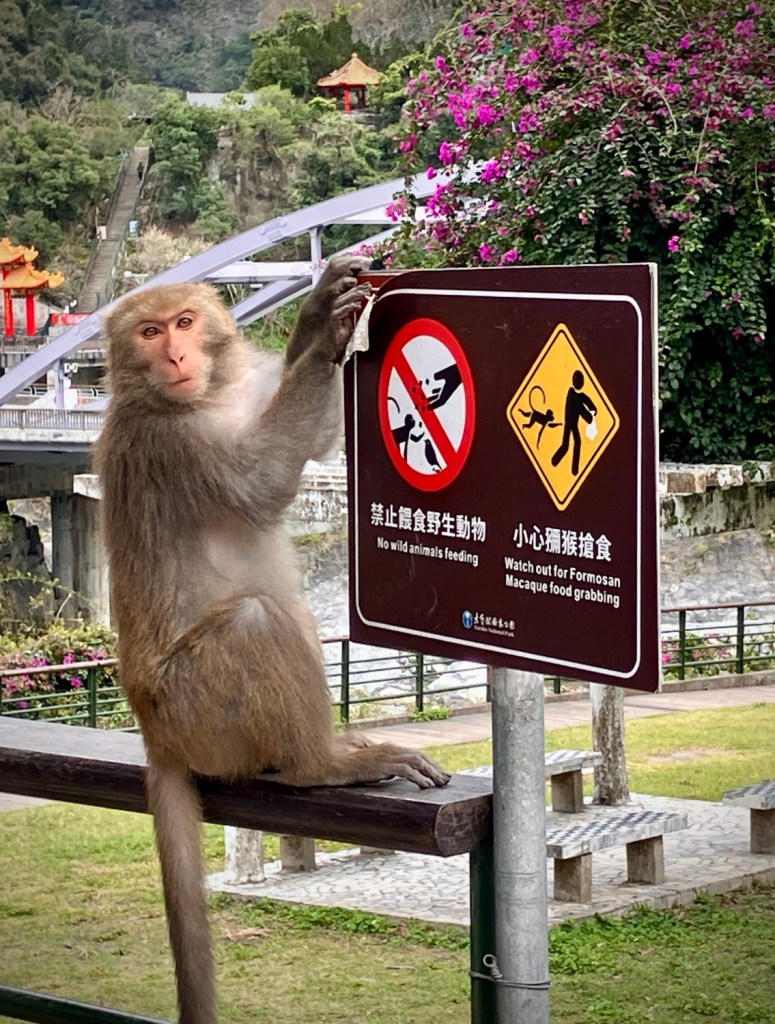


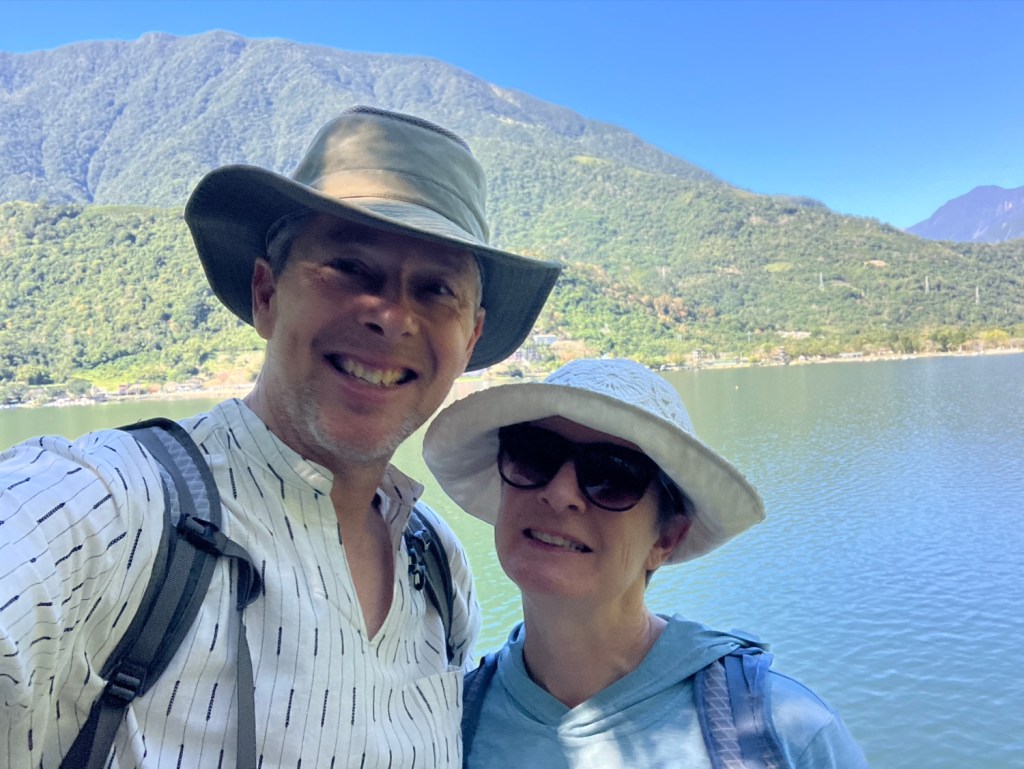


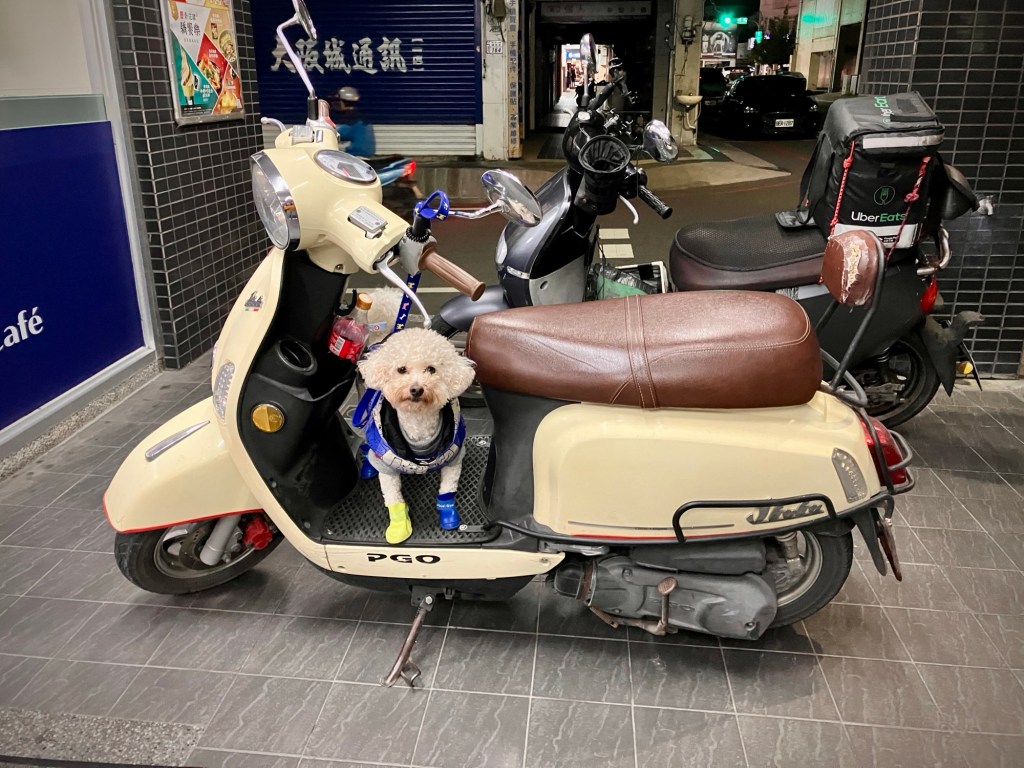
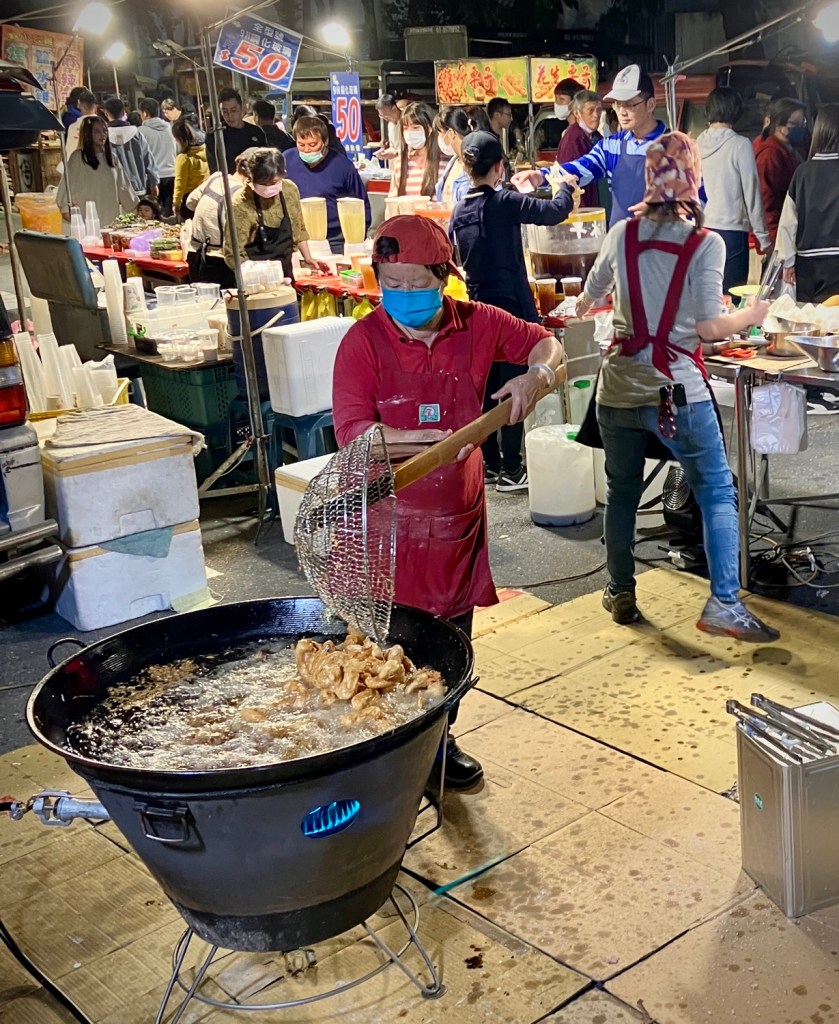
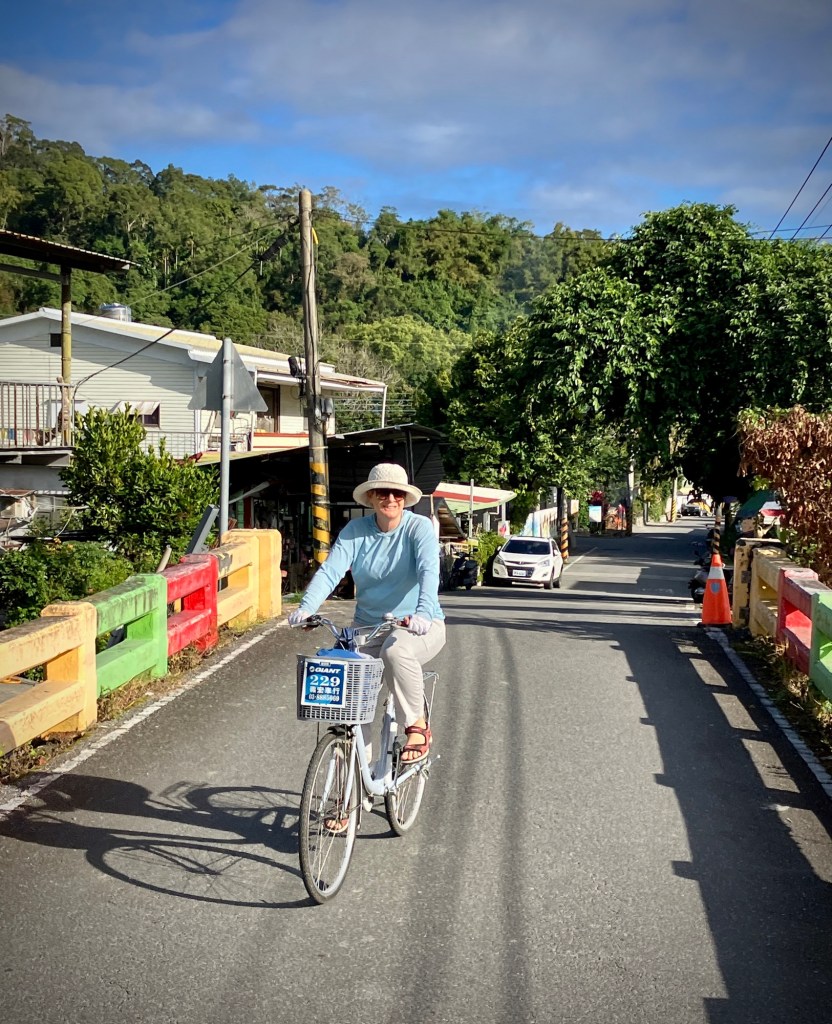


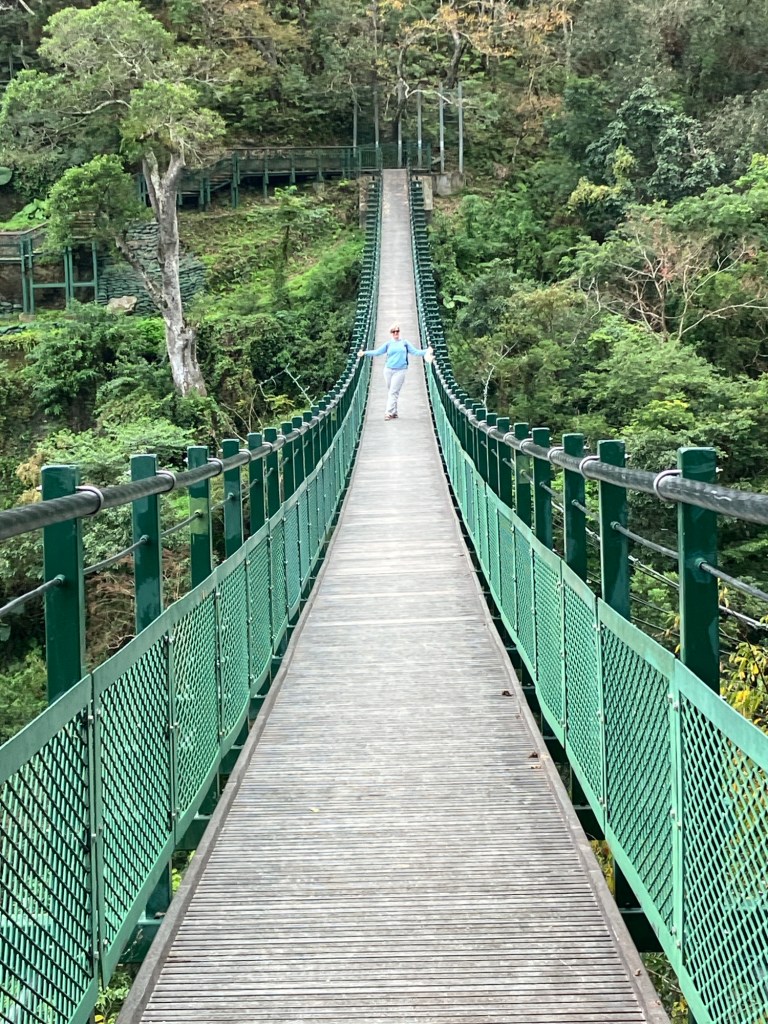
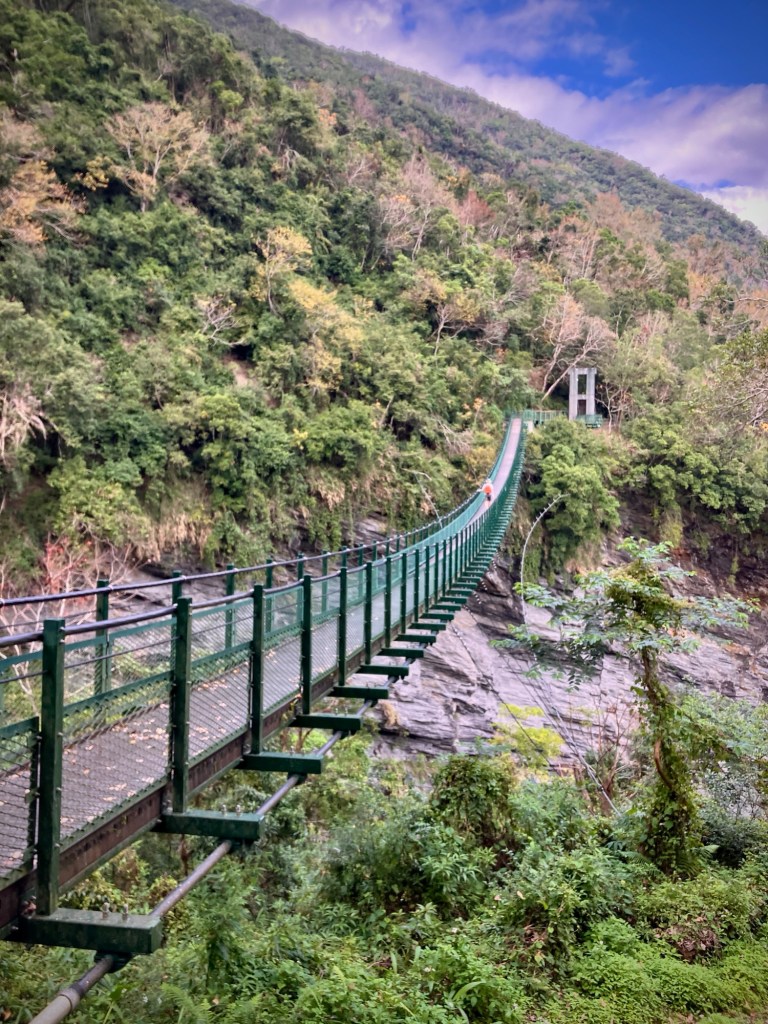


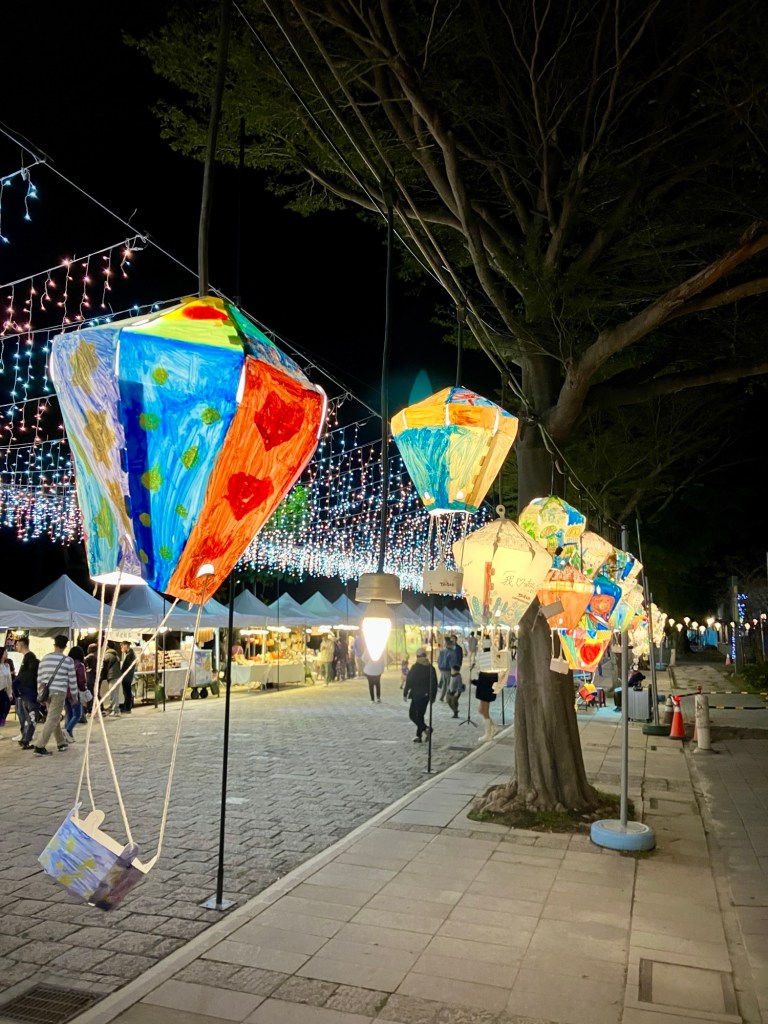
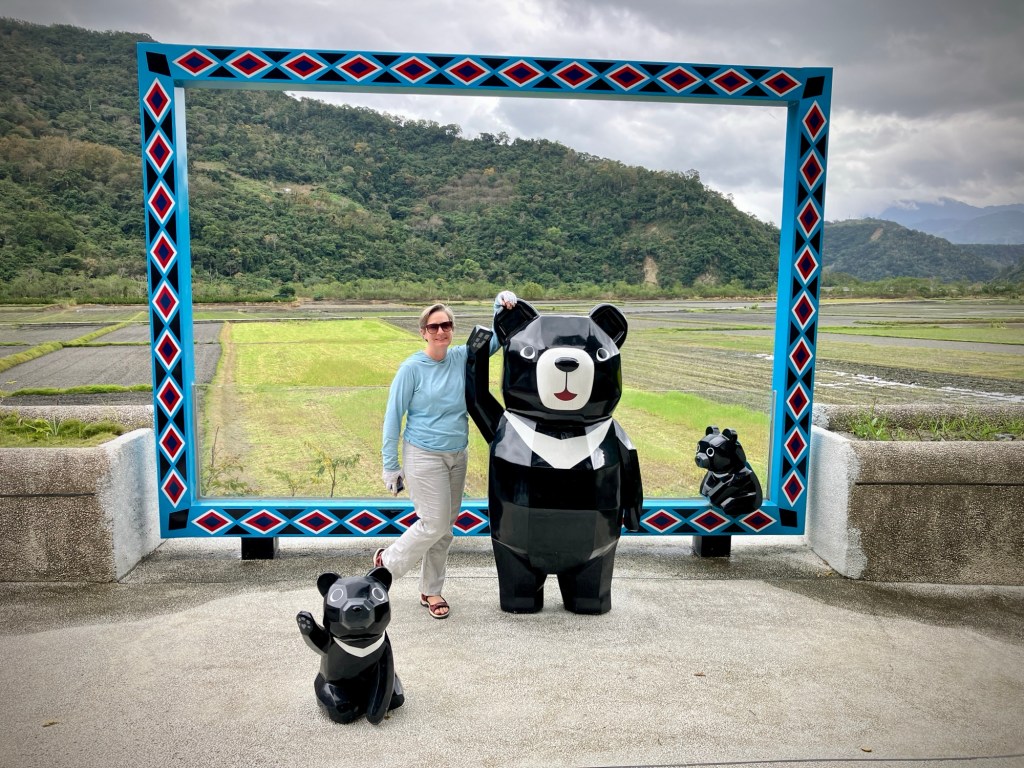
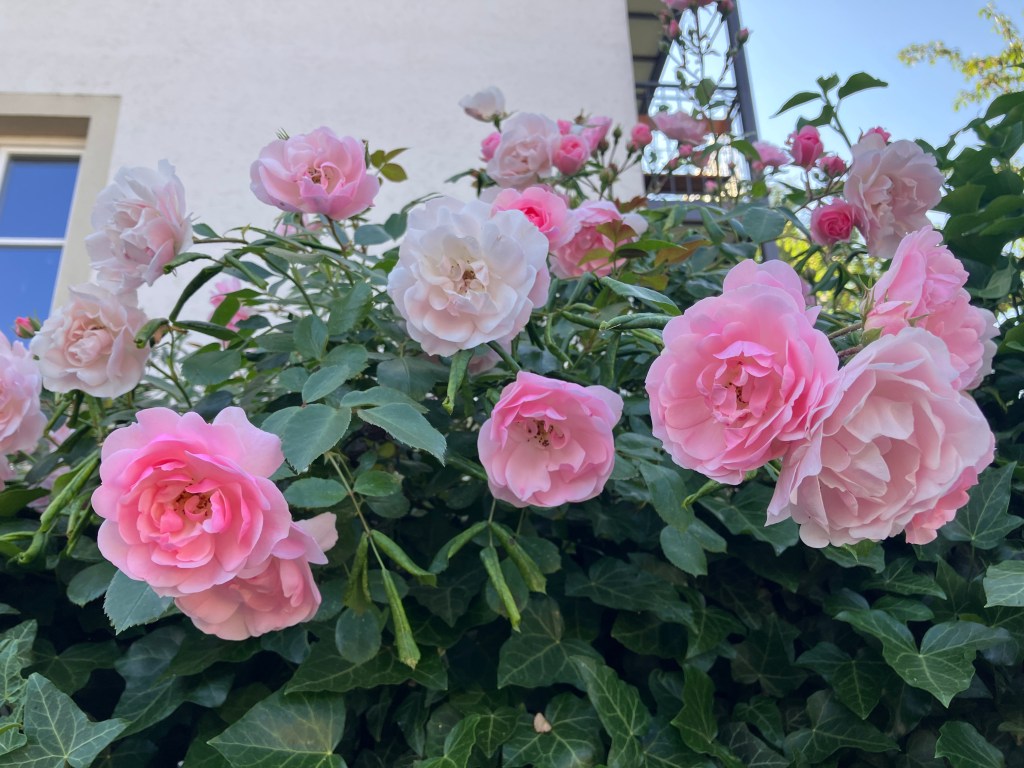
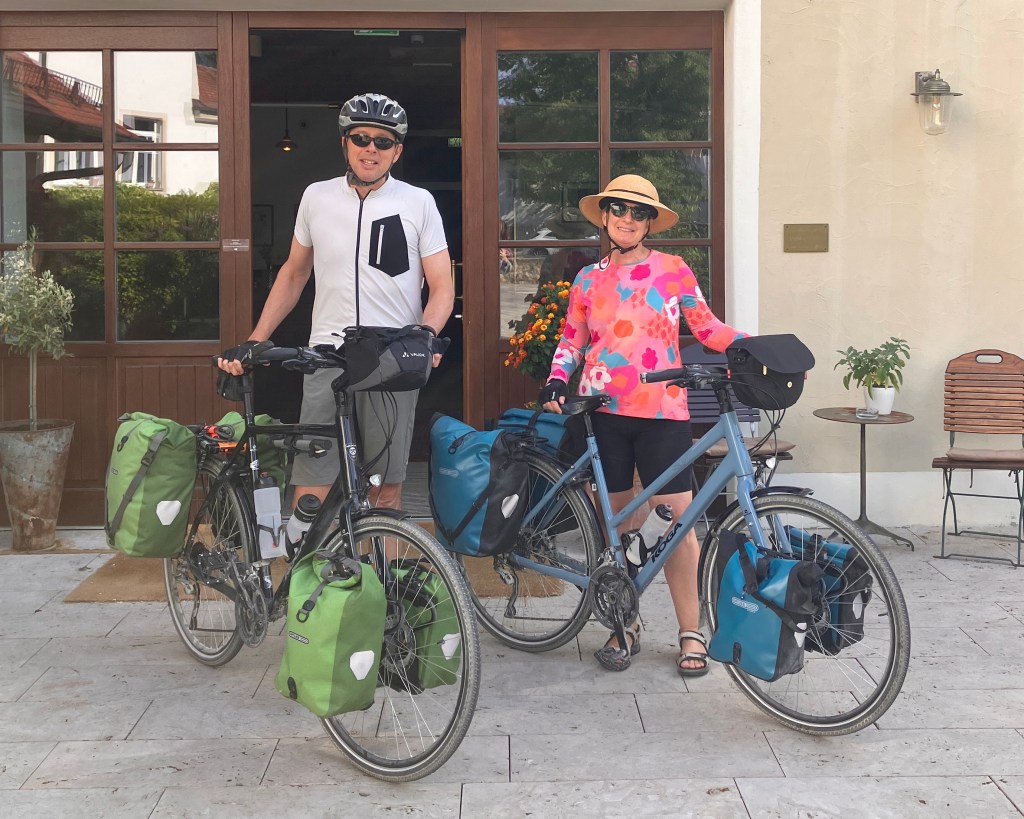
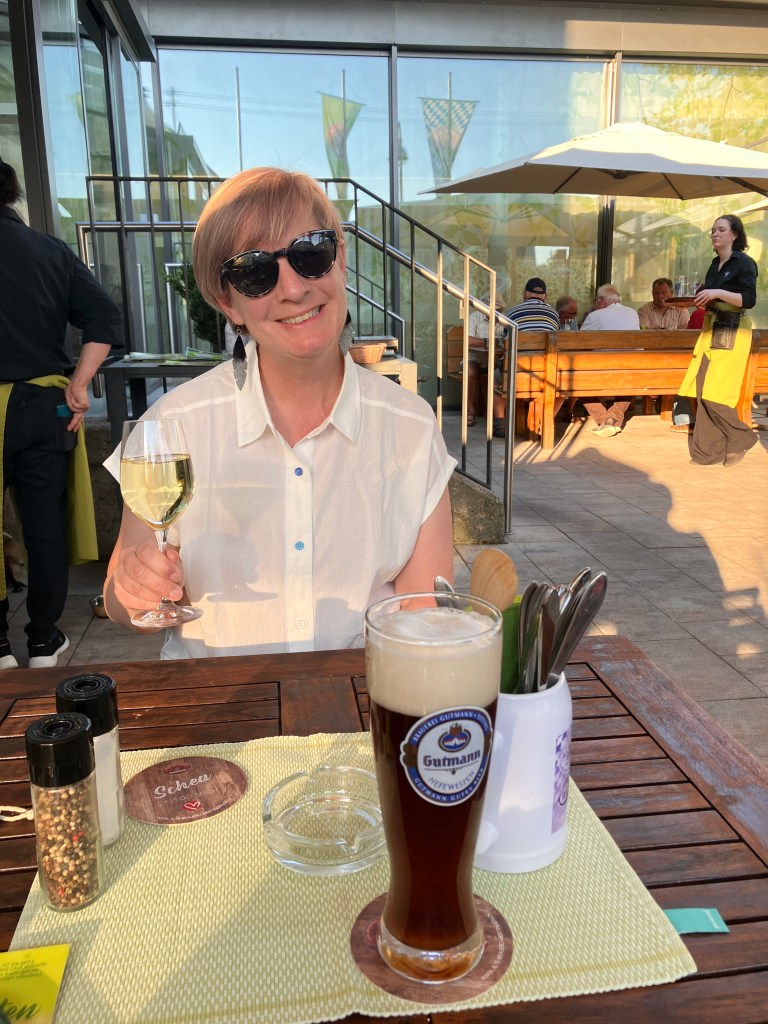


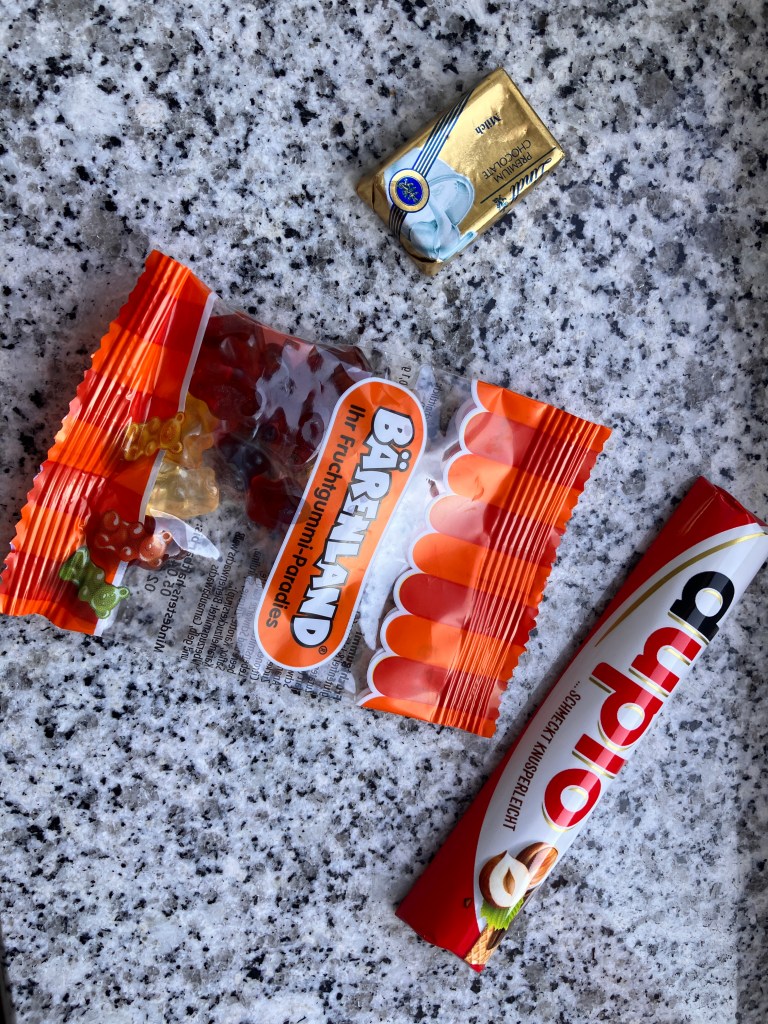


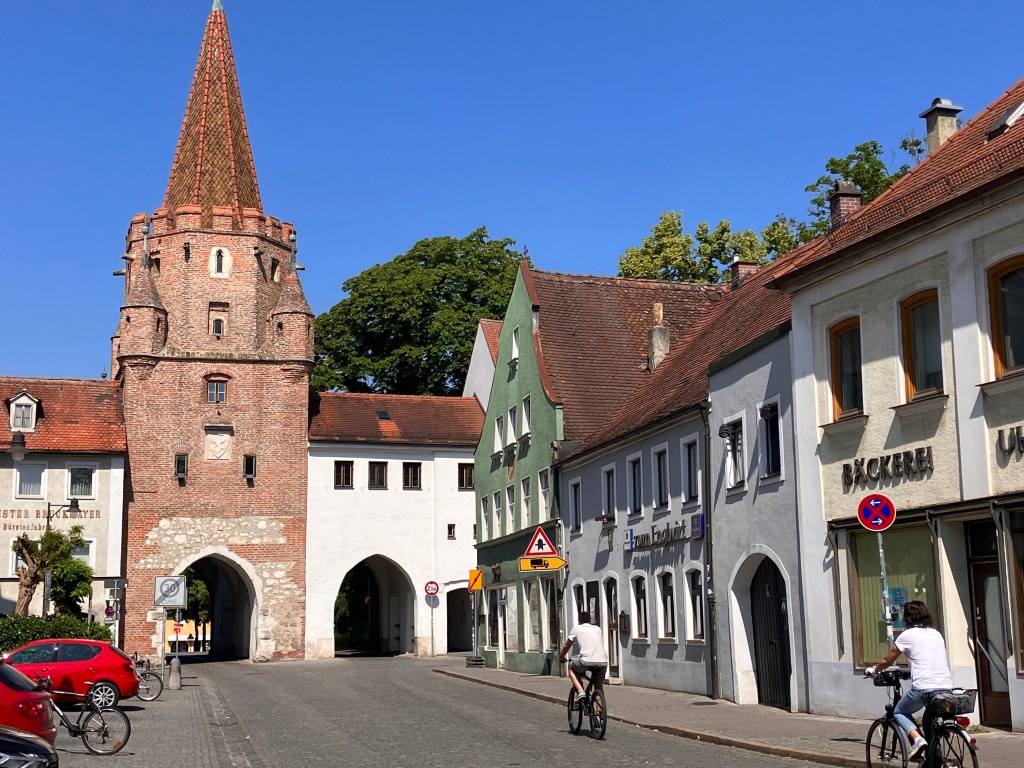
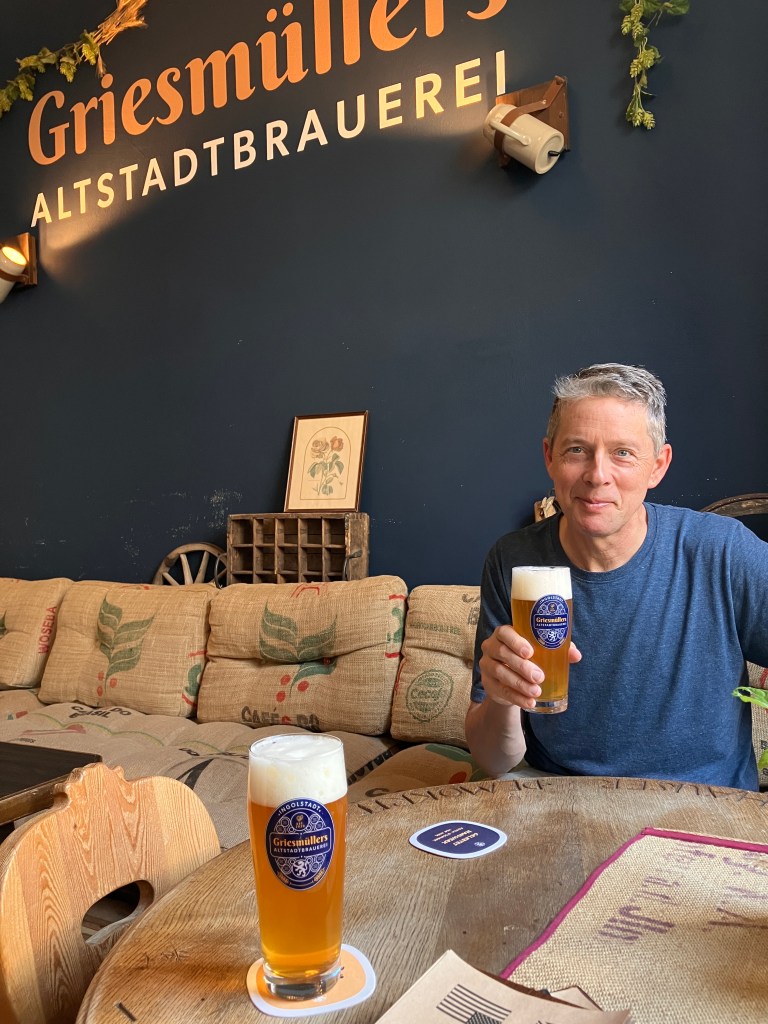
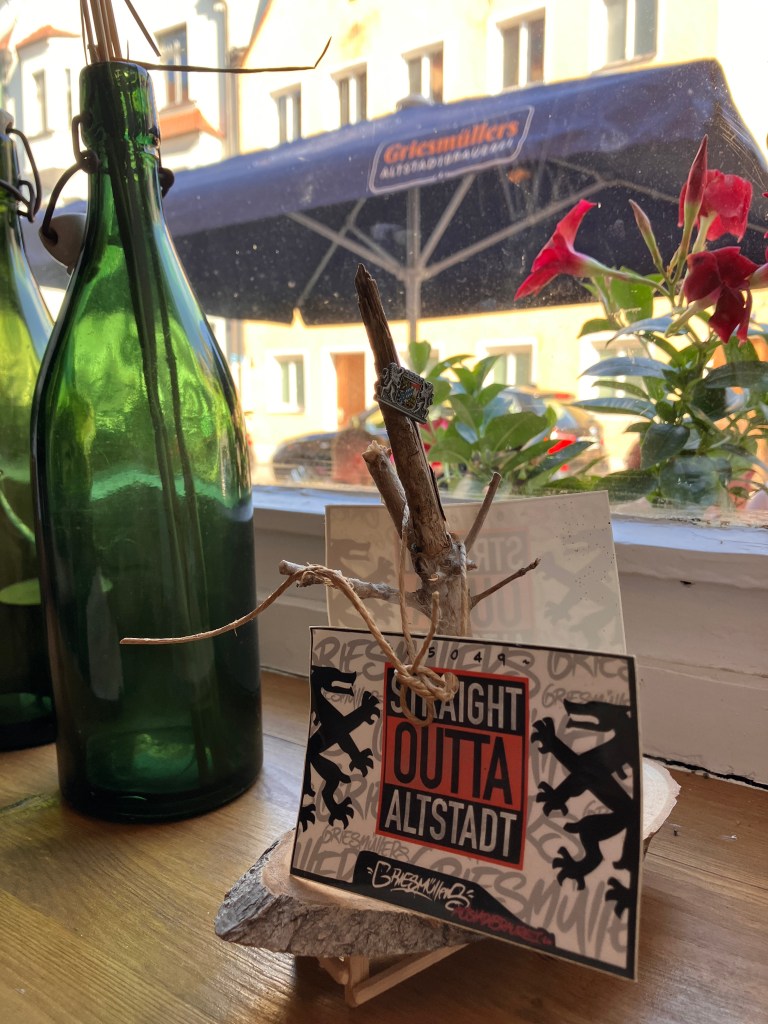
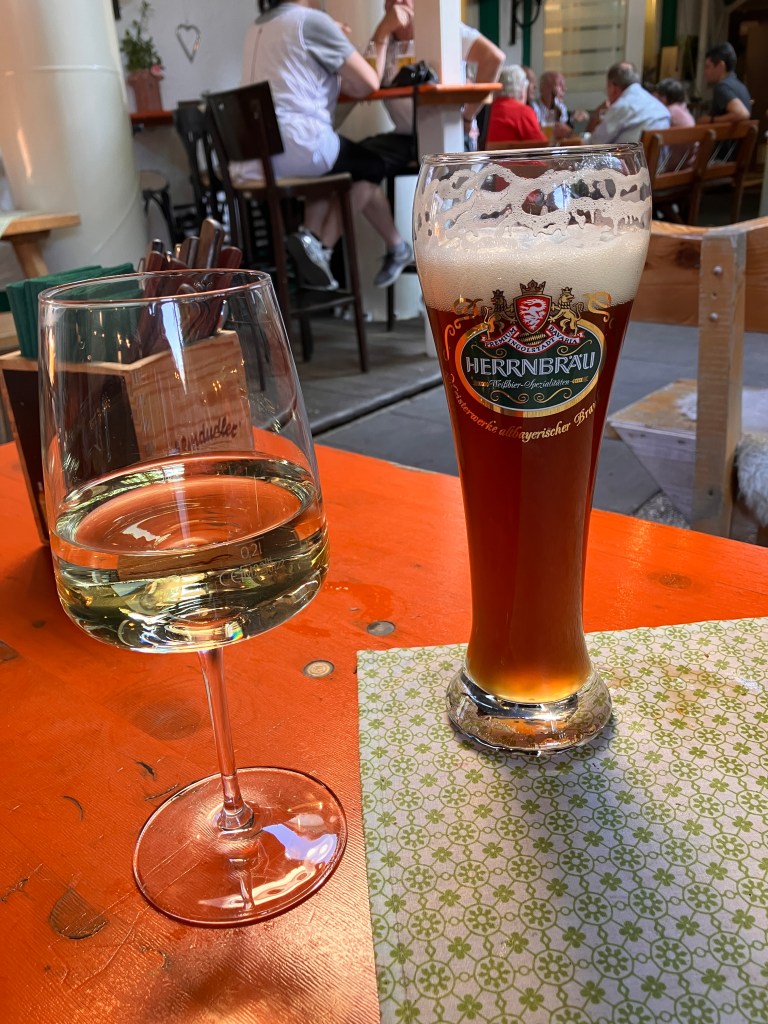
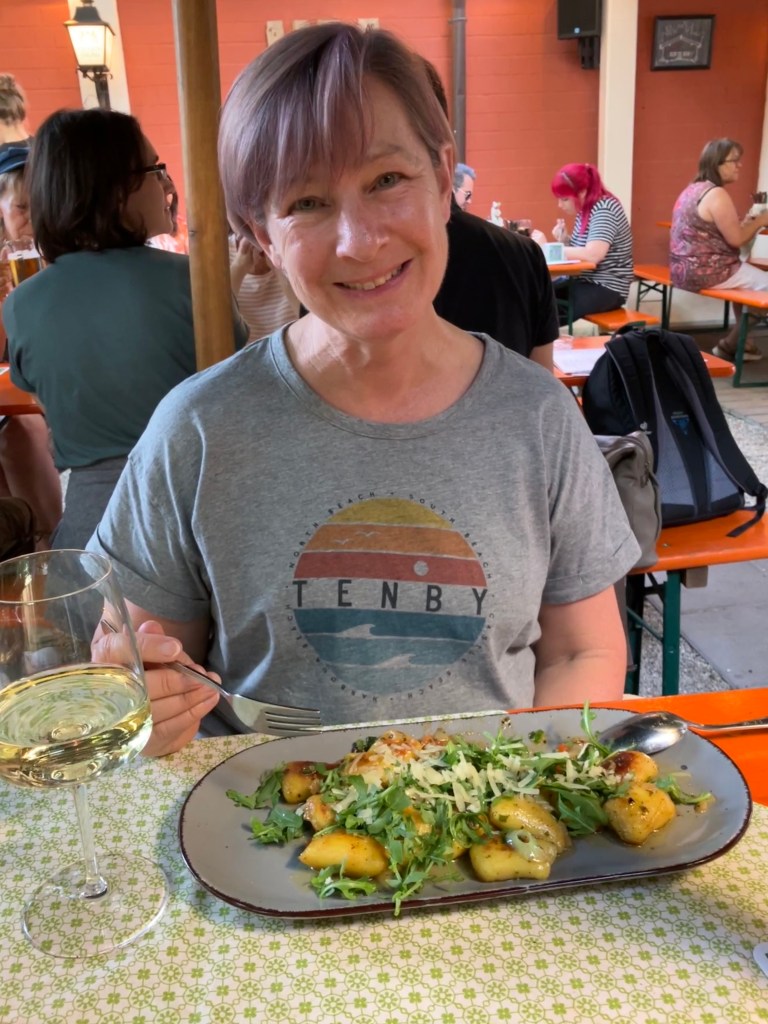


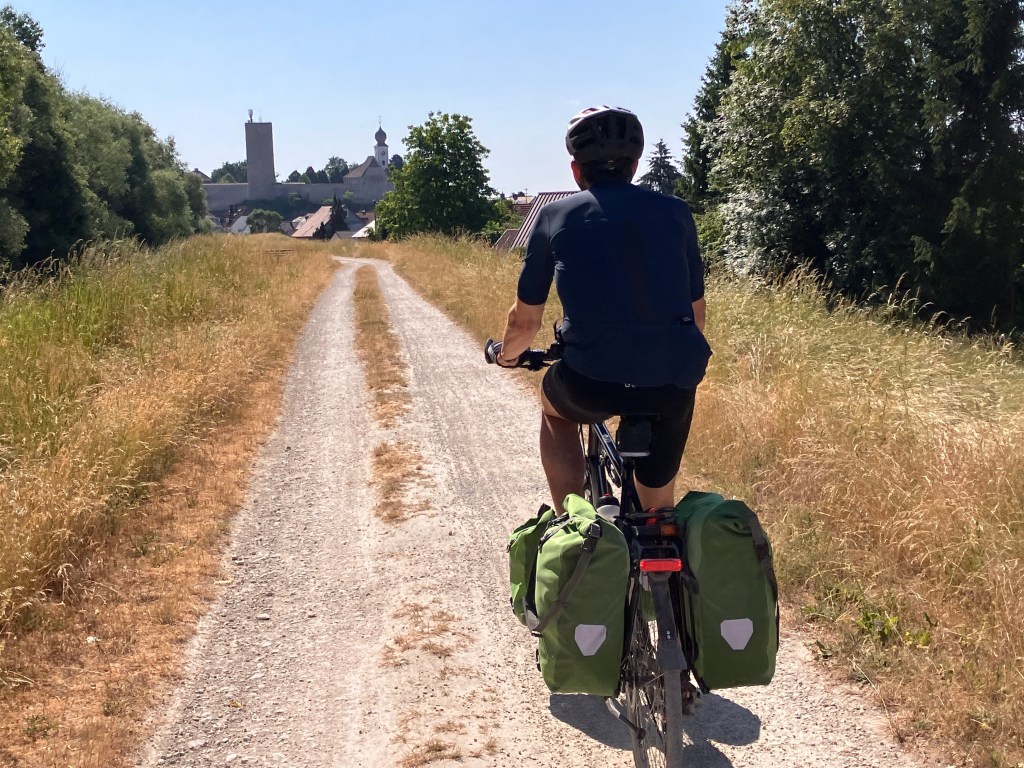


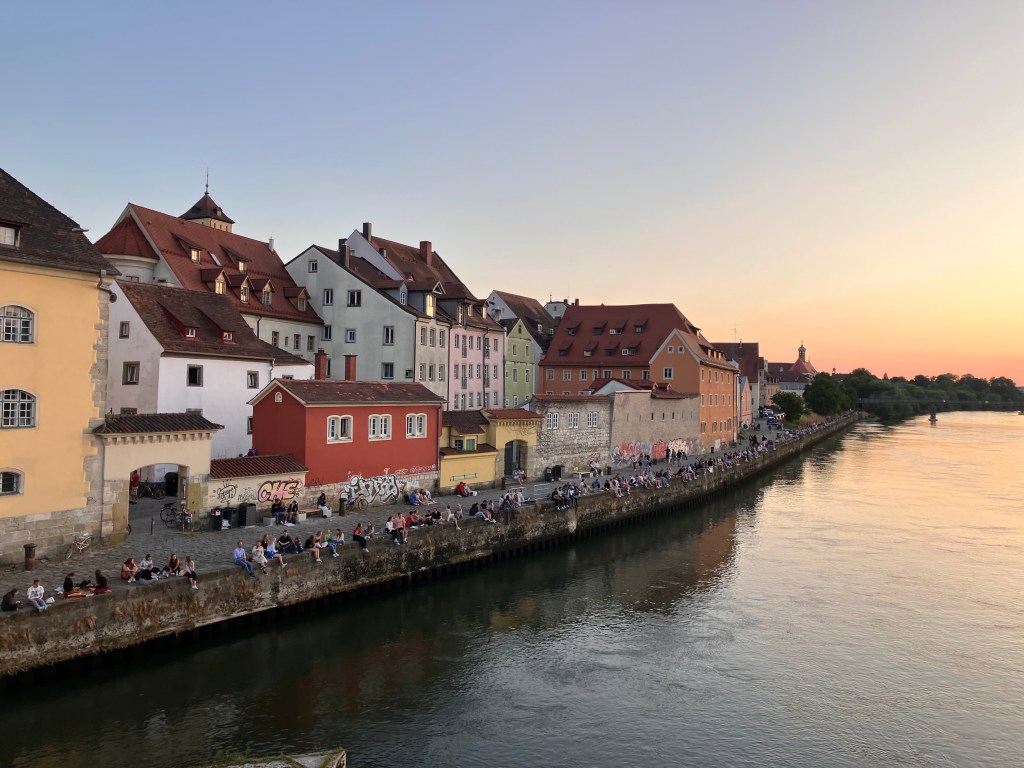
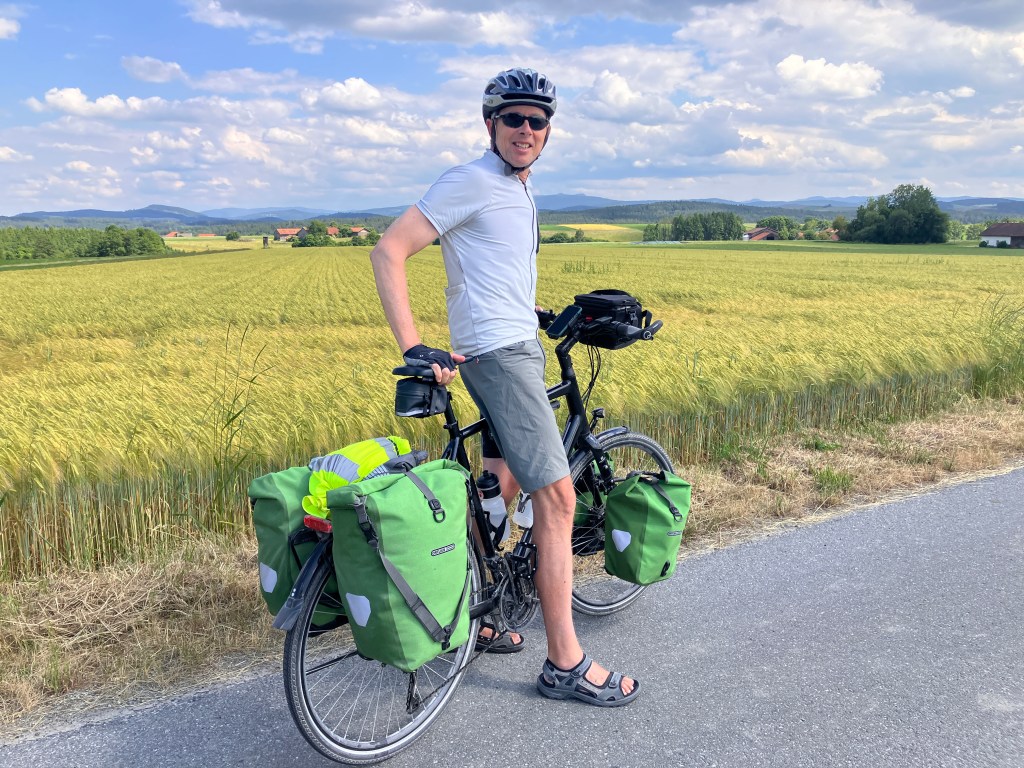
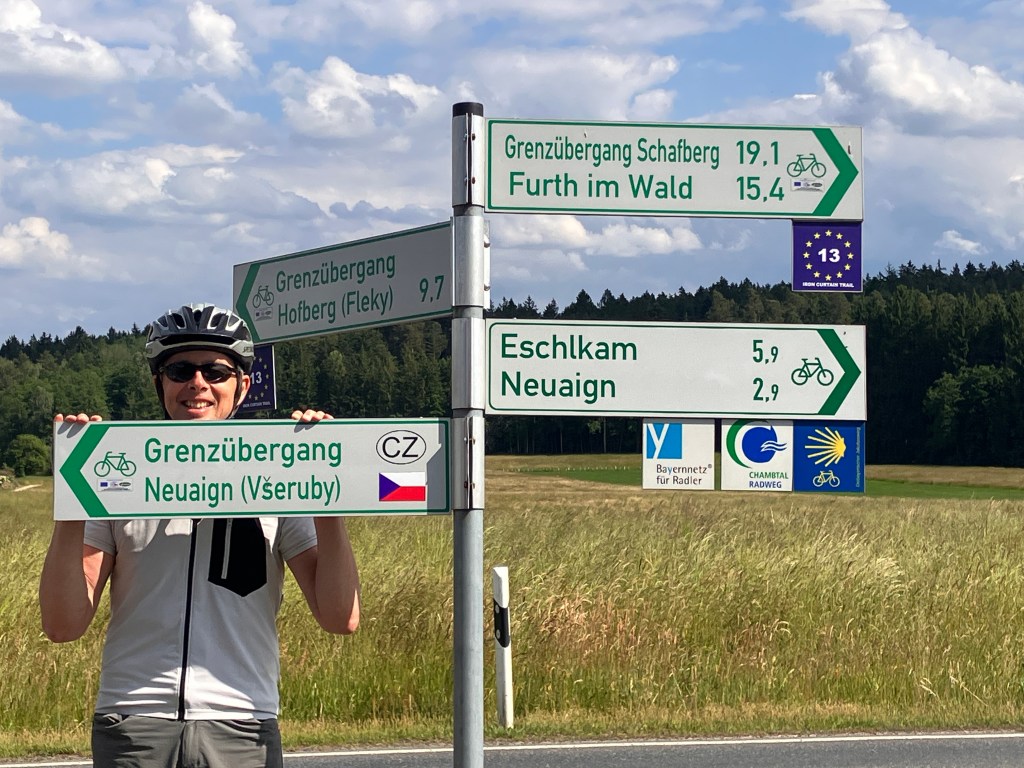


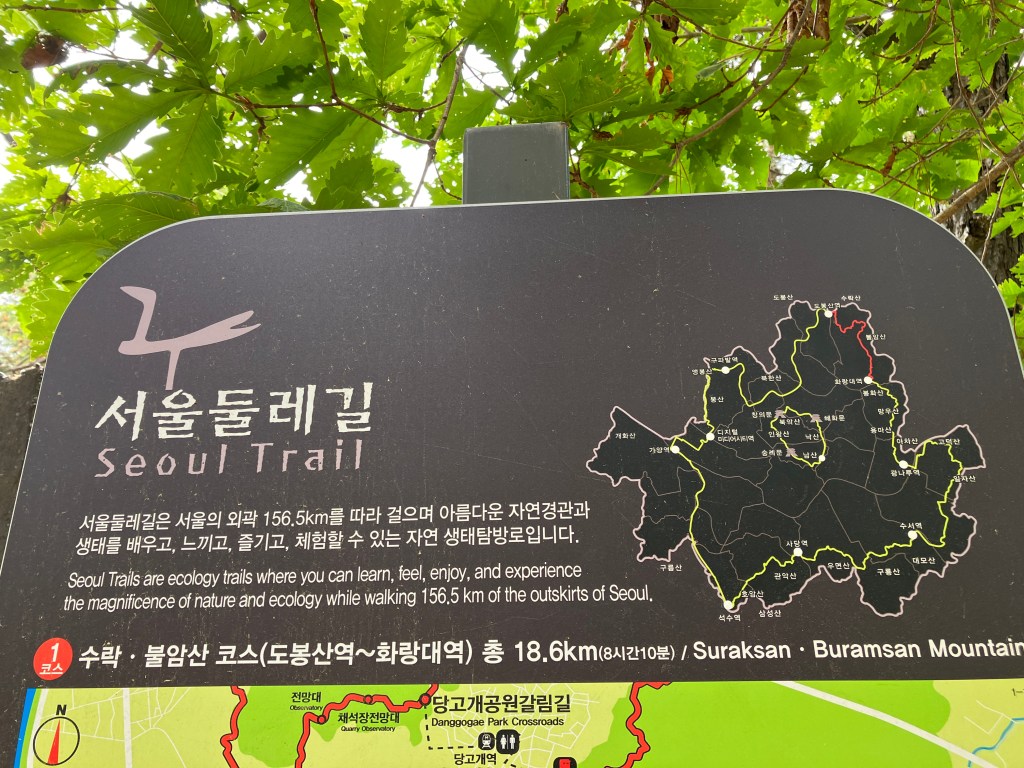

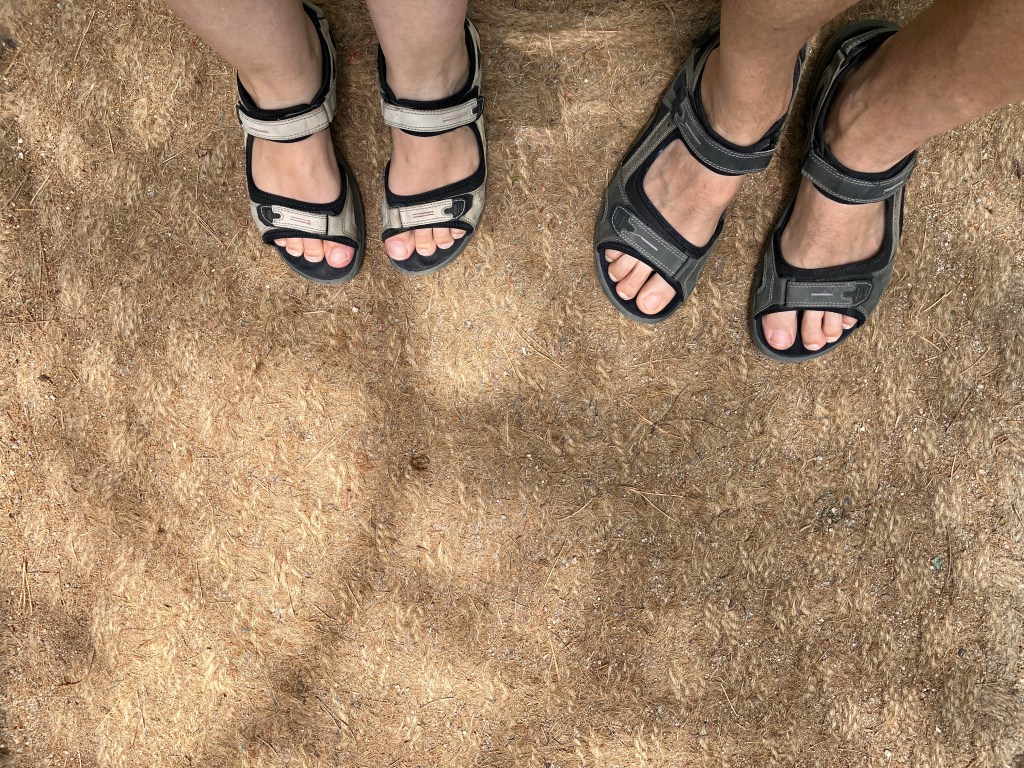


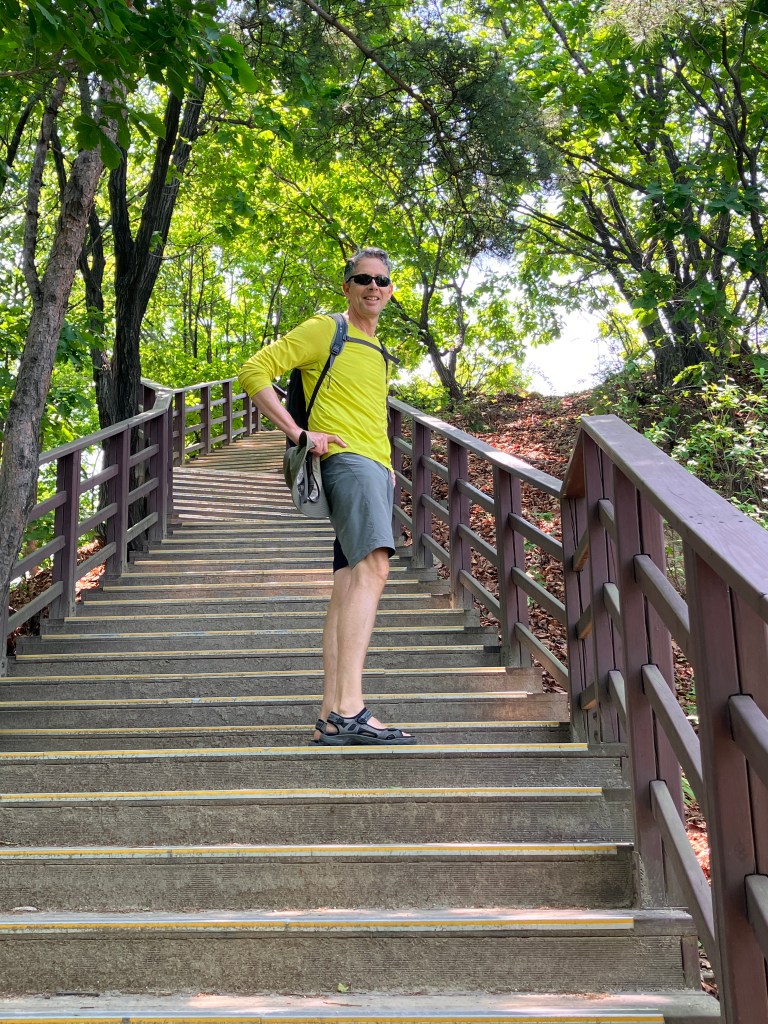


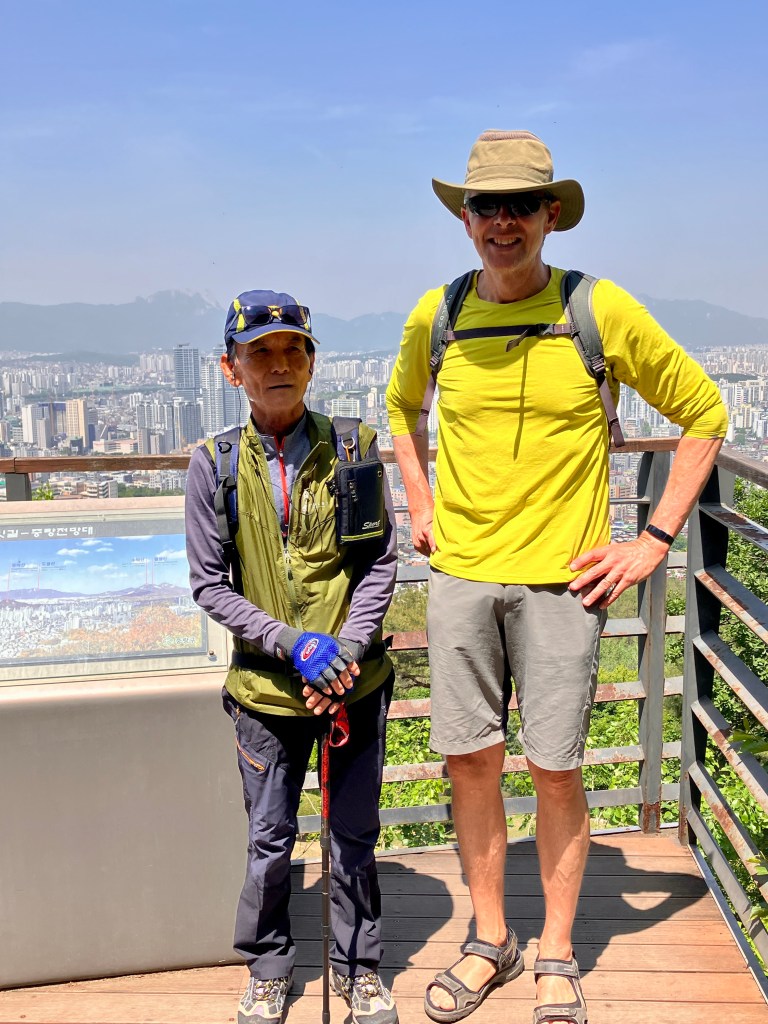

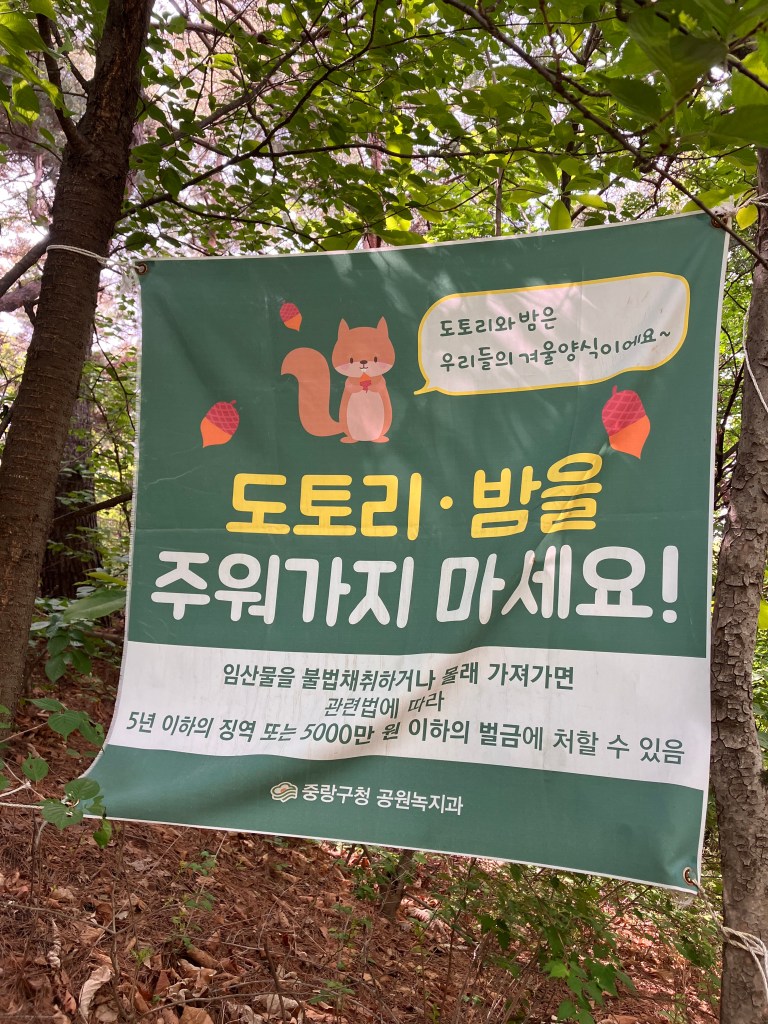


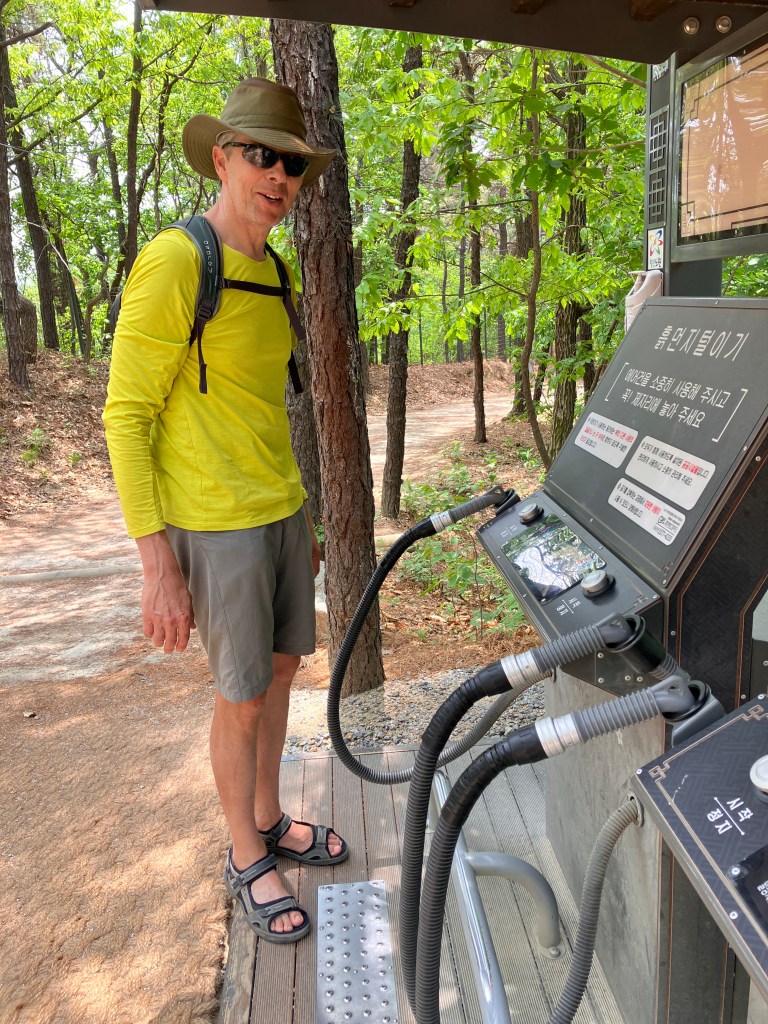


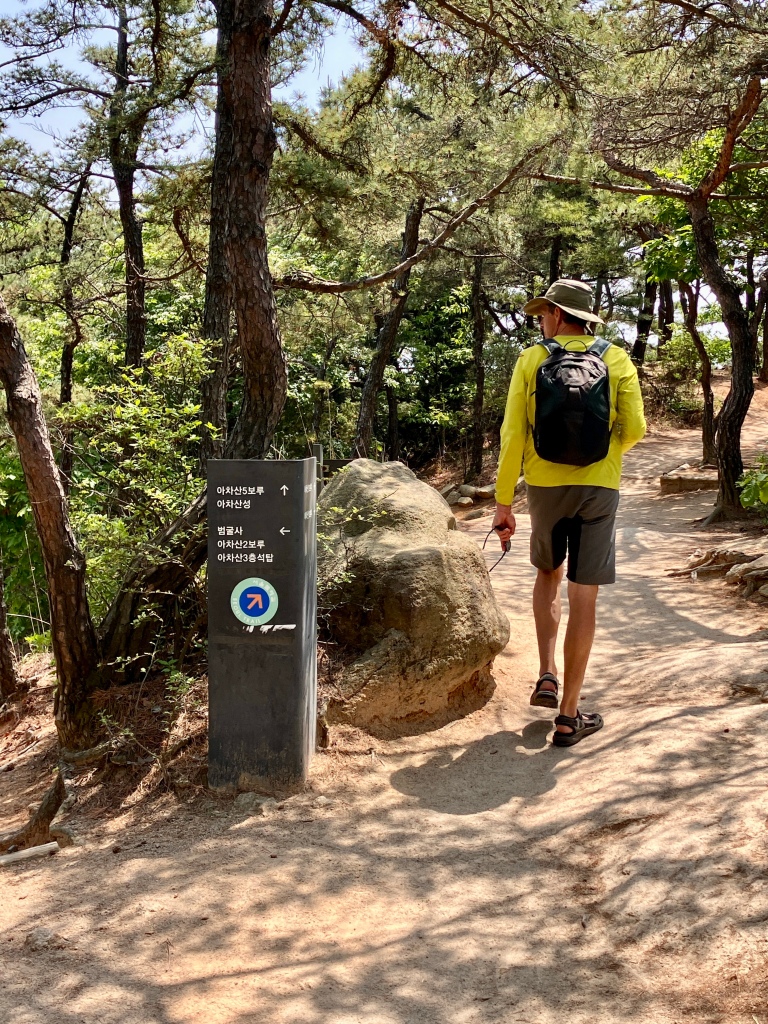


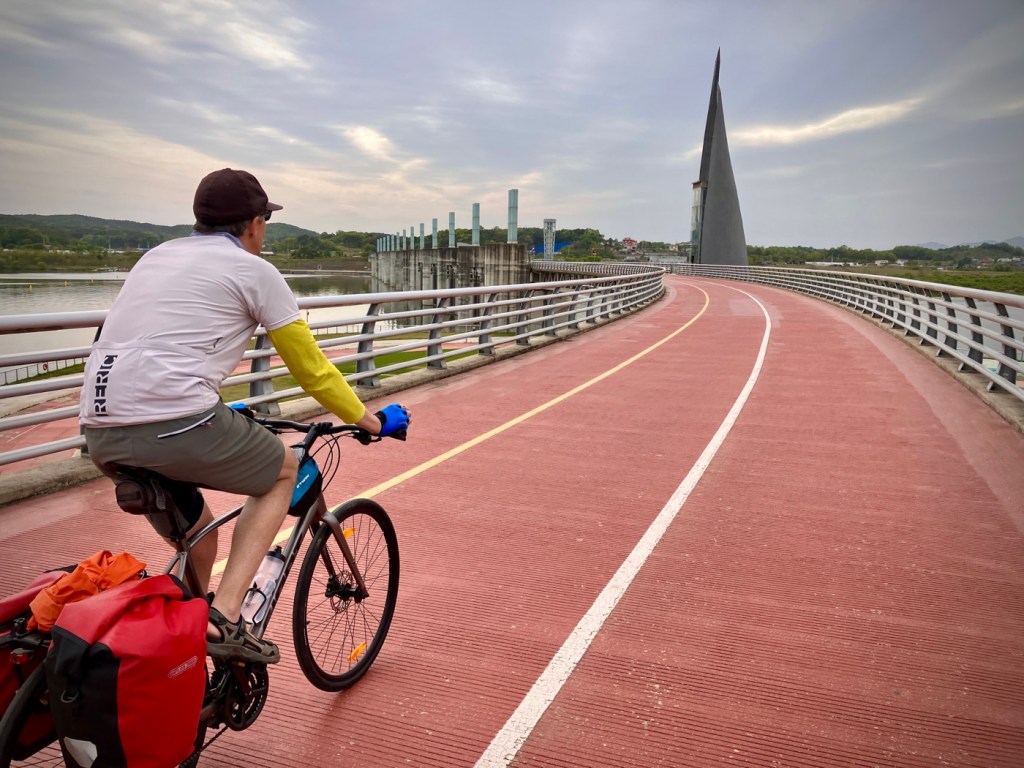

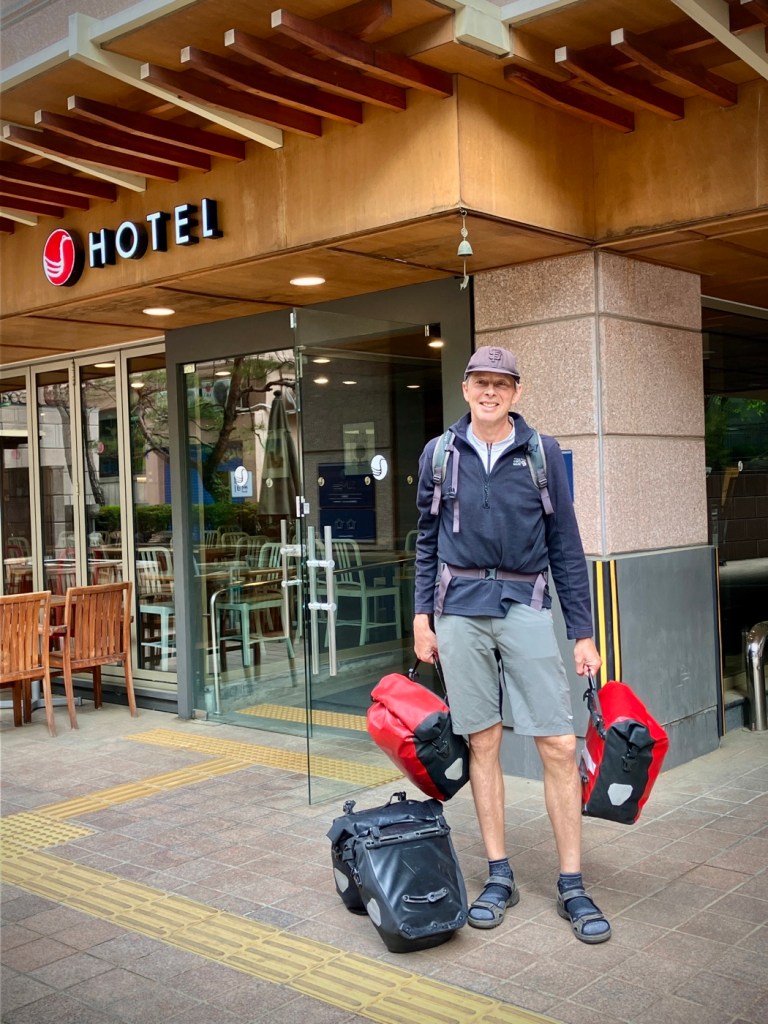

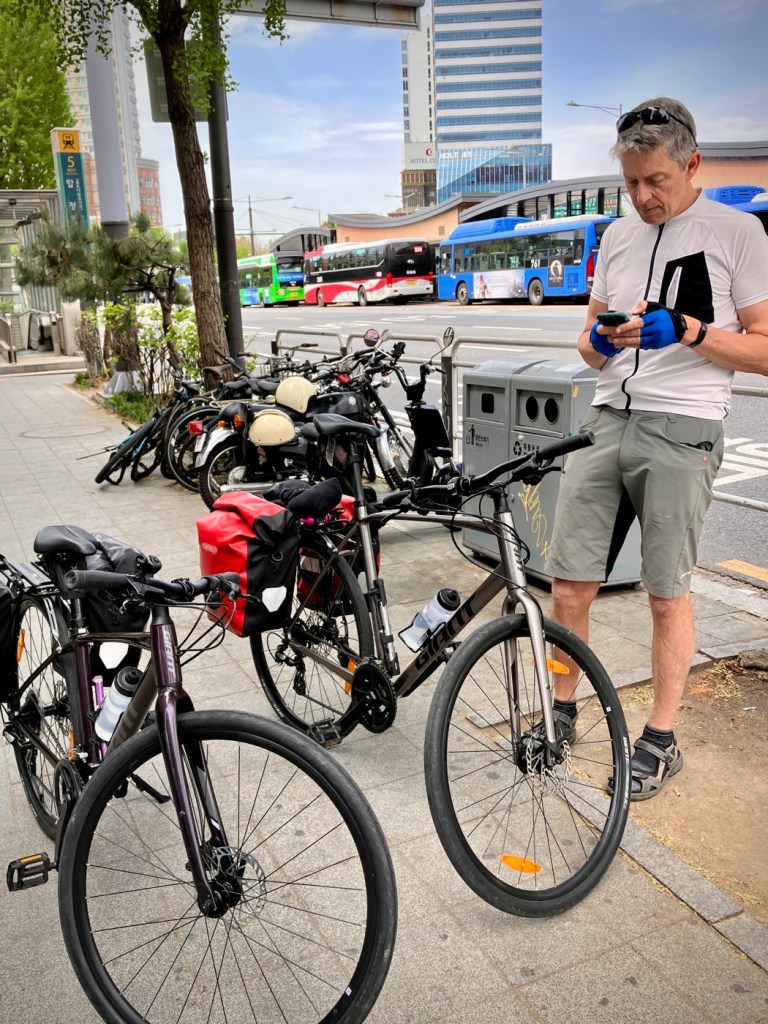
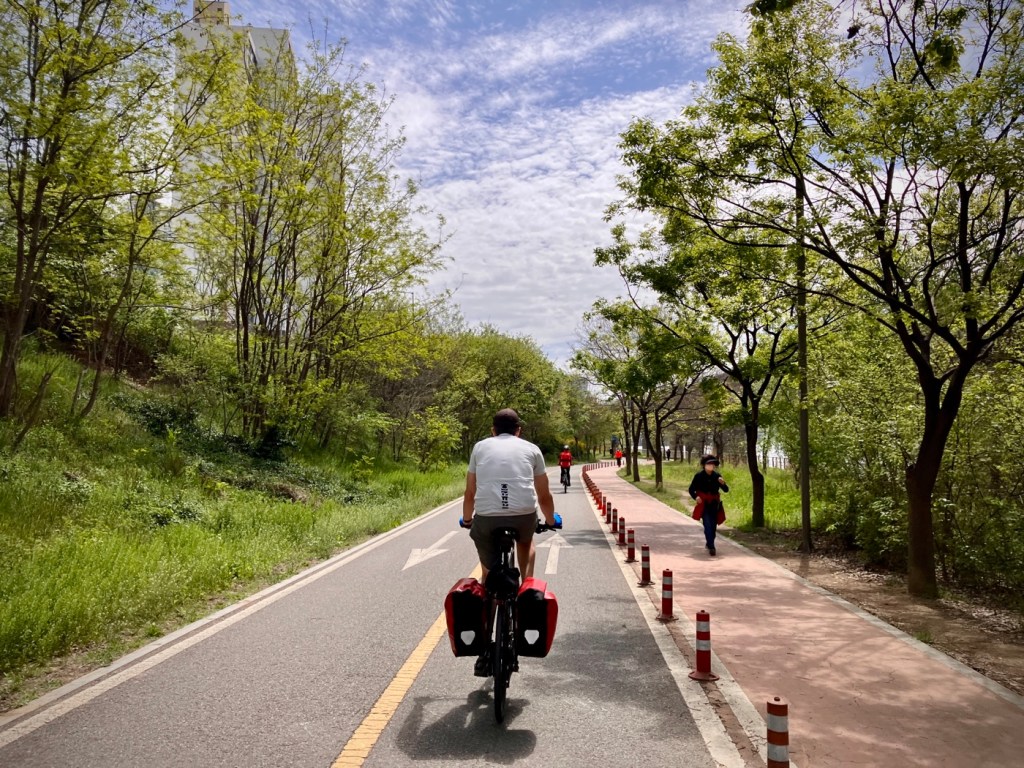
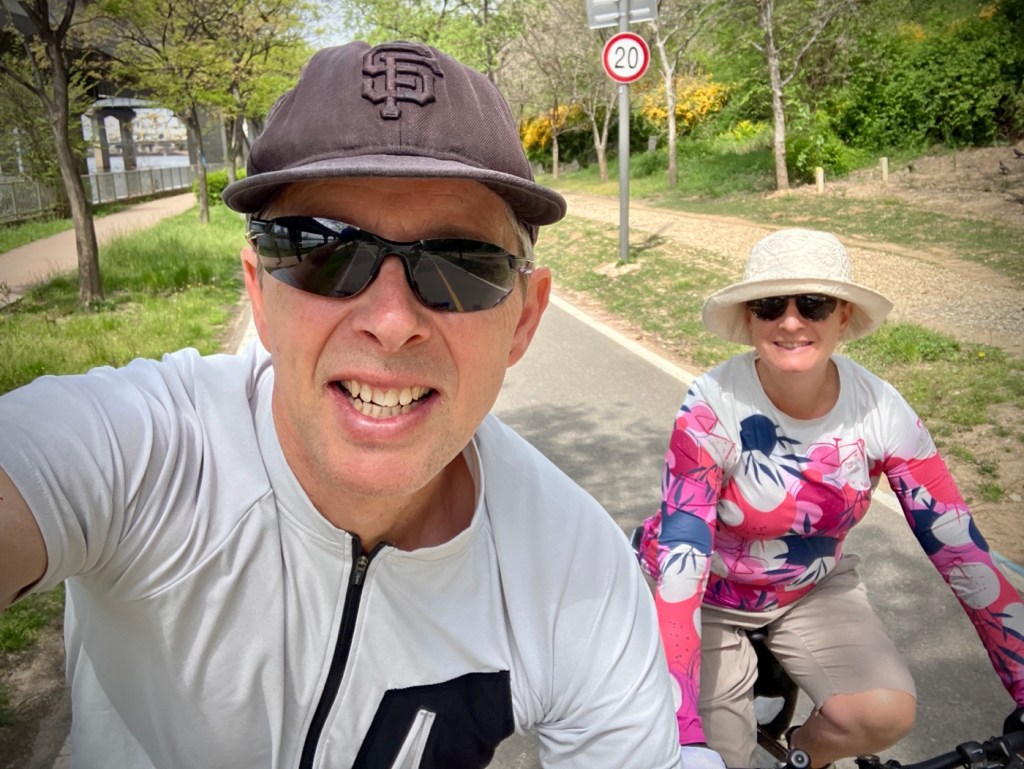
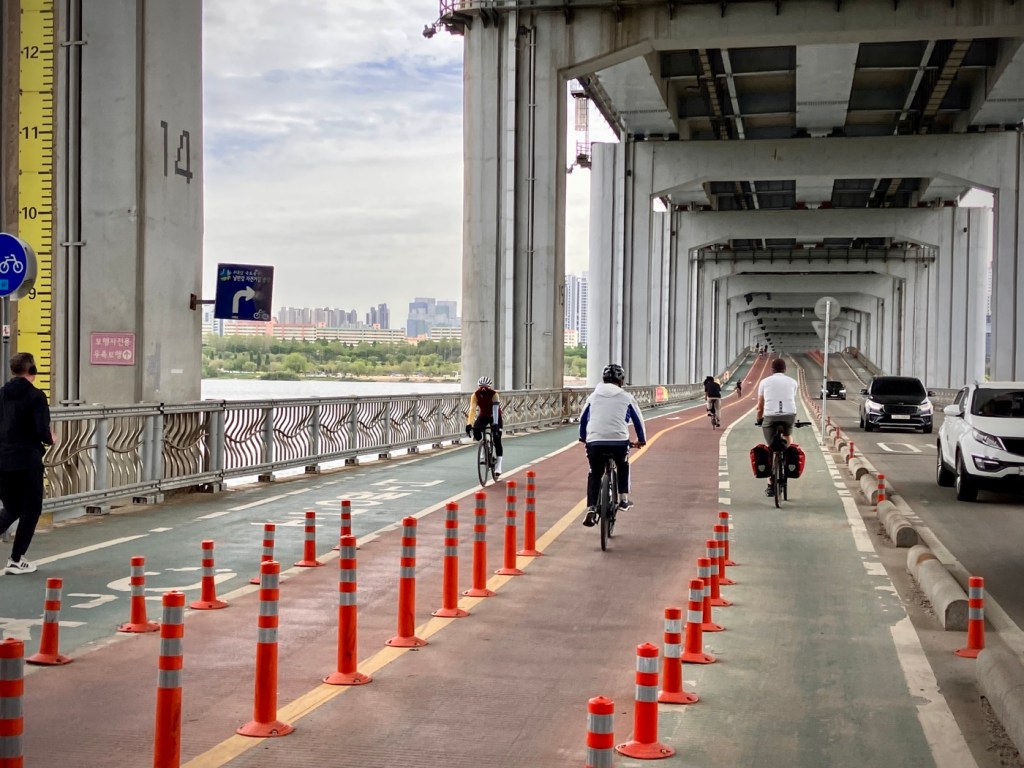


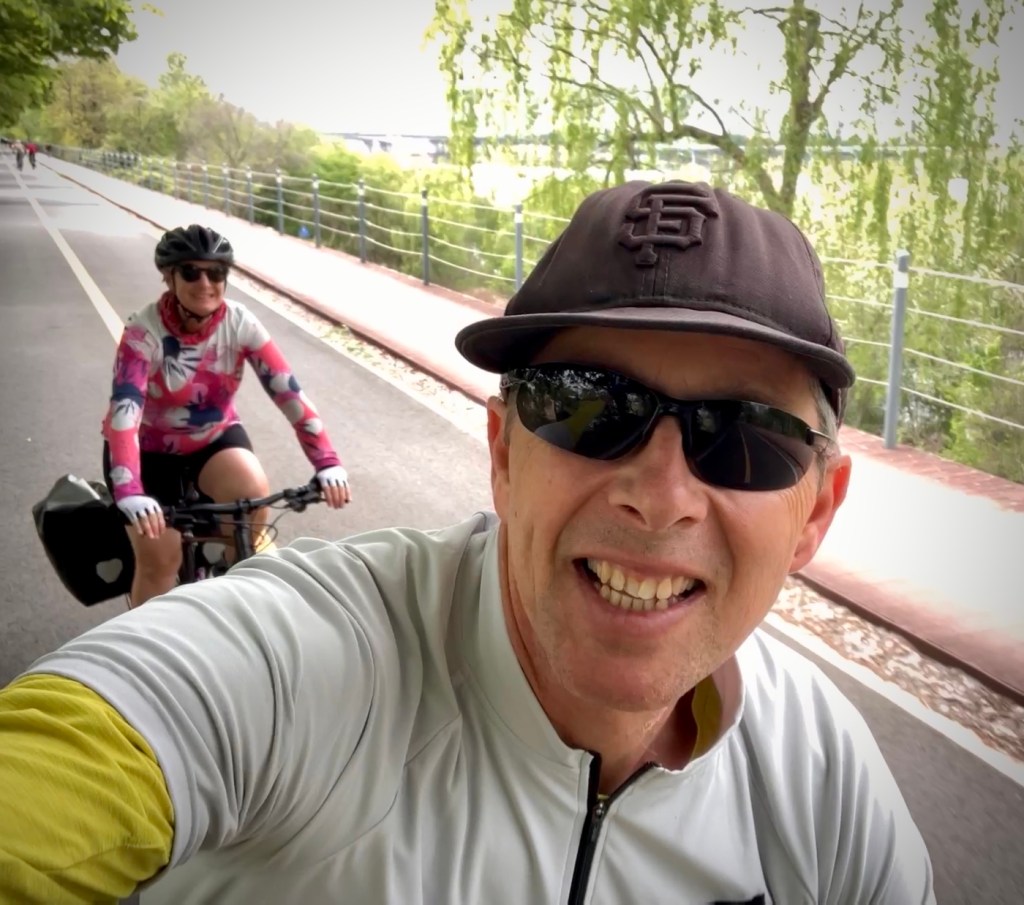
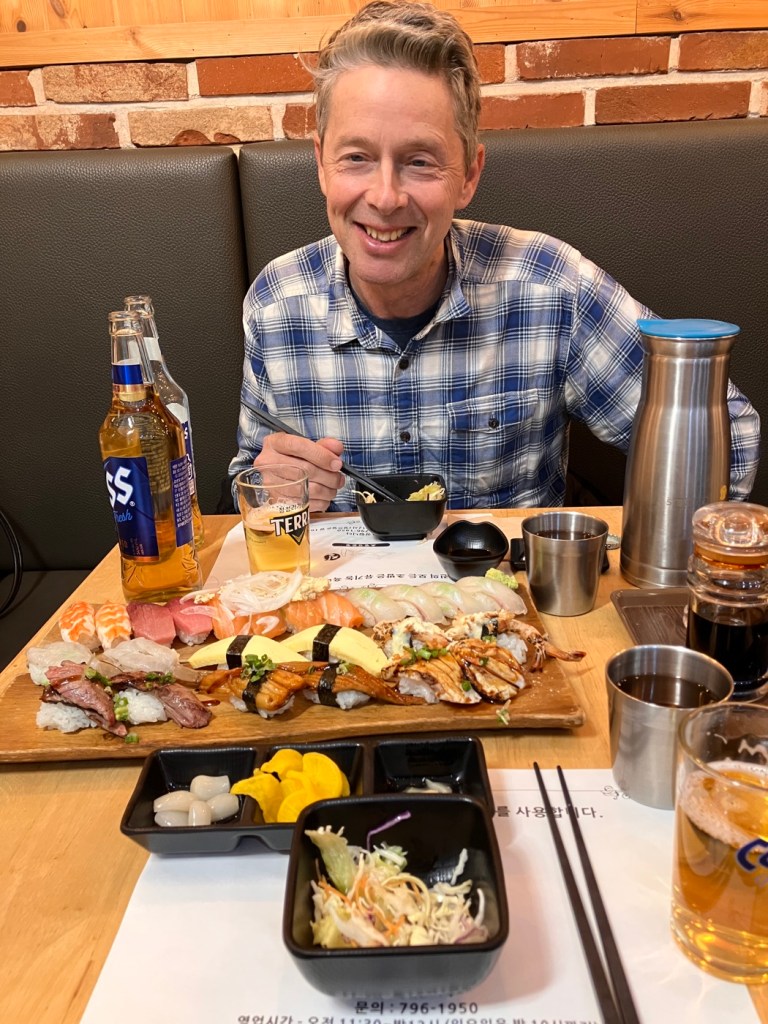
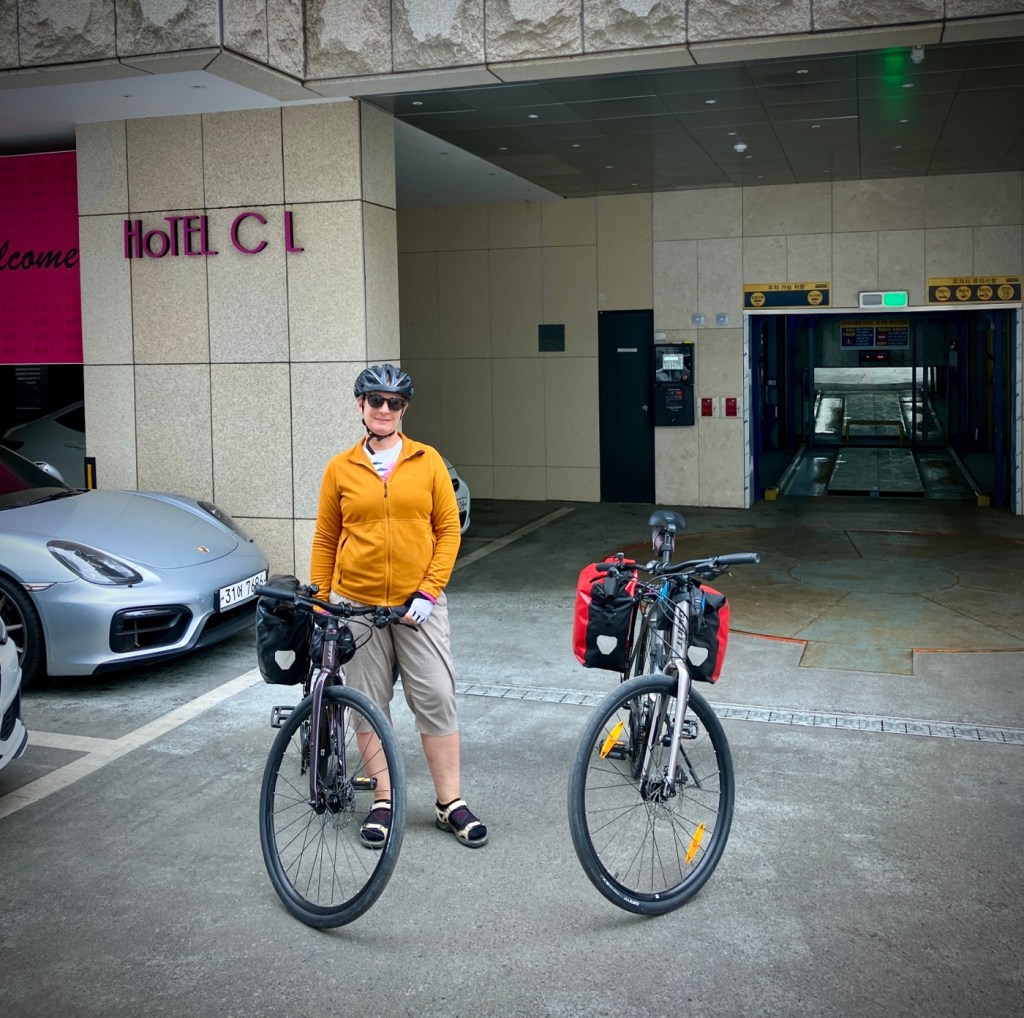

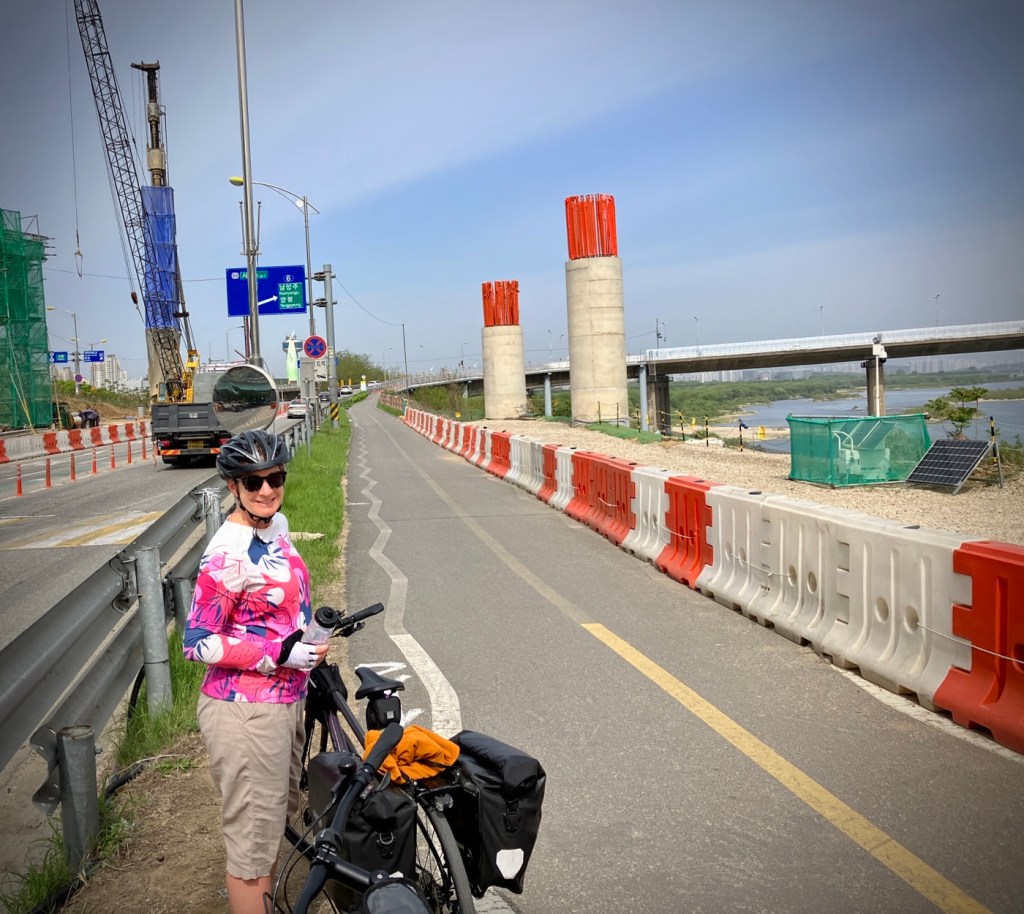


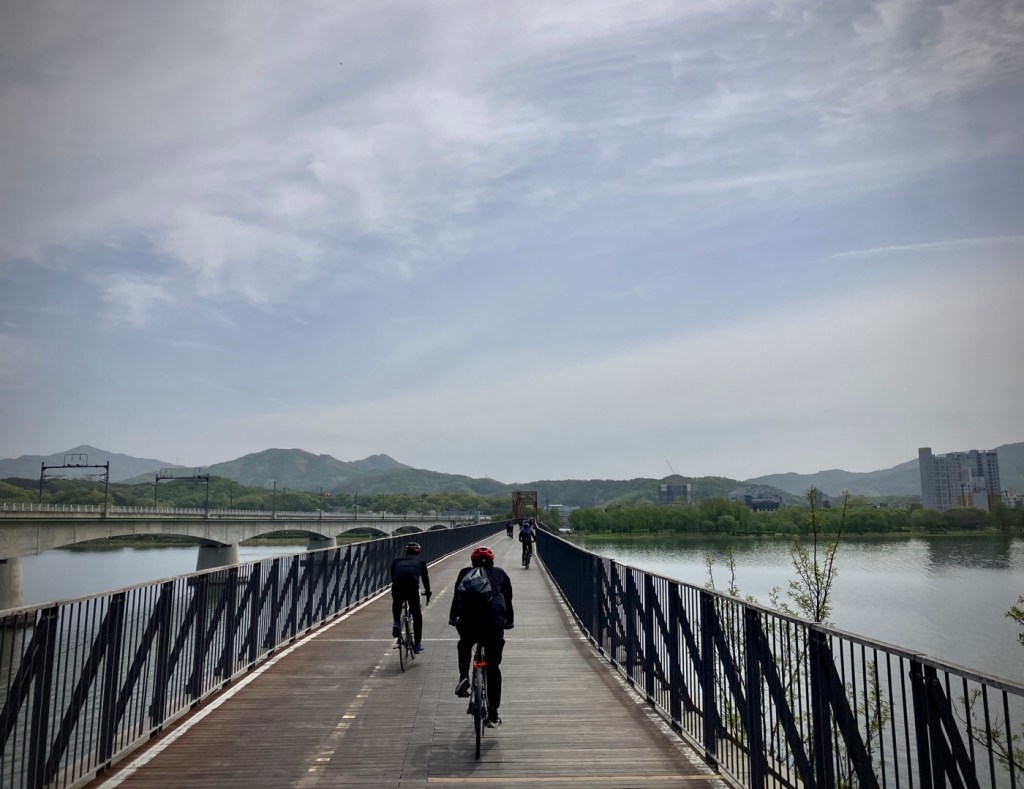
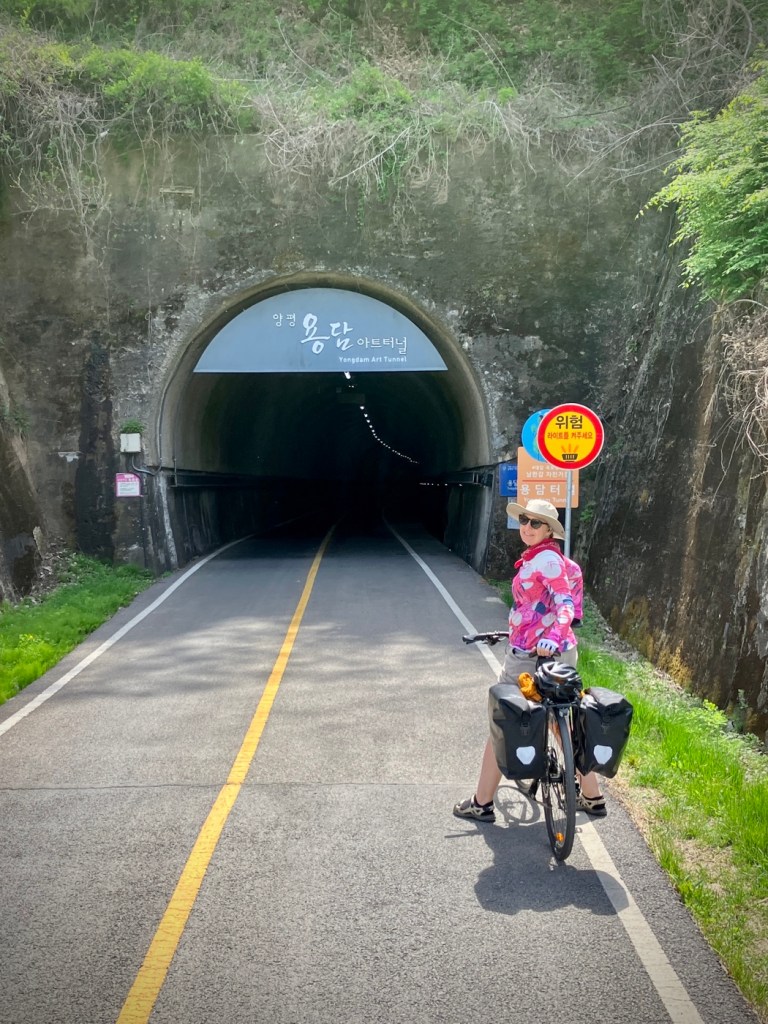

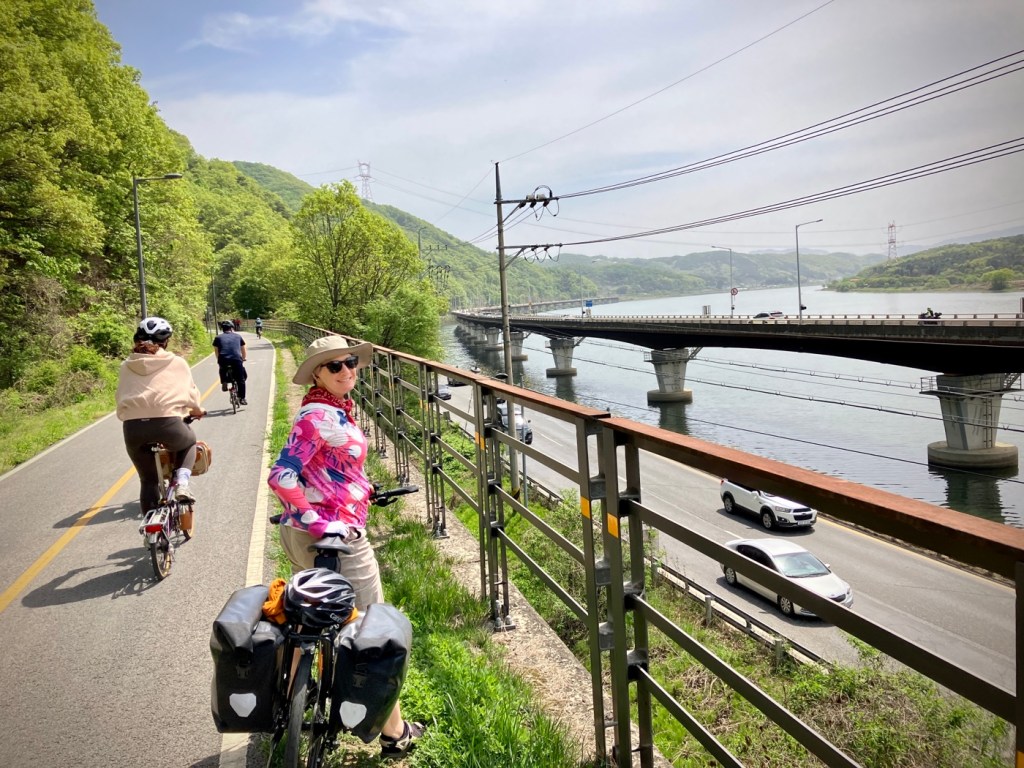



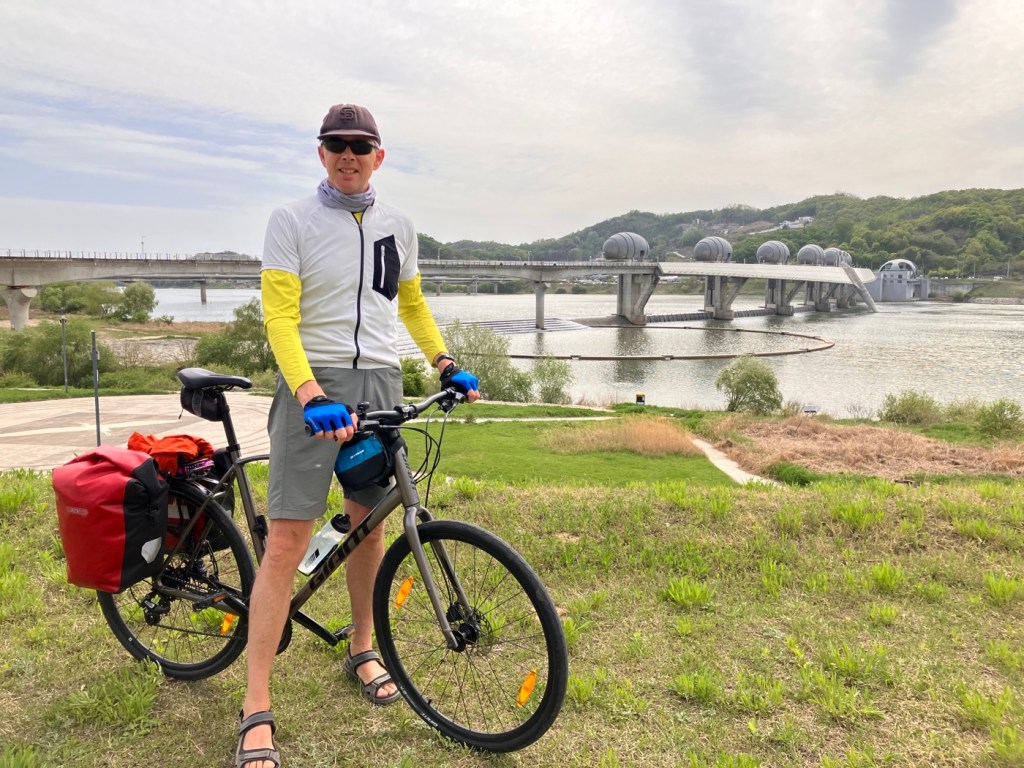

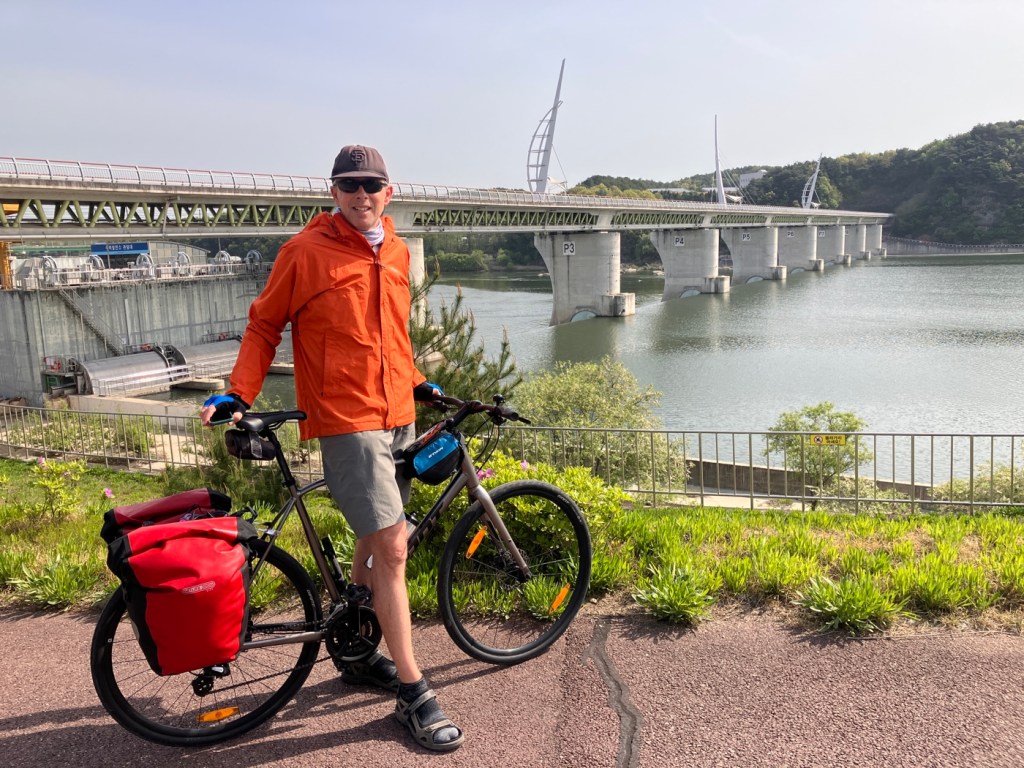
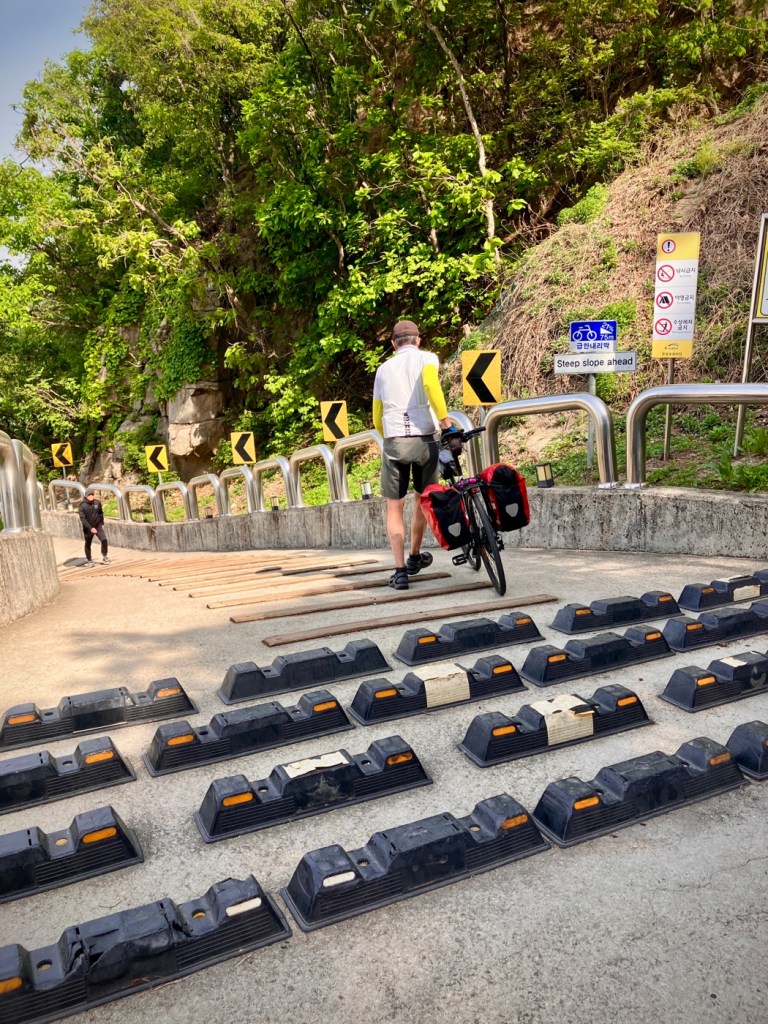

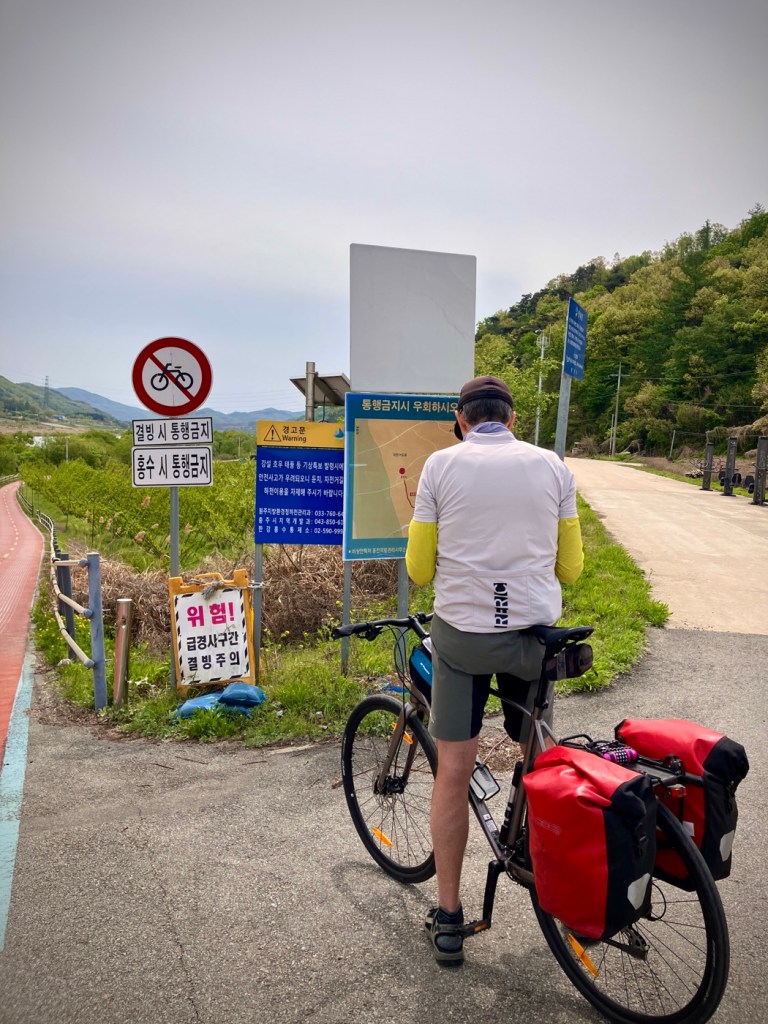
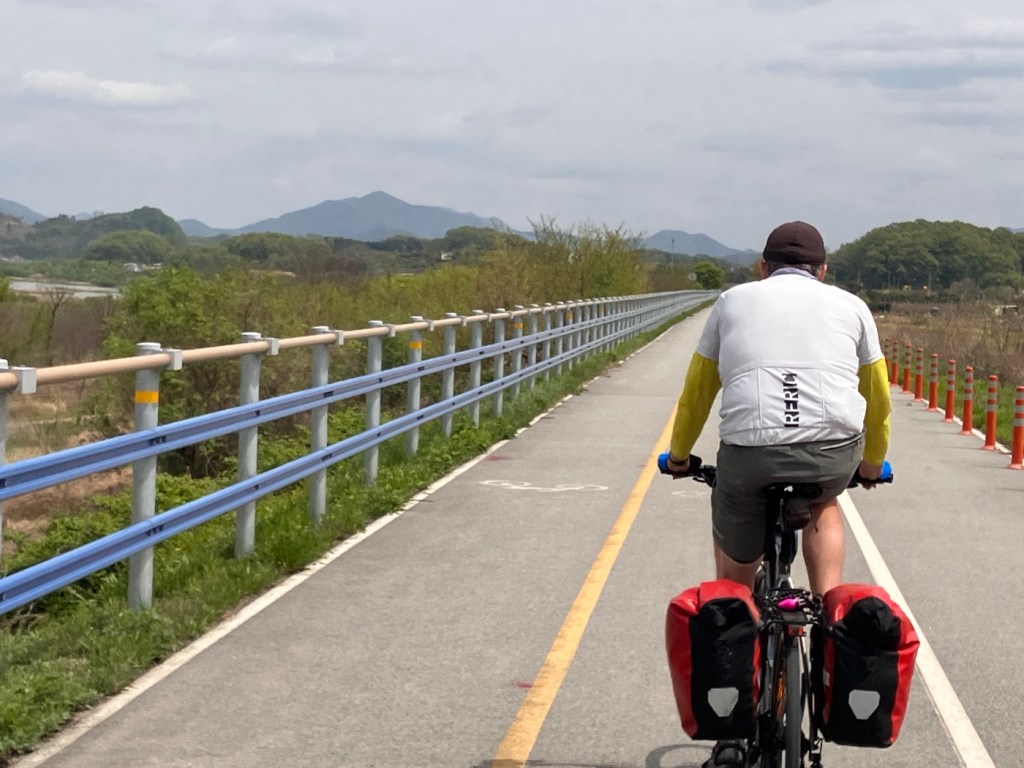
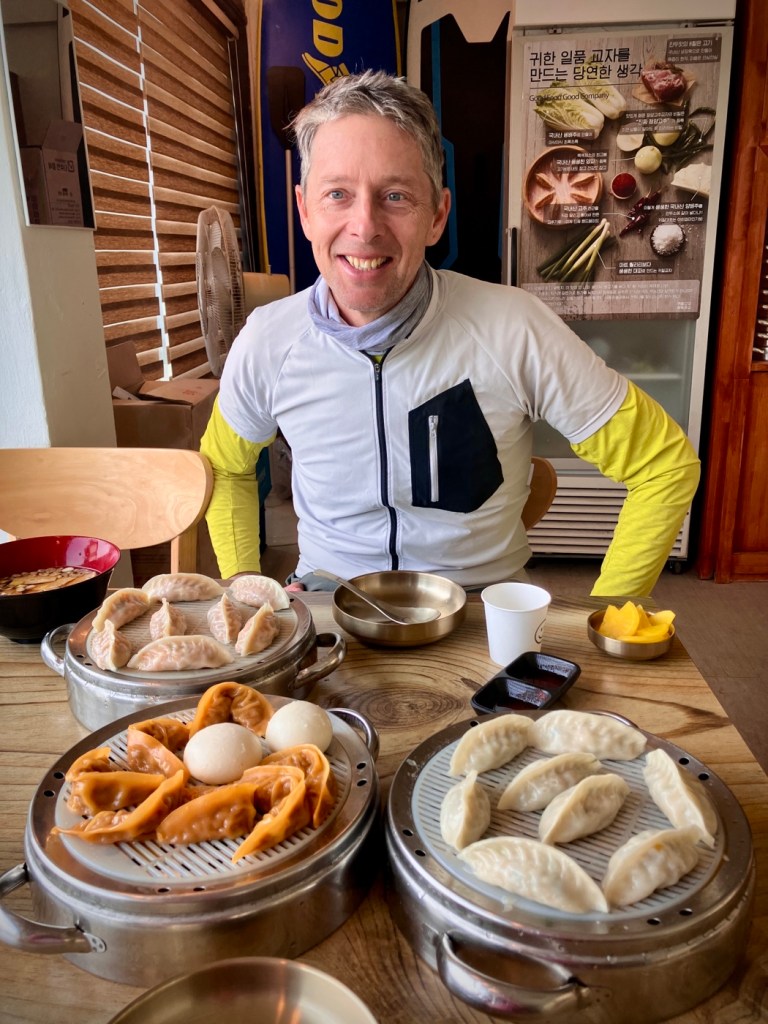


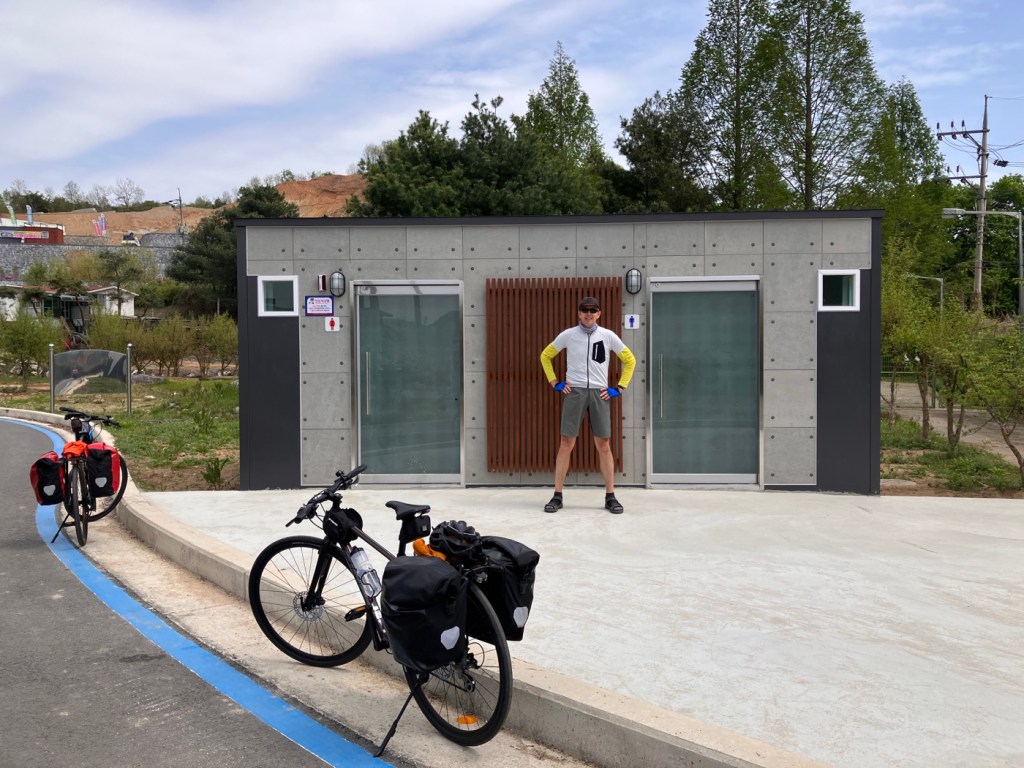

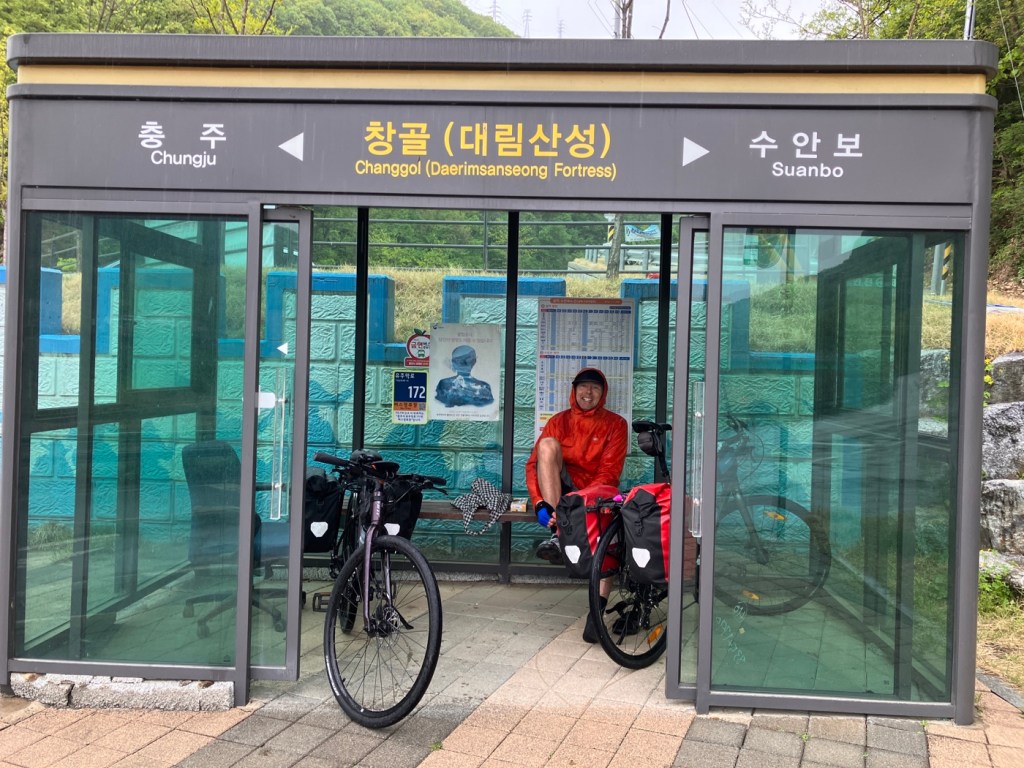


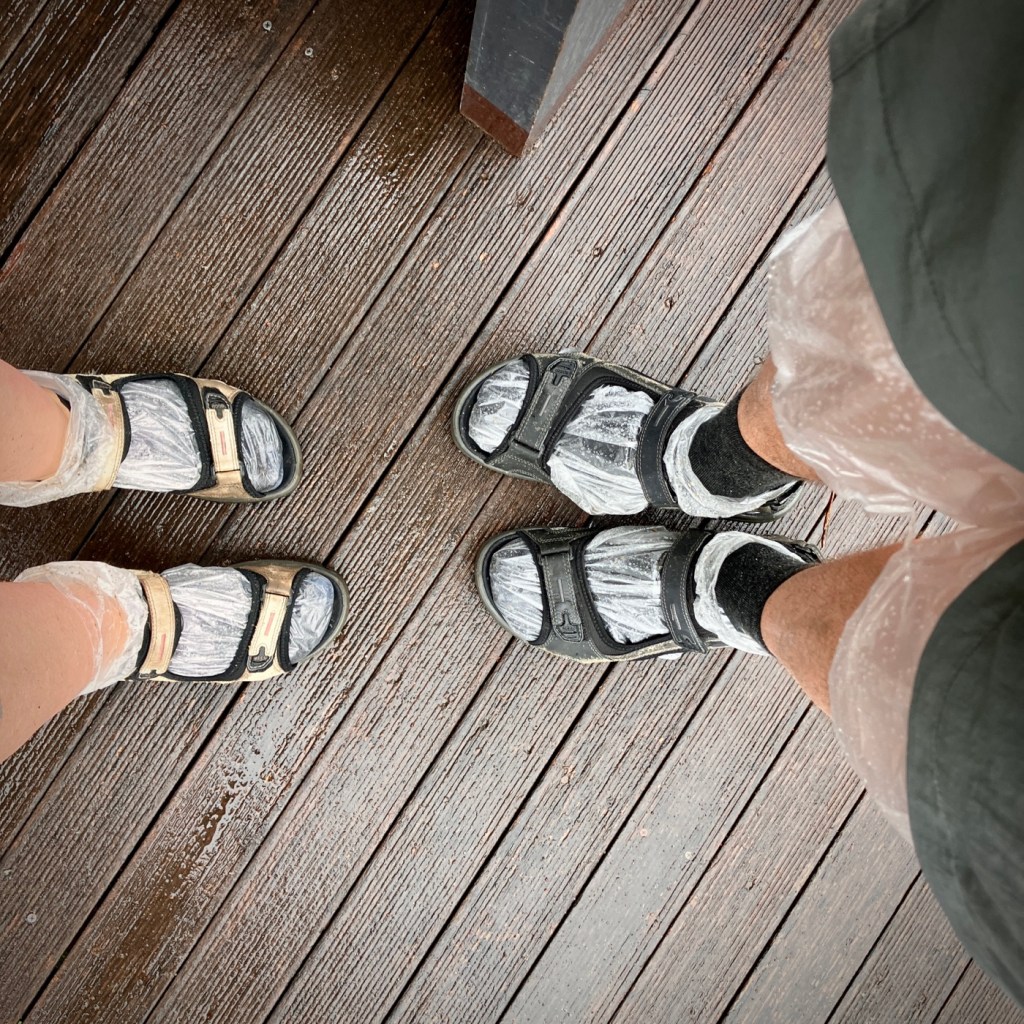

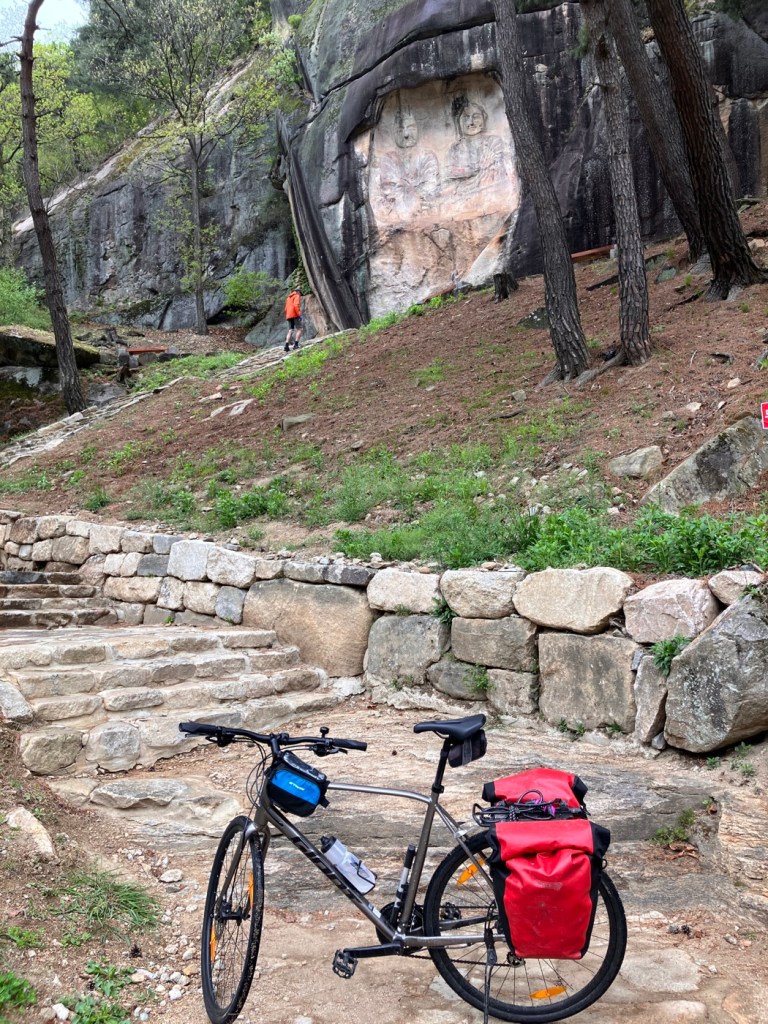

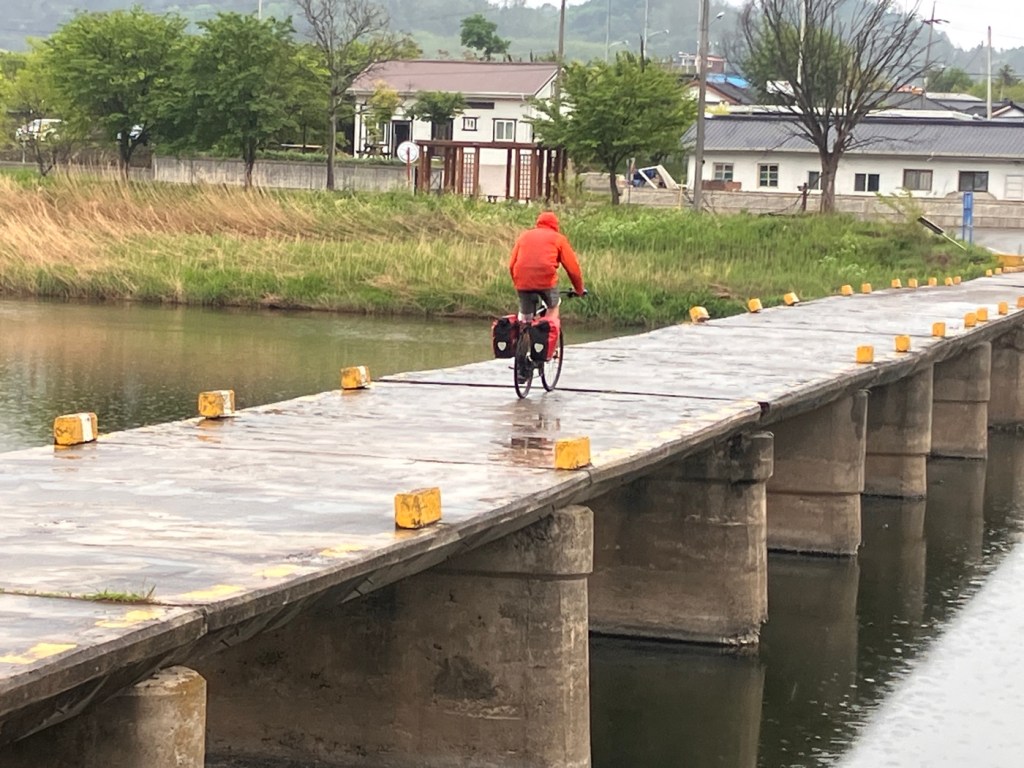
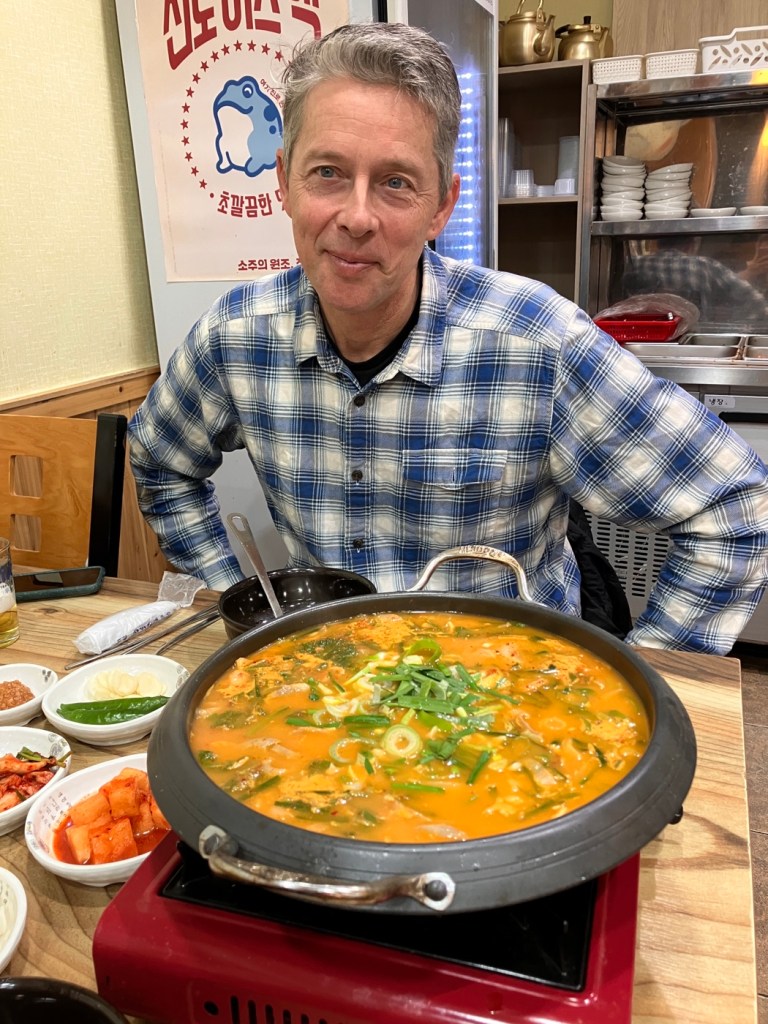


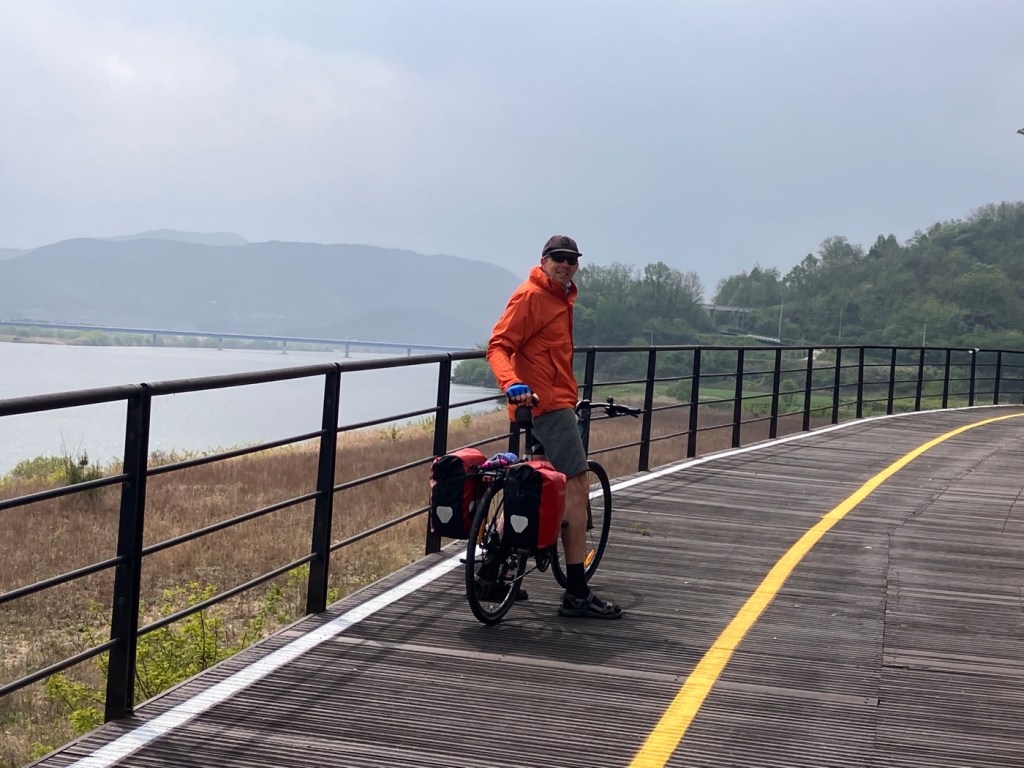
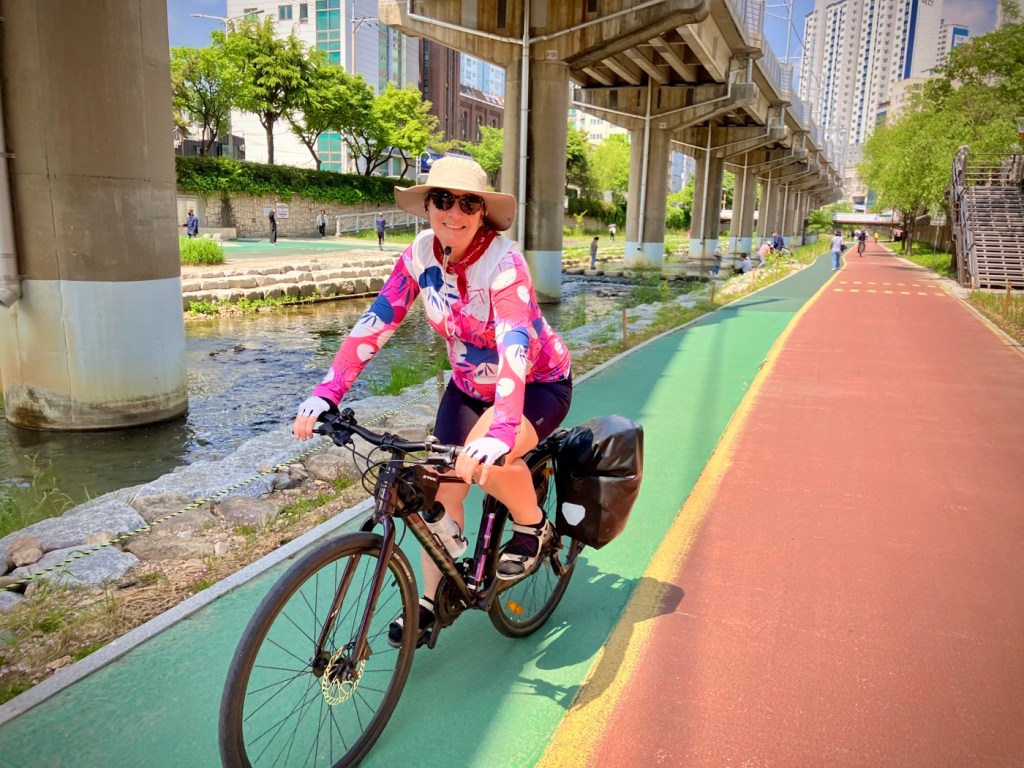


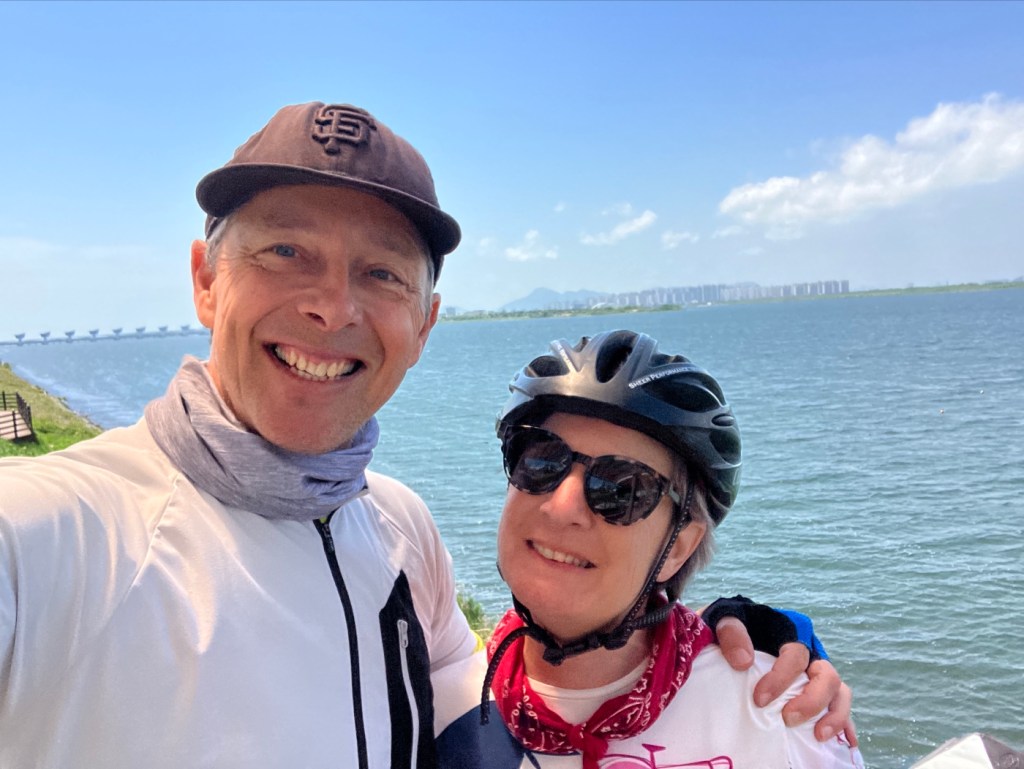

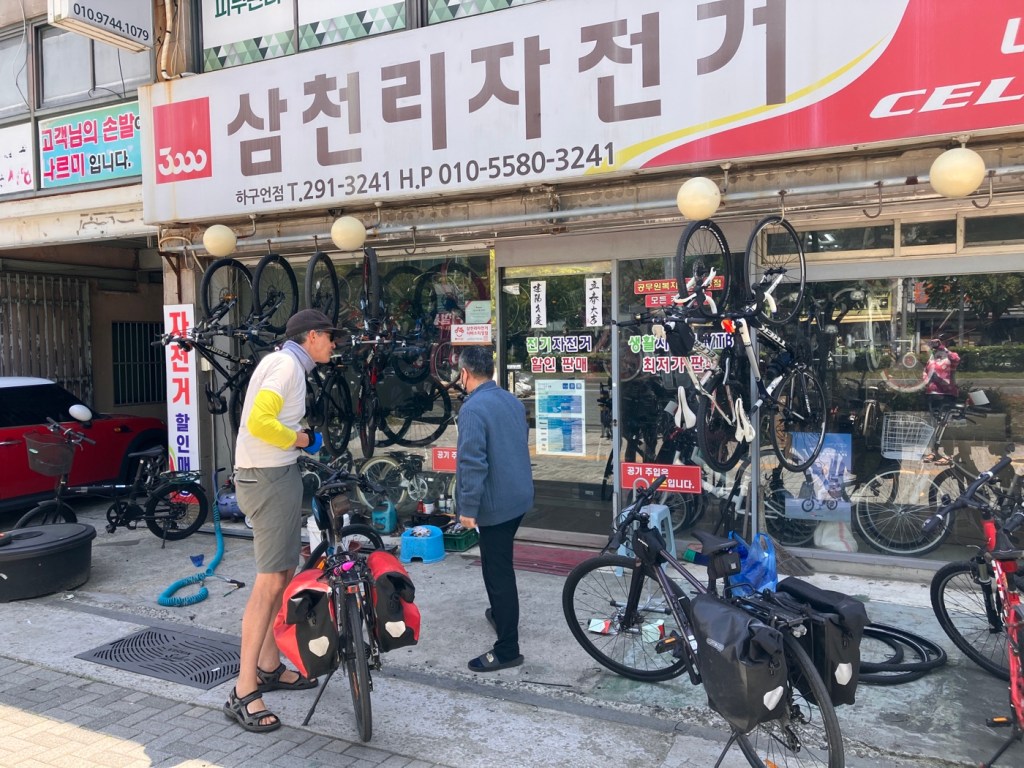

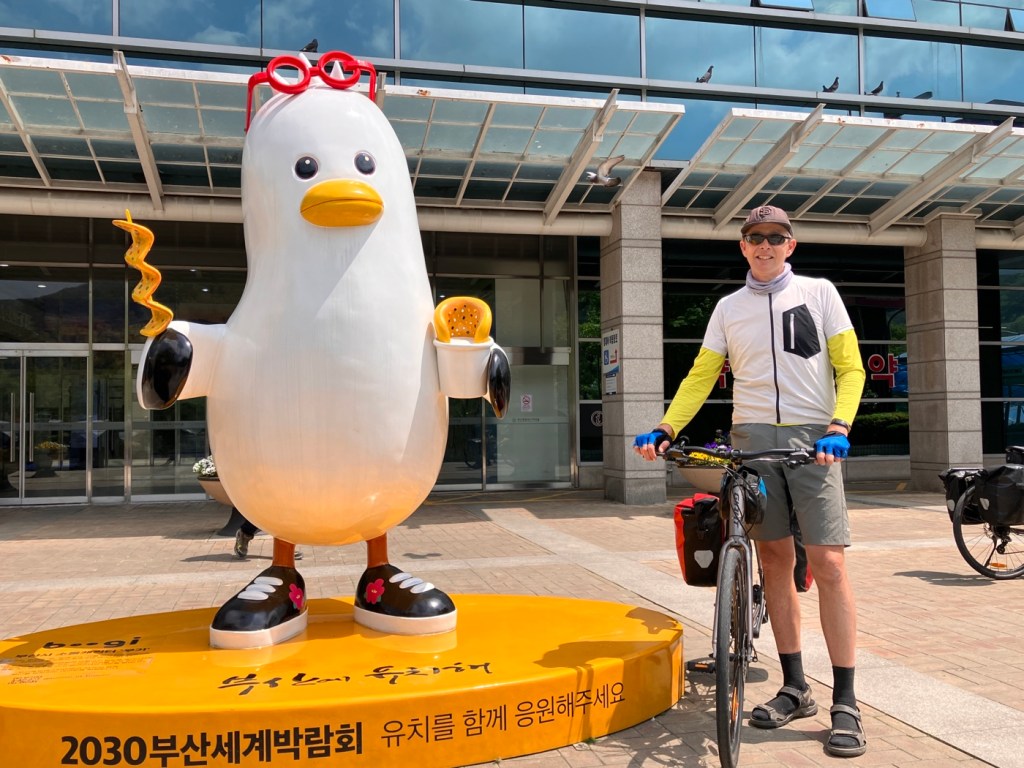
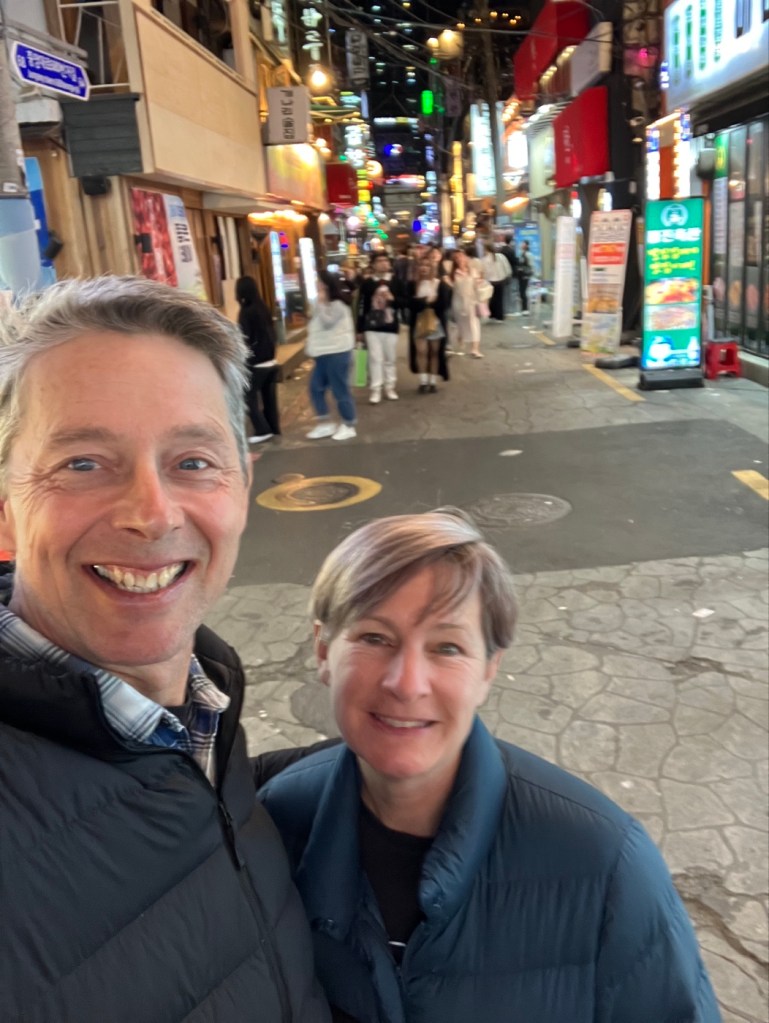

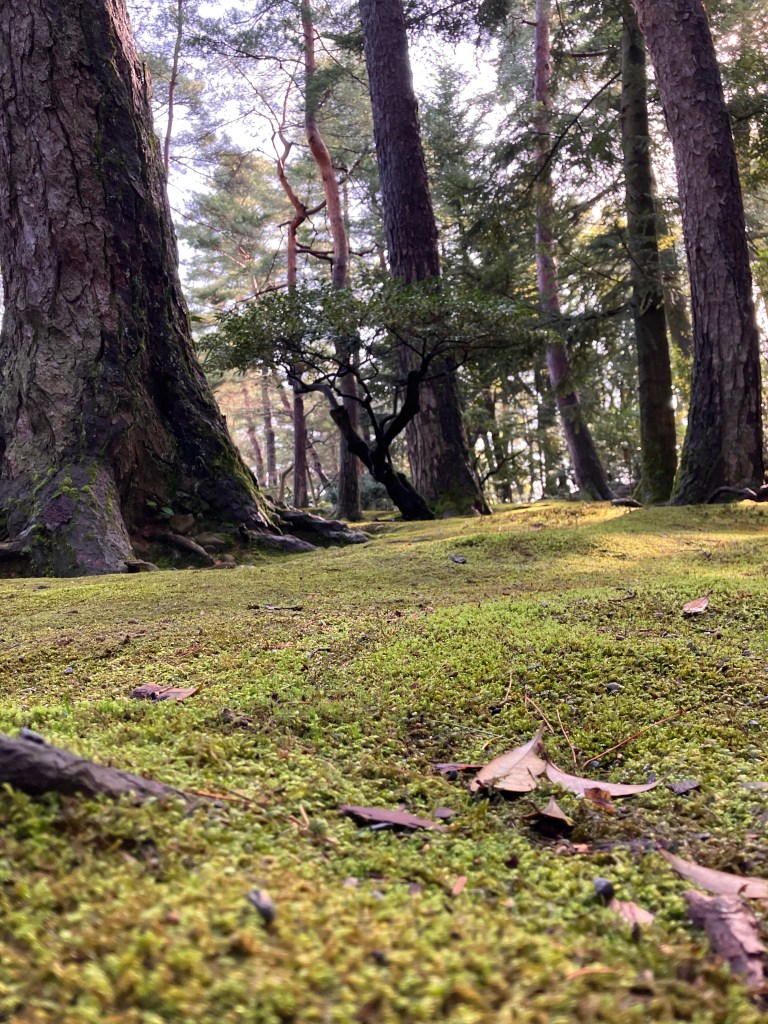
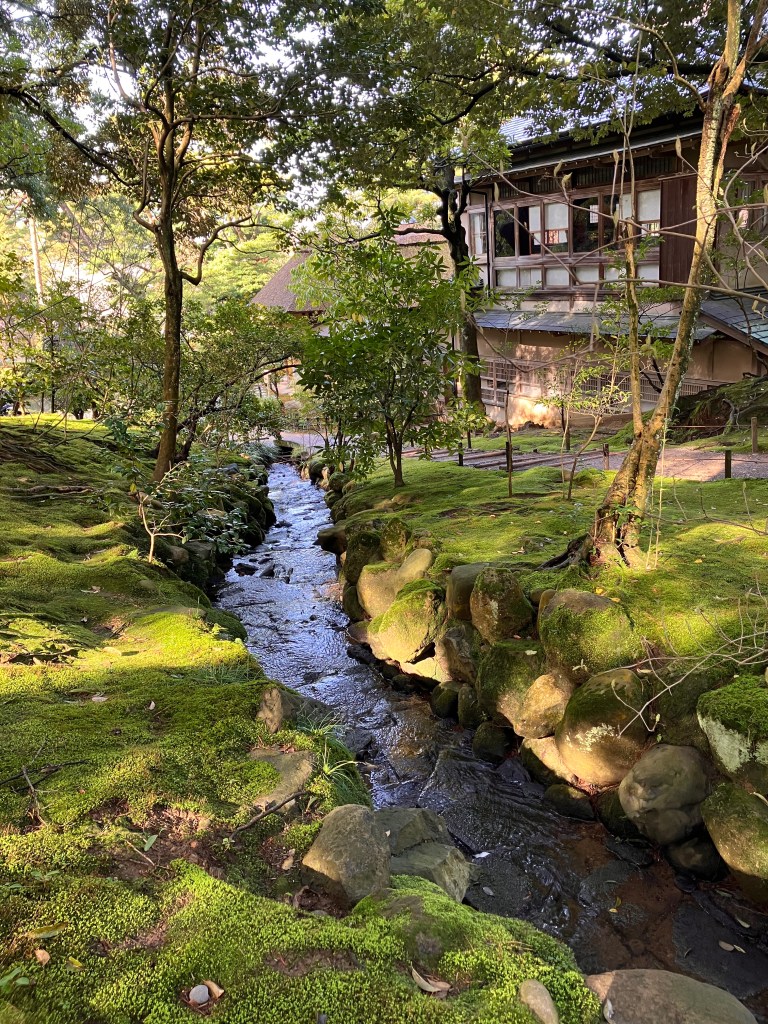
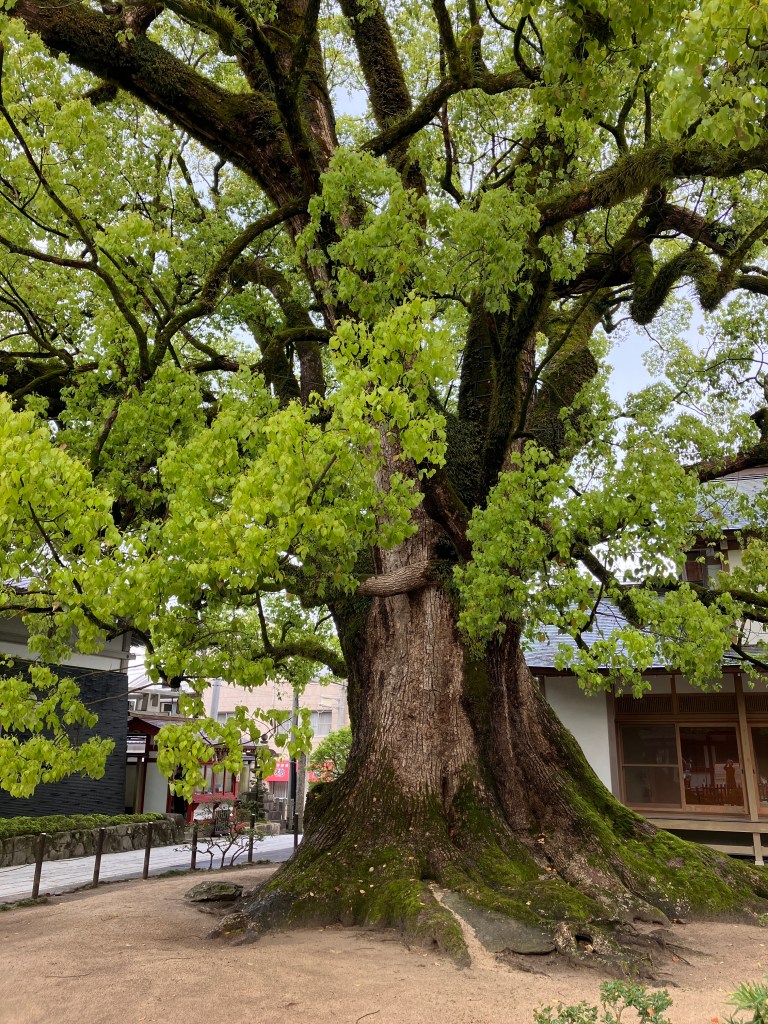
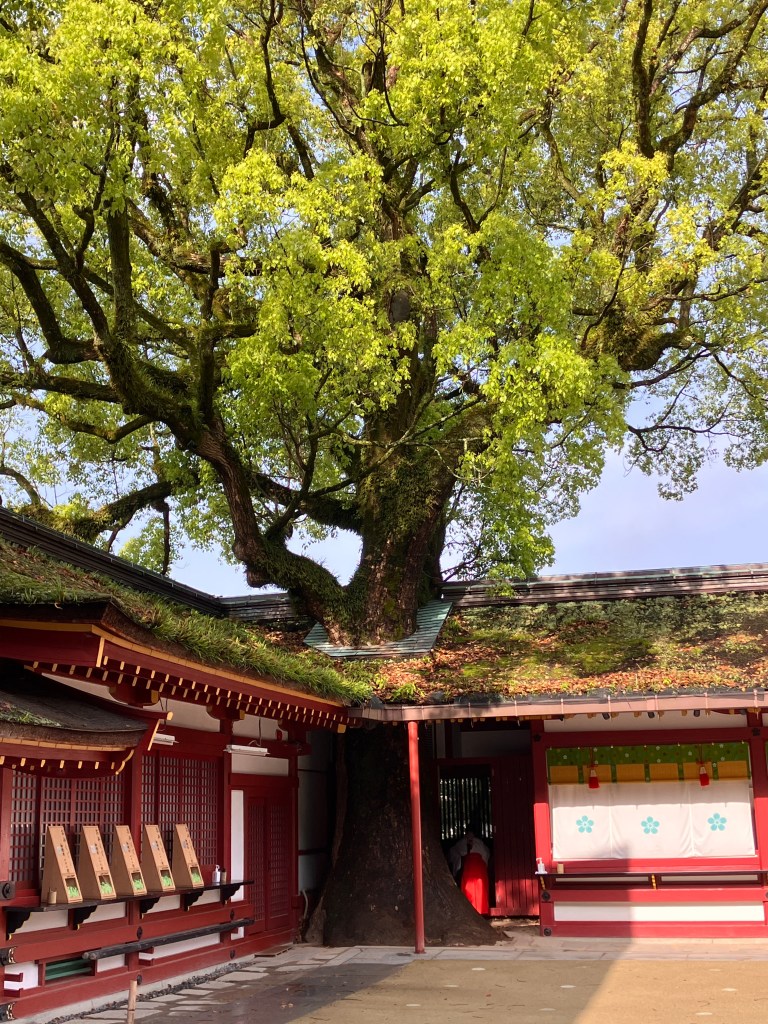
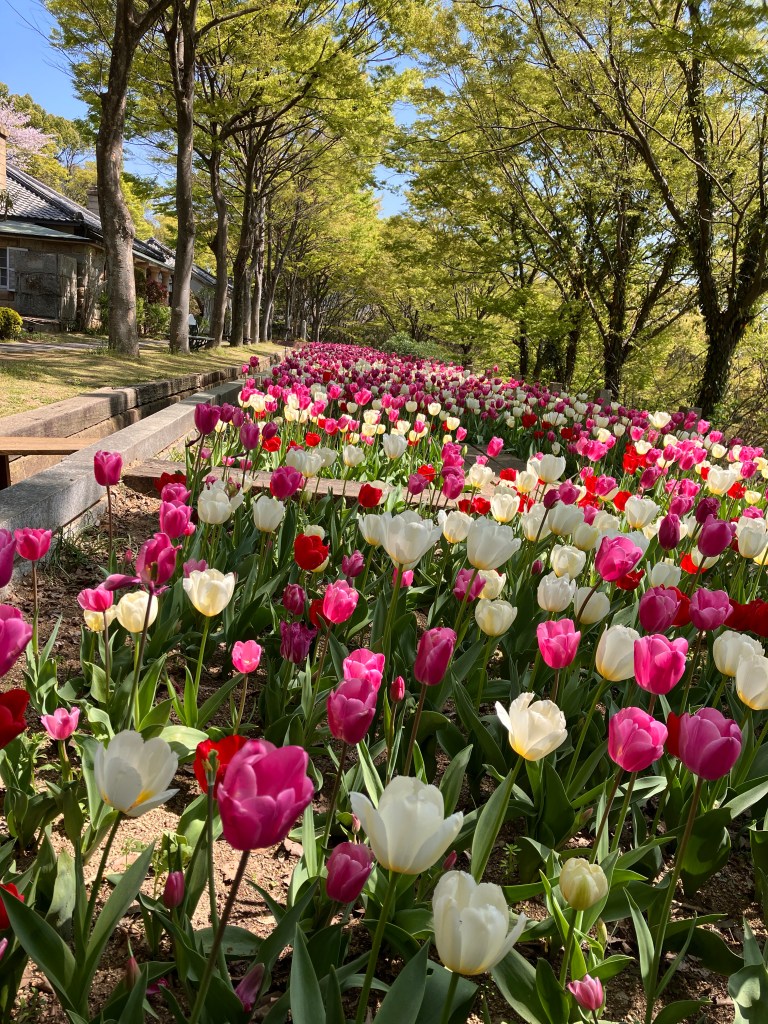
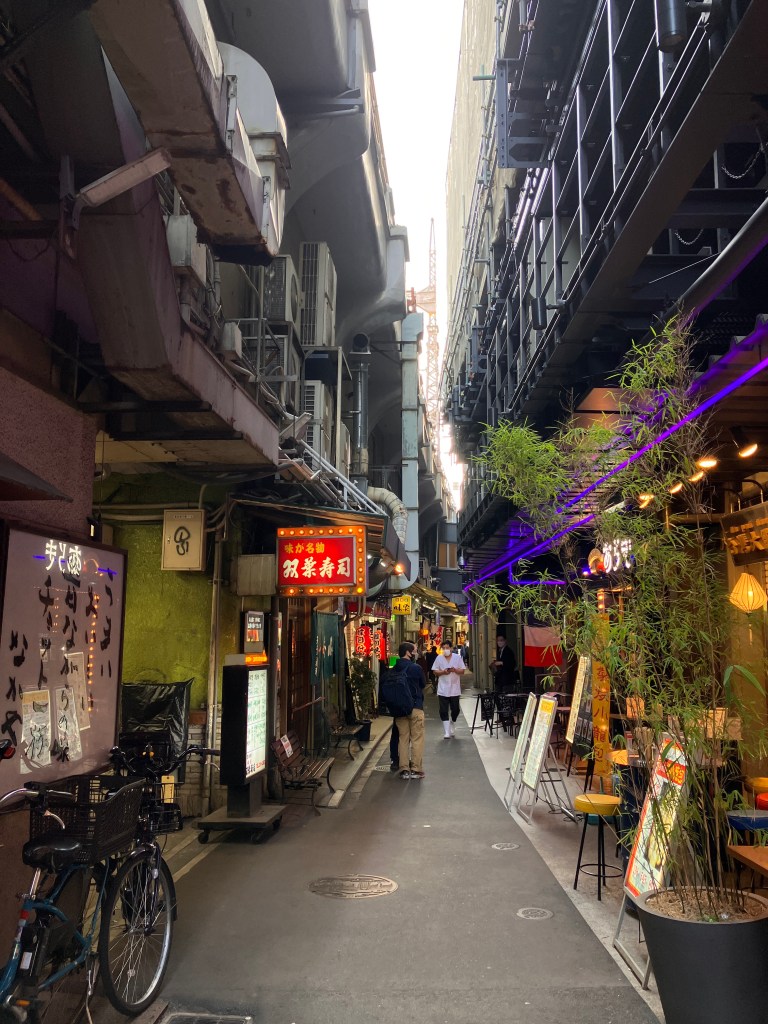
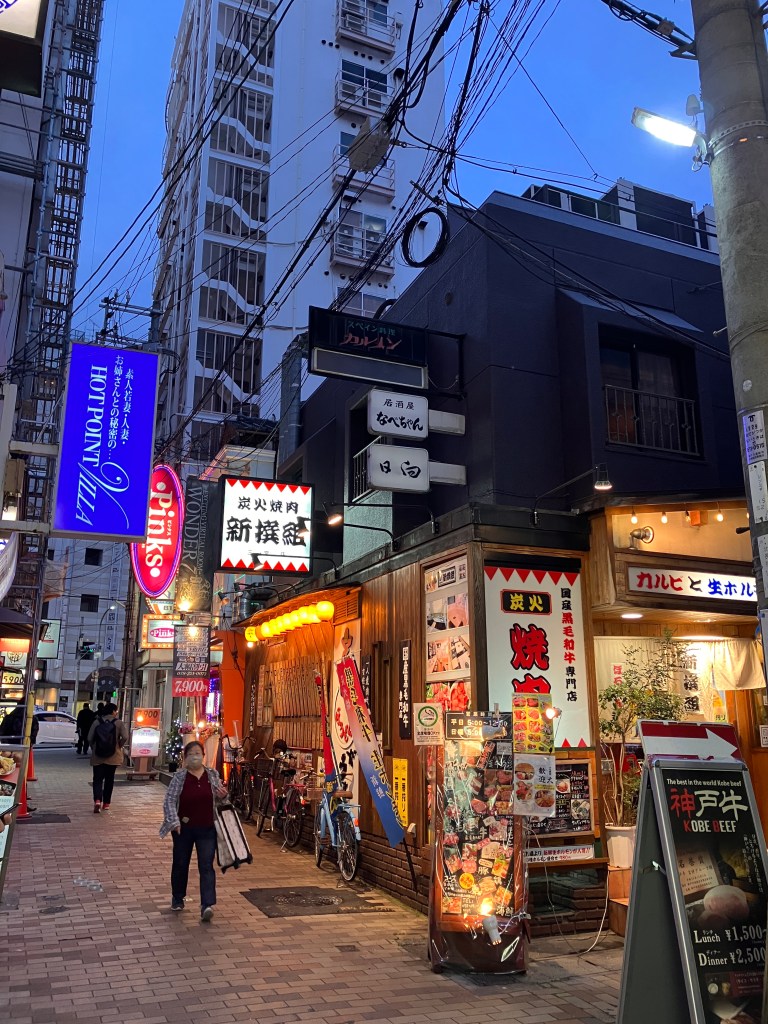

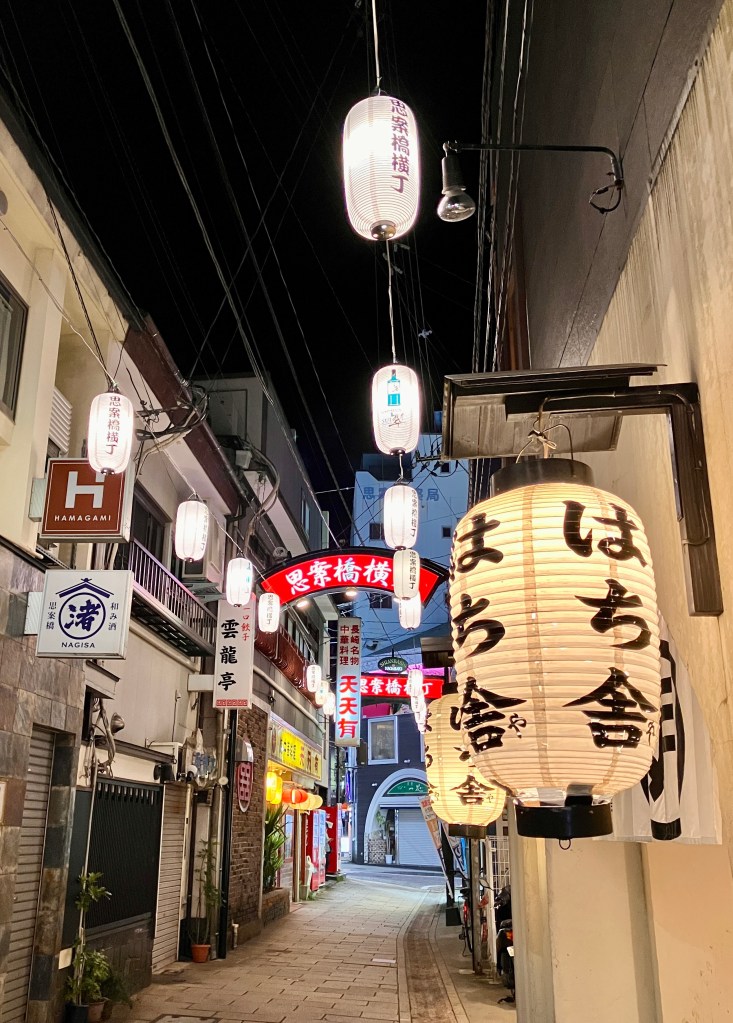


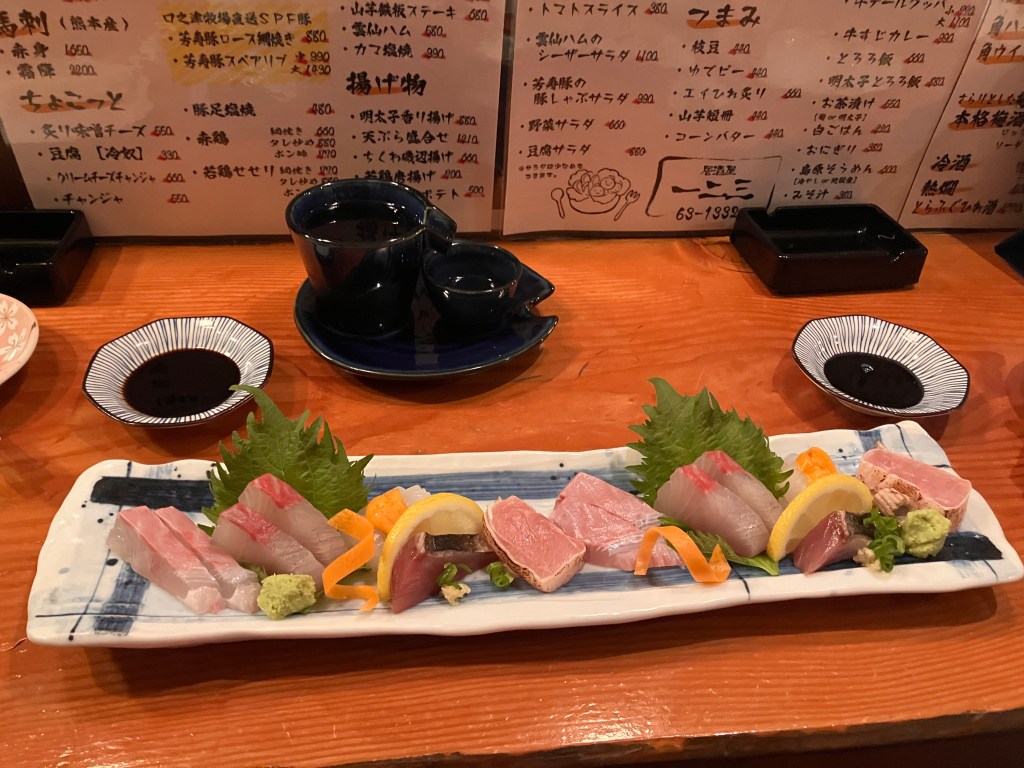
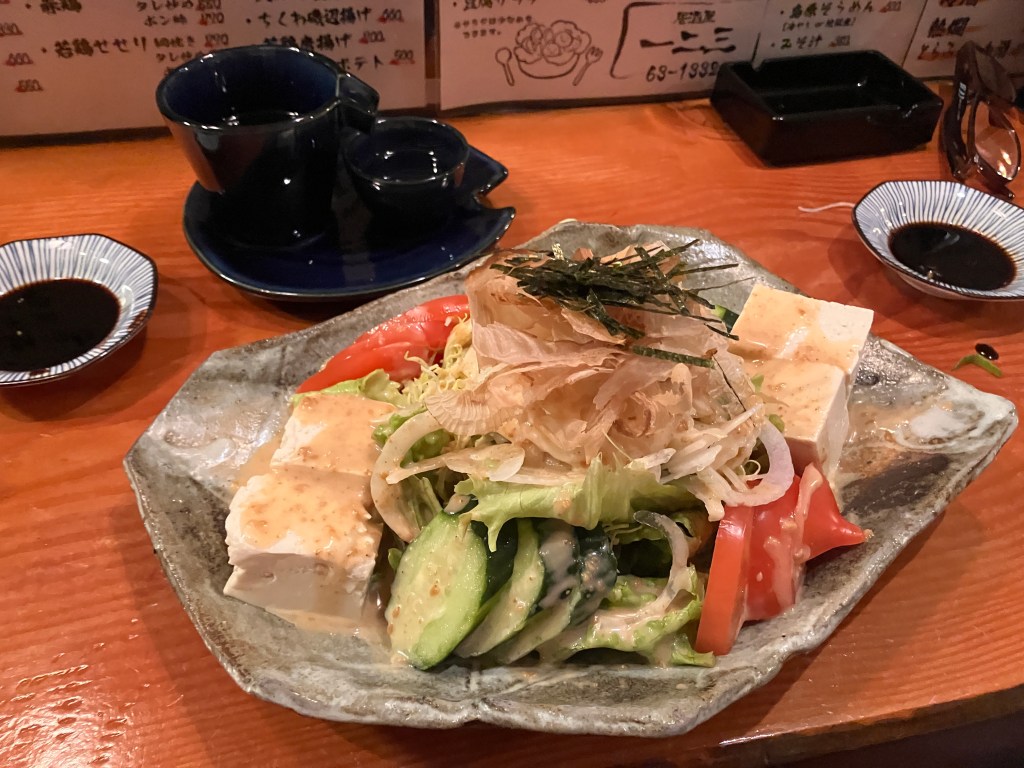

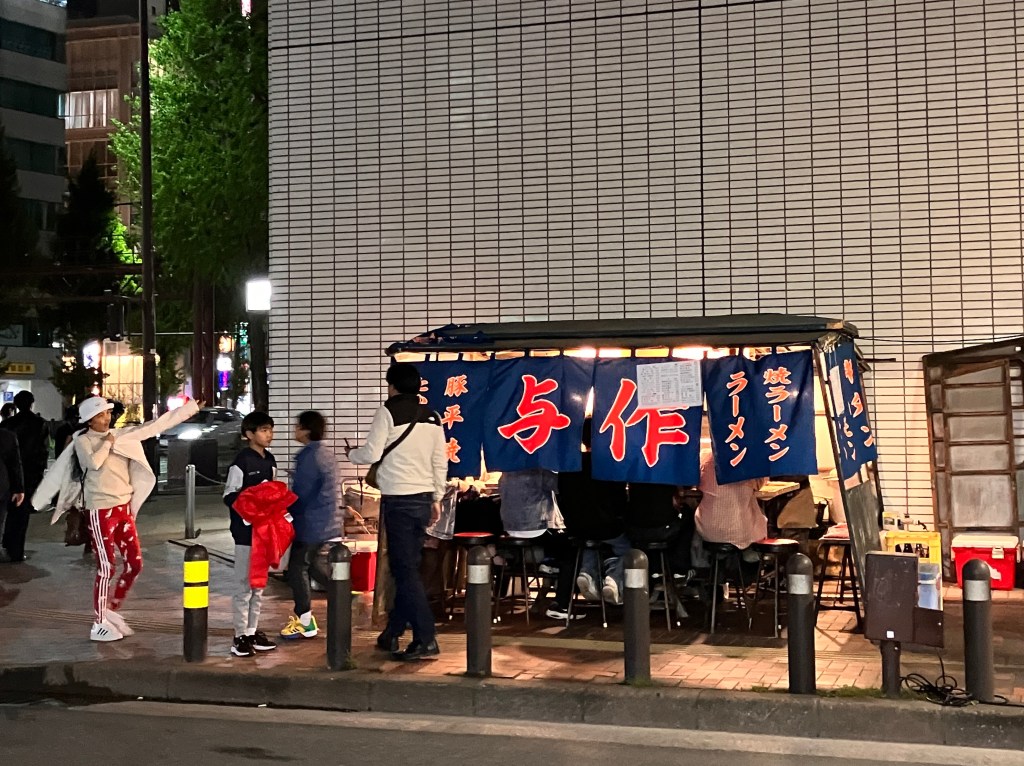

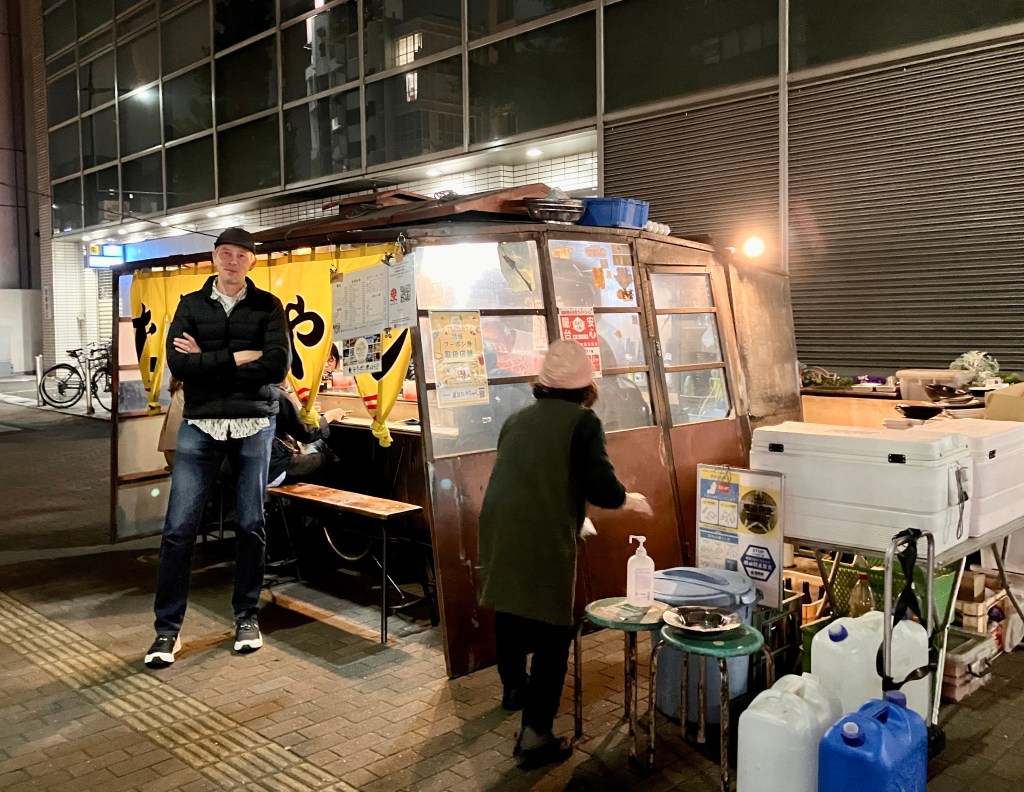







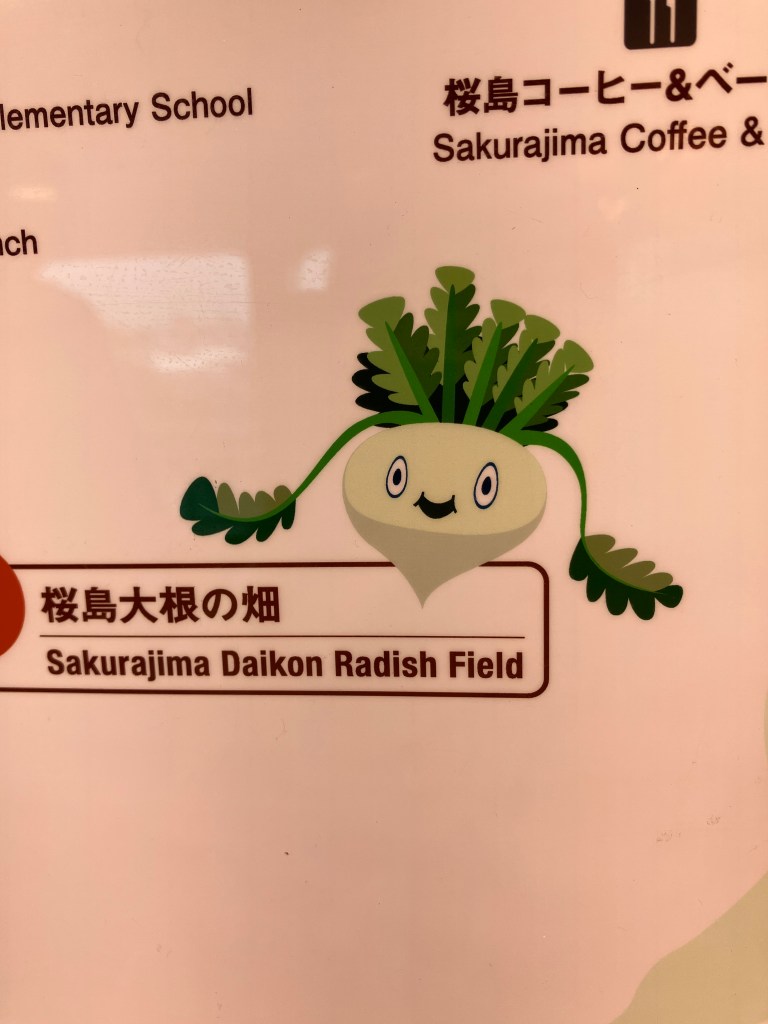
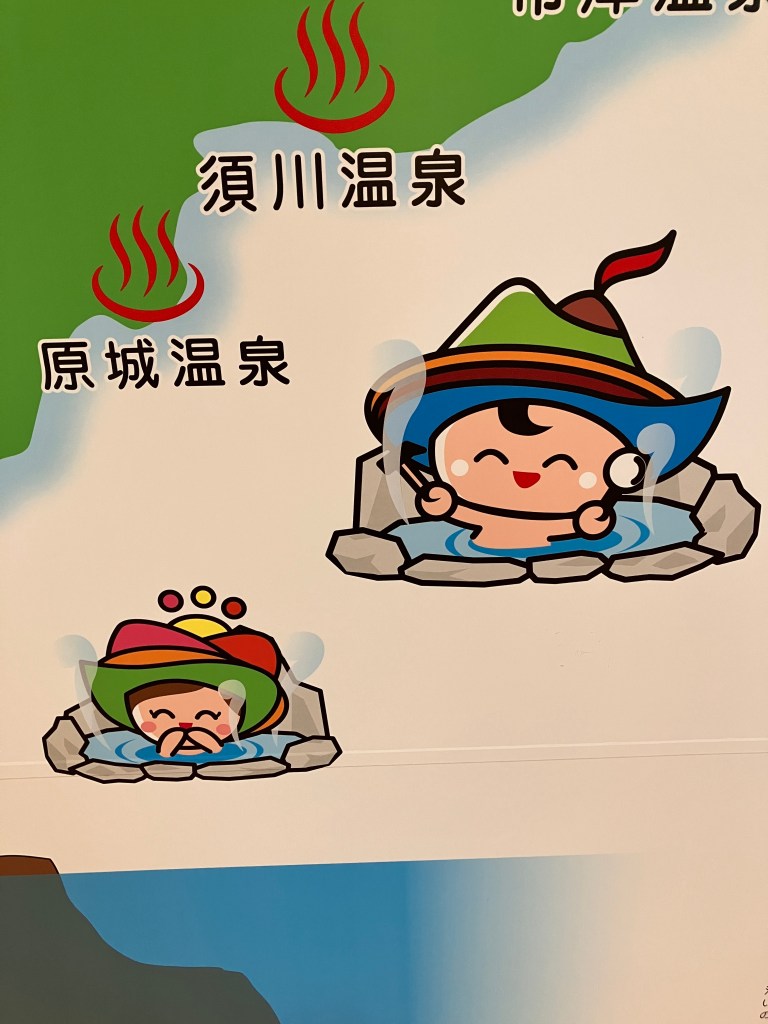
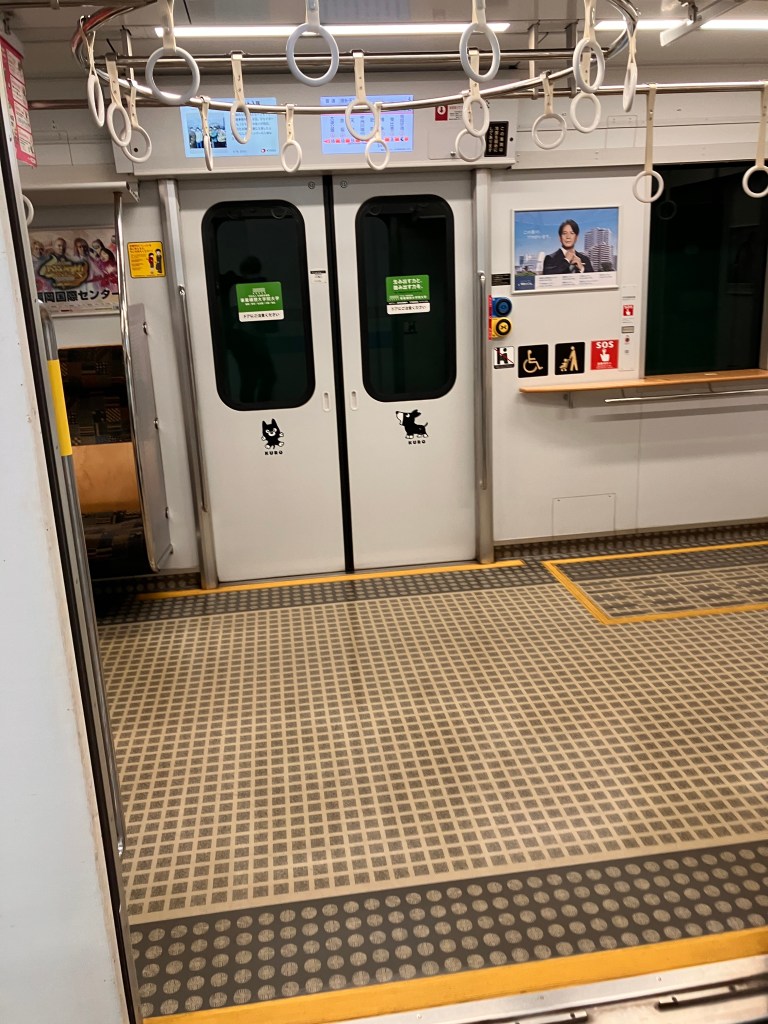
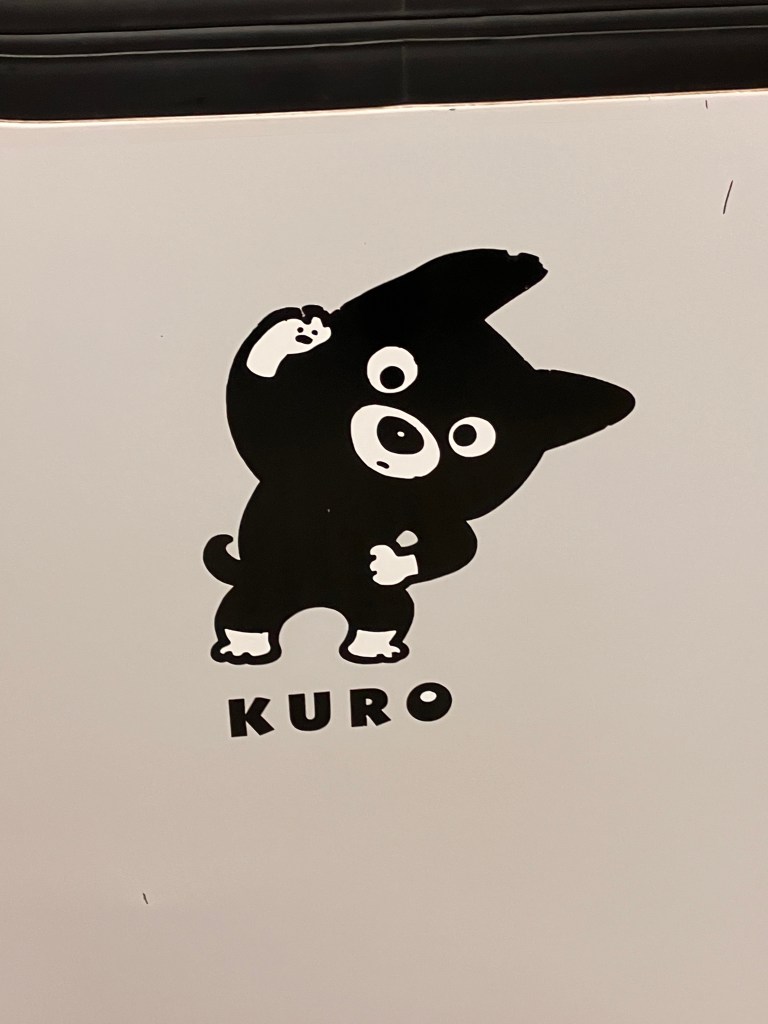
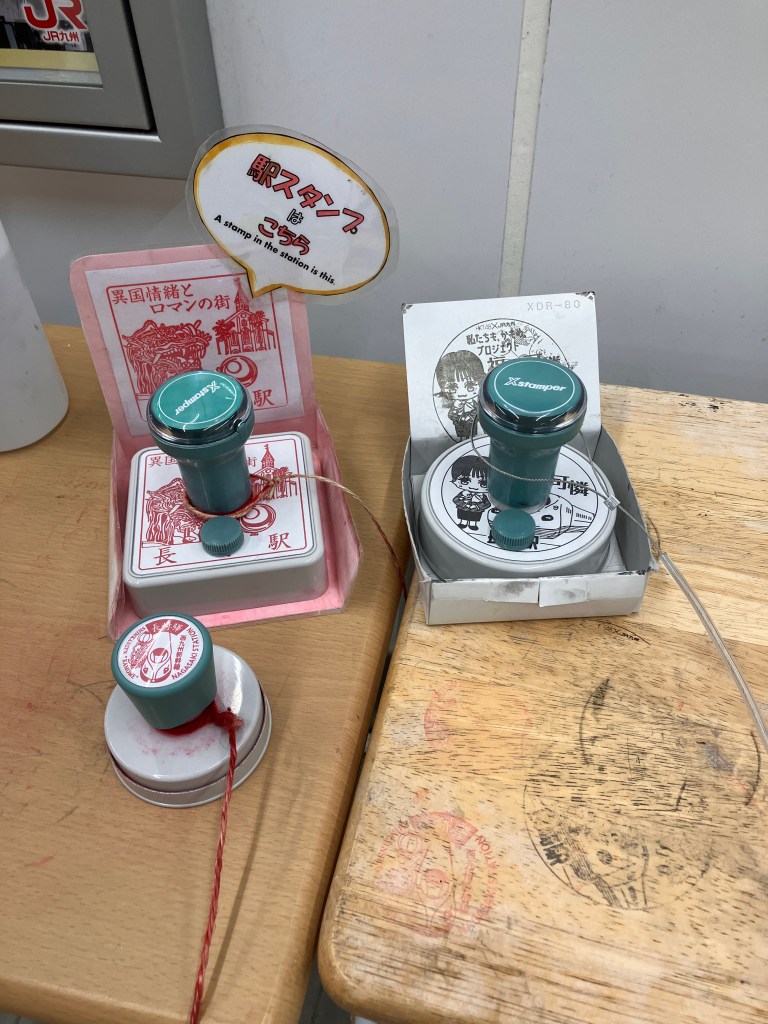




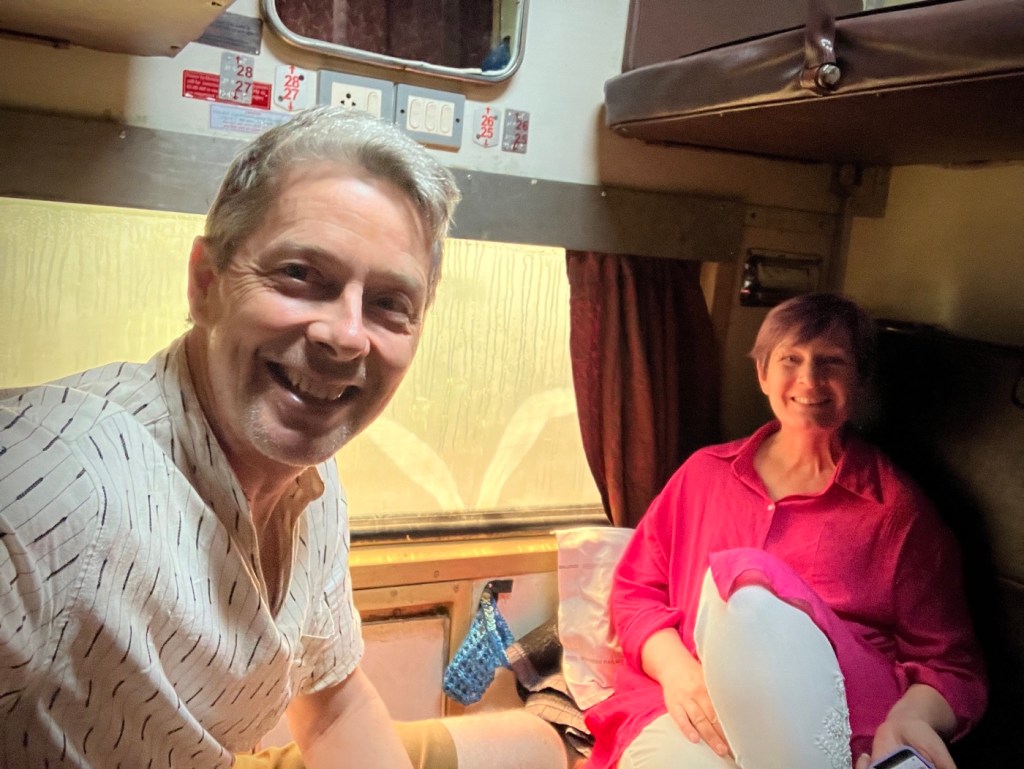


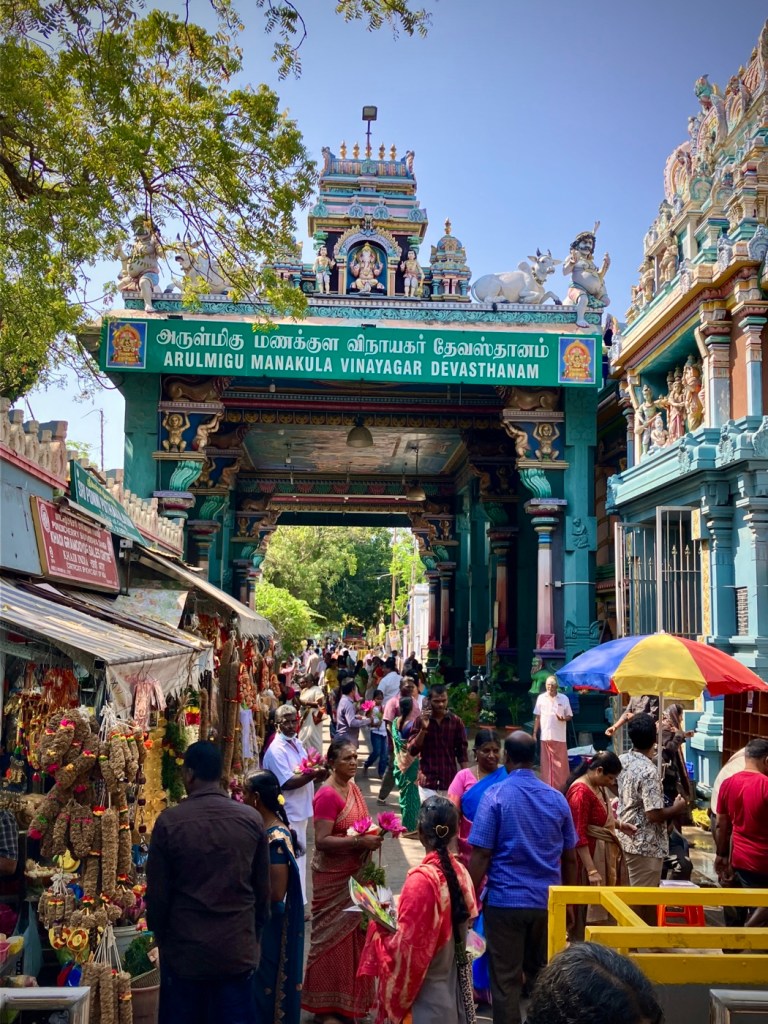


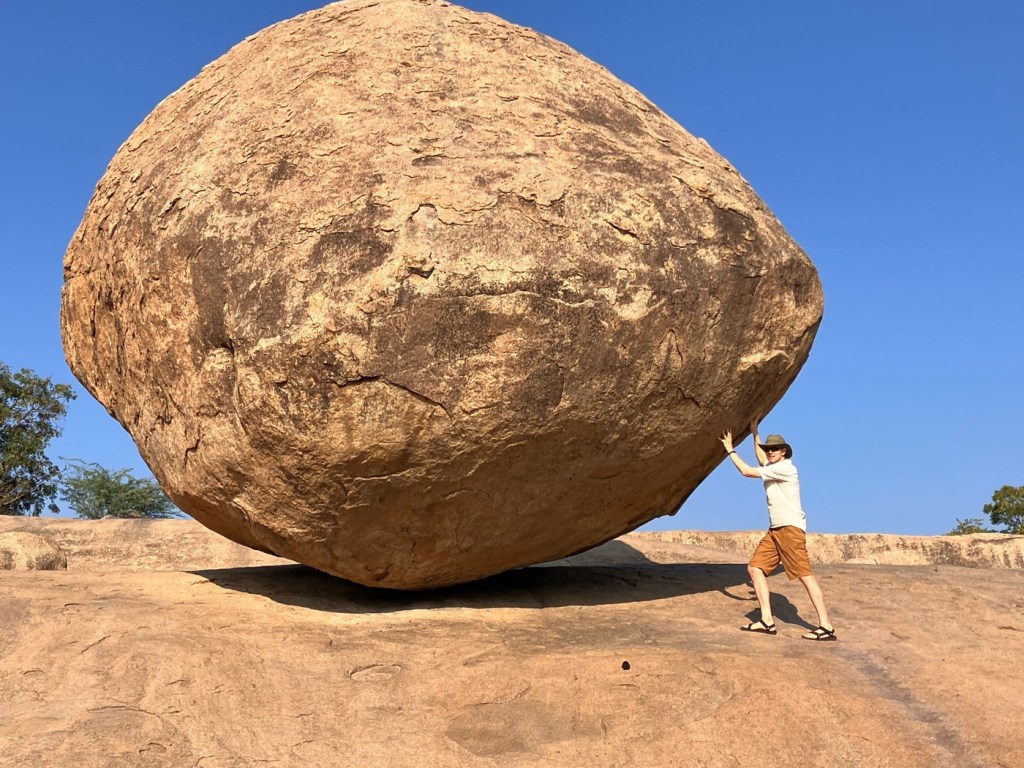


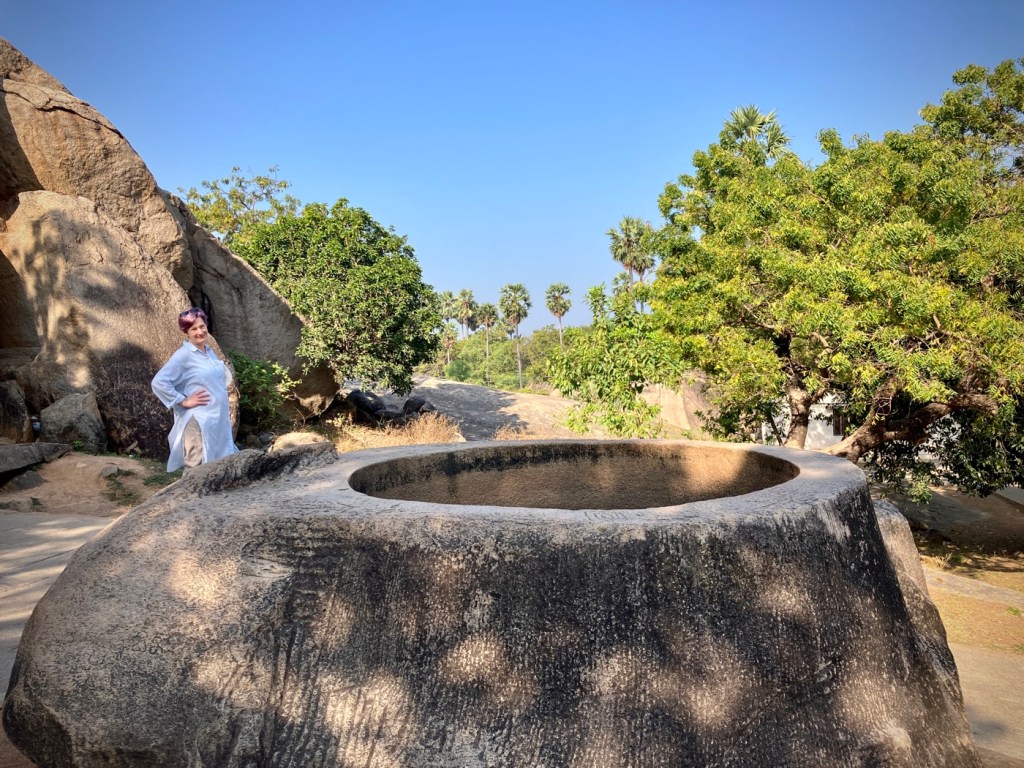


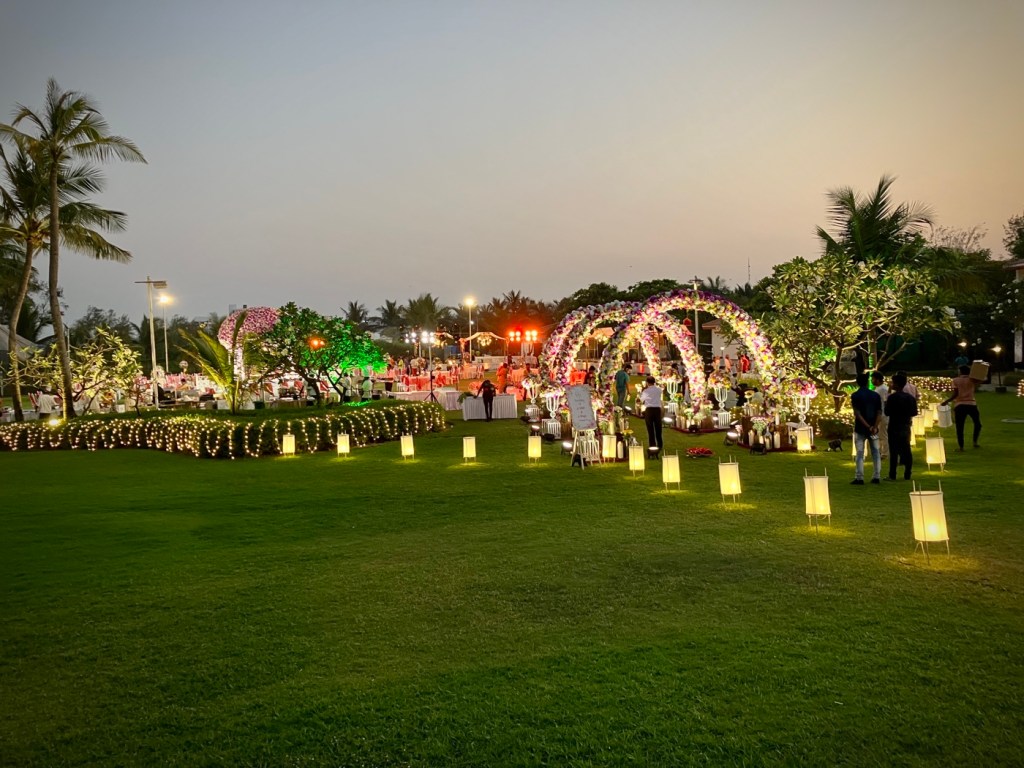

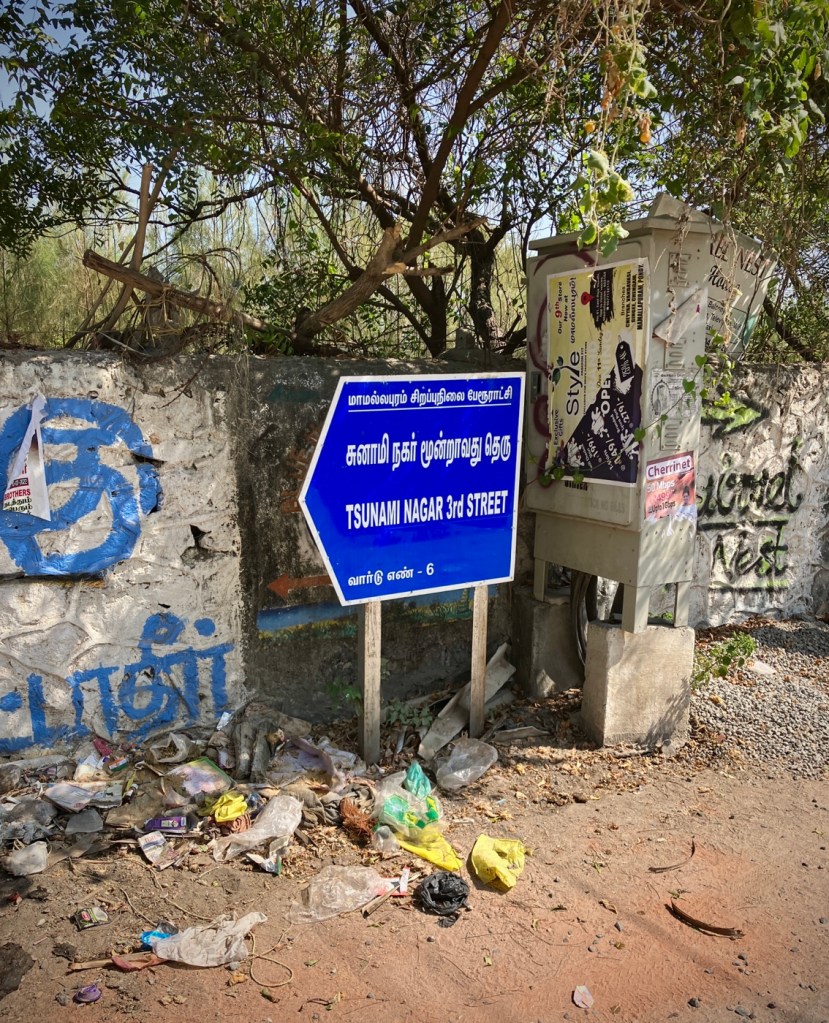
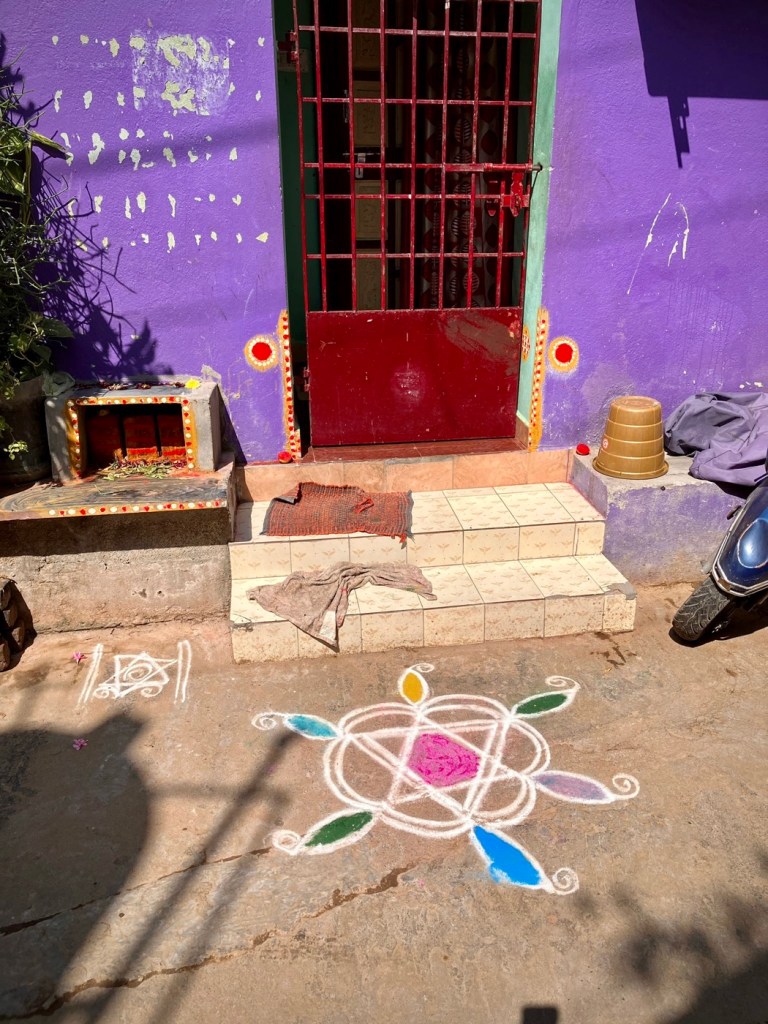


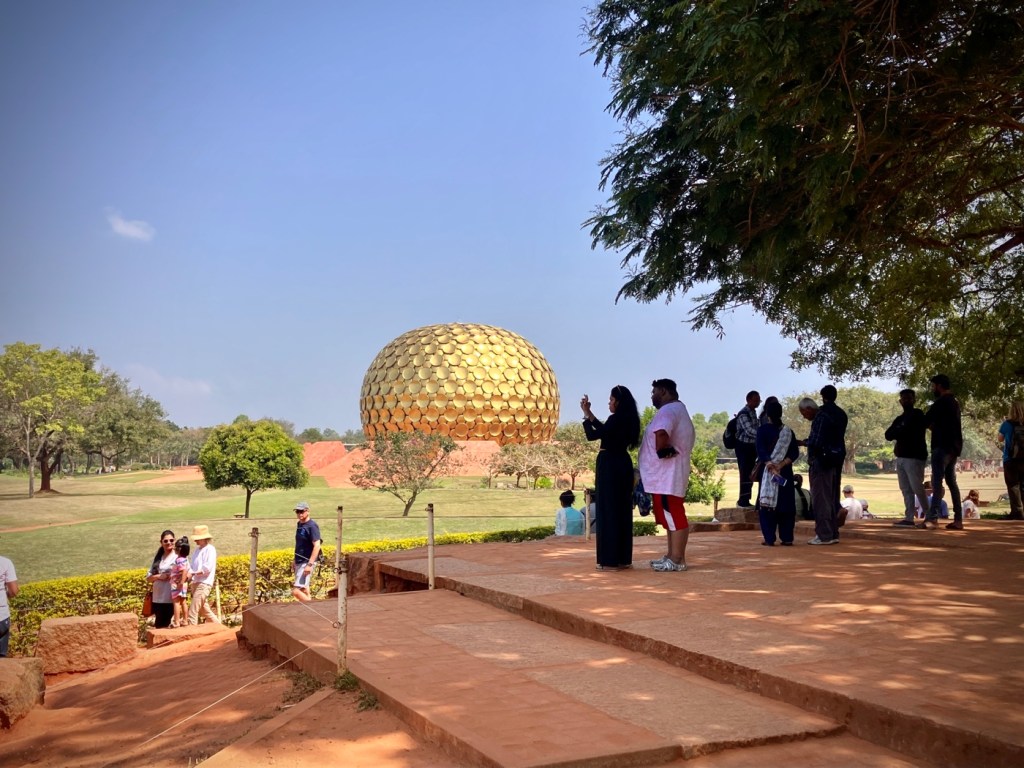


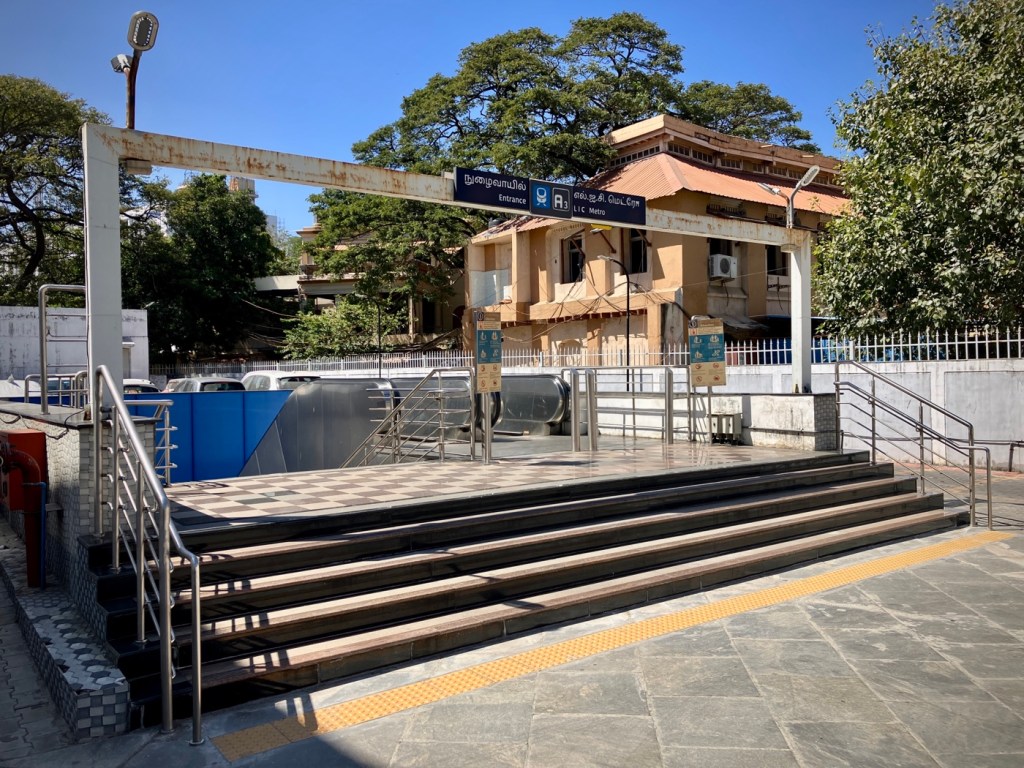


 Less Car, More Life